

There are films that try to explain disability.
And then there are films like Ulysses, which simply force audiences to live inside it.
Presented in the Un Certain Regard section at the 2026 Cannes Film Festival, Laetitia Masson’s deeply personal new feature is not just another social drama about parenting, illness or exclusion. It is something much rarer: a brutally honest cinematic experience about what it means to fight for dignity in a society structurally incapable of welcoming difference.
At first glance, Ulysses appears deceptively simple.
A child is born.
Something feels wrong.
Doctors hesitate.
Parents panic.
A diagnosis eventually arrives: a rare cognitive genetic syndrome.
From that moment on, the family’s entire existence changes forever.
But what makes Ulysses extraordinary is the way Masson refuses every conventional emotional shortcut typically associated with disability narratives.
There is no manipulative sentimentality.
No inspirational clichés.
No miraculous transformation.
Instead, the film unfolds as a long emotional war against exhaustion, bureaucracy, fear and invisibility.
And in doing so, it becomes one of the most politically powerful films presented at Cannes this year.
The emotional center of the film is Alice, played by Élodie Bouchez in what may very well be the finest performance of her career.
Bouchez delivers something astonishing here: a portrait of motherhood that constantly oscillates between strength and collapse.
Alice refuses to accept the idea that her son should be excluded from the world.
She believes in education.
In integration.
In possibility.
But the further the film progresses, the more she realizes that society itself has already decided where her son belongs.
Not because people are openly cruel.
But because the system simply has no room for unpredictability.
This is where Ulysses becomes devastating.
The film’s greatest insight is that disability is not presented as the primary tragedy.
The real tragedy is collective failure.
Schools cannot adapt.
Institutions are overwhelmed.
Administrations become labyrinths.
Medical structures are fragmented.
Everyone claims to care.
Yet exclusion continues everywhere.
Masson captures this contradiction with terrifying precision.
The violence in Ulysses is rarely spectacular.
It exists in waiting rooms.
In unanswered requests.
In institutional language.
In inaccessible classrooms.
In exhausted parents being told to “wait.”
The film understands that modern exclusion often operates politely.
And that polite exclusion can destroy lives just as effectively as open cruelty.
Visually, Ulysses adopts an intentionally restrained aesthetic.
Masson avoids flashy camera work or manipulative visual symbolism.
The cinematography stays close to bodies and faces, allowing emotion to emerge naturally from physical presence rather than directorial overstatement.
This simplicity becomes one of the film’s greatest strengths.
Because Ulysses is fundamentally about reality.
About repetition.
About fatigue.
About endurance.
The narrative structure itself mirrors the emotional experience of caregiving.
The film moves through appointments, setbacks, temporary victories and emotional collapses with almost documentary precision.
Time becomes one of the movie’s central themes.
Not dramatic time.
Administrative time.
Medical time.
The endless time of waiting for systems to respond.
And within this exhausting rhythm, Alice slowly loses parts of herself.
One of the film’s most painful achievements is its portrayal of parental isolation.
As in many real-life families confronted with severe disability, the father gradually retreats emotionally from the situation.
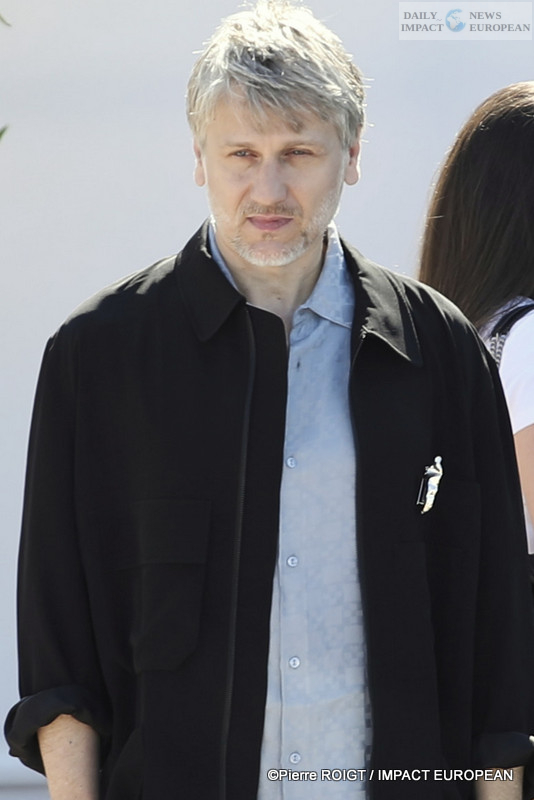
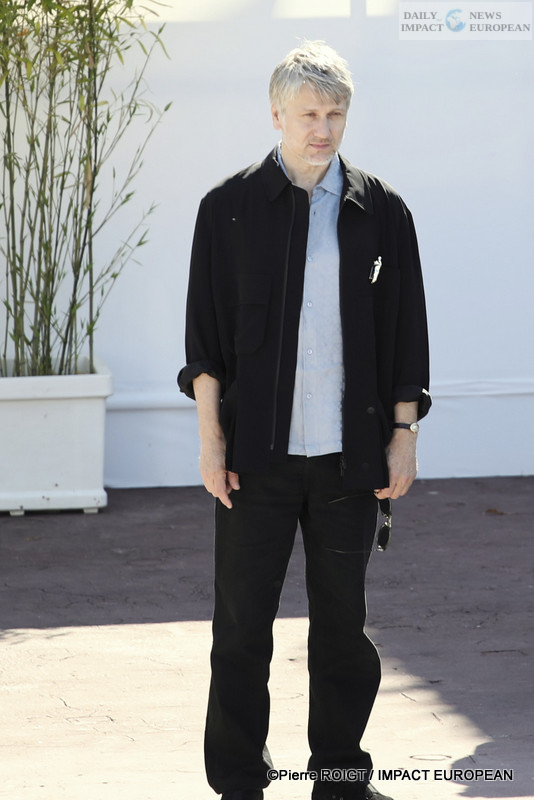
Stanislas Merhar plays Vladimir with remarkable nuance.
He is not portrayed as cruel or selfish.
He simply cannot survive the psychological pressure.
Masson refuses simplistic moral judgment.
Instead, she examines how disability restructures emotional ecosystems.
Love itself becomes fragile under permanent stress.
This emotional realism separates Ulysses from countless prestige dramas about suffering.
The film never romanticizes sacrifice.
It shows how caregiving consumes identity.
Yet despite its emotional heaviness, Ulysses is never hopeless.
There is music.
Friendship.
Humor.
Unexpected tenderness.
Romane Bohringer brings chaotic warmth into the narrative, offering moments of emotional oxygen.
Music also plays a crucial role throughout the film.
Bach, Chopin, Debussy and Schumann function almost like emotional counterpoints to institutional coldness.
Where words fail, music survives.
And in many ways, the film itself feels musical in structure.
Themes repeat.
Emotions return in altered forms.
Pain evolves rather than disappears.
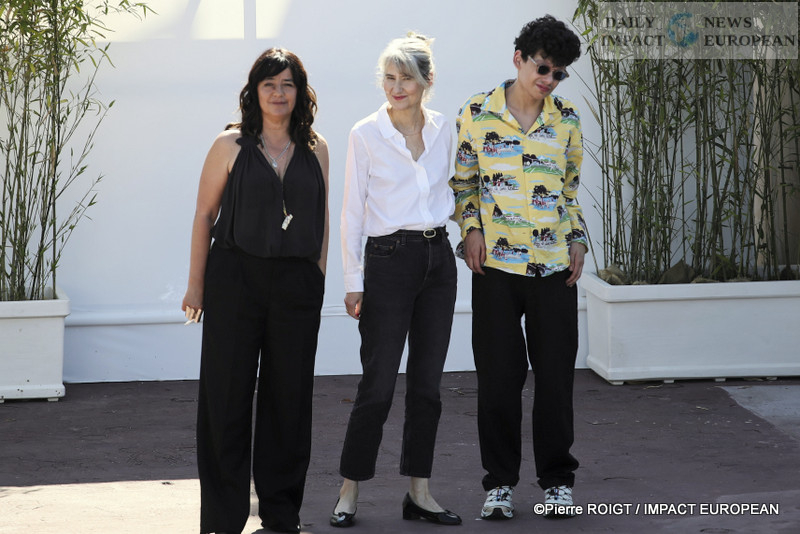
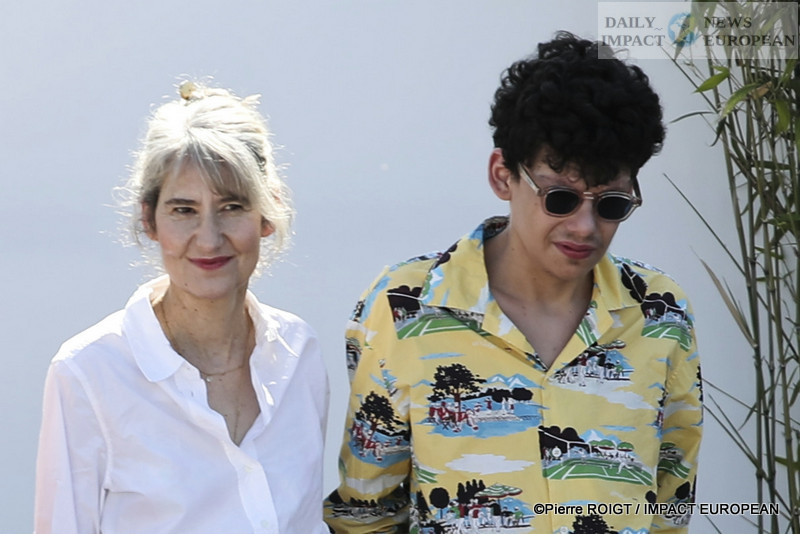
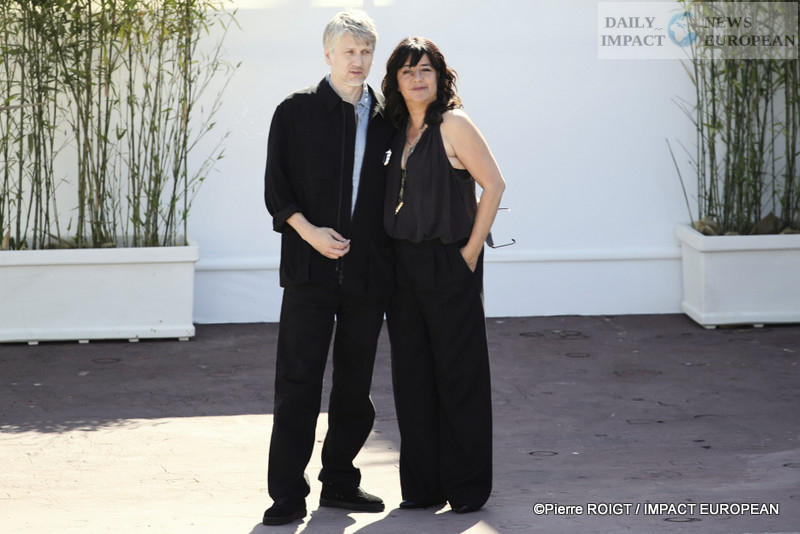
Perhaps the most extraordinary aspect of the project is the casting of Masson’s real-life son, Alphonse Roberts, as Ulysses in adolescence.
This decision gives the film an authenticity that becomes almost unbearable at times.
You constantly feel that the story extends beyond fiction.
That the camera is documenting something lived rather than invented.
And that emotional truth permeates every frame.
Politically, Ulysses is one of the most important European films about disability in recent years.
Because it challenges the comforting rhetoric surrounding inclusion.
Modern societies love the language of inclusion.
Governments celebrate it.
Institutions advertise it.
Schools promise it.
But Ulysses exposes the enormous gap between institutional discourse and lived reality.
Masson asks a profoundly uncomfortable question:
Can a society truly call itself inclusive if every difference still requires endless struggle just to exist publicly?
The film never offers easy answers.
Instead, it invites viewers to confront their own relationship with vulnerability.
Because Ulysses is ultimately not only about disability.
It is about how contemporary societies react to fragility itself.
Modern systems are built around efficiency, productivity and adaptability.
Ulysses represents the opposite.
He disrupts schedules.
He slows systems down.
He requires care beyond standard structures.
And the film quietly reveals how uncomfortable modern societies become when confronted with lives that cannot be optimized.
What makes the movie especially powerful internationally is that its themes transcend France completely.
Families dealing with disability across Europe, North America and beyond will immediately recognize these realities.
The bureaucratic exhaustion.
The institutional gaps.
The loneliness.
The invisible labor of caregiving.
In this sense, Ulysses achieves something rare: it transforms a deeply personal autobiographical story into a universal social portrait.
Cannes audiences are likely to leave the screening emotionally shattered.
Not because the film manipulates tears.
But because it forces viewers to recognize how many lives remain structurally marginalized despite decades of political discourse about equality and inclusion.
Technically, the film may appear modest compared to flashier festival titles.
Masson is not reinventing cinematic form.
But emotional precision becomes its own form of cinematic power.
And in a festival often dominated by intellectual abstraction or aesthetic provocation, Ulysses stands out precisely because of its humanity.
The film never treats disability as metaphor.
Never as spectacle.
Never as inspirational branding.
It simply insists that these lives matter.
That these families exist.
And that society continues to fail them.
In many ways, Ulysses feels like the kind of film Cannes desperately needs right now.
A film less interested in prestige than in truth.
Less interested in provocation than in empathy.
Less interested in ideology than in human complexity.
By the end, what remains is not simply sadness.
It is anger.
Recognition.
And perhaps even guilt.
Because Ulysses quietly reveals something terrifying:
Exclusion does not always happen through hatred.
Sometimes it happens through indifference, bureaucracy and collective exhaustion.
And that may be even harder to fight against.
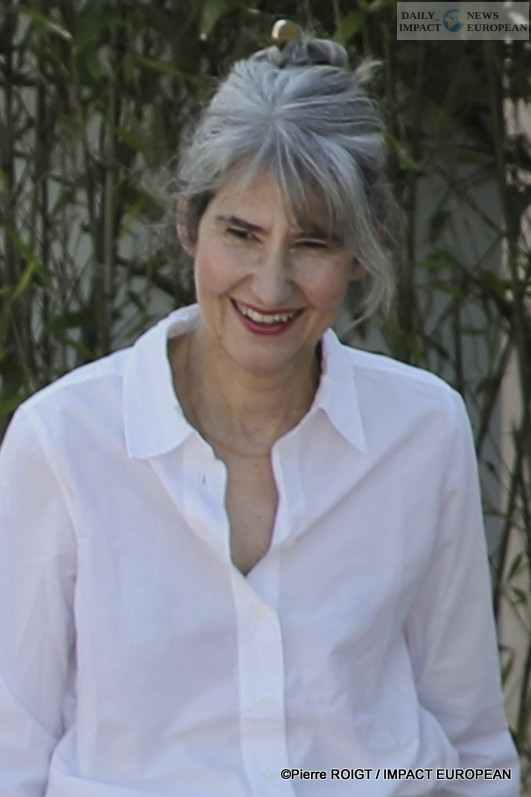
Laetitia Masson has created a film of extraordinary emotional integrity.
One that refuses simplification.
One that understands pain without fetishizing it.
And one that ultimately reminds us that inclusion is not a slogan.
It is a responsibility.
A responsibility modern societies still struggle to fulfill.
Copyright © 2026 IMPACT EUROPEAN
Views: 72
More Stories
France Protests on October 17: Mass Mobilization Overshadowed by Violence Across the Country
Work Palace Opens in Paris: INSITU Brings Luxury Hospitality Into the Workplace
Rugby Pro D2: Colomiers Defeat Narbonne 49-28 to Claim Bonus-Point Victory