

Beneath the clear waters surrounding Malaysia’s Tioman Island, a coral reef is far more than a spectacular underwater landscape. Corals, fish, sea urchins, invertebrates and the seabed itself form a living network in which shelter, food, competition and survival are interconnected. What appears motionless is, in reality, an ecosystem constantly at work.
From the surface, the sea surrounding Tioman gives little indication of the complexity below.
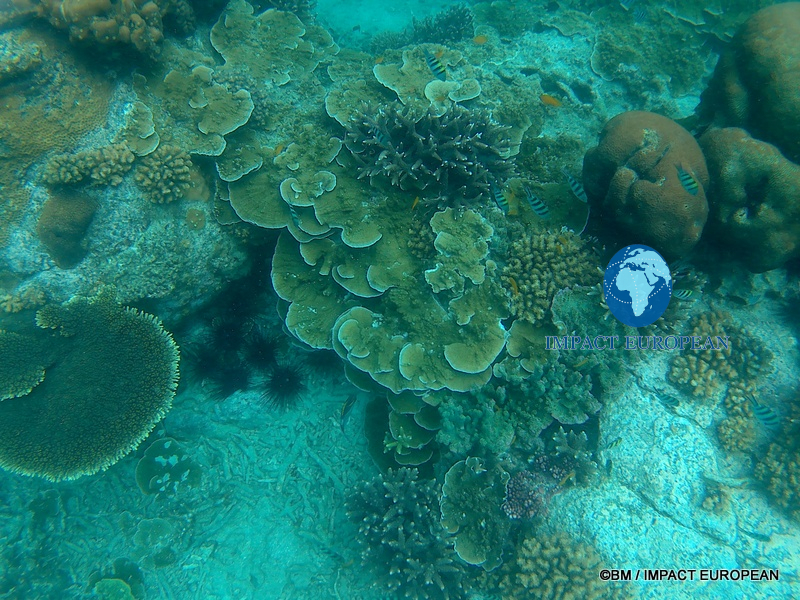
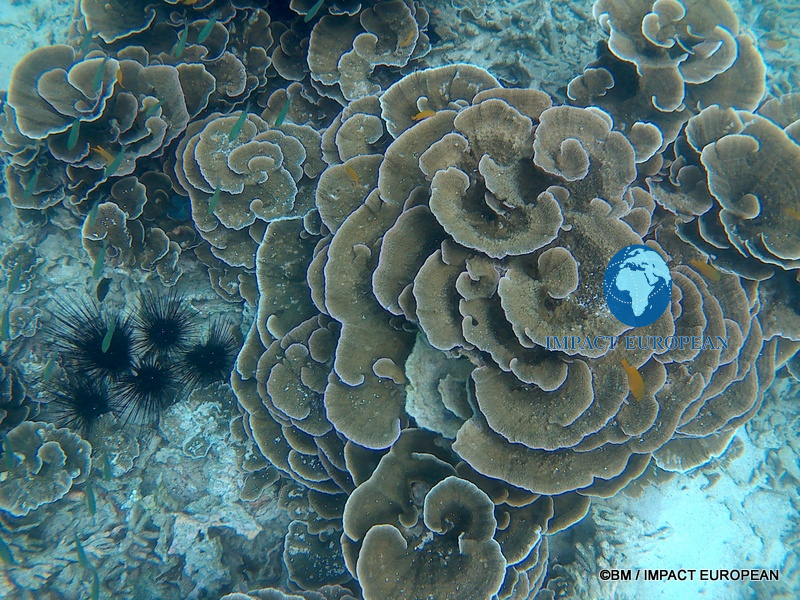
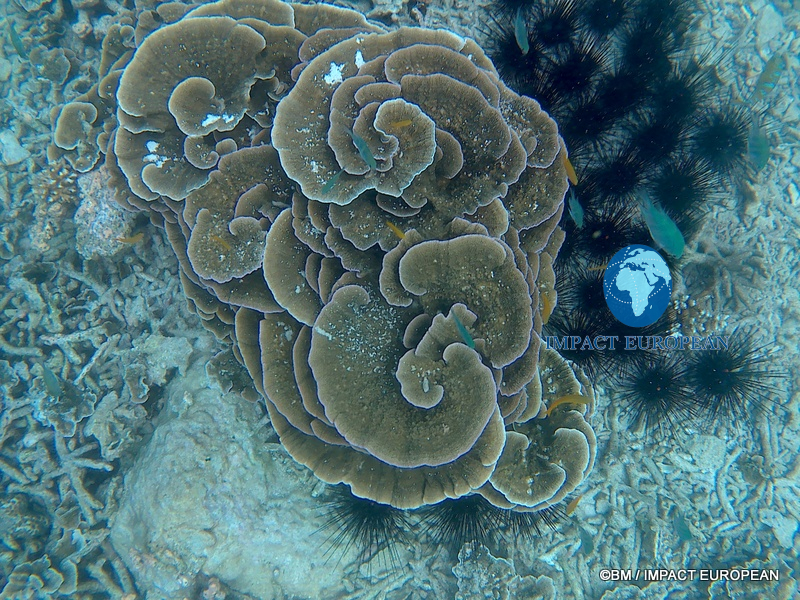
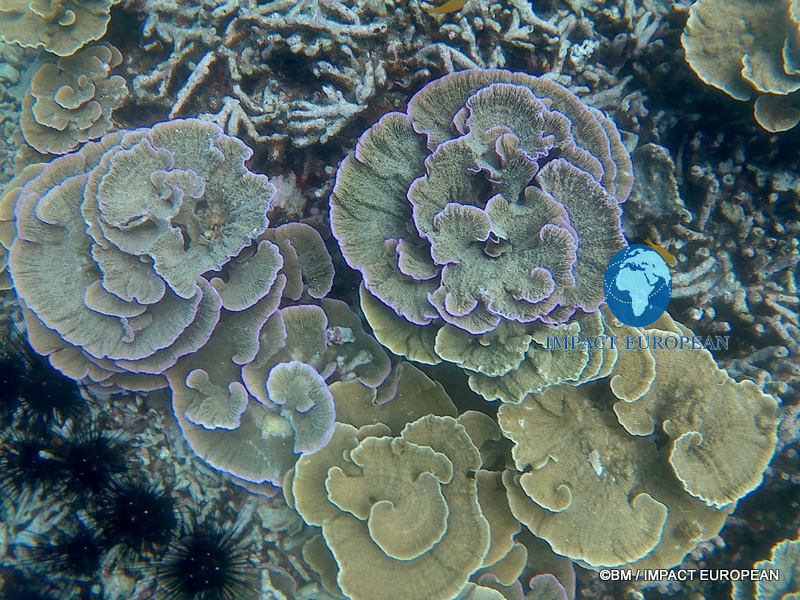
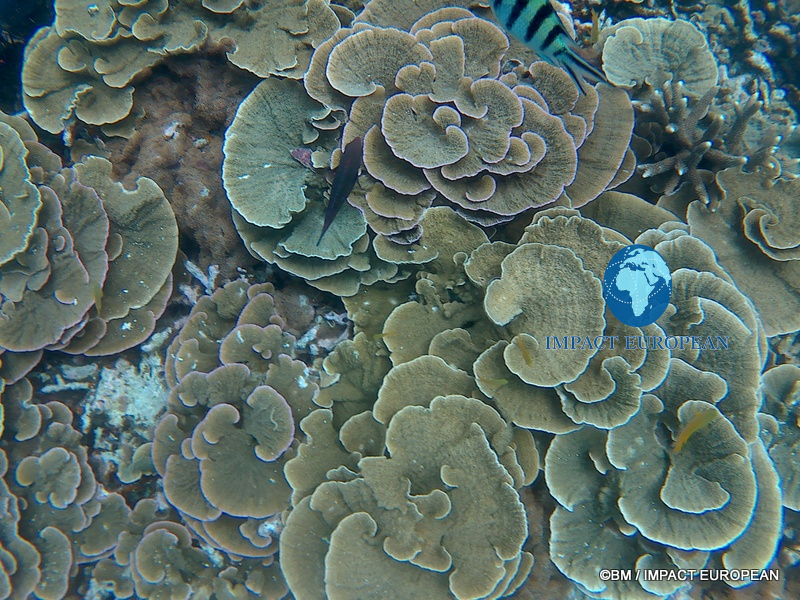
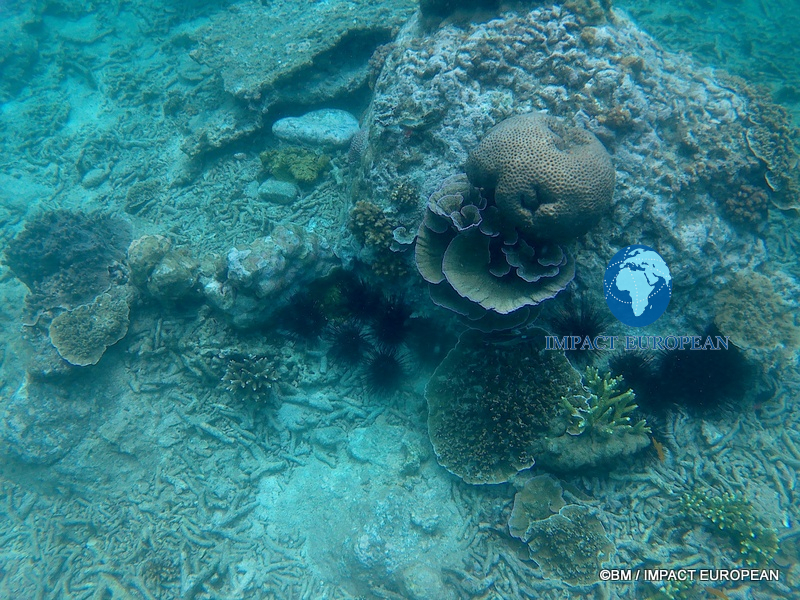
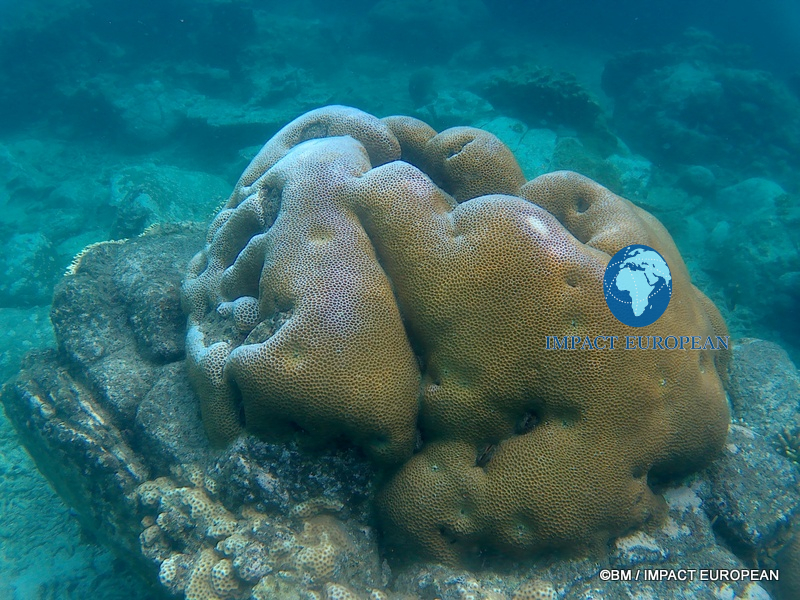
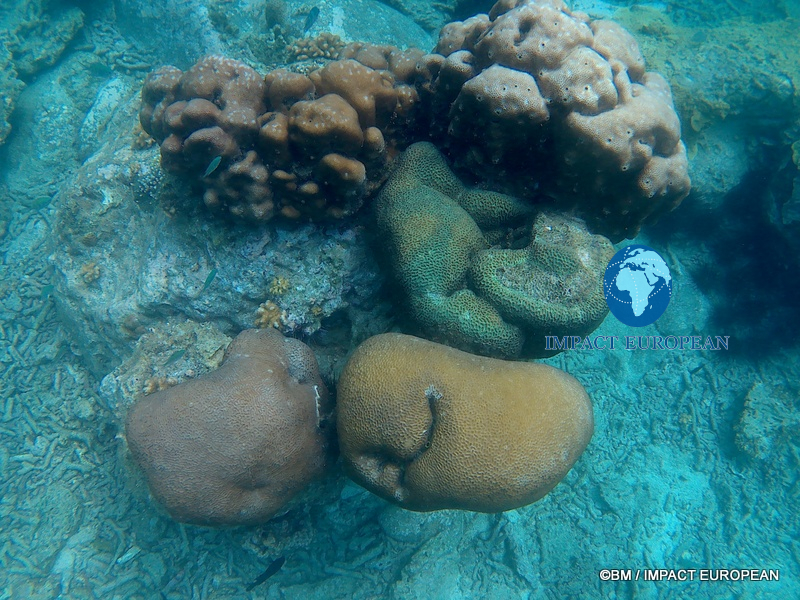
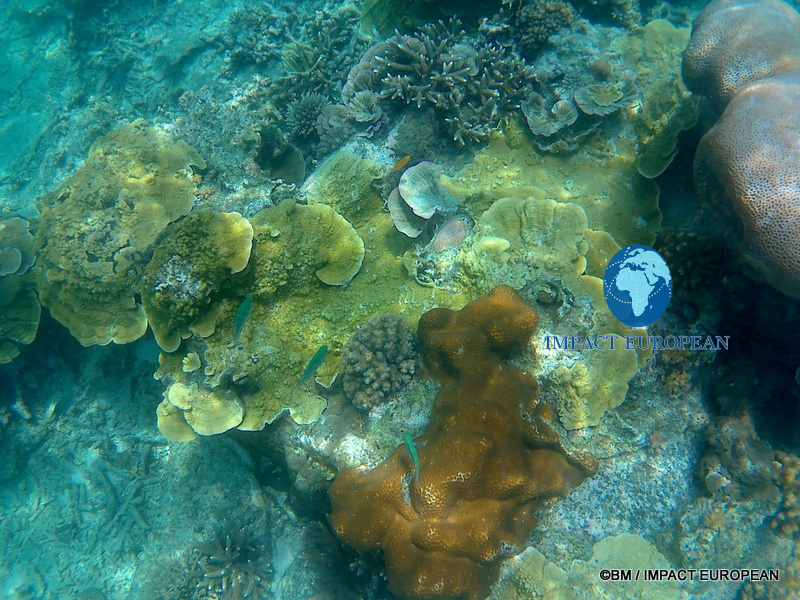
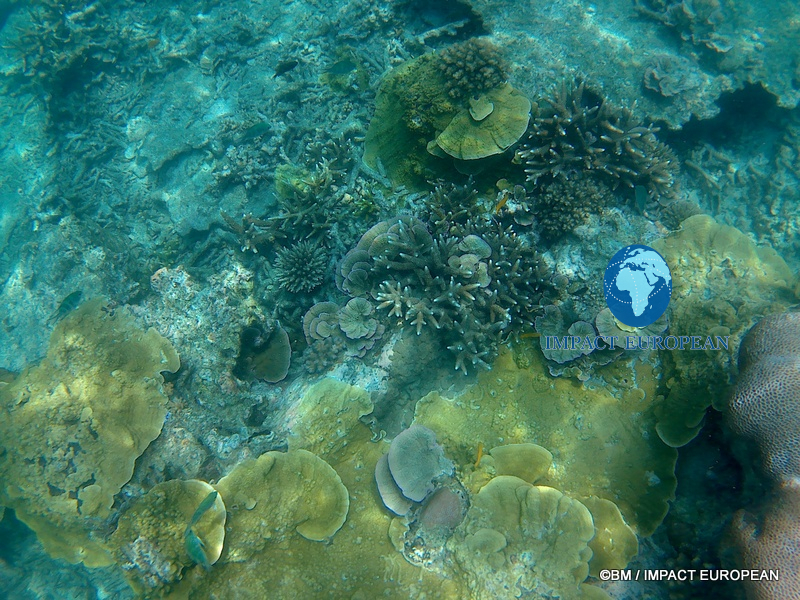
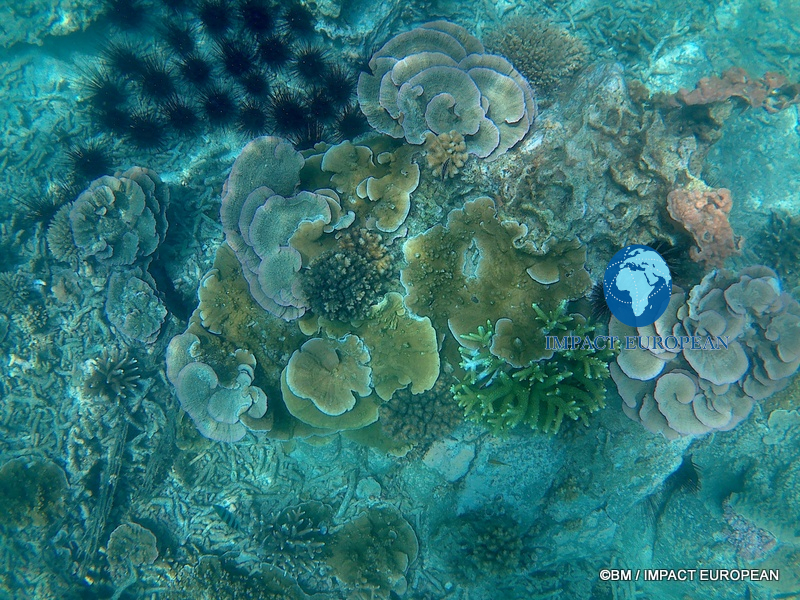
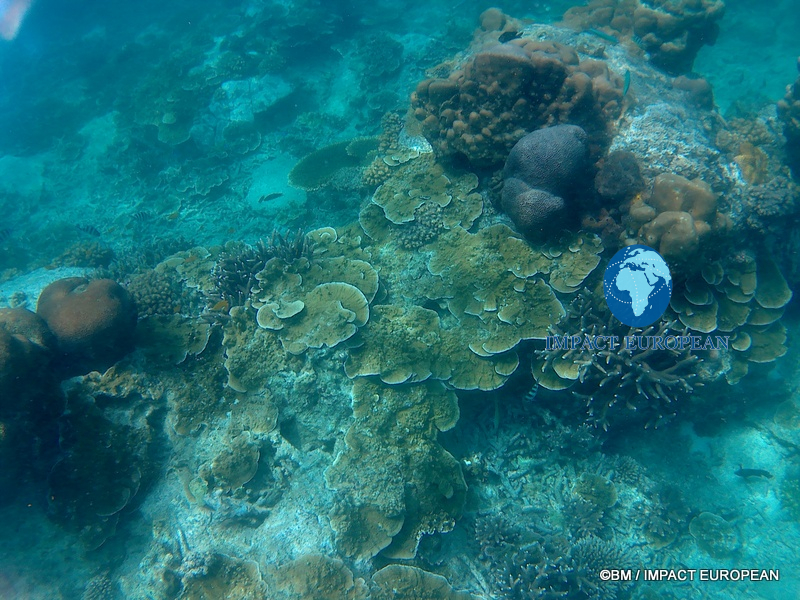
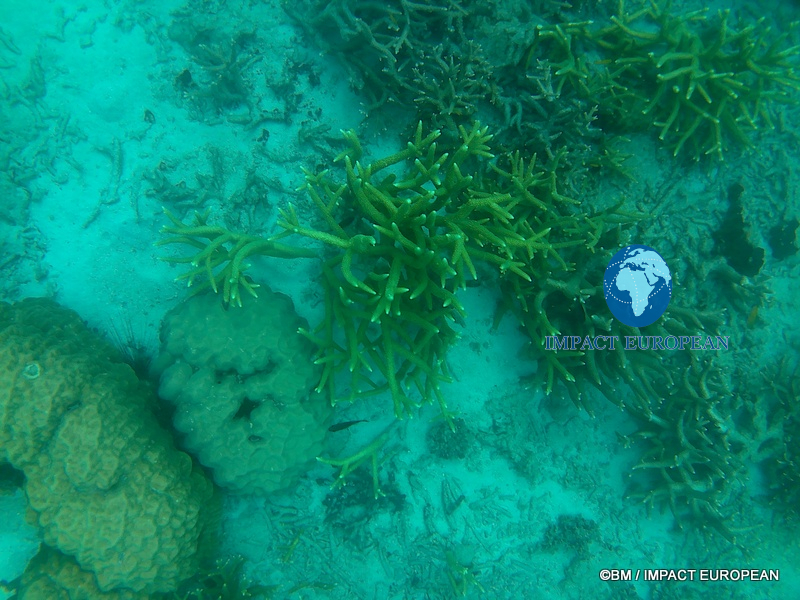
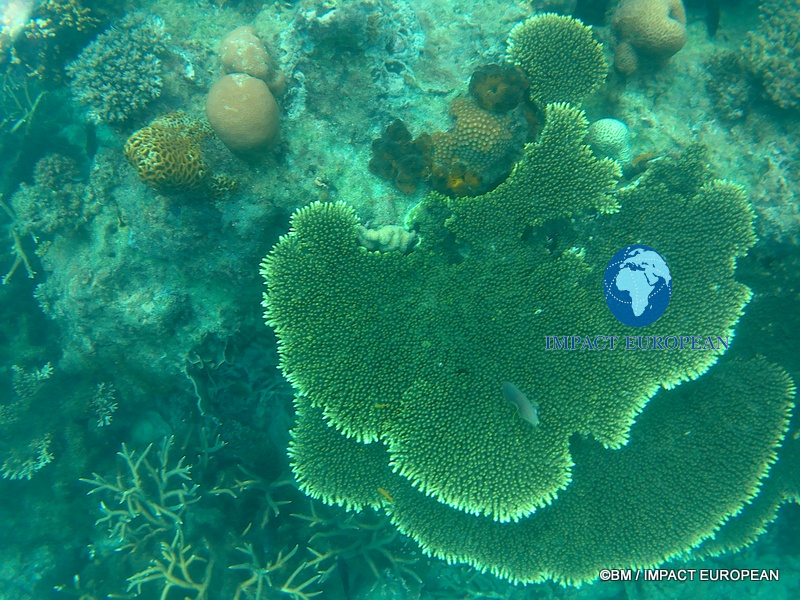
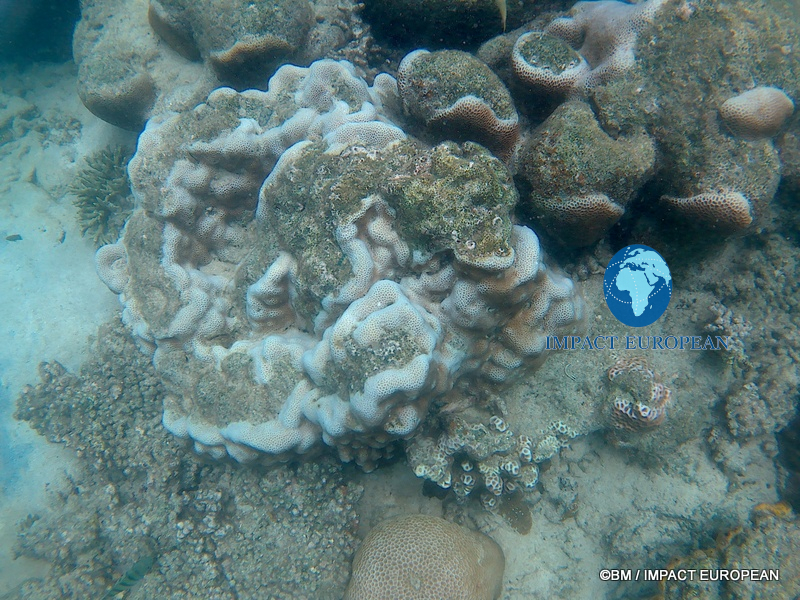
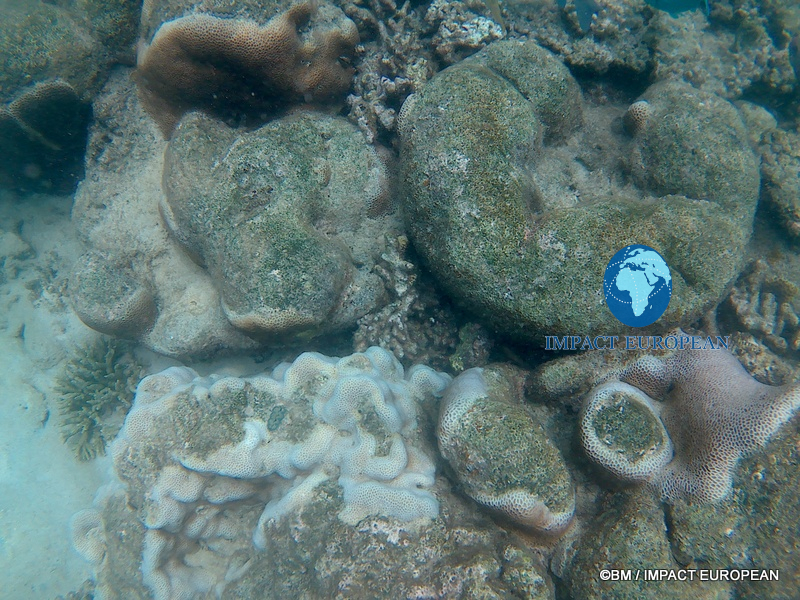
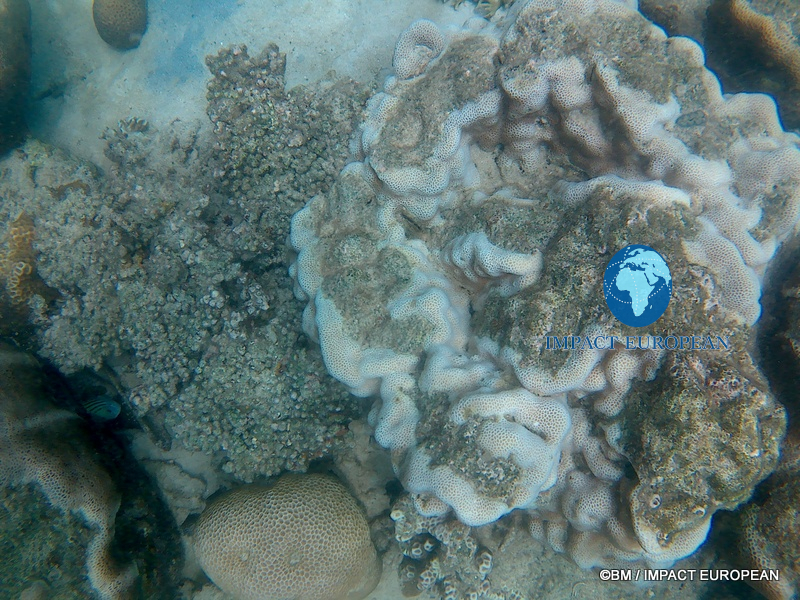
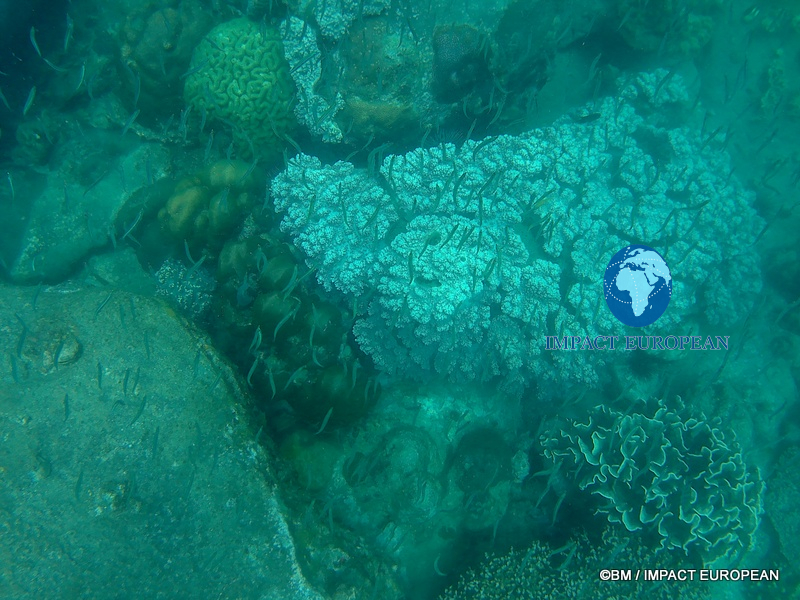
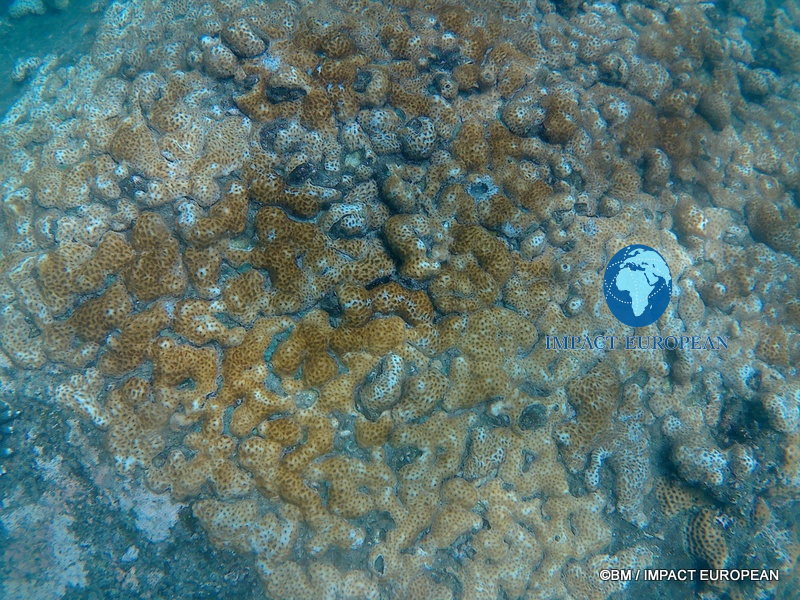
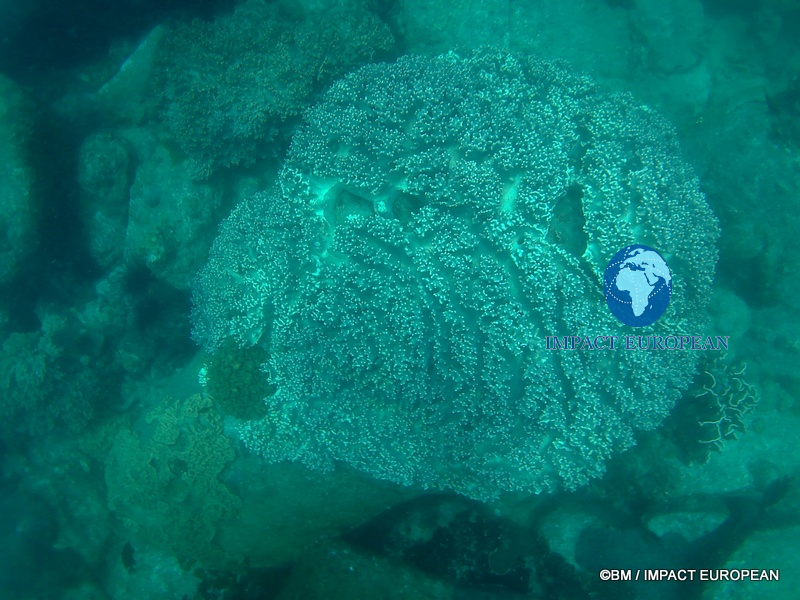
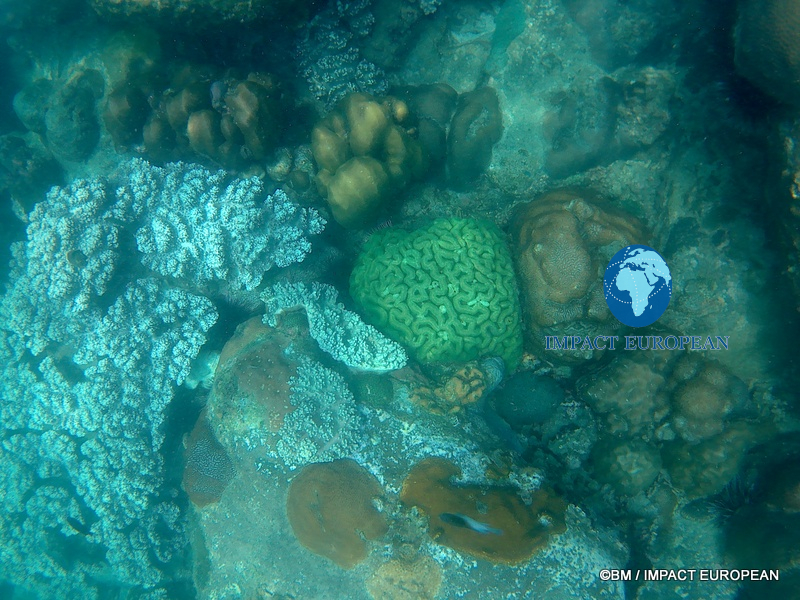
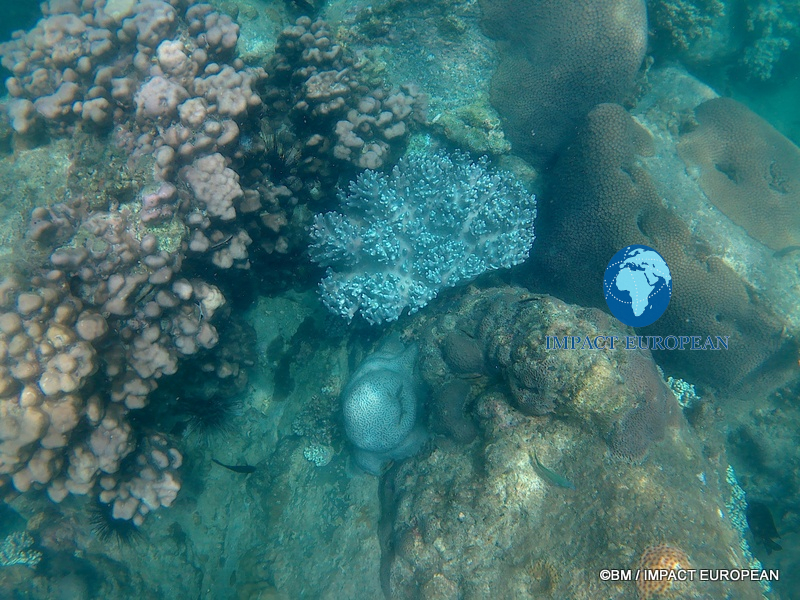
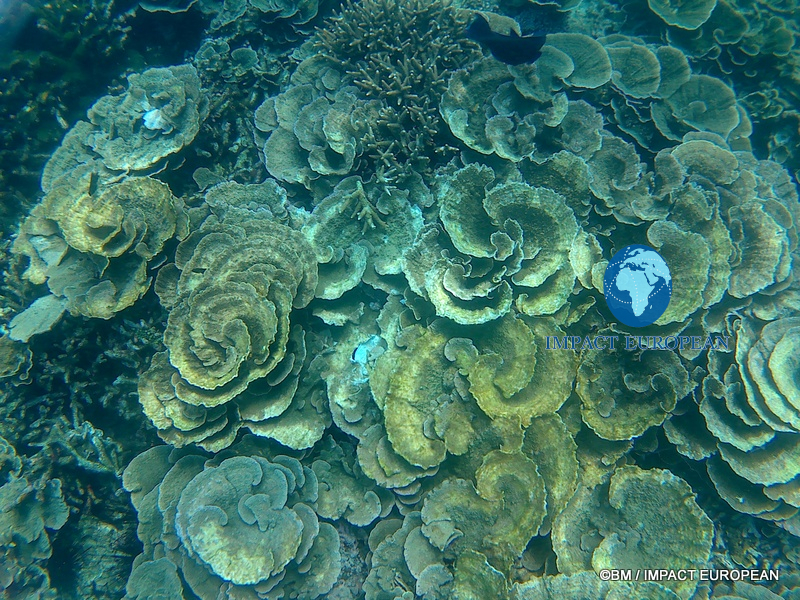
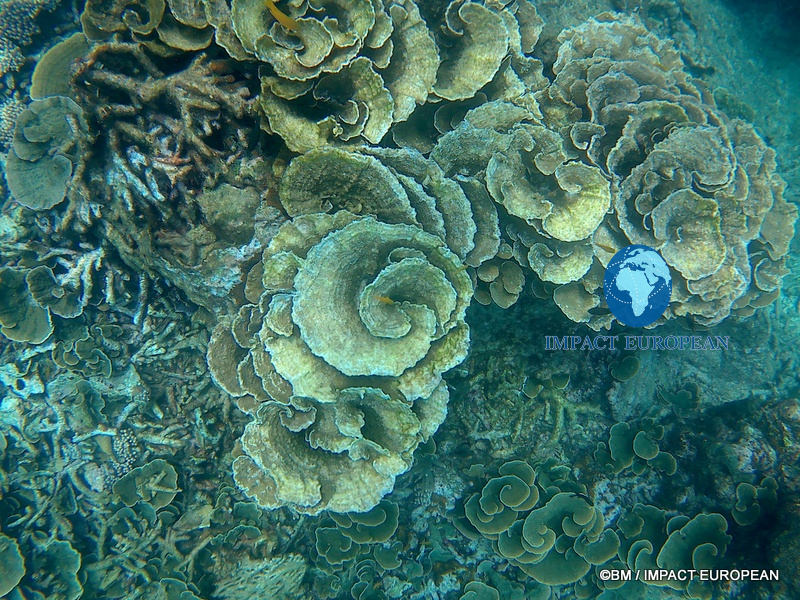
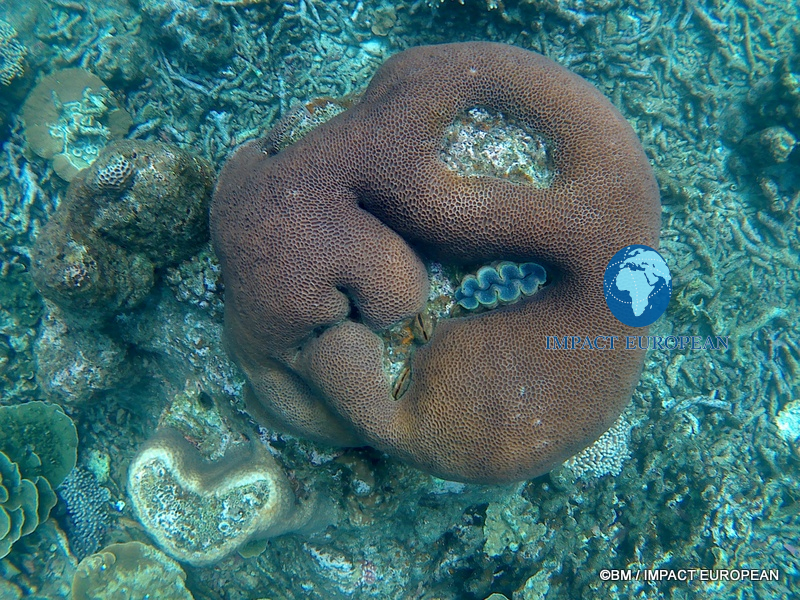
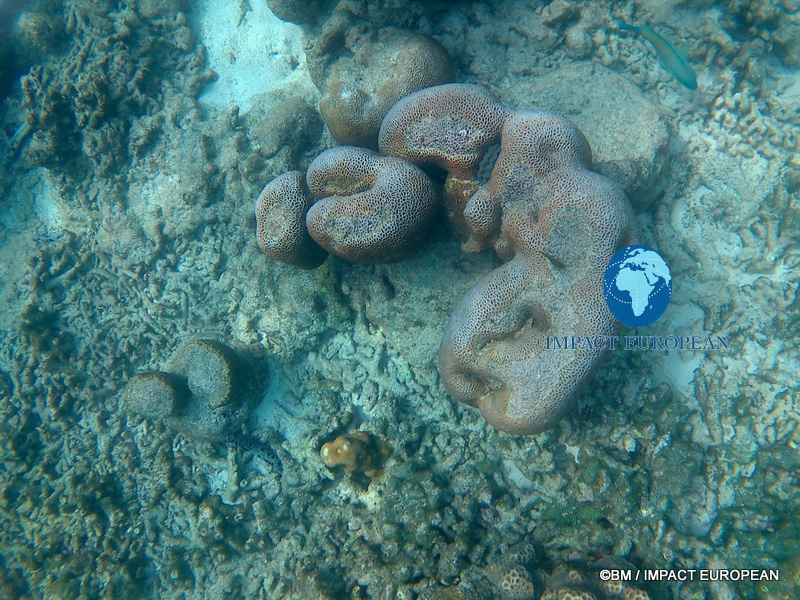
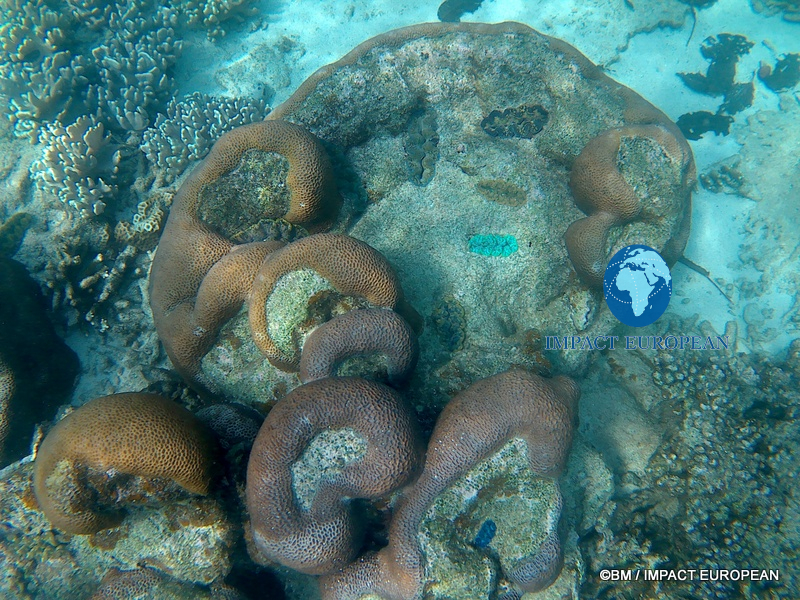
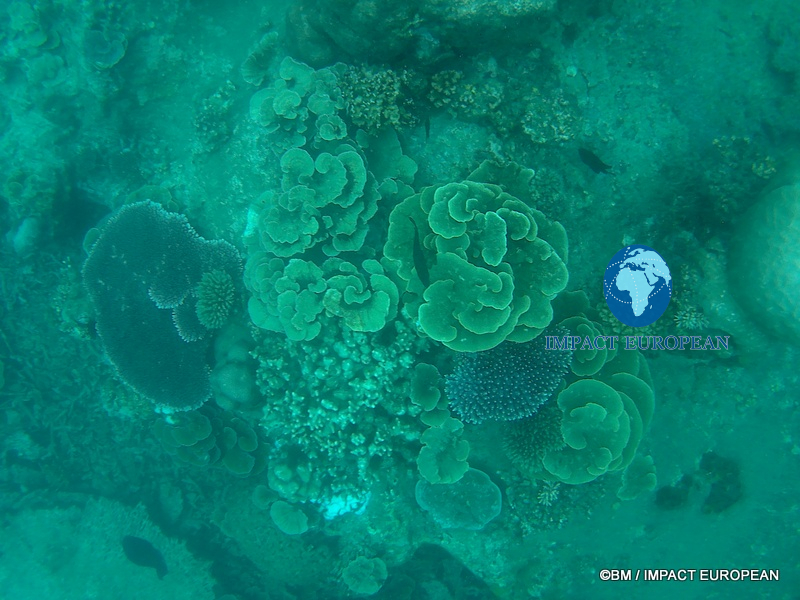
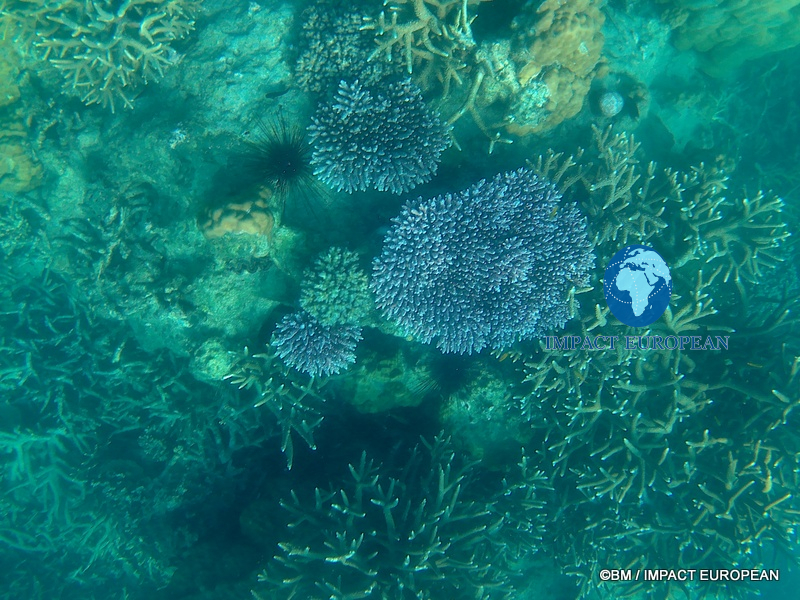
Light penetrates the shallow water. Shapes gradually emerge from the blue-green background. Large coral formations rise from the seabed; some spread horizontally like tables, others form rounded masses, folds or branching structures.
Then movement changes the landscape.
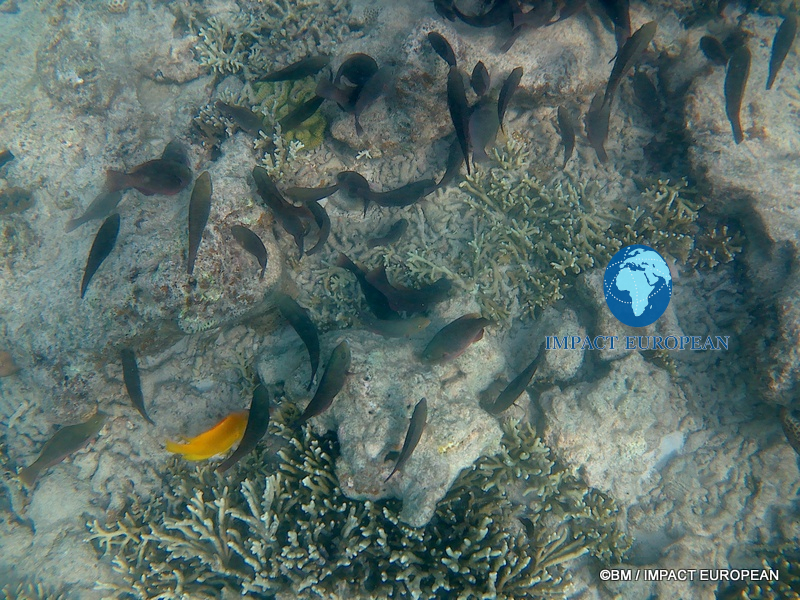
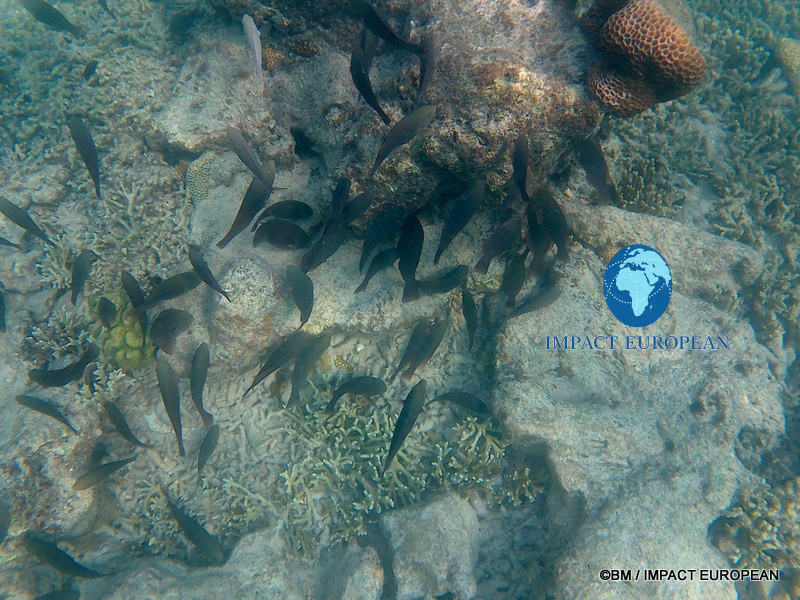
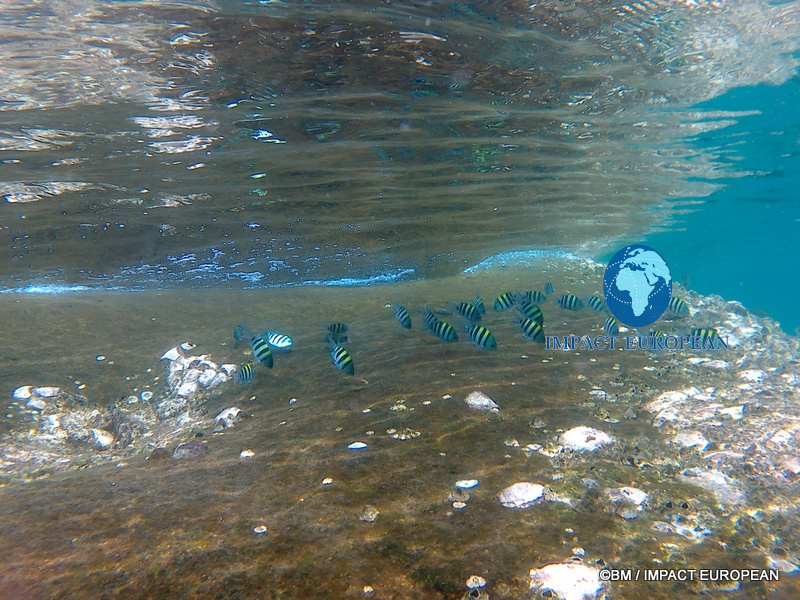
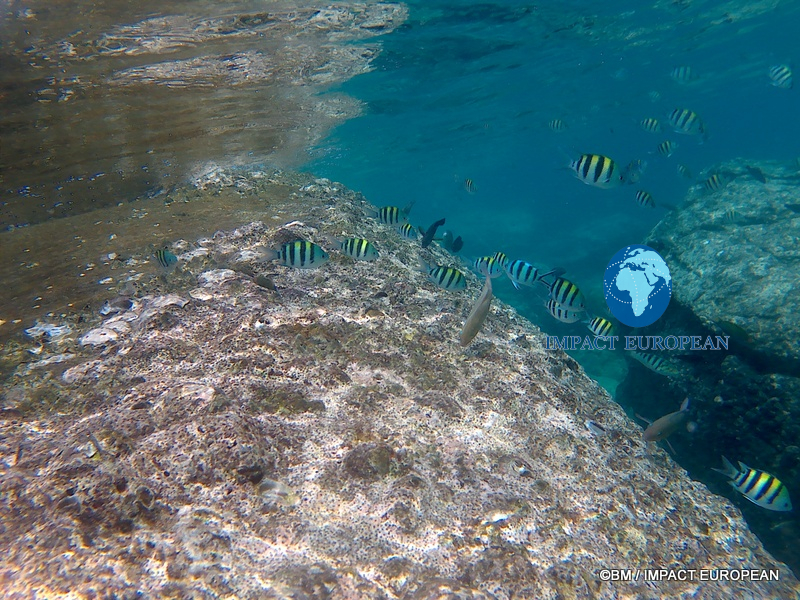
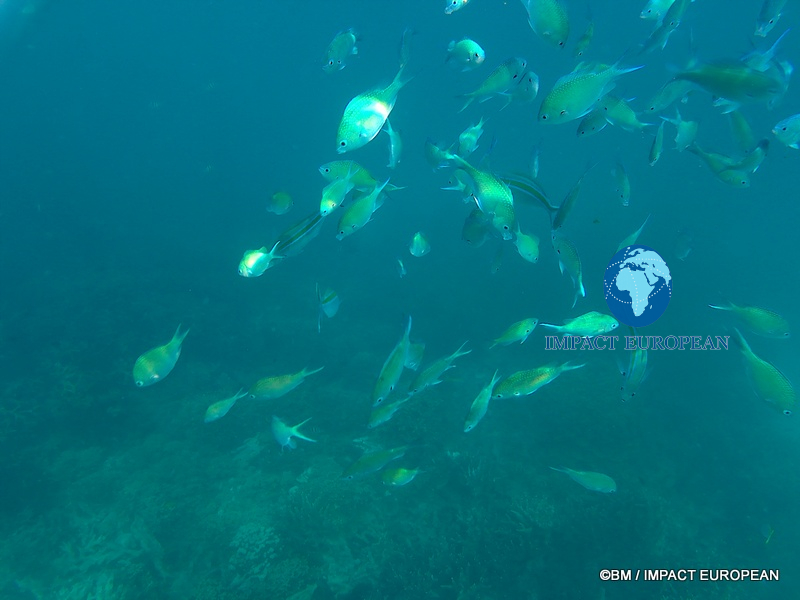
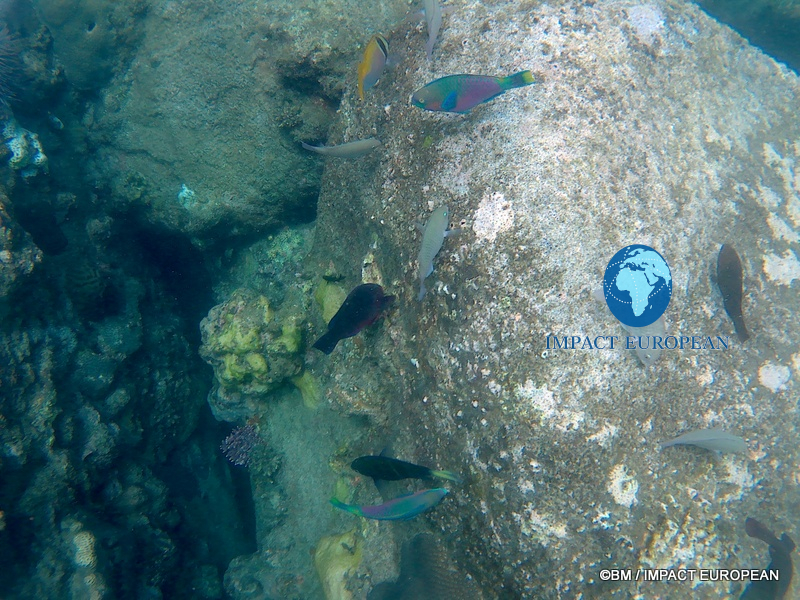
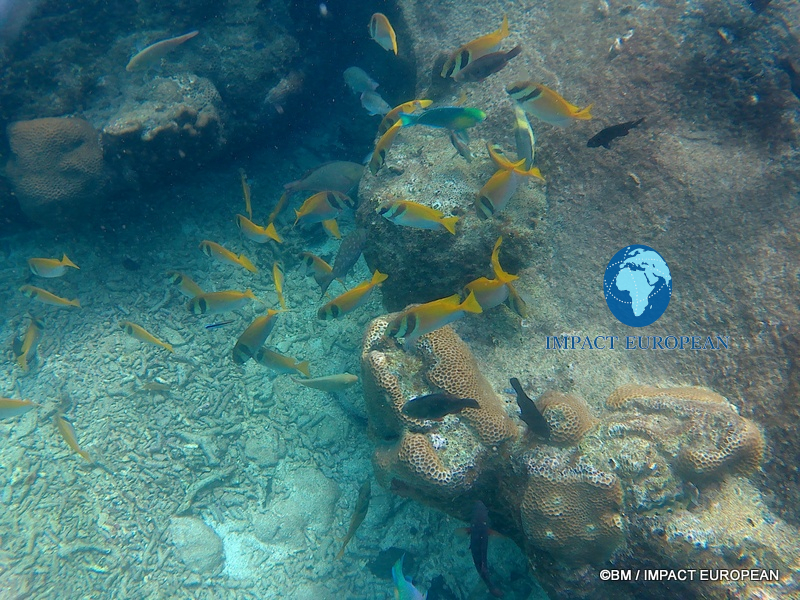
Small fish hover above the coral before disappearing between its branches. Schools cross the reef. Dark sea urchins occupy narrow spaces close to the bottom. Other organisms remain almost motionless, embedded in an environment that at first appears to be made primarily of coral and rock.
Yet nothing here truly exists alone.
The reef is not simply a collection of species sharing the same place.
It is a network of relationships.
A city built by living organisms
Coral is the foundation of this underwater world.
Its appearance can be deceptive. What resembles stone is produced by colonies of tiny living animals — coral polyps — whose skeletal structures accumulate over time.
Generation after generation, this biological construction reshapes the seabed.
Around Tioman, the result is remarkably diverse.
Scientific research surveying reefs around the island identified 65 coral genera belonging to 21 families. Acropora, Montipora and Porites were among the dominant genera, while researchers described a reef system with considerable generic diversity and a mixture of coral morphologies.
That diversity of shape matters.
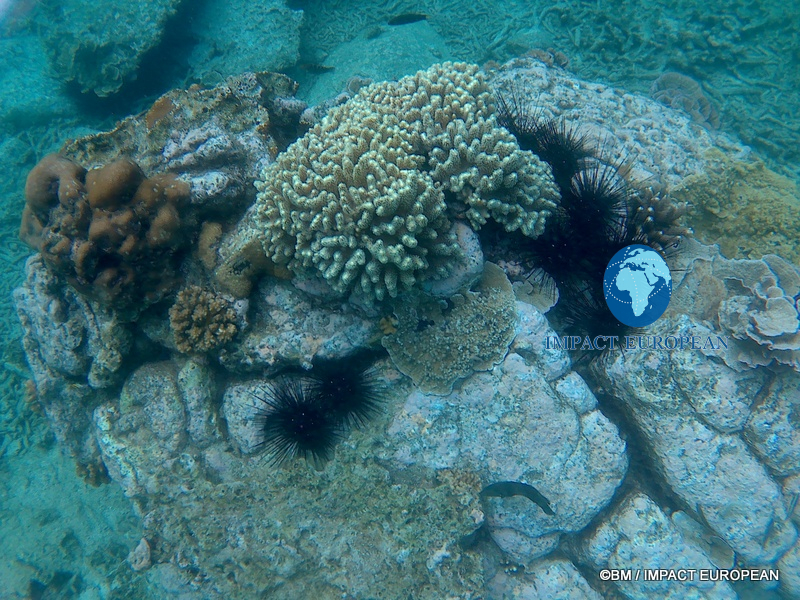
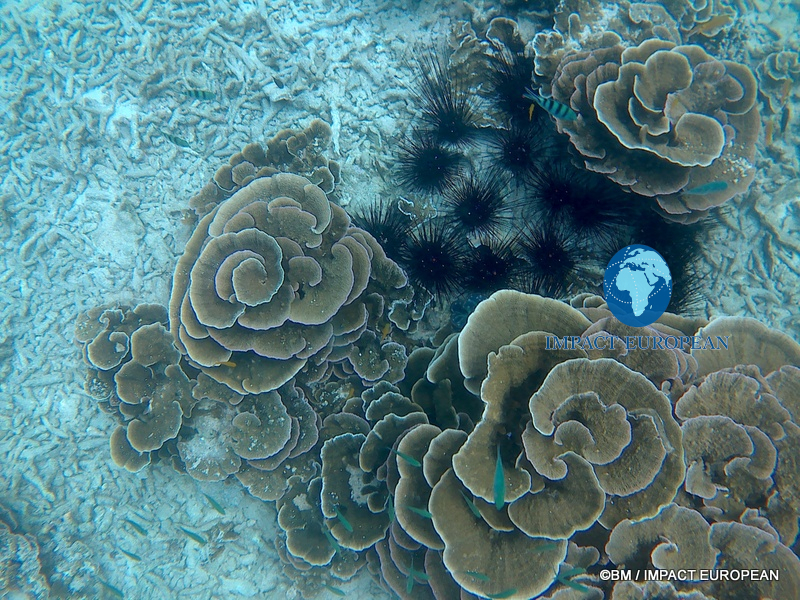
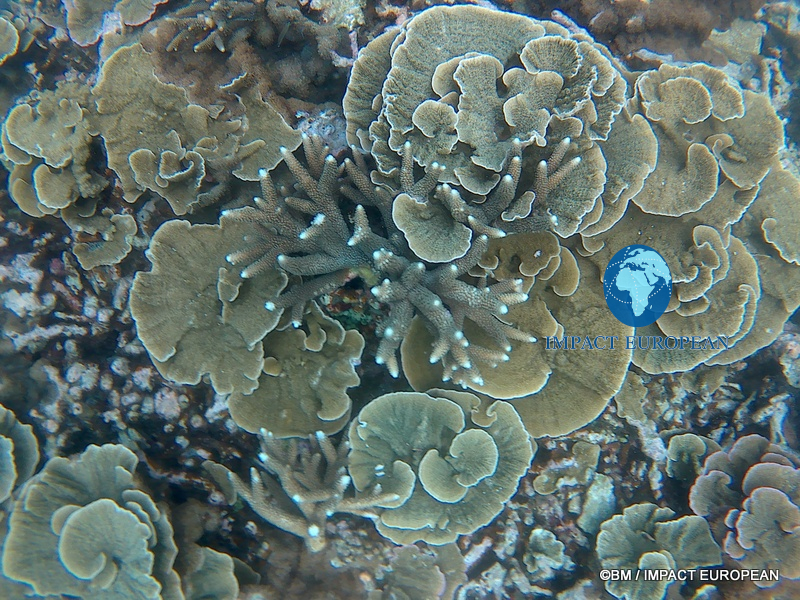
A broad table coral creates one kind of environment. Branching structures create another. Massive colonies, narrow openings and overlapping formations multiply the number of spaces available to marine life.
A few centimetres can separate open water from shelter.
For a small reef fish, that difference can determine survival.
The coral therefore does more than occupy the reef.
It creates the reef’s architecture.
When the architecture begins to move
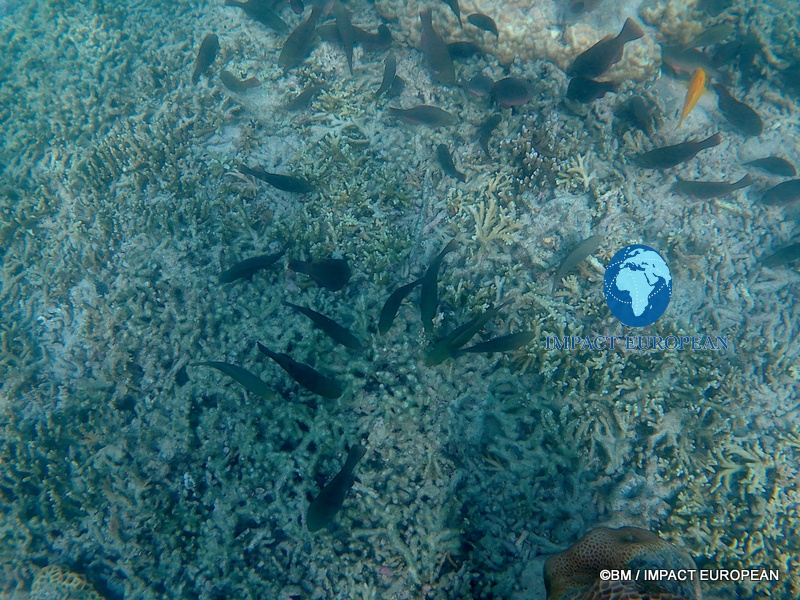
Once fish enter the scene, this apparently fixed landscape becomes a community in motion.
Some remain immediately above coral colonies. Others move in groups across open areas. Small fish can vanish almost instantaneously into the complexity of the reef.
Tioman’s fish diversity has been documented well beyond what can be seen in a single dive.
A survey conducted at Kampung Tekek recorded 191 reef-fish species from 41 families. Pomacentridae — the family that includes damselfishes — was the most species-rich group, with 39 species. Labridae, the wrasses, followed with 28, while Gobiidae accounted for 16 species.
Those numbers reveal more than biodiversity.
They reveal how many different ways a reef can be inhabited.
Fish occupy different depths, feed on different resources and use different parts of the coral structure. Some depend heavily on the shelter provided by complex colonies.
Others contribute directly to the environment in which they live.
That is where the reef becomes more interesting than its colours.
Eating can become maintenance
A fish grazing across the reef appears to be doing something entirely ordinary: feeding.
At ecosystem scale, however, thousands of such actions can influence the balance between coral and algae.
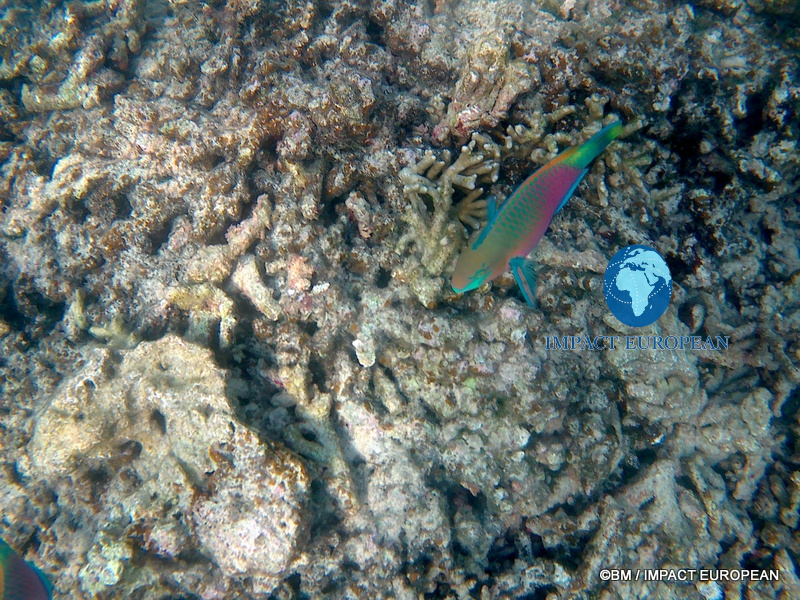
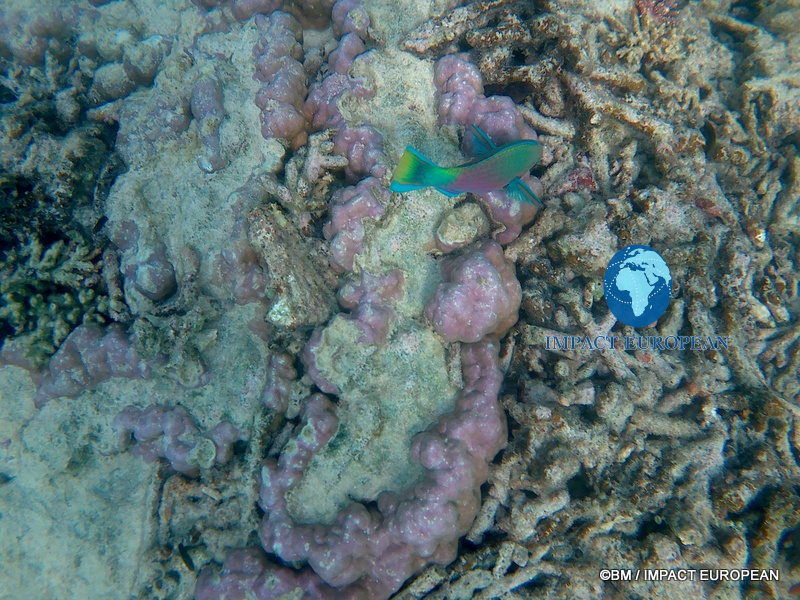
Herbivorous reef fish remove algal material from the substrate. By limiting excessive algal growth, grazing can help maintain surfaces where coral communities can persist and recover.
There is no conscious cooperation involved.
The fish is looking for food.
Yet its feeding behaviour becomes part of a much larger ecological process.
The reef provides habitat and resources to fish; some of those fish, through their normal behaviour, help shape conditions on the reef.
It is a relationship built not around intention, but around function.
And much of it remains invisible to anyone who sees only a colourful fish swimming over coral.
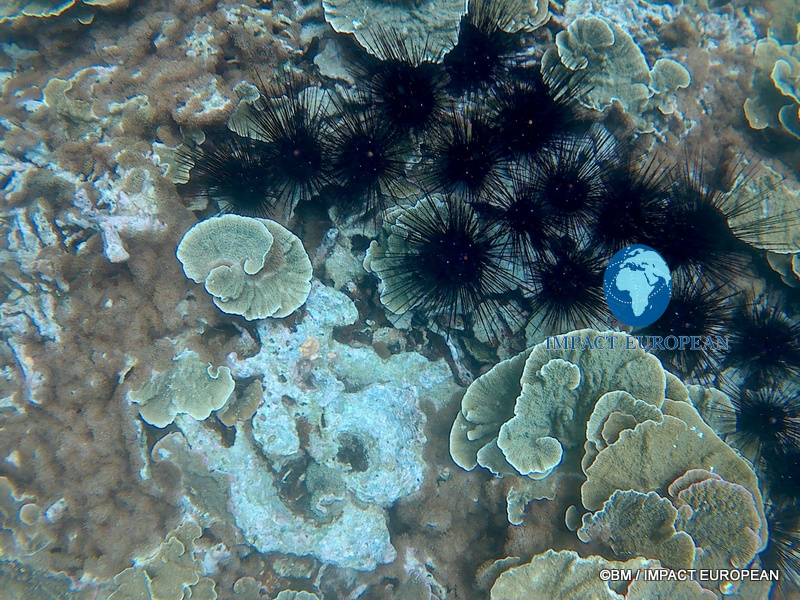
The black spines on the seabed
Closer to the bottom, another component of the system repeatedly appears.
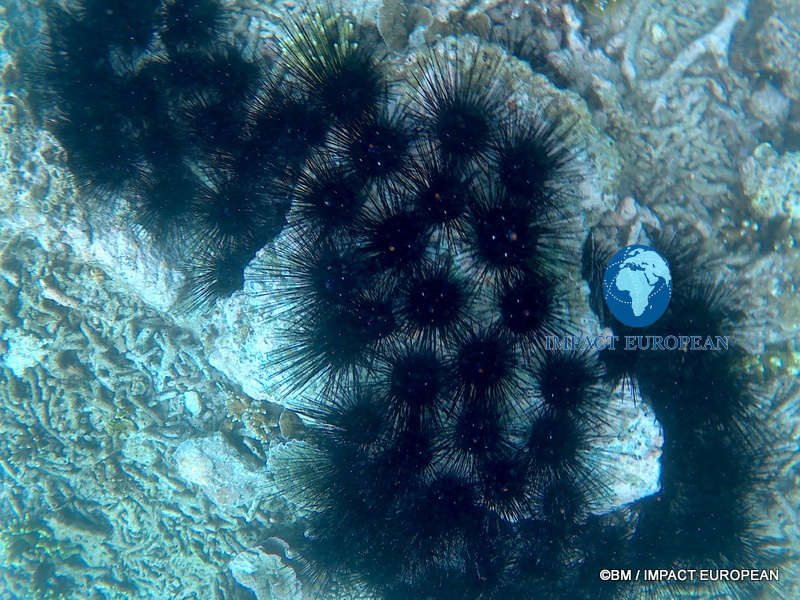
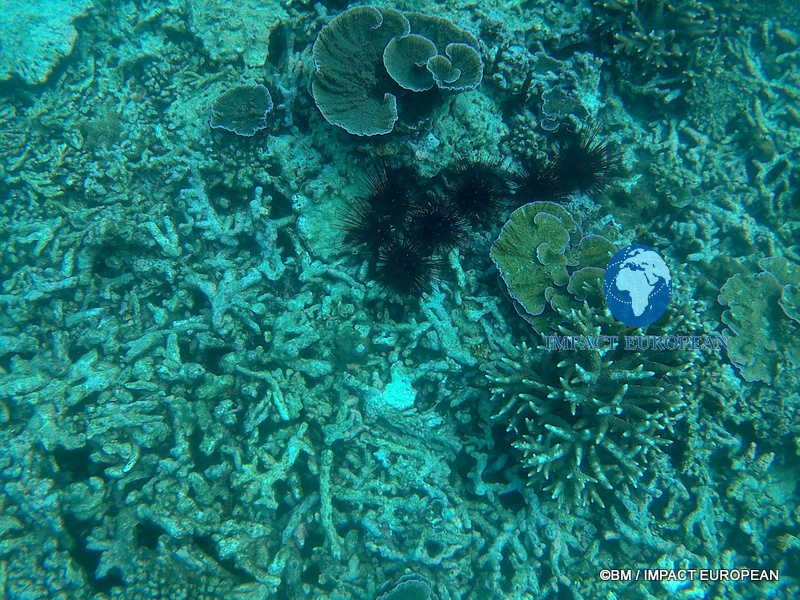
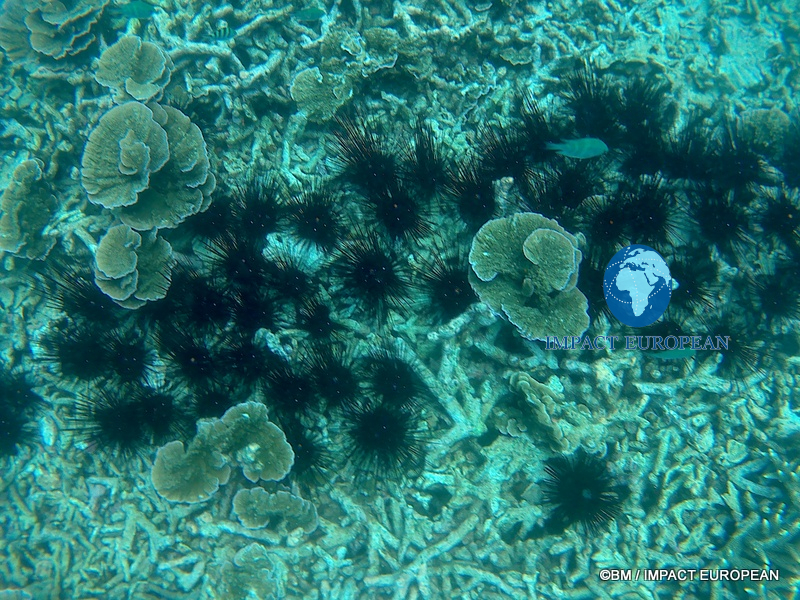
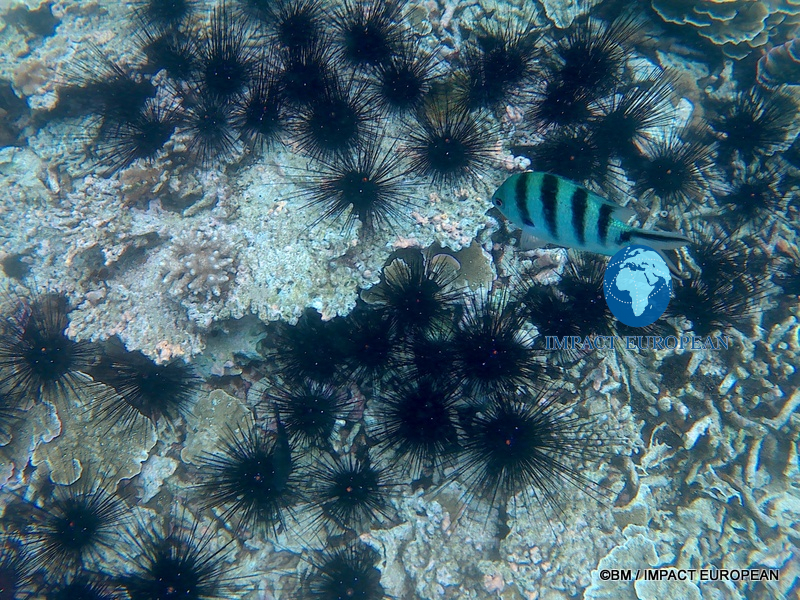
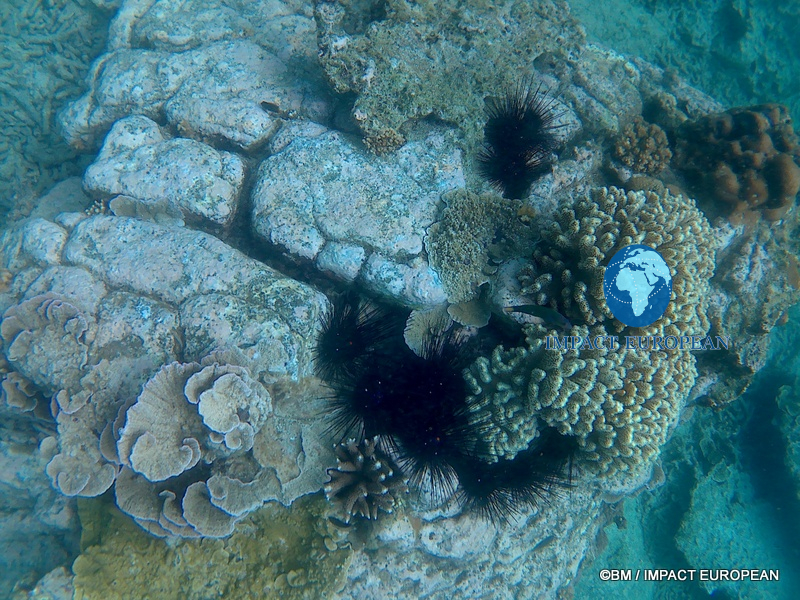
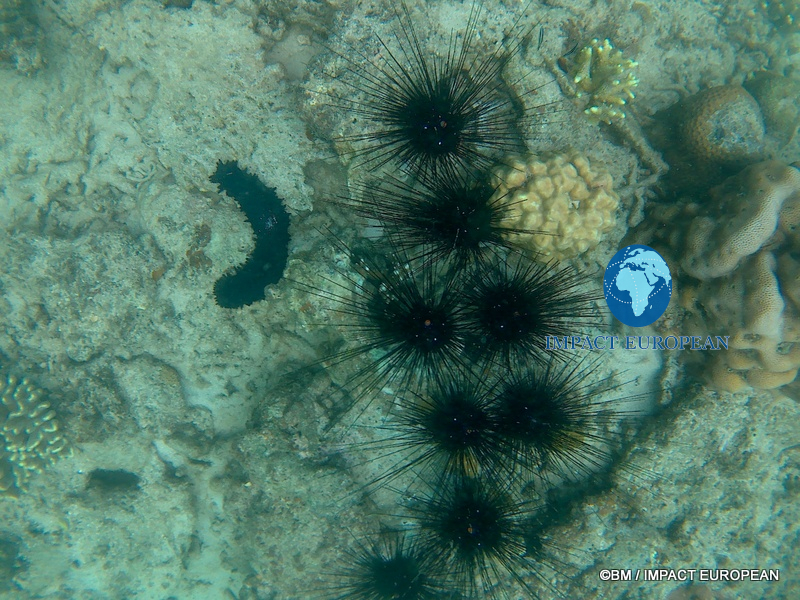
Long black spines extend from crevices and exposed areas between coral formations.
Sea urchins, particularly Diadema, are among the reef’s grazers.
Their feeding helps control algae growing on hard surfaces. This ecological role can become particularly important when other herbivores are less abundant.
But Tioman also demonstrates why ecological balance cannot simply be divided into “good” and “bad” species.
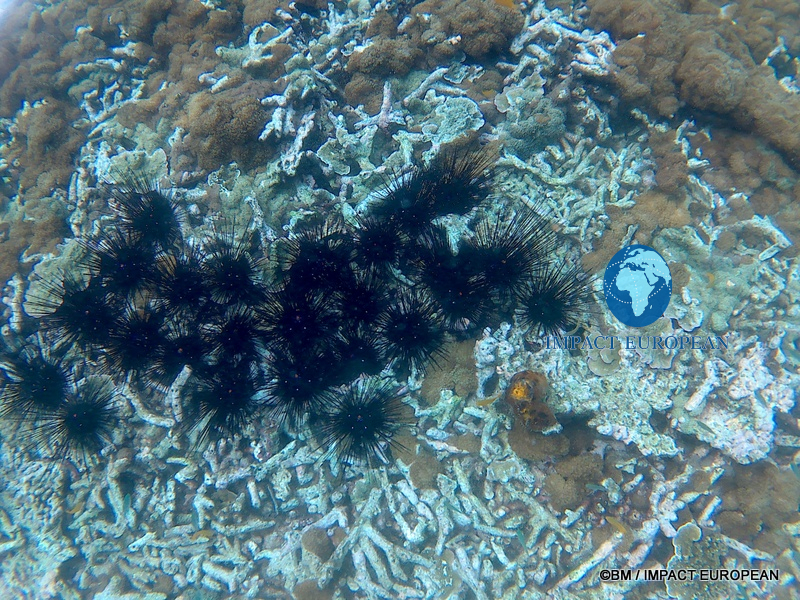
Reef monitoring has documented Diadema populations around the island, while researchers and conservation organisations note that grazing can contribute to algal control. At very high densities, however, sea urchins can also increase bioerosion.
The same organism can therefore play different roles depending on abundance and environmental conditions.
The reef survives not because one species wins.
It survives through balance.
Life hidden between the obvious
The largest corals and brightest fish naturally attract attention.
But some of the reef’s most important processes happen much closer to the seabed.
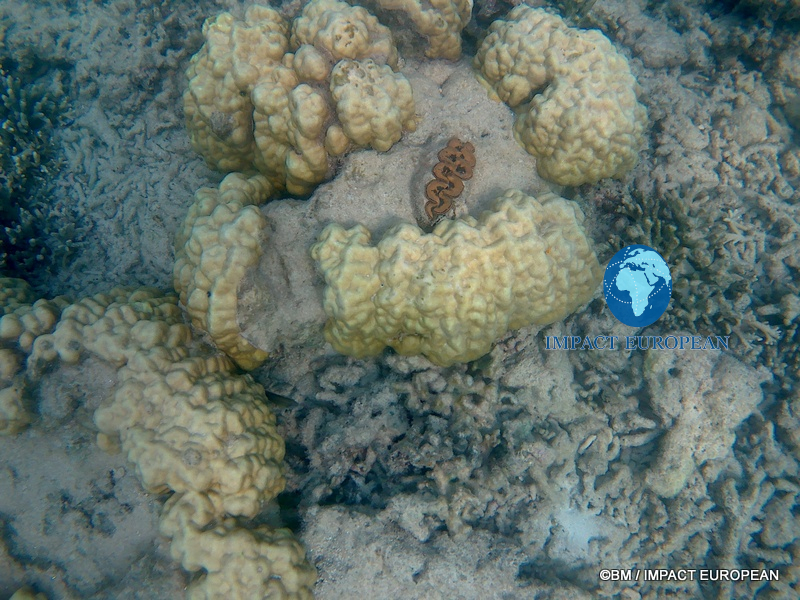
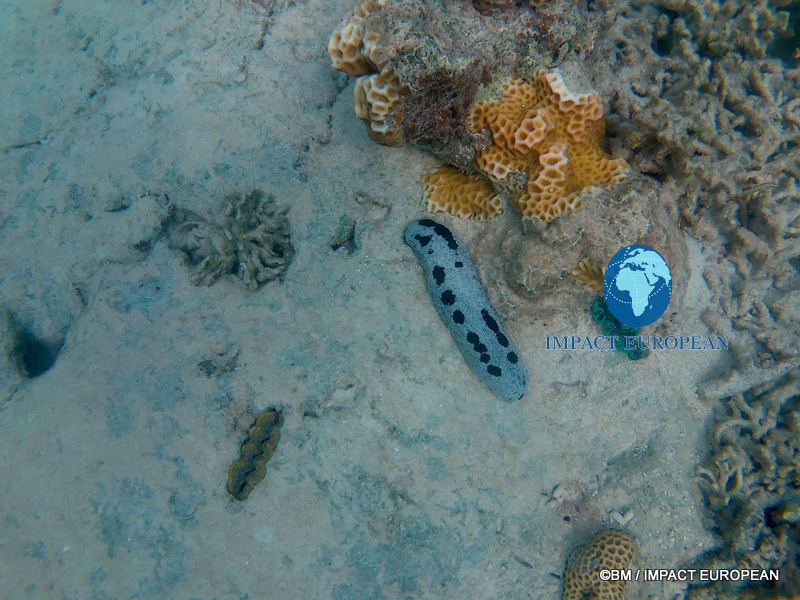
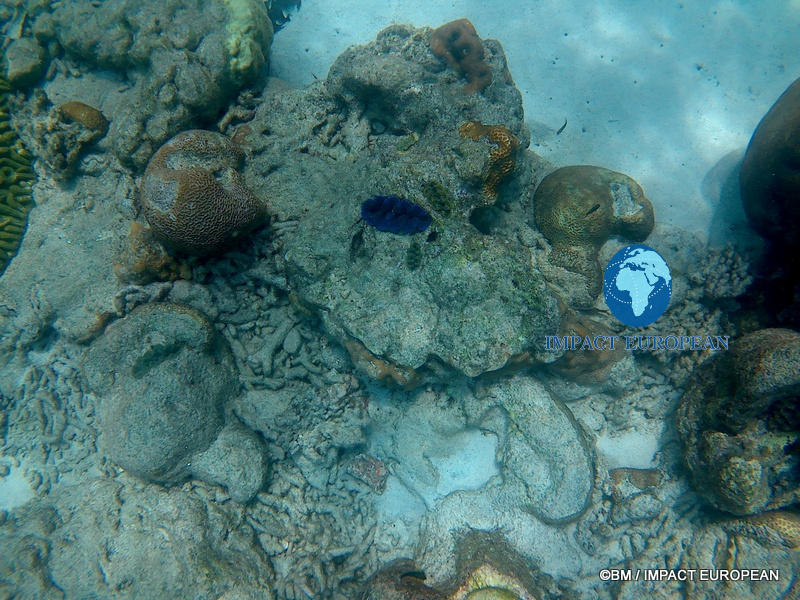
Invertebrates occupy sand, rock, coral surfaces and crevices. Giant clams settle within the reef structure. Sea cucumbers process sediment and organic material. Other organisms live almost completely unnoticed.
Their movements can be slow.
Their ecological consequences are not.
A sea cucumber feeding across sediment participates in the processing of material on the seabed. Giant clams maintain an intimate biological association with photosynthetic microorganisms living within their tissues.
Even coral itself depends on microscopic symbiotic relationships that cannot be seen in an underwater photograph.
The visible animal is therefore only part of the story.
Some of the most important relationships on a reef are too small to see.
The seabed is part of the story
Between living coral colonies lie areas of sand, rock and broken coral.
They can look empty.
They are not.
A coral reef is continuously being built and dismantled. Colonies grow. Pieces break. Sediment moves. Organisms graze surfaces. Dead structures become substrate for new life.
What lies between the spectacular formations can therefore contain evidence of the reef’s past and possibilities for its future.
This becomes especially important when the ecosystem experiences disturbance.
Broken coral does not automatically mean a dying reef, just as abundant living coral does not guarantee that the entire ecosystem is healthy.
A reef is a mosaic.
Its condition has to be understood across different habitats and over time.
A shelter only centimetres away
For many reef animals, survival can depend on distance.
A fish swimming above open substrate may be exposed. A few centimetres away, branching coral can provide immediate protection.
Table corals create overhangs. Massive formations create channels. Irregular colonies produce cavities of different sizes.
The reef’s physical complexity therefore becomes biological opportunity.
One organism builds.
Another inhabits.
A third feeds nearby.
A predator searches the same territory.
The architecture determines how these encounters unfold.
When coral structure is lost, the consequence is therefore greater than the disappearance of the coral itself.
The reef can lose living space.
And that affects the community built around it.
When an invisible system becomes vulnerable
Tioman’s reefs have long been recognised for their ecological value, but they are not protected from environmental change.
The contrast between earlier assessments and recent monitoring is significant.
A scientific study published in 2017 found nine surveyed reef sites in “good” coral condition and four in “fair” condition, concluding that Tioman’s reefs were, on average, in good condition at the time of the research.
Recent monitoring has recorded new pressures.
Reef Check Malaysia reported deterioration in Tioman’s reefs in 2024, associating it with increased nutrient levels and the fourth global coral bleaching event.
During that bleaching episode, monitoring around Tioman and Sri Buat covered 22 dive sites, with bleaching observed as seawater temperatures increased.
A detailed assessment of Malaysia’s 2024 bleaching event found bleaching rates of approximately 37.5% to 44.4% around Pulau Tioman during peak heat stress. Mortality at the surveyed Tioman sites ranged between 11.1% and 37.5%.
Those figures expose the vulnerability hidden beneath an apparently abundant reef.
A coral can remain physically present while losing the biological partnership on which much of its energy supply depends.
A landscape that appears permanent can change within weeks.
The predator with a crown of thorns
Climate stress is not the only pressure.
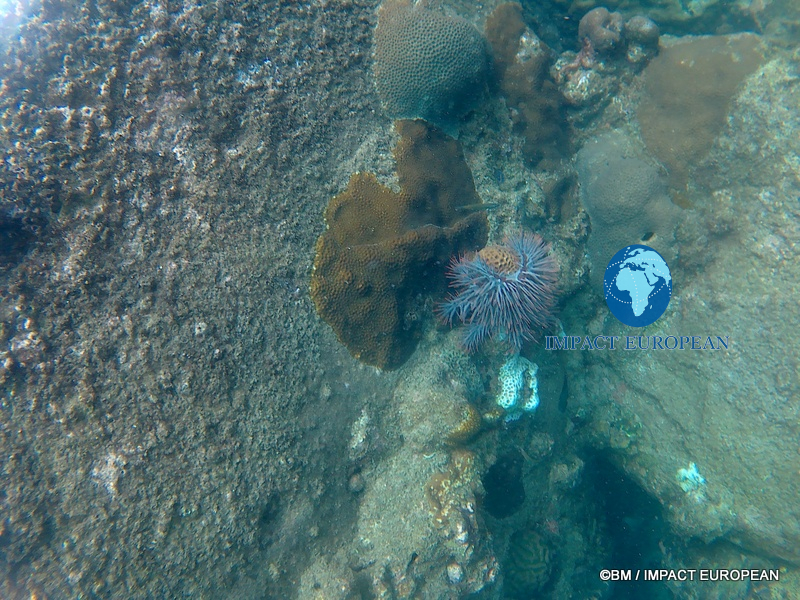
Tioman also faces a predator that belongs naturally to Indo-Pacific reef ecosystems: the crown-of-thorns starfish.
It feeds on living coral tissue.
At normal population levels, it forms part of the ecosystem. During outbreaks, however, its impact can become destructive.
Reef Check Malaysia reported that crown-of-thorns abundance at Tioman exceeded levels considered sustainable for a healthy reef in 2020. Control activities resumed after pandemic restrictions were lifted, and abundance subsequently declined, although monitoring remains necessary.
Local conservation teams continue population-control work around the island.
The crown-of-thorns reveals the same principle seen elsewhere on the reef.
Its existence is not itself the problem.
The loss of balance is.
Human traces beneath the water
Not every threat originates within the ecosystem.
Ghost fishing nets can become entangled on coral formations, damage the reef and trap marine animals.
This is not an abstract problem at Tioman.
Research published in 2024 specifically documented ghost-net incidents within Tioman Island Marine Park and noted that local islanders have been trained since 2015 to locate and remove abandoned nets from reefs and beaches.
The scale of the problem is substantial.
Reef Check reported that 145 ghost nets weighing more than 21 tonnes were recovered around Tioman between 2016 and 2022.
The work has continued.
In the second quarter of 2024 alone, conservation teams and local partners removed 2,075 kilograms of ghost nets from three areas around Tioman.
Another 1,500 kilograms were removed during the following quarter.
By the end of 2024, Reef Check Malaysia reported a total of 2,945 kilograms removed from Tioman waters during the year.
These interventions reveal another dimension of the reef.
The ecosystem works continuously to maintain itself.
Humans can either increase the pressure — or help remove it.
Coexistence is the real landscape
Look at a single coral and it is possible to describe its shape.
Look at a fish and it is possible to identify its family.
Look at an urchin and its grazing behaviour can be explained.
But none of them, alone, explains Tioman.
The reef begins to make sense only when these elements are connected.
Coral creates structure.
Structure provides shelter.
Fish inhabit that shelter.
Herbivores graze the substrate.
Urchins regulate algal growth.
Invertebrates process material on the seabed.
Microscopic organisms maintain symbiotic relationships inside larger animals.
Predators alter populations.
Heat can destabilise coral physiology.
Human activity can damage or protect the same environment.
Every element changes the conditions experienced by another.
That is the reef’s real landscape.
Not simply coral.
Not simply fish.
Coexistence.
Tioman’s invisible ecosystem
The underwater world surrounding Tioman first presents itself through colour.
That is its most immediate attraction — and perhaps its greatest deception.
Because the essential story is not the colour.
It is the work.
It happens when a fish grazes algae from a surface.
When an urchin moves across the seabed.
When a tiny animal disappears into a coral branch.
When a sea cucumber processes sediment.
When microscopic symbionts exchange energy with their host.
When coral slowly adds another layer to an architecture built over generations.
None of these actions, taken alone, explains why a reef survives.
Together, they do.
Beneath Tioman lies an invisible ecosystem that keeps the coral reef alive.
And protecting that ecosystem means protecting more than its most beautiful species.
It means protecting the relationships between them.
IMPACT EUROPEAN ©2026 – All rights reserved
Views: 11
More Stories
France Protests on October 17: Mass Mobilization Overshadowed by Violence Across the Country
Work Palace Opens in Paris: INSITU Brings Luxury Hospitality Into the Workplace
Rugby Pro D2: Colomiers Defeat Narbonne 49-28 to Claim Bonus-Point Victory