
More than three thousand years after his death, Tutankhamun remains one of the most recognisable figures of the ancient world. His fame crosses languages, countries and generations, sustained by the extraordinary discovery of his tomb in 1922 and by a modern fascination that shows little sign of disappearing. In Paris, “Tutankhamun: His Tomb and His Treasures” invites visitors to step beyond the golden image and experience the world that surrounded the young pharaoh through reconstruction, storytelling and virtual reality.
How did a young Egyptian king become a global icon?
PARIS — His name requires little introduction.
Tutankhamun belongs to ancient Egypt, yet his image has travelled far beyond it.
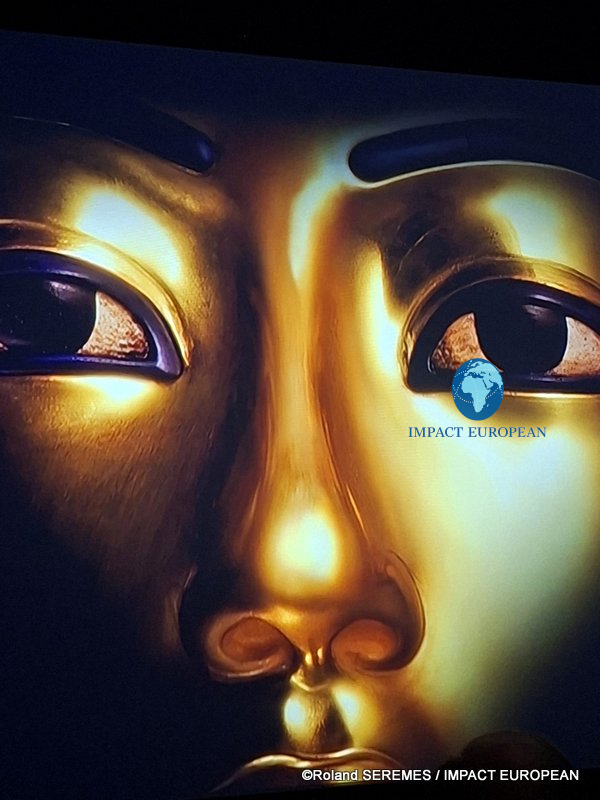
More than three millennia after his lifetime, people who may know relatively little about Egyptian dynasties can still recognise the golden face associated with the young pharaoh.
That extraordinary survival in global memory raises a question larger than the exhibition currently presented at Paris Expo – Porte de Versailles.
Why Tutankhamun?
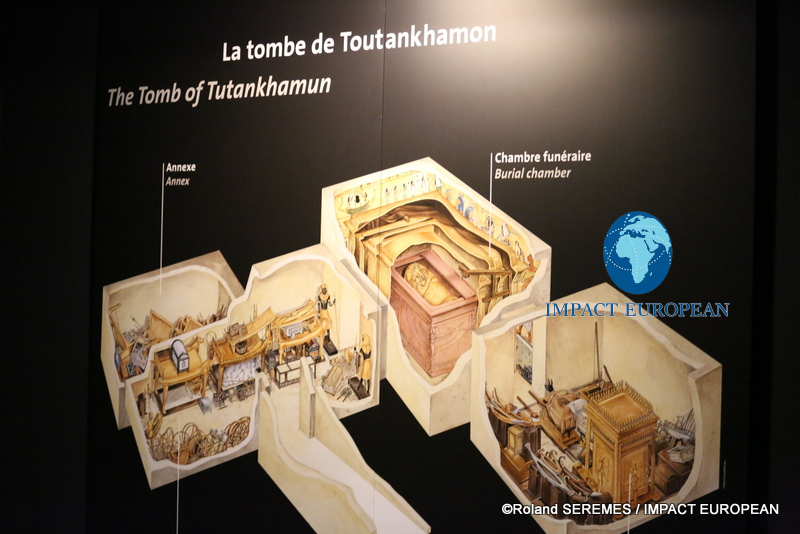
Part of the answer lies underground.
Part lies in 1922.
And part lies in the extraordinary human fascination with death, treasure, discovery and immortality.
A young king surrounded by eternity
Tutankhamun’s modern fame can make it easy to forget that behind the icon was a young ruler living within a civilisation with its own understanding of kingship, death and the afterlife.
The objects associated with his burial were not assembled for a future international audience.
They belonged to a funerary world.
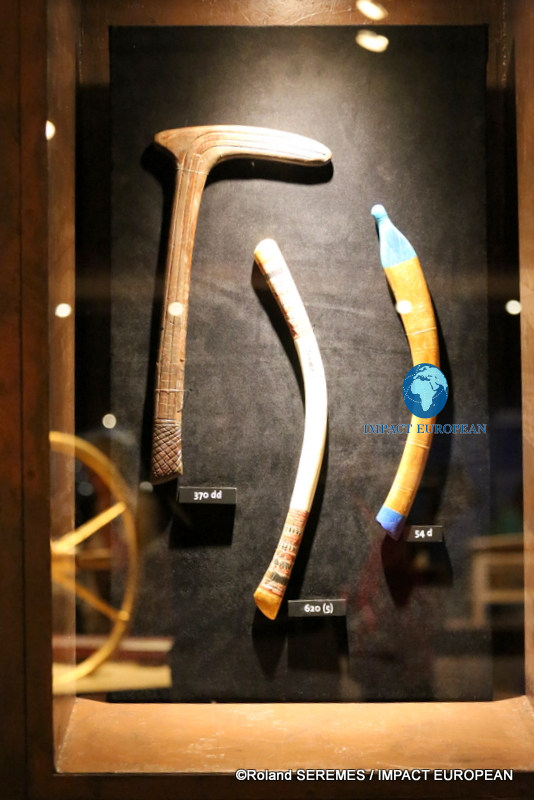
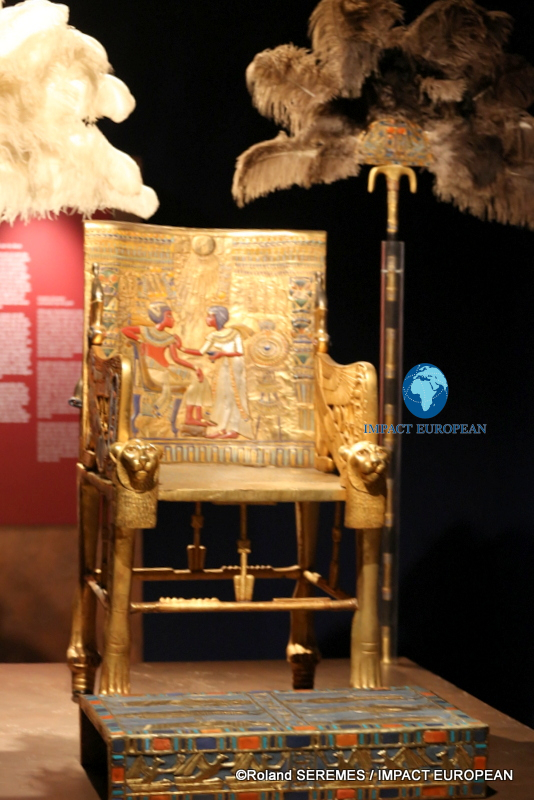
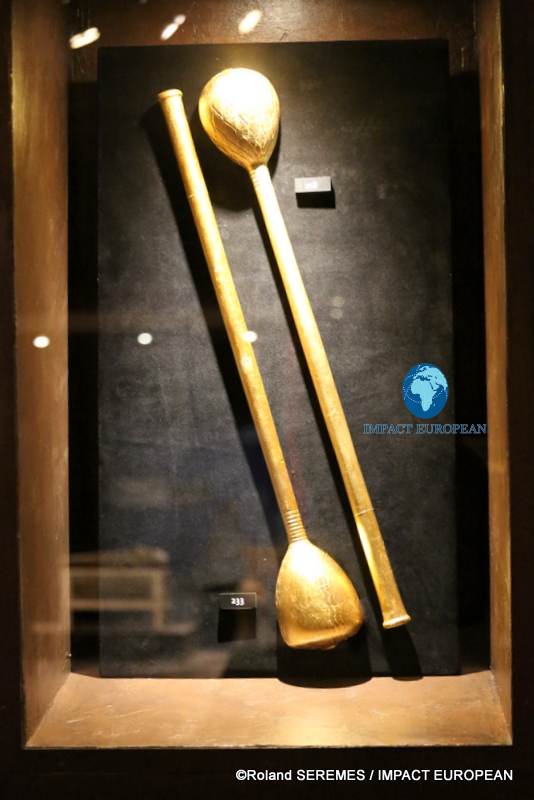
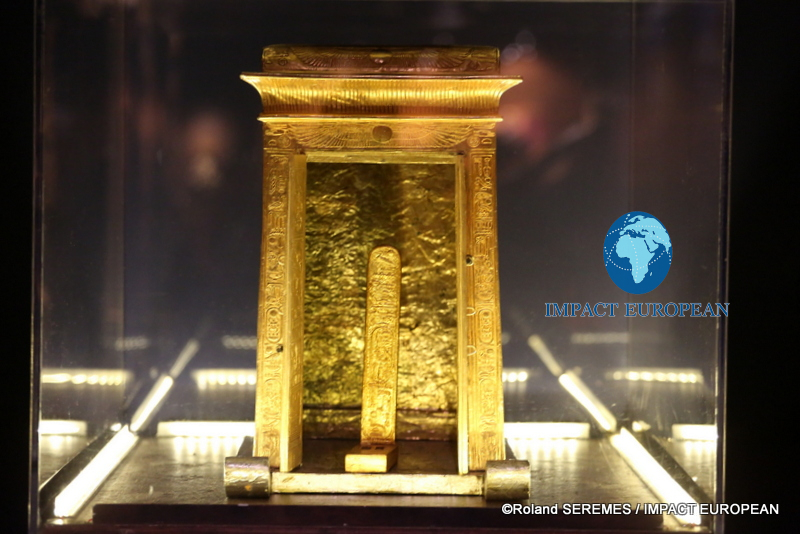
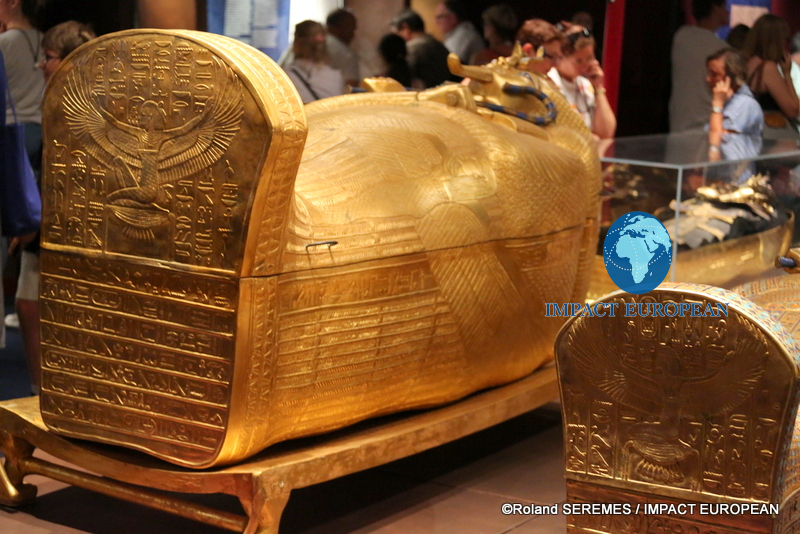
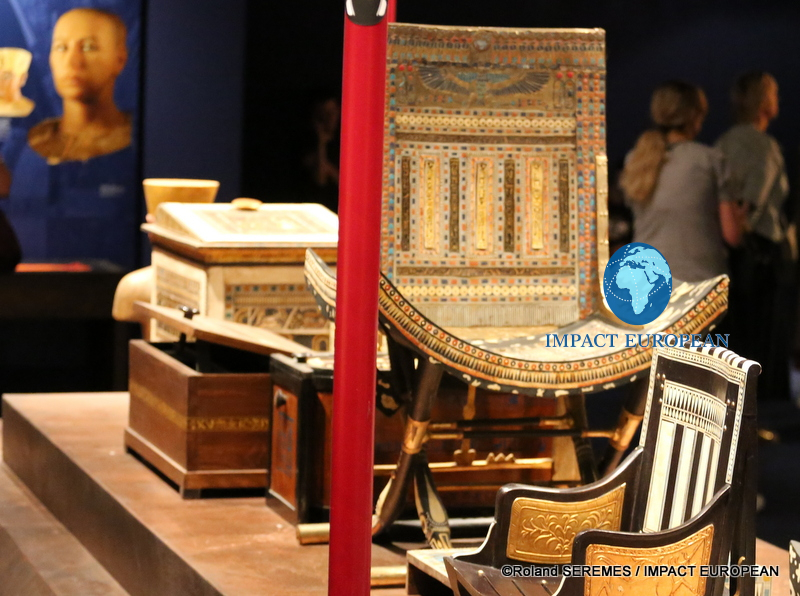
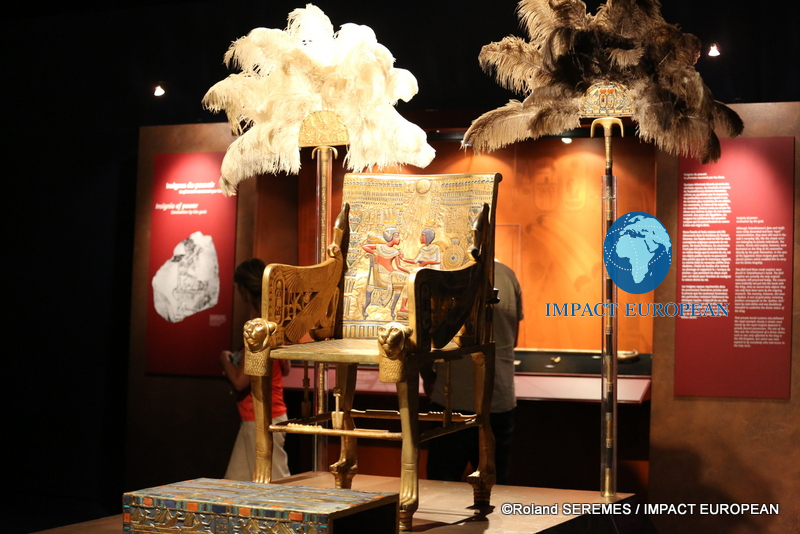
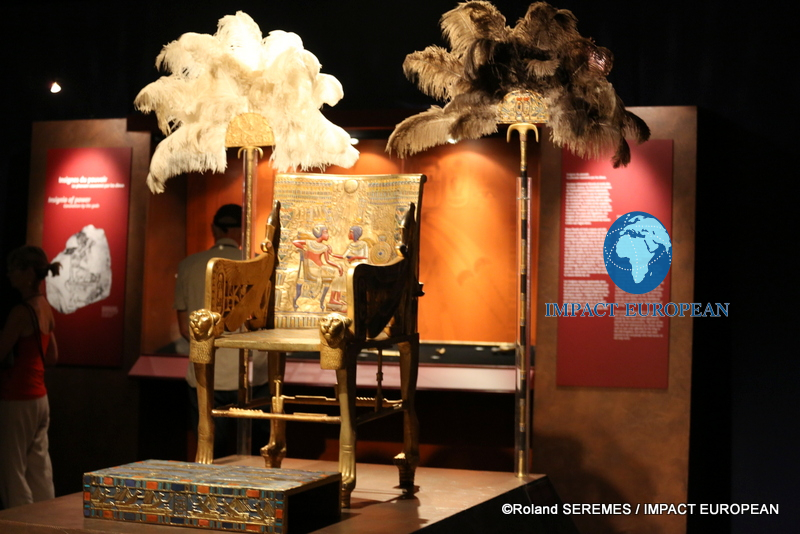
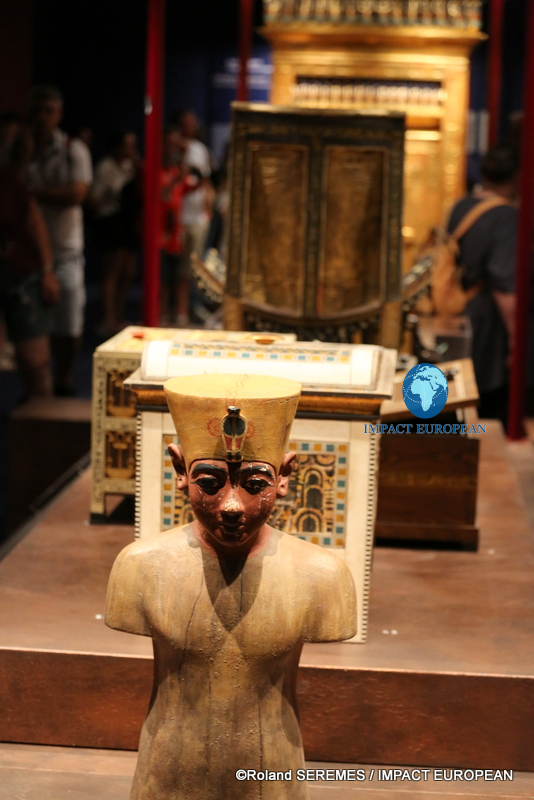
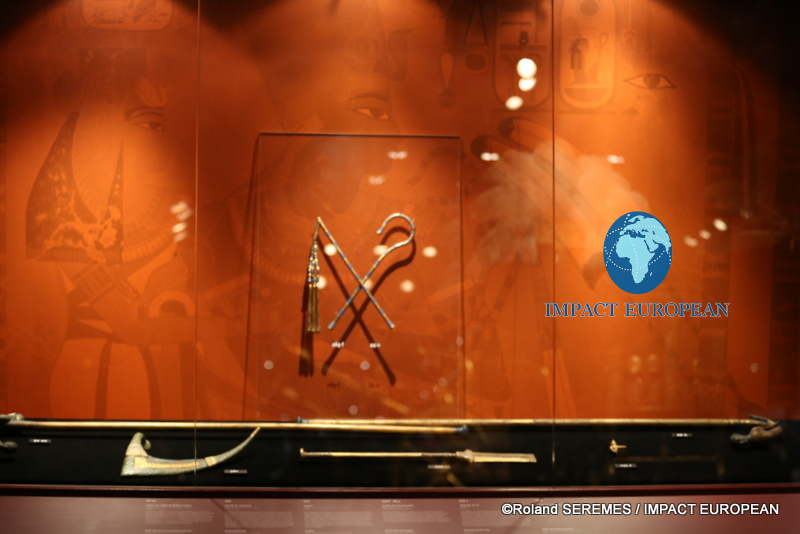
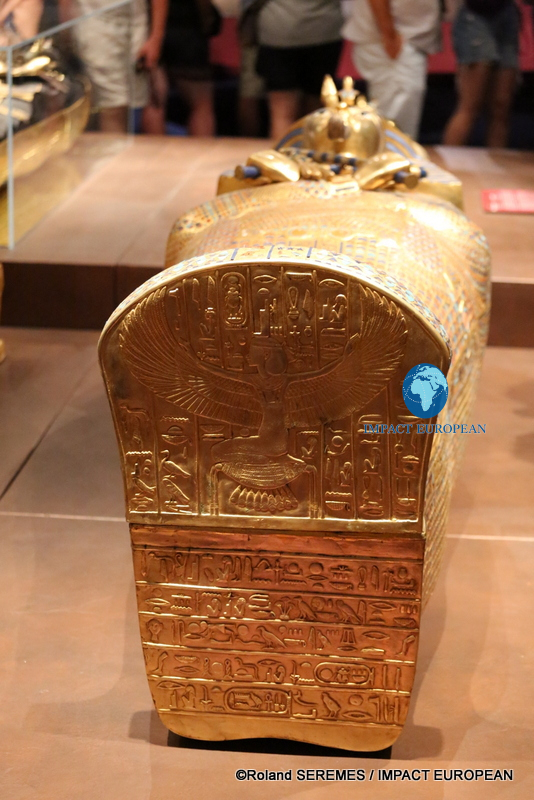
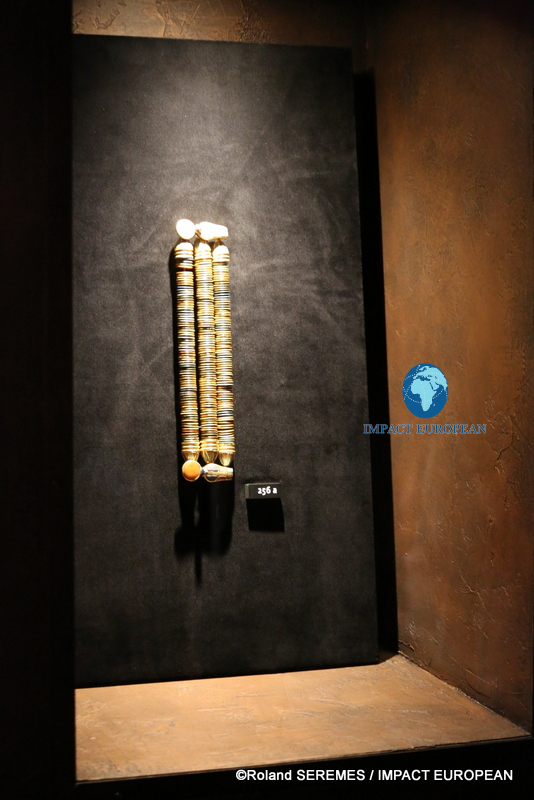
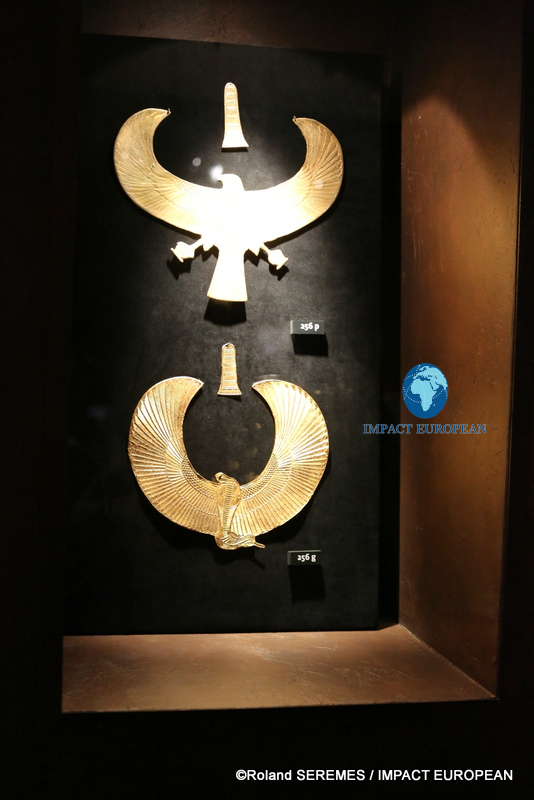
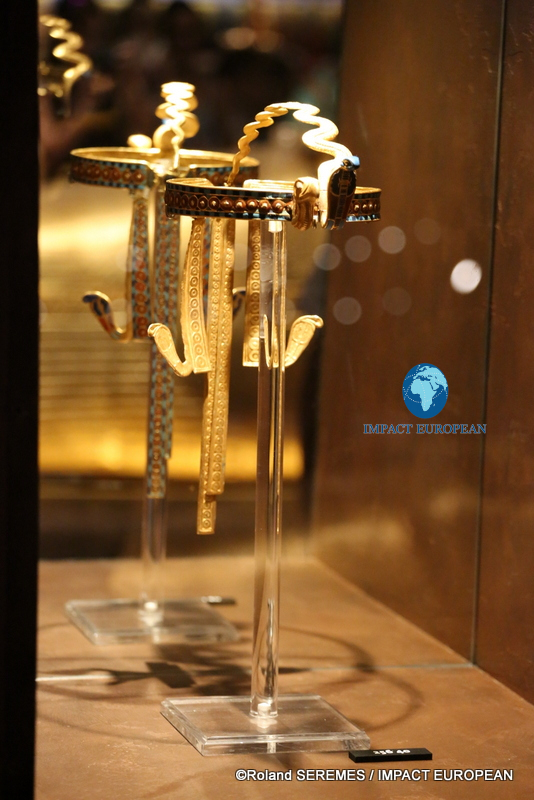
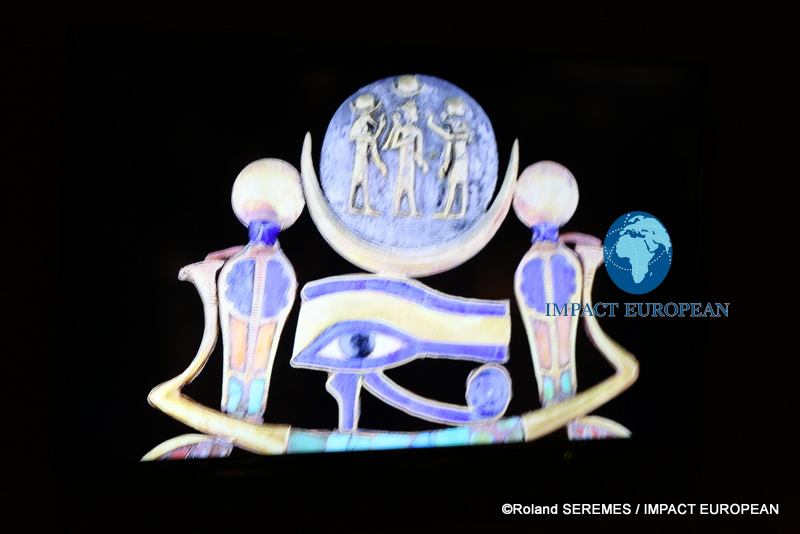
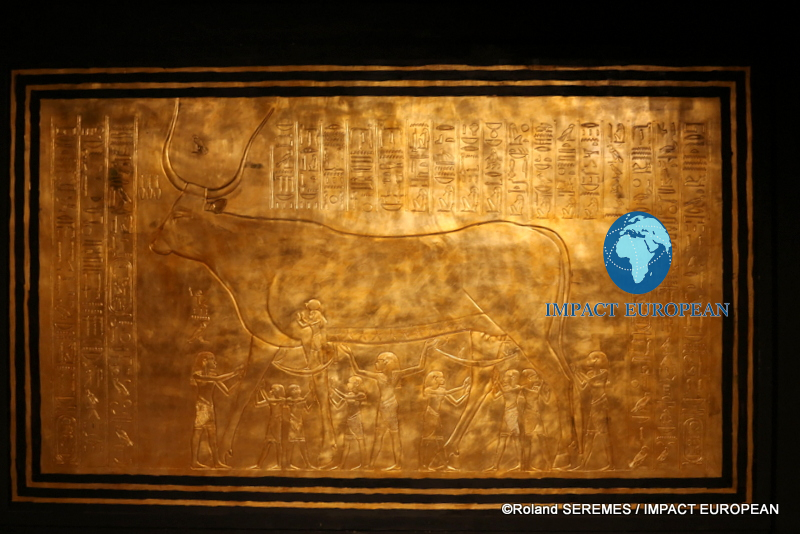
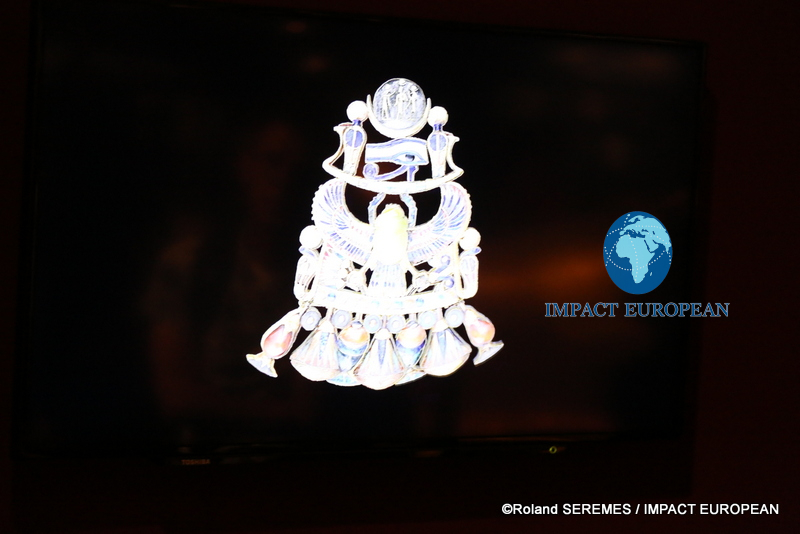
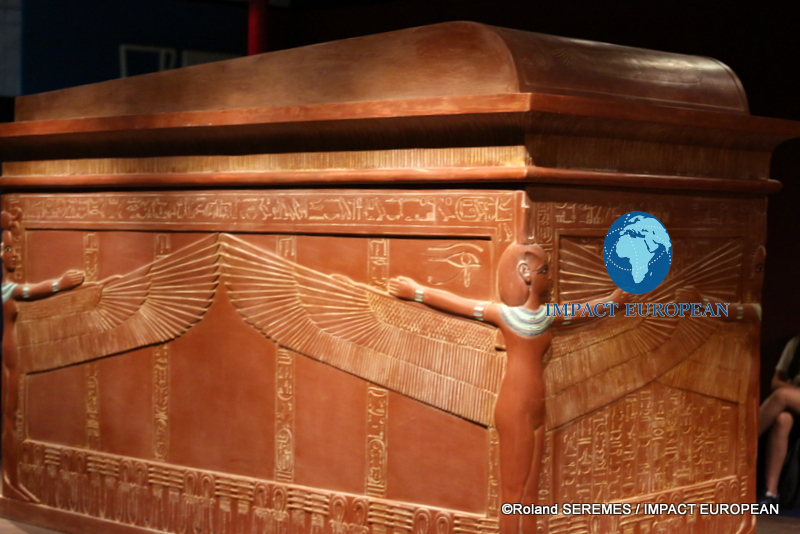
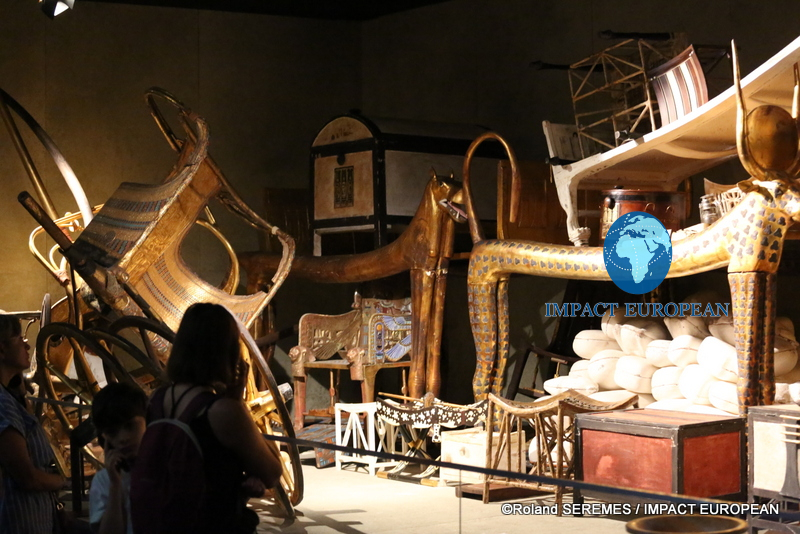
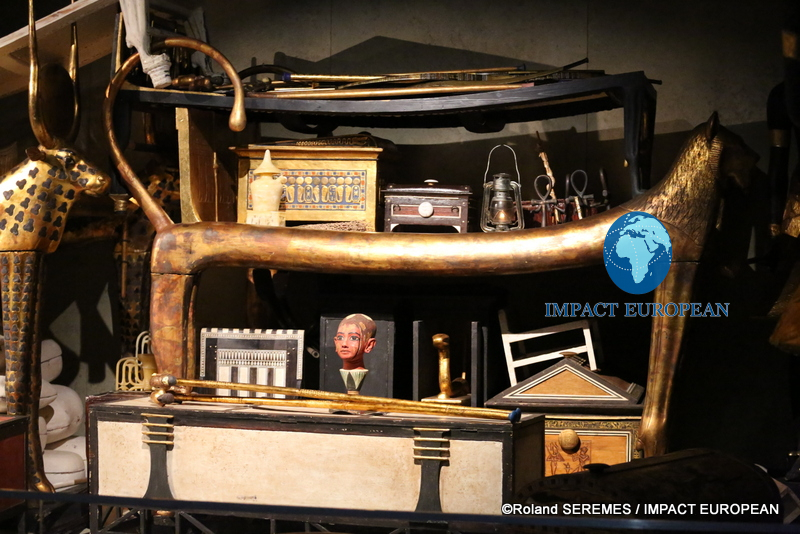
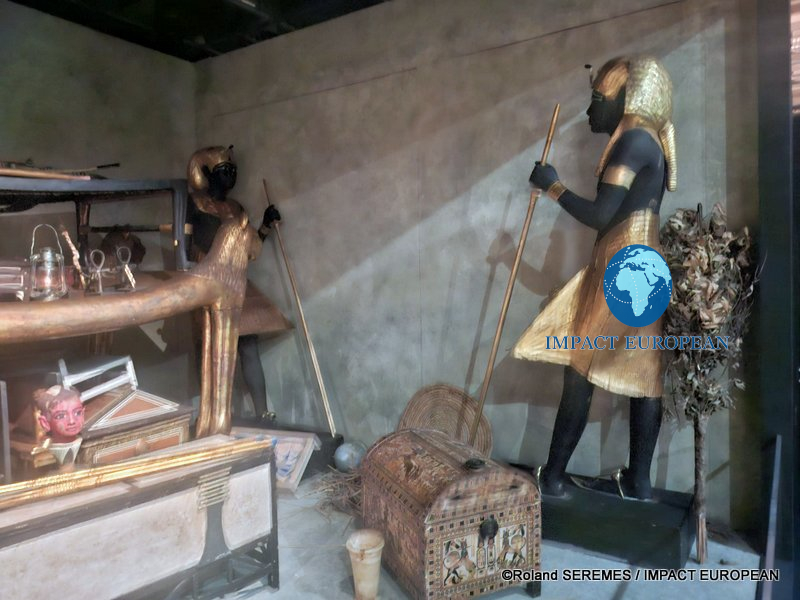
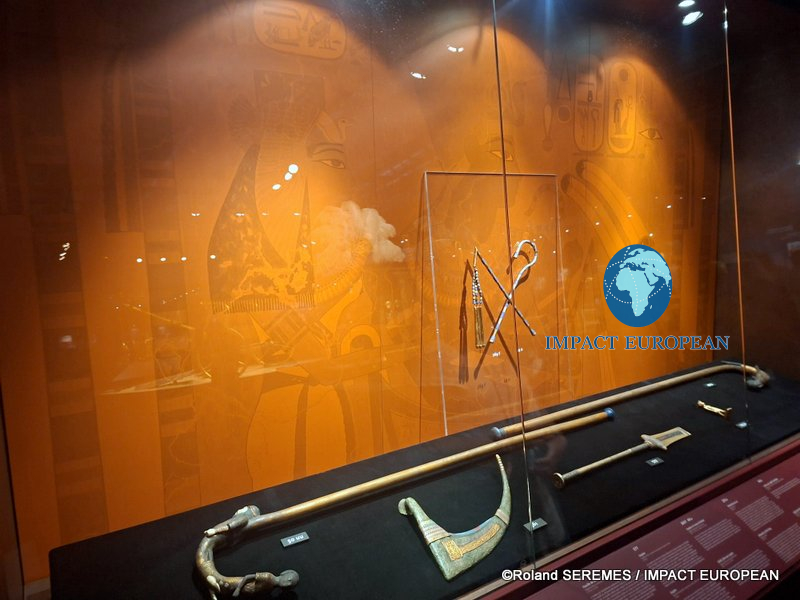
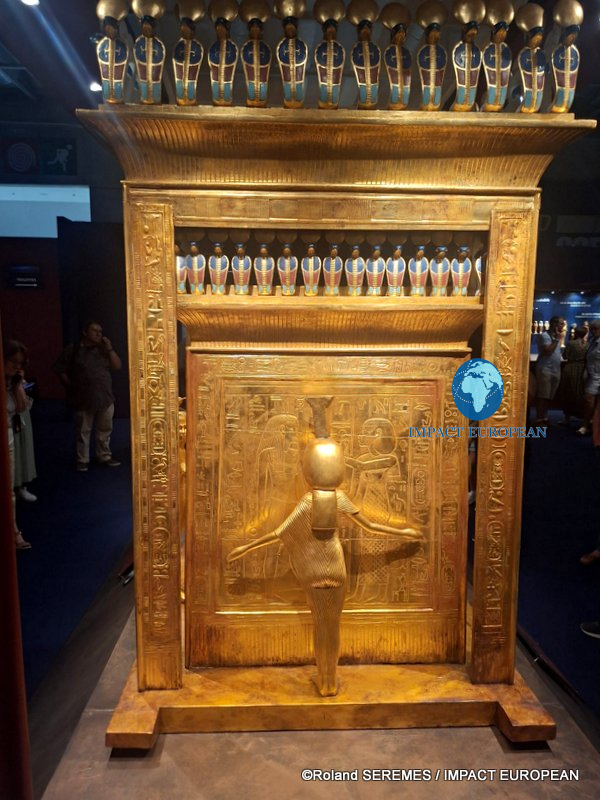
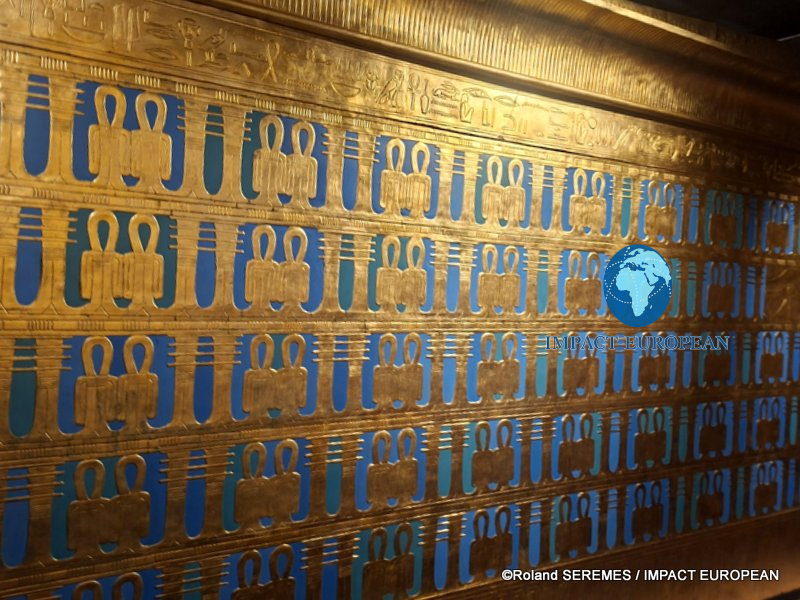
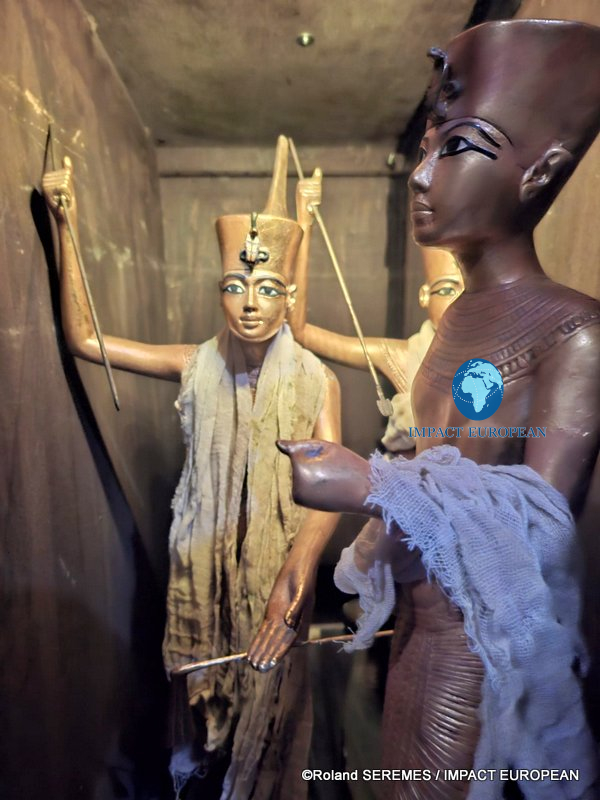
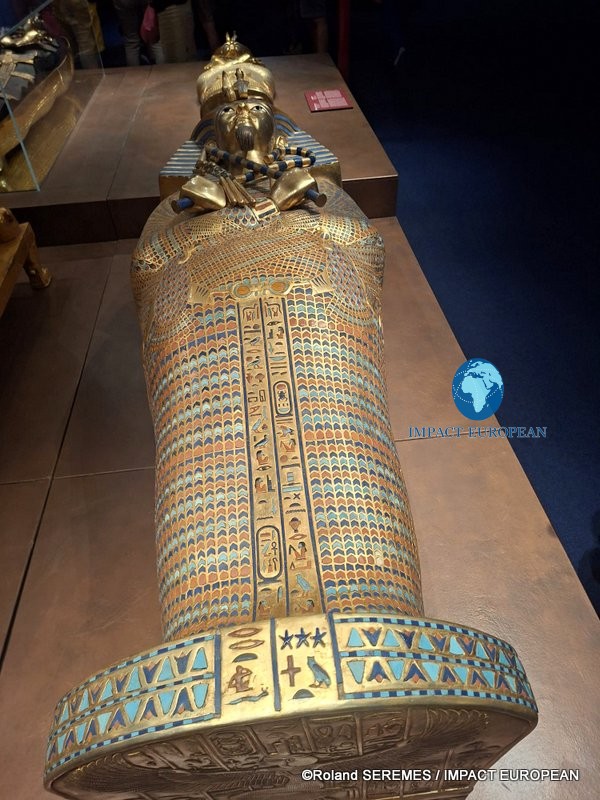
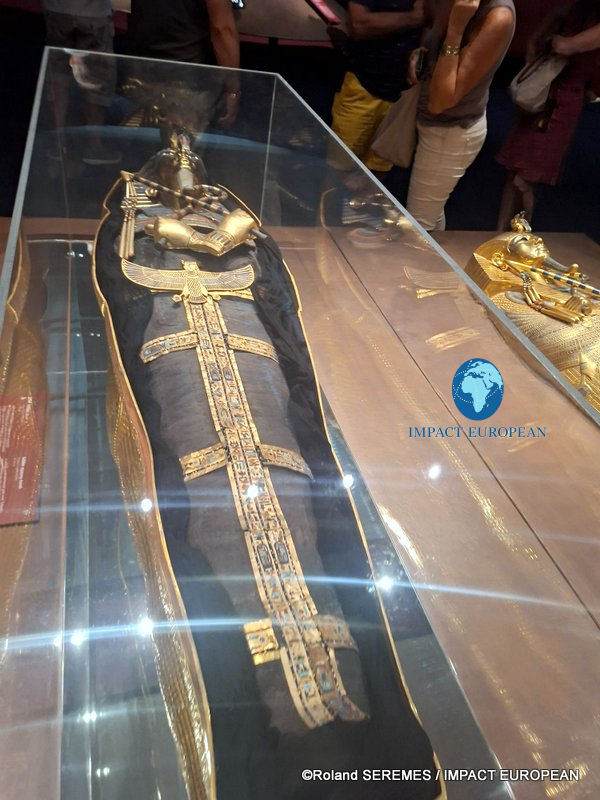
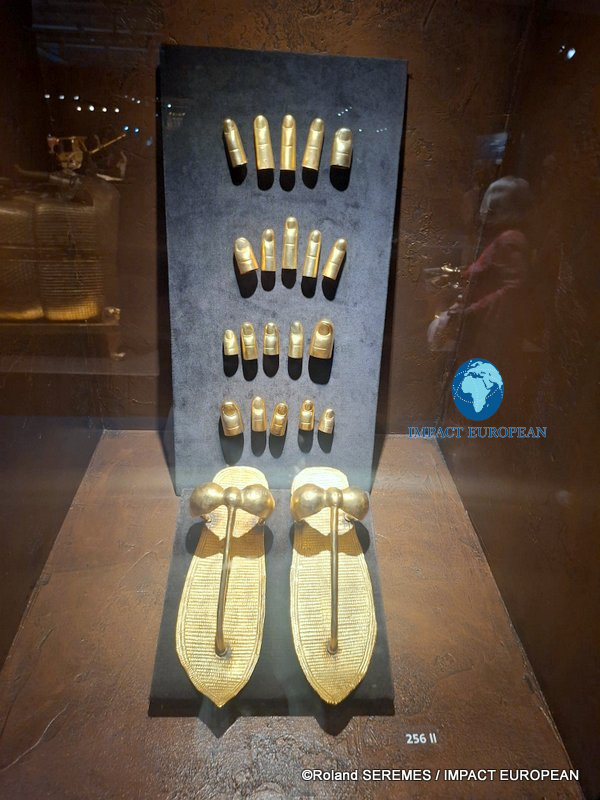
Royal jewellery, sacred objects, weapons, musical instruments and other possessions formed part of an environment created around the dead king.
To enter Tutankhamun’s world therefore requires more than admiring gold.
It requires entering, however briefly, a different conception of existence.
Death was not presented simply as an ending.
For the king, it opened a journey towards the afterlife and eternal transformation.
A closed tomb creates an extraordinary encounter
There is another reason why Tutankhamun occupies such a distinctive place in popular imagination: the power of discovery itself.
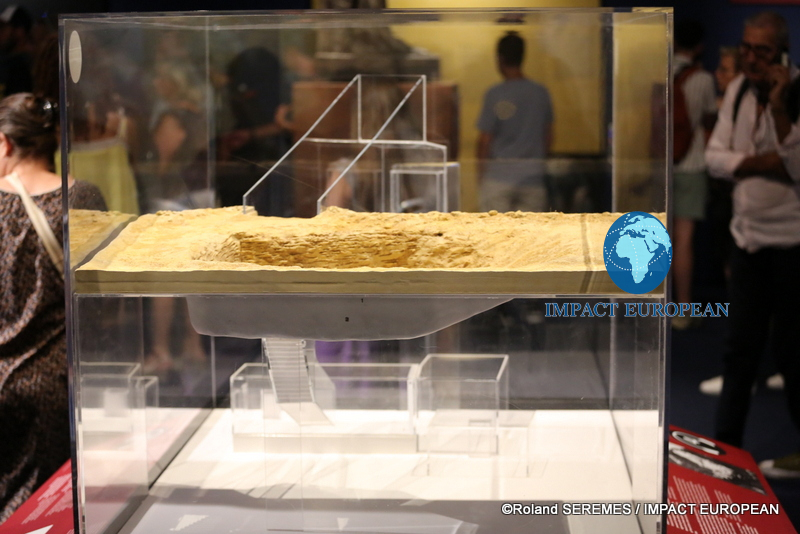
A tomb is an enclosed space.
For centuries, what lay inside remained separated from the modern world.
That distance gave the eventual opening extraordinary force.
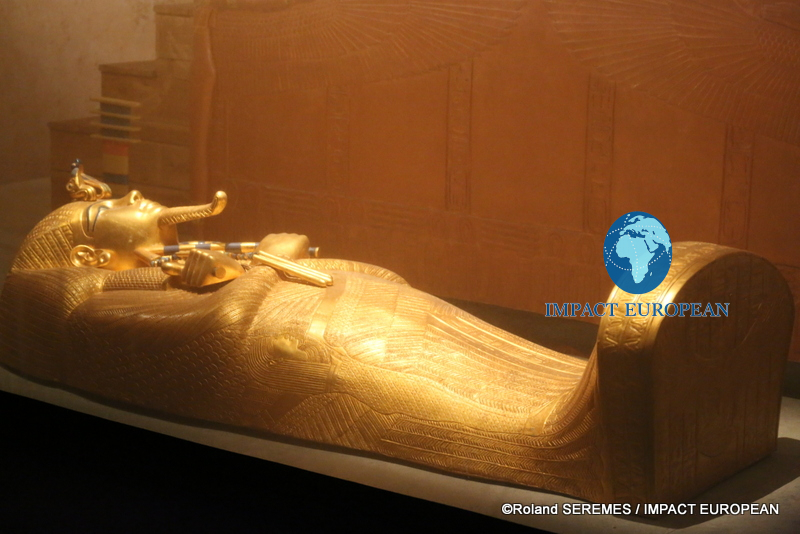
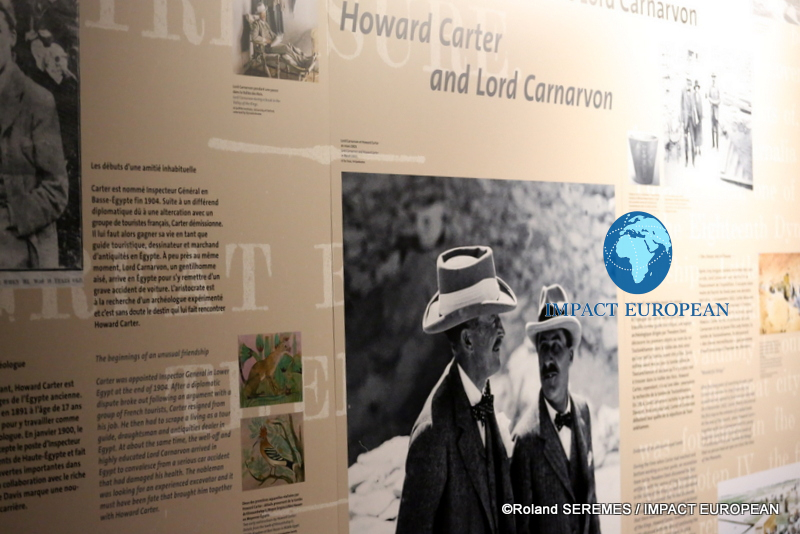
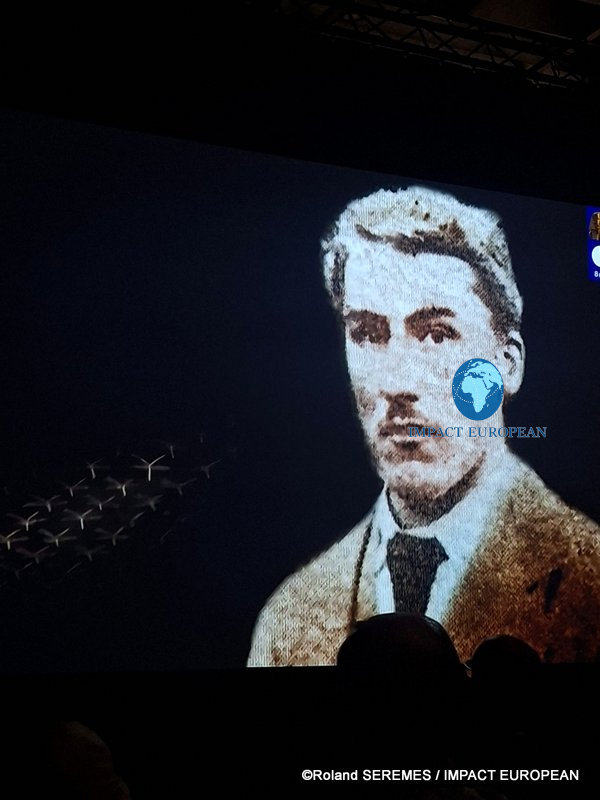
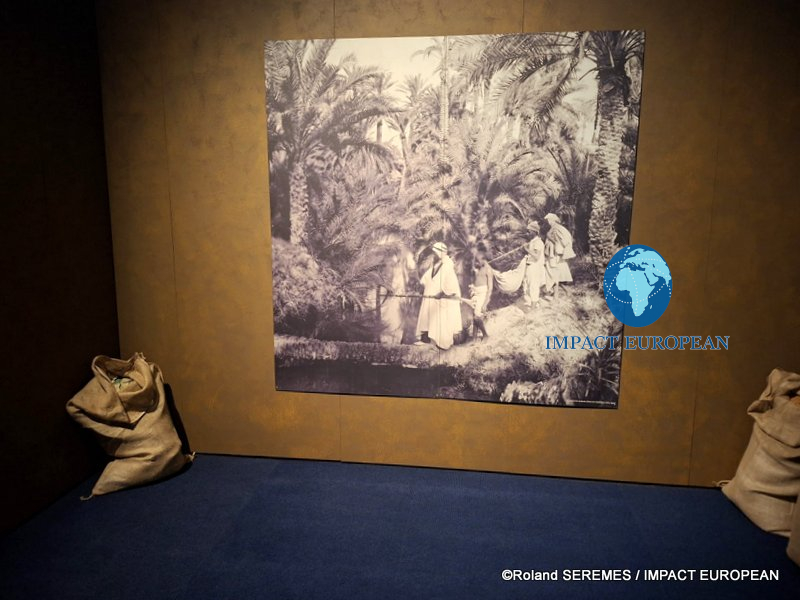
When archaeologist Howard Carter entered Tutankhamun’s tomb in 1922, the discovery revealed an exceptional funerary ensemble.
Ancient objects suddenly became witnesses to a world separated from the twentieth century by thousands of years.
Archaeology had opened a physical space.
Human imagination did the rest.
Treasure speaks a language understood across borders
Gold requires little translation.
Neither does mystery.
The treasures associated with Tutankhamun possess a visual power capable of crossing national and linguistic boundaries.
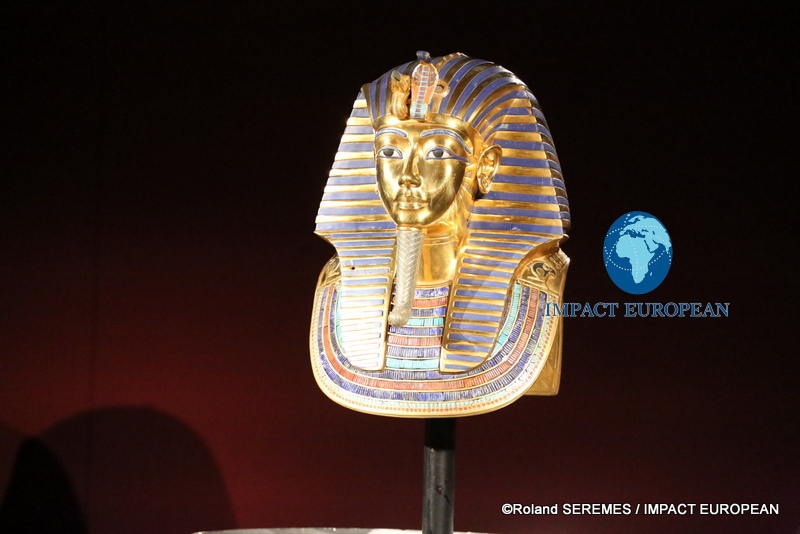
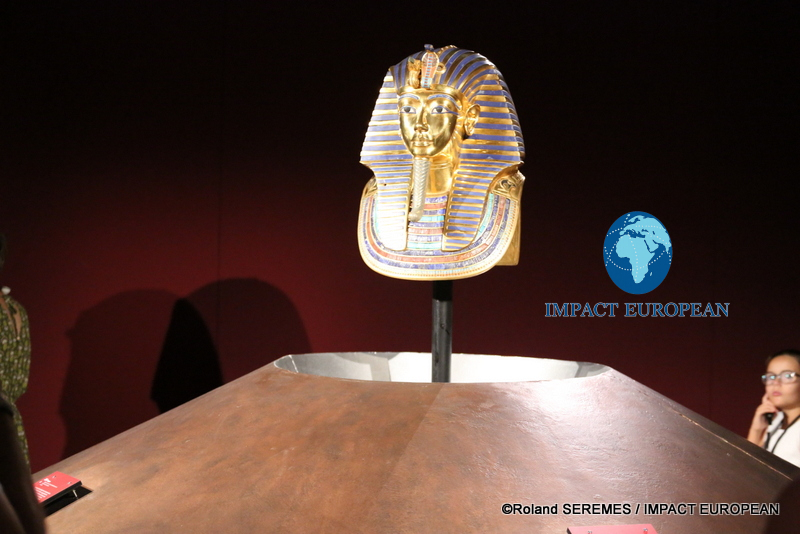
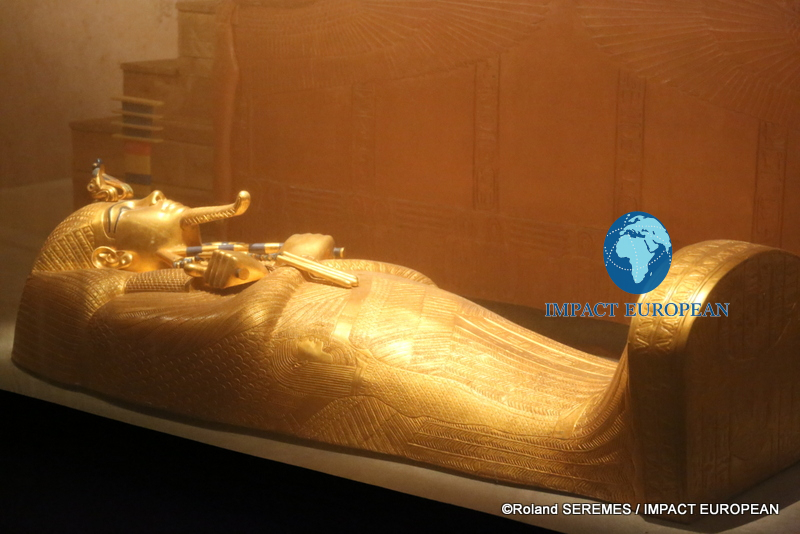
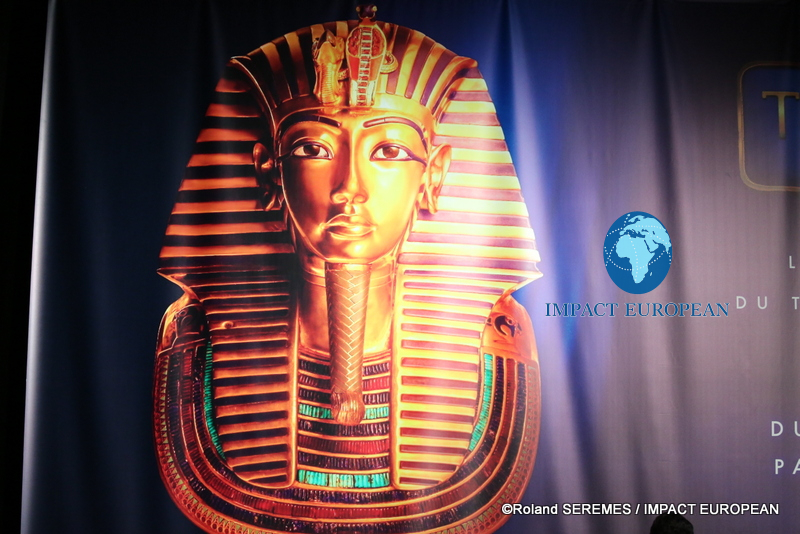
Among them, the golden mask acquired a status extending far beyond archaeological circles.
It became one of the defining images of ancient Egypt.
But the international success of that image can obscure the complexity surrounding it.
A mask alone cannot explain a civilisation.
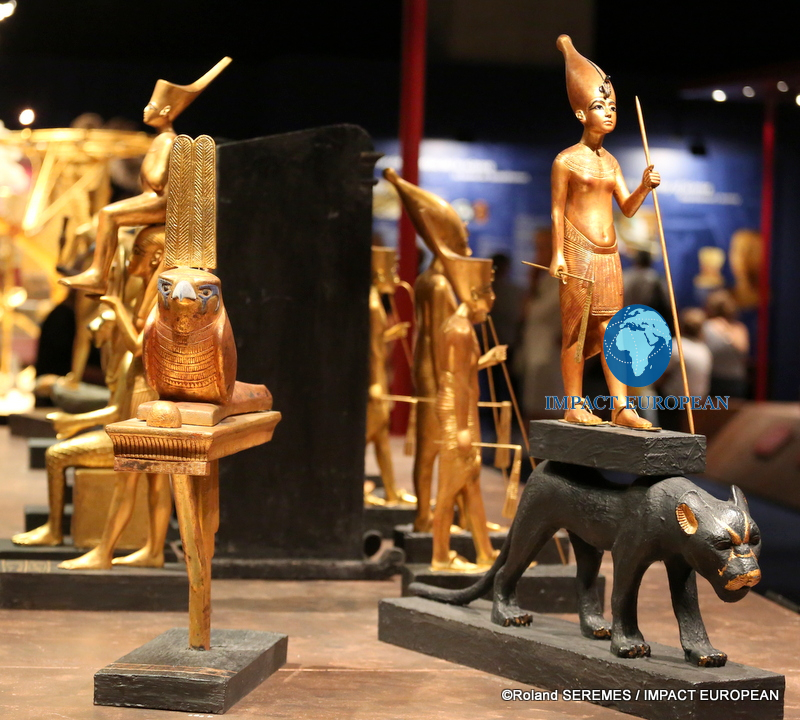
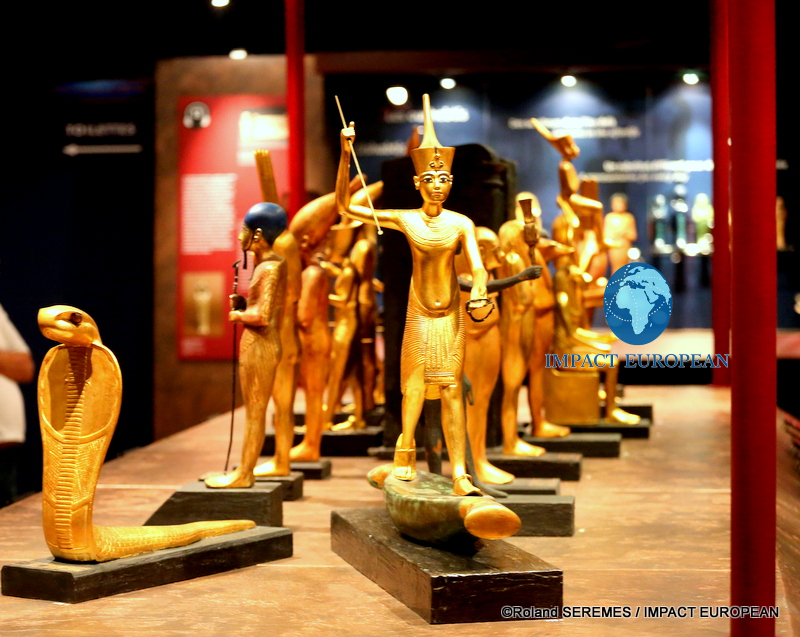
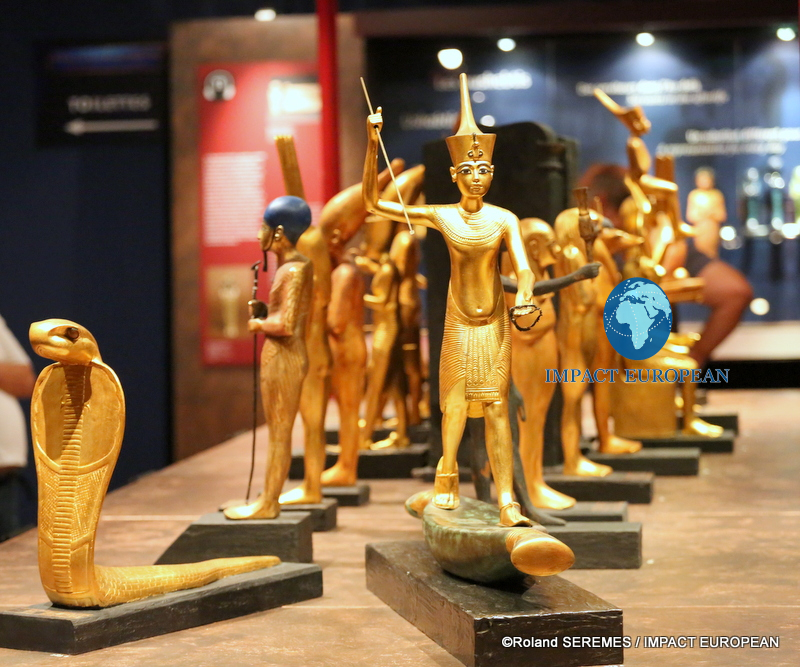
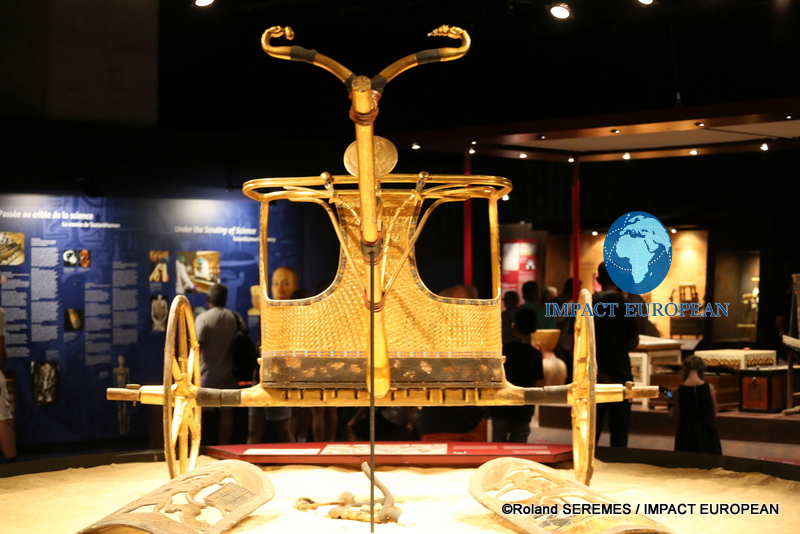
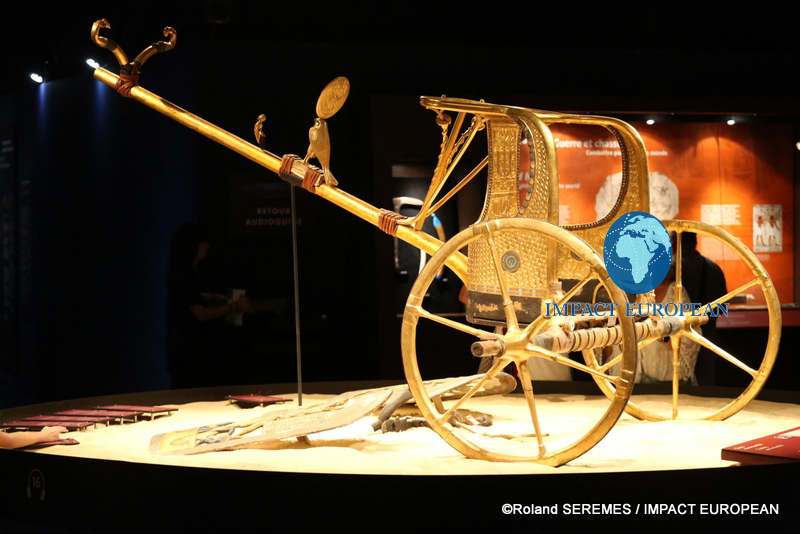
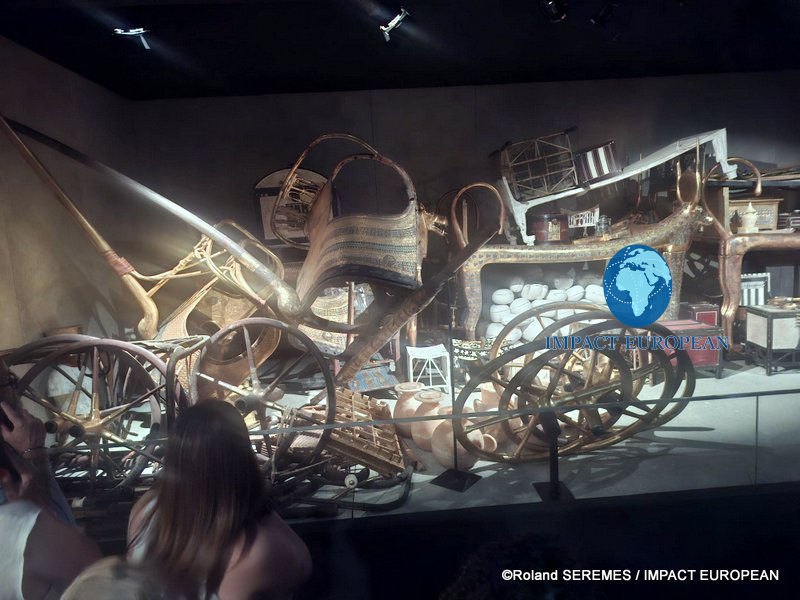
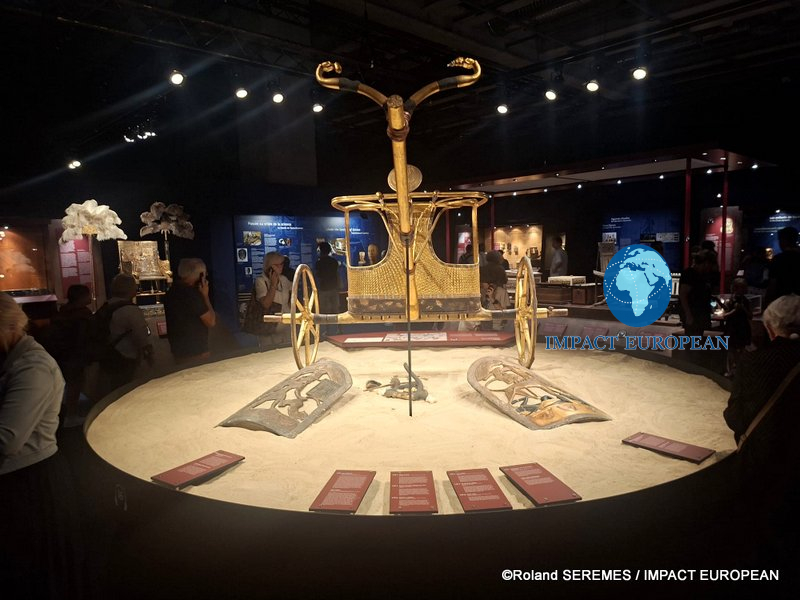
Weapons, sacred objects, jewellery and musical instruments begin to reveal something broader: power, ritual, daily existence and the relationship between the living and the dead.
The real journey into Tutankhamun’s world begins when the icon becomes a doorway rather than the destination.
Reproductions change the question
The Paris exhibition does not present its experience as the rediscovery of Carter’s original moment.
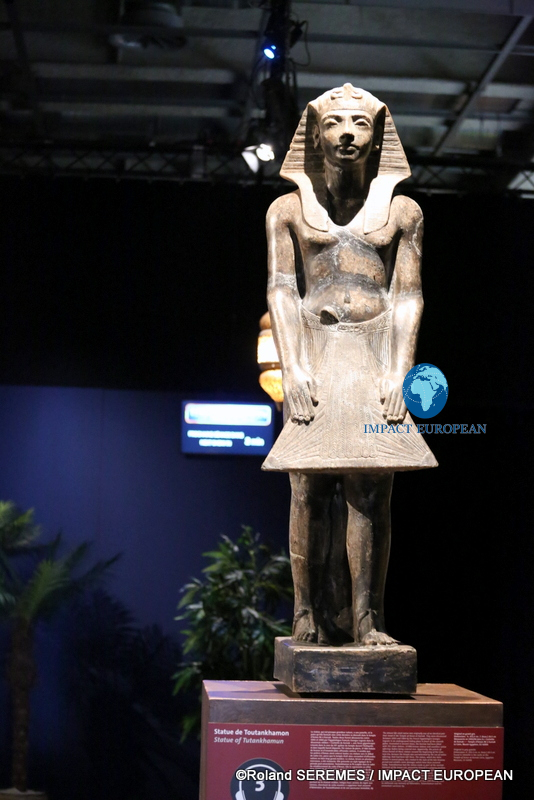
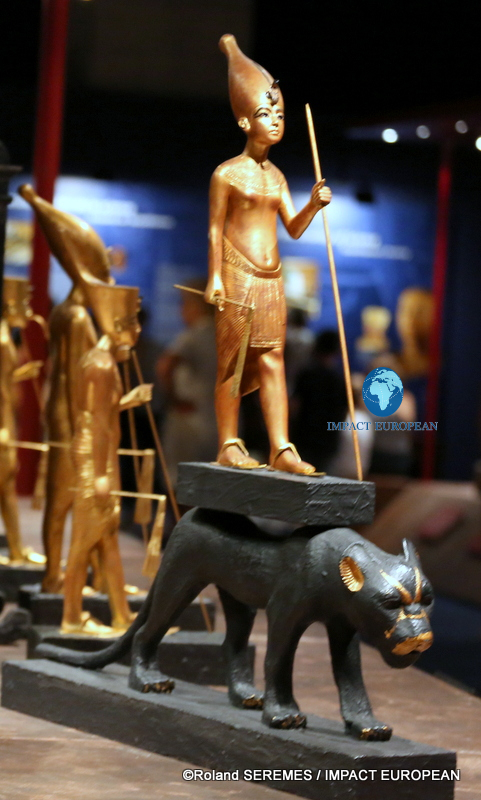
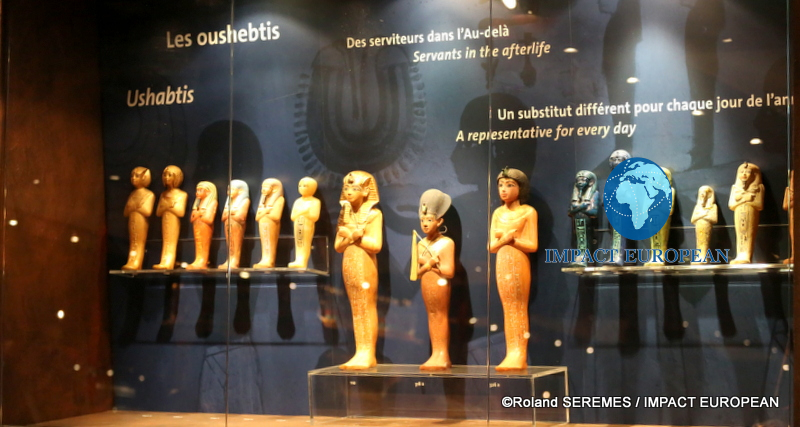
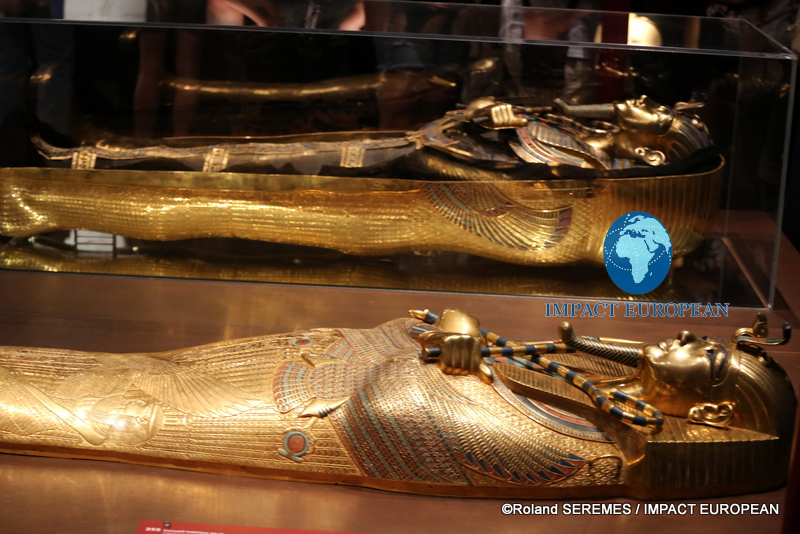
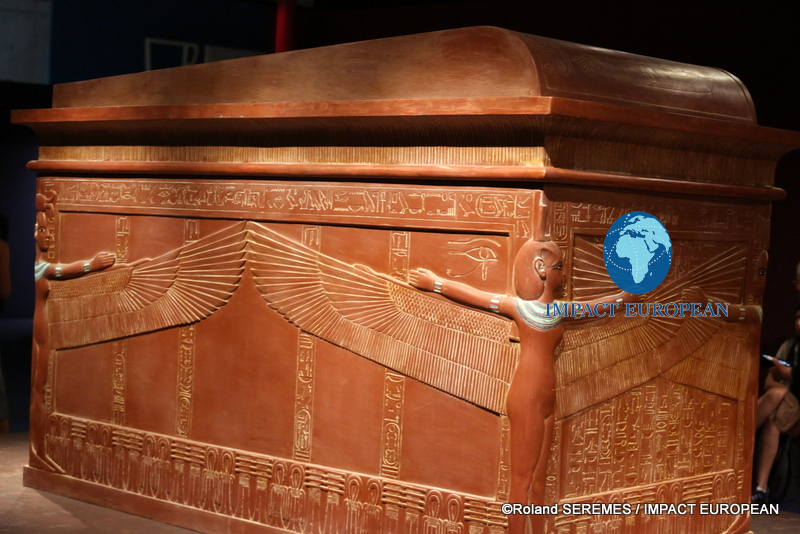
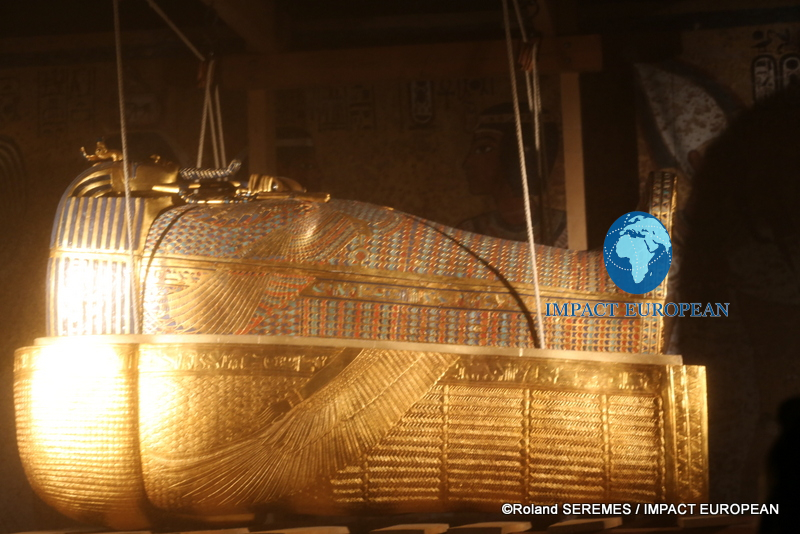
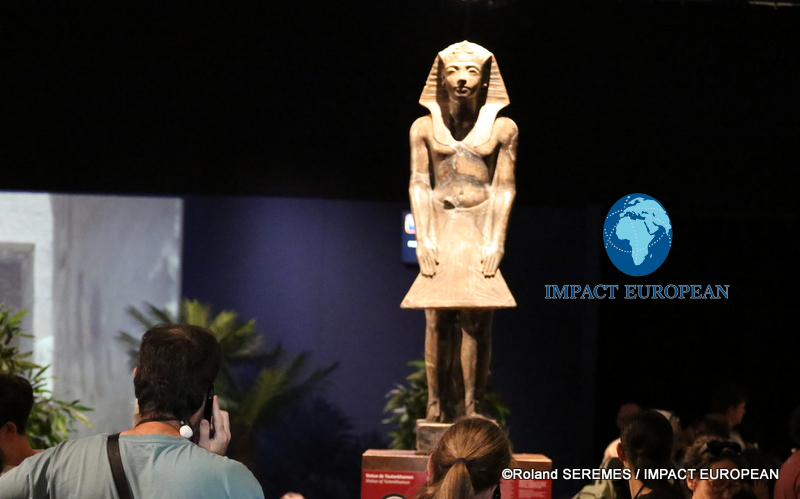
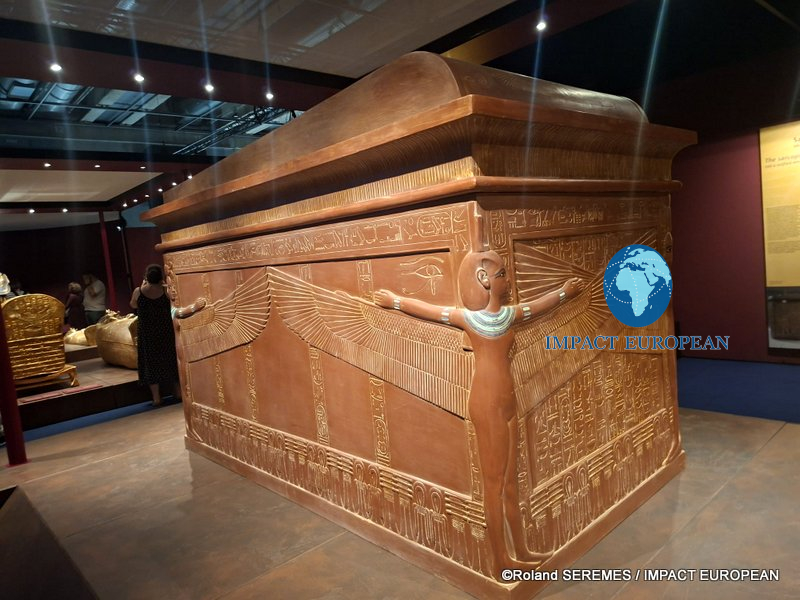
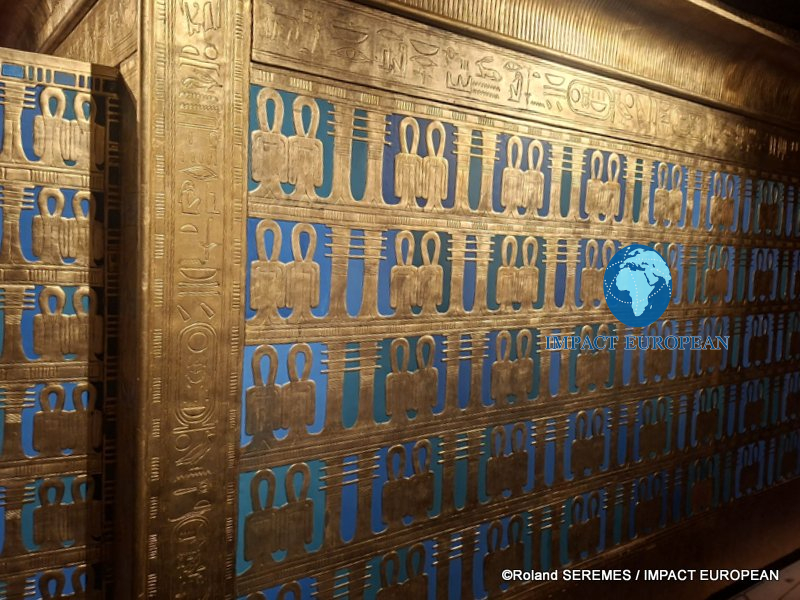
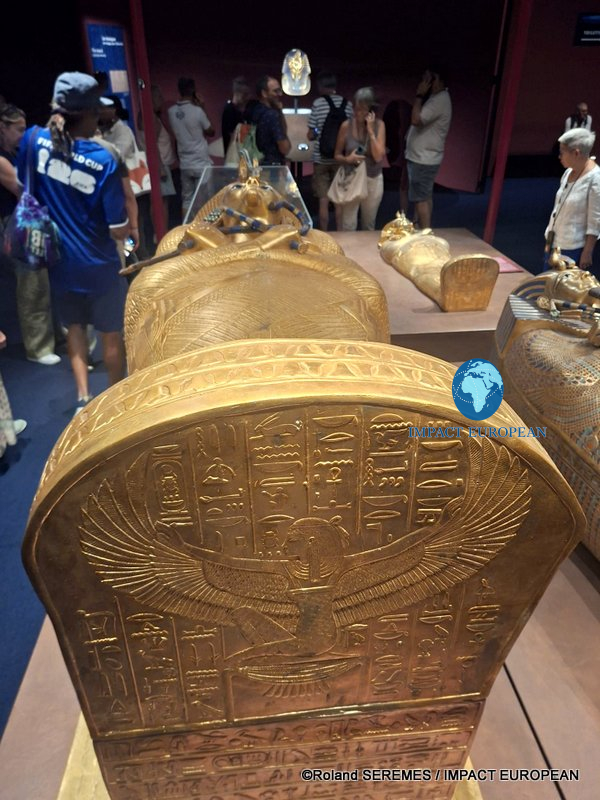
Its treasures are faithful reproductions.
That distinction changes the nature of the encounter.
Visitors are not being asked to stand before an ancient object simply because of its material authenticity.
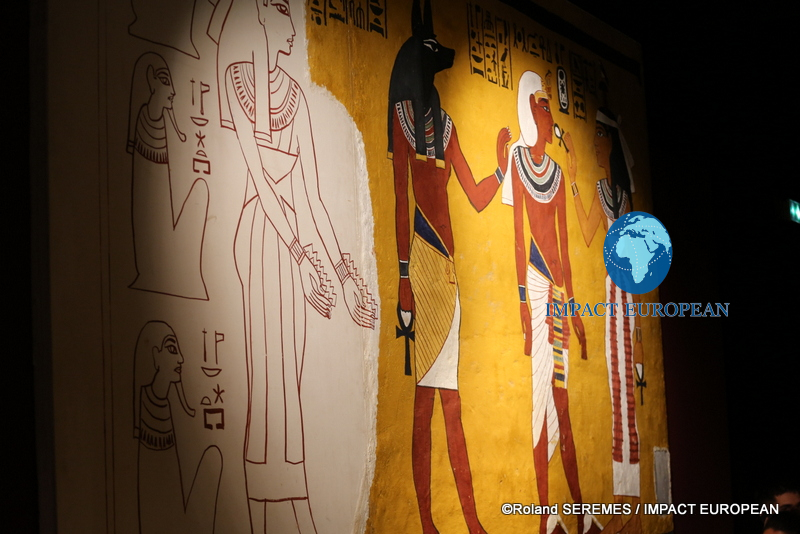
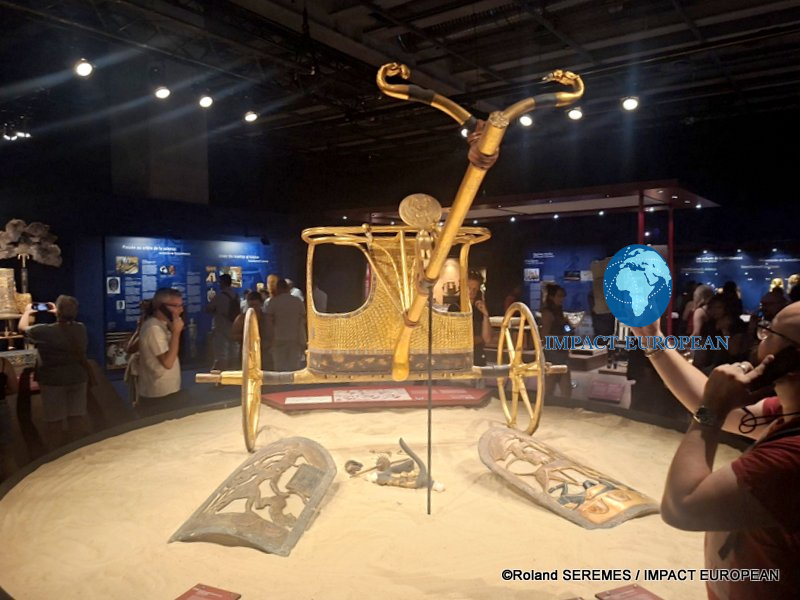
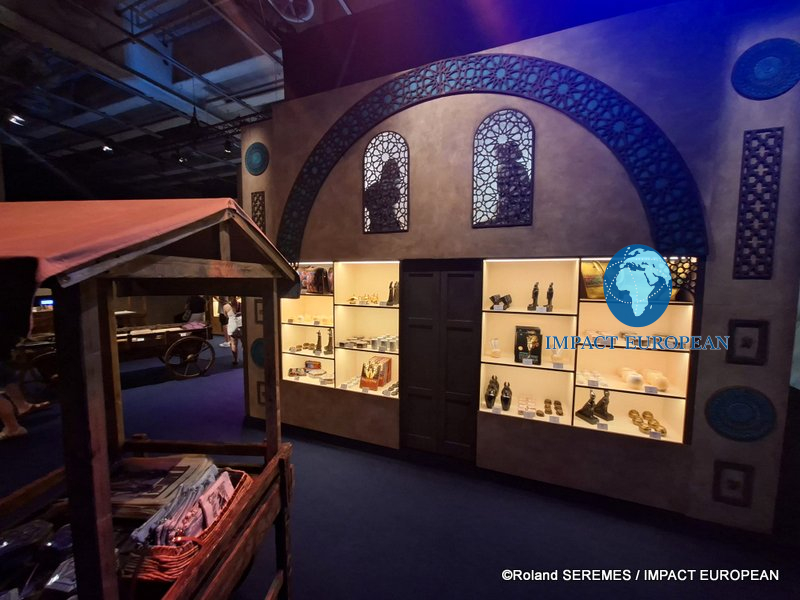
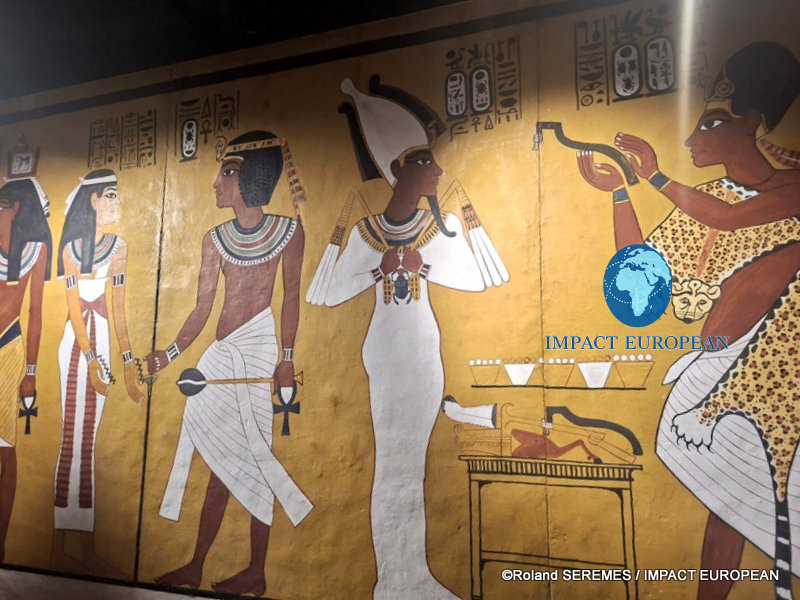
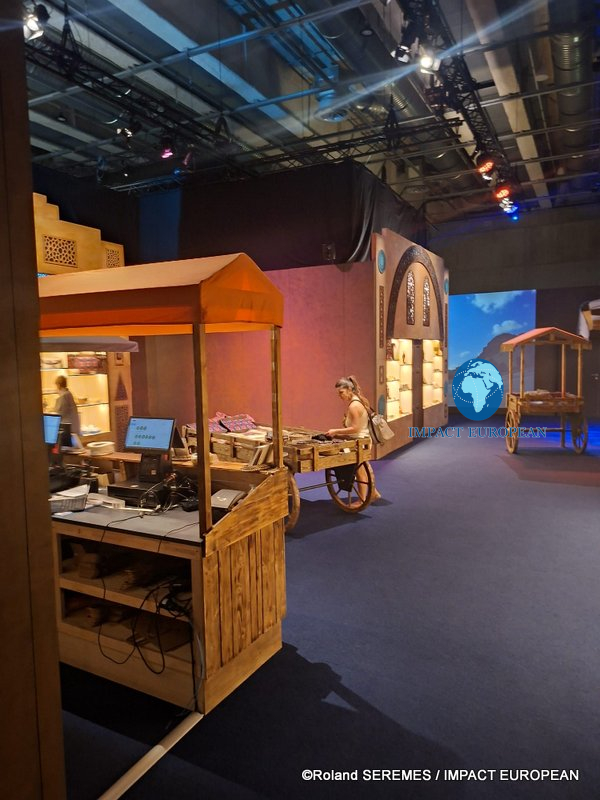
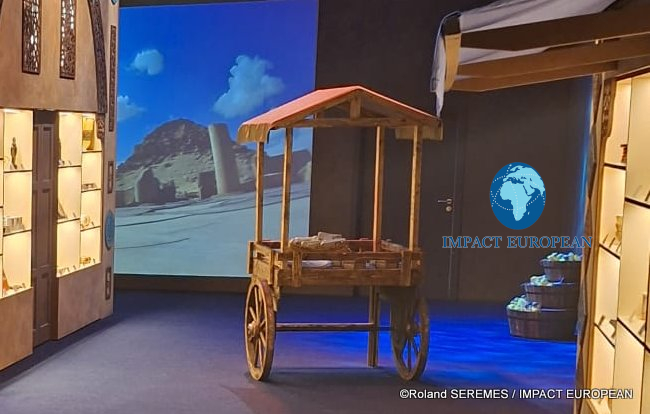
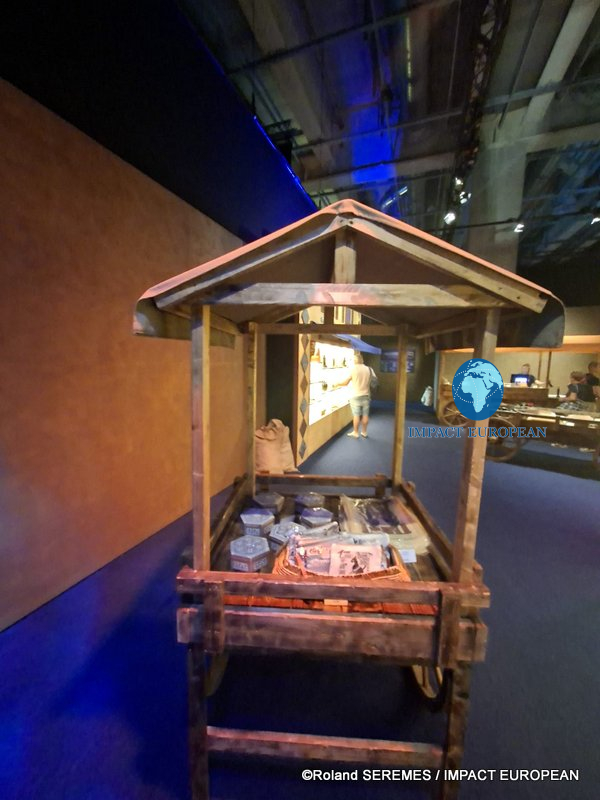
Instead, reconstruction allows individual elements to be brought together in an attempt to recreate the broader environment in which they belonged.
The question consequently changes from “Is this the original?” to “What did all of this mean when it existed together?”
For heritage communication, that is a fundamentally different proposition.
Reproduction becomes a tool for context.
Immersion responds to a universal human desire
Modern audiences increasingly expect cultural experiences to move beyond observation.
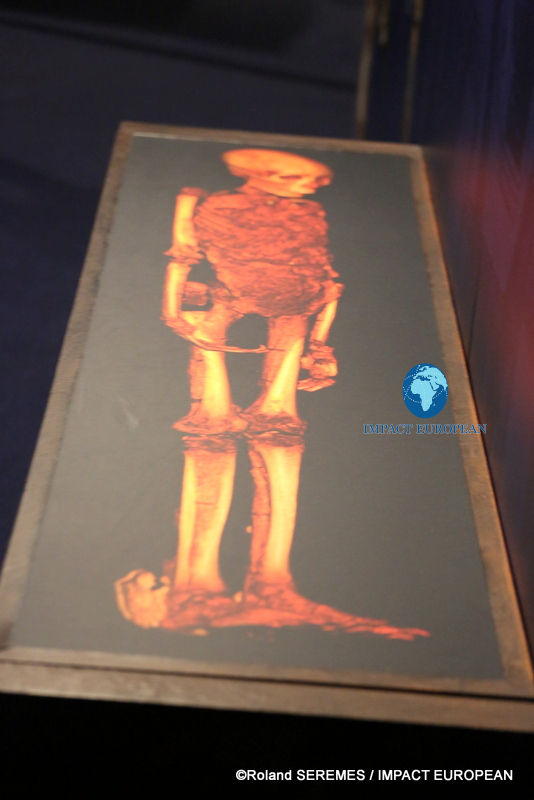
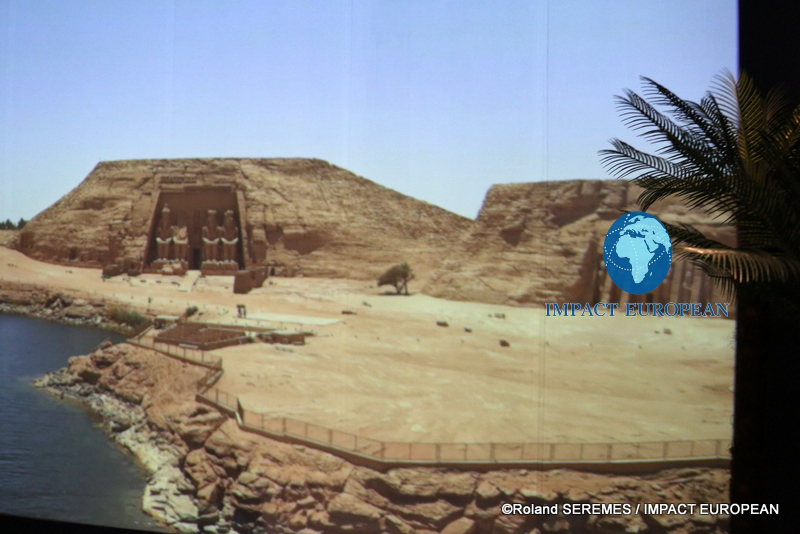
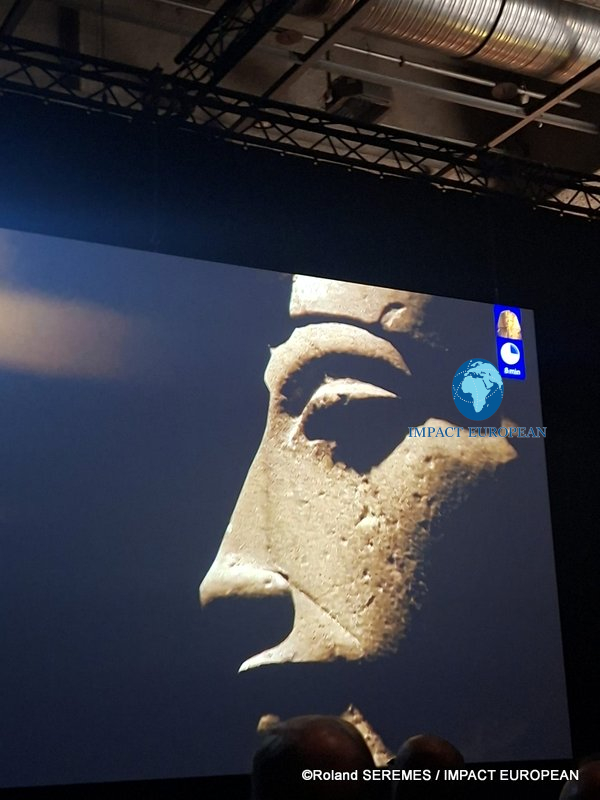
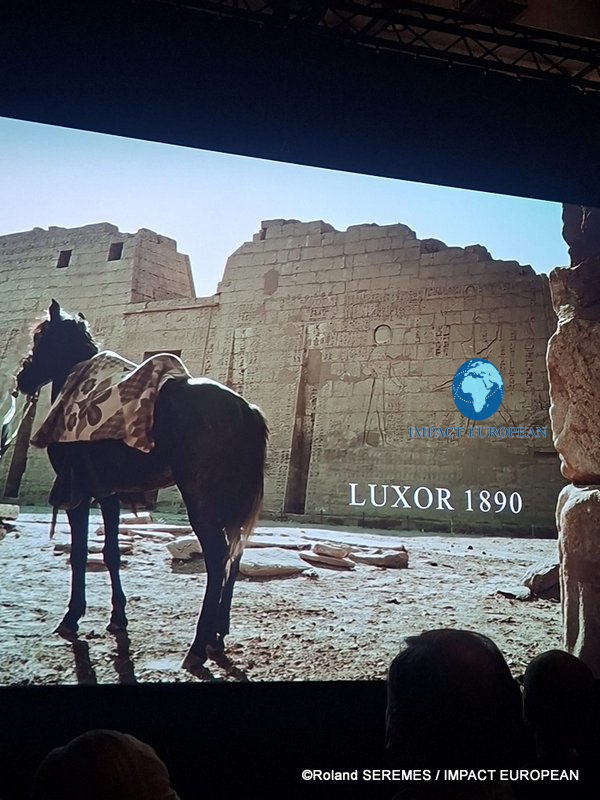
The Paris presentation uses images, sound and staging to create an environment around the historical narrative.
This does not make the visitor an ancient Egyptian.
Nor can technology erase the enormous cultural and chronological distance separating the present from Tutankhamun’s lifetime.
But immersion addresses a deeply human impulse.
We do not only want to know what the past looked like.
We want to imagine what it might have felt like to stand within it.
That desire is not specifically French, European or Egyptian.
It is one reason immersive history has found audiences across the world.
Virtual reality creates a new kind of time travel
Virtual reality takes that desire one stage further.
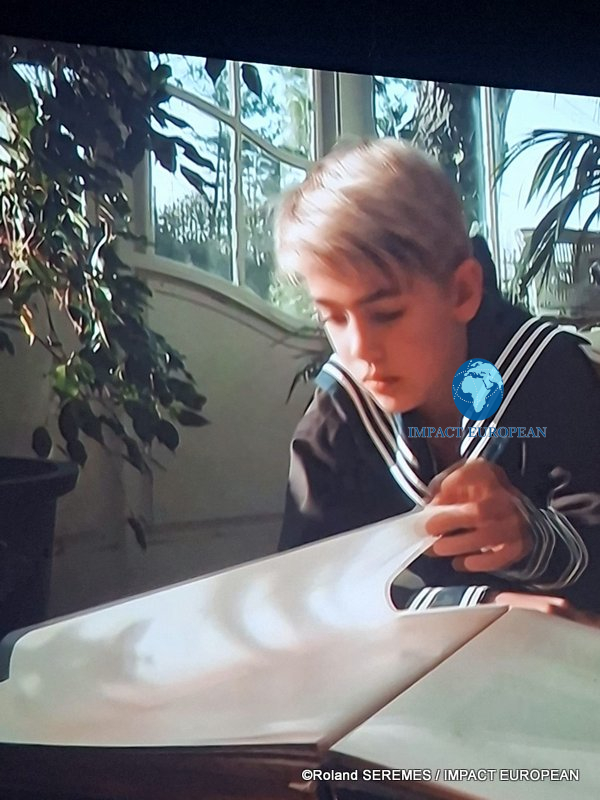
Visitors are invited to cross a symbolic temporal gateway, explore elements of the young king’s life, enter the world of his tomb and follow his journey towards the afterlife.
The technology is unmistakably twenty-first century.
The subject could hardly be older.
Bringing the two together creates an unusual cultural encounter: one of the world’s most famous ancient rulers interpreted through one of the newest forms of visual experience.
VR does not turn reconstruction into historical reality.
Its value lies elsewhere.
It provides a new language through which contemporary audiences can approach a story thousands of years old.
Every generation creates its own Tutankhamun
The ancient Egyptians knew a king.
Howard Carter’s generation encountered an archaeological sensation.
The twentieth century transformed Tutankhamun into an international icon.
Contemporary audiences increasingly meet him through reconstruction, digital imagery and immersive technology.
The historical figure remains the same.
The ways in which the world encounters him continue to change.
That may be one of the most revealing aspects of Tutankhamun’s enduring fame.
Each generation inherits the discovery, then develops new ways of approaching it.
Paris in 2026 represents another stage in that process.
Immortality took an unexpected form
Ancient Egyptian beliefs prepared the king for eternity.
History produced another kind.
Tutankhamun survived not physically, but through a name, a tomb, a collection of extraordinary objects and an image that became recognisable around the world.
More than a century after Carter’s discovery, people are still trying to cross the distance separating them from the young pharaoh.
Museums, books and archaeology have provided some of those bridges.
Reconstruction and virtual reality now provide others.
That is why the invitation to live in the world of Tutankhamun carries meaning beyond a single exhibition.
It expresses the enduring human desire to enter a world that has disappeared — and to understand why, thousands of years later, it has never completely left us.
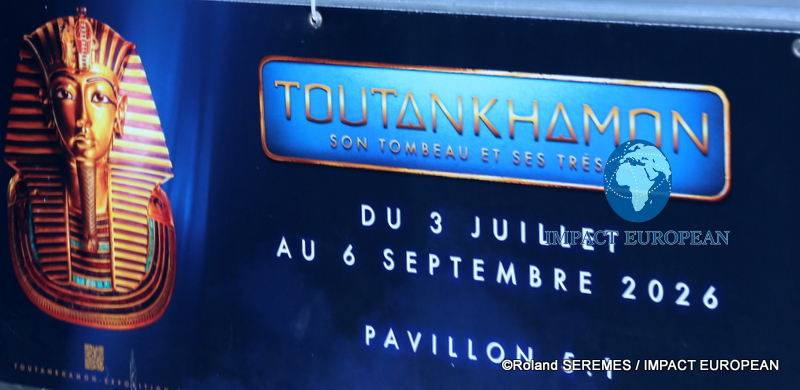
“Tutankhamun: His Tomb and His Treasures”
Paris Expo – Porte de Versailles
July 3 – September 6, 2026
©2026 IMPACT EUROPEAN – All rights reserved
Views: 20
More Stories
France Protests on October 17: Mass Mobilization Overshadowed by Violence Across the Country
Work Palace Opens in Paris: INSITU Brings Luxury Hospitality Into the Workplace
Rugby Pro D2: Colomiers Defeat Narbonne 49-28 to Claim Bonus-Point Victory