

Copyright © 2026 IMPACT EUROPEAN








Views: 325
Independent Daily
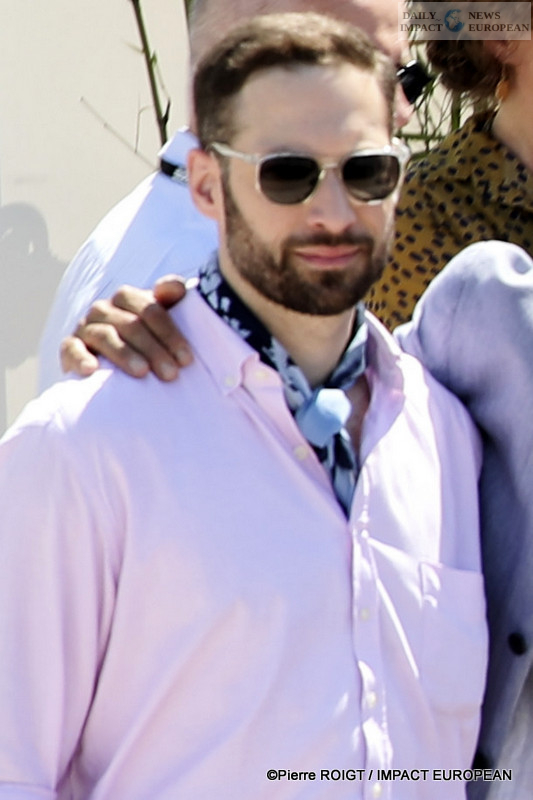
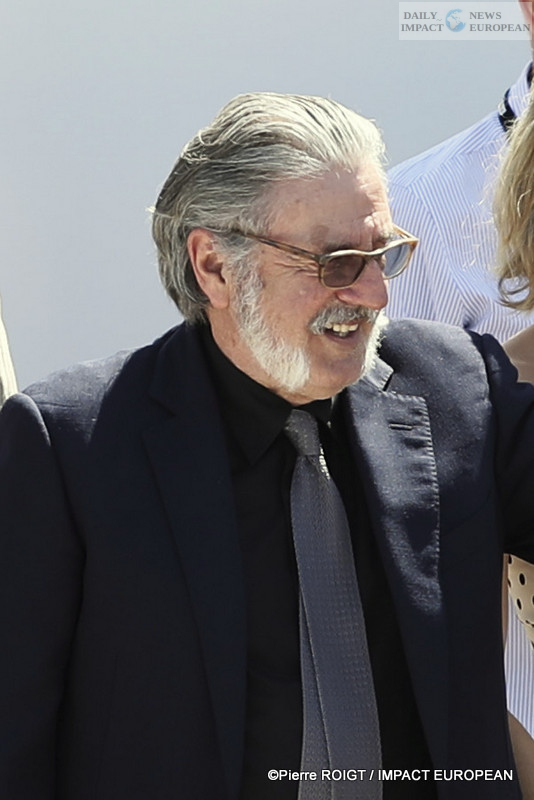
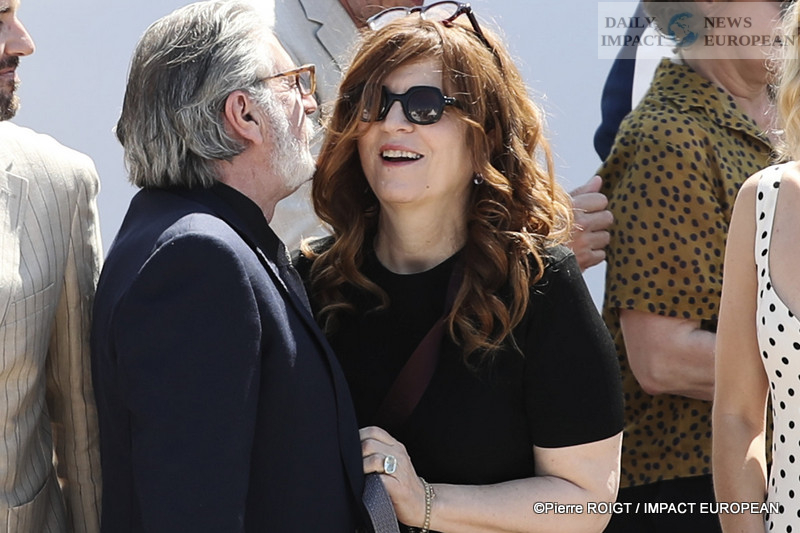
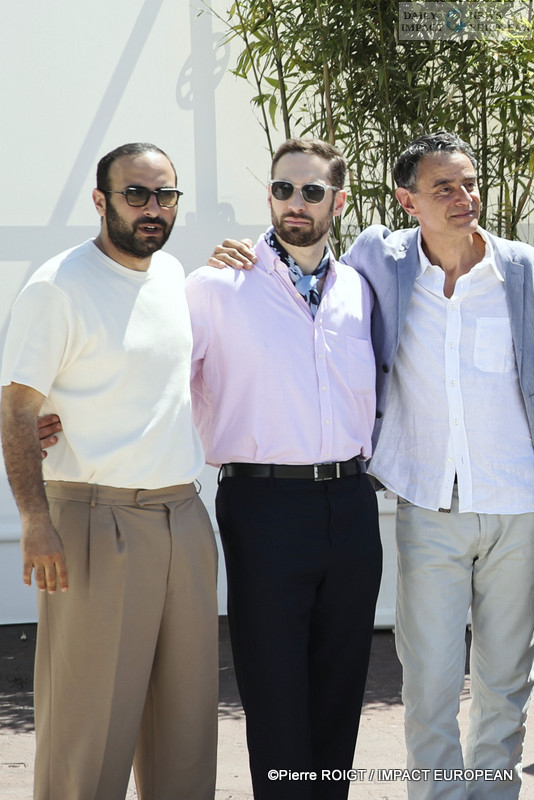
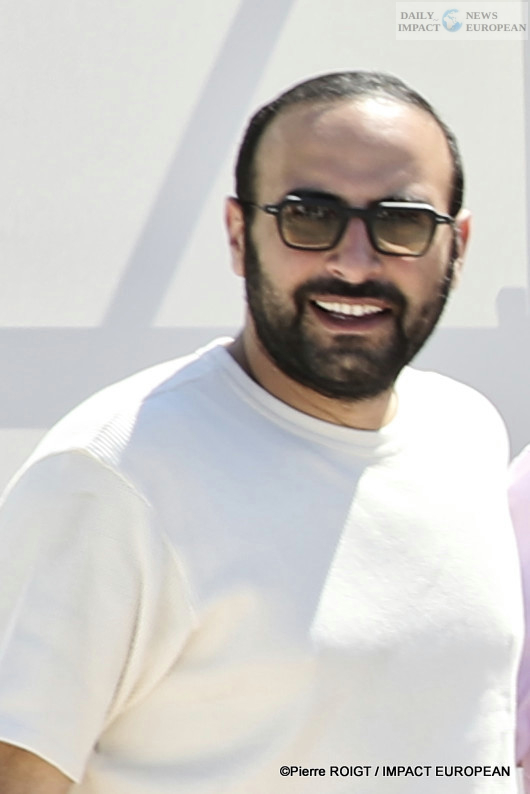
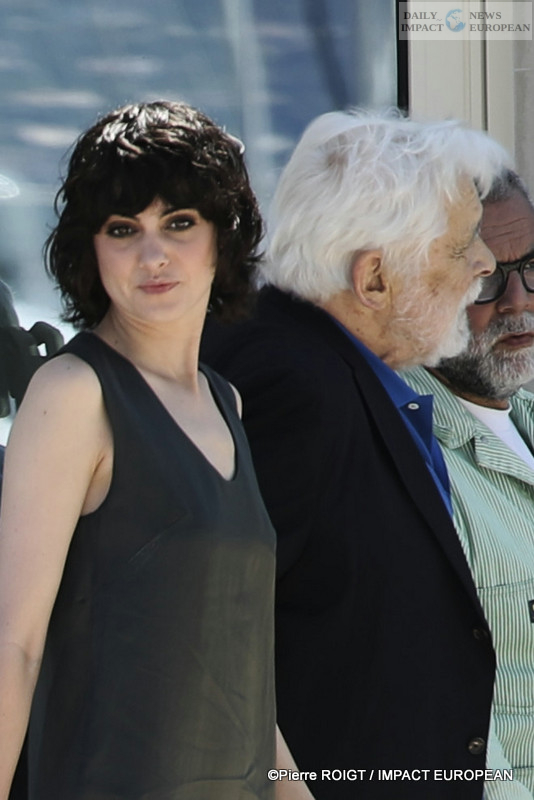
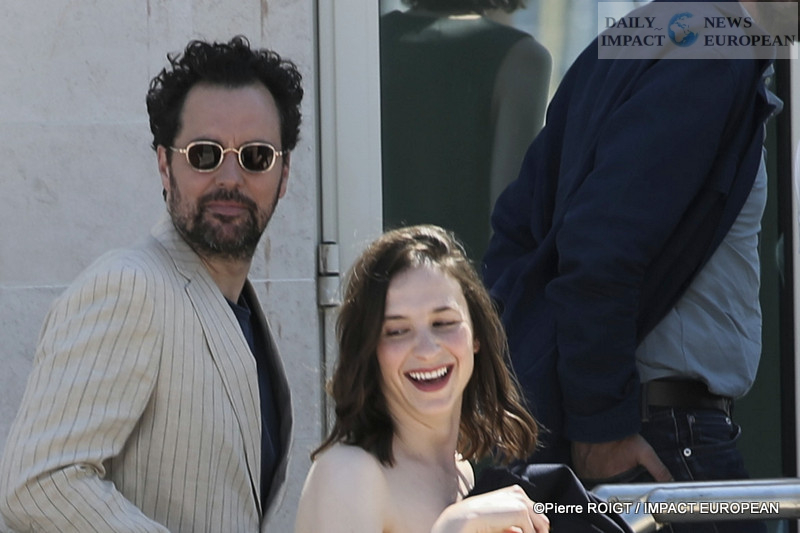
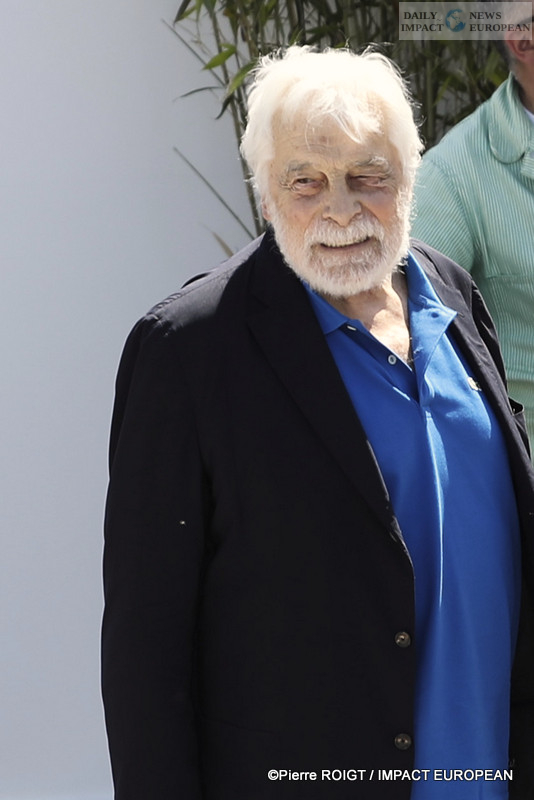
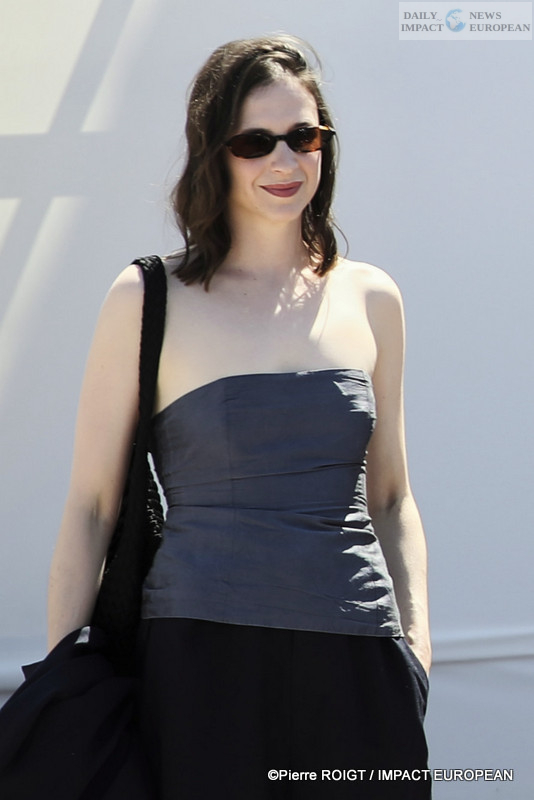
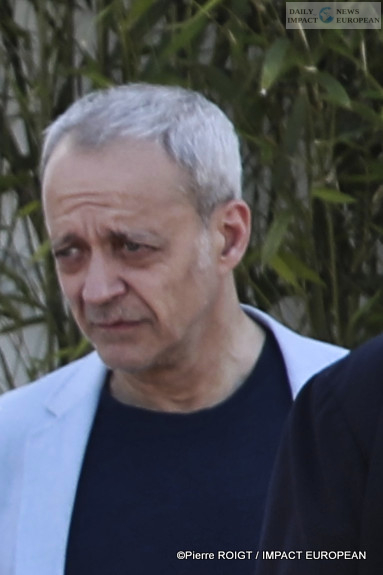
Oussama Kheddam, Maxime Pambet, Vincenzo Amato, Lucie Gallo, Loic Legendre, Daniel Auteuil, Agnes Jaoui, Tiphaine Daviot et Claire Chust avant le photocall du film "L’OBJET DU DÉLIT" - Hors Compétition - Cannes, France. ©Pierre ROIGT / IMPACT EUROPEAN
With The Object of the Crime, Agnès Jaoui returns with a risky and highly contemporary subject.
The film takes place inside a theatre company rehearsing The Marriage of Figaro.
What begins as artistic collaboration suddenly collapses after an actress accuses a male performer of sexual assault.
From that moment, rehearsal becomes a social battlefield, and comedy turns into moral discomfort.
Jaoui does not approach #MeToo as a slogan, but as a conflict of language, loyalty and fear.
Every character must decide what they believe, what they know, and what they are willing to risk.
That is where the film becomes genuinely interesting.
It understands that public debates about sexual violence rarely unfold cleanly or comfortably.
People hesitate, overreact, protect themselves, judge too fast, or refuse to see what is obvious.
Jaoui’s greatest strength remains her ability to turn social tension into sharp, human comedy.
The humor is biting, but never cruel toward victims or trauma.
Instead, it targets cowardice, hypocrisy and the theatrical nature of moral positioning.
The setting is perfect, because theatre is already a world of masks, egos and fragile hierarchies.
Daniel Auteuil brings quiet authority, while Eye Haïdara adds energy and emotional clarity.
Tiphaine Daviot is especially strong as Suzanna, giving the accusation a fragile but determined presence.
Agnès Jaoui gives herself one of the film’s most uncomfortable roles.
She plays an experienced singer who questions immediate cancellation before legal judgment.
This could have been disastrous, but the film avoids simple provocation.
Instead, it uses her character to explore generational fractures inside feminism itself.
The movie suggests that today’s cultural world may contain two feminist languages that no longer understand each other.
One demands urgent protection and accountability.
The other worries about procedure, nuance and irreversible public punishment.
Jaoui does not pretend to solve this contradiction.
She stages it, lets it breathe, and allows the discomfort to remain.
The film is not flawless.
Some scenes over-explain their ideas, and the balance between comedy and drama occasionally feels unstable.
But that instability also reflects the subject itself.
The Object of the Crime is a smart, uneasy and very French #MeToo comedy.
It may divide audiences, but that division is precisely why it feels alive.
Views: 325
More Stories
France Protests on October 17: Mass Mobilization Overshadowed by Violence Across the Country
Work Palace Opens in Paris: INSITU Brings Luxury Hospitality Into the Workplace
Rugby Pro D2: Colomiers Defeat Narbonne 49-28 to Claim Bonus-Point Victory