

The rhythmic beat of the Republican Guard echoed through the courtyard of Les Invalides as the royal motorcade approached one of France’s most symbolic landmarks. Beneath a bright Parisian sky, His Majesty King Maha Vajiralongkorn (Rama X) and Her Majesty Queen Suthida began a state visit unlike any other in recent decades.
Military honours, red carpets and official portraits naturally drew the attention of photographers gathered outside the Élysée Palace. Yet beyond the elegance of royal protocol, this visit carried a far deeper significance.
More than sixty-six years after Thailand’s last state visit to France—and as both countries commemorate 170 years of diplomatic relations—Paris became the stage for a renewed dialogue between Europe and Southeast Asia. It was not simply a ceremonial reunion between two long-standing partners. It reflected changing geopolitical realities, expanding economic cooperation and a shared commitment to addressing global challenges through diplomacy, innovation and cultural exchange.
For France, the visit reaffirmed its ambition to strengthen partnerships across the Indo-Pacific. For Thailand, it represented an opportunity to deepen ties with one of Europe’s leading diplomatic and economic powers while showcasing the Kingdom’s growing role on the international stage.
For observers, it was a reminder that diplomacy today is measured not only by official declarations but also by the relationships built through education, technology, business, culture and mutual understanding.
A Historic Visit with Deep Diplomatic Roots
State visits occupy the highest level of diplomatic engagement between sovereign nations. They celebrate history while opening the door to future cooperation.
The relationship between France and Thailand stretches back nearly two centuries.
Official diplomatic relations were established in 1856, when the Kingdom of Siam sought to modernise while carefully preserving its independence during an era of colonial expansion across Asia.
Royal diplomacy soon became one of the defining features of that relationship.
In 1897, King Chulalongkorn (Rama V) travelled across Europe, including France, to strengthen political dialogue and introduce his country’s modernisation efforts to the Western world.
More than six decades later, in 1960, King Bhumibol Adulyadej (Rama IX) and Queen Sirikit were welcomed by President Charles de Gaulle, reinforcing bilateral relations during one of the most complex periods of the Cold War.
The 2026 state visit of King Rama X therefore represents much more than a diplomatic anniversary.
It is the first state visit by a Thai monarch to France since 1960 and the first official European state visit of King Rama X’s reign, giving the occasion exceptional historical significance.
Paris Welcomes the Thai Royal Family
King Rama X, Queen Suthida and Princess Sirivannavari Nariratana Rajakanya arrived in Paris to a carefully orchestrated official welcome reflecting the traditions of the French Republic.
Upon landing at Paris-Orly Airport, Their Majesties were greeted by French Interior Minister Laurent Nuñez, French Ambassador to Thailand Jean-Claude Poimboeuf, Thailand’s Ambassador to France Nikorndej Balankura, and Princess Sirivannavari herself.
The delegation then travelled to Le Meurice, the legendary Parisian palace selected by the French government as the royal residence during the visit.
Often referred to as « the hotel of kings, » Le Meurice represents far more than luxury accommodation.
Located opposite the Tuileries Garden, the palace embodies French excellence in hospitality, architecture and gastronomy. Redesigned by Philippe Starck, it combines eighteenth-century elegance with contemporary refinement while hosting Alain Ducasse’s Michelin-starred restaurant and the internationally acclaimed pastry creations of Cédric Grolet.
In many ways, the choice of Le Meurice illustrates one of France’s most effective diplomatic tools: soft power.
Luxury, gastronomy, heritage and cultural excellence remain central elements of France’s global influence.
Ceremony as Diplomatic Language
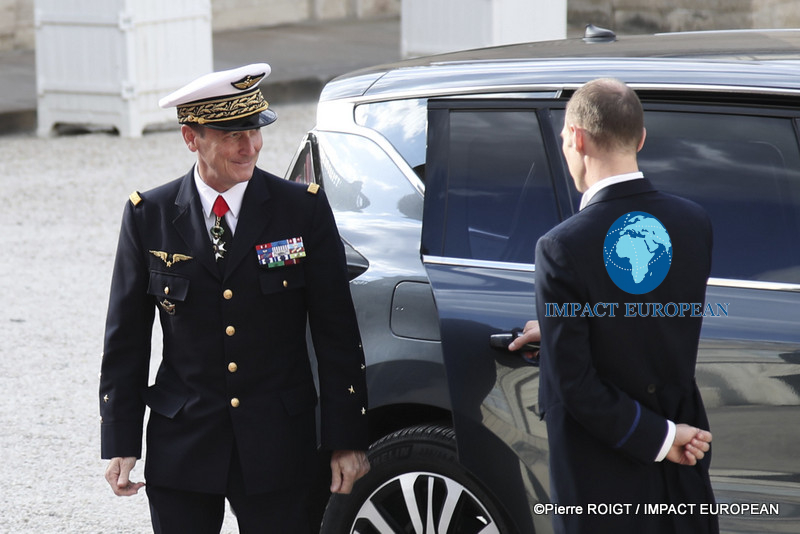
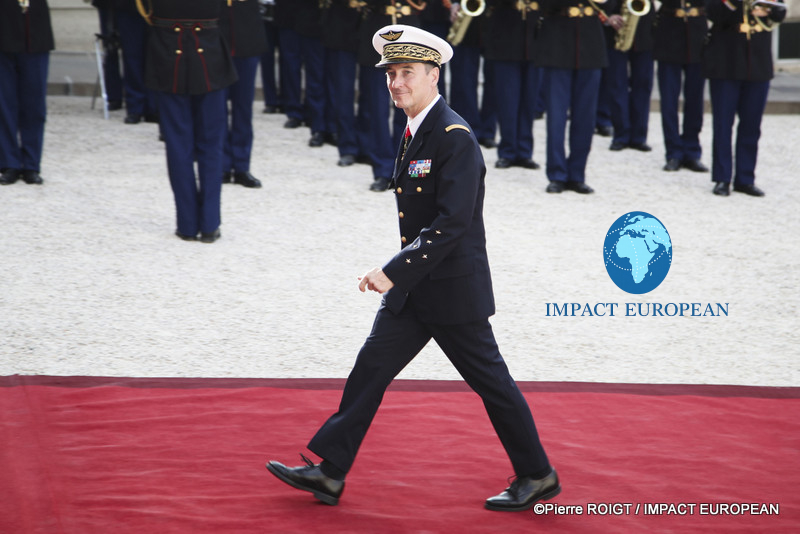
The following day, official ceremonies began at Les Invalides, where France reserved its highest military honours for the visiting monarch.
Founded by Louis XIV in the seventeenth century and now home to Napoleon Bonaparte’s tomb, Les Invalides remains one of the country’s most powerful national symbols.
Receiving a foreign head of state there is never merely ceremonial.
It signals respect, trust and recognition.
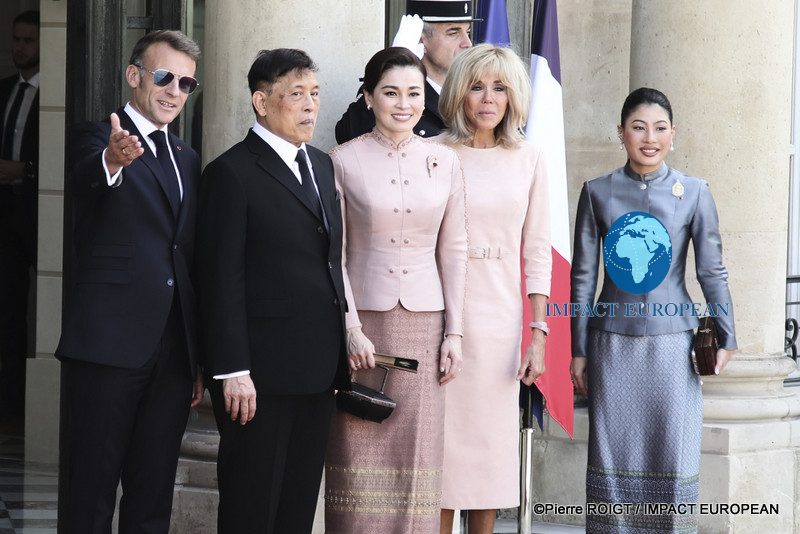
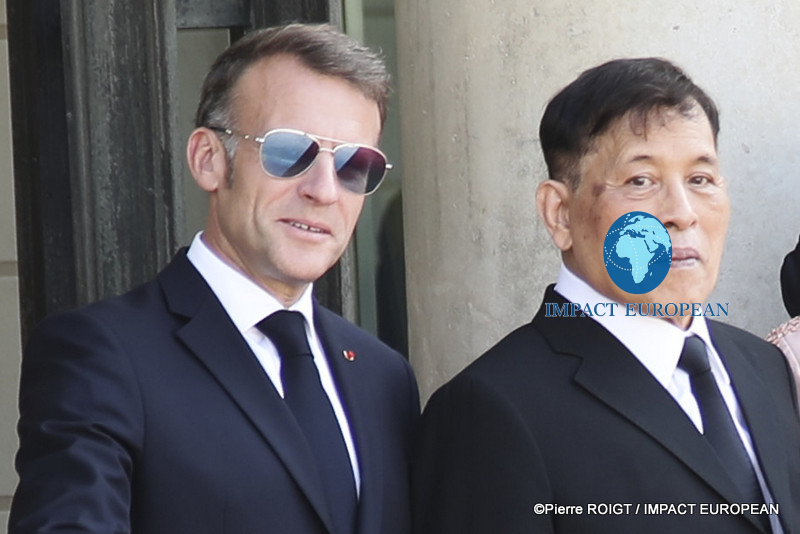
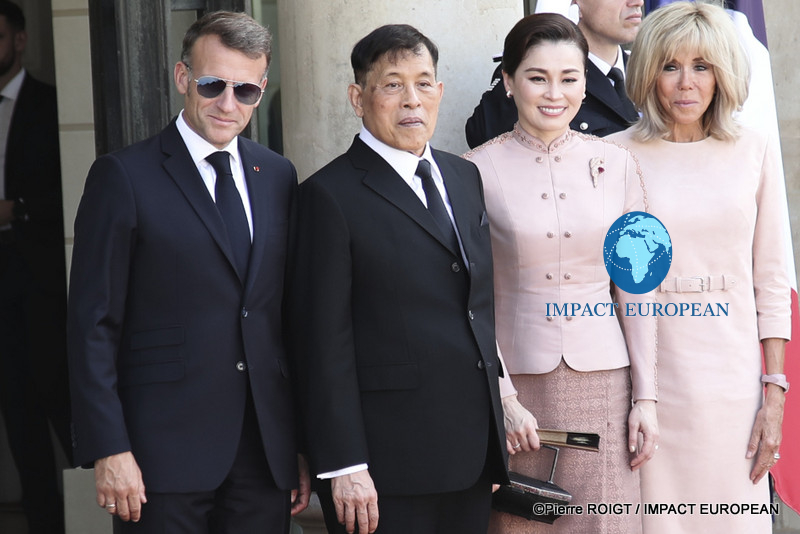
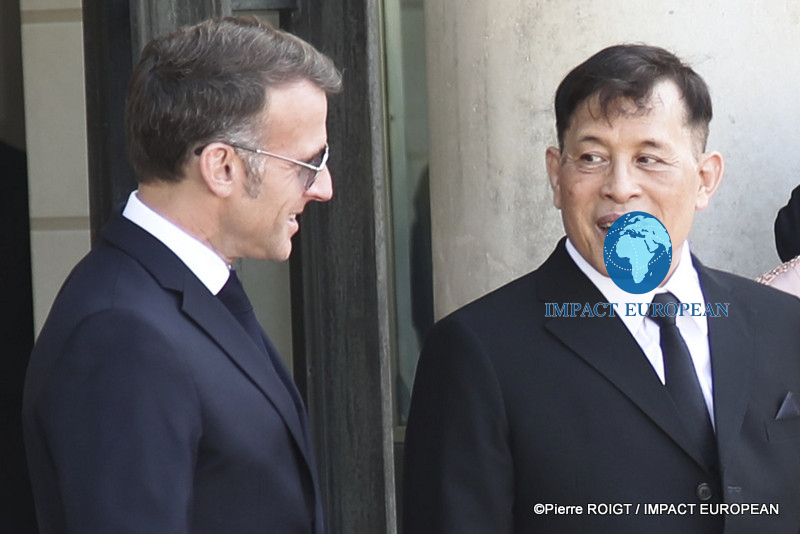
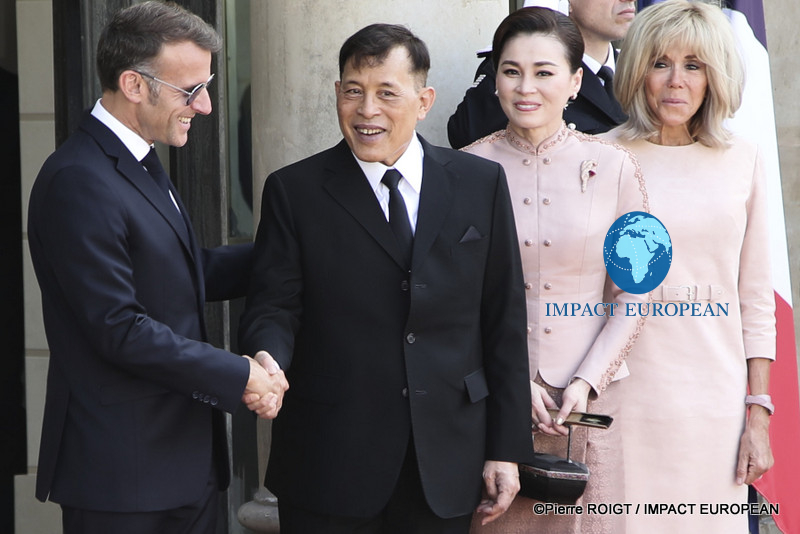
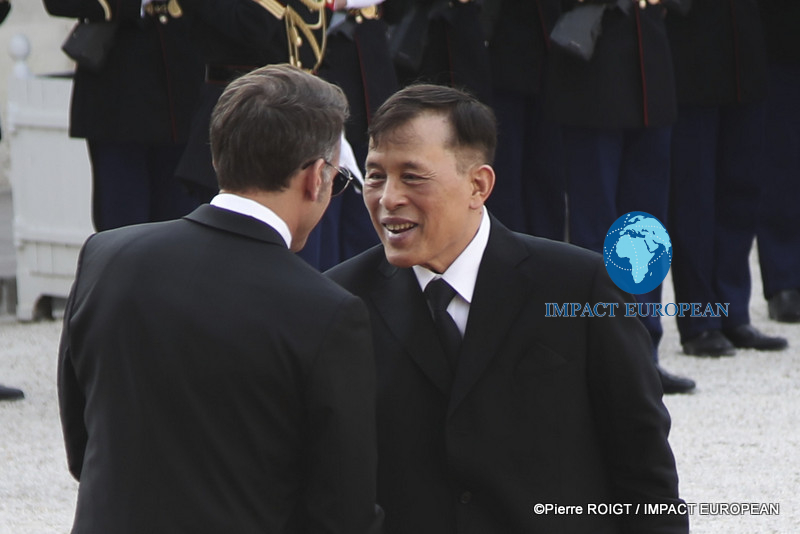
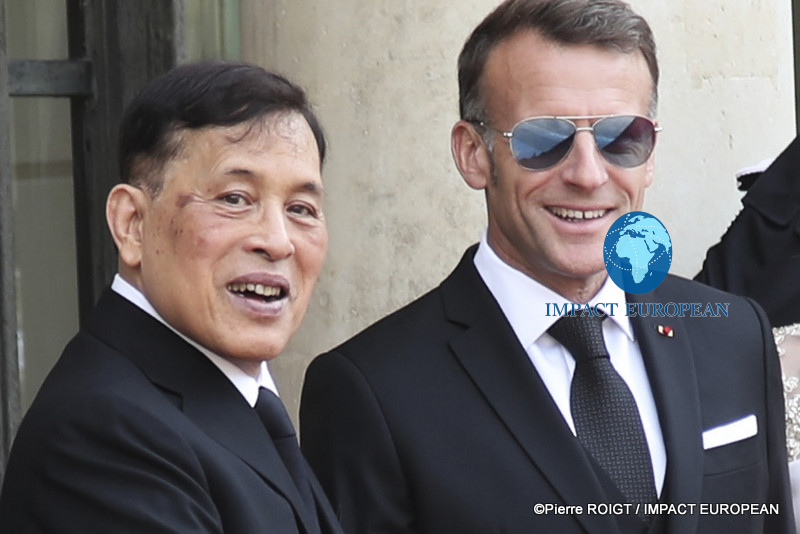
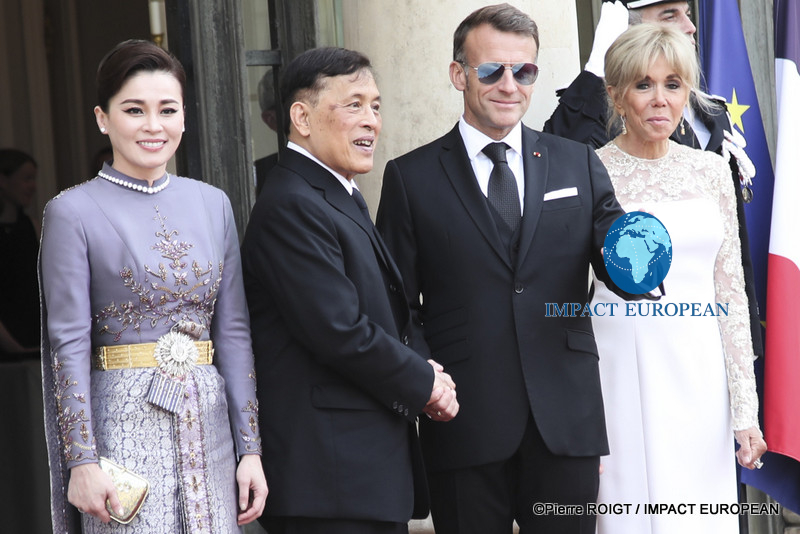
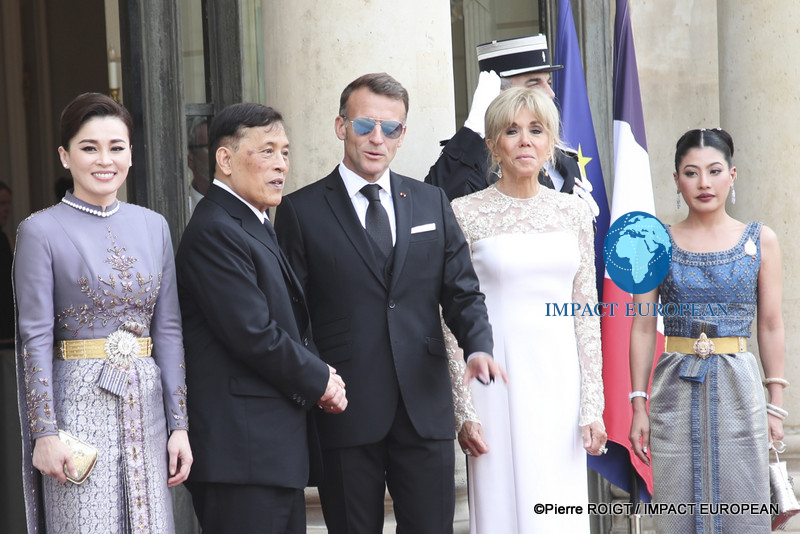
From there, the royal procession continued to the Élysée Palace, where President Emmanuel Macron and First Lady Brigitte Macron officially welcomed Their Majesties.
The ceremony reflected not only the precision of French republican protocol but also the mutual esteem between both nations.
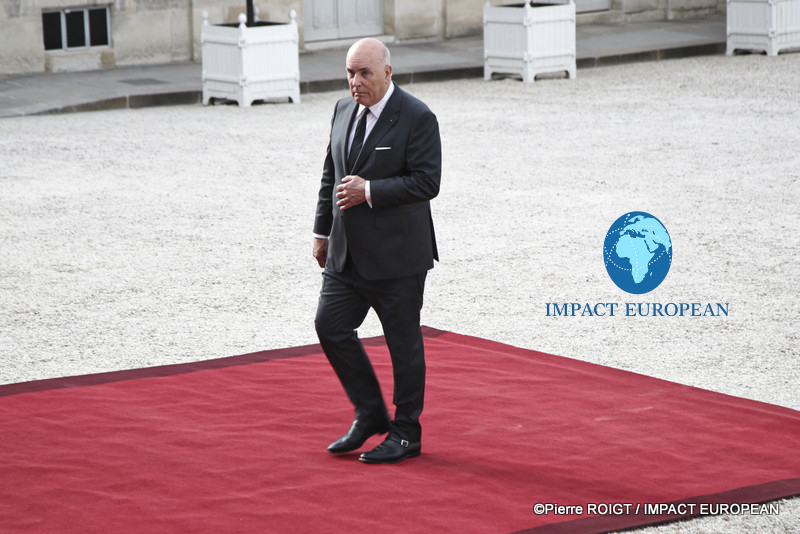
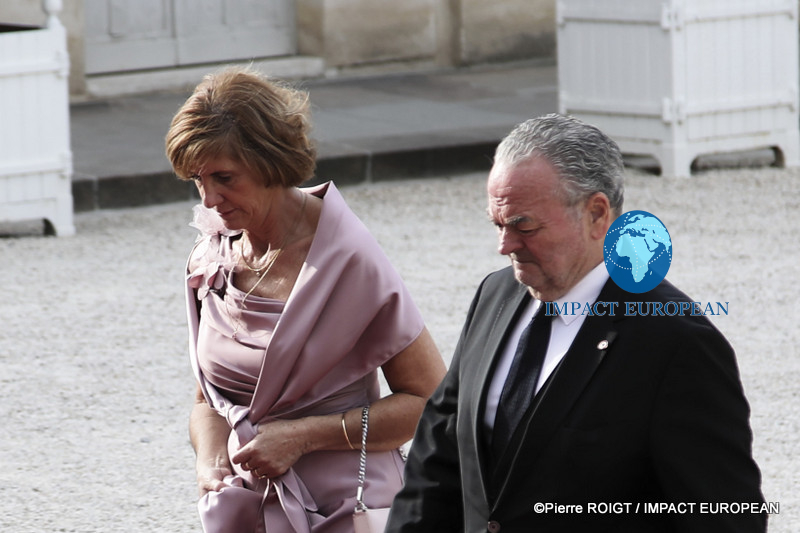
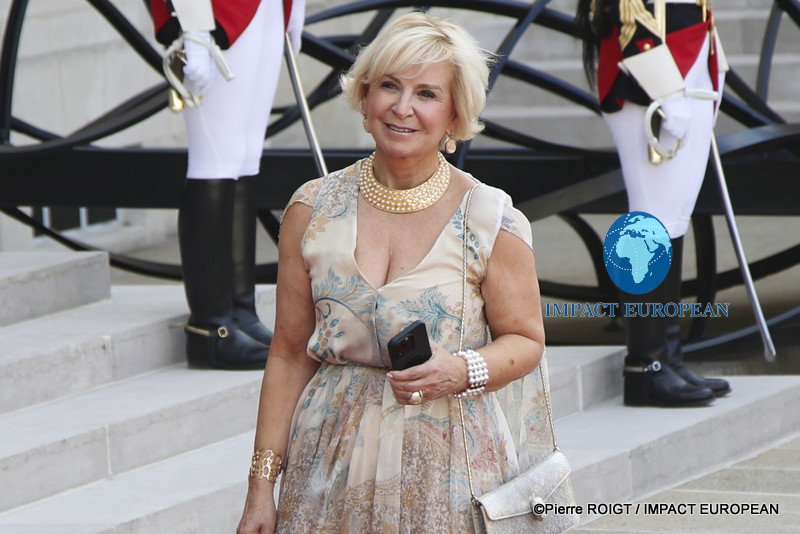
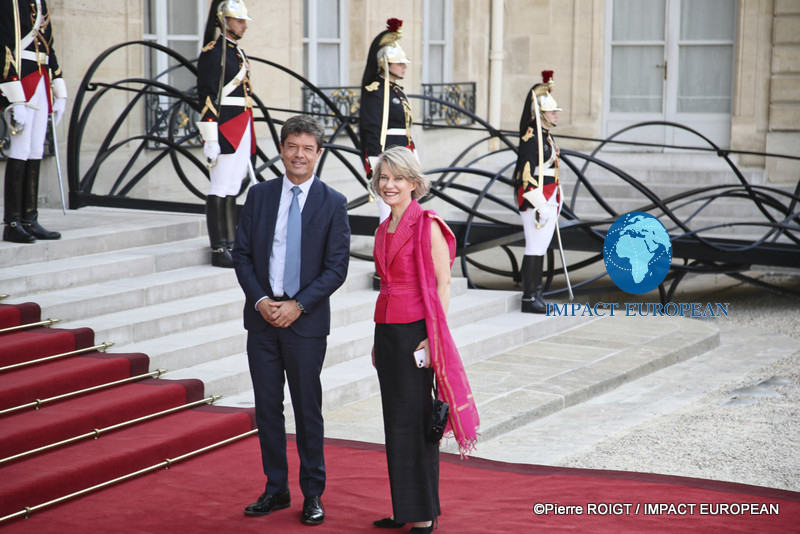
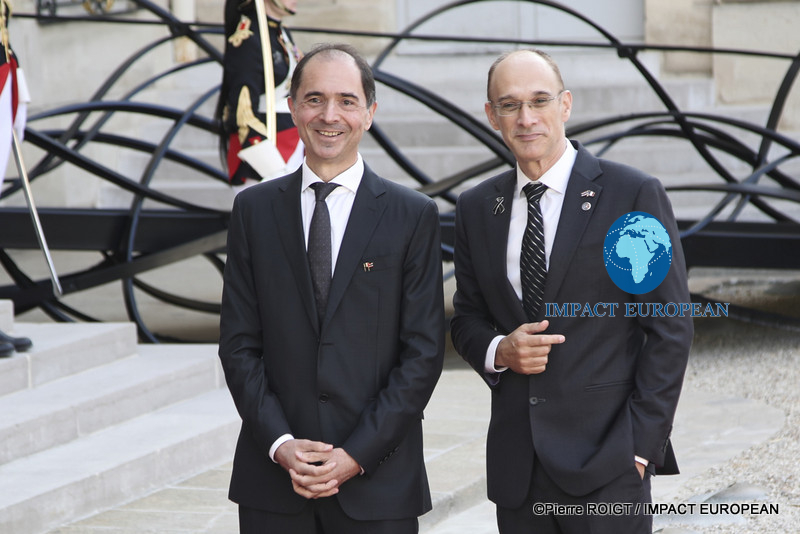
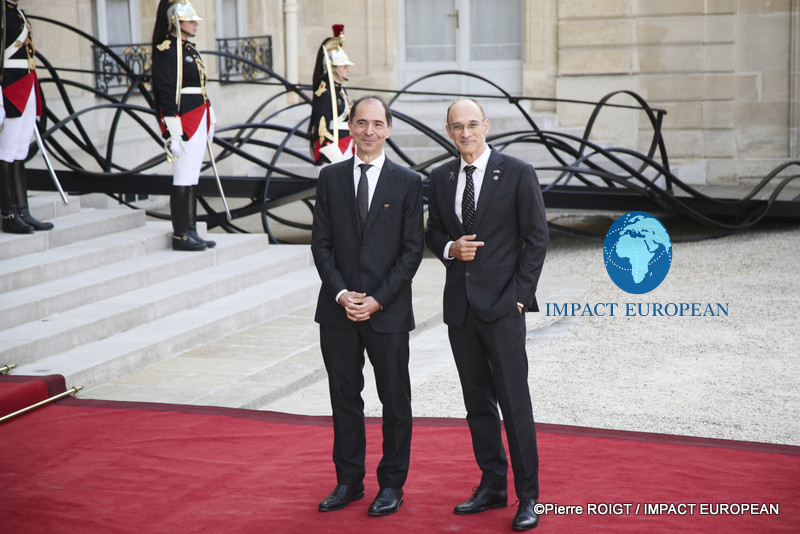
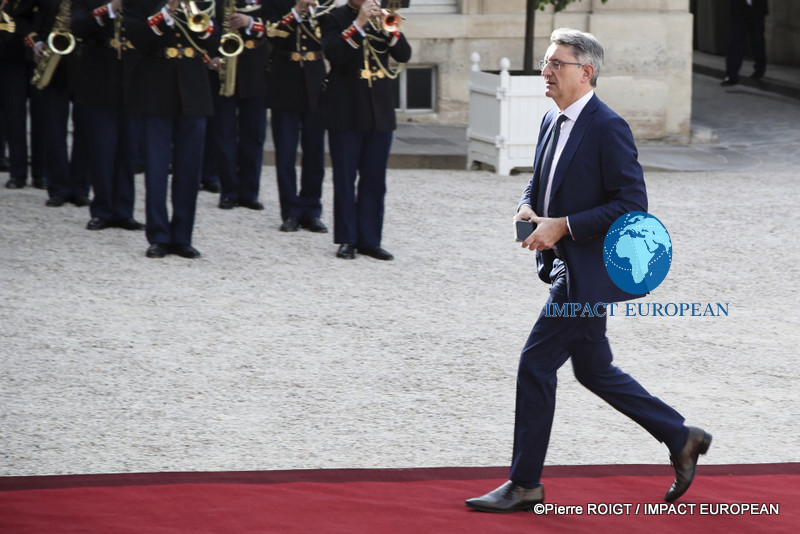
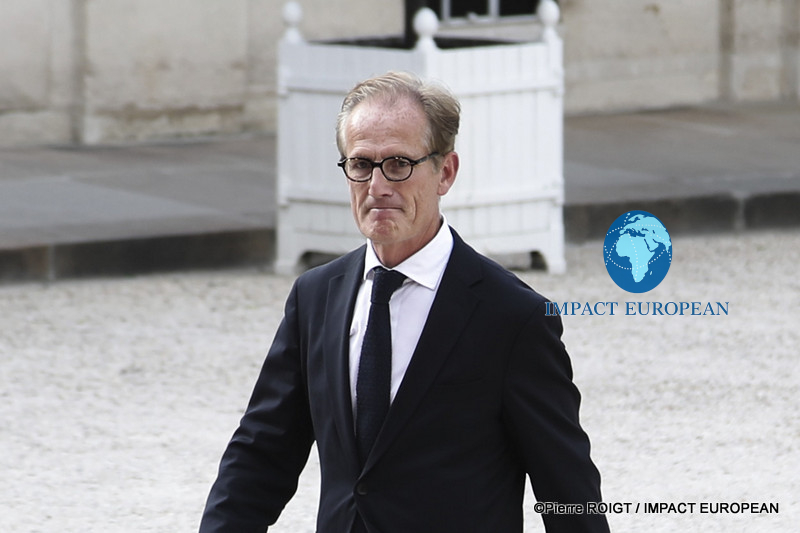
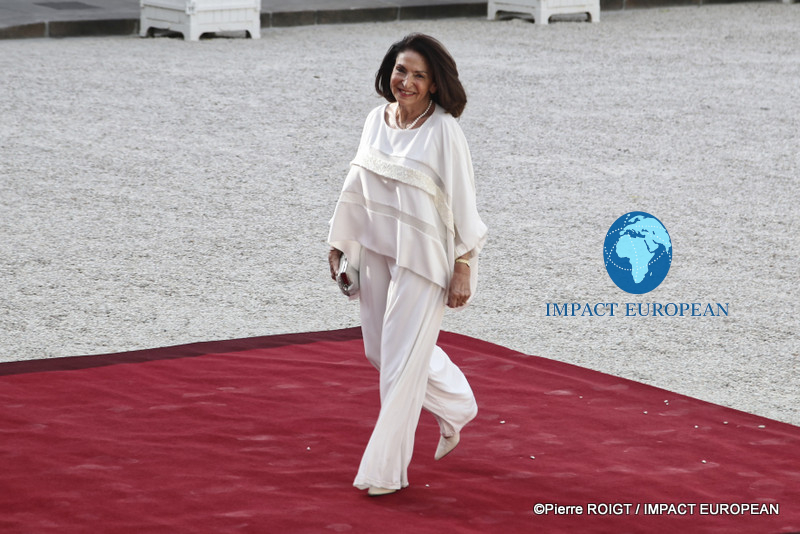
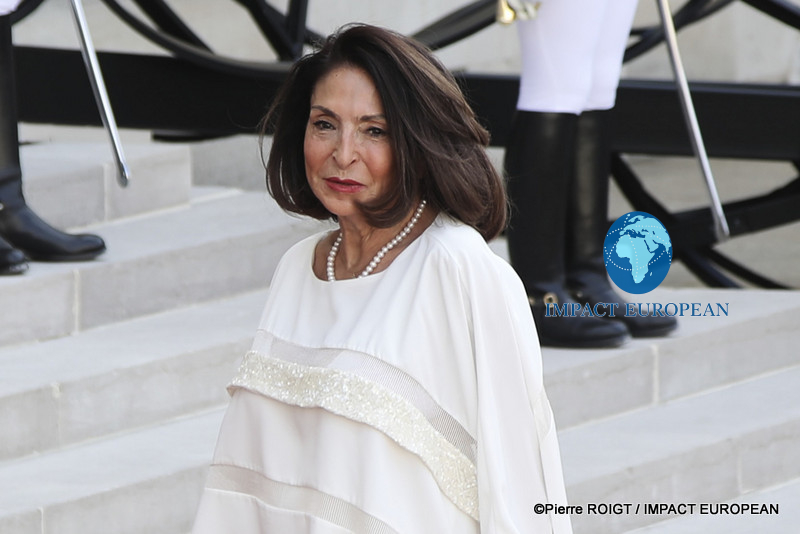
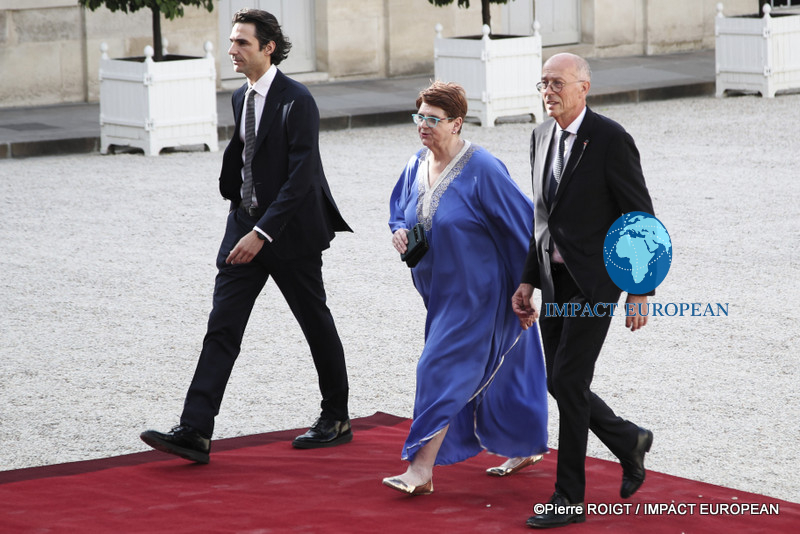
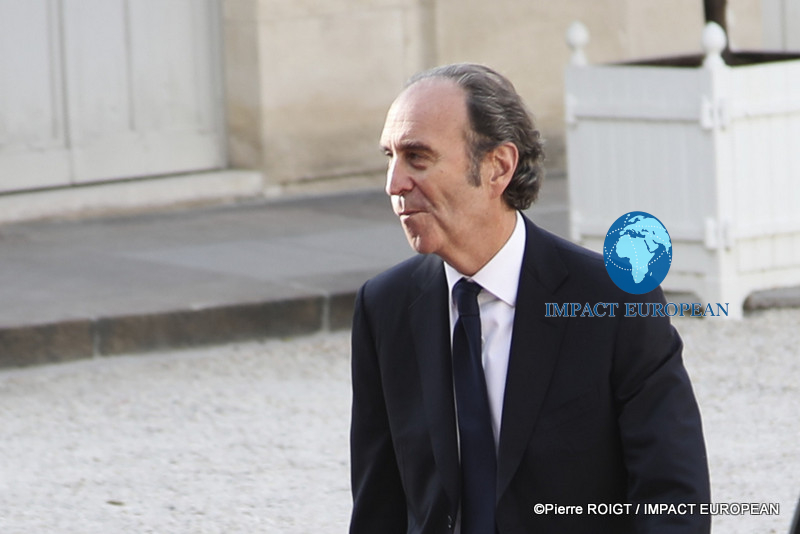
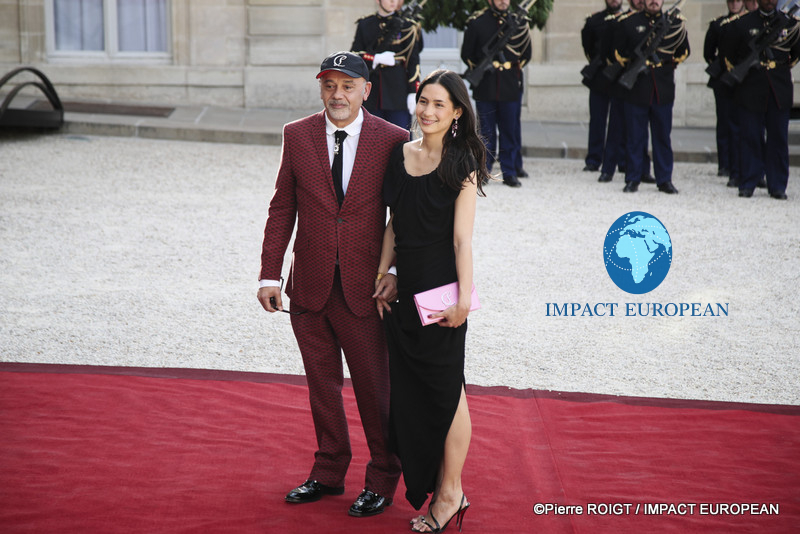
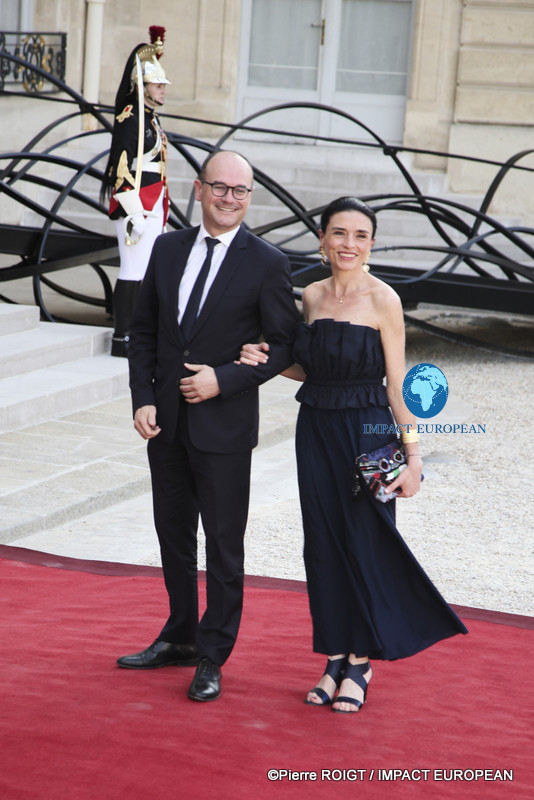
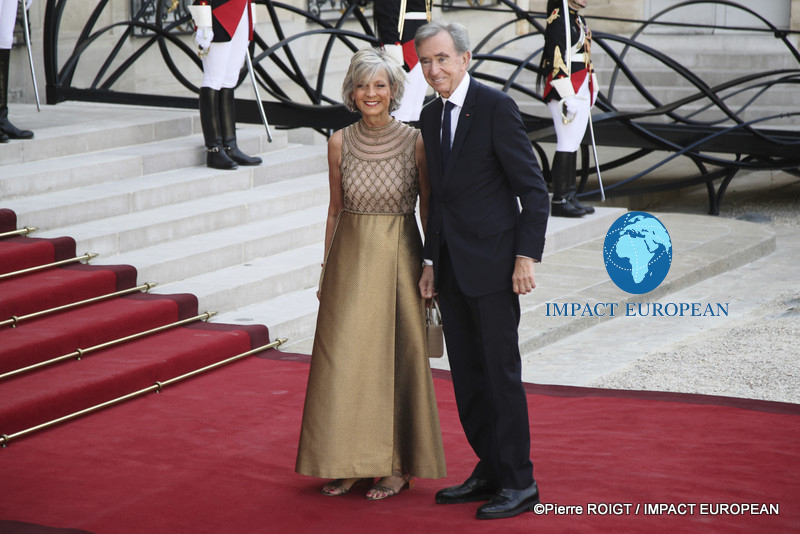
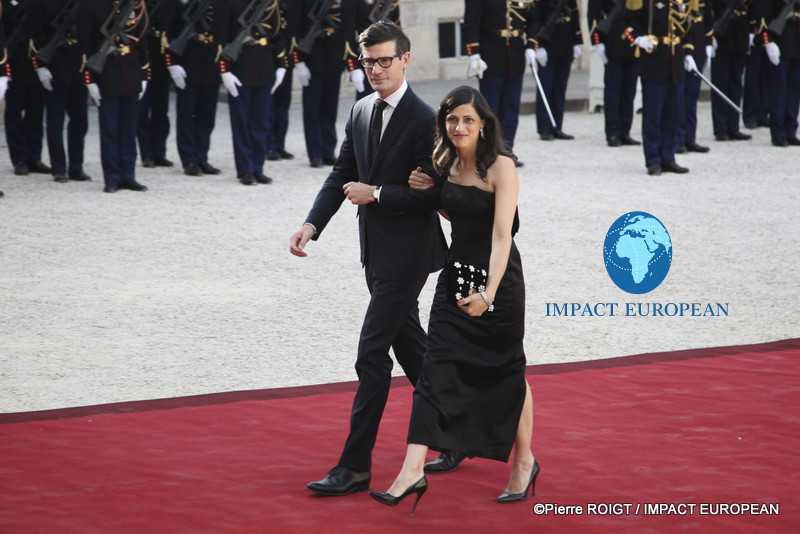
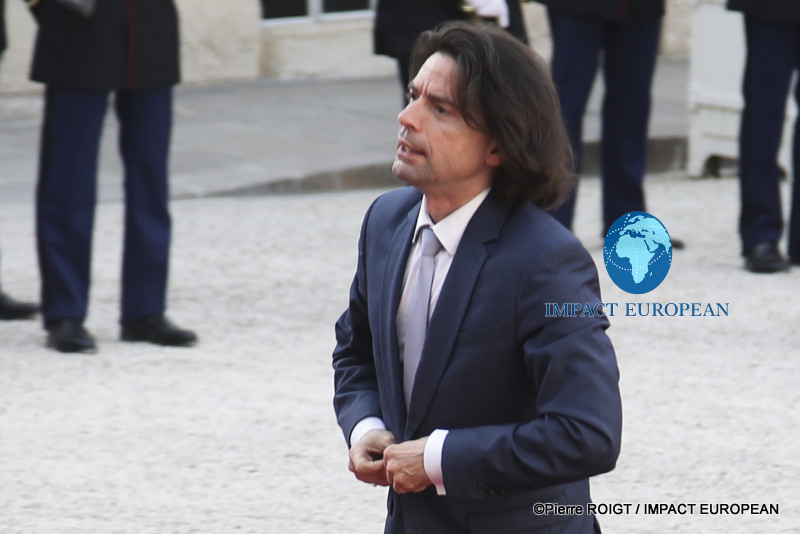
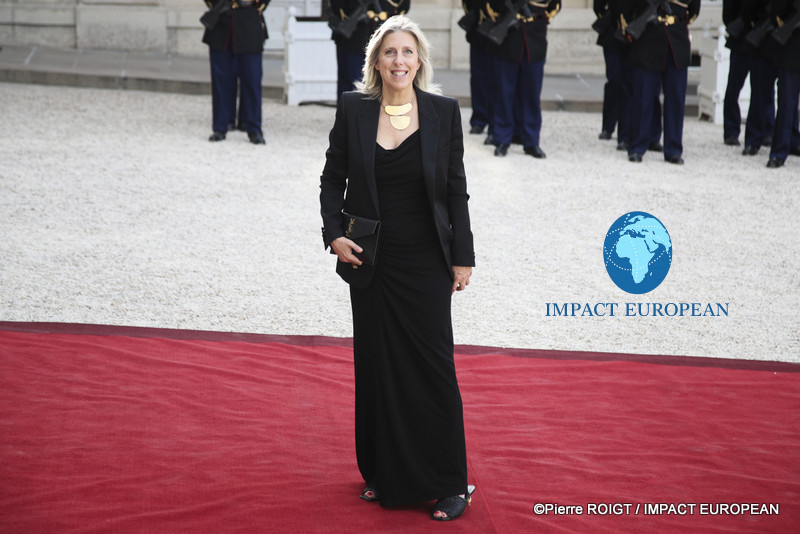
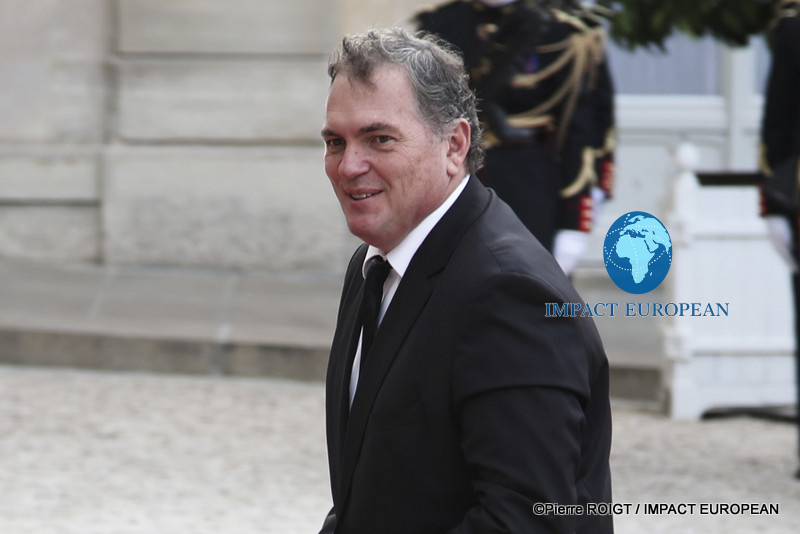
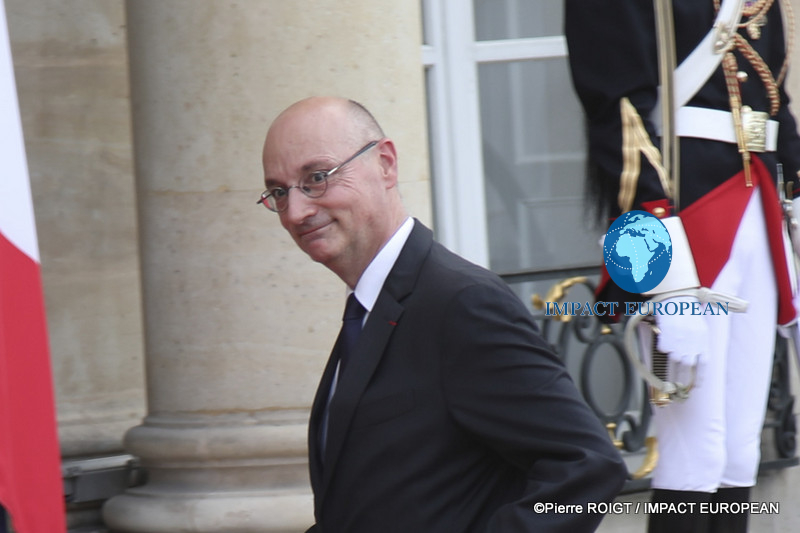
Photographs captured by IMPACT EUROPEAN highlighted details often overlooked during televised coverage: the understated elegance of the official attire, the symbolic harmony of colours chosen by the presidential couple and the Thai Royal Family, and the prominent role played by Princess Sirivannavari throughout the visit.
Far from being incidental, such visual elements remain an essential part of diplomatic communication, projecting continuity, respect and cultural identity without the need for words.
Who Is King Rama X? Understanding Thailand’s Modern Monarchy
For many international readers, King Maha Vajiralongkorn, known as Rama X, remains a relatively unfamiliar figure. Yet he stands at the head of one of the world’s oldest and most respected monarchies, an institution that has played a central role in Thailand’s national identity for more than two centuries.
Born on July 28, 1952, in Bangkok, Maha Vajiralongkorn is the only son of the late King Bhumibol Adulyadej (Rama IX) and Queen Sirikit. Educated in Thailand, the United Kingdom and Australia, he also received extensive military training before serving in the Royal Thai Army, Royal Thai Navy and Royal Thai Air Force.
When King Bhumibol passed away in October 2016 after an extraordinary seventy-year reign, Thailand entered a period of national mourning unlike any in its modern history. The accession of Rama X represented not simply the succession of one monarch by another but the beginning of a new chapter for a country balancing tradition with rapid economic and social transformation.
Officially crowned in May 2019, King Rama X inherited a monarchy that remains deeply rooted in Thai society. While Thailand is a constitutional monarchy with an elected government, the Crown continues to embody national continuity, cultural identity and unity.
His visit to France therefore carries significance beyond diplomacy. It represents the presence of an institution that has shaped Thailand’s modern history while seeking to strengthen its dialogue with Europe during a period of profound geopolitical change.
Queen Suthida: From Commercial Aviation to the Royal Household
Among the members of the Thai Royal Family, Queen Suthida Bajrasudhabimalalakshana has perhaps one of the most remarkable personal journeys.
Before entering royal life, she worked as a flight attendant for Thai Airways International, a career far removed from palace protocol.
Her professional path later took an unexpected turn when she joined the Royal Household and eventually became an officer within the King’s security command. Rising steadily through military ranks, she ultimately attained the rank of general, an uncommon distinction for a future queen.
In May 2019, only days before King Rama X’s coronation, the couple officially married, making Suthida Queen of Thailand.
During the French state visit, Queen Suthida embodied both elegance and restraint.
At the welcoming ceremony outside the Élysée Palace, she appeared in a soft powder-pink ensemble that harmonised naturally with First Lady Brigitte Macron’s attire, a subtle visual balance captured by IMPACT EUROPEAN’s photographers.
Later, during the state banquet, she changed into a magnificent mauve Chud Thai, the Kingdom’s traditional formal dress. Rather than wearing a royal tiara, she chose a refined diamond necklace and matching earrings, reinforcing an image of understated sophistication.
Such choices illustrate how royal fashion often serves diplomatic purposes, expressing national identity while respecting the traditions of the host country.
Princess Sirivannavari: Fashion, Heritage and Cultural Diplomacy
If King Rama X symbolises continuity and Queen Suthida embodies modern royal service, Princess Sirivannavari Nariratana Rajakanya represents the Kingdom’s cultural diplomacy.
Internationally recognised as a fashion designer, equestrian athlete and advocate for traditional Thai craftsmanship, the Princess has become one of Thailand’s most visible cultural ambassadors.
Her collections frequently combine contemporary design with centuries-old weaving techniques, promoting Thai silk and traditional textiles on international runways.
Throughout the French state visit, Princess Sirivannavari attracted considerable attention.
During the official welcome she wore an elegant grey traditional ensemble that reflected Thailand’s rich textile heritage while embracing contemporary aesthetics.
For the evening state banquet she appeared in a striking blue Chud Thai, demonstrating once again how clothing can become a language of diplomacy.
The Princess’s role extends far beyond ceremonial appearances.
Through exhibitions, fashion projects and international collaborations, she actively promotes Thailand’s creative industries, helping strengthen cultural exchanges between Europe and Southeast Asia.
The Élysée State Banquet: Diplomacy Around the Table
Every state visit reaches its symbolic peak during the official state banquet.
Hosted by President Emmanuel Macron and First Lady Brigitte Macron at the Élysée Palace, the dinner brought together senior government officials, diplomats, business leaders, academics and cultural figures from both nations.
Such events are often viewed as ceremonial occasions.
In reality, they represent one of diplomacy’s oldest and most effective tools.
Around the dinner table, conversations extend beyond protocol, creating opportunities to discuss future cooperation in areas ranging from education and scientific research to trade, innovation and cultural exchange.
The banquet also reflected another dimension of French diplomacy: gastronomy.
French cuisine is more than culinary excellence; it is an instrument of national identity and international influence.
Combined with the architectural splendour of the Élysée Palace, the evening illustrated how heritage, culture and hospitality continue to play a meaningful role in France’s global engagement.
For Thailand, the traditional attire worn by Queen Suthida and Princess Sirivannavari highlighted a similar philosophy: diplomacy is strengthened not only through political dialogue but also through the respectful sharing of cultural identity.
Diplomacy Beyond Politics
Throughout the visit, one message became increasingly clear.
The relationship between France and Thailand cannot be measured solely by official meetings or diplomatic communiqués.
It is also reflected in universities welcoming Thai students, French companies investing across Southeast Asia, artists collaborating across cultures, researchers sharing scientific knowledge and millions of travellers discovering each other’s heritage every year.
This broader vision of diplomacy explains why state visits continue to matter in the twenty-first century.
They provide opportunities not only to strengthen political ties but also to deepen human connections that endure long after the official ceremonies have ended.
Why Southeast Asia Matters More Than Ever
To understand the true significance of King Rama X’s visit, one must look beyond Paris and toward the broader geopolitical landscape.
Over the past decade, Southeast Asia has emerged as one of the world’s most dynamic economic and strategic regions. Home to more than 680 million people, the Association of Southeast Asian Nations (ASEAN) has become the world’s fifth-largest economic bloc, with rapidly expanding manufacturing industries, digital markets and technological innovation.
Thailand occupies a central position within this regional architecture.
Located at the crossroads of mainland Southeast Asia, the Kingdom serves as a regional manufacturing hub, a logistics platform and an increasingly important gateway between the Indian and Pacific Oceans. For Europe, and particularly for France, strengthening ties with Thailand means engaging with one of the fastest-growing regions in the global economy.
King Rama X’s state visit therefore reflects more than bilateral diplomacy. It illustrates Europe’s determination to deepen its engagement with Southeast Asia at a time when global trade routes, supply chains and geopolitical balances are undergoing profound transformation.
France’s Indo-Pacific Strategy
Although often perceived primarily as a European nation, France is also an Indo-Pacific power.
Thanks to its overseas territories in the Indian and Pacific Oceans, France maintains a permanent military, diplomatic and economic presence across the region. Millions of French citizens live in these territories, giving Paris a direct interest in regional stability, maritime security and sustainable development.
This explains why France has steadily expanded its partnerships with countries such as Thailand, Singapore, Indonesia and Vietnam.
For Paris, cooperation extends far beyond diplomacy.
It includes maritime security, environmental protection, scientific research, technological innovation, education and economic development.
Thailand, as one of Southeast Asia’s most stable economies and an influential ASEAN member, naturally occupies a central place within this strategy.
Economic Cooperation Beyond Trade
While official ceremonies often dominate headlines, economic relations remain one of the strongest foundations of the Franco-Thai partnership.
France ranks among Thailand’s leading European investors, with hundreds of French companies operating across sectors including aerospace, energy, transportation, healthcare, luxury goods, hospitality and digital technologies.
These long-standing relationships continue to expand as both countries seek to diversify economic partnerships in an increasingly competitive global environment.
Airbus and the Future of Aviation
Among the most visible examples is Airbus.
The European aerospace manufacturer has maintained close relationships with Thailand’s aviation sector for decades.
Commercial aircraft, pilot training, maintenance services and aerospace engineering have all contributed to strengthening cooperation between France and Thailand.
Thailand also aims to become a major regional centre for Maintenance, Repair and Overhaul (MRO) services, supporting airlines throughout Southeast Asia.
French aerospace expertise offers valuable opportunities for collaboration as aviation increasingly focuses on sustainability, digitalisation and next-generation aircraft technologies.
Innovation, Technology and Research
Innovation represents another growing pillar of bilateral cooperation.
French companies and research institutions work alongside Thai partners in fields ranging from healthcare and biotechnology to artificial intelligence, cybersecurity and smart infrastructure.
Universities in both countries continue expanding academic partnerships through student exchanges, joint research programmes and collaborative innovation projects.
Education has become one of diplomacy’s most enduring investments.
Every student, researcher or entrepreneur participating in these exchanges contributes to building long-term relationships that extend well beyond official government initiatives.
Luxury, Gastronomy and Cultural Influence
Diplomacy is not conducted solely in ministries and conference rooms.
It also unfolds through culture, gastronomy, fashion and heritage.
France’s internationally recognised luxury industry remains one of its most influential forms of soft power.
Fashion houses, Michelin-starred restaurants, museums, architecture and hospitality shape global perceptions of the country.
The decision to host the Thai Royal Family at Le Meurice, one of Paris’s most prestigious palace hotels, reflects this broader diplomatic philosophy.
Likewise, Thailand projects its own cultural identity through traditional craftsmanship, silk weaving, contemporary design and royal heritage.
Throughout the visit, Princess Sirivannavari’s carefully selected traditional attire demonstrated how fashion itself can become a form of international dialogue.
Tourism: Building Bridges Between Peoples
Tourism continues to strengthen people-to-people connections between France and Thailand.
Thailand remains one of Asia’s favourite destinations for European travellers, attracting visitors through its cultural heritage, tropical landscapes, gastronomy and hospitality.
Meanwhile, France continues to inspire Thai visitors seeking history, art, architecture, luxury shopping and culinary excellence.
Beyond economic value, tourism encourages cultural understanding, educational exchange and lasting personal connections between societies.
A Visit Marked by Quiet Dignity
Behind the smiles exchanged during official ceremonies, the visit also carried a deeply personal dimension.
Only weeks earlier, the Thai Royal Family had been mourning the passing of Princess Bajrakitiyabha, King Rama X’s eldest daughter, who died at the age of forty-seven after spending more than three years in a coma.
Throughout the ceremonies in Paris, neither the King, Queen Suthida nor Princess Sirivannavari allowed personal grief to overshadow their public responsibilities.
Their composure reflected a profound sense of duty that has long characterised constitutional monarchies around the world.
More Than a State Visit
History rarely remembers state visits solely for their ceremonial photographs.
Their lasting importance lies in the partnerships they inspire.
As France and Thailand commemorate 170 years of diplomatic relations, this visit stands as a reminder that international cooperation is increasingly built through education, innovation, scientific research, culture, sustainable development and mutual respect—not only through political agreements.
In an era defined by geopolitical uncertainty, technological transformation and global challenges that no nation can address alone, enduring partnerships become more valuable than ever.
The red carpet at the Élysée Palace, the military honours at Les Invalides and the state banquet may capture public attention, but the true legacy of this visit will be measured in the years ahead through strengthened academic exchanges, cultural collaboration, economic investment and strategic dialogue.
For France and Thailand, this was not simply a celebration of a shared past.
It was the opening of a new chapter in a relationship built on trust, shaped by history and increasingly oriented toward the future.
Copyright © 2026 IMPACT EUROPEAN























Views: 65
More Stories
France Protests on October 17: Mass Mobilization Overshadowed by Violence Across the Country
Work Palace Opens in Paris: INSITU Brings Luxury Hospitality Into the Workplace
Rugby Pro D2: Colomiers Defeat Narbonne 49-28 to Claim Bonus-Point Victory