
Every day, thousands of people cross the Pont Neuf without stopping to think about the centuries of history beneath their feet. This summer, however, crossing Paris’ oldest bridge has become something entirely different.
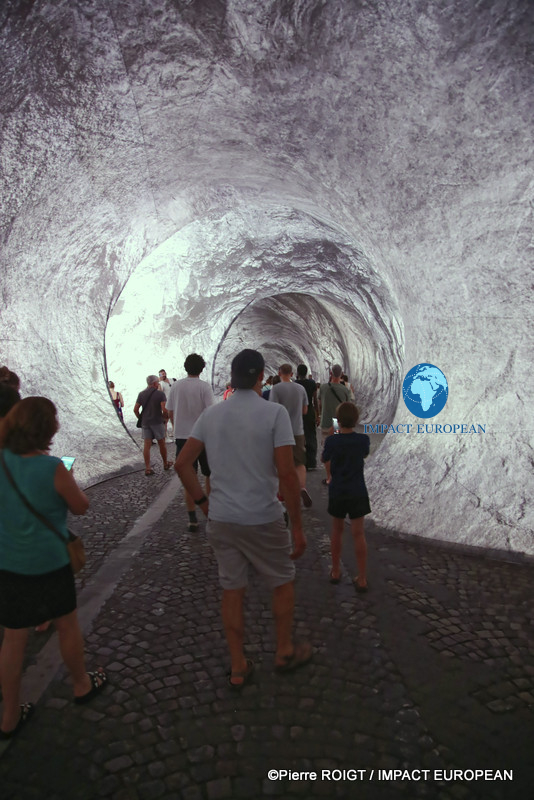
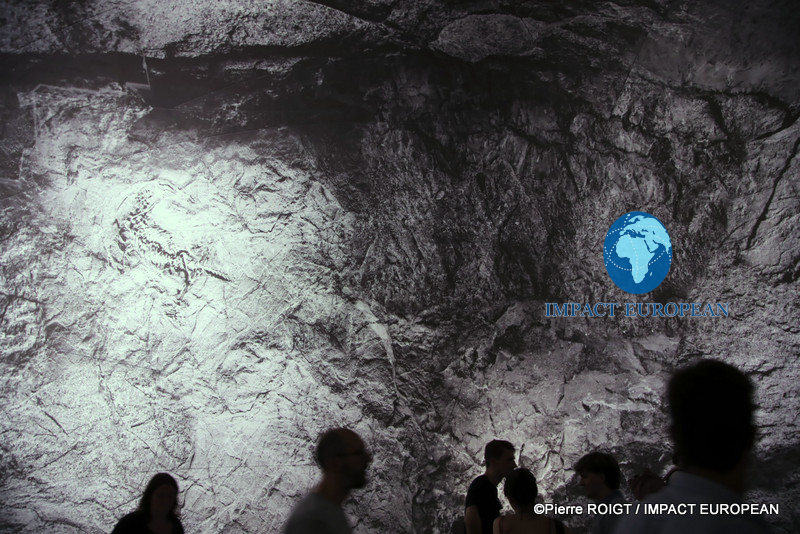
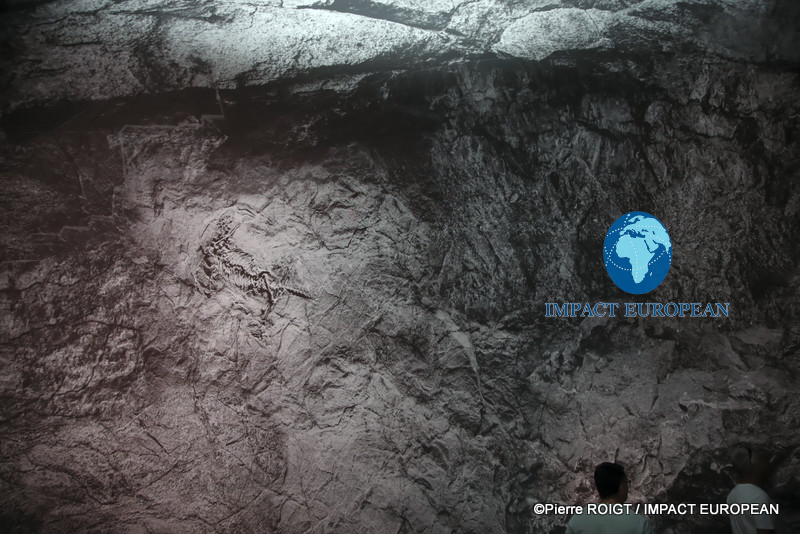
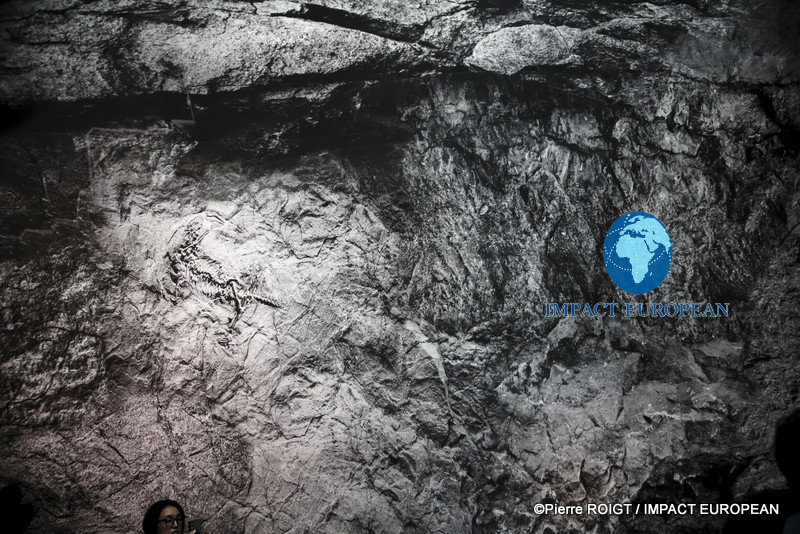
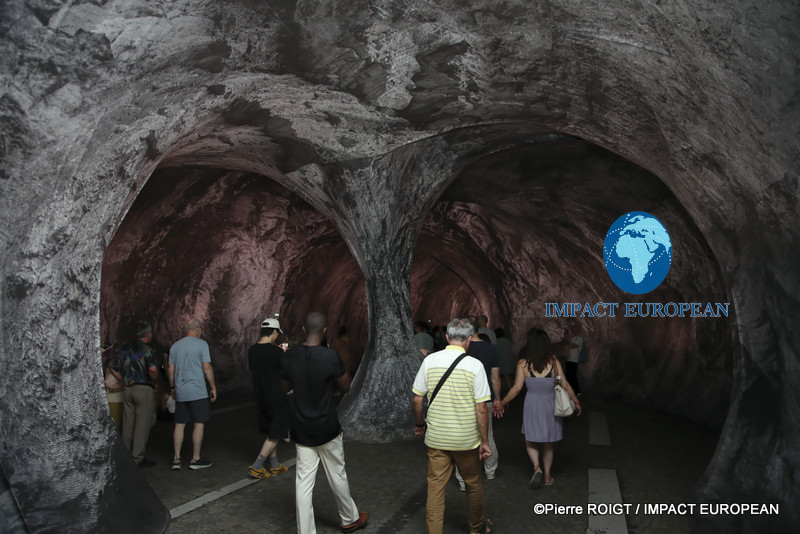
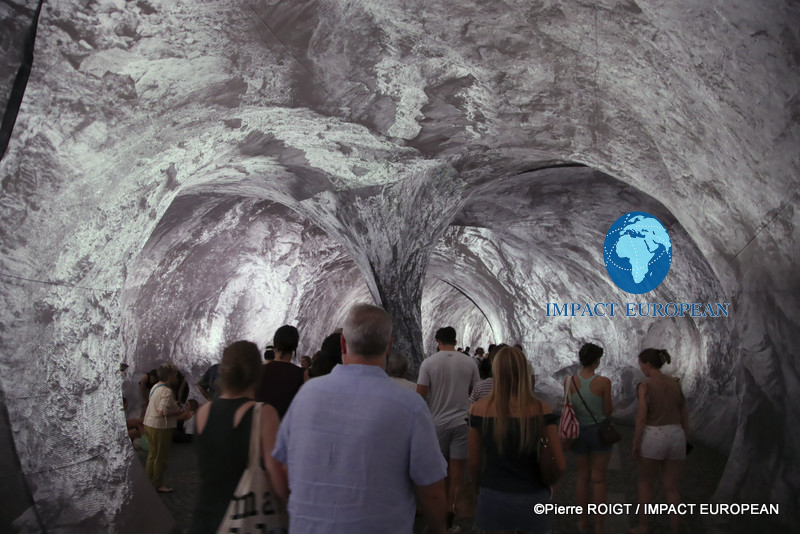
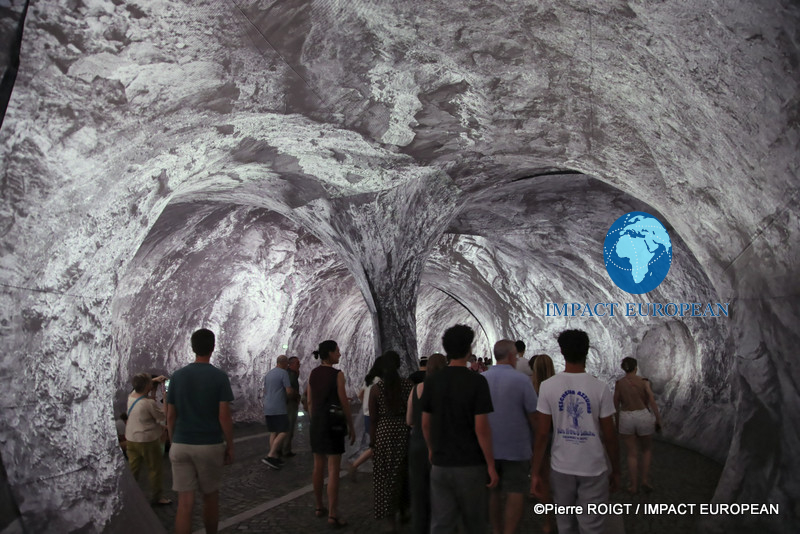
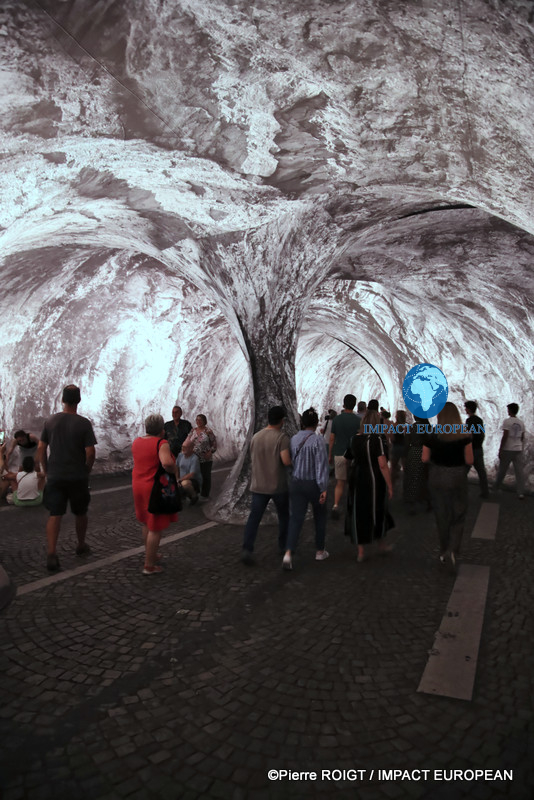
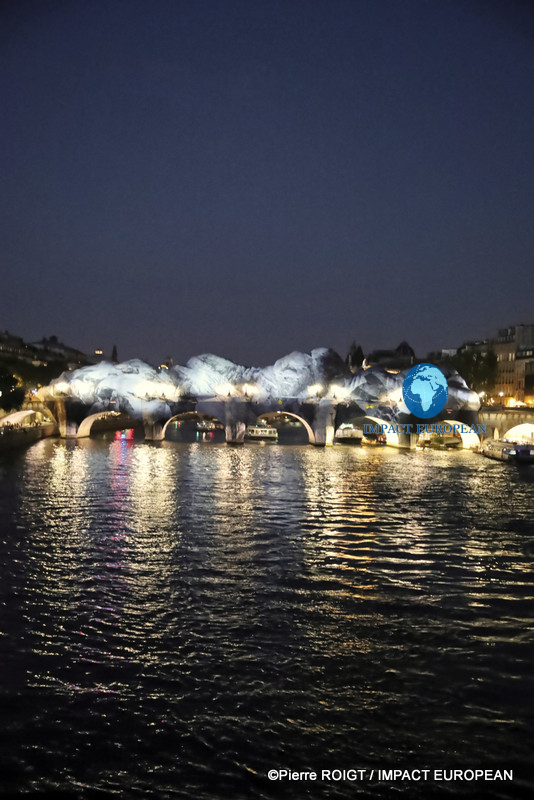
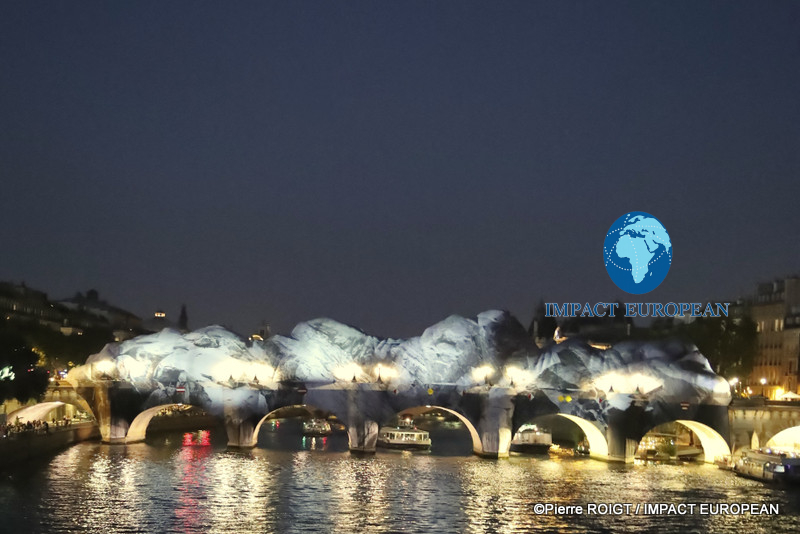
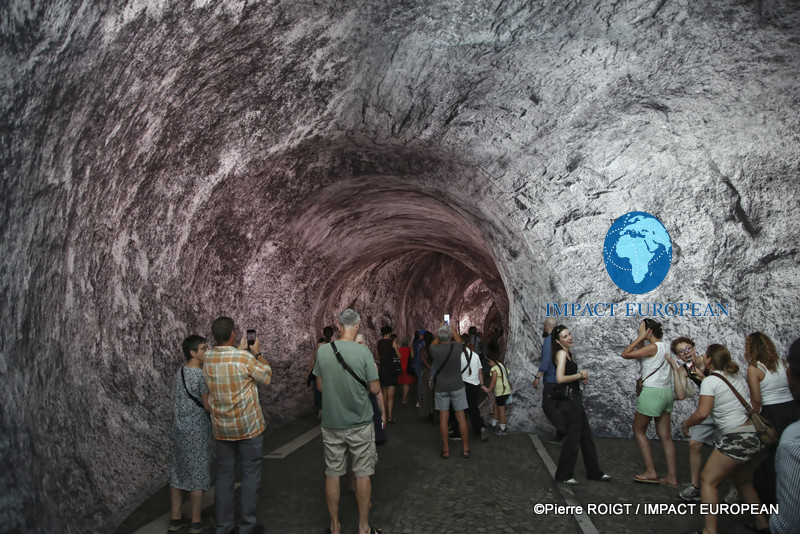
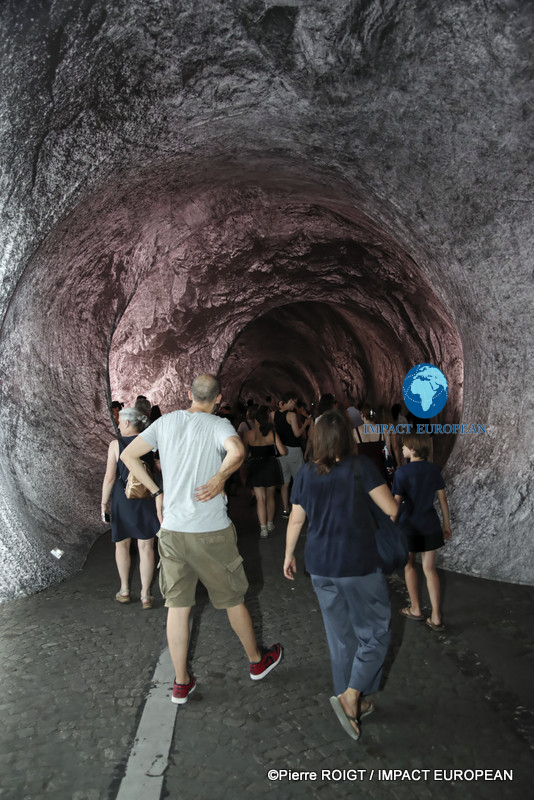
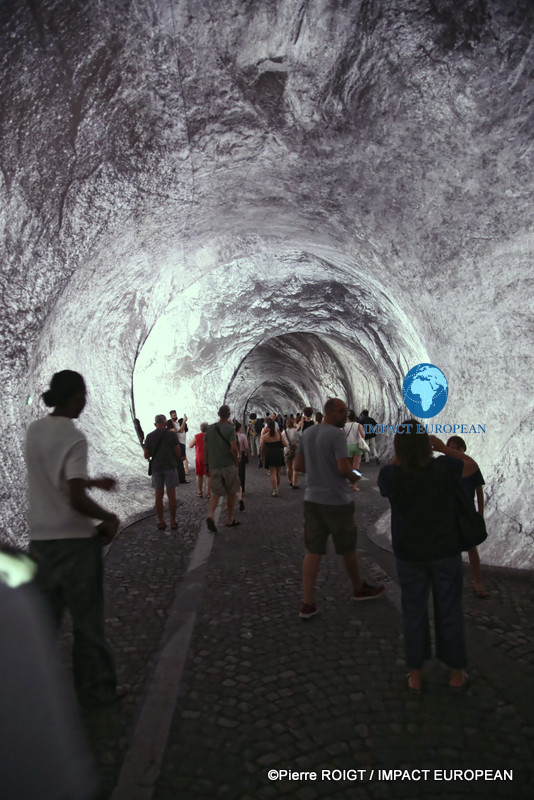
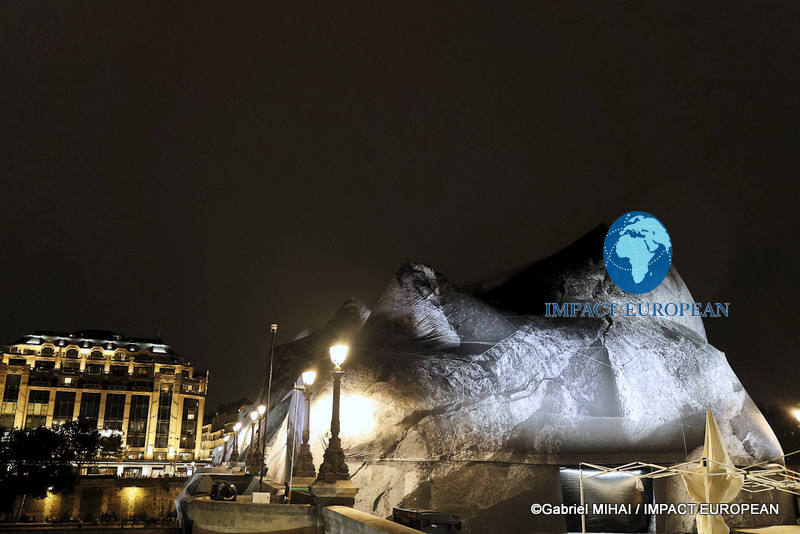
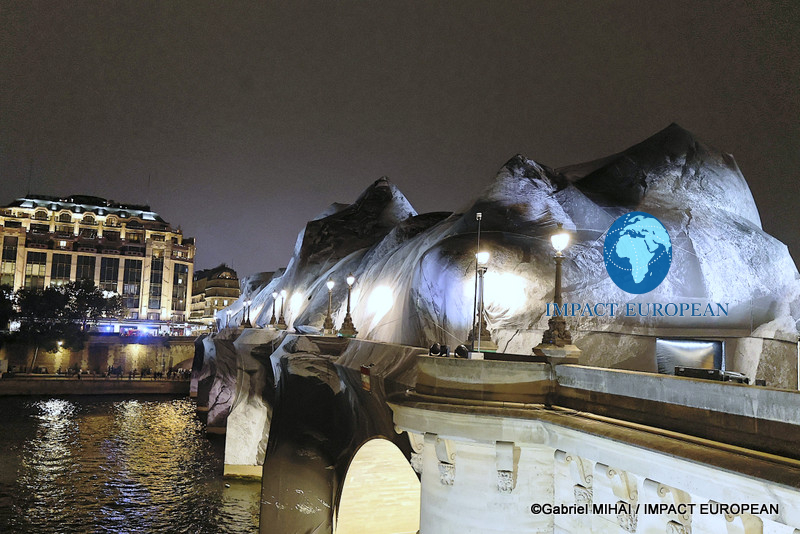
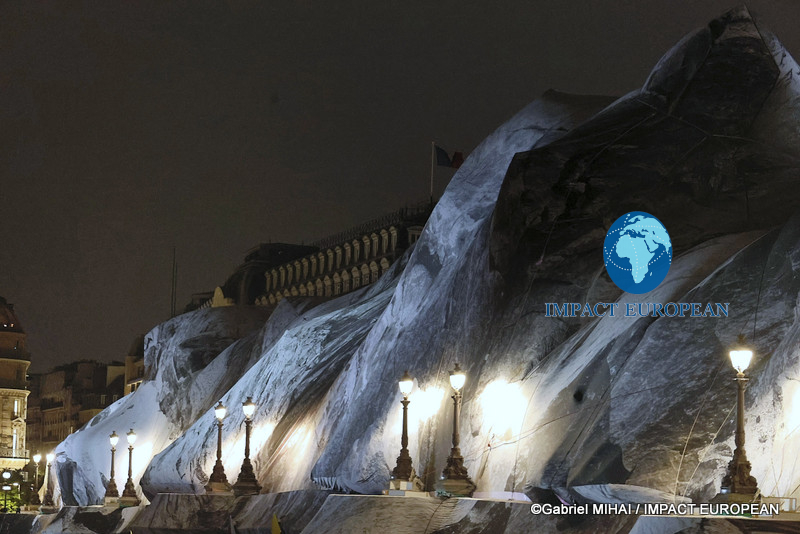
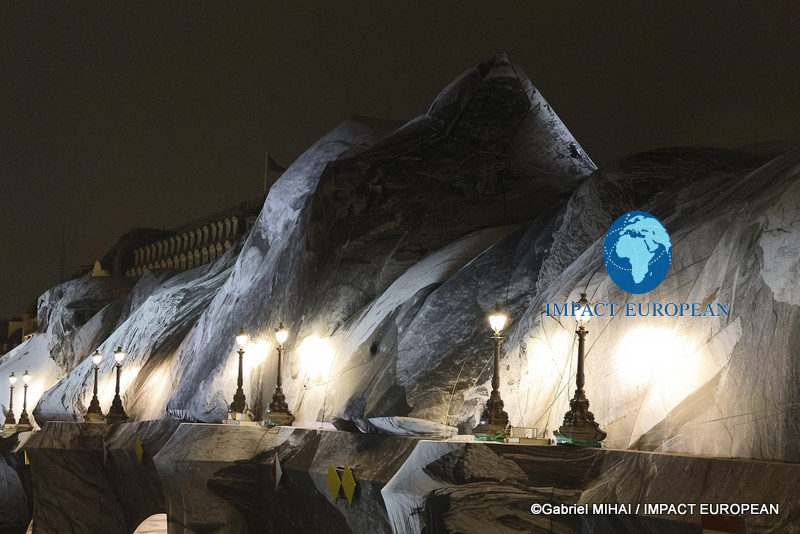
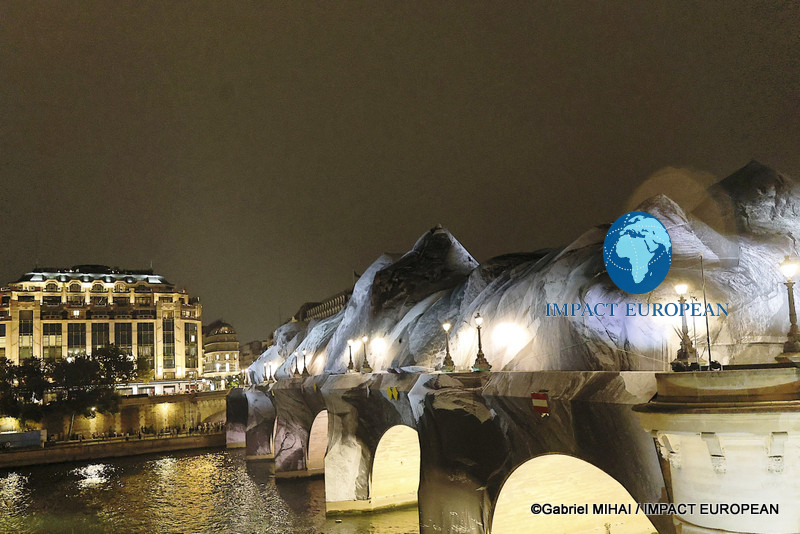
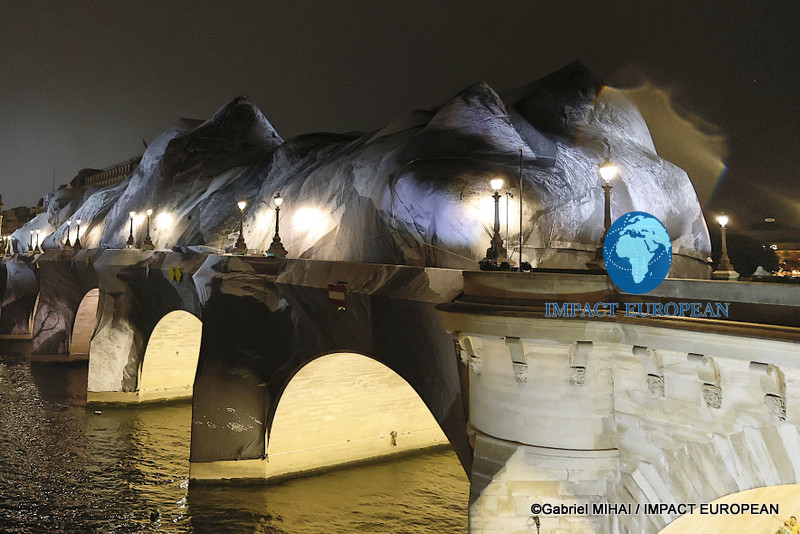
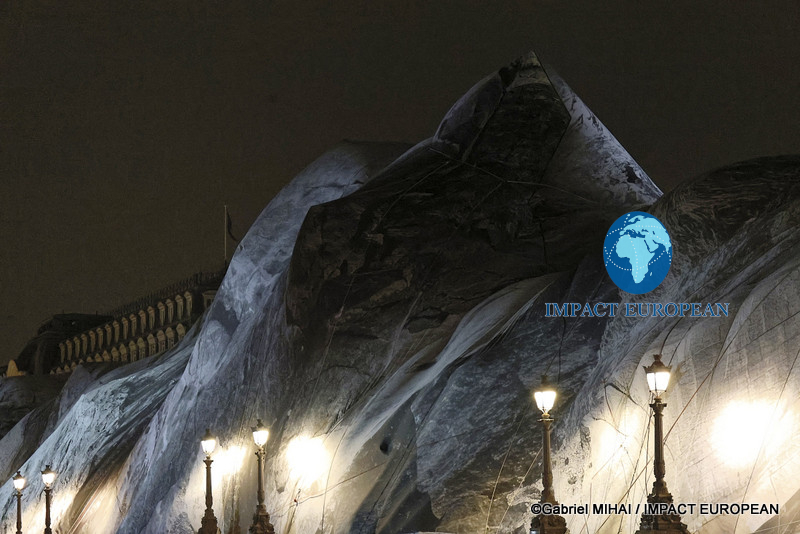
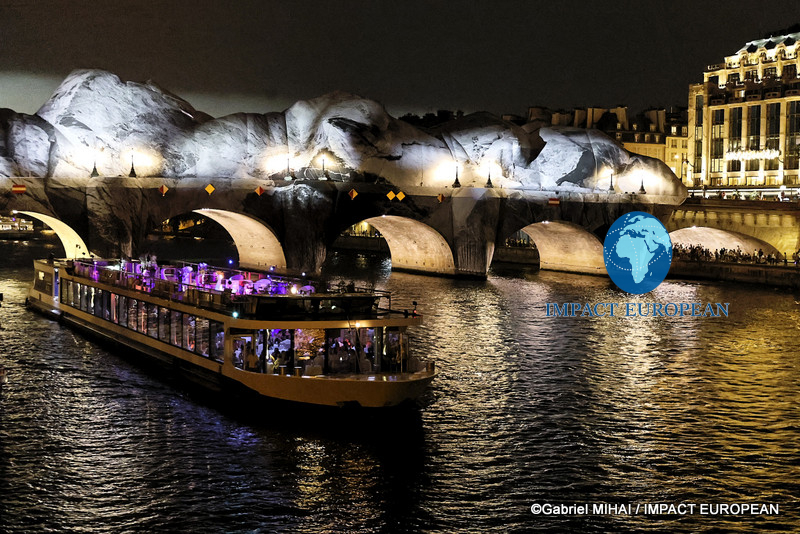
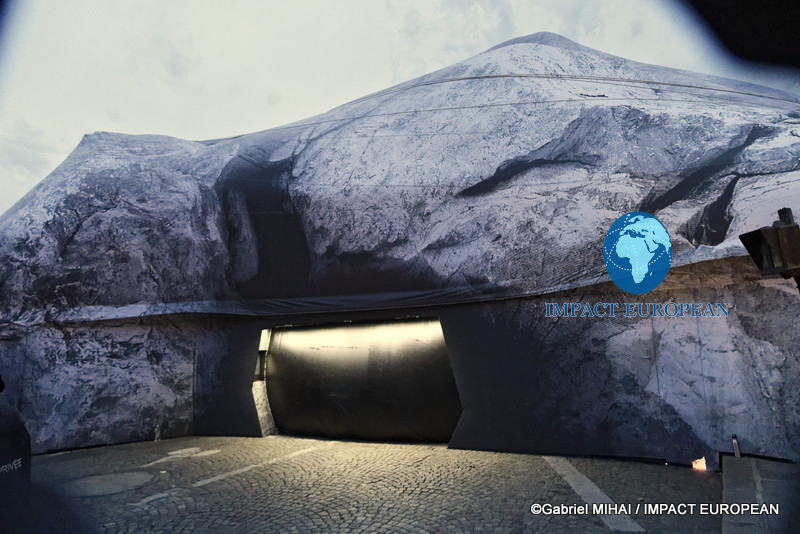
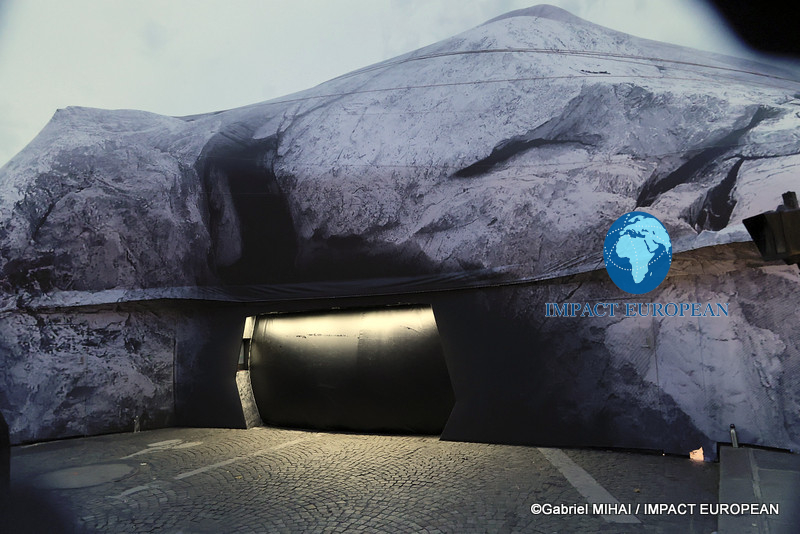
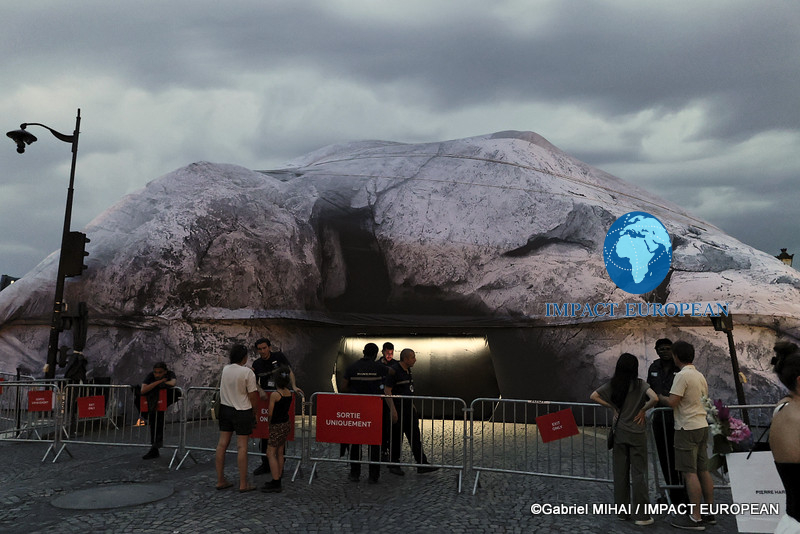
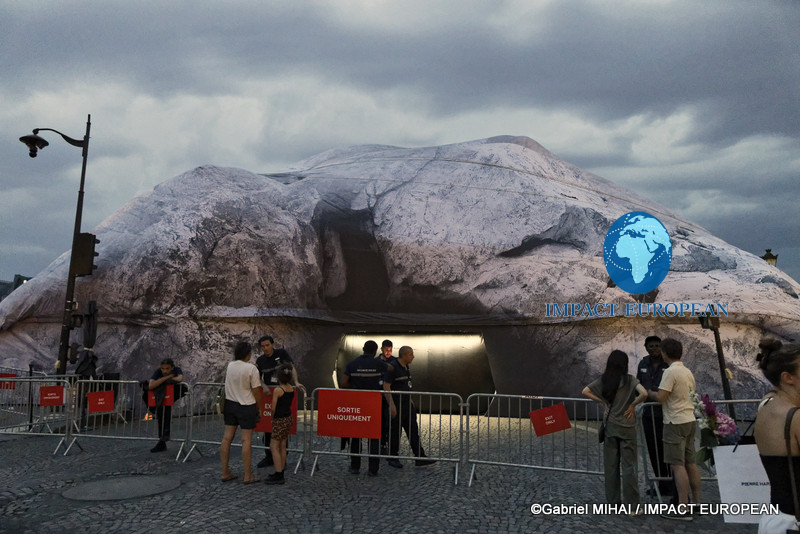
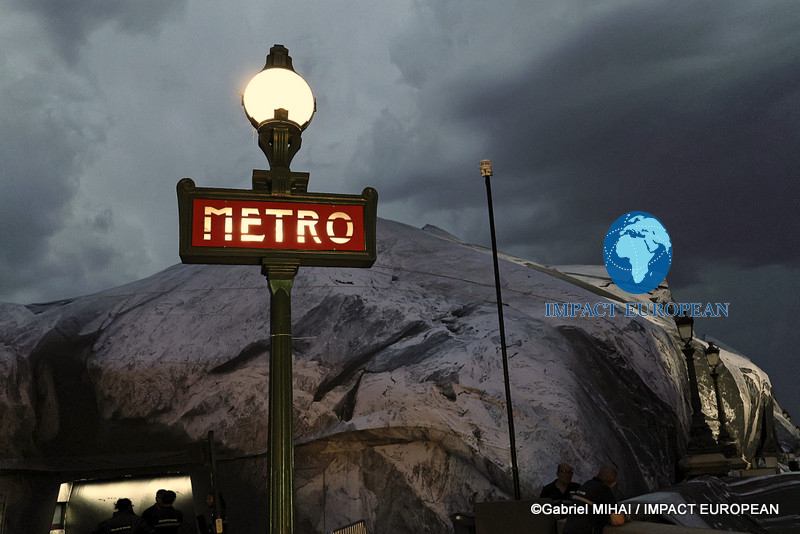
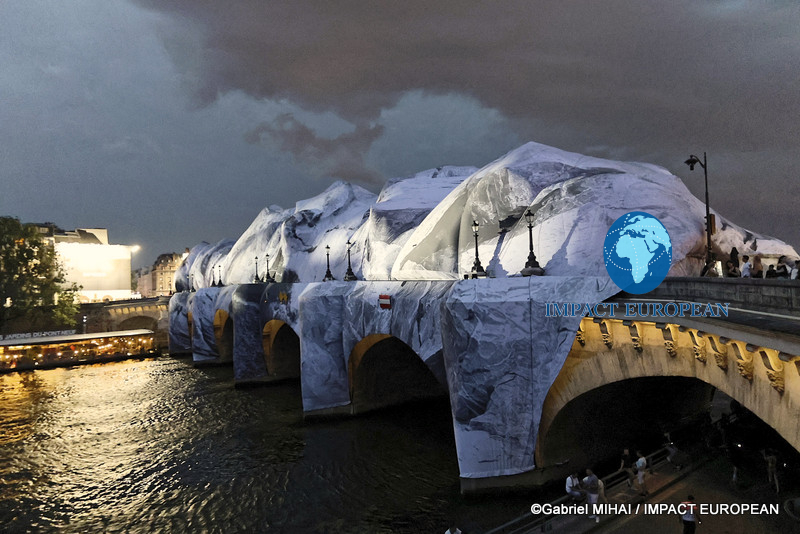
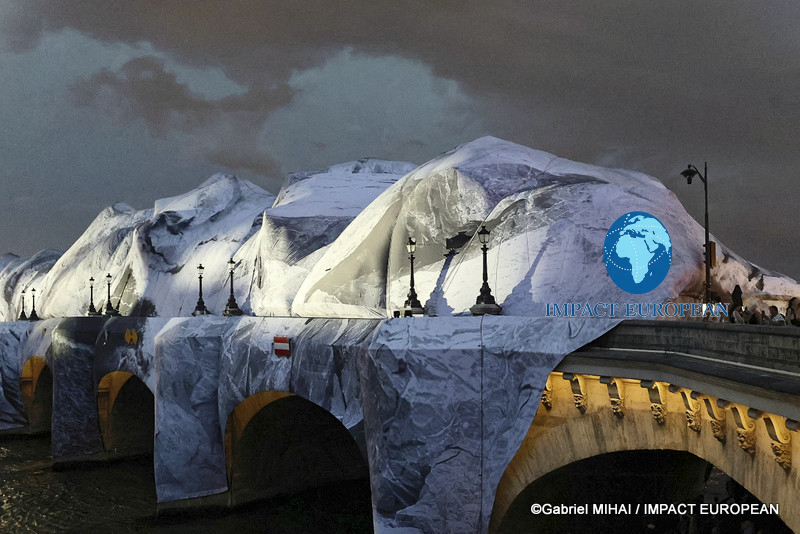
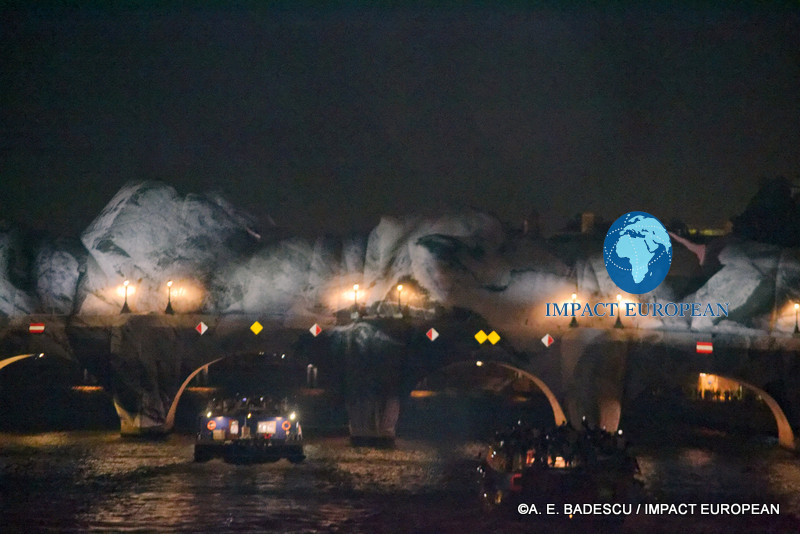
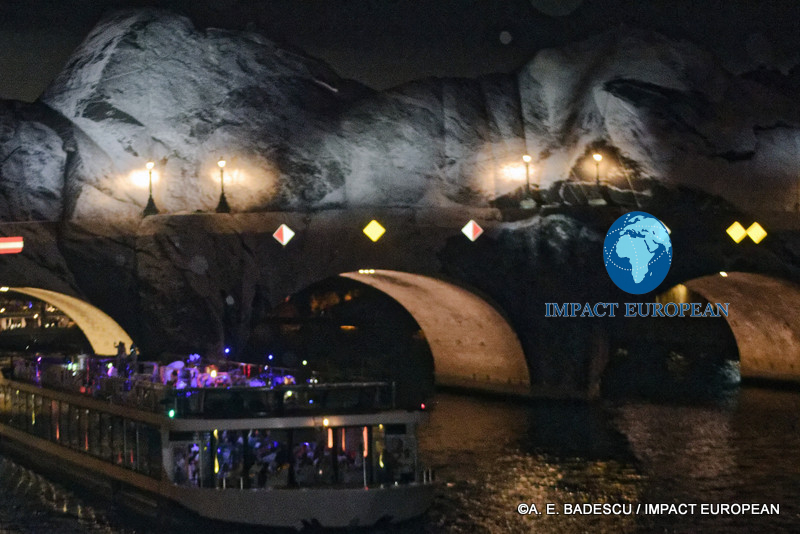
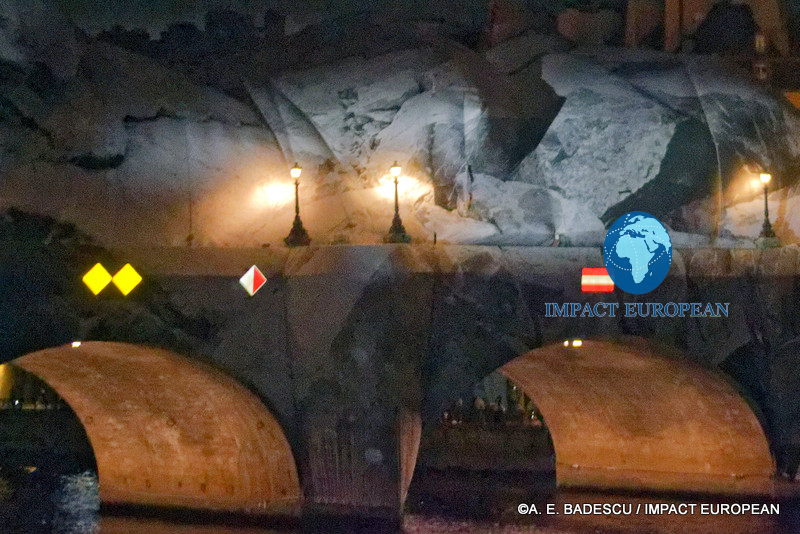
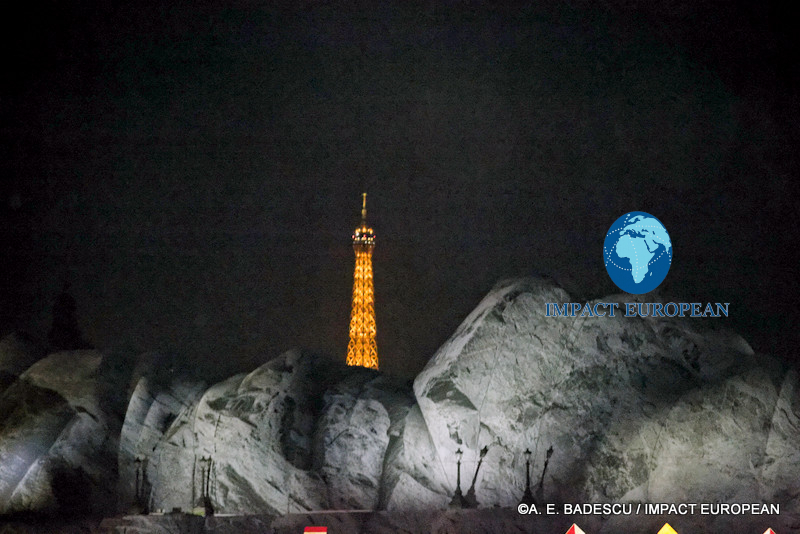
Instead of walking across a familiar stone structure, visitors suddenly find themselves entering what appears to be the mouth of a gigantic cave. Massive rock walls seem to rise around them. Light fades. Echoes replace the sounds of traffic. The smell of damp earth fills the air. For a few moments, central Paris disappears.
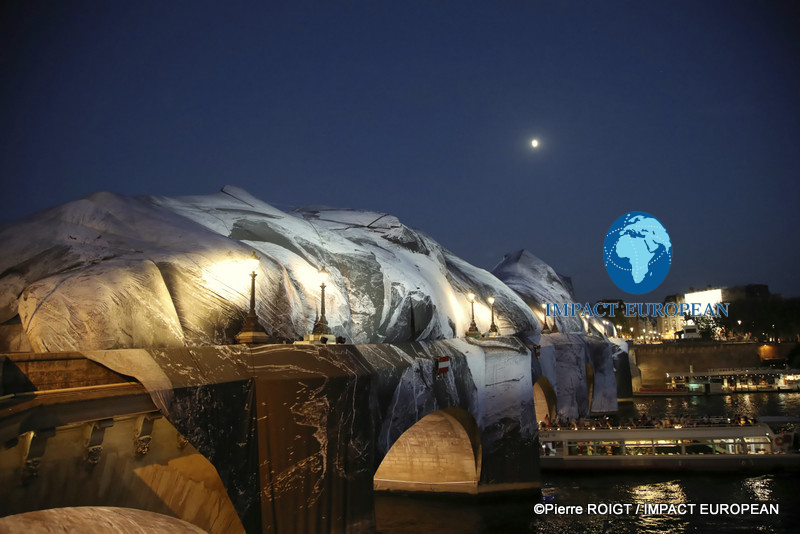
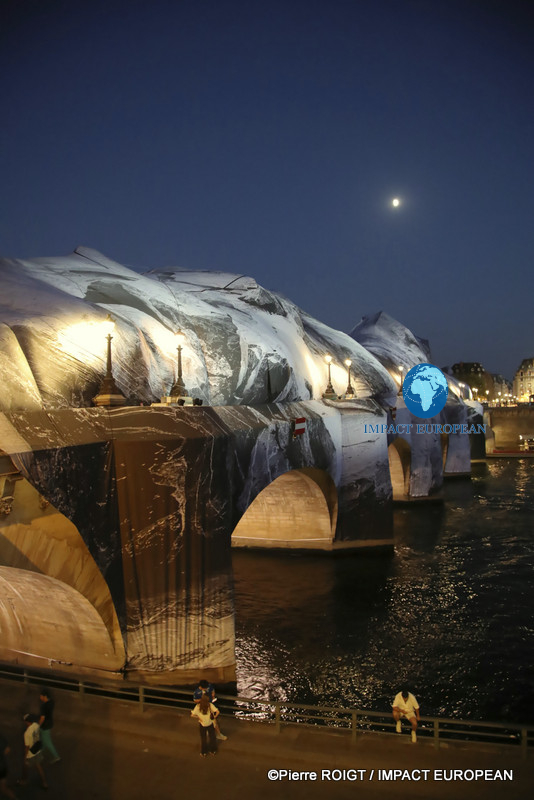
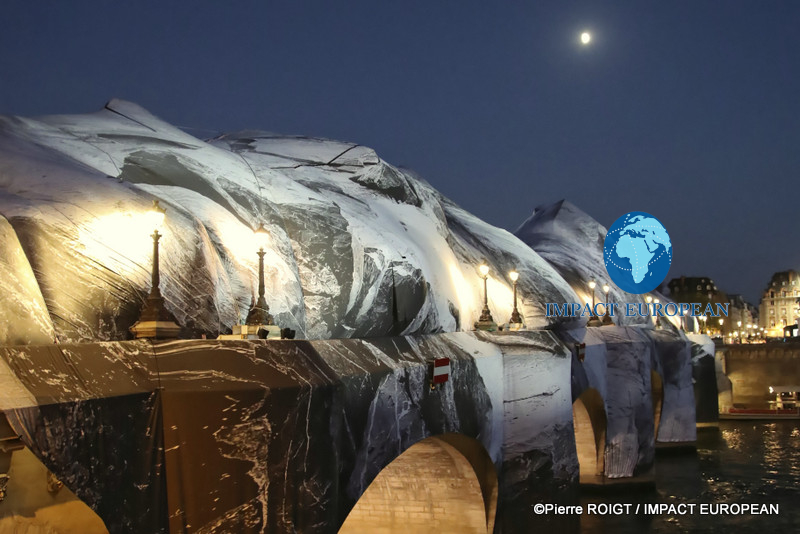
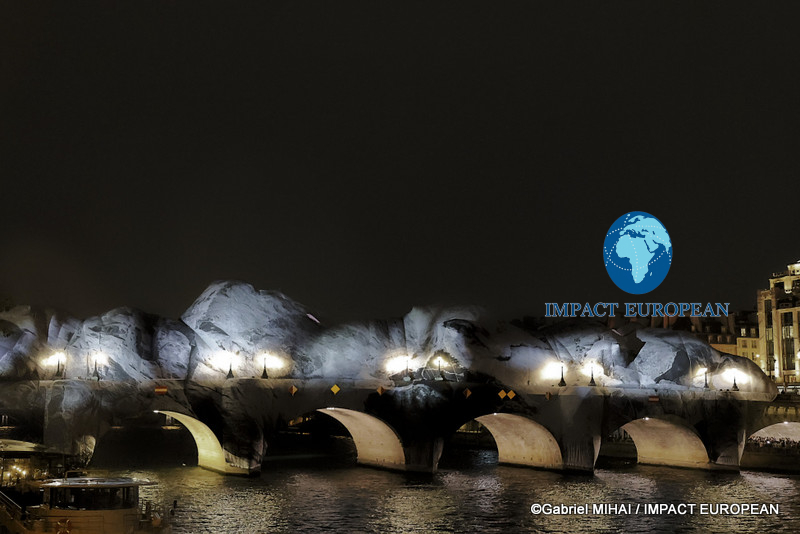
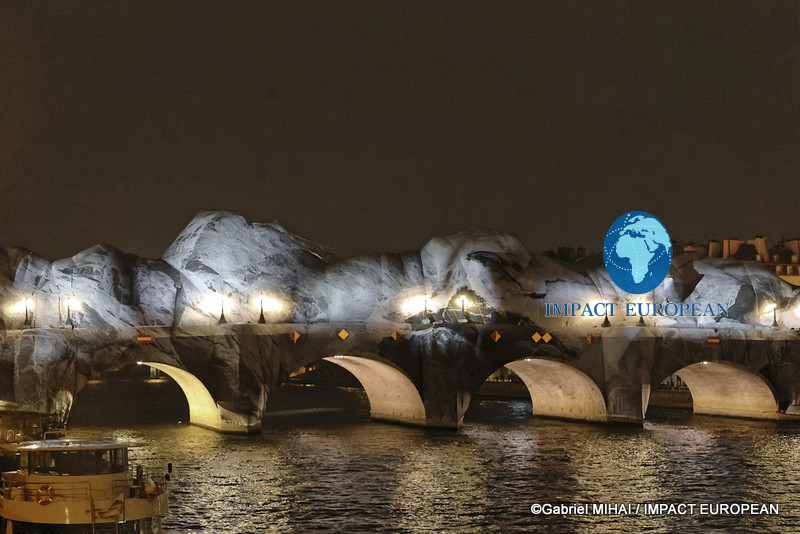
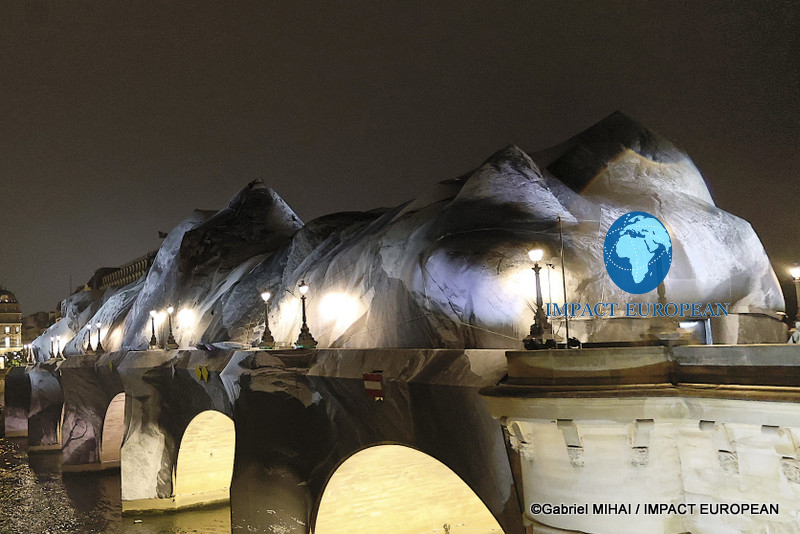
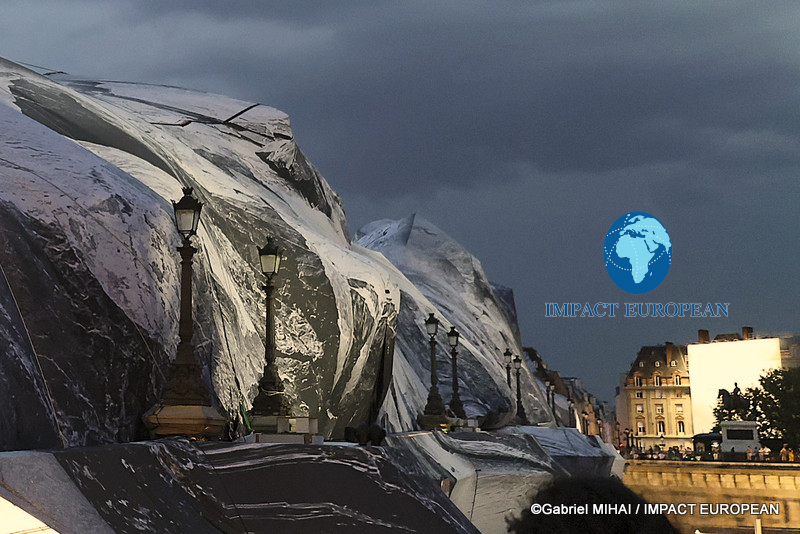
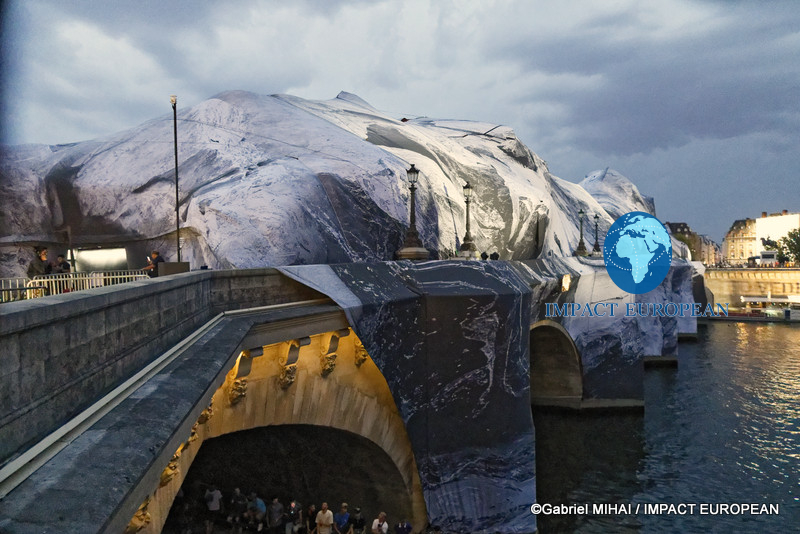
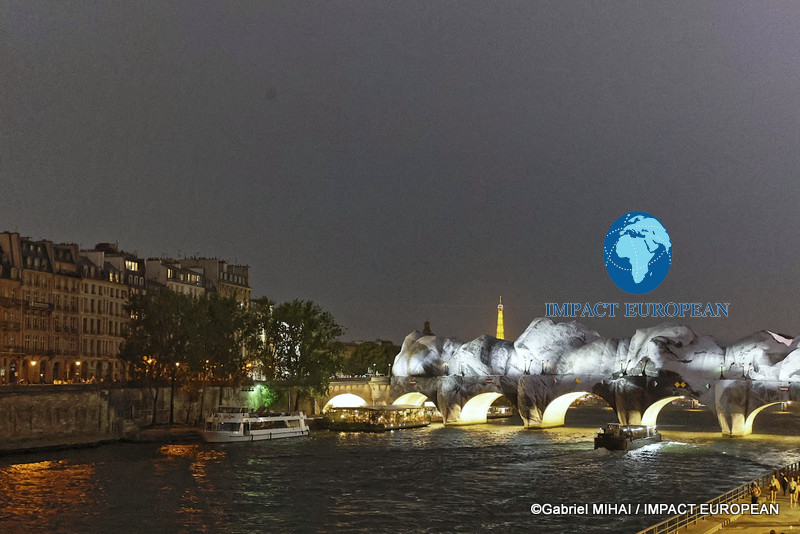
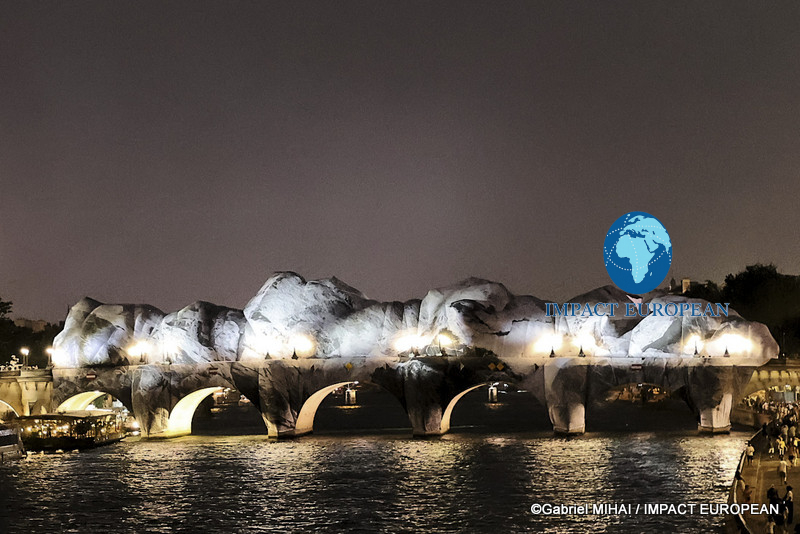
This remarkable transformation is the work of French artist JR, whose latest project, The Cave of Pont Neuf, turns one of Europe’s best-known monuments into an immersive artwork unlike anything previously seen in the French capital.
Paris as an open-air museum
Few cities in the world use public space as creatively as Paris.
From the Eiffel Tower and Notre-Dame Cathedral to the Louvre Museum and the Centre Pompidou, the city has always encouraged a dialogue between history and artistic innovation.
JR continues this tradition, but instead of adding sculptures or temporary exhibitions around historic monuments, he transforms the monument itself.
The Pont Neuf no longer functions simply as a bridge.
It becomes a story that visitors physically experience.
Who is JR?
Born in Paris in 1983, JR first became known as a street artist covering walls with large-scale photographic portraits.
Rather than limiting his work to galleries, he chose cities themselves as his canvas.
Over the past two decades his installations have appeared in refugee camps, favelas, border regions, museums and UNESCO World Heritage sites.
His projects combine photography, architecture and social engagement, encouraging audiences to see familiar places from entirely new perspectives.
Winner of the TED Prize, JR has become one of France’s most internationally recognised contemporary artists.
A tribute without imitation
International audiences may immediately think of Christo and Jeanne-Claude, who famously wrapped the Pont Neuf in fabric in 1985.
That comparison is inevitable—but JR deliberately chooses another direction.
Christo concealed the bridge.
JR opens it.
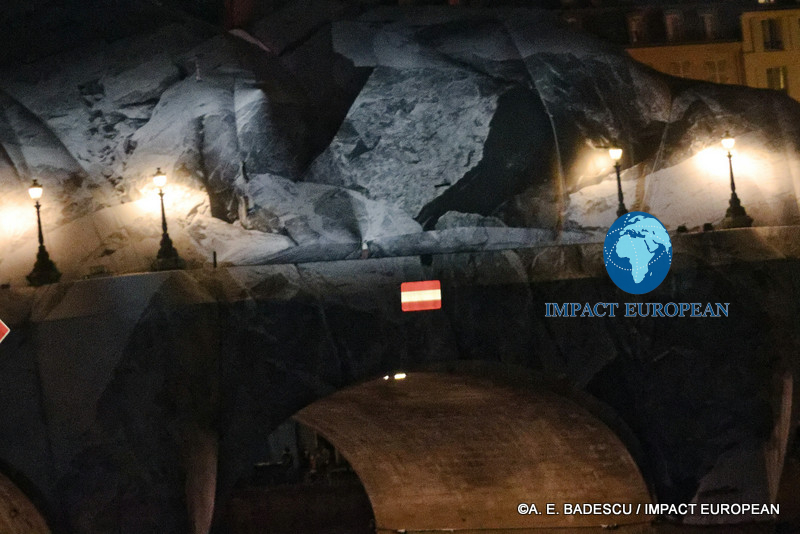
His installation creates the illusion of a geological fracture running through the monument, inviting visitors not simply to admire the structure but to walk inside an imaginary underground world.
It is less a monument to architecture than an exploration of perception.
More than a year of invisible work
Although the installation appears temporary, its development required more than twelve months of preparation.
Large-scale prototypes were tested inside a historic aircraft hangar near Orly Airport, where engineers, architects and artists refined every detail of the structure.
The project was carried out in collaboration with the Christo and Jeanne-Claude Foundation, whose experience with monumental public installations proved invaluable.
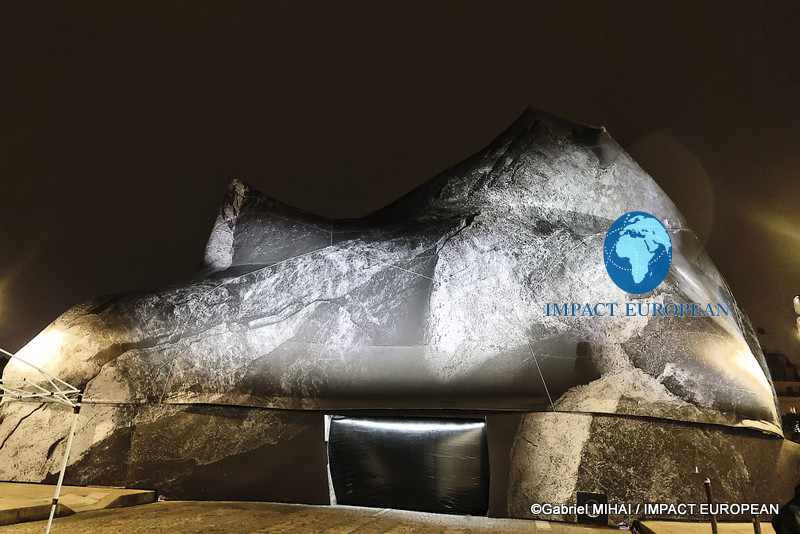
Rather than relying on heavy construction techniques, JR’s team used air as the primary structural material.
This lightweight solution reduced pressure on the protected bridge while allowing the installation to respect one of France’s most important historical monuments.
When nature became part of the artwork
Creating art outdoors always involves uncertainty.
Before opening to visitors, The Cave of Pont Neuf faced severe weather conditions.
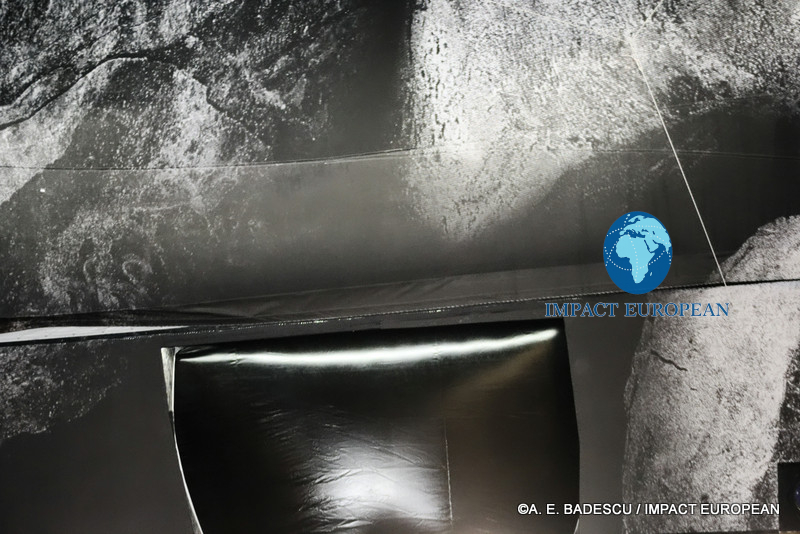
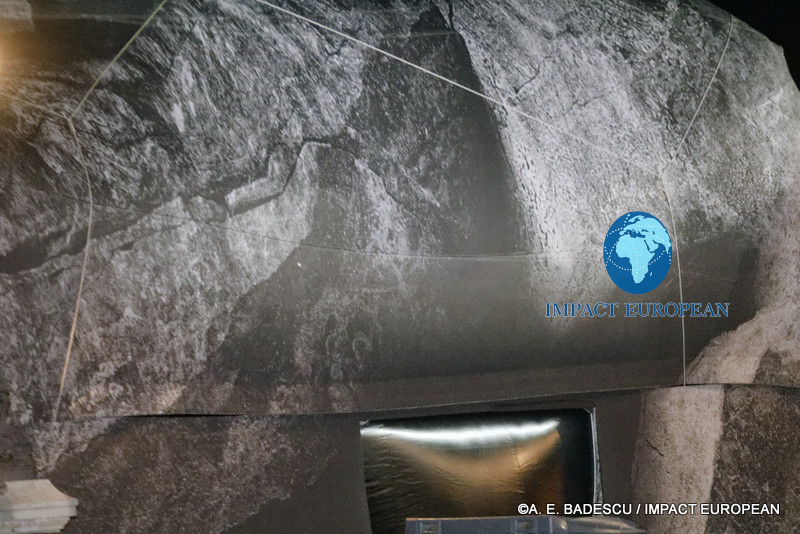
Heatwaves were followed by unusually cold nights, heavy rain, powerful winds and hailstorms that tore sections of the outer fabric and damaged parts of the inflatable structure.
Instead of hiding the repairs, JR embraced them.
Visible seams and restored surfaces remain intentionally present, reminding visitors that public art exists in direct dialogue with nature rather than inside controlled museum environments.
Those imperfections have become part of the installation’s story.
Sustainability behind the spectacle
One of the least visible aspects of the project is also one of its most significant.
The installation uses 18,900 square metres of fabric, manufactured in Europe and printed in France using certified water-based inks.
Twenty-five artisans assembled the textile elements by hand while keeping waste to a minimum.
Technical equipment was rented rather than purchased.
Ballast systems will be reused.
Following dismantling on 28 June, the materials may be preserved, repurposed for future artistic projects or recycled.
This sustainable approach demonstrates how contemporary monumental art can reduce its environmental footprint without compromising creativity.
Art you can hear, smell and explore
Unlike traditional public sculptures, JR’s installation engages every sense.
Composer Thomas Bangalter, internationally celebrated as one half of Daft Punk, created an original soundscape built from subtle echoes, low frequencies and mineral resonances.
Rather than functioning as background music, the composition becomes part of the architecture itself.
Olfactory designer Sarah Bouasse, working with Odore Scola, developed a fragrance inspired by petrichor—the distinctive smell of earth after rainfall.
Visitors therefore experience the cave not only visually but physically.
Sound, scent and space merge into a single artistic environment.
Extending reality through technology
The experience continues beyond the physical installation.
Using augmented reality developed with Snap AR Studio Paris, visitors can unlock digital layers visible through smartphones and Spectacles smart glasses.
Inspired in part by the pioneering motion studies of French scientist Étienne-Jules Marey, these digital elements extend the cave into an invisible world that only technology can reveal.
The result is a seamless conversation between historical architecture and twenty-first-century innovation.
Why this installation matters
The Cave of Pont Neuf is more than a temporary attraction.
It reflects a broader evolution in contemporary art, where artists increasingly transform public spaces into immersive experiences that encourage participation rather than passive observation.
For Paris, the project confirms the city’s role as one of the world’s leading cultural capitals.
For visitors, it offers a rare opportunity to rediscover one of Europe’s oldest bridges through an entirely unexpected perspective.
And for JR, it represents another chapter in a career dedicated to changing the way people see the places they thought they already knew.
As visitors emerge from the cave back into the Parisian sunlight, they discover that the bridge has not changed.
Their perception of it has.
Copyright © 2026 IMPACT EUROPEAN


















Views: 6
More Stories
Paris Pride 2026: From Political Mobilisation to a European Message of Solidarity
France’s September 29 Strike: When Pay Becomes a Question of Public-Service Capacity
Pope Leo XIV in France: From Human Dignity to Europe’s Search for Peace