

Presented in the Un Certain Regard section at Cannes 2026, Memory of a Girl is more than a literary adaptation. It is a film haunted by personal history, political urgency and generational transmission.
By adapting Annie Ernaux’s autobiographical text, Judith Godrèche creates a work that feels both deeply intimate and unmistakably contemporary.
Set during the summer of 1958, the film follows Annie, a seventeen-year-old camp counselor experiencing her first sexual relationship with an older man. What initially appears to be desire slowly reveals itself as manipulation, humiliation and violence.
Godrèche’s approach is remarkably restrained.
Rather than dramatizing trauma through explicit scenes, she focuses on psychological fragmentation. The film carefully observes how Annie begins to disappear inside the expectations and desires imposed upon her. Shame enters gradually. So does dissociation.
This becomes the film’s central achievement.
Memory of a Girl understands that trauma is often not immediately recognized by those who experience it. Annie does not fully understand what is happening to her. The audience watches her struggle to interpret her own emotions within a social environment incapable of naming sexual violence clearly.
That tension gives the film extraordinary emotional weight.
The adaptation also gains another level of meaning because of Judith Godrèche herself. Following her public denunciations of abuse within the French film industry, the project inevitably resonates with the post-#MeToo era. Yet Godrèche avoids turning the film into a simplistic political statement. She remains focused on lived experience.
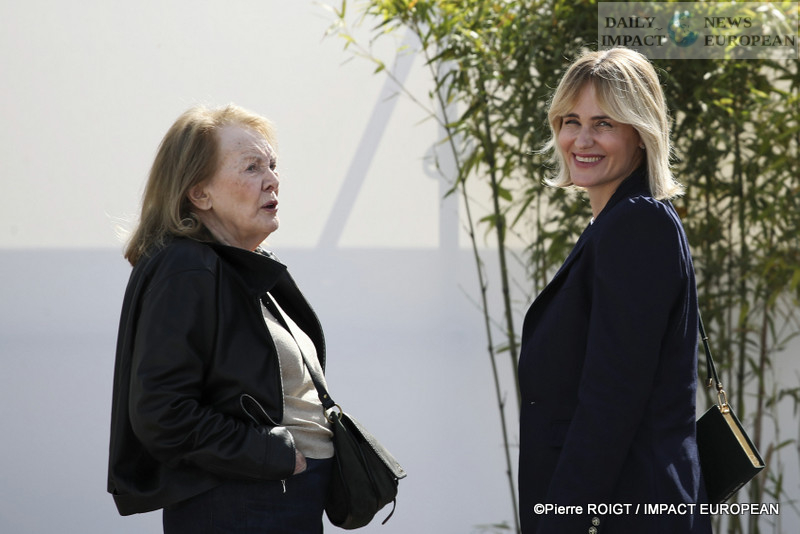
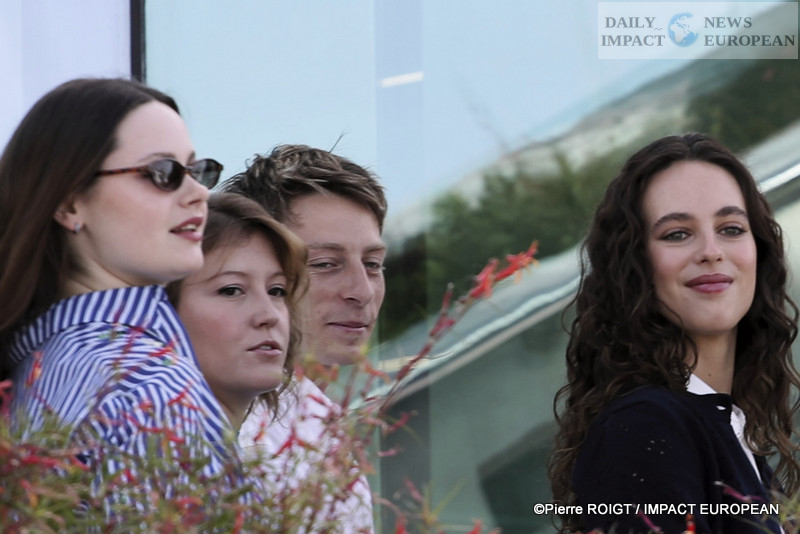
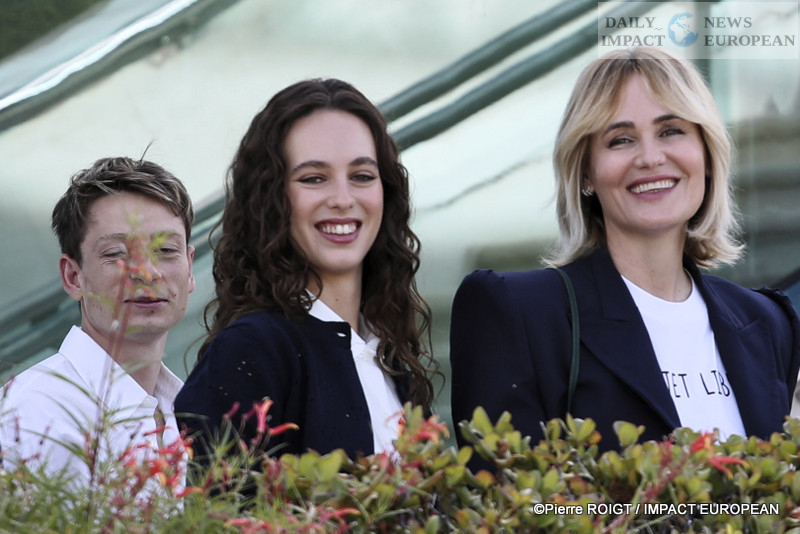
The casting of Tess Barthélémy, Godrèche’s daughter, is particularly powerful. Their collaboration creates an almost symbolic gesture: a mother rewriting history through cinema for the next generation.
Tess Barthélémy delivers an impressive performance built on subtle emotional shifts rather than overt dramatics. Her Annie is vulnerable but never passive. We see intelligence forming beneath confusion, even before the character herself fully understands what she has endured.
Visually, the film oscillates between traditional period reconstruction and moments of striking emotional intimacy. Some historical details occasionally feel overly polished, almost trapped inside the conventions of French prestige drama. But when Godrèche focuses on Annie’s interior life, the film becomes genuinely compelling.
One of the film’s most intelligent ideas is its treatment of memory itself. Annie’s recollections are fragmented, uncertain and emotionally unstable. Godrèche suggests that trauma survives not as a linear narrative but as disconnected sensations, gestures and bodily memories.
The famous detail of the scar mentioned in Ernaux’s text becomes symbolic of the film’s entire philosophy: invisible wounds can define a life.
More importantly, Memory of a Girl ultimately moves beyond victimhood. It becomes a story about transformation — how suffering is slowly converted into consciousness, language and eventually art.
The final emotional impact comes from this passage between generations: Annie Ernaux writing the memory, Judith Godrèche filming it, Tess Barthélémy embodying it.
Together, they create a film that is not only about violence, but about reclaiming narrative power after violence.
With Memory of a Girl, Judith Godrèche delivers her most mature and emotionally vulnerable work to date — a film that refuses spectacle in favor of truth.
Copyright © 2026 IMPACT EUROPEAN







Views: 19
More Stories
France Protests on October 17: Mass Mobilization Overshadowed by Violence Across the Country
Work Palace Opens in Paris: INSITU Brings Luxury Hospitality Into the Workplace
Rugby Pro D2: Colomiers Defeat Narbonne 49-28 to Claim Bonus-Point Victory