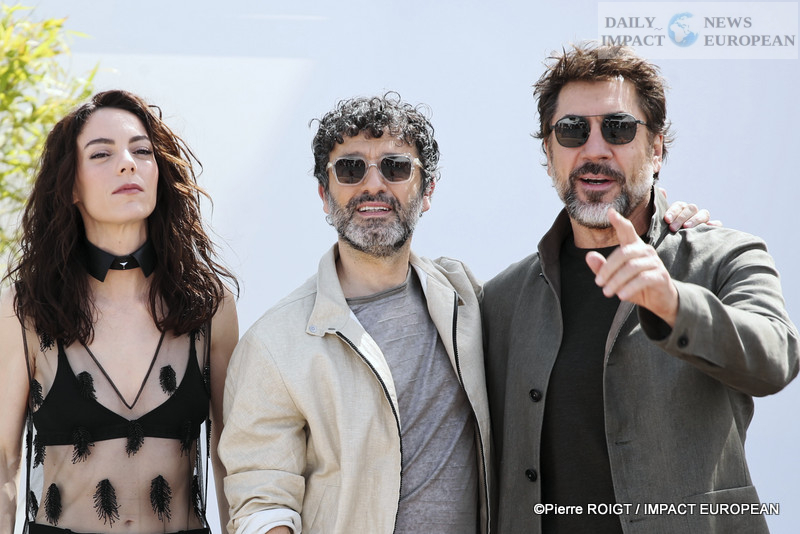
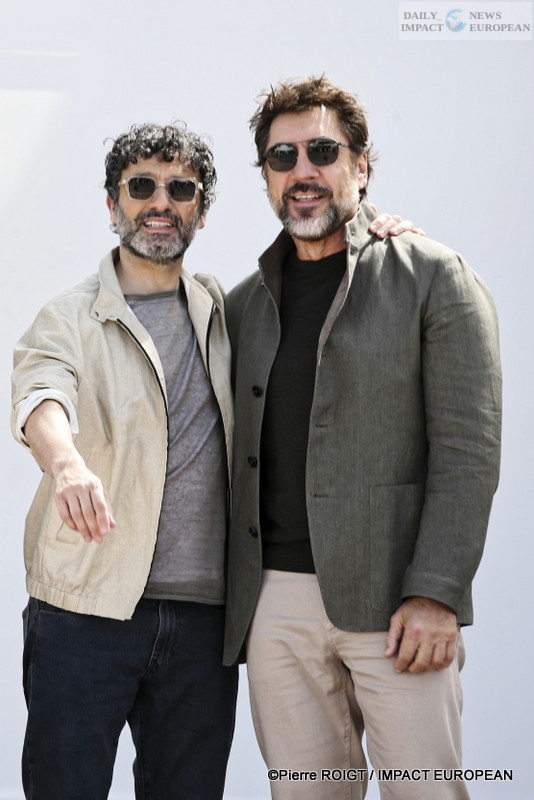
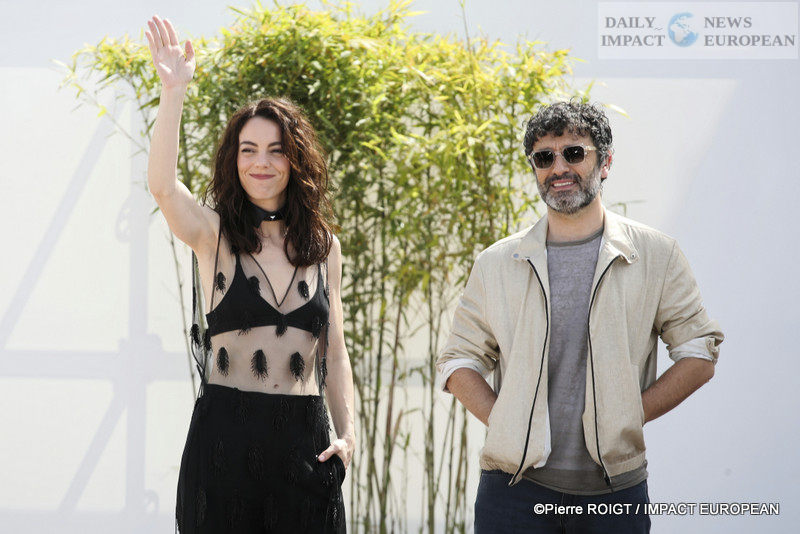
avier Bardem and Victoria Luengo shine in Rodrigo Sorogoyen’s emotionally devastating Cannes competition drama.
With El ser querido, Rodrigo Sorogoyen delivers perhaps the most emotionally mature film of his career. Presented in competition at Cannes 2026, the Spanish director leaves behind the explosive violence of As Bestas and The Realm to explore something quieter — and ultimately far more painful: emotional abandonment.
The film follows Tomás, a celebrated filmmaker who reconnects with his estranged daughter Clara after thirteen years apart by offering her the lead role in his latest movie.
What initially appears to be a story about reconciliation slowly transforms into a brutal reflection on artistic narcissism and the emotional cost of creation.
Sorogoyen’s greatest achievement lies in ambiguity.
Tomás genuinely seems to love his daughter. Yet every attempt at intimacy becomes contaminated by his instinct as a filmmaker. He observes Clara the way directors observe actors — searching for emotion, vulnerability, truth. The film gradually suggests that he may no longer know how to love without turning people into material for art.
Cinema itself becomes predatory.
The “film within the film” structure reinforces this idea brilliantly. As rehearsals and scenes accumulate, the boundary between fiction and reality collapses. Personal wounds are re-enacted under the justification of artistic authenticity.
Sorogoyen asks a deeply uncomfortable question: how much emotional damage can art justify?
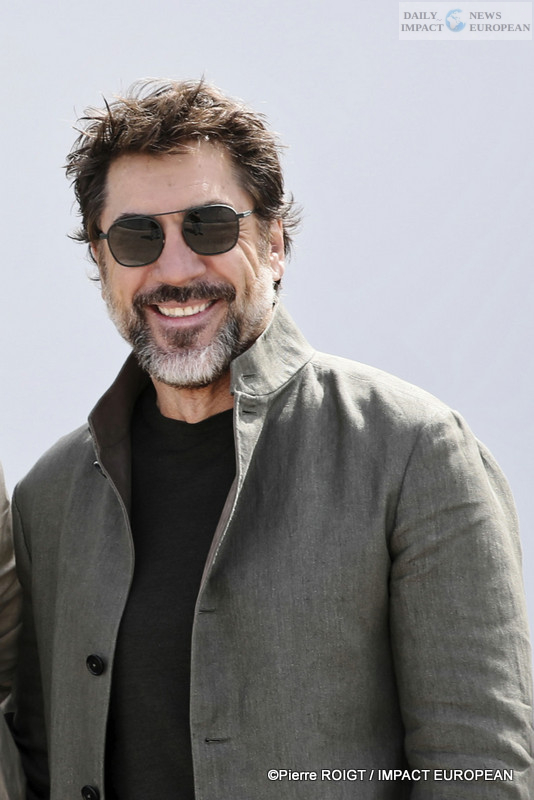
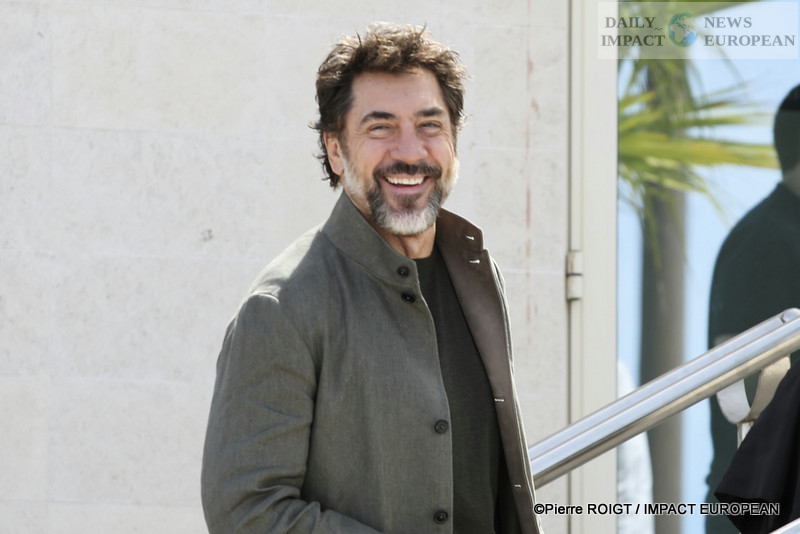
Javier Bardem gives one of the finest performances of his career. Sorogoyen films him in painful close-ups where exhaustion, regret and vanity coexist simultaneously.
This is not the commanding Bardem audiences are used to. Tomás is charismatic, certainly, but also emotionally immature — a man who spent his entire life talking brilliantly while failing to truly connect with the people closest to him.
Victoria Luengo is equally extraordinary. Her Clara carries abandonment physically. Every movement feels cautious, as though emotional disappointment has shaped her entire personality.
The emotional tension between father and daughter never explodes dramatically. Sorogoyen avoids melodrama completely. Instead, pain accumulates through pauses, silences and failed attempts at communication.
That restraint makes the film devastating.
Formally, El ser querido is remarkably ambitious. Multiple aspect ratios, changes in texture, black-and-white sequences and long takes constantly destabilize the viewer’s perception.
But unlike many self-conscious “meta cinema” projects, the formal experimentation always serves the emotional core of the story.
The Galician landscapes are another major strength. Cold, humid and almost spectral, they seem filled with unresolved memory. The setting itself becomes part of the emotional architecture.
Some early dialogue occasionally feels slightly overwritten, especially during Tomás’ more theatrical conversations. Yet even this excess ultimately fits the character perfectly: a man incapable of separating performance from sincerity.
What makes El ser querido so compelling is that it never offers easy redemption. The film understands that some absences cannot be repaired simply by returning. Love may survive abandonment — but it does not erase it.
With this film, Rodrigo Sorogoyen proves he can handle emotional intimacy with the same mastery he once brought to suspense and political tension.
El ser querido is not just one of the best films in competition this year. It is one of the most emotionally intelligent films Sorogoyen has ever made.












More Stories
Paris Motor Show 2026: Global Carmakers Face a New Era of Mobility
Violence Against Women: French Protesters Push Parliament to Preserve Landmark Protection Bill
Paris Pride 2026: From Political Mobilisation to a European Message of Solidarity