

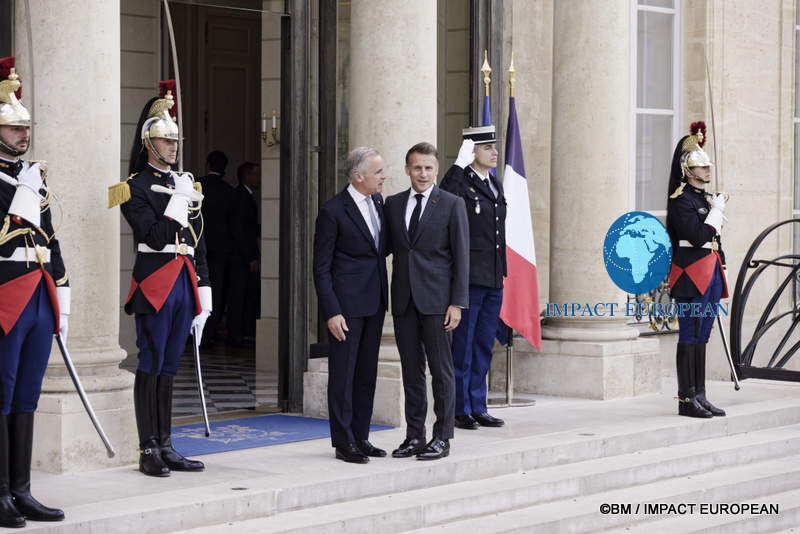
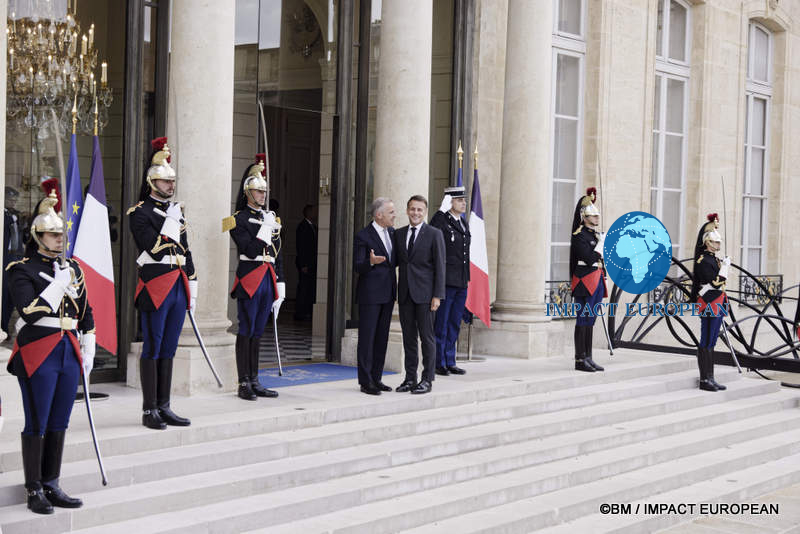
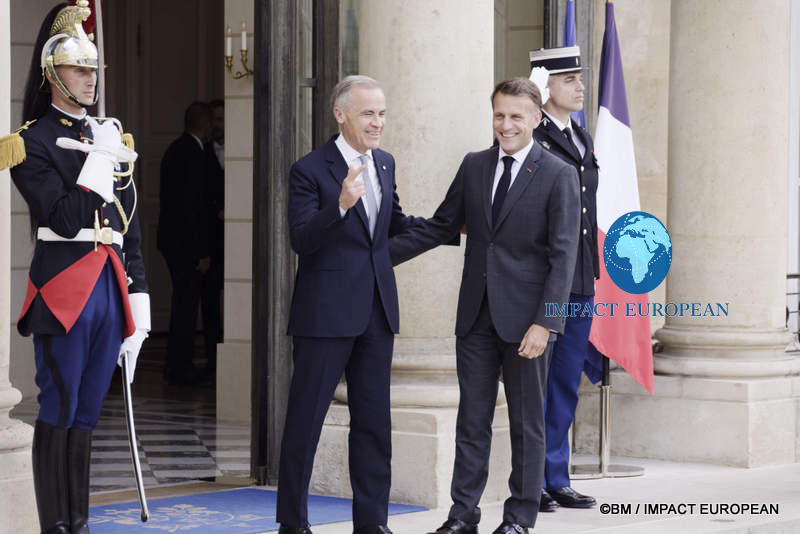
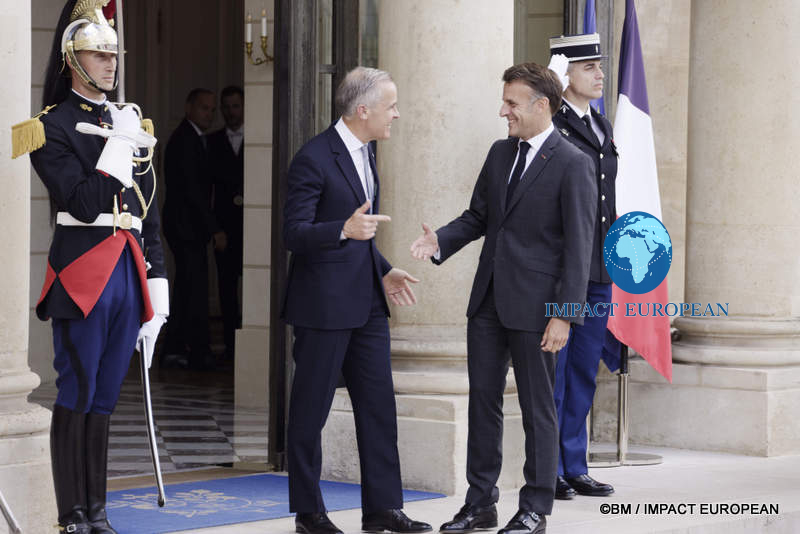
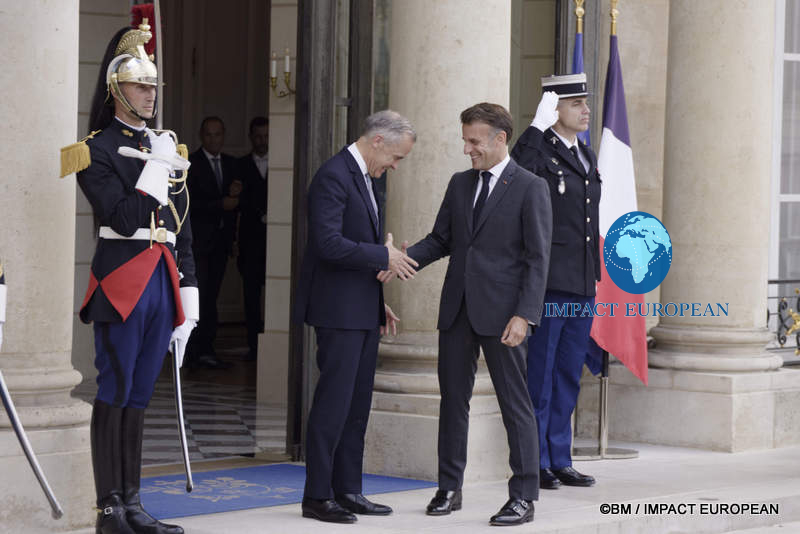
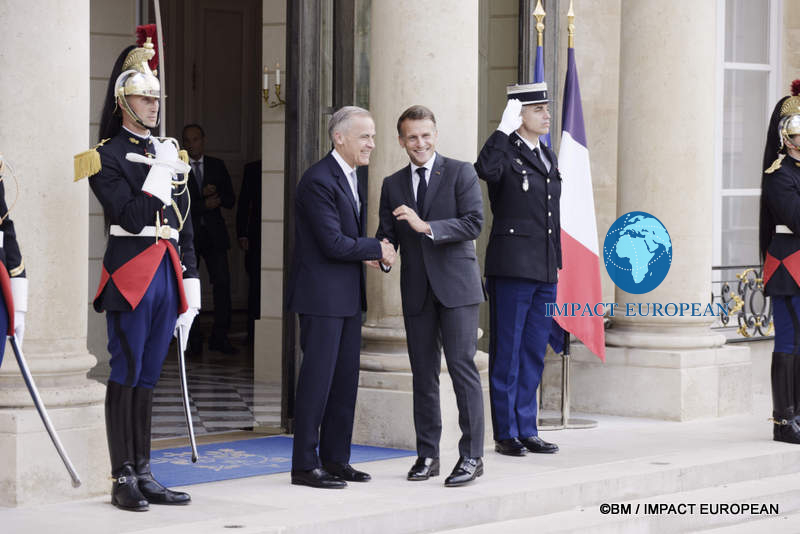
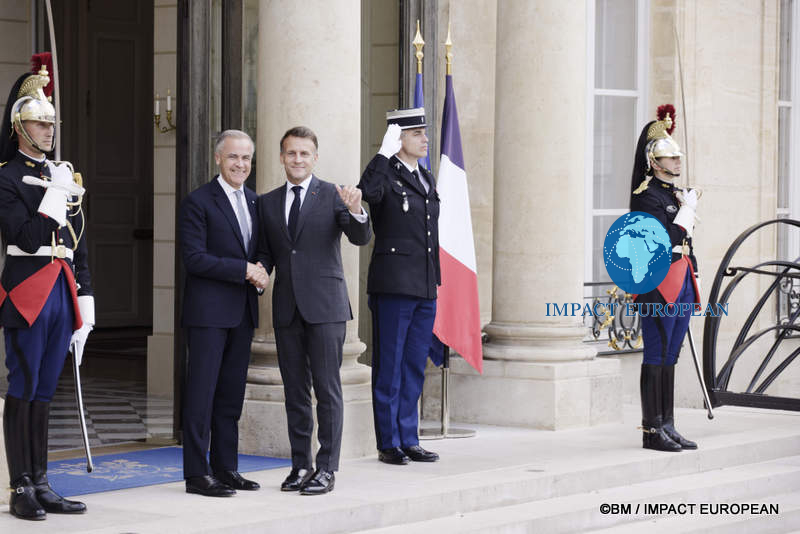
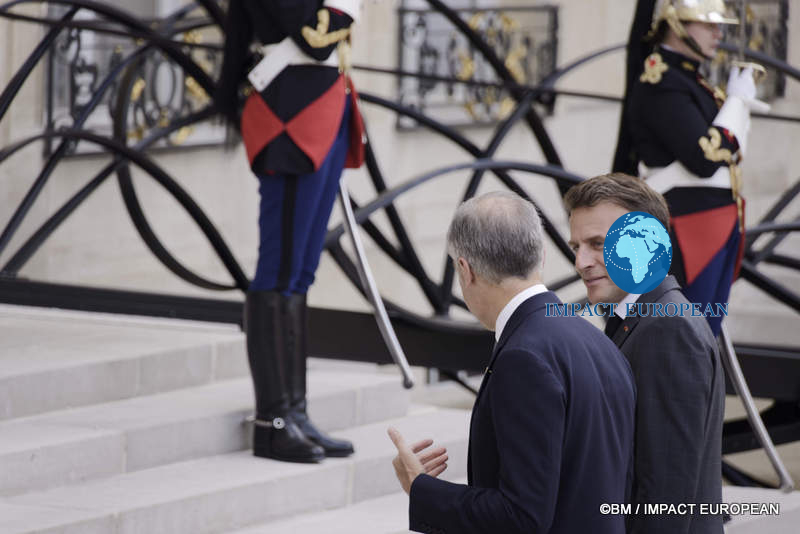
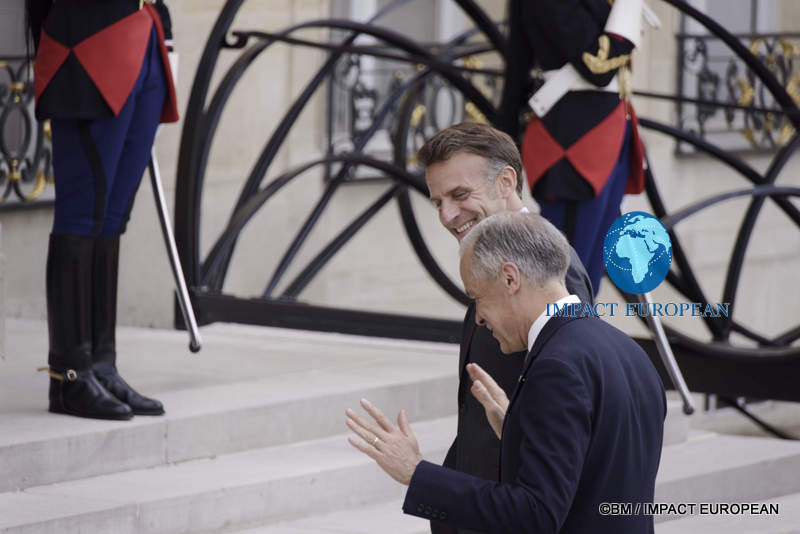
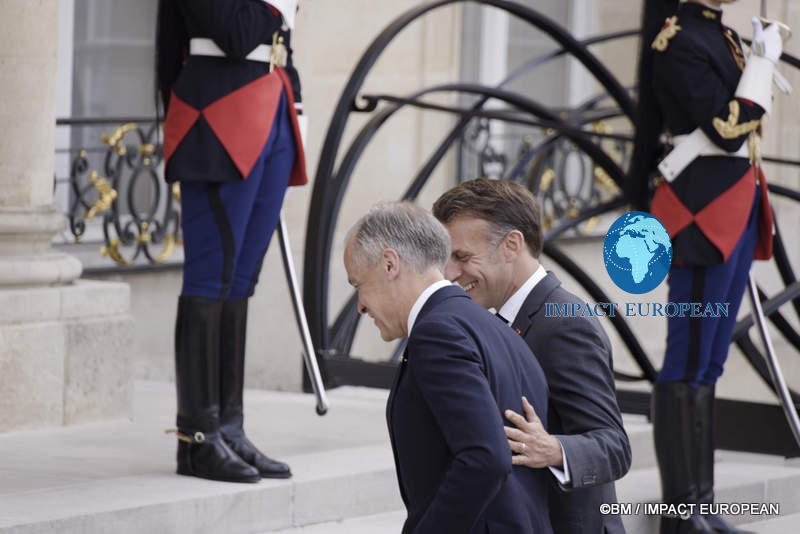
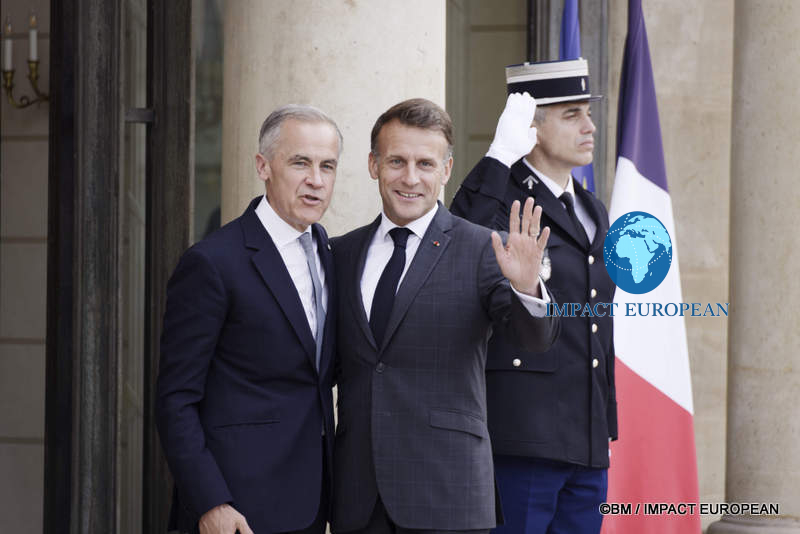
The official images from the Élysée Palace showed a familiar diplomatic scene: handshakes, bilateral meetings and statements delivered beneath the gilded ceilings of the French presidency.
Yet the visit of Canadian Prime Minister Mark Carney to Paris carried broader significance.
Coming just seventy-two hours before the opening of the G7 Summit in Évian, the meeting reflected growing efforts by France and Canada to coordinate their response to a rapidly changing international environment.
President Emmanuel Macron described a world increasingly shaped by geopolitical rivalry, economic pressure, information conflicts and challenges to established international rules.
His remarks framed the summit not simply as another multilateral gathering but as an attempt to redefine cooperation among advanced democracies.
Prime Minister Mark Carney echoed that assessment.
Without embracing confrontation, he emphasized the need for stronger strategic autonomy and greater resilience among democratic economies.
The discussions extended far beyond traditional diplomacy.
Economic security emerged as one of the central themes.
France and Canada agreed to deepen cooperation in energy infrastructure, critical minerals, advanced manufacturing and aerospace development.
These priorities reflect a broader shift underway across many industrial economies.
Access to strategic resources and technological capabilities is increasingly viewed as an issue of national competitiveness and long-term security.
Artificial intelligence also featured prominently.
The two leaders highlighted recent cooperation initiatives designed to strengthen research partnerships, innovation ecosystems and talent development.
At the same time, both countries acknowledged the growing challenge of AI governance.
Questions surrounding accountability, transparency and international coordination are becoming central to political discussions.
Another emerging issue entered the conversation: social media regulation and protections for minors.
As digital platforms continue expanding their influence, governments face increasing pressure to address concerns related to algorithmic exposure, harmful content and the broader social impact of online environments on younger users.
This issue is expected to remain part of broader international discussions on digital governance.
Technology policy is now closely linked to economic strategy.
Control over data, infrastructure resilience and trusted digital ecosystems increasingly shape international competitiveness.
Defense and industrial cooperation were also reinforced.
The leaders welcomed progress through a new bilateral information security agreement expected to facilitate procurement opportunities and industrial partnerships.
Recent aerospace cooperation, including France’s acquisition of Canadian-built DHC 515 water bombers, was presented as a concrete example of strategic collaboration.
International crises remained unavoidable.
Macron and Carney reaffirmed support for Ukraine and discussed broader geopolitical challenges including instability in the Middle East.
Canada also highlighted its humanitarian commitment toward Palestinian civilians.
Despite speculation about tensions within the G7, Carney rejected the idea of a simple divide between the United States and the rest of the group.
Instead, he argued that the summit should remain focused on identifying practical areas of cooperation.
That objective may prove difficult.
Trade disputes, AI regulation, energy security and geopolitical crises continue to create competing priorities among member states.
For France, hosting the summit represents an opportunity to demonstrate diplomatic leadership.
For Canada, the moment offers a chance to position itself as a bridge between economic openness and strategic resilience.
The meeting at the Élysée ultimately served as more than a diplomatic stop before Évian.
It reflected a broader question facing many governments today: how to preserve cooperation while adapting to a world increasingly shaped by competition, technology and shifting power balances.
The answer may begin to emerge next week at the G7 table.
Copyright © 2026 IMPACT EUROPEAN


Views: 7
More Stories
France Protests on October 17: Mass Mobilization Overshadowed by Violence Across the Country
Work Palace Opens in Paris: INSITU Brings Luxury Hospitality Into the Workplace
Rugby Pro D2: Colomiers Defeat Narbonne 49-28 to Claim Bonus-Point Victory