

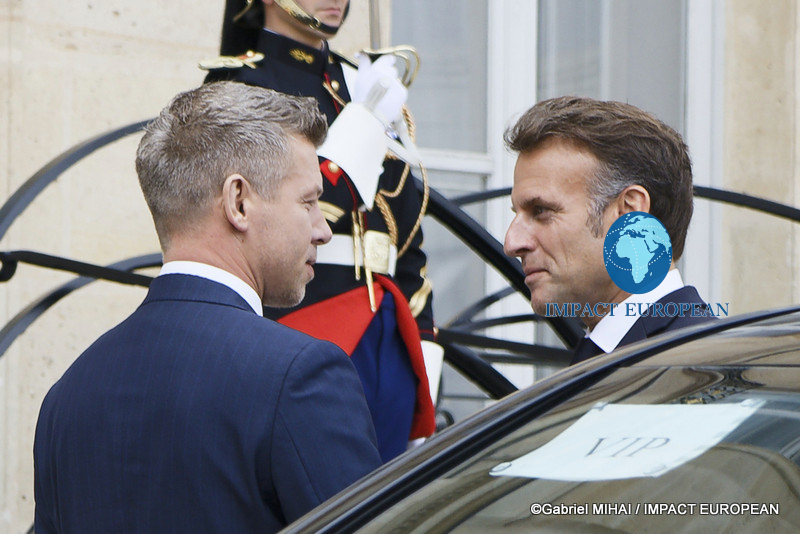
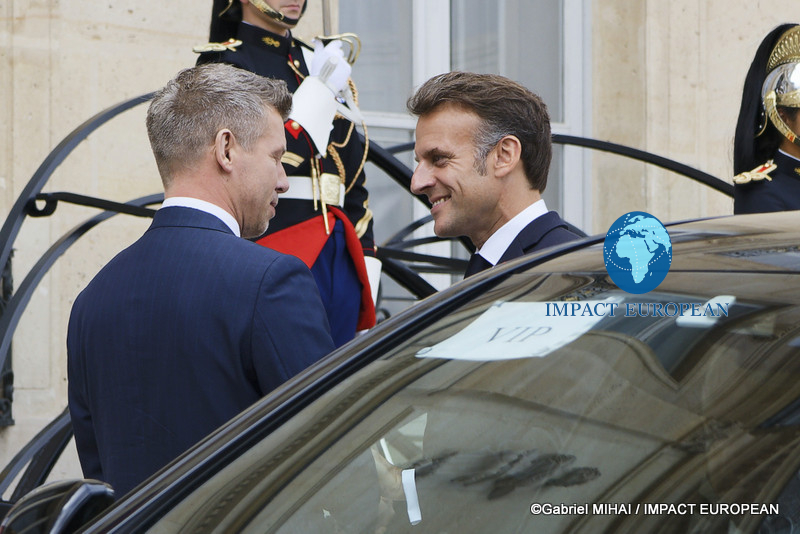
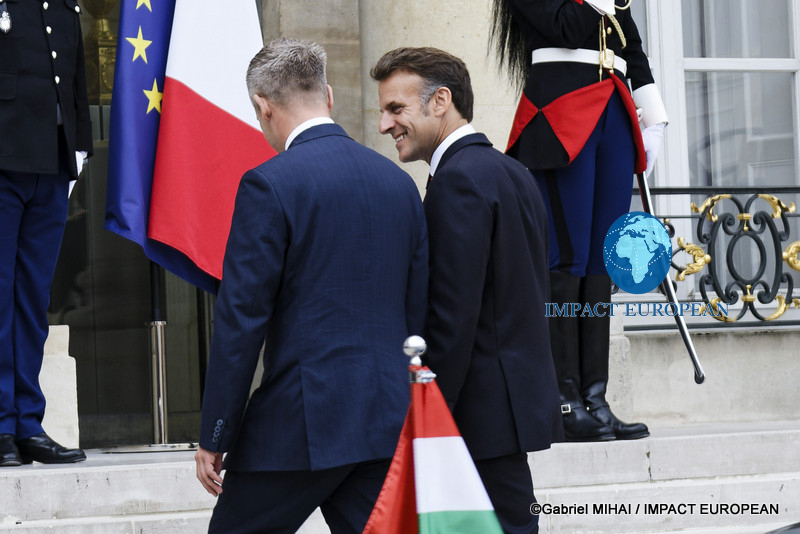
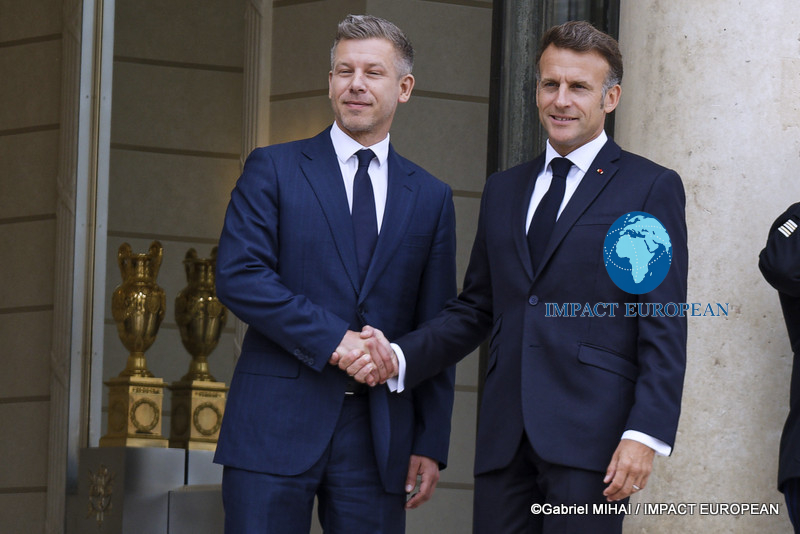
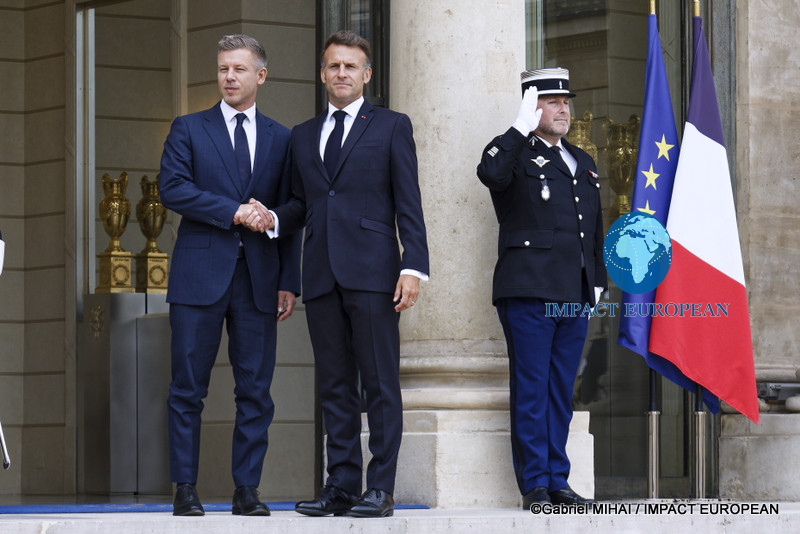
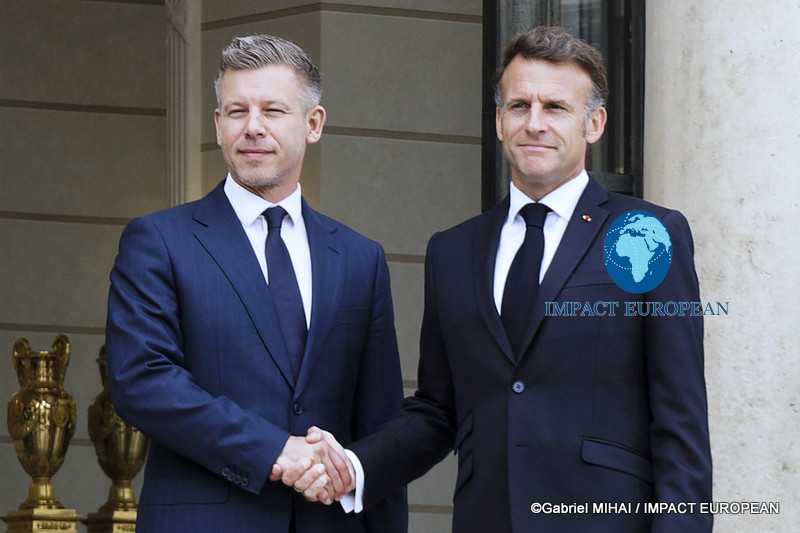
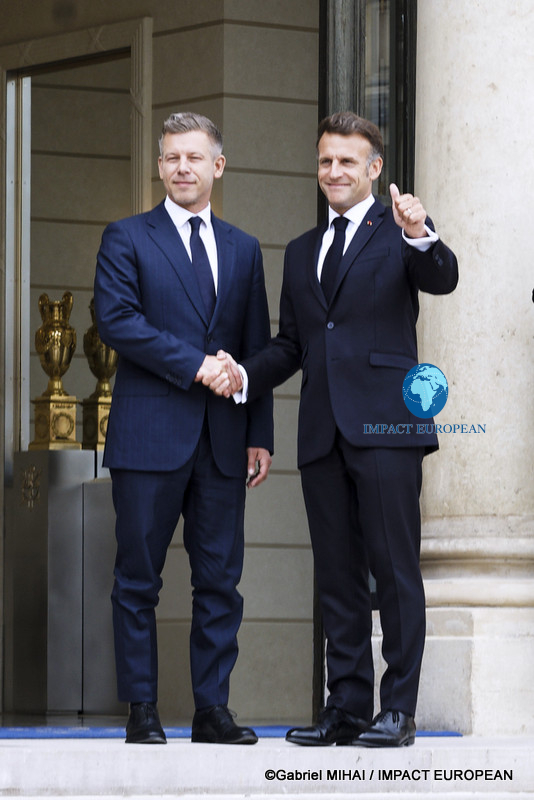
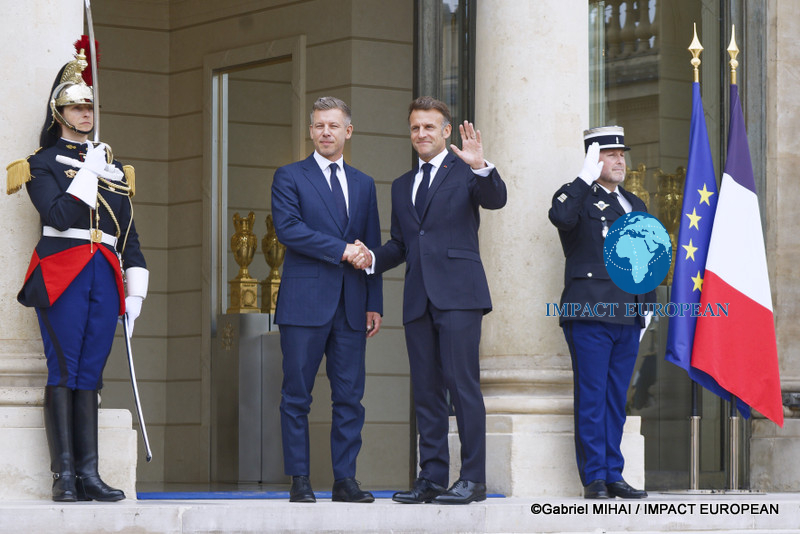
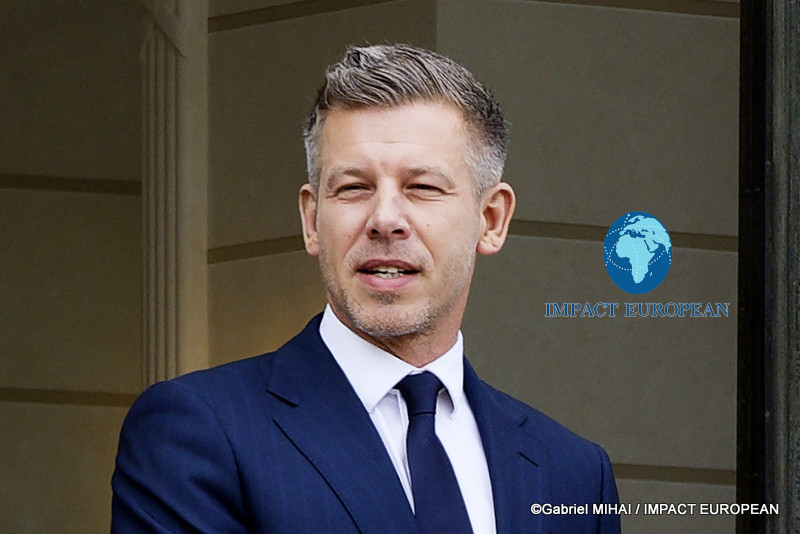
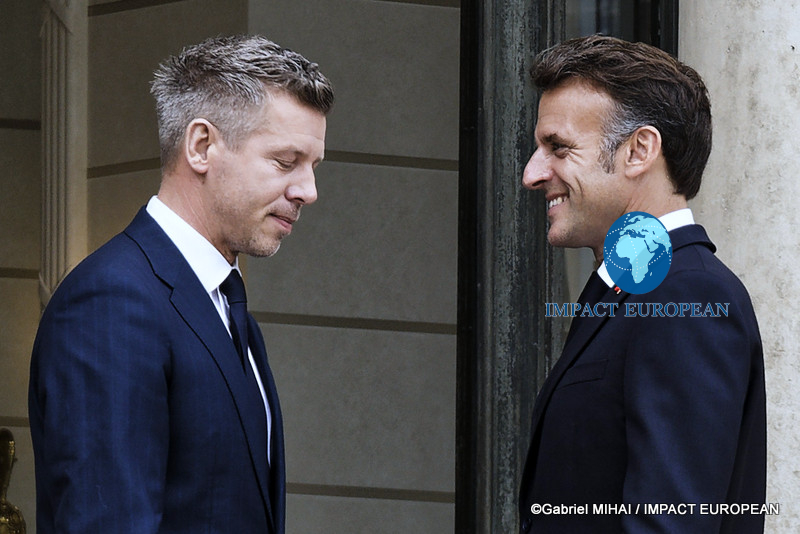
The meeting between Hungarian Prime Minister Péter Magyar and French President Emmanuel Macron at the Élysée Palace may prove to be one of the most significant diplomatic moments in Europe this year.
For more than a decade, Hungary was frequently at odds with Brussels over issues ranging from judicial independence and corruption to media freedom and relations with Russia. Today, a new political landscape is emerging in Budapest.
Péter Magyar, whose electoral victory ended the long political dominance of Viktor Orbán, is seeking to rebuild Hungary’s relationship with its European partners. His visit to Paris, following meetings in Warsaw, Brussels and Berlin, illustrates a broader effort to reposition Hungary at the heart of the European project.
The End of an Era
The rise of Péter Magyar has dramatically altered Hungary’s political trajectory.
For years, Viktor Orbán was one of the European Union’s most controversial leaders. His government regularly clashed with EU institutions over democratic standards, judicial reforms, migration policies and relations with Moscow.
Magyar emerged as the figure capable of challenging that system.
His election was widely interpreted as a signal that a significant portion of Hungarian society wanted a different relationship with Europe.
Since taking office, the new Prime Minister has presented himself as both a conservative politician and a committed European reformer.
This balancing act has attracted considerable attention across the continent.
Paris as a Strategic Destination
The choice of Paris for one of Magyar’s first major diplomatic visits was not accidental.
France remains one of the European Union’s most influential political powers.
By meeting Emmanuel Macron, Magyar sought not only bilateral cooperation but also political legitimacy within the broader European framework.
The French president welcomed the Hungarian leader warmly and described the political developments in Hungary as the beginning of a « new era. »
Macron praised the reforms launched by Budapest, particularly those aimed at strengthening the rule of law and fighting corruption.
His remarks reflected growing optimism among European leaders regarding Hungary’s future role inside the Union.
Rebuilding Trust with Brussels
One of the most important issues discussed during the visit concerned European funding.
For years, billions of euros allocated to Hungary remained frozen because of concerns about corruption and democratic governance.
Recently, the European Commission agreed in principle to release a significant portion of these funds after receiving commitments from the Magyar government regarding institutional reforms.
The amount involved is substantial.
More than €16 billion had been suspended under mechanisms designed to protect European taxpayers’ money.
The release of these funds is viewed as one of the first concrete signs that relations between Budapest and Brussels are improving.
However, significant conditions remain attached to the process.
European institutions continue to monitor reforms closely, and additional measures are expected before all funds can be fully released.
Ukraine Changes the Conversation
The war in Ukraine remains one of Europe’s defining geopolitical challenges.
Under Viktor Orbán, Hungary often adopted positions that complicated European consensus regarding Kyiv and sanctions against Russia.
Péter Magyar has attempted to change that perception.
During their discussions, Macron and Magyar addressed support for Ukraine, European security, sanctions against Russia and the future architecture of European defense.
Macron publicly thanked the Hungarian Prime Minister for what he described as Hungary’s constructive approach to recent European decisions.
Particular attention was paid to the approval of major European financial support packages for Ukraine and the implementation of additional sanctions against Russia.
At the same time, Magyar emphasized that Hungary continues to seek guarantees regarding the educational and linguistic rights of the Hungarian minority living in Ukraine.
His government has indicated that progress on these issues could facilitate stronger Hungarian support for Ukraine’s European ambitions.
Toward a New Strategic Partnership
Beyond European affairs, the visit focused heavily on bilateral cooperation.
Macron and Magyar announced plans to develop a new Franco-Hungarian strategic partnership before the end of the year.
The initiative would modernize the friendship treaty signed between the two countries in 1991 and adapt it to contemporary challenges.
Several strategic sectors were identified:
- Defense cooperation
- Civil nuclear energy
- Industrial development
- Space technologies
- Agriculture
- Countering disinformation
- Protection of democratic institutions
These priorities reflect broader European concerns about sovereignty, competitiveness and resilience in an increasingly unstable international environment.
Economic Opportunities
The relationship between France and Hungary extends far beyond politics.
French companies play an important role in the Hungarian economy.
According to Péter Magyar, approximately 45,000 people in Hungary currently work for French-owned businesses.
The Hungarian Prime Minister argued that stronger rule-of-law protections and anti-corruption reforms would create a more attractive environment for foreign investment.
French companies are expected to be among the main beneficiaries of this renewed climate of confidence.
For both governments, economic cooperation represents a practical way to transform diplomatic goodwill into measurable results.
The Magyar Method
What distinguishes Péter Magyar from many other European reformers is his strategy.
Rather than presenting himself as a radical opponent of Hungary’s conservative traditions, he positions himself as a conservative committed to democratic renewal.
This approach allows him to appeal to voters who supported Orbán in the past while also reassuring European partners.
His reform agenda includes significant institutional changes.
Magyar has openly criticized several senior officials appointed during the previous administration and has called for reforms affecting key judicial and oversight bodies.
Another symbolic development is the planned return of Budapest Pride after restrictions imposed under the previous government generated widespread criticism throughout Europe.
These measures are intended to demonstrate that Hungary can remain culturally conservative while fully embracing European democratic standards.
France and Germany Watch Closely
Magyar’s visits to Berlin and Paris highlight the importance of France and Germany in shaping Hungary’s European future.
Both countries remain central to decision-making within the European Union.
Securing their confidence is essential for Budapest’s broader diplomatic strategy.
French and German leaders appear increasingly willing to support Hungary’s reintegration into core European initiatives, provided reforms continue.
This mutual interest creates a rare opportunity for cooperation after years of mistrust.
A Turning Point for Europe
The significance of the Macron-Magyar meeting extends beyond bilateral relations.
It raises broader questions about the future of European integration.
Can countries that have drifted away from European norms successfully reintegrate into the Union’s political mainstream?
Can institutional reforms rebuild trust after years of confrontation?
Can Europe remain united while respecting national political diversity?
Hungary may become an important test case.
The coming months will determine whether the promises of reform translate into lasting political change.
The meeting between Emmanuel Macron and Péter Magyar symbolizes more than diplomatic courtesy.
It represents the possibility of a new relationship between Hungary and the European Union.
After years of tension, Budapest appears determined to reconnect with its partners.
France, for its part, sees an opportunity to strengthen European unity at a time of unprecedented geopolitical uncertainty.
Whether this momentum results in lasting transformation remains to be seen.
But one thing is already clear: Hungary’s political transition is reshaping the European conversation, and the discussions held in Paris may mark the beginning of a new chapter for both Hungary and Europe.
Copyright © 2026 IMPACT EUROPEAN
Views: 12
More Stories
Paris protest puts cost of living and public freedoms in focus
France Protests on October 17: Mass Mobilization Overshadowed by Violence Across the Country
Work Palace Opens in Paris: INSITU Brings Luxury Hospitality Into the Workplace