
At Rotterdam Zoo, the journey begins with an animal but quickly expands beyond it. Trees, water, architecture, historic spaces and recreated habitats connect wildlife to the environments on which it depends. From zebras and gorillas to Asian elephants and the underwater world of the Oceanium, Diergaarde Blijdorp offers an international journey through the living world — while asking what the modern zoo can contribute to its future.
Rotterdam is a city accustomed to movement.
Ships cross one of Europe’s great ports, modern architecture continuously reshapes its skyline, and international connections have long been part of the city’s identity.
At Diergaarde Blijdorp, another kind of journey begins.
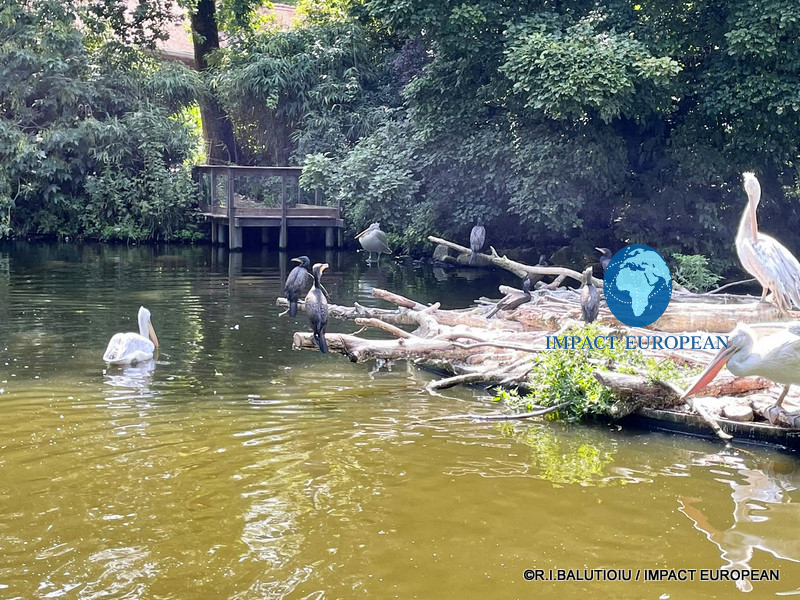
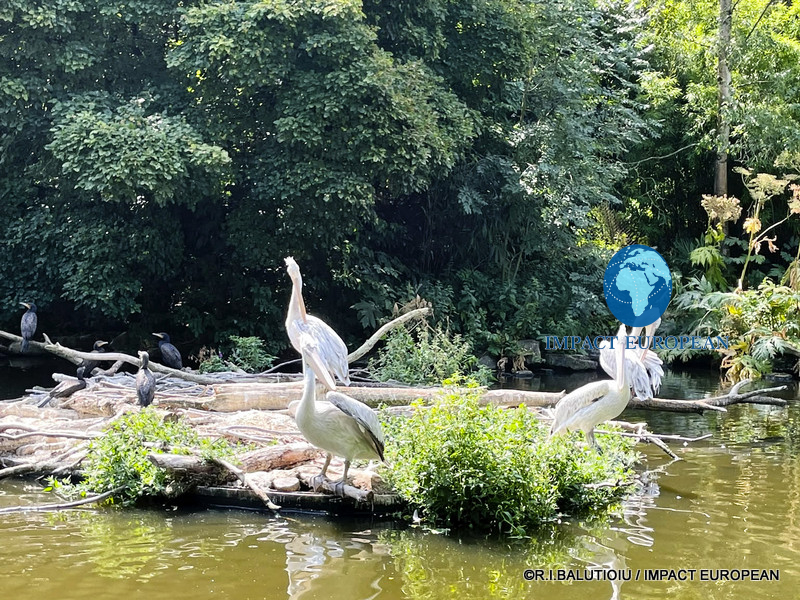
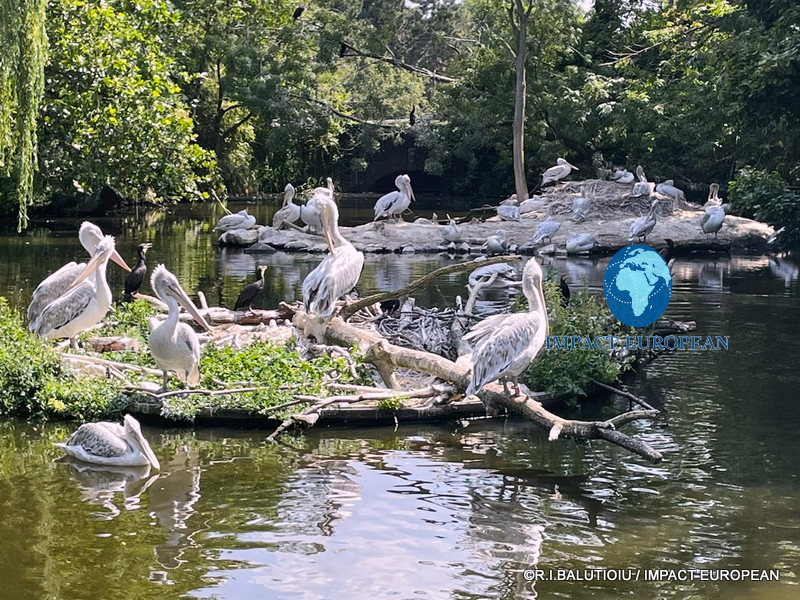
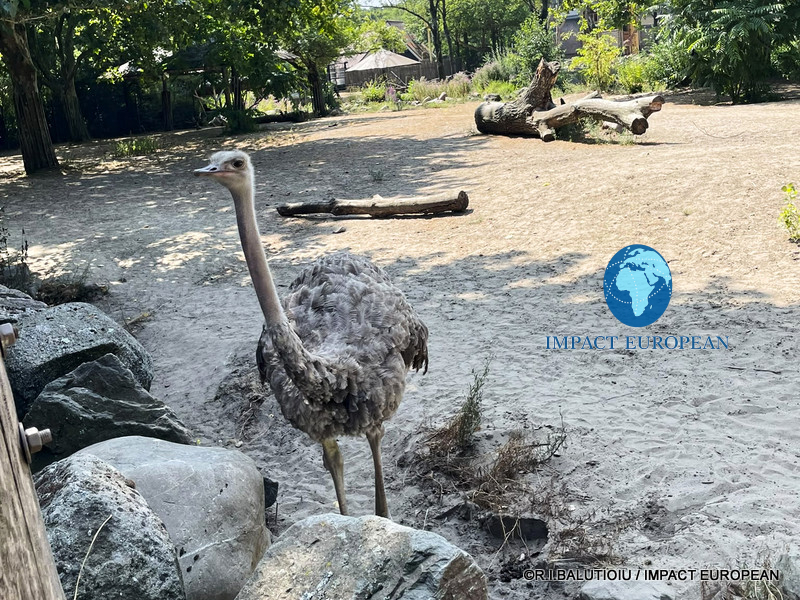
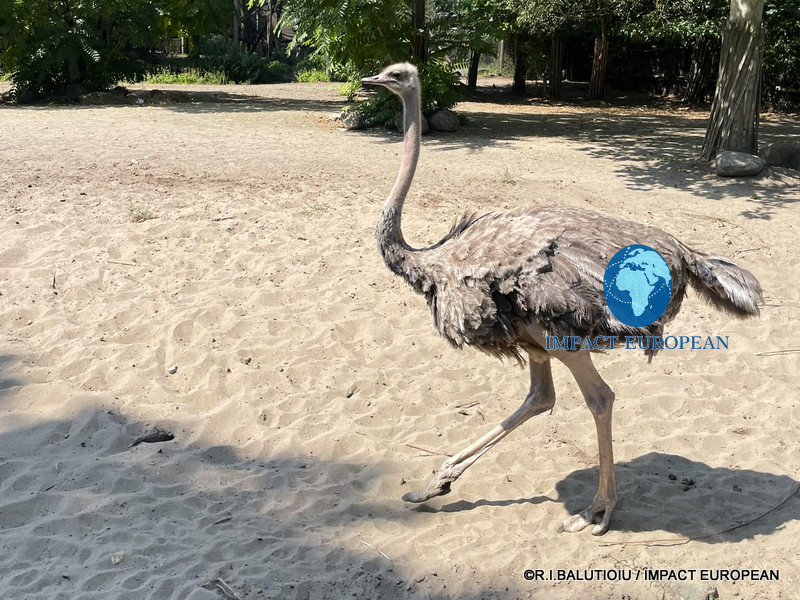
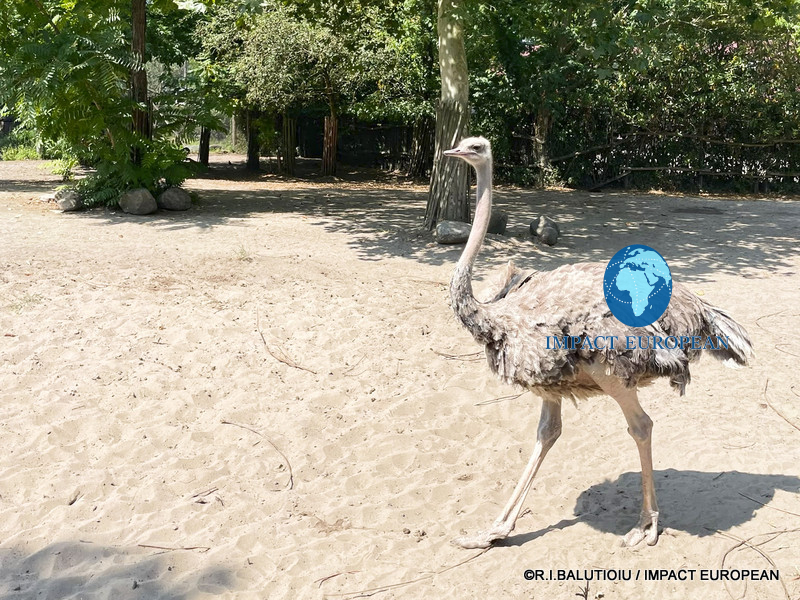
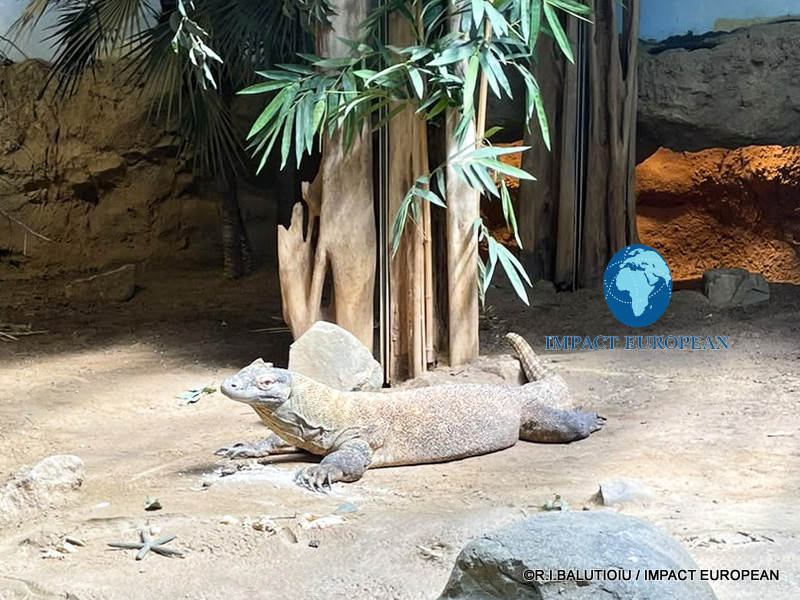
A zebra appears between vegetation. A giraffe raises its head above the landscape. A rhinoceros moves slowly across its territory. Asian elephants bring another geography into view. Birds draw the eye towards water and trees.
Then, almost without warning, the journey changes dimension.
Daylight fades. Blue takes over. Water replaces the terrestrial landscape and, inside the Oceanium, fish, sharks and other marine species move around and above the visitor.
It would be easy to describe Blijdorp simply as Rotterdam’s zoo.
But that would miss an essential part of the experience.
Here, animals and plants are brought together within habitats that invite visitors to look beyond the individual species and towards the living environment surrounding it.
That relationship — animal, plant, habitat — runs quietly through the entire visit.
And during summer, Blijdorp turns it into a journey that can feel surprisingly far removed from the city outside.
A summer journey without leaving Rotterdam
From 18 July to 30 August, Blijdorp invites visitors to experience a summer day at the zoo almost as a holiday close to home.
Among the animals highlighted this season are Tumo, a young zebra, Yuki the bongo, pygmy mongooses and a new gorilla group centred around silverback Shomari and three females.
Summer terraces, food and activities complement the visit, while the zoo’s numerous trees provide valuable shade. The Oceanium offers another form of escape from the summer heat: a journey beneath the surface into an entirely different environment.
But the summer experience is only the visible layer of a much larger story.
To understand Blijdorp, visitors need to look not only at the animals, but also at the space around them.
The space tells its own story
A zoo is also a territory.
Visitors walk through it, stop, change direction, rest, observe, enter buildings and move between different landscapes.
At Blijdorp, this movement is part of the experience.
The Blijdorp Express, which visitors can ride free of charge, offers another way to travel through the zoo and observe its spaces from a different perspective.
Yet movement through Blijdorp is also movement through history.
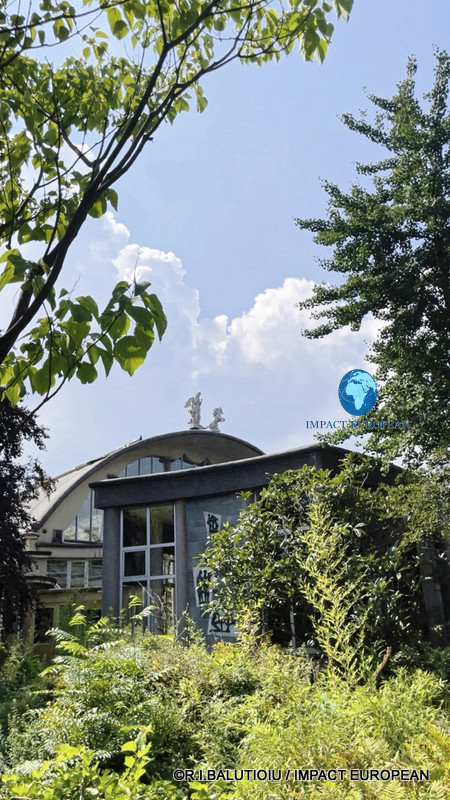
The present zoo was designed from 1938 by Dutch architect Sybold van Ravesteyn, at a time when Rotterdam was preparing to relocate its earlier zoological garden.
Van Ravesteyn conceived more than a collection of individual buildings. Architecture, landscaping and outdoor spaces were intended to form a coherent whole.
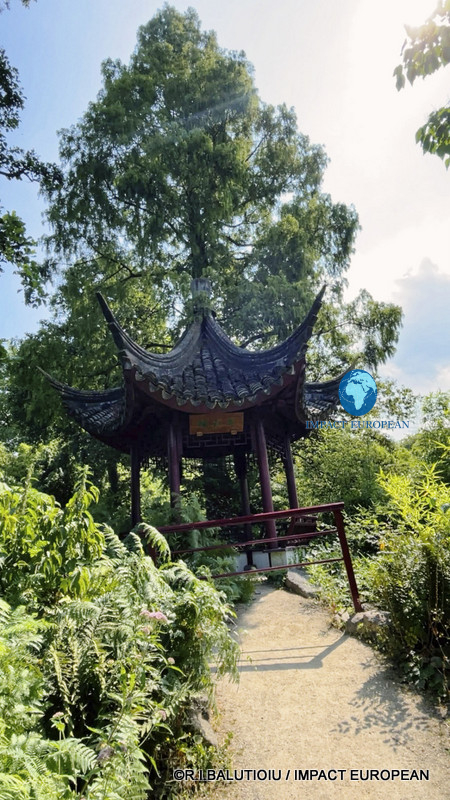
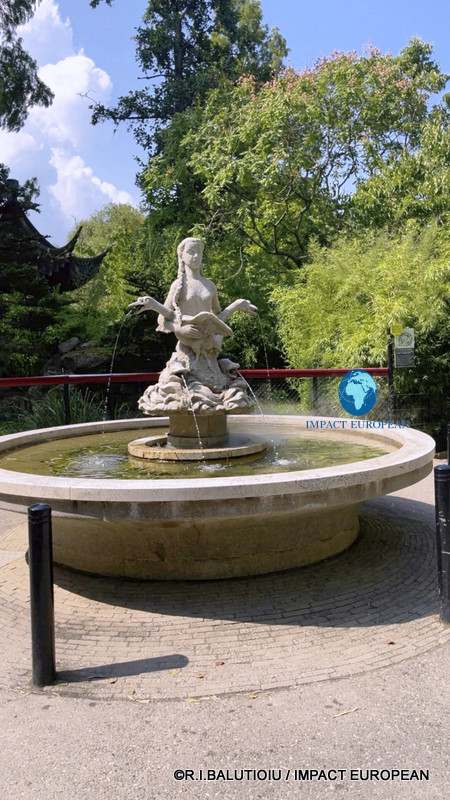
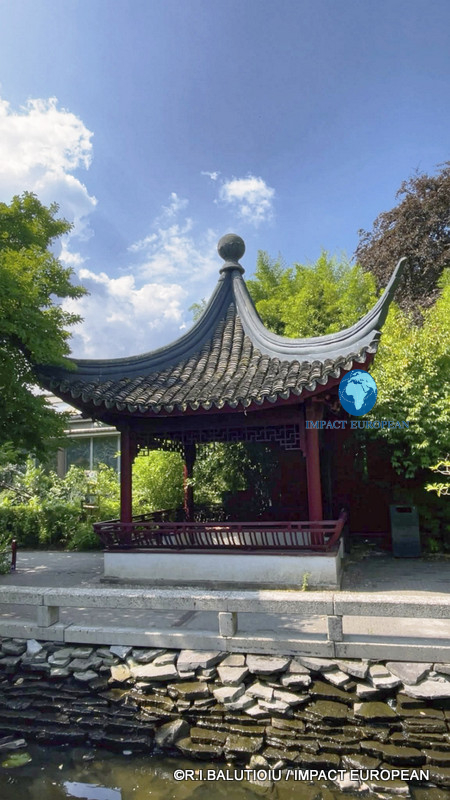
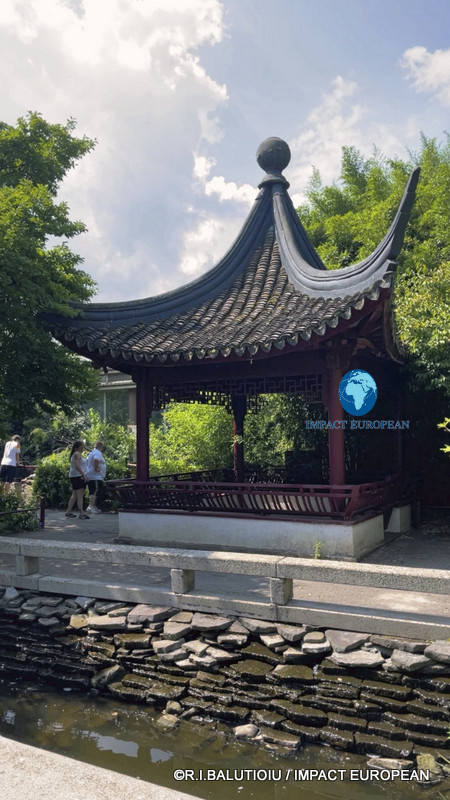
Today, Blijdorp contains 21 national monuments, making architectural heritage an unusually visible part of a zoological visit.
Historic entrances, animal buildings and other structures remain embedded within a zoo that has continued to change around them.
This creates one of Blijdorp’s most fascinating challenges.
How can a zoo preserve historic architecture while adapting its spaces to contemporary knowledge about animal welfare, behaviour and habitats?
The answer cannot be simply to preserve everything unchanged.
Heritage must remain alive.
Blijdorp intends to restore its 21 national monuments as part of its long-term development, while the spaces around and within them continue to acquire new functions.
History therefore does not interrupt the visit.
It lives inside the habitat.
Looking beyond the animal
Wildlife naturally attracts attention first.
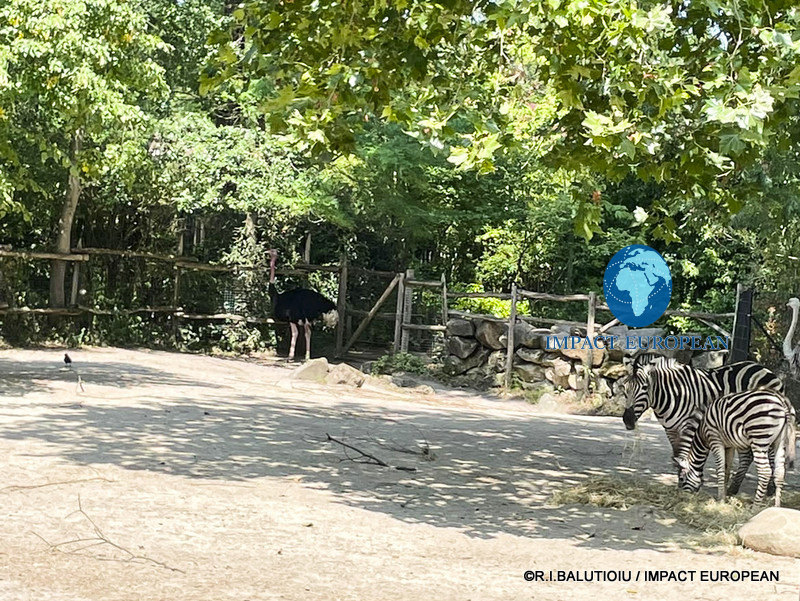
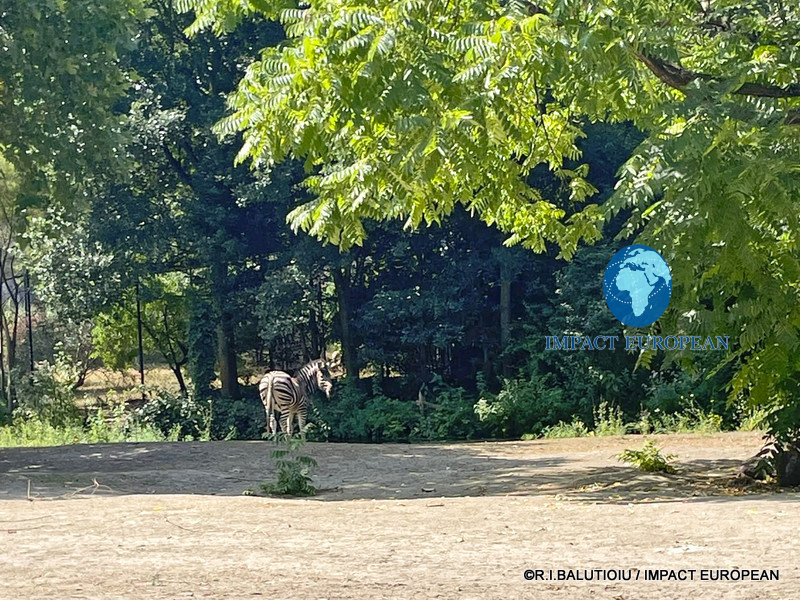
A zebra needs little introduction. Its black-and-white pattern immediately separates it visually from the landscape.
But stay longer and the image begins to expand.
There is vegetation behind it.
There is ground beneath it.
There is space around it.
Other animals may occupy that space.
Suddenly, the photograph is no longer simply about a zebra.
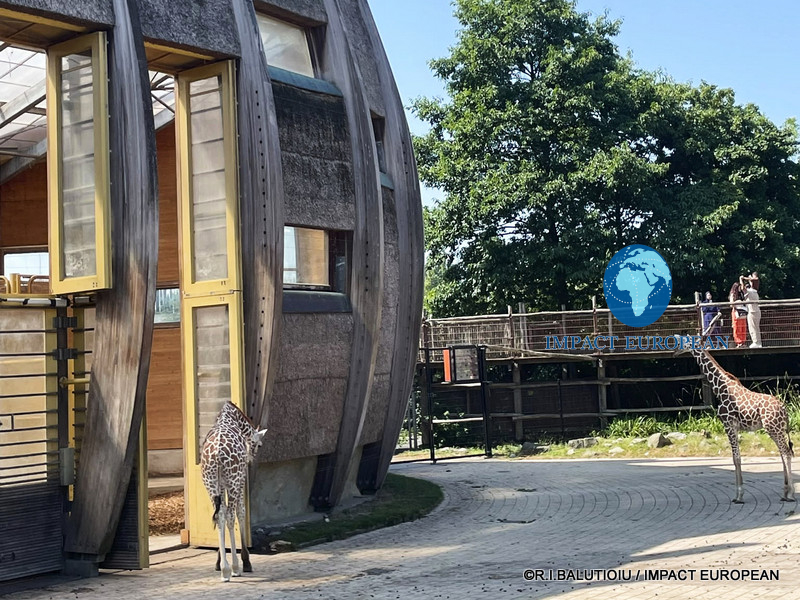
The same happens with a giraffe.
Its extraordinary height forces the eye upwards. Trees become part of the composition. Vegetation becomes relevant. The landscape begins to explain the animal.
A rhinoceros creates another relationship with space. Its size and weight make the territory around it impossible to ignore.
An elephant takes this even further.
To understand such an animal, one eventually has to think about movement, food, water and territory.
The animal becomes a doorway into its environment.
And this is where plants begin to acquire a different importance.
Plants are not simply scenery
In zoological parks, plants face an obvious disadvantage.
People rarely gather excitedly because a tree has moved closer.
A gorilla can stop a crowd.
An elephant can dominate an entire landscape.
A shark can instantly change the atmosphere inside an aquarium.
Vegetation works more quietly.
Yet remove plants from the story of wildlife and much of the story collapses.
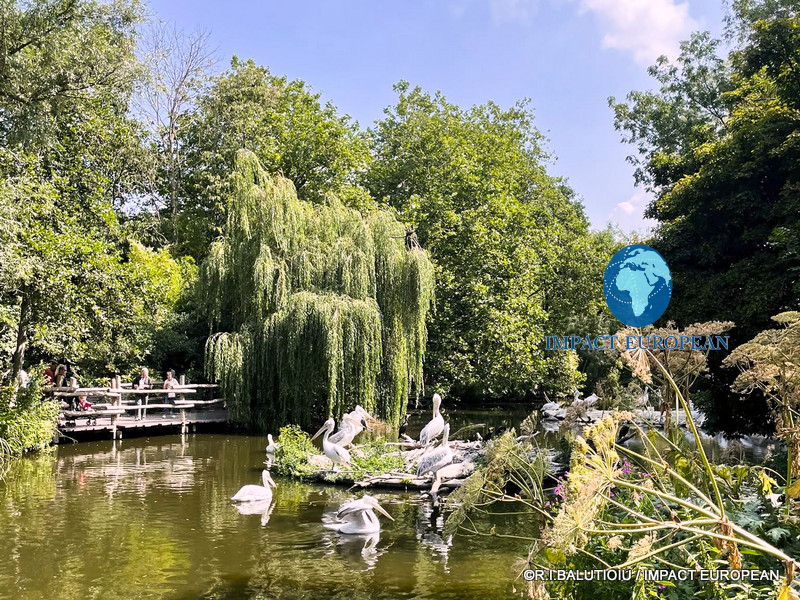
Trees provide shade and structure. Vegetation helps define environments. Water, soil and plant life contribute to the conditions in which animal communities exist.
At Blijdorp, plants therefore become much more than a photographic background.
The zoo’s Nature Nearby approach also brings biodiversity closer to the visitor by drawing attention to the connections between nature, animals and people, including nature found in and around urban environments.
This is particularly relevant in Rotterdam.
After transporting the imagination towards distant continents, Blijdorp can suddenly remind visitors that biodiversity is not something that exists exclusively in Africa, Asia or the Caribbean.
It exists outside their own homes.
It exists in European cities.
It exists nearby.
Africa changes as the landscape changes
The journey through Blijdorp continually shifts scale.
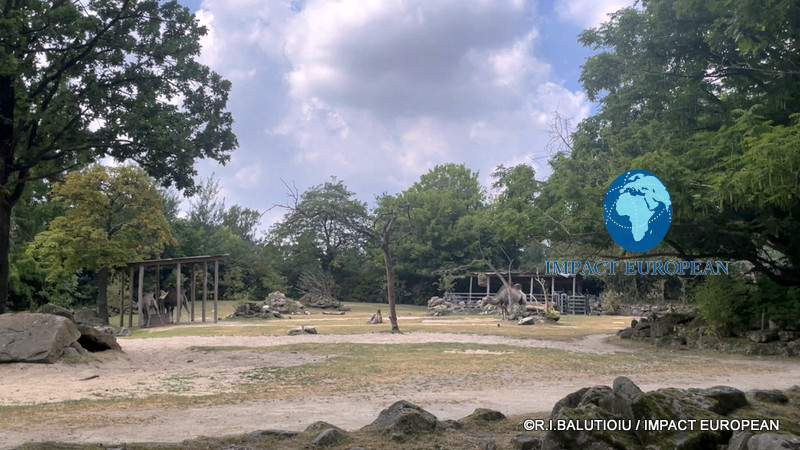
The African Plains bring together some of the animals most immediately associated with open African landscapes.
Giraffes rise above the horizon.
Zebras bring movement and pattern.
Rhinoceroses introduce extraordinary physical presence.
But Africa cannot be explained through a single landscape.
Move towards the African Jungle and another world emerges.
The vegetation changes. The atmosphere changes. Species such as bongos, okapis and pygmy hippopotamuses point towards the forests of western and central Africa.
The difference matters.
A continent is not an ecosystem.
Africa contains deserts, forests, wetlands, mountains, savannahs and countless local environments, each supporting different relationships between animals and plants.
The presence of Yuki the bongo, one of the animals highlighted at Blijdorp this summer, offers an opportunity to move from the individual animal towards this broader understanding.
A visitor first meets Yuki.
The journalist can then ask another question.
What is a bongo?
Where does it come from?
How does it live?
What kind of vegetation surrounds it in the wild?
What threatens the environment on which its species depends?
The animal provides the first answer.
Its habitat produces the next questions.
Tumo: one zebra, a much larger story
The same progression can begin with Tumo.
For many young visitors, the appeal is immediate: a young zebra at Rotterdam Zoo.
But the individual can become the starting point for something larger.
First comes the name.
Then the species.
Then behaviour.
Then the environment.
Then the ecosystem.
The sequence may happen almost unconsciously.
This is one of the most effective possibilities offered by a zoological park: complex environmental questions can begin with a very simple encounter.
A child does not need to arrive thinking about habitat fragmentation or biodiversity loss.
The first question can simply be:
Why does the zebra have stripes?
Journalism can begin there too.
It can describe before it explains.
And then it can widen the frame.
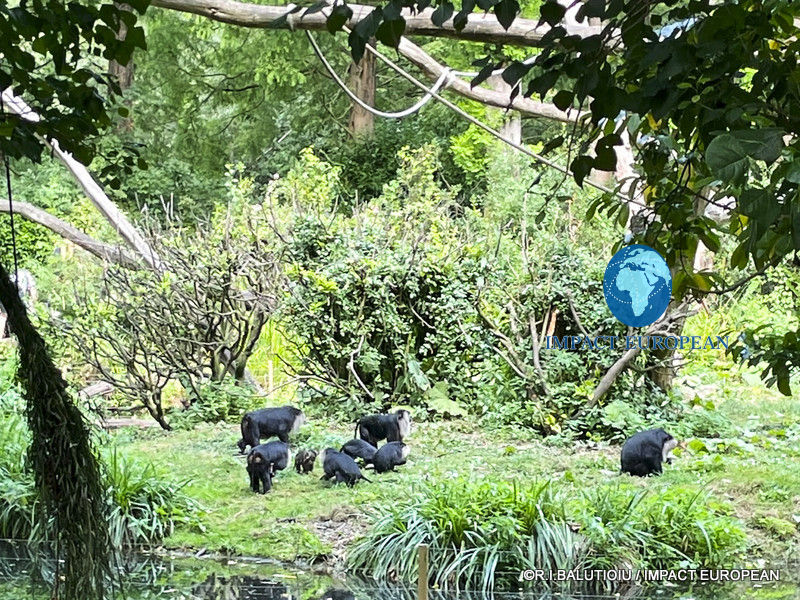
Gorillas: watching a society
The new gorilla group brings another kind of observation.
Silverback Shomari and three females are among the animals attracting attention at Blijdorp this summer.
A gorilla inevitably impresses through its physical presence.
But a group encourages visitors to look beyond anatomy.
Who moves first?
Who remains apart?
How is space shared?
Where do individuals rest?
How do they respond to one another?
The animal becomes behaviour.
Behaviour becomes social organisation.
And social organisation leads back towards habitat.
This is particularly important when talking about primates, because the resemblance visitors perceive between certain gorilla behaviours and their own social world can create an unusually powerful emotional connection.
Yet that connection should not make us forget the distance between a zoological encounter and life in the wild.
Behind every individual observed in Rotterdam lies a species whose natural future depends on ecosystems far beyond the Netherlands.
Asia and the question of space
The journey continues eastwards.
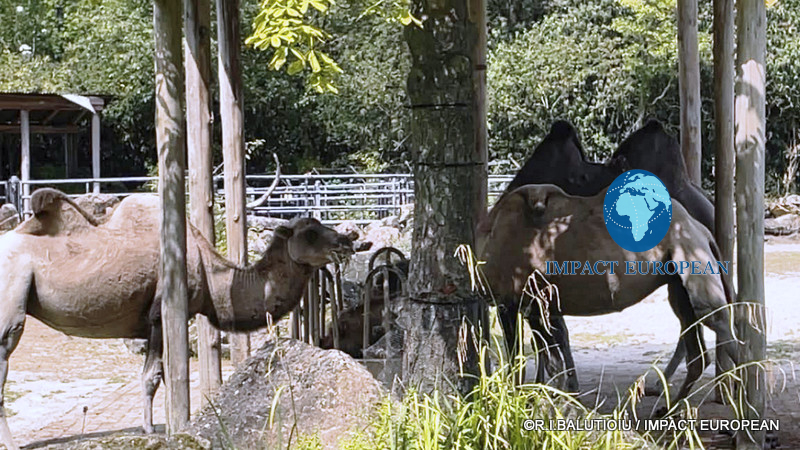
Within Blijdorp’s Asian Corridors, animals including Asian elephants connect the visitor to another major conservation issue: the fragmentation of natural habitats.
Few animals demonstrate the importance of space as powerfully as an elephant.
Its body alone communicates scale.
But in the wild, scale is also geographical.
Elephants need territory.
When natural landscapes are fragmented by roads, settlements, agriculture and other human activities, populations may become increasingly isolated. Encounters and conflicts between people and wildlife can also intensify.
The problem therefore cannot be understood by looking only at the animal.
Once again, the habitat becomes central.
Blijdorp’s journey through Asian environments can also lead towards species associated with the Himalayan region, including the red panda.
Different altitude.
Different vegetation.
Different climate.
Different pressures.
The zoo remains physically in Rotterdam, while the ecological questions continually change.
Then the ground itself seems to disappear.
Entering the Oceanium
The transition into the Oceanium is one of the strongest moments of the visit.
Outside, the visitor has been surrounded by trees, open spaces and terrestrial animals.
Inside, the visual language changes.
Light becomes subdued.
Sound feels different.
Water dominates.
In the underwater tunnel, marine life can move above the visitor’s head. Sharks, fish and other species occupy a world normally observed from the surface.
For a few moments, the usual relationship is reversed.
We become the ones passing through.
That immersive quality makes the Oceanium spectacular, but spectacle is only the beginning.
The same principle that applied to the zebra, elephant or gorilla applies underwater.
A shark is not simply a shark.
It occupies a marine ecosystem.
Fish populations depend on water quality, food webs, temperature and habitat.
Marine life is connected through systems that are often invisible from land.
And Blijdorp brings this story unexpectedly close to home through the North Sea.
From the world’s oceans back to Europe
An Oceanium naturally creates expectations of distant seas and extraordinary marine creatures.
Yet one of Blijdorp’s major areas of focus is the Sustainable North Sea.
That geographical return is important.
After travelling mentally across continents, visitors are brought back towards an ecosystem directly connected with the Netherlands and northern Europe.
The North Sea is one of the continent’s most intensively used marine spaces.
Shipping, fishing, energy, coastal development and nature all intersect there.
For the Netherlands — a country whose history, economy and geography are inseparable from water — the relationship carries particular weight.
The Oceanium can therefore function on two levels.
It provides the emotional impact of immersion.
But it can also turn that emotion towards a sea that many European visitors may consider familiar enough to overlook.
The exotic becomes local again.
Eight areas, one wider ambition
Blijdorp structures much of its current conservation vision around several Impact Areas: African Plains, African Jungle, Asian Corridors, Sustainable North Sea, Caribbean Coast, Himalayan Peaks, Nature Nearby and Last Resort.
Their significance lies in the shift they create.
Instead of thinking only:
Which animals does the zoo have?
the question becomes:
Which ecosystems do these animals represent, and what is happening to those ecosystems?
That is a far more demanding question.
It also changes the relationship between a zoo and the world outside its gates.
A threatened species cannot ultimately be protected without considering its natural environment.
Breeding programmes may preserve valuable populations, but long-term survival also depends on habitats.
Animals bring visitors into the story.
Habitats explain why the story matters.
When a water lily tells the same story as an elephant
One detail within Blijdorp’s conservation work illustrates this particularly well.
Its Last Resort approach focuses on species whose survival in the wild has become critically precarious.
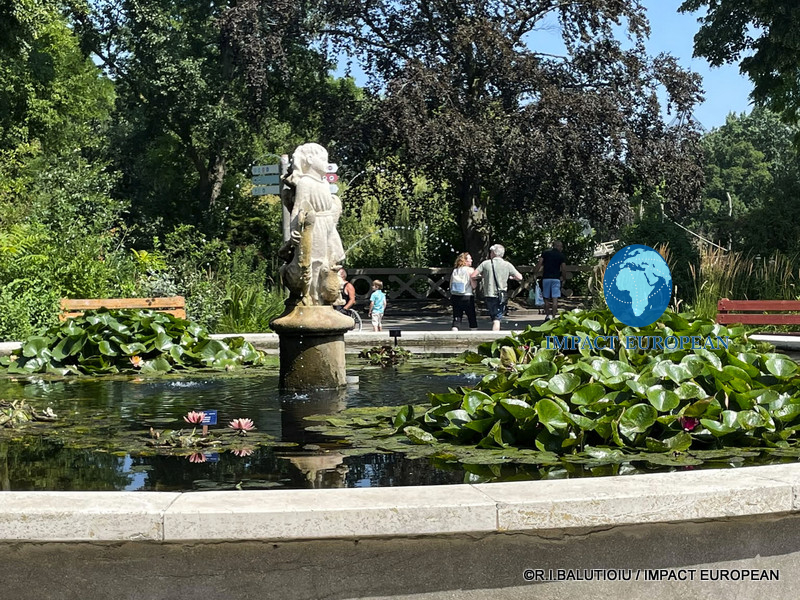
Among the species associated with this work is not only wildlife in the traditional popular sense, but also a plant: the Rwandan hot-water lily.
Placed conceptually beside elephants, gorillas, turtles or other threatened animals, a water lily might appear modest.
Ecologically, that distinction is meaningless.
Plants are part of biodiversity.
Their disappearance can transform habitats and the relationships that depend on them.
The water lily therefore brings the entire journey back to one of its simplest observations:
animals and plants cannot ultimately be separated from the environments that sustain them.
The greenery seen earlier in the day acquires another meaning.
Can a zoo help protect the wild?
This leads to the most difficult question.
What should a zoo be in the twenty-first century?
A leisure destination?
A place of education?
A scientific institution?
A genetic reserve for endangered species?
A conservation organisation?
A partner in restoring ecosystems?
Modern zoological institutions increasingly argue that their legitimacy depends on combining several of these roles.
Blijdorp’s Master Plan 2050 places nature restoration and conservation at the centre of its long-term ambitions.
The zoo identifies goals including preventing further losses, helping threatened populations recover, contributing to healthier marine environments and increasing the amount and connectivity of nature.
These ambitions extend far beyond the traditional image of the zoo.
And they also create responsibility.
The more an institution presents itself as a conservation actor, the more its actions, results and scientific contribution become relevant to public scrutiny.
Conservation cannot remain a slogan printed beside an enclosure.
It has to be demonstrated.
Architecture looking towards 2050
This future-facing ambition makes Blijdorp’s historical architecture even more interesting.
Visitors can stand near structures conceived in the late 1930s while discovering a zoo that is planning towards 2050.
Past and future occupy the same ground.
Van Ravesteyn’s architecture records one period in the history of the relationship between people and captive wildlife.
Today’s habitat-based approaches represent another.
Future conservation strategies may transform that relationship again.
The 21 monuments therefore become more than architectural curiosities.
They allow visitors to see that the zoo itself is not a fixed concept.
It evolves.
Our scientific knowledge changes.
Public expectations change.
Animal welfare standards change.
Our understanding of ecosystems changes.
And the role of zoological institutions changes with them.
A holiday close to home — and a journey much further
None of this prevents Blijdorp from being what many visitors primarily want it to be: an enjoyable day out.
A family can arrive without any intention of debating conservation policy.
They can take the Blijdorp Express.
Rest beneath the trees.
Eat on a summer terrace.
Look for Tumo.
Meet Yuki.
Watch Shomari and the gorilla group.
Stand beneath marine animals inside the Oceanium.
Take photographs.
Create memories.
That simplicity matters.
Because wonder often comes before understanding.
A visitor stops because an animal is beautiful, strange, enormous, fast, powerful or unexpectedly familiar.
Then another question appears.
Where does it live?
What does it eat?
Why does it behave like that?
Is it threatened?
What would happen if its habitat disappeared?
That is the moment when a zoo visit can become something else.
The world behind the animal
At the end of the day, visitors will probably remember individual animals. The stripes of a zebra. The extraordinary height of a giraffe. The body of a rhinoceros.
An elephant crossing its space. The gaze of a gorilla. The shadow of a shark moving overhead. But look behind each of them and another story appears.
Trees, Plants, Water, Soil, Architecture, Space, Climate, Continents, Oceans, Habitats.
The living world is built from relationships. That may be the most important journey Blijdorp can offer.
Not simply from Rotterdam to Africa, Asia or beneath the ocean.
But from seeing an animal to understanding the world that allows it to live.
In Rotterdam, that journey can begin with a zebra beneath the summer trees.
And end with a much larger thought: no living thing exists alone.
©2026 IMPACT EUROPEAN – All rights reserved
Views: 7
More Stories
France Protests on October 17: Mass Mobilization Overshadowed by Violence Across the Country
Work Palace Opens in Paris: INSITU Brings Luxury Hospitality Into the Workplace
Rugby Pro D2: Colomiers Defeat Narbonne 49-28 to Claim Bonus-Point Victory