
Paris Saint-Germain did not simply win another UEFA Champions League trophy in Budapest. The French club achieved something far more significant: it confirmed its place among the great powers of modern European football.
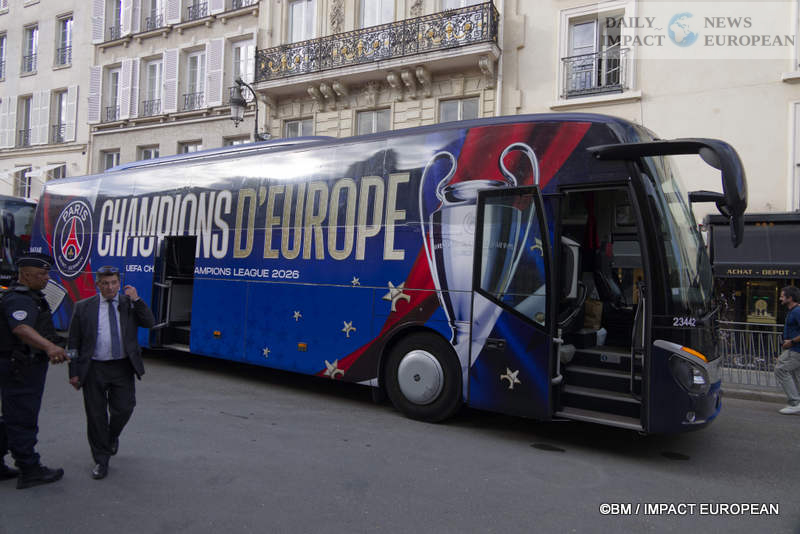
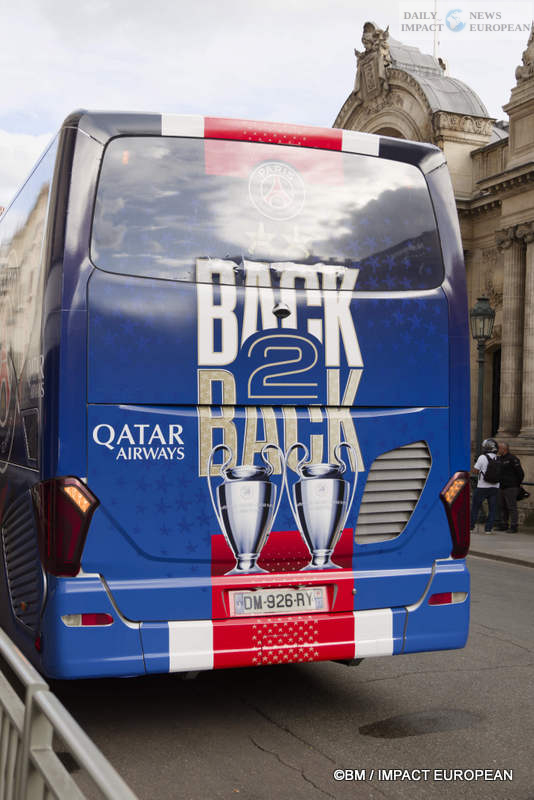
By defeating Arsenal and securing a second consecutive Champions League title, PSG completed what football insiders often call a « back-to-back » triumph, a feat achieved only by the continent’s most dominant teams. From the euphoric scenes beneath the Eiffel Tower to the presidential reception at the Élysée Palace and the emotional celebrations at the Parc des Princes, Paris experienced a historic weekend that will be remembered for generations.
Yet the celebrations were not without controversy. While hundreds of thousands of supporters celebrated peacefully, incidents across the French capital resulted in hundreds of arrests and tragic casualties, prompting strong reactions from political leaders.
This extraordinary weekend revealed much more than a football victory. It highlighted the transformation of PSG into a global sporting institution and demonstrated how deeply the club has become intertwined with the identity of Paris and modern France.
From Ambition to Legacy
For more than a decade, Paris Saint-Germain pursued a dream.
The club invested heavily, attracted world-class players and repeatedly promised to conquer Europe. Despite domestic dominance, critics continued to question whether PSG truly belonged among football’s elite.
Those doubts have now disappeared.
Winning a first Champions League title was a breakthrough.
Winning a second consecutive title changes history.
Back-to-back European triumphs are exceptionally rare. They are the achievements upon which legendary clubs build their reputations. Real Madrid, Bayern Munich, AC Milan and Barcelona have all experienced eras of continental dominance.
PSG now joins that conversation.
No longer viewed as a wealthy challenger seeking validation, Paris Saint-Germain has become one of the clubs setting the standard for European football.
Budapest: The Final That Changed Everything
The final against Arsenal represented more than a contest for a trophy.
It was a test of maturity.
Arsenal arrived in Budapest as one of Europe’s most respected teams. Organized, talented and ambitious, the English side represented the modern Premier League at its finest.
PSG responded with composure.
Rather than relying on individual brilliance, the French champions demonstrated collective strength, tactical discipline and emotional control.
The performance reflected years of development.
Throughout the Champions League campaign, Paris showed a consistency rarely seen in previous eras of the club.
This was no longer a team dependent on star power.
It was a complete football machine.
Luis Enrique’s Masterpiece
Few individuals deserve more credit than head coach Luis Enrique.
When the Spanish manager arrived in Paris, questions surrounded his methods. Some analysts believed his demanding philosophy would struggle under the pressure of the French capital.
Instead, he transformed the club.
Luis Enrique created a culture based on discipline, teamwork and resilience.
Every player became responsible for defending.
Every player became responsible for winning.
At the Élysée Palace, French President Emmanuel Macron paid tribute to the coach’s influence.
« We saw yesterday a coach who was an extraordinary conductor. That is the best answer to all criticism. »
Those words reflected a growing consensus across Europe.
Luis Enrique did not simply improve PSG.
He reinvented it.
The Return of the Champions
The celebrations began immediately after the team’s return to Paris.
Nearly 100,000 supporters gathered at the Champ-de-Mars beneath the Eiffel Tower to welcome the new champions of Europe.
The images quickly travelled around the world.
Families, children, lifelong supporters and tourists stood side by side as the players presented the trophy to the crowd.
The symbolism was powerful.
The Eiffel Tower, one of the most recognizable landmarks on Earth, served as the backdrop for a football celebration that demonstrated PSG’s growing global influence.
For many observers, it was the moment when the club’s sporting success became inseparable from the international image of Paris itself.
Marquinhos: The Face of a Generation
Among all the players who have contributed to PSG’s rise, none better symbolizes the journey than Marquinhos.
The Brazilian captain experienced every stage of the project.
He endured painful European eliminations.
He faced criticism.
He witnessed disappointment.
And now he lifts trophies.
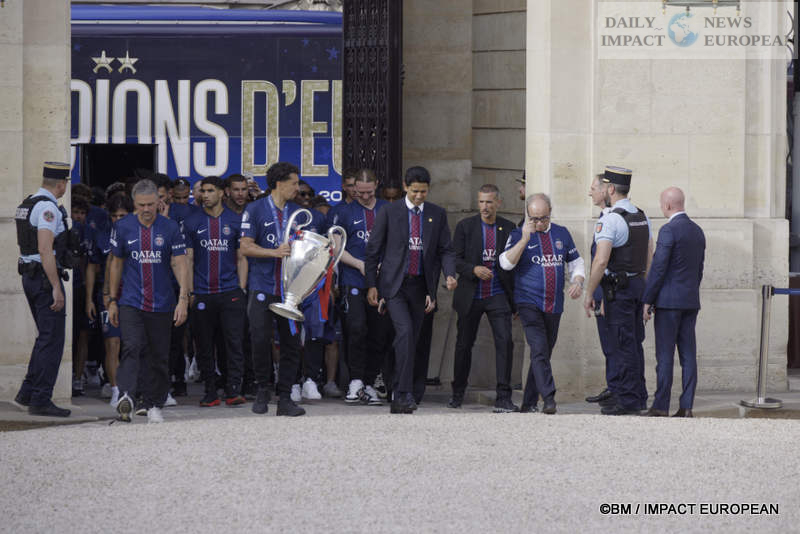
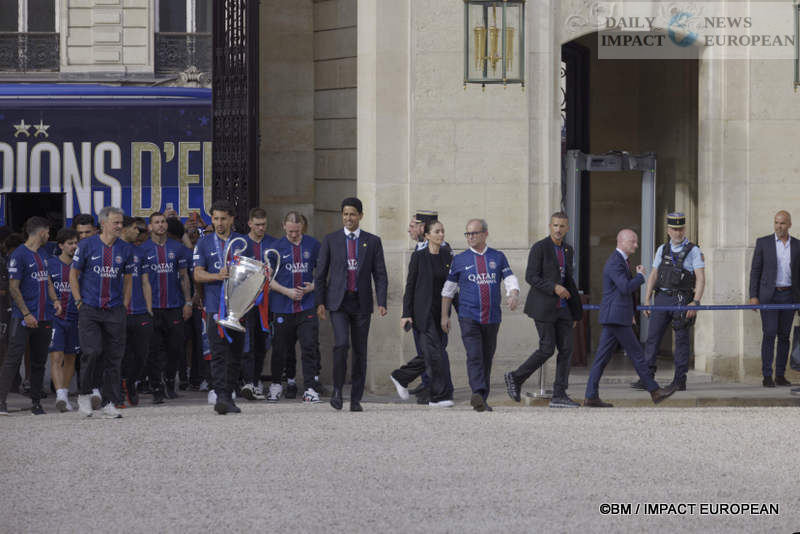
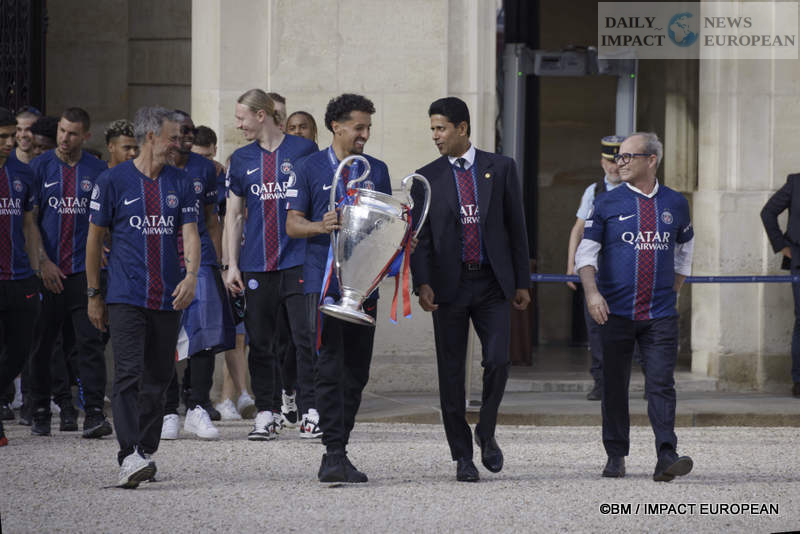
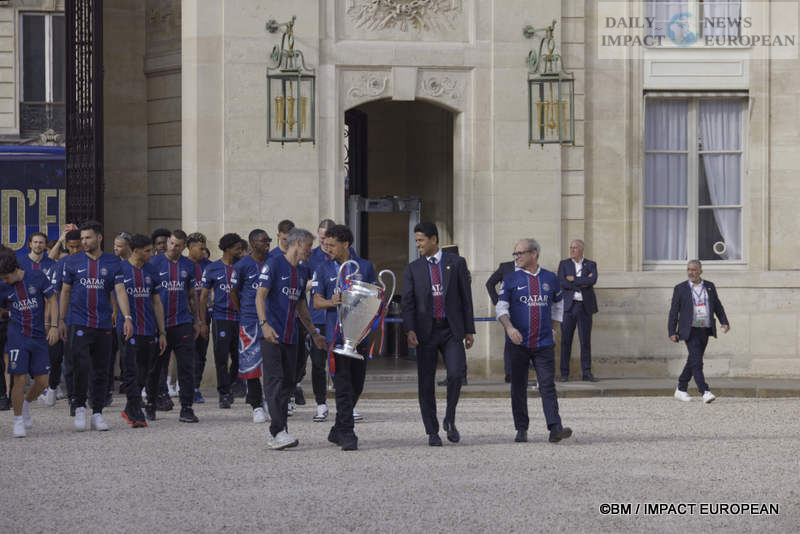
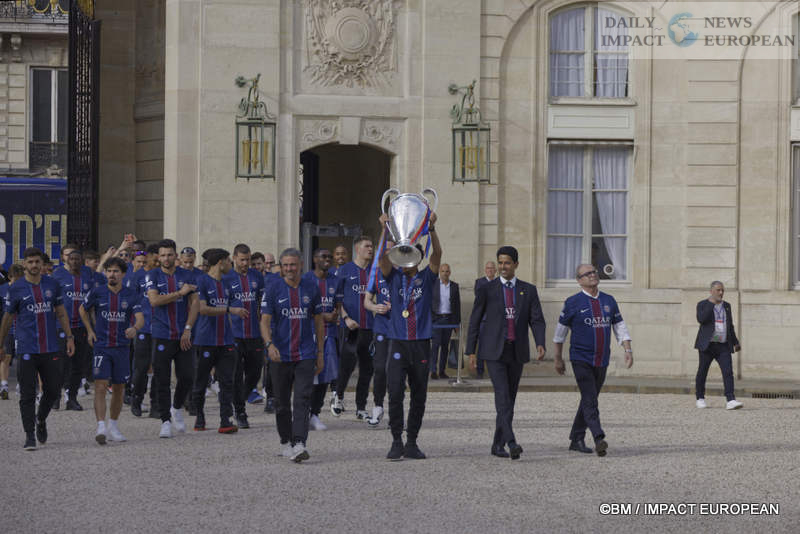
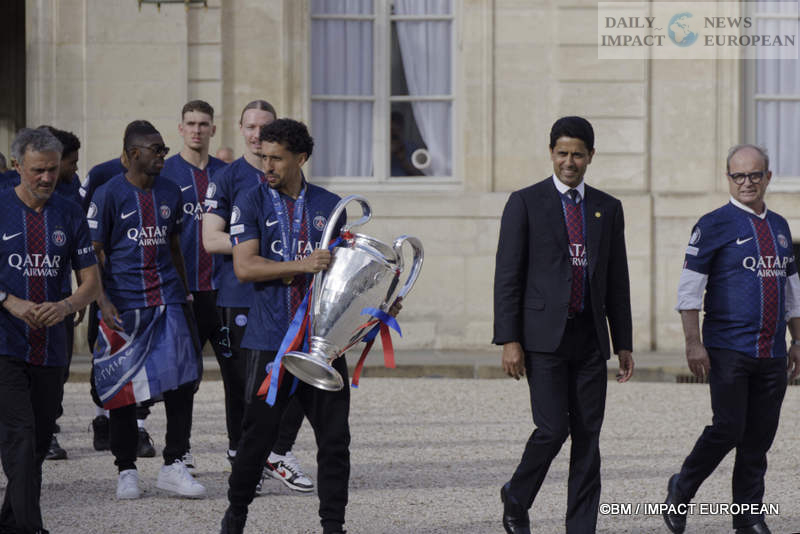
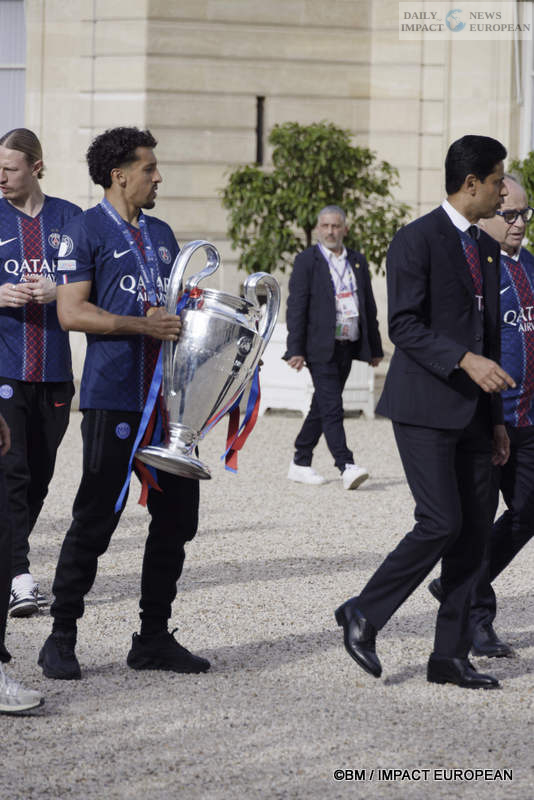
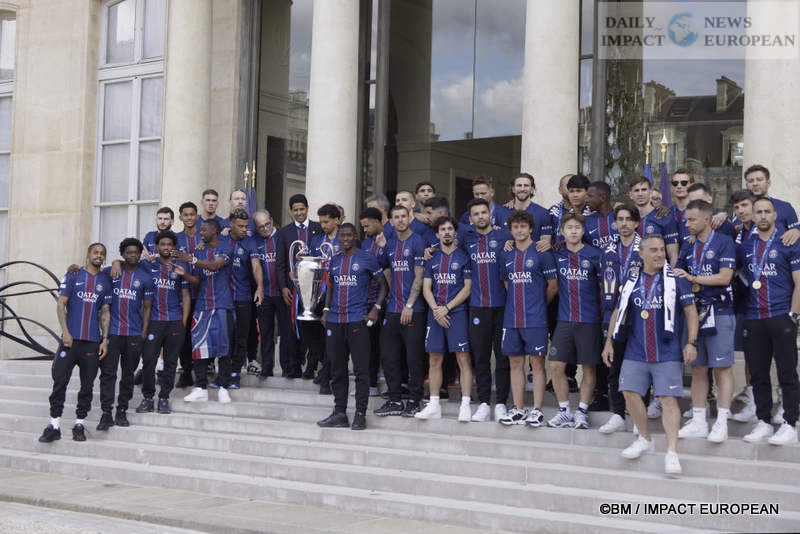
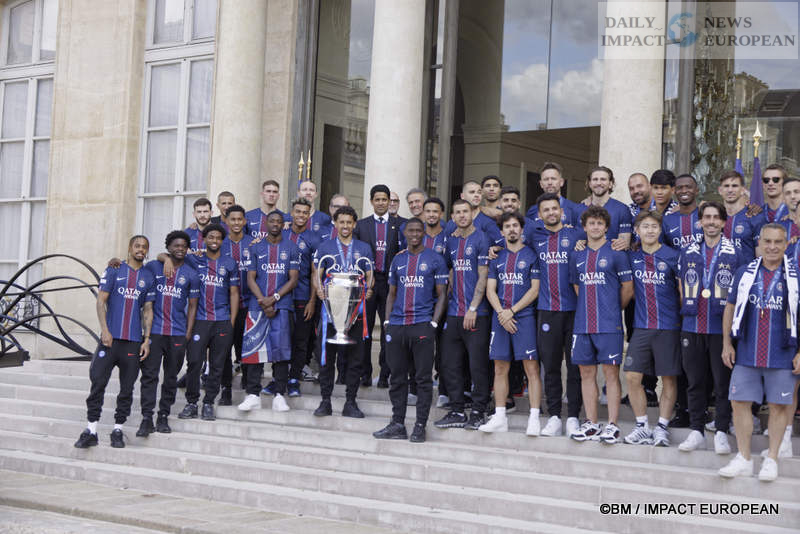
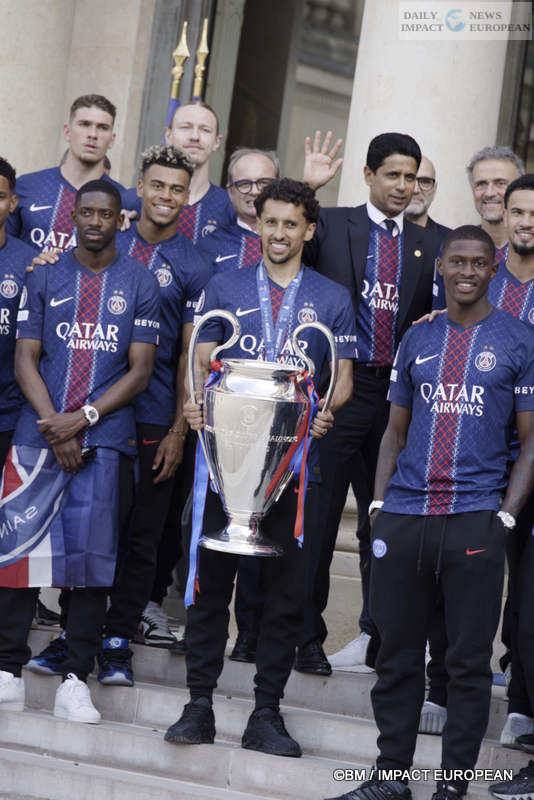
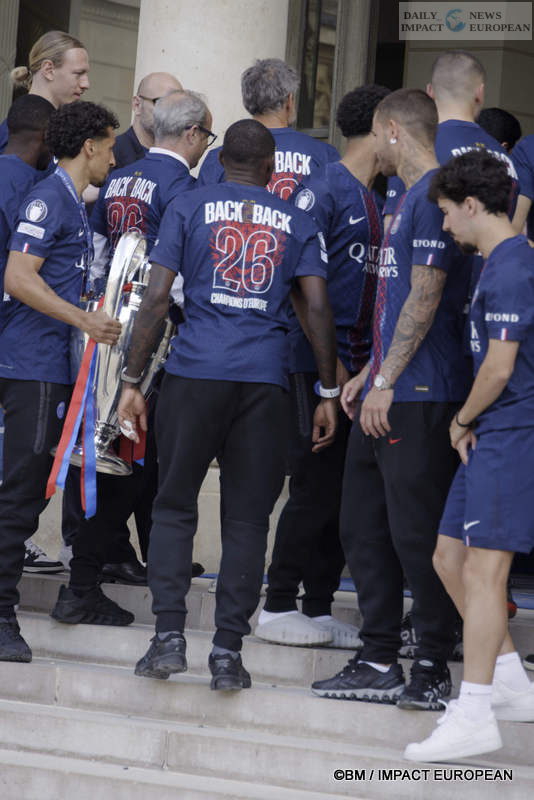
Throughout the celebrations, the Champions League trophy rarely left his hands. At the Champ-de-Mars and later at the Élysée Palace, Marquinhos stood as the embodiment of perseverance rewarded.
His selection in UEFA’s Team of the Season confirmed what supporters already knew.
He is one of the defining figures of modern PSG history.
Ousmane Dembélé’s Defining Season
Another central figure in PSG’s triumph was Ousmane Dembélé.
Long considered one of football’s most gifted talents, the French international finally delivered the consistency expected from a world-class player.
His pace, creativity and decisive contributions throughout the campaign proved crucial.
Dembélé’s inclusion in UEFA’s Team of the Season reflected his influence.
For many observers, this season represents the moment he fully entered football’s global elite.
The Élysée Palace Reception
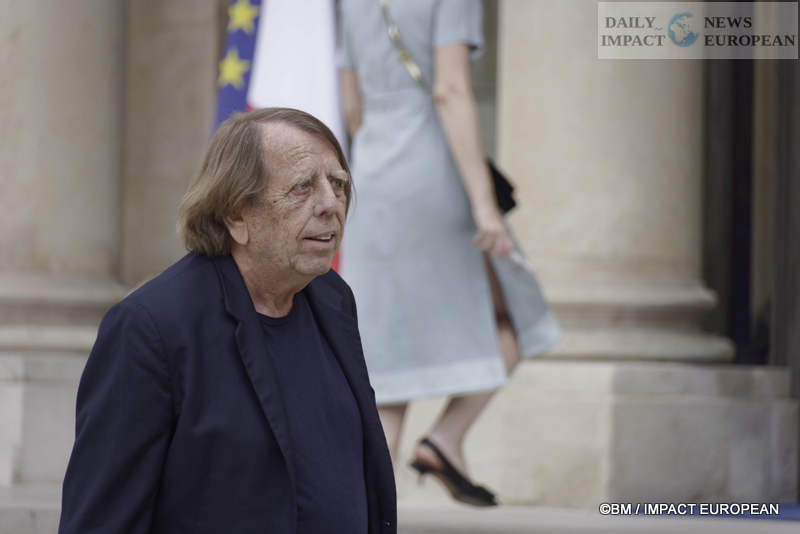
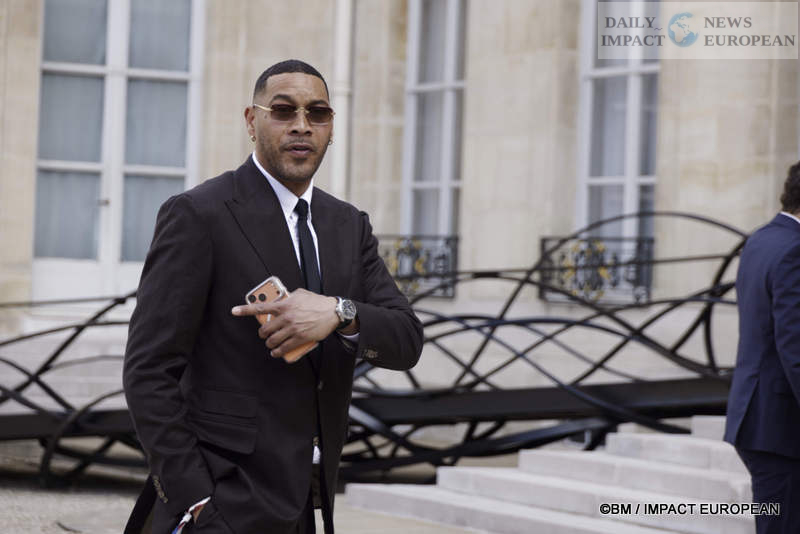
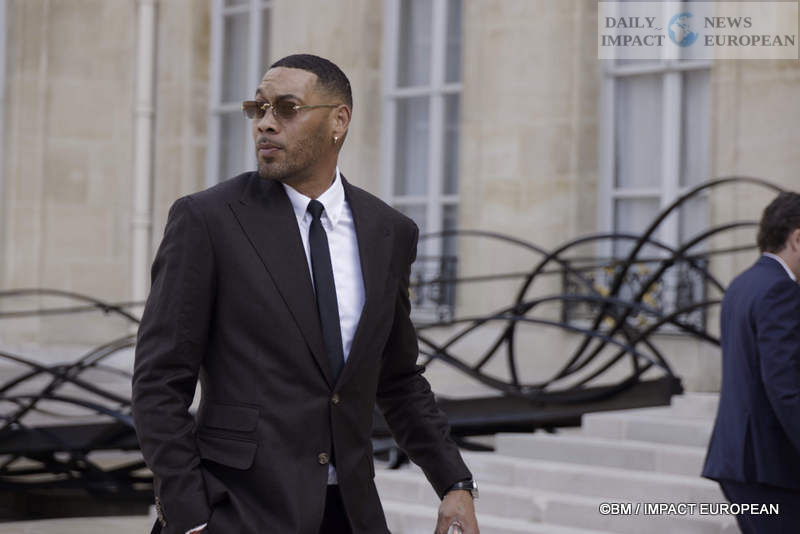
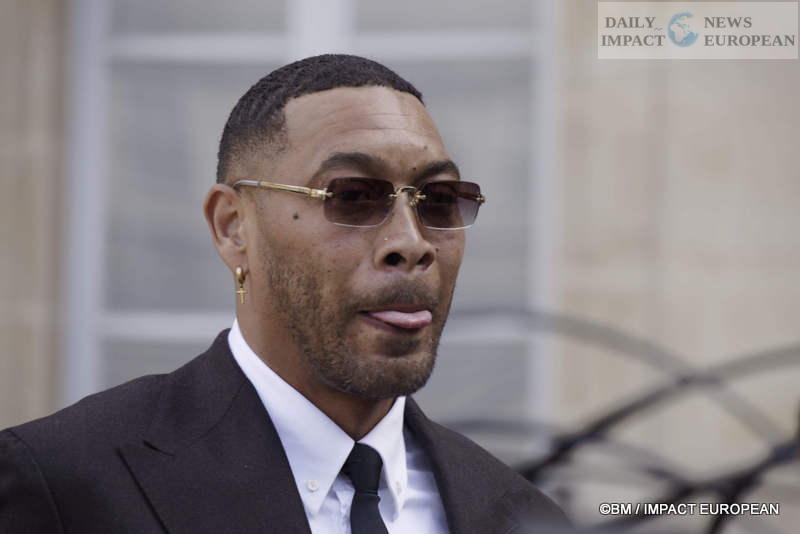
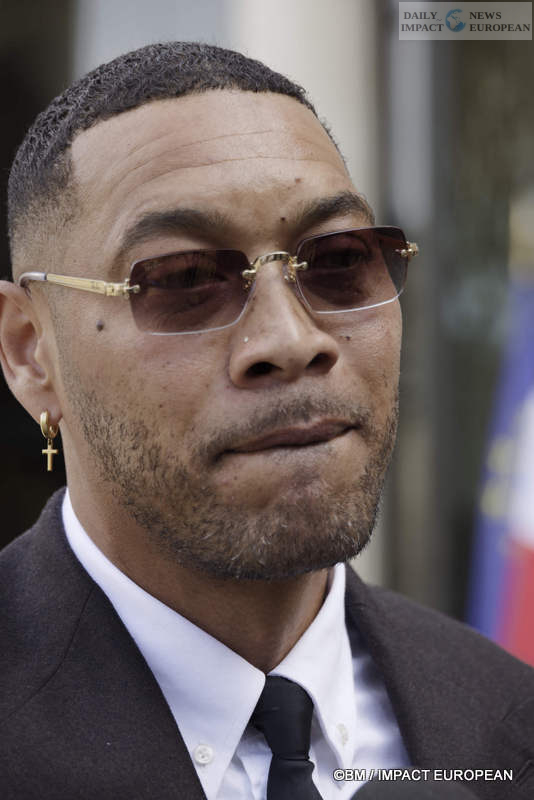
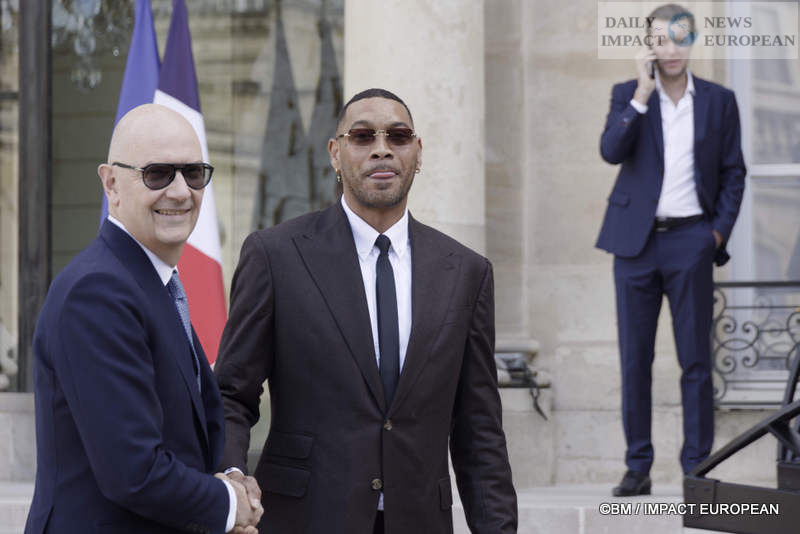
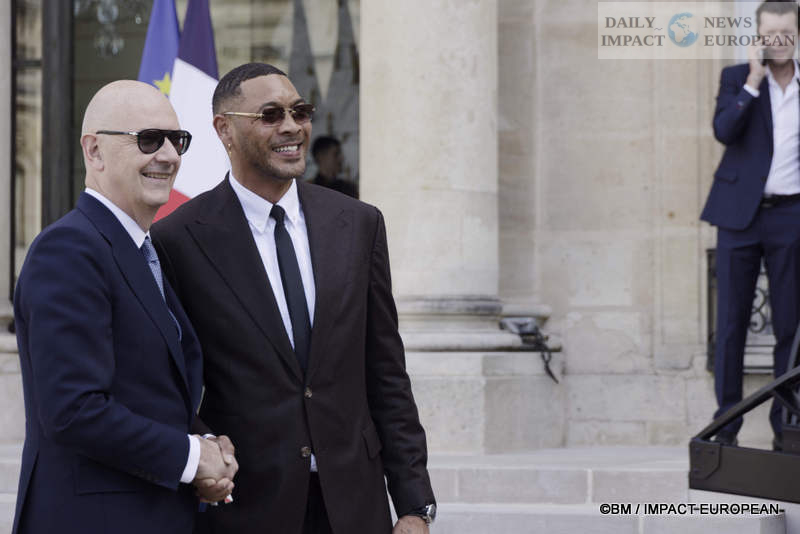
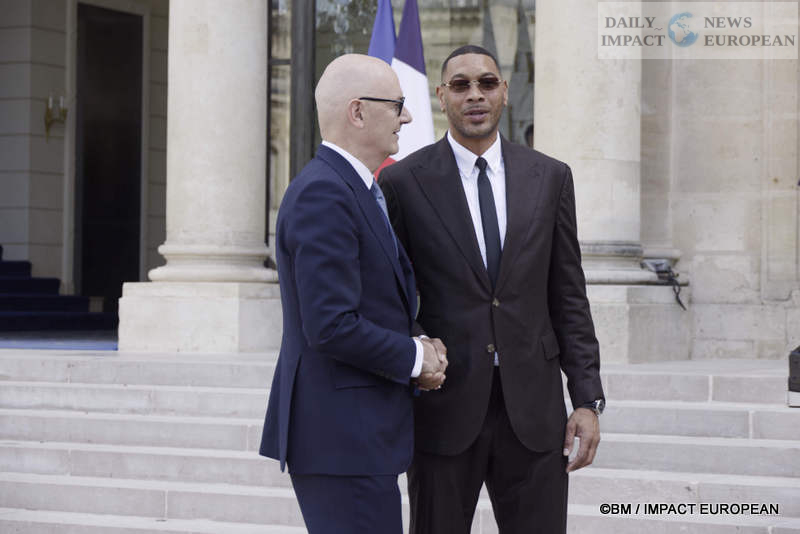
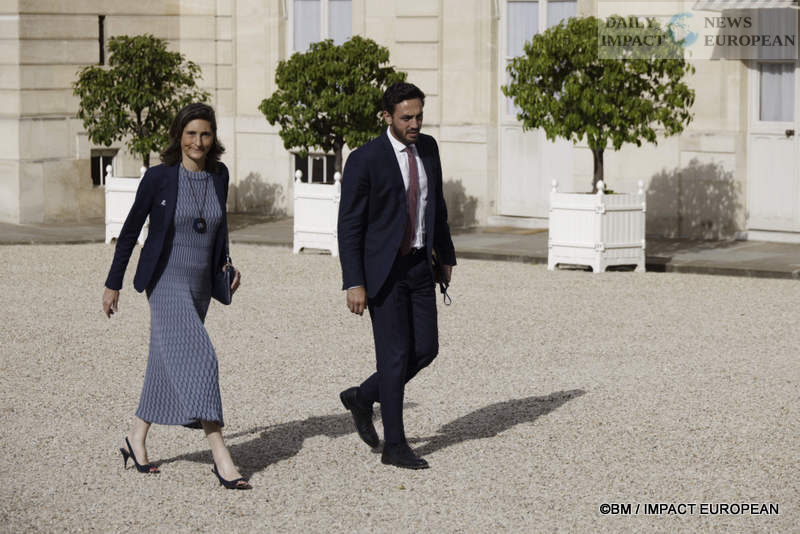
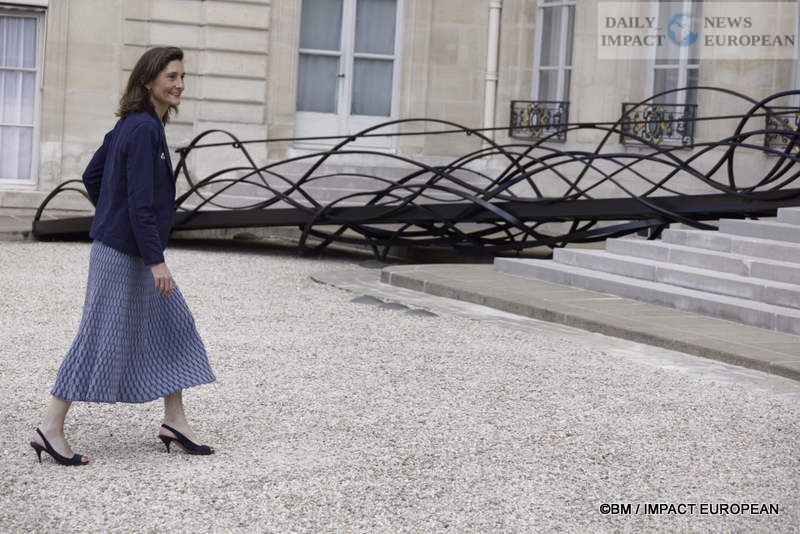
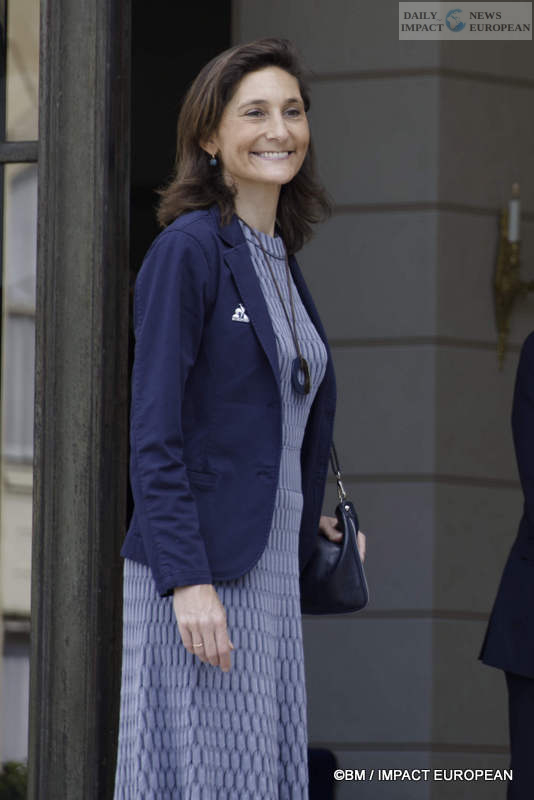
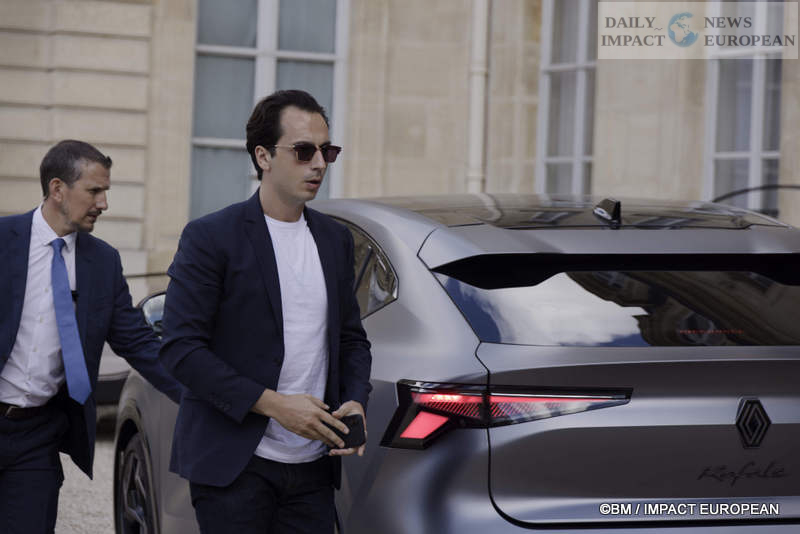
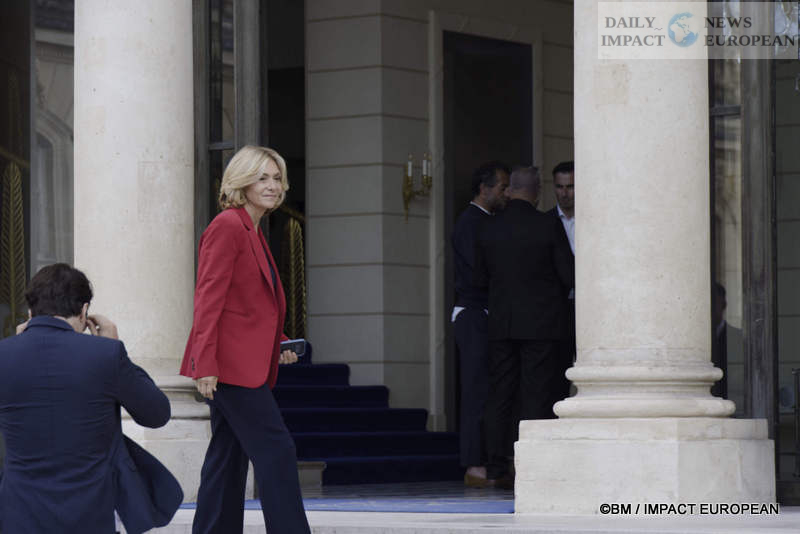
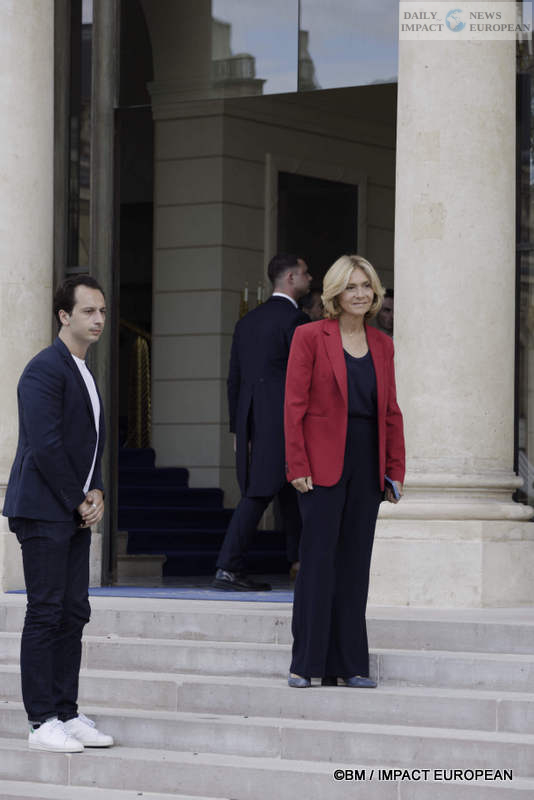
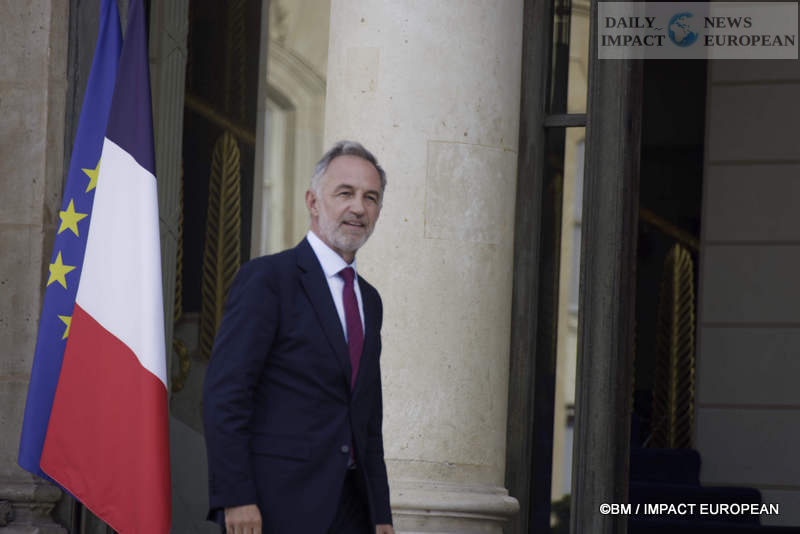
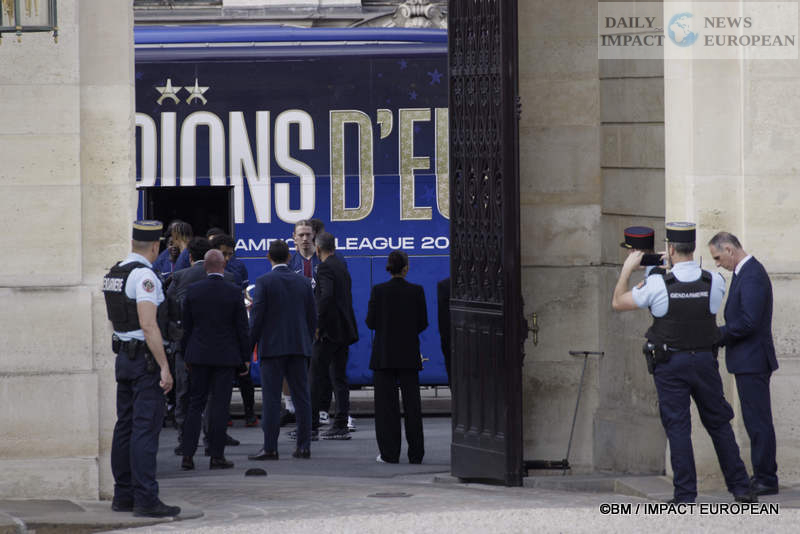
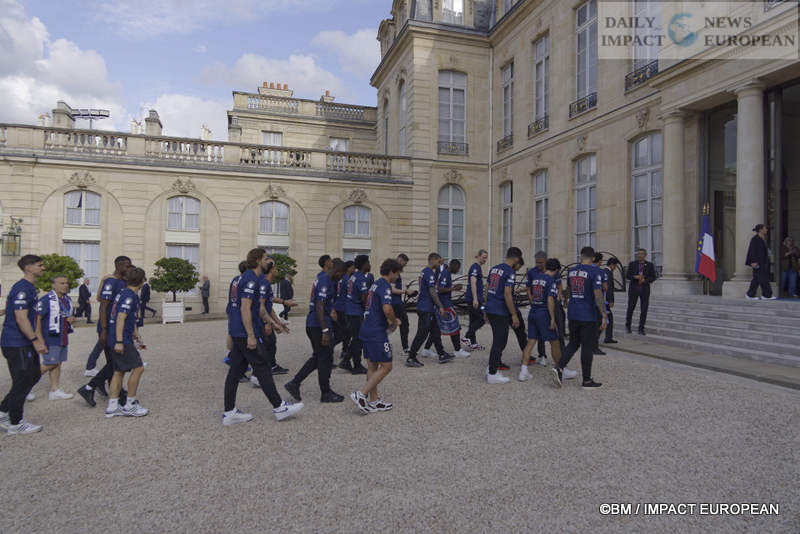
After the celebrations at the Eiffel Tower, the team travelled to the Élysée Palace for an official reception hosted by President Emmanuel Macron.
The ceremony elevated the victory beyond football.
Standing before the players, Macron praised their achievement.
« You made us vibrate until the very last second. »
The French president emphasized the historical significance of winning consecutive Champions League titles.
« Thanks to PSG, France has achieved in two years what it had not achieved in seventy years of football. »
Then came the statement that dominated headlines throughout Europe.
« There is no doubt. With this back-to-back, PSG is the greatest team in Europe. »
The declaration reflected the scale of the accomplishment and the pride felt throughout France.
Macron Condemns Violence
The president also addressed the darker side of the celebrations.
While millions celebrated peacefully, serious incidents occurred across Paris.
Authorities reported 780 arrests and two deaths linked to the celebrations.
Macron strongly condemned the violence.
« Paris won, two stars. We saw unacceptable scenes of violence in Paris. This is not football. This is not what we love. »
He added:
« We will be uncompromising with those who were arrested. We do not want to see this again. We are fed up. Enough. »
His remarks highlighted the challenge of balancing massive public celebrations with public safety.
Nasser Al-Khelaïfi’s Moment
For PSG president Nasser Al-Khelaïfi, the weekend represented the culmination of more than a decade of work.
Since taking charge of the club, he has pursued a single objective: transforming PSG into a European giant.
Speaking to supporters, he shared his gratitude.
« Today we are champions of Europe. Two stars on the Paris shirt. »
He continued:
« Thank you to the players, thank you to the coach, thank you to the staff, thank you to Luis Campos. »
Then came a message directed to the supporters.
« You are the best supporters in the world. »
Aware of the incidents occurring elsewhere in the city, he also urged fans to celebrate responsibly.
« Please celebrate calmly today. »
Emmanuel Grégoire and the City’s Response
Paris Mayor Emmanuel Grégoire also addressed the events.
While condemning the violence, he emphasized that the overwhelming majority of supporters celebrated responsibly.
« The vast majority of Parisians celebrated this victory with joy, unity and respect. »
He insisted that isolated incidents should not overshadow the historic achievement.
« Paris won yesterday evening. These isolated acts will not diminish our collective pride. »
Grégoire also praised municipal workers who spent the night cleaning and repairing damaged areas of the city.
The Final Celebration at Parc des Princes
The final stage of the celebrations took place where many believed they belonged from the beginning.
At Parc des Princes.
Forty-five thousand supporters packed the stadium to welcome their heroes.
The atmosphere was electric.
The trophy was presented once again.
Supporters sang for hours.
Performances by Fally Ipupa, Big Ali and SDM transformed the evening into a festival celebrating both football and Parisian culture.
A New Global Football Power
The significance of PSG’s second consecutive Champions League title extends beyond France.
The club now possesses every characteristic associated with football’s greatest institutions:
- Sporting success
- International recognition
- Global fan engagement
- Financial stability
- A clear football identity
For years, PSG chased Europe’s giants.
Now Europe is chasing PSG.
The club no longer seeks legitimacy.
It has earned it.
The images of this historic weekend will endure.
Marquinhos lifting the trophy.
One hundred thousand supporters beneath the Eiffel Tower.
Emmanuel Macron welcoming the champions at the Élysée.
Nasser Al-Khelaïfi thanking supporters.
The celebrations at Parc des Princes.
The emotions, the pride and even the challenges surrounding such a monumental event.
Together, they tell the story of a club that has completed its transformation.
Paris Saint-Germain is no longer a contender hoping to join football’s elite.
It belongs there.
And in the spring of 2026, Paris officially entered football immortality.
Copyright © 2026 IMPACT EUROPEAN

Views: 43
More Stories
Paris protest puts cost of living and public freedoms in focus
Art Basel Paris 2026: Global Art Meets an Unexpected Closure
France Protests on October 17: Mass Mobilization Overshadowed by Violence Across the Country