

On the western coast of Malaysia’s Tioman Island, protecting sea turtles depends on something less visible than a hatchery: keeping people on the beach long enough to watch over the nests. Since 2021, Mohd Don Mustapha, his brother and their family have built Bunut Turtle Sanctuary around a simple local economy of camping, donations, visitors and community support. With no regular government subsidy, every ringgit helps sustain both the equipment used to protect nests and the human presence that makes that protection possible.
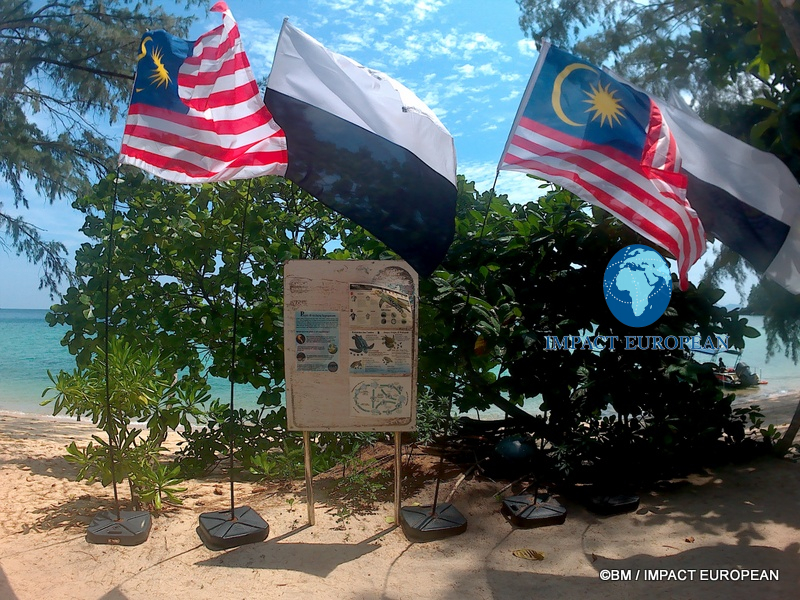
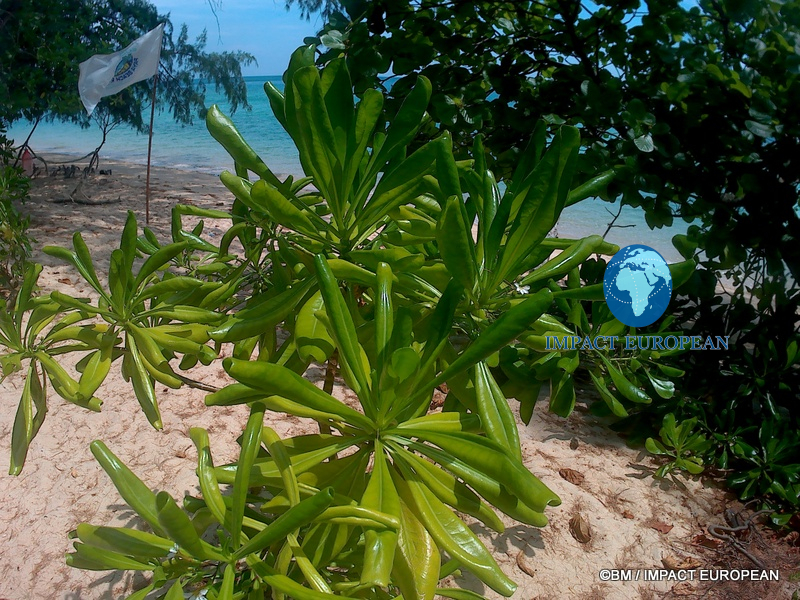
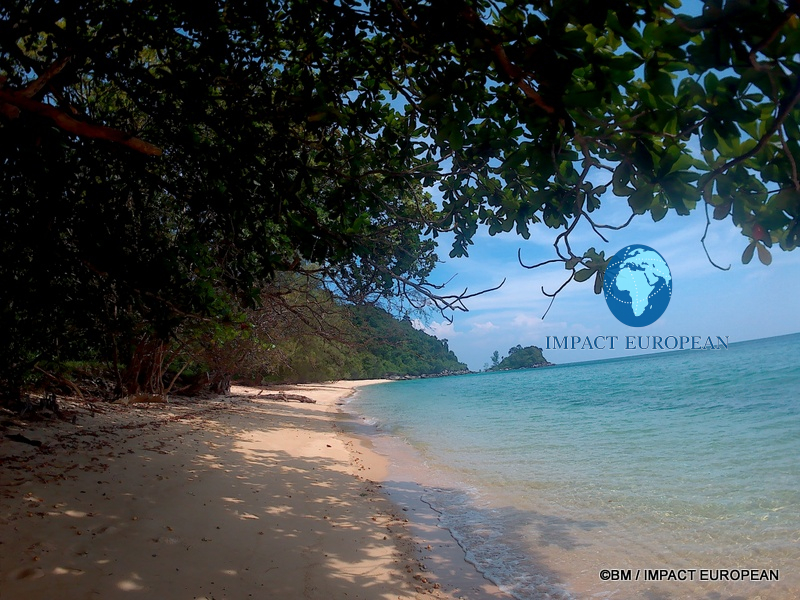
Bunut Beach is remote enough to retain much of its natural character.
That isolation is one of its attractions, but for sea turtle conservation it creates an obvious problem.
A nest cannot call for help.
If eggs are taken, destroyed by predators or disturbed before anyone notices, the loss may occur long before a conservation team can respond.
For Bunut, the answer developed around permanent local presence.
Mohd Don Mustapha and his brother began the initiative in 2021, after recognising that nests on this part of Tioman’s west coast needed protection. The project remained small, local and closely connected to the Penyu Bunot Campsite rather than becoming a large institutional centre.
Five years later, that relationship remains essential.
The campsite is not simply accommodation next to a turtle project. It helps finance the reason somebody can continue living and working beside the nesting beach.
Conservation begins with someone being there
Sea turtles may arrive at night, leave tracks in the sand, lay their eggs and return to the ocean.
Finding those traces matters.
Local residents can alert the sanctuary when nesting activity is identified, extending surveillance beyond the immediate campsite.
When a nest is considered vulnerable to poaching or predators such as monitor lizards, monkeys or crabs, eggs may be transferred carefully to a protected area and reburied in sand.
The goal is not to remove them from nature.
It is to give them enough protection to complete the stage of life that began naturally on the beach.
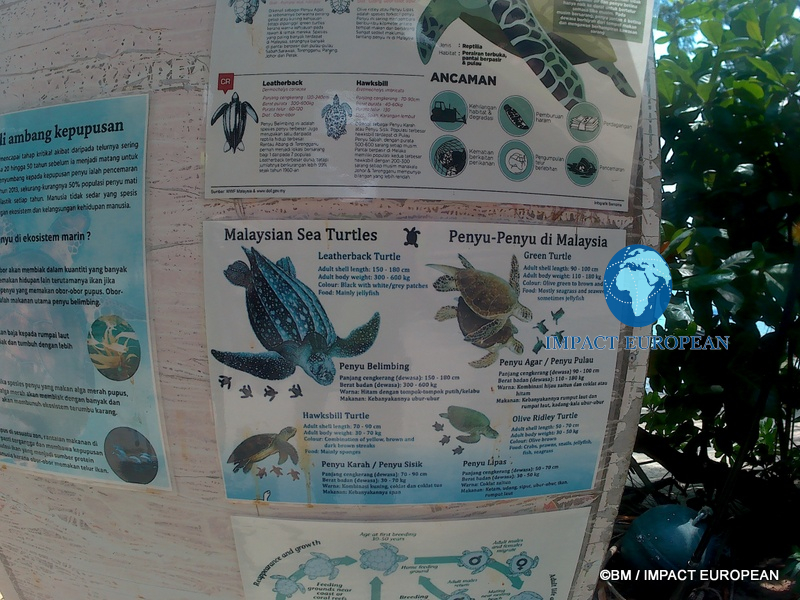
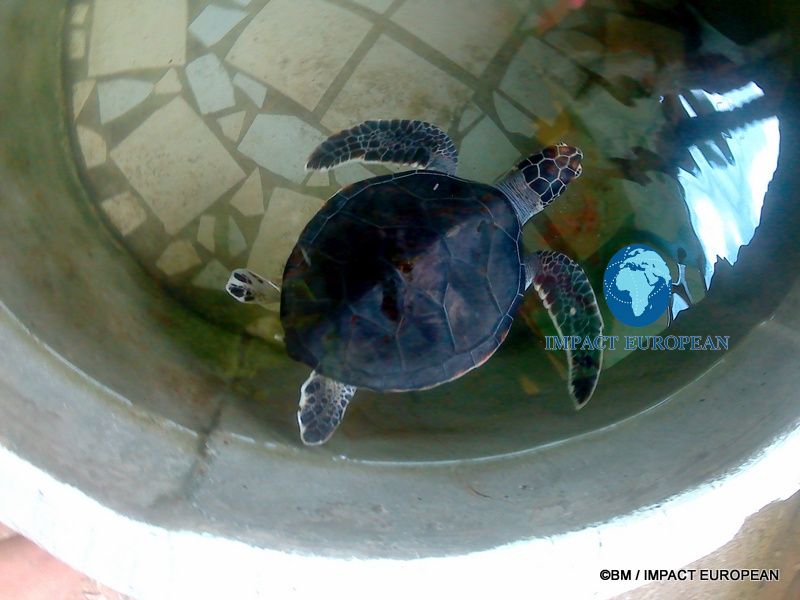
Bunut mainly works with green turtles and hawksbill turtles.
For the eggs, sand conditions matter. Incubation temperature plays a role in determining the sex of sea turtle hatchlings, which is one reason increasing temperatures associated with climate change can affect turtle populations far beyond the visible danger of a single damaged nest.
The sanctuary can secure an enclosure.
It cannot control the climate.
That difference helps define the scale of the project.
Where does the money go?
Bunut does not receive a regular government subsidy to cover its daily operations.
Its financial model is therefore unusually direct.
Visitors may contribute donations, stay at the Penyu Bunot Campsite, purchase food or drinks, or arrive through locally organised excursions. Some organised visits are associated with payments of around RM40, depending on the transport and arrangements involved.
The money pays for practical items: mesh, fencing, stakes, nest markers and equipment used to maintain temporary holding areas when hatchlings require short-term protection.
Small merchandise sales may provide additional income.
But the most important cost is difficult to put on a shelf.
It is time.
If Mohd Don Mustapha and his family could not generate enough income to remain at Bunut Beach, they would have to earn their living elsewhere. Surveillance would decrease, response times would increase and the beach would lose much of the human protection created since 2021.
In that sense, a campsite booking can indirectly finance turtle conservation even when the visitor never sees a turtle.
The payment keeps people where the nests are.
A village can become part of a sanctuary without building anything
Protection at Bunut has also required a social change.
Sea turtle eggs have historically been collected for food or sale in parts of the region. Preventing that practice cannot depend solely on putting a fence around an incubation area.
People must decide that an egg is more valuable alive.
Over time, explanations by the founders have helped build local cooperation. Residents from nearby communities can report nesting tracks and help alert the sanctuary.
That transformation cannot be measured only by counting hatchlings.
It changes who considers themselves responsible for the nest.
A sanctuary with limited money and a small team becomes much larger when people outside its physical boundaries begin protecting the same animal.
The beach remains the same size.
The network around it expands.
The tourist has responsibilities too
Visitors are part of Bunut’s economic survival, but their presence must remain secondary to the turtles.
Touching the animals is prohibited. During a release, hatchlings must have an unobstructed route across the sand towards the sea.
Artificial light is another major concern.
At night, camera flashes, phone lights and white torches can disorient turtles. Red light is preferred when illumination is necessary, and visitors are expected to remain quiet and keep their distance from nesting females.
The beach itself also needs protection.
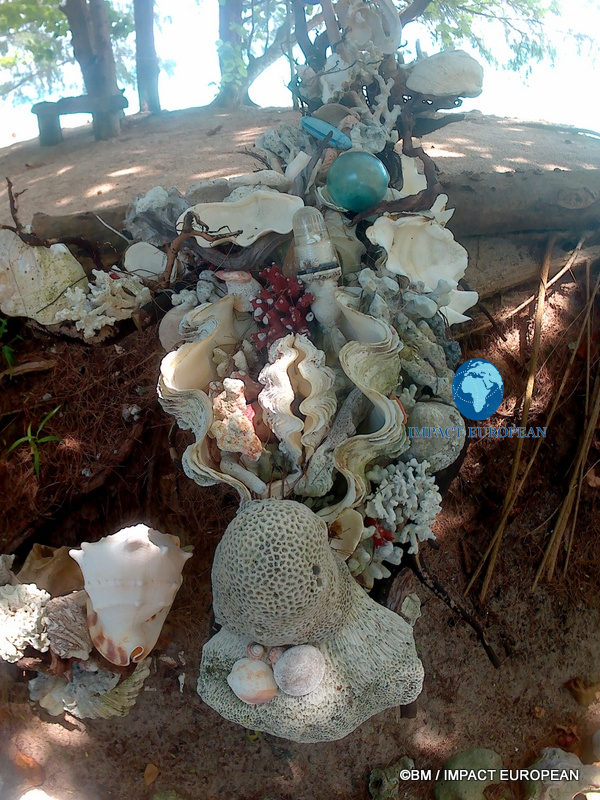
Marine debris regularly arrives with waves and currents, and visitors may help remove plastics and other waste. The sanctuary also encourages awareness of products used around the marine environment, including sunscreens containing substances considered harmful to reefs.
None of these rules is designed to improve the tourist experience.
That is exactly the point.
At Bunut, tourism supports conservation only if the visitor accepts that the animal’s needs come first.
The sanctuary cannot promise a turtle
This becomes clearest when the hatchery or temporary pools are empty.
Bunut does not hold hatchlings simply so visitors can see them the following day.
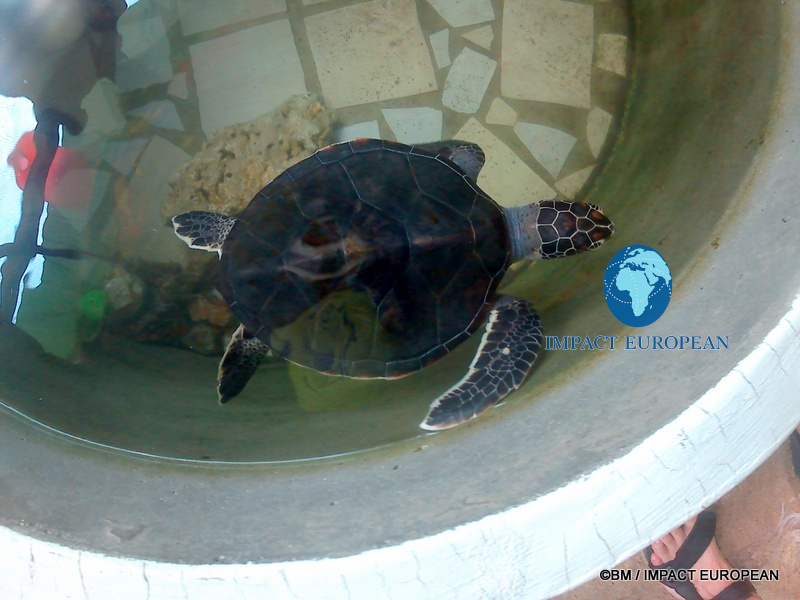
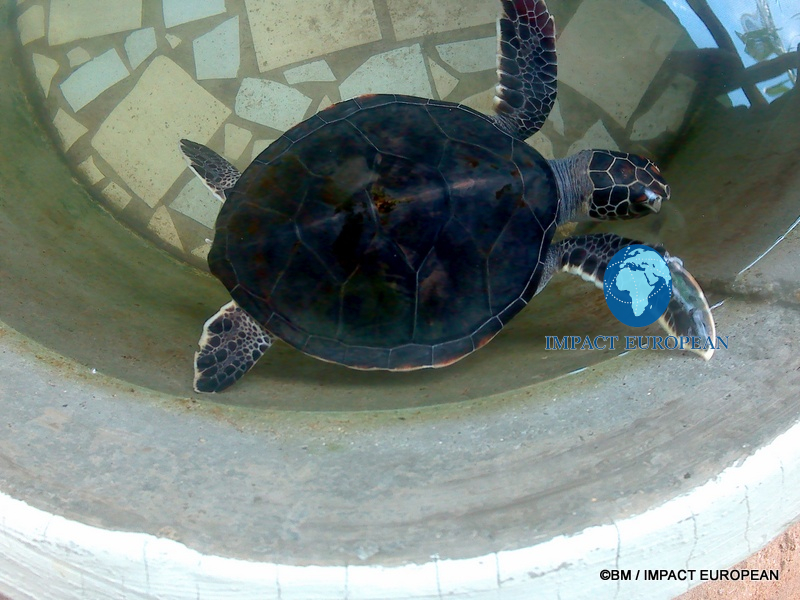
After hatching, young turtles are kept only temporarily when protection is considered necessary, then released as soon as appropriate conditions allow.
Their short journey across the beach is not replaced by placing them directly into the water.
The animals enter the sea and begin a life in which human protection rapidly becomes impossible.
Only a tiny proportion of sea turtle hatchlings survive to adulthood. The often-cited estimate is roughly one in a thousand, though survival varies substantially by species and conditions.
Bunut cannot change that entire equation.
It can reduce losses before the hatchlings have even reached the ocean.
That limitation is part of its identity.
The sanctuary is successful not when an animal becomes dependent on it, but when dependence ends.
Why green and hawksbill turtles matter beyond Bunut Beach
The turtles protected at Bunut are also part of marine ecosystems surrounding Tioman.
Adult green turtles graze primarily on seagrasses and algae, contributing to the dynamics of seagrass habitats.
Hawksbill turtles consume sponges associated with coral reef environments. By feeding on them, hawksbills can reduce competition for space on reefs and influence the ecological balance around corals.
Protecting a nest therefore has consequences that may eventually extend far beyond the beach where the eggs were found.
The hatchling released at Bunut does not remain a “Bunut turtle”.
If it survives, its life becomes marine and migratory.
Plastic pollution, boat traffic, changing temperatures and other human pressures will follow it into an environment that one small sanctuary cannot control.
That makes the local intervention more limited — but not less valuable.
Bunut does not need to become Juara
Tioman has other turtle conservation initiatives.
The Juara Turtle Project, on the eastern side of the island, is older and more structured, with established education, conservation and volunteer programmes.
Near Paya, a private hotel initiative also protects nests occurring on its beach.
Bunut fills a different geographical and social space.
It is smaller because the project grew from one isolated west-coast beach rather than from a plan to build a major conservation organisation.
This distinction matters.
Conservation is most useful where the nesting actually happens.
A hawksbill or green turtle does not move its nest to a better-funded centre.
If Bunut Beach remains a nesting area, some form of protection needs to exist there.
Its scale is therefore not necessarily a weakness.
It may be exactly the scale required for that particular beach.
Conclusion — The real infrastructure is human presence
From a distance, Bunut Turtle Sanctuary can appear almost too modest to carry the word “sanctuary”.
There is no large institutional complex.
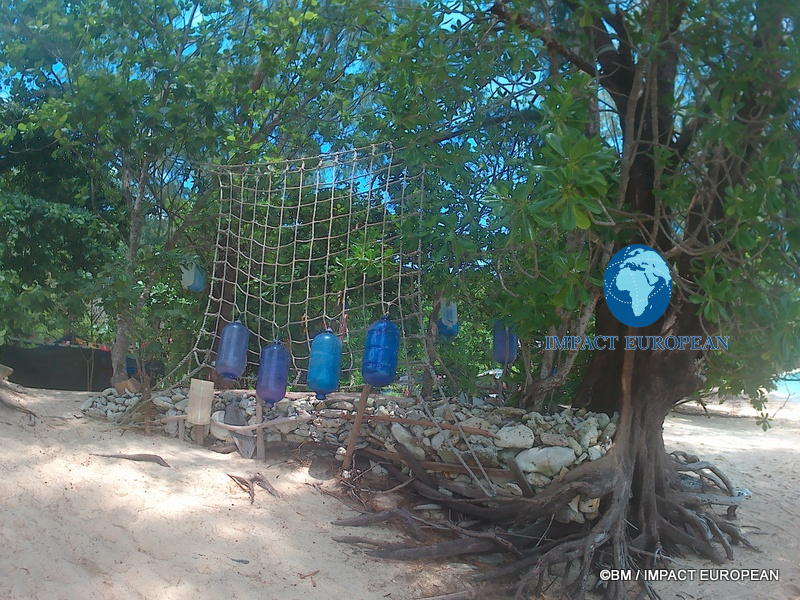
There is a beach, a campsite, simple protective equipment and people willing to stay.
But those elements reveal what the project has actually built since 2021.
It has built time on the beach.
Time to notice nesting tracks.
Time to secure vulnerable eggs.
Time to speak with residents.
Time to explain the rules to visitors.
Time to release hatchlings rather than keep them.
The fencing matters. Donations matter. The campsite matters.
Yet all of them ultimately support the same resource: the continued presence of people who can protect an animal precisely until the moment it no longer needs them.
Bunut’s most important infrastructure may therefore be the one that cannot be photographed.
It is simply someone still being there when the next turtle comes ashore.
©2026 IMPACT EUROPEAN – All rights reserved
Views: 31
More Stories
Violence Against Women: French Protesters Push Parliament to Preserve Landmark Protection Bill
Paris Pride 2026: From Political Mobilisation to a European Message of Solidarity
France’s September 29 Strike: When Pay Becomes a Question of Public-Service Capacity