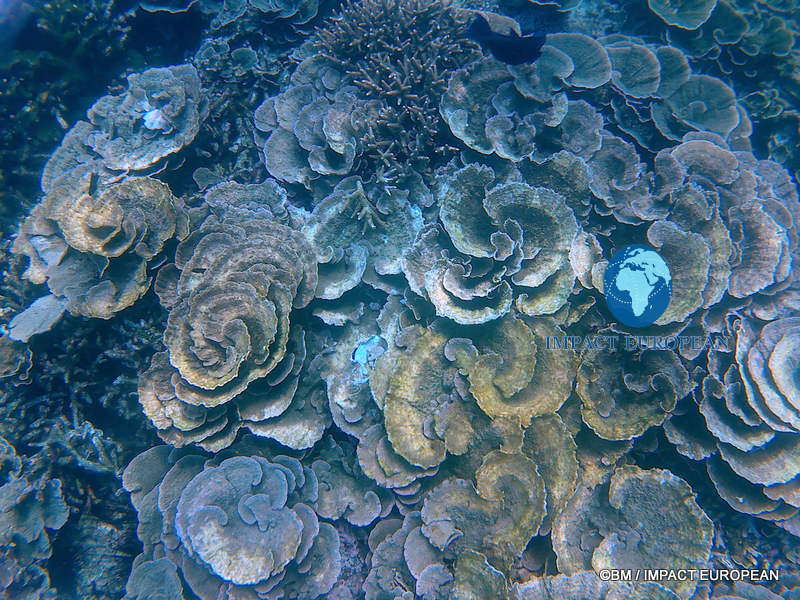
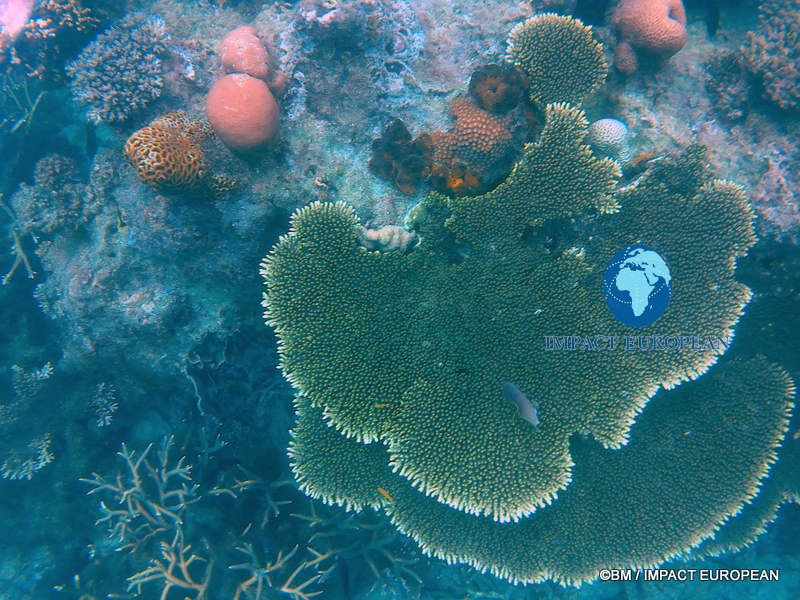
From rainforest-covered mountains to coral gardens beneath the South China Sea, Tioman Island reveals one of Malaysia's richest natural ecosystems. / Entre plages de sable blanc, jungle tropicale et récifs coralliens d'une richesse exceptionnelle, l'île de Tioman et les îles environnantes offrent l'un des plus beaux paysages naturels de Malaisie. Photo: BM - IMPACT EUROPEAN
More than a tropical island, Tioman is a living ecosystem where volcanic mountains, rainforest, coral reefs and coastal communities have evolved together for thousands of years. This reportage explores one of Malaysia's most remarkable natural landscapes through geography, biodiversity and local culture.
For many travellers, Tioman begins where the land ends.
The ferry approaches slowly across the South China Sea, and the first image that captures the eye is almost always the same: turquoise water, white beaches and a line of coconut palms swaying beneath the tropical sun.
It is an image that has defined the island for decades.
Yet it is also incomplete.
Because Tioman does not begin at the shoreline.
It begins much higher.
Before a single grain of sand reached its beaches, before coral reefs sheltered tropical fish and before the first fishing villages settled along the coast, volcanic forces lifted enormous granite mountains from the floor of the South China Sea. Today, those mountains remain the true backbone of the island. Rising above the coastline and wrapped in dense rainforest, they continue to dictate everything that happens below, from the course of rivers to the health of the coral reefs surrounding the island.
Understanding Tioman means resisting the temptation to look only towards the sea.
The real story begins behind it.
The rainforest covering the island’s interior is far more than an impressive landscape. It is the engine that allows the entire ecosystem to survive. Every tropical storm arriving with the northeast monsoon is first absorbed by this forest. Giant trees slow the rain before it reaches the volcanic ground. Their roots hold fragile soil in place, preventing rivers from carrying large quantities of sediment into the sea.
That invisible process explains something every visitor notices almost immediately.
The remarkable clarity of the water.
What appears to be a simple gift of nature is, in reality, the result of an extraordinary balance maintained between mountain, forest and ocean. Without the rainforest, the reefs surrounding Tioman would gradually disappear beneath muddy waters, taking with them much of the marine life that has made the island famous among divers around the world.
Only after understanding the forest do the beaches begin to tell a different story.
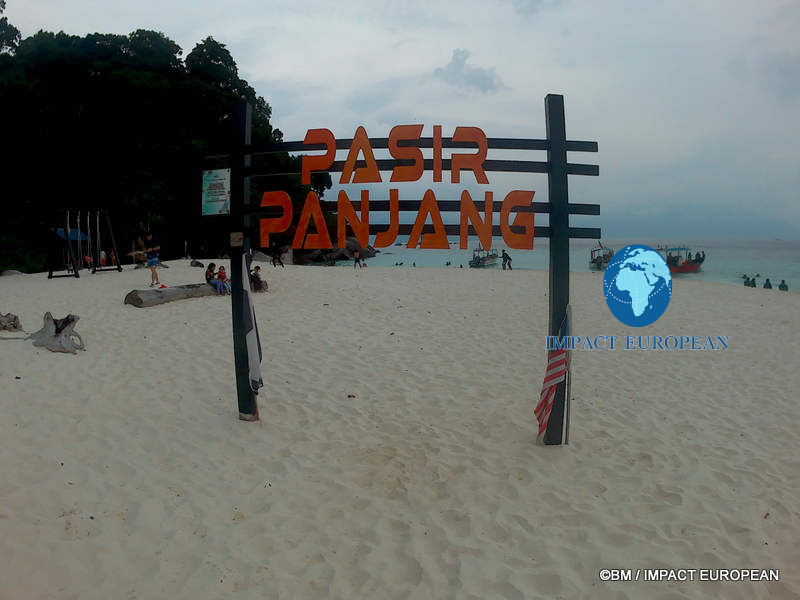
Along Pasir Panjang, fine white sand stretches between tropical vegetation and the South China Sea. Like many visitors, it is easy to admire the colours without asking where they come from.
The answer lies underwater.
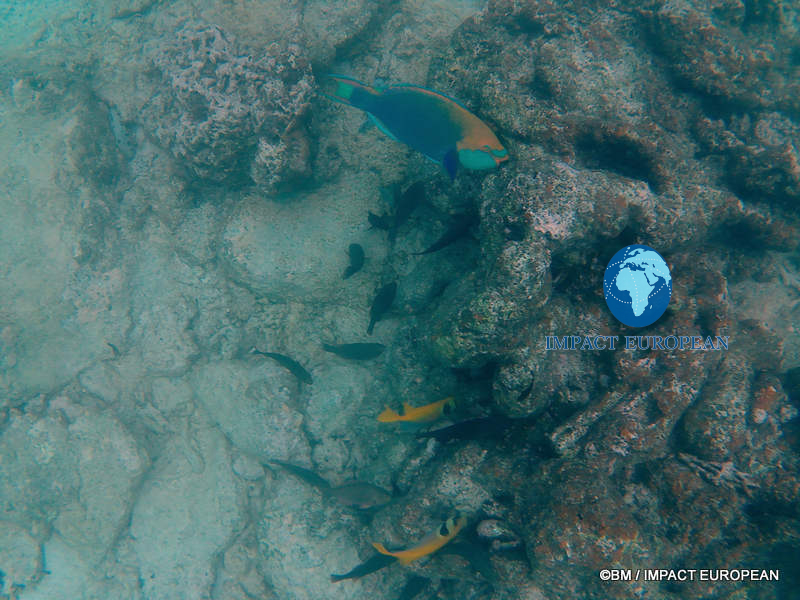
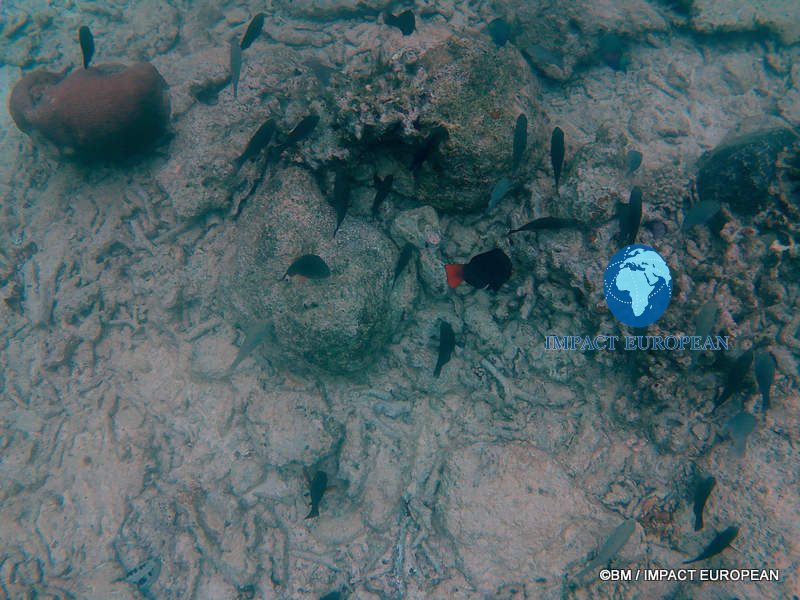
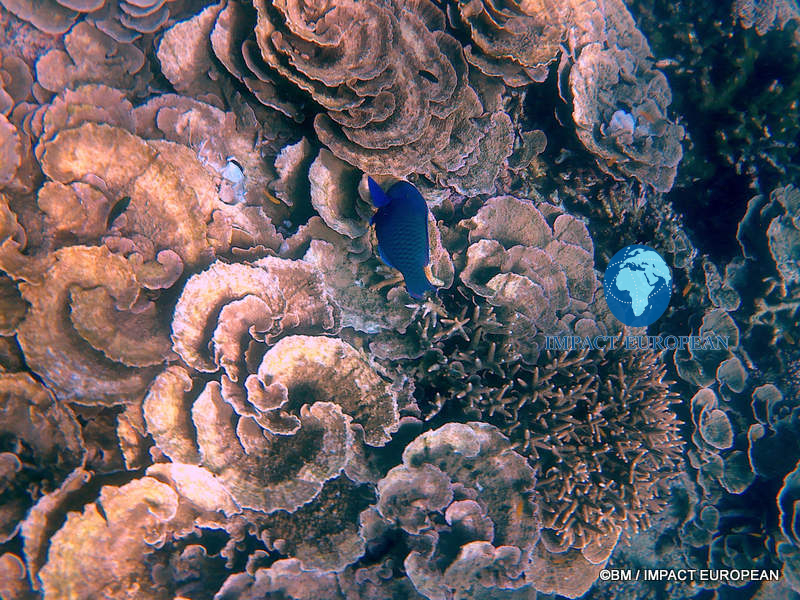
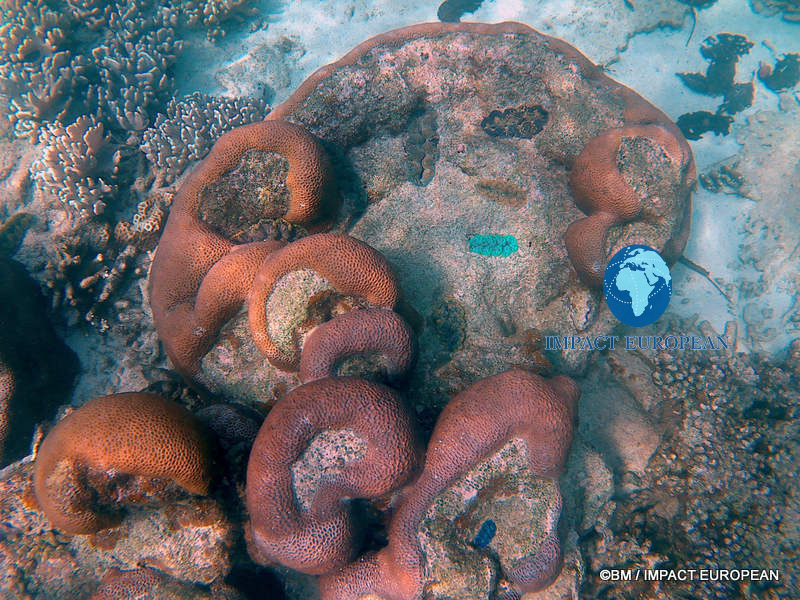
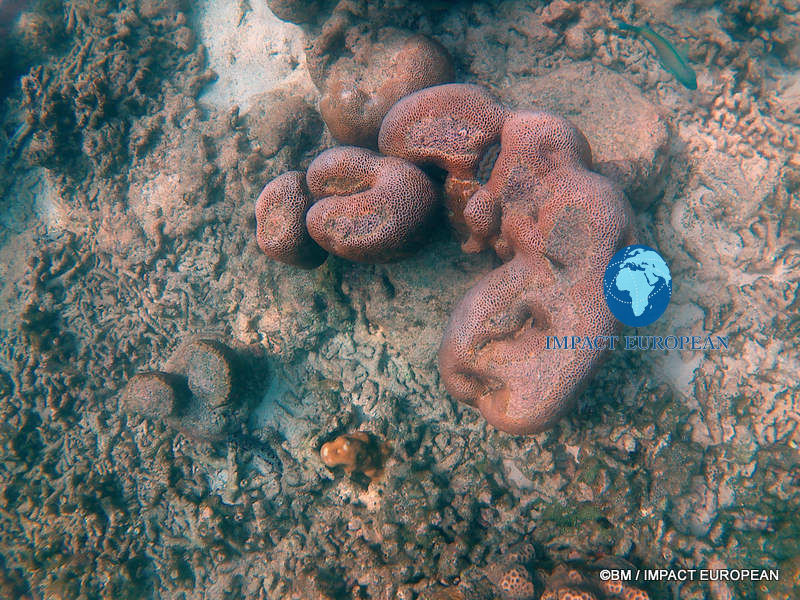
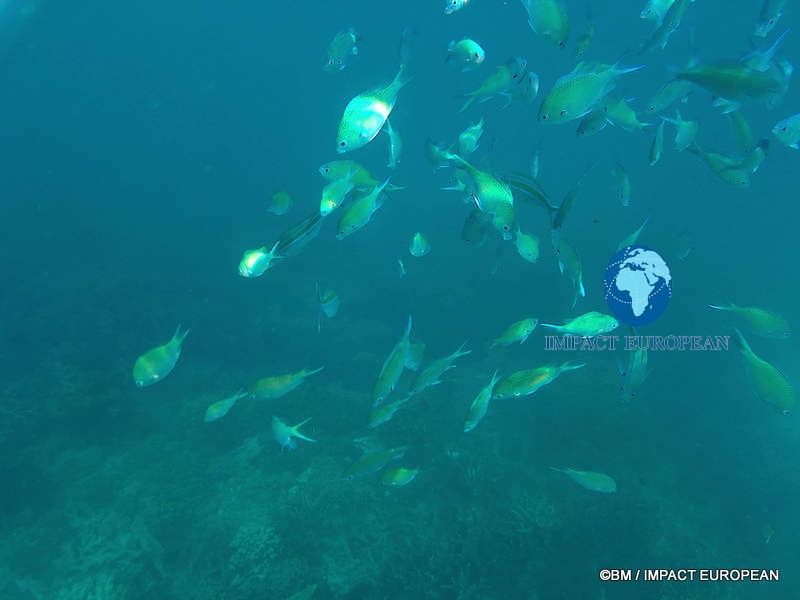
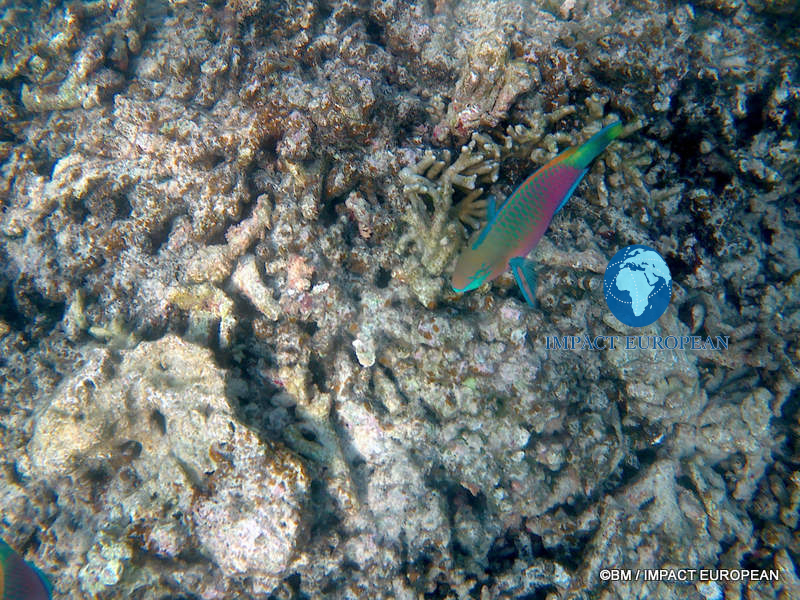
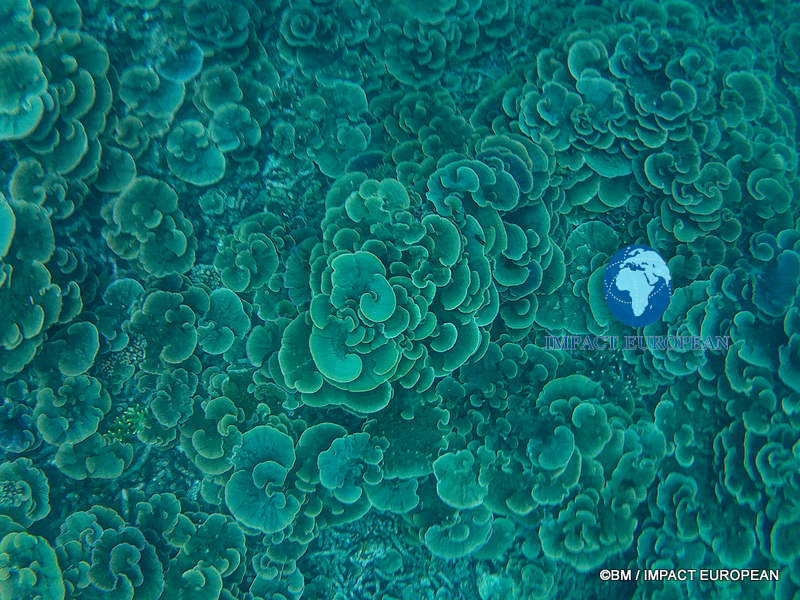
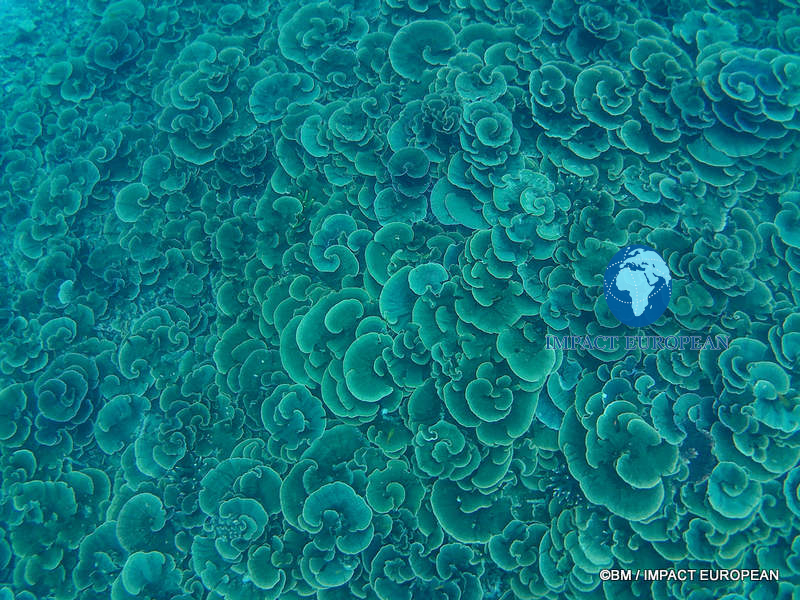
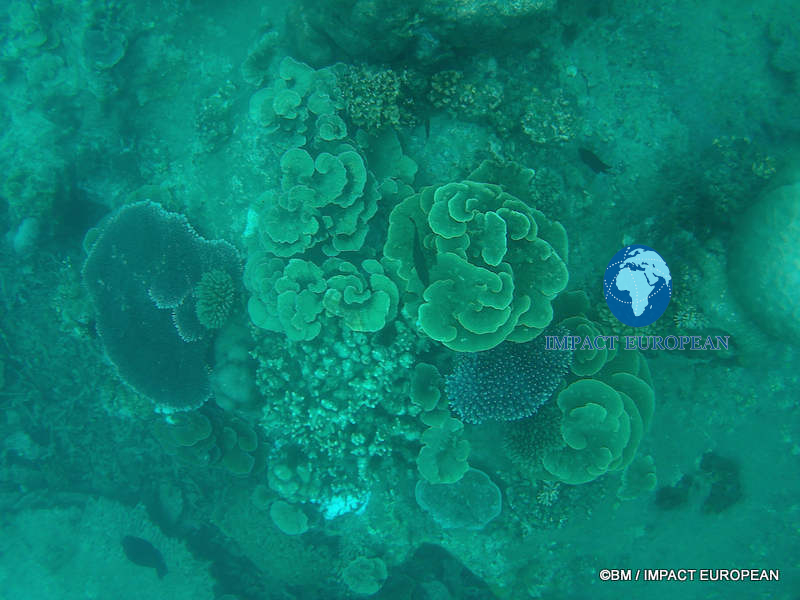
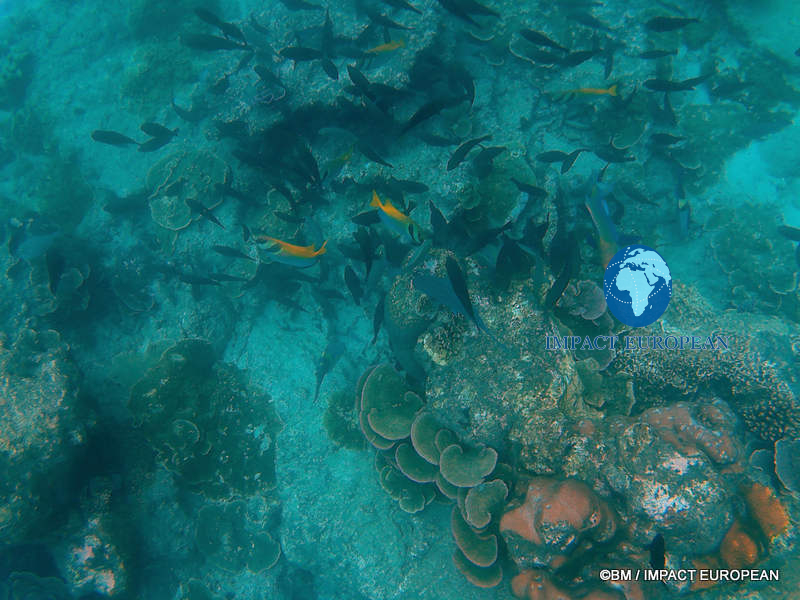
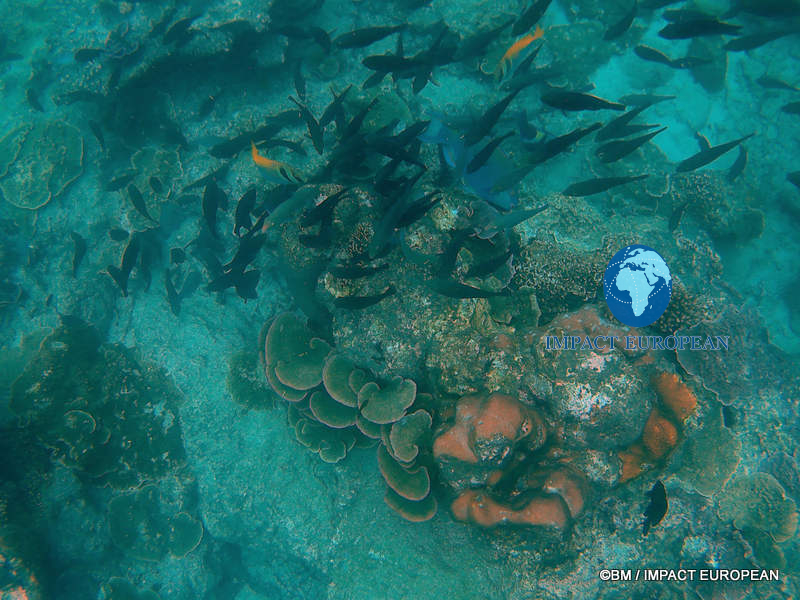
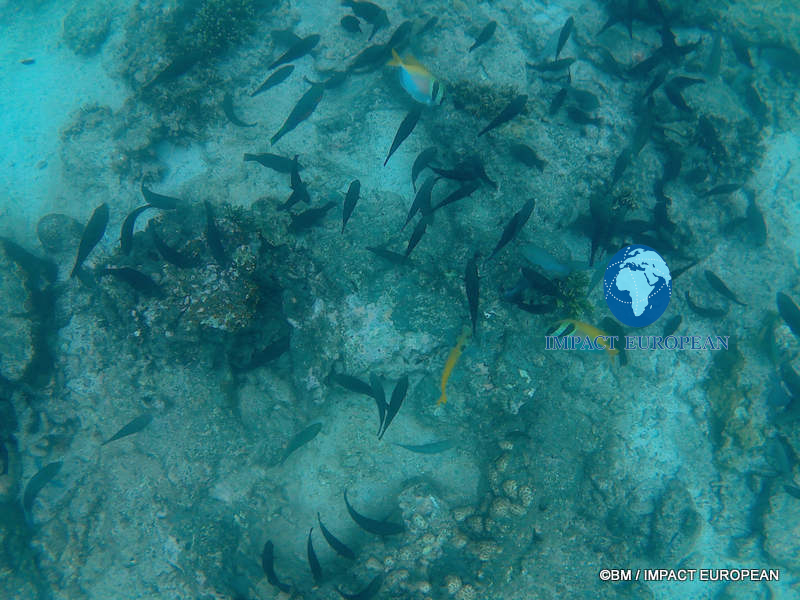
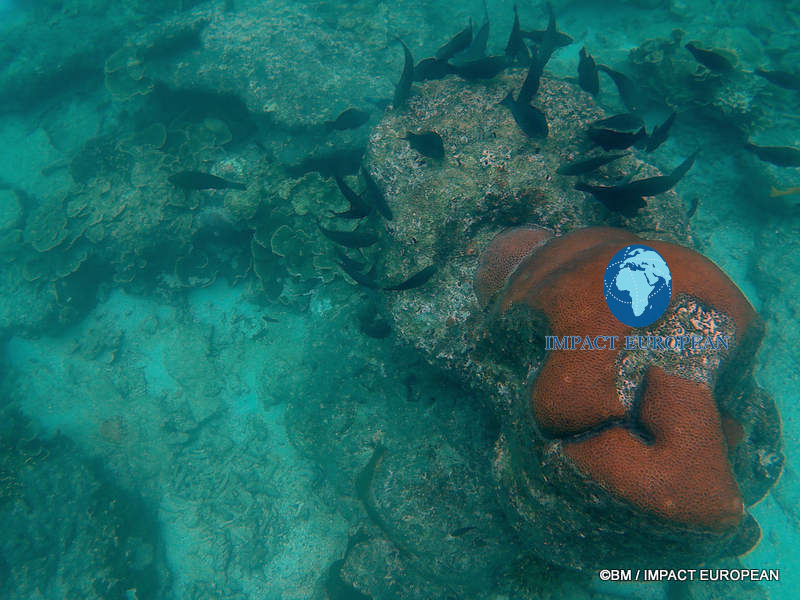
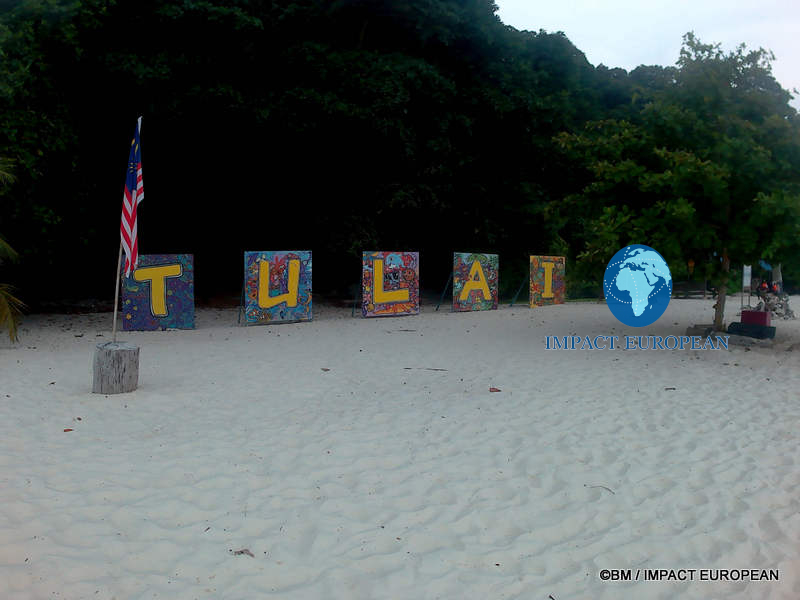
Around Tulai, better known as Coral Island, coral reefs form vast underwater landscapes that are every bit as complex as the rainforest above. Looking closely, nothing remains still for long.
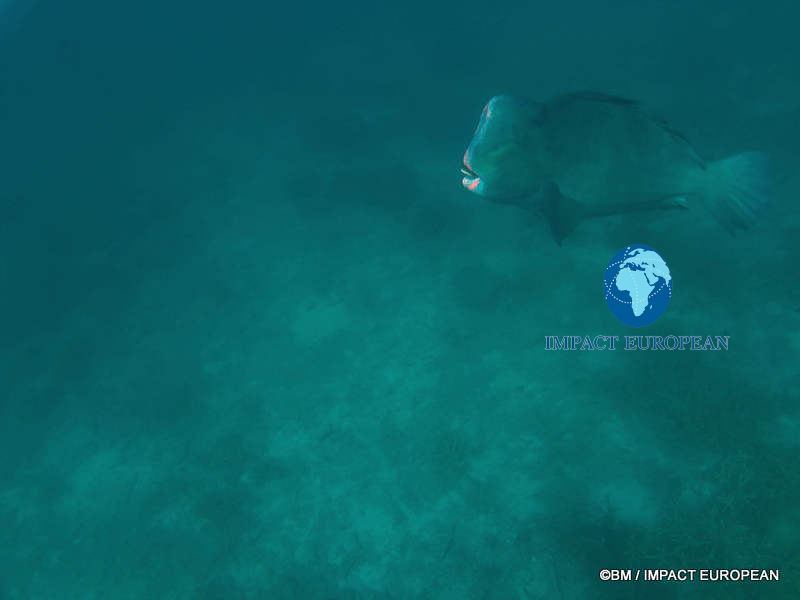
A parrotfish patiently scrapes algae from ancient coral.
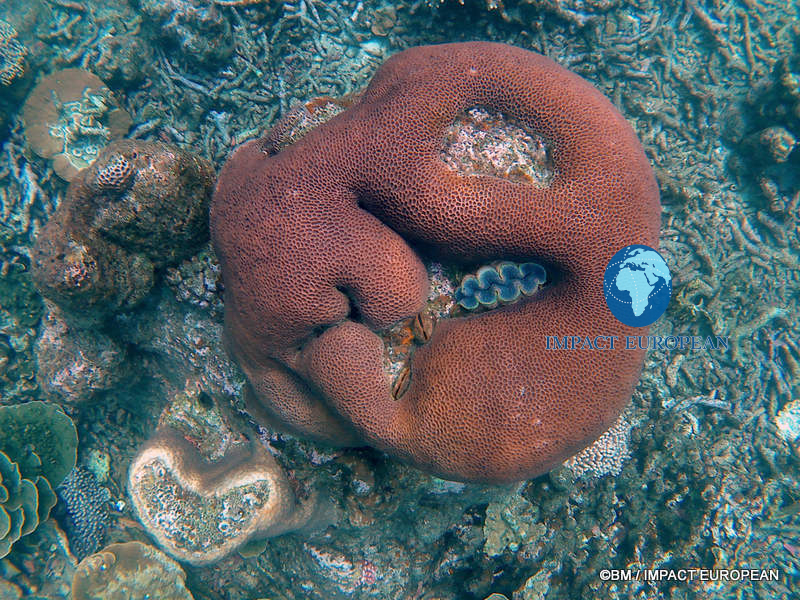
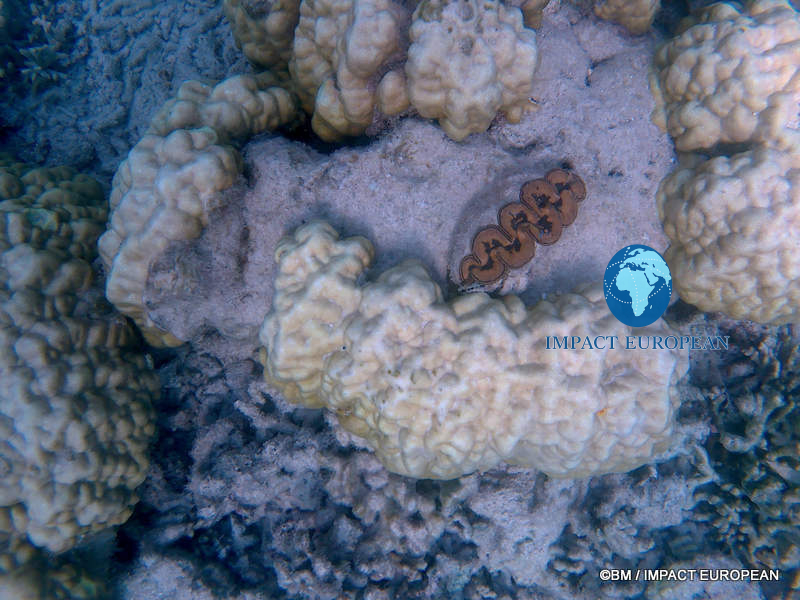
Nearby, a giant clam quietly filters seawater while living in partnership with microscopic algae hidden inside its shell.
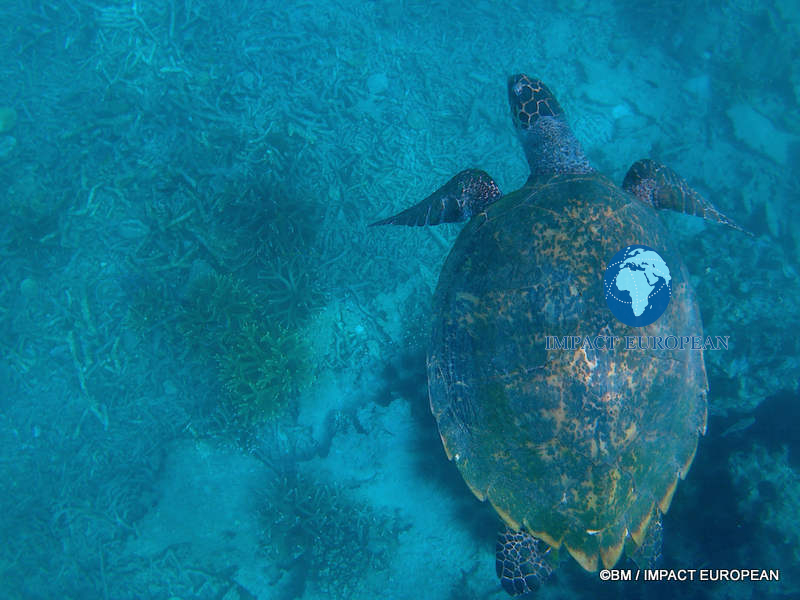
Moments later, a green sea turtle drifts across the reef, following underwater routes that existed centuries before Tioman became a destination for snorkellers and divers.
Each species appears to be living its own life.
In reality, each depends upon the others.
Even the beaches owe part of their existence to these reefs. By feeding on old coral, parrotfish gradually produce the fine white sand that waves later carry back to the shoreline. Every footprint left on Tioman’s beaches begins its journey beneath the sea.
Nature alone, however, does not explain the island.
The villages scattered along the coastline reveal another chapter of its story.
Tekek, Juara, Salang and Kampung Genting did not grow where people simply chose to build. They emerged where geography made life possible, on narrow coastal plains squeezed between rainforest-covered mountains and the sea. Fishing boats still leave these villages before sunrise, following rhythms shaped by tides rather than clocks. Later in the morning, dive boats head towards the same waters, carrying visitors eager to discover what local communities have known for generations.
The sea feeds both.
It simply does so in different ways.
Tioman’s identity is also written through its people.
Malay traditions remain deeply rooted across the island, while Chinese influences and indigenous heritage have enriched local culture over generations. The Malay language is heard throughout the villages, alongside English spoken with international visitors. Mosques, local markets and family-run cafés remind travellers that Tioman is not an island created for tourism. It is a community whose daily life continues alongside it, preserving customs and hospitality that remain characteristic of Malaysia’s eastern coast.
This is perhaps what distinguishes Tioman from other famous islands across the region.
While destinations such as Langkawi have embraced large-scale tourism and the Perhentian Islands are often associated with a lively backpacking scene, Tioman has followed a quieter path. Its mountainous landscape has naturally limited development, leaving rainforest, coral reefs and small coastal villages to define the island far more than hotels or entertainment districts. Places like Salang Bay, renowned for diving and seasonal surf, still feel connected to the island’s natural rhythm rather than separated from it.
That balance may prove to be Tioman’s greatest achievement.
It is easy to describe the island as beautiful.
It is far more interesting to understand why it has remained that way.
Because Tioman is not simply a collection of beaches.
It is a living conversation between mountains, rainforest, rivers, coral reefs, wildlife and the communities that continue to call this island home.
Perhaps that is why leaving Tioman feels different from leaving many tropical destinations.
The photographs remain.
The landscapes remain.
But above all, one lesson remains.
Nature never created this island in separate pieces.
From rainforest-covered mountains to coral gardens beneath the South China Sea, Tioman Island reveals one of Malaysia’s richest natural ecosystems. / Entre plages de sable blanc, jungle tropicale et récifs coralliens d’une richesse exceptionnelle, l’île de Tioman et les îles environnantes offrent l’un des plus beaux paysages naturels de Malaisie. Photo: BM – IMPACT EUROPEAN
From rainforest-covered mountains to coral gardens beneath the South China Sea, Tioman Island reveals one of Malaysia’s richest natural ecosystems. / Entre plages de sable blanc, jungle tropicale et récifs coralliens d’une richesse exceptionnelle, l’île de Tioman et les îles environnantes offrent l’un des plus beaux paysages naturels de Malaisie. Photo: BM – IMPACT EUROPEAN
From rainforest-covered mountains to coral gardens beneath the South China Sea, Tioman Island reveals one of Malaysia’s richest natural ecosystems. / Entre plages de sable blanc, jungle tropicale et récifs coralliens d’une richesse exceptionnelle, l’île de Tioman et les îles environnantes offrent l’un des plus beaux paysages naturels de Malaisie. Photo: BM – IMPACT EUROPEAN
From rainforest-covered mountains to coral gardens beneath the South China Sea, Tioman Island reveals one of Malaysia’s richest natural ecosystems. / Entre plages de sable blanc, jungle tropicale et récifs coralliens d’une richesse exceptionnelle, l’île de Tioman et les îles environnantes offrent l’un des plus beaux paysages naturels de Malaisie. Photo: BM – IMPACT EUROPEAN
From rainforest-covered mountains to coral gardens beneath the South China Sea, Tioman Island reveals one of Malaysia’s richest natural ecosystems. / Entre plages de sable blanc, jungle tropicale et récifs coralliens d’une richesse exceptionnelle, l’île de Tioman et les îles environnantes offrent l’un des plus beaux paysages naturels de Malaisie. Photo: BM – IMPACT EUROPEAN
From rainforest-covered mountains to coral gardens beneath the South China Sea, Tioman Island reveals one of Malaysia’s richest natural ecosystems. / Entre plages de sable blanc, jungle tropicale et récifs coralliens d’une richesse exceptionnelle, l’île de Tioman et les îles environnantes offrent l’un des plus beaux paysages naturels de Malaisie. Photo: BM – IMPACT EUROPEAN
From rainforest-covered mountains to coral gardens beneath the South China Sea, Tioman Island reveals one of Malaysia’s richest natural ecosystems. / Entre plages de sable blanc, jungle tropicale et récifs coralliens d’une richesse exceptionnelle, l’île de Tioman et les îles environnantes offrent l’un des plus beaux paysages naturels de Malaisie. Photo: BM – IMPACT EUROPEAN
From rainforest-covered mountains to coral gardens beneath the South China Sea, Tioman Island reveals one of Malaysia’s richest natural ecosystems. / Entre plages de sable blanc, jungle tropicale et récifs coralliens d’une richesse exceptionnelle, l’île de Tioman et les îles environnantes offrent l’un des plus beaux paysages naturels de Malaisie. Photo: BM – IMPACT EUROPEAN
From rainforest-covered mountains to coral gardens beneath the South China Sea, Tioman Island reveals one of Malaysia’s richest natural ecosystems. / Entre plages de sable blanc, jungle tropicale et récifs coralliens d’une richesse exceptionnelle, l’île de Tioman et les îles environnantes offrent l’un des plus beaux paysages naturels de Malaisie. Photo: BM – IMPACT EUROPEAN
From rainforest-covered mountains to coral gardens beneath the South China Sea, Tioman Island reveals one of Malaysia’s richest natural ecosystems. / Entre plages de sable blanc, jungle tropicale et récifs coralliens d’une richesse exceptionnelle, l’île de Tioman et les îles environnantes offrent l’un des plus beaux paysages naturels de Malaisie. Photo: BM – IMPACT EUROPEAN
From rainforest-covered mountains to coral gardens beneath the South China Sea, Tioman Island reveals one of Malaysia’s richest natural ecosystems. / Entre plages de sable blanc, jungle tropicale et récifs coralliens d’une richesse exceptionnelle, l’île de Tioman et les îles environnantes offrent l’un des plus beaux paysages naturels de Malaisie. Photo: BM – IMPACT EUROPEAN
From rainforest-covered mountains to coral gardens beneath the South China Sea, Tioman Island reveals one of Malaysia’s richest natural ecosystems. / Entre plages de sable blanc, jungle tropicale et récifs coralliens d’une richesse exceptionnelle, l’île de Tioman et les îles environnantes offrent l’un des plus beaux paysages naturels de Malaisie. Photo: BM – IMPACT EUROPEAN
From rainforest-covered mountains to coral gardens beneath the South China Sea, Tioman Island reveals one of Malaysia’s richest natural ecosystems. / Entre plages de sable blanc, jungle tropicale et récifs coralliens d’une richesse exceptionnelle, l’île de Tioman et les îles environnantes offrent l’un des plus beaux paysages naturels de Malaisie. Photo: BM – IMPACT EUROPEAN
From rainforest-covered mountains to coral gardens beneath the South China Sea, Tioman Island reveals one of Malaysia’s richest natural ecosystems. / Entre plages de sable blanc, jungle tropicale et récifs coralliens d’une richesse exceptionnelle, l’île de Tioman et les îles environnantes offrent l’un des plus beaux paysages naturels de Malaisie. Photo: BM – IMPACT EUROPEAN
From rainforest-covered mountains to coral gardens beneath the South China Sea, Tioman Island reveals one of Malaysia’s richest natural ecosystems. / Entre plages de sable blanc, jungle tropicale et récifs coralliens d’une richesse exceptionnelle, l’île de Tioman et les îles environnantes offrent l’un des plus beaux paysages naturels de Malaisie. Photo: BM – IMPACT EUROPEAN
From rainforest-covered mountains to coral gardens beneath the South China Sea, Tioman Island reveals one of Malaysia’s richest natural ecosystems. / Entre plages de sable blanc, jungle tropicale et récifs coralliens d’une richesse exceptionnelle, l’île de Tioman et les îles environnantes offrent l’un des plus beaux paysages naturels de Malaisie. Photo: BM – IMPACT EUROPEAN
From rainforest-covered mountains to coral gardens beneath the South China Sea, Tioman Island reveals one of Malaysia’s richest natural ecosystems. / Entre plages de sable blanc, jungle tropicale et récifs coralliens d’une richesse exceptionnelle, l’île de Tioman et les îles environnantes offrent l’un des plus beaux paysages naturels de Malaisie. Photo: BM – IMPACT EUROPEAN
From rainforest-covered mountains to coral gardens beneath the South China Sea, Tioman Island reveals one of Malaysia’s richest natural ecosystems. / Entre plages de sable blanc, jungle tropicale et récifs coralliens d’une richesse exceptionnelle, l’île de Tioman et les îles environnantes offrent l’un des plus beaux paysages naturels de Malaisie. Photo: BM – IMPACT EUROPEAN
From rainforest-covered mountains to coral gardens beneath the South China Sea, Tioman Island reveals one of Malaysia’s richest natural ecosystems. / Entre plages de sable blanc, jungle tropicale et récifs coralliens d’une richesse exceptionnelle, l’île de Tioman et les îles environnantes offrent l’un des plus beaux paysages naturels de Malaisie. Photo: BM – IMPACT EUROPEAN
From rainforest-covered mountains to coral gardens beneath the South China Sea, Tioman Island reveals one of Malaysia’s richest natural ecosystems. / Entre plages de sable blanc, jungle tropicale et récifs coralliens d’une richesse exceptionnelle, l’île de Tioman et les îles environnantes offrent l’un des plus beaux paysages naturels de Malaisie. Photo: BM – IMPACT EUROPEAN
From rainforest-covered mountains to coral gardens beneath the South China Sea, Tioman Island reveals one of Malaysia’s richest natural ecosystems. / Entre plages de sable blanc, jungle tropicale et récifs coralliens d’une richesse exceptionnelle, l’île de Tioman et les îles environnantes offrent l’un des plus beaux paysages naturels de Malaisie. Photo: BM – IMPACT EUROPEAN
From rainforest-covered mountains to coral gardens beneath the South China Sea, Tioman Island reveals one of Malaysia’s richest natural ecosystems. / Entre plages de sable blanc, jungle tropicale et récifs coralliens d’une richesse exceptionnelle, l’île de Tioman et les îles environnantes offrent l’un des plus beaux paysages naturels de Malaisie. Photo: BM – IMPACT EUROPEAN
From rainforest-covered mountains to coral gardens beneath the South China Sea, Tioman Island reveals one of Malaysia’s richest natural ecosystems. / Entre plages de sable blanc, jungle tropicale et récifs coralliens d’une richesse exceptionnelle, l’île de Tioman et les îles environnantes offrent l’un des plus beaux paysages naturels de Malaisie. Photo: BM – IMPACT EUROPEAN
From rainforest-covered mountains to coral gardens beneath the South China Sea, Tioman Island reveals one of Malaysia’s richest natural ecosystems. / Entre plages de sable blanc, jungle tropicale et récifs coralliens d’une richesse exceptionnelle, l’île de Tioman et les îles environnantes offrent l’un des plus beaux paysages naturels de Malaisie. Photo: BM – IMPACT EUROPEAN
From rainforest-covered mountains to coral gardens beneath the South China Sea, Tioman Island reveals one of Malaysia’s richest natural ecosystems. / Entre plages de sable blanc, jungle tropicale et récifs coralliens d’une richesse exceptionnelle, l’île de Tioman et les îles environnantes offrent l’un des plus beaux paysages naturels de Malaisie. Photo: BM – IMPACT EUROPEAN
From rainforest-covered mountains to coral gardens beneath the South China Sea, Tioman Island reveals one of Malaysia’s richest natural ecosystems. / Entre plages de sable blanc, jungle tropicale et récifs coralliens d’une richesse exceptionnelle, l’île de Tioman et les îles environnantes offrent l’un des plus beaux paysages naturels de Malaisie. Photo: BM – IMPACT EUROPEAN
From rainforest-covered mountains to coral gardens beneath the South China Sea, Tioman Island reveals one of Malaysia’s richest natural ecosystems. / Entre plages de sable blanc, jungle tropicale et récifs coralliens d’une richesse exceptionnelle, l’île de Tioman et les îles environnantes offrent l’un des plus beaux paysages naturels de Malaisie. Photo: BM – IMPACT EUROPEAN
From rainforest-covered mountains to coral gardens beneath the South China Sea, Tioman Island reveals one of Malaysia’s richest natural ecosystems. / Entre plages de sable blanc, jungle tropicale et récifs coralliens d’une richesse exceptionnelle, l’île de Tioman et les îles environnantes offrent l’un des plus beaux paysages naturels de Malaisie. Photo: BM – IMPACT EUROPEAN
From rainforest-covered mountains to coral gardens beneath the South China Sea, Tioman Island reveals one of Malaysia’s richest natural ecosystems. / Entre plages de sable blanc, jungle tropicale et récifs coralliens d’une richesse exceptionnelle, l’île de Tioman et les îles environnantes offrent l’un des plus beaux paysages naturels de Malaisie. Photo: BM – IMPACT EUROPEAN
From rainforest-covered mountains to coral gardens beneath the South China Sea, Tioman Island reveals one of Malaysia’s richest natural ecosystems. / Entre plages de sable blanc, jungle tropicale et récifs coralliens d’une richesse exceptionnelle, l’île de Tioman et les îles environnantes offrent l’un des plus beaux paysages naturels de Malaisie. Photo: BM – IMPACT EUROPEAN
From rainforest-covered mountains to coral gardens beneath the South China Sea, Tioman Island reveals one of Malaysia’s richest natural ecosystems. / Entre plages de sable blanc, jungle tropicale et récifs coralliens d’une richesse exceptionnelle, l’île de Tioman et les îles environnantes offrent l’un des plus beaux paysages naturels de Malaisie. Photo: BM – IMPACT EUROPEAN
From rainforest-covered mountains to coral gardens beneath the South China Sea, Tioman Island reveals one of Malaysia’s richest natural ecosystems. / Entre plages de sable blanc, jungle tropicale et récifs coralliens d’une richesse exceptionnelle, l’île de Tioman et les îles environnantes offrent l’un des plus beaux paysages naturels de Malaisie. Photo: BM – IMPACT EUROPEAN
From rainforest-covered mountains to coral gardens beneath the South China Sea, Tioman Island reveals one of Malaysia’s richest natural ecosystems. / Entre plages de sable blanc, jungle tropicale et récifs coralliens d’une richesse exceptionnelle, l’île de Tioman et les îles environnantes offrent l’un des plus beaux paysages naturels de Malaisie. Photo: BM – IMPACT EUROPEAN
From rainforest-covered mountains to coral gardens beneath the South China Sea, Tioman Island reveals one of Malaysia’s richest natural ecosystems. / Entre plages de sable blanc, jungle tropicale et récifs coralliens d’une richesse exceptionnelle, l’île de Tioman et les îles environnantes offrent l’un des plus beaux paysages naturels de Malaisie. Photo: BM – IMPACT EUROPEAN
From rainforest-covered mountains to coral gardens beneath the South China Sea, Tioman Island reveals one of Malaysia’s richest natural ecosystems. / Entre plages de sable blanc, jungle tropicale et récifs coralliens d’une richesse exceptionnelle, l’île de Tioman et les îles environnantes offrent l’un des plus beaux paysages naturels de Malaisie. Photo: BM – IMPACT EUROPEAN
From rainforest-covered mountains to coral gardens beneath the South China Sea, Tioman Island reveals one of Malaysia’s richest natural ecosystems. / Entre plages de sable blanc, jungle tropicale et récifs coralliens d’une richesse exceptionnelle, l’île de Tioman et les îles environnantes offrent l’un des plus beaux paysages naturels de Malaisie. Photo: BM – IMPACT EUROPEAN
From rainforest-covered mountains to coral gardens beneath the South China Sea, Tioman Island reveals one of Malaysia’s richest natural ecosystems. / Entre plages de sable blanc, jungle tropicale et récifs coralliens d’une richesse exceptionnelle, l’île de Tioman et les îles environnantes offrent l’un des plus beaux paysages naturels de Malaisie. Photo: BM – IMPACT EUROPEAN
From rainforest-covered mountains to coral gardens beneath the South China Sea, Tioman Island reveals one of Malaysia’s richest natural ecosystems. / Entre plages de sable blanc, jungle tropicale et récifs coralliens d’une richesse exceptionnelle, l’île de Tioman et les îles environnantes offrent l’un des plus beaux paysages naturels de Malaisie. Photo: BM – IMPACT EUROPEAN
From rainforest-covered mountains to coral gardens beneath the South China Sea, Tioman Island reveals one of Malaysia’s richest natural ecosystems. / Entre plages de sable blanc, jungle tropicale et récifs coralliens d’une richesse exceptionnelle, l’île de Tioman et les îles environnantes offrent l’un des plus beaux paysages naturels de Malaisie. Photo: BM – IMPACT EUROPEAN
From rainforest-covered mountains to coral gardens beneath the South China Sea, Tioman Island reveals one of Malaysia’s richest natural ecosystems. / Entre plages de sable blanc, jungle tropicale et récifs coralliens d’une richesse exceptionnelle, l’île de Tioman et les îles environnantes offrent l’un des plus beaux paysages naturels de Malaisie. Photo: BM – IMPACT EUROPEAN
From rainforest-covered mountains to coral gardens beneath the South China Sea, Tioman Island reveals one of Malaysia’s richest natural ecosystems. / Entre plages de sable blanc, jungle tropicale et récifs coralliens d’une richesse exceptionnelle, l’île de Tioman et les îles environnantes offrent l’un des plus beaux paysages naturels de Malaisie. Photo: BM – IMPACT EUROPEAN
From rainforest-covered mountains to coral gardens beneath the South China Sea, Tioman Island reveals one of Malaysia’s richest natural ecosystems. / Entre plages de sable blanc, jungle tropicale et récifs coralliens d’une richesse exceptionnelle, l’île de Tioman et les îles environnantes offrent l’un des plus beaux paysages naturels de Malaisie. Photo: BM – IMPACT EUROPEAN
From rainforest-covered mountains to coral gardens beneath the South China Sea, Tioman Island reveals one of Malaysia’s richest natural ecosystems. / Entre plages de sable blanc, jungle tropicale et récifs coralliens d’une richesse exceptionnelle, l’île de Tioman et les îles environnantes offrent l’un des plus beaux paysages naturels de Malaisie. Photo: BM – IMPACT EUROPEAN
















More Stories
France Protests on October 17: Mass Mobilization Overshadowed by Violence Across the Country
Work Palace Opens in Paris: INSITU Brings Luxury Hospitality Into the Workplace
Rugby Pro D2: Colomiers Defeat Narbonne 49-28 to Claim Bonus-Point Victory