

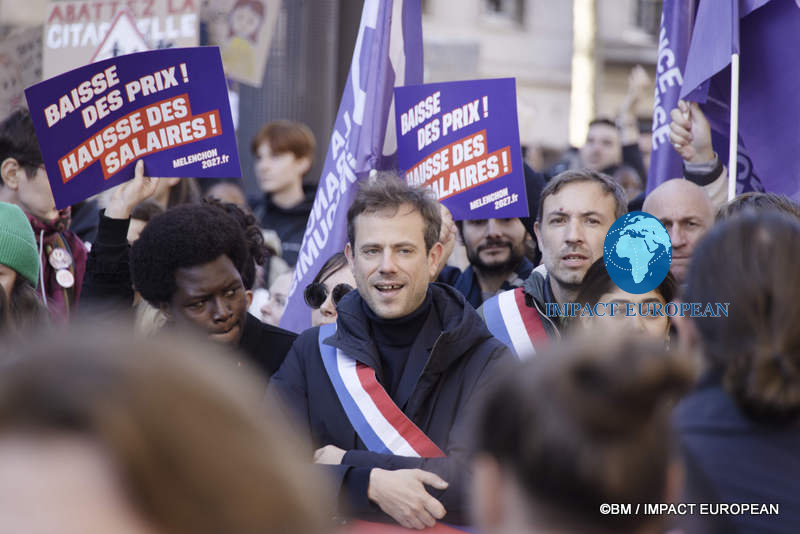
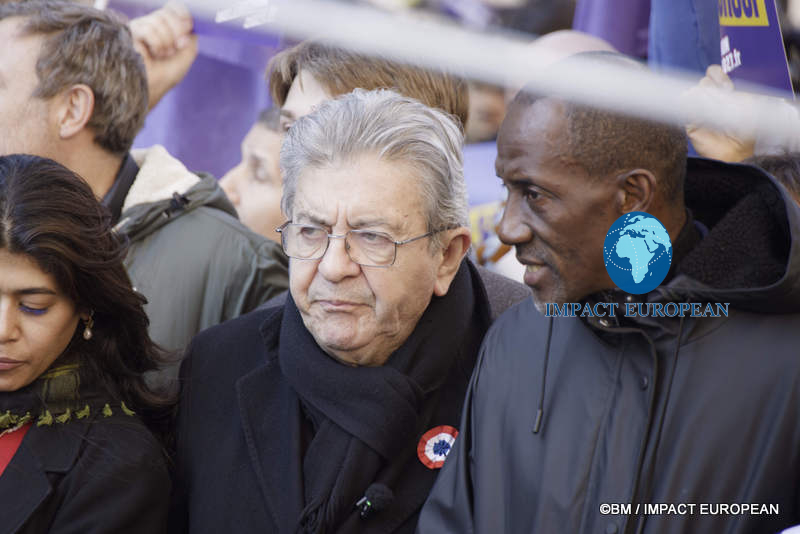
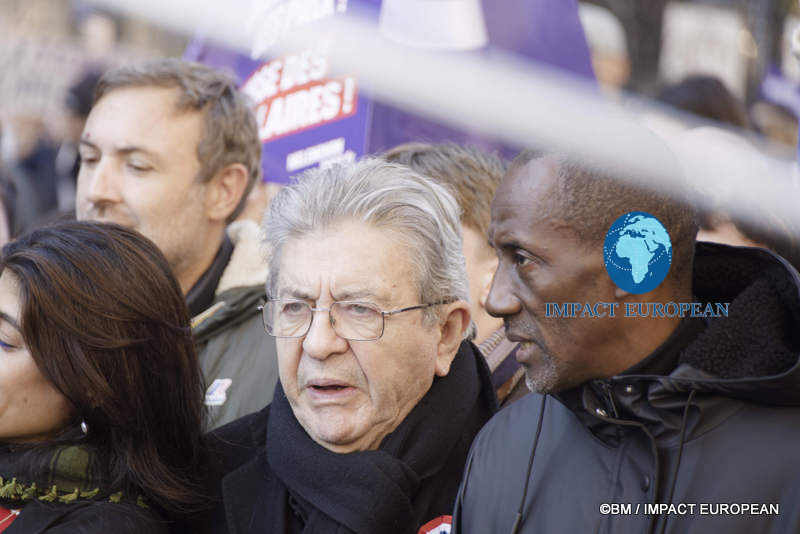
The third weekend of demonstrations in France brought together students, school pupils, trade unions and citizens protesting living costs and education conditions. In Paris, attendance estimates ranged from 70,000 to 200,000, while clashes broke out near the end of the march.
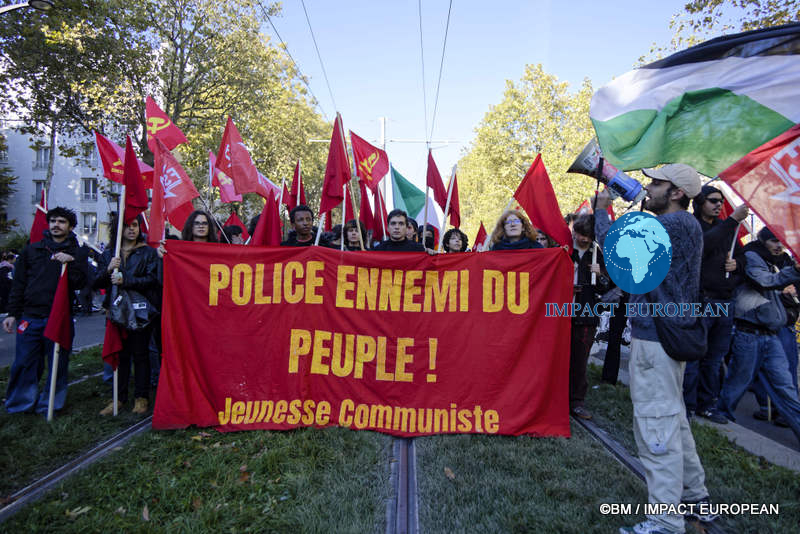
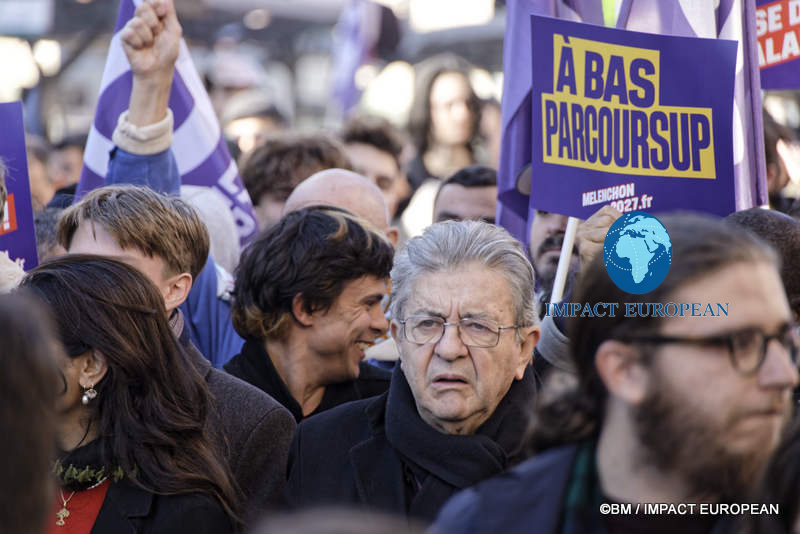
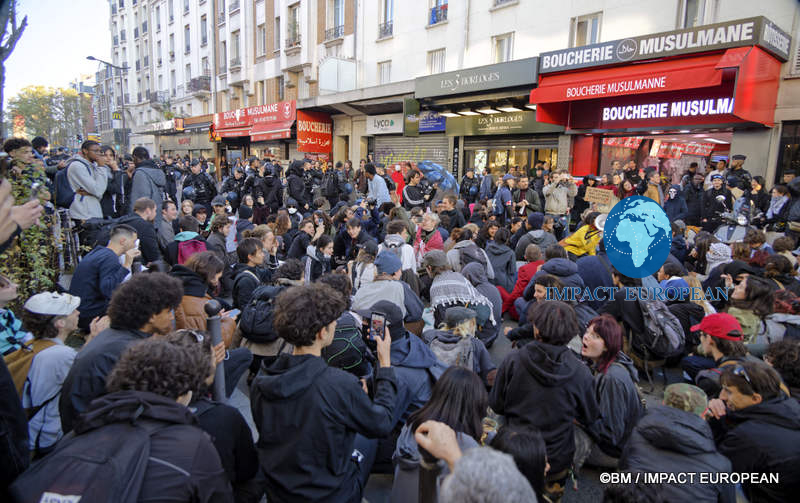
PARIS — France experienced another major day of social mobilisation on Saturday, October 31, 2026. The third act of the protest movement brought together demonstrators concerned about the rising cost of living, education resources, student hardship and the handling of previous demonstrations by the authorities.
In Paris, the march took place against a backdrop of legal disputes over its route and an exceptionally large security deployment. The demonstration was largely peaceful for much of the afternoon, but tensions escalated near Porte de Charenton towards the end of the authorised march.
A route changed by a last-minute legal decision
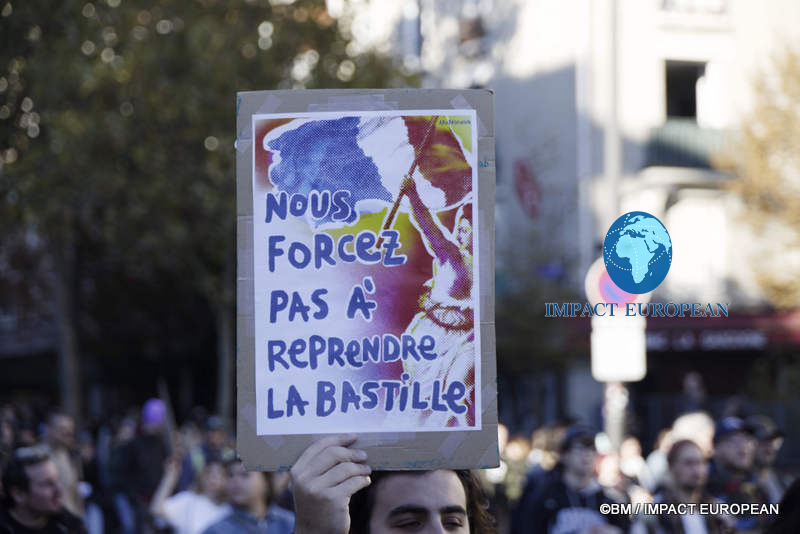
Organisers had initially planned to march between Place de la Bastille and Place de la Nation, a traditional route for demonstrations in the French capital.
The Paris police prefecture banned that route and proposed an alternative along the eastern ring of the city, between Porte de Bagnolet and Porte de Charenton. On Friday evening, an administrative court had temporarily ruled in favour of the organisers. However, the prefecture appealed, and France’s Conseil d’État overturned that decision early on Saturday.
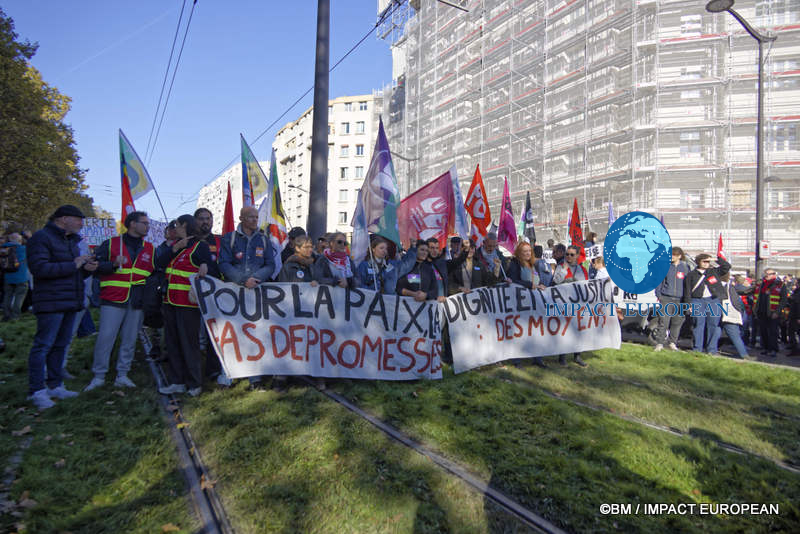
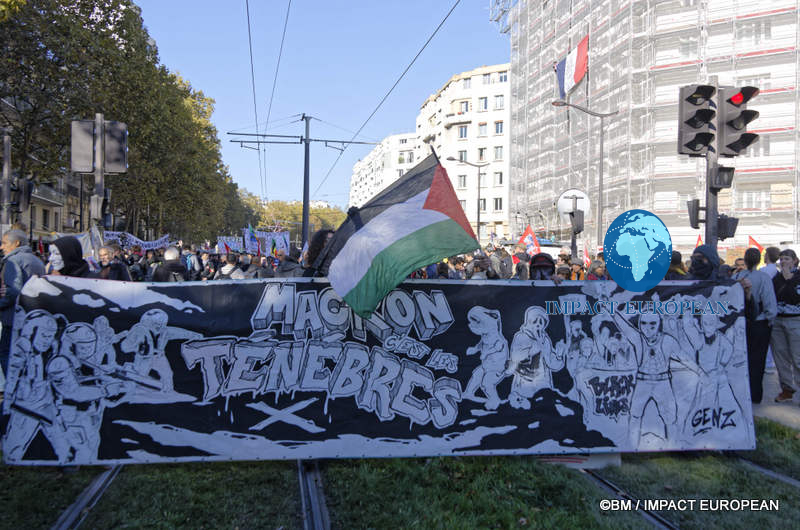
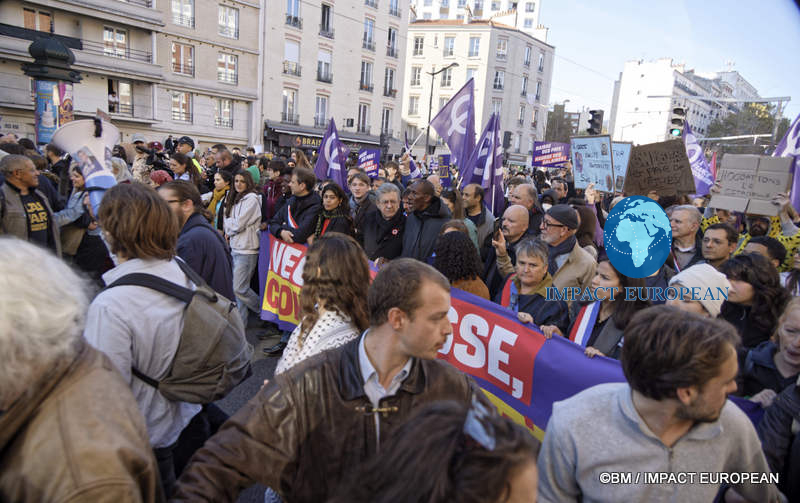
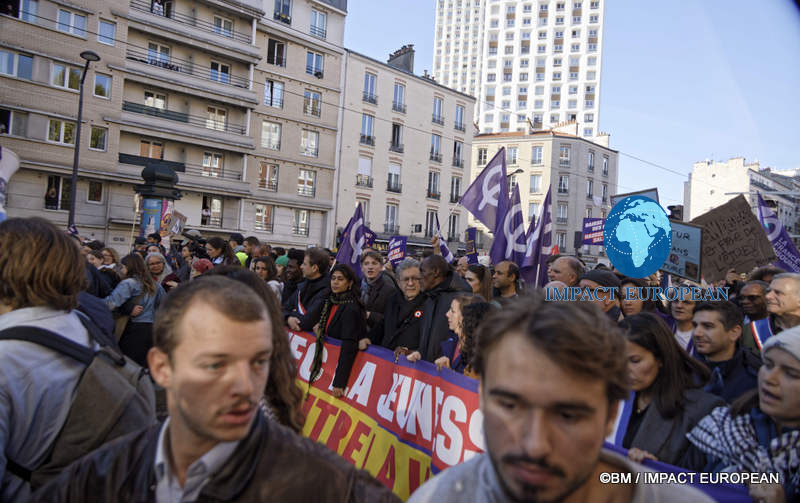
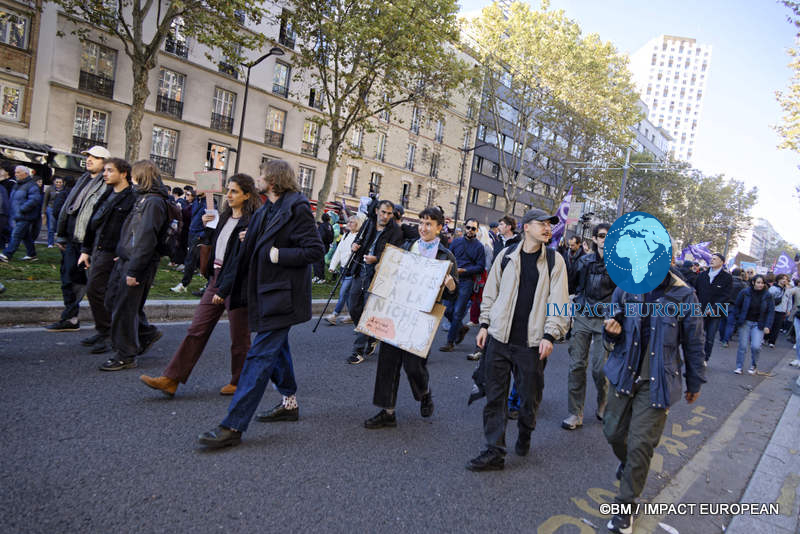
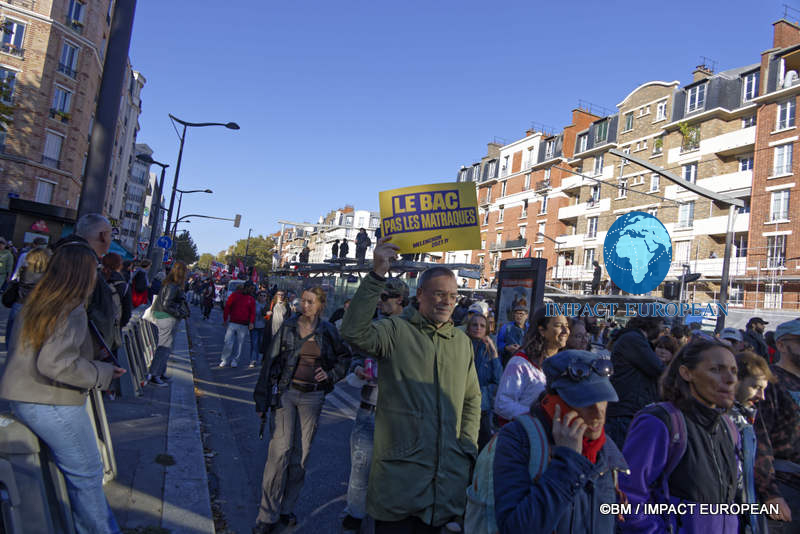
The march therefore proceeded along the Boulevards des Maréchaux, away from central Paris. The legal dispute made the route itself a major issue in the day’s mobilisation, raising questions about the balance between public safety and the right to demonstrate.
Living costs, education and youth concerns
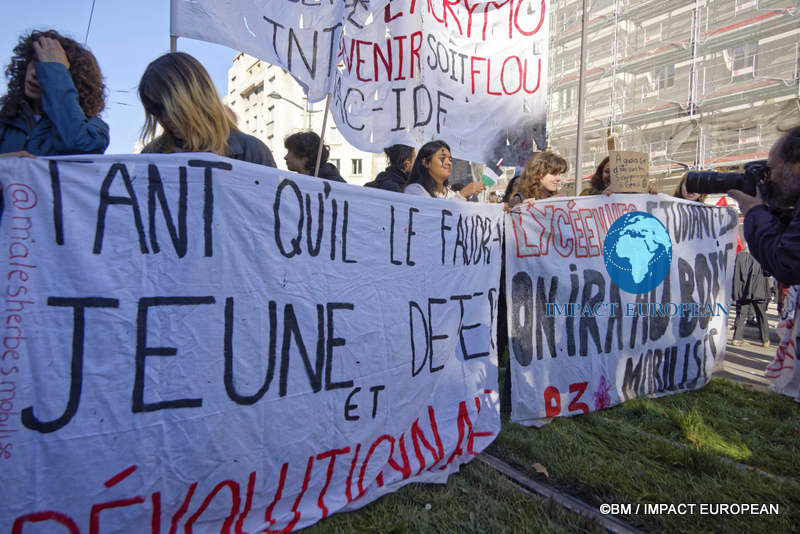
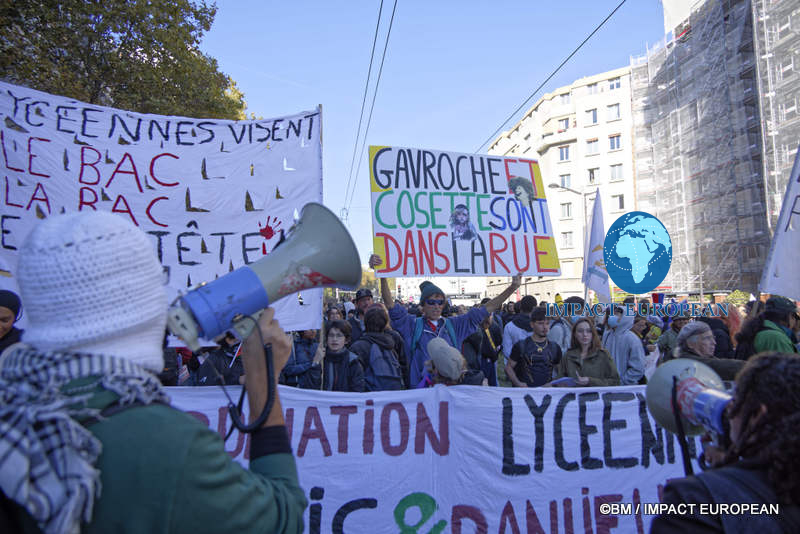
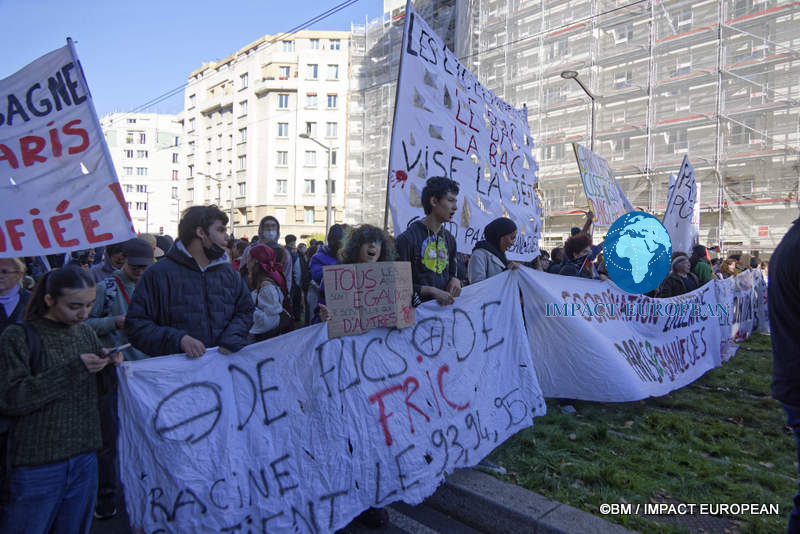
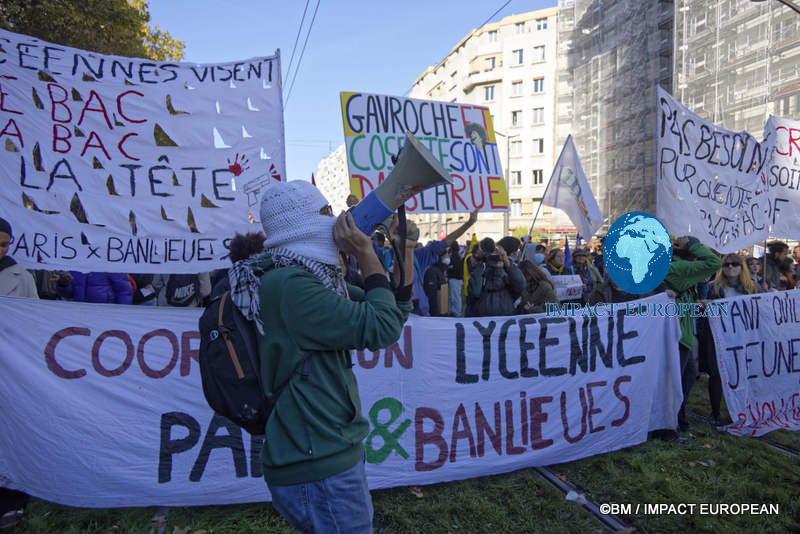
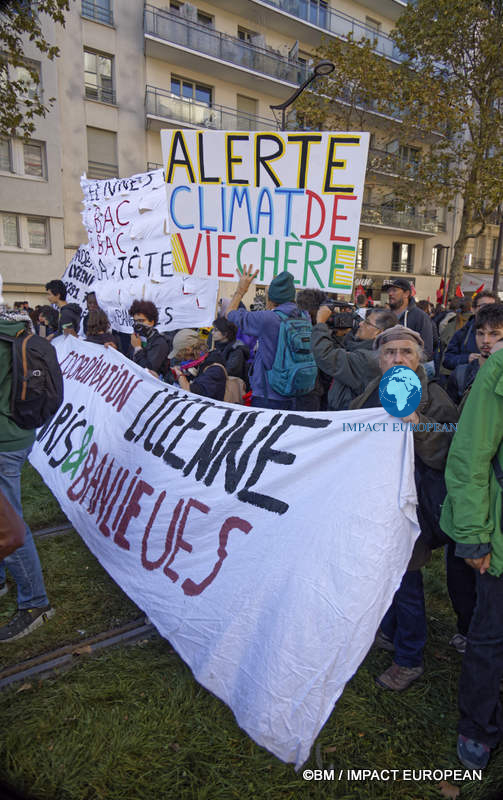
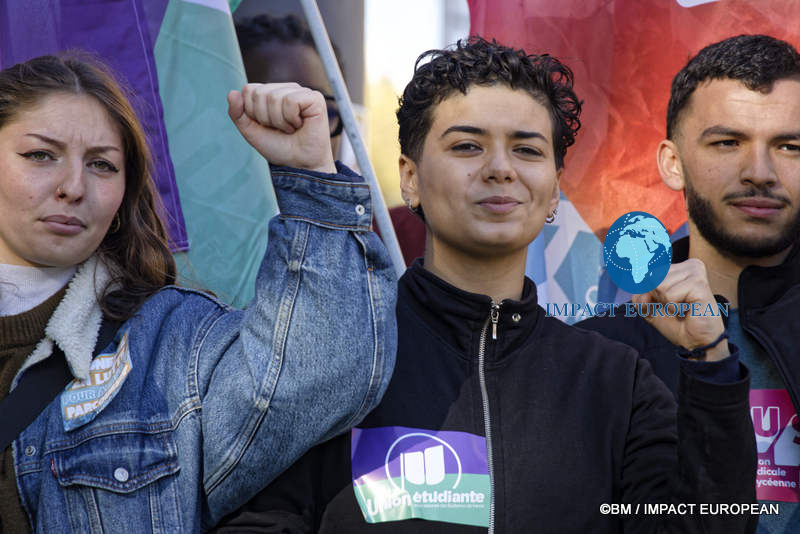
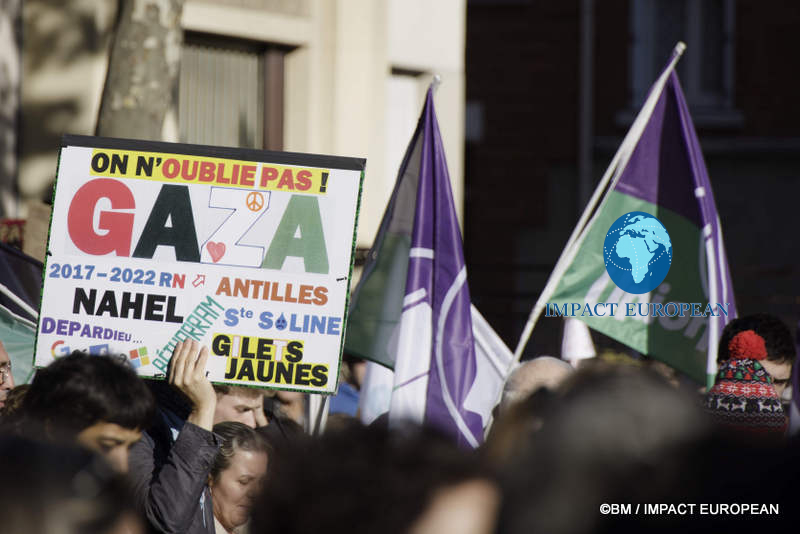
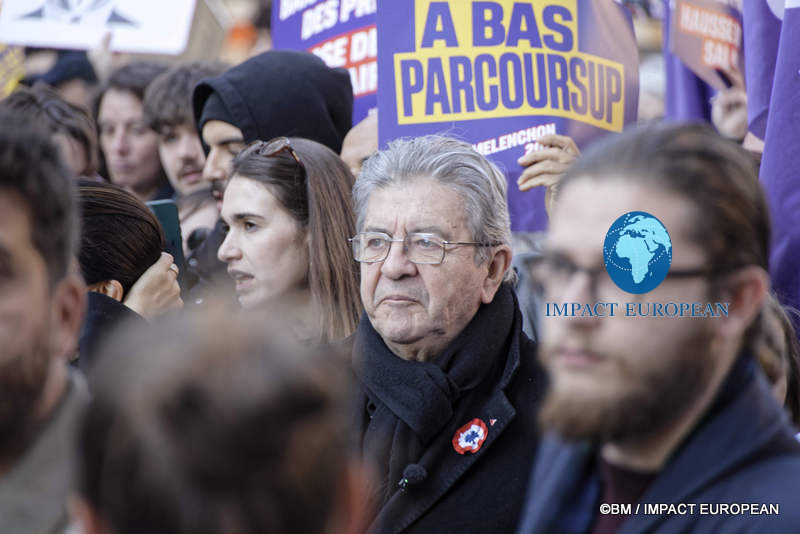
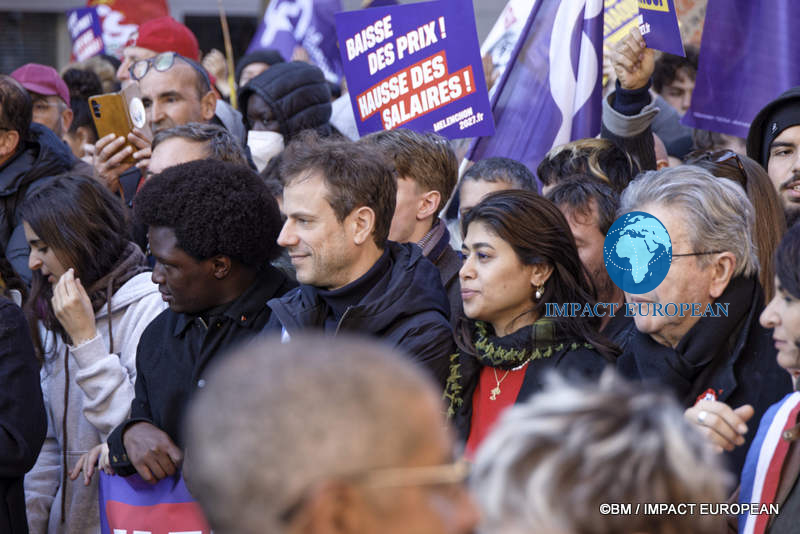
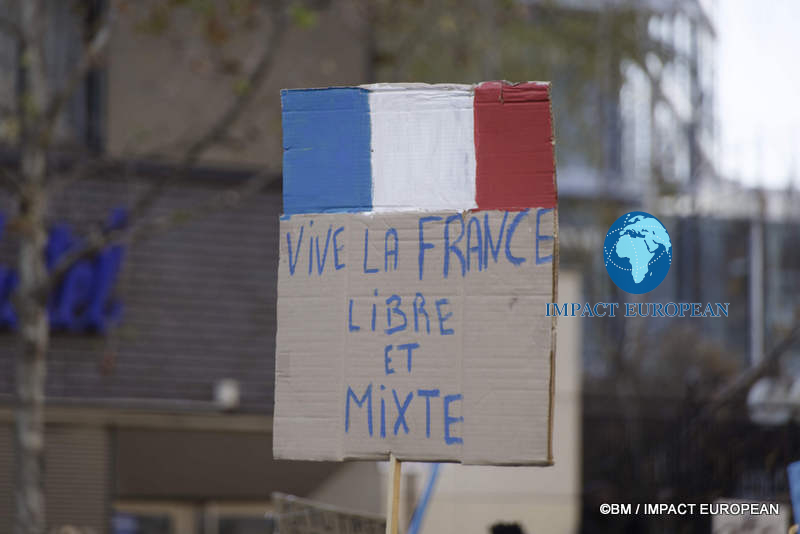
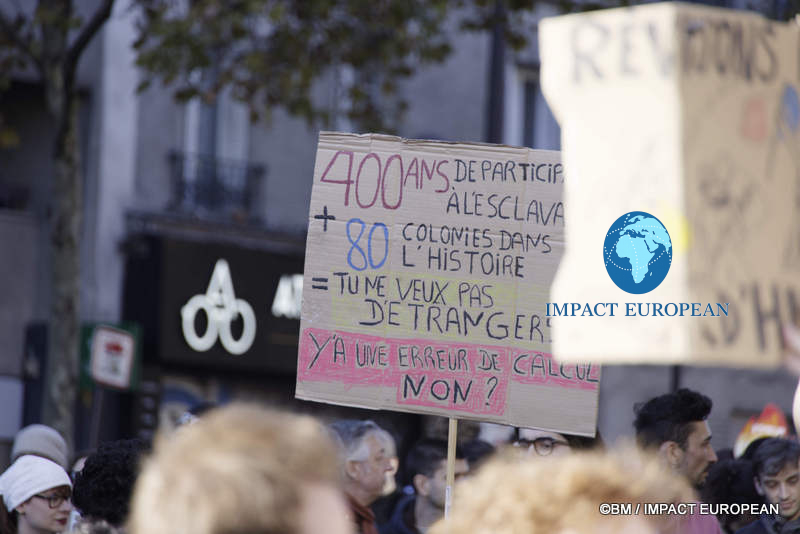
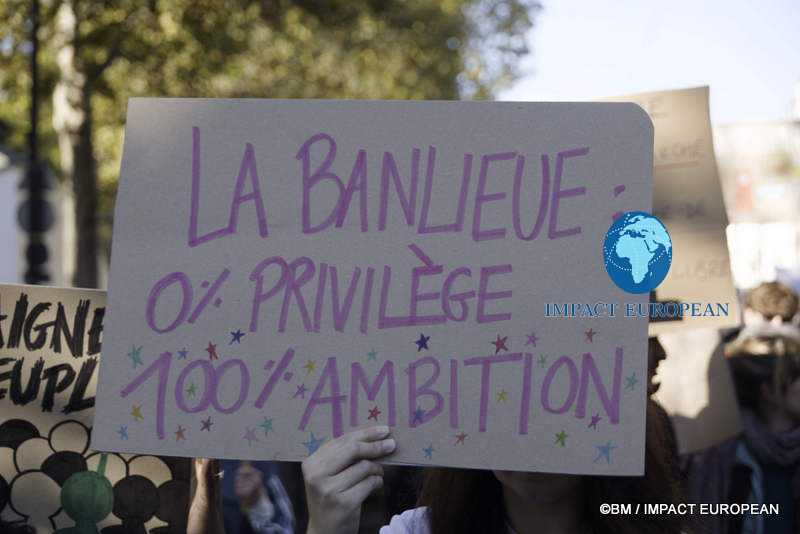
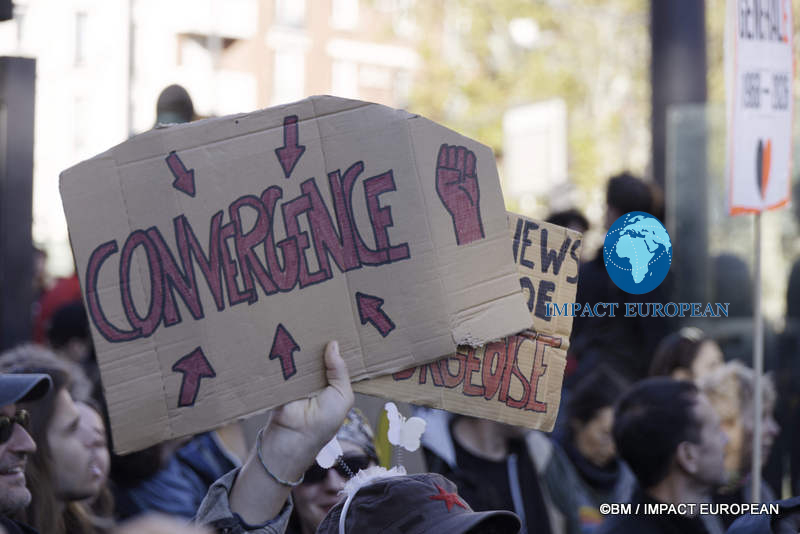
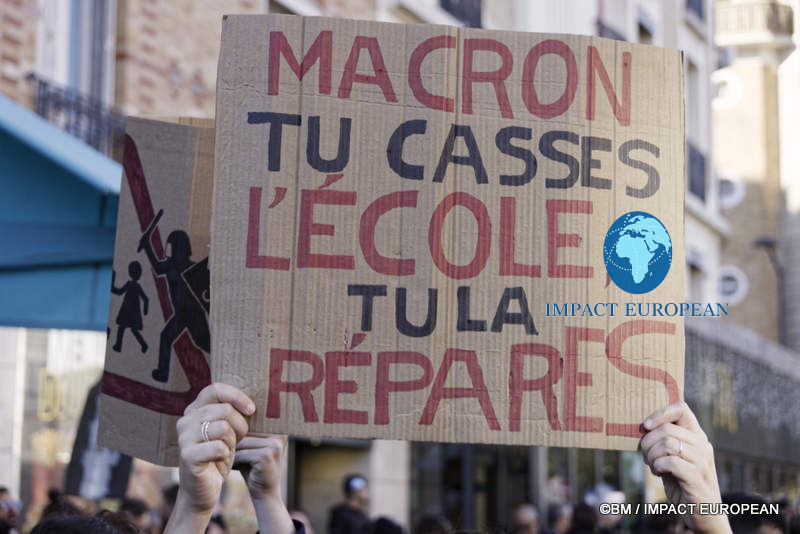
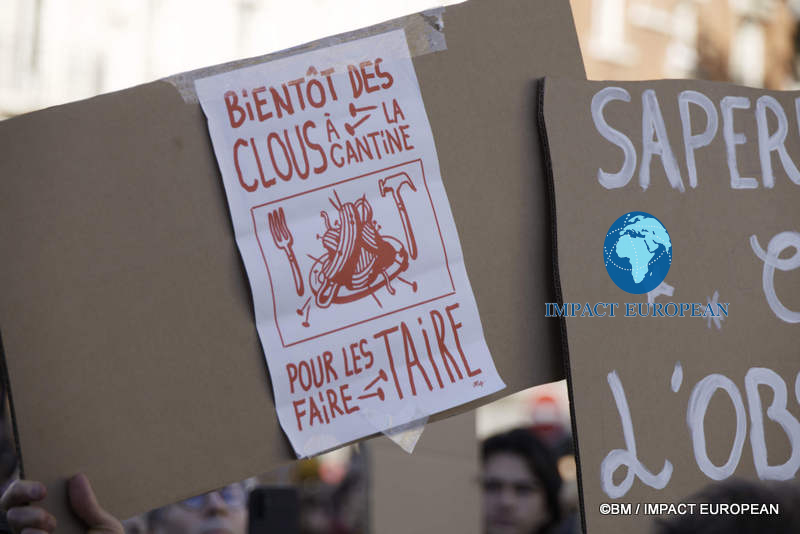
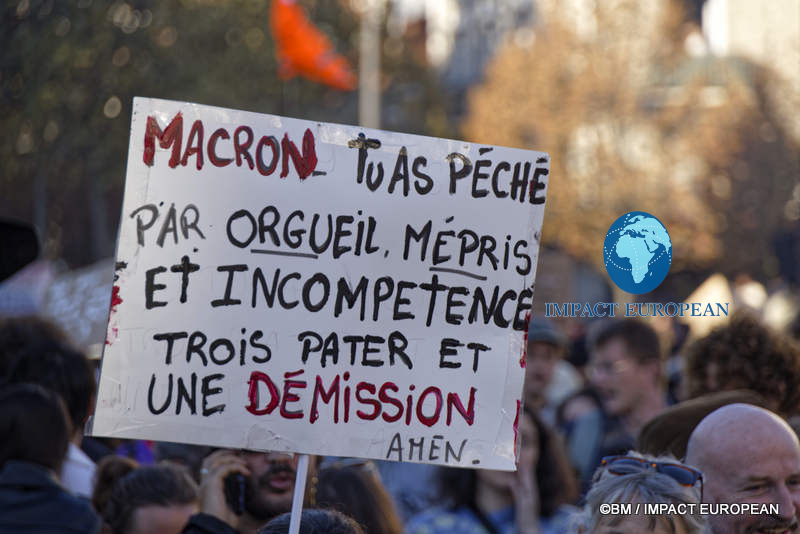
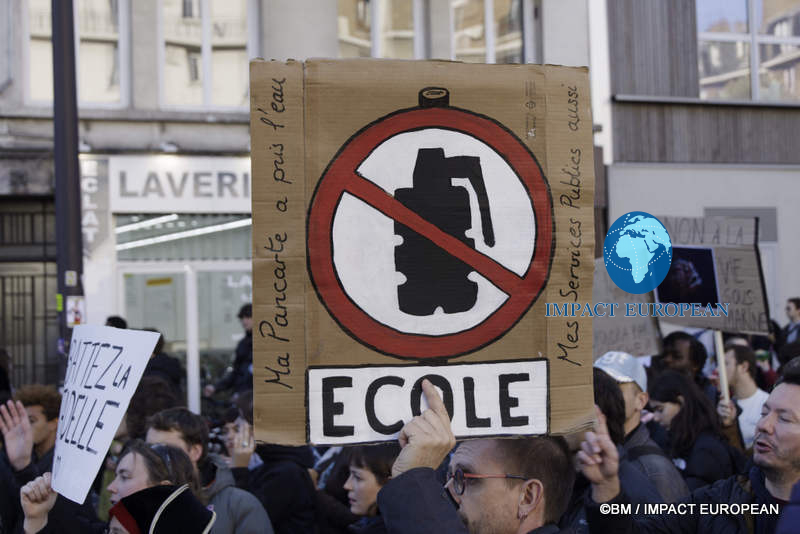
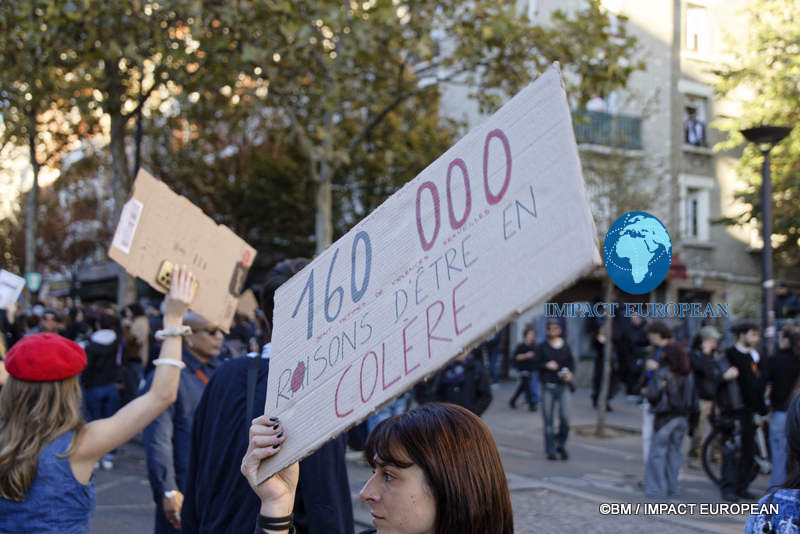
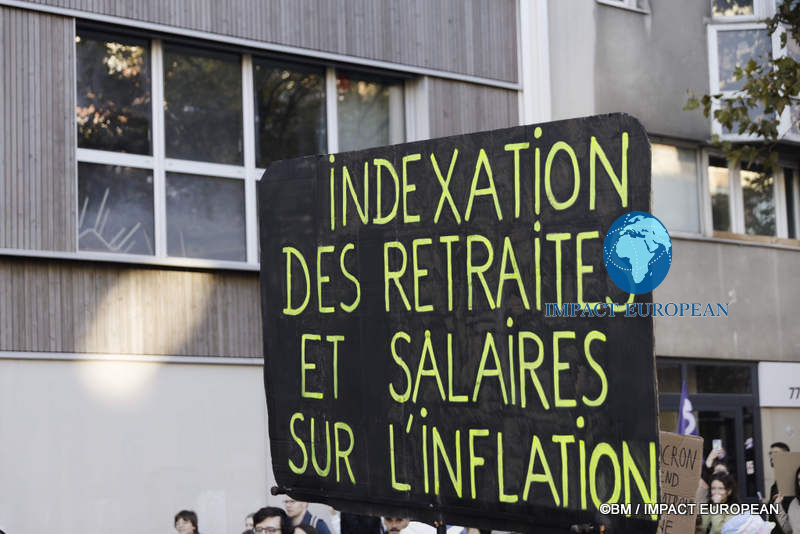
The protest movement has developed beyond a single economic demand. Rising living costs remain a central concern, but student and school organisations have also highlighted inadequate school facilities, teacher shortages, education resources and difficulties facing young people.
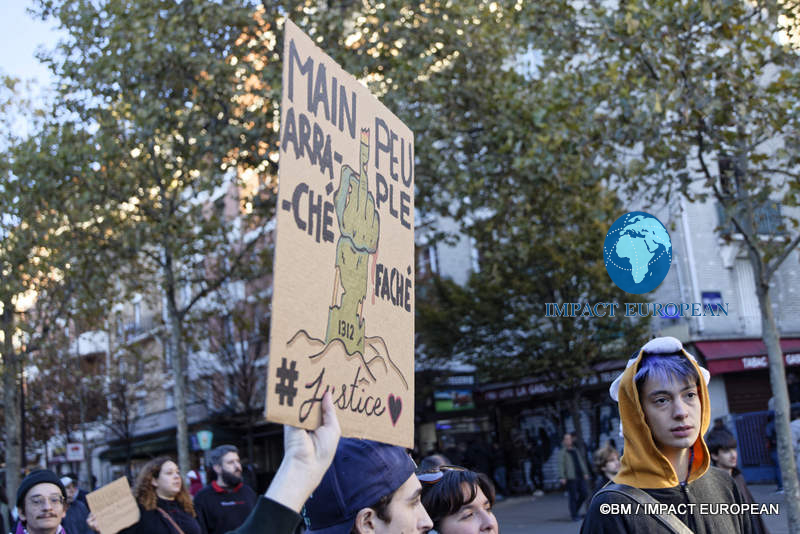
For many participants, the cost of housing, food and everyday life is closely linked to access to education and future opportunities. The demonstrations have become a way to express broader concerns about inequality, social mobility and the quality of public services.
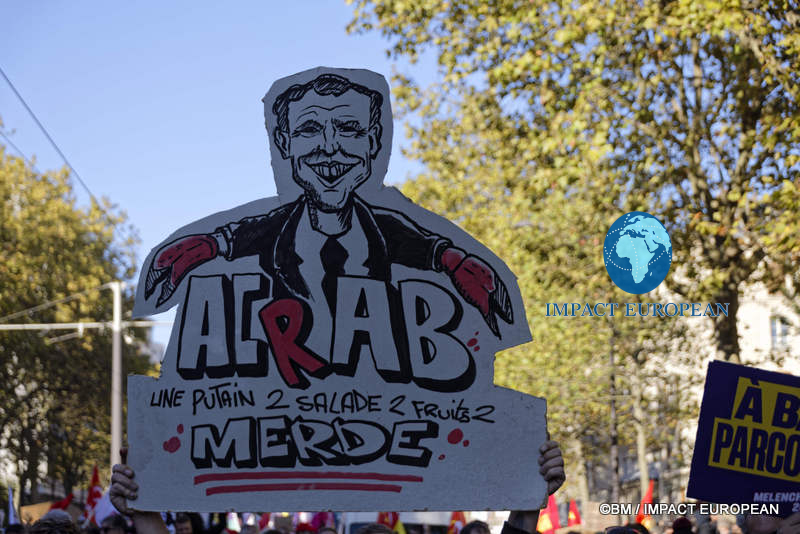
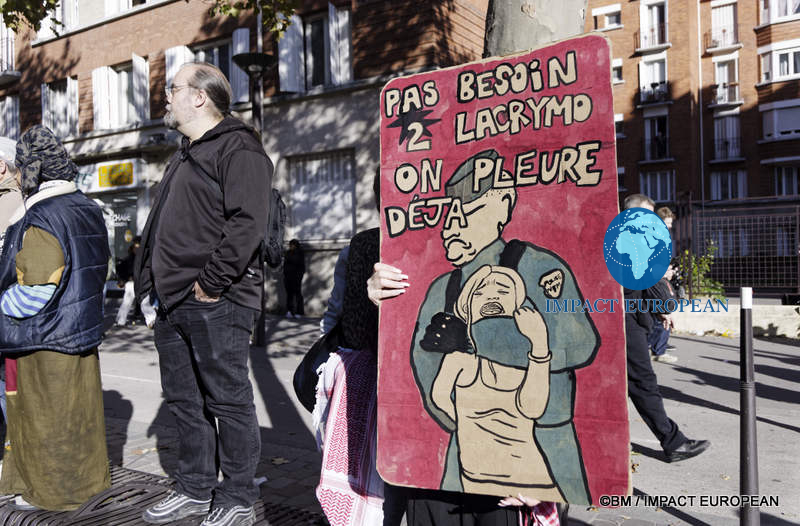
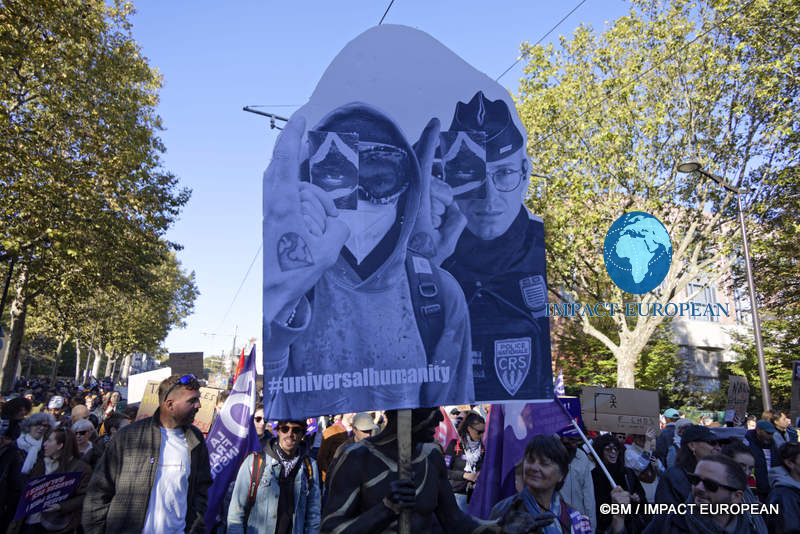
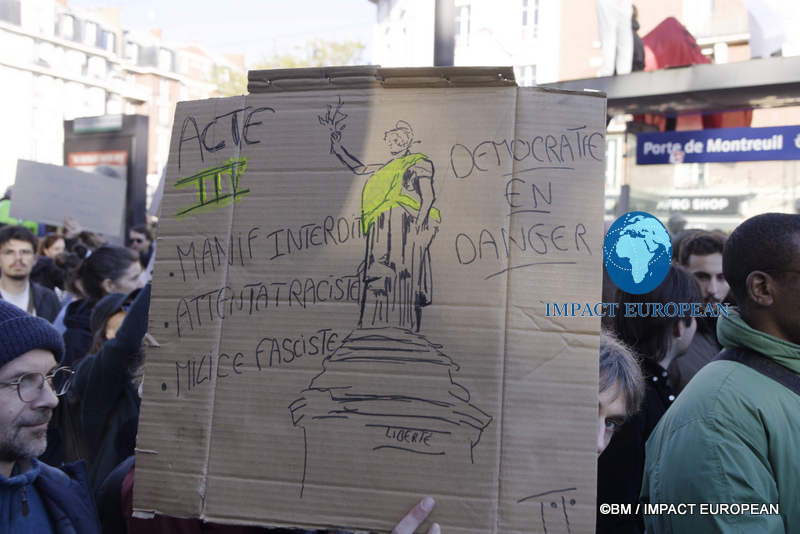
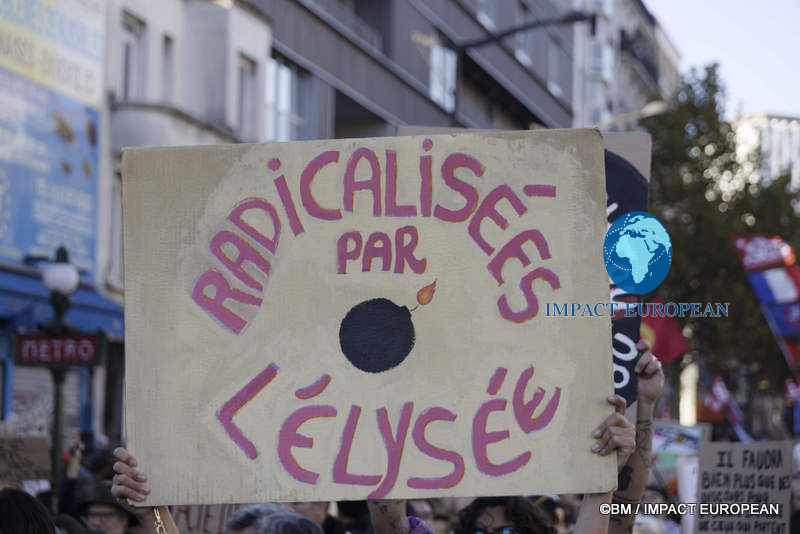
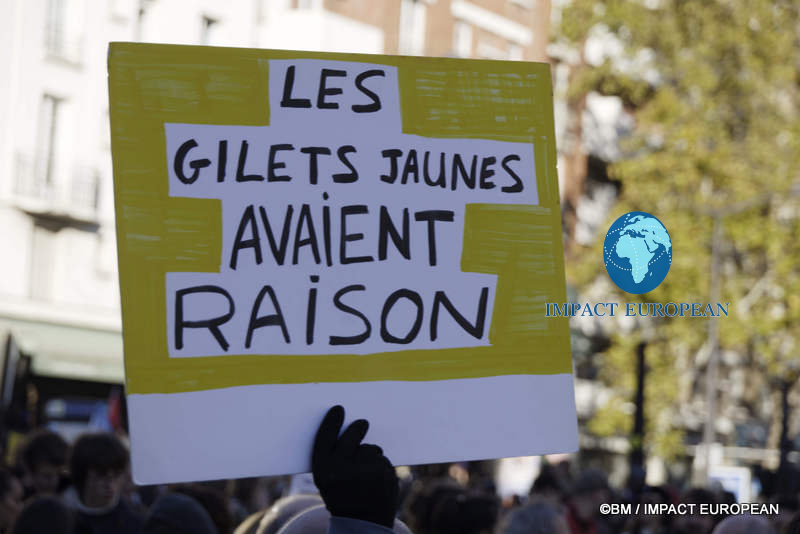
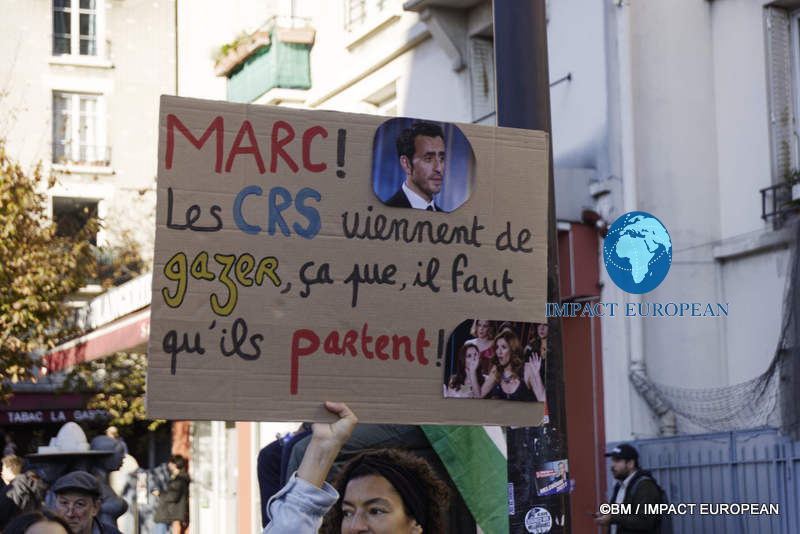
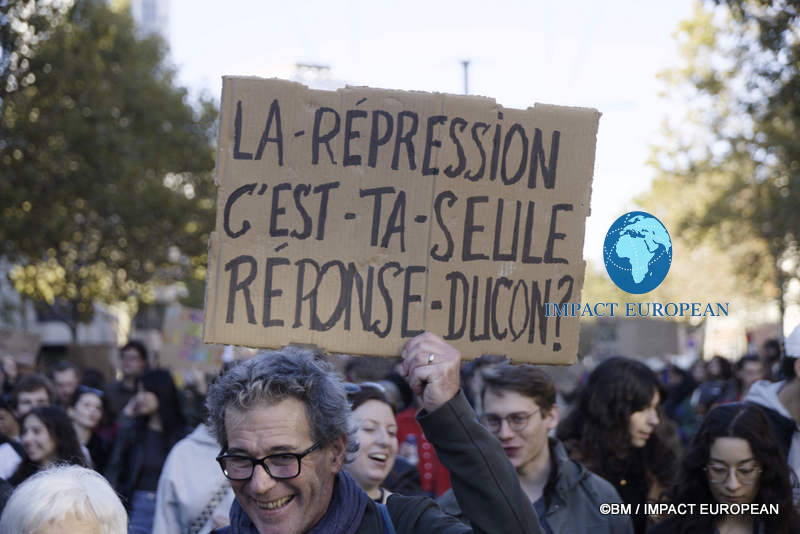
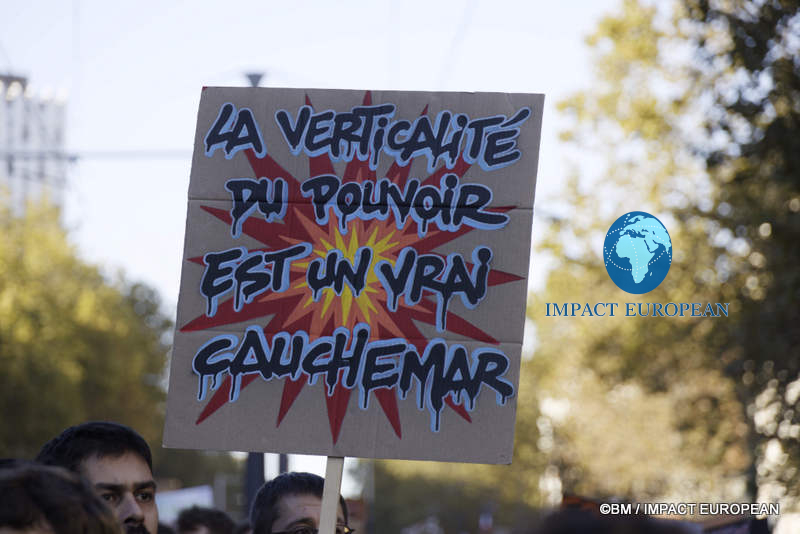
Criticism of police practices during previous demonstrations has also become part of the movement. The choice of route, restrictions on gatherings and the conditions under which people can exercise their right to protest were among the issues raised during the Paris mobilisation.
A mostly peaceful march followed by clashes
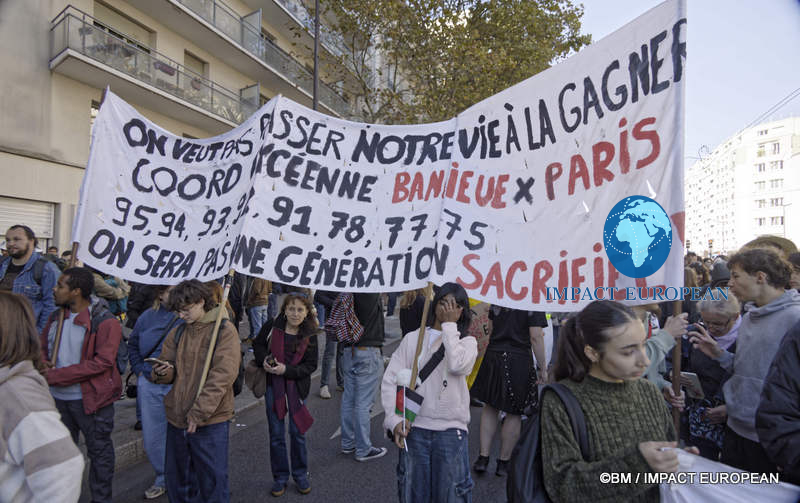
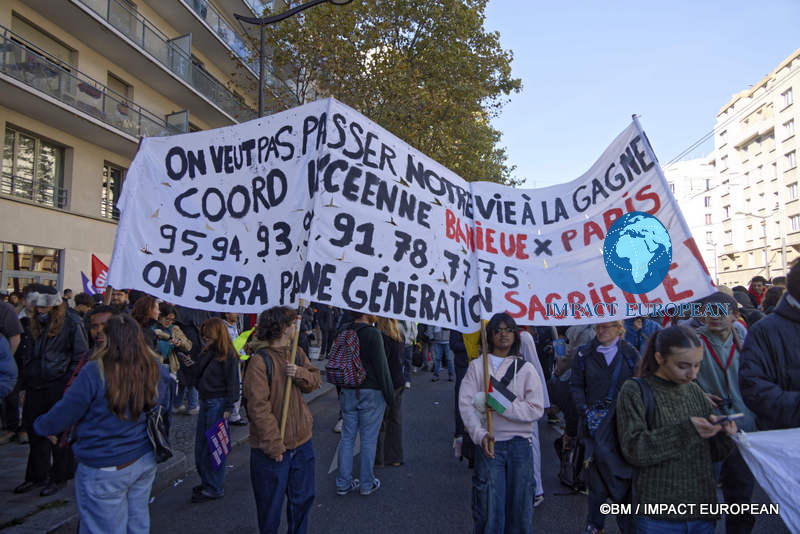
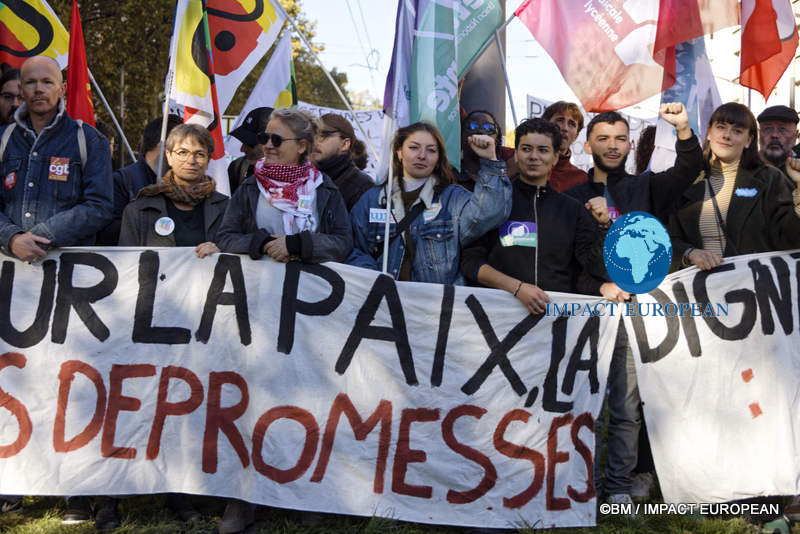
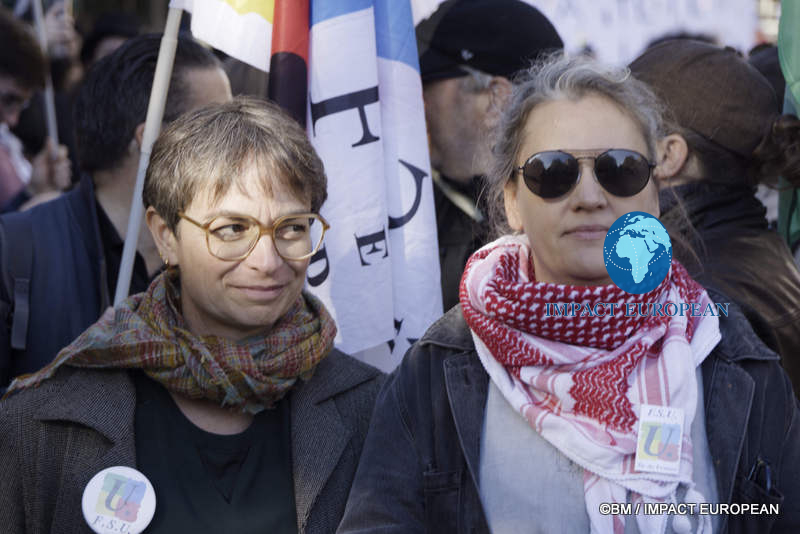
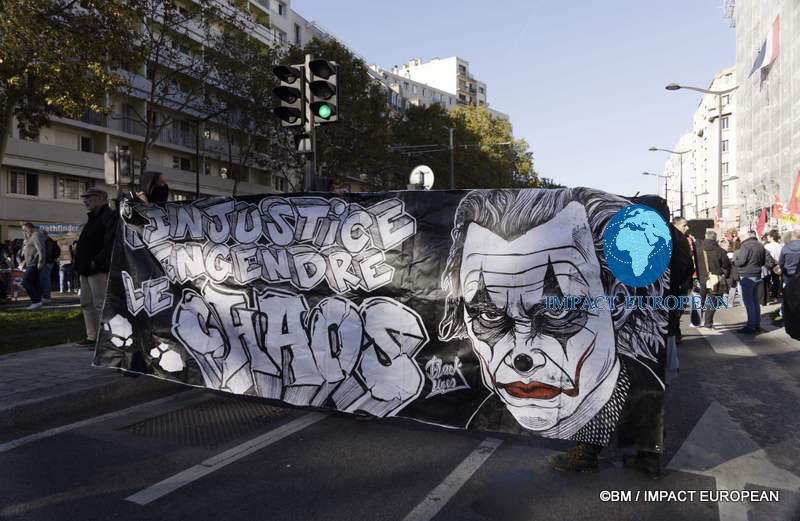
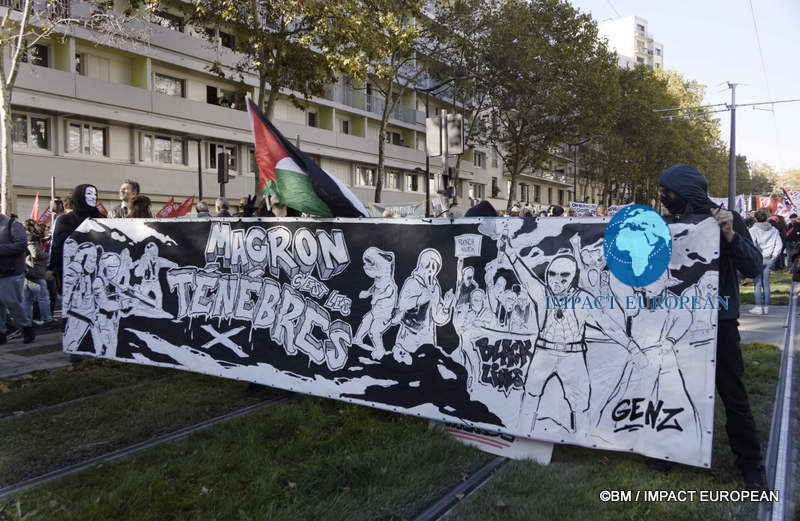
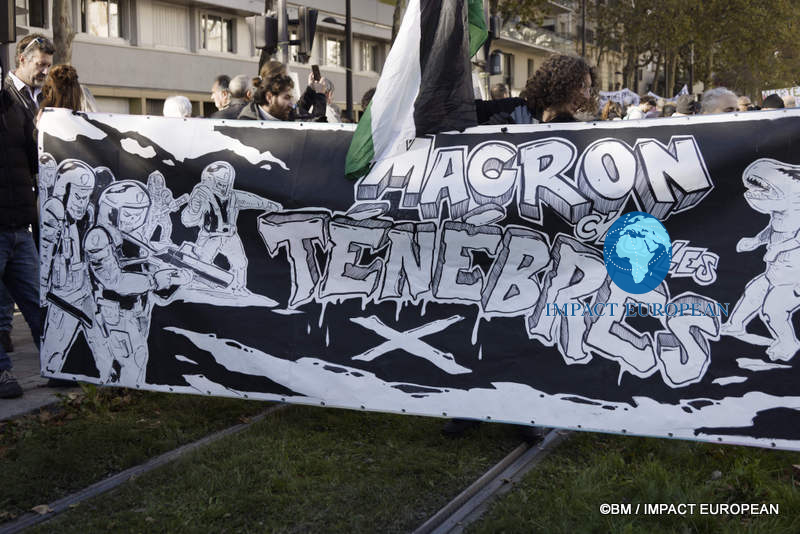
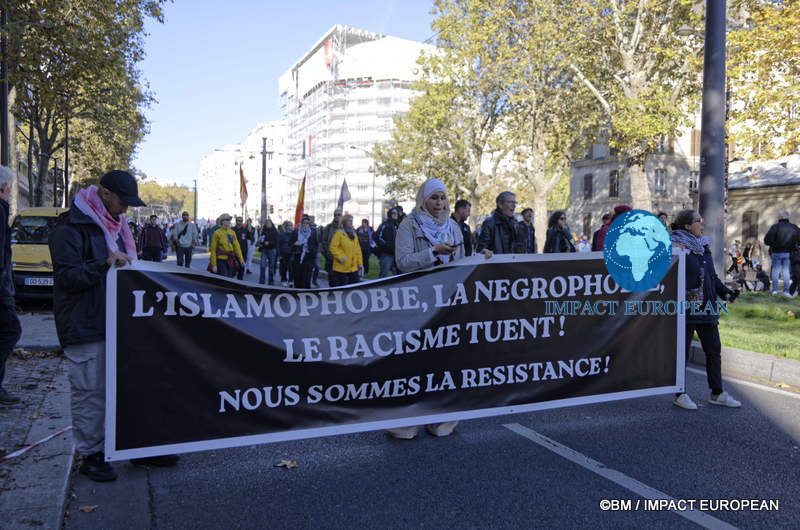
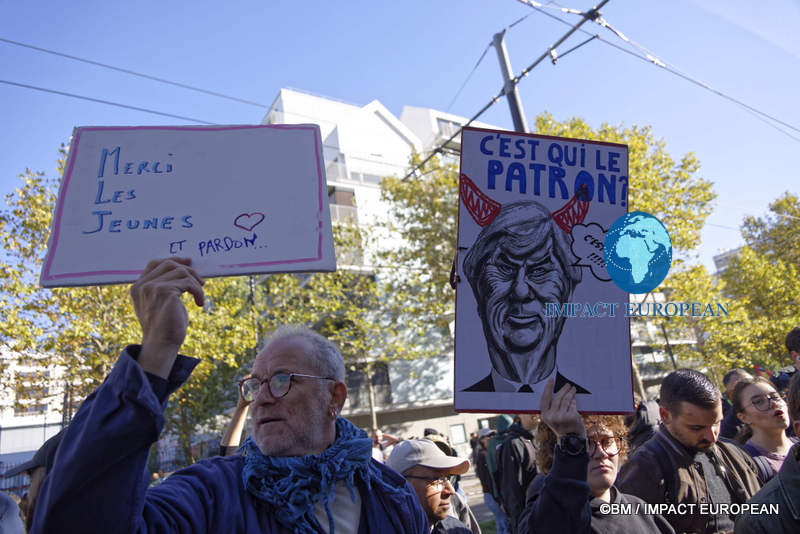
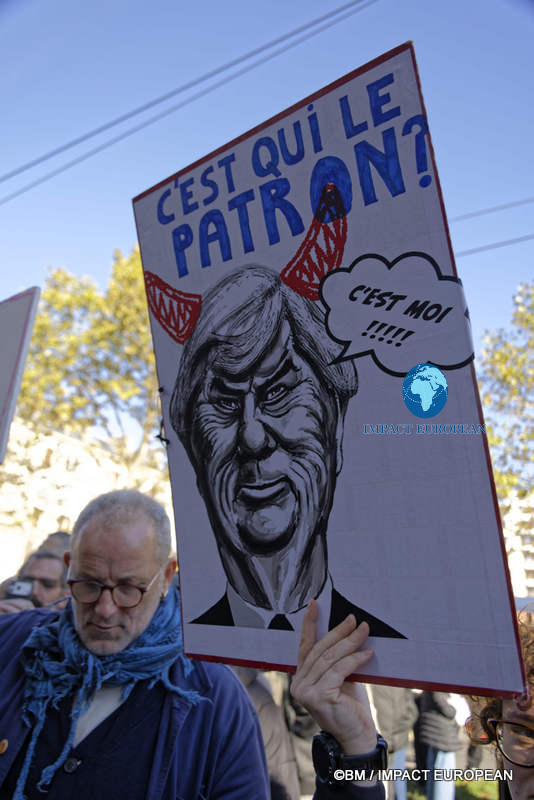
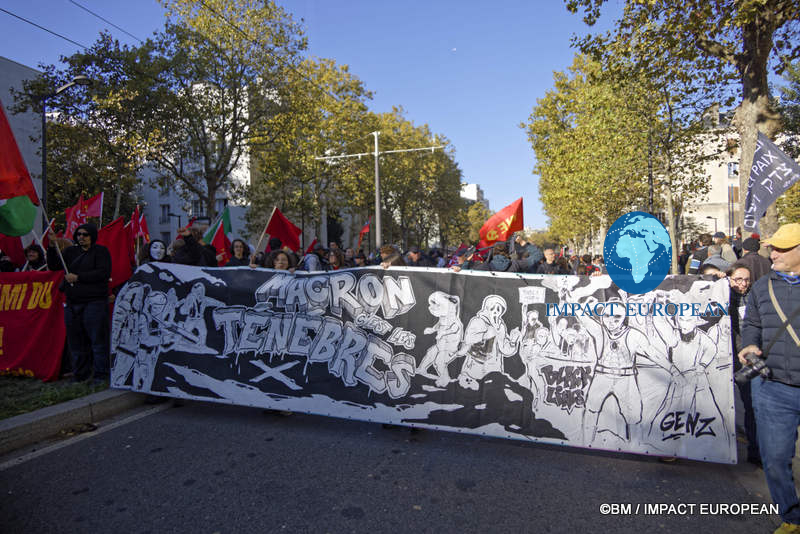
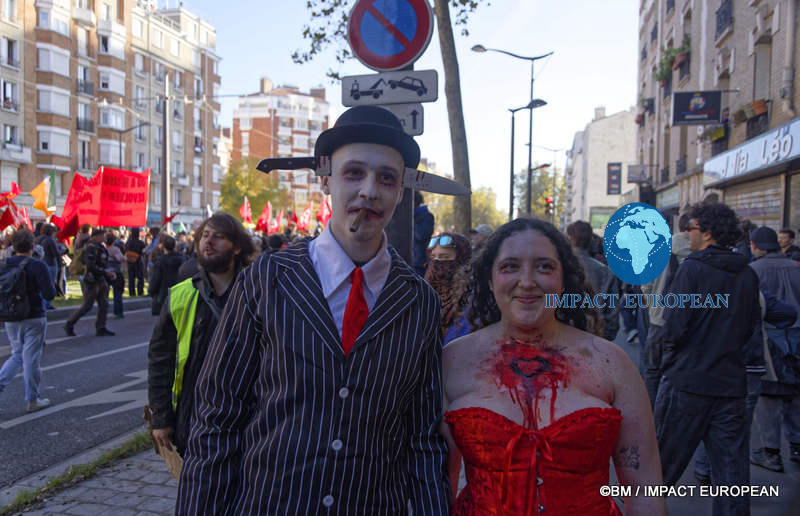
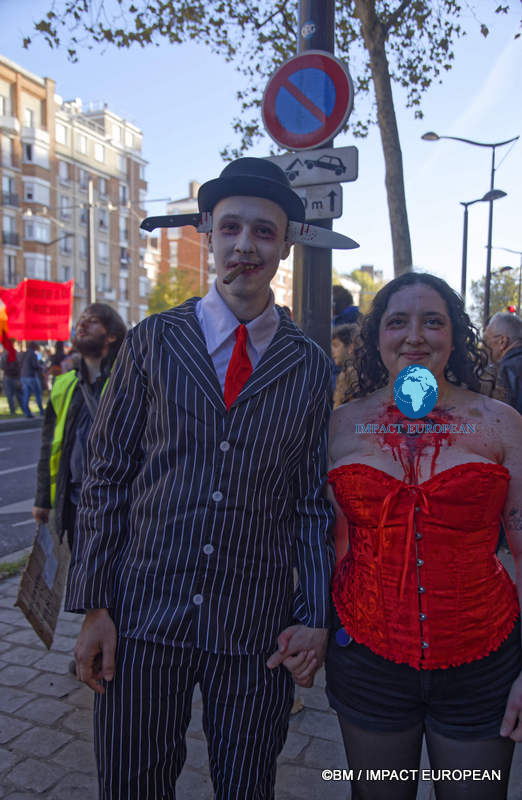
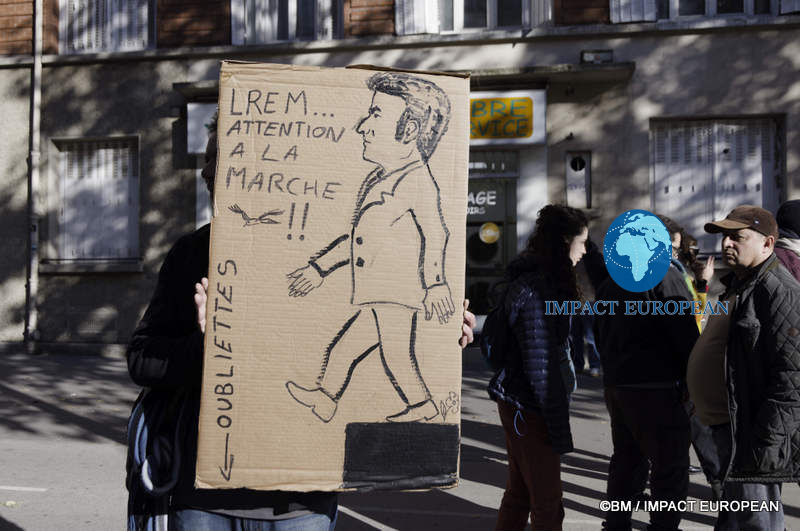
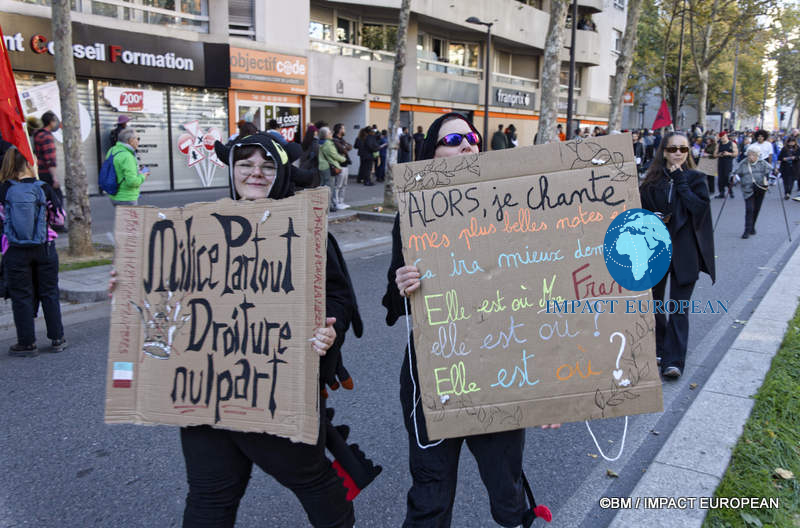
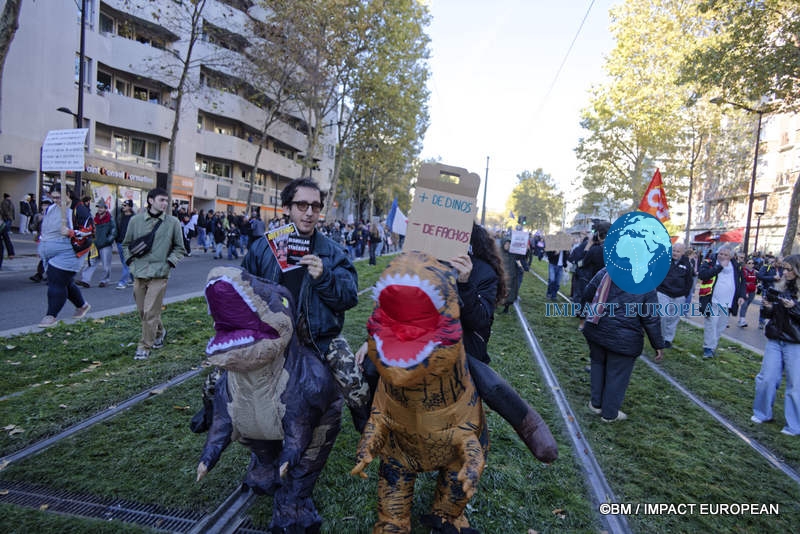
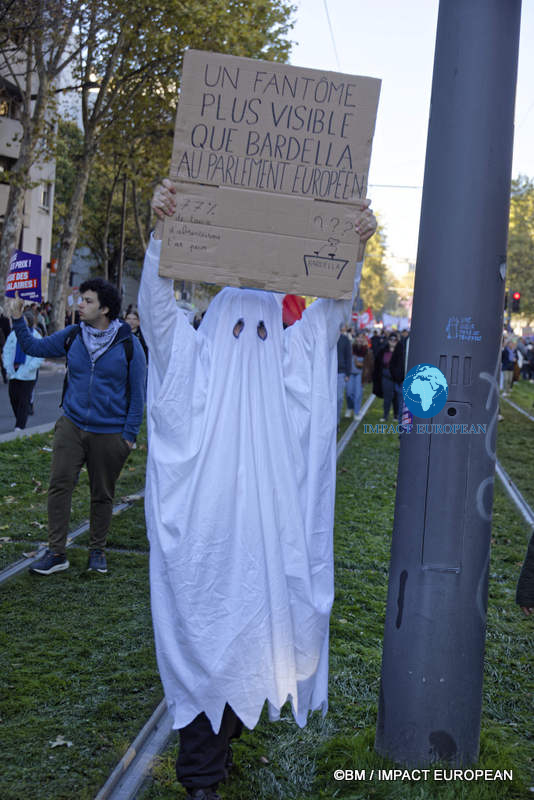
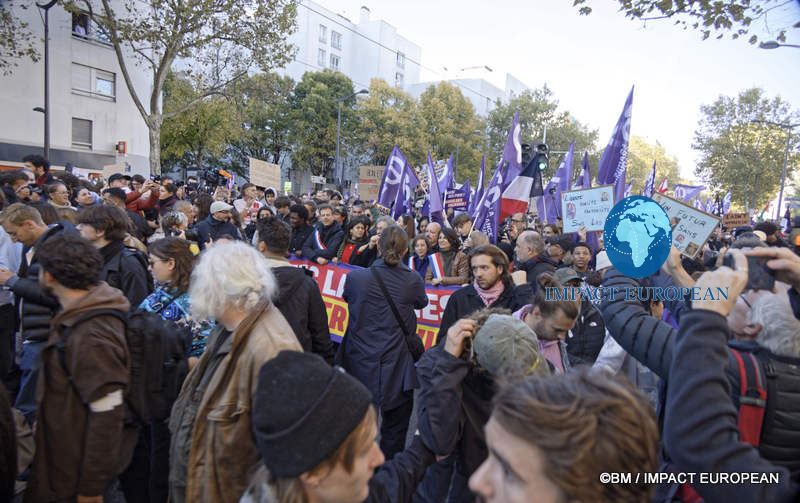
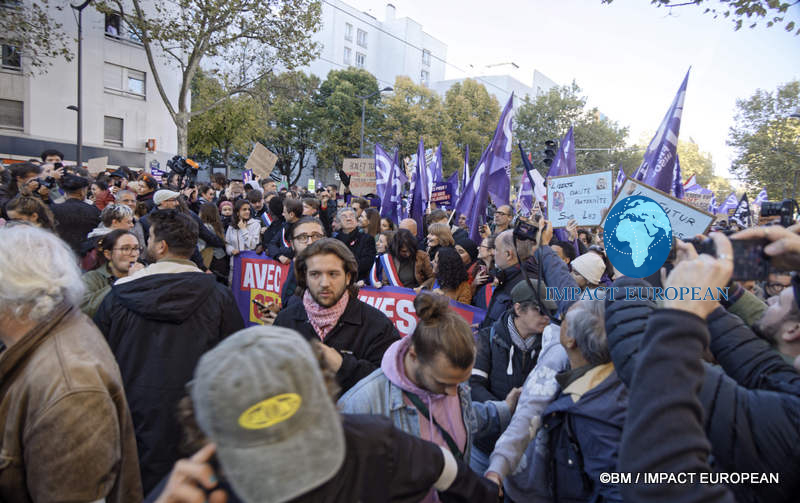
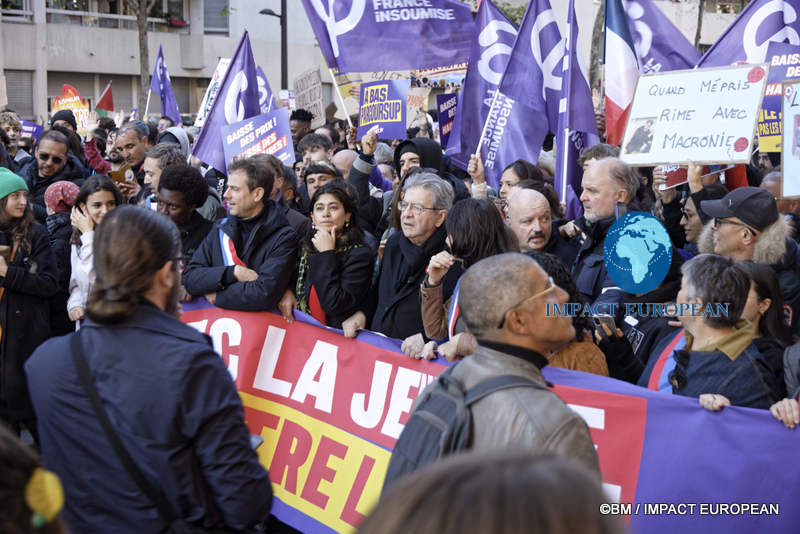
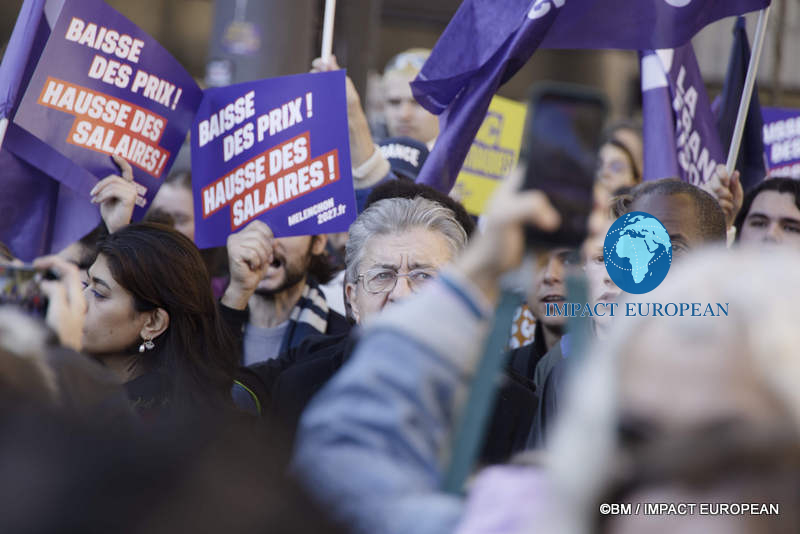
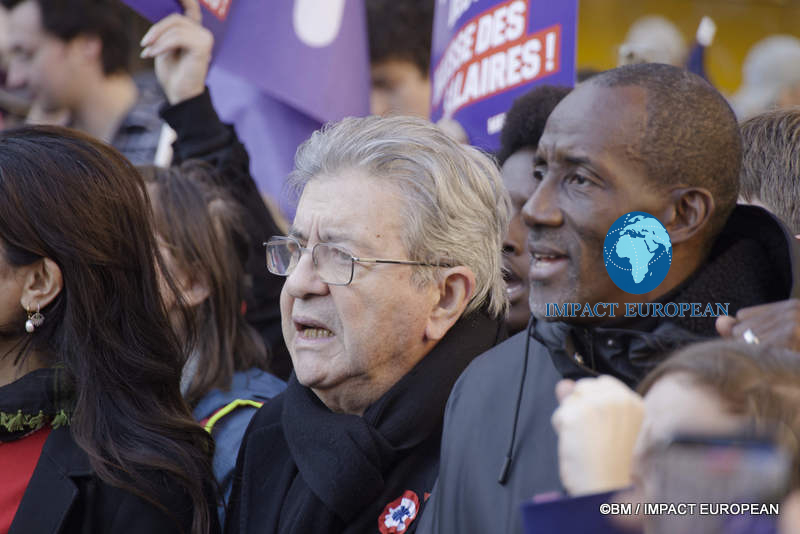
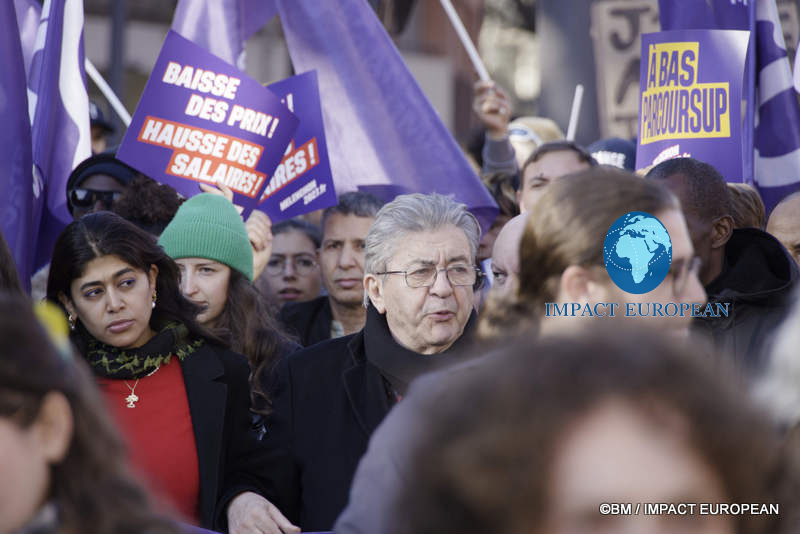
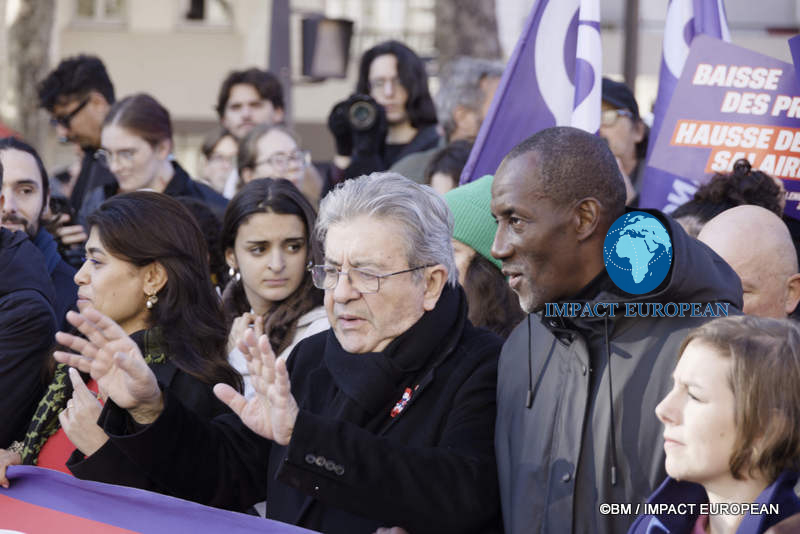
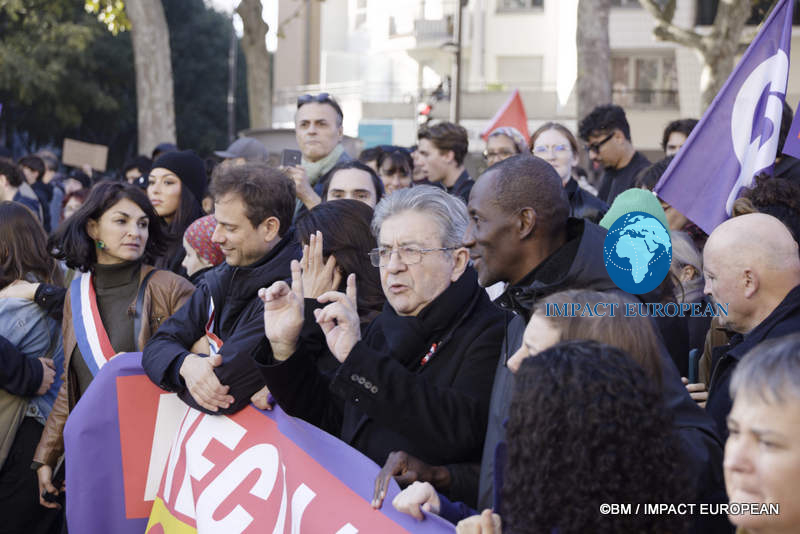
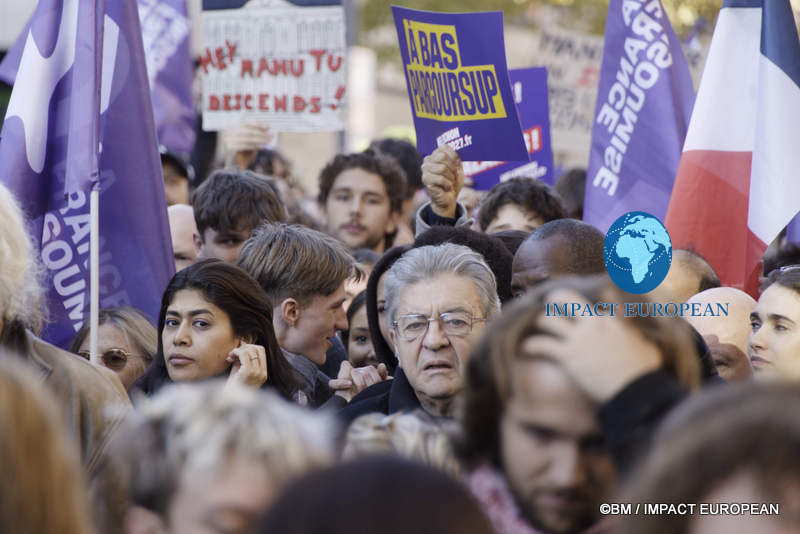
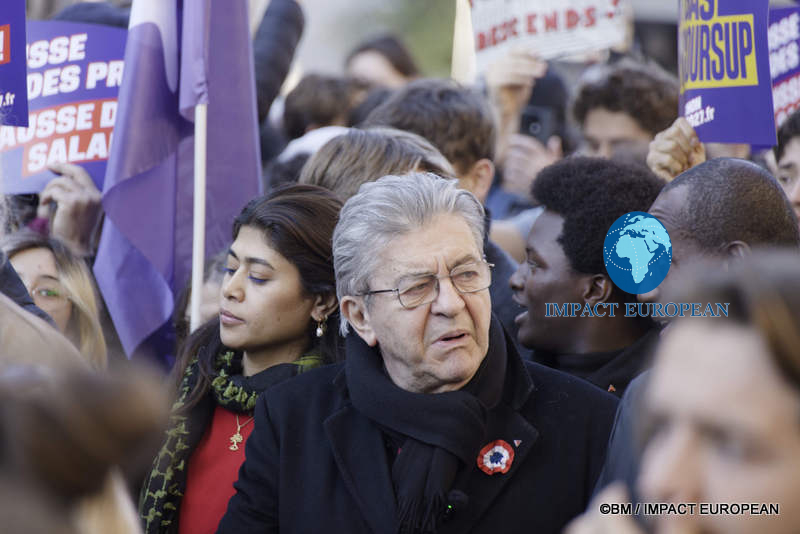
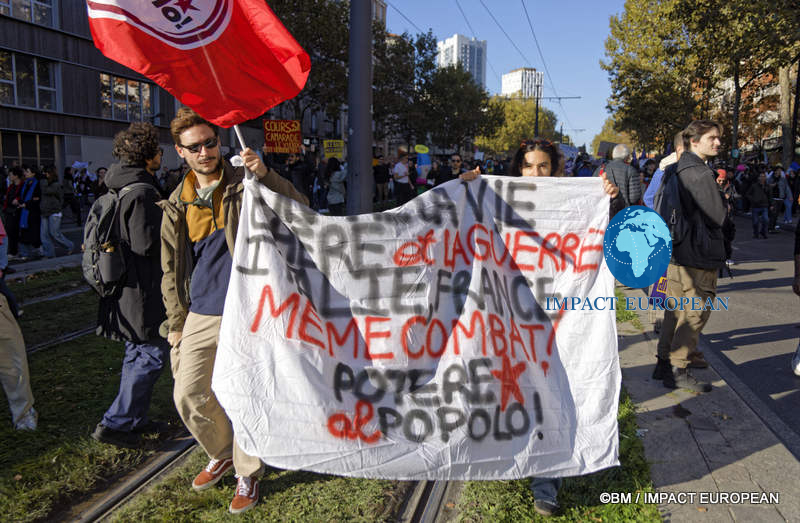
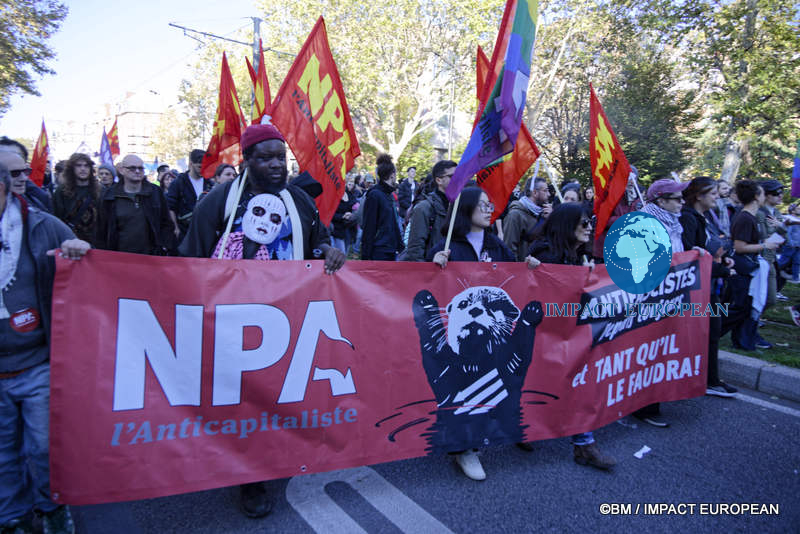
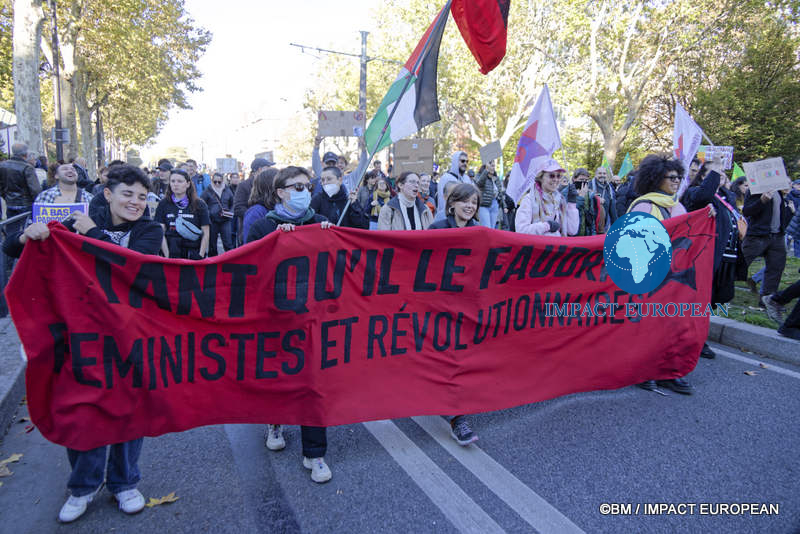
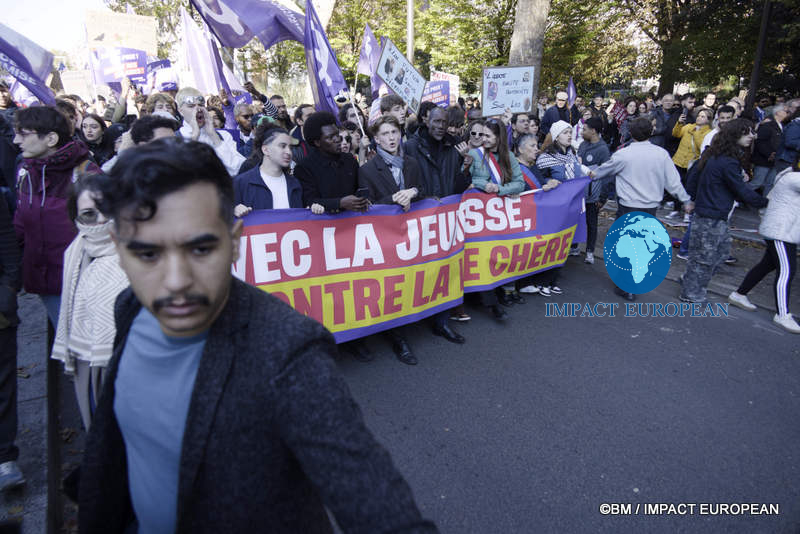
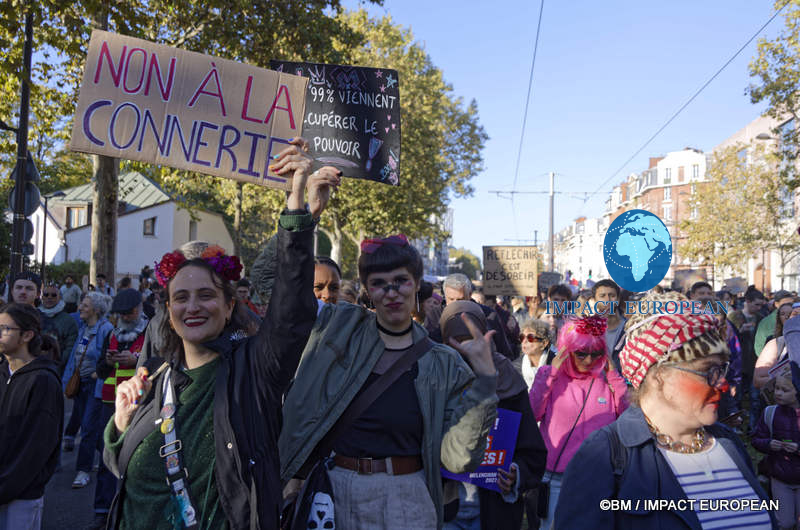
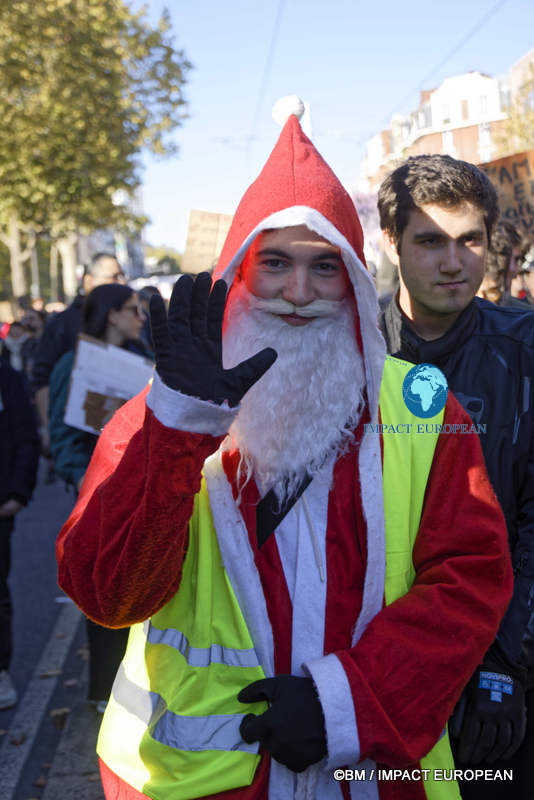
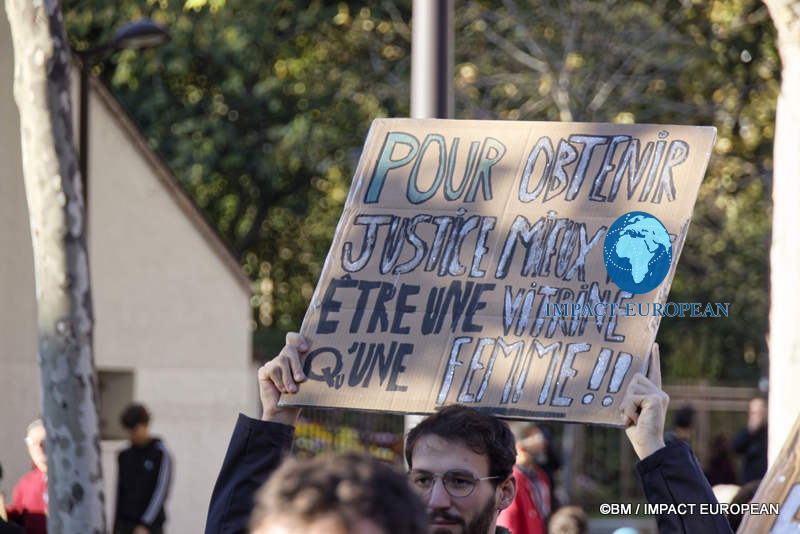
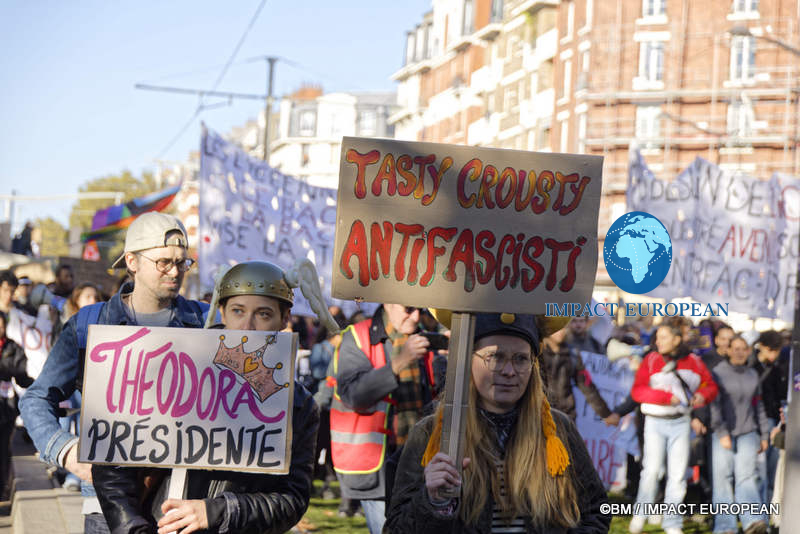
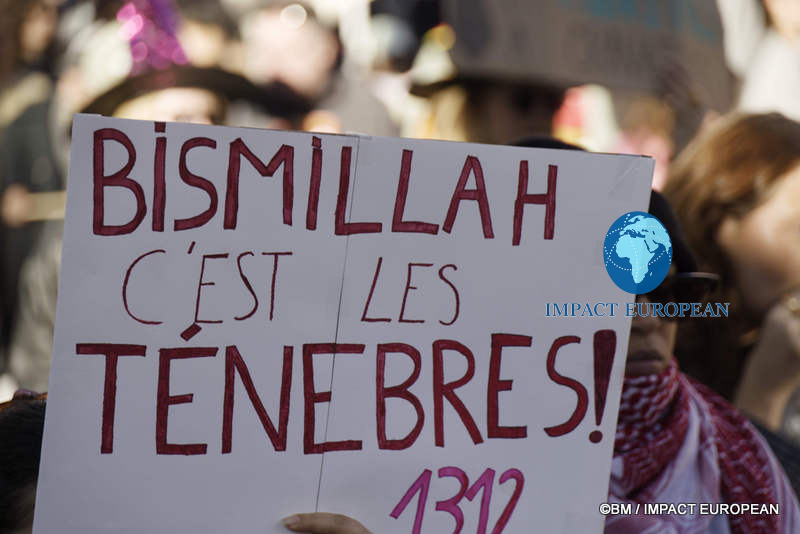
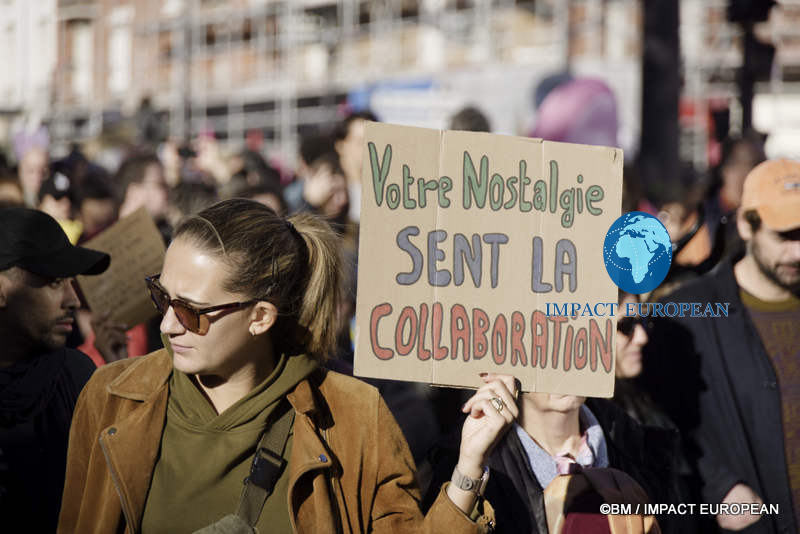
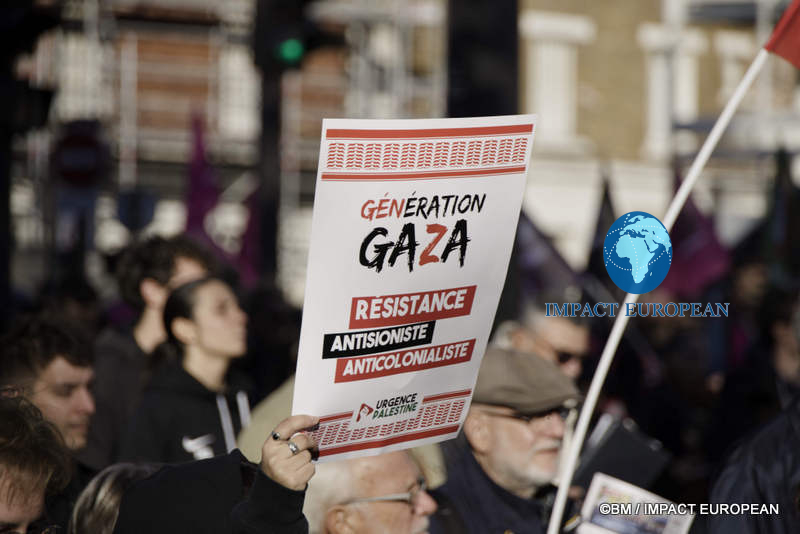
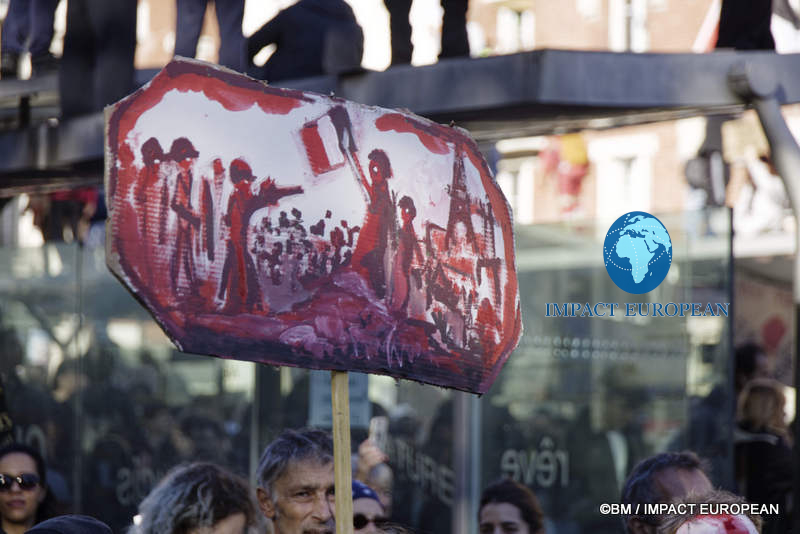
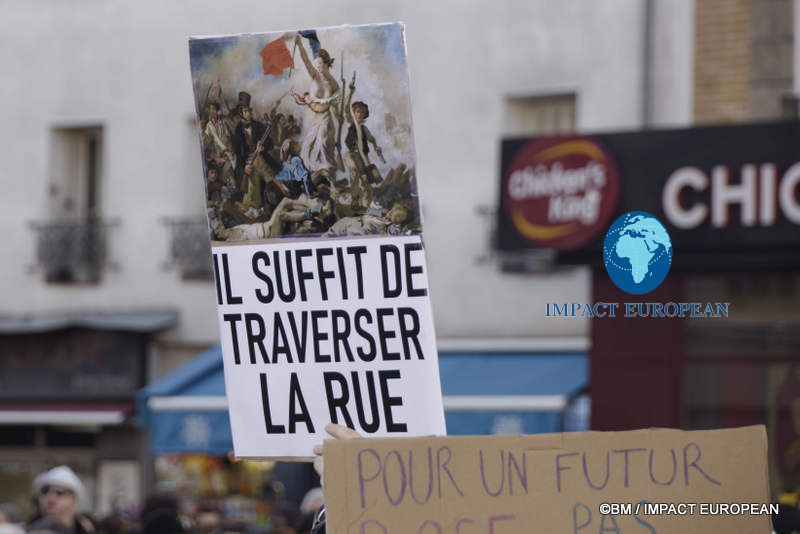
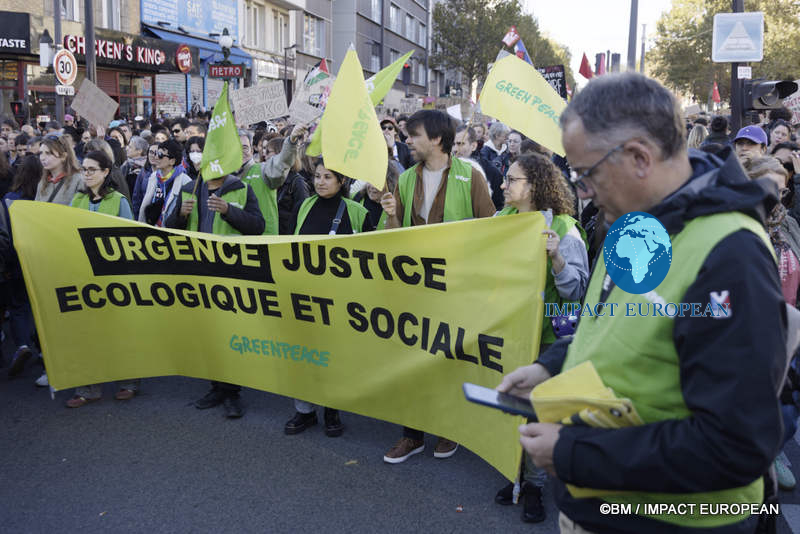
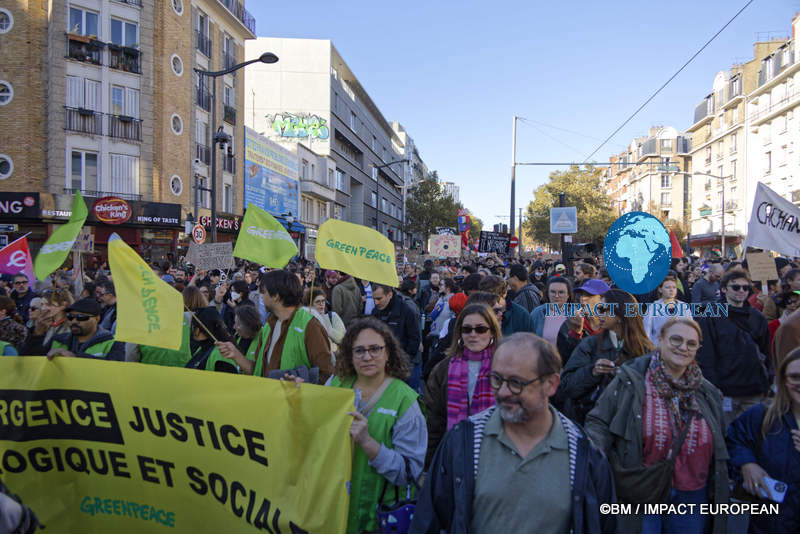
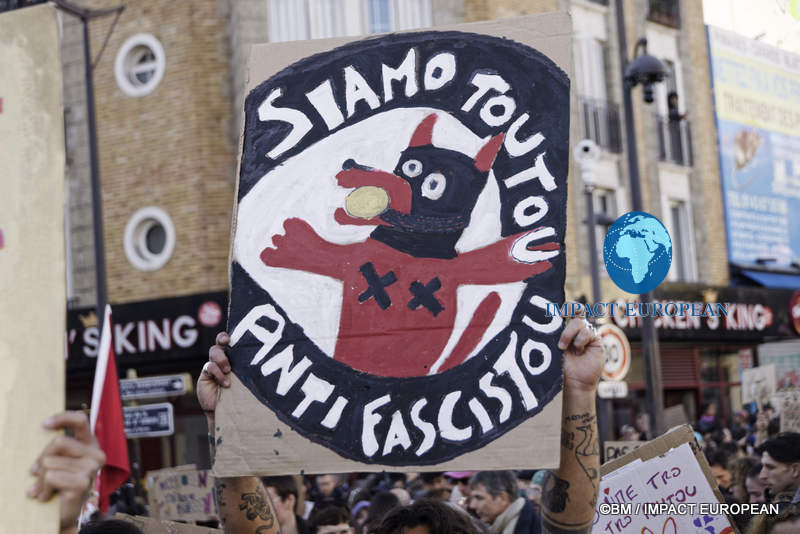
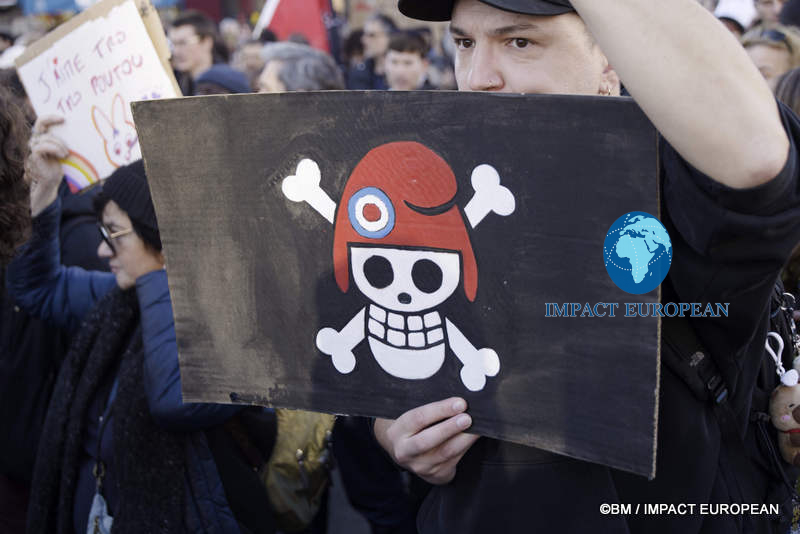
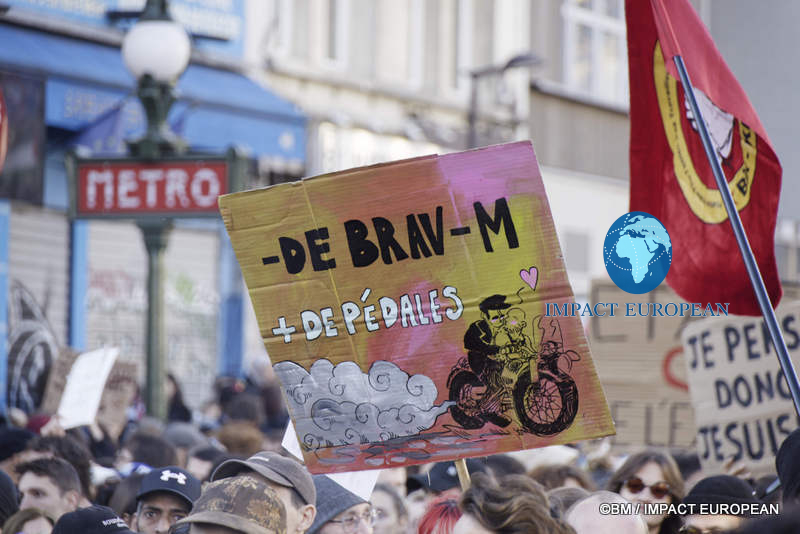
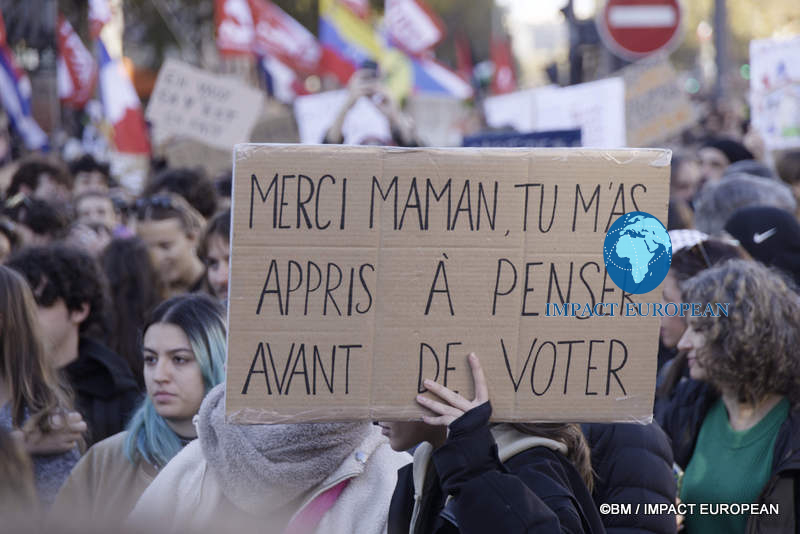
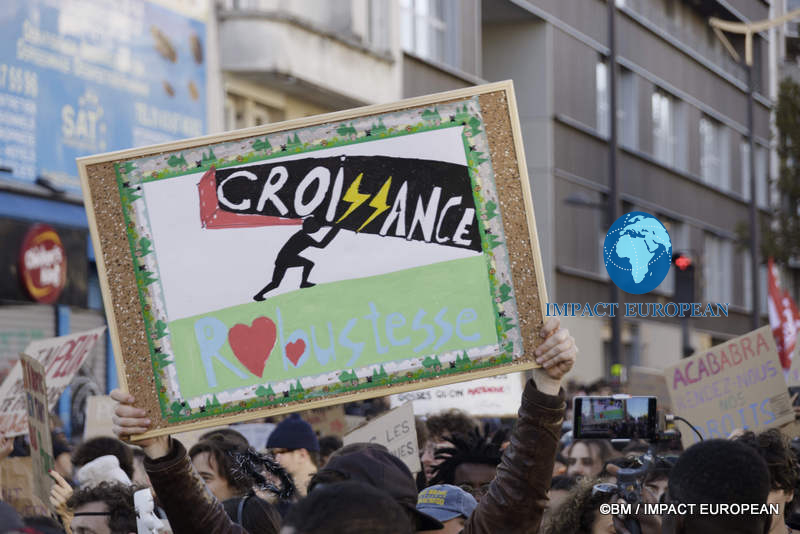
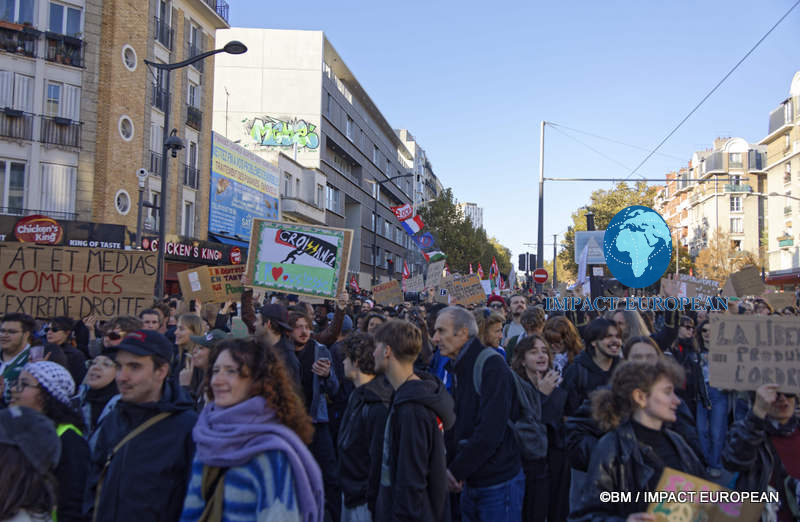
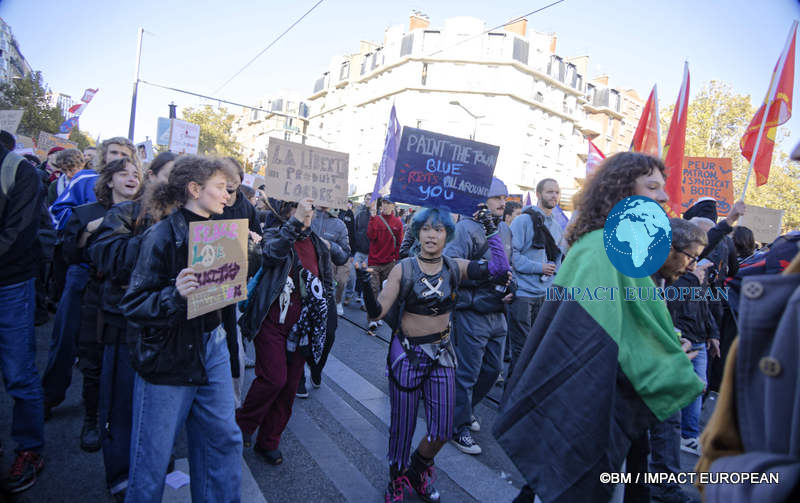
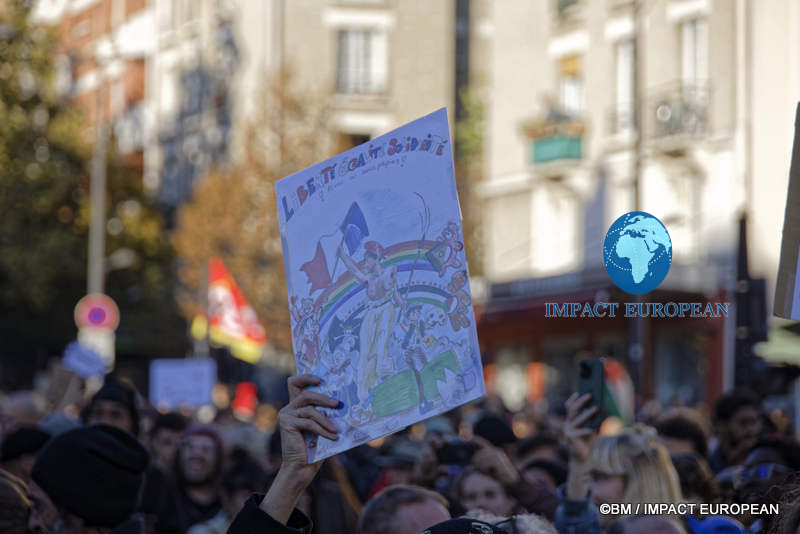
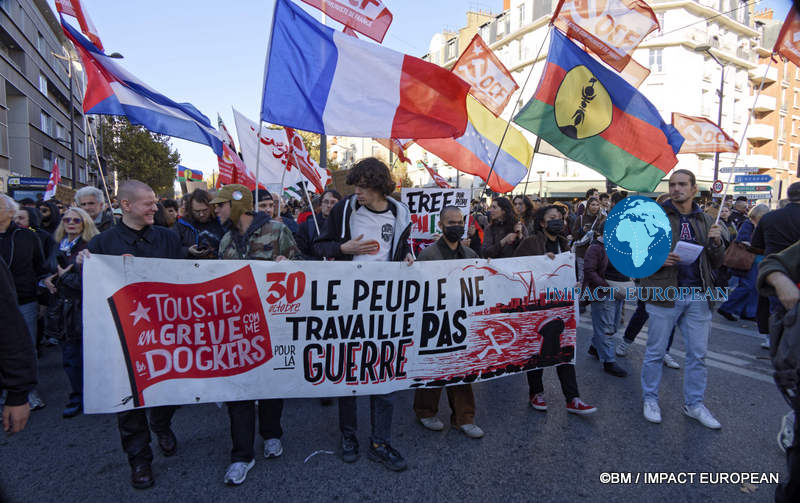
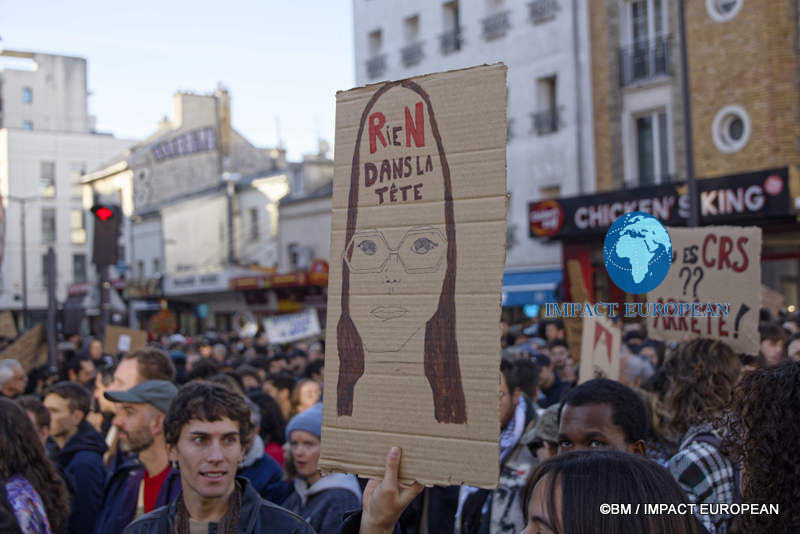
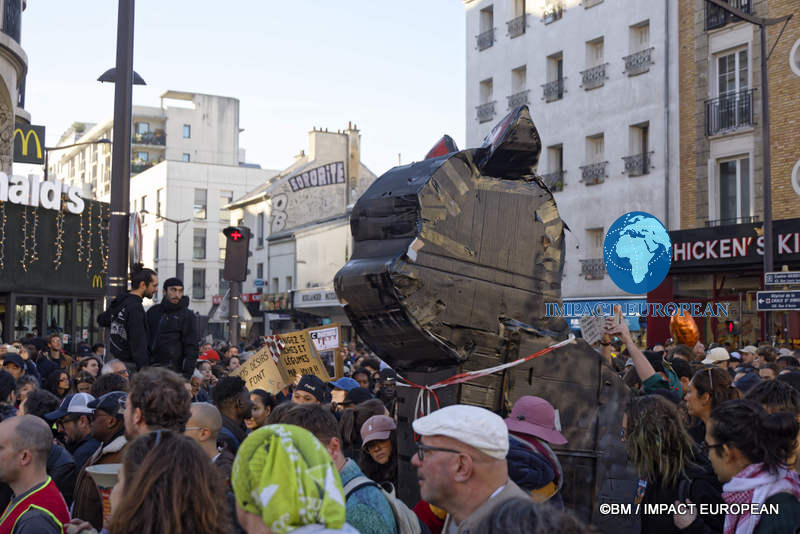
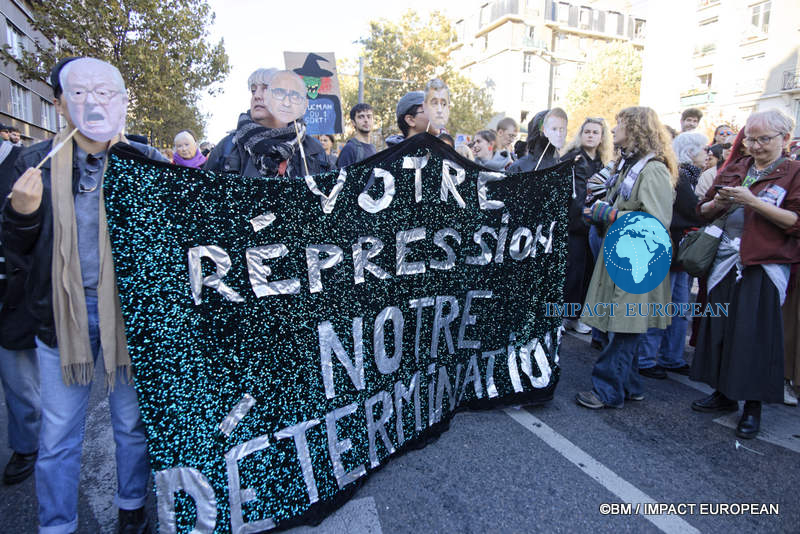
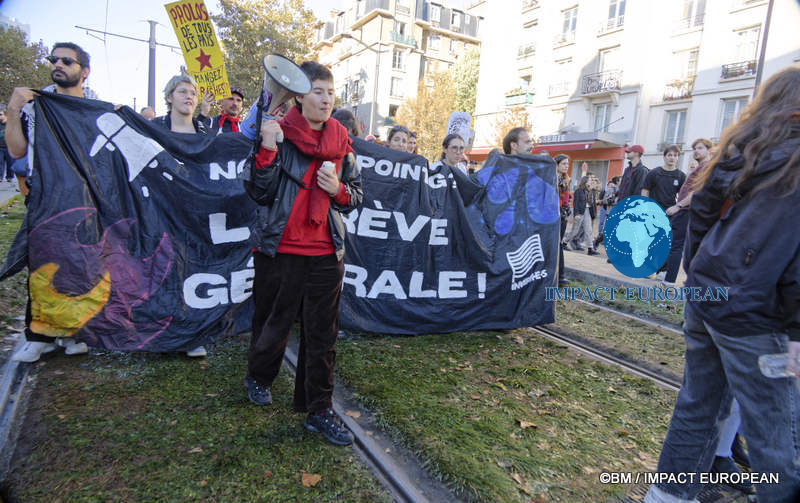
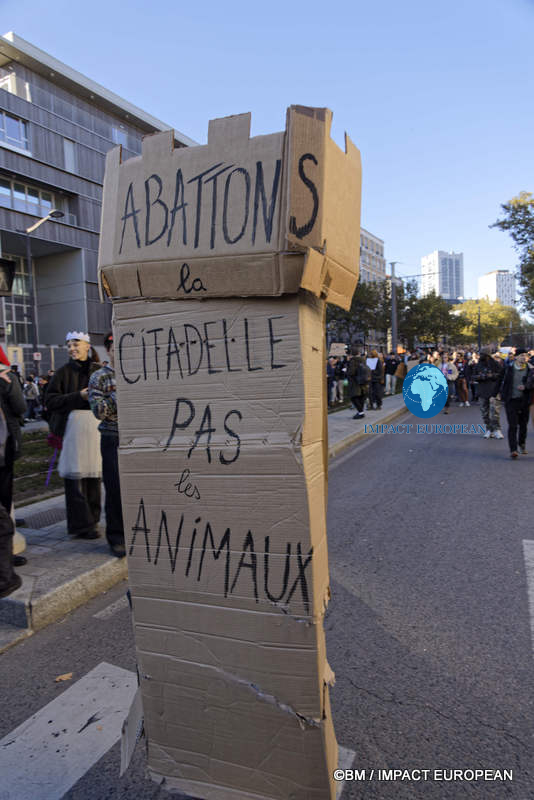
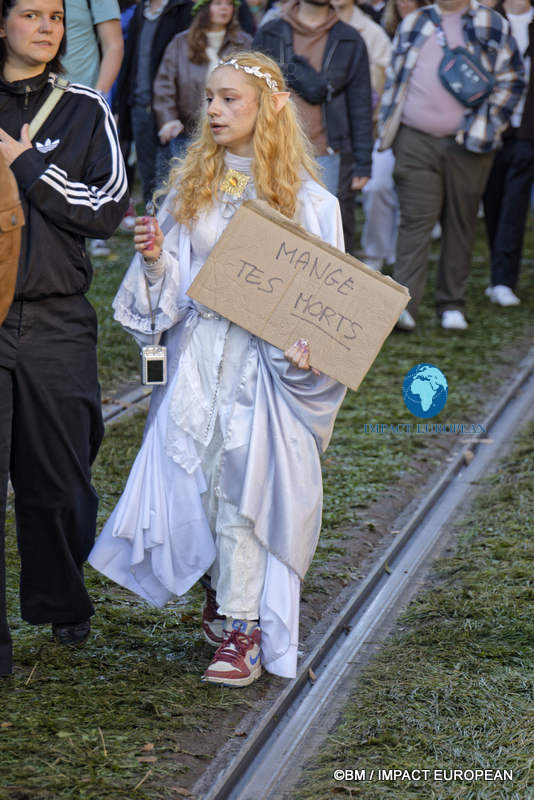
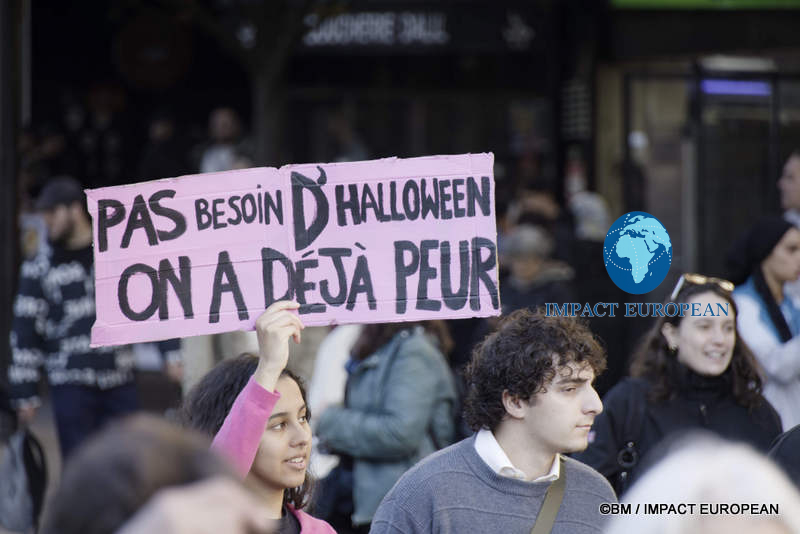
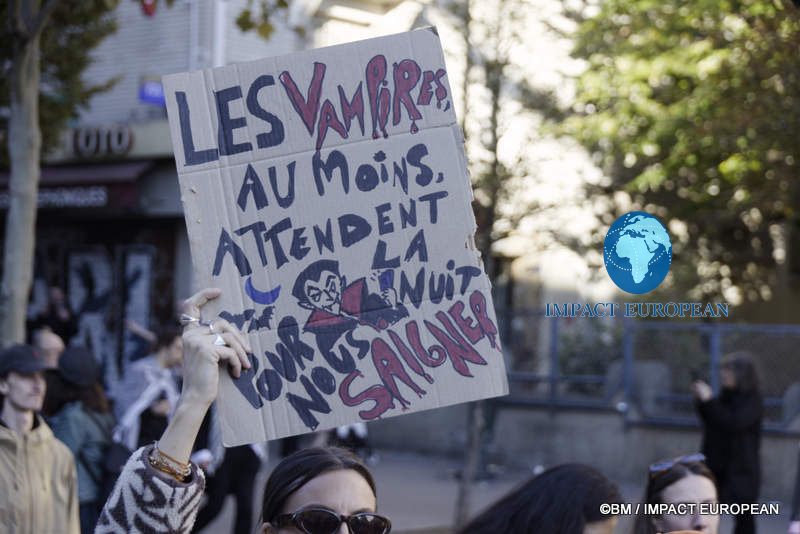
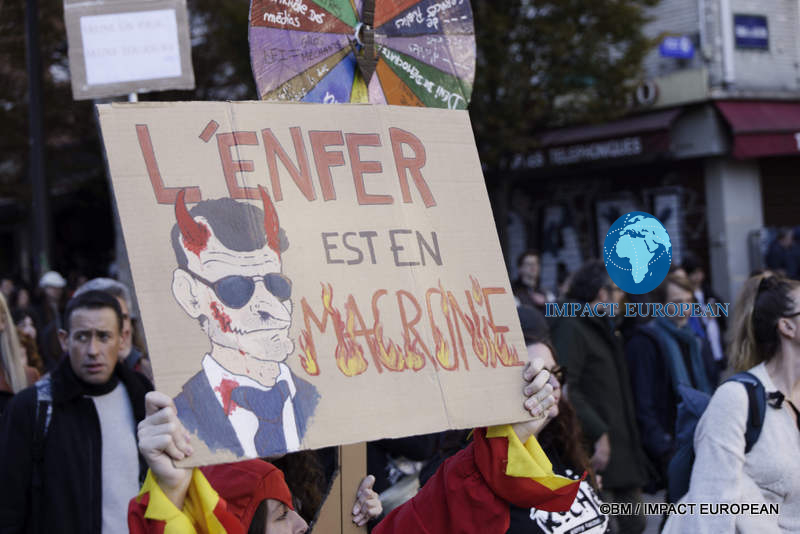
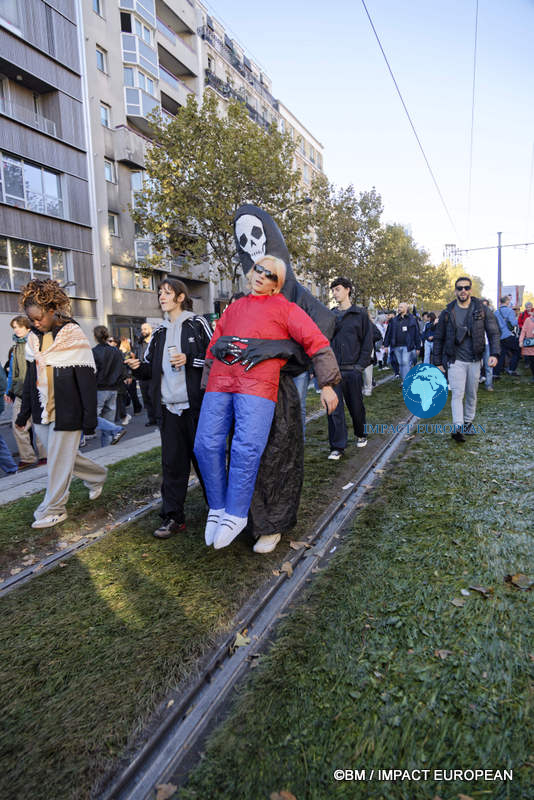
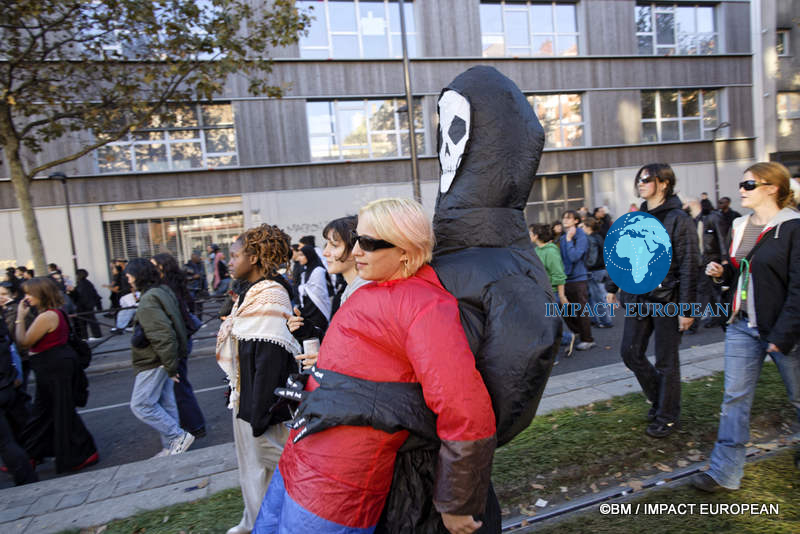
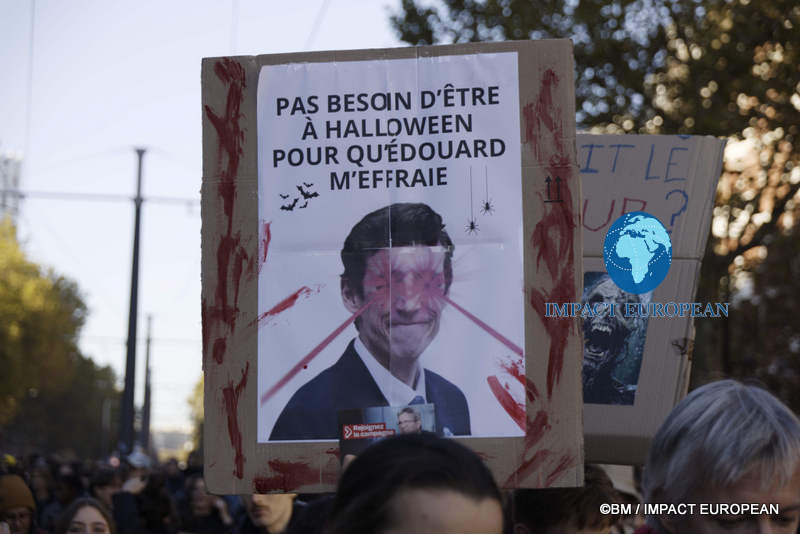
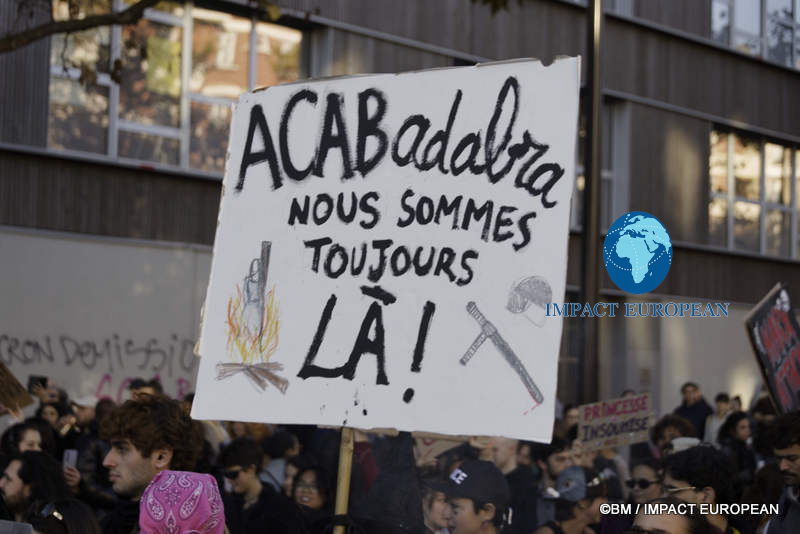
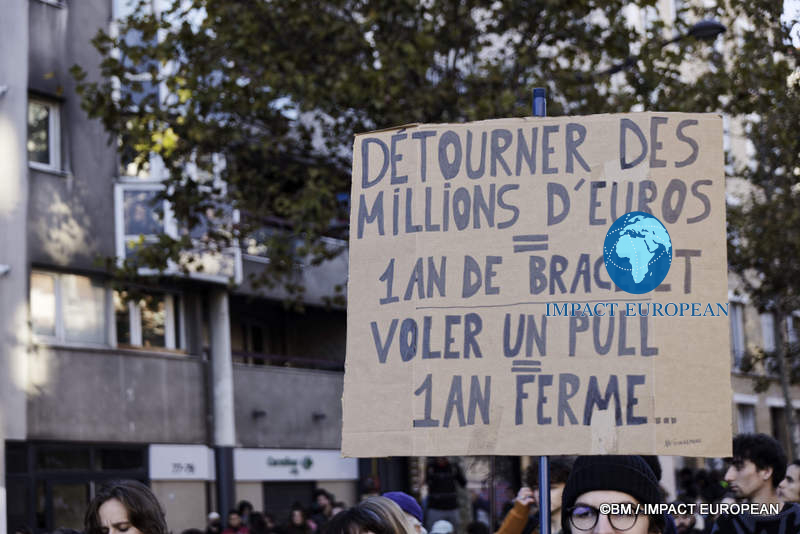
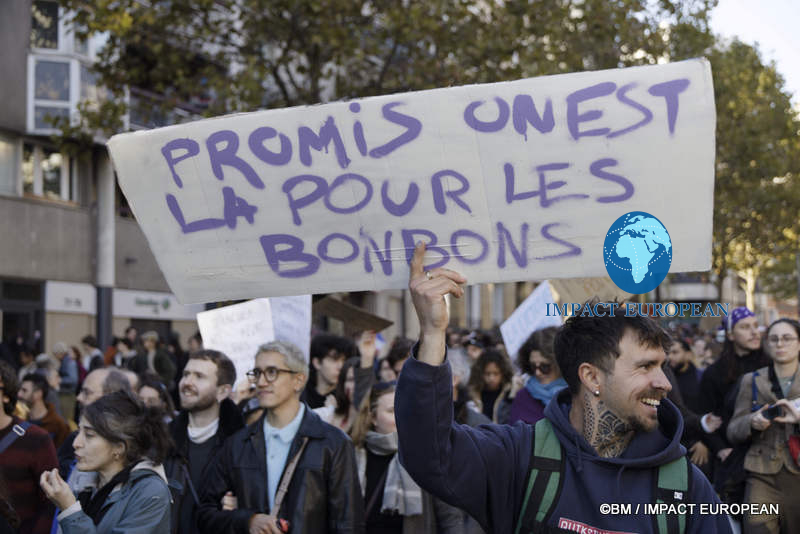
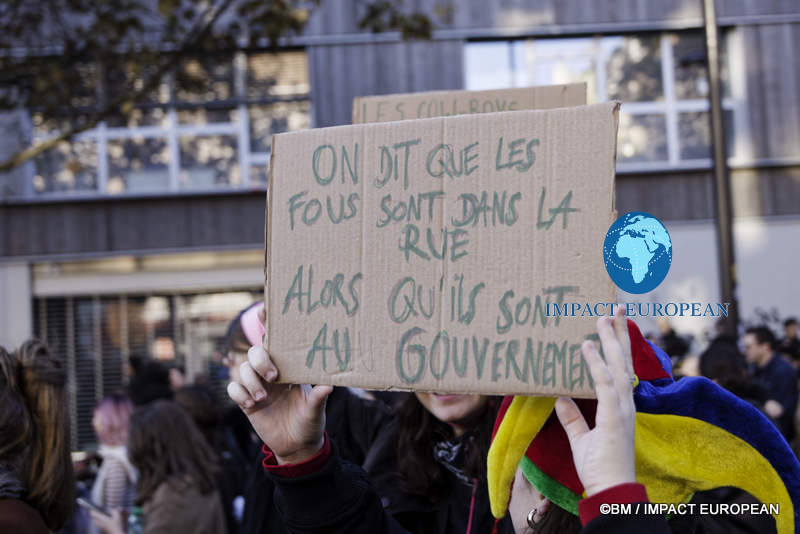
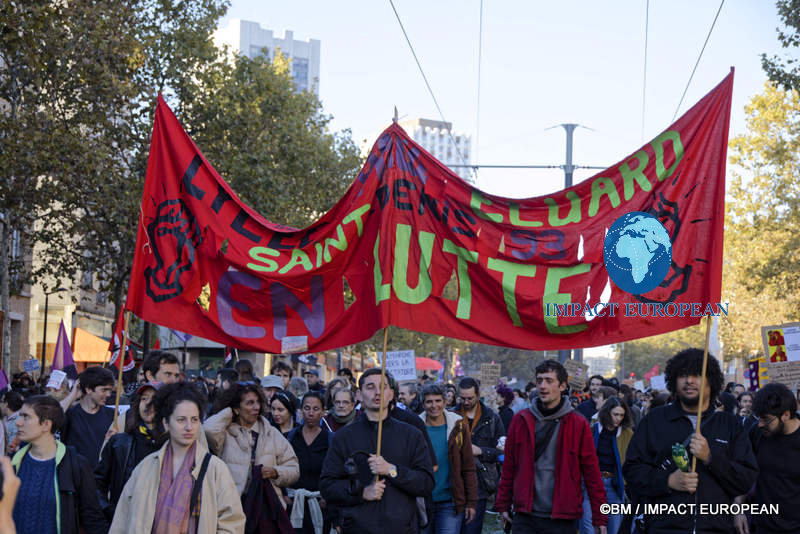
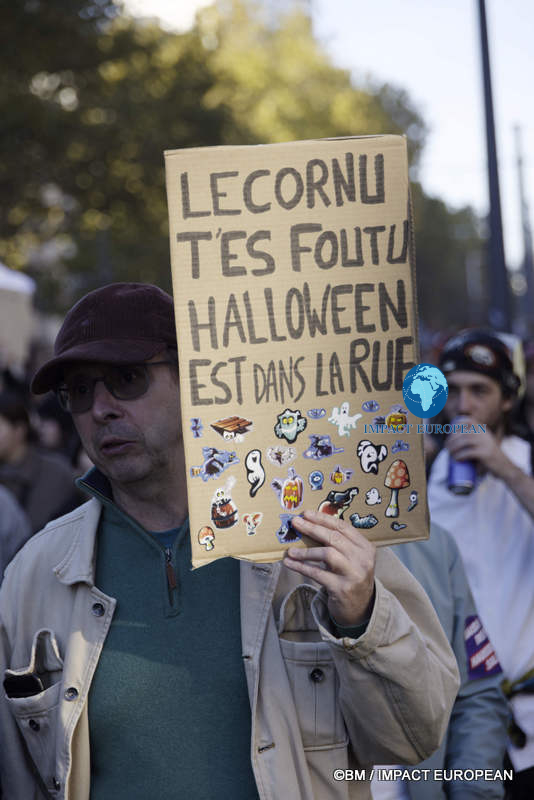
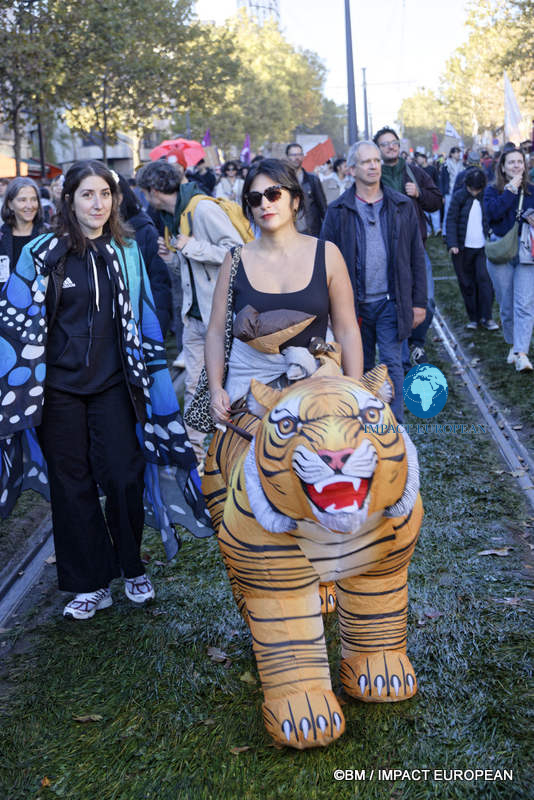
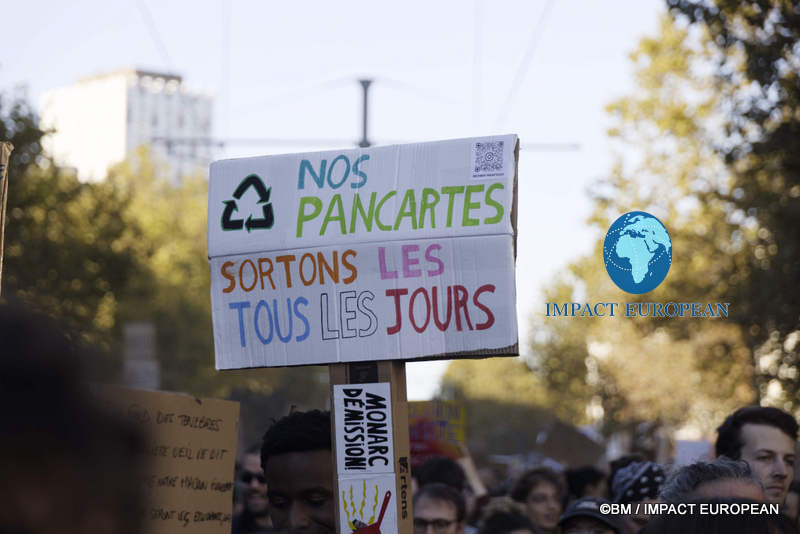
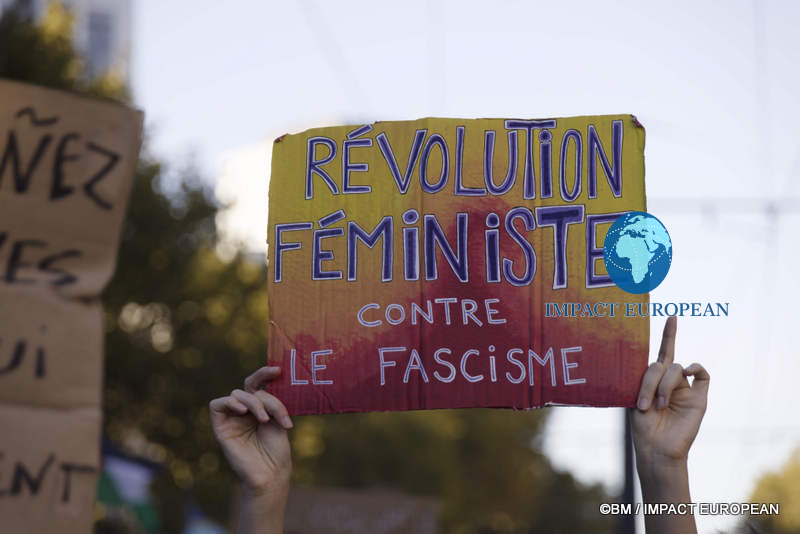
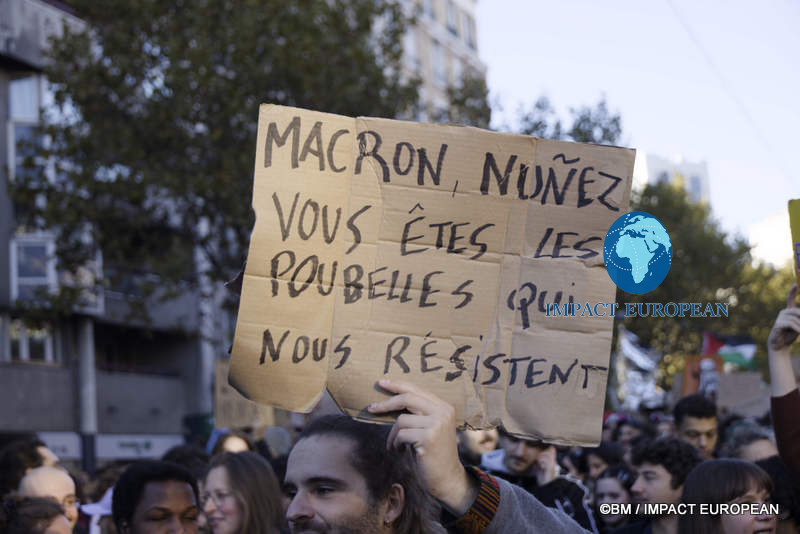
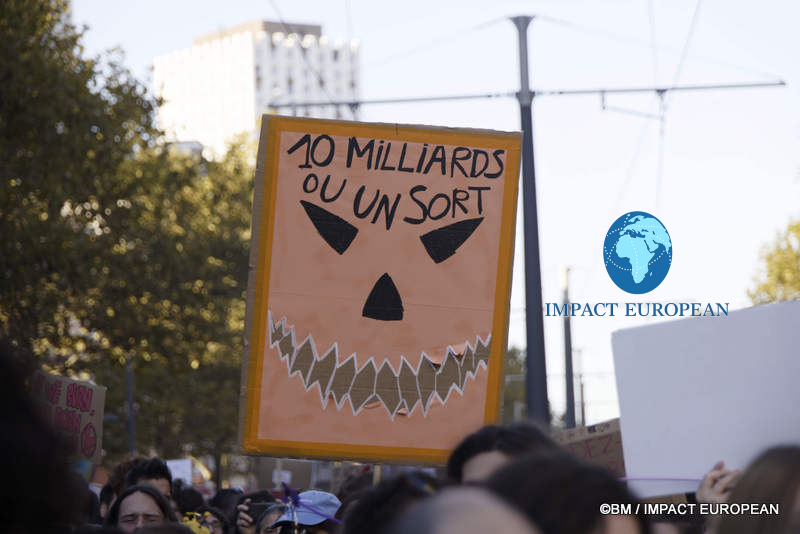
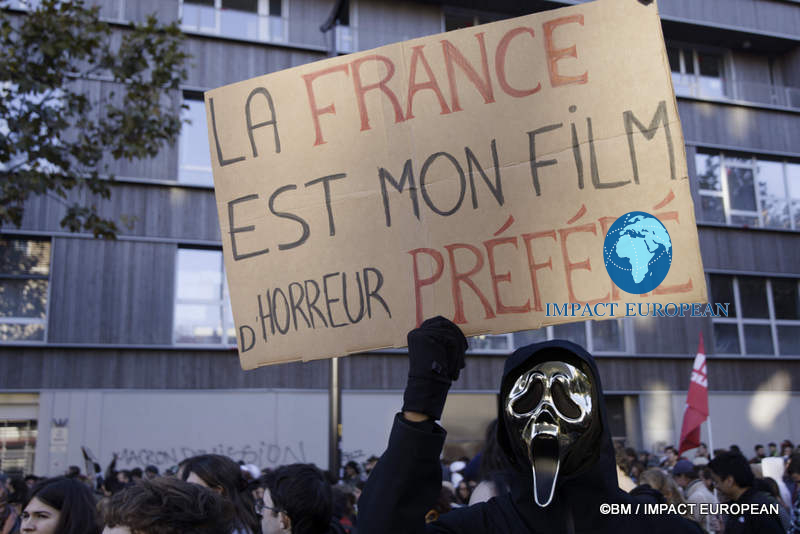
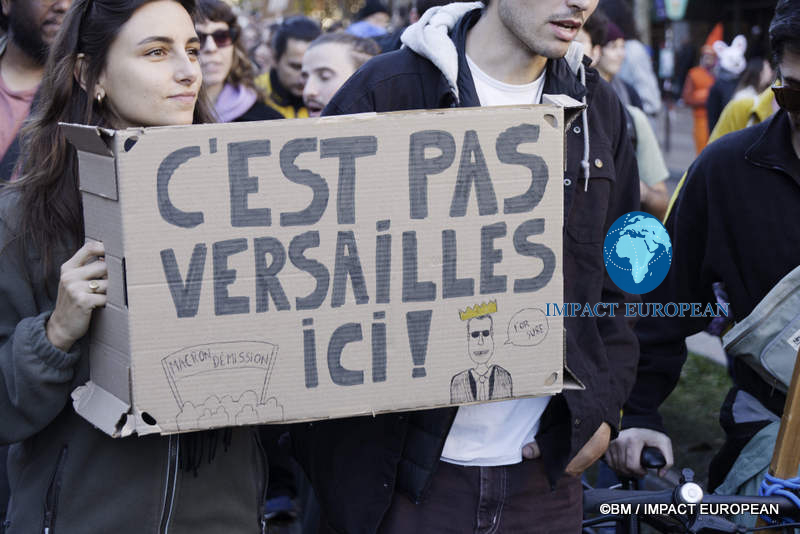
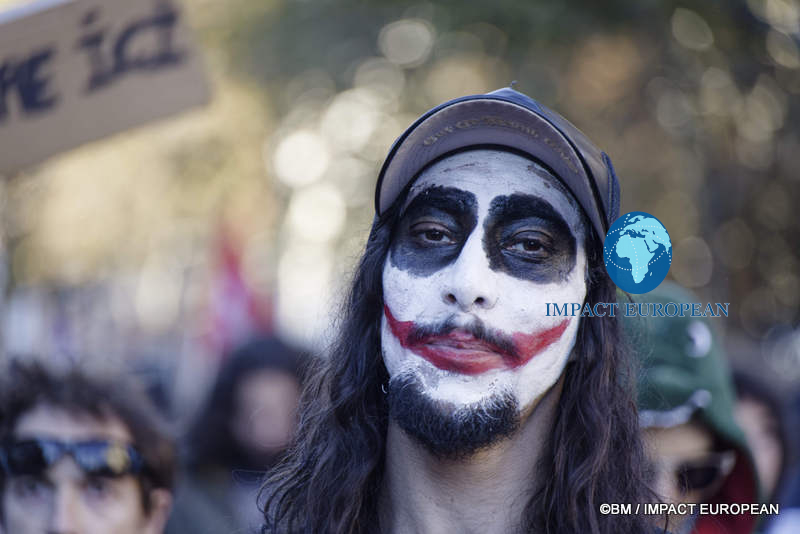
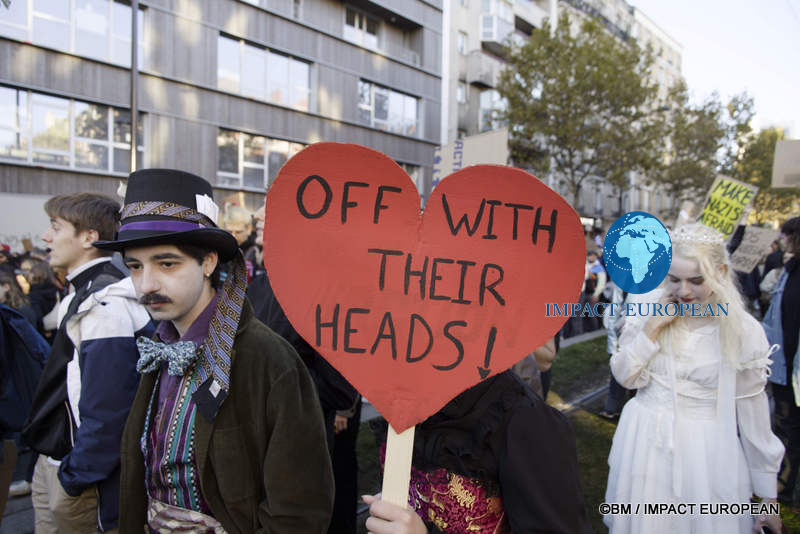
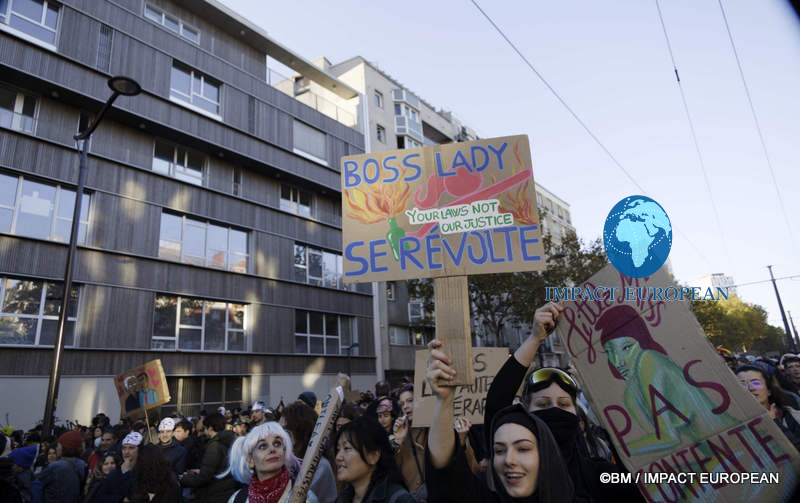
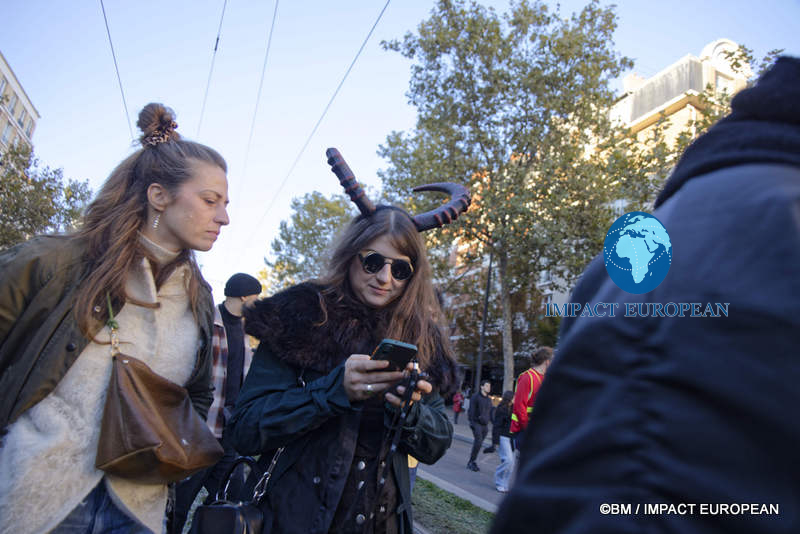
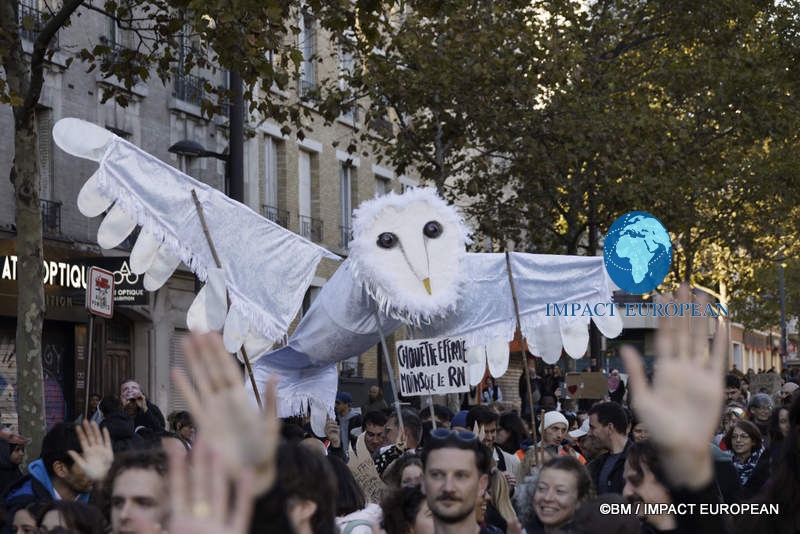
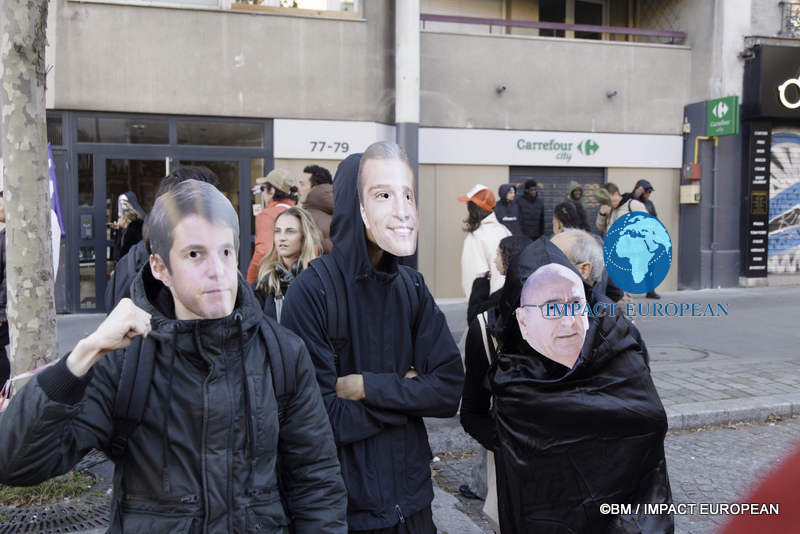
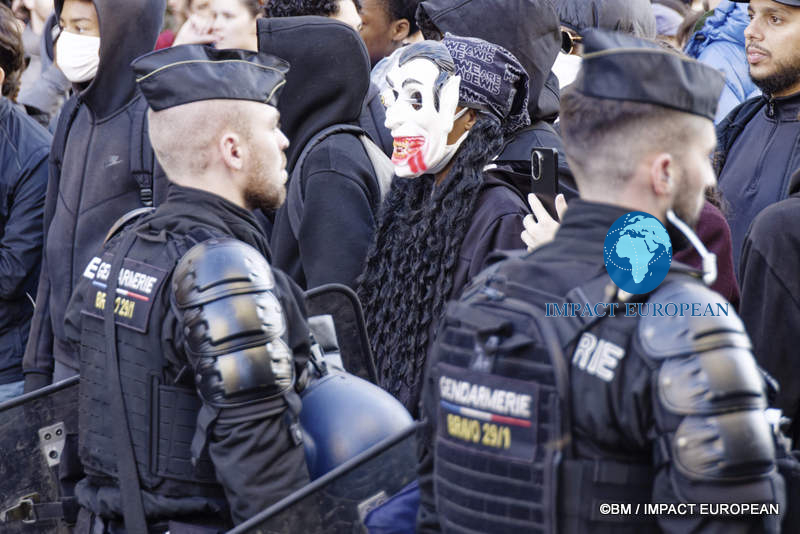
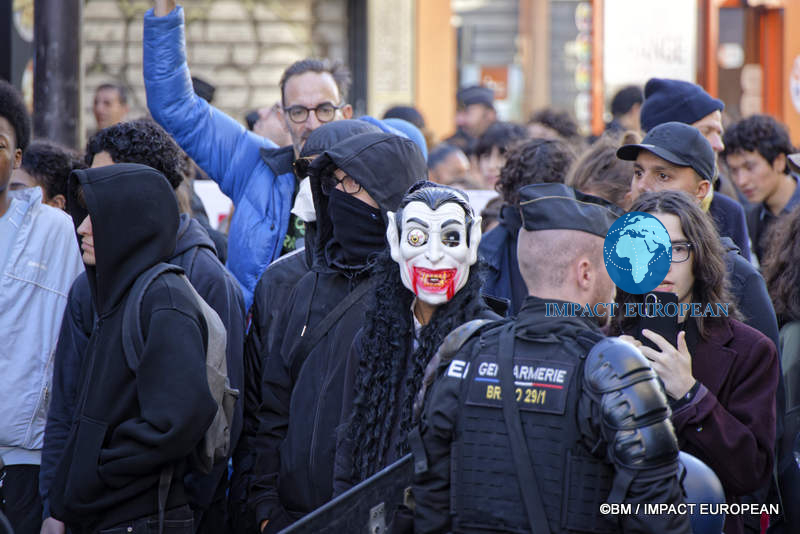
For much of the afternoon, the Paris march proceeded in a largely calm atmosphere. Participants walked along the authorised route, with scenes of solidarity and a sometimes festive mood. Halloween costumes and music were visible among demonstrators, while the presence of a large police force remained noticeable.
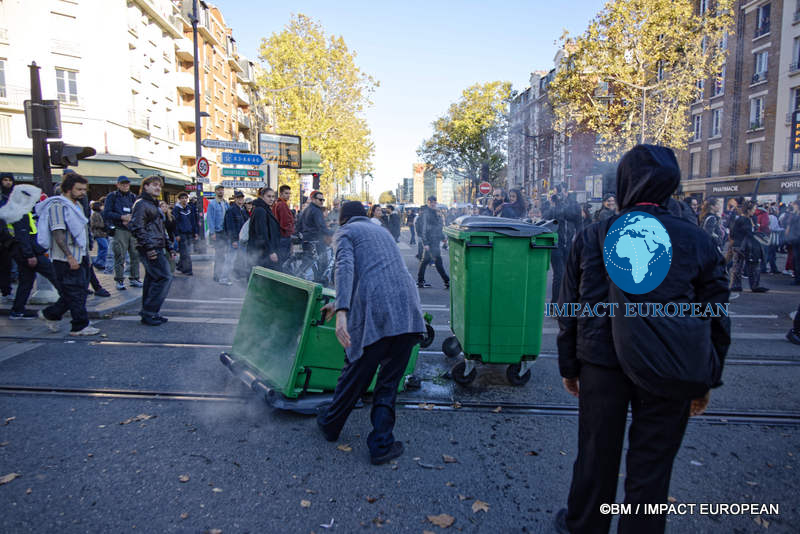
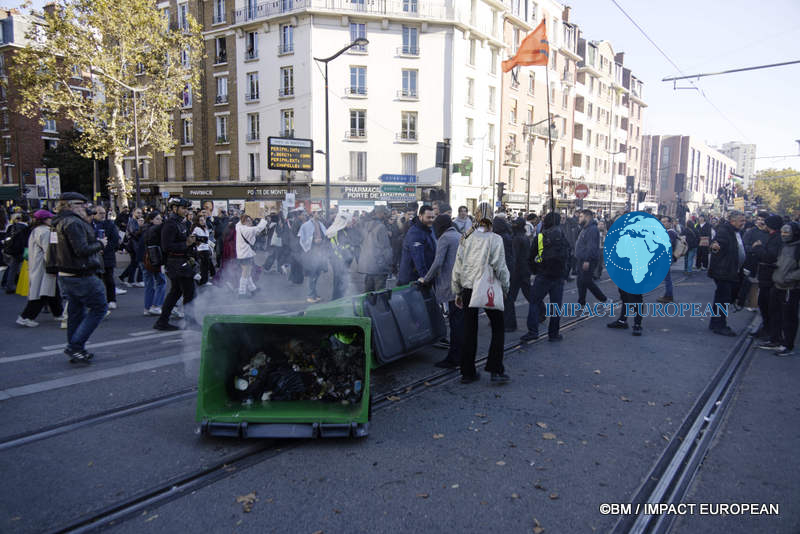
The situation changed near Porte de Charenton, towards the end of the march. Police officers were targeted with projectiles and incendiary devices, including petrol bombs, according to reports. Officers responded with tear gas as the crowd was dispersed.
Authorities described a group of several hundred people involved in the violence. Unauthorised gatherings were also reported in other parts of Paris, including around Rue de la Roquette, Montmartre and the ninth arrondissement. Police dispersed some of these groups.
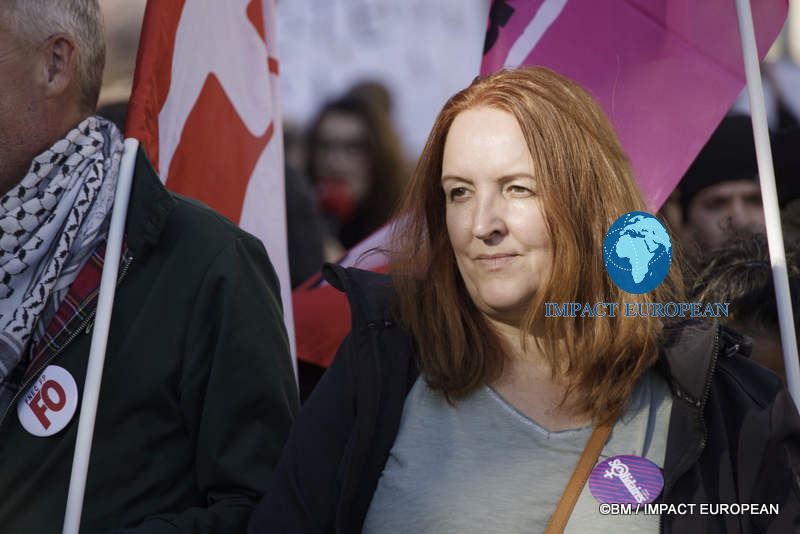
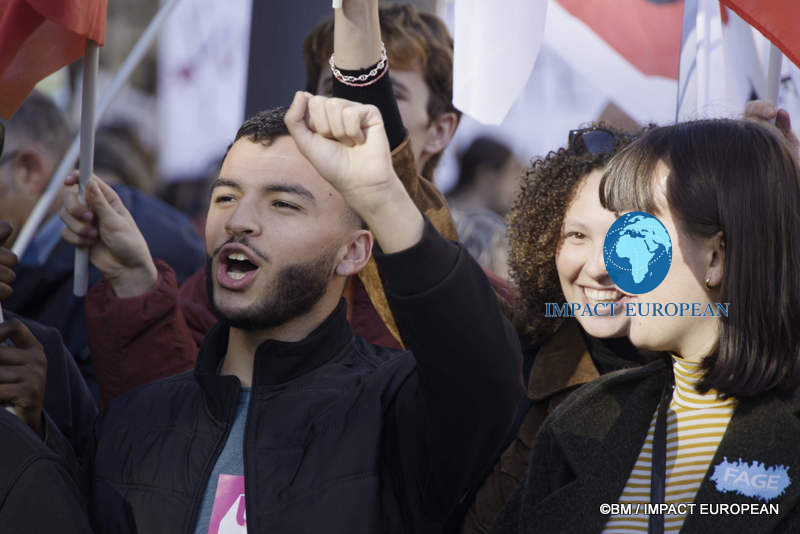
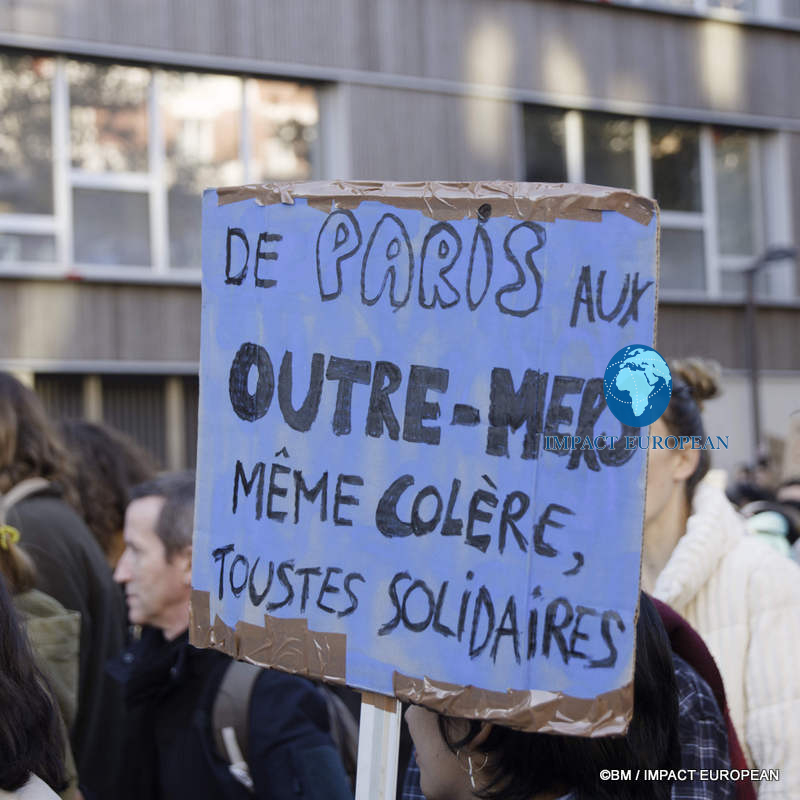
The incidents should not be taken as a description of the entire demonstration. The march included trade union members, students, school pupils and other citizens who had gathered to express social and political demands.
Conflicting attendance figures
The number of demonstrators remains disputed.
France’s Interior Ministry counted 320,000 people nationwide, including 70,000 in Paris according to the Paris police prefecture. The youth inter-union coalition, by contrast, estimated that nearly 500,000 people had taken part across France, including 200,000 in the capital.
The gap is substantial and reflects different counting methods and organisational estimates. The figures should therefore be reported separately rather than combined into an artificial average.
| Attendance | Official figures | Youth organisations | France | 320,000 | Nearly 500,000 | Paris | 70,000 | 200,000 |
|---|
The official national turnout was lower than the 410,000 recorded by the authorities on October 24 and the 550,000 reported for October 17. The youth organisations also reported a decline compared with their earlier estimates.
A major security operation
The Interior Ministry announced that 70,000 police officers and gendarmes had been deployed across France. The operation included mobile units, specialist police services, surveillance resources and reinforced checks at transport hubs and on major routes.
Authorities reported 40,000 checks nationwide, including 15,000 in the Île-de-France region. The Interior Ministry announced 422 arrests at 7:58 p.m.; the national figure had risen to 565 by 9 p.m. These figures relate to France as a whole, not solely to Paris.
In the capital, the police prefecture reported five members of the security forces injured, including three following petrol-bomb attacks. The Interior Ministry described the violence against officers as particularly serious.
The right to protest and the challenge of public order
The October 31 demonstrations highlight a difficult issue facing democratic societies: how to protect public safety without undermining the right to peaceful assembly.
The right to freedom of peaceful assembly is protected under Article 11 of the European Convention on Human Rights. Restrictions may be justified under certain legal conditions, including public safety, but they must meet requirements of necessity and proportionality.
In Paris, the dispute over the route brought this tension into focus. Authorities argued that moving demonstrations away from central areas was necessary in light of previous violence and property damage. Organisers and participants, meanwhile, raised concerns about the visibility and practical exercise of the right to demonstrate.
The clashes near Porte de Charenton also underline the distinction between peaceful protest and acts of violence. Protecting the former while responding to the latter remains a central challenge for public authorities.
A movement whose demands remain unresolved
The third weekend of mobilisation was smaller according to official figures than the previous two Saturdays, but the concerns behind the demonstrations remain.
The cost of living, education resources, student hardship and confidence in public institutions are issues that cannot be settled by the dispersal of a march. The next stage will depend on whether the government and the organisations involved can find a way to address these demands through political dialogue.
On October 31, Paris witnessed both the determination of demonstrators seeking to be heard and the difficulties of maintaining public order during a large mobilisation. The day ended with conflicting attendance estimates, hundreds of arrests nationwide and renewed questions about the relationship between social protest, public security and democratic freedoms.
©2026 IMPACT EUROPEAN – All rights reserved


Views: 1
More Stories
Paris protest puts cost of living and public freedoms in focus
Art Basel Paris 2026: Global Art Meets an Unexpected Closure
France Protests on October 17: Mass Mobilization Overshadowed by Violence Across the Country