
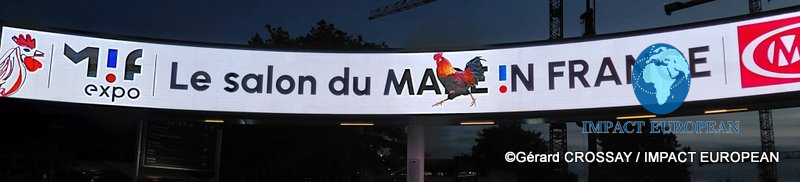
From November 12 to 15, 2026, the Paris Exhibition Centre hosted the 14th edition of MIF Expo.
With more than 1,000 exhibitors, this major event dedicated to French manufacturing celebrated the diversity of the country’s businesses and national expertise.
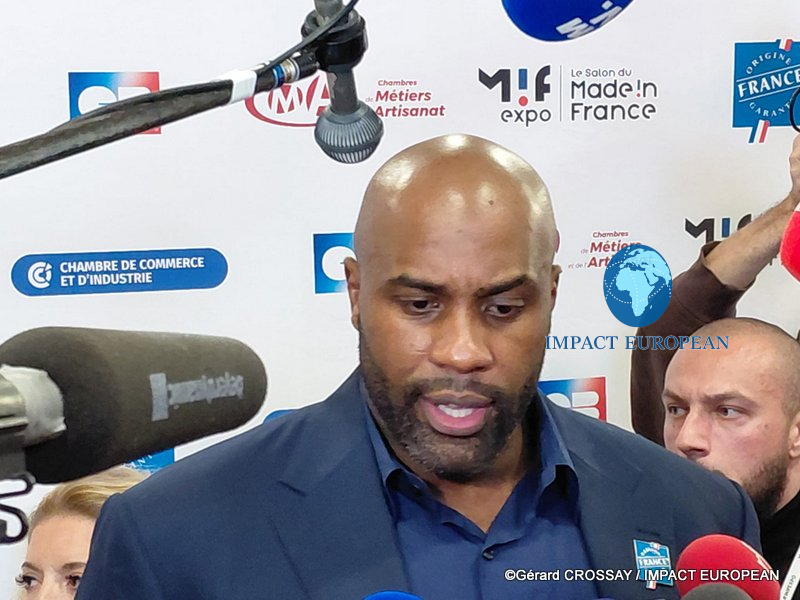
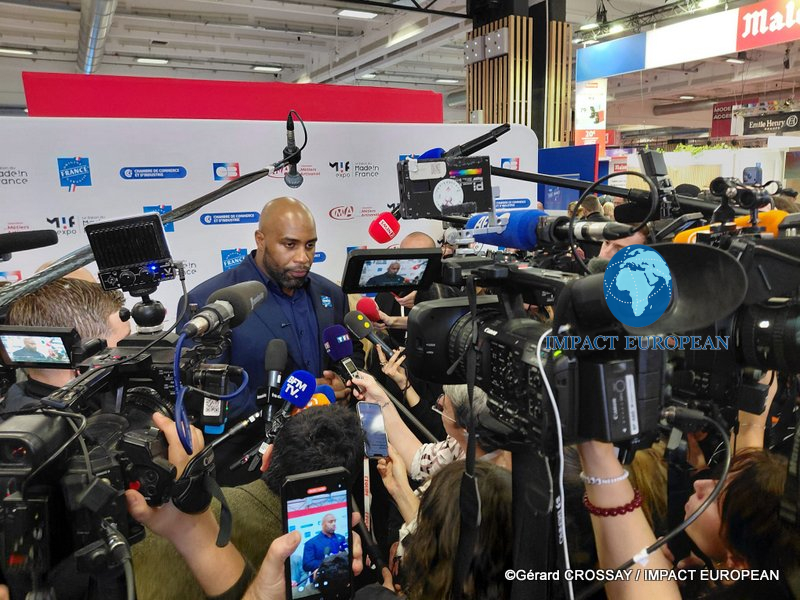
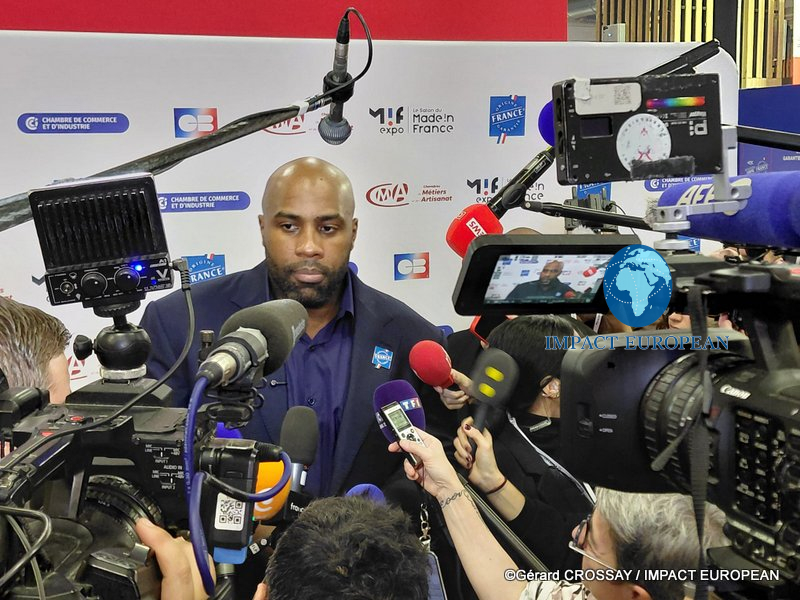
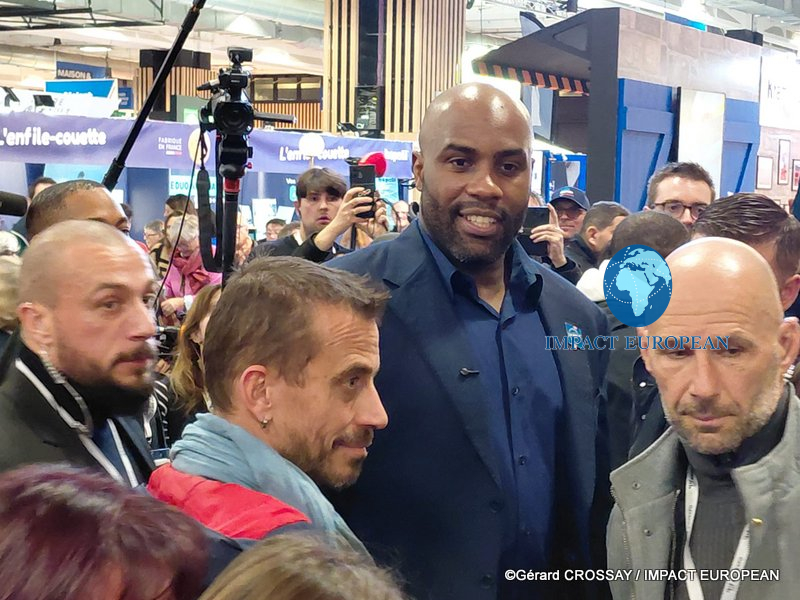
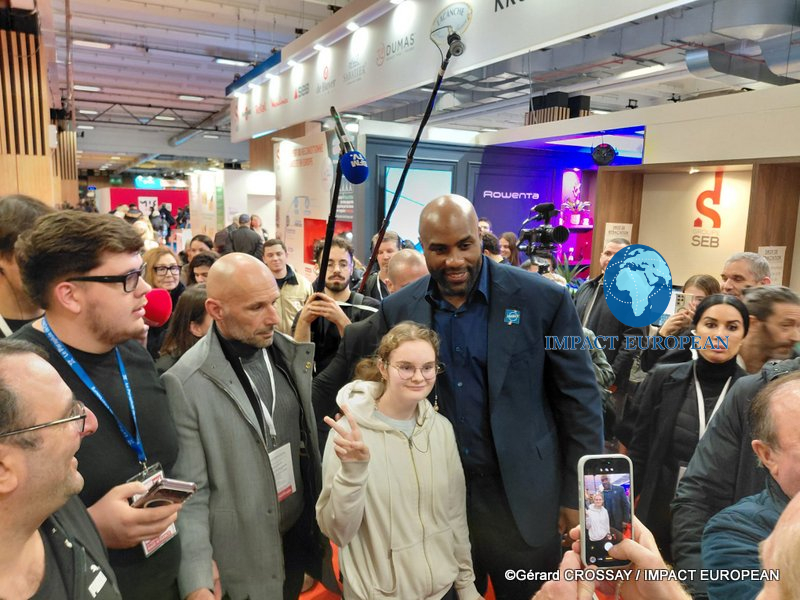
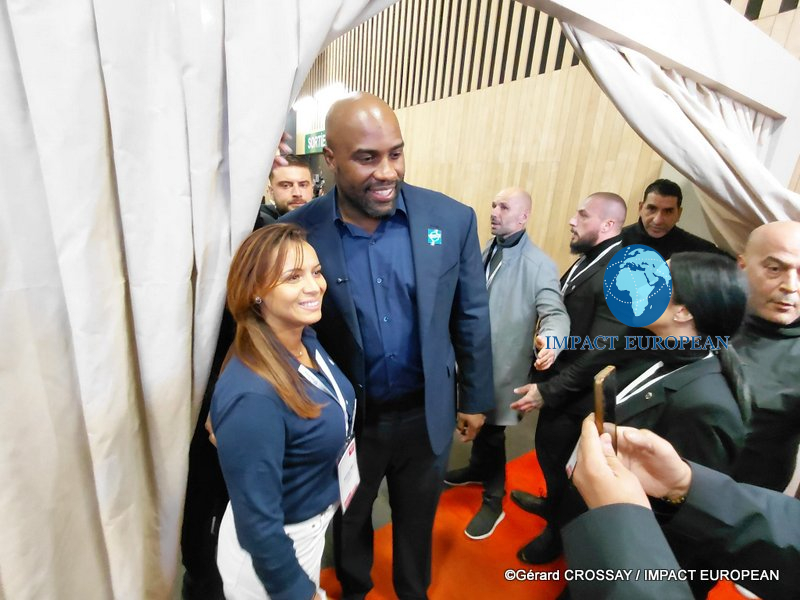
The visit of French judo champion Teddy Riner was one of the highlights of this edition, which also brought attention to the challenges that French manufacturing continues to face.
A showcase for the diversity of French industry and craftsmanship
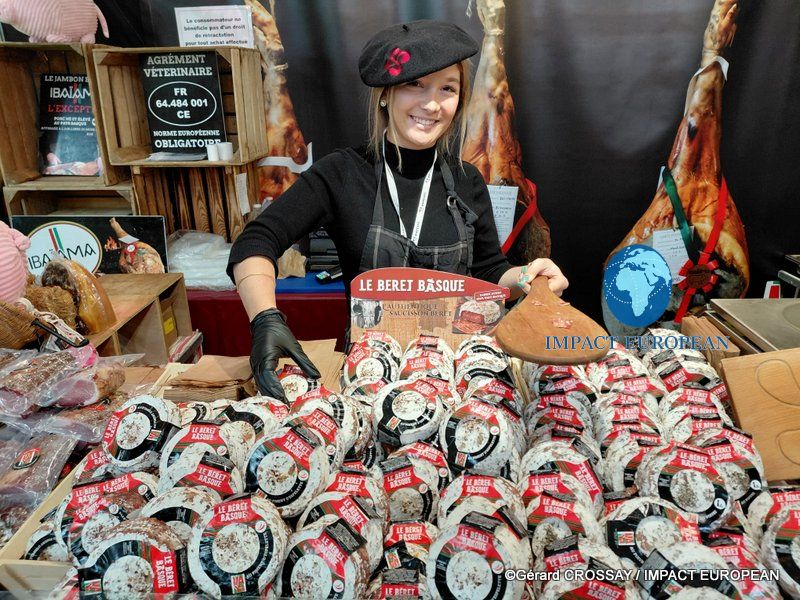
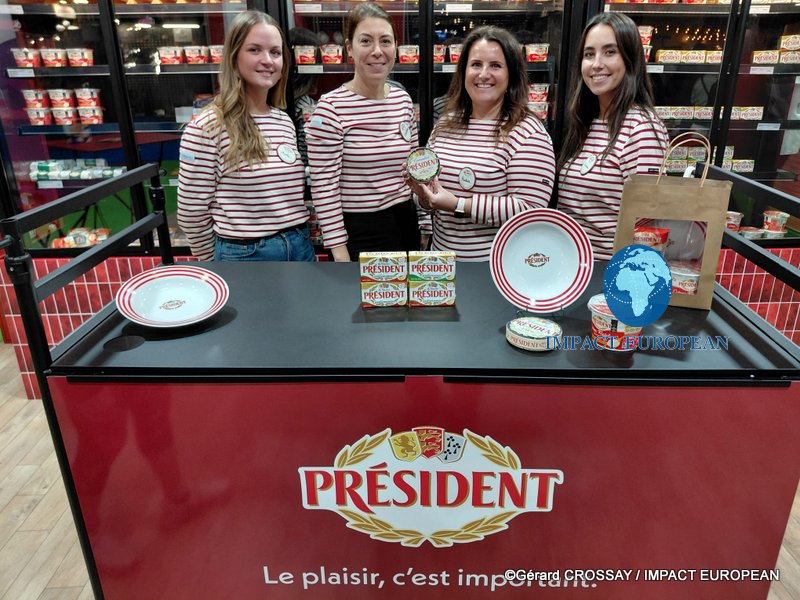
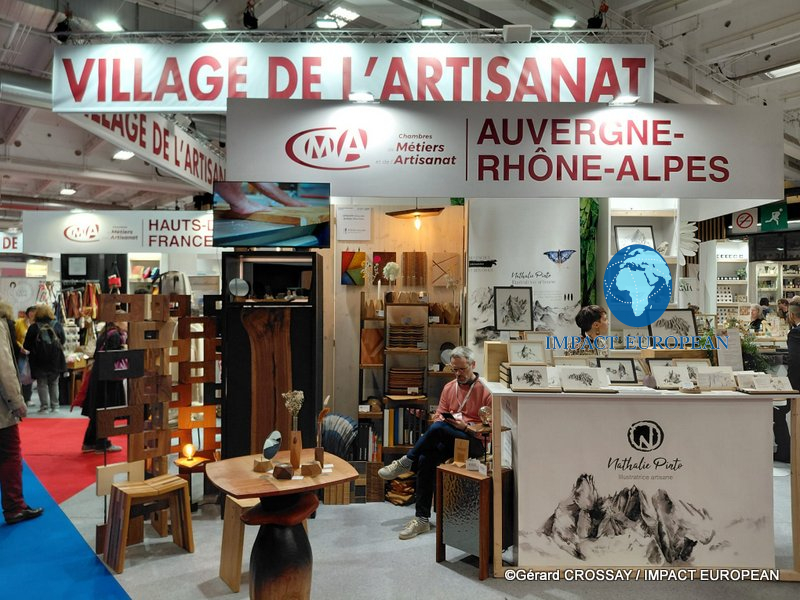
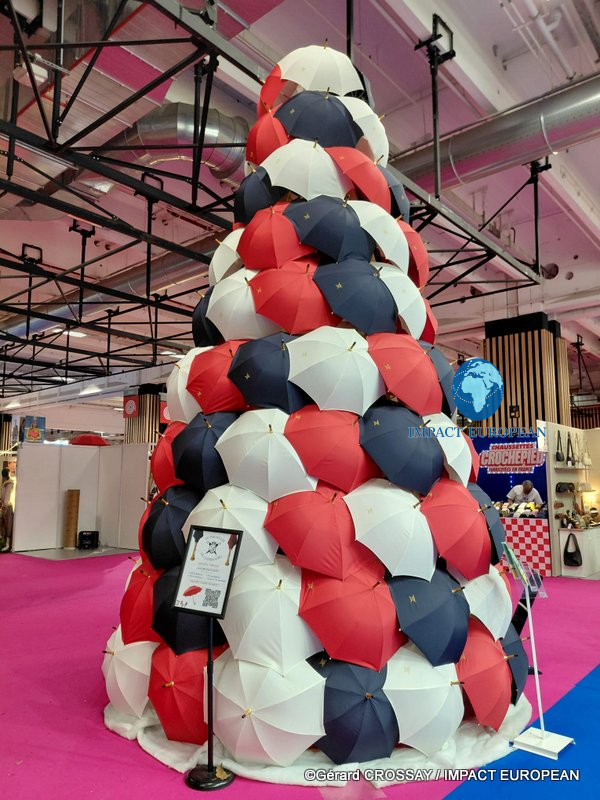
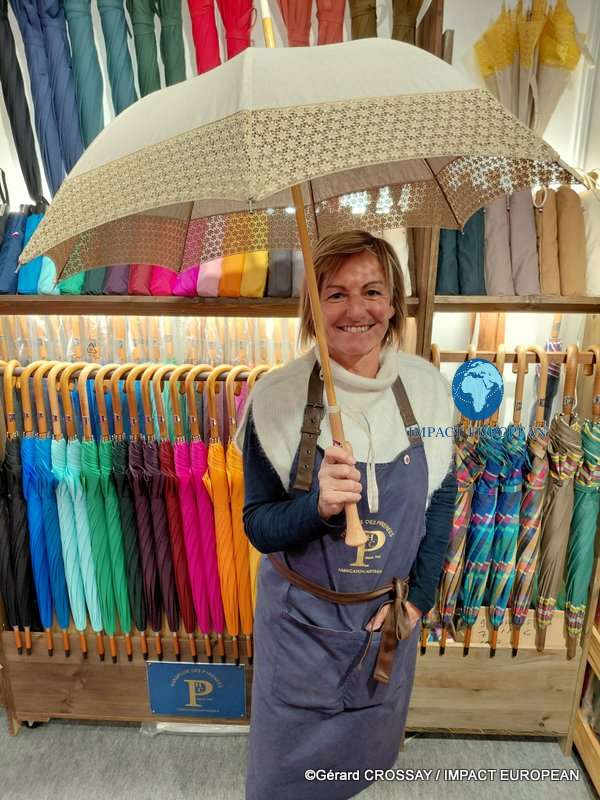
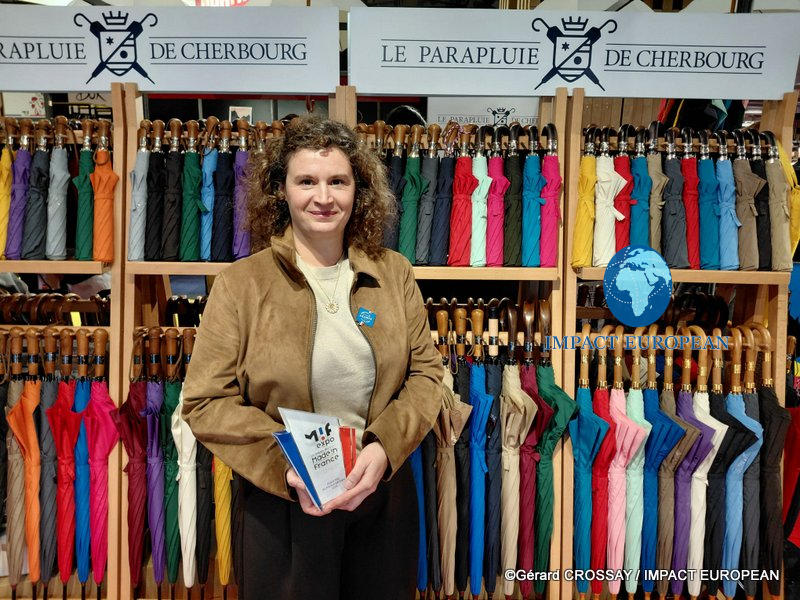
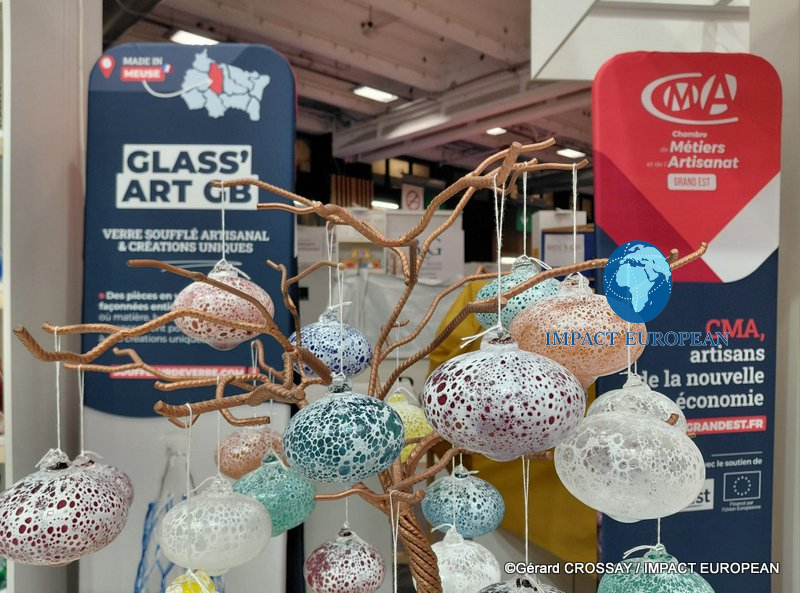
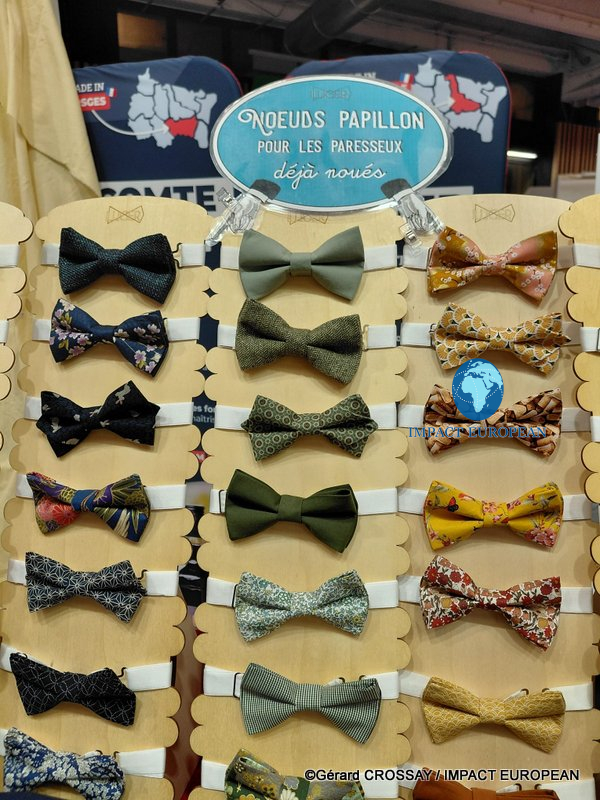
Fashion, gastronomy, home decoration, beauty, crafts and innovation: all these sectors were represented throughout the exhibition halls. Over four days, manufacturers, craftspeople and entrepreneurs presented their creations and met visitors who had come to discover the richness of domestic production.
Beyond its commercial dimension, MIF Expo provides a valuable opportunity to meet the people who manufacture products in France, understand their professions and appreciate the efforts required to maintain productive activity within the country.
Six awards celebrating French excellence
The 2026 Made in France Grand Prix awards were among the major events of this edition. Six distinctions recognised companies for their contribution to innovation and the preservation of traditional expertise:
-
Grand Prix for Innovation: Alstom, for the RER NG train, designed and manufactured in France for the RER D and E lines.
-
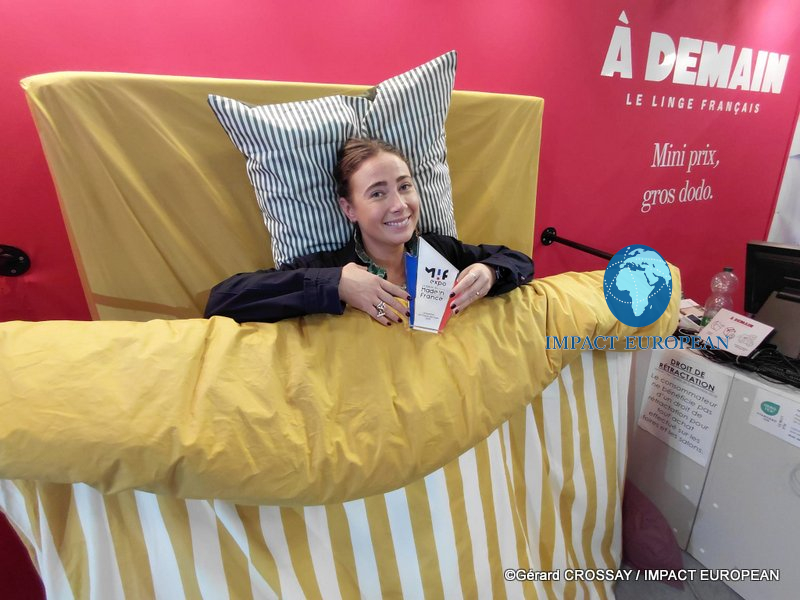
Grand Prix for Hope: À Demain, for its range of home linen manufactured in France.
-
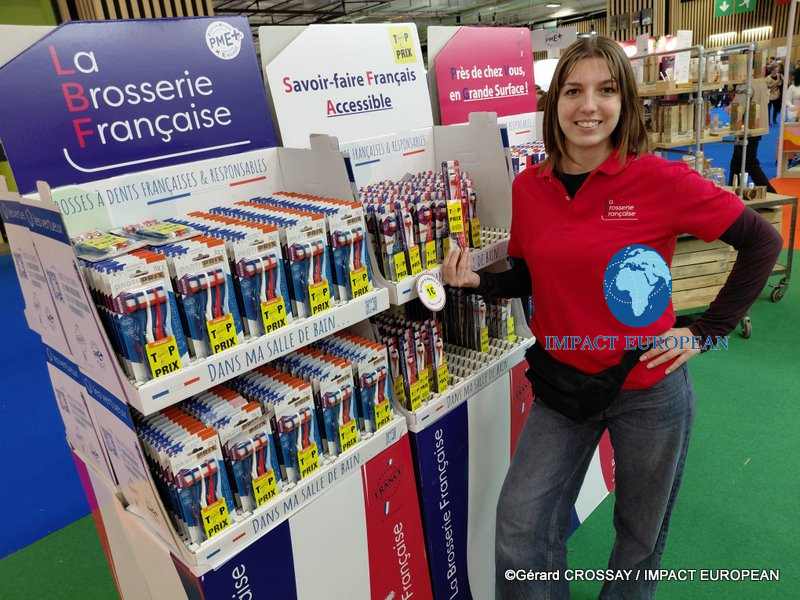
Grand Prix for Entrepreneurial Achievement: La Brosserie Française, represented by its Managing Director, Olivier Remoissonnet.
-
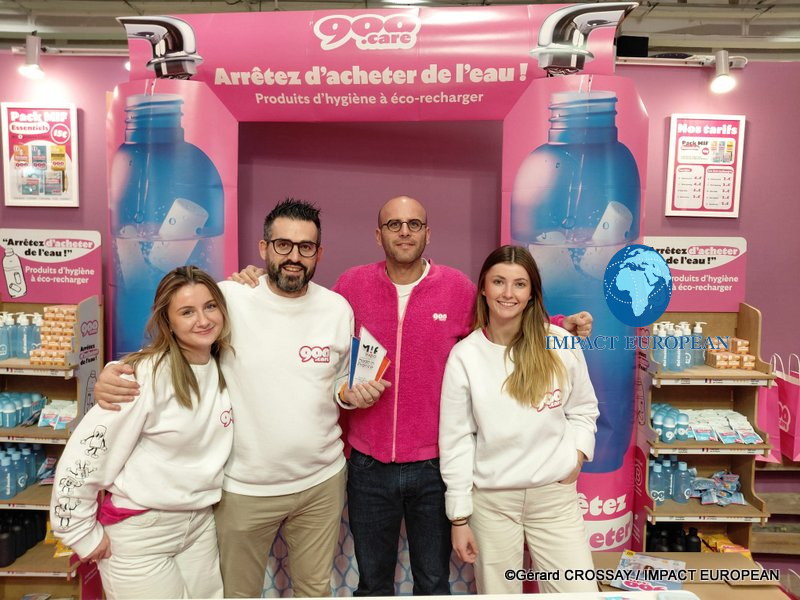
Public Grand Prix: 900.care, for its refillable hygiene and beauty products, which received strong support from visitors.
-
Grand Prix of the Crafts Village: Erakla, represented by Manon Bonjean, creator of engraved wall artworks. The award was presented in partnership with CMA France.
-
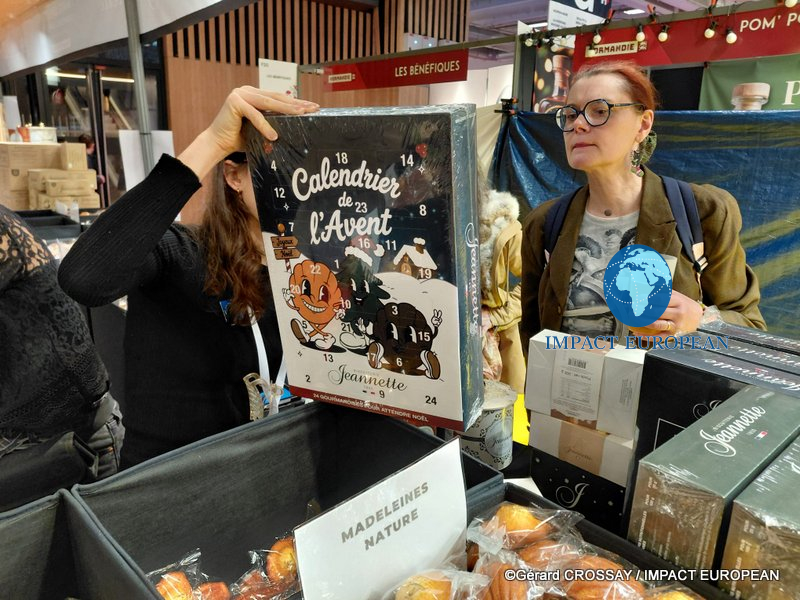
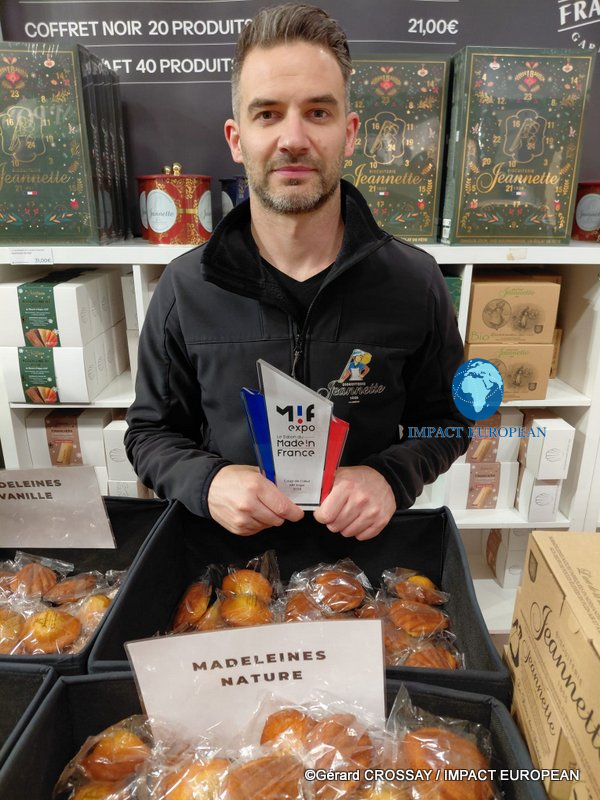
2026 Special Recognition Award: Biscuiterie Jeannette, represented by Benoît Martinet, recognised for the revival and development of this Normandy-based company.
This list of award winners illustrates the diversity of initiatives contributing to the preservation of French manufacturing, spanning industry, craftsmanship and innovation.
Teddy Riner, a highly anticipated presence
Like the International Agricultural Show, MIF Expo has become an important gathering for political and public figures. With electoral deadlines approaching, it also represents a media showcase that political representatives can hardly afford to overlook. Each seeks to demonstrate their commitment to domestic production.
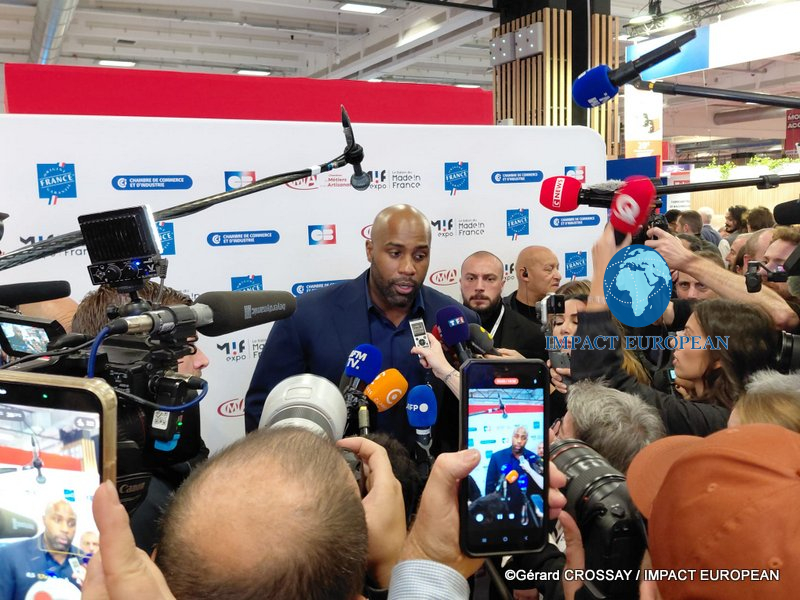
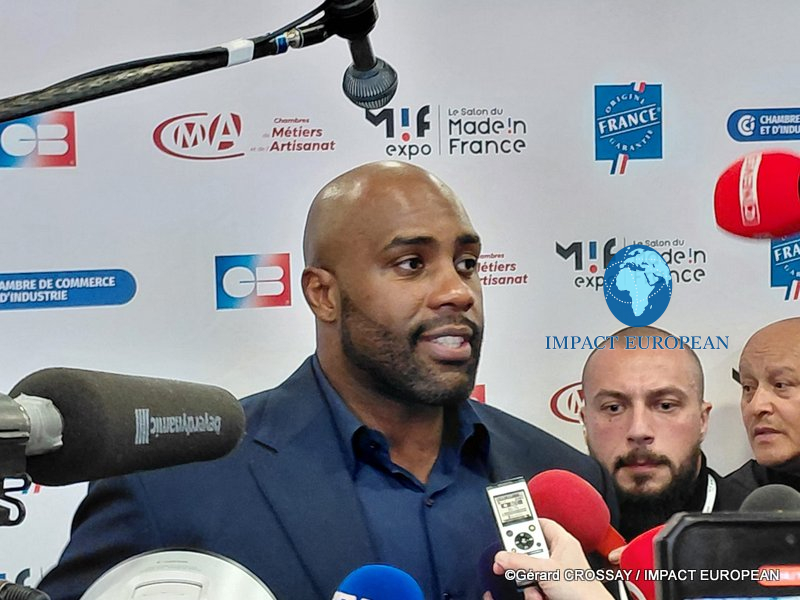
The visit of Teddy Riner on Saturday, November 14, attracted particular attention. The French judo champion spent considerable time walking through the exhibition halls, meeting visitors, journalists and exhibitors. He also met several entrepreneurs from France’s overseas territories.
His presence brought additional attention to an event dedicated to French excellence and talent.
Made in France faces serious challenges
Behind this positive showcase, the situation of French manufacturing remains worrying. Despite genuine interest in domestic products, their share of consumer spending remains limited: only 38% of purchases are reportedly of French origin.
The situation is hardly more encouraging when it comes to public procurement. Out of approximately €100 billion in public purchases, only 30% reportedly benefits French companies, according to the figures presented.
For several decades, globalisation, the relocation of production abroad and international competition have weakened France’s industrial base. The resulting economic shortfall for the national economy amounts to €4.5 billion, with nearly 50,000 jobs potentially affected.
Price is one of the main obstacles to buying French products. In a context of rising living costs and constrained purchasing power, consumers sometimes turn to cheaper imported goods. Labour costs, estimated at around €50 per hour in France, also weigh on the competitiveness of French companies compared with certain European competitors.
These difficulties are compounded by administrative, fiscal and regulatory burdens. French manufacturers regularly denounce the growing number of standards and inspections, while imported products are not always subject to equally effective monitoring.
The volume of parcels arriving from China illustrates the scale of the problem. Of the 15 million parcels reportedly arriving every day, 75% contained items that did not comply with standards, while 47% presented risks to consumers, according to the figures cited.
Traceability is another sensitive issue. The absence of a general obligation to display a product’s country of origin in certain categories creates confusion that is detrimental both to consumers and to French manufacturers. European rules governing these labels also limit the scope for intervention by individual Member States.
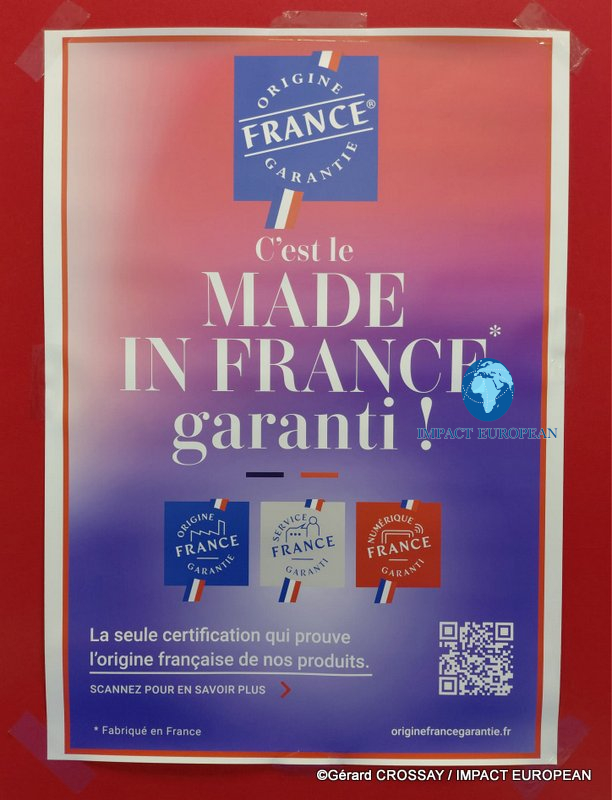
The situation is further complicated by misleading claims: approximately 10% of products bearing the label “Made in France” are reportedly misleading. In this context, the Origine France Garantie certification provides a useful benchmark. It certifies that a product derives its essential characteristics from France and that a majority share of its unit production cost is generated there.
In response to these findings, political promises in favour of reindustrialisation continue to be made. Companies, however, are now waiting for concrete measures to restore fairer conditions of competition.
“Our shopping supports our jobs”: a shared responsibility
Launched in 1993 by the Chambers of Commerce and Industry, the slogan “Nos emplettes sont nos emplois” – “Our shopping supports our jobs” – remains as relevant as ever.
Buying French products is not simply a matter of favouring domestic goods. It also means supporting employment, preserving skills and maintaining economic activity in local communities. It contributes to financing France’s social protection system, particularly Social Security and pensions, through the contributions generated by companies and their employees.
Bringing production back home and securing industrial sovereignty have now become central economic concerns. However, achieving these objectives requires a collective effort that cannot be left solely to manufacturers or public authorities.
Consumers also have a role to play. Yet they must first be able to identify the precise origin of products and have access to French-made goods at affordable prices.
MIF Expo 2026 has therefore served as a reminder of an essential reality: Made in France cannot be reduced to an annual event celebrating the country’s companies and craftspeople. It represents a genuine choice for society, one that concerns employment, purchasing power, our social model and the future.
©2026 IMPACT EUROPEAN – All rights reserved
Views: 2
More Stories
Paris protests on November 14: social anger, youth demands and tensions after the march
Paris Remembers: Eleven Years After the November 13 Attacks
Marjolaine 2026: 50 Years of Organic Farming and Environmental Commitment