

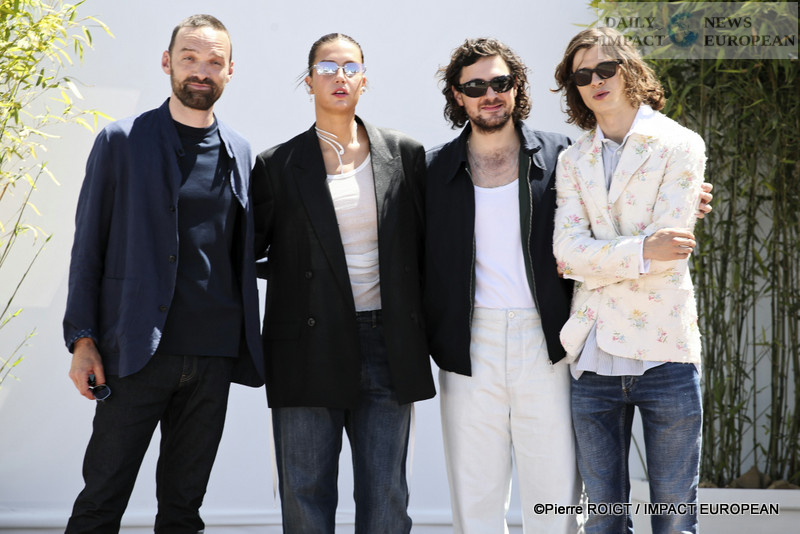
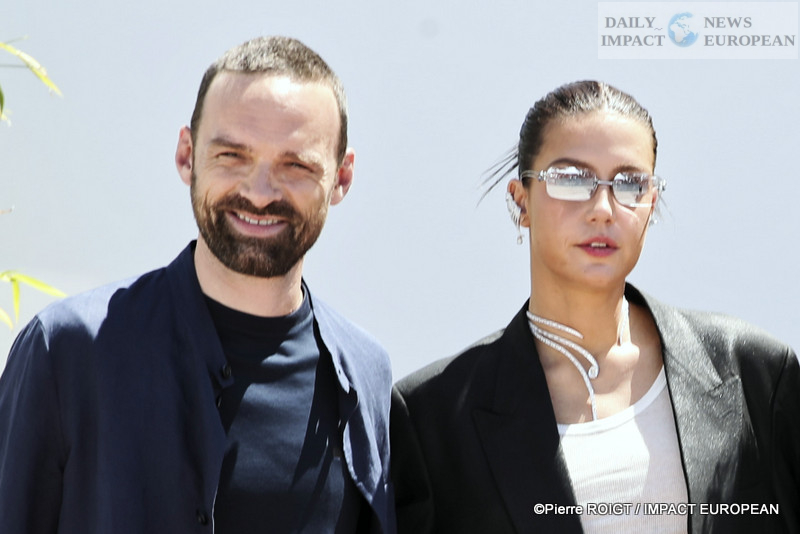
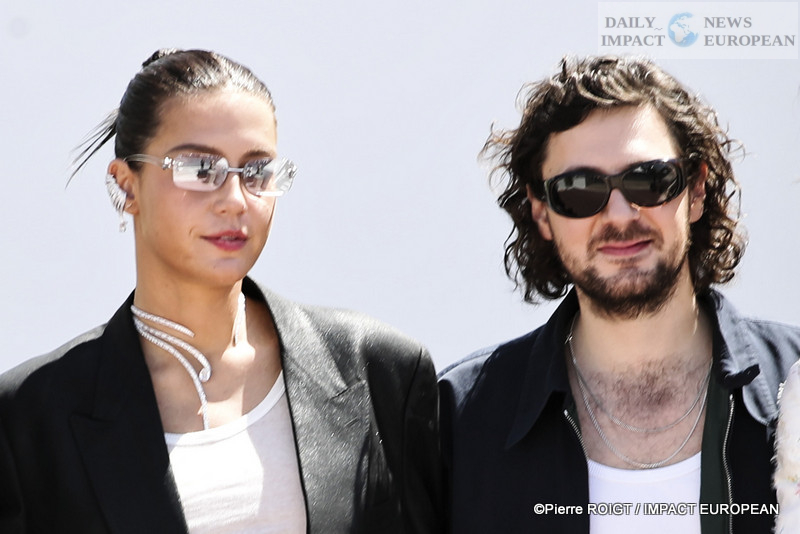
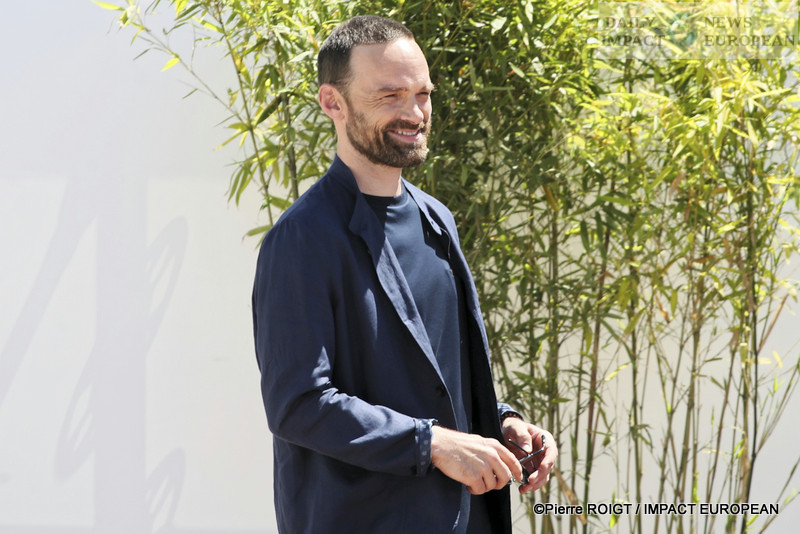
Presented in the Cannes Première section of the Cannes Film Festival, Mariage au goût d’orange transforms an intimate family memory into a deeply emotional ensemble drama filled with nostalgia, tenderness and hidden wounds.
With Mariage au goût d’orange, French filmmaker Christophe Honoré continues the autobiographical exploration that has shaped much of his recent work. Following Plaire, aimer et courir vite and Le Lycéen, the director once again returns to Nantes and to the emotional geography of his own memories.
Set on March 11, 1978 — the day French singer Claude François died — the film follows the Puig family gathering for the wedding of Jacques and Martine. What should be a joyful celebration gradually becomes an emotional confrontation with unresolved trauma, fractured relationships and inherited pain.
Honoré approaches this story not as a conventional family drama, but as a poetic meditation on memory itself. The wedding acts as an emotional catalyst, allowing decades of resentment, loneliness and fragile affection to resurface over the course of a single evening.
The film’s ensemble structure is remarkably effective. Each sibling carries a different emotional burden: failed marriages, financial ruin, emotional repression and the lingering scars of the Algerian War. These individual stories intertwine naturally, creating a portrait not only of one family, but of an entire generation shaped by silence and emotional restraint.
Visually, the film is steeped in nostalgic warmth. Cinematographer Mauro Herce recreates late-1970s France with extraordinary sensitivity. Rather than romanticizing the past, the film captures the bittersweet fragility of memory — where joy and sadness coexist within the same image.
The performances elevate the material to another level. Adèle Exarchopoulos delivers one of the most emotionally raw performances of the Festival as Claudie, a woman constantly on the verge of emotional collapse. Vincent Lacoste brings warmth and vulnerability to his role, while Alban Lenoir gives the film some of its darkest emotional moments through a character haunted by war and regret.
One of the film’s greatest strengths lies in its tonal balance. Christophe Honoré constantly moves between humor and melancholy, allowing moments of laughter to emerge naturally even during scenes filled with emotional pain. This emotional fluidity gives the film an authenticity rarely found in modern family dramas.
At its core, “Mariage au goût d’orange” is about the fear of repeating the emotional failures of previous generations. The children attempt to escape the shadows of their father while desperately searching for their own definition of love and family.
Warmly received during its Cannes Première screening, the film confirms Christophe Honoré as one of contemporary French cinema’s most sensitive chroniclers of intimacy, memory and emotional inheritance.
Copyright © 2026 IMPACT EUROPEAN






Views: 5
More Stories
Paris protest puts cost of living and public freedoms in focus
Art Basel Paris 2026: Global Art Meets an Unexpected Closure
France Protests on October 17: Mass Mobilization Overshadowed by Violence Across the Country