

Pedro Almodóvar has spent most of his career transforming emotional chaos into cinematic beauty.
But with Amarga Navidad, the legendary Spanish filmmaker does something far more unsettling.
He turns the camera toward himself.
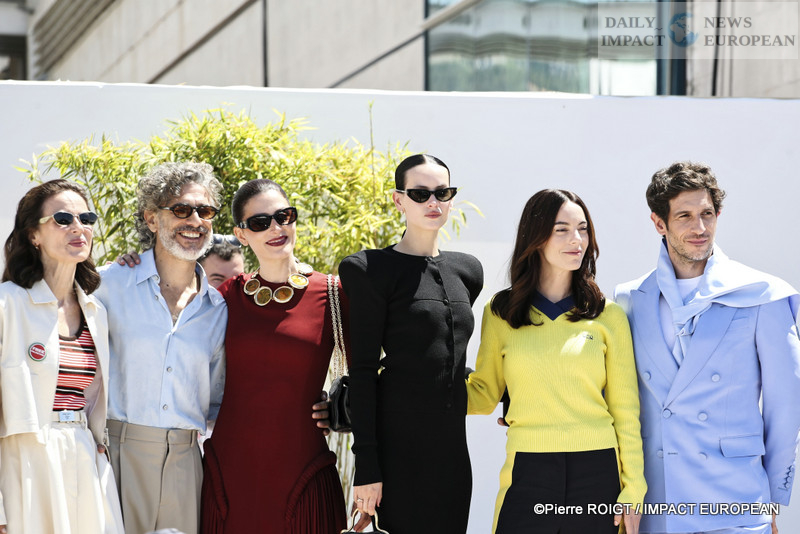
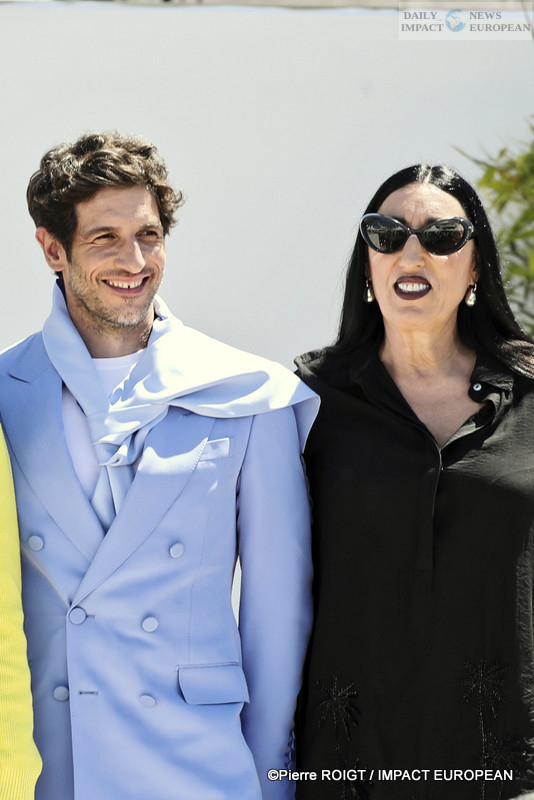
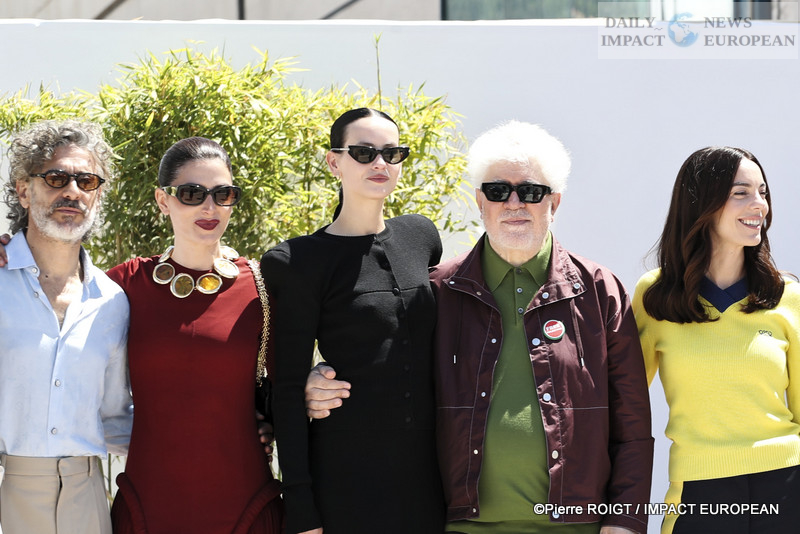
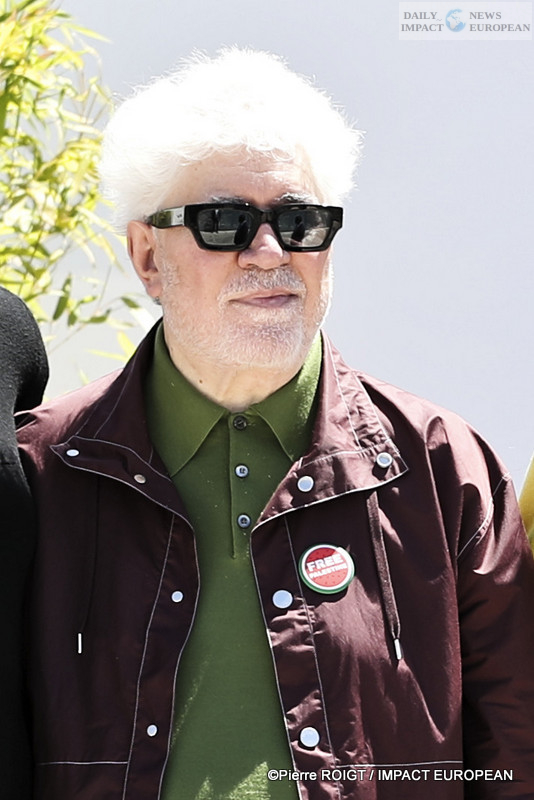
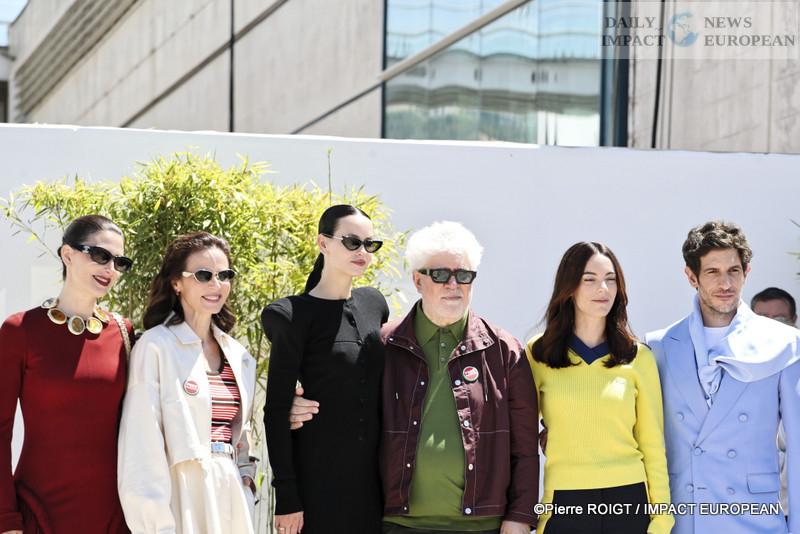
Premiering in competition at Cannes 2026, Amarga Navidad — internationally titled Bitter Christmas and released in France as Autofiction — immediately became one of the festival’s most discussed films.
Some critics see it as his finest work since Pain and Glory.
Others find it too intimate, too self-reflective, even emotionally exposed.
But that vulnerability is exactly what makes the film extraordinary.
At its core, Amarga Navidad is about artistic fear.
The fear of losing inspiration.
The fear of exploiting the suffering of others.
And ultimately, the fear of becoming emotionally empty.
The story follows Raúl, a successful filmmaker suffering from creative paralysis after personal tragedy strikes someone close to him. As he begins transforming that pain into a screenplay, reality and fiction start collapsing into one another.
The result becomes a hall-of-mirrors structure where every character feels like an emotional projection of someone else.
Elsa, played brilliantly by Bárbara Lennie, becomes the emotional center of the film. She exists simultaneously as an independent character, as Raúl’s reflection, and as a transparent extension of Almodóvar himself.
The film constantly blurs those boundaries.
And that blurring becomes emotionally devastating.
Visually, Amarga Navidad still contains the unmistakable DNA of Almodóvar cinema. Rich colors, elegant interiors, melancholy compositions and Alberto Iglesias’ haunting score dominate the film.
Yet something feels fundamentally different here.
The flamboyant energy that once defined Almodóvar has softened into exhaustion.
This may be the quietest film he has ever made emotionally.
And perhaps the bravest.
Leonardo Sbaraglia gives one of the strongest performances of the festival as Raúl. He avoids vanity completely, portraying a filmmaker terrified by the possibility that he may no longer have anything meaningful left to say.
That anxiety permeates the entire film.
Every scene feels haunted by time passing.
By memory fading.
By artistic relevance slipping away.
The film’s central moral question is fascinating: how much of other people’s pain can an artist ethically transform into art?
Almodóvar never offers easy answers.
Instead, he presents creation itself as a kind of emotional cannibalism.
This thematic complexity elevates Amarga Navidad far beyond simple autobiography.
The obvious comparison is Fellini’s 8½. Like Fellini, Almodóvar turns creative crisis into cinematic spectacle. But where Fellini exploded into surreal fantasy, Almodóvar retreats inward toward emotional intimacy.
The effect is heartbreaking.
What makes the film so powerful is its complete lack of cynicism. Even at its most painful moments, Amarga Navidad remains deeply compassionate toward its characters.
Almodóvar seems less interested in analyzing himself than in understanding why artists continue creating despite emotional exhaustion.
That sincerity resonates strongly.
Especially at Cannes, where audiences often reward emotionally exposed cinema.
The film has already emerged as one of the strongest Palme d’Or contenders. Whether it ultimately wins or not almost feels secondary.
Because Amarga Navidad achieves something rarer than awards.
It captures the terrifying moment when an artist begins wondering whether there is still anything left inside worth turning into cinema.
Copyright © 2026 IMPACT EUROPEAN






Views: 18
More Stories
Paris protest puts cost of living and public freedoms in focus
Art Basel Paris 2026: Global Art Meets an Unexpected Closure
France Protests on October 17: Mass Mobilization Overshadowed by Violence Across the Country