
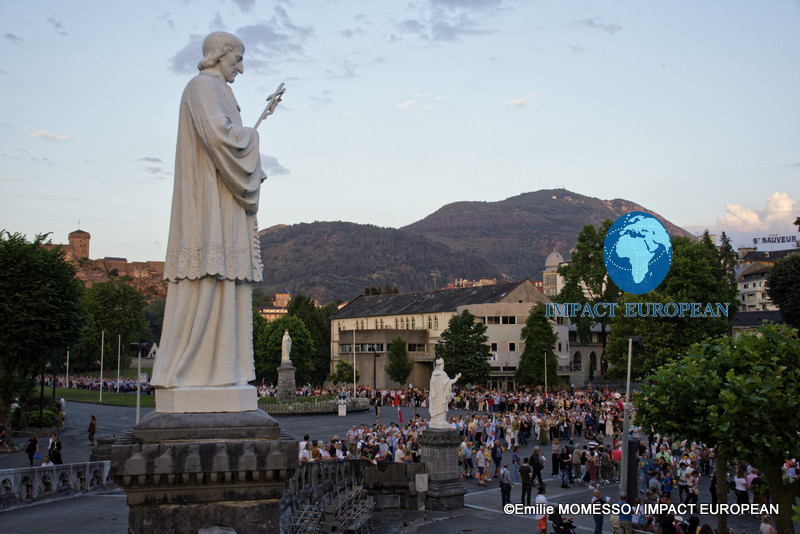
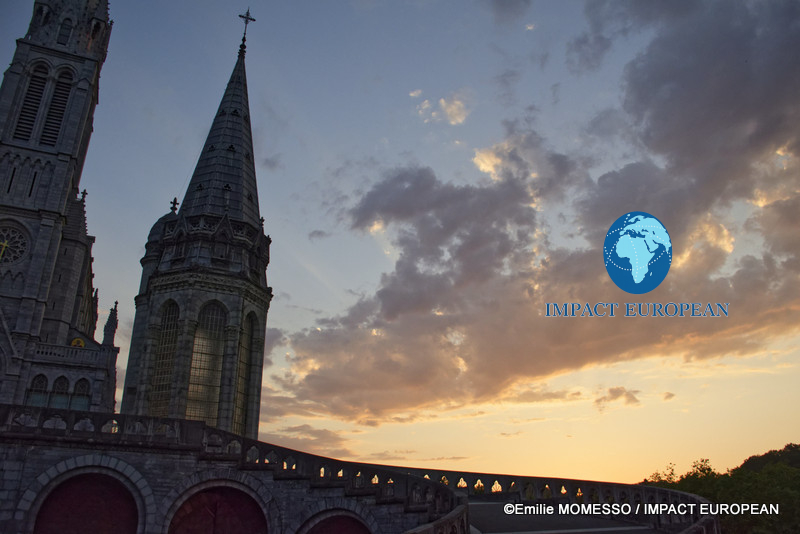
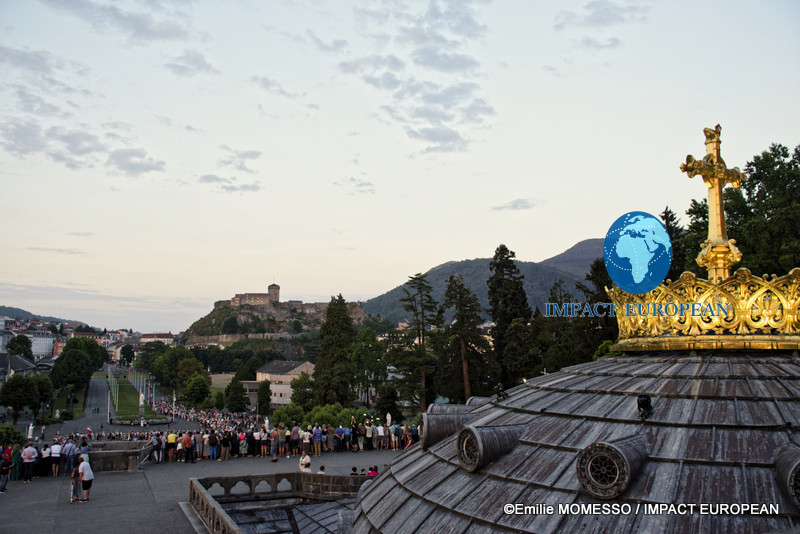
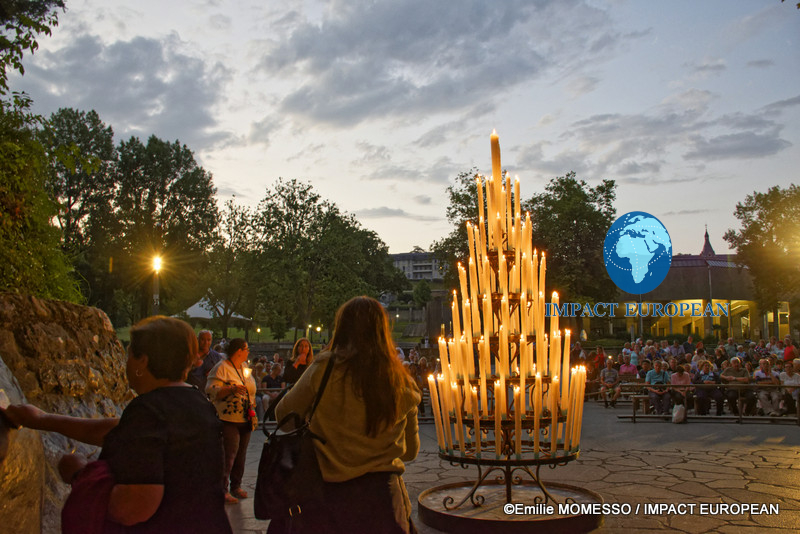
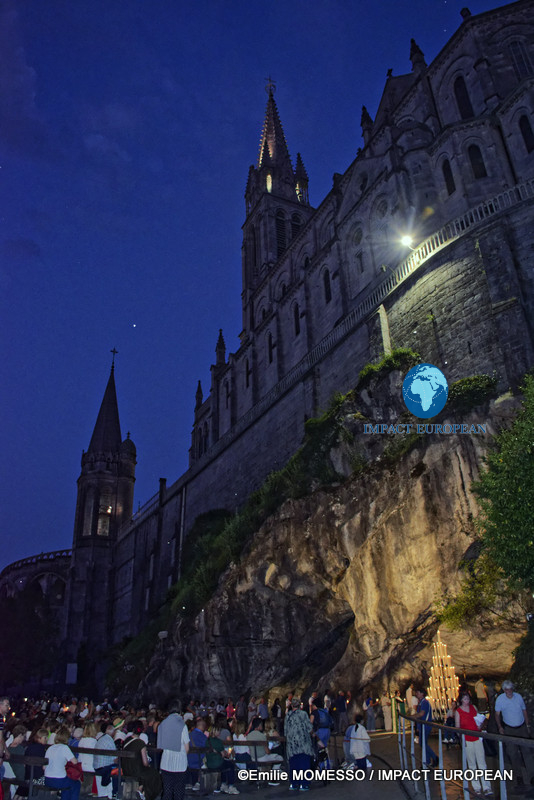
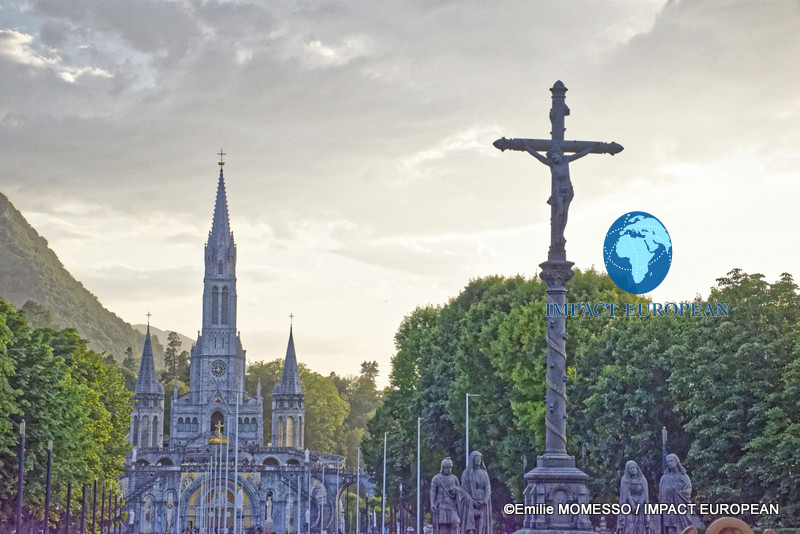
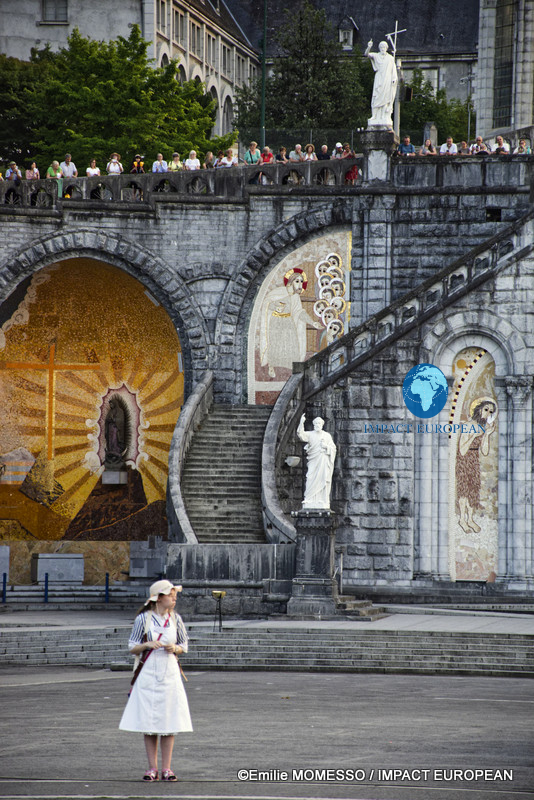
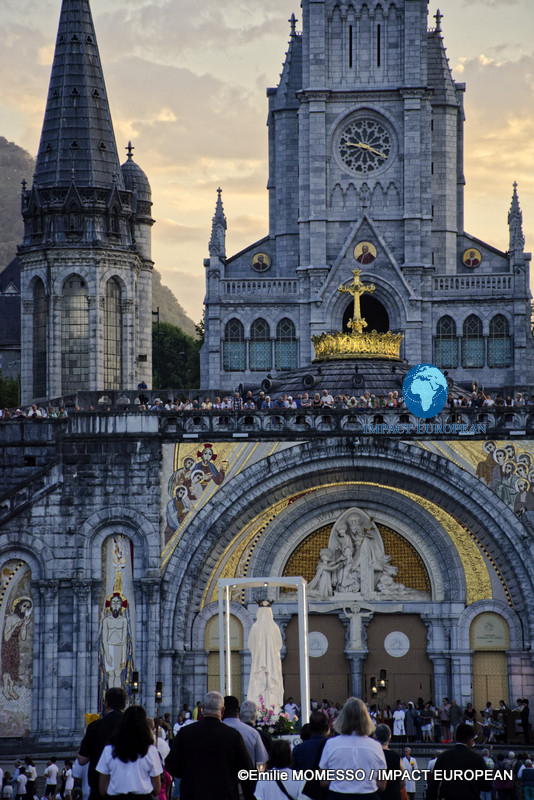
Every evening, as darkness settles over the Pyrenees, thousands of small lights begin to move through the Sanctuary of Our Lady of Lourdes.
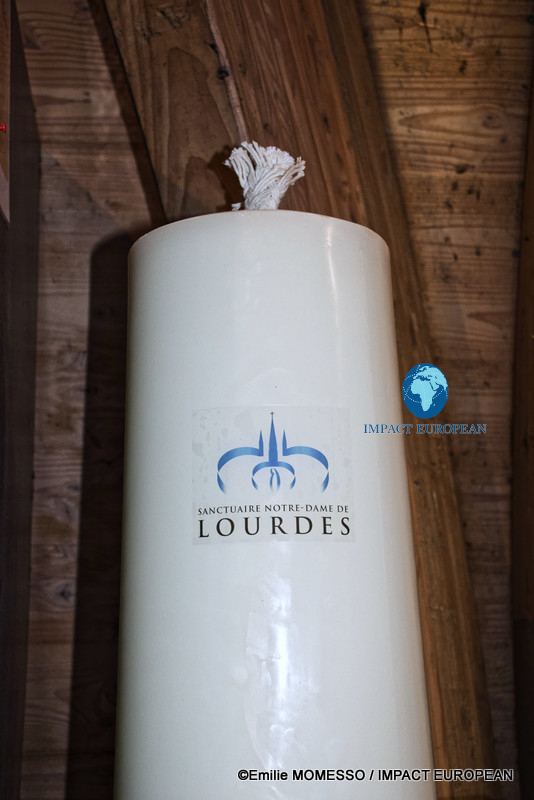
Candles illuminate the night.
Prayers rise in dozens of languages.
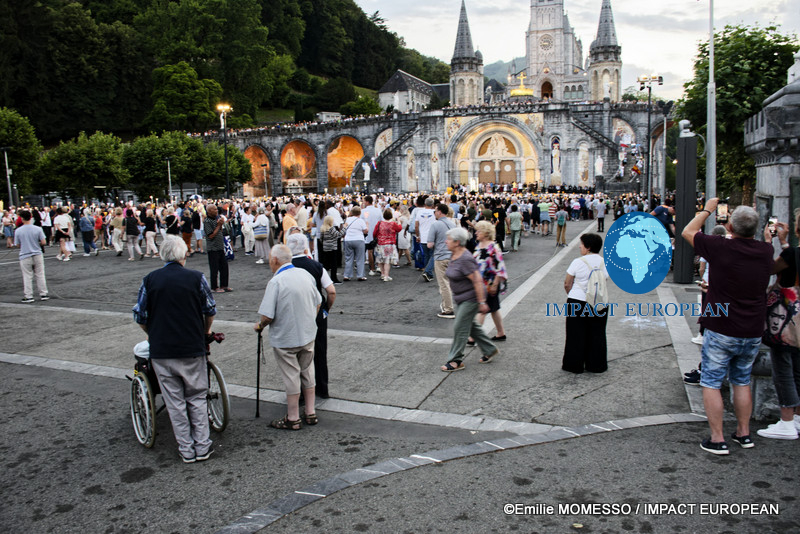
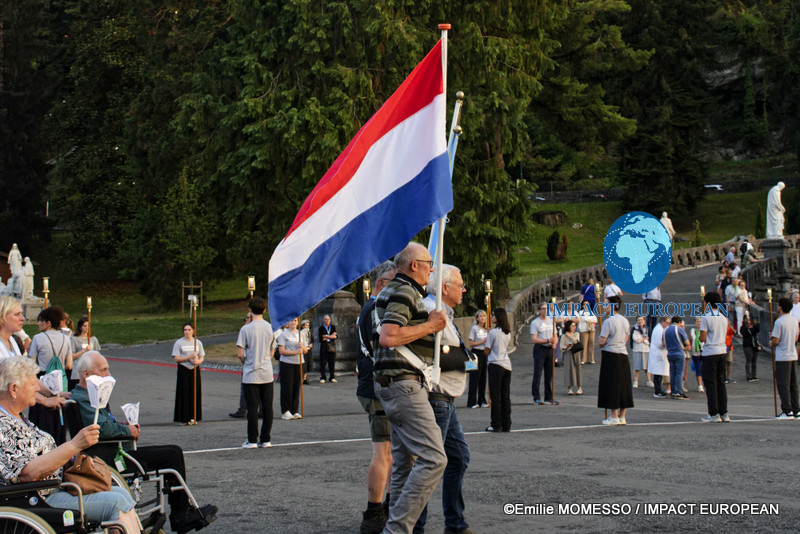
Pilgrims from every continent walk side by side.
For many visitors, this moment represents the very heart of Lourdes.
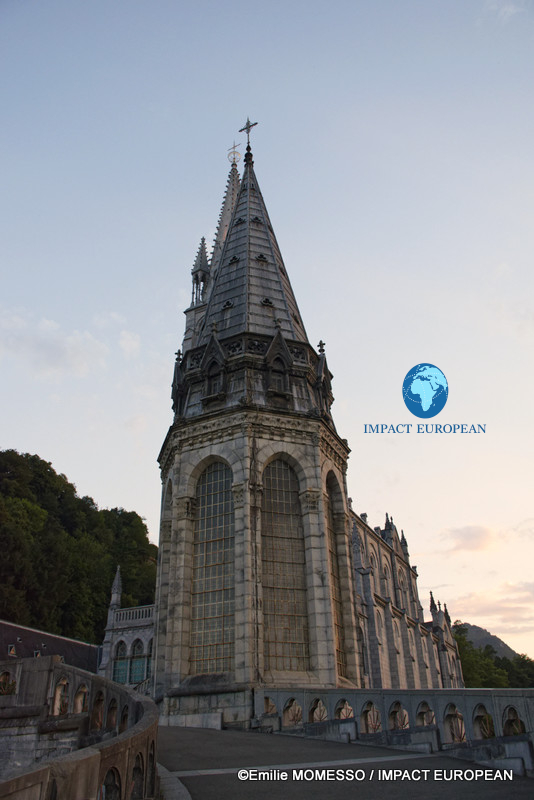
For more than a century and a half, the French sanctuary has remained one of the most important spiritual destinations in the Catholic world.
Today, as Lourdes prepares to welcome Pope Leo XIV on September 27, 2026, its international significance continues to grow.
A global destination of faith
Few religious sites attract such a diverse international community.
Each year, pilgrims arrive from Europe, North and South America, Africa, Asia and Oceania.
Some come seeking spiritual renewal.
Others arrive to accompany sick relatives or to participate in organized pilgrimages.
Many simply wish to experience one of the most iconic places in modern Catholicism.
The international character of Lourdes is immediately visible.
Languages from around the world can be heard throughout the sanctuary.
Masses are celebrated in multiple languages.
Pilgrims from different cultures share the same prayers and traditions.
This global dimension has helped Lourdes maintain a unique position within the Catholic Church.
The candlelight procession: a symbol recognized worldwide
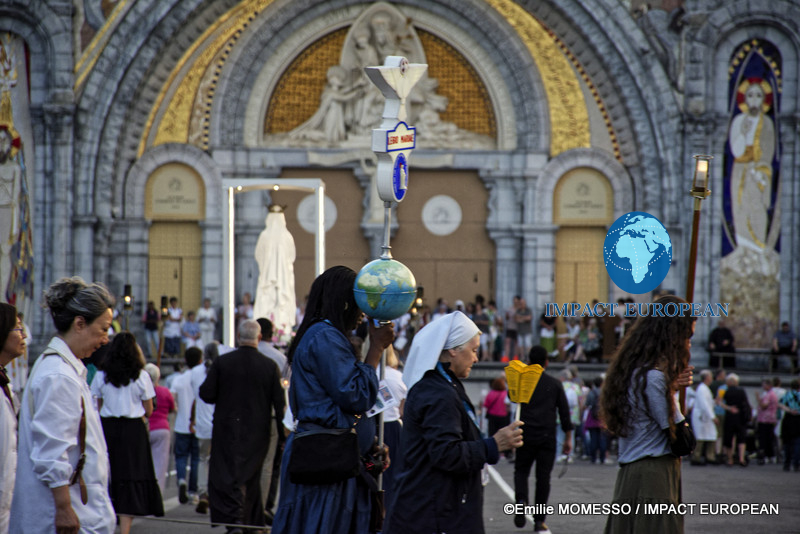
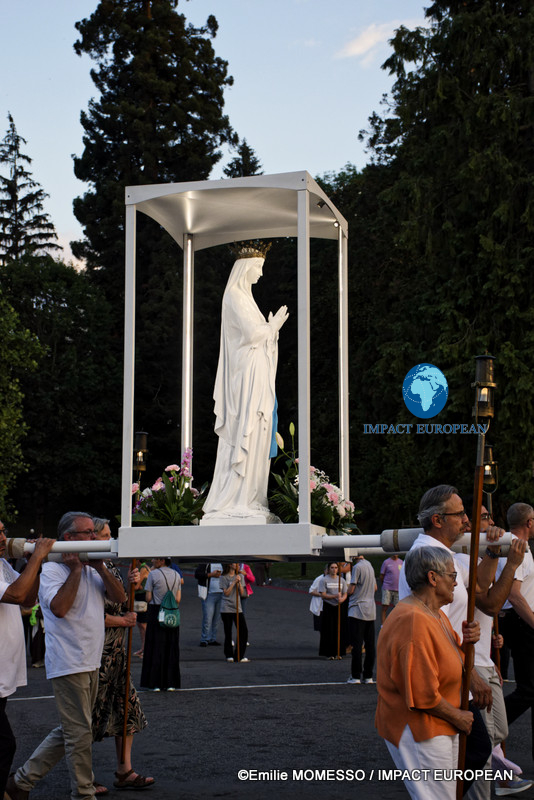
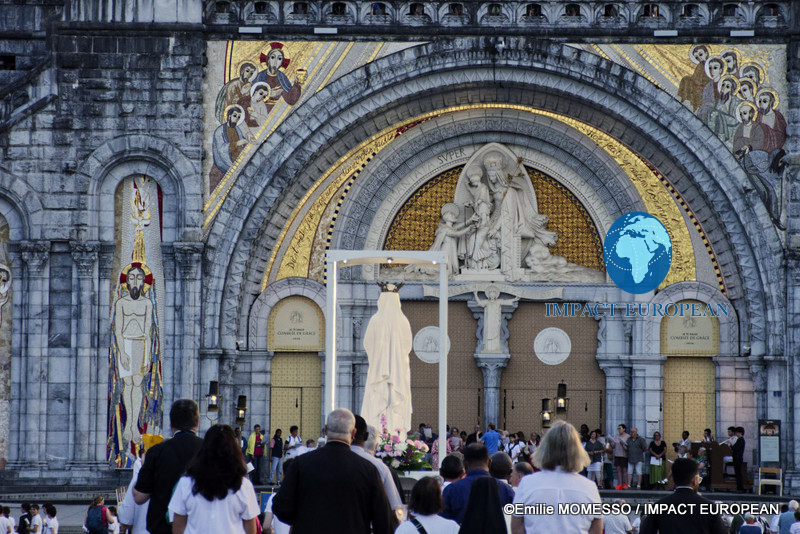
Among all the celebrations held in Lourdes, none is more recognizable than the Marian Candlelight Procession.
Held every evening from Easter until All Saints’ Day, the procession begins near the Grotto of the Apparitions.
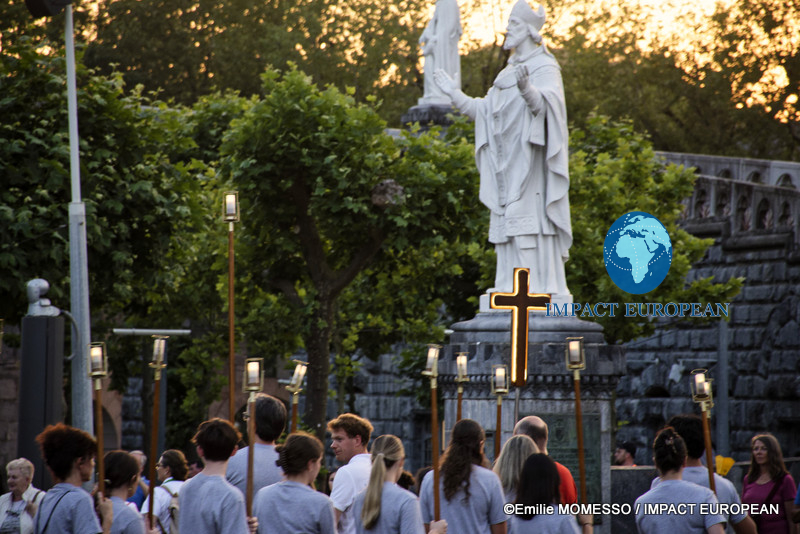
Thousands of pilgrims carry candles while praying the Rosary and singing hymns dedicated to the Virgin Mary.
The image of thousands of lights moving through the sanctuary has become one of the most powerful symbols of Catholic pilgrimage.
For many visitors, it is an emotional experience that transcends language and nationality.
The procession remains one of the strongest expressions of Lourdes’ identity.
A sanctuary of accessibility and inclusion
One of the most remarkable aspects of Lourdes is its commitment to welcoming people with disabilities and serious illnesses.
Wheelchairs are a common sight throughout the sanctuary.
Thousands of volunteers dedicate their time to assisting those who require support.
Unlike many religious or tourist destinations, Lourdes places vulnerable people at the center of its mission.
For families accompanying sick relatives, the sanctuary offers not only practical assistance but also a sense of dignity and belonging.
This culture of inclusion has become one of Lourdes’ defining characteristics.
It also explains why many international Catholic organizations continue to organize pilgrimages specifically for disabled and elderly participants.
Pope Leo XIV’s expected visit
The announcement of Pope Leo XIV’s visit on September 27, 2026 has generated significant anticipation.
The Holy Father will travel to Lourdes during his apostolic journey to France.
According to sanctuary officials, he will come as a pilgrim among pilgrims.
His presence is expected to attract tens of thousands of additional visitors.
For Catholics around the world, the visit carries strong symbolic value.
It reinforces Lourdes’ place within contemporary Catholic spirituality and highlights the sanctuary’s ongoing relevance in the twenty-first century.
A cultural heritage beyond religion
While Lourdes is primarily known as a place of faith, local officials and historians are also working to preserve its cultural traditions.
A project currently under preparation seeks official recognition of the Marian Candlelight Procession as part of France’s intangible cultural heritage.
For archivist Nicolas Dargegen and the sanctuary team, the goal is to protect a tradition that has existed since the nineteenth century and continues to bring together people from around the world.
Such recognition could eventually support a future application for UNESCO intangible heritage status.
Beyond its religious significance, the procession represents a living tradition that forms part of France’s cultural identity.
Religious tourism and regional impact
Lourdes also plays a major role in religious tourism.
From spring through autumn, the city welcomes visitors who contribute significantly to the local economy.
Hotels, restaurants, transport services and local businesses all benefit from the annual influx of pilgrims.
The pilgrimage season, particularly between April and October, transforms Lourdes into one of the most visited destinations in southwestern France.
Many visitors combine their spiritual journey with tourism in the Pyrenees region, creating a unique blend of faith, culture and travel.
A message that continues to resonate
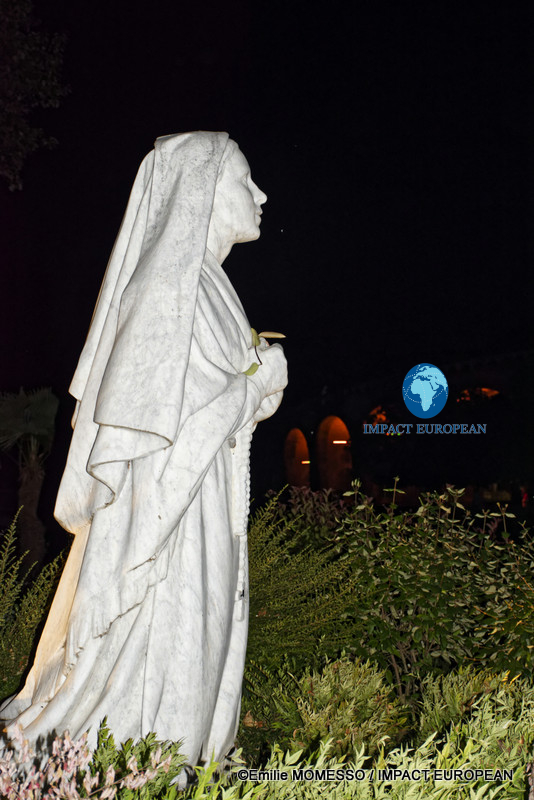
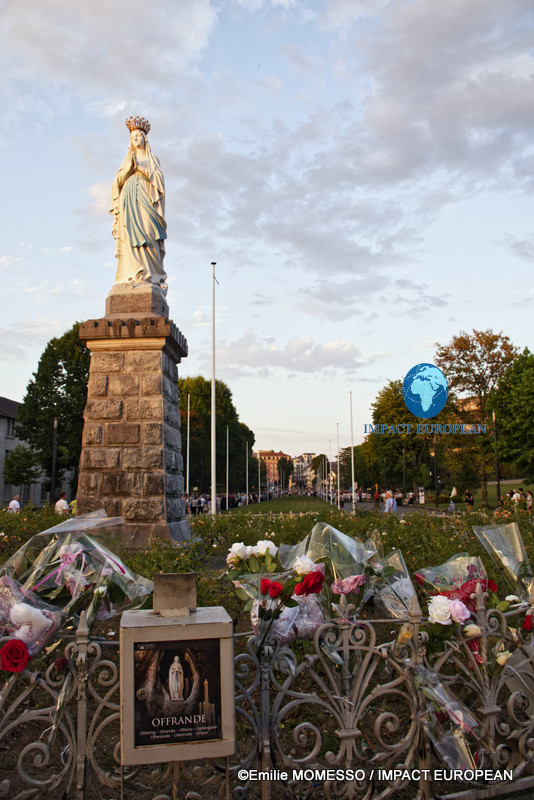
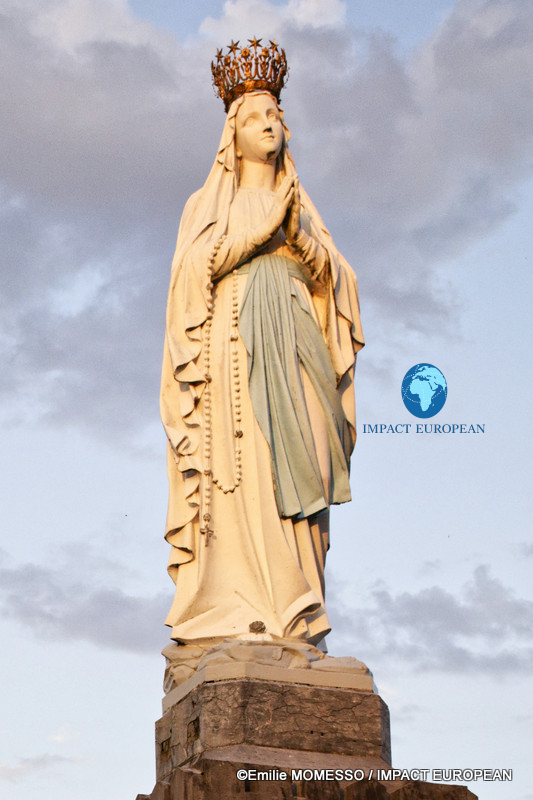
More than 160 years after the apparitions associated with Bernadette Soubirous, Lourdes continues to attract people searching for hope.
Its appeal extends far beyond national borders.
Whether arriving as pilgrims, tourists or observers, visitors encounter a place where faith, compassion and community remain central values.
The upcoming visit of Pope Leo XIV and the heritage recognition project represent new chapters in a story that continues to evolve.
Yet the essence of Lourdes remains unchanged.
Every evening, as thousands of candles illuminate the sanctuary, pilgrims from around the world are reminded of a message that transcends generations, cultures and continents: hope is stronger when it is shared.
For that reason, Lourdes remains not only one of the world’s great pilgrimage destinations, but also one of its most enduring symbols of faith and human solidarity.
Copyright © 2026 IMPACT EUROPEAN








Views: 5
More Stories
France Protests on October 17: Mass Mobilization Overshadowed by Violence Across the Country
Work Palace Opens in Paris: INSITU Brings Luxury Hospitality Into the Workplace
Rugby Pro D2: Colomiers Defeat Narbonne 49-28 to Claim Bonus-Point Victory