

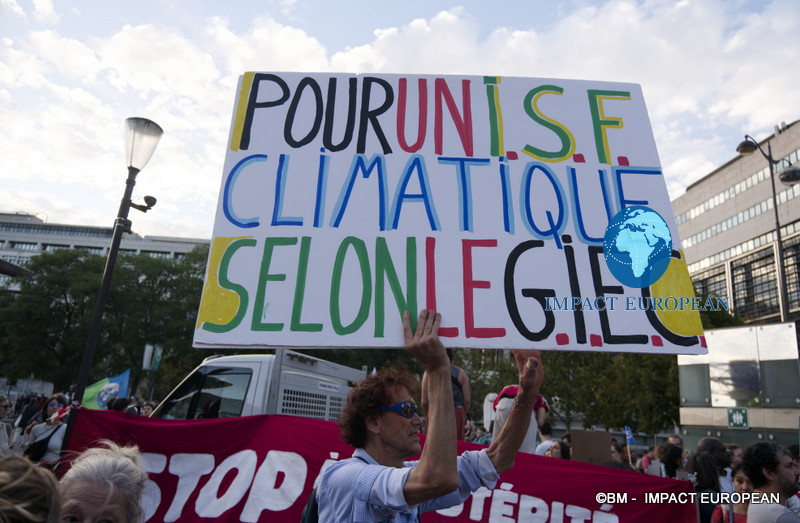
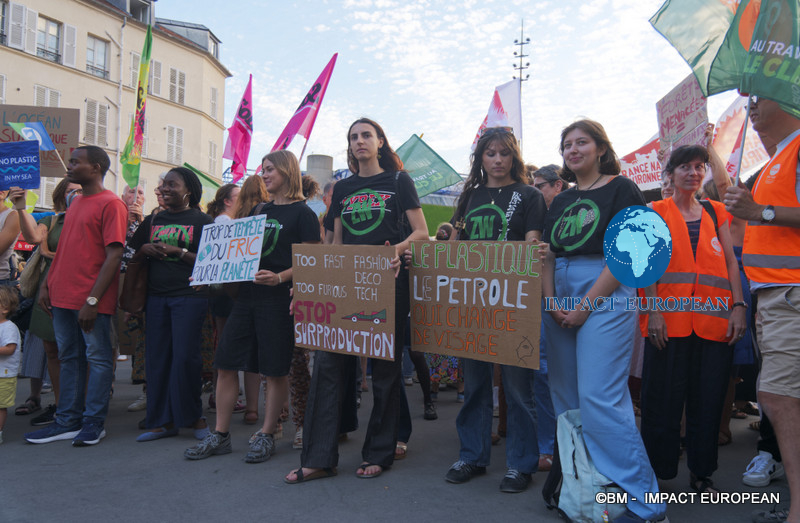
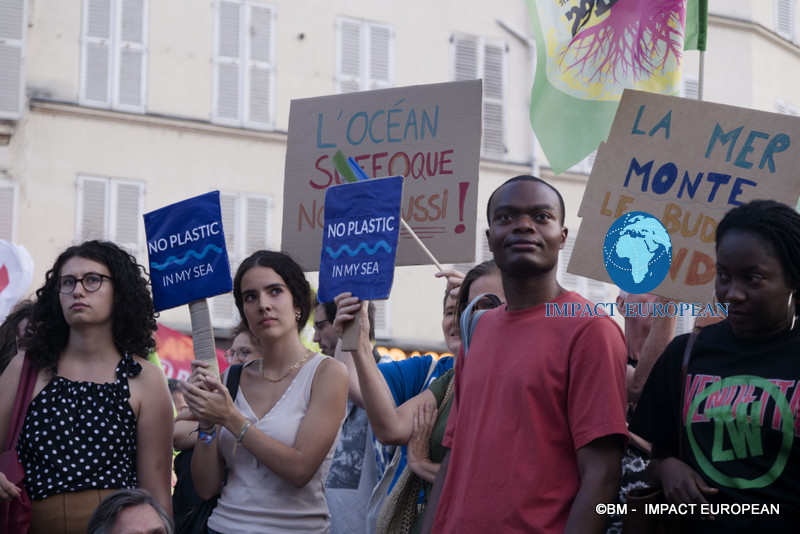
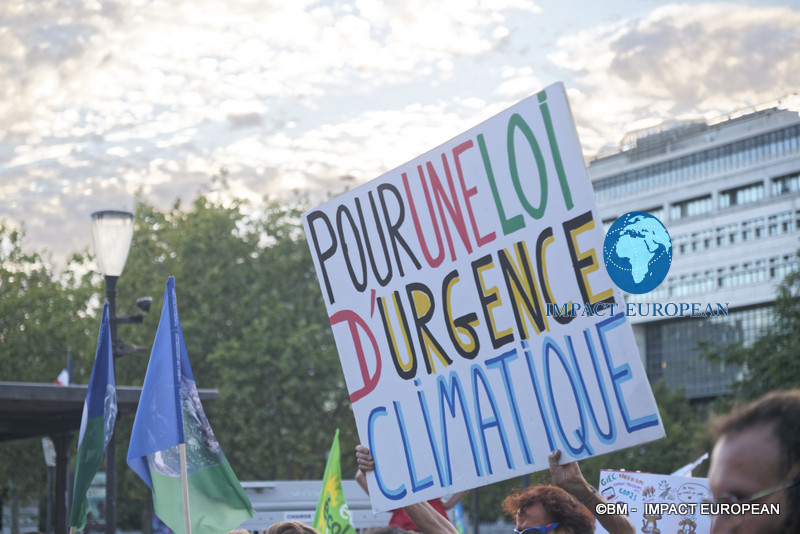
Firefighters, healthcare advocates, trade unions, students, environmental groups and international solidarity organisations gathered outside France’s Ministry of Economy and Finance in Paris on Tuesday, September 15. Brought together by an unprecedented coalition of 53 organisations, they called for the 2027 state budget to provide greater resources for climate adaptation, public services, emergency response, workers and vulnerable people after a summer marked by heatwaves and wildfires.
Outside Bercy, the climate debate was no longer confined to environmental organisations.
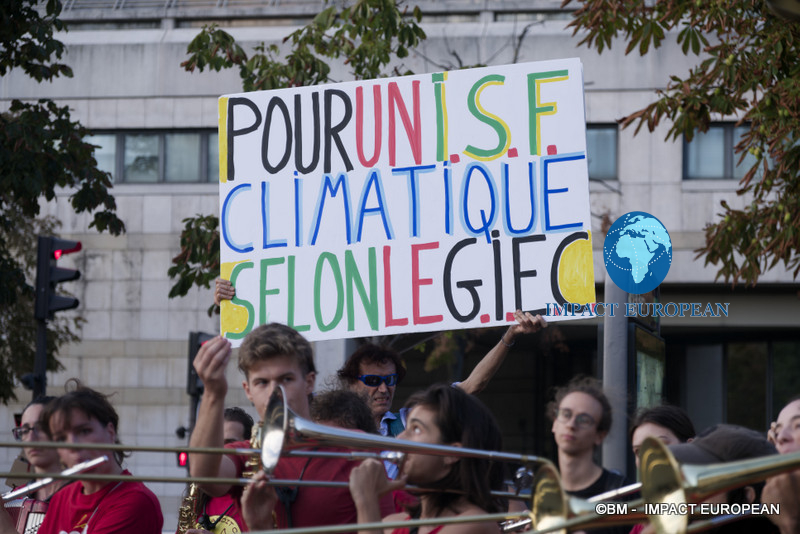
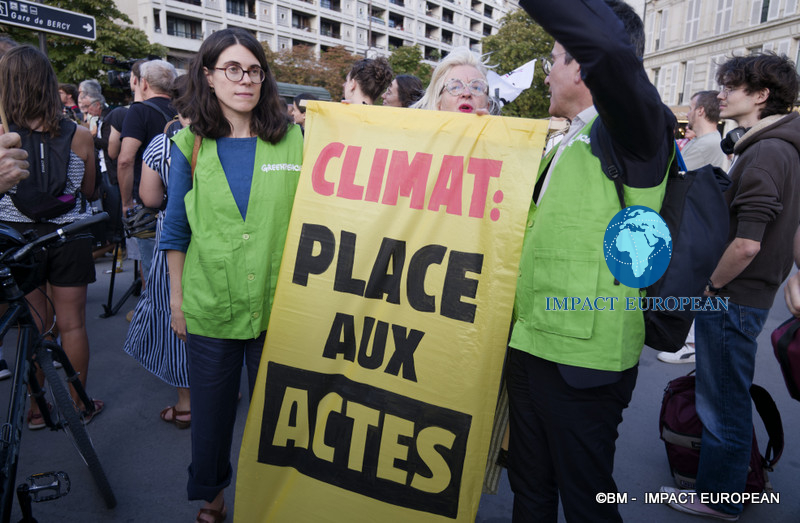
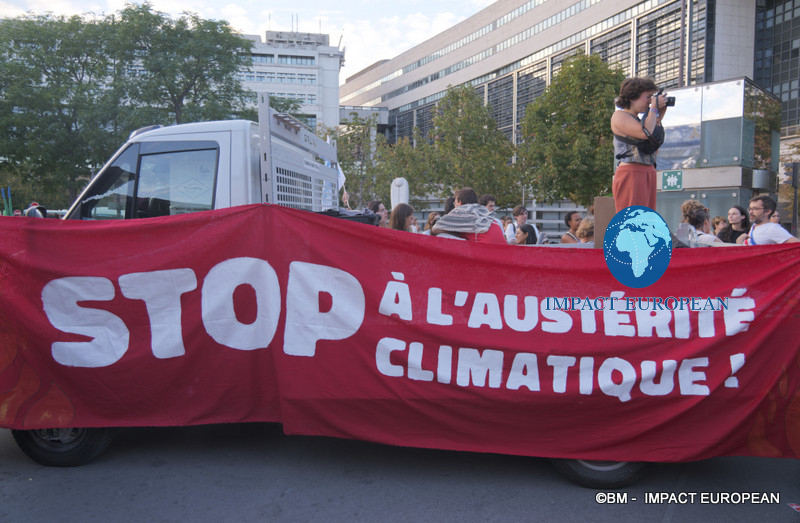
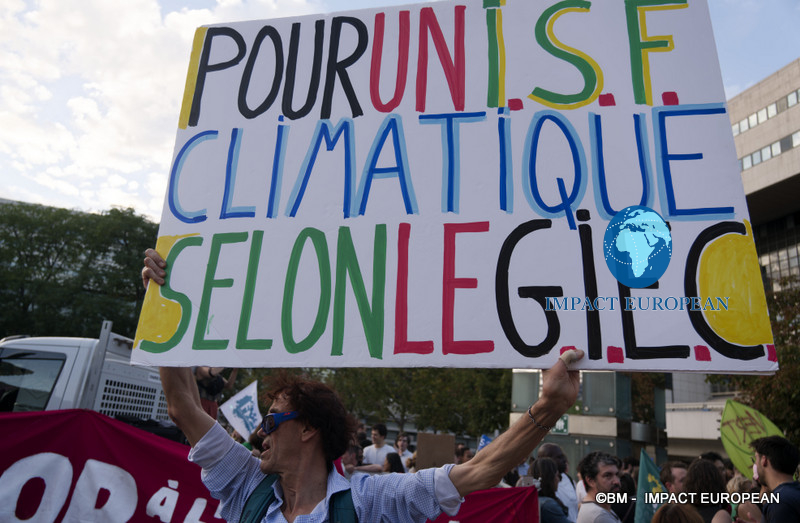
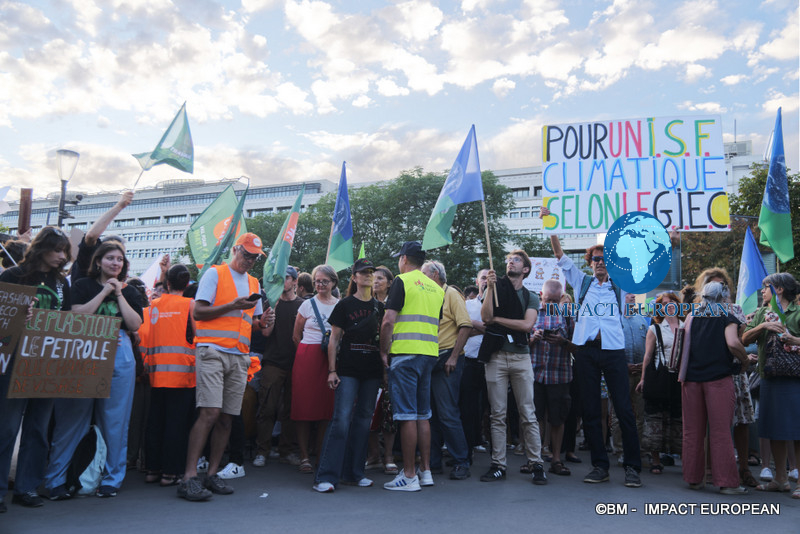
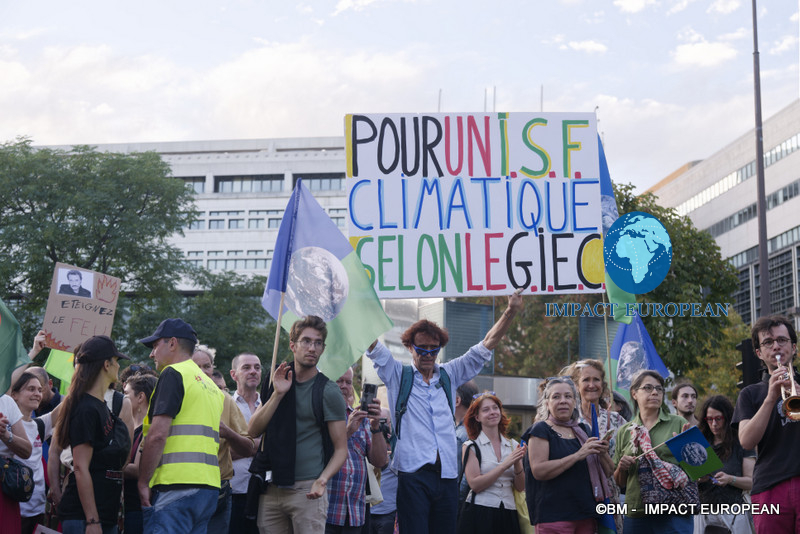
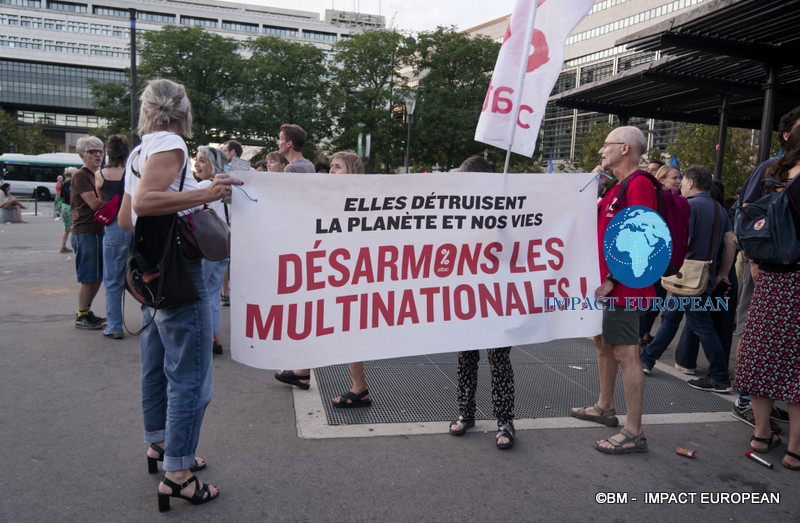
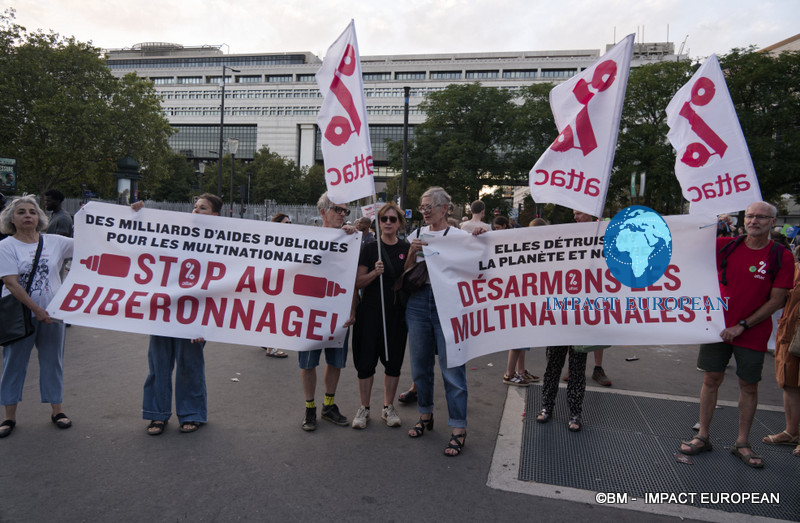
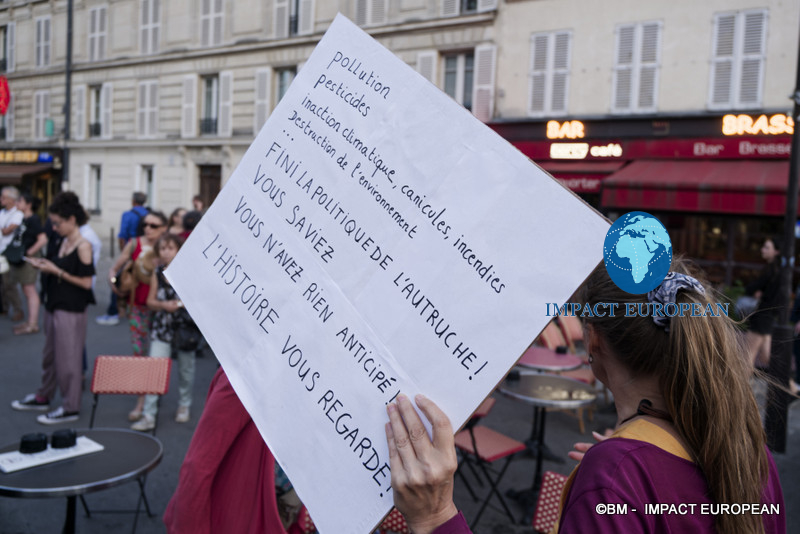
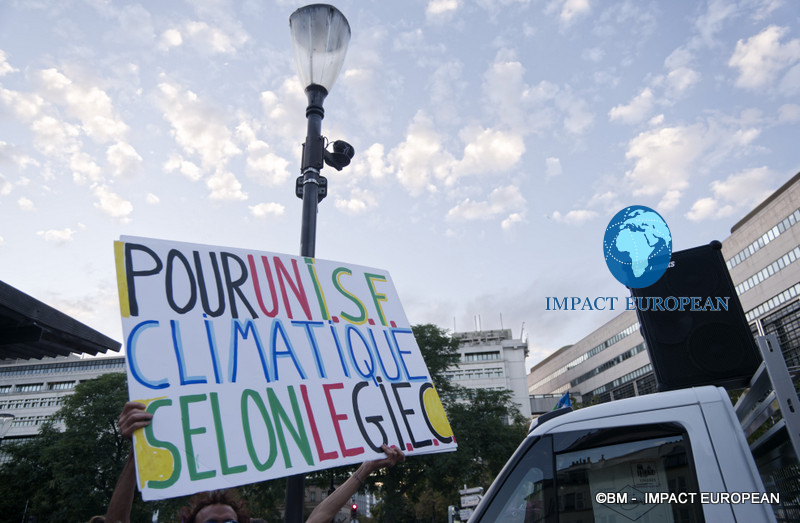
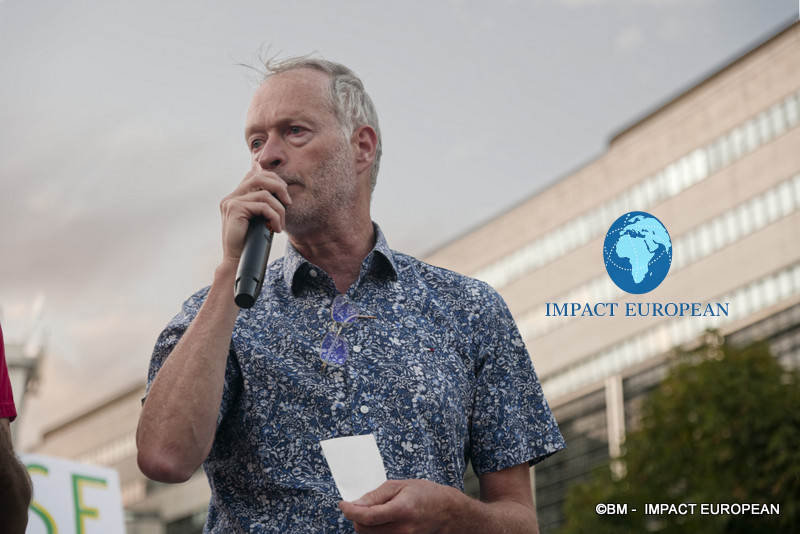
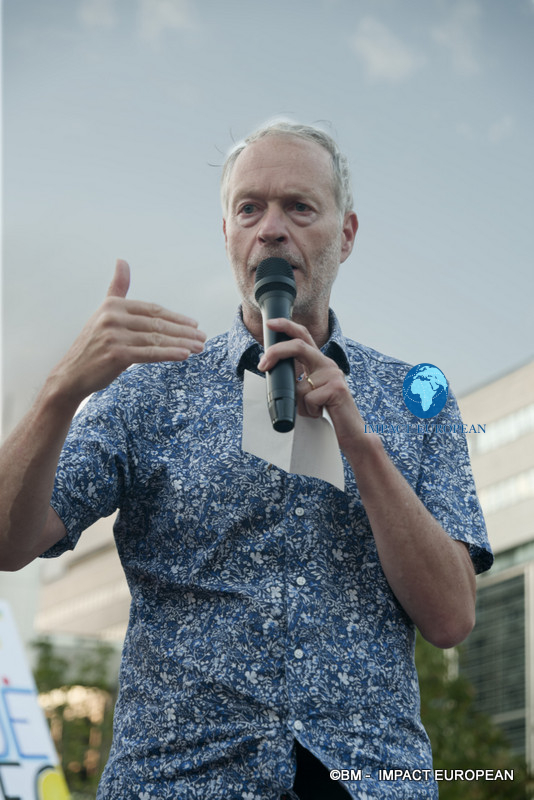
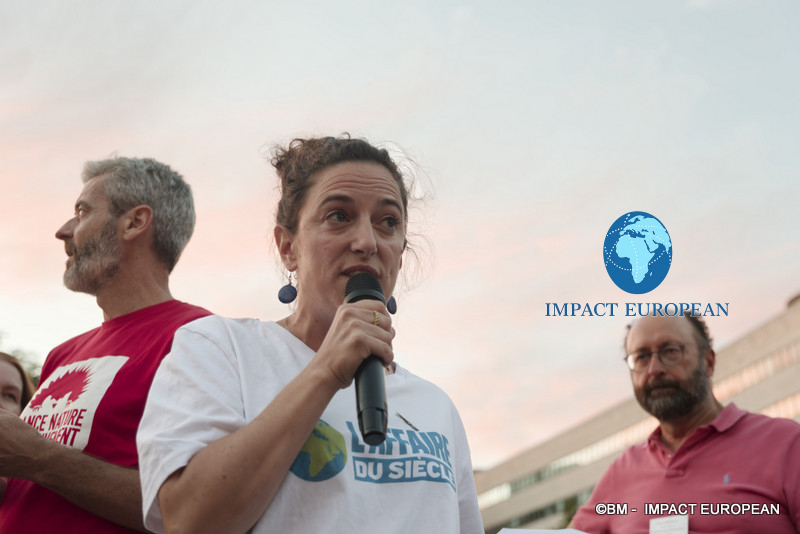
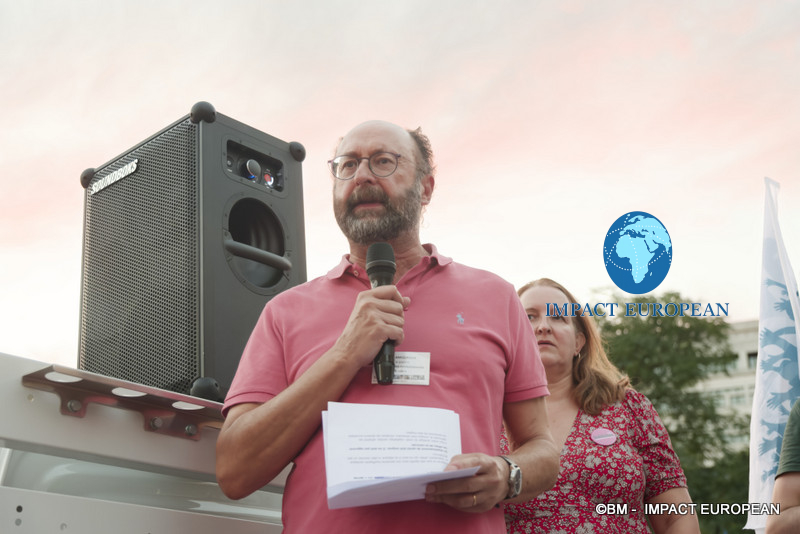
Several hundred people gathered between the Accor Arena and the Ministry of Economy and Finance for an evening demonstration bringing together organisations whose everyday concerns range from healthcare and working conditions to firefighting, environmental protection and international solidarity.
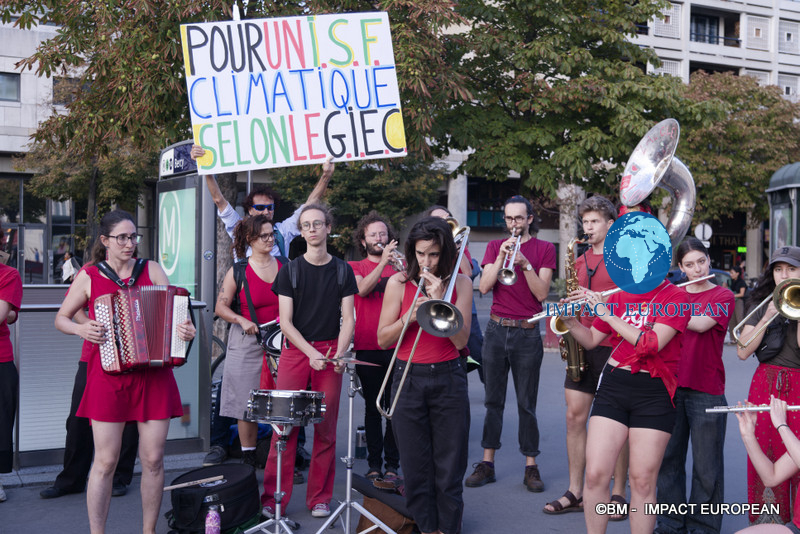
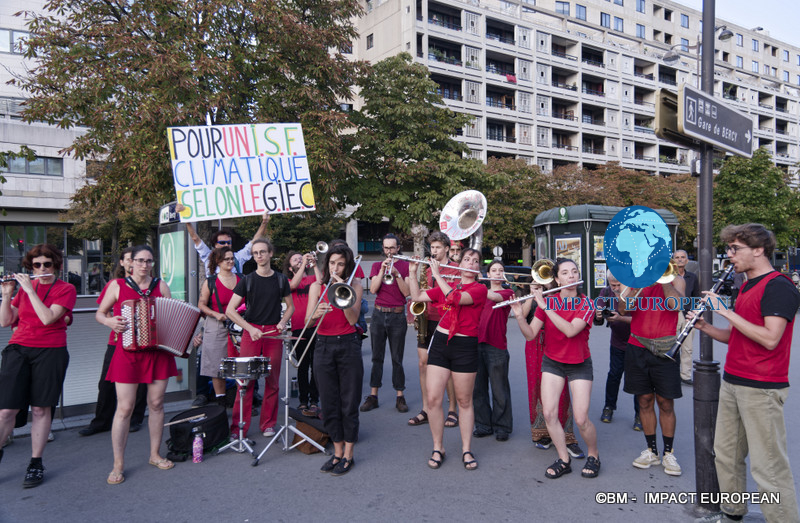
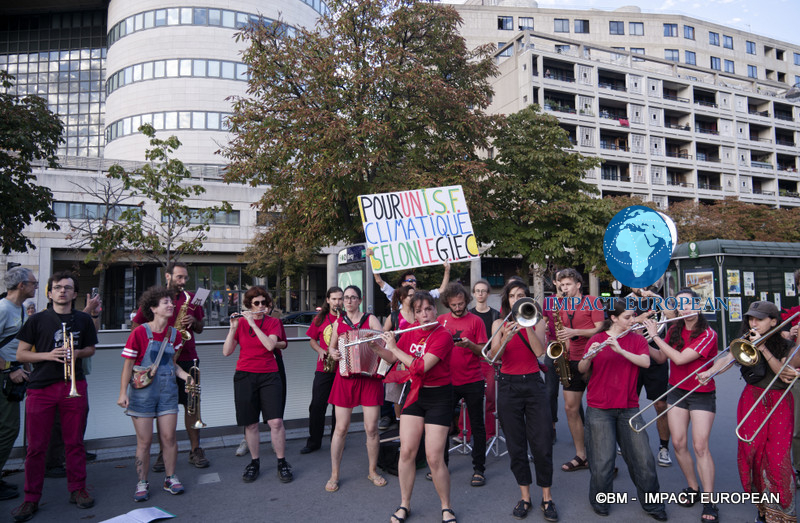
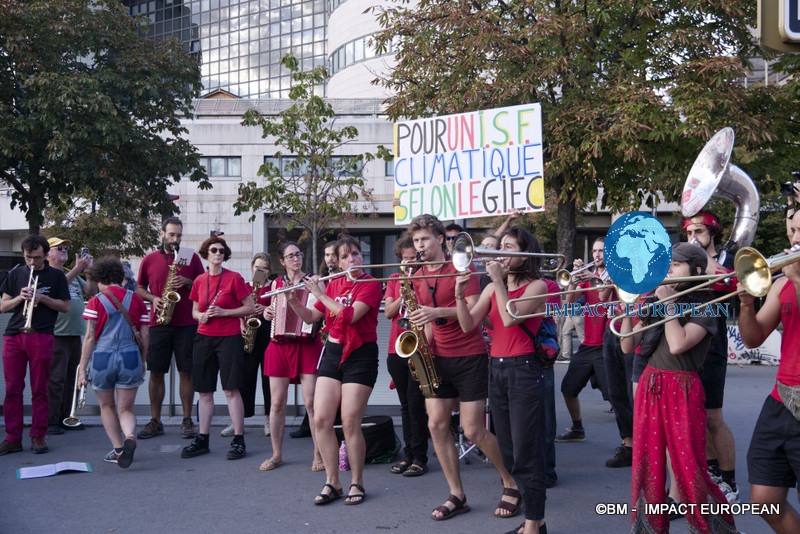
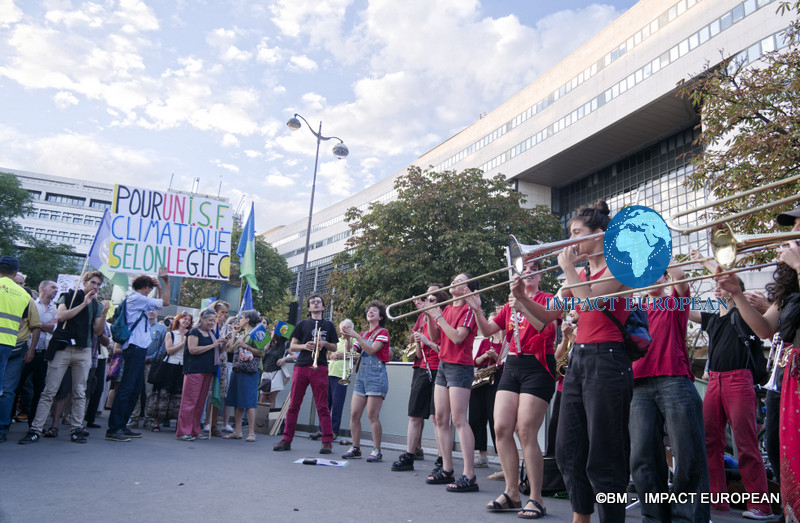
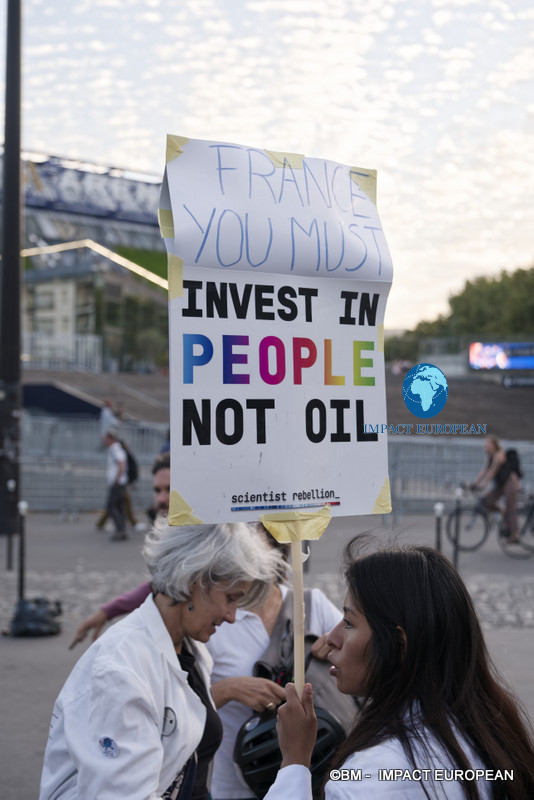
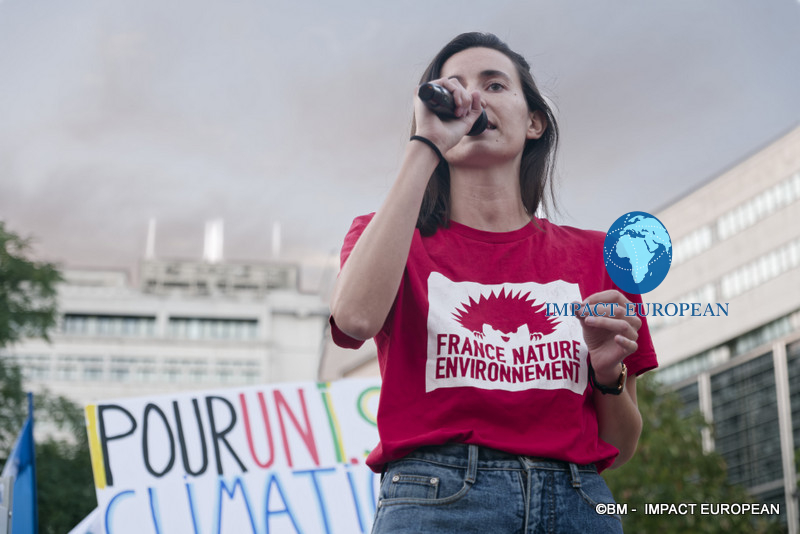
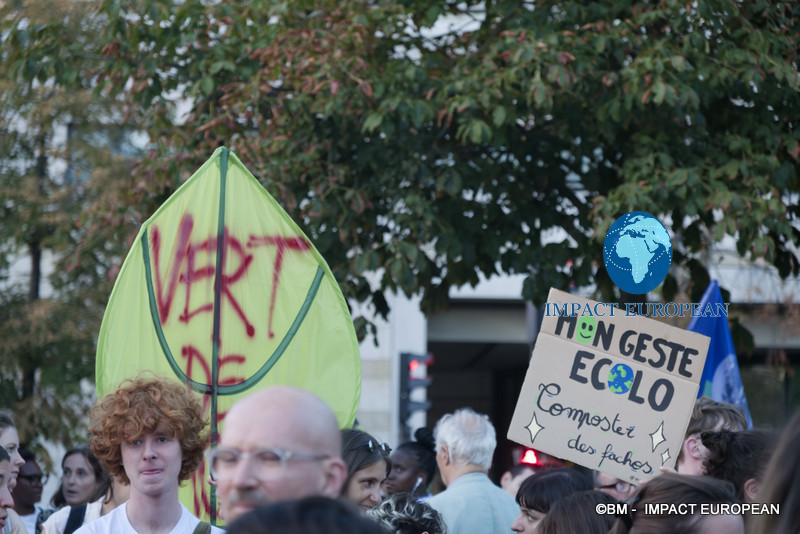
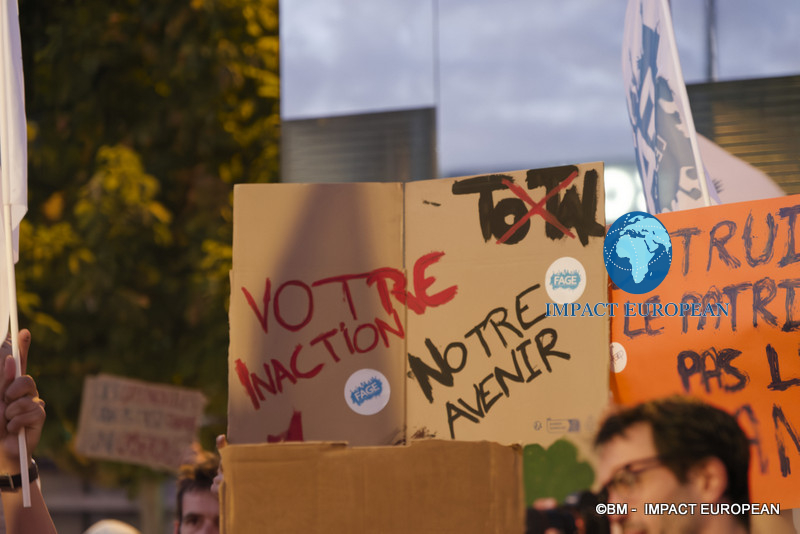
Flags and placards filled the esplanade. France Nature Environnement (FNE) activists were among the crowd, while a marching band accompanied the gathering. A large inflatable “climate bomb” brought by Scientifiques en rébellion floated above demonstrators.
Among those represented were FNE, Solidaires, Greenpeace, Médecins du Monde and activists from Extinction Rebellion, alongside trade unionists and representatives connected to emergency services.
Behind this unusual diversity was a common demand: as France prepares its 2027 budget, climate adaptation should be treated not simply as an environmental expenditure but as an issue affecting essential parts of the country.
A summer that brought vulnerability into focus
The summer of 2026 formed the backdrop to the demonstration.
The coalition highlights more than 7,300 excess deaths during the summer and 119,000 hectares of French forests affected by fires in making its case for stronger adaptation and prevention policies. These figures are presented by the organisers as evidence of the scale of the challenge.
Official health estimates require some qualification. Santé publique France has published provisional excess-mortality assessments covering successive heatwave periods, while a consolidated assessment for the entire summer is needed for a complete comparison.
For Jean-François Julliard, director general of France Nature Environnement, the events of the summer cannot simply disappear from political discussion as autumn begins. His organisation wants the September gathering to help maintain pressure through the parliamentary budget process.
The health consequences were also described through individual experiences.
A representative of Médecins du Monde spoke about outreach work carried out throughout the summer among homeless people exposed to extreme heat in heavily built-up urban areas.
For someone living on the street, access to shade, drinking water or a reliably cool place can become an immediate health issue during a heatwave.
The coalition therefore wants authorities to identify and protect vulnerable people during extreme heat, explicitly including those experiencing homelessness.
Housing is part of the same concern. One of the coalition’s eight proposals calls for homes particularly vulnerable to overheating to be equipped with measures such as shutters and air circulators.
Firefighters put emergency response on the climate agenda
Wildfires introduce another dimension: what happens when prevention is no longer enough and emergency services must intervene?
At Bercy, Bruno Ménard, representing the Syndicat des sapeurs-pompiers volontaires de France, warned about pressures facing France’s civil protection system following an exceptional year.
His presence connected a national budget debate with the practical ability of emergency services to respond across the country.
The coalition is demanding better geographical coverage for emergency services as well as additional resources for wildfire prevention.
This creates a direct link between adaptation and emergency response. Preparing territories for increasingly severe conditions is one part of the equation; maintaining sufficient capacity to intervene when fires or other emergencies occur is another.
Healthcare services face a related challenge. For the organisations demonstrating at Bercy, repeated periods of extreme heat place additional pressure on hospitals and other public services precisely when vulnerable populations need them most.
Extreme heat becomes a workplace issue
Climate adaptation also entered the discussion through employment.
The coalition is calling for heat to be covered more broadly by France’s weather-related unemployment protection system across all sectors.
The demand reflects a practical problem: extreme temperatures can make some forms of work difficult or potentially dangerous, while workers still depend on their income.
Damien Girard, an MP for Morbihan who attended the gathering, spoke about unusually high temperatures affecting Brittany and other areas once regarded as relatively sheltered from extreme heat.
He has proposed a form of “climate leave” that would allow employees to stop working without losing income when an extreme climatic event prevents them from carrying out their job under normal conditions.
Another MP present, Sandrine Rousseau, argued for greater financial resources to address climate risks.
These are political positions advanced by elected representatives and should not be confused with measures already adopted by Parliament. Their presence at Bercy nevertheless showed how adaptation is increasingly entering debates about employment and social protection.
The Green Fund turns adaptation into a budget question
For Axèle Gilbert, an advocacy officer at France Nature Environnement, one of the key issues is France’s Green Fund — Fonds vert.
Created to support ecological investments by local authorities and their partners, the fund provides a direct connection between national budget decisions and projects implemented locally.
Its funding has changed significantly. After reaching €2.5 billion in 2024, the Green Fund had €1.15 billion in 2025 and an initial allocation of €837 million for 2026. The government has announced €1 billion for 2027.
According to the Ministry for Ecological Transition, more than 25,000 projects involving over 13,000 local actors have received support since the fund was created. Its priorities include climate adaptation and work on public buildings, particularly schools.
Those figures translate into concrete decisions at local level: adapting schools to high temperatures, making urban areas more resilient, reducing exposure to natural hazards and supporting changes in mobility.
The coalition argues that the fund should receive greater resources so local authorities can increase such investments.
Who should pay for adaptation?
Once the demonstrators call for more spending, another question follows: where should the money come from?
The coalition proposes a tax on the largest polluters, with the revenue used, according to its platform, to strengthen public services and emergency assistance while financing climate adaptation and mitigation.
It also calls for solidarity taxes on aviation and financial markets to help support countries in the Global South that are more severely affected by climate change.
These are demands made by the coalition, not policies that have already been enacted. Their design, revenue potential and wider economic consequences remain matters for political and parliamentary debate.
The organisations also want funding maintained for groups involved in what they describe as effective environmental democracy. Participants have criticised pressure on associations and activists who raise warnings about environmental issues.
Different professions facing the same changing climate
The significance of the Bercy gathering ultimately lay in bringing these different experiences into the same place.
When Médecins du Monde discusses homelessness during a heatwave, climate change becomes a health and social vulnerability issue.
When Bruno Ménard discusses firefighters, it becomes a question of emergency capacity.
When trade unions raise workers’ exposure to extreme temperatures, it becomes a labour issue.
When FNE discusses the Green Fund, it becomes a question of investment by central government and local authorities.
And when international solidarity organisations focus on countries in the Global South, the debate moves beyond France’s borders.
The participants do not necessarily share identical political solutions. What brought them together on September 15 was the argument that the consequences of climate change can no longer be addressed independently by each sector.
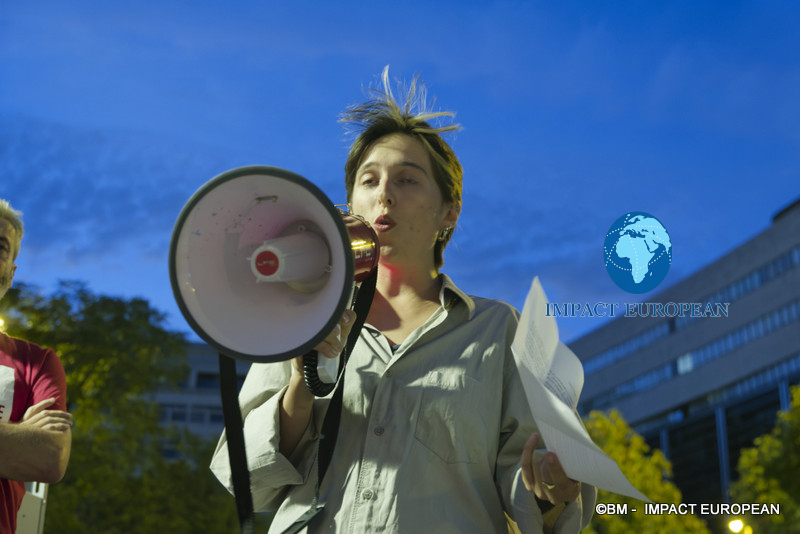
As evening fell over Bercy, the marching band continued playing while activists from Extinction Rebellion spoke about anger, collective action and the importance of not confronting environmental anxiety in isolation.
The gathering was also intended as the beginning of a wider mobilisation. Participants promoted another day of action on September 26, with demonstrations announced across France around climate, biodiversity, peace and social justice.
The message carried from Bercy towards the coming budget debate was therefore broader than environmental spending alone: protecting people from extreme heat, maintaining emergency services, adapting homes and schools, supporting workers and preparing local communities all ultimately require choices about how public money is raised and spent.
©2026 – IMPACT EUROPEAN / All rights reserved


Views: 0
More Stories
Cannes Yachting Festival 2026: The Sea Becomes a New Frontier for Technology and Lifestyle
From Paris to Iran: Freedom, Justice and Democracy Become a Question of the Future
Global Black Pride Paris 2026: When a Global Movement Takes Its Voice to the Streets