

CANNES — A yacht once had a relatively straightforward purpose: take people across the water. At the 2026 Cannes Yachting Festival, that definition increasingly looks obsolete.
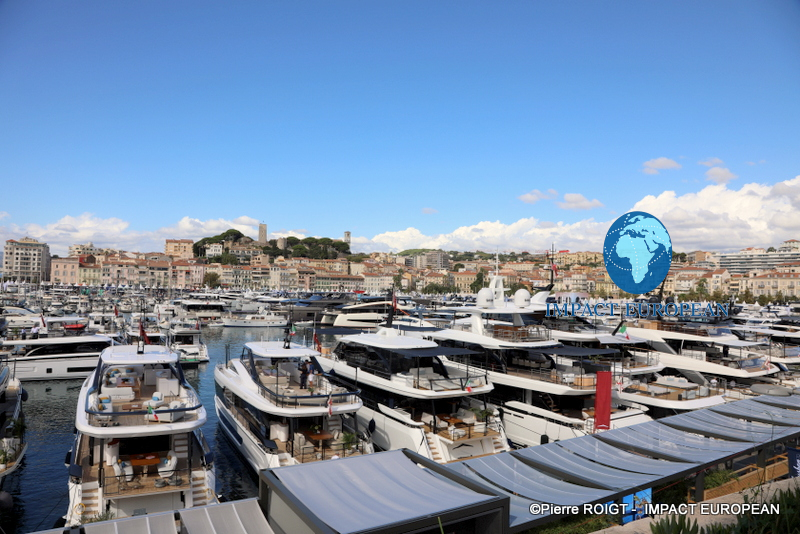
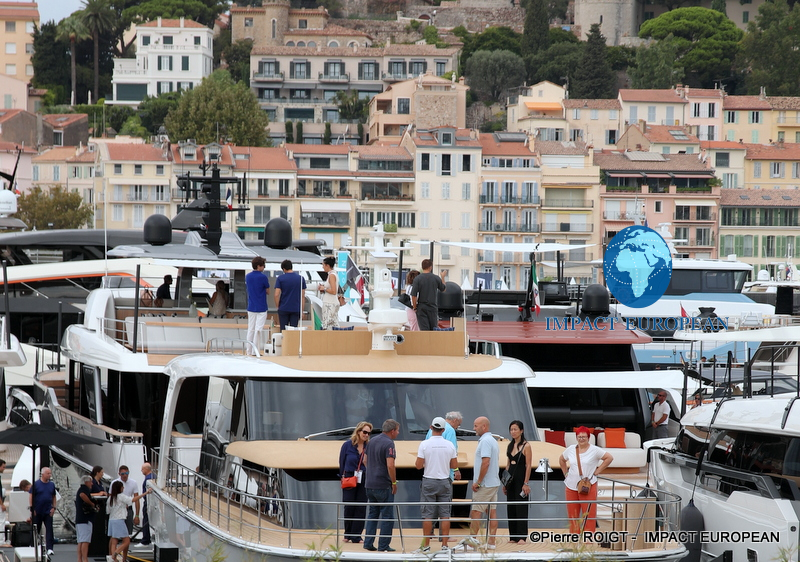
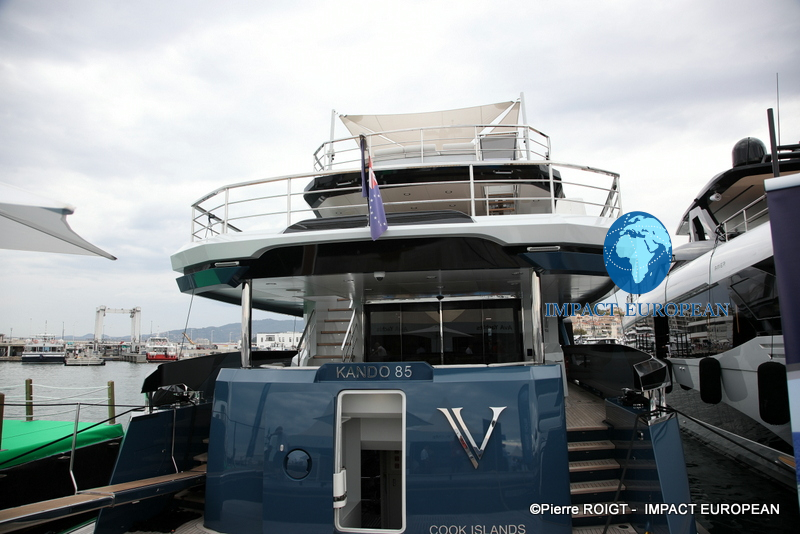
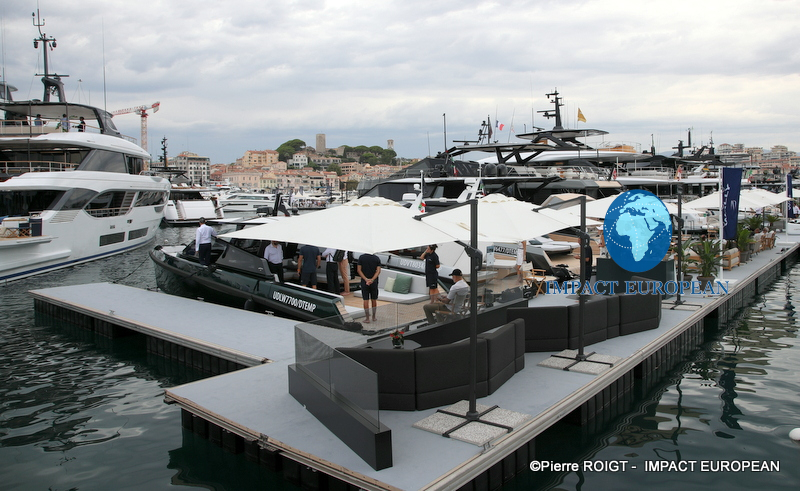
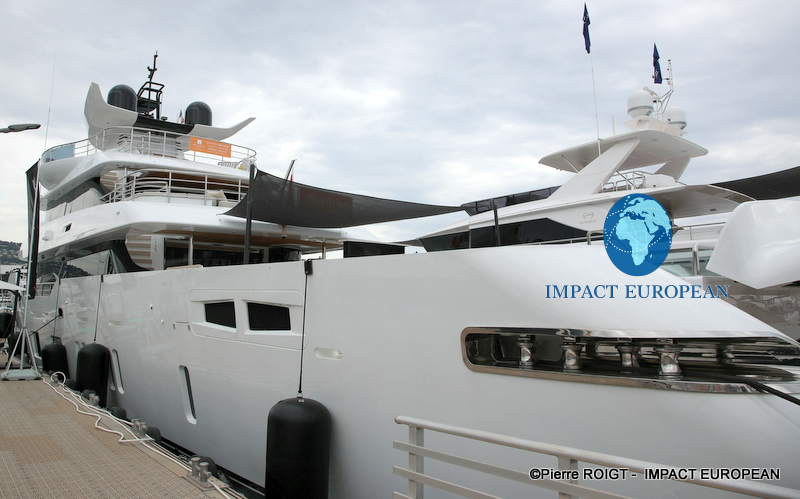
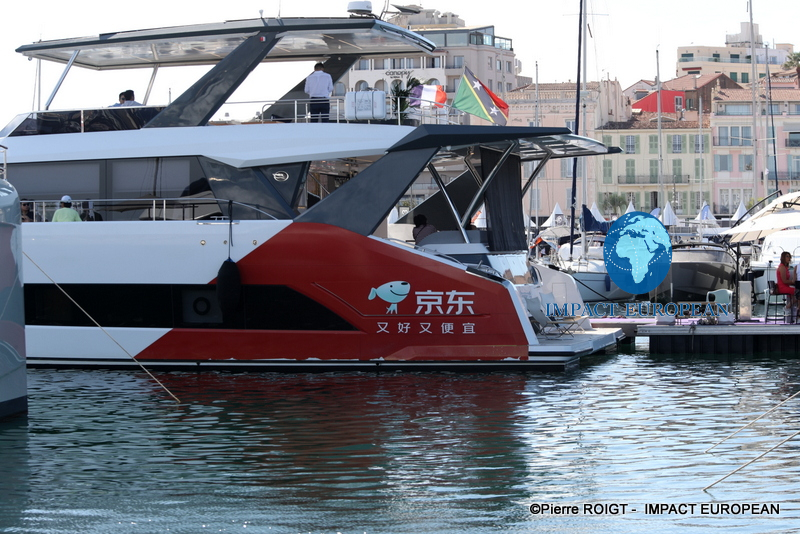
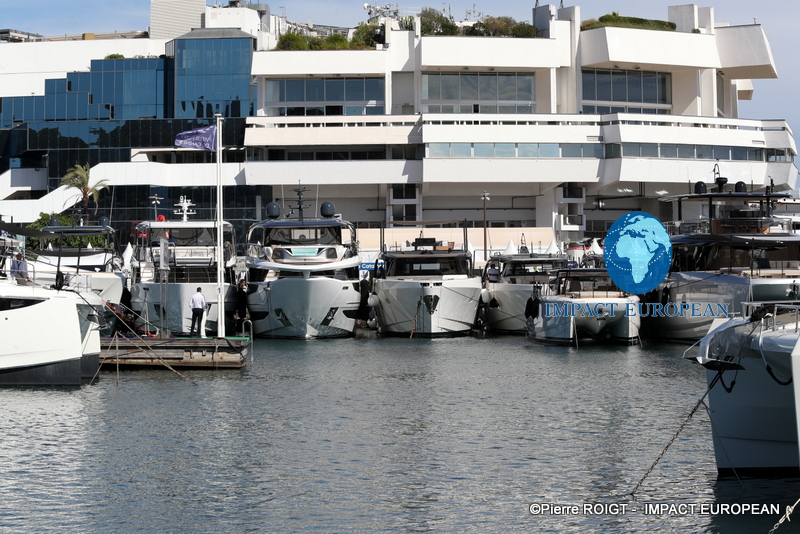
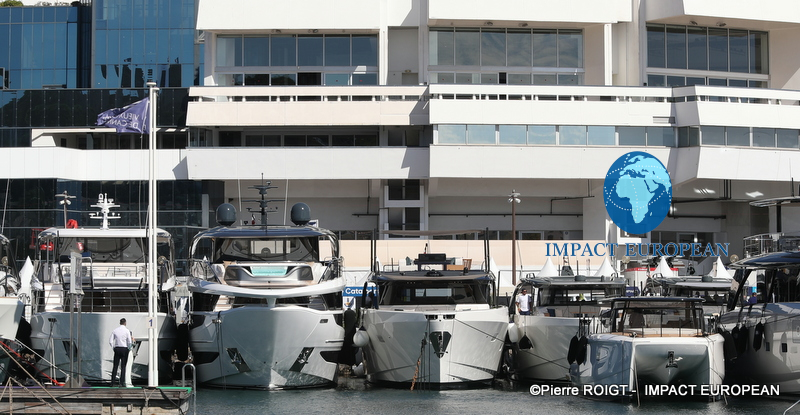
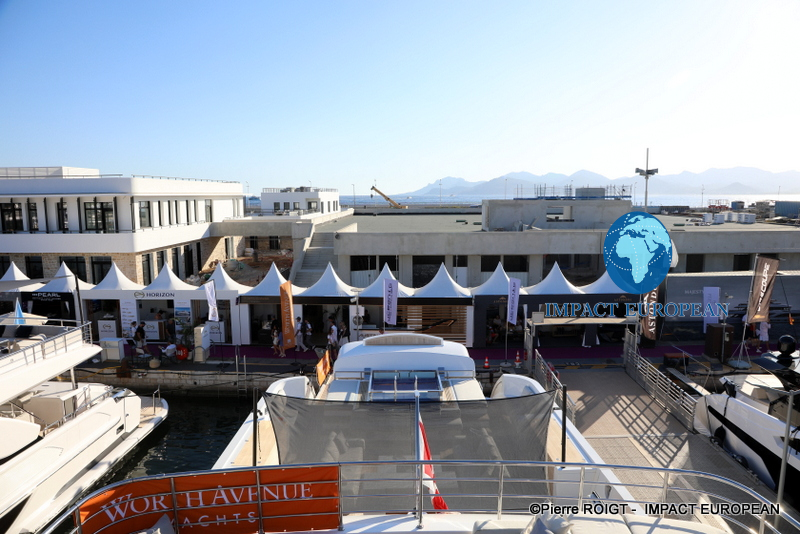
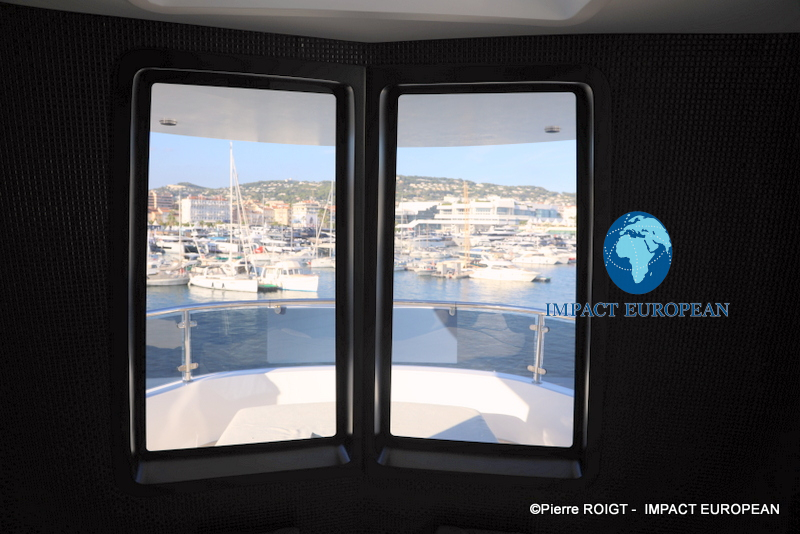
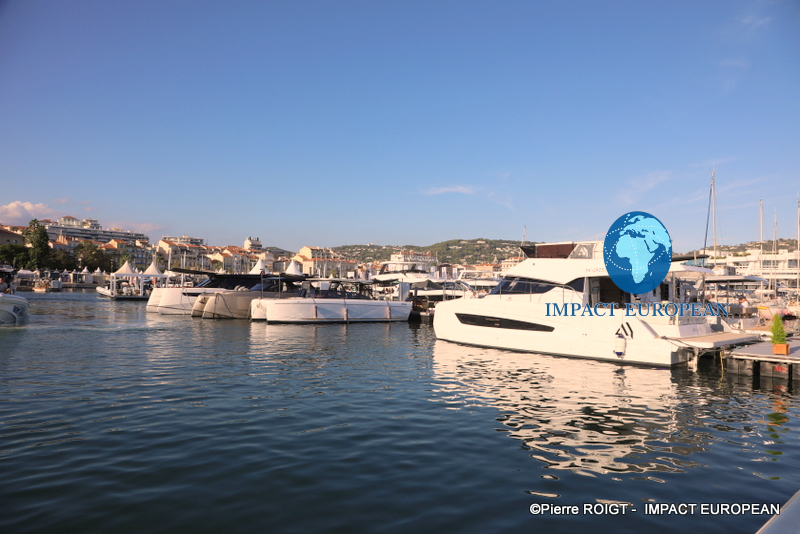
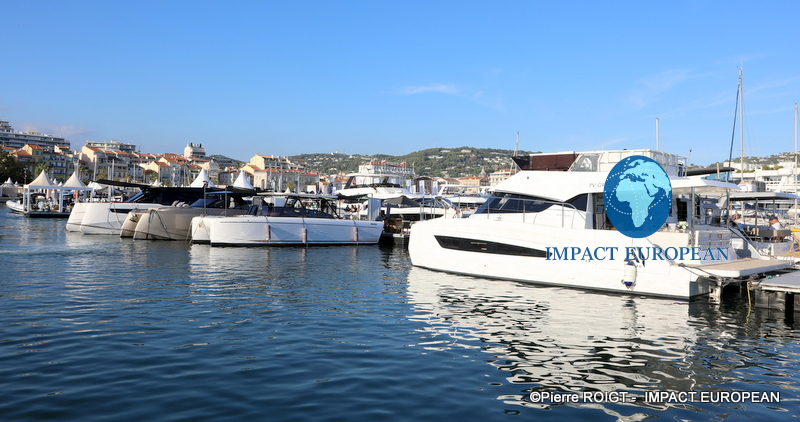
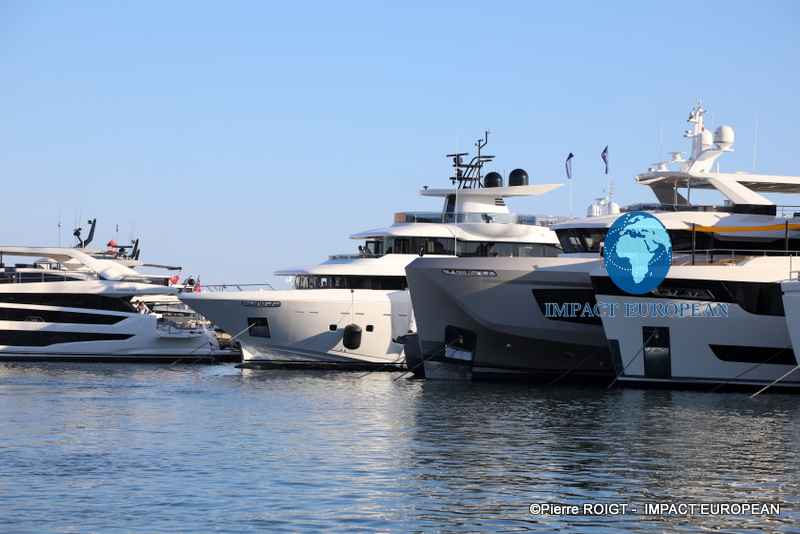
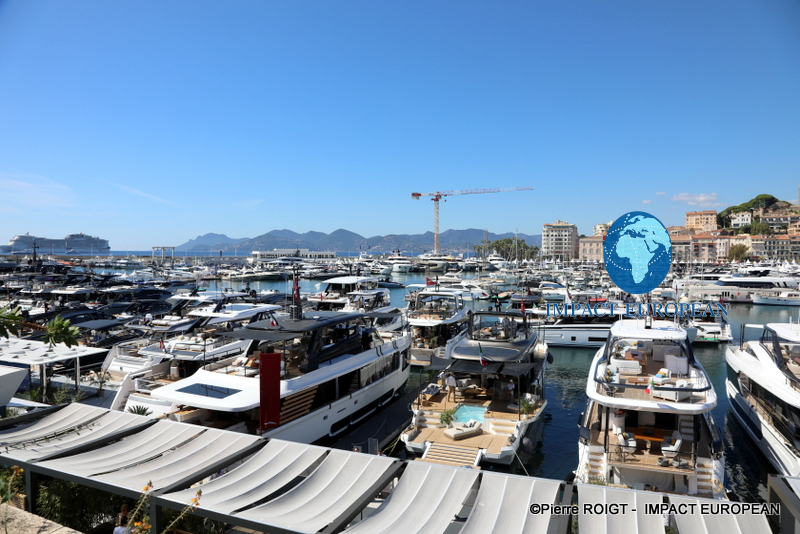
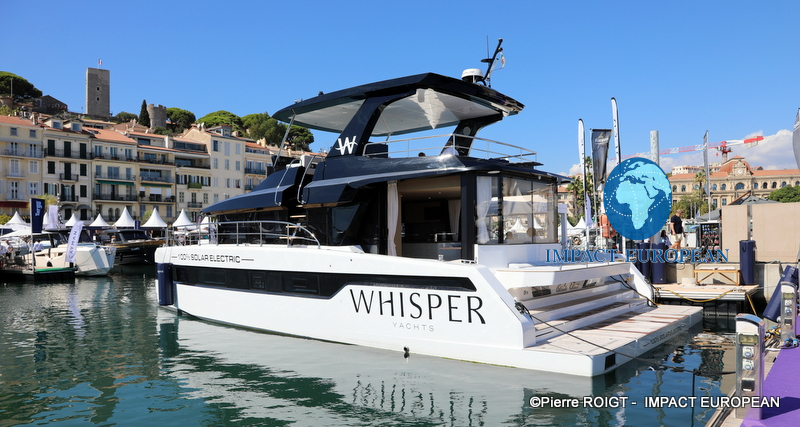
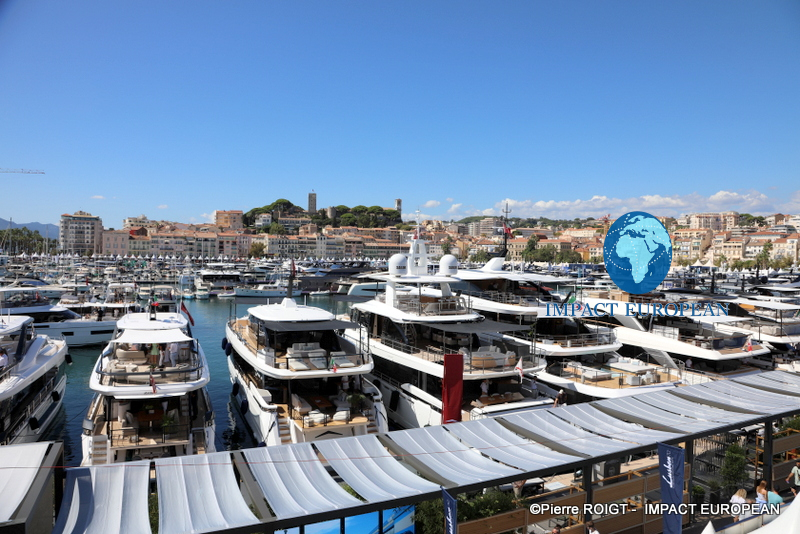
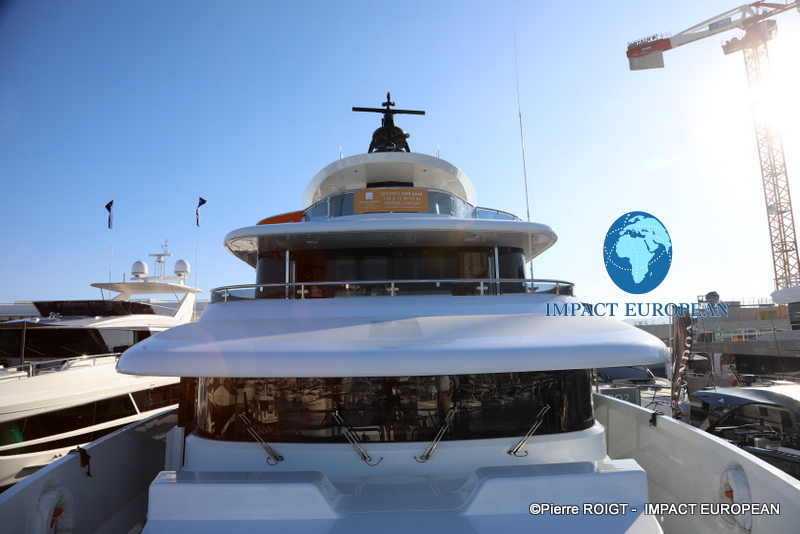
The vessels lining Cannes’ Vieux Port and Port Canto are becoming technological ecosystems, mobile living spaces and platforms for leisure, travel and exploration.
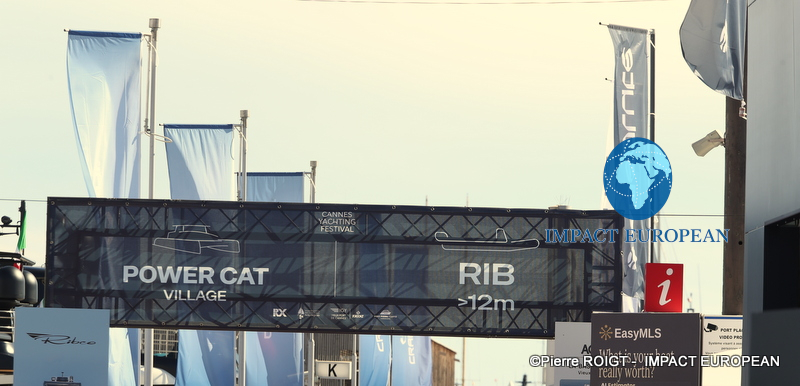
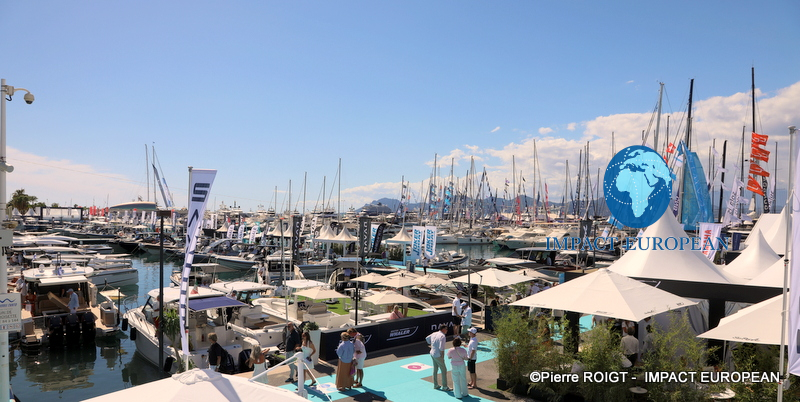
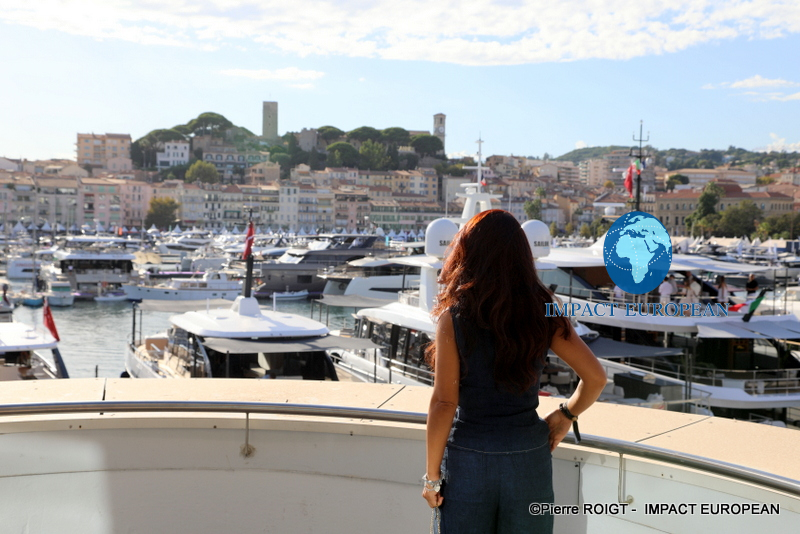
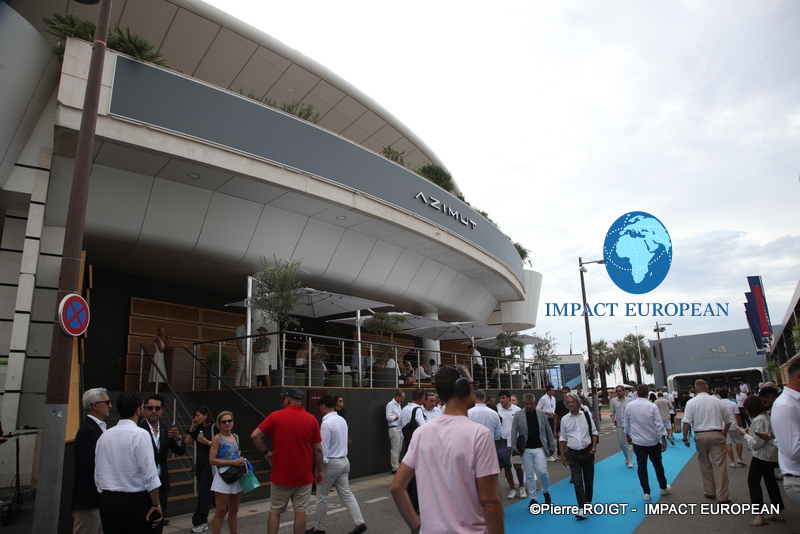
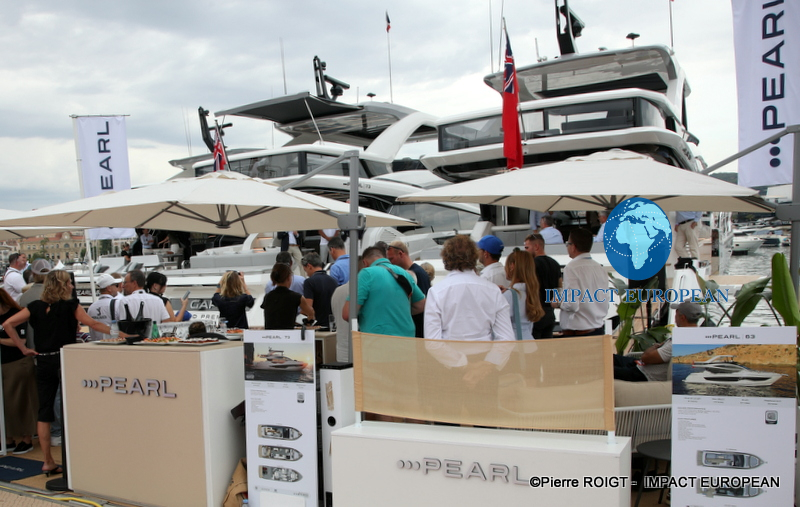
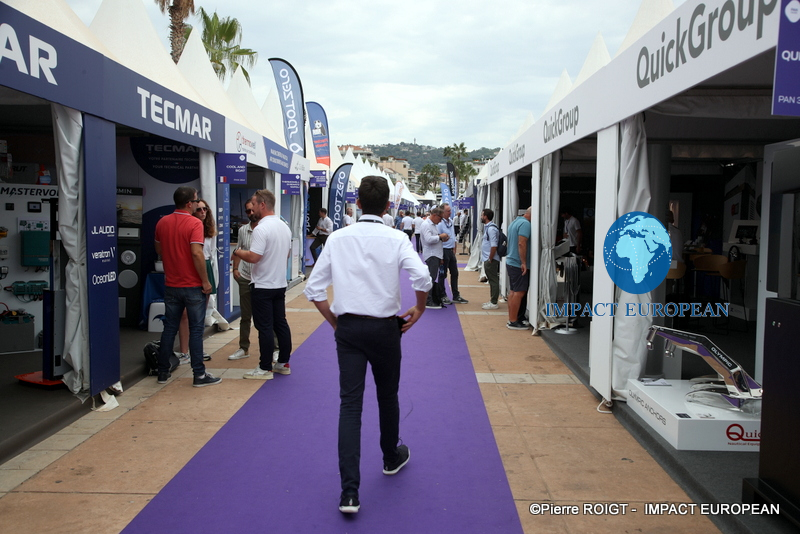
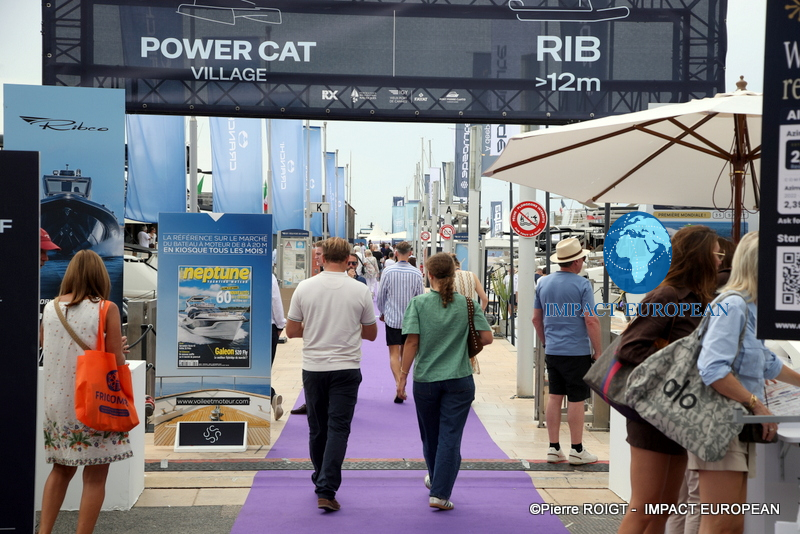
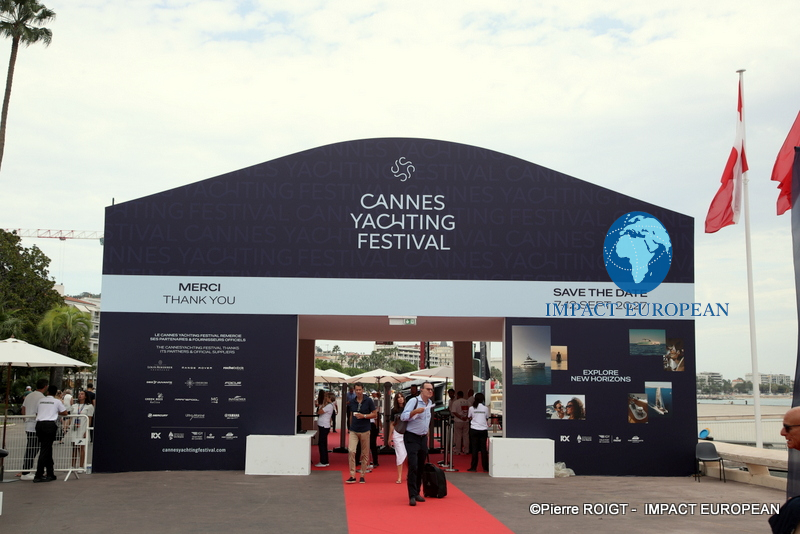
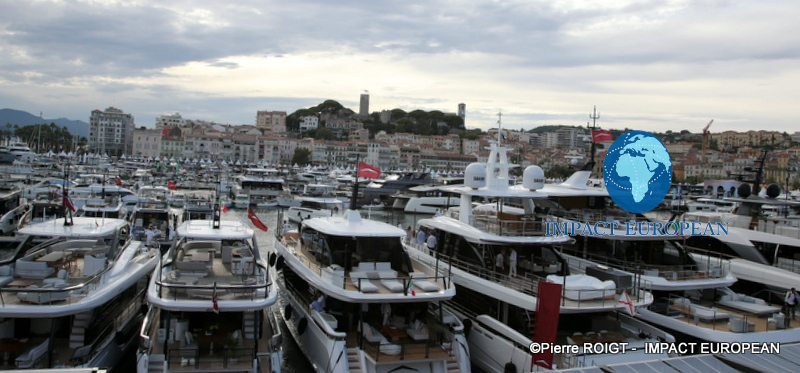
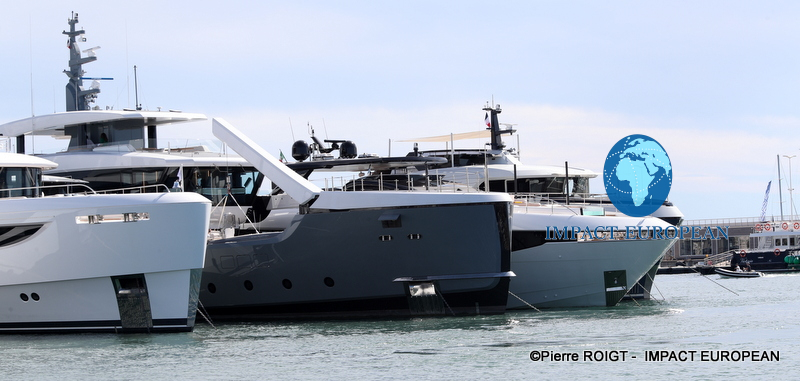
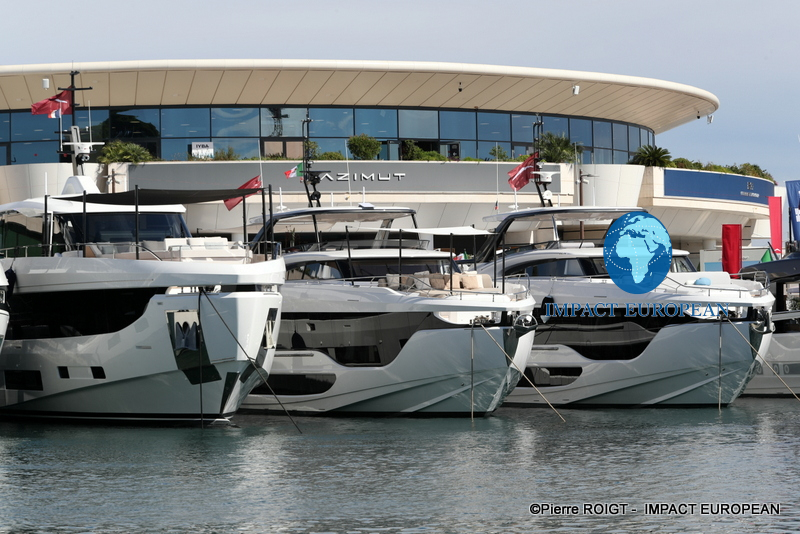
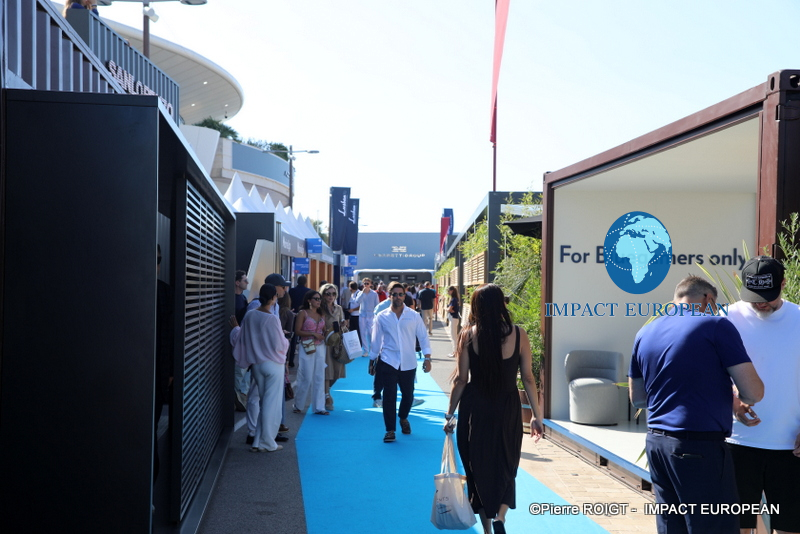
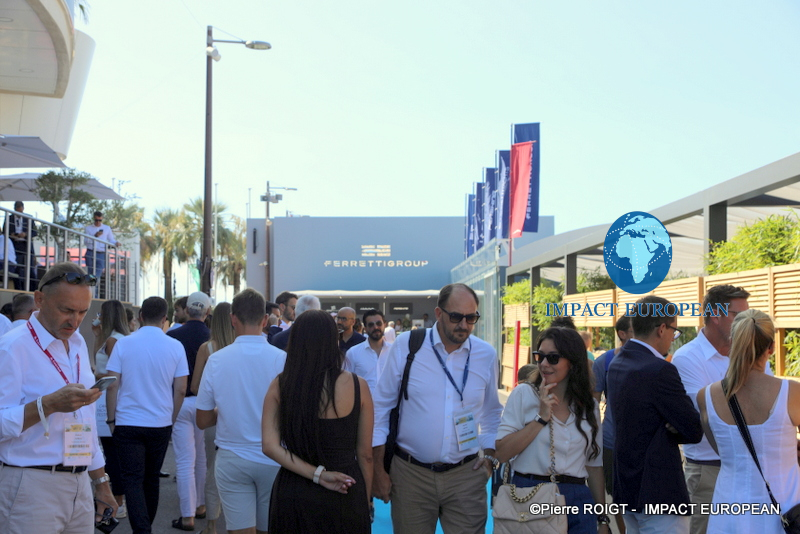
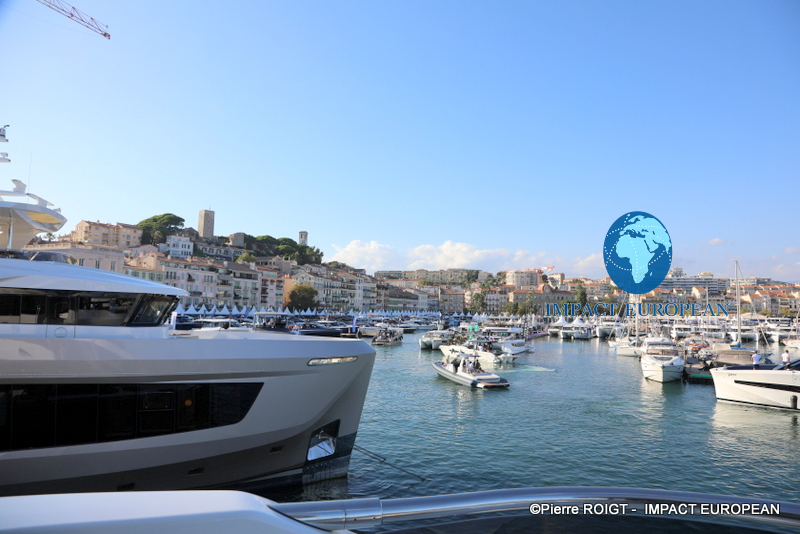
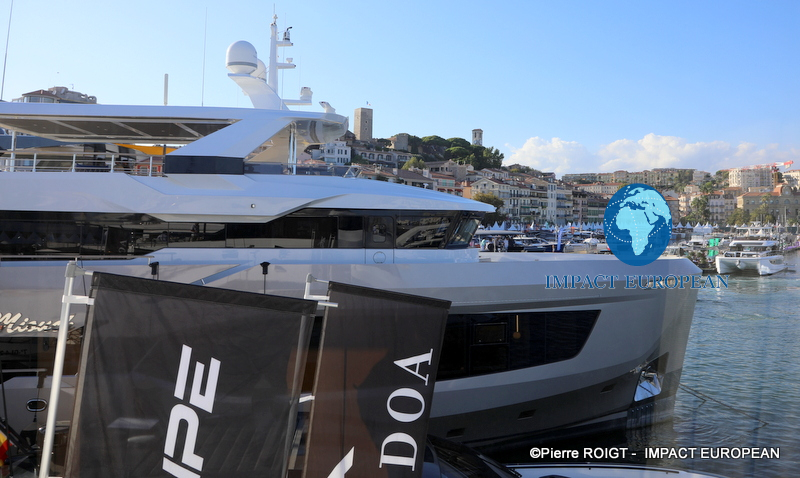
Held from September 8 to 13, the 49th edition brought together more than 680 exhibitors and over 710 boats and yachts ranging from 5 to 55 metres.
Behind those numbers lies a global industry undergoing a much deeper transition.
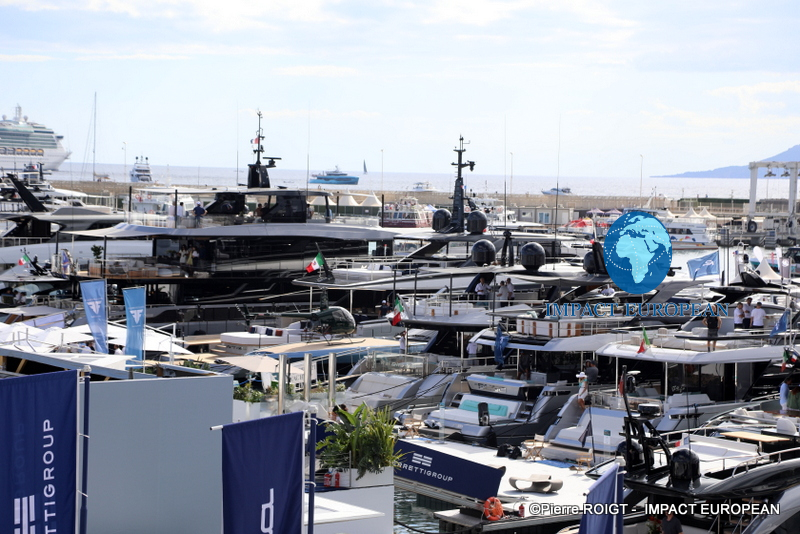
Cannes becomes a map of the global yachting industry
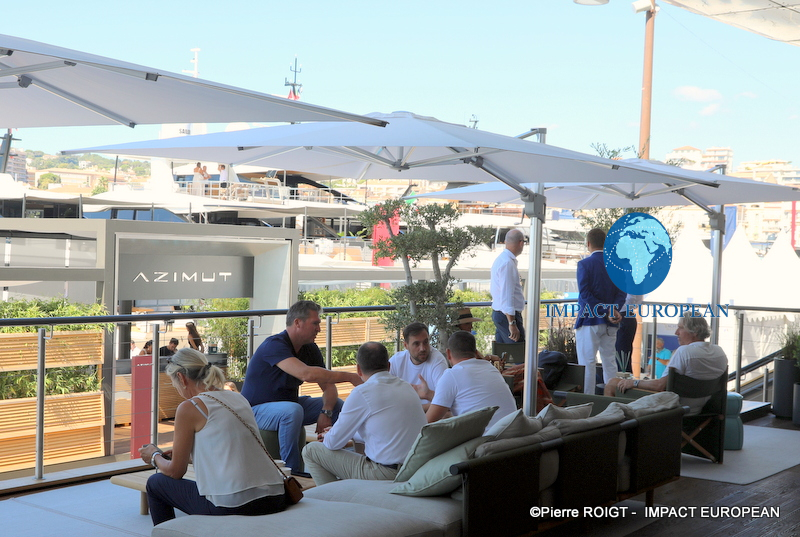
French sailing expertise, Italian yacht design, Northern European engineering and shipyards from an increasingly diverse group of countries meet within a few kilometres of waterfront.
Cannes therefore operates as more than a boat show.
For six days, it becomes a physical map of an international industry.
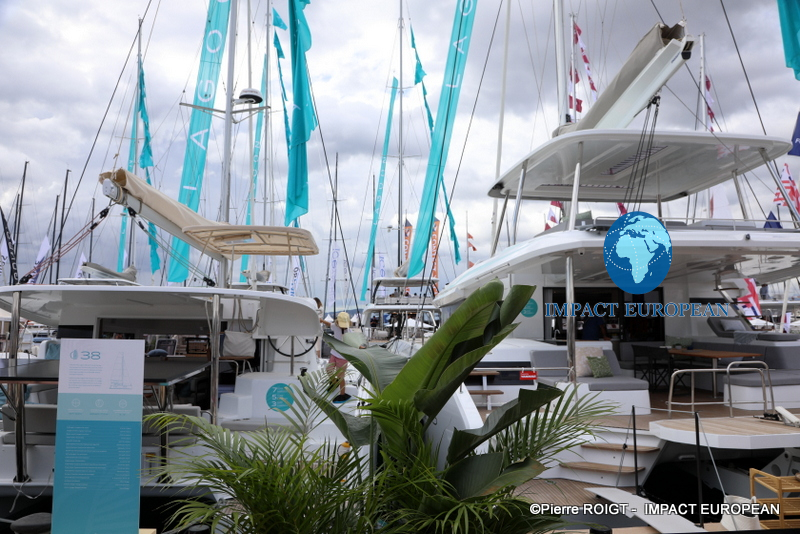
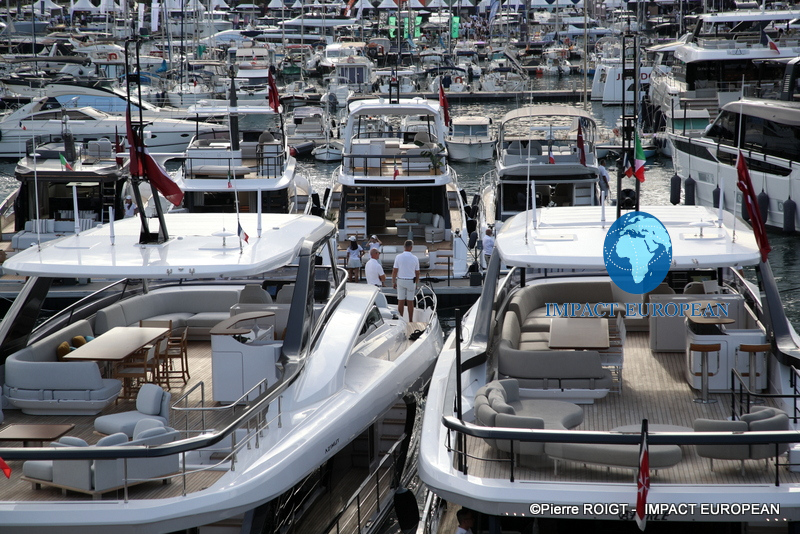
Sailing yachts share the waterfront with multihulls. High-performance powerboats sit alongside large motor yachts. Brokerage vessels coexist with newly launched models and marine equipment.
The differences are considerable.
Yet one question increasingly connects them: how can technology expand what people are able to do at sea?
From transportation to experience
Speed remains important.
So do range, handling and power.
But the contemporary yacht is increasingly judged by what happens when the engines stop.
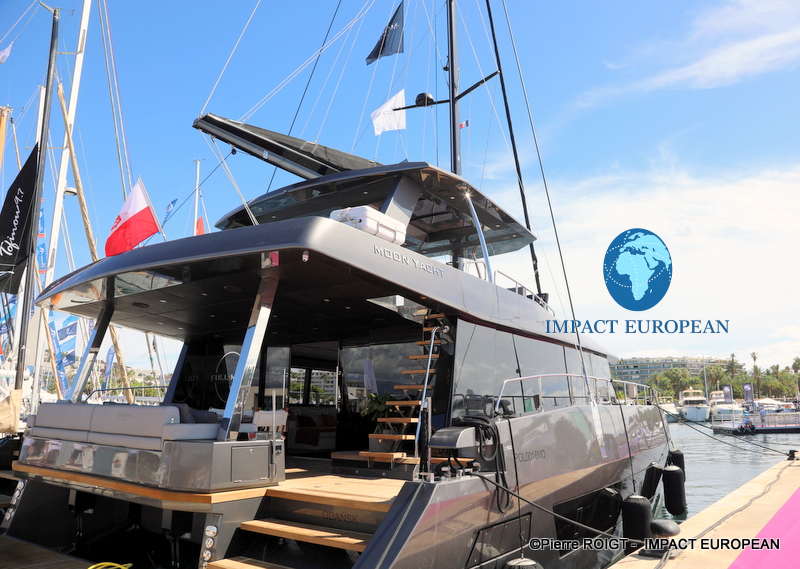
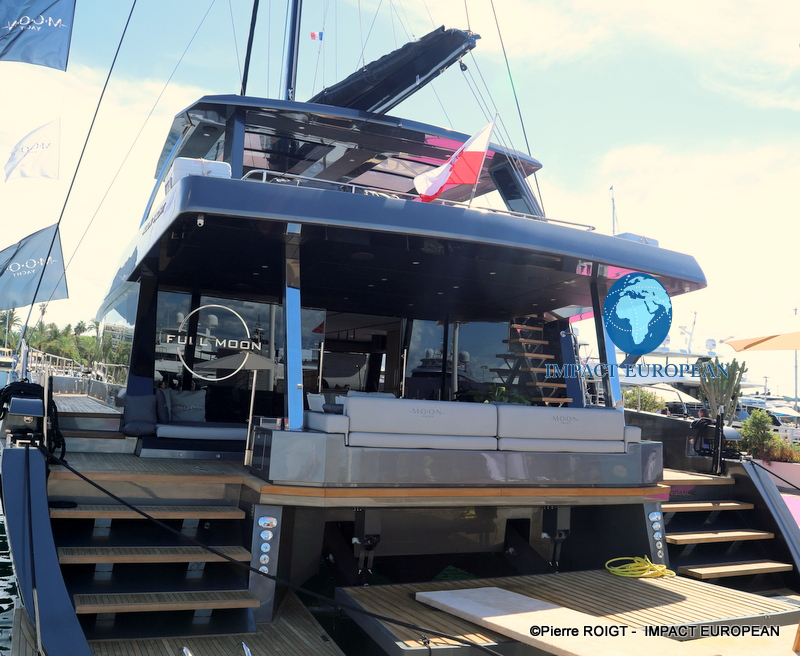
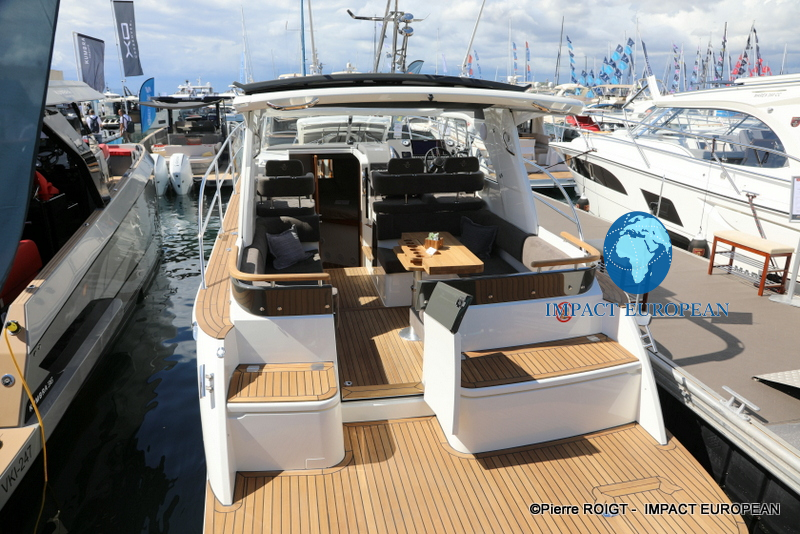
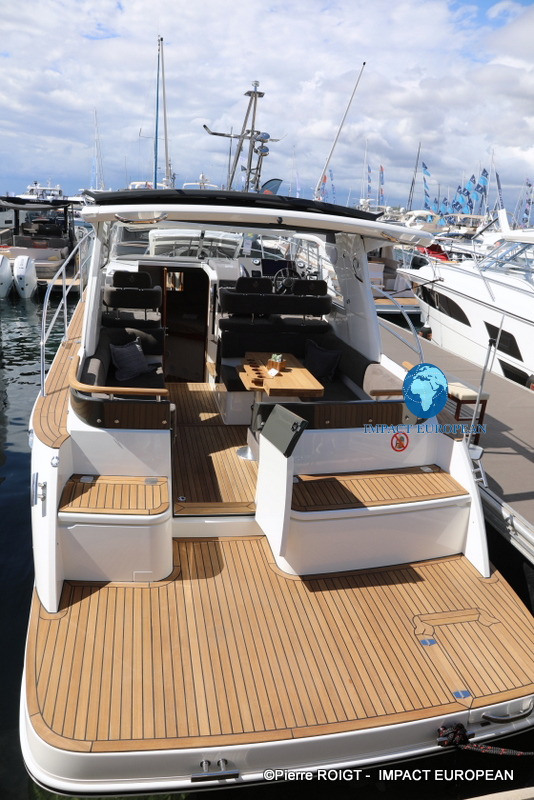
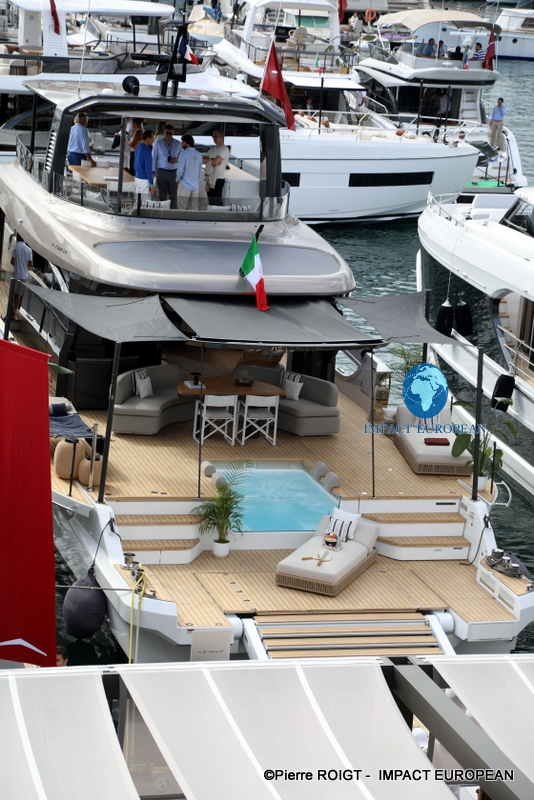
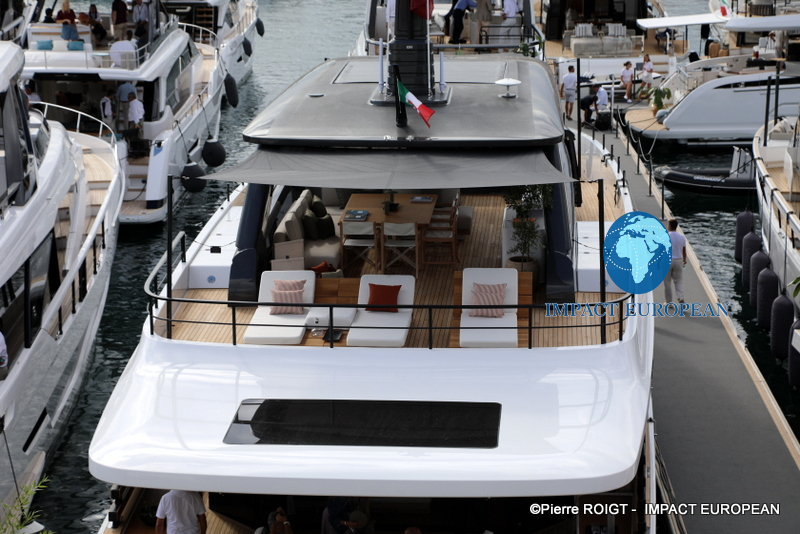
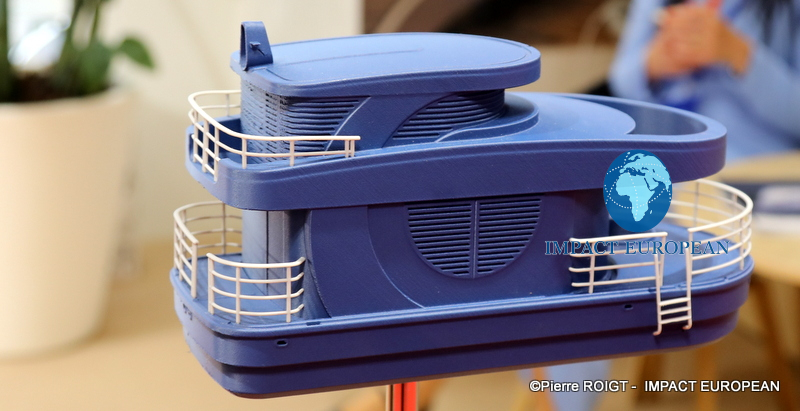
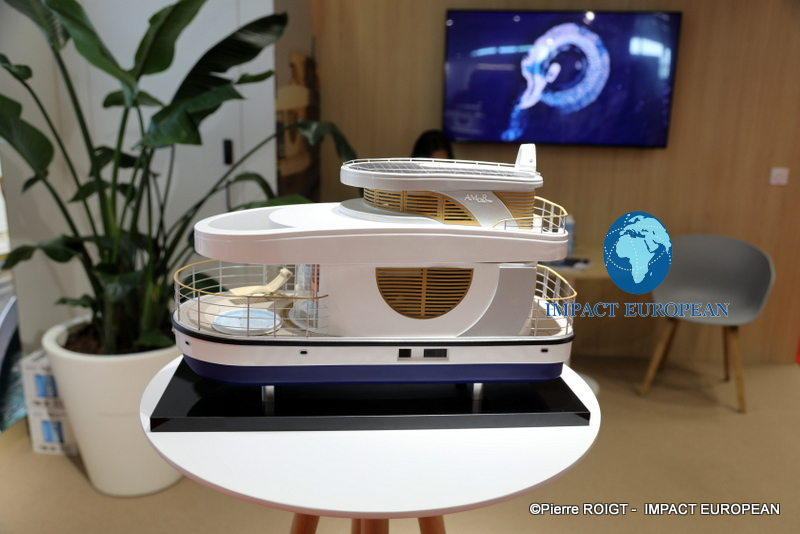
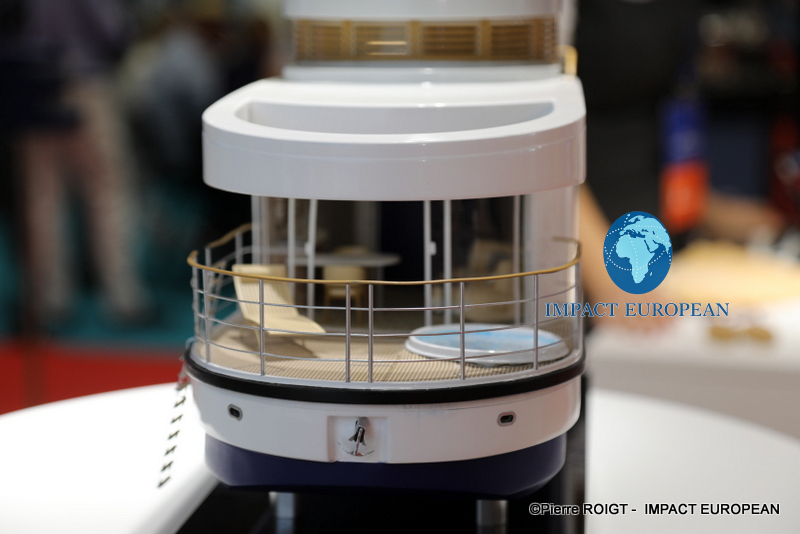
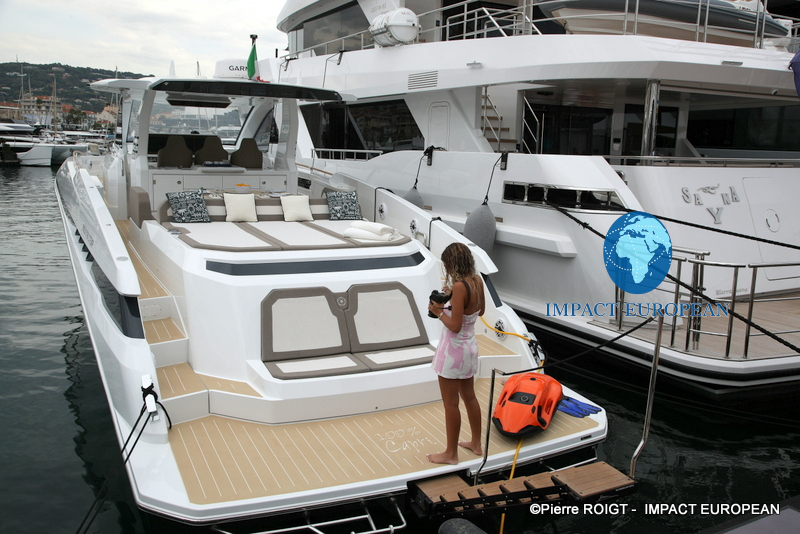
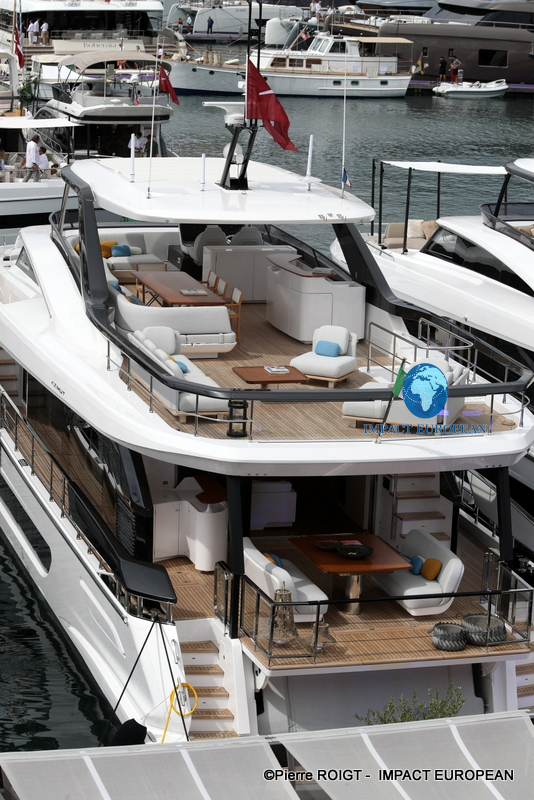
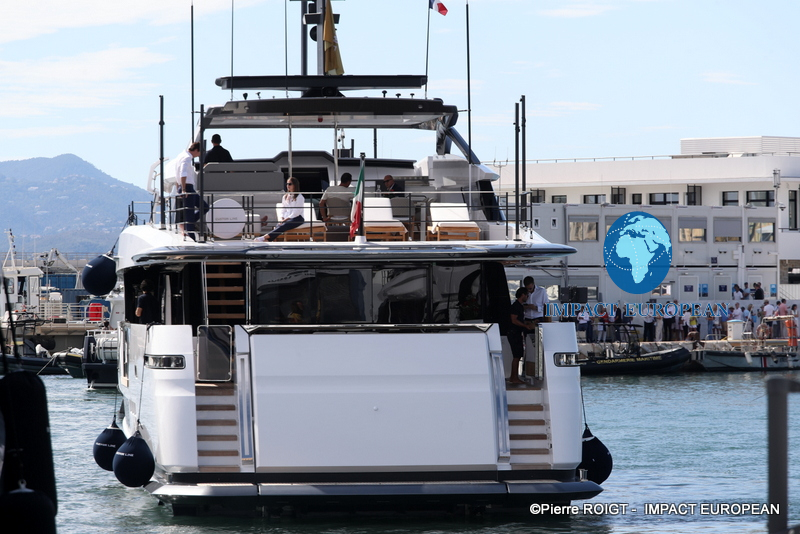
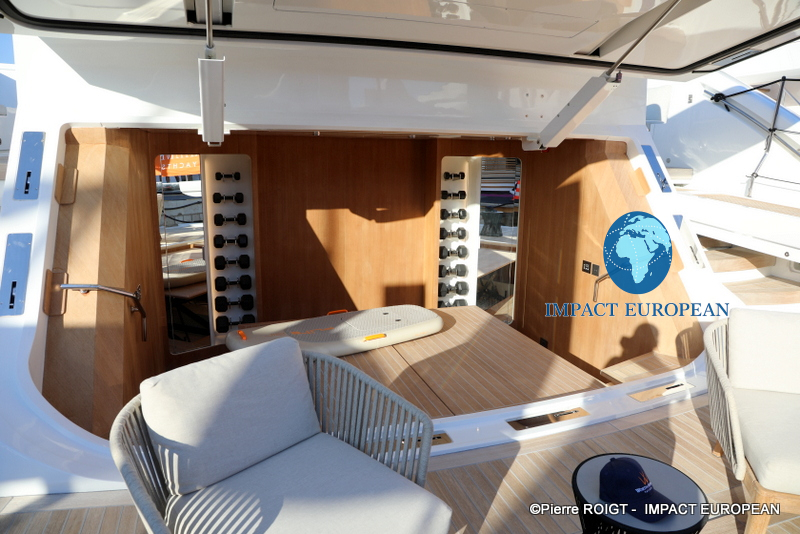
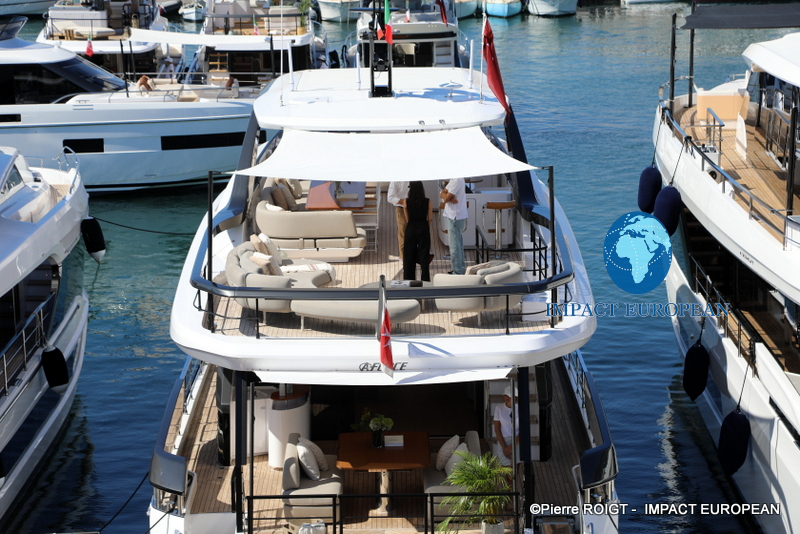
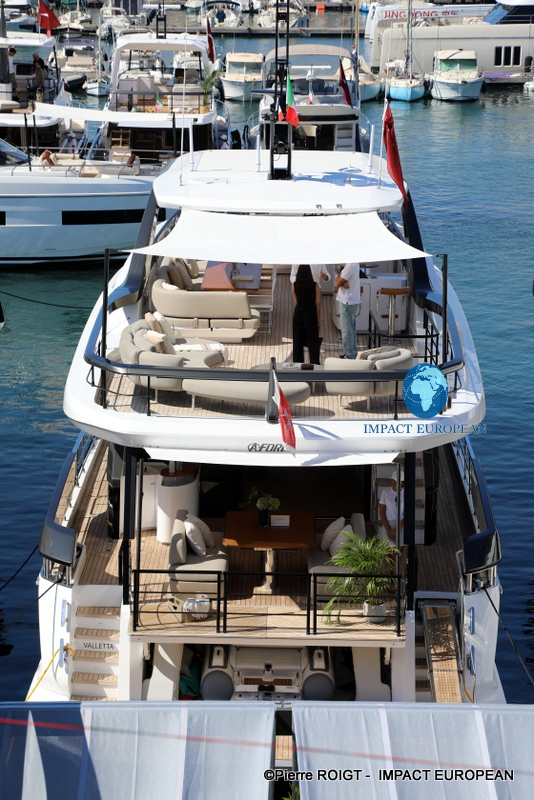
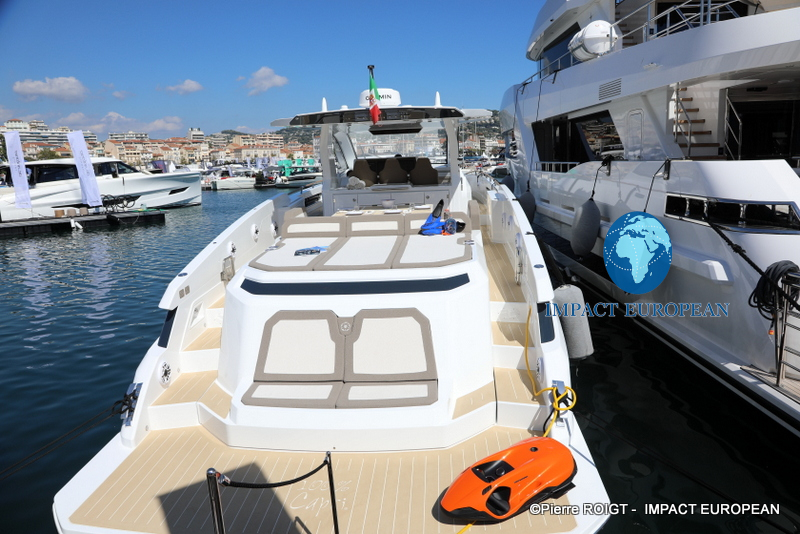
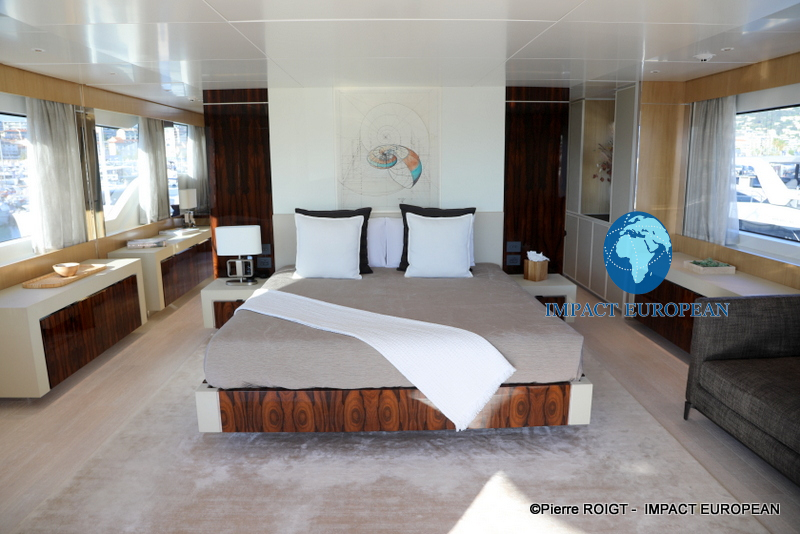
Aft decks become terraces.
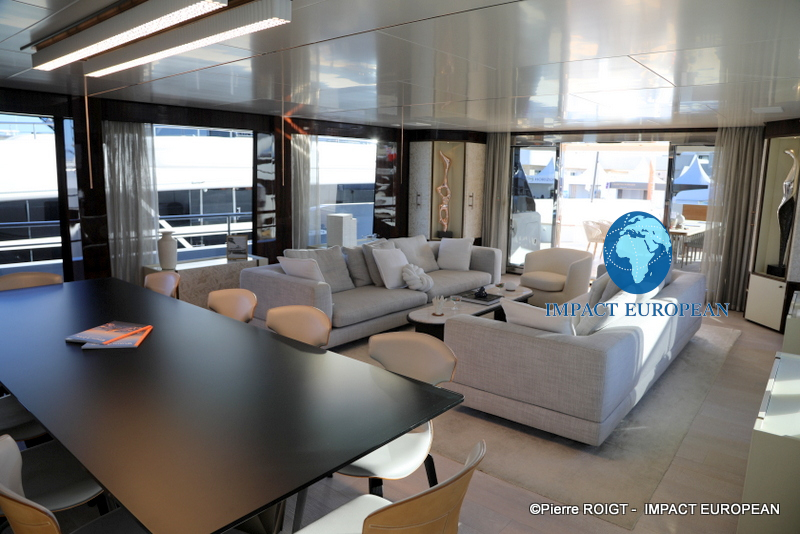
Cockpits merge with interior living spaces.
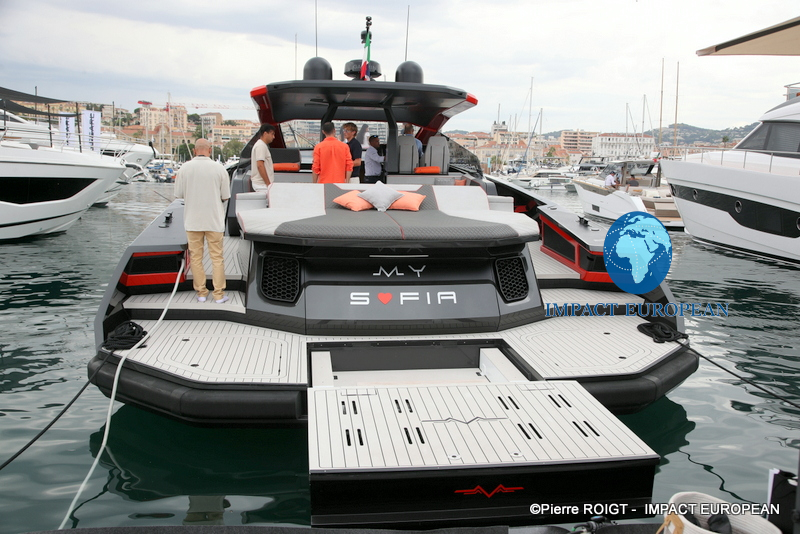
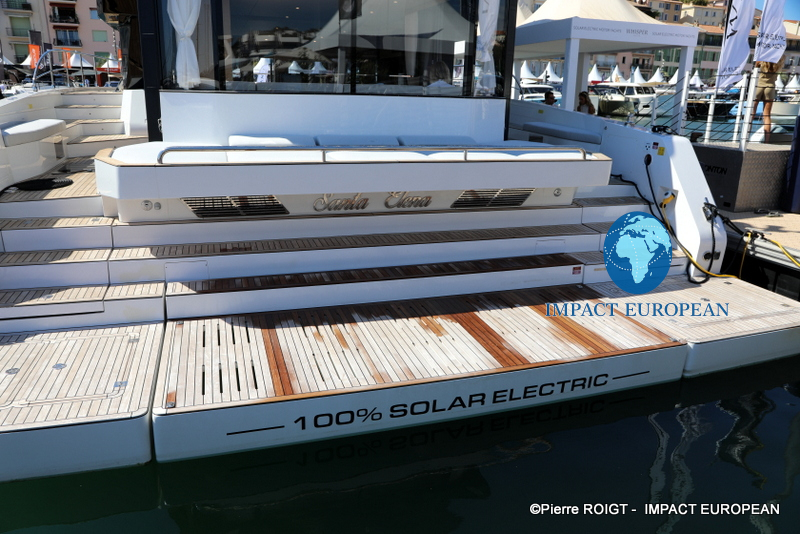
Swimming platforms bring passengers closer to the water.
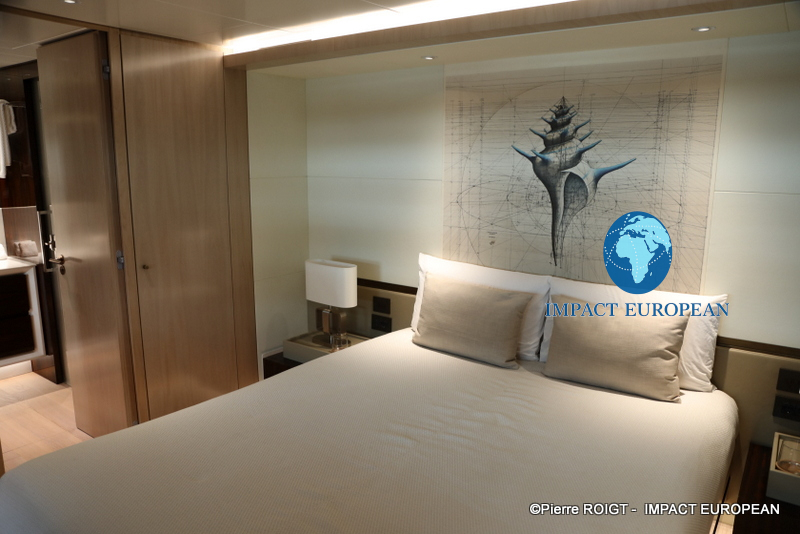
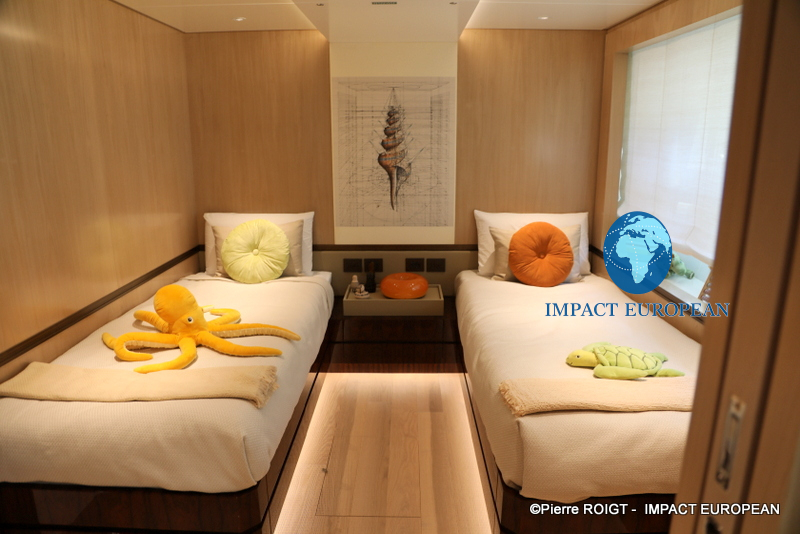
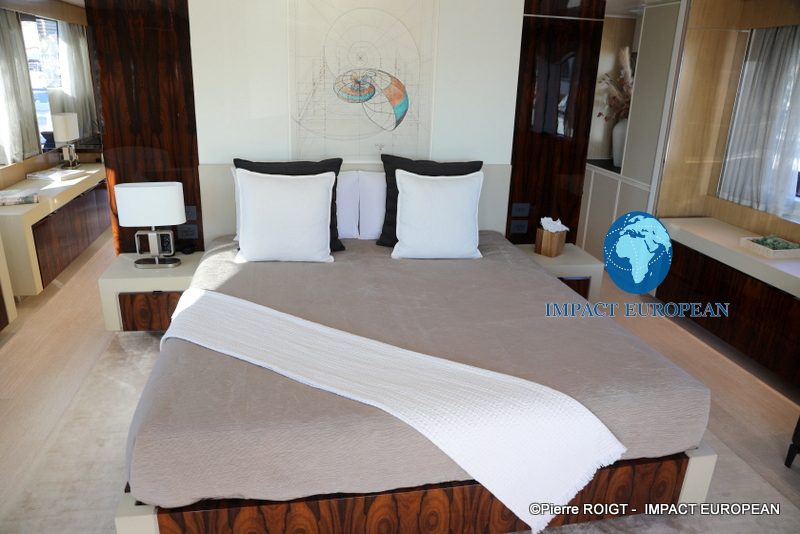
Cabins, kitchens and entertainment areas make longer stays possible.
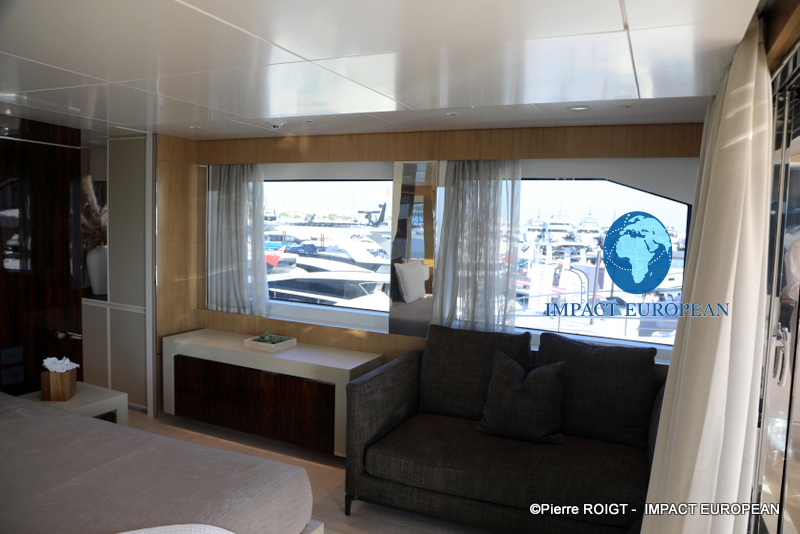
On some of the largest yachts, the architecture increasingly resembles waterfront property — except the waterfront moves with the owner.
Technology is therefore changing not only transportation but the meaning of destination itself.
Performance meets everyday life
The transformation is visible across very different sizes of boats.
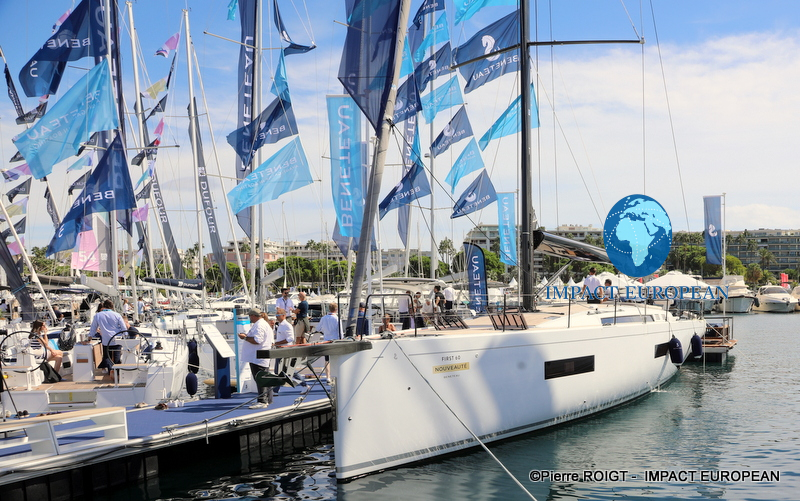
The Beneteau First 60 represents one interpretation. At nearly 19 metres overall, it combines the performance identity of the First range with accommodation designed for extended life aboard.
The Marex 310 Sun Cruiser provides a different example. At less than ten metres, it still incorporates two cabins and multiple berths, illustrating how living functions are being compressed into increasingly efficient spaces.
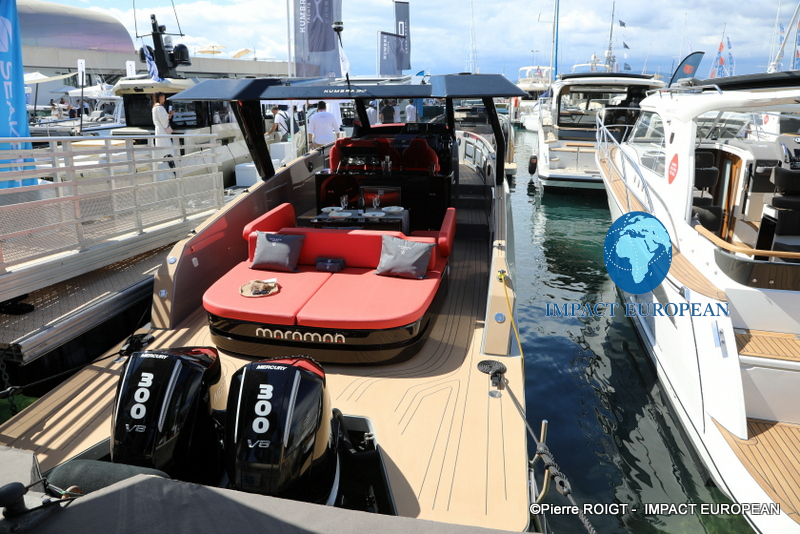
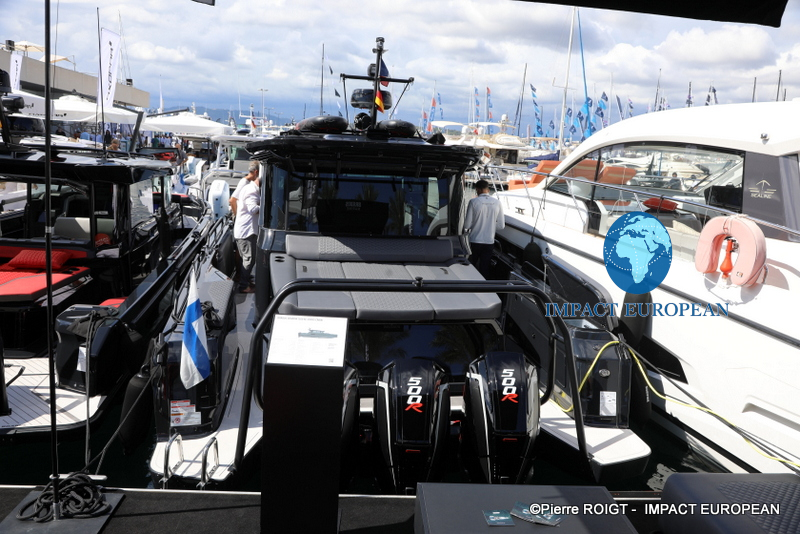
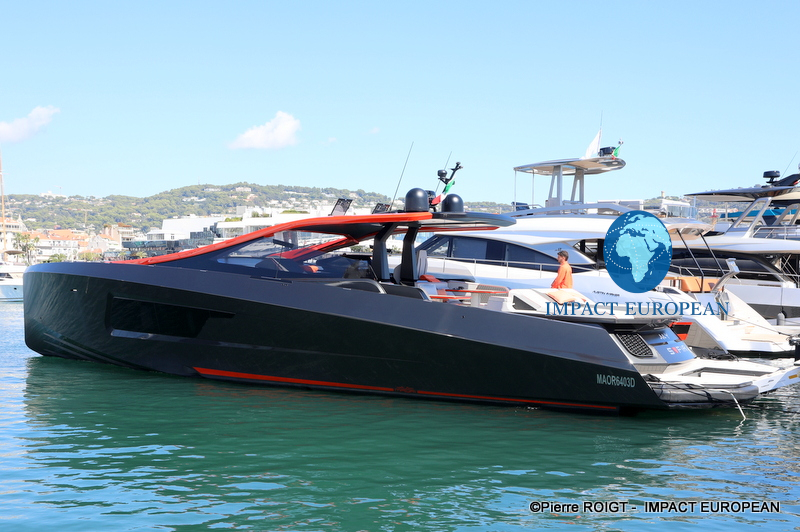
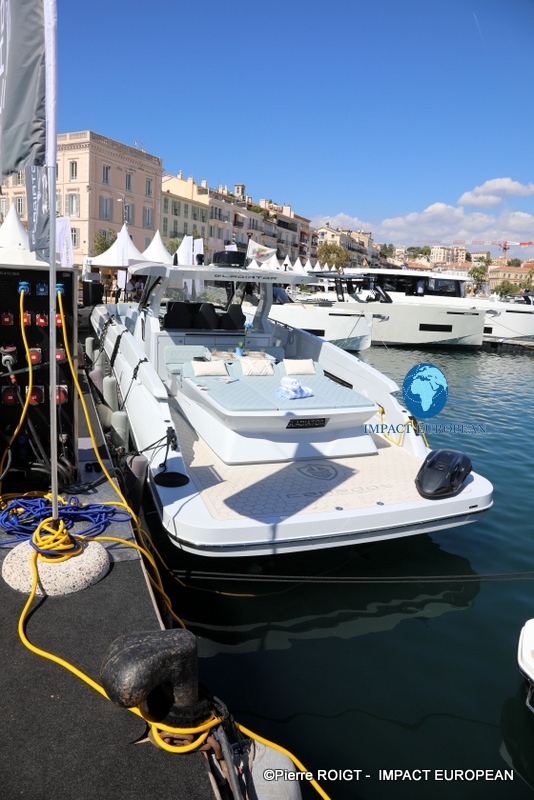
The Kumbra 36 approaches the question through performance. The boat displayed in Cannes carried twin Mercury V8 300-horsepower outboards and a stated maximum speed of 42 knots.
Yet its equipment also included refrigeration, cooking facilities, navigation displays, climate control and features designed for extended time aboard.
Power and lifestyle are no longer separate categories.
They increasingly occupy the same hull.
Automotive culture moves offshore
The influence of other industries is equally visible.
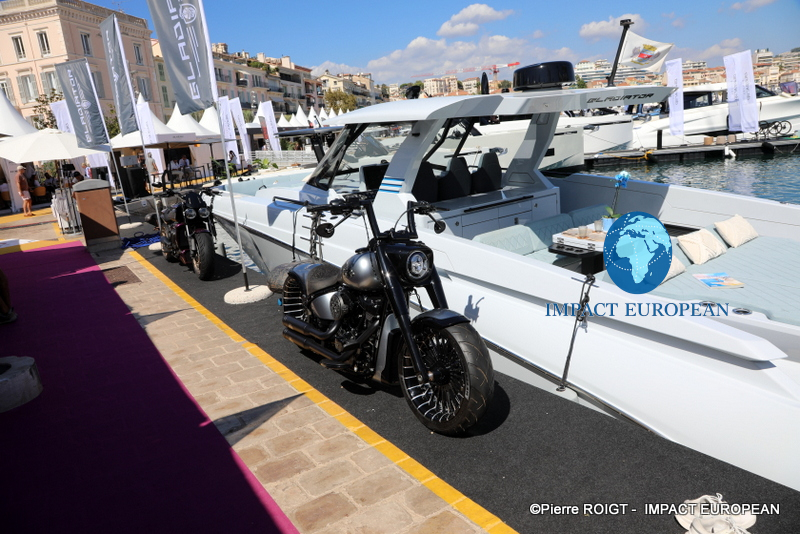
BRABUS Marine brings an unmistakably automotive language to the water: high-output engines, aggressive styling, extensive customisation and a strong performance identity.
This cross-pollination illustrates a wider shift.
Modern yacht development increasingly draws upon automotive engineering, architecture, digital interfaces, energy systems and industrial design.
The boat is becoming a convergence point.
Technologies developed elsewhere are adapted to the unique demands of the marine environment.
Software and electronics reshape the helm
Some of the most consequential changes are less visible than a large engine or dramatic hull.
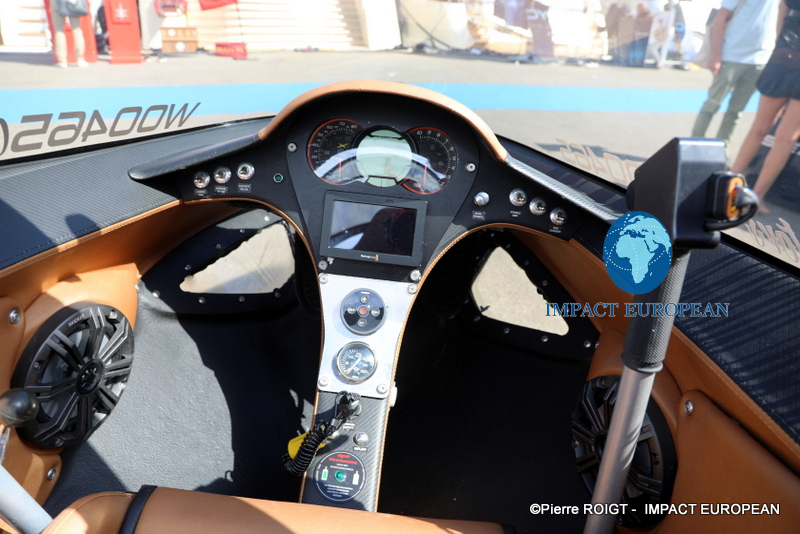
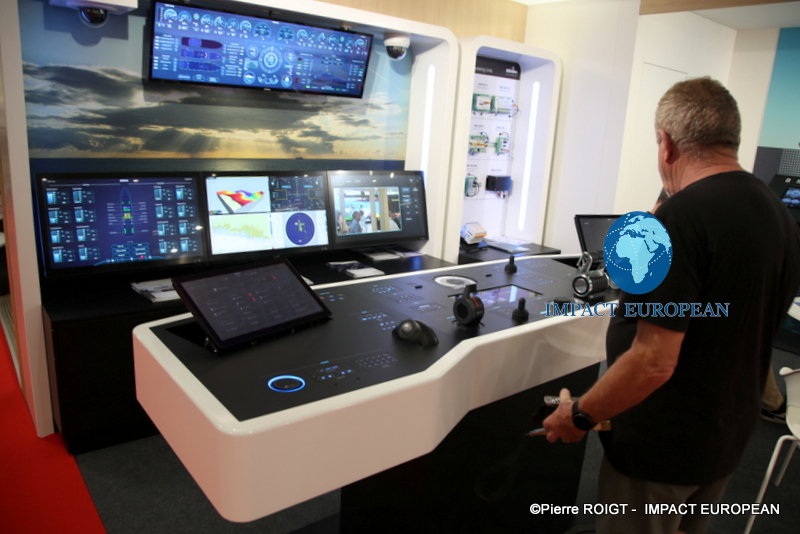
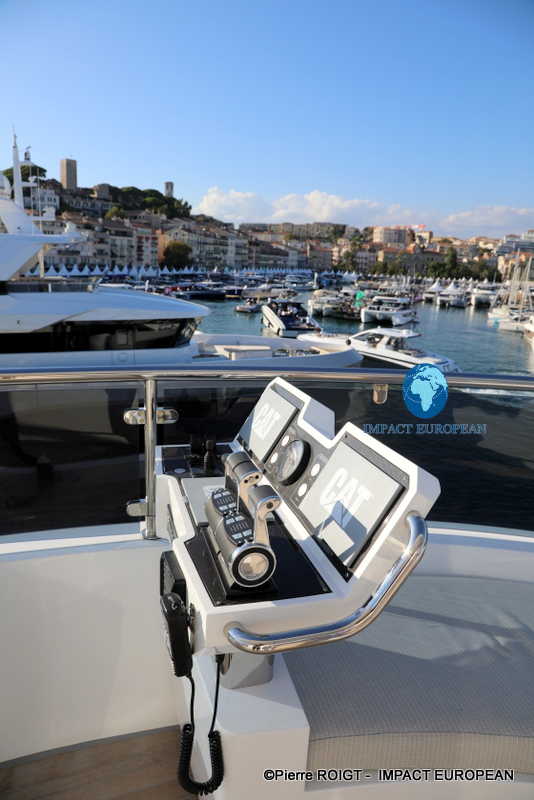
Digital navigation, multifunction displays, sensors, automated systems and increasingly sophisticated onboard management are changing how people interact with boats.
The long-term significance could be considerable.
Historically, operating a substantial vessel required a large body of specialised knowledge. Technology cannot remove the responsibilities of seamanship, but it can reduce the complexity of certain operations.
Docking assistance, integrated navigation and automated monitoring increasingly place technology between the user and the machine.
The result is not simply a smarter boat.
It can also be a different kind of boater.
The yacht becomes a platform
Another transformation appears beyond the hull itself.
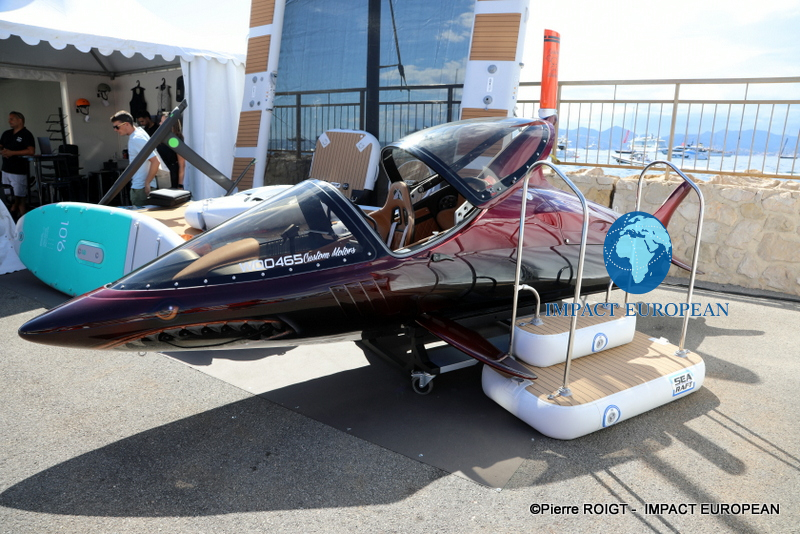
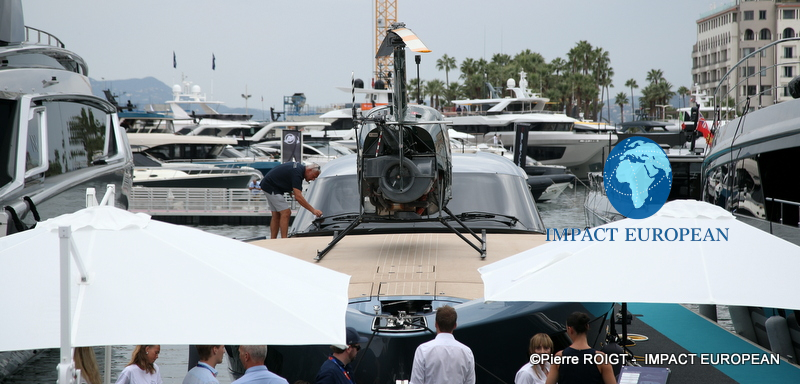
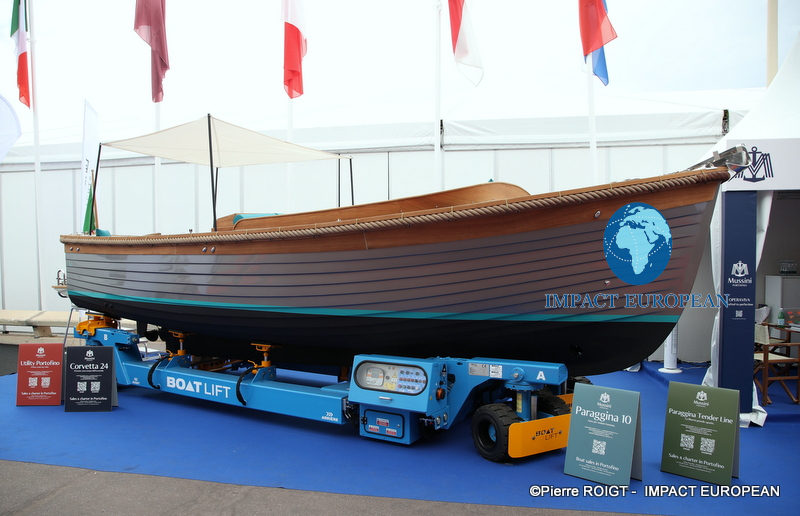
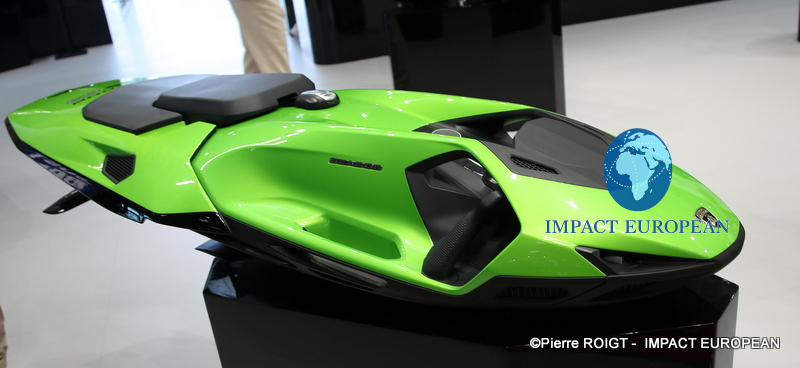
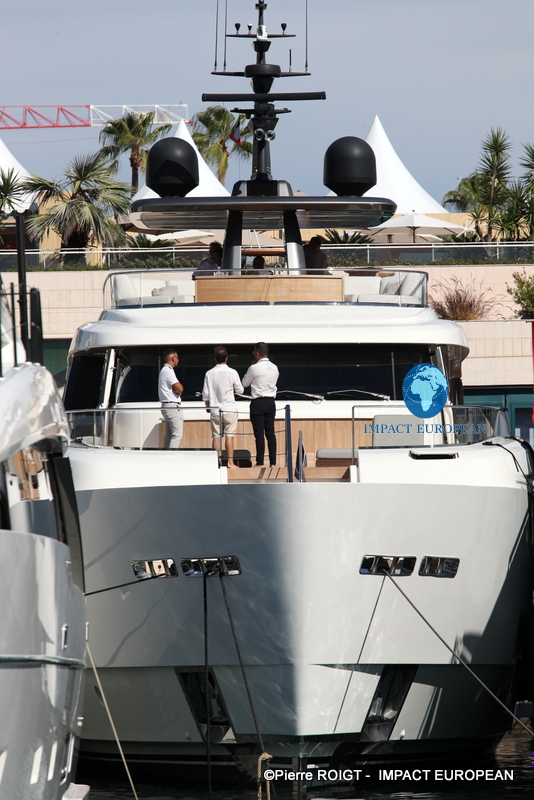
Large yachts increasingly carry tenders, water toys and specialised equipment designed to extend activity beyond the mothership.
The yacht becomes a platform from which other forms of mobility and recreation begin.
This changes the economics and design of the vessel.
Storage, launching systems, energy requirements and deck architecture must accommodate an expanding ecosystem of equipment.
The boat is no longer the entire experience.
It becomes the infrastructure supporting the experience.
Sustainability enters the engineering equation
Cannes also exposes one of yachting’s greatest contradictions.
The industry continues to celebrate extraordinary power and increasingly sophisticated luxury while facing pressure to reduce its environmental footprint.
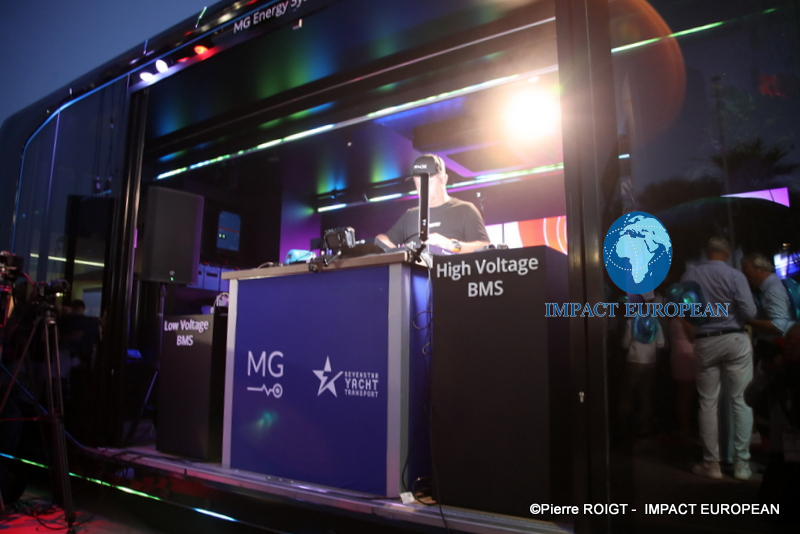
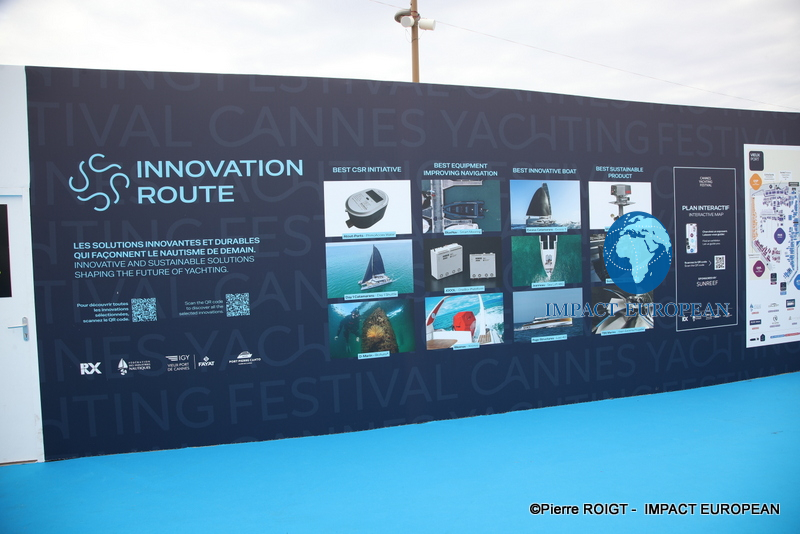
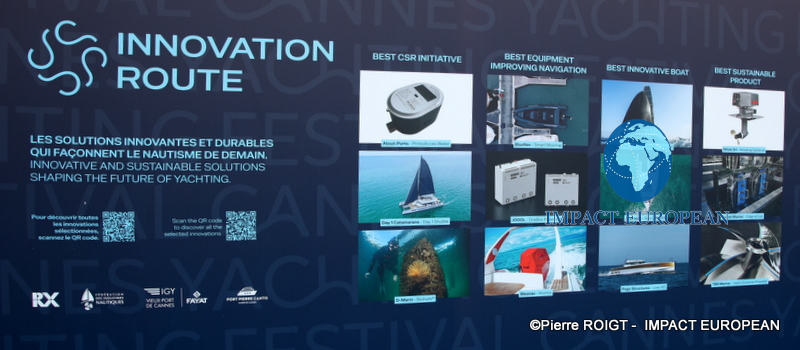
The festival’s Innovation Route reflects this shift, highlighting advanced technologies and sustainable initiatives across the sector.
Electric and hybrid propulsion, energy management and emission reduction are increasingly part of the industry’s development agenda.
Yet powerful conventional engines remain highly visible.
The transition is therefore neither simple nor complete.
The 2026 show reveals an industry attempting to reconcile three demands that can pull in different directions: performance, lifestyle and environmental responsibility.
A global market under transformation
The international character of Cannes matters because marine technology no longer develops inside isolated national industries.
Design concepts circulate globally.
Propulsion technologies cross borders.
Digital systems can be integrated into boats built thousands of kilometres apart.
Customers themselves are international.
Competition therefore accelerates experimentation.
European shipyards remain exceptionally influential, particularly in sailing yachts, multihulls, design and luxury motor yachts. But the presence of companies and commercial interests from a broader range of markets shows that the geography of yachting continues to expand.
Cannes is where many of these worlds meet.
A different relationship with the sea
Taken individually, a new engine, navigation display, solar panel, redesigned cockpit or larger living area can appear incremental.
Taken together, they produce something more significant.
They change how long people can remain aboard.
They change how boats are handled.
They change what passengers can do when they reach a destination.
They change the relationship between indoor and outdoor space.
They change the boundary between transportation and accommodation.
And eventually, technological change becomes behavioural change.
That is the deeper story emerging from Cannes in 2026.
The marine industry is not merely producing a new generation of boats.
Nautical technology is transforming the maritime way of life.
©2026 – IMPACT EUROPEAN / All rights reserved
Views: 15
More Stories
France Protests on October 17: Mass Mobilization Overshadowed by Violence Across the Country
Work Palace Opens in Paris: INSITU Brings Luxury Hospitality Into the Workplace
Rugby Pro D2: Colomiers Defeat Narbonne 49-28 to Claim Bonus-Point Victory