

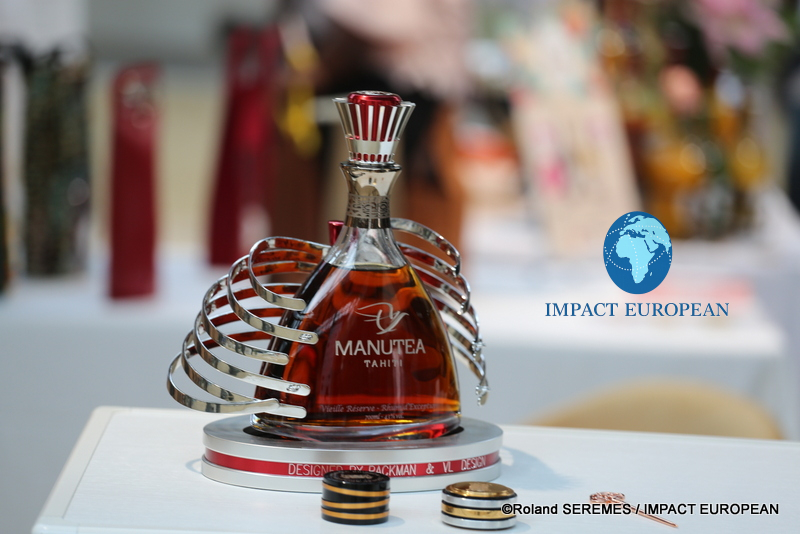
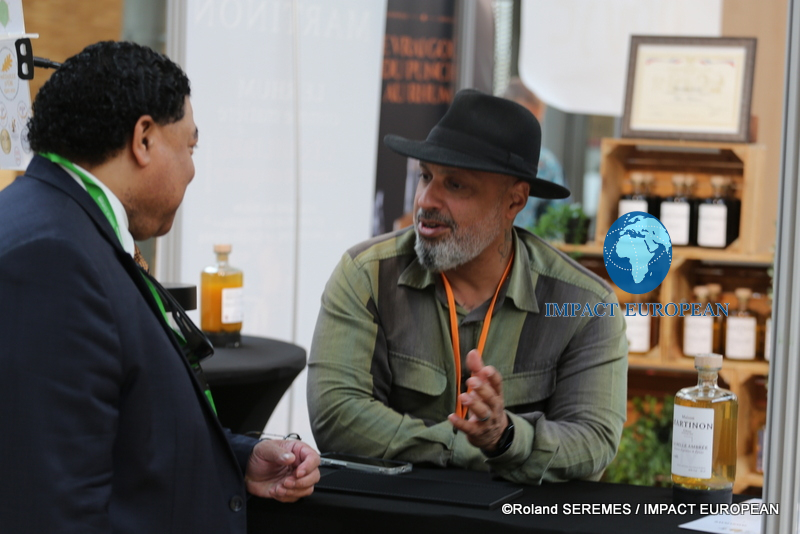
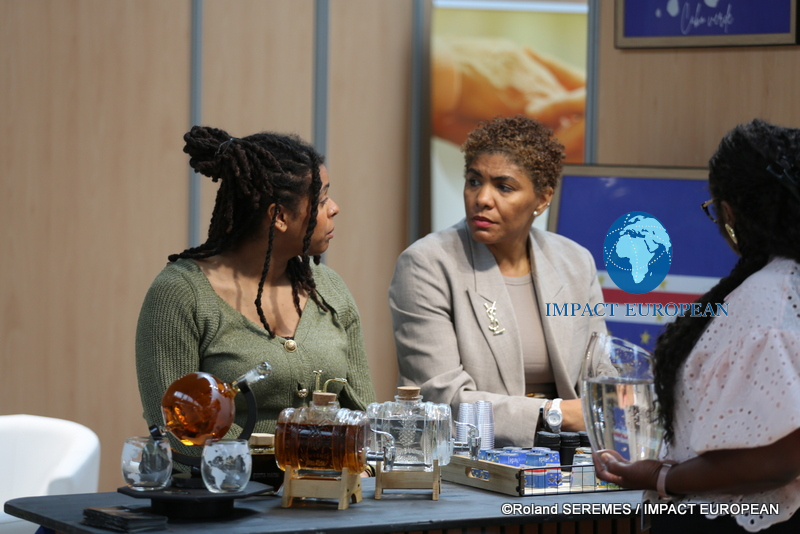
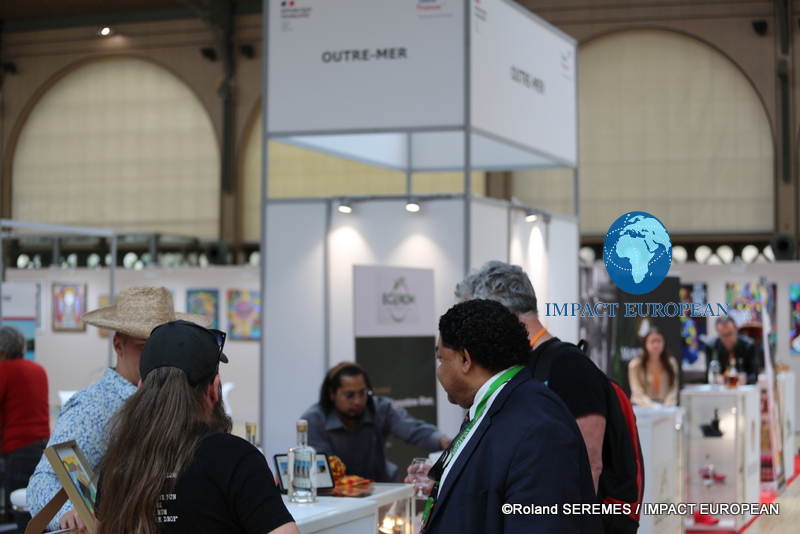
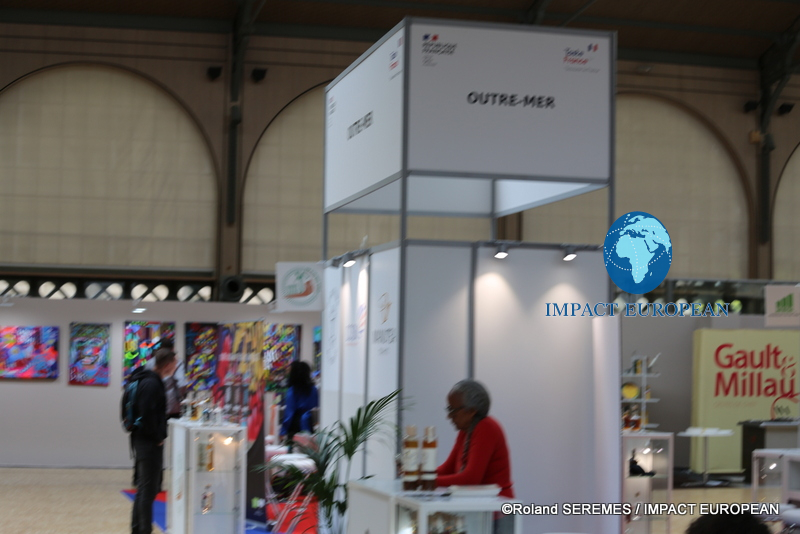
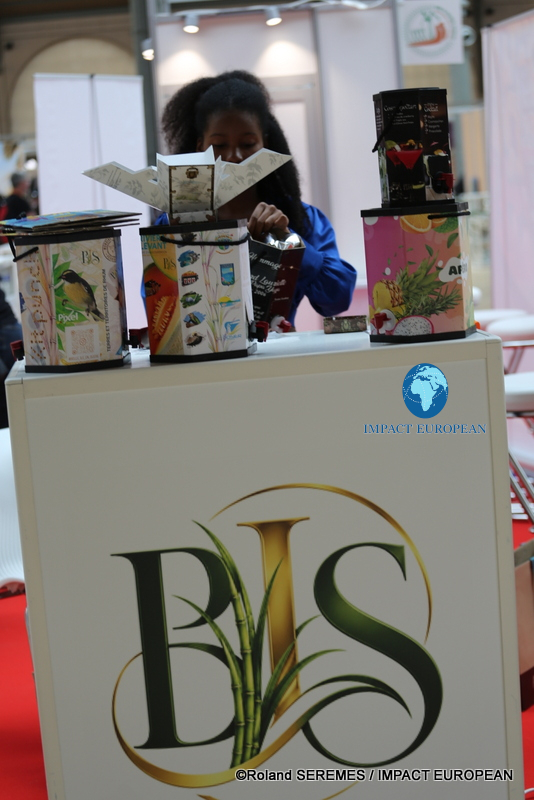
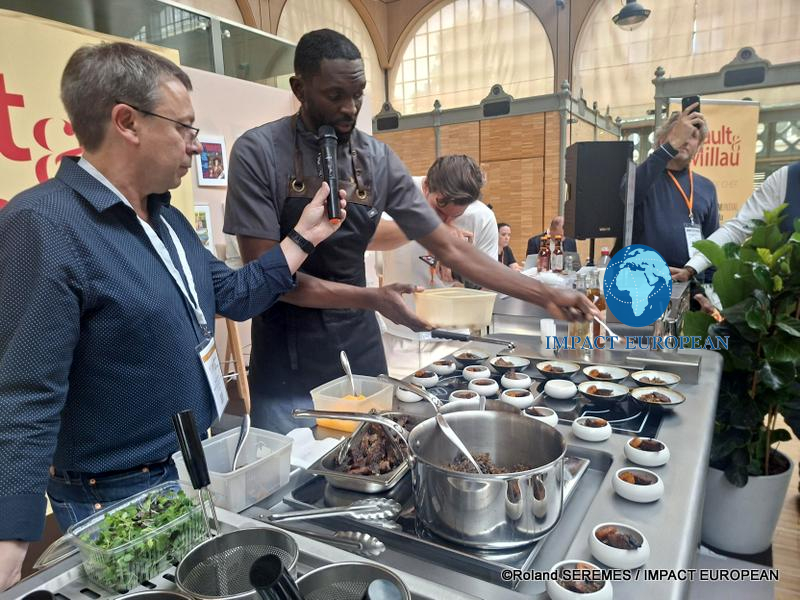
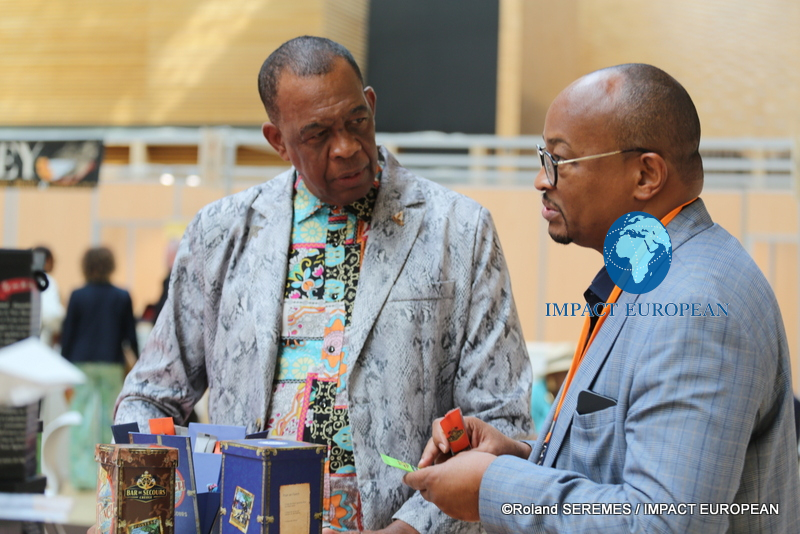
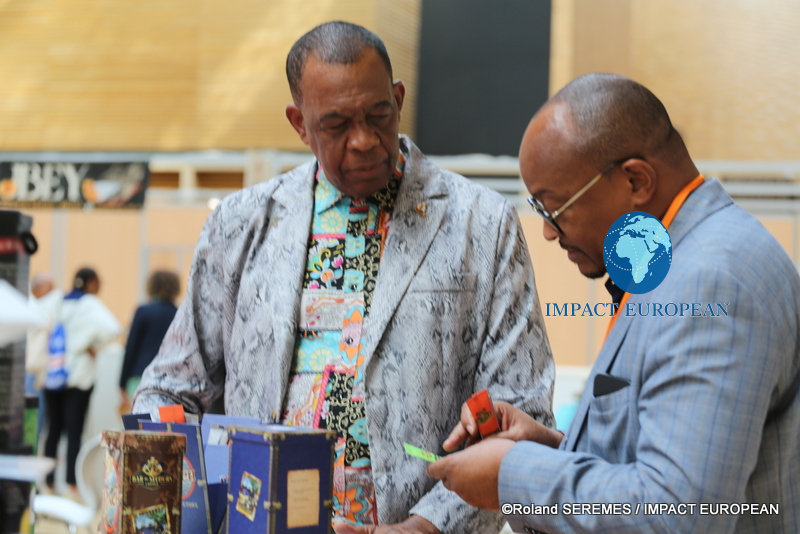
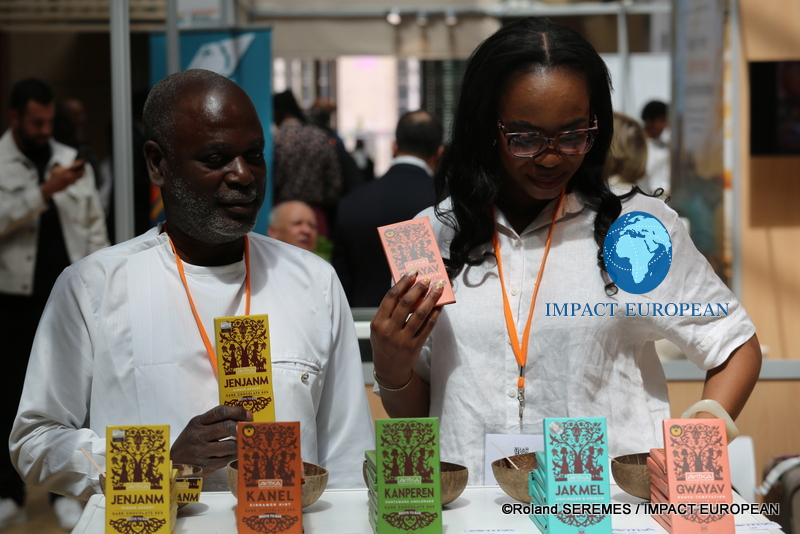
Held from June 9 to 11, 2026 at the Carreau du Temple, the World Rum Summit 2026 has emerged as a global reference point for understanding the intersection between agriculture, territories and international spirits markets.
More than a trade event, it functioned as a geo-economic observatory of the global rum industry.
A global market in structural transition
The global rum market, valued between $16 and $18 billion, is undergoing a complex transition phase.
While short-term fluctuations are visible, long-term dynamics remain strong, driven by:
- premiumization of products
- expansion of cocktail culture
- rise of spirit tourism
- diversification of production regions
Asia-Pacific is now the fastest-growing consumption and production zone.
From Caribbean dominance to global diversification
Historically concentrated in the Caribbean, rum production has become increasingly global.
Today, three major production and influence zones dominate:
Caribbean & French overseas territories
Still the benchmark for quality, tradition and agricultural identity.
Africa (emerging territories)
Countries such as Benin are developing structured sugarcane and distillation ecosystems.
Asia-Pacific
A fast-expanding region where both production and consumption are increasing rapidly.
Geo-agriculture as a defining trend
A key concept emerging from the summit is “geo-agriculture” — the link between geography, agricultural systems and economic value creation.
Sugarcane is no longer seen only as a crop, but as:
- a territorial resource
- an industrial input
- a tourism asset
- a geopolitical commodity
This shift redefines the role of agricultural territories in global trade.
France and overseas territories in the global system
France holds a unique position in the global rum ecosystem:
- 5th global exporter
- leading European player
- strong reliance on overseas territories
The French Caribbean and overseas regions account for approximately 80% of national production, making France both a European and tropical agricultural actor.
Spirit tourism as a global economic model
One of the key outcomes of the summit was the rise of spirit tourism as a scalable economic model.
It integrates:
- agriculture
- tourism
- cultural identity
- local development
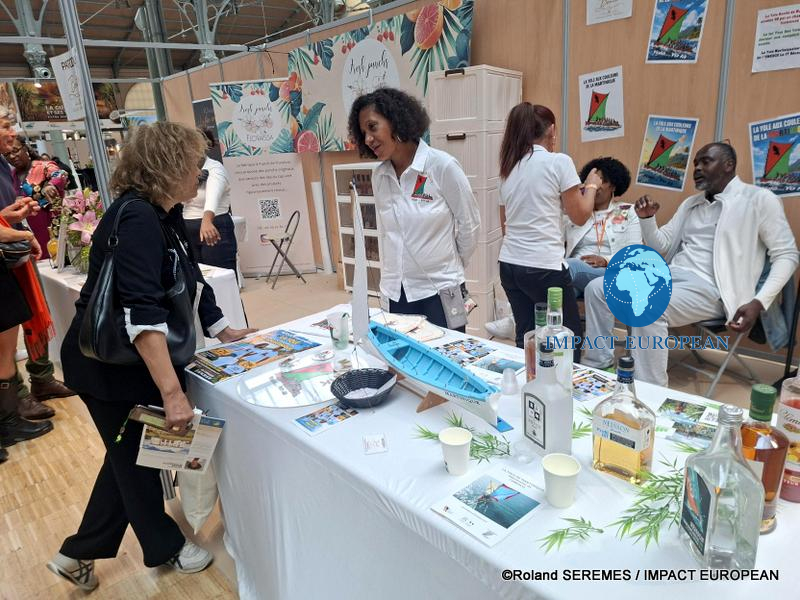
Guadeloupe was highlighted as a pilot territory, particularly around Sainte-Rose, positioned as a symbolic hub of rum heritage.
Global trade and economic repositioning
The summit discussions highlighted major structural changes in global trade:
- supply chain rebalancing
- regionalization of markets
- increasing importance of certifications and origin labels
- digitalization of distribution channels
These changes are reshaping how value is distributed across the supply chain.
Cultural and territorial diplomacy
Beyond economics, the World Rum Summit also acted as a platform for territorial diplomacy.
Countries and regions exchanged strategies on:
- agricultural development
- export positioning
- sustainability policies
- cultural branding
Rum is increasingly used as a tool of territorial identity on the global stage.
Rum as a geo-economic indicator
The 2026 edition confirmed that rum is no longer just a beverage category.
It has become a geo-economic indicator, reflecting:
- global agricultural transformations
- shifts in trade power
- territorial development strategies
Paris has positioned itself as a neutral global hub for this emerging dialogue between agriculture, economy and international markets.
Copyright © 2026 IMPACT EUROPEAN









Views: 3
More Stories
Laurent Douziech and His Horses: Trust Before Performance
Visa pour l’Image 2026: Brigitte Bardot and Frank Gehry, When Art Outlives Its Creator
Visa pour l’Image 2026: When Seeing Is No Longer Enough, Photojournalism Must Prove What Is Real