

The second day of the Monte-Carlo Television Festival revealed another side of one of the world’s longest-running television events.
Following the opening ceremony and celebrity appearances, attention moved toward what increasingly defines international television today: stories, audiences and global circulation.
Hosted in Monaco, the festival continued with screenings, public sessions and exchanges between creators and viewers.
More than a celebration, the event became a reflection of how television is evolving.
The global industry no longer develops around domestic audiences alone.
Series are now conceived with international distribution in mind from the earliest stages of production.
In this changing landscape, festivals such as Monte-Carlo maintain a unique position.
They remain one of the few places where creators, industry professionals and audiences share the same physical space.
The second day highlighted this evolution.
International screenings demonstrated how storytelling increasingly crosses borders and adapts to multicultural audiences.
European productions in particular showed their ambition to compete within a global entertainment market.
Alongside official screenings, public encounters became an essential part of the festival experience.
The Fan Zone created opportunities for viewers to interact directly with actors and creative teams.
This model reflects a broader transformation across entertainment industries.
Audiences no longer want passive consumption.
They seek participation, proximity and direct access to the creative process.
Television has become an experience economy.
At the same time, production standards continue to evolve.
Visual quality, cinematic storytelling and global release strategies increasingly blur the boundaries between television and film.
This shift creates new opportunities but also stronger competition.
For Monte-Carlo, maintaining relevance means becoming more than a festival.
It means acting as a meeting point where culture, industry and international influence intersect.
The second day demonstrated that television’s future will not be built only through technology.
It will continue to depend on creators, audiences and places that bring them together.
Monte-Carlo remains one of those places.
The blue carpet opens the conversation.
The stories keep it alive.
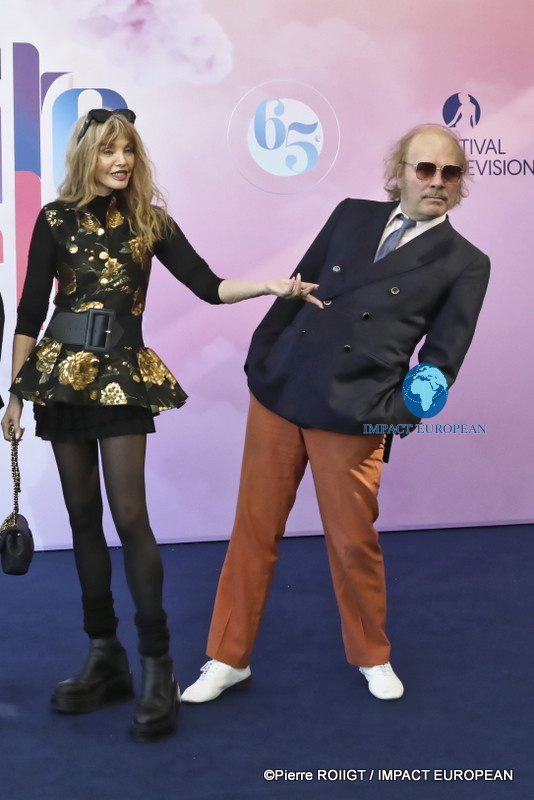
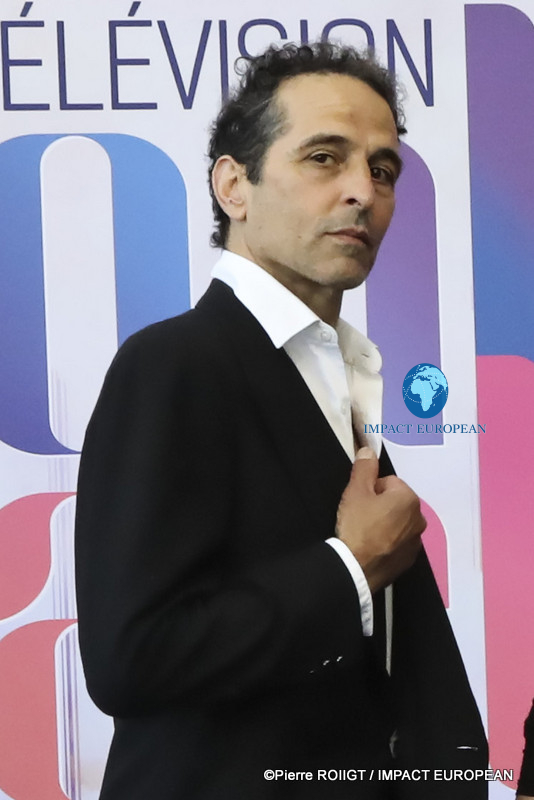
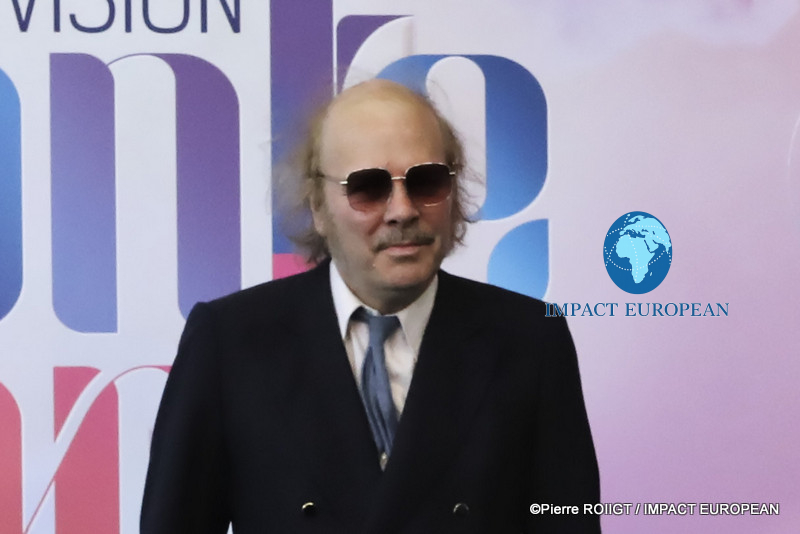
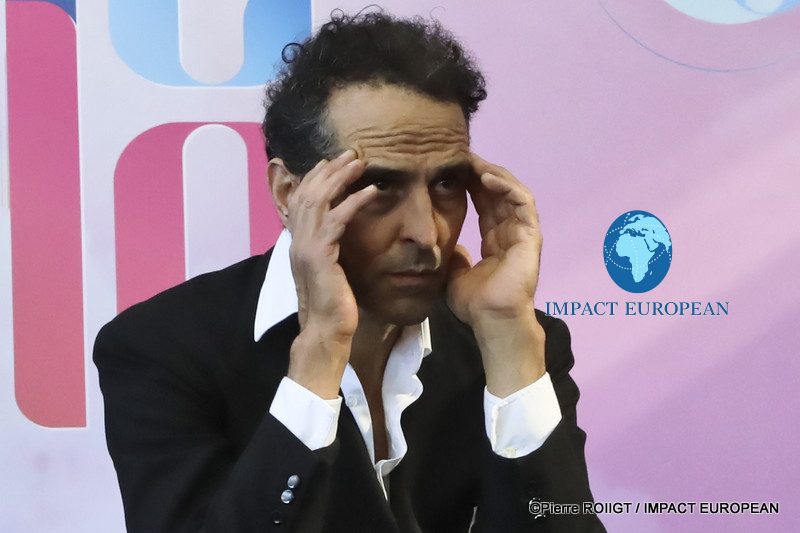
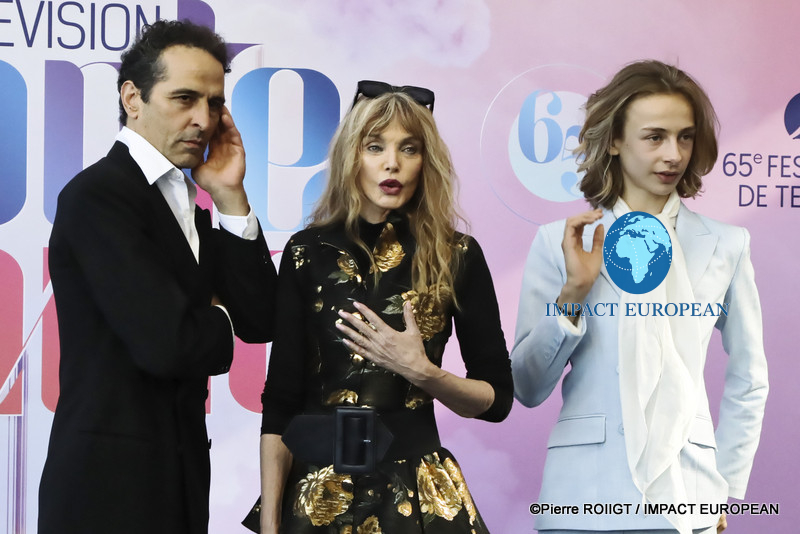
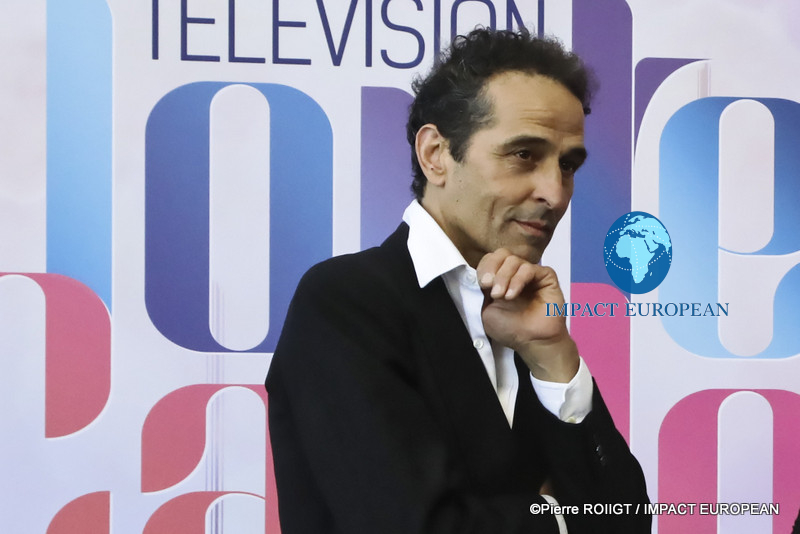
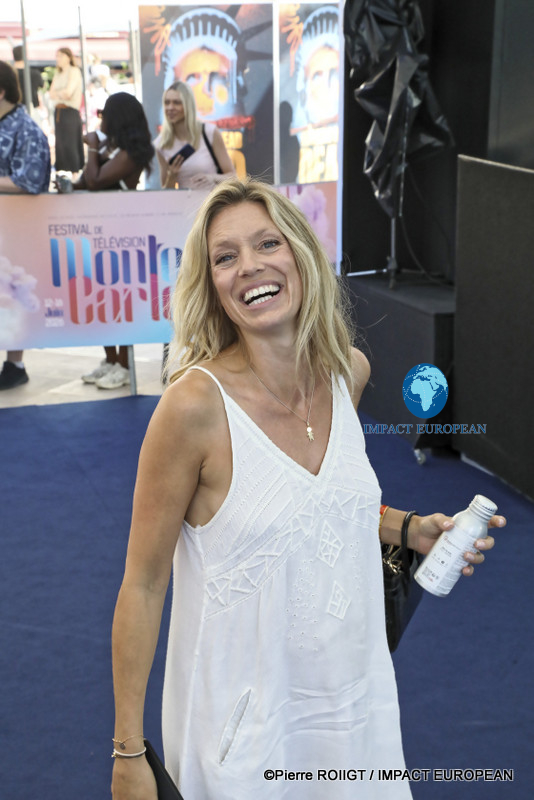
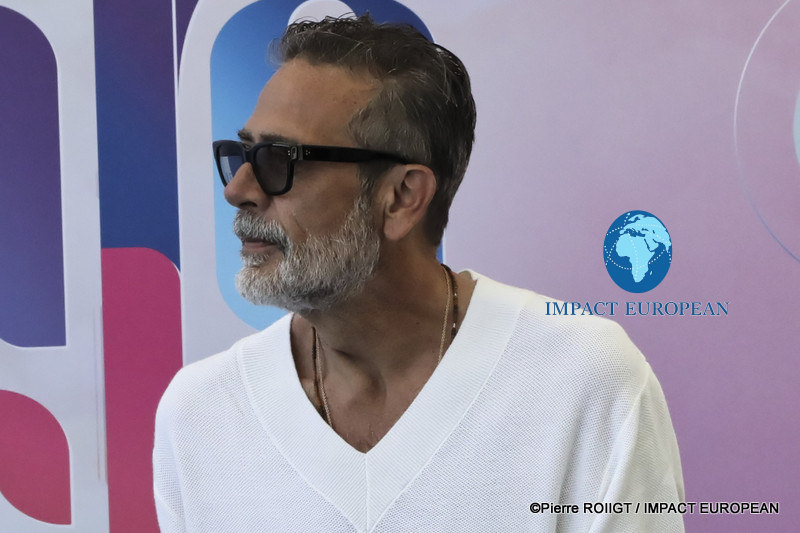
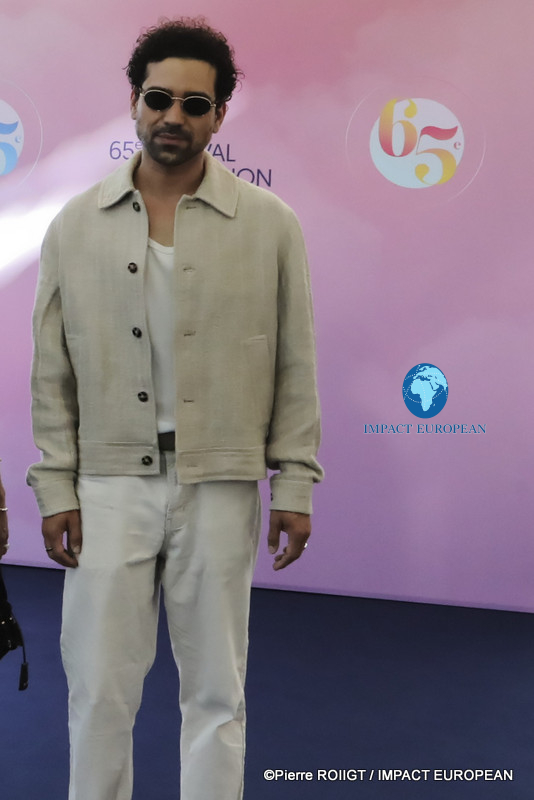
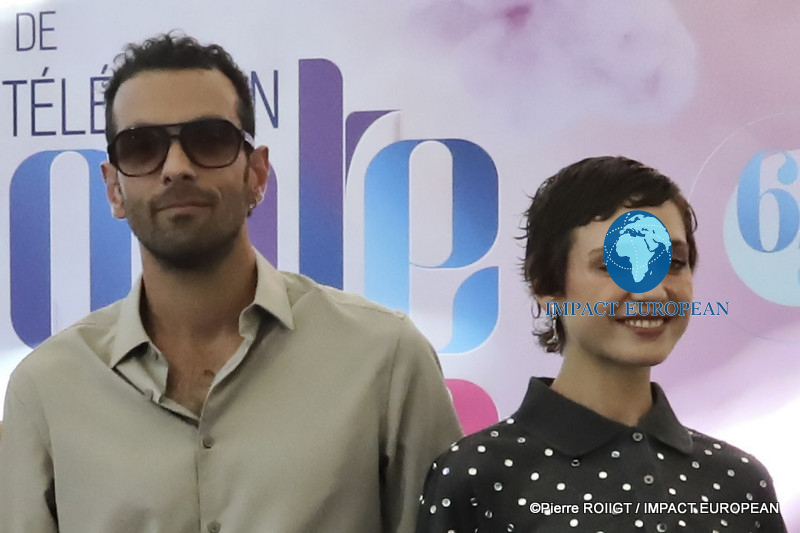
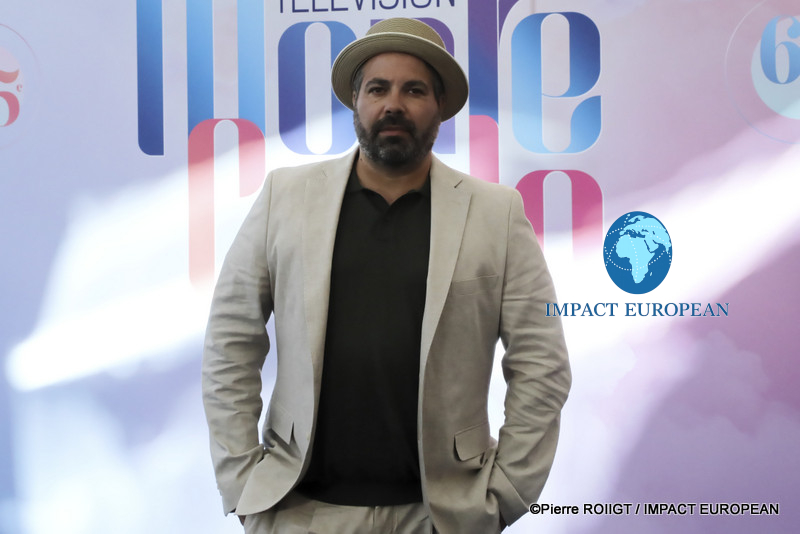
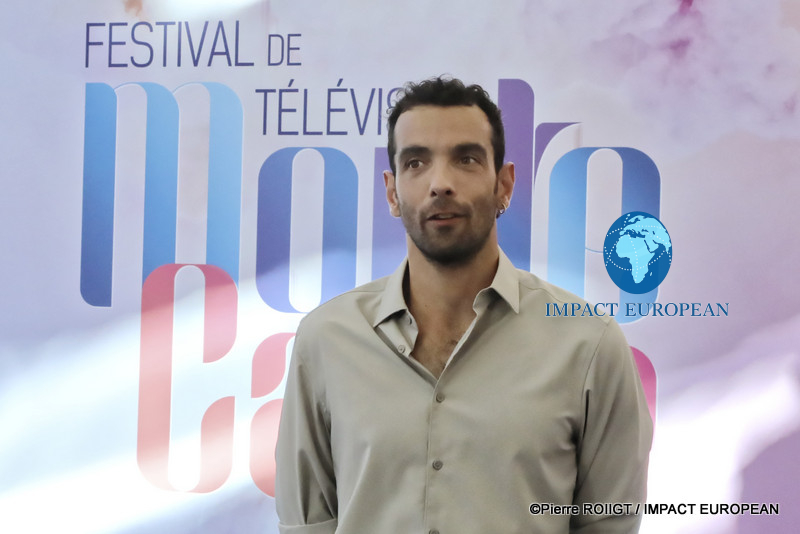
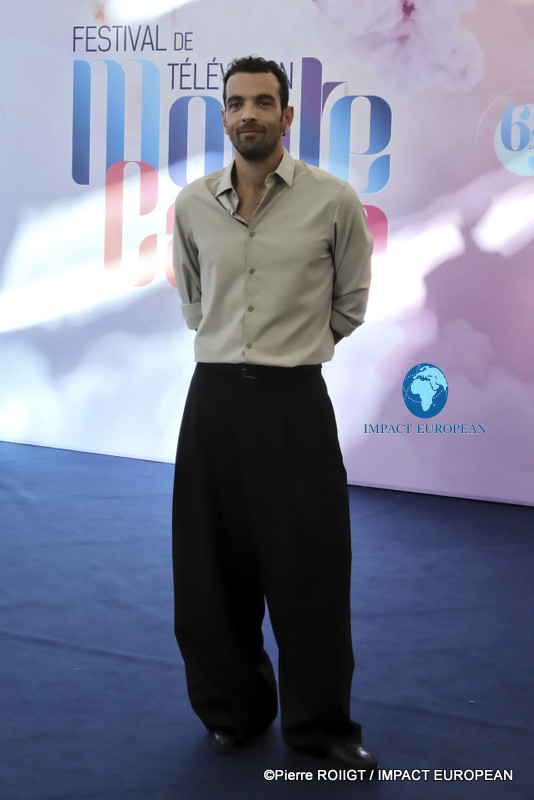
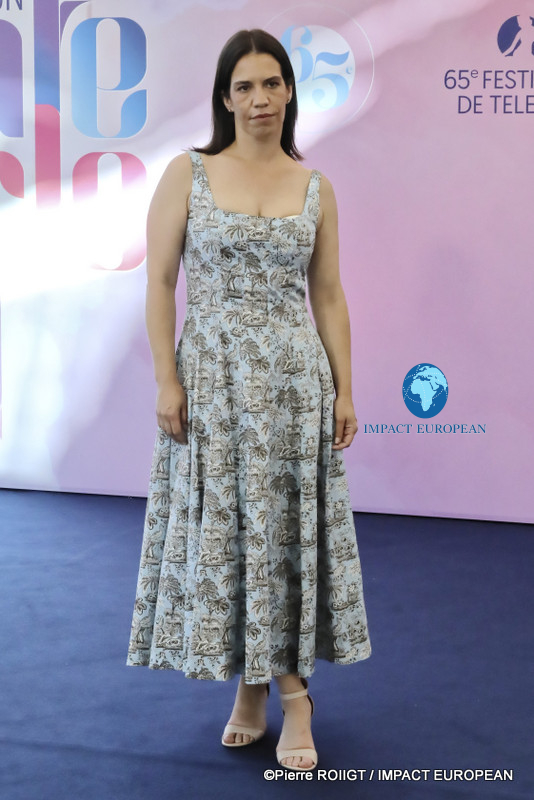
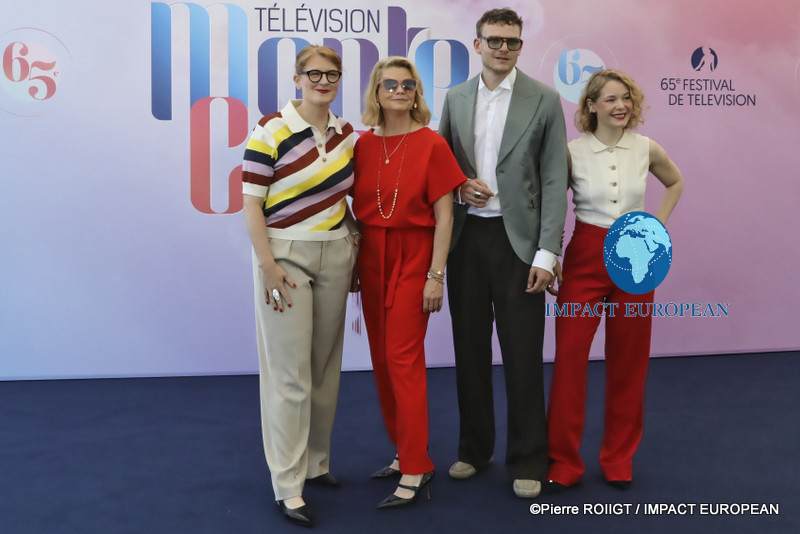
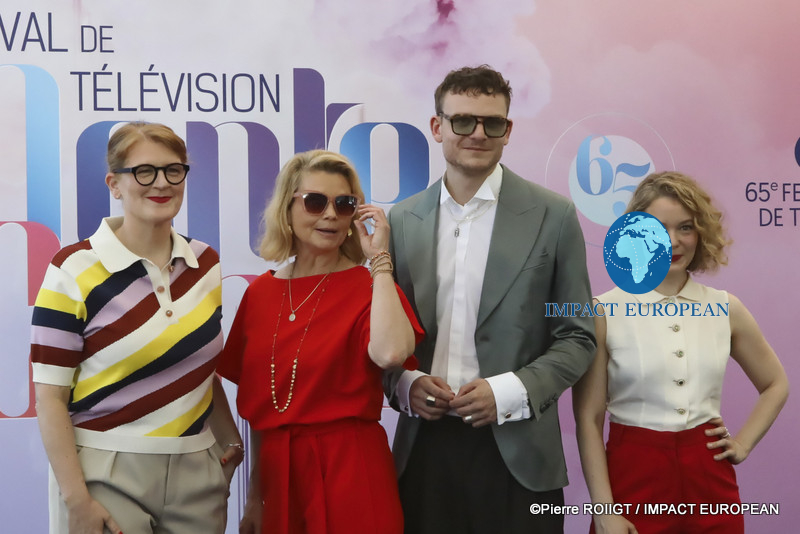
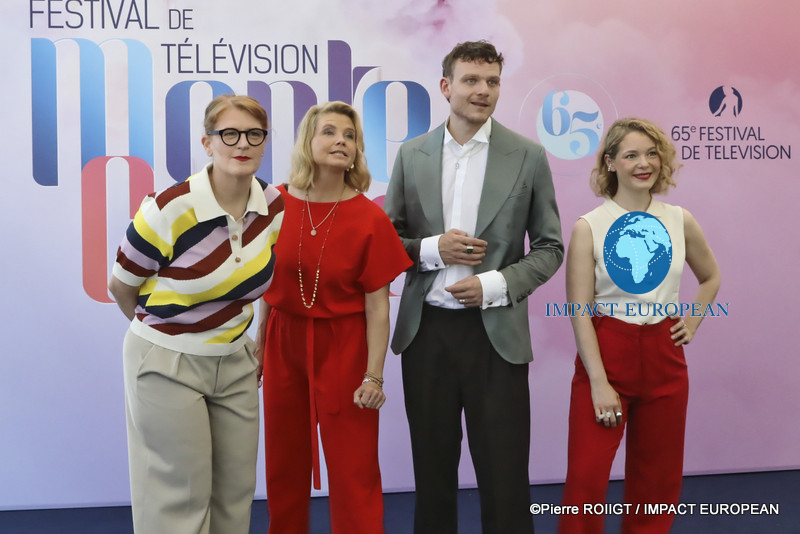
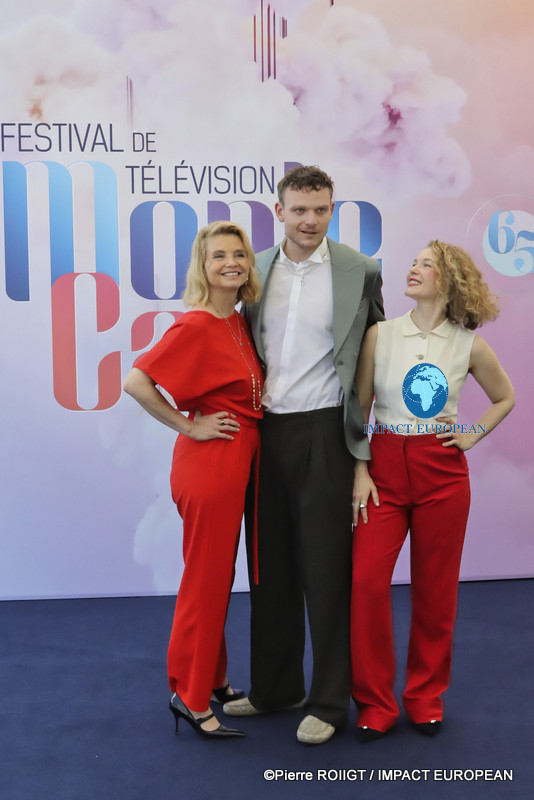
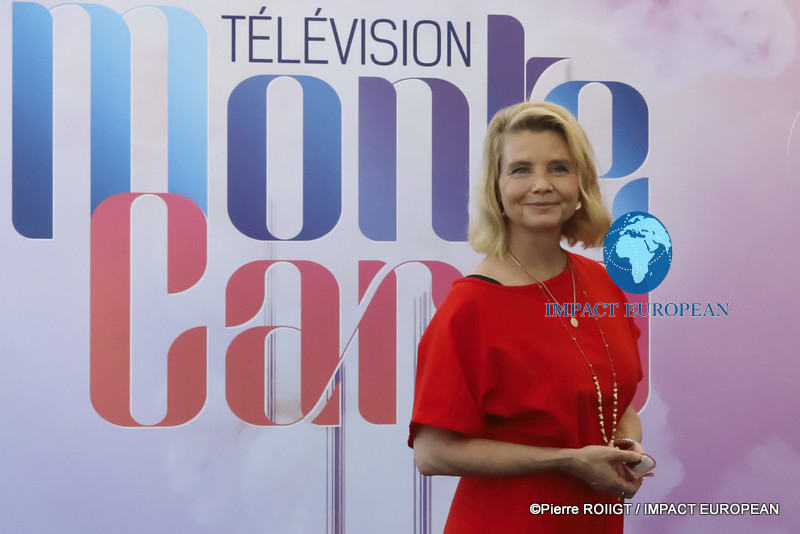
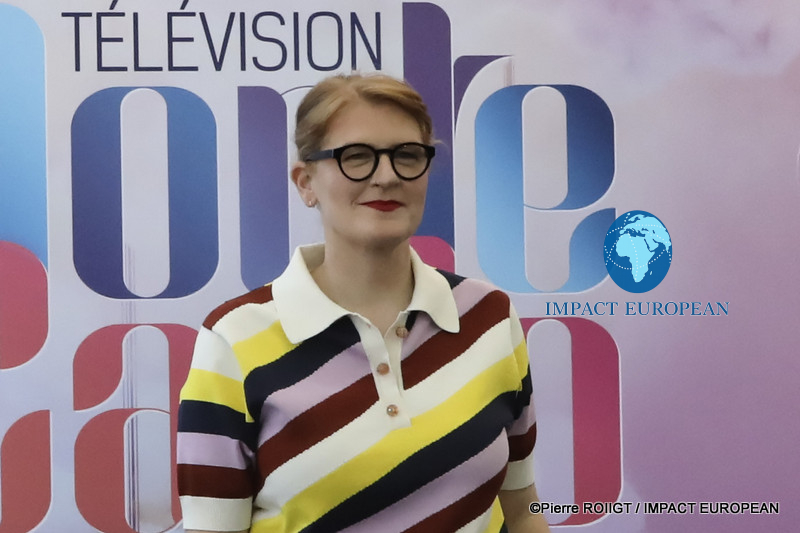
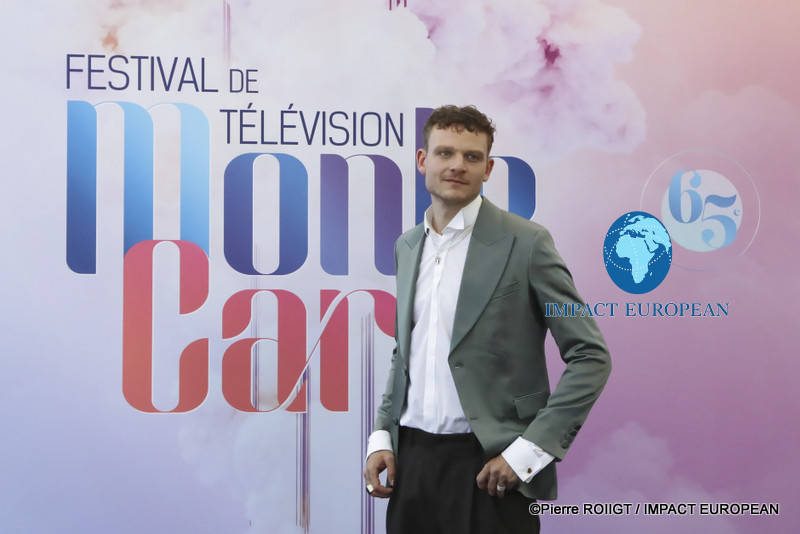
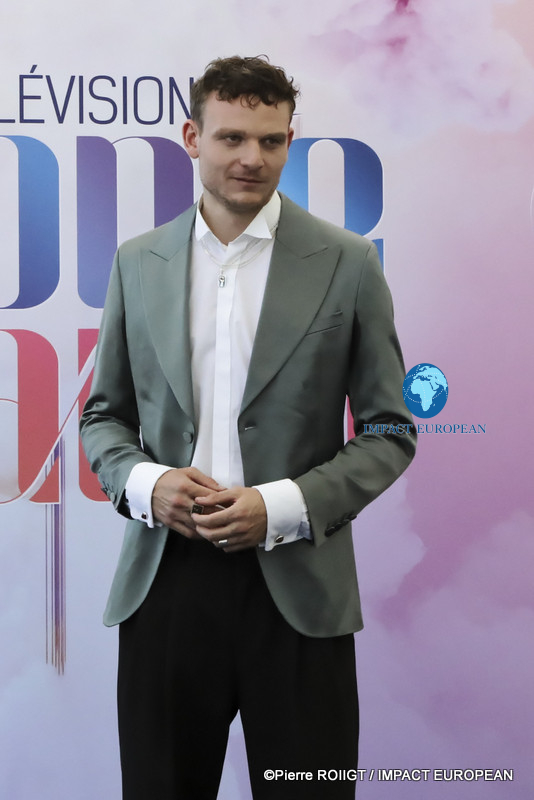
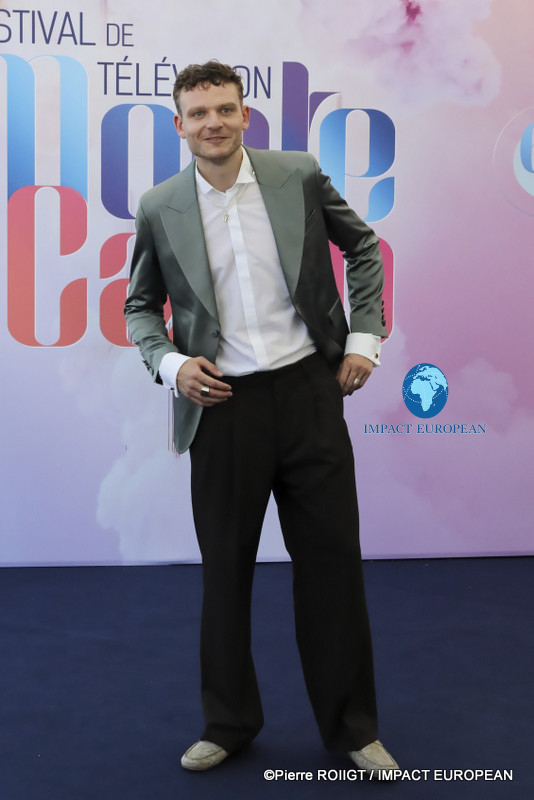
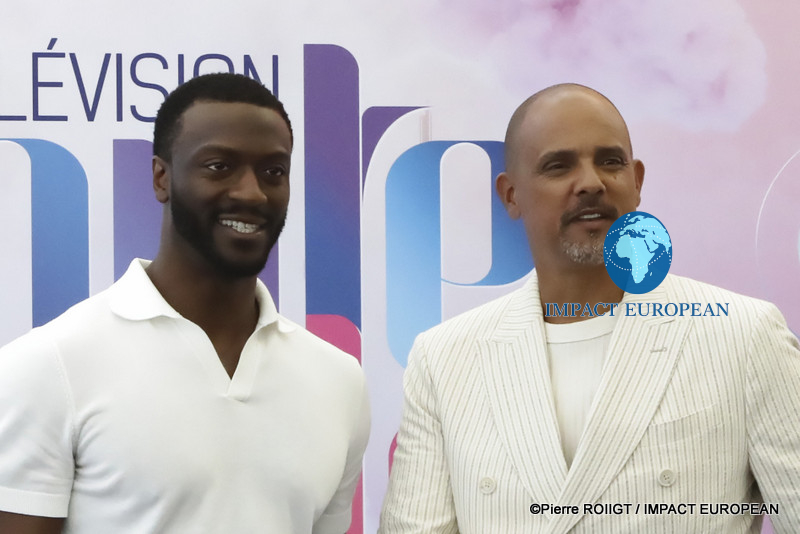
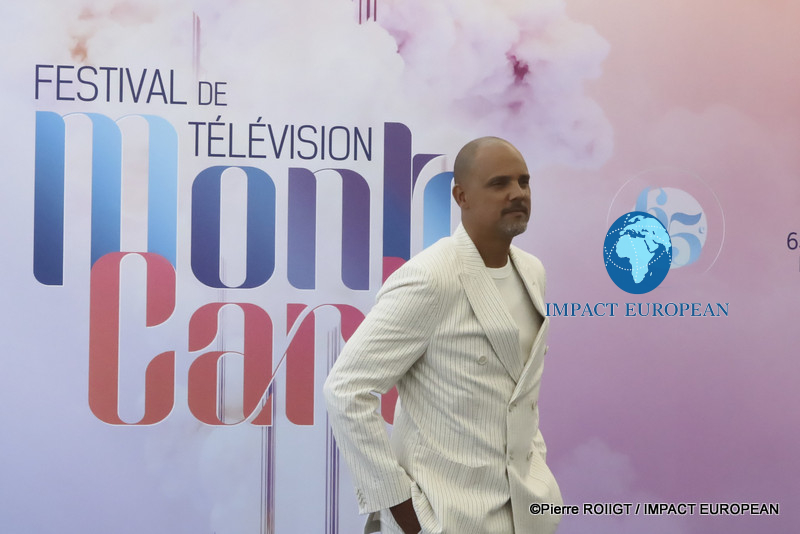
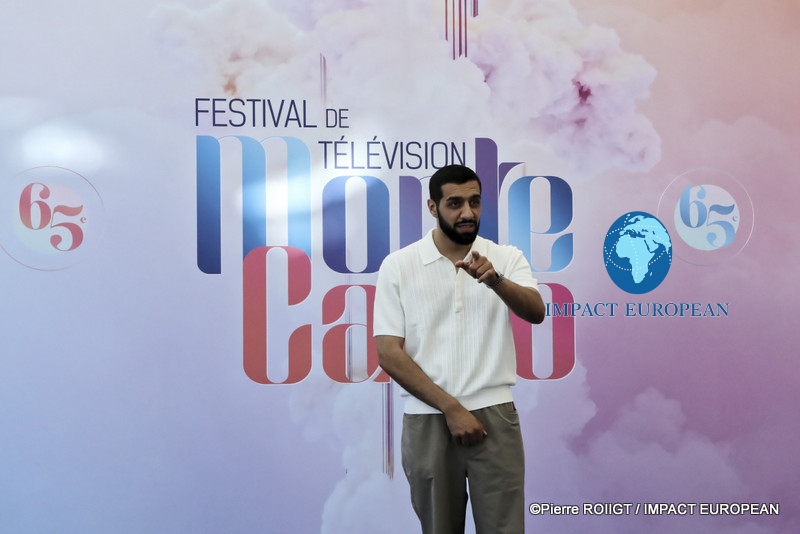
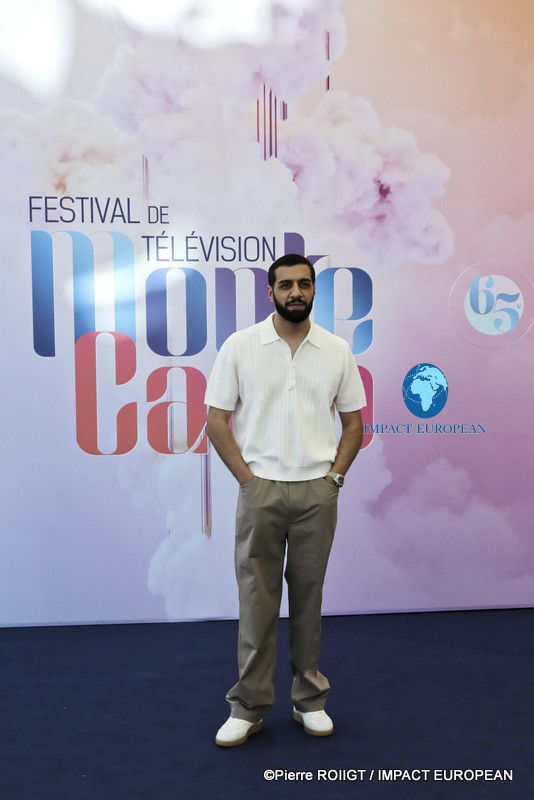
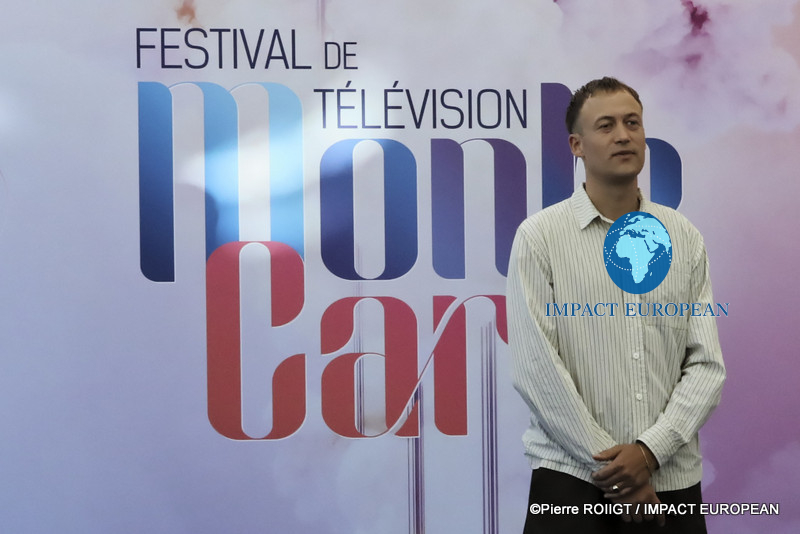
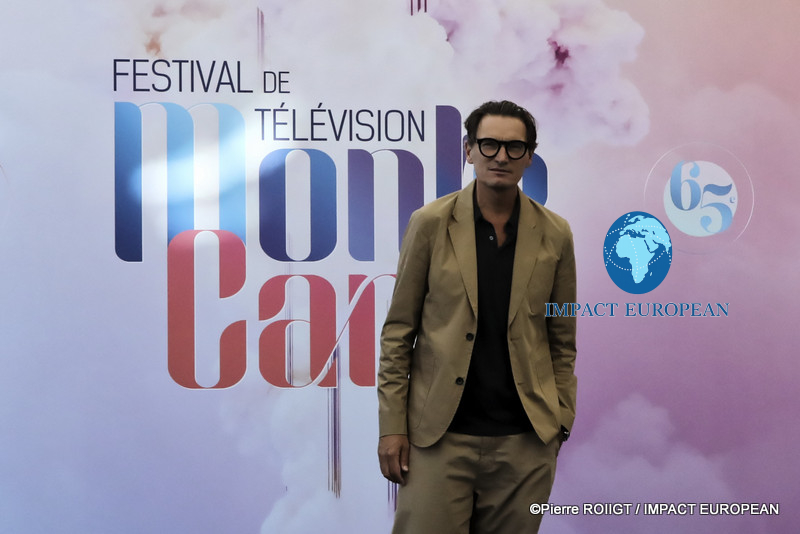
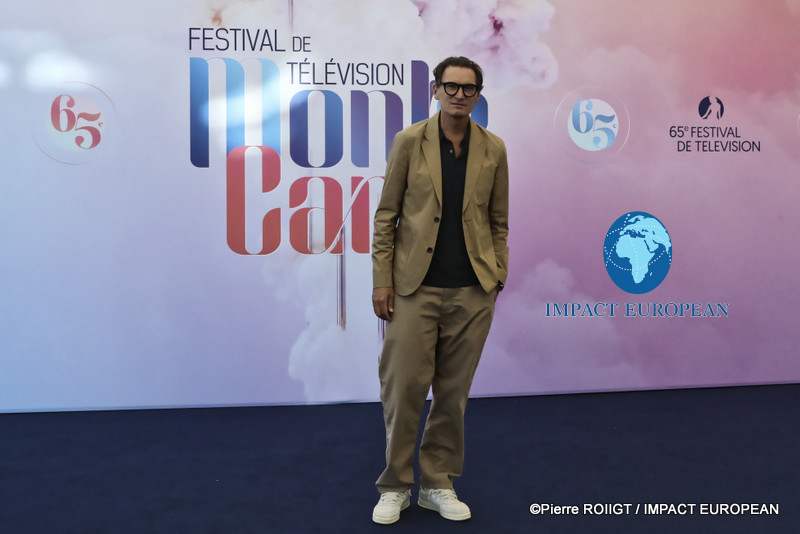
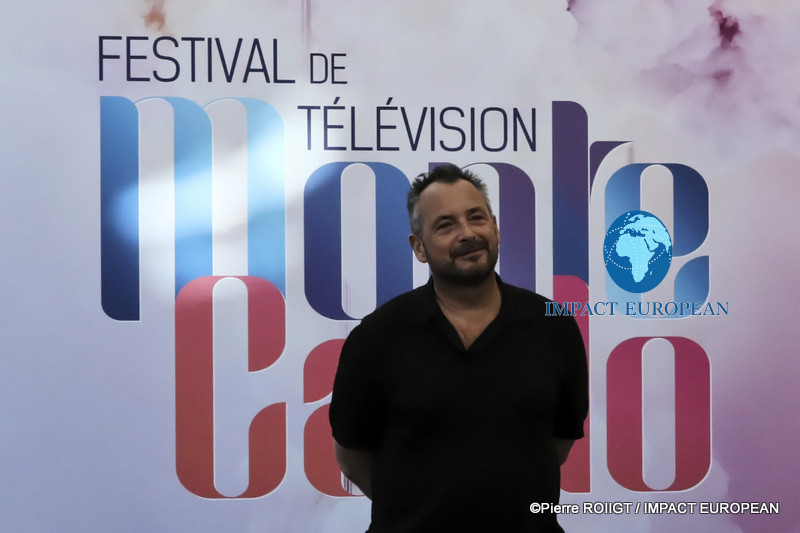
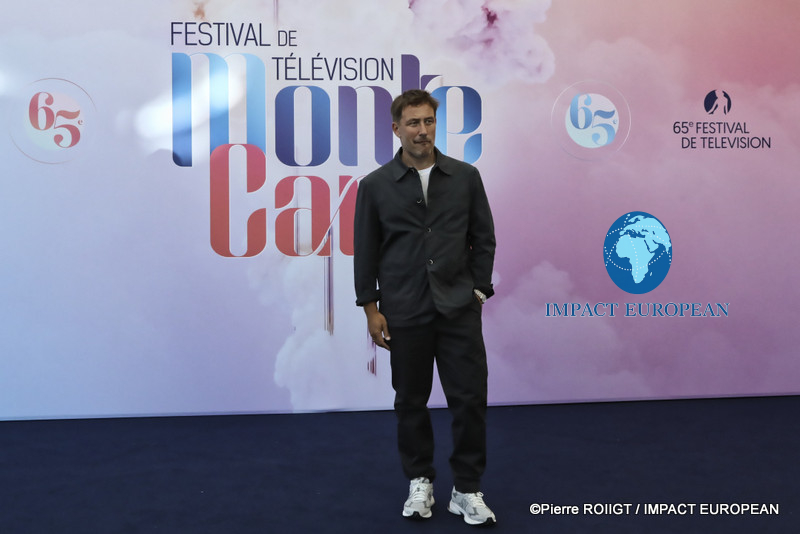
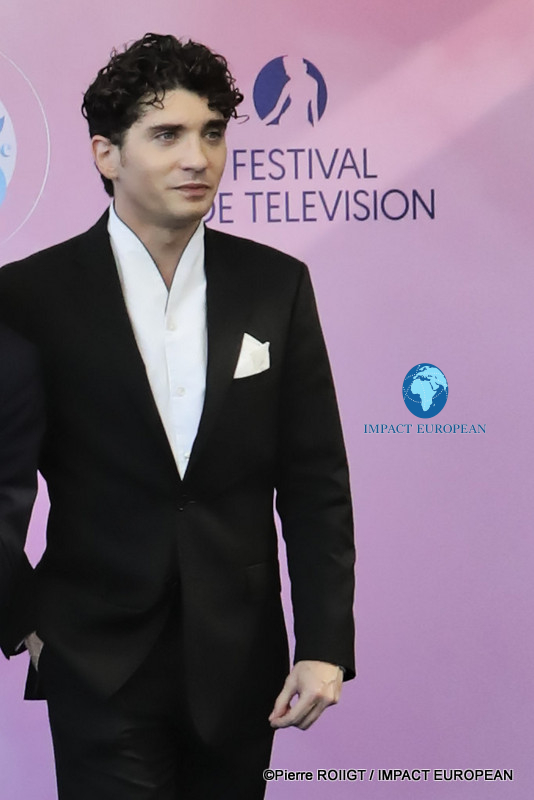
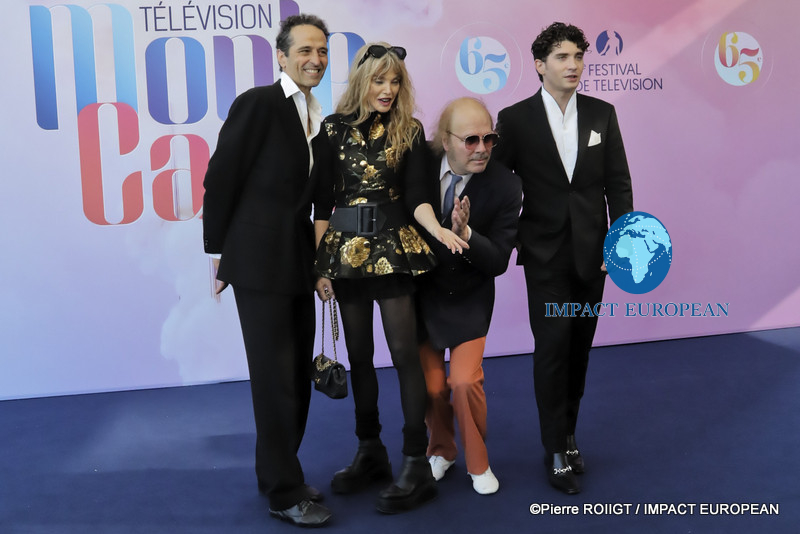
While screenings and industry meetings continued inside the Grimaldi Forum, the photocall emerged as one of the most powerful spaces of the event.
Far from being a simple promotional moment, it now operates as a global communication tool within the entertainment industry.
Images captured here circulate instantly across international media, streaming platforms, and social networks, shaping how audiences perceive shows and talent worldwide.
Several well-known figures contributed to this visual narrative.
Kristin Scott Thomas, internationally recognised for her work in both cinema and television, extended her presence at the festival after receiving a Crystal Nymph award.
Michel Drucker, one of France’s most enduring television hosts, represented the link between traditional broadcasting and modern media culture.
Spanish actress Ester Expósito highlighted the rise of a new generation of European talent deeply connected to global streaming audiences.
The photocall therefore becomes part of a wider entertainment ecosystem.
It is no longer only about appearance — it is about positioning within a global market.
In today’s industry, visibility often equals value.
This is especially true in a landscape where series travel faster than ever across borders.
The Monte-Carlo Festival acts as a hub where this visibility is structured and amplified.
Fashion choices, posture, and public interactions all contribute to a broader branding strategy for talent and productions.
A more restrained aesthetic dominated the day, reflecting current trends in global entertainment: authenticity over spectacle, identity over excess.
In this sense, the photocall is not just an image moment.
It is a strategic layer of modern television culture.
And at Monte-Carlo, that layer has become impossible to ignore.
Copyright © 2026 IMPACT EUROPEAN






























































Views: 3
More Stories
Paris Motor Show 2026: Global Carmakers Face a New Era of Mobility
Violence Against Women: French Protesters Push Parliament to Preserve Landmark Protection Bill
Paris Pride 2026: From Political Mobilisation to a European Message of Solidarity