
Television has become global.
A series produced in Rome can become a hit in New York.
A British drama can dominate streaming charts in Asia.
A documentary filmed in a conflict zone can spark debates on every continent.
At the Monte-Carlo Television Festival, this reality is visible everywhere.
Inside Monaco’s Grimaldi Forum, international television is no longer divided by borders. It is connected by audiences, platforms and stories.
For industry professionals, Monte-Carlo is more than a festival.
It is a strategic meeting point where the future of television can be observed in real time.
For audiences, it remains one of the rare places where global stars are still accessible.
And for creators, it is an opportunity to present their work to an international community capable of transforming a local production into a worldwide success.
Where global talent meets global audiences
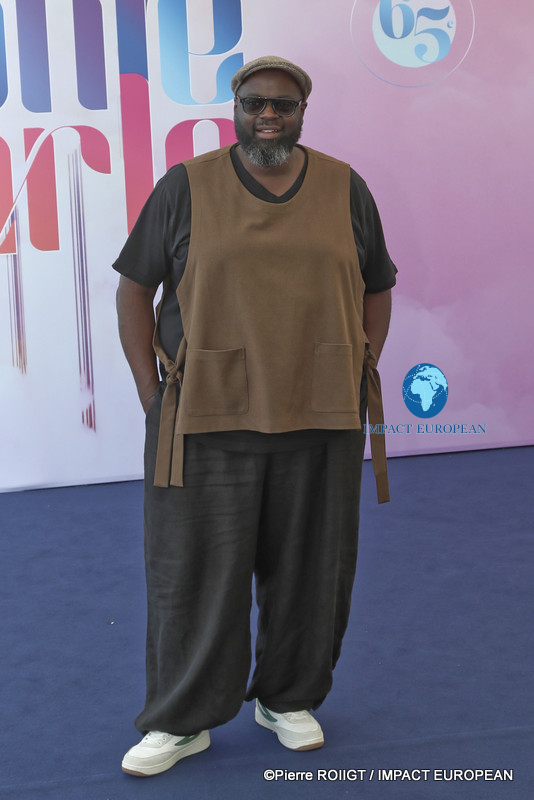
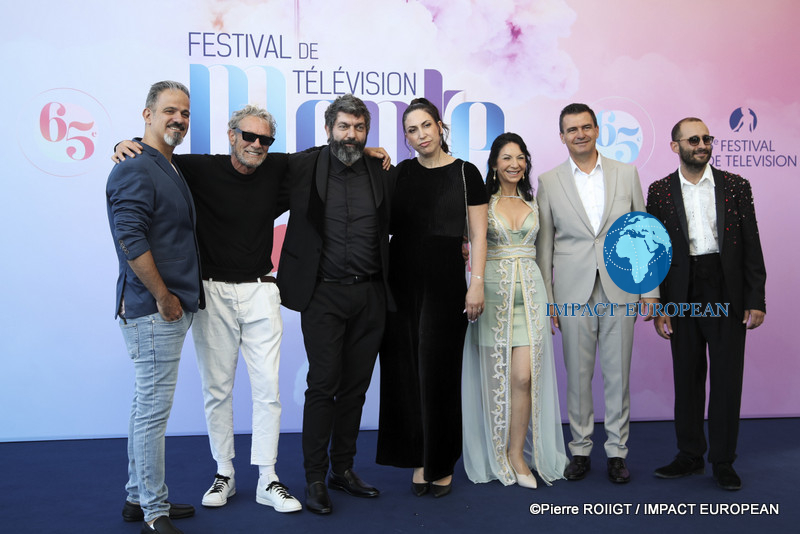
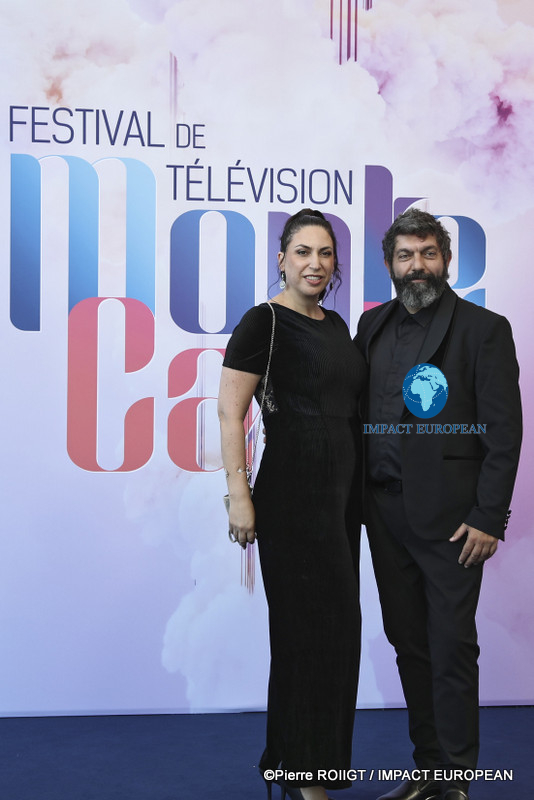
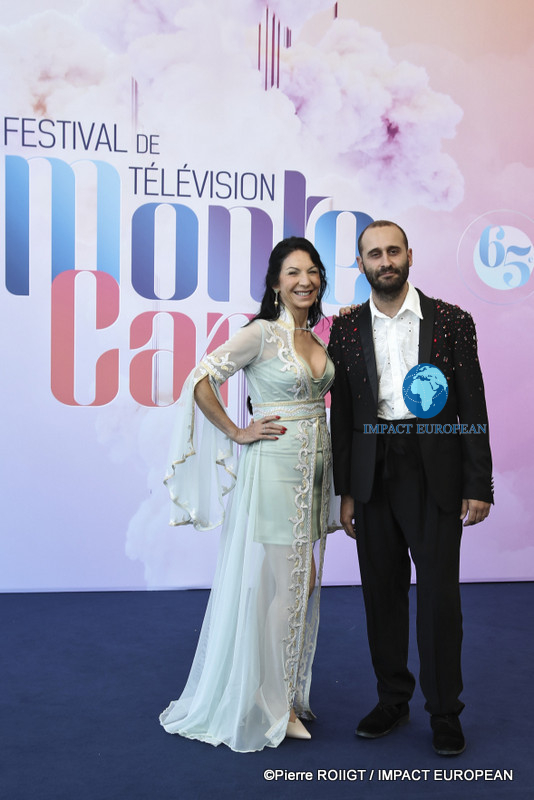
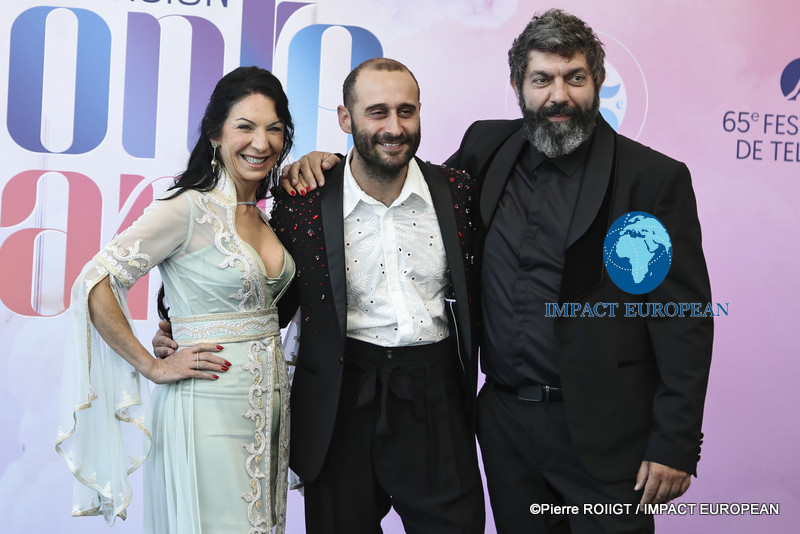
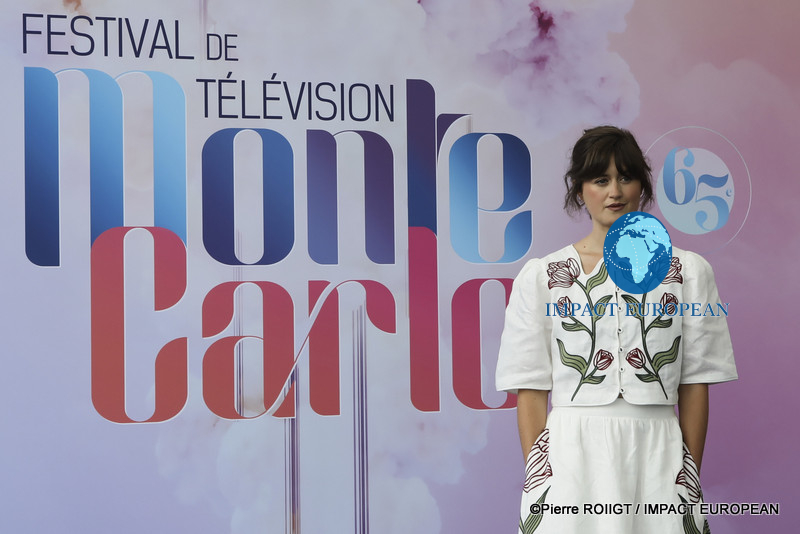
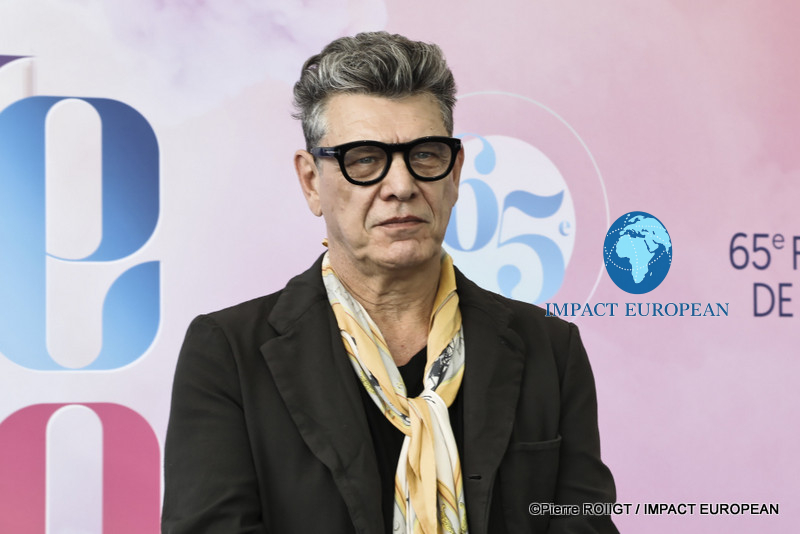
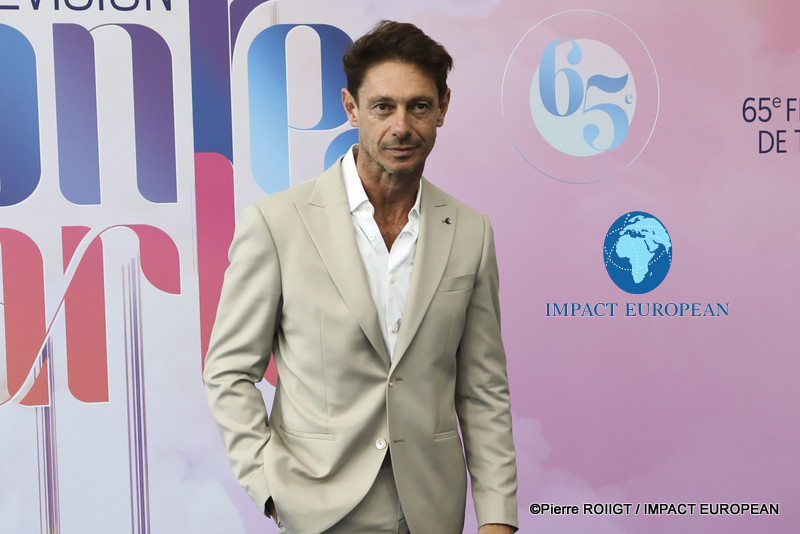
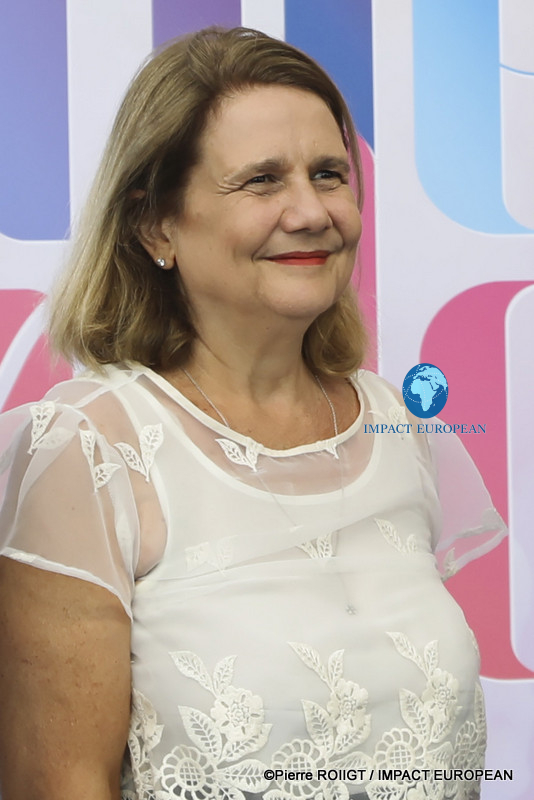
The festival’s corridors reflect the international nature of modern television.
American actors share the spotlight with European performers.
Producers exchange ideas with broadcasters.
Journalists move between interviews, screenings and industry events.
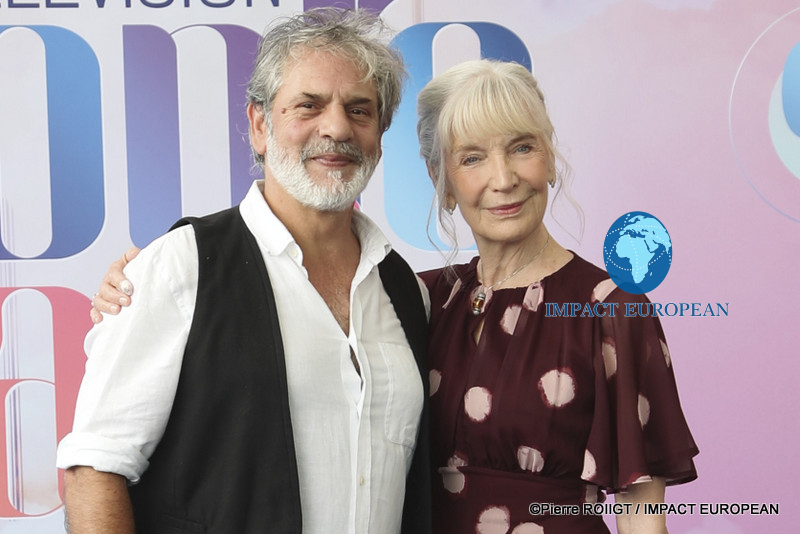
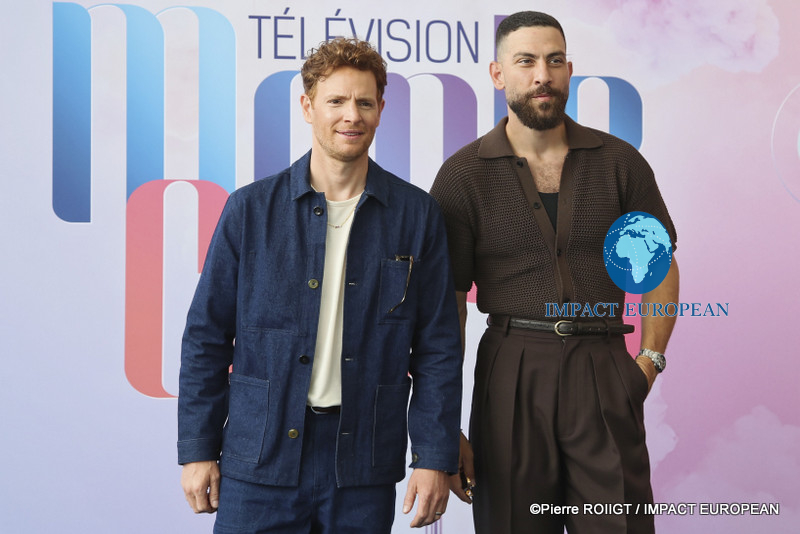
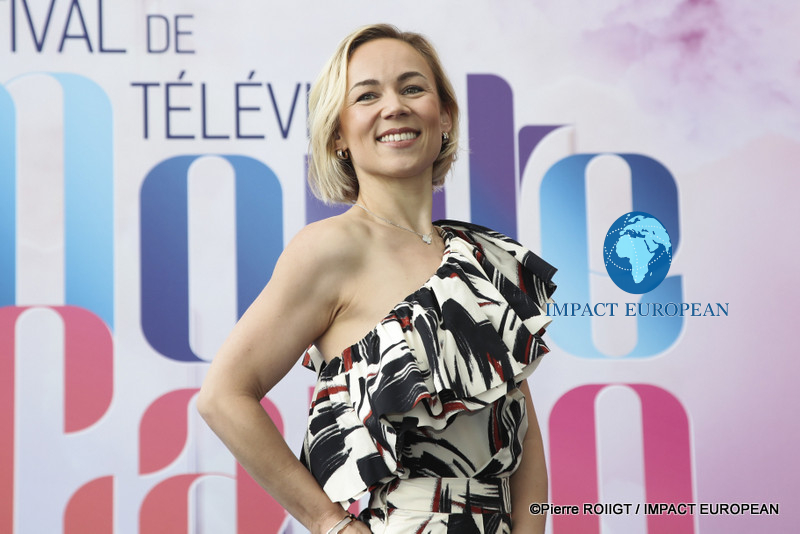
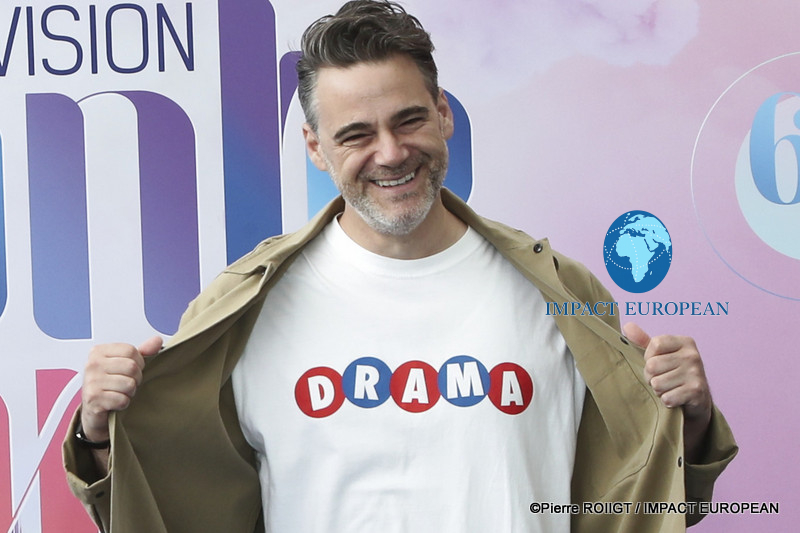
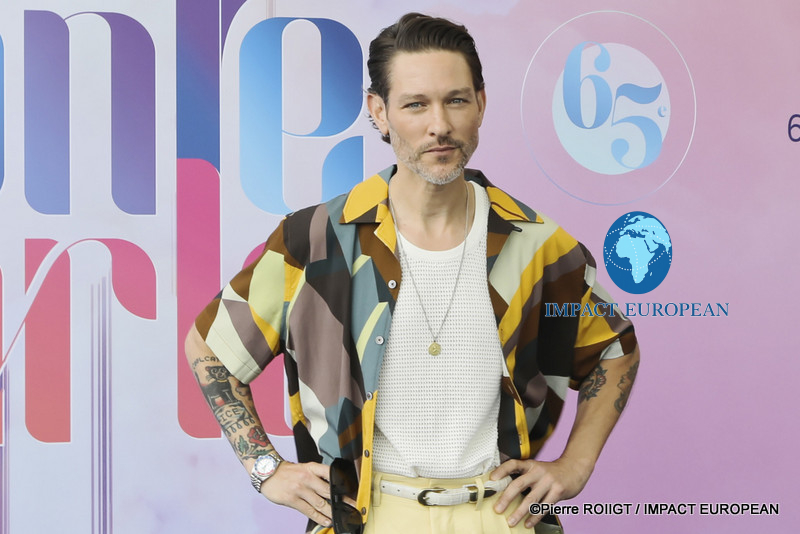
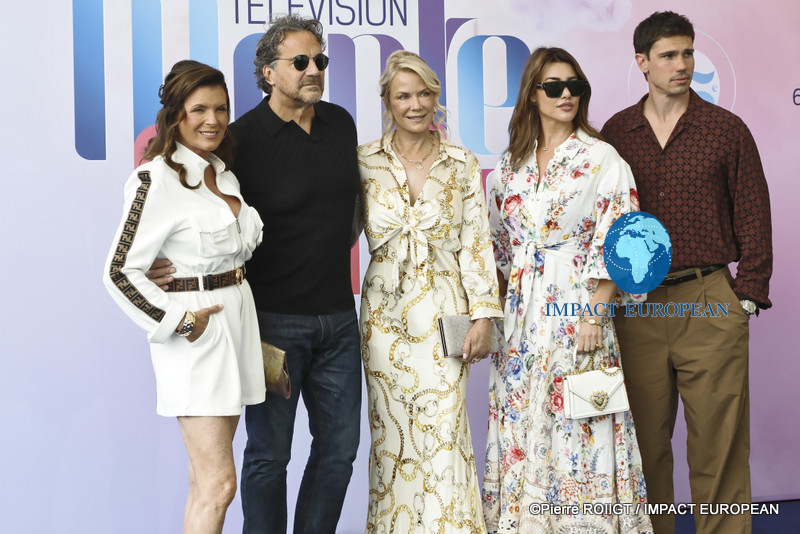
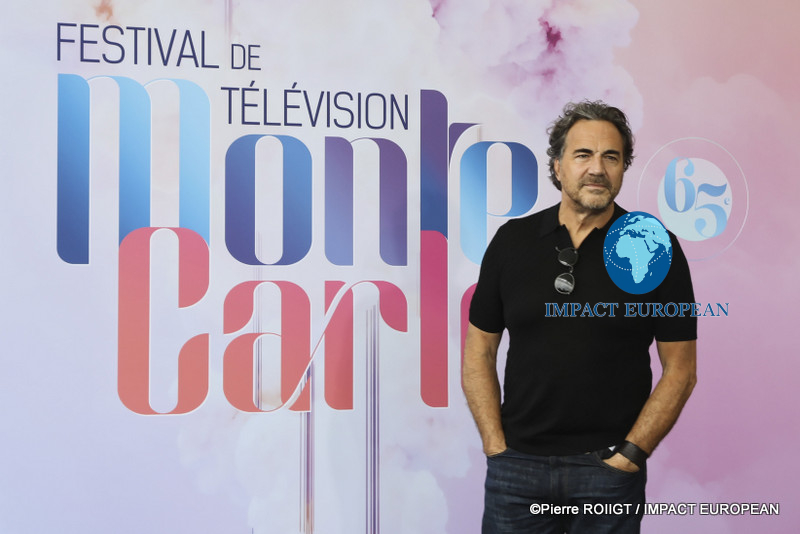
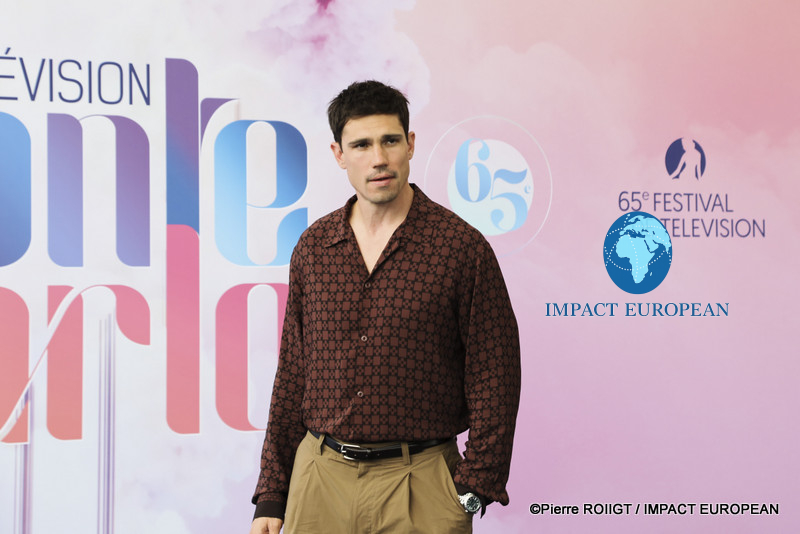
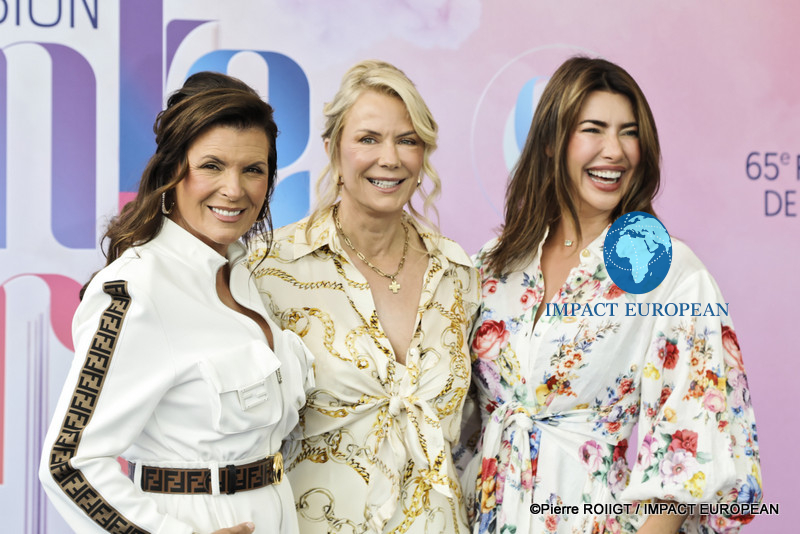
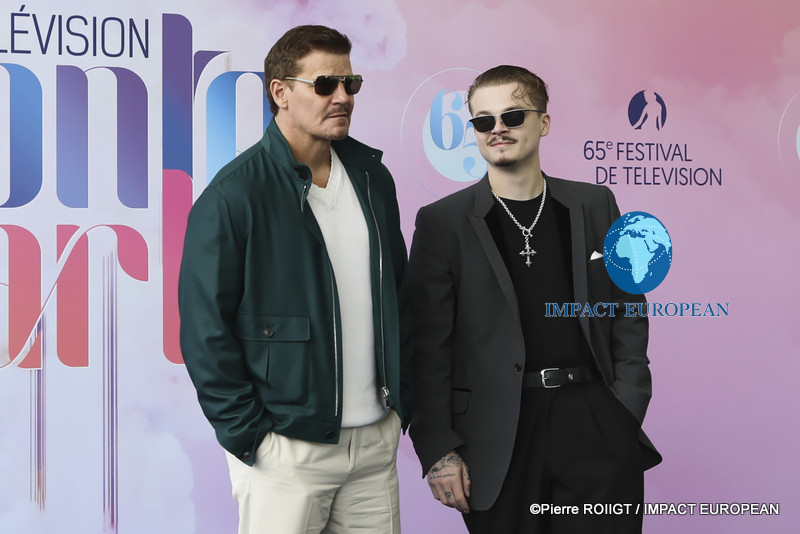
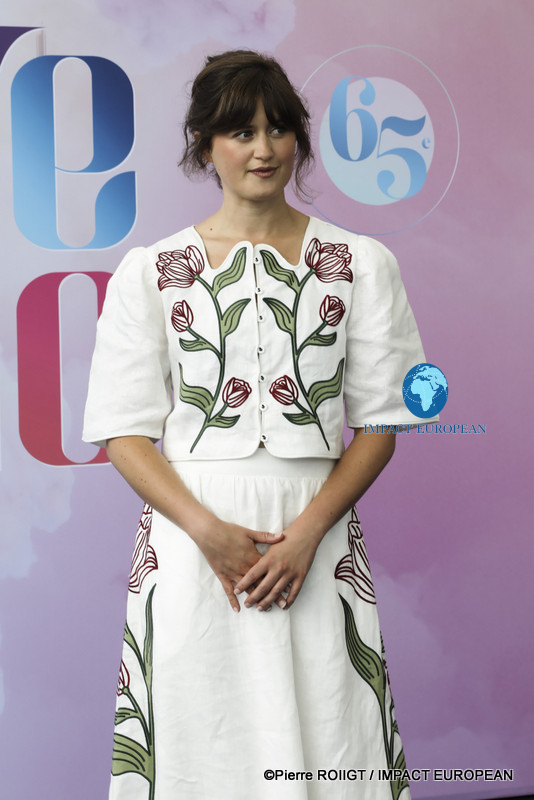
Among the personalities drawing attention throughout the festival were John Hannah, Nick Gehlfuss, Zeeko Zaki, David Boreanaz, Kevin McKidd, Matthew Broome, Lesley Manville, Kimberlin Brown, Thorsten Kaye, Jacqueline MacInnes Wood, Katherine Kelly Lang, Tanner Novlan, Michael Graziadei and Michelle Stafford.
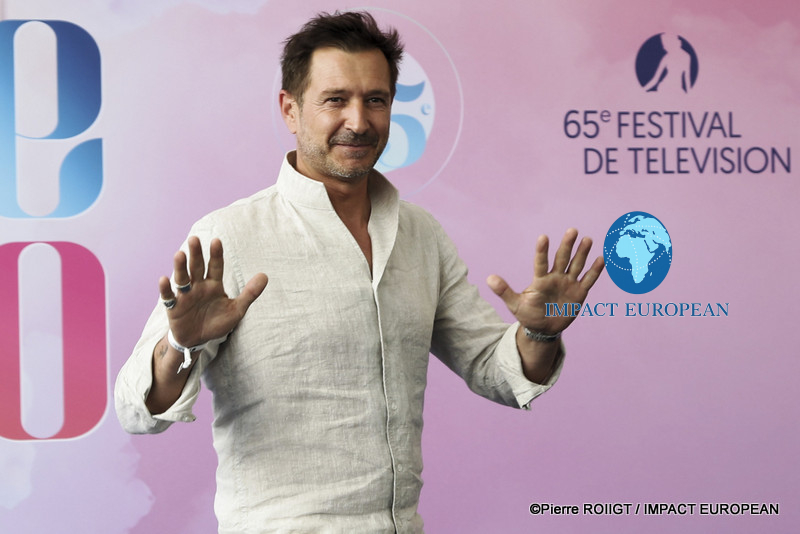
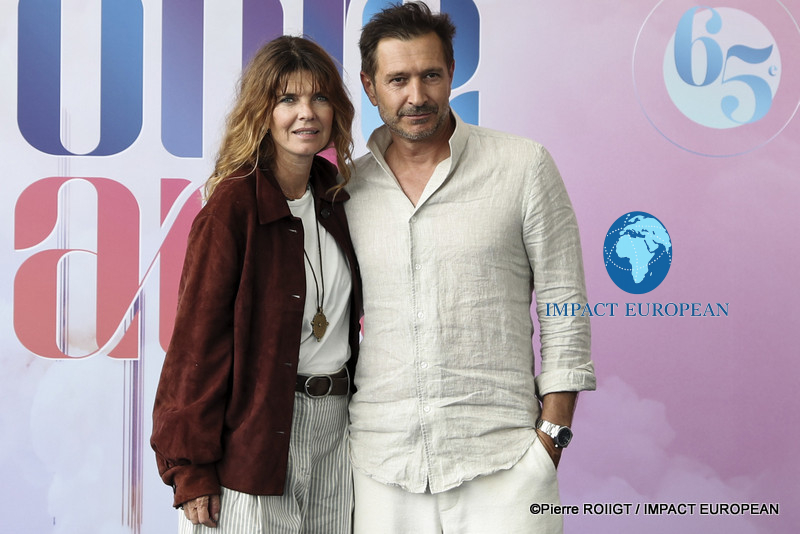
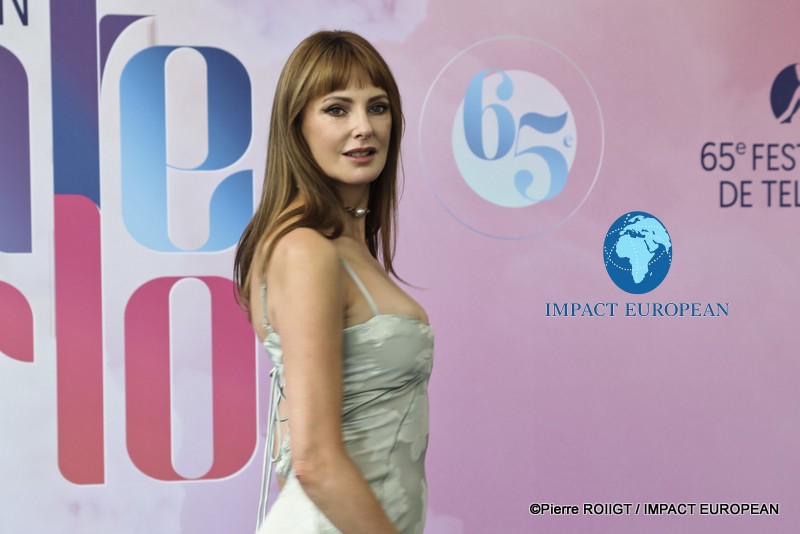
European talents were equally present, including Marc Lavoine, Julie Depardieu, Frédérique Bel, Gil Alma, Elsa Esnoult, Gwendoline Hamon, Alexandre Varga and Adriana Karembeu.
Together they represented the diversity of contemporary television, from long-running network dramas to premium streaming productions.
The photocall: more than a photo opportunity
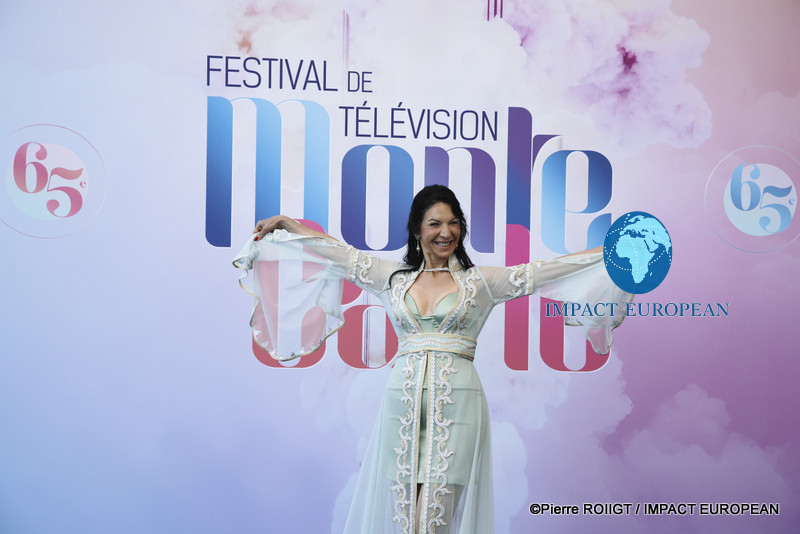
At first glance, the photocall appears to be a simple promotional exercise.
In reality, it has become one of the most important elements of modern entertainment marketing.
Every photograph taken in Monte-Carlo can travel across the world within minutes.
Images are shared by media outlets, entertainment websites, streaming platforms and millions of social media users.
Visibility has become a form of currency.
The presence of David Boreanaz generated particular excitement among international audiences.
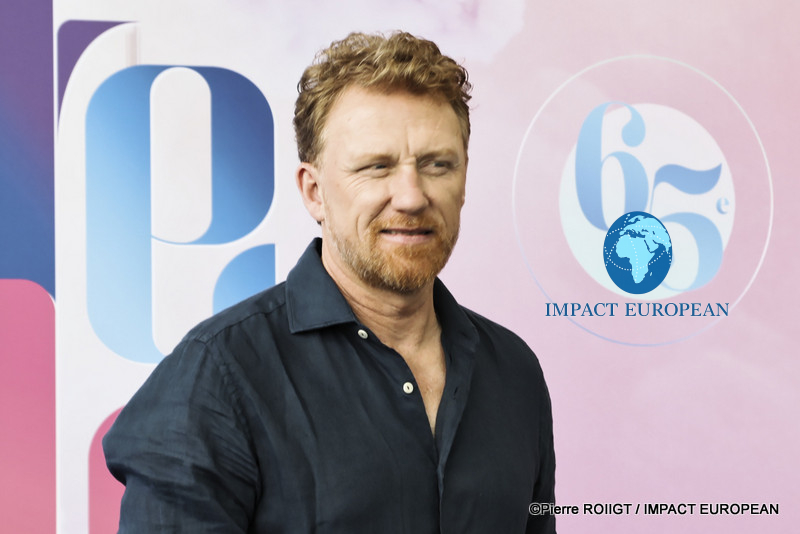
Kevin McKidd remained a major attraction for fans of television drama.
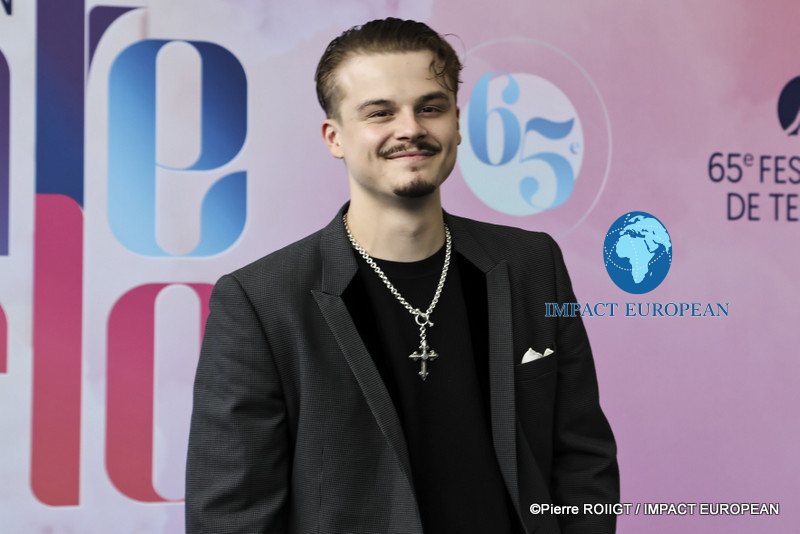
Meanwhile, rising talents such as Matthew Broome and internationally recognised figures like Kristin Scott Thomas and Ester Expósito reflected the changing face of global television.
For producers and distributors, these moments matter.
Public attention creates awareness.
Awareness creates demand.
Demand creates value.
The productions everyone is talking about
While celebrities attract cameras, content remains the true heart of the festival.
Several productions emerged as major talking points throughout the event.
Among them was Fadia, one of the most discussed entries of the year.
Exploring themes linked to one of the world’s most complex geopolitical realities, the production generated significant interest among critics and international journalists.
Another highly anticipated project was Gomorrah – The Origins.
The Italian production benefits from the reputation of one of Europe’s most successful television franchises and illustrates how local stories can evolve into global brands.
The American production PONIES also attracted considerable attention.
Its international profile positioned it among the most visible series of the festival.
Other productions contributing to the festival’s diversity included:
- Gone (United Kingdom)
- Jones (Portugal)
- Olivia (Germany)
- Rosso Volante (Italy)
- The Other Bennet Sister (United Kingdom)
- The Uniform (Denmark)
- Dacia Vita Mia (Italy/Japan)
Together, these projects demonstrated the increasingly international nature of television production.
Documentary storytelling in a changing world
One of the most remarkable aspects of this year’s festival was the strength of its documentary selection.
At a time when audiences seek both entertainment and understanding, documentary storytelling continues to grow in influence.
Several productions tackled major international issues.
ICE: Inside the Anti-Migrant Police examined migration policies.
Into the Void: Putin’s Foreign Fighters explored the consequences of modern conflicts.
The War, Donald Trump and Us addressed geopolitical transformations affecting global politics.
Other documentaries including Mission Investigate: The Hunt, Our Earth, My Blood and Under Occupation: The Reality of Russification reinforced the role of television as a platform for investigation and public debate.
Streaming has changed everything
A recurring theme throughout the festival was the transformation of the television business itself.
Streaming platforms have fundamentally altered audience behavior.
Series are no longer produced exclusively for national markets.
From the earliest stages of development, producers think globally.
This evolution has encouraged international co-productions, larger budgets and broader distribution strategies.
Television has become one of the most competitive sectors of the entertainment industry.
Festivals like Monte-Carlo now function as marketplaces where ideas, partnerships and future projects are constantly being negotiated.
Monaco’s unique role in the television ecosystem
Few events manage to combine glamour, creativity and business as effectively as Monte-Carlo.
The festival offers something increasingly rare in today’s media landscape: direct contact between audiences and creators.
Fans meet actors.
Journalists discover emerging productions.
Industry executives identify future opportunities.
The result is a unique environment where every conversation has the potential to become a collaboration.
Looking toward the future
As anticipation builds ahead of the Golden Nymph Awards, one conclusion already seems clear.
Television is no longer defined by geography.
The stories presented in Monaco come from different countries, cultures and industries, yet they all compete for the same global audience.
That reality is transforming the way television is produced, distributed and consumed.
And nowhere is that transformation more visible than at the Monte-Carlo Television Festival.
For a few days each year, Monaco becomes the crossroads of international television.
The stars may attract the headlines.
The productions may win the awards.
But ultimately, it is the stories that remain.
And in a world increasingly connected through screens, those stories have never mattered more.
Copyright © 2026 IMPACT EUROPEAN









































Views: 6
More Stories
Paris Motor Show 2026: Global Carmakers Face a New Era of Mobility
Violence Against Women: French Protesters Push Parliament to Preserve Landmark Protection Bill
Paris Pride 2026: From Political Mobilisation to a European Message of Solidarity