
There is something unusually daring about L’Âge d’or. For his first feature-length film, Bérenger Thouin attempts nothing less than an exploration of an entire century through the fragmented memories of one woman searching for meaning in a rapidly changing world.
The film follows Jeanne Lavaur, born into a butcher’s family in rural France at the beginning of the twentieth century. Driven by ambition and fascination with aristocracy, she dreams of becoming a countess. As history unfolds around her, Jeanne moves through wars, social transformation and shifting identities from Paris to Brazil.
At first glance, the narrative may seem familiar — the classic story of social ascension and disillusionment. Yet Thouin approaches this structure with unexpected delicacy. Rather than focusing solely on wealth or status, the film becomes a meditation on visibility, self-worth and the universal desire to matter in the eyes of others.
Visually, “L’Âge d’Or” is mesmerizing. Cinematographer Martin Roux creates images that resemble forgotten photographs slowly awakening to life. The grain, framing and muted elegance of the visuals give the impression of opening a dusty archive chest filled with memories from another era.
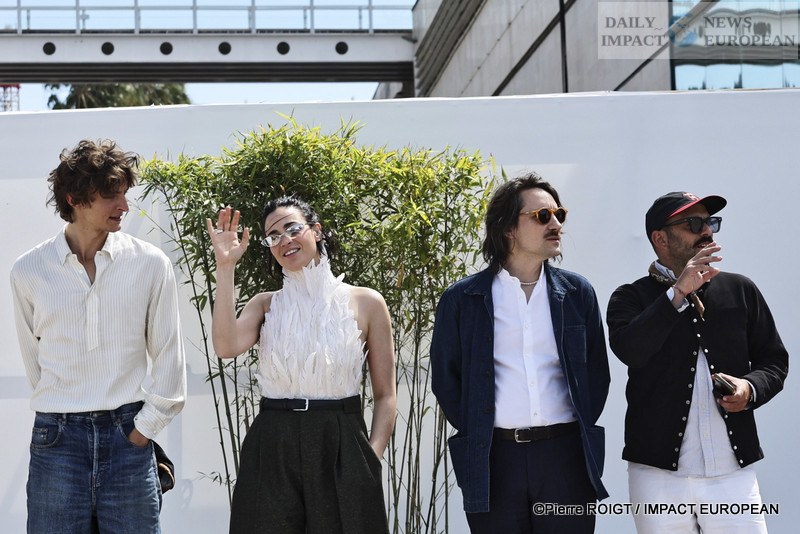
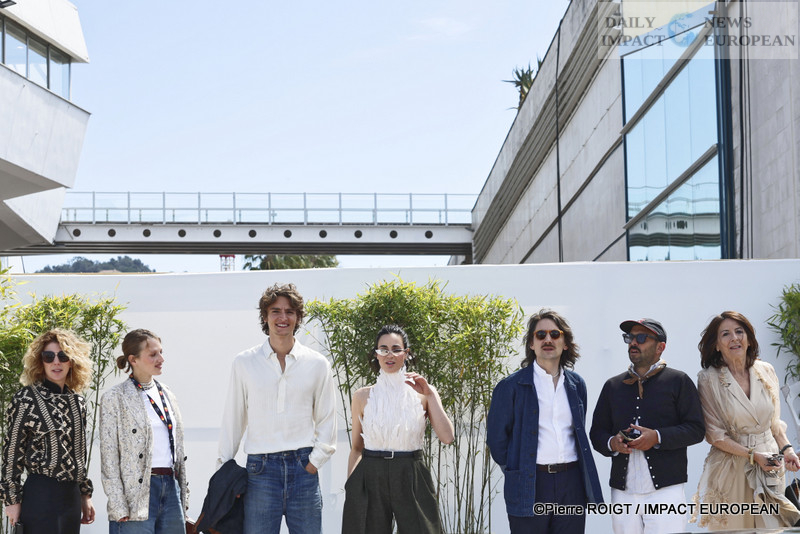
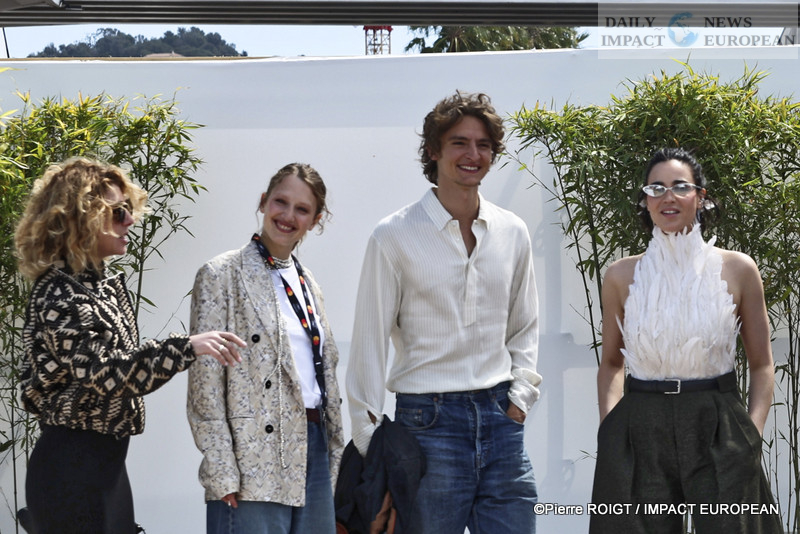
The film’s strongest asset is undoubtedly Souheila Yacoub. Her performance as Jeanne is magnetic without ever becoming theatrical. She conveys ambition, loneliness and existential uncertainty with extraordinary precision, carrying the emotional weight of the film through silence as much as dialogue.
Thouin also demonstrates a genuine understanding of classical European cinema. Rather than using period aesthetics as decorative elements, he integrates them directly into the storytelling. The film constantly oscillates between intimacy and historical grandeur, creating a dreamlike rhythm that feels both nostalgic and unsettling.
Yet the film’s ambition occasionally becomes its weakness. Certain narrative transitions feel abrupt, and some contemplative sequences stretch beyond their emotional impact. “L’Âge d’Or” sometimes appears more fascinated by atmosphere than dramatic momentum.
Still, the film remains deeply compelling precisely because of its imperfections. It is not a conventional historical drama but an artistic reflection on memory, identity and the fragile illusions that shape human existence.
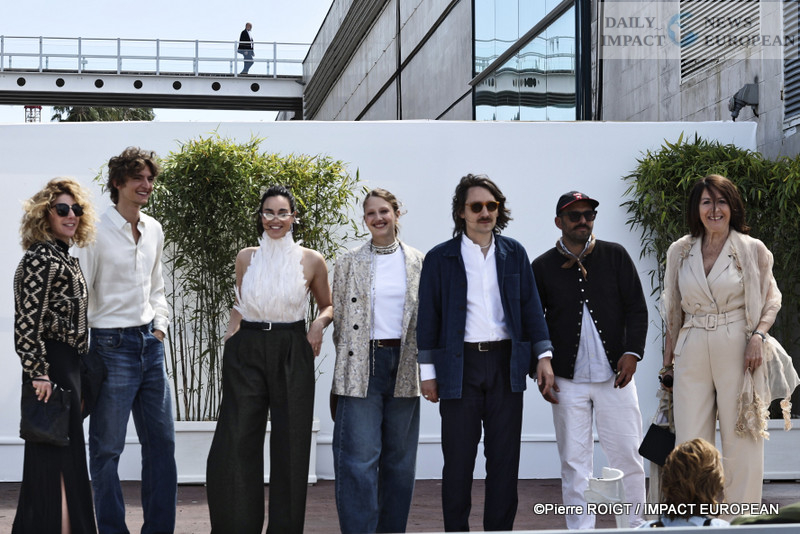
With “L’Âge d’Or,” Bérenger Thouin announces himself as a filmmaker of undeniable visual sensitivity and intellectual ambition, delivering one of the most intriguing debut features presented in Cannes this year.
Copyright © 2026 IMPACT EUROPEAN


Views: 10
More Stories
Paris Motor Show 2026: Global Carmakers Face a New Era of Mobility
Violence Against Women: French Protesters Push Parliament to Preserve Landmark Protection Bill
Paris Pride 2026: From Political Mobilisation to a European Message of Solidarity