
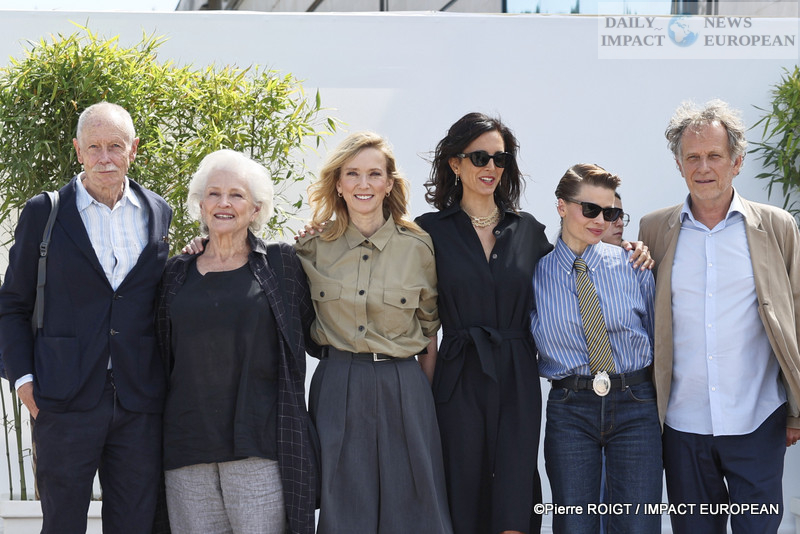
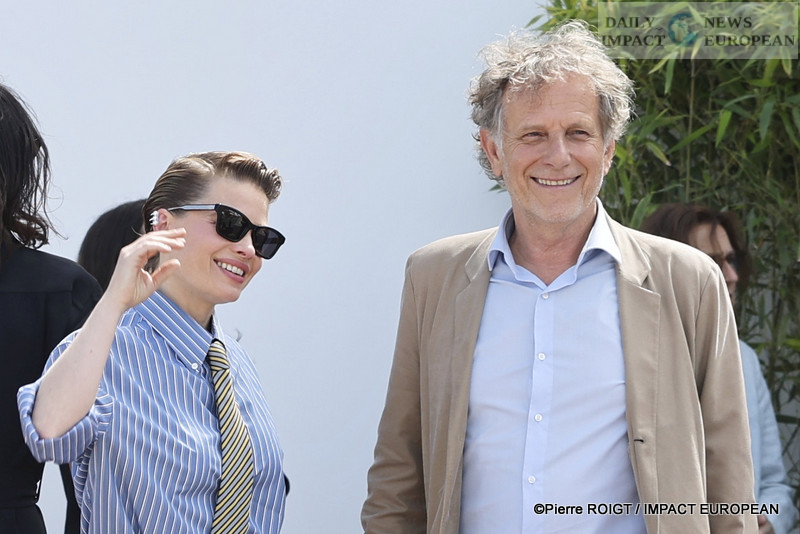
French filmmaker Charline Bourgeois-Taquet returns to the Cannes Film Festival competition with A Woman’s Life (La Vie d’une femme), a far more introspective and emotionally restrained work than her previous feature Anaïs in Love.
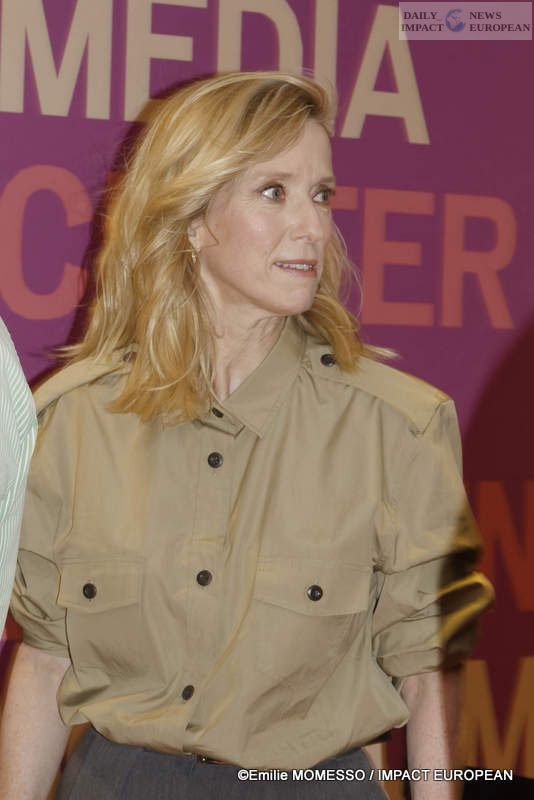
Presented in official competition, the film centers on Gabrielle, a highly respected maxillofacial surgeon working in a public hospital. Married but child-free by choice, Gabrielle appears professionally accomplished and emotionally self-sufficient. Yet beneath her carefully controlled life lies a growing sense of emotional exhaustion and quiet isolation.
The film’s strongest moments emerge through its intimate human connections. Bourgeois-Taquet carefully captures the sensuality of touch, silence and emotional vulnerability without turning the relationship into spectacle. The scenes shared between Gabrielle and her female lover possess a tenderness and sincerity that give the film much of its emotional depth.
Particularly striking is a sequence set in the Italian Alps, where Gabrielle briefly disconnects from the constant pressure of hospital emergencies and mobile phone calls. In those moments, the film finally breathes, allowing its protagonist to experience something close to peace and emotional freedom.
However, A Woman’s Life struggles to maintain that same level of cinematic intensity throughout.
The hospital sequences often feel overly constructed, lacking the organic chaos necessary to fully convey the emotional and physical pressure of public healthcare environments. Some confrontations between characters rely heavily on exaggerated noise and visual symbolism, making the film’s realism occasionally feel forced.
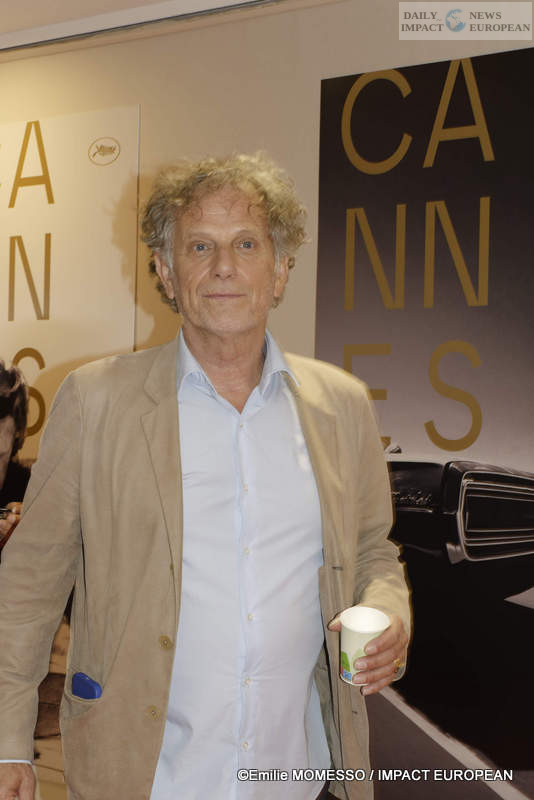
The appearance of Italian writer Erri De Luca in a philosophical role about loneliness and existence may also divide audiences, adding a symbolic layer that does not always integrate naturally into the narrative.
Still, the film succeeds in exploring themes rarely addressed with such restraint in contemporary cinema: female independence, emotional fatigue, aging and the invisible burden of caregiving.
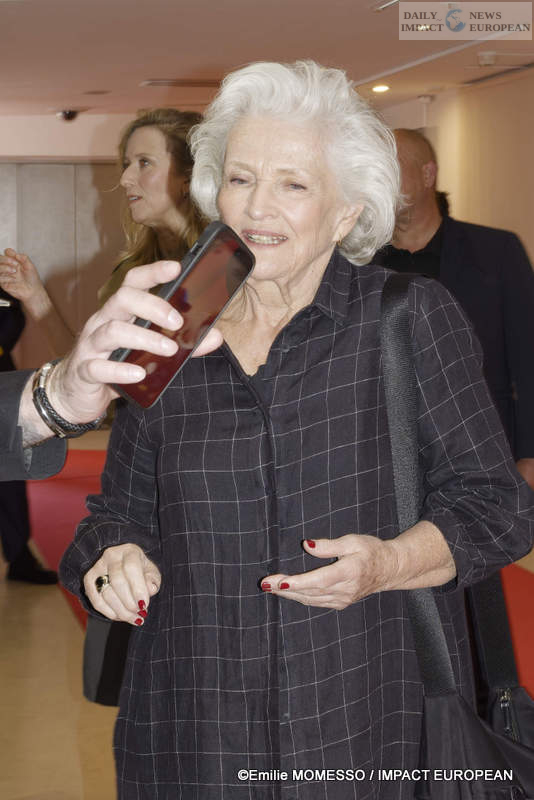
The relationship between Gabrielle and her mother, played by Marie-Christine Barrault, who suffers from Alzheimer’s disease, brings some of the film’s most moving moments and deepens its reflection on memory and personal identity.
Rather than delivering dramatic twists, Bourgeois-Taquet chooses a quieter emotional approach, focusing on small gestures, silence and inner conflict.
In a Cannes competition filled with visually ambitious and politically charged films, A Woman’s Life stands apart through its intimate human scale. While it may not emerge as a frontrunner for the Palme d’Or, the film confirms Charline Bourgeois-Taquet’s interest in portraying emotionally complex female characters navigating the contradictions of modern life.
Its elegance and emotional honesty ultimately leave a subtle but lasting impression.
Copyright © 2026 IMPACT EUROPEAN



Views: 8
More Stories
Paris Motor Show 2026: Global Carmakers Face a New Era of Mobility
Violence Against Women: French Protesters Push Parliament to Preserve Landmark Protection Bill
Paris Pride 2026: From Political Mobilisation to a European Message of Solidarity