
Presented as a Special Screening at the Cannes Film Festival, John Lennon: The Last Interview is built around an almost unbearable premise: John Lennon’s final recorded interview, given just hours before he was murdered in New York on December 8, 1980.
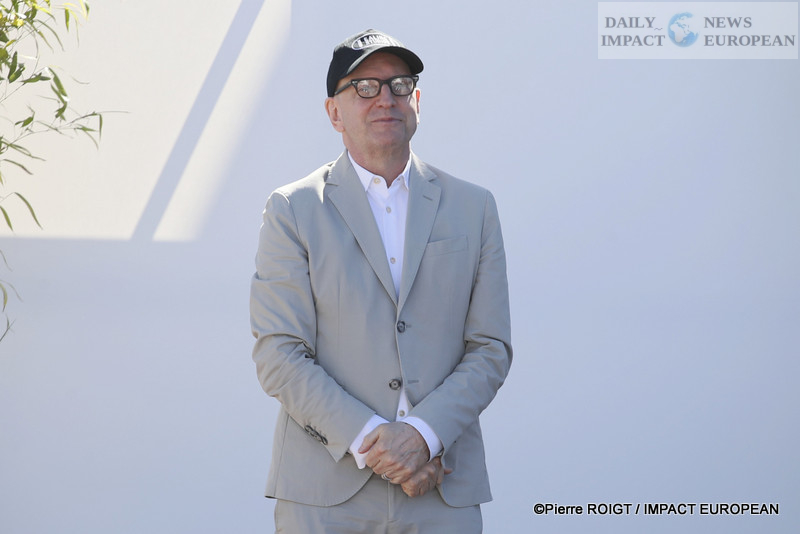
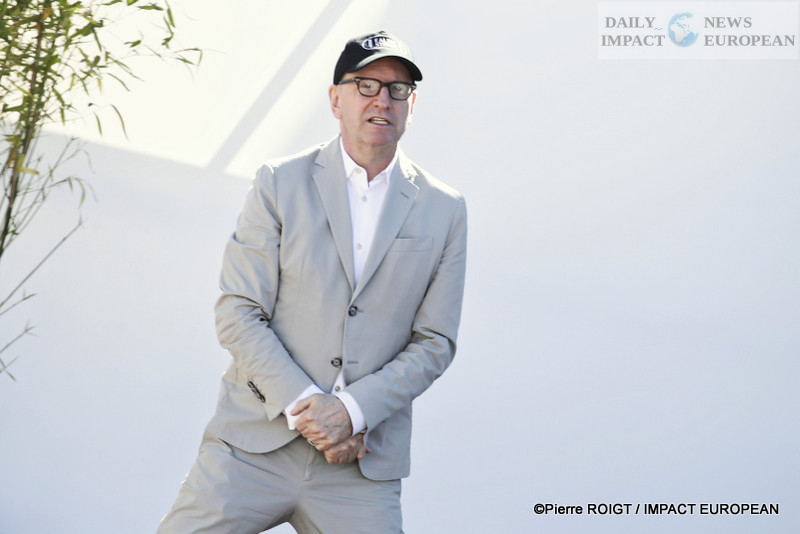
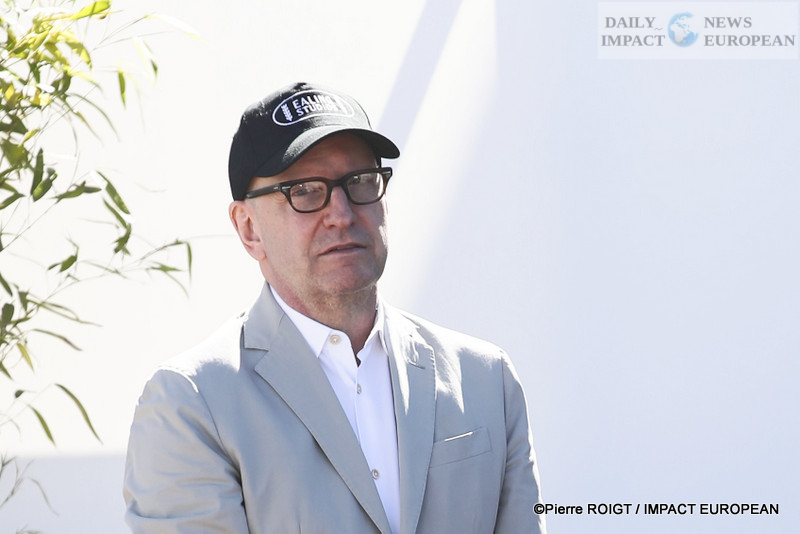
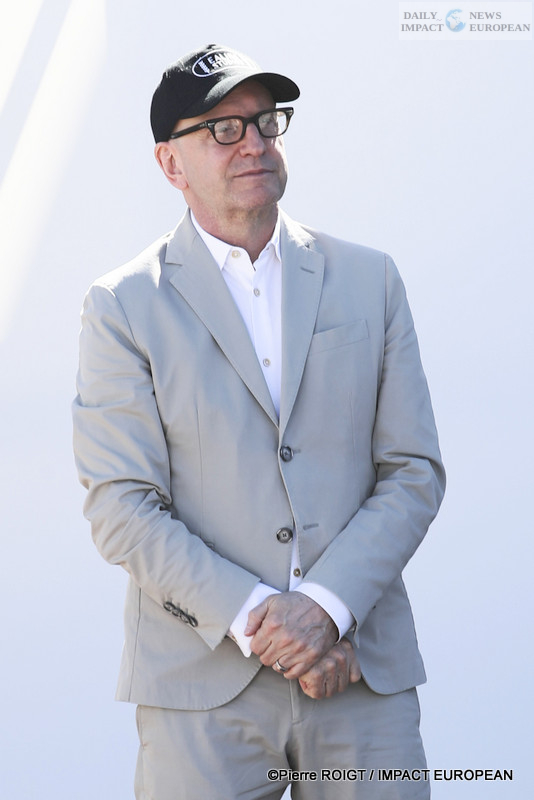
Directed by Steven Soderbergh, the documentary does not try to reinvent Lennon’s mythology. It does something quieter and, at times, more powerful. It lets us listen.
For nearly one hundred minutes, Lennon speaks about fame, fatherhood, Yoko Ono, Paul McCartney, The Beatles and the release of Double Fantasy. Fans may not discover many new facts, but the emotional impact comes from context. These are not simply reflections from a rock legend. They are the last extended words of a man who, by all appearances, seemed peaceful and alive to the future.
That knowledge changes everything.
Every laugh, every pause, every intimate remark carries tragic weight. Lennon’s voice feels warm, human and startlingly present. Yet the audience knows it is listening to a presence on the edge of disappearance.
Soderbergh supports the interview with archival material, photographs and testimony from those connected to that final day. When the film trusts these materials, it becomes genuinely moving. The best moments are simple: Lennon’s voice over images of New York, Yoko Ono beside him, the memory of an artist who had survived fame and seemed to have found personal balance.
The film is less convincing when it introduces AI-generated animated sequences. These images attempt to visualize memories and inner states, but they sometimes interrupt the documentary’s emotional directness. The artificial imagery feels unnecessary beside such a powerful human voice.
That tension becomes the film’s central problem.
Should a documentary about a final testimony add visual invention, or should it simply preserve the fragile truth of the recording?
Soderbergh’s film is strongest when it chooses preservation over reconstruction.
Still, John Lennon: The Last Interview remains a poignant tribute. It may not expand our knowledge of Lennon dramatically, but it deepens the emotional experience of hearing him in his final hours.
The documentary’s lasting power lies in its simplest fact: the voice we hear is alive, joyful and reflective. And then, suddenly, history takes it away.
Copyright © 2026 IMPACT EUROPEAN
Views: 4
More Stories
Paris Pride 2026: From Political Mobilisation to a European Message of Solidarity
France’s September 29 Strike: When Pay Becomes a Question of Public-Service Capacity
Pope Leo XIV in France: From Human Dignity to Europe’s Search for Peace