

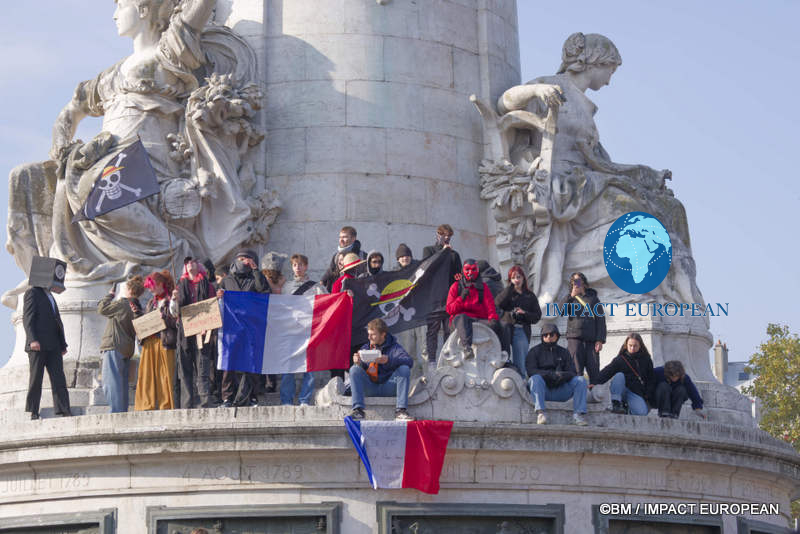
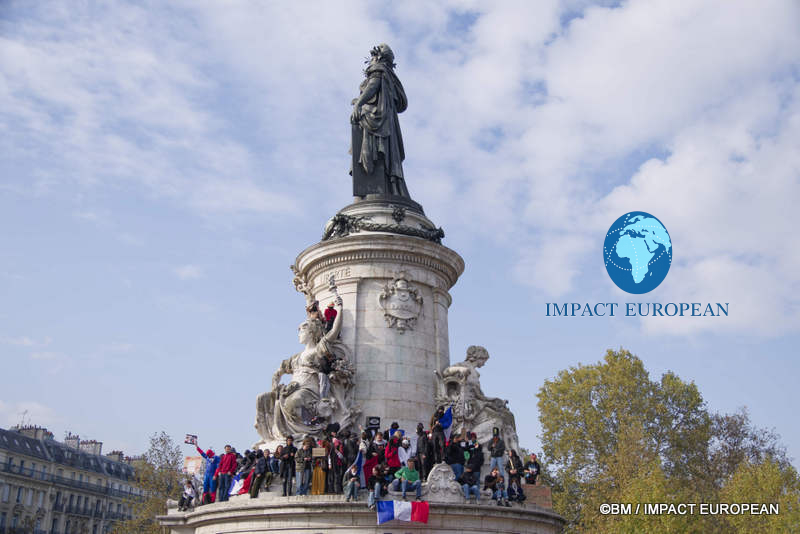
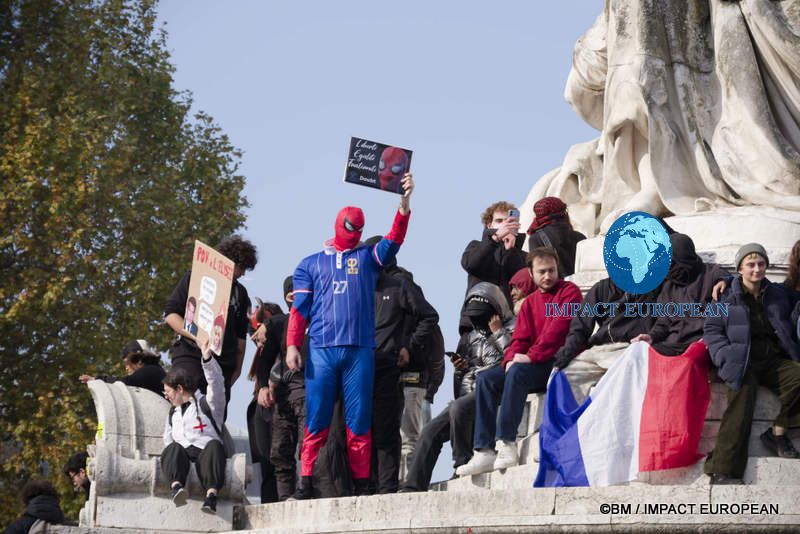
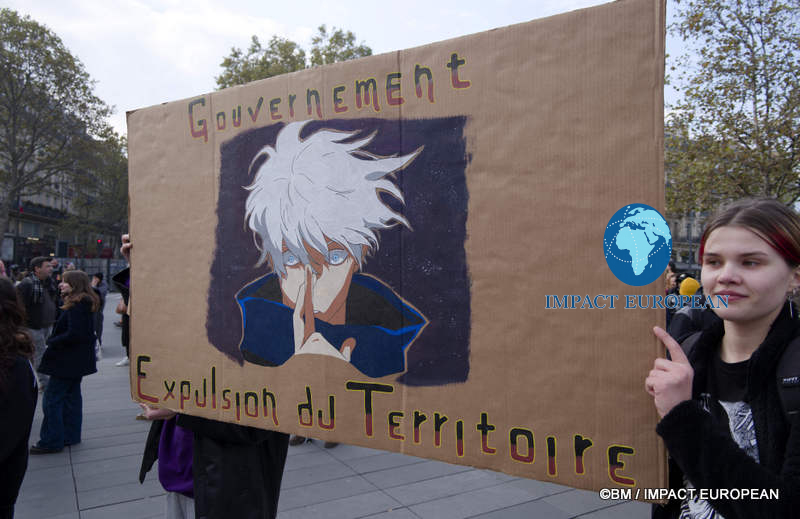
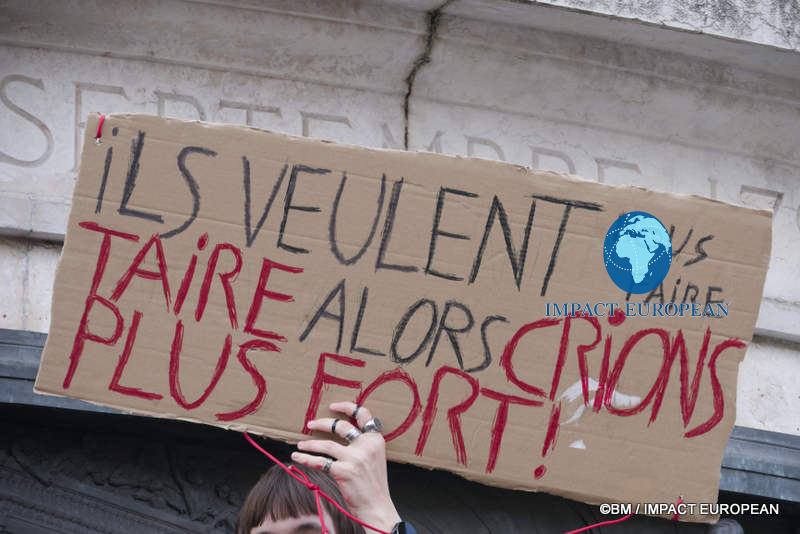
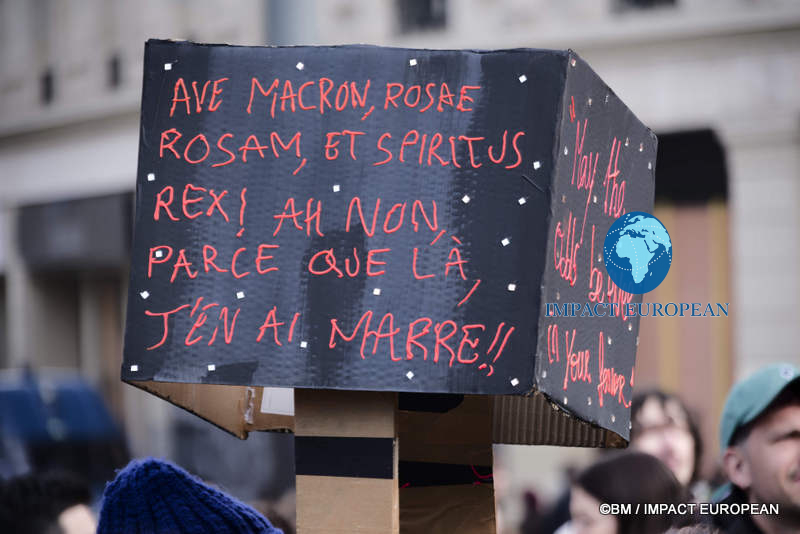
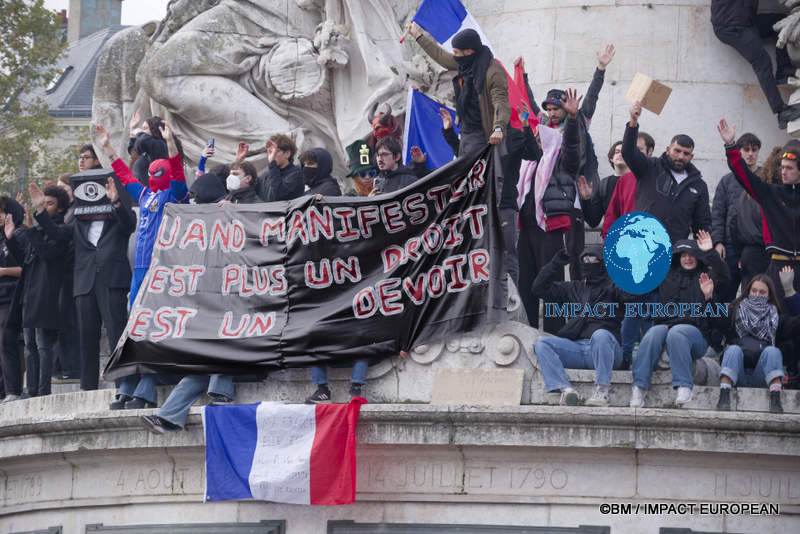
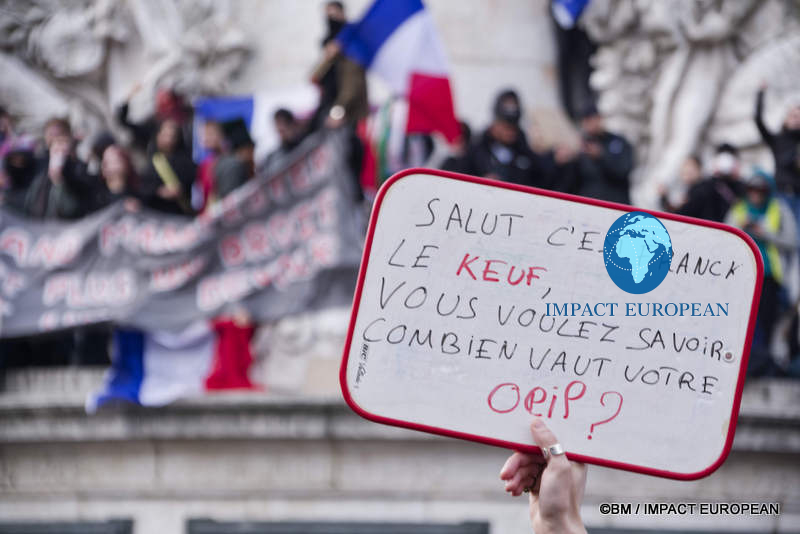
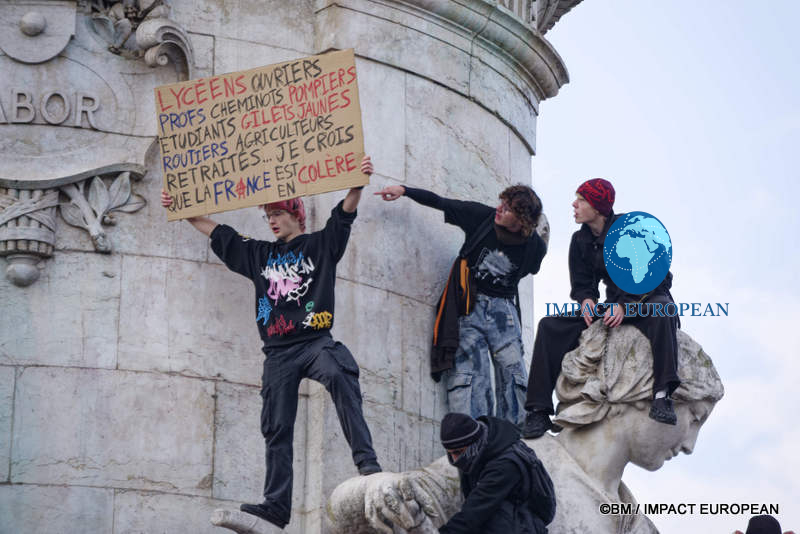
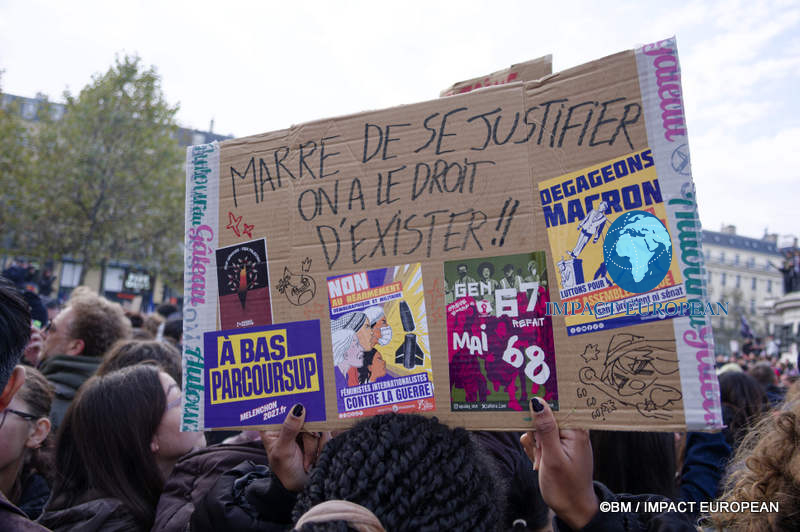
On Saturday, November 7, 2026, another day of social mobilisation brought demonstrators back to central Paris. Called by youth organisations, the march brought together students, high school pupils and other protesters, travelling from Place de la République to Place de la Nation. At the heart of the protest were the rising cost of living and concerns about young people’s future. Attendance figures differed sharply, with the police reporting 46,000 people in Paris and youth organisations claiming 75,000.
A fourth round of protests returns to central Paris
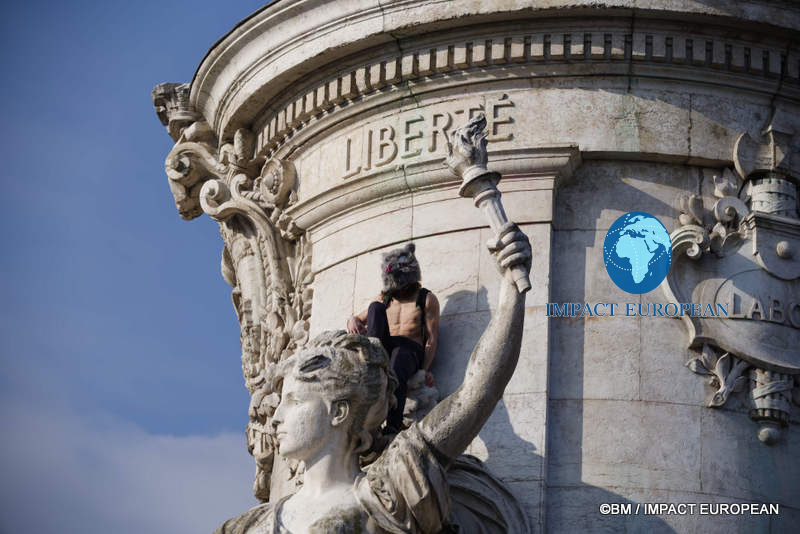
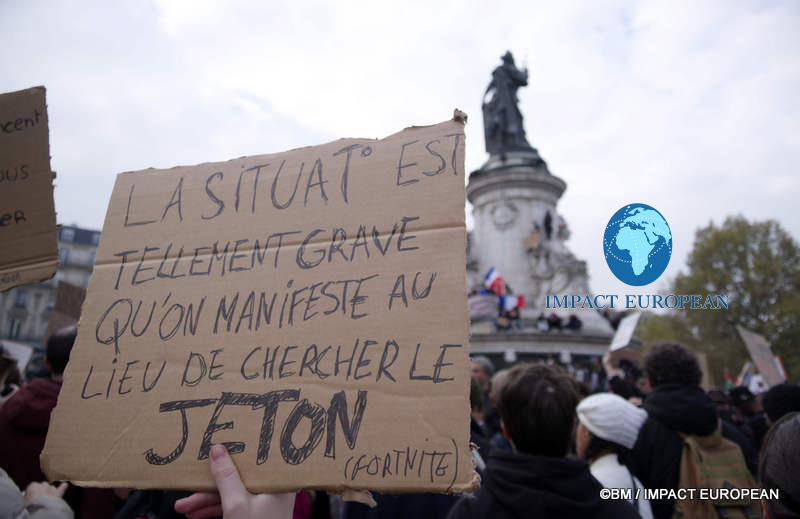
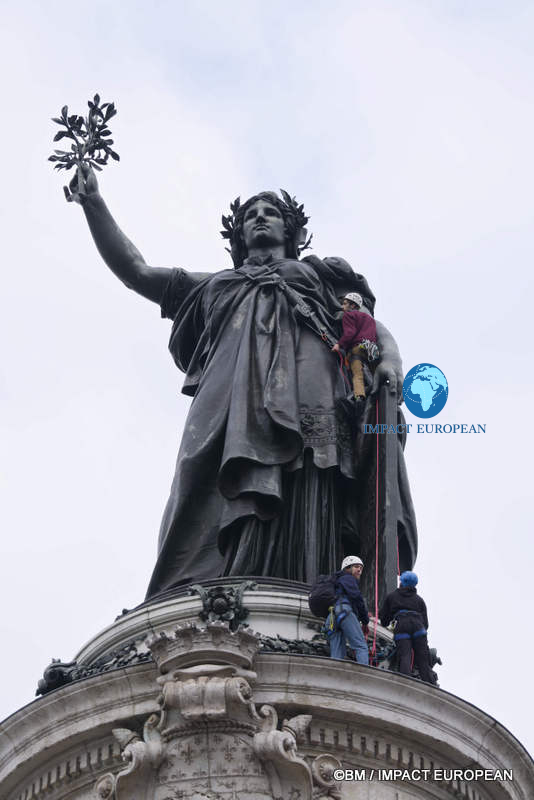
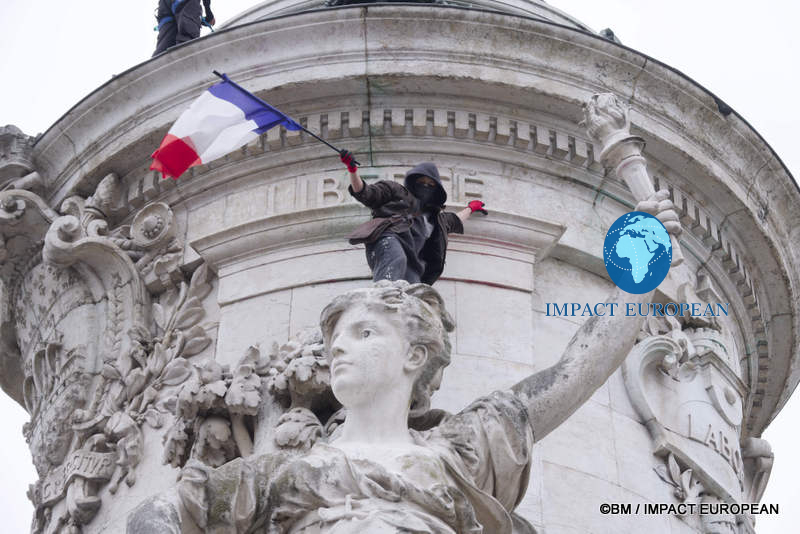
The Paris march set off shortly after 2 p.m. from Place de la République, heading east along Boulevard Voltaire towards Place de la Nation.
The route had been approved by the Paris police prefecture on Friday. After two weeks of demonstrations along the outer boulevards, the decision brought the protest back into the heart of the capital.
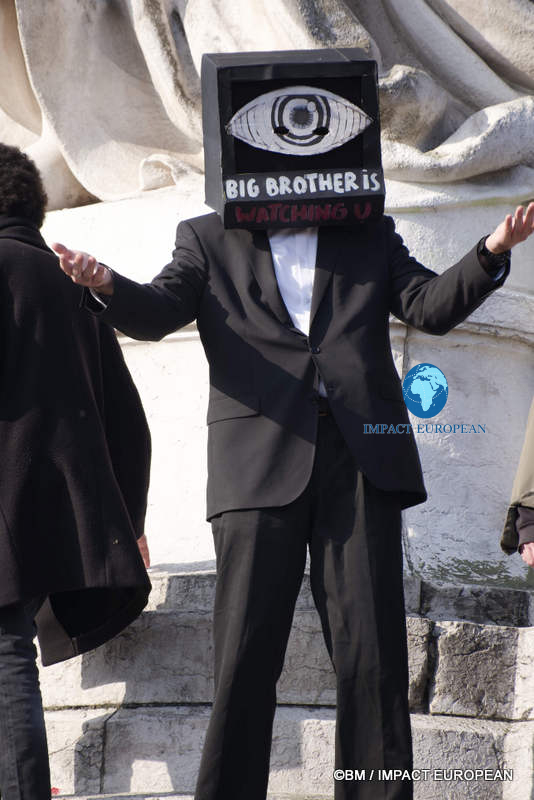
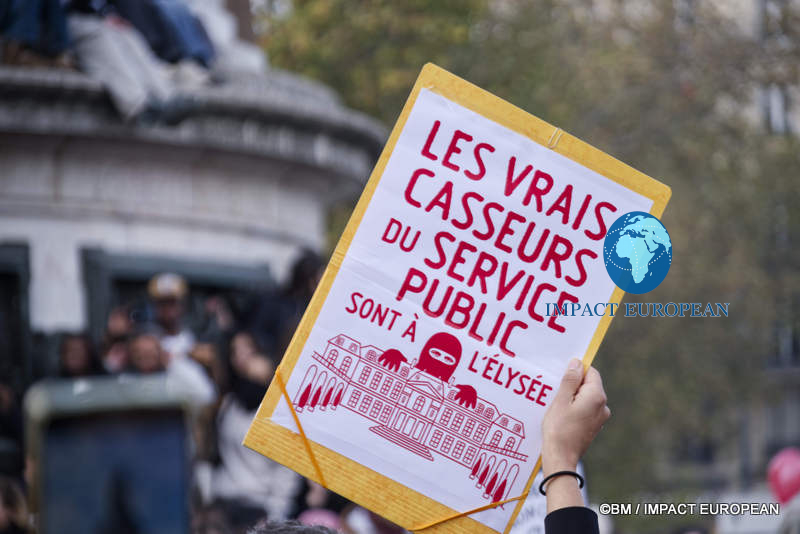
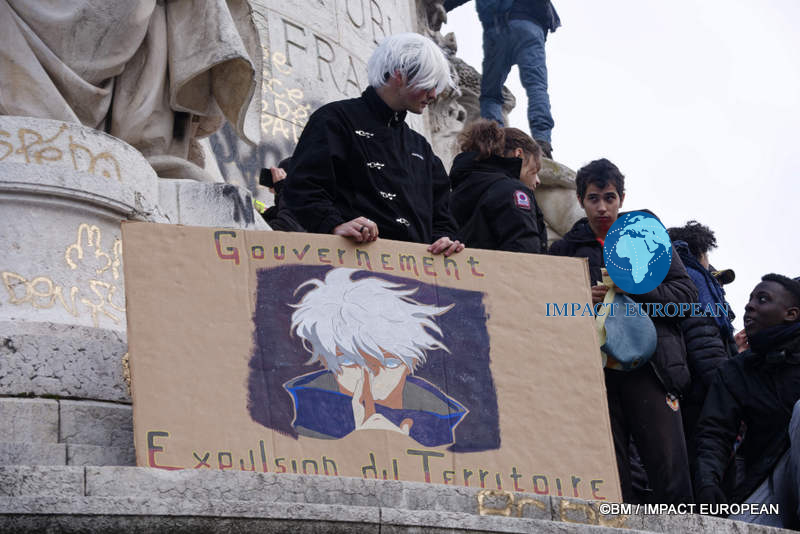
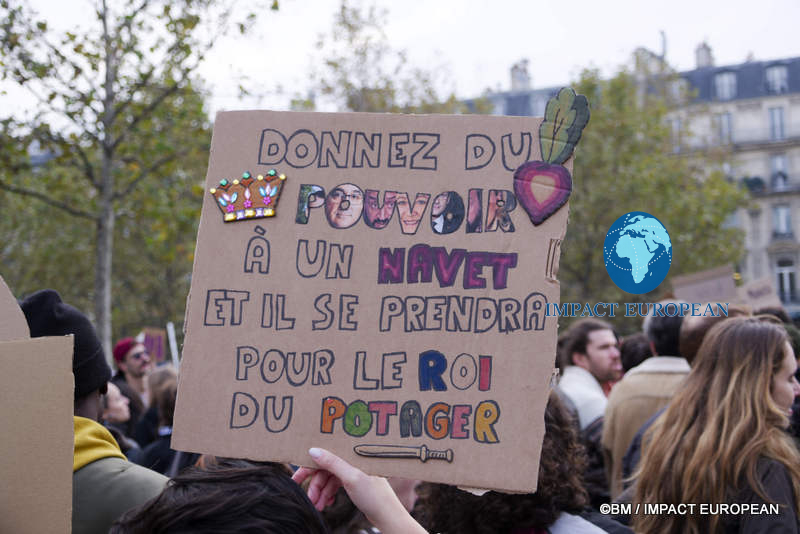
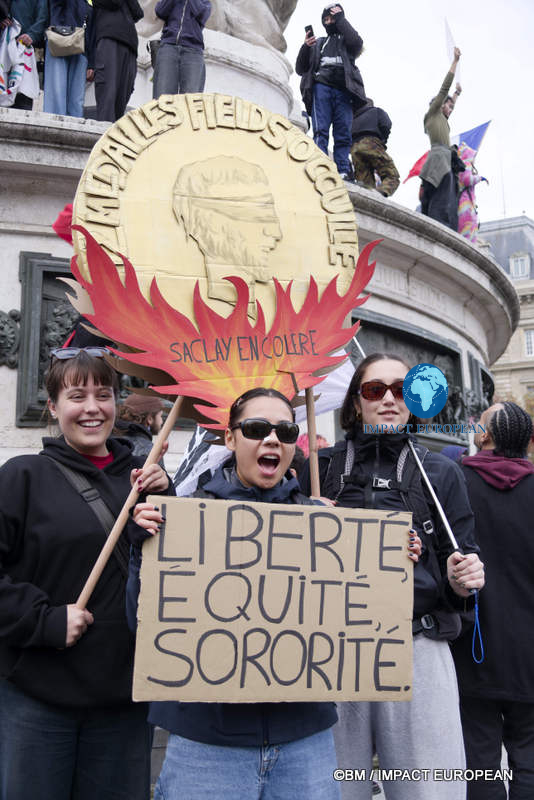
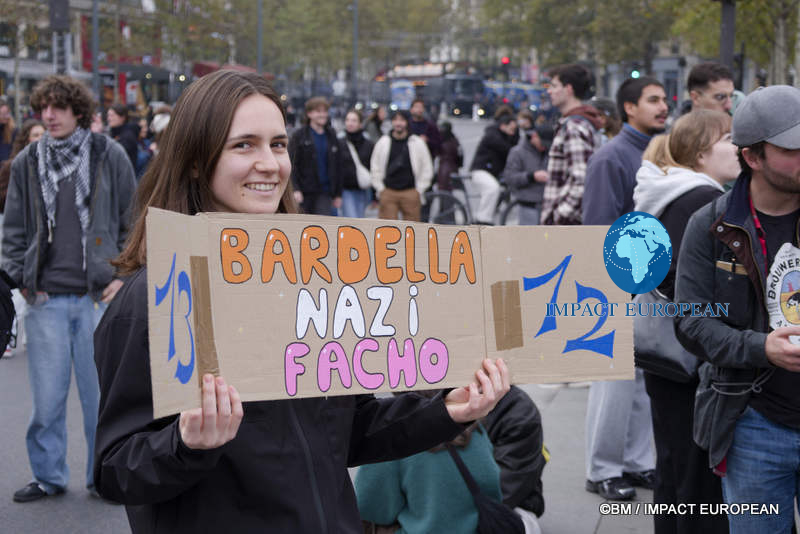
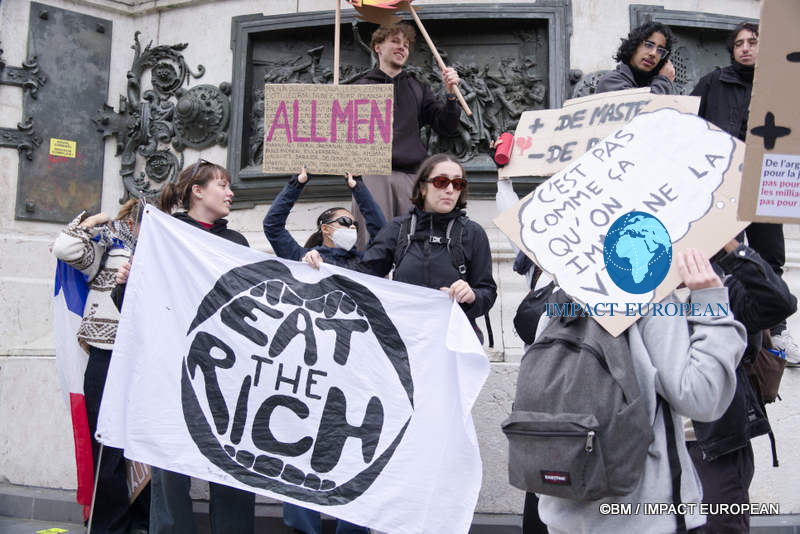
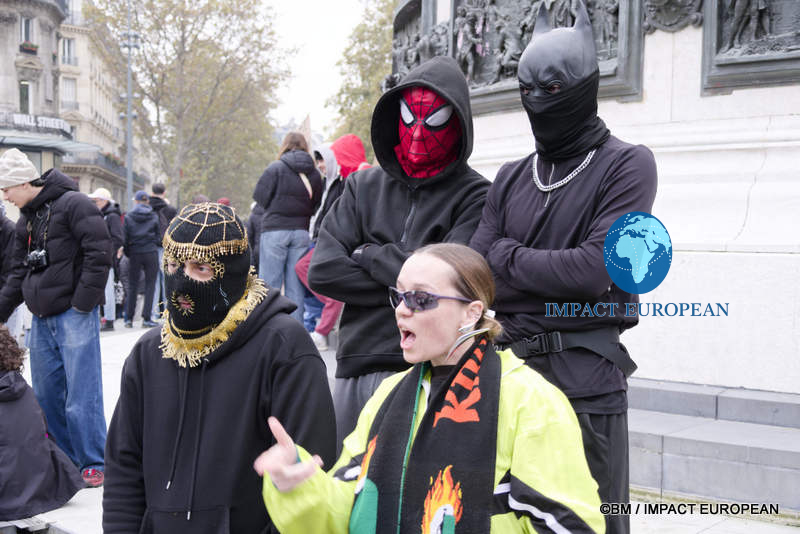
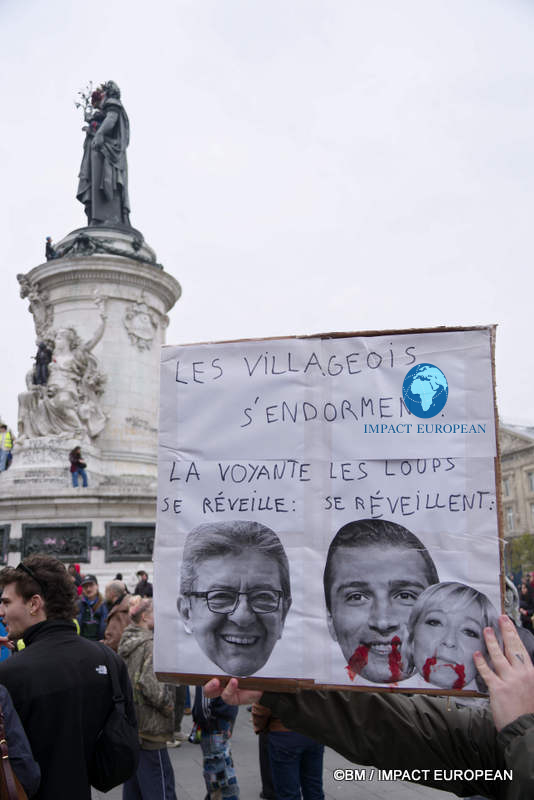
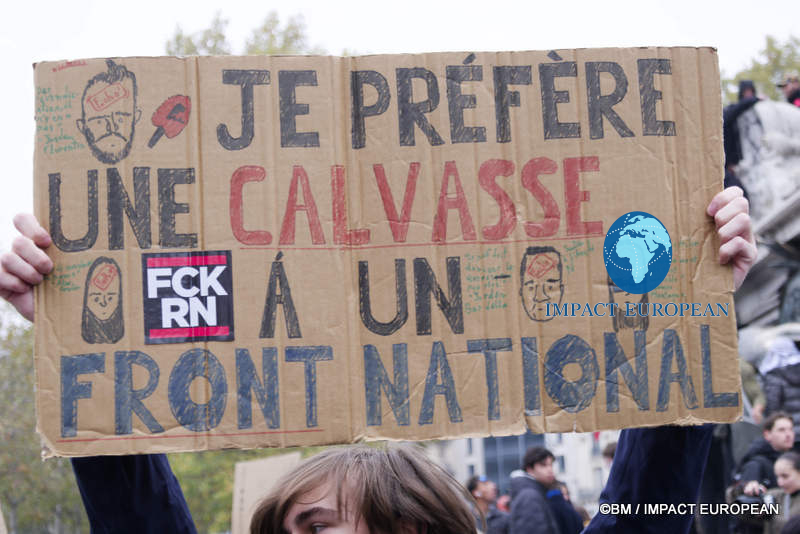
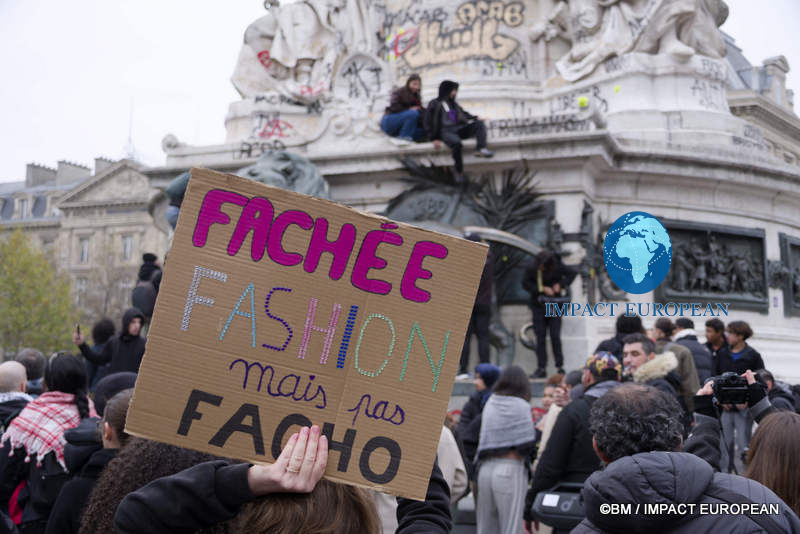
Students and high school pupils formed the main body of the procession, joined by other demonstrators. Their presence gave the event a strong generational dimension, linking concerns about the cost of living with wider questions about young people’s living conditions and prospects.
The demonstration was the fourth round of mobilisation in the movement against rising living costs. Its return to central Paris gave renewed visibility to demands that organisers want kept firmly on the public agenda.
The cost of living and the future of young people
The phrase “cost of living” covers a range of everyday concerns. It points to the pressure on household budgets, the difficulty of maintaining financial independence and the uncertainty facing people at the beginning of their adult lives.
By placing young people at the centre of the mobilisation, the organisers sought to highlight that economic pressures are not limited to established workers. Students and young adults also face questions about resources, living standards and their ability to plan for the future.
The Paris demonstration therefore carried a message that went beyond one march or one city. It reflected a broader demand for political responses to the financial pressures experienced by different sections of society.
Attendance figures: 46,000 or 75,000 in Paris?
As with many demonstrations in France, the number of participants became a point of disagreement.
The Paris police prefecture reported 46,000 demonstrators in the capital. The youth inter-union coalition, bringing together student and high school organisations, claimed 75,000.
Nationwide, the Interior Ministry counted 146,000 participants across 141 actions. The youth organisations put the national figure at 250,000.
These figures represent separate estimates and should not be treated as interchangeable. The source of each count matters, particularly when assessing the scale of a mobilisation.
The Interior Ministry described the November 7 turnout as a decline compared with previous weekends. However, the presence of students and high school pupils kept the issue of young people’s living conditions in the spotlight.
A calm march followed by tensions at Place de la Nation
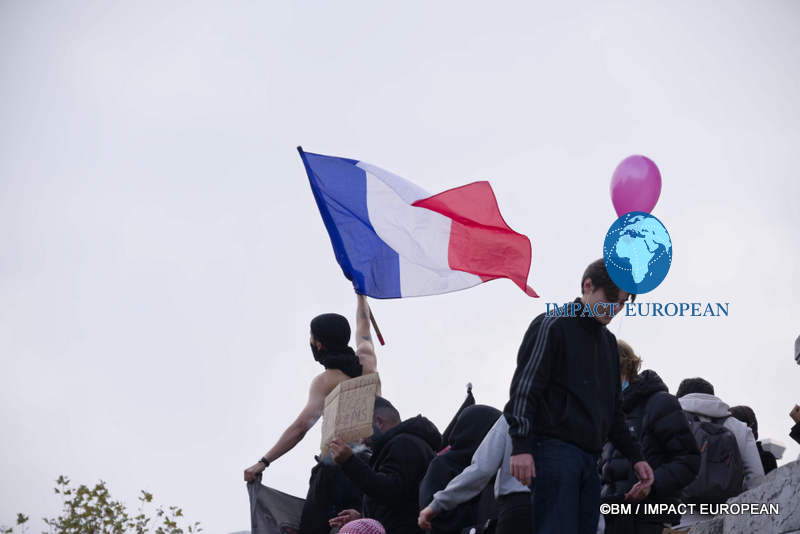
The procession moved along Boulevard Voltaire without major disruption. When demonstrators began reaching Place de la Nation, the atmosphere was described by journalists on the ground as festive, with people singing and dancing.
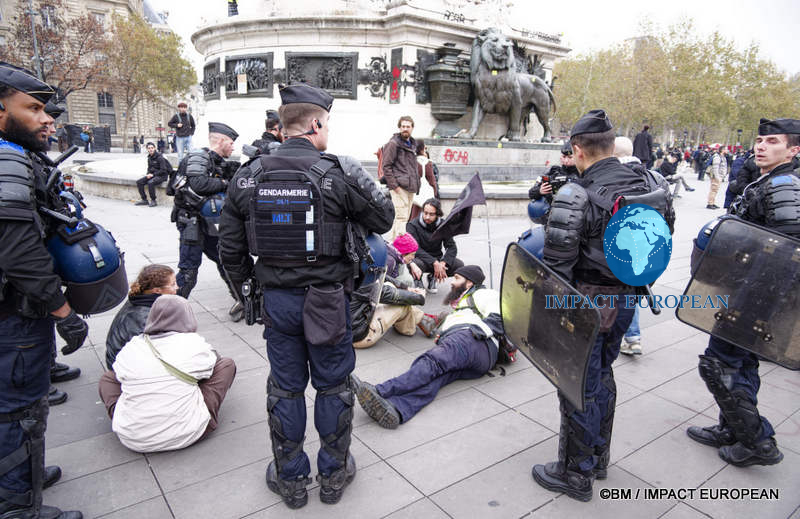
The situation changed during the dispersal. Several grenades were heard at Place de la Nation, and police ordered people to leave the area.
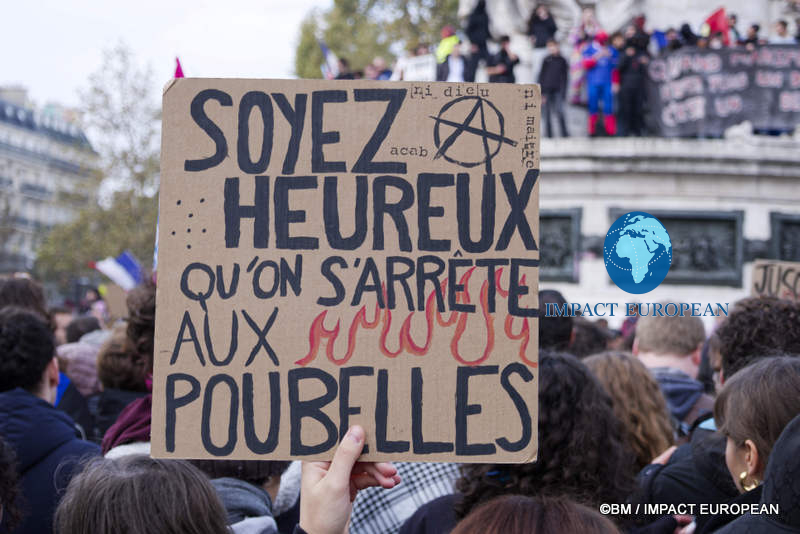
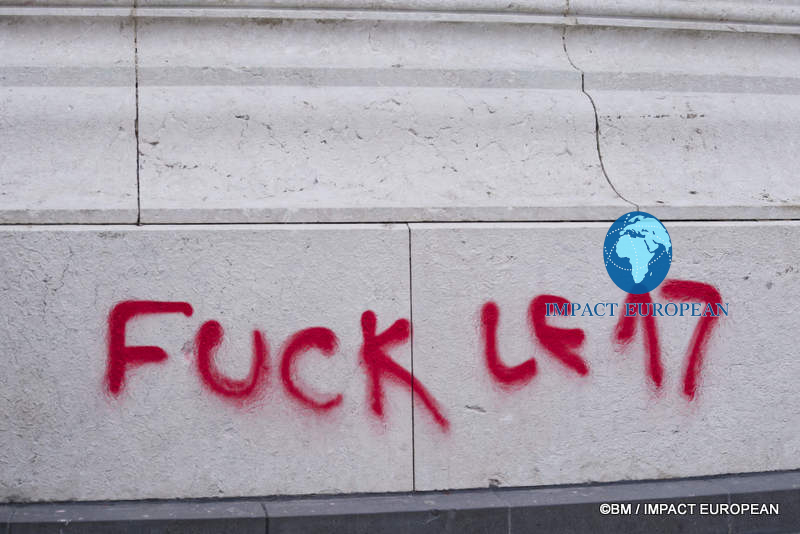
According to the Paris police prefecture, a group of around 200 people confronted officers during the arrest of a man following a bin fire. Two further bins were later reported burning along Boulevard Voltaire.
The distinction between the march itself and the incidents at the end of the event is important. The procession had proceeded peacefully before tensions emerged during the dispersal.
A separate Yellow Vests gathering at Concorde
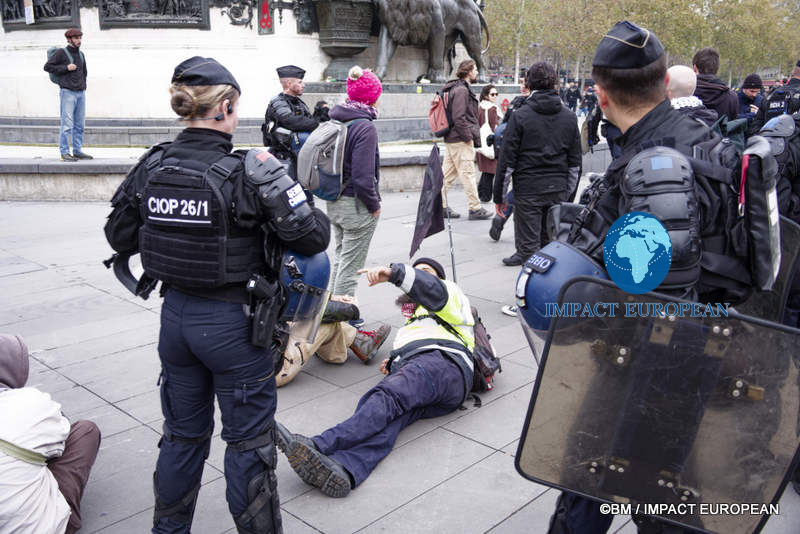
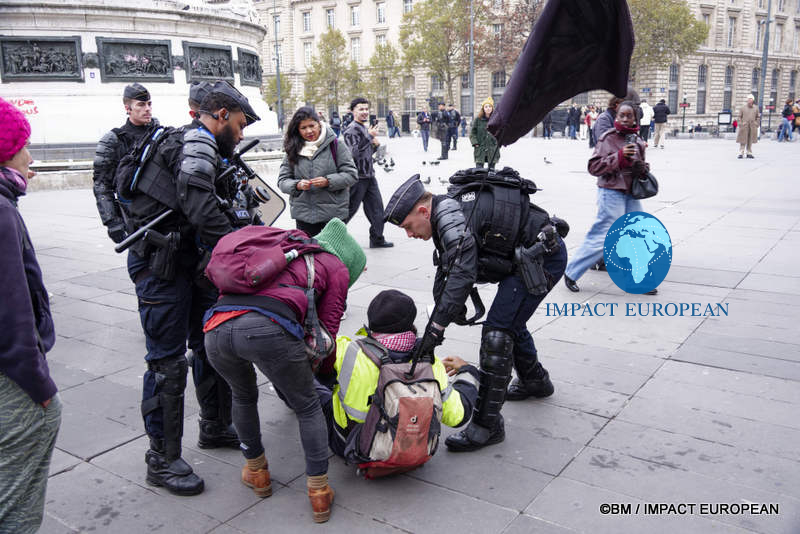
Another protest was called in Paris on the same day. The Yellow Vests coordination organised a separate gathering at Place de la Concorde, despite a police ban.
The group had chosen not to join the authorised march from République to Nation. The separate gathering ended peacefully after police intervention, with around thirty participants involved in the sit-in.
The two events reflected different approaches within the wider protest movement and should be understood as separate actions.
The next step: talks at Matignon
The demonstration took place ahead of a social conference scheduled at Matignon for Monday, November 9, bringing together trade unions and employer organisations to discuss wages and purchasing power.
The meeting represents a further stage in the social dialogue, but it does not in itself resolve the demands raised by demonstrators.
For the young people who took to the streets, the central question remains whether political and economic decisions will address the difficulties they face in everyday life.
From Place de la République to Place de la Nation, the November 7 mobilisation brought together social concerns, generational demands and a renewed public debate about the cost of living in France.
©2026 IMPACT EUROPEAN – All rights reserved








Views: 4
More Stories
Paris Protest: Unions Bring Pay and Public Services to the Forefront
Route du Rhum 2026: 115 Sailors Set Out Across the Atlantic
Paris Protests: Cost-of-Living Anger Meets Police Tensions