

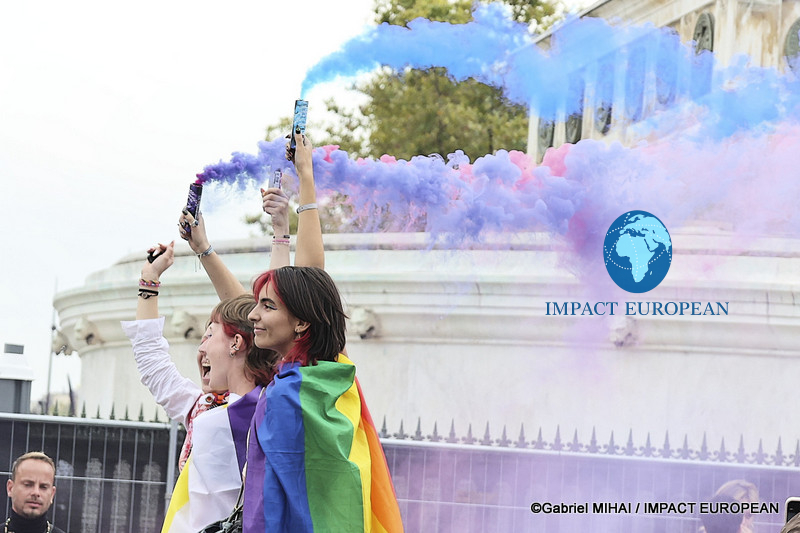
Thousands filled the streets of the French capital on October 3 for the 2026 Paris and Île-de-France Pride March. From political concerns ahead of France’s 2027 presidential election to a message of solidarity with Berlin and a major artistic programme at Bastille, this year’s Pride showed how celebration, culture and the defence of LGBTQIA+ rights increasingly intersect.
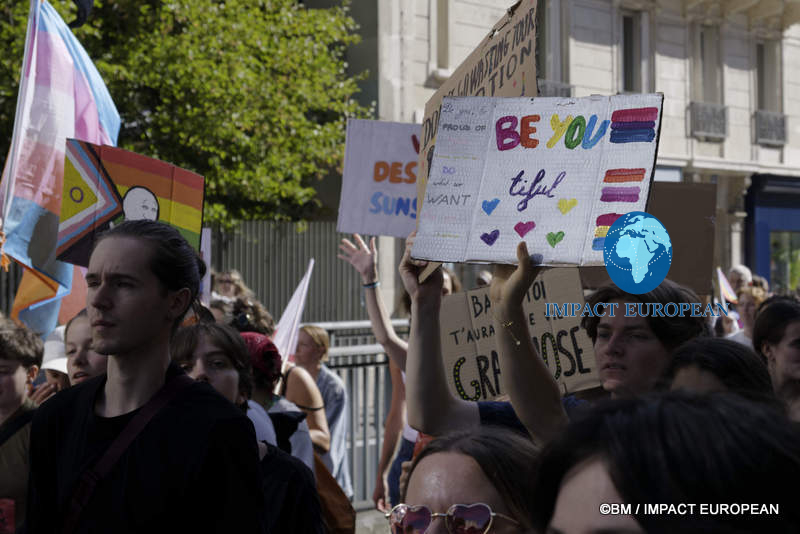
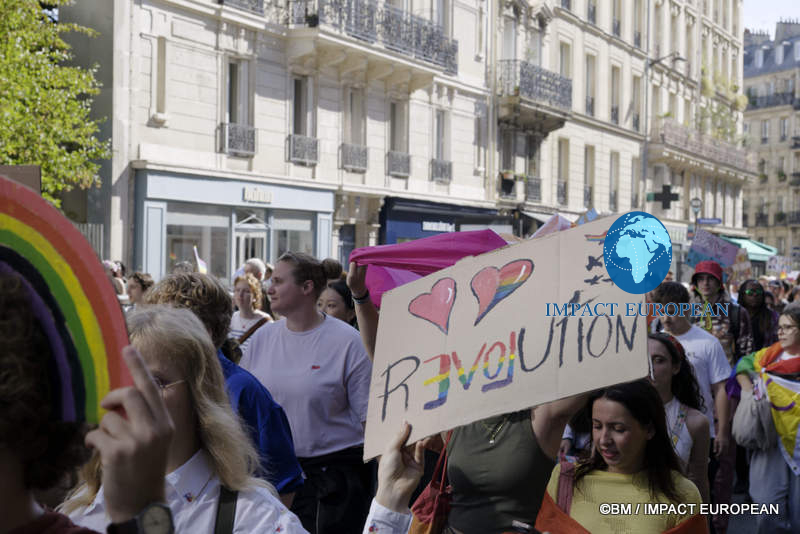
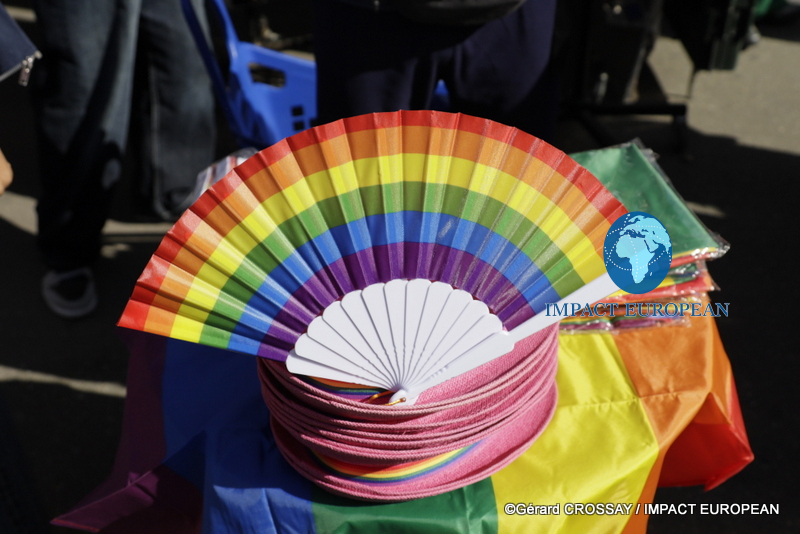
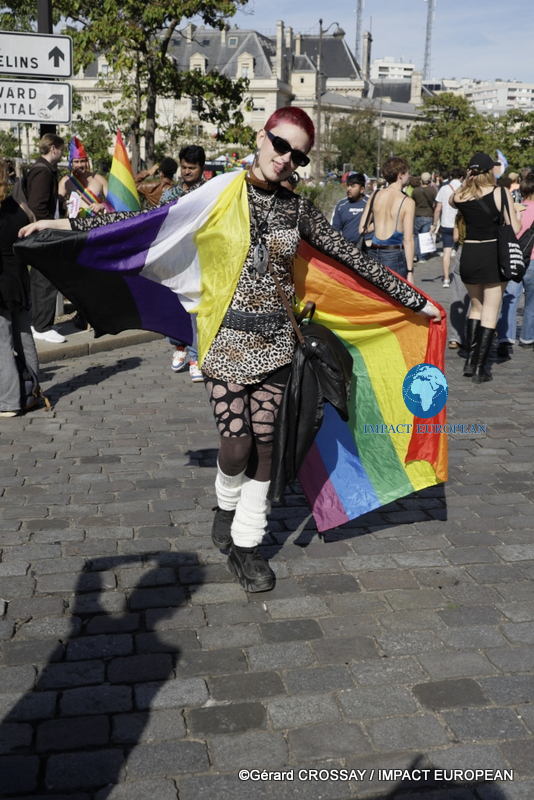
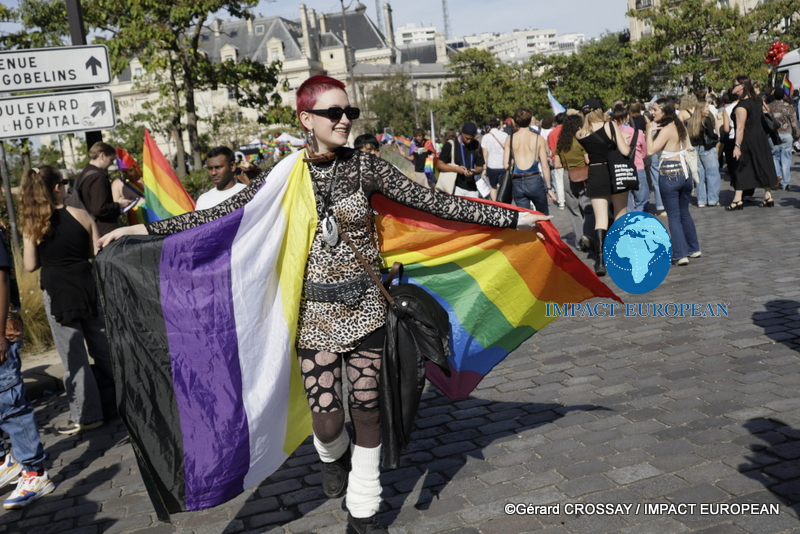
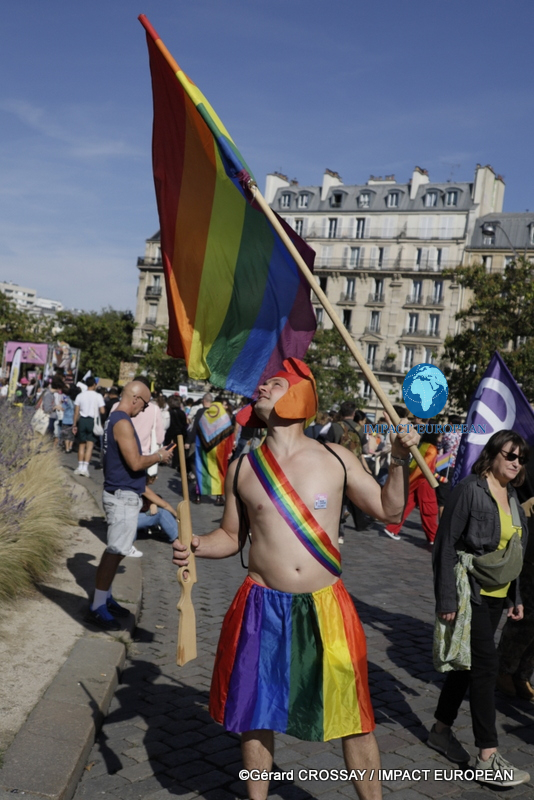
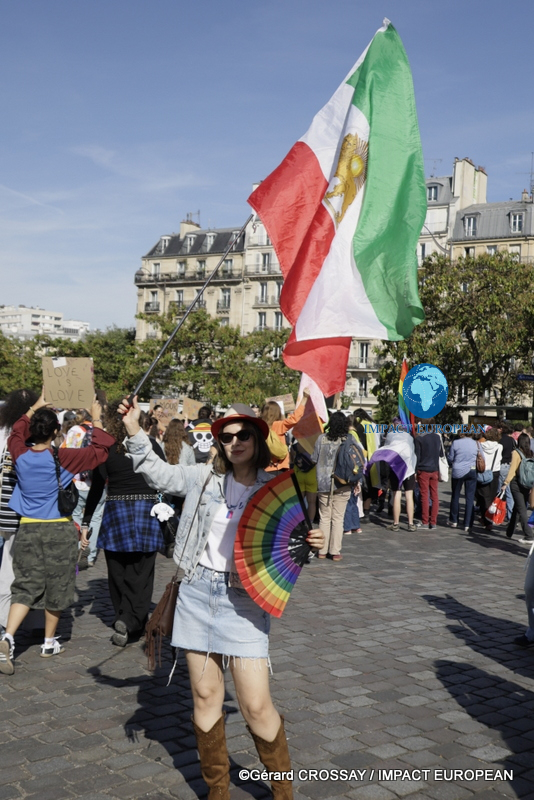
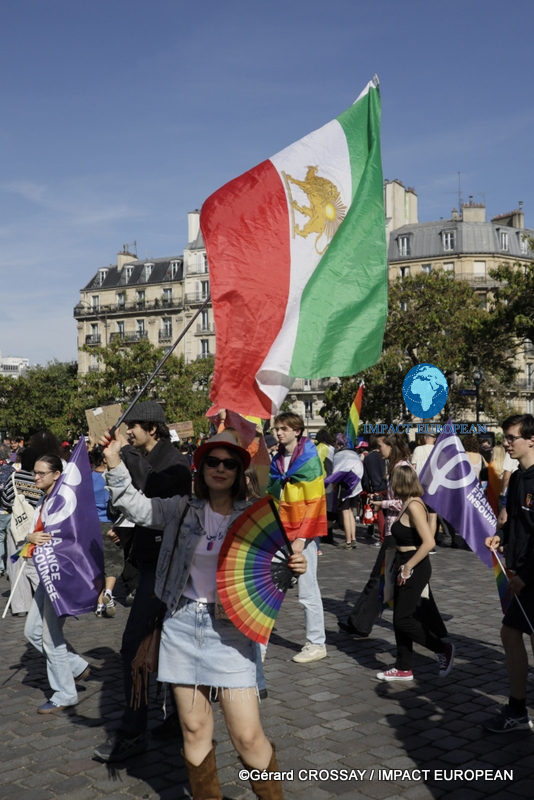
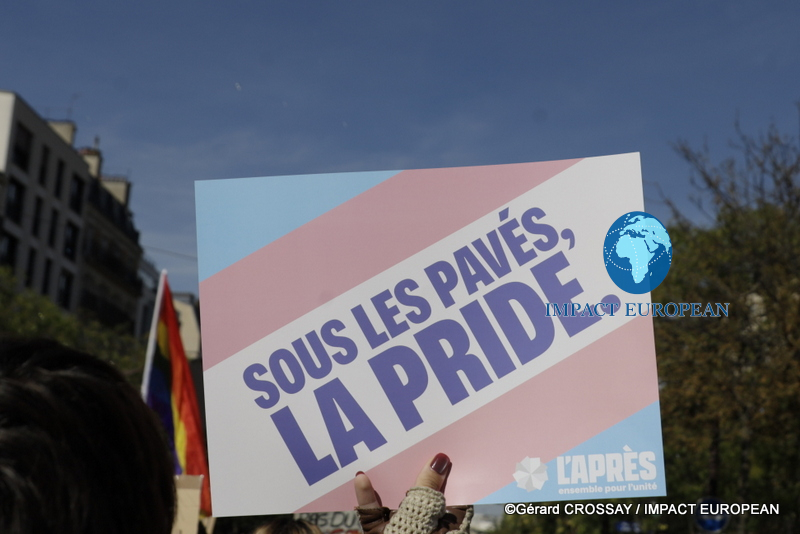
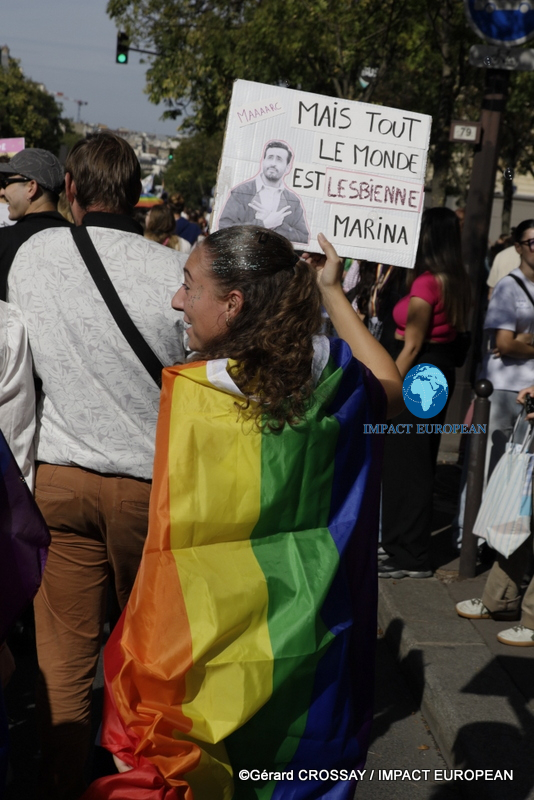
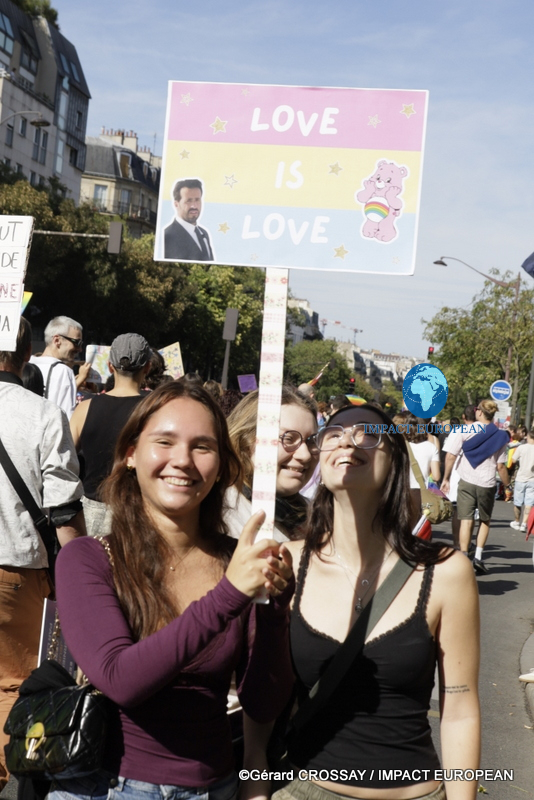
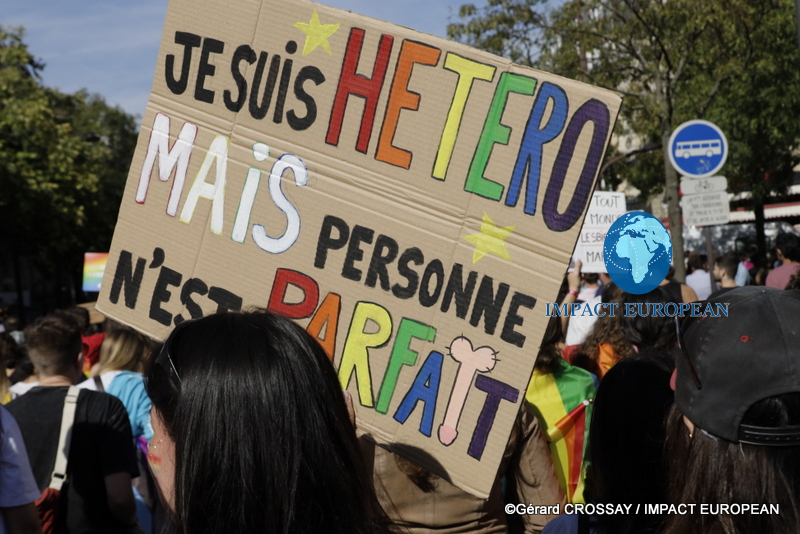
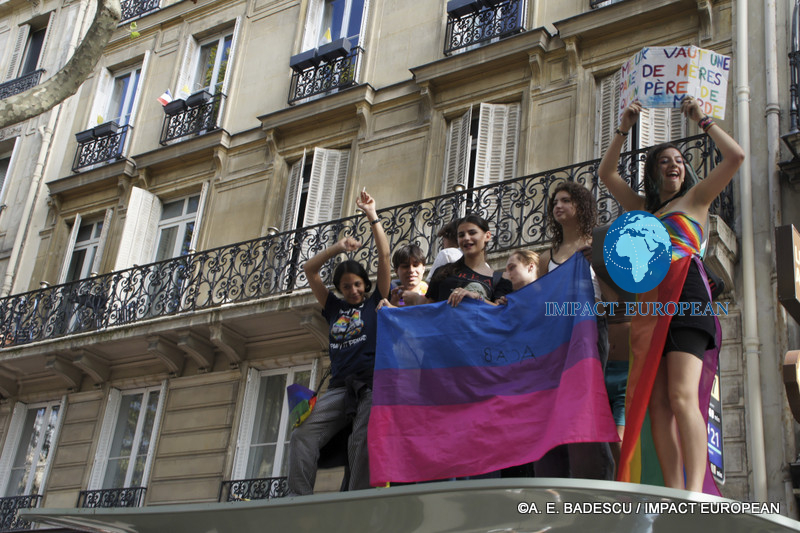
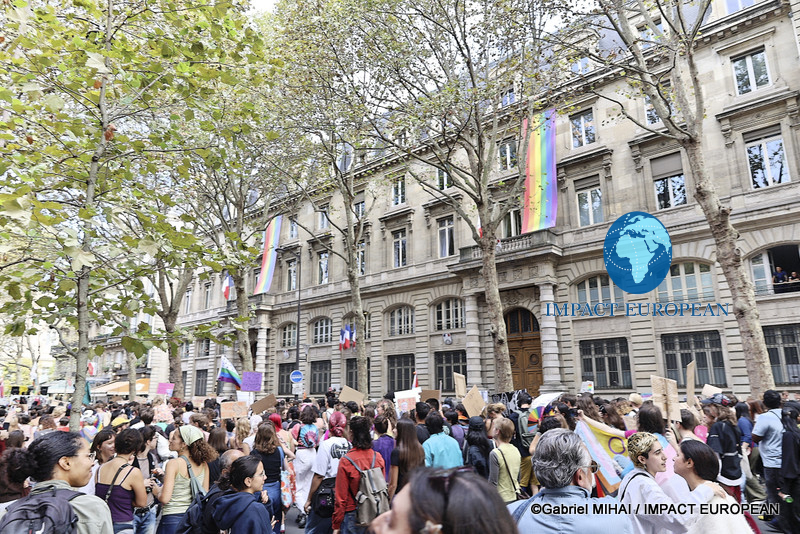
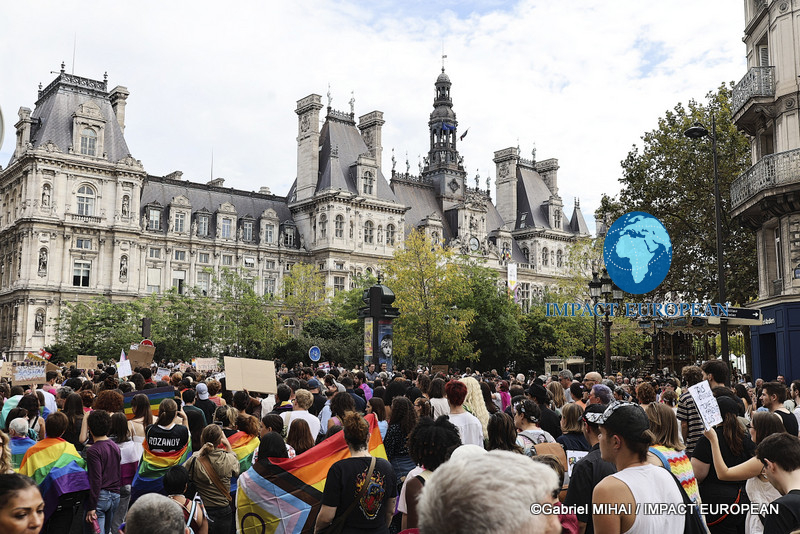
PARIS — Rainbow flags, music and dancing returned to the streets of Paris on Saturday, October 3, but behind the celebration was a Pride March carrying a distinctly political message.
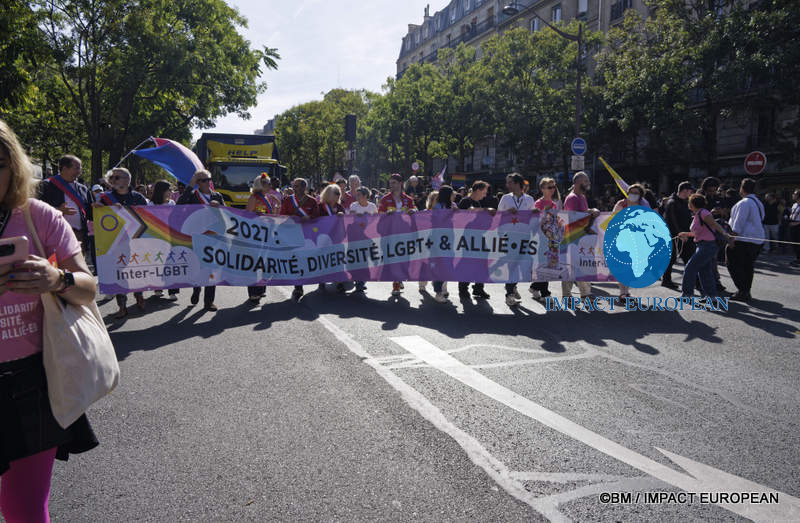
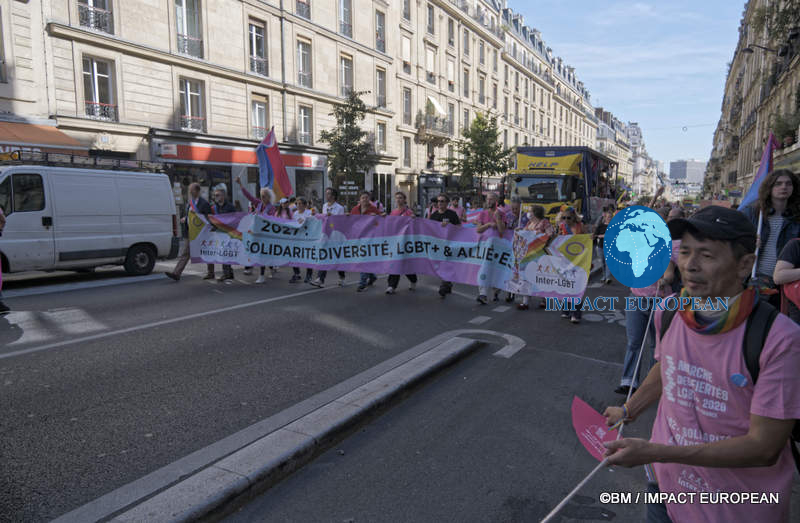
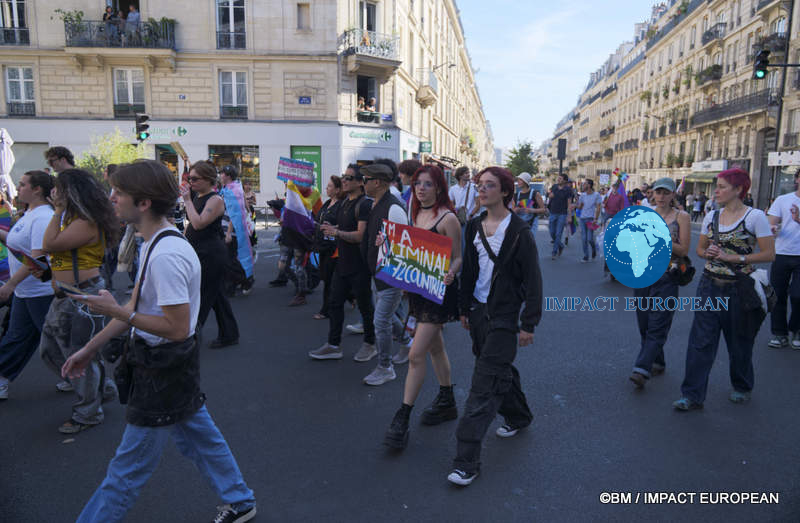
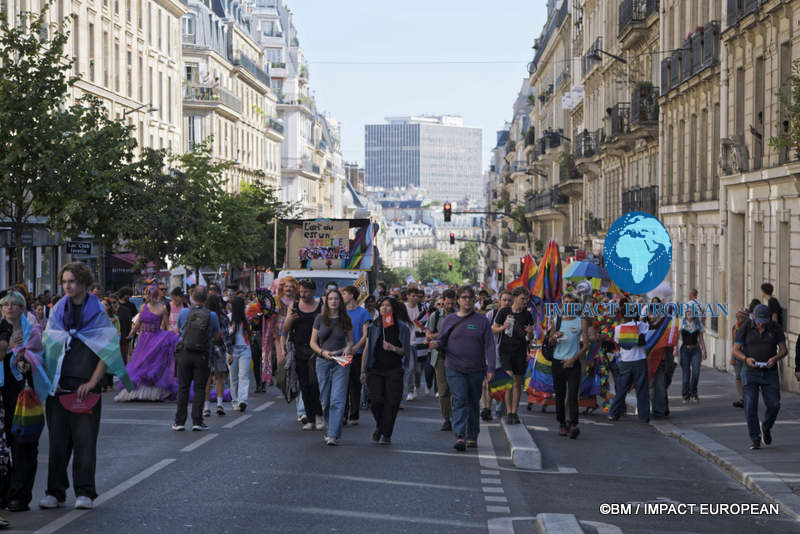
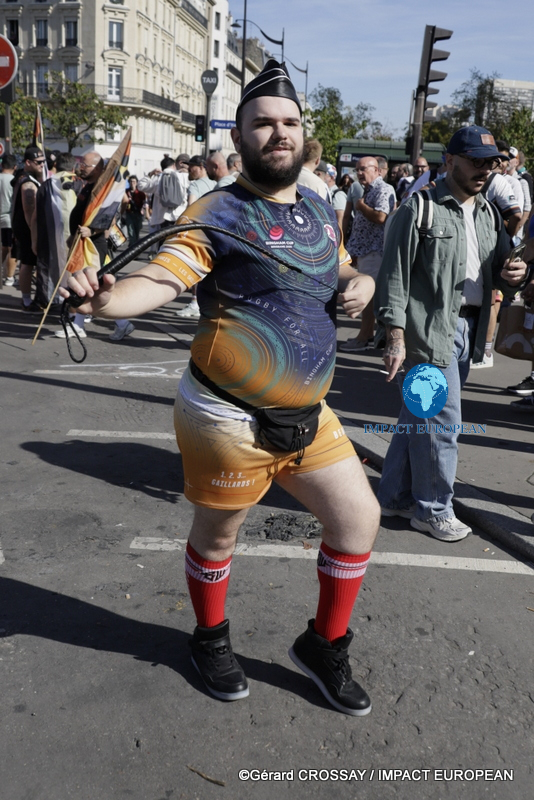
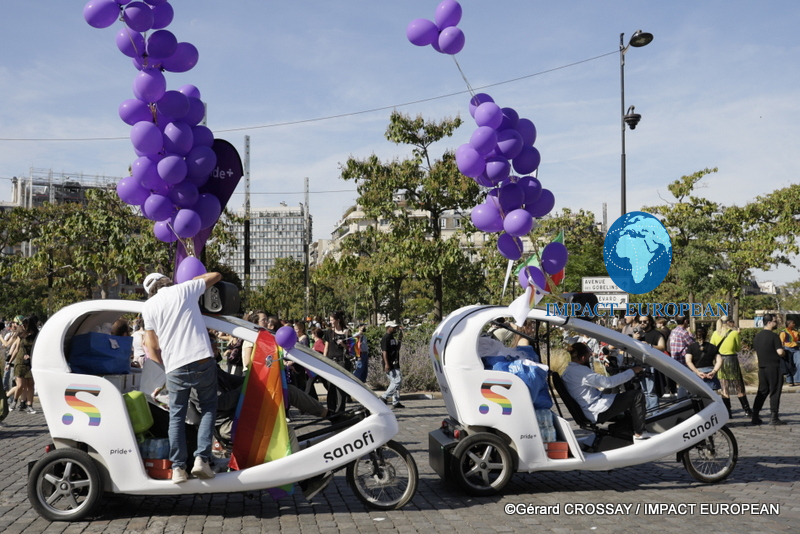
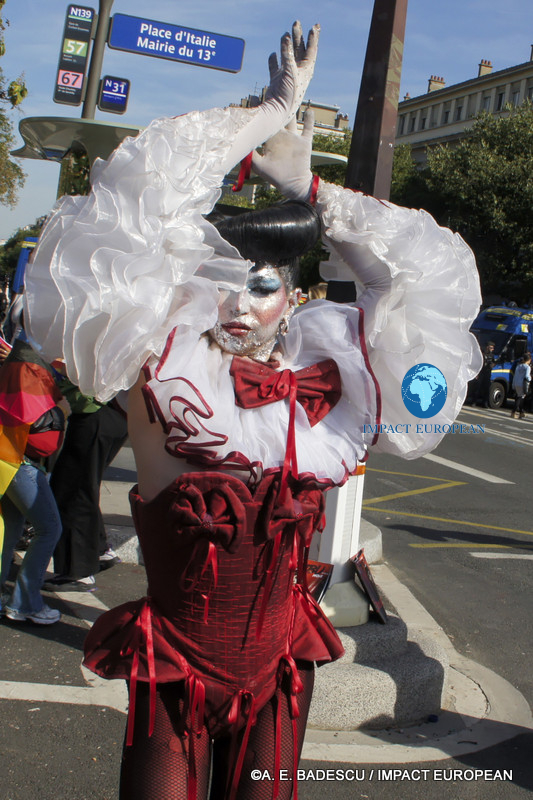
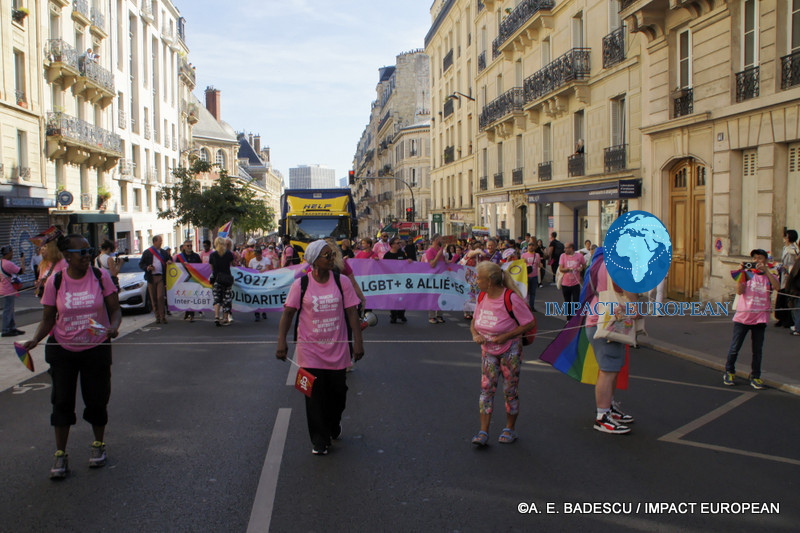
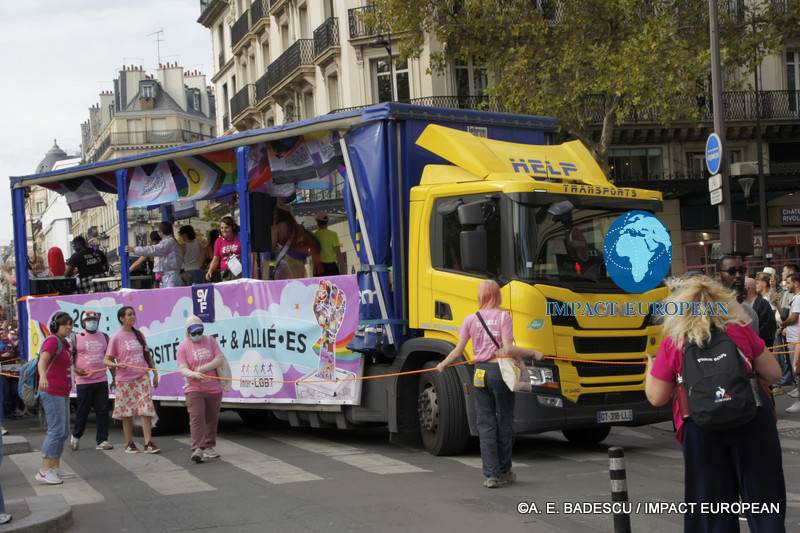
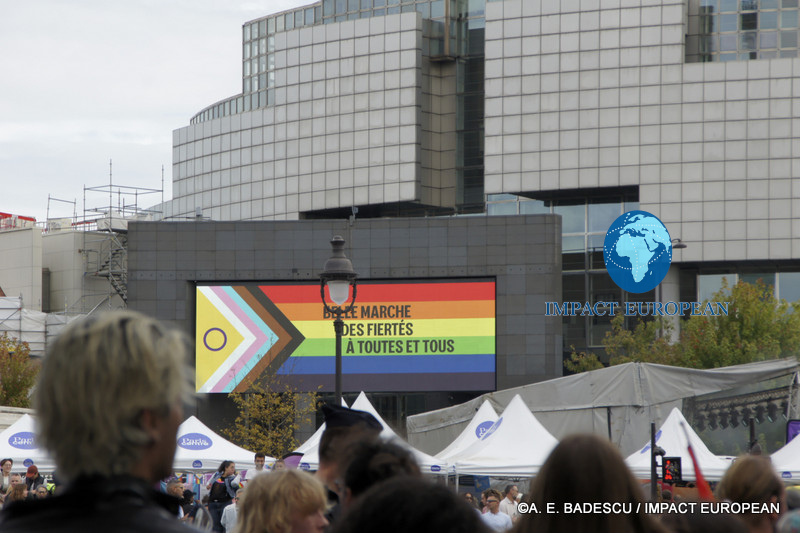
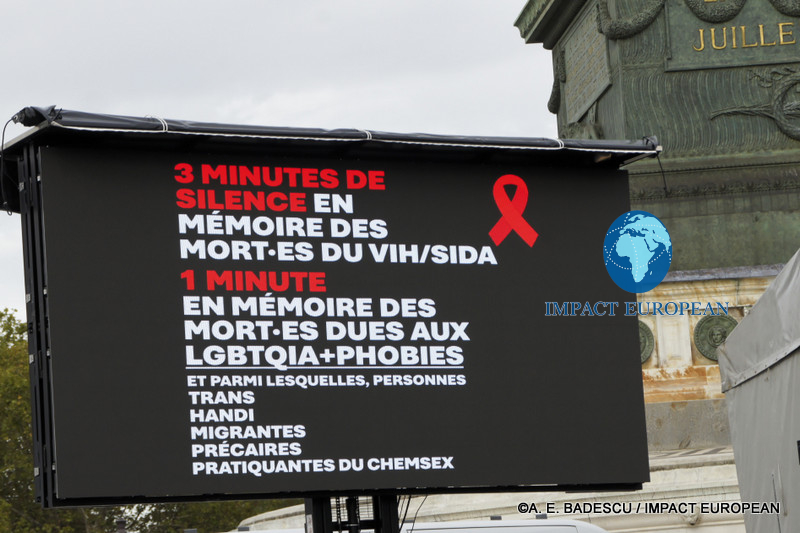
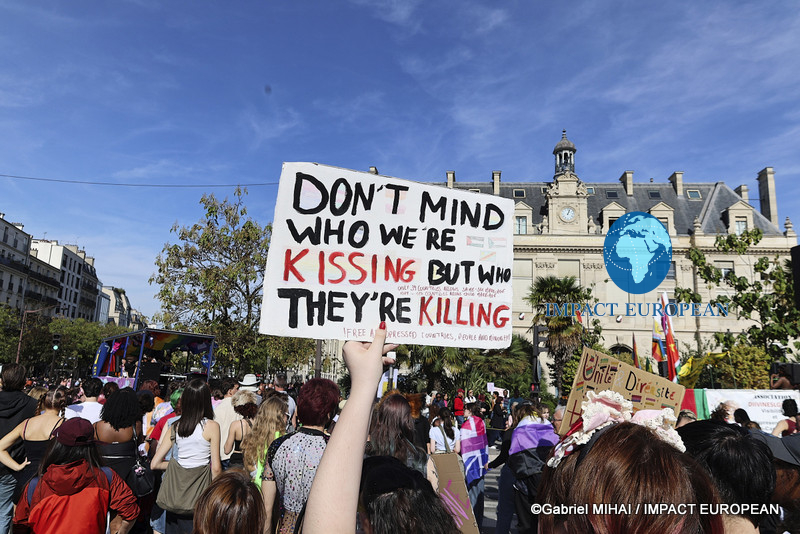
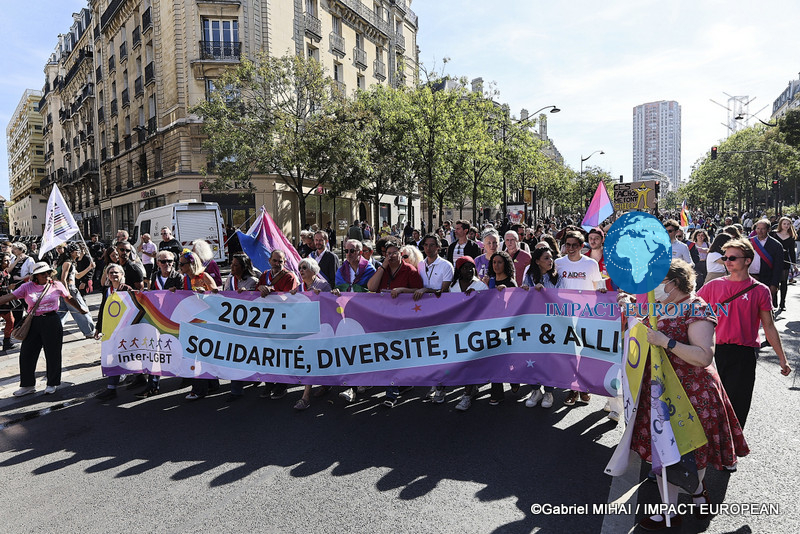
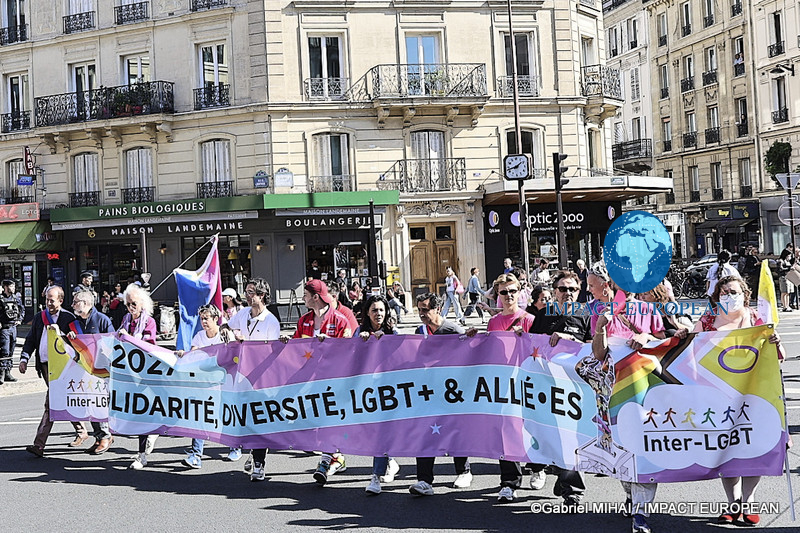
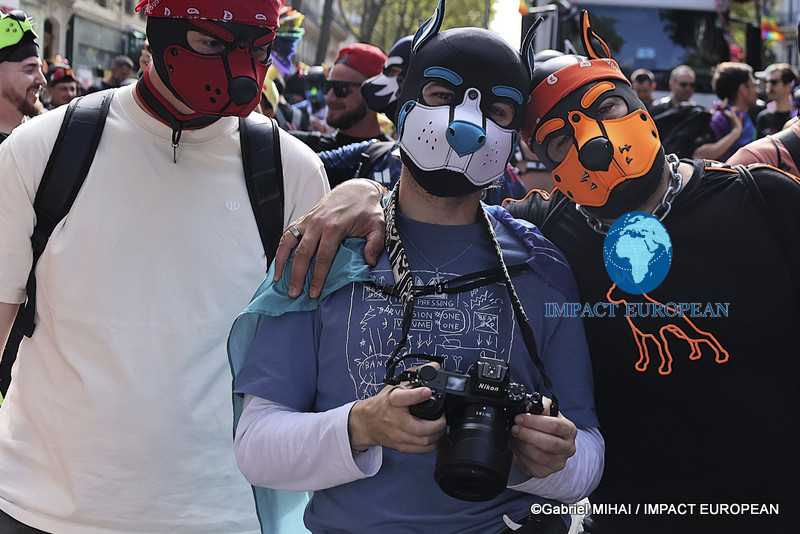
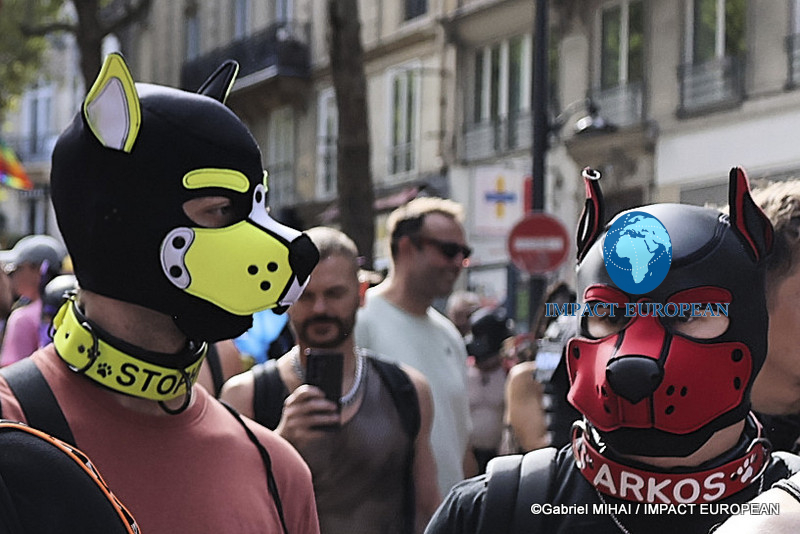
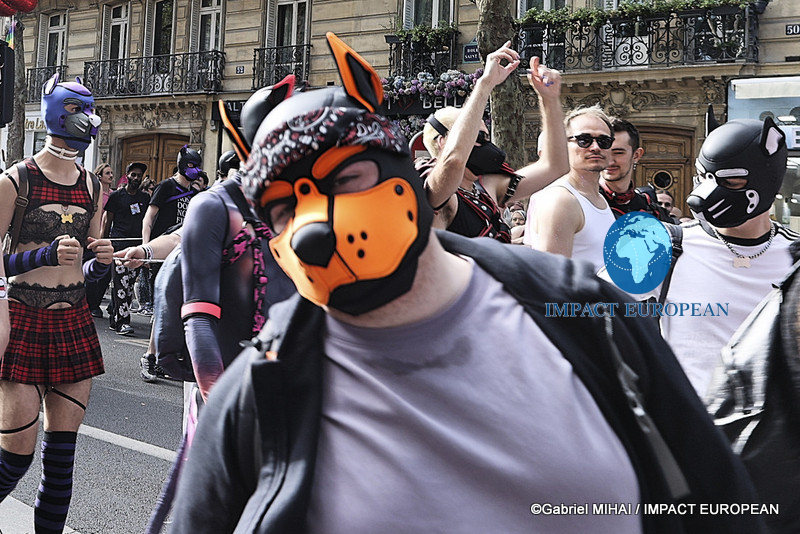
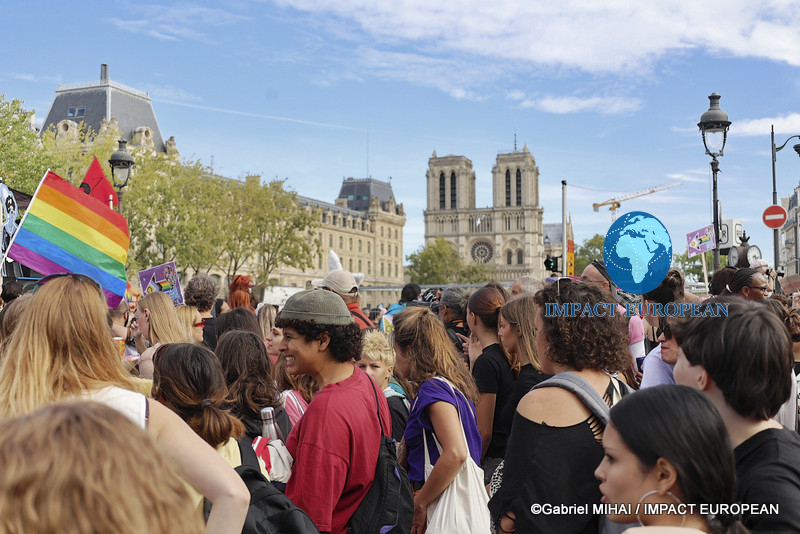
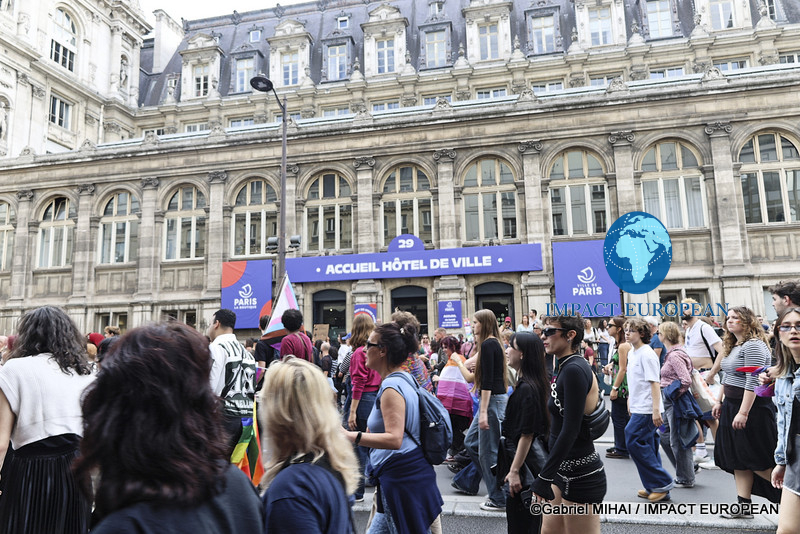
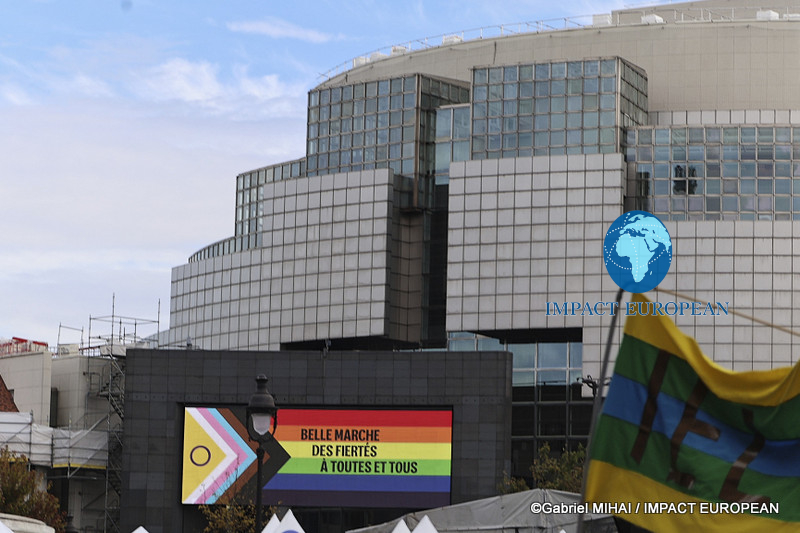
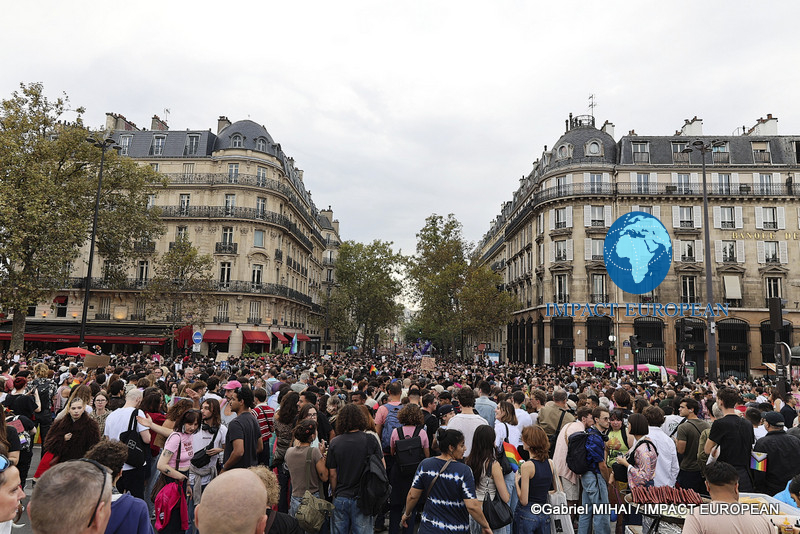
Originally scheduled for June 27 and postponed because of the heatwave, the 2026 Paris and Île-de-France Pride March brought together LGBTQIA+ organisations, activists, political figures, performers and thousands of participants for a procession from Place d’Italie to Place de la Bastille.
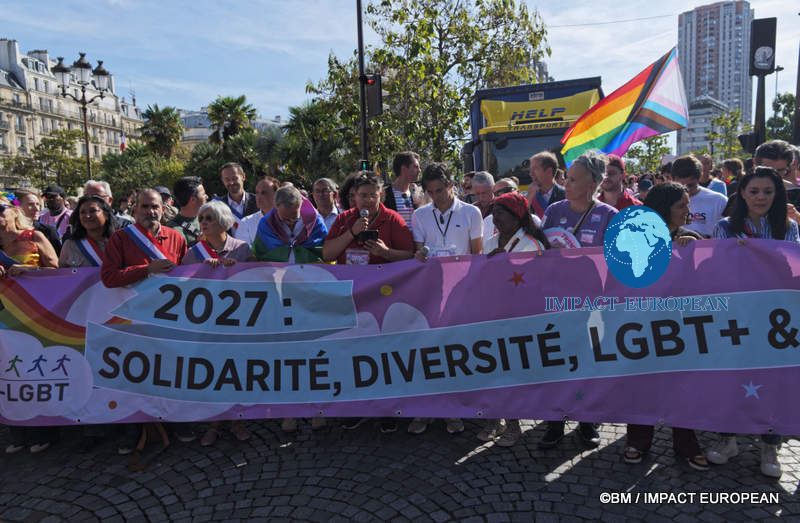
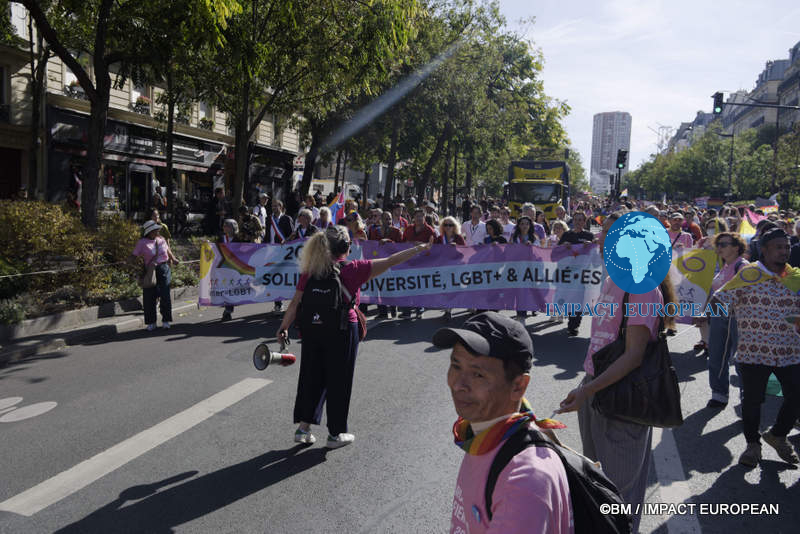
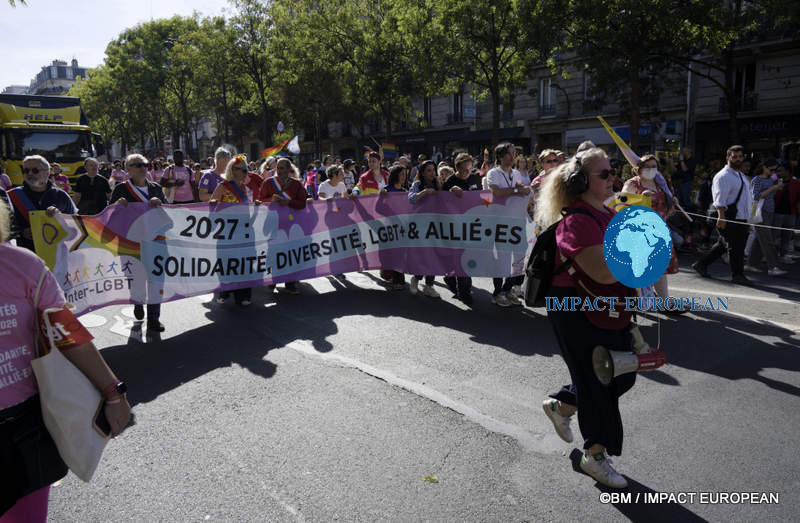
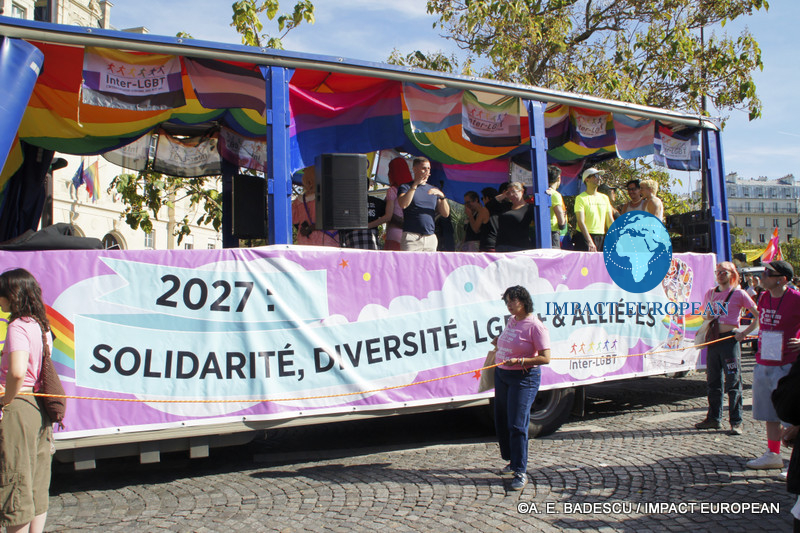
Its message was set out from the beginning:
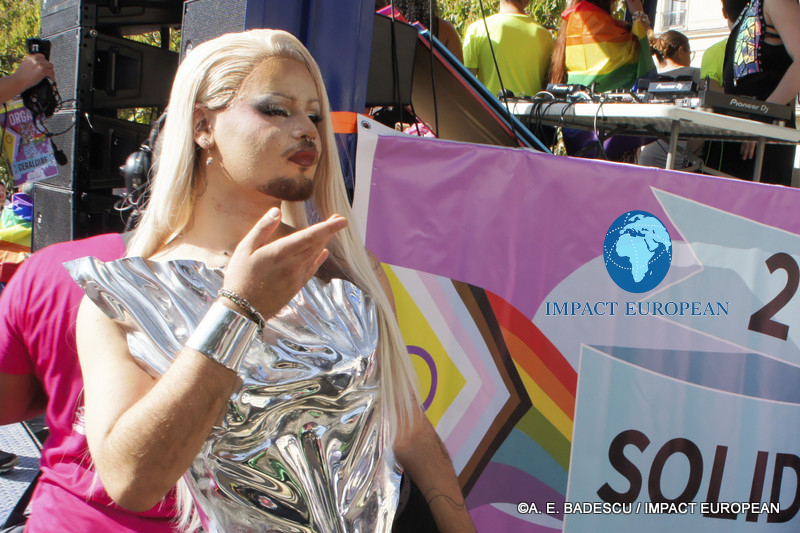
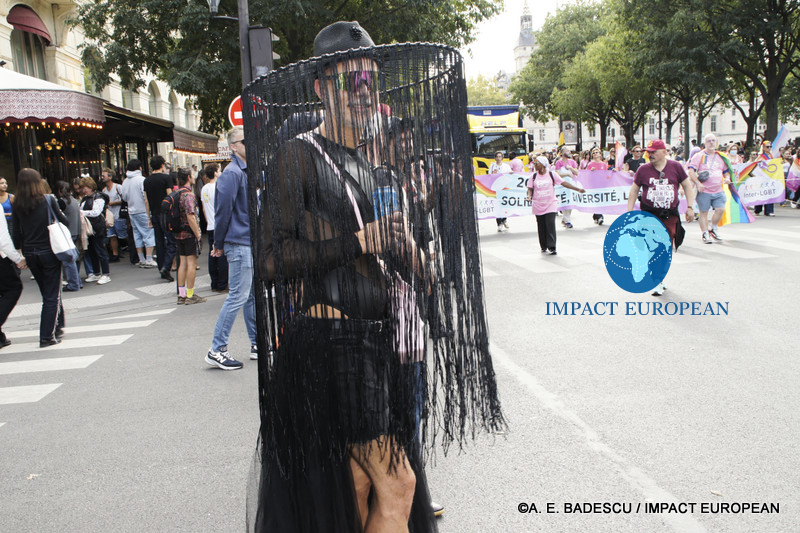
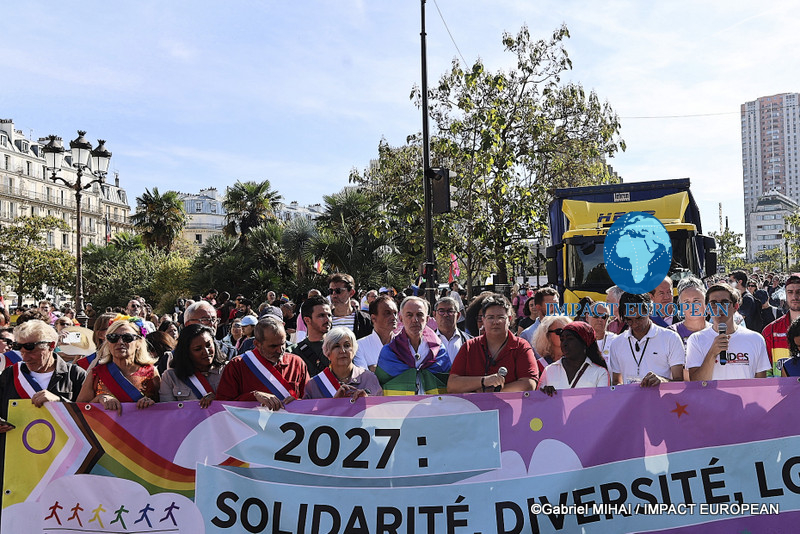
“2027: Solidarity, Diversity, LGBT+ & Allies.”
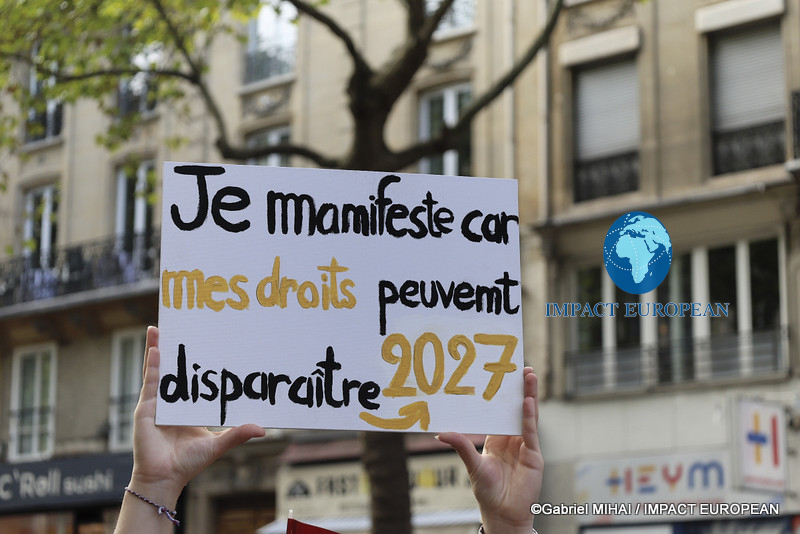
With France moving towards its 2027 presidential election, the march became not only a celebration of identity and diversity, but also a call for political and civic mobilisation.
From celebration to political mobilisation
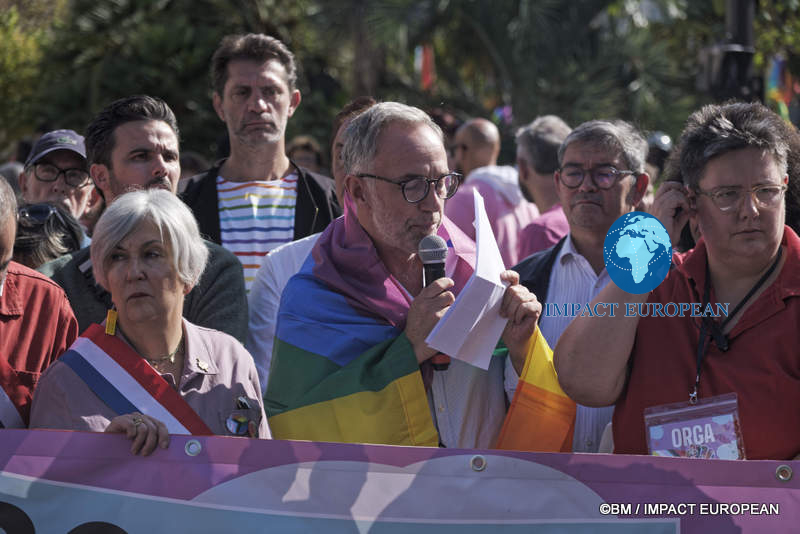
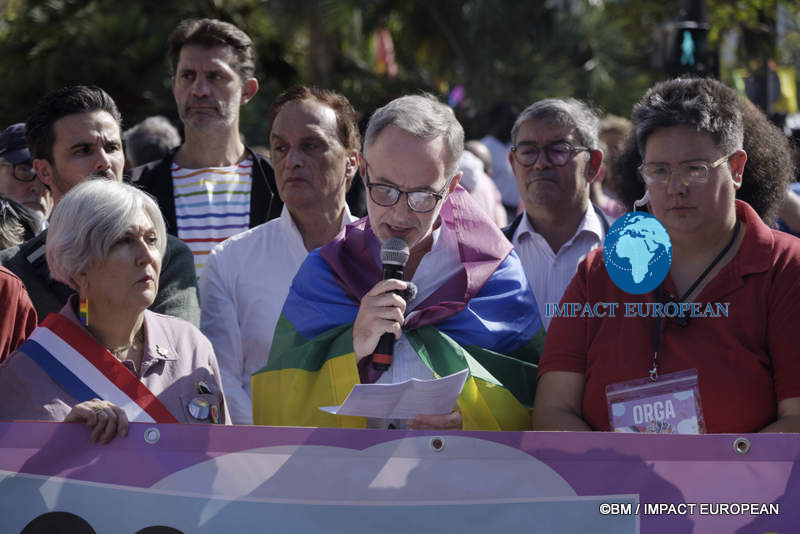
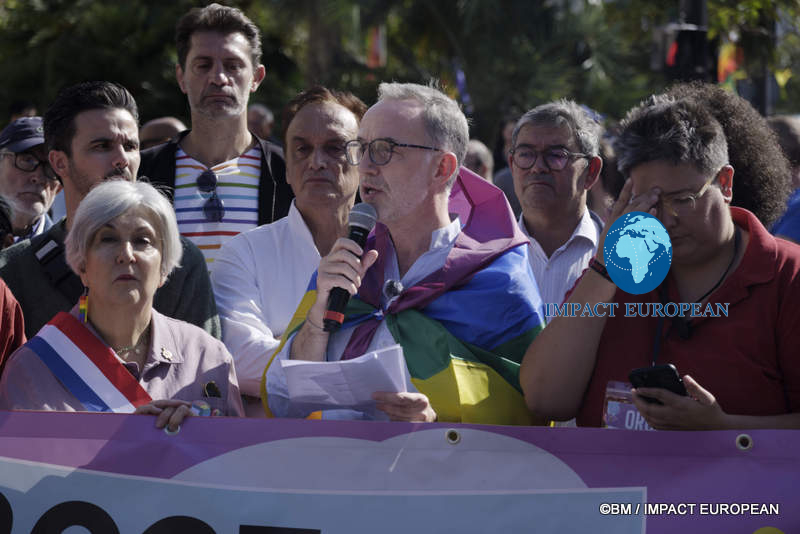
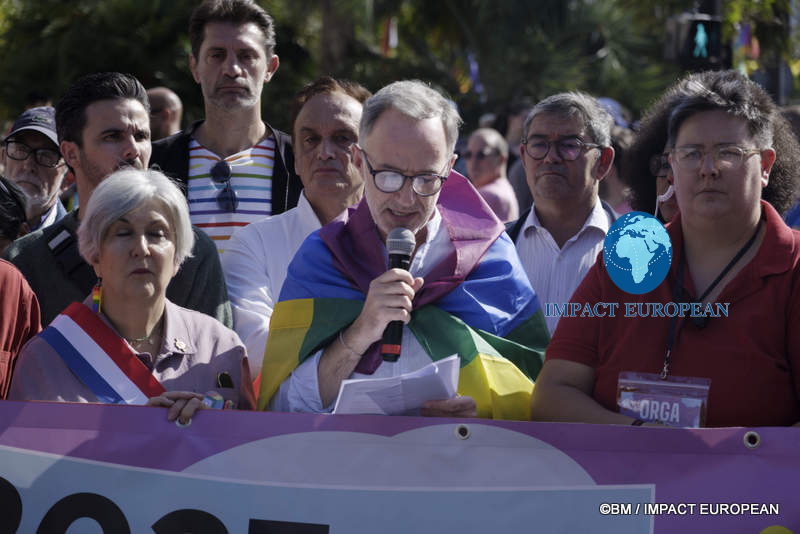
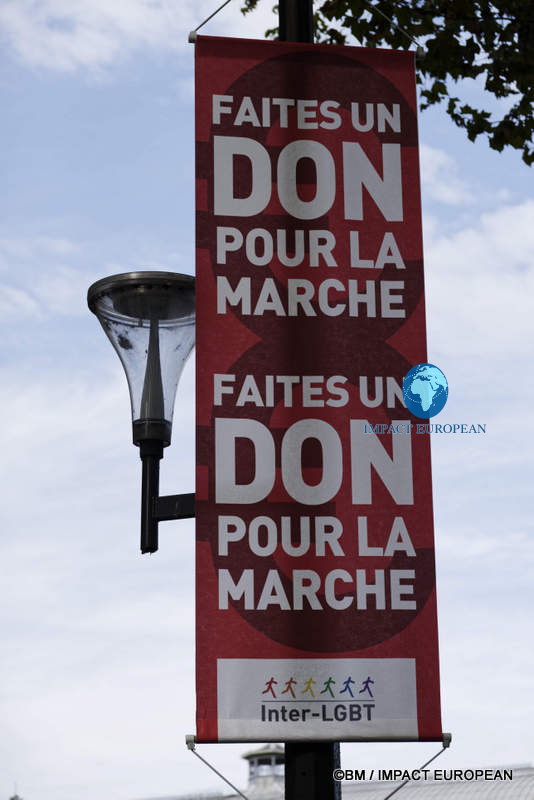
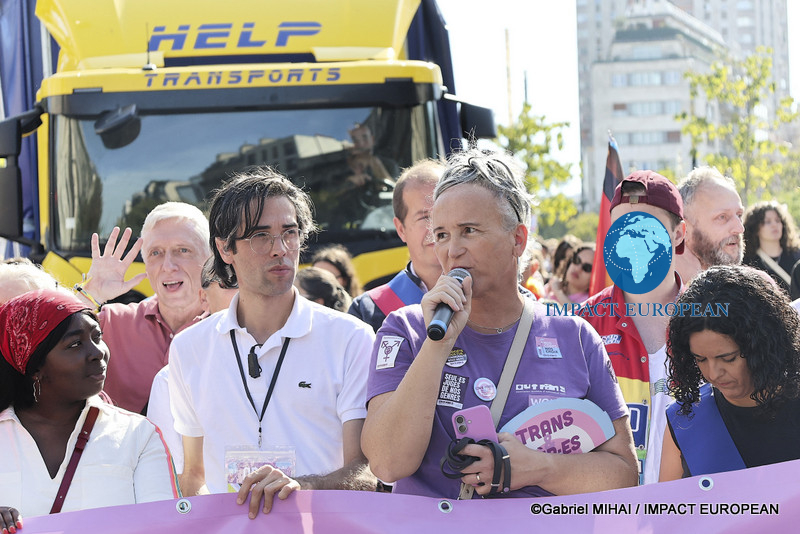
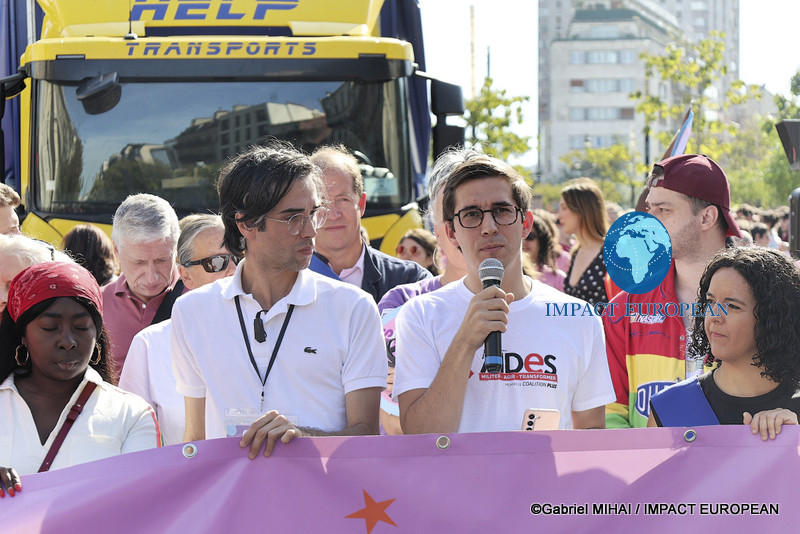
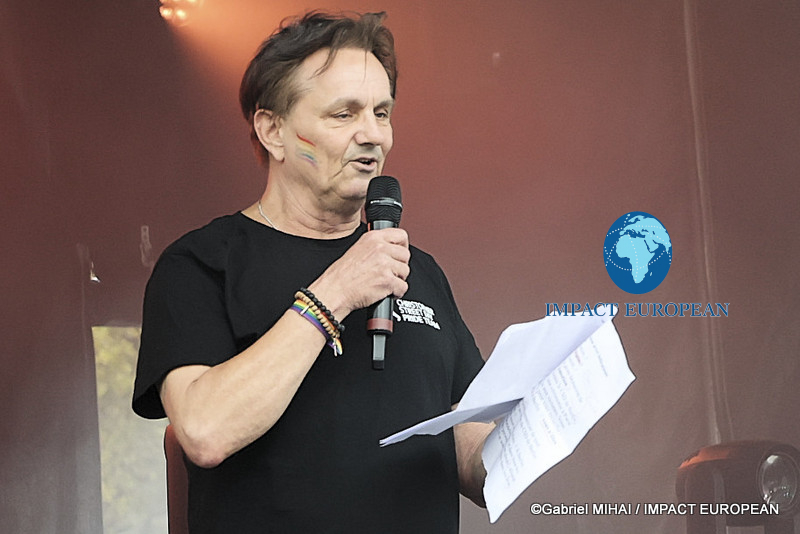
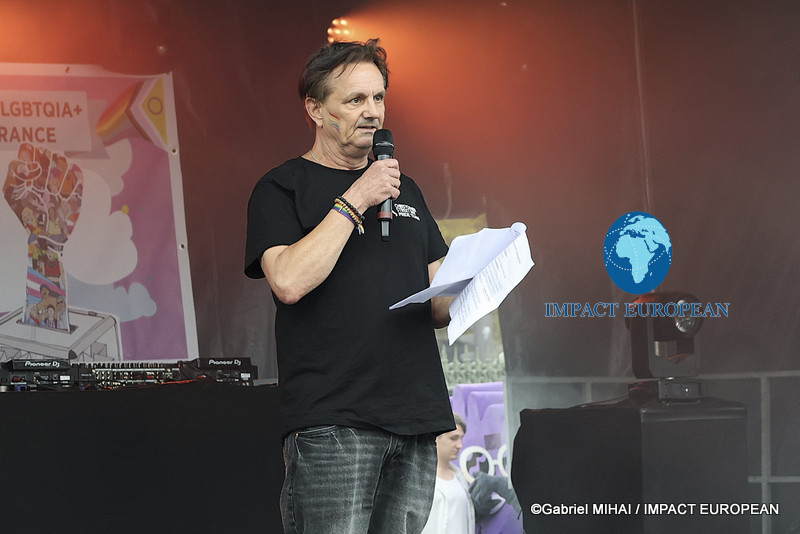
Before the procession left Place d’Italie, Alexandre Schon, co-president of Inter-LGBT, urged LGBT+ people and their allies to mobilise.
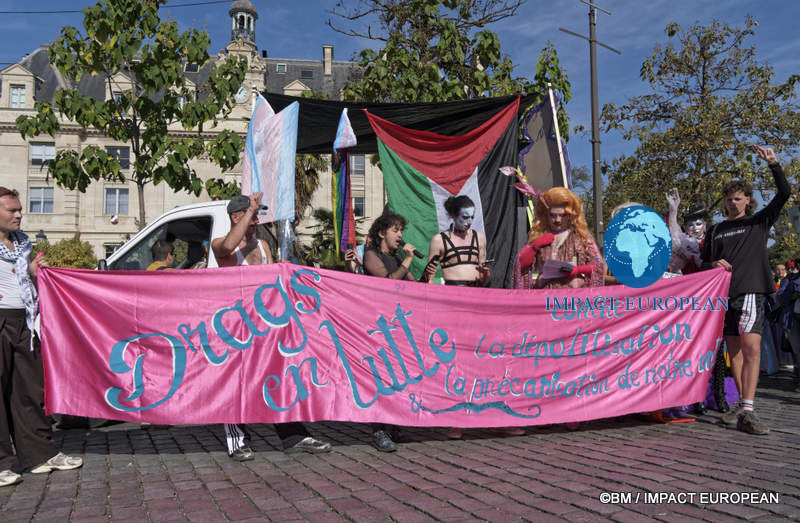
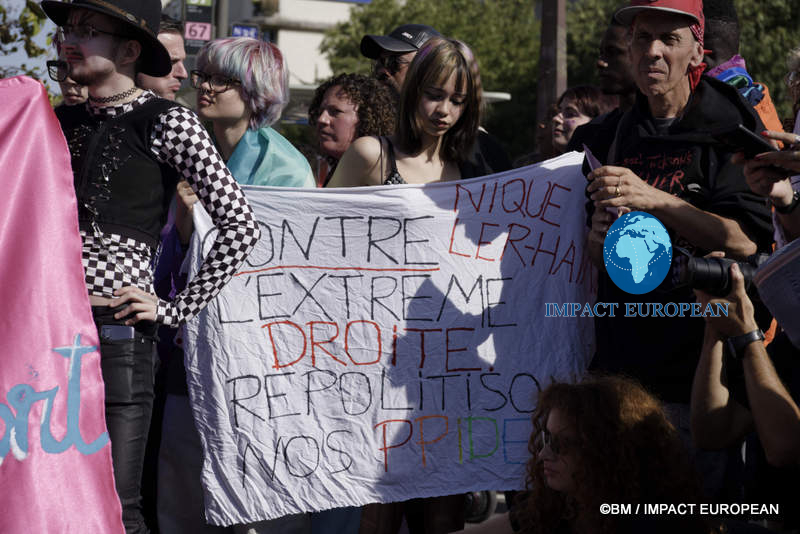
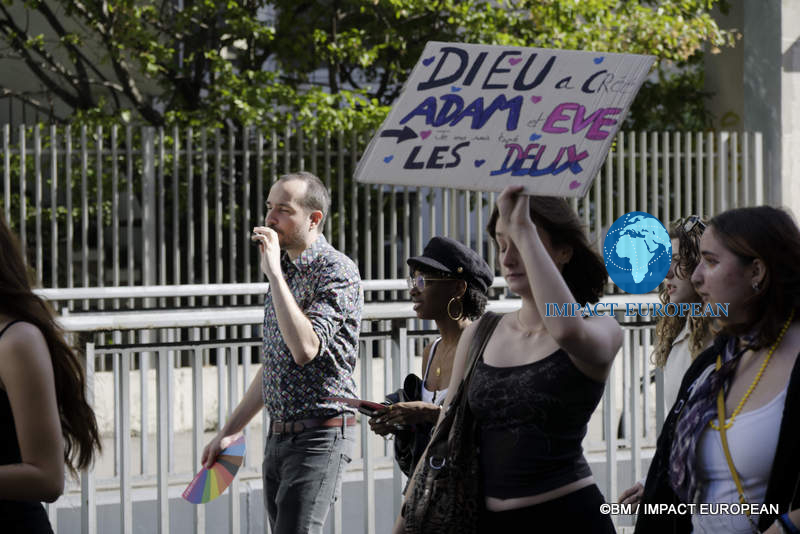
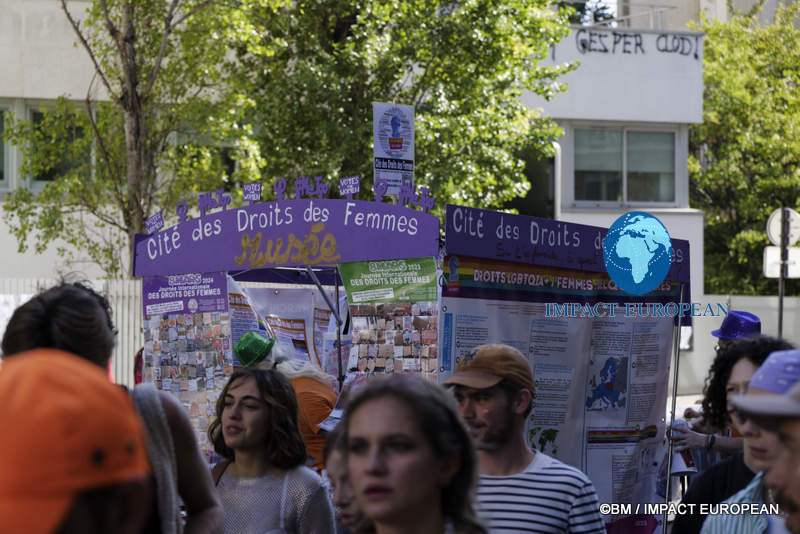
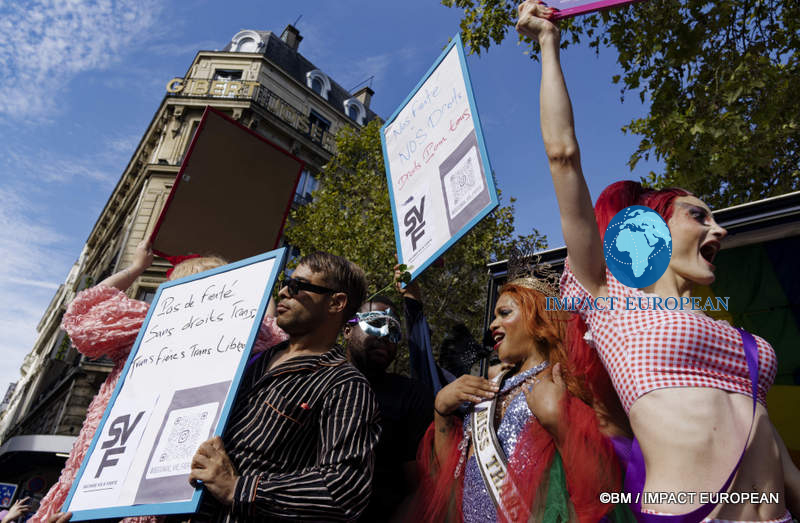
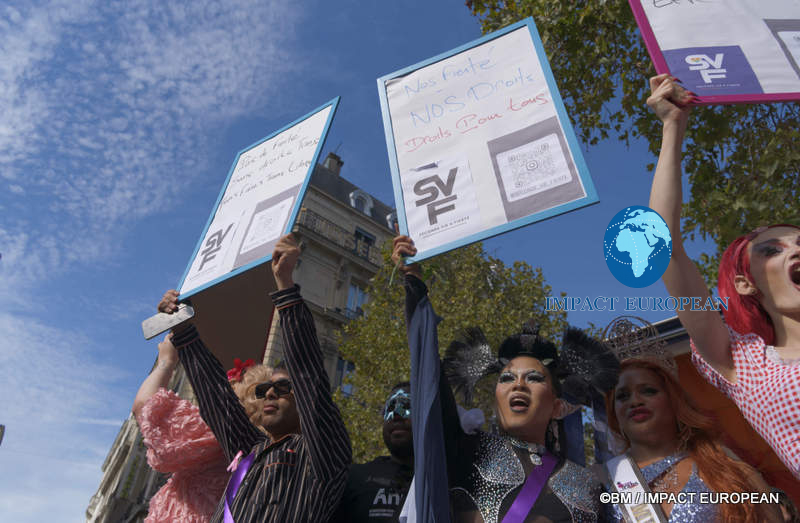
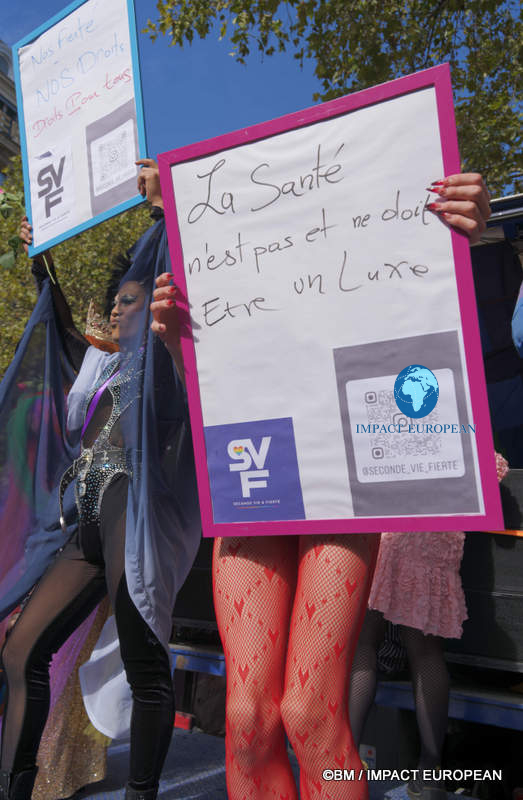
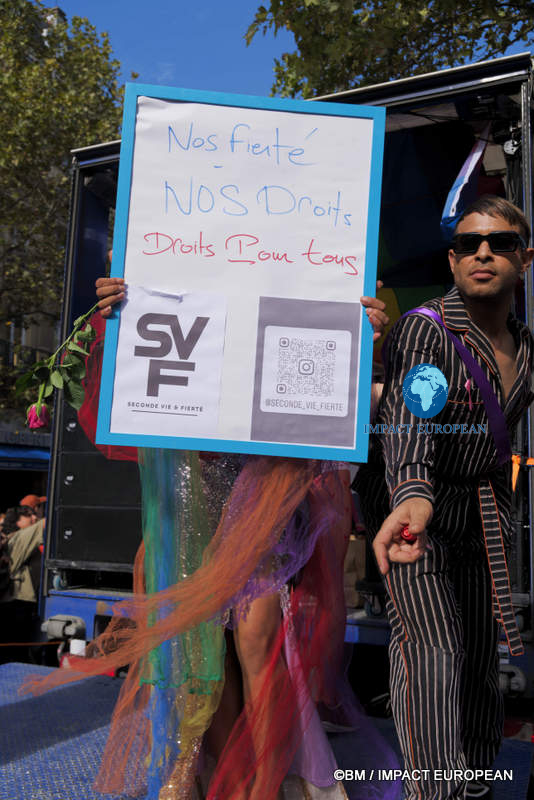
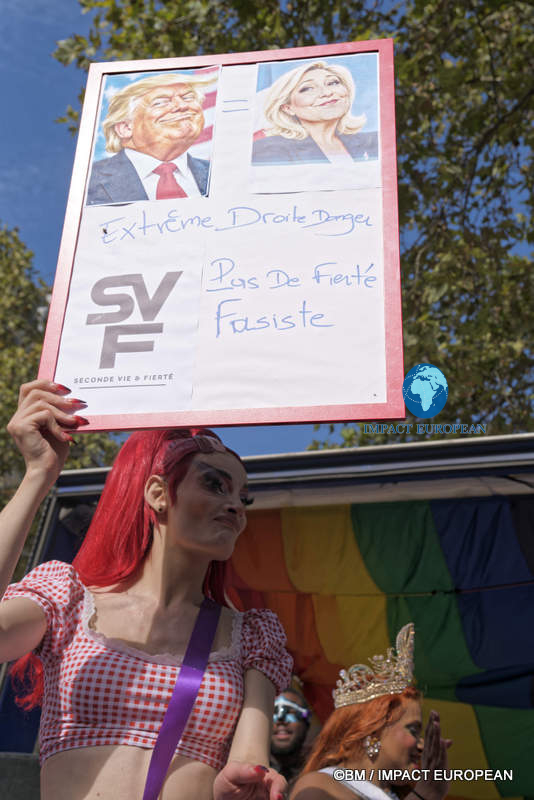
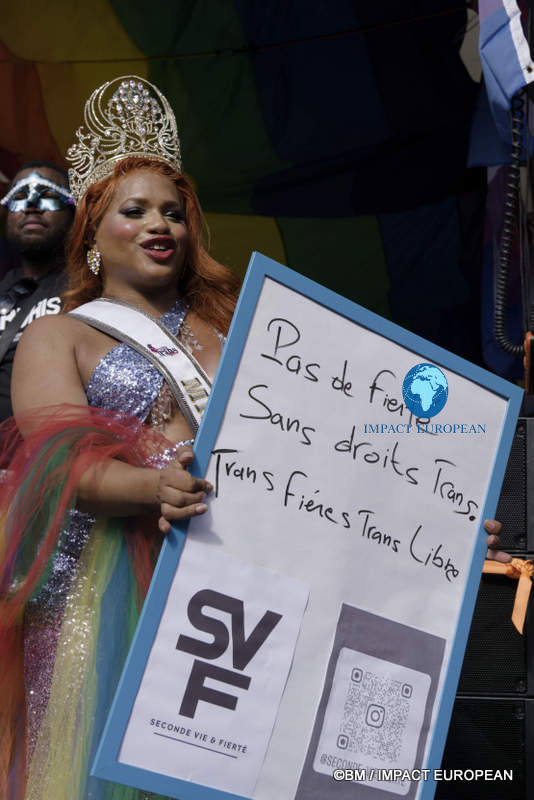
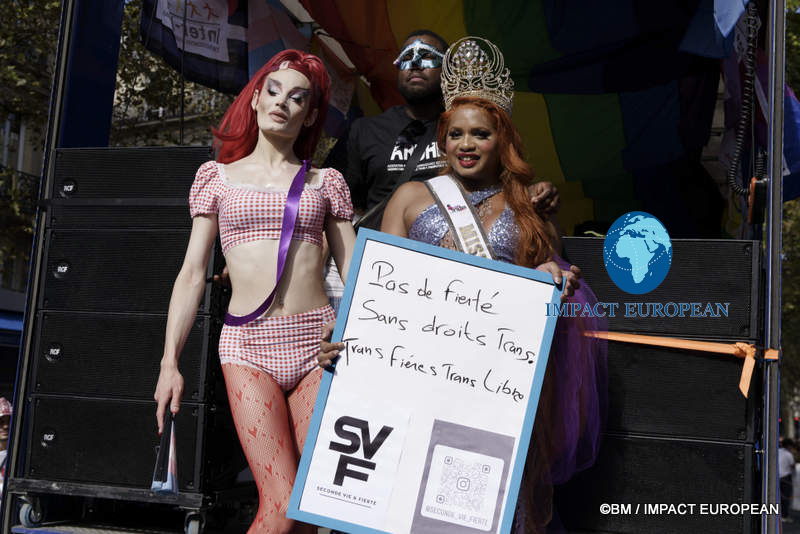
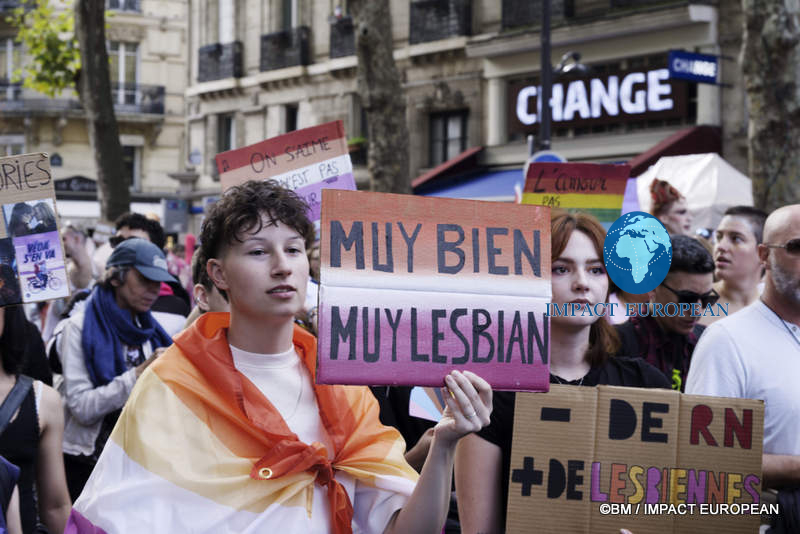
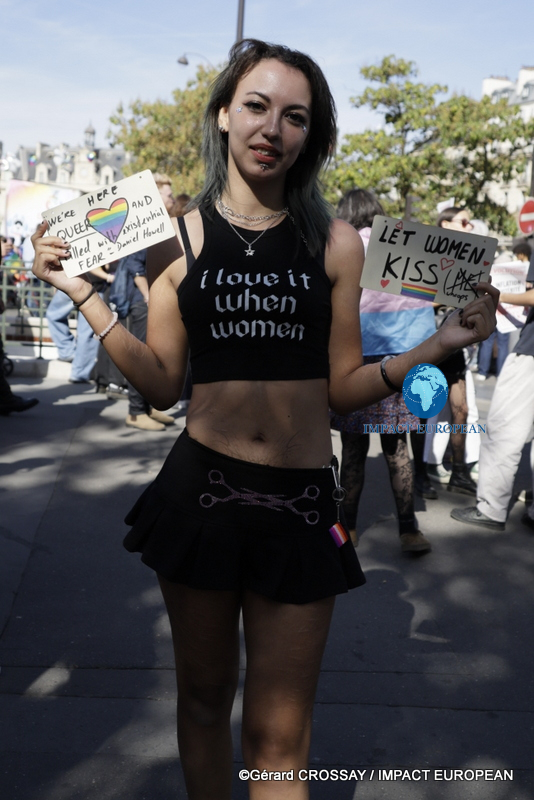
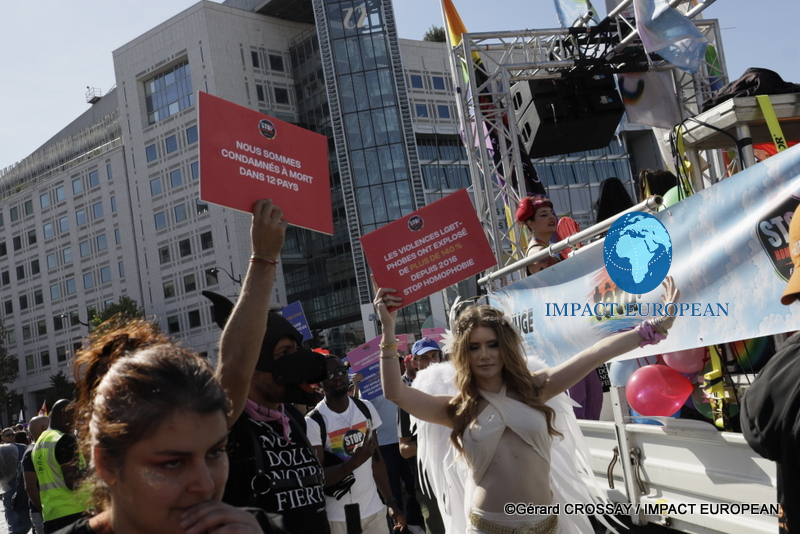
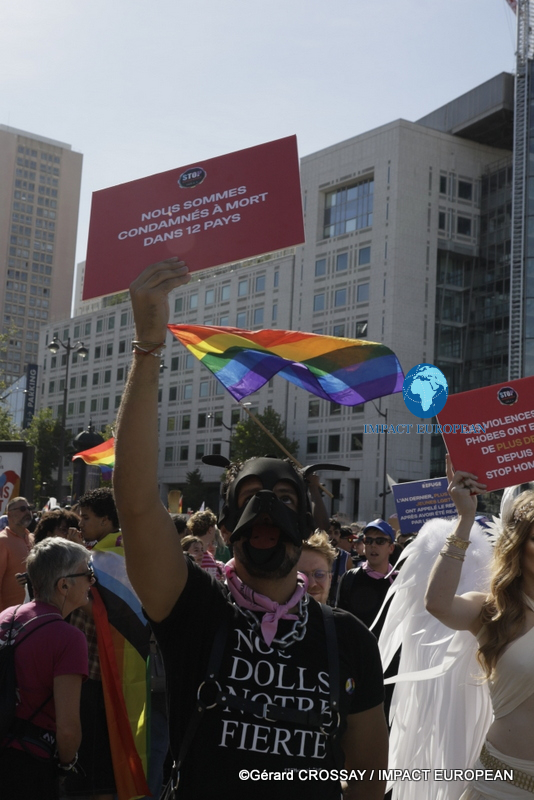
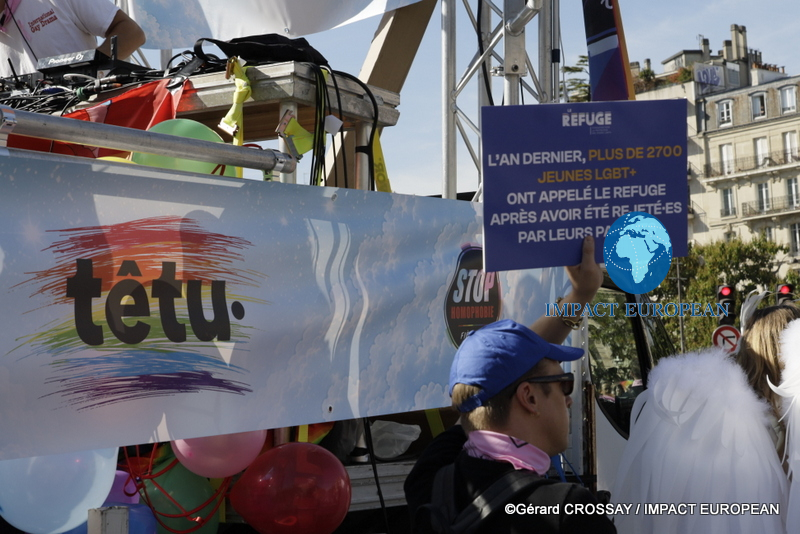
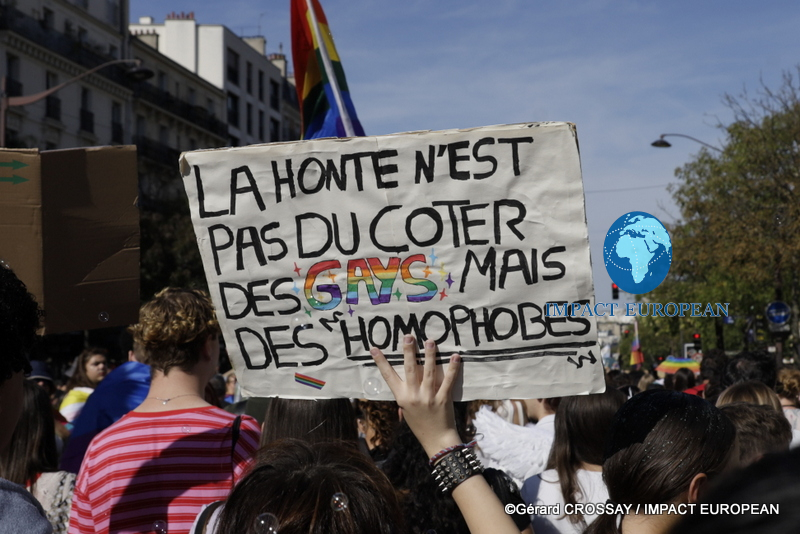
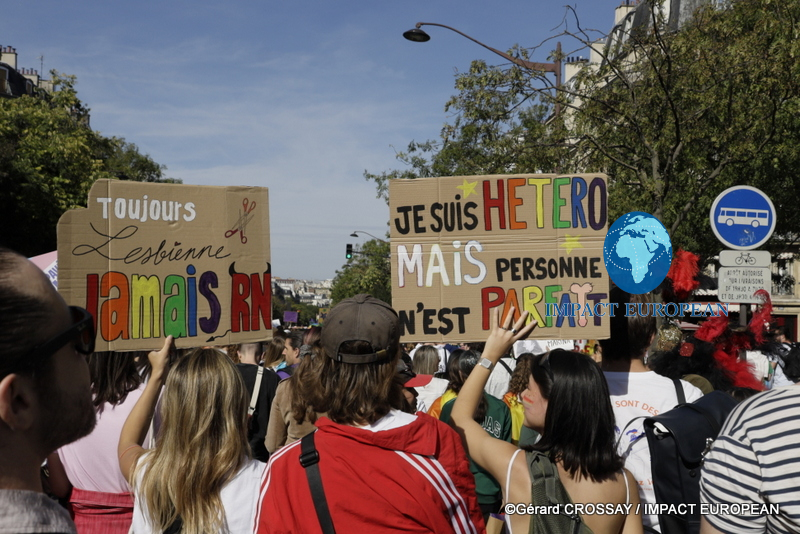
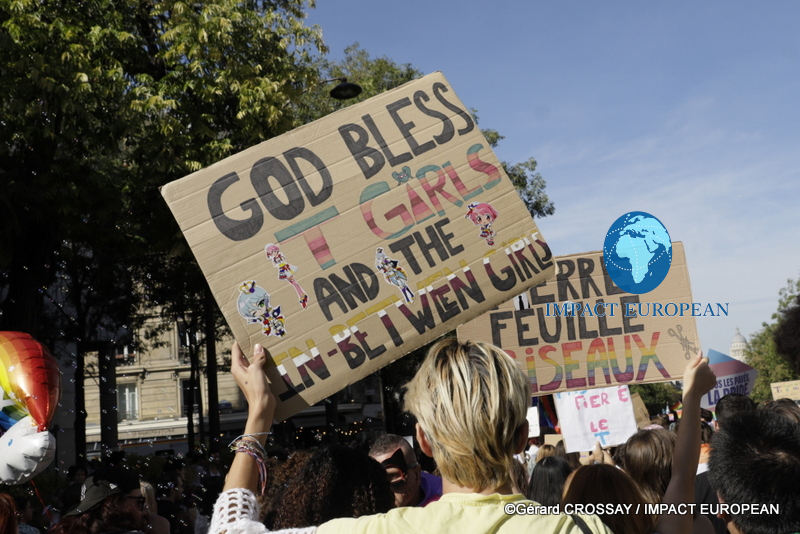
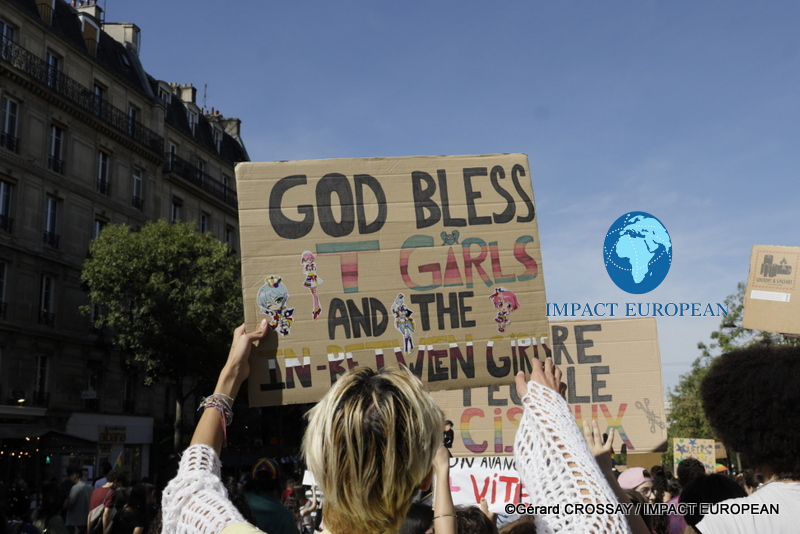
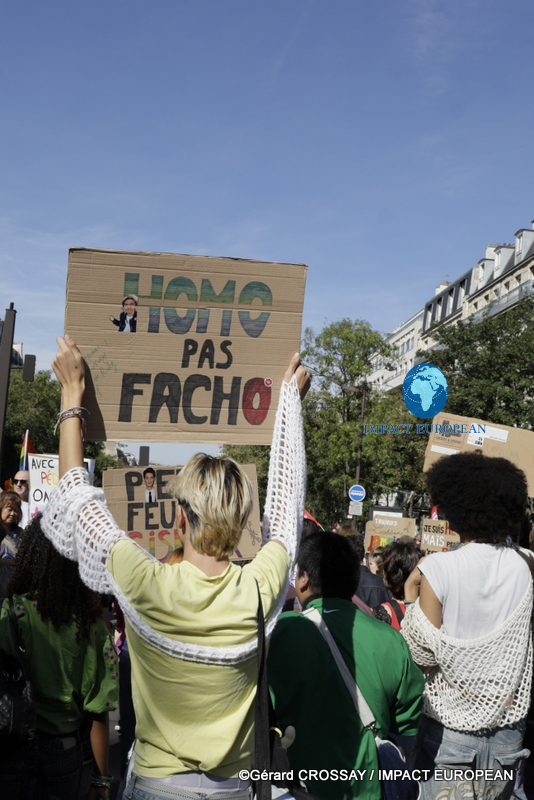
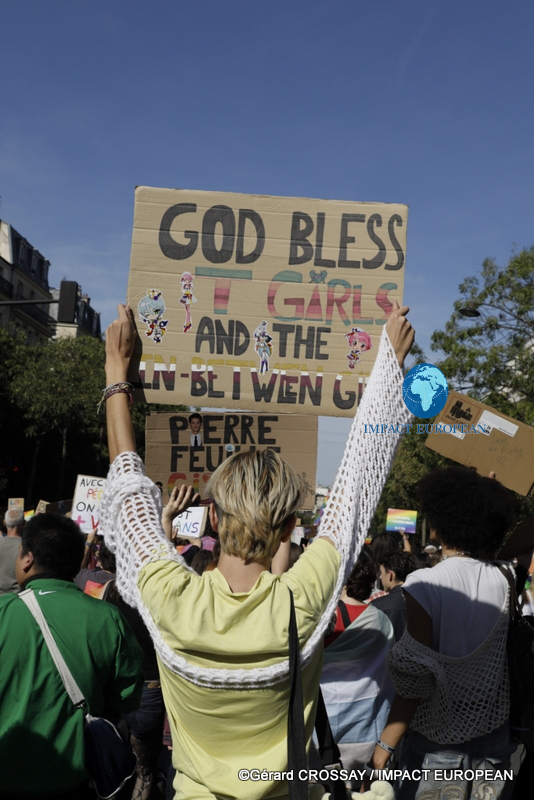
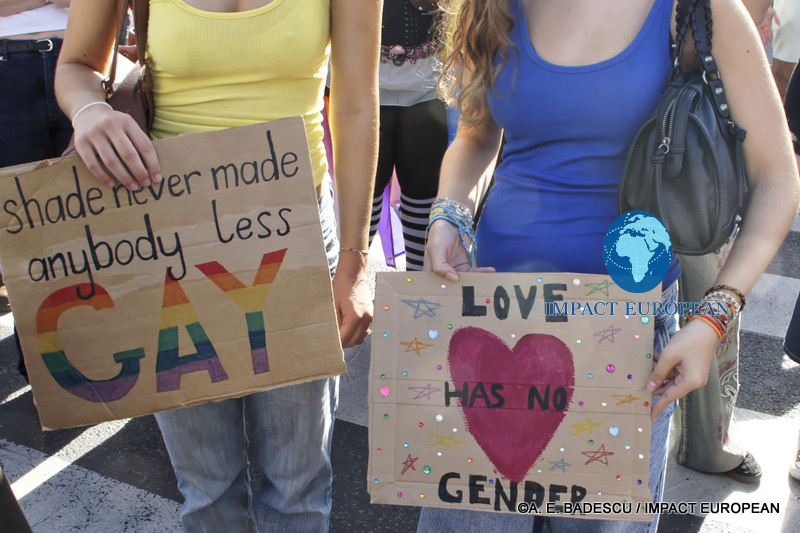
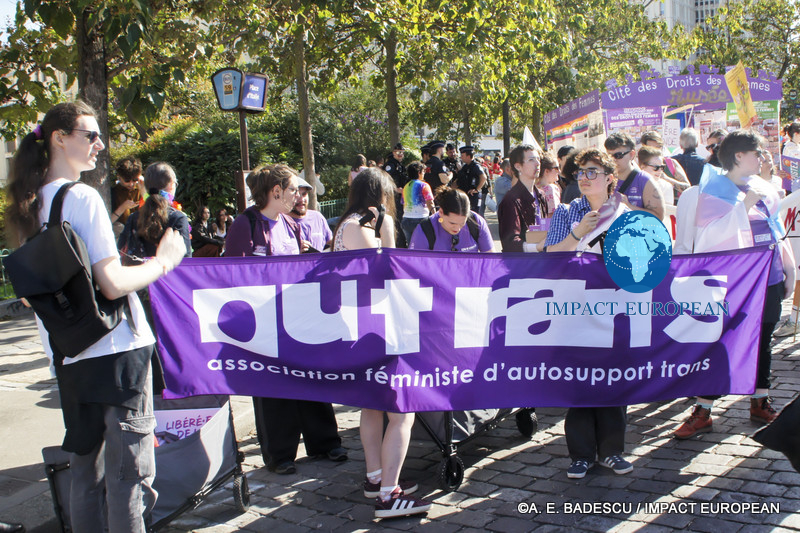
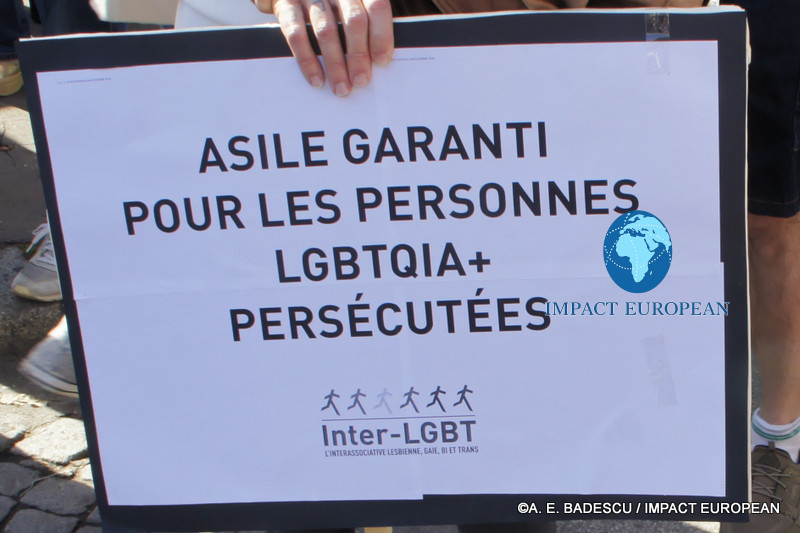
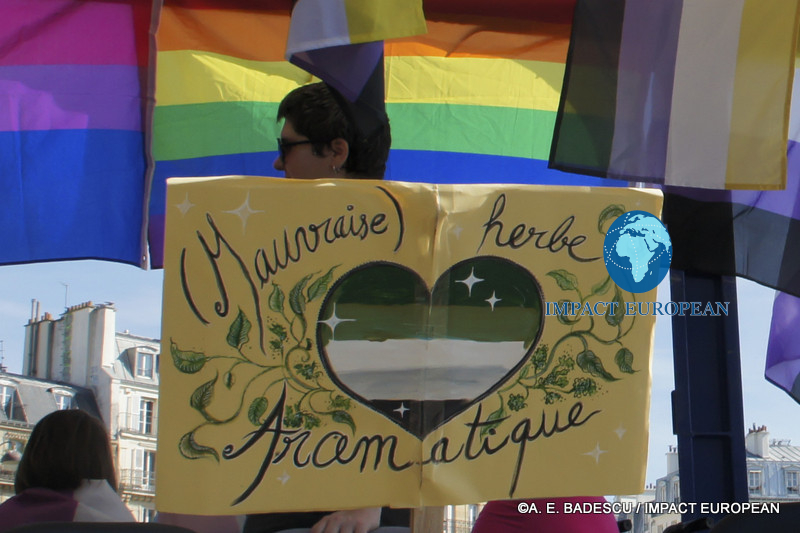
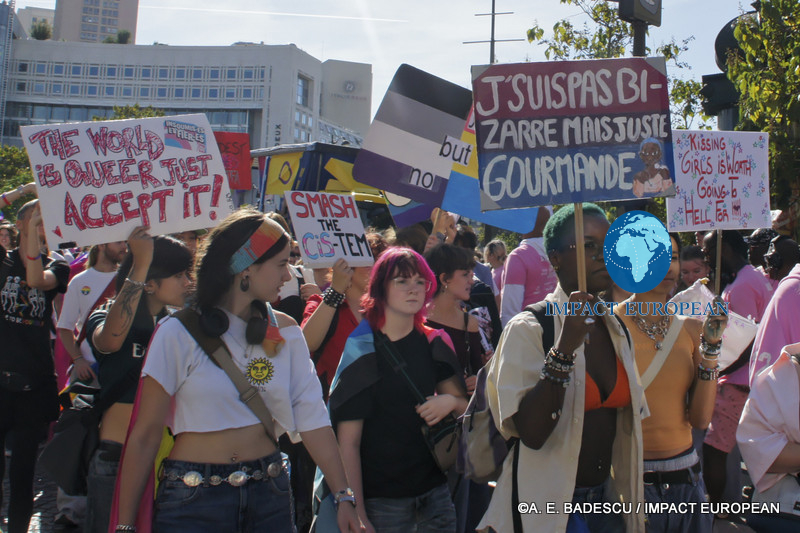
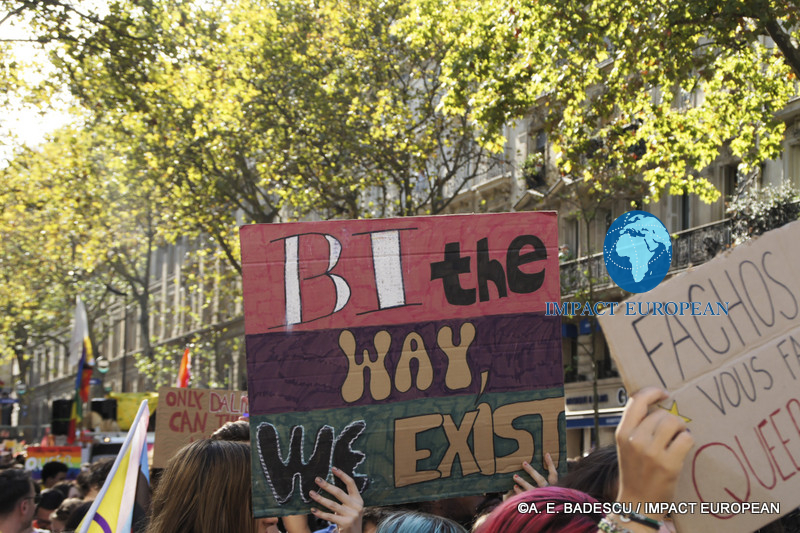
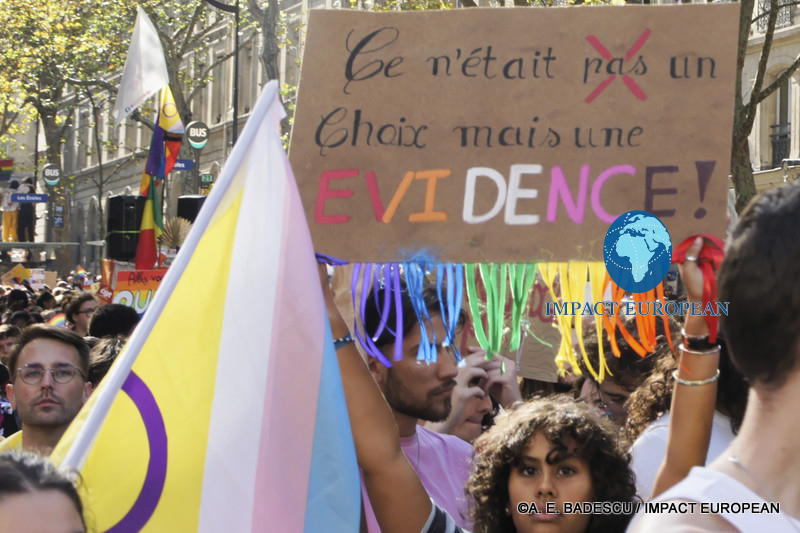
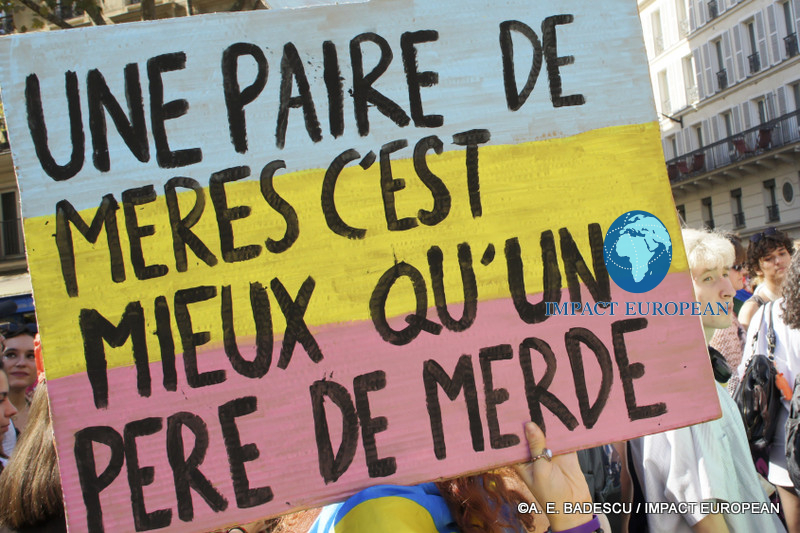
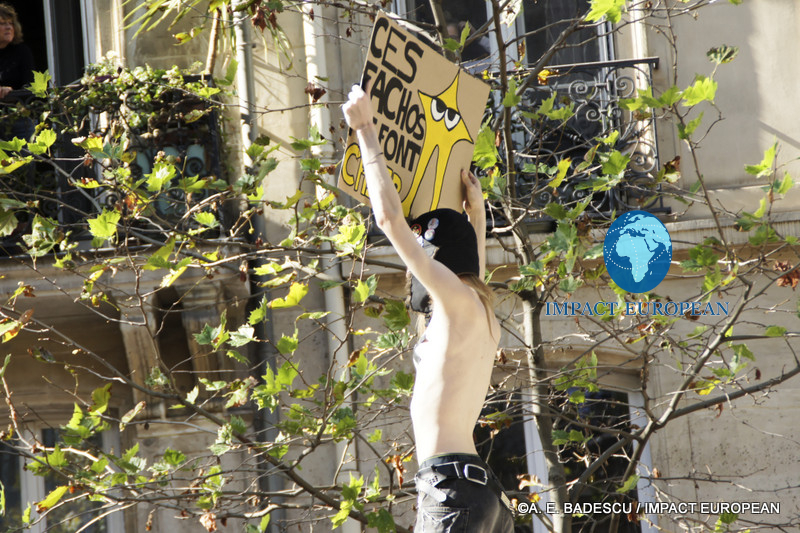
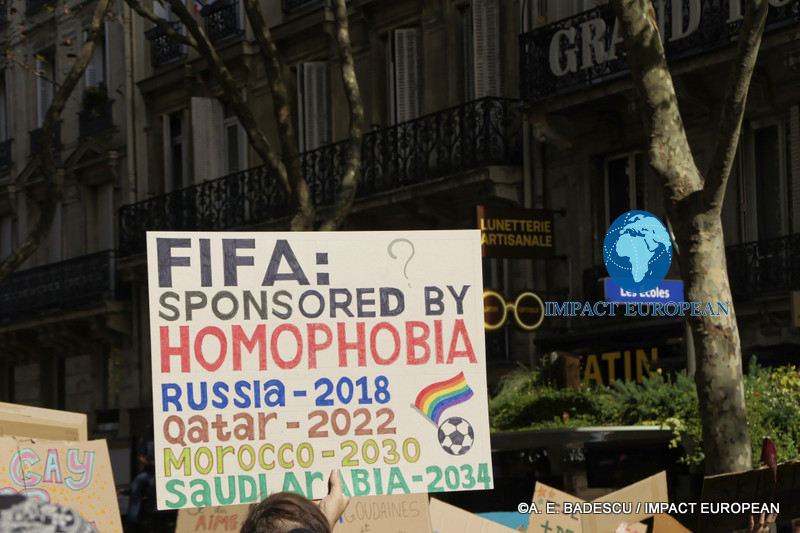
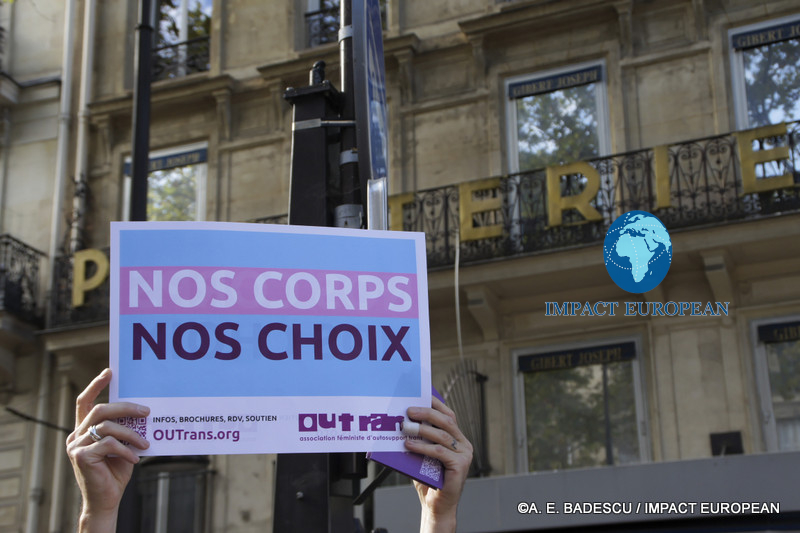
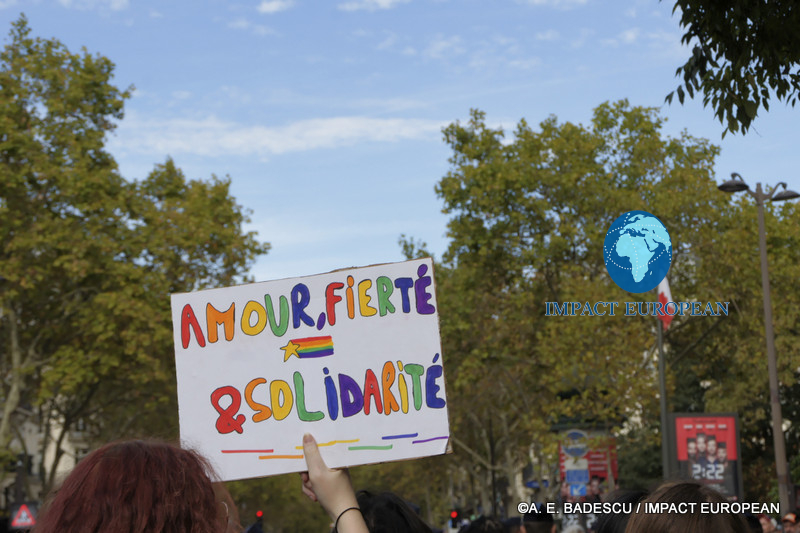
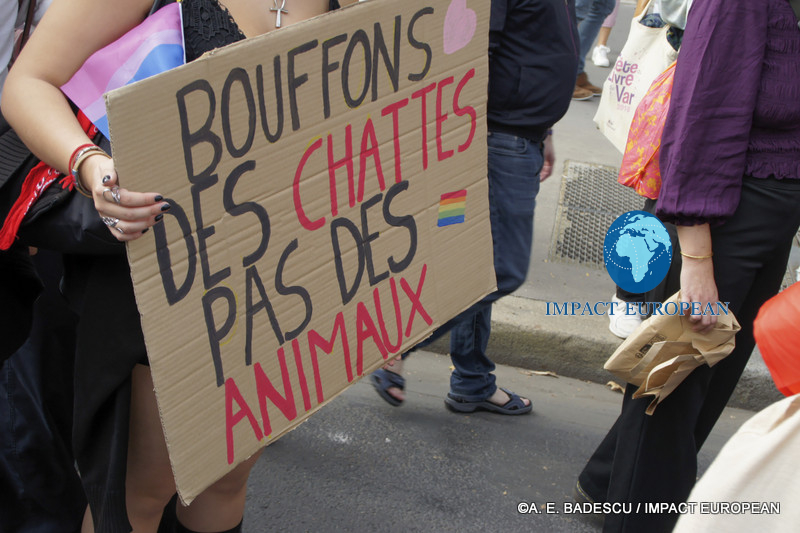
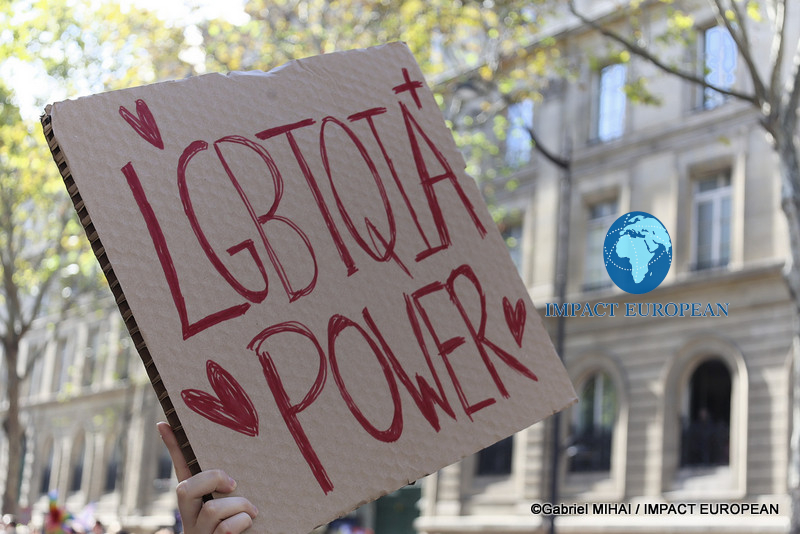
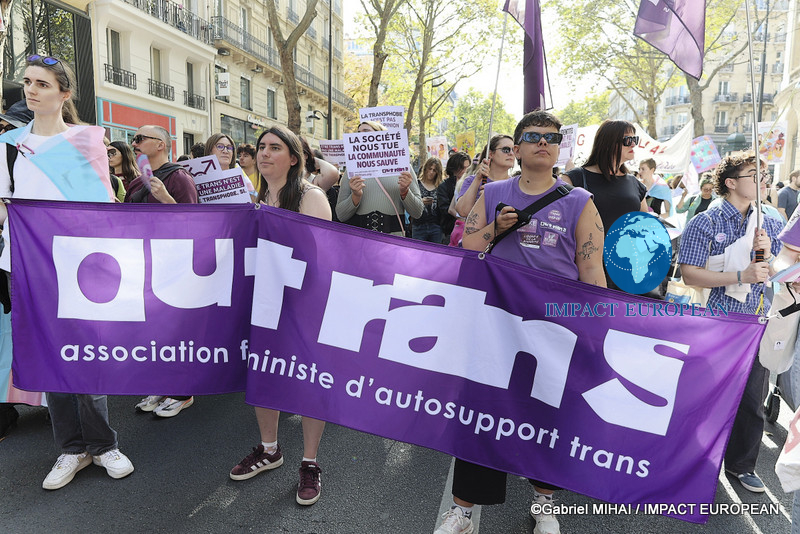
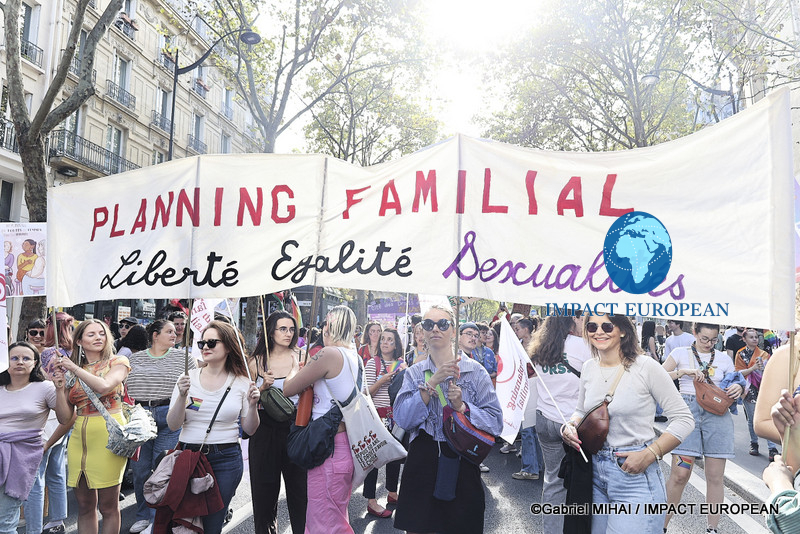
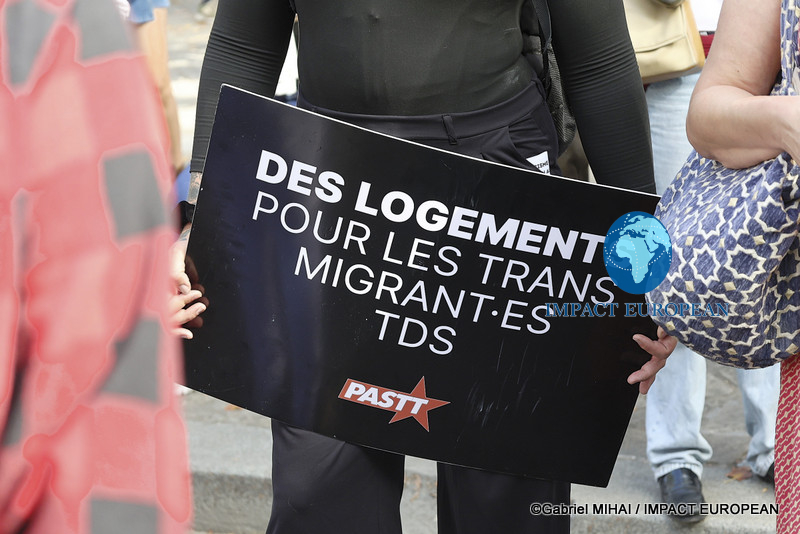
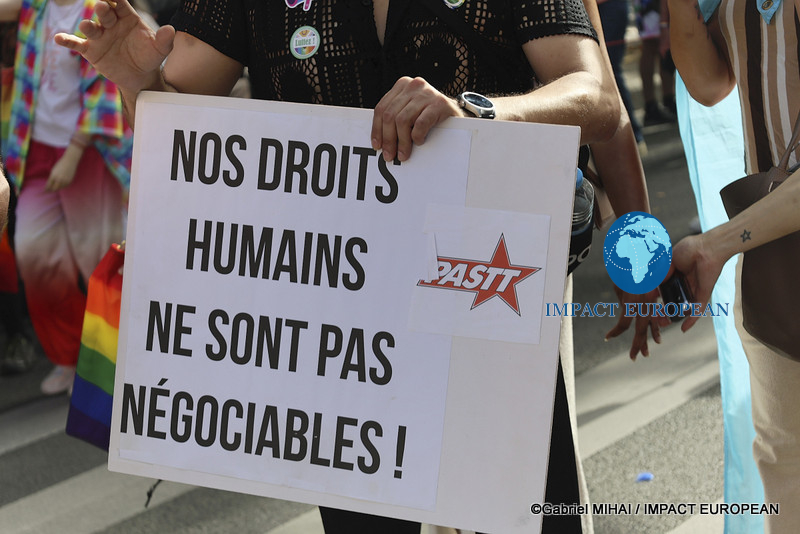
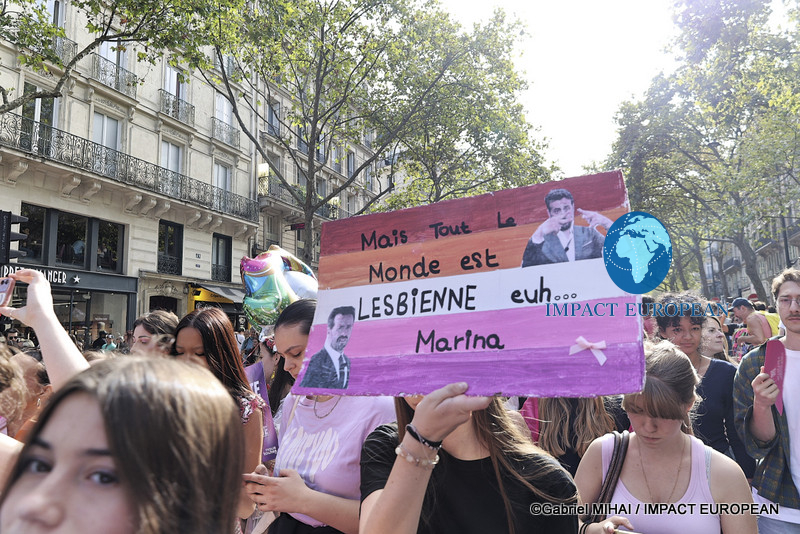
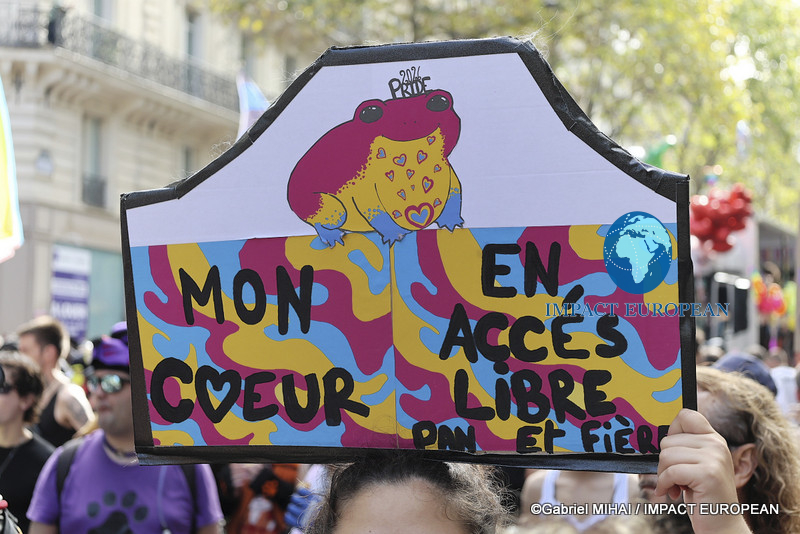
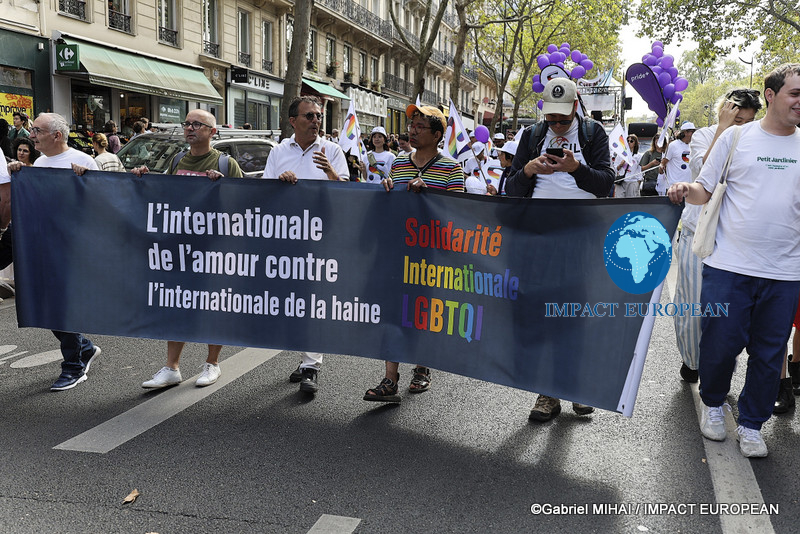
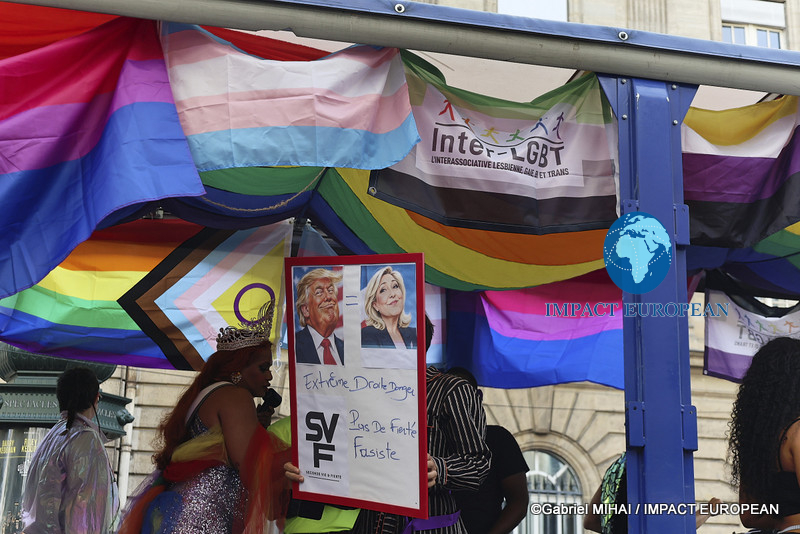
The concerns carried through the streets were broad: discrimination, violence, trans and non-binary rights, equal access to rights, LGBTQIA+ visibility and international solidarity.
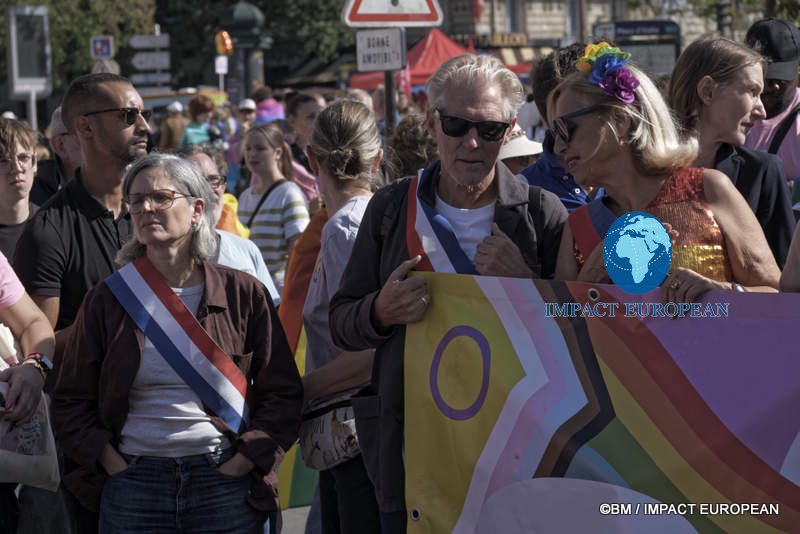
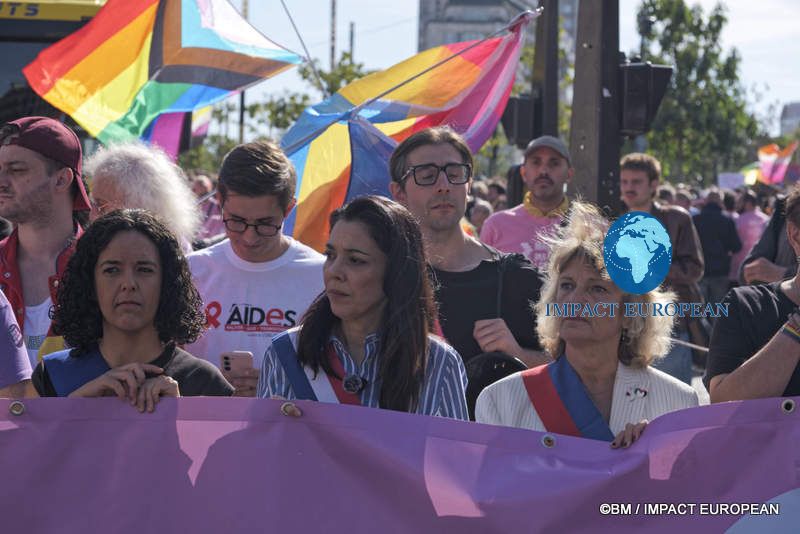
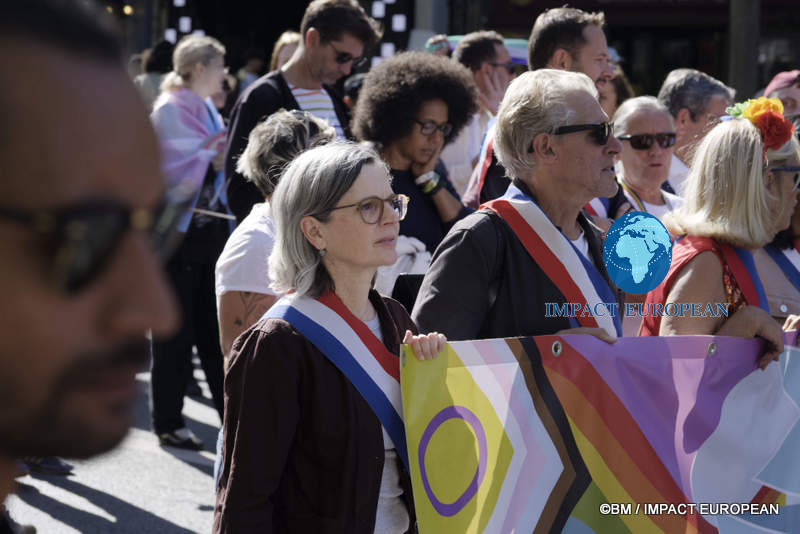
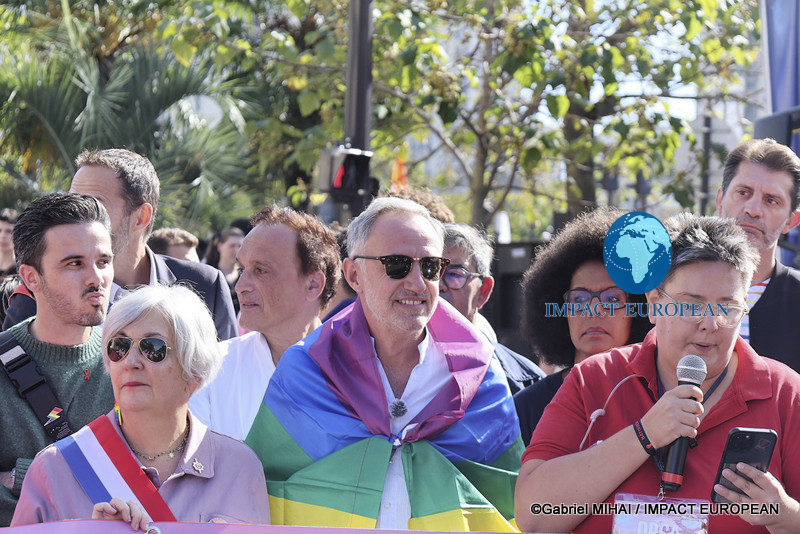
The political dimension could also be seen at the front of the march.
Paris Mayor Emmanuel Grégoire joined the demonstration and highlighted the threats, violence and intimidation that LGBTQIA+ people and venues continue to face.
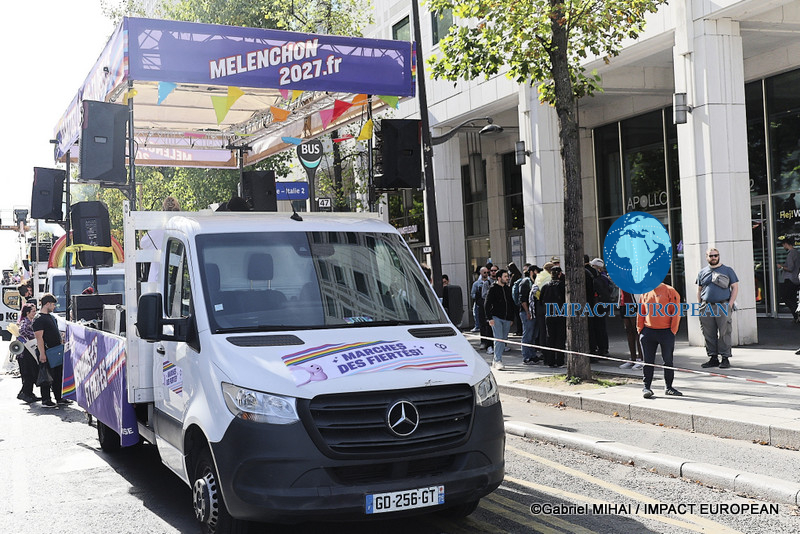
Several prominent figures from the French left were also present.
They included Jean-Luc Mélenchon, Green MP Sandrine Rousseau, La France Insoumise MP Sophia Chikirou and European Parliament member Manon Aubry.
Their presence placed LGBTQIA+ rights directly within a broader debate over the political direction France may take in 2027.
Yet the march itself extended beyond party politics.
For activists and associations, the central issue was the protection of rights regardless of electoral cycles.
Thousands take over the streets of Paris
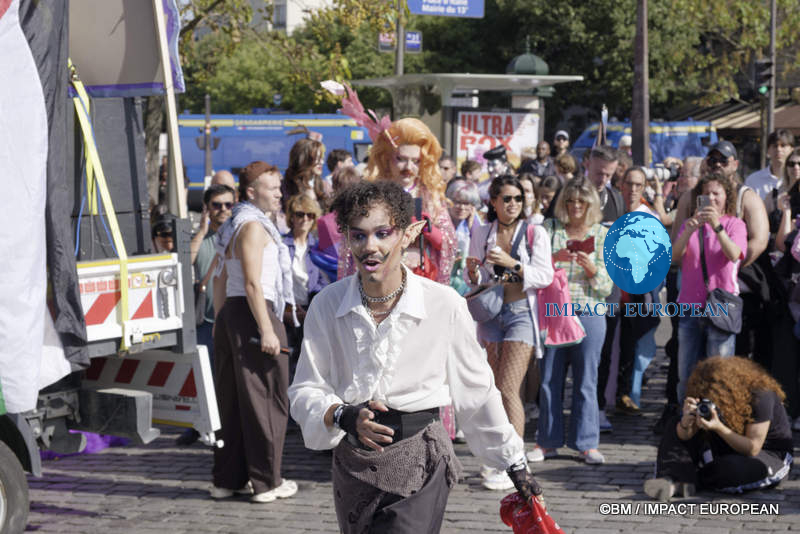
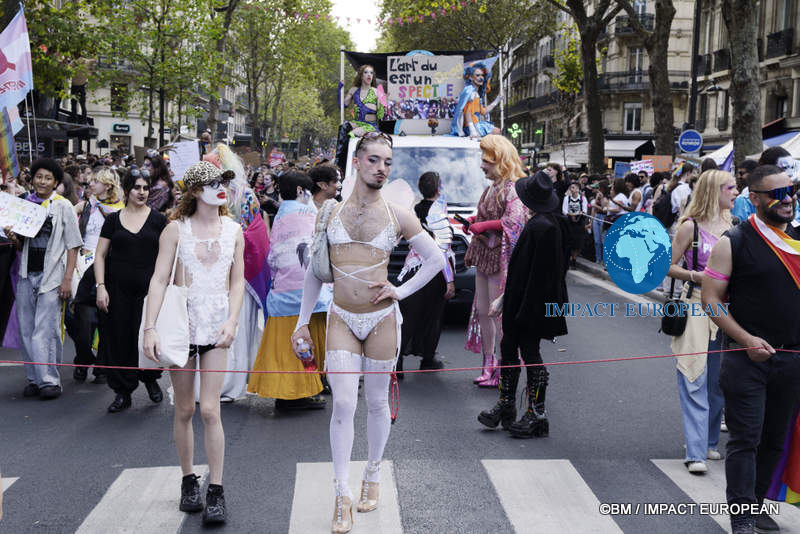
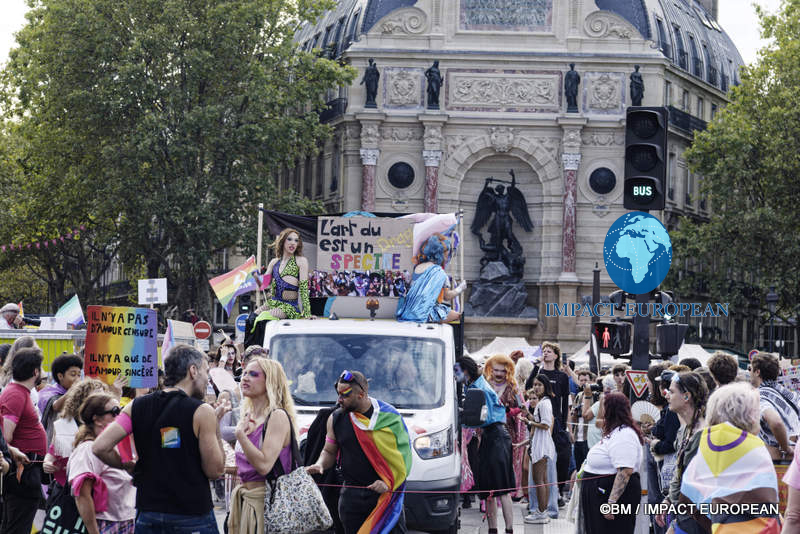
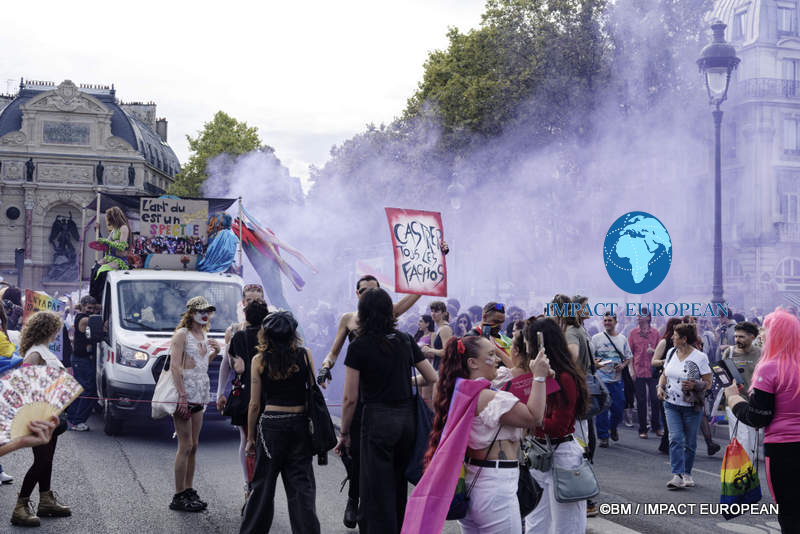
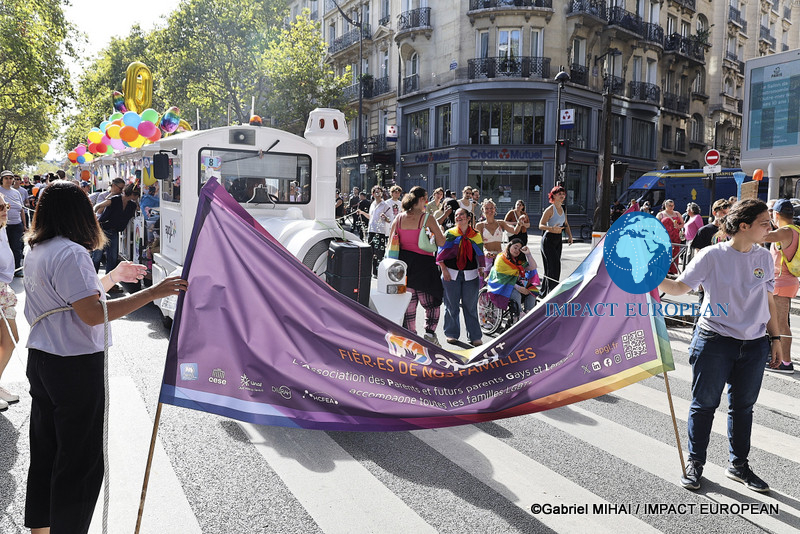
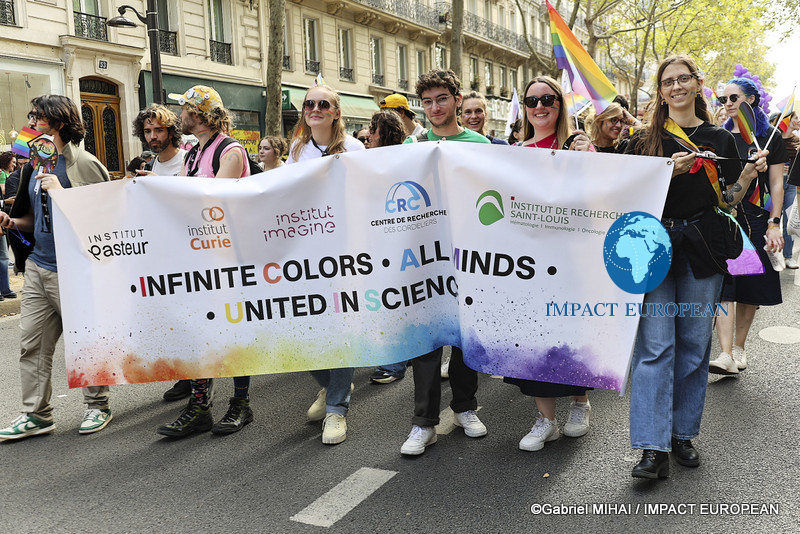
After the speeches, the procession left Place d’Italie and began its journey across the French capital.
It travelled along Avenue des Gobelins, Rue Claude-Bernard, Rue Gay-Lussac and Boulevard Saint-Michel before crossing towards Boulevard du Palais, Boulevard de Sébastopol, Rue de Rivoli and Rue Saint-Antoine.
Its final destination was Place de la Bastille.
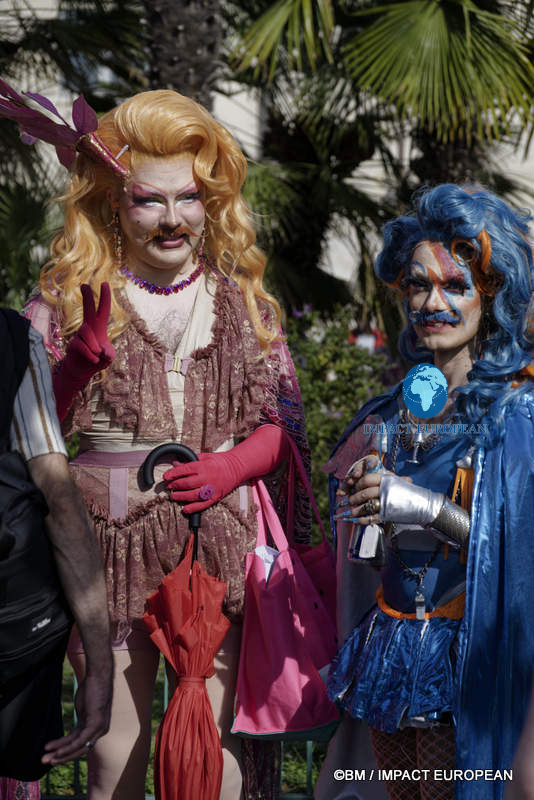
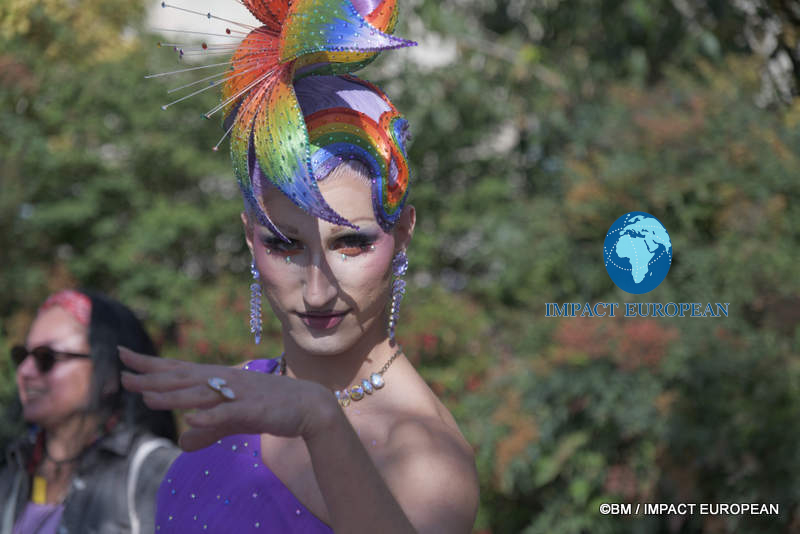
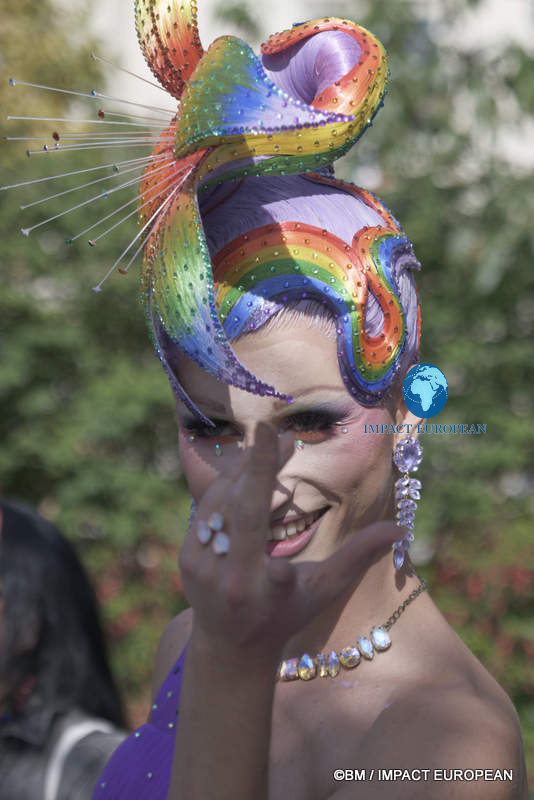
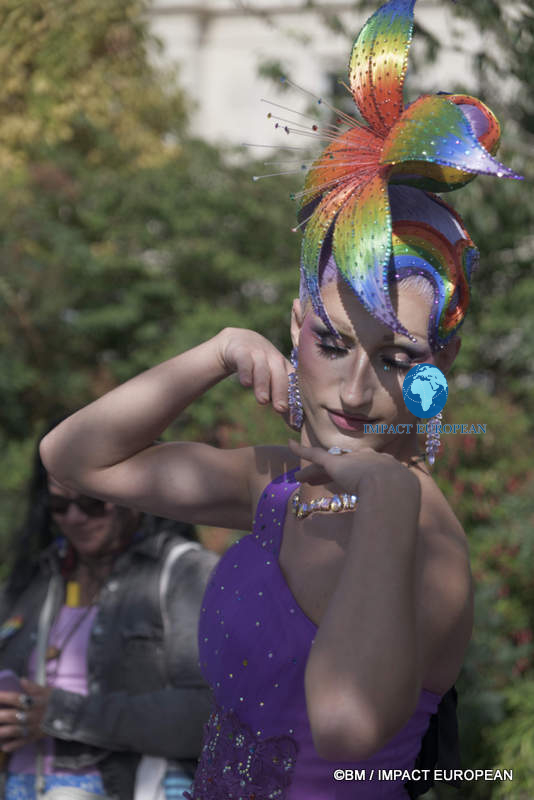
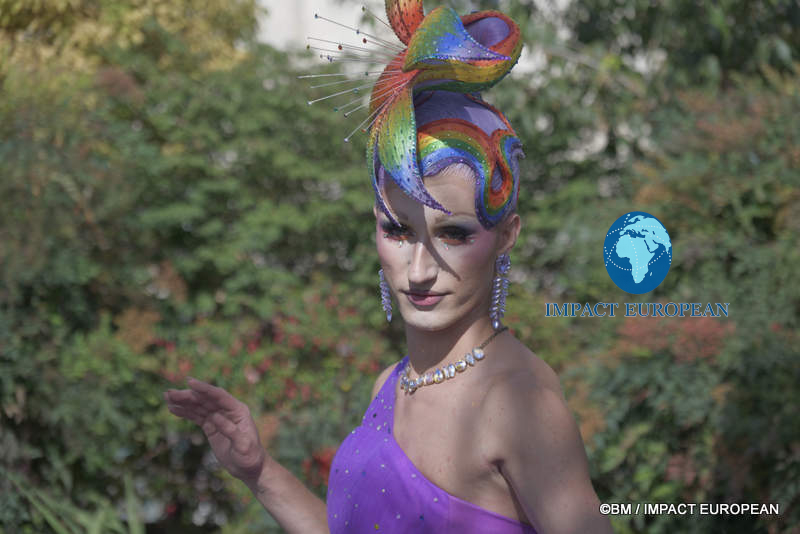
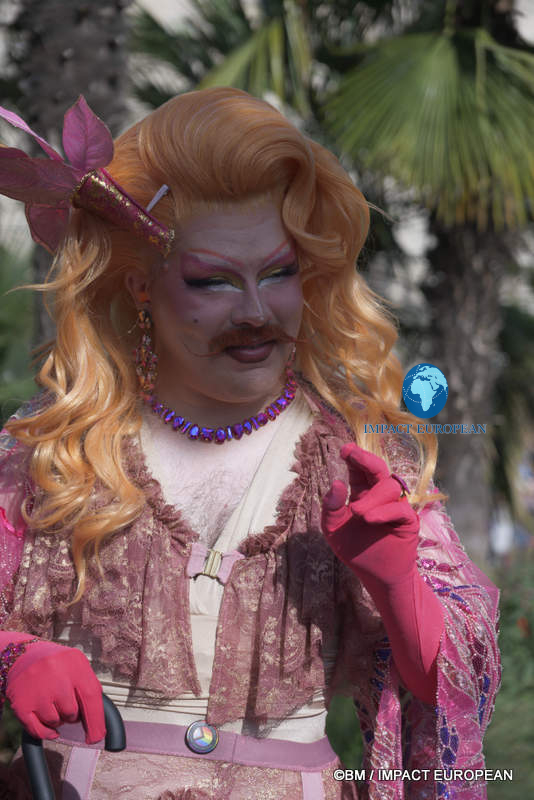
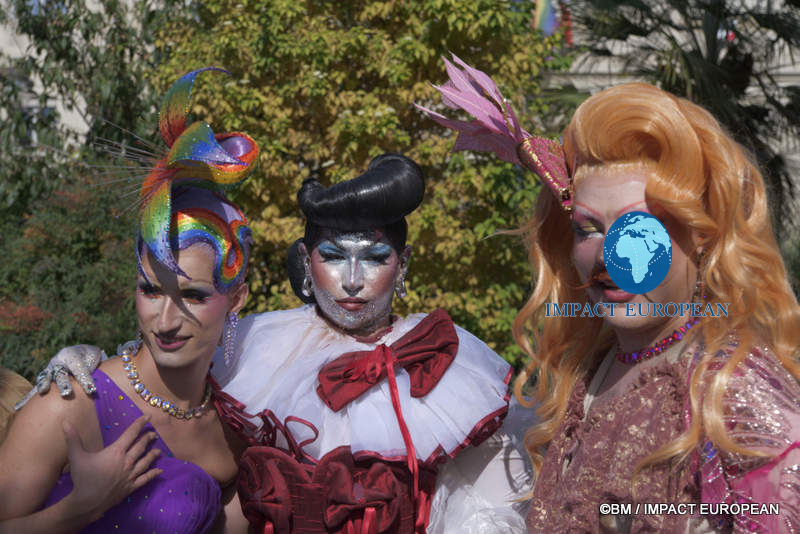
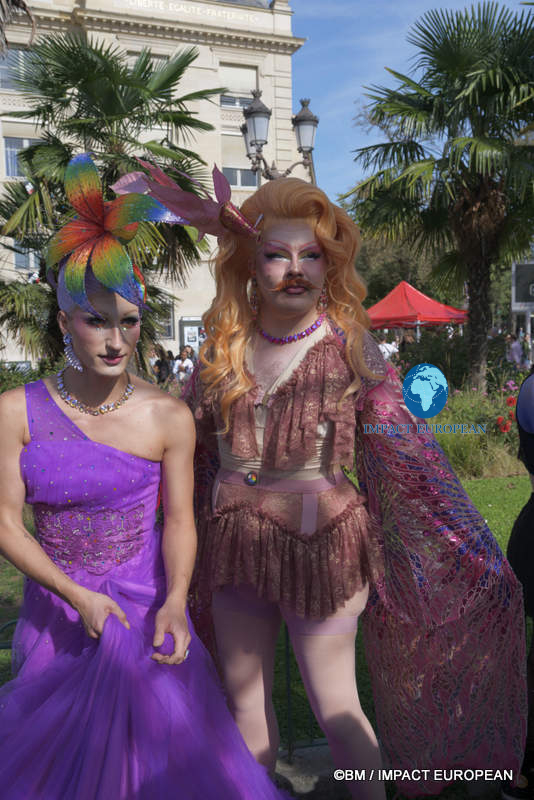
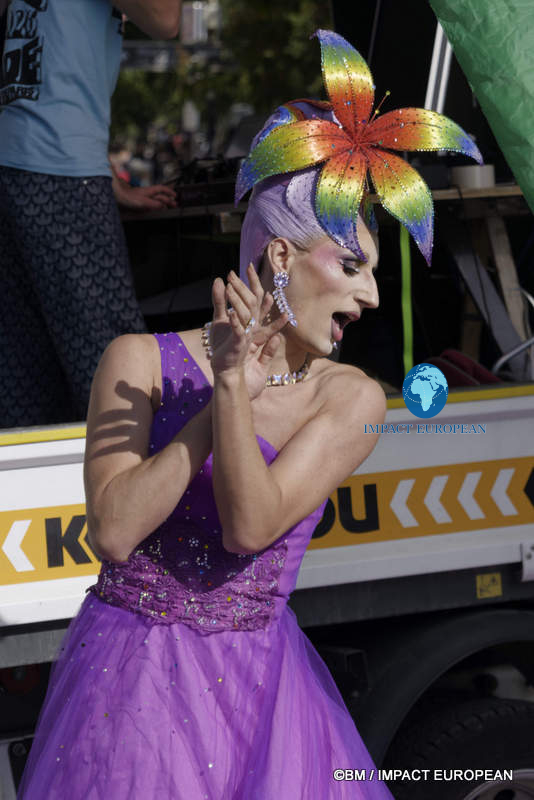
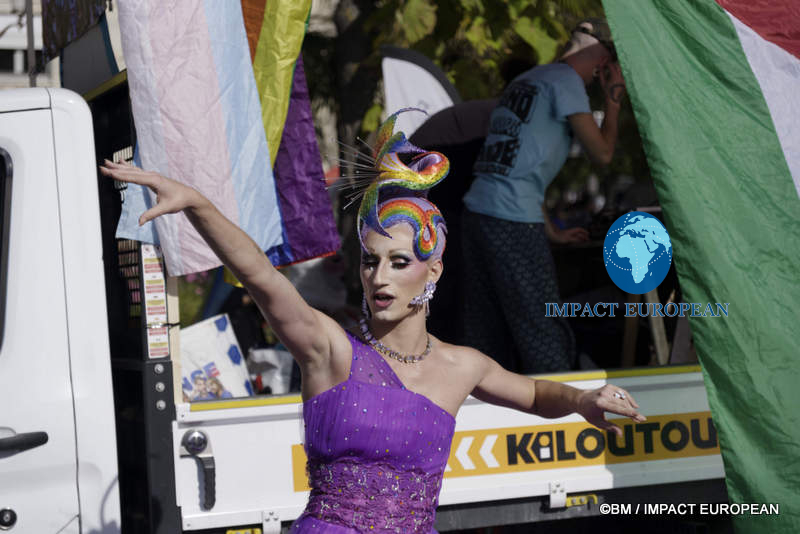
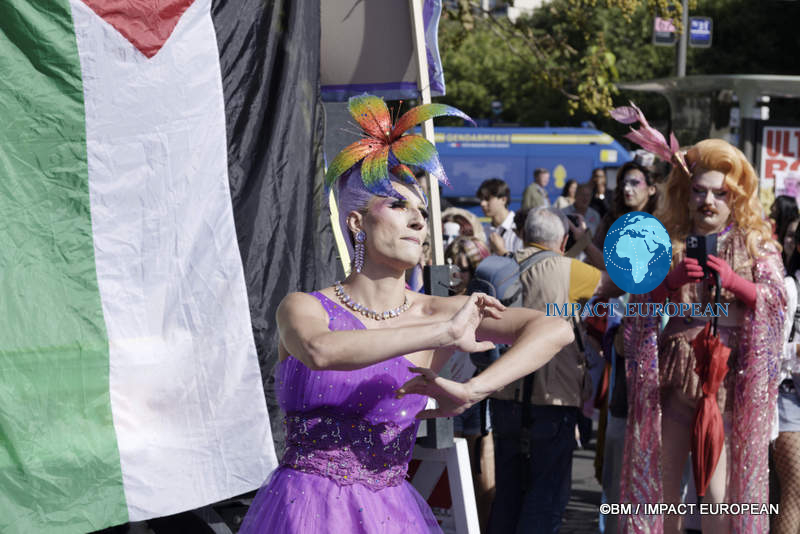
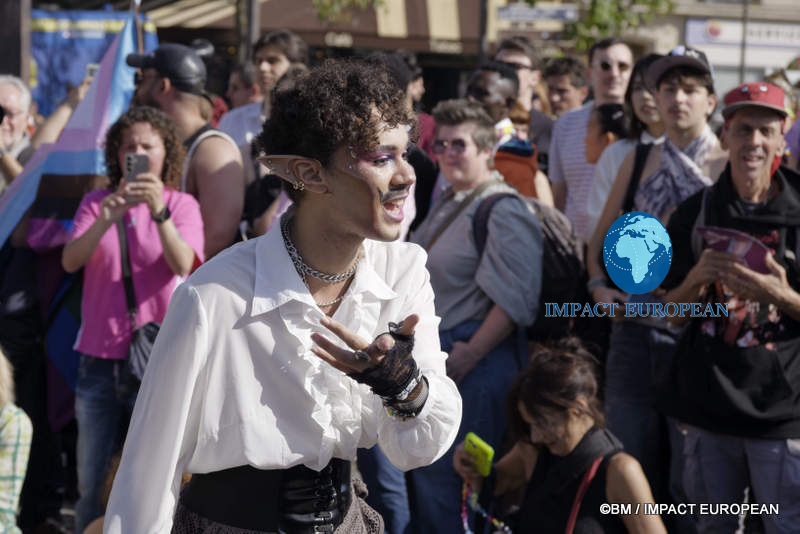
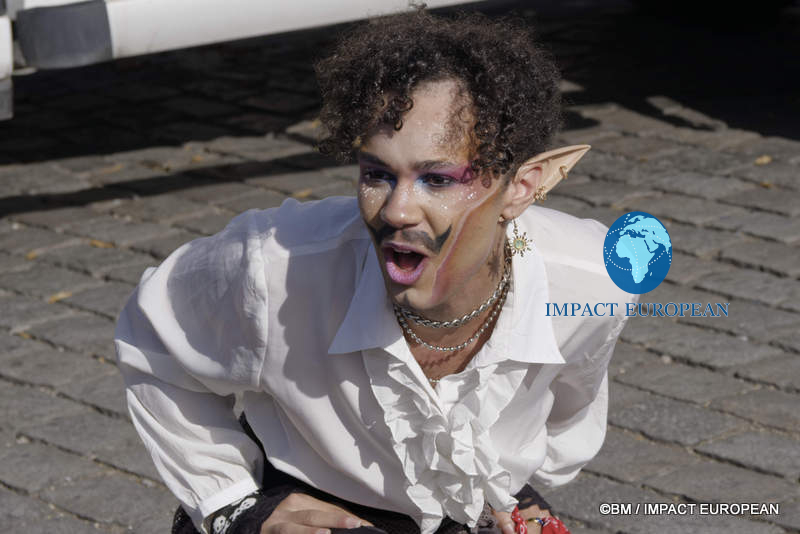
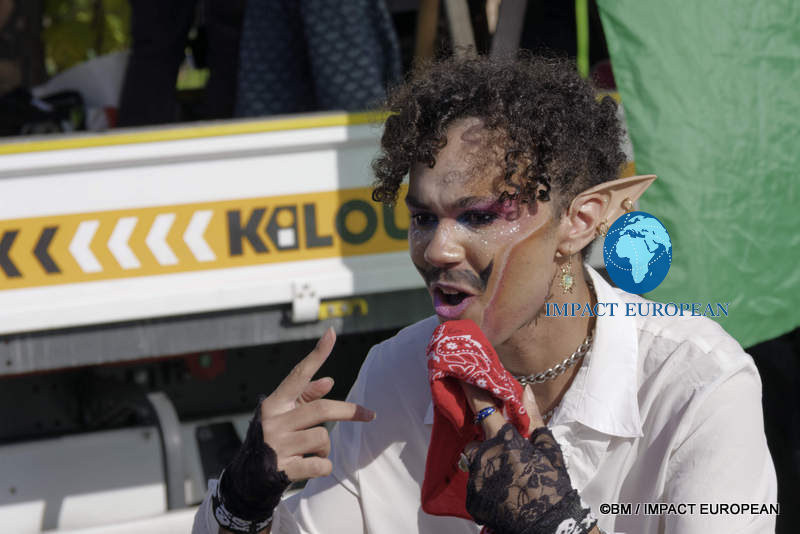
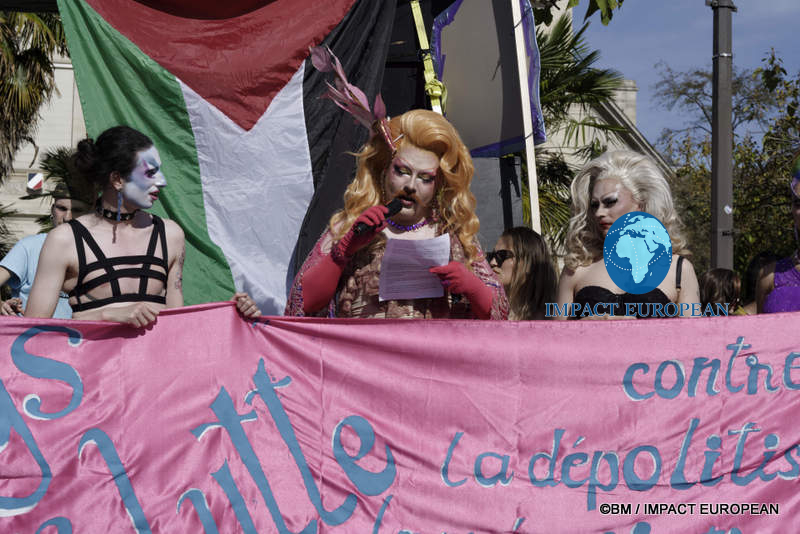
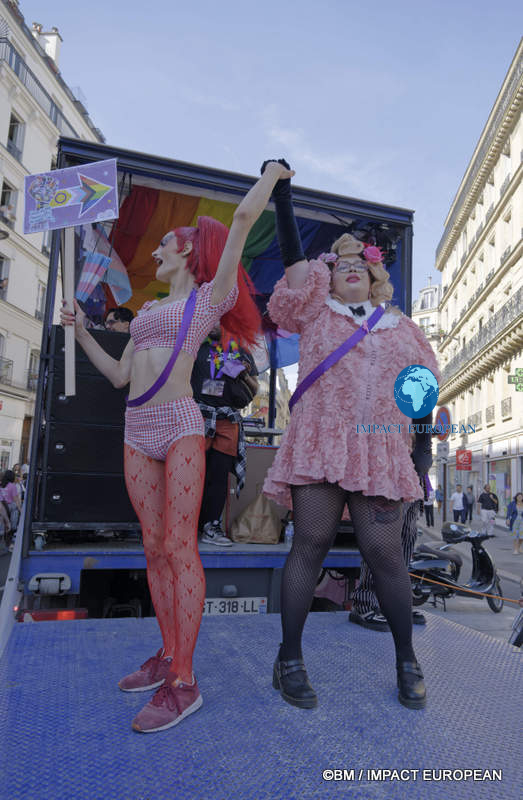
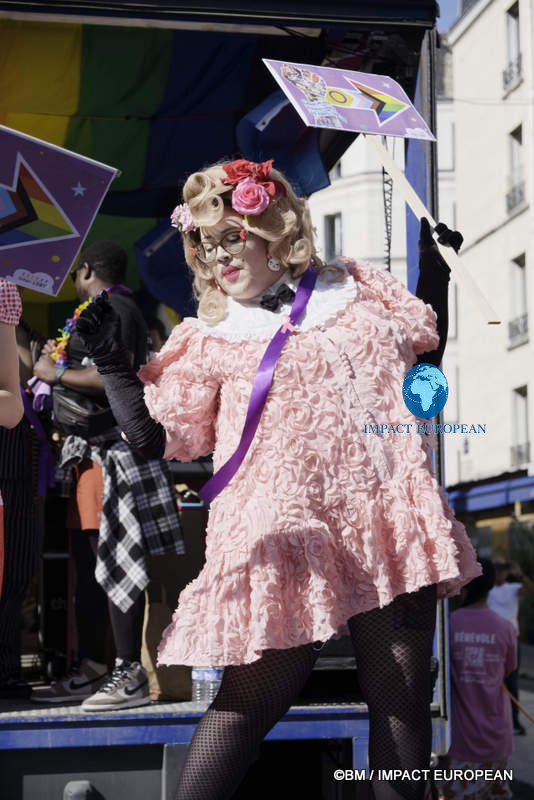
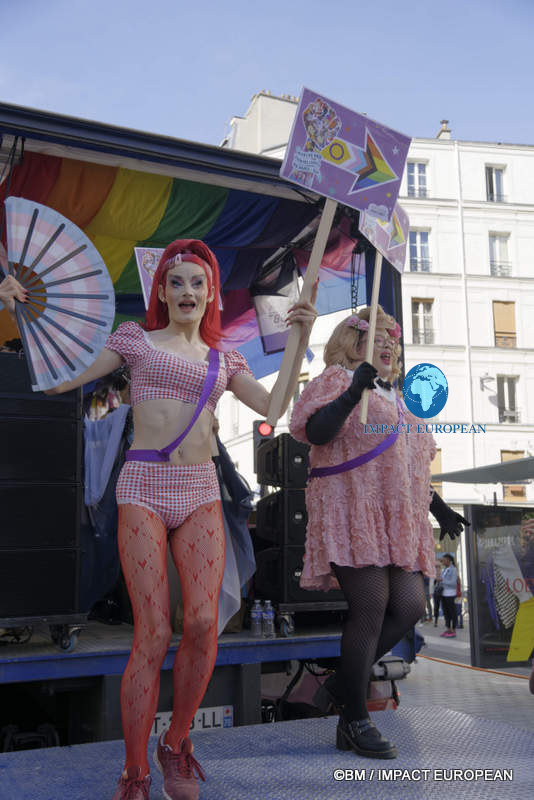
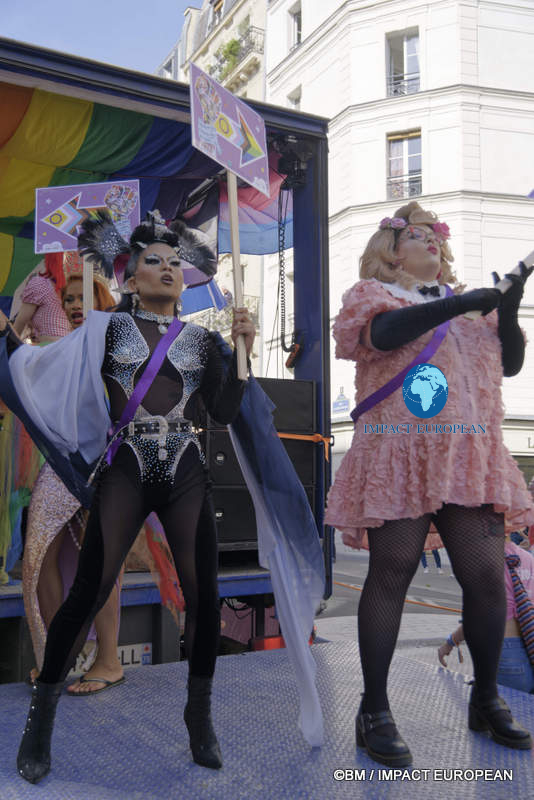
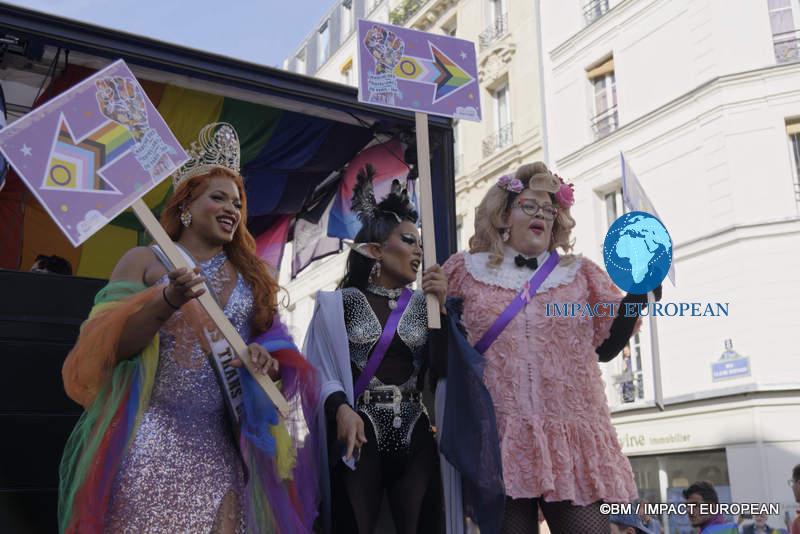
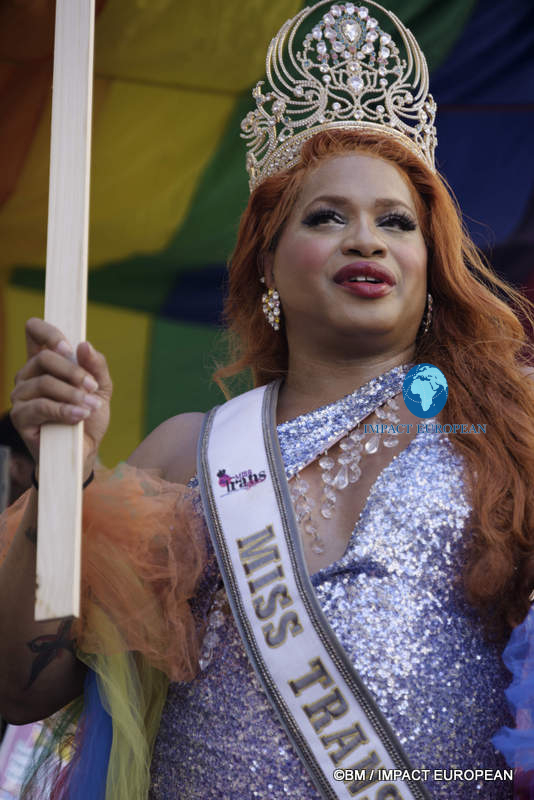
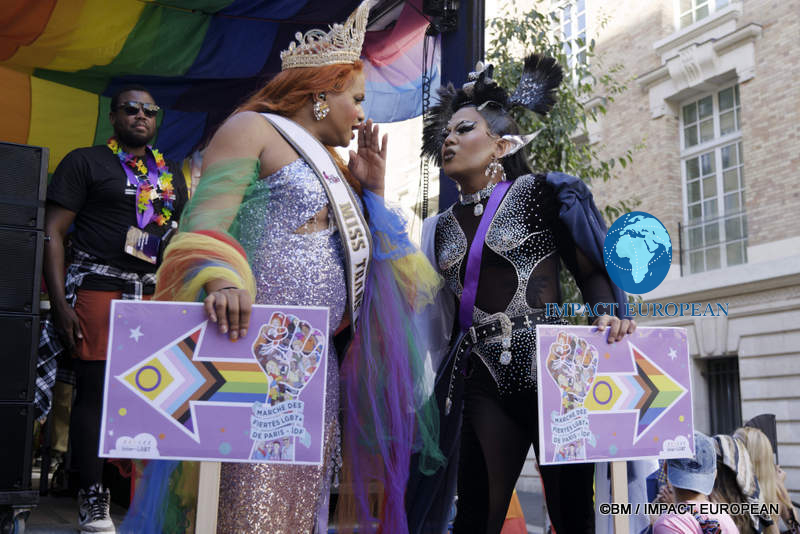
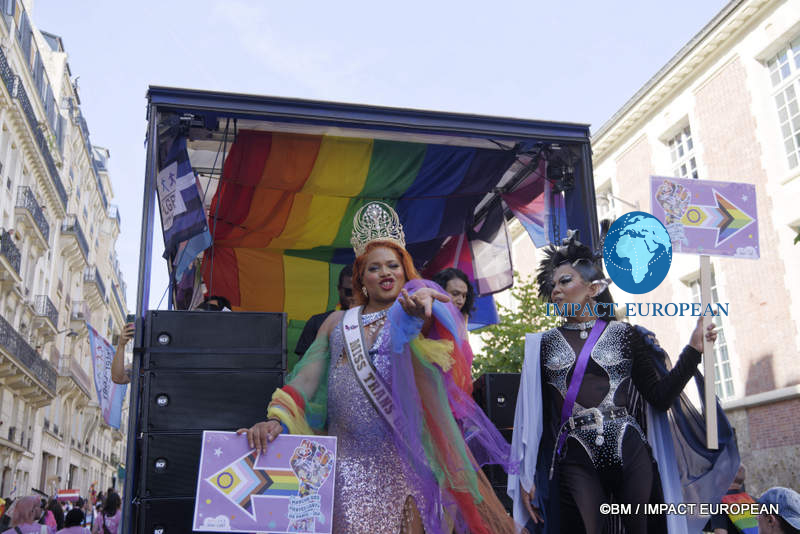
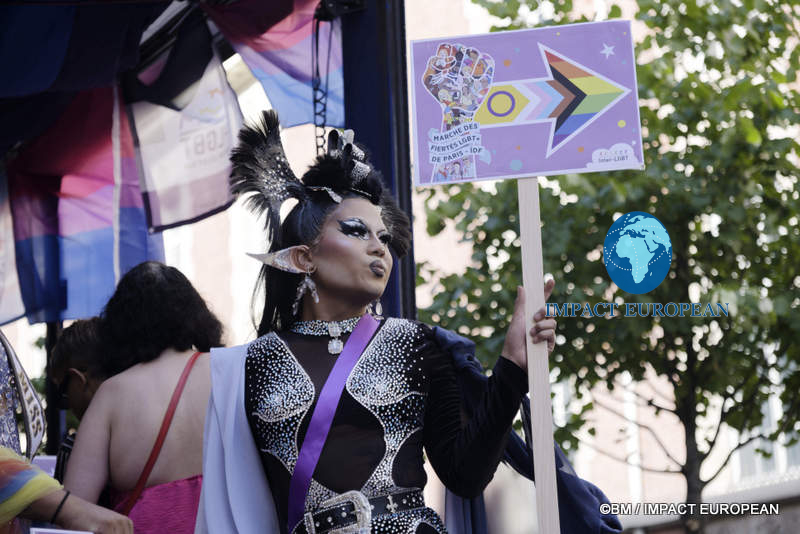
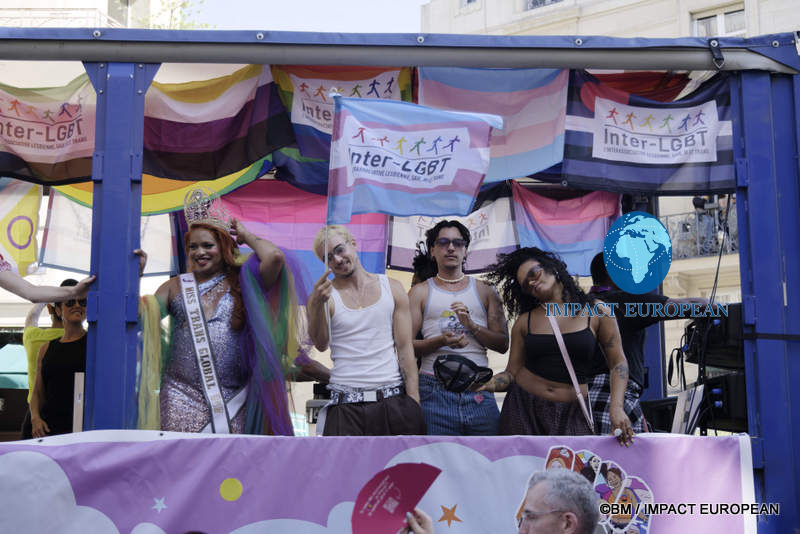
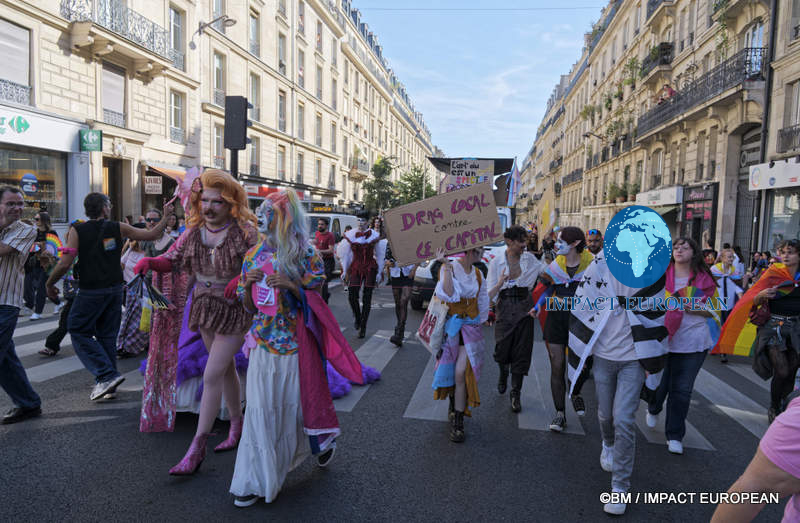
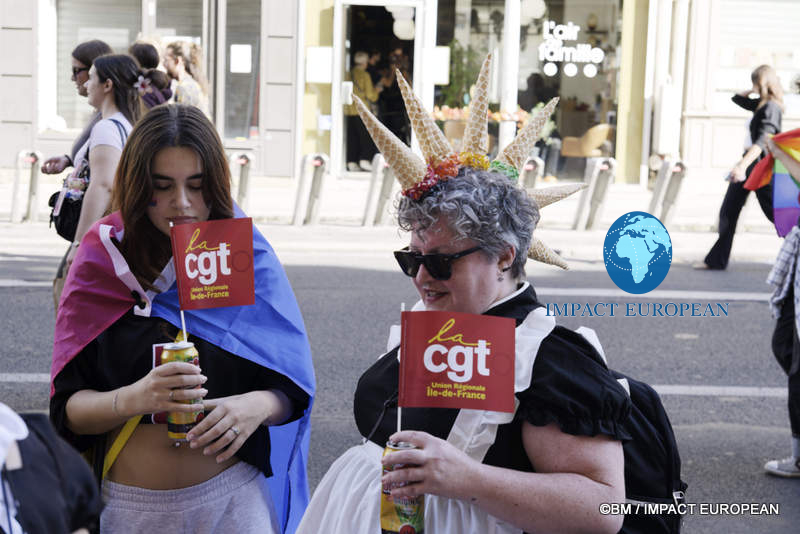
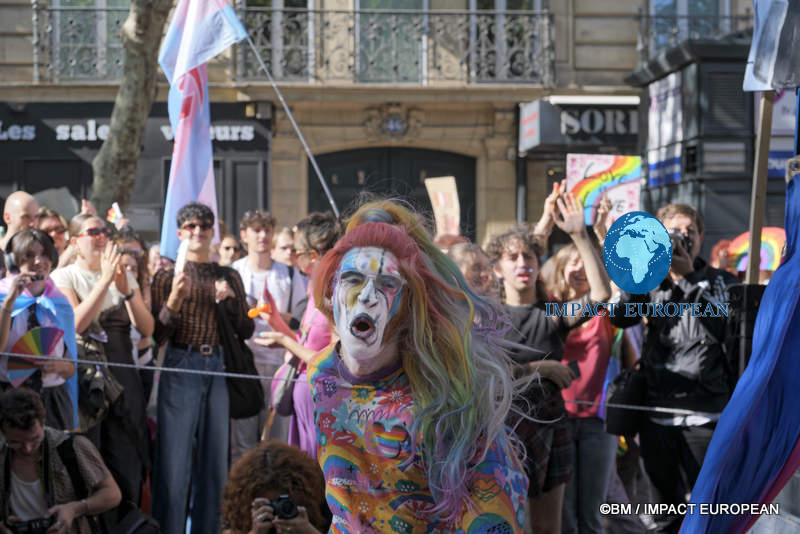
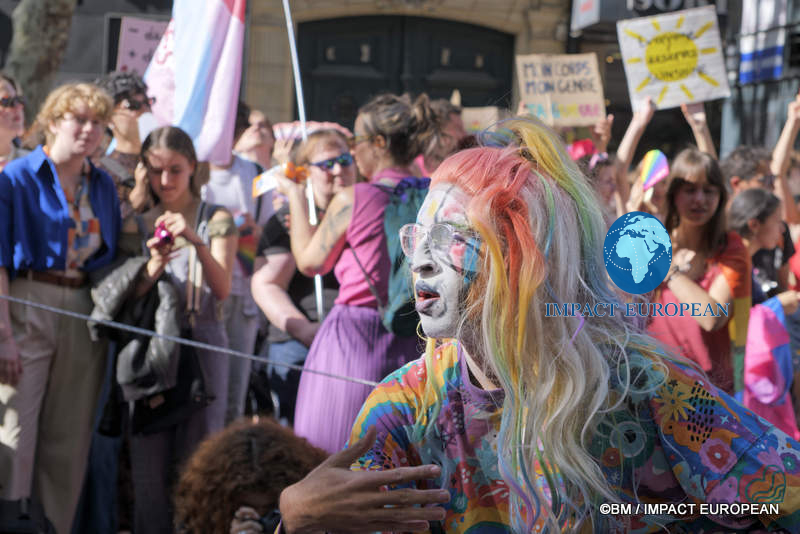
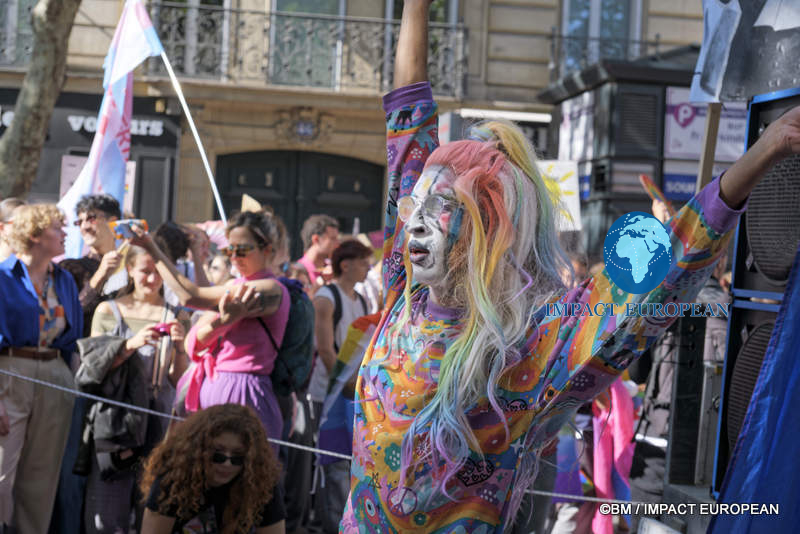
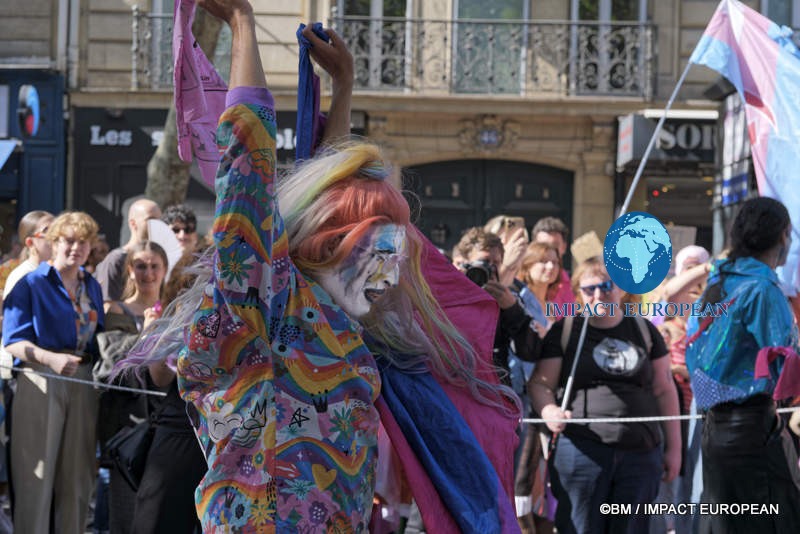
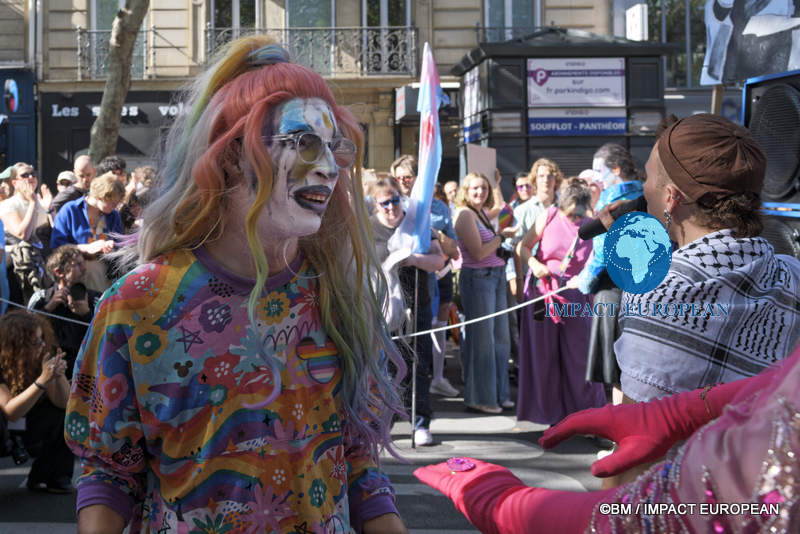
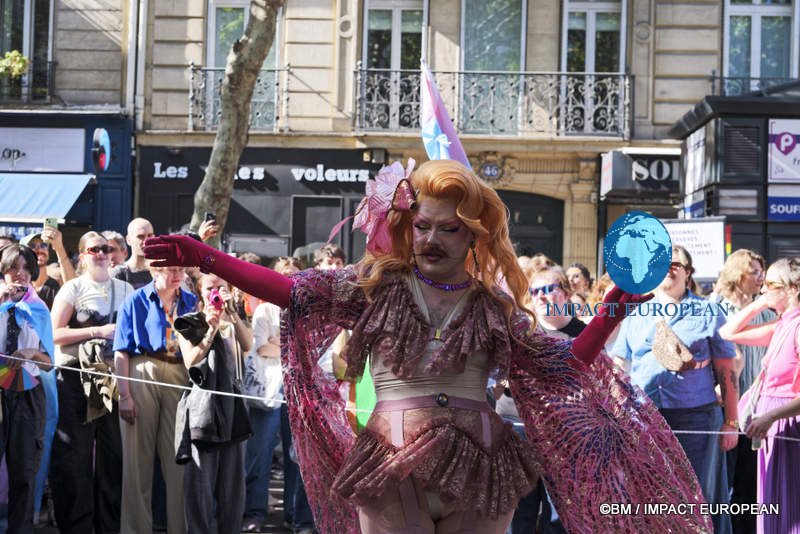
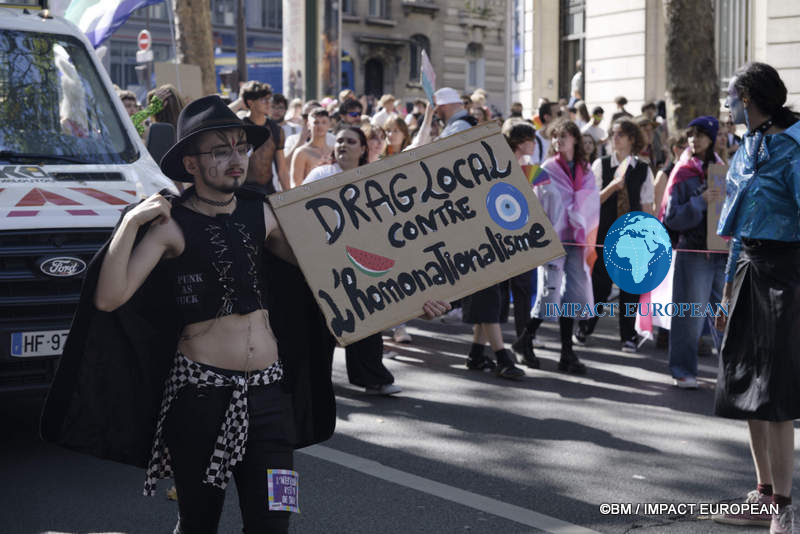
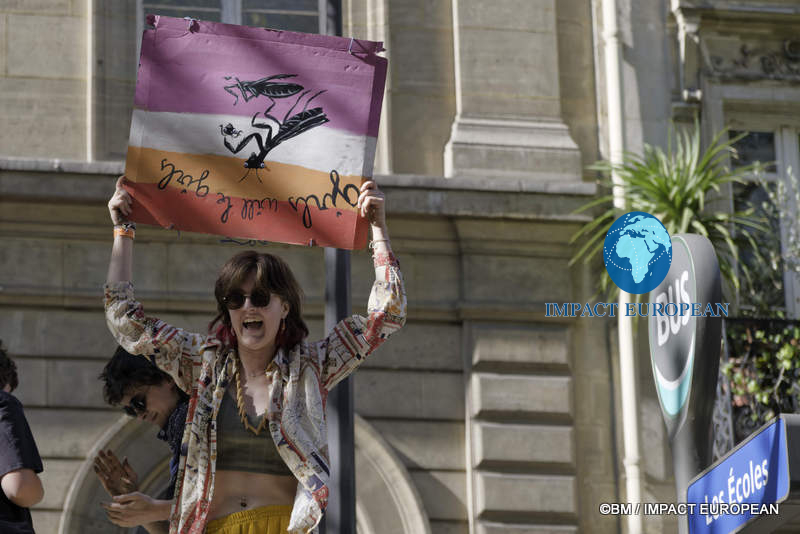
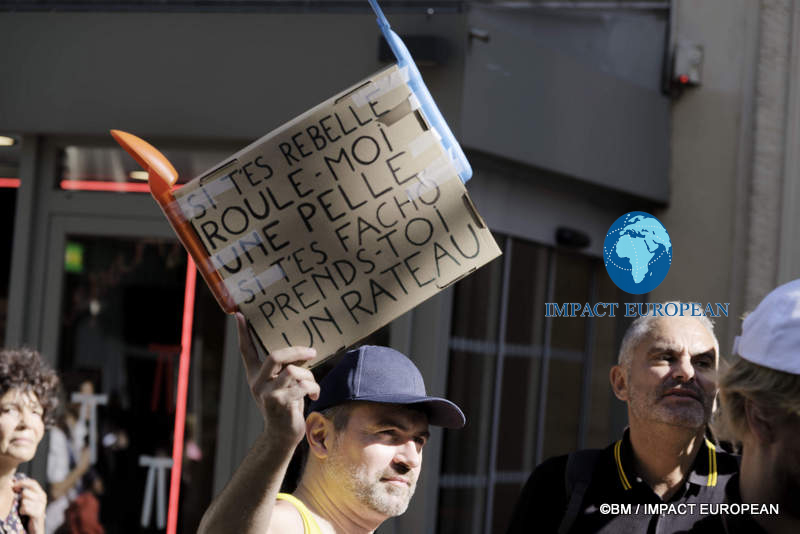
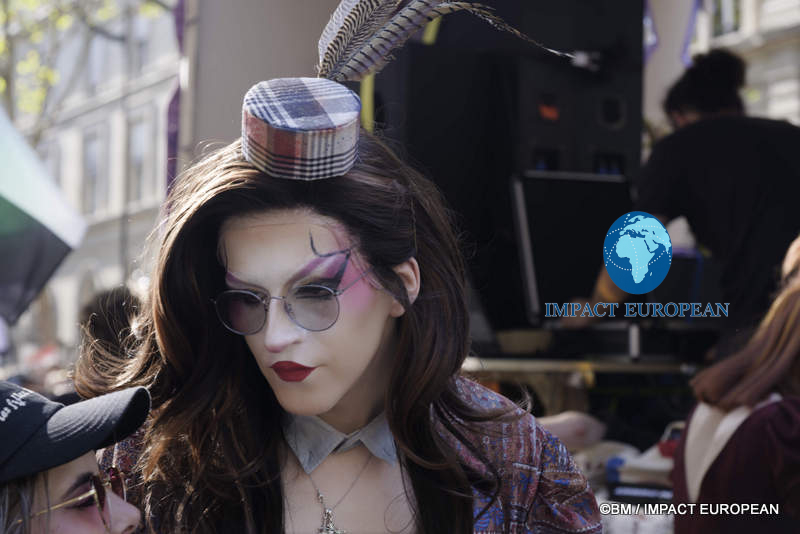
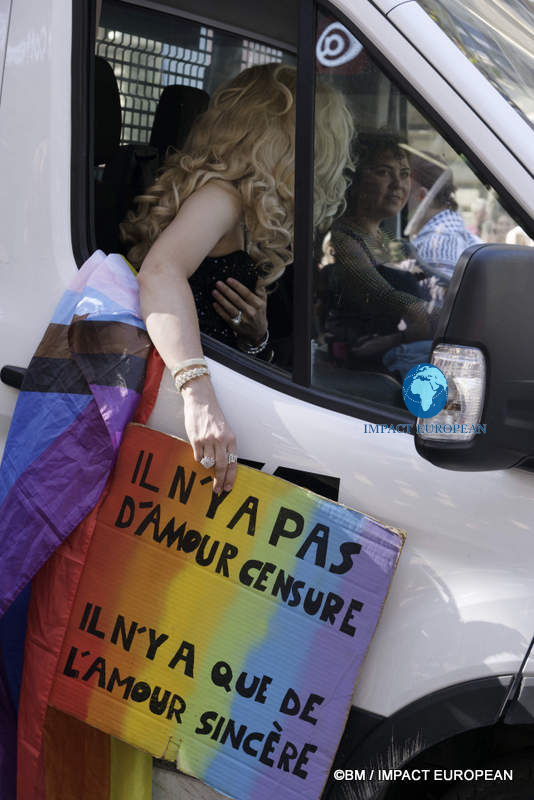
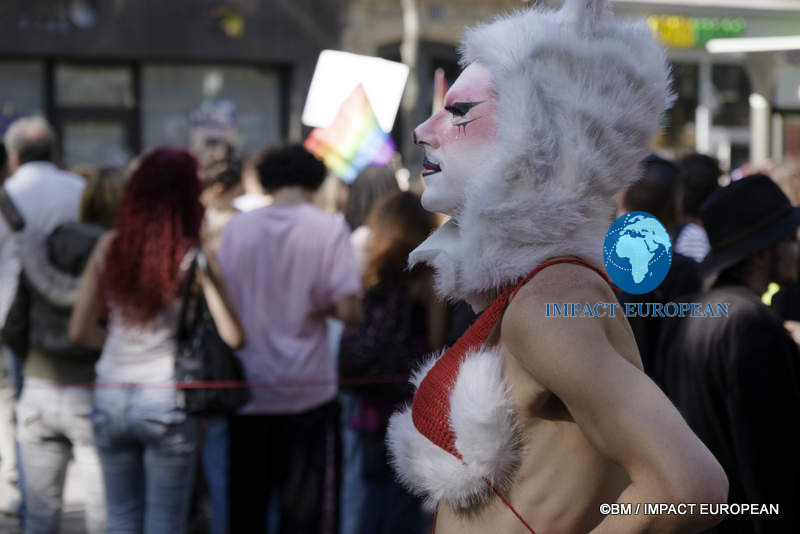
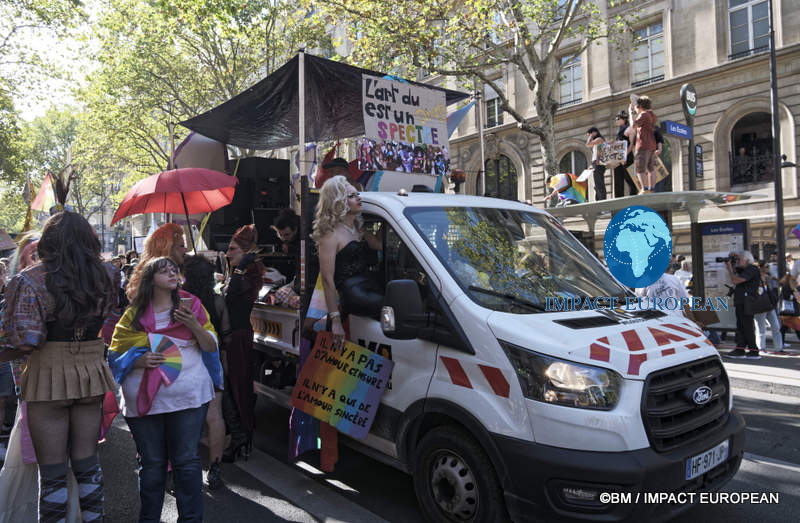
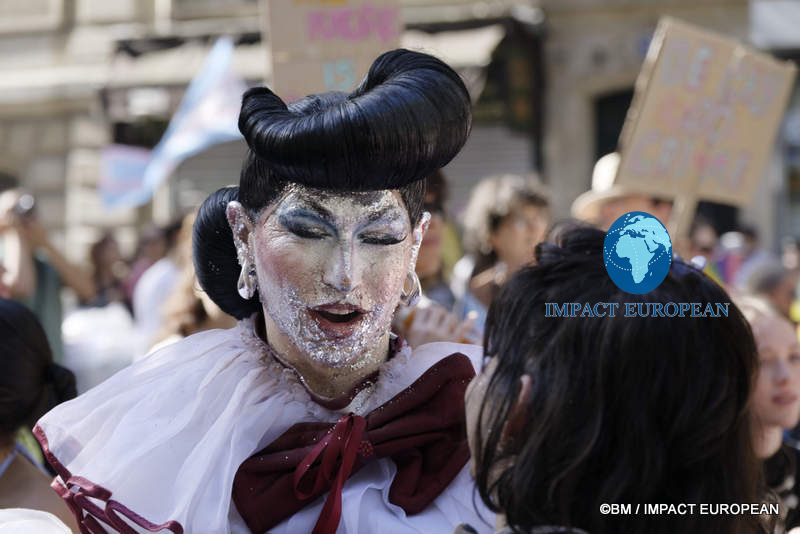
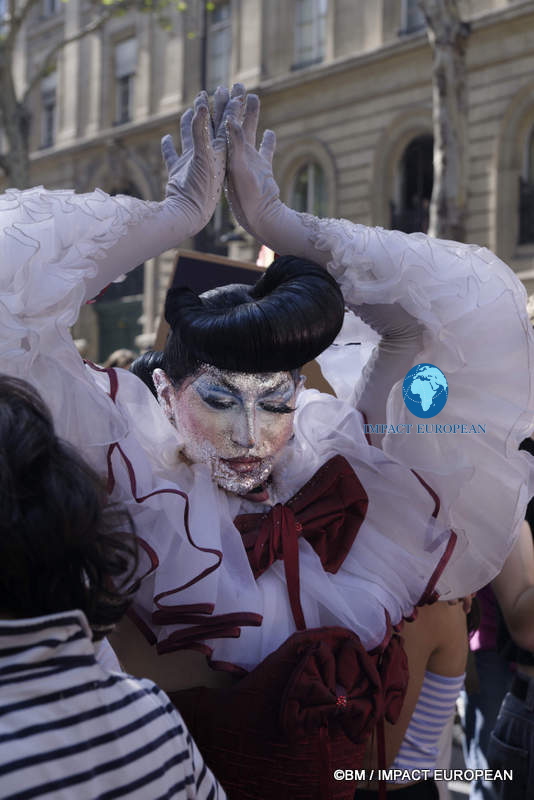
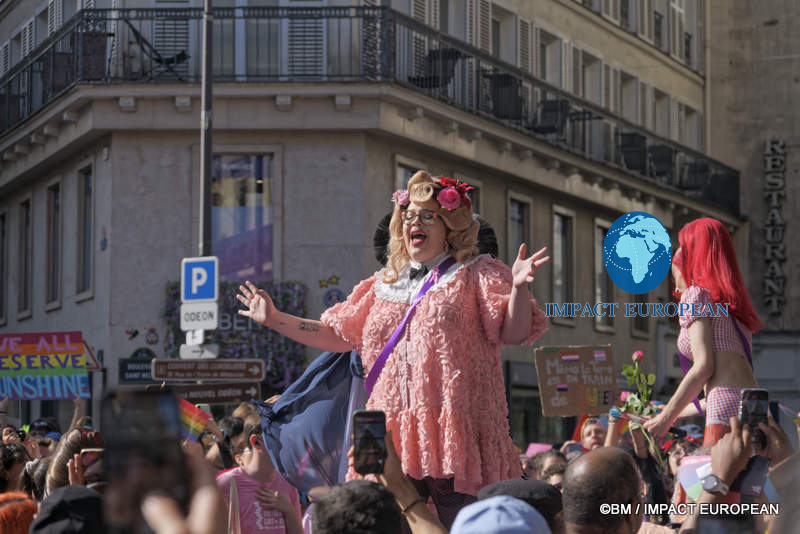
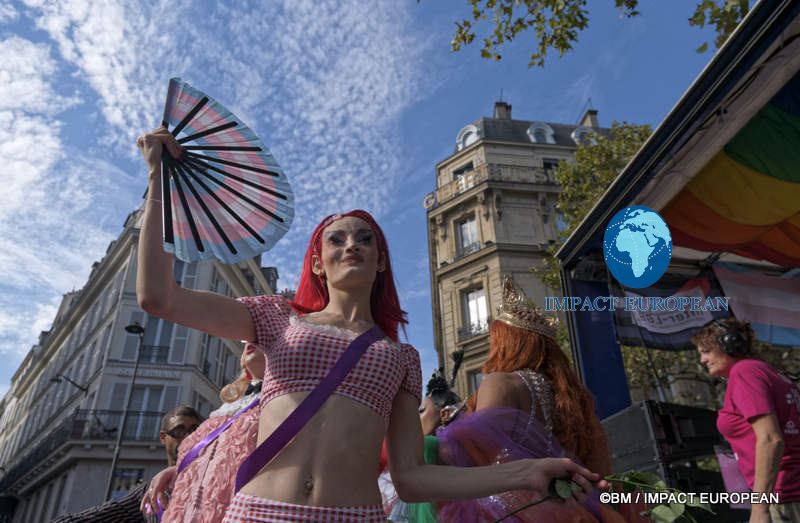
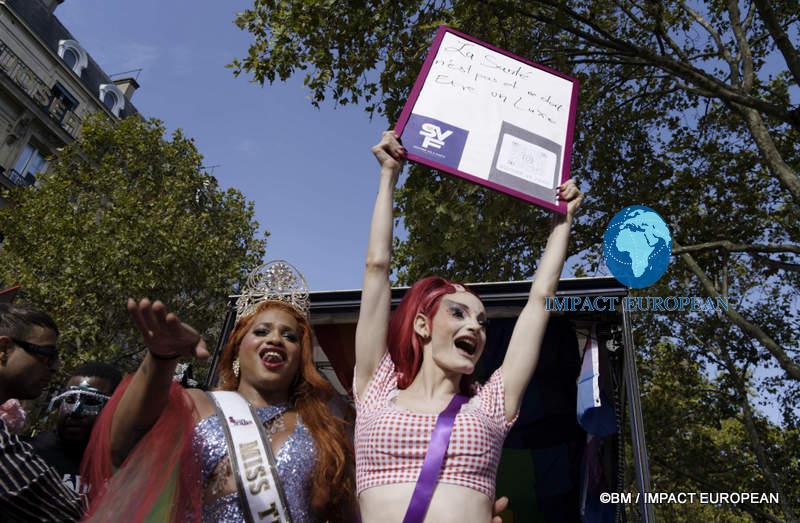
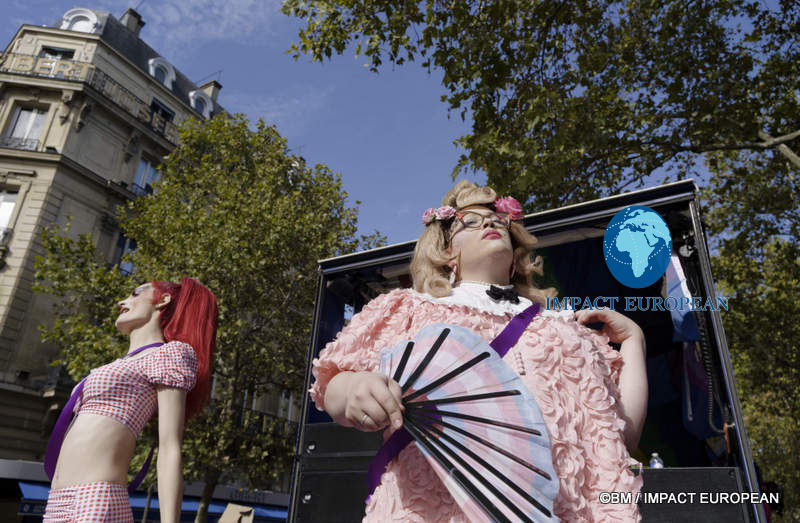
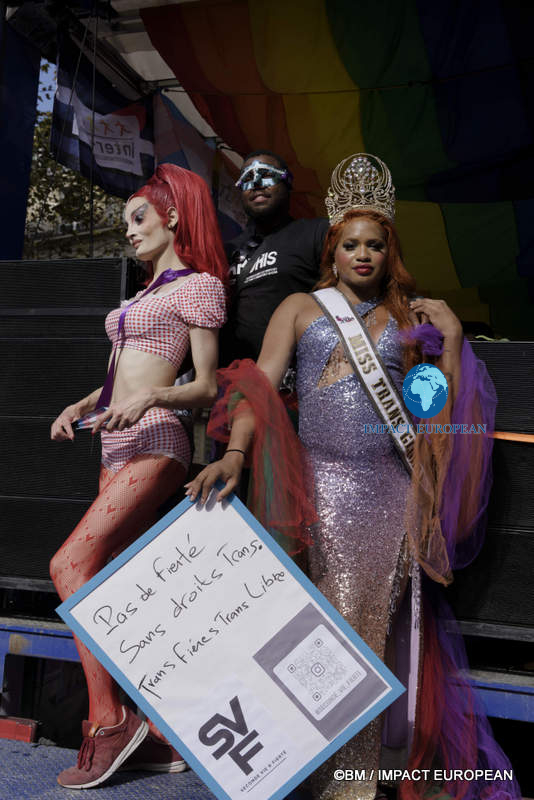
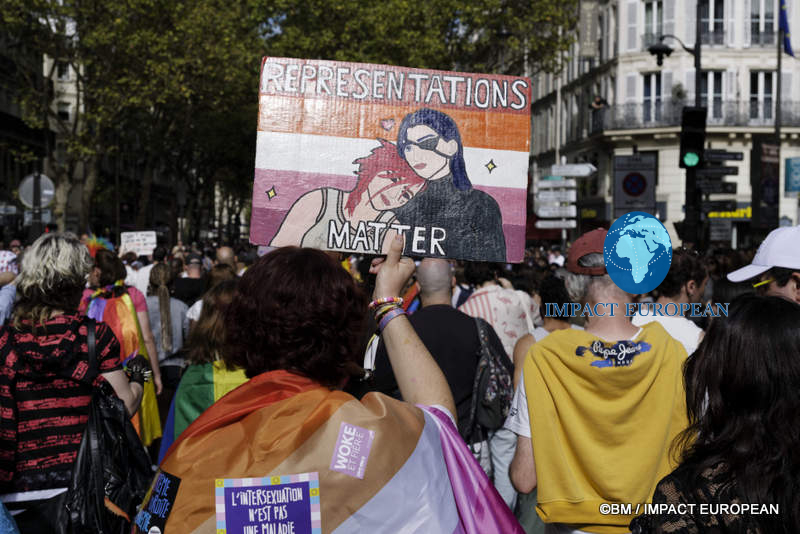
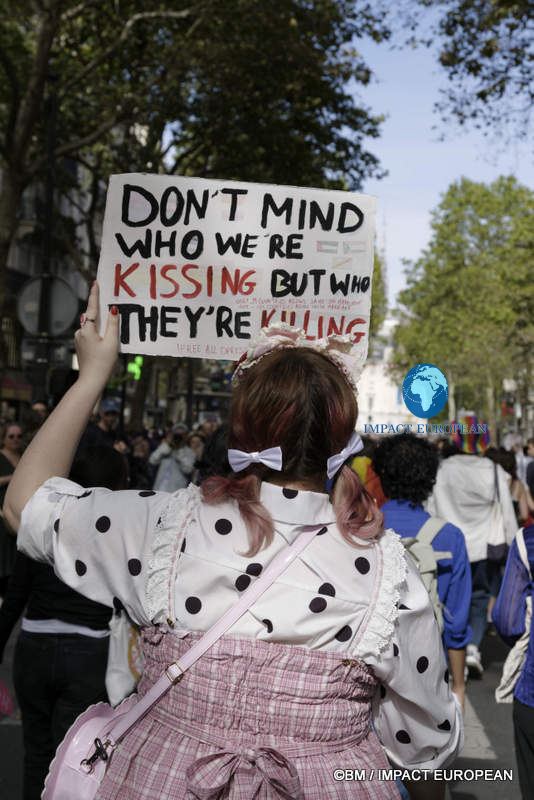
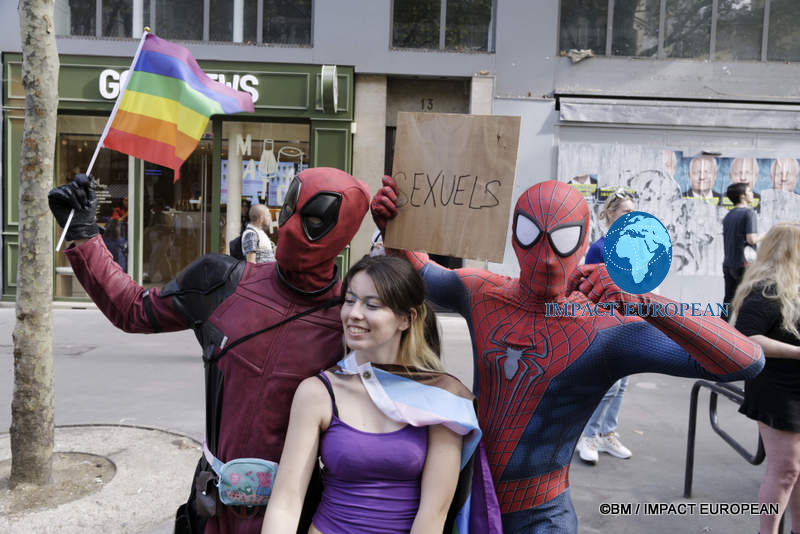
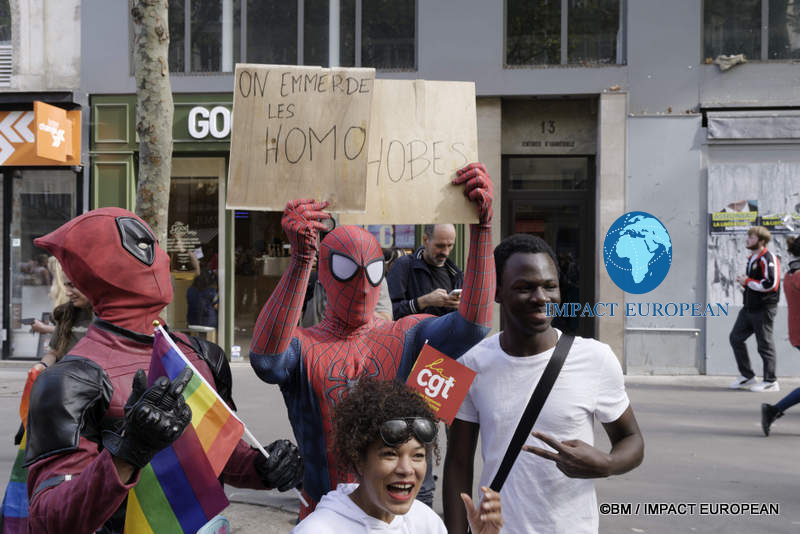
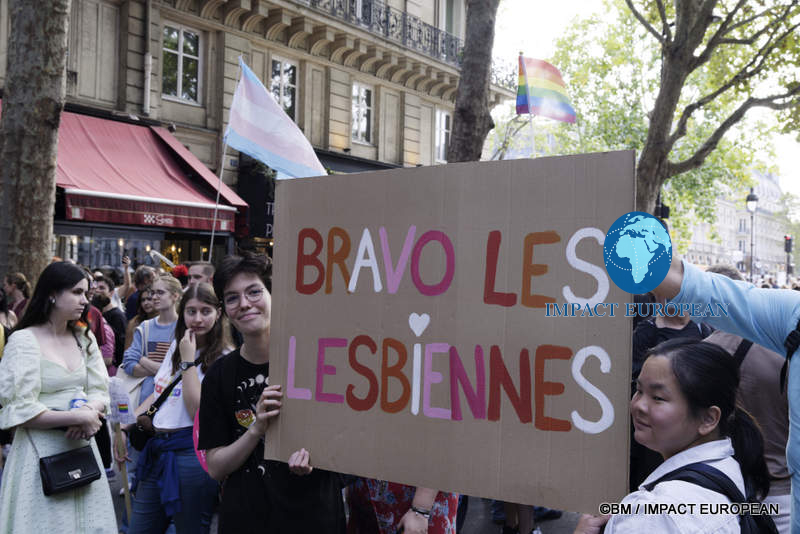
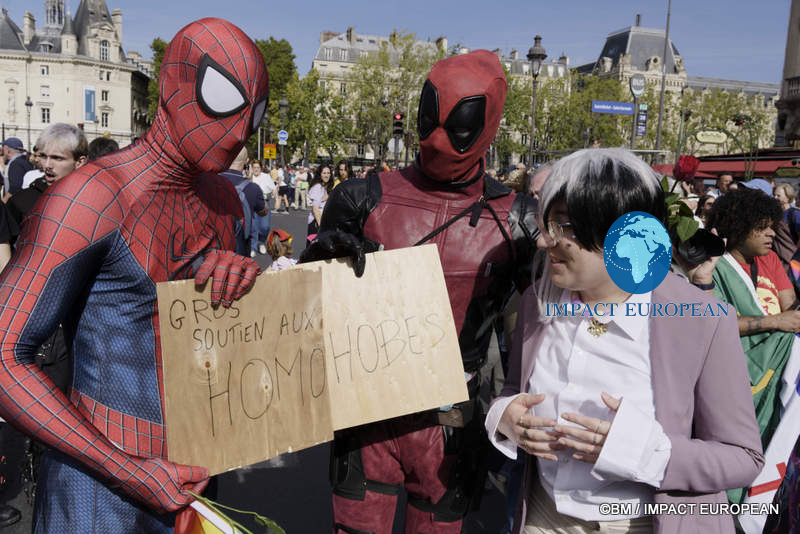
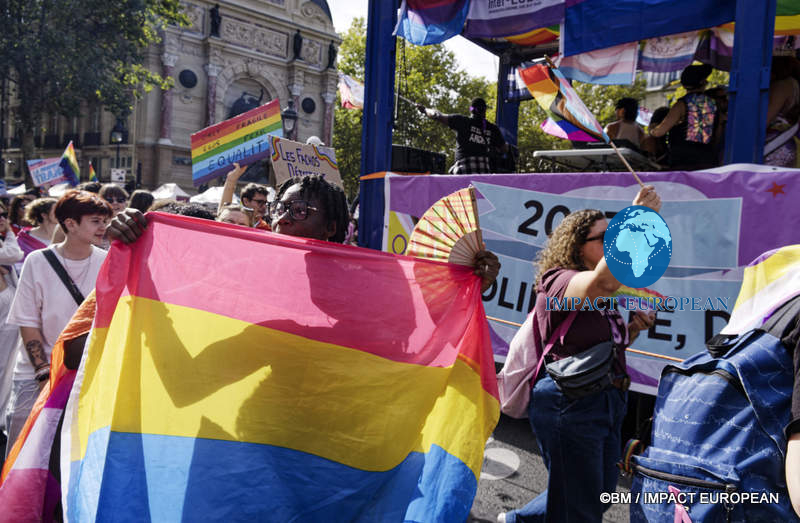
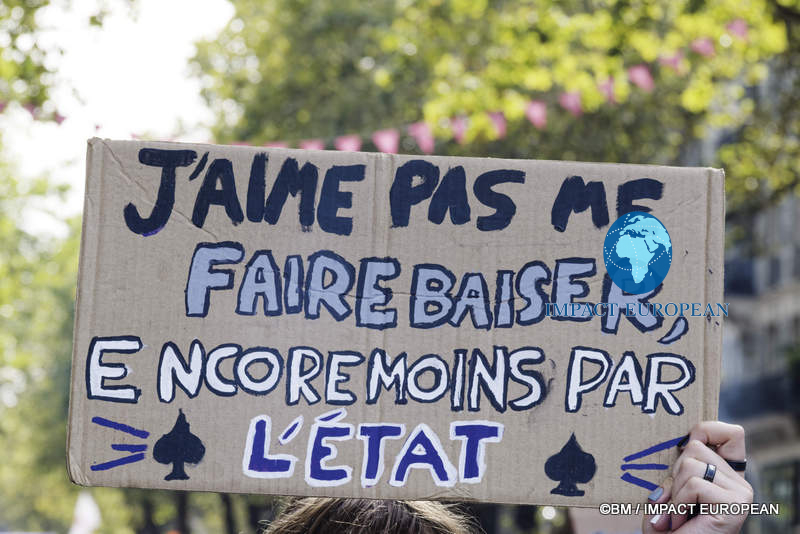
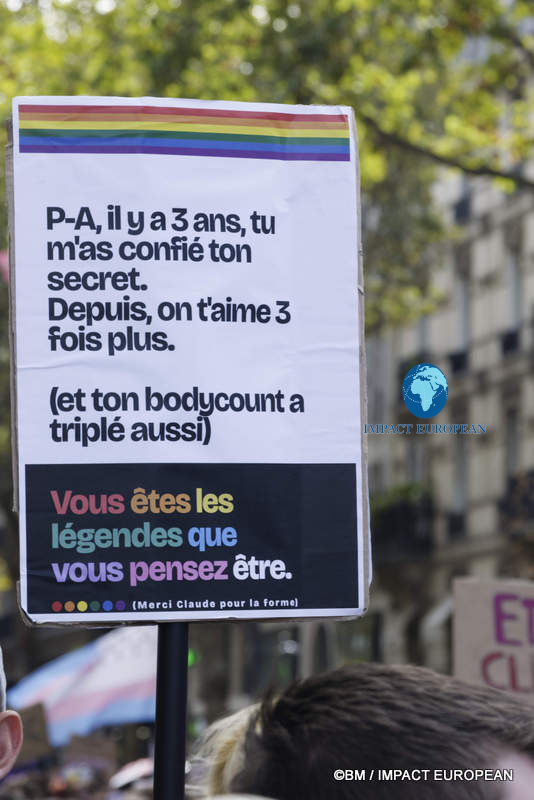
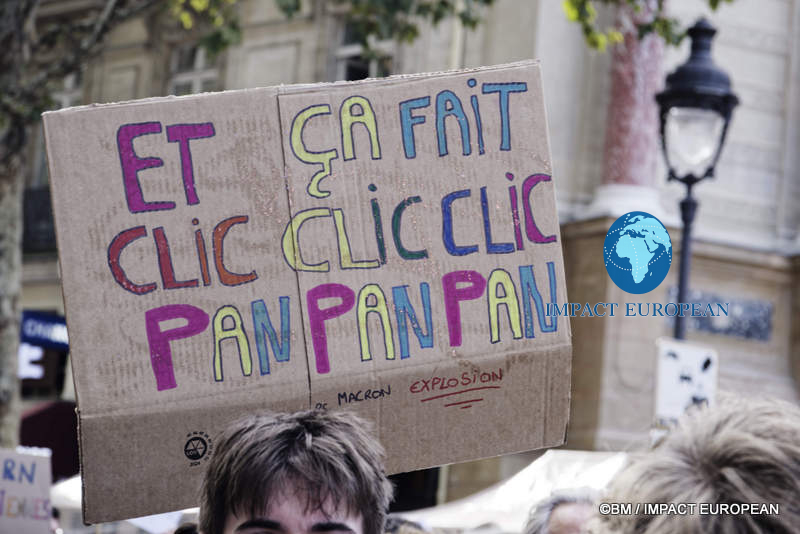
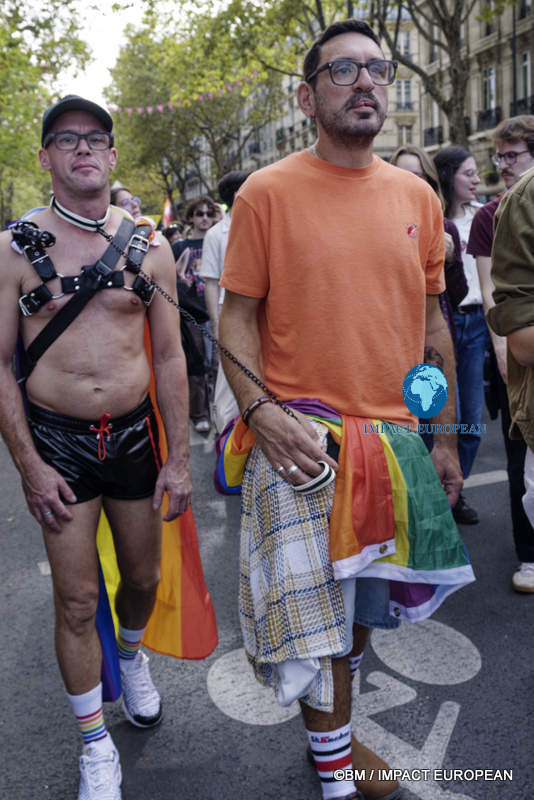
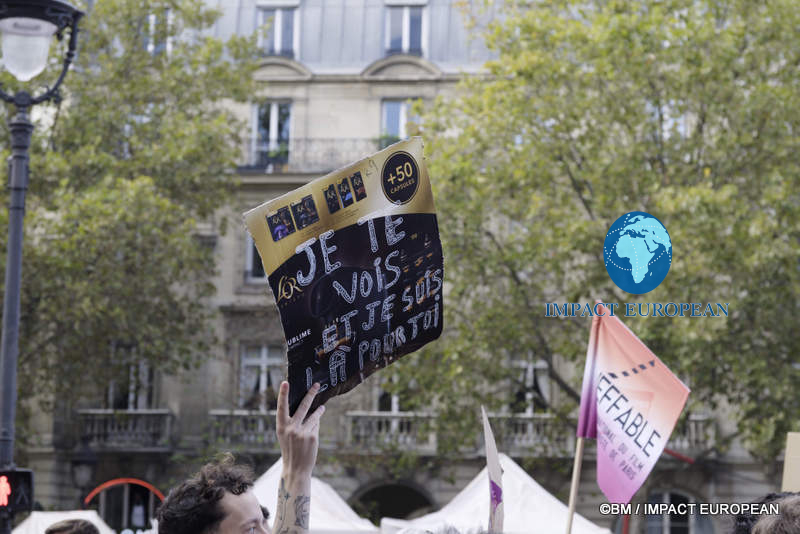
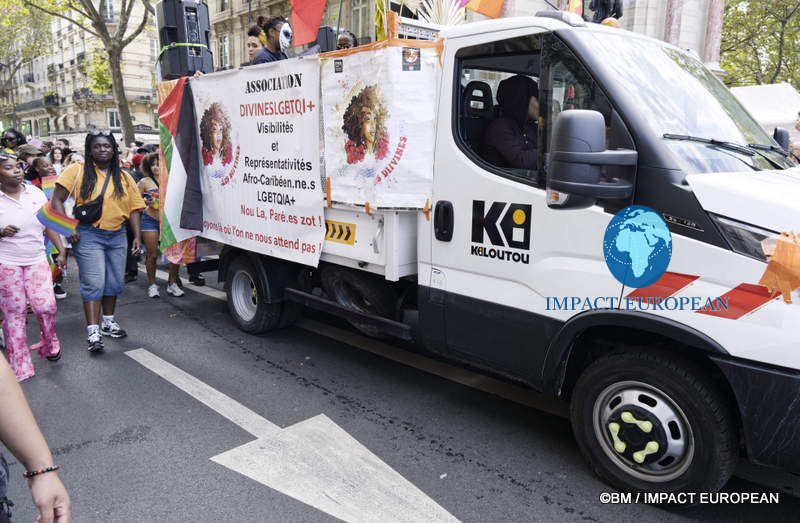
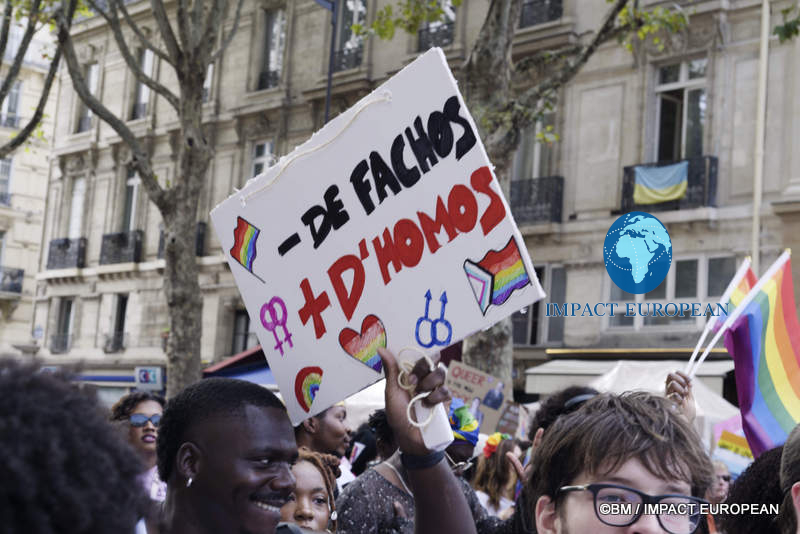
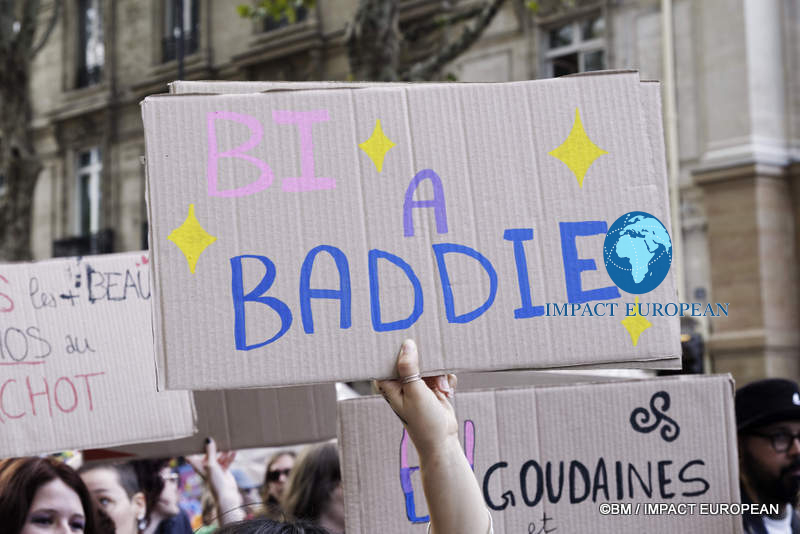
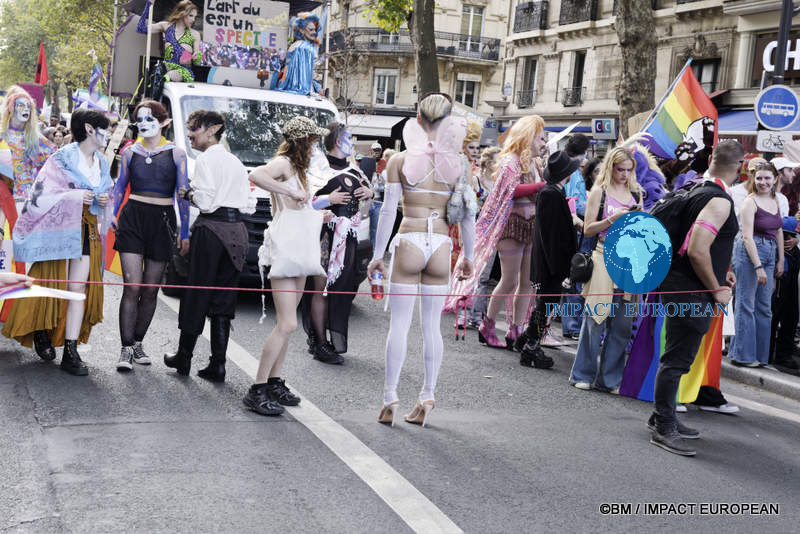
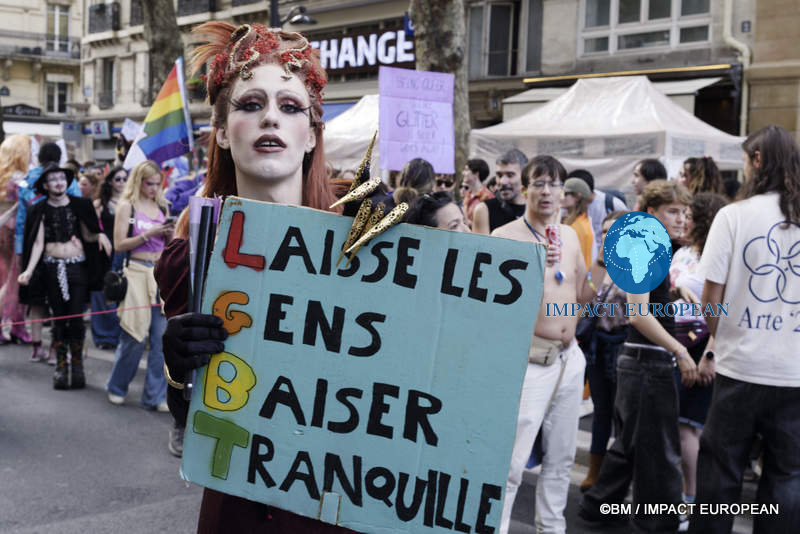
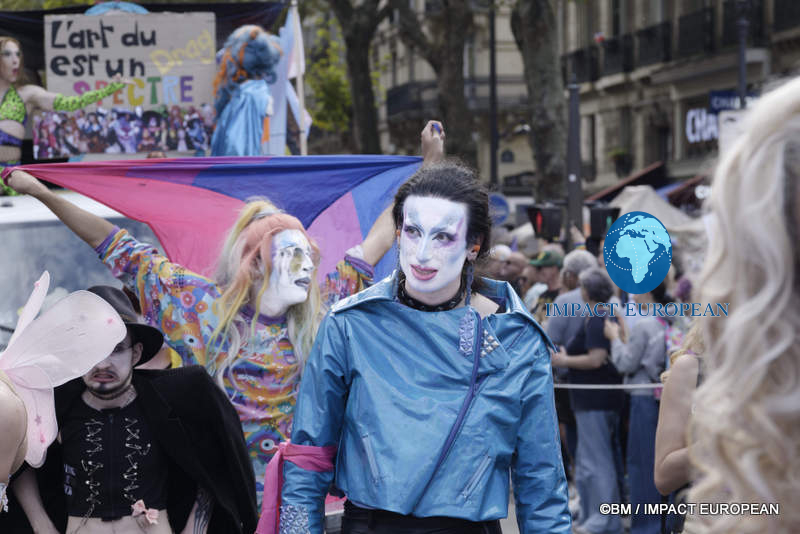
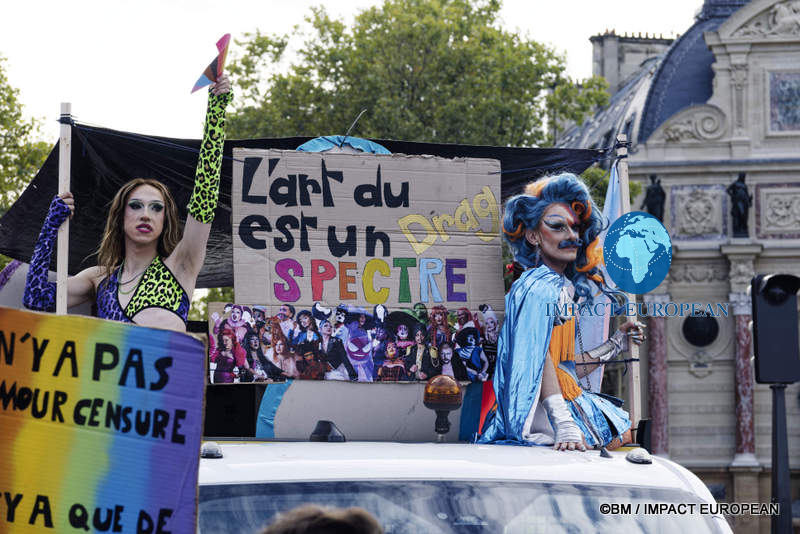
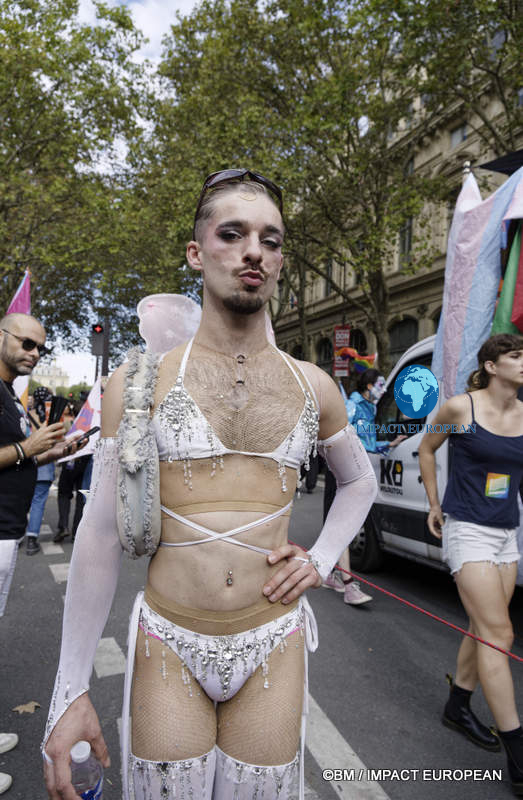
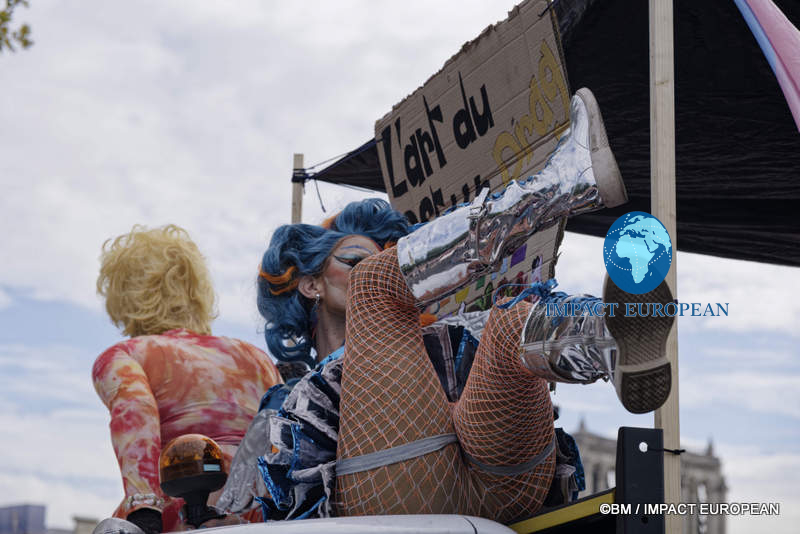
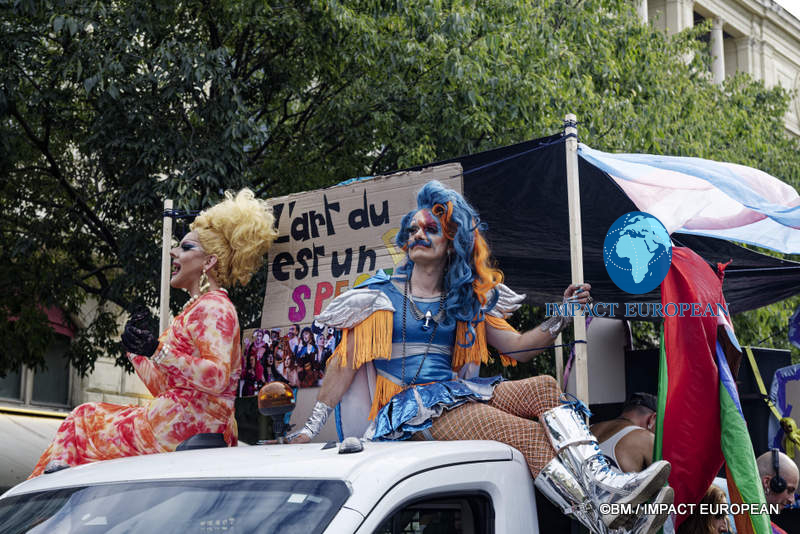
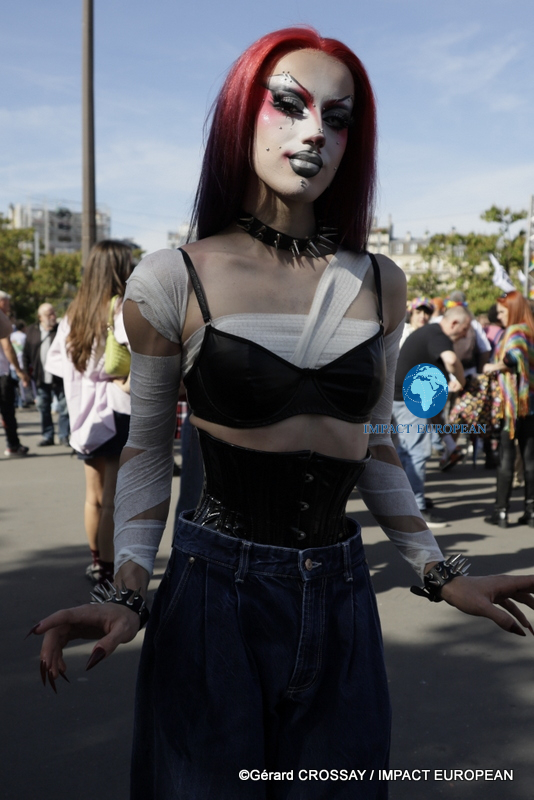
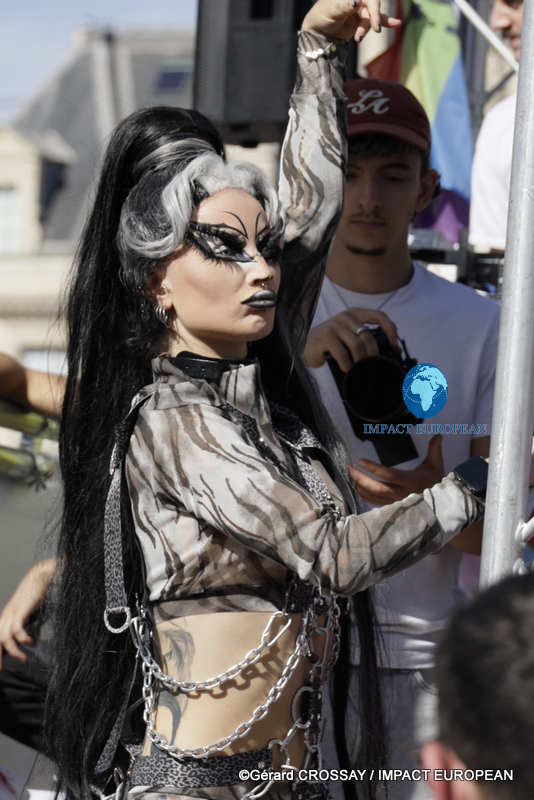
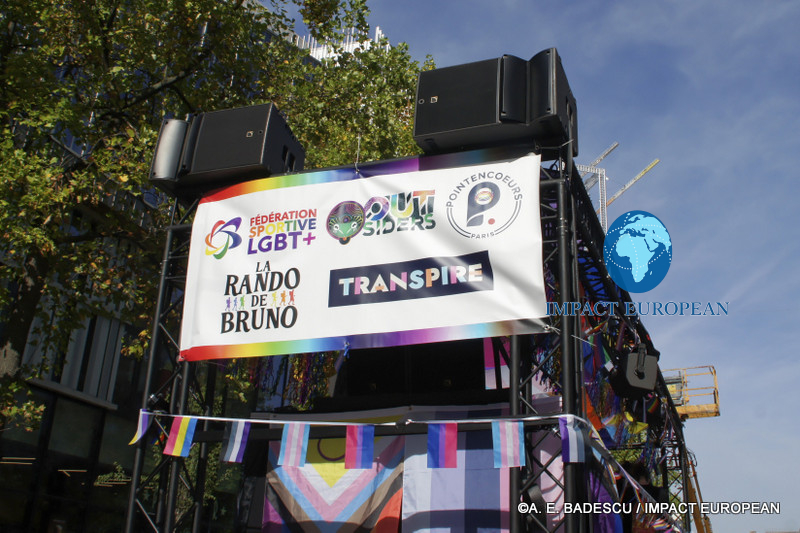
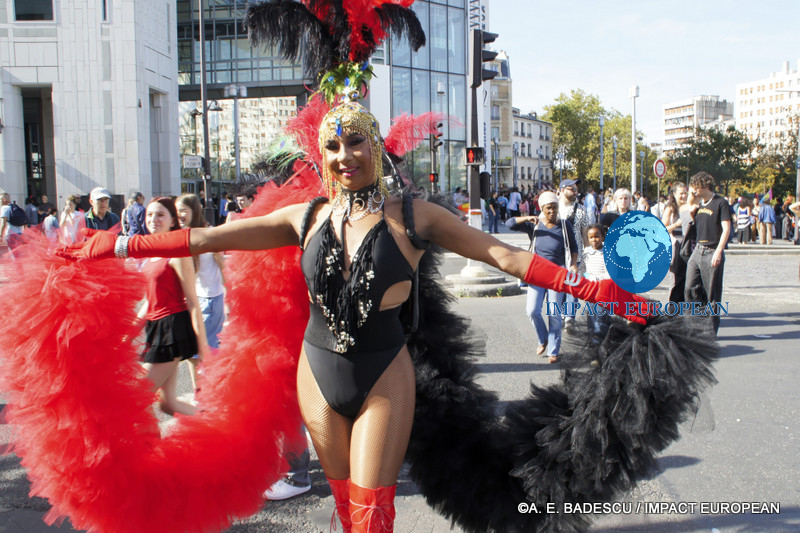
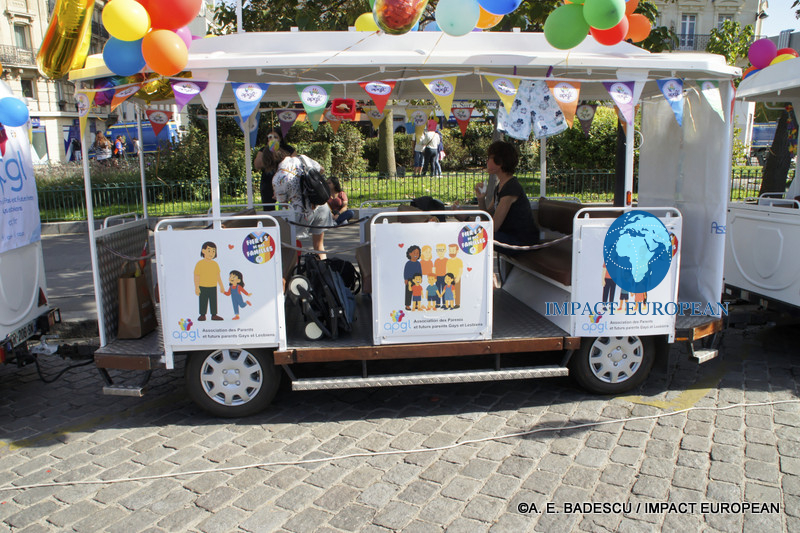
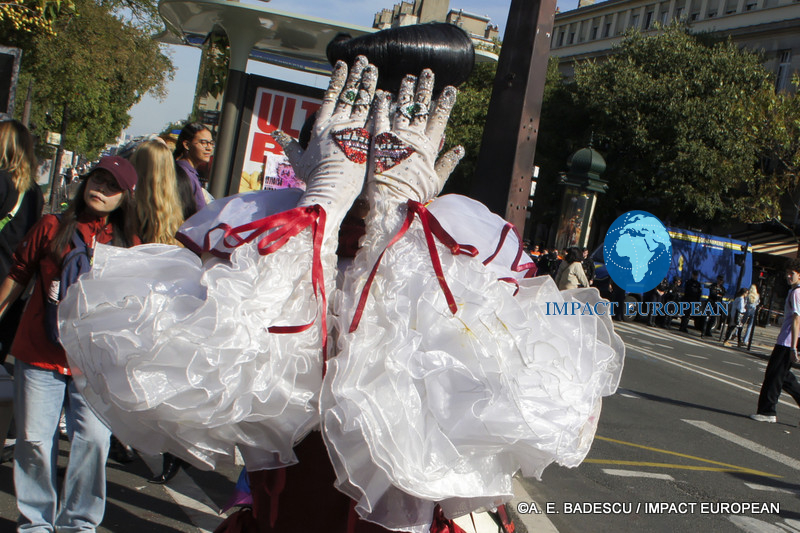
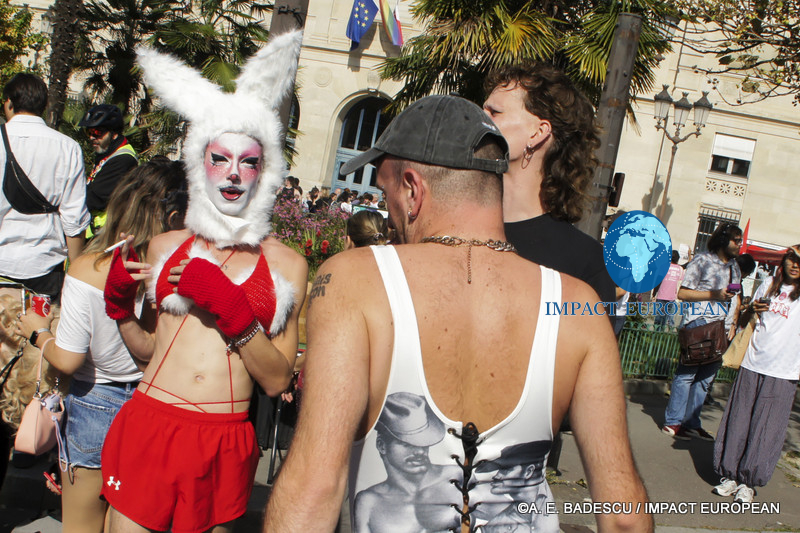
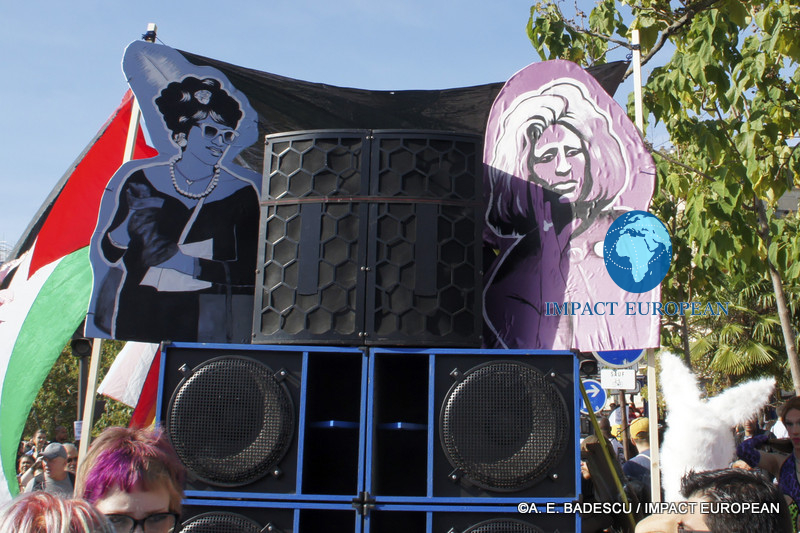
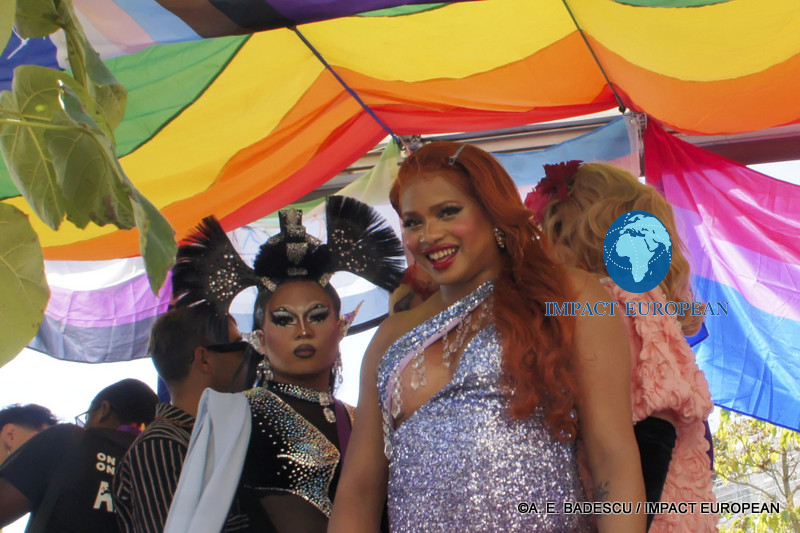
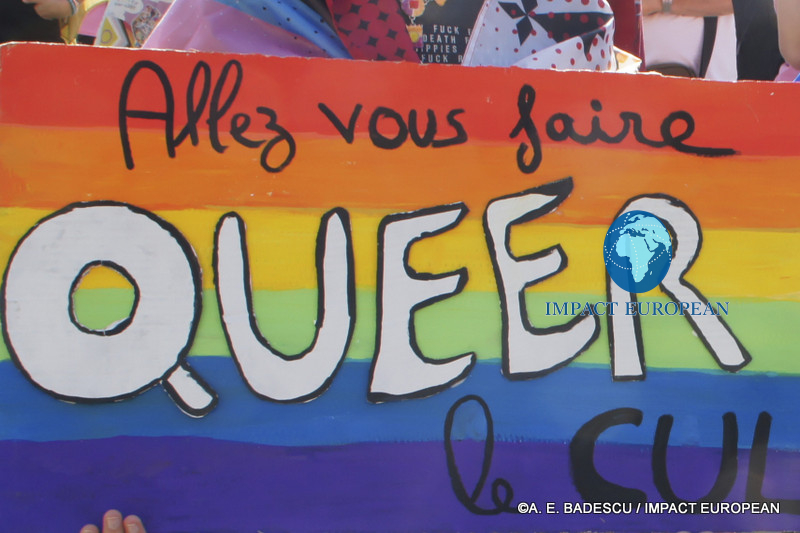
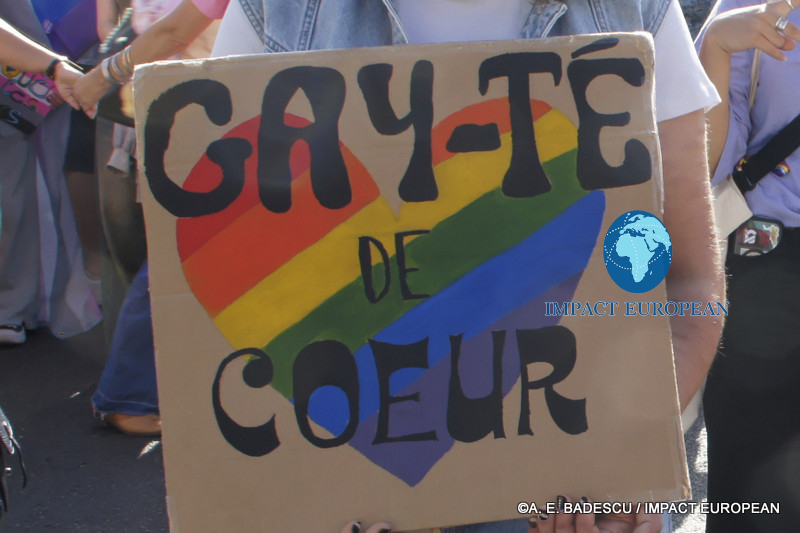
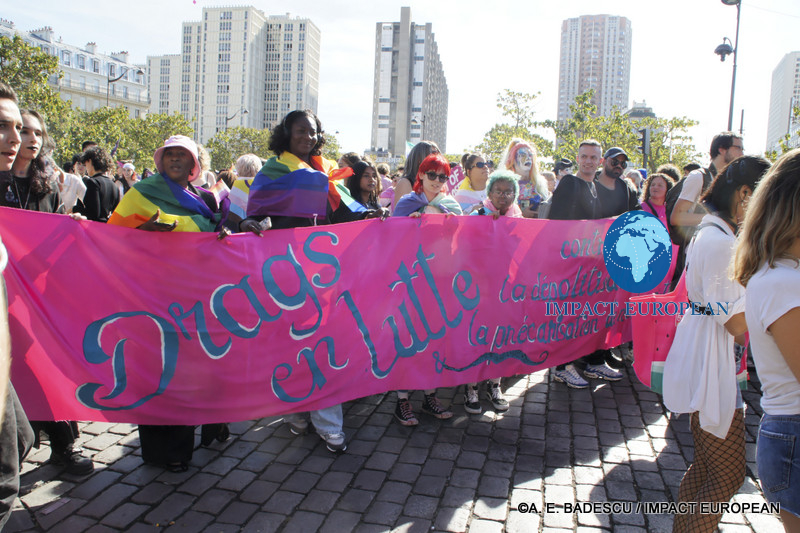
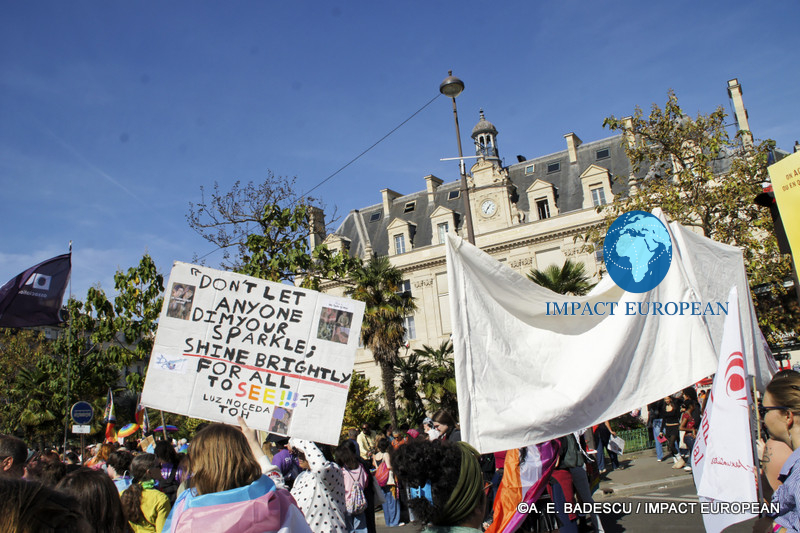
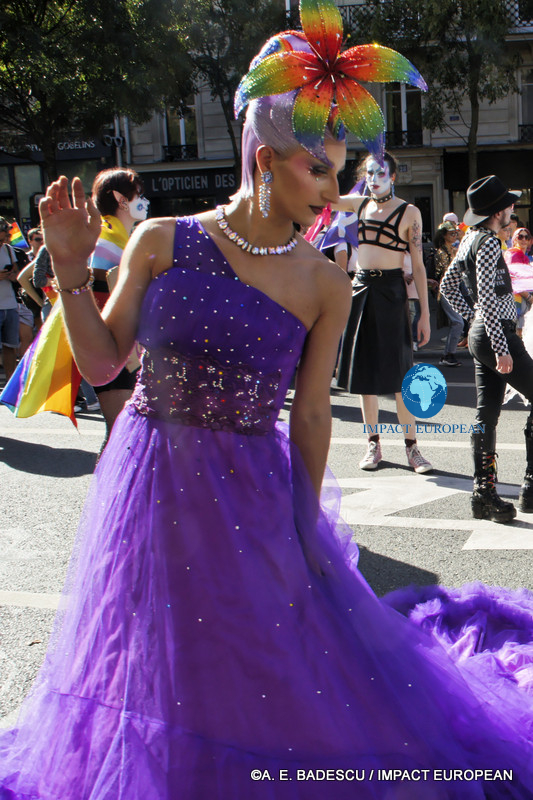
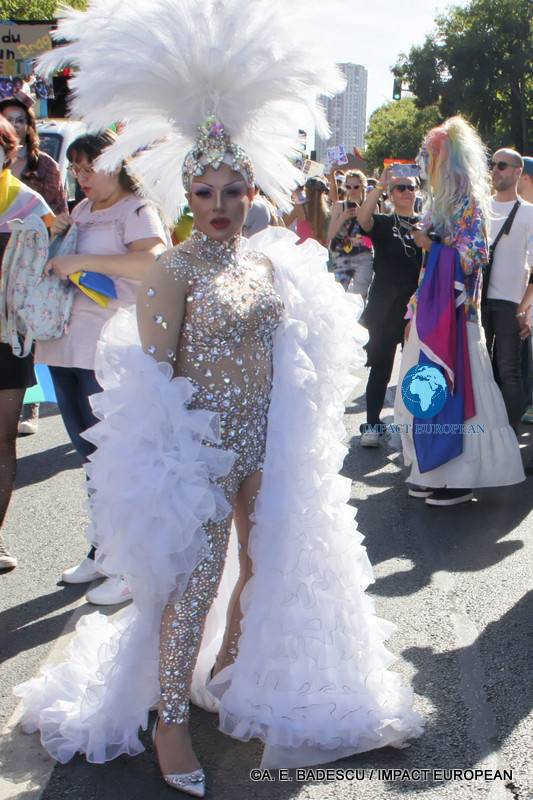
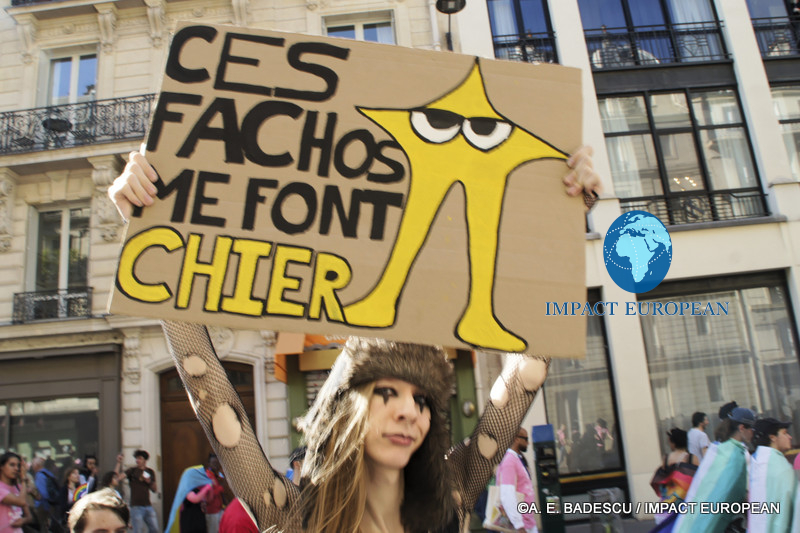
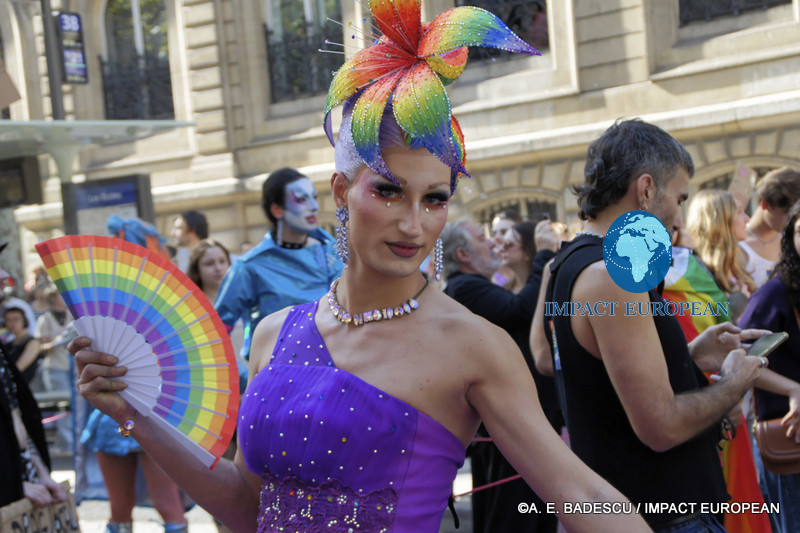
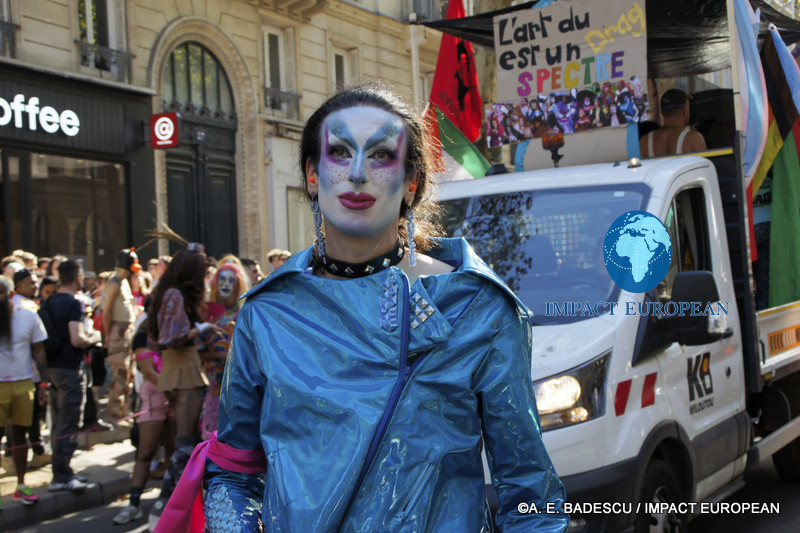
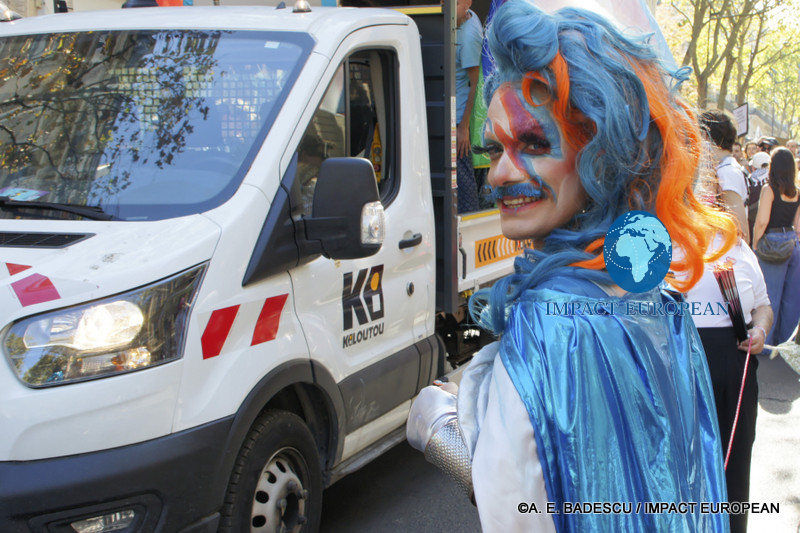
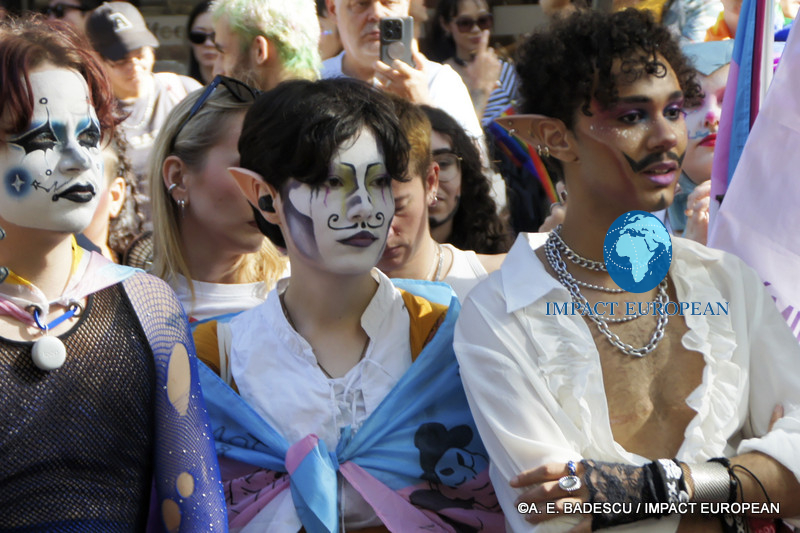
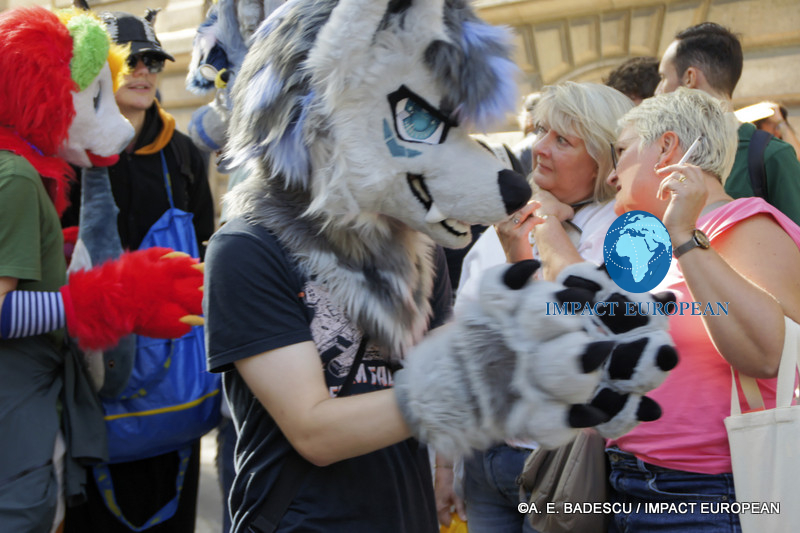
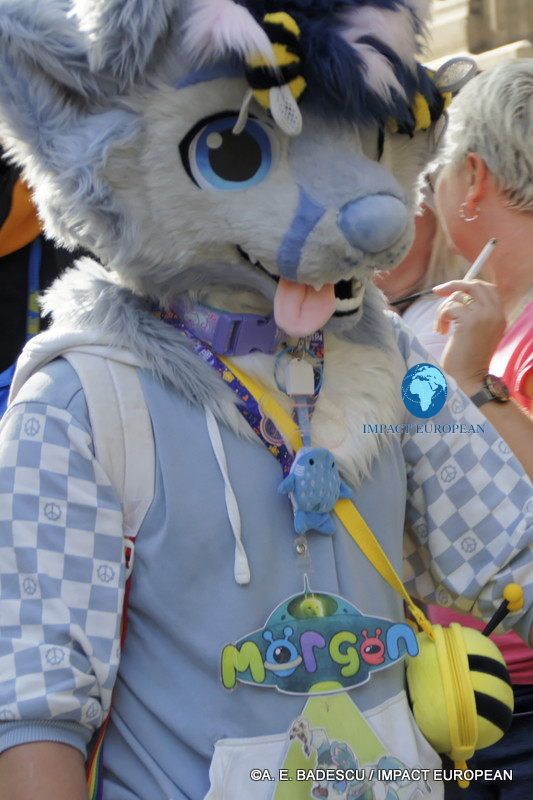
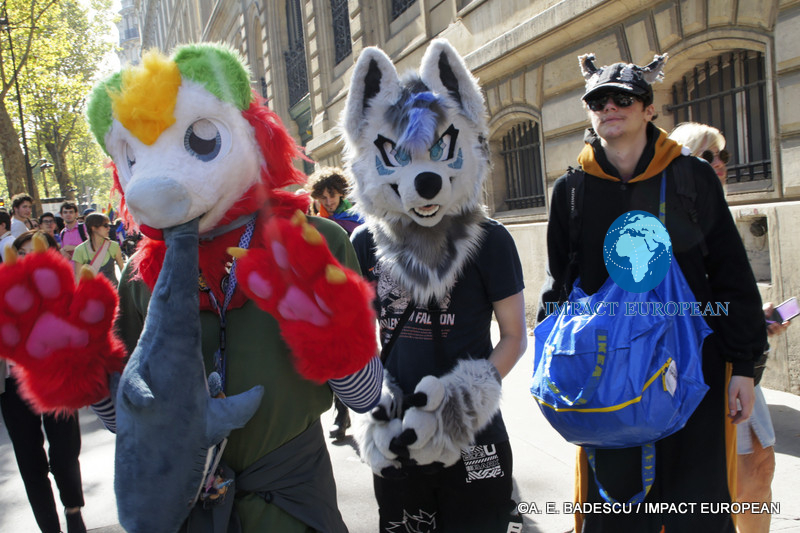
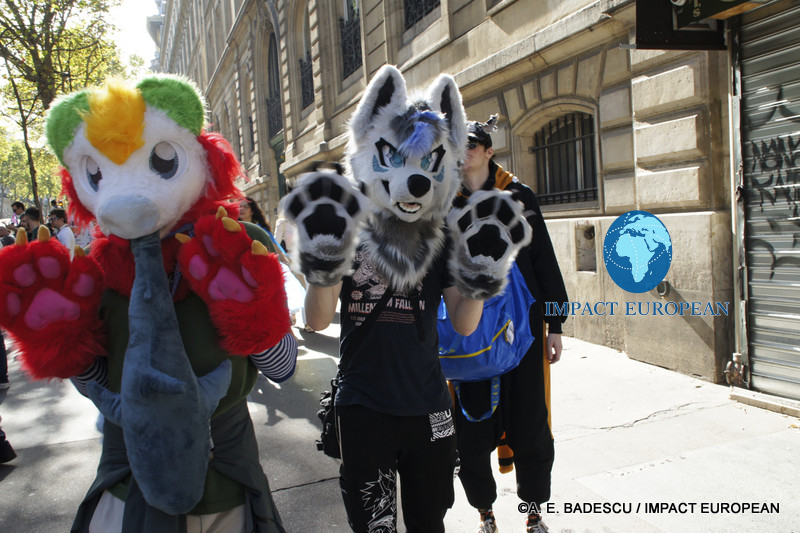
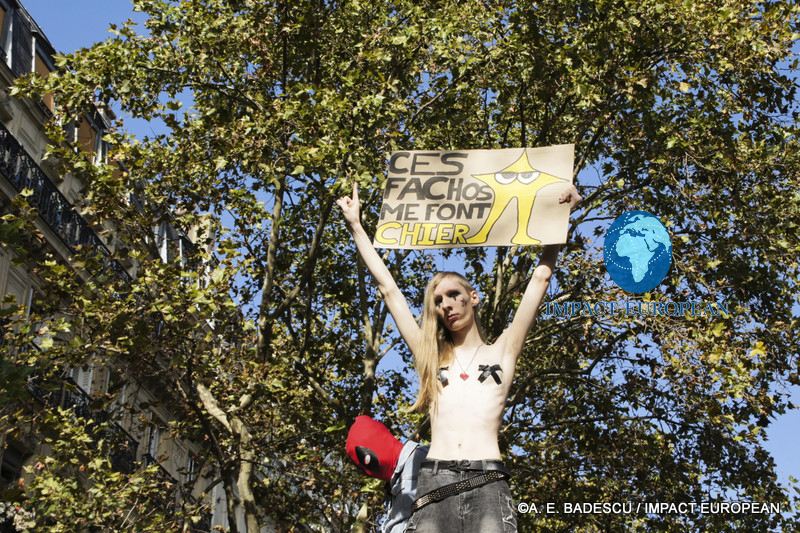
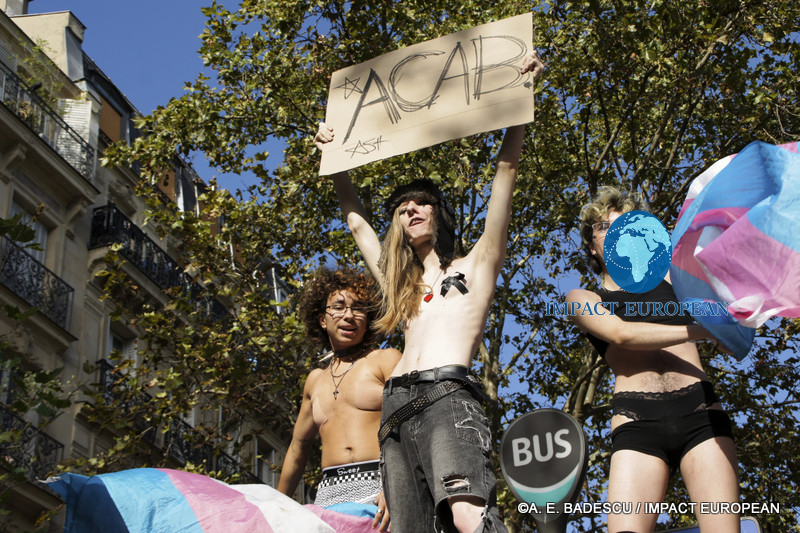
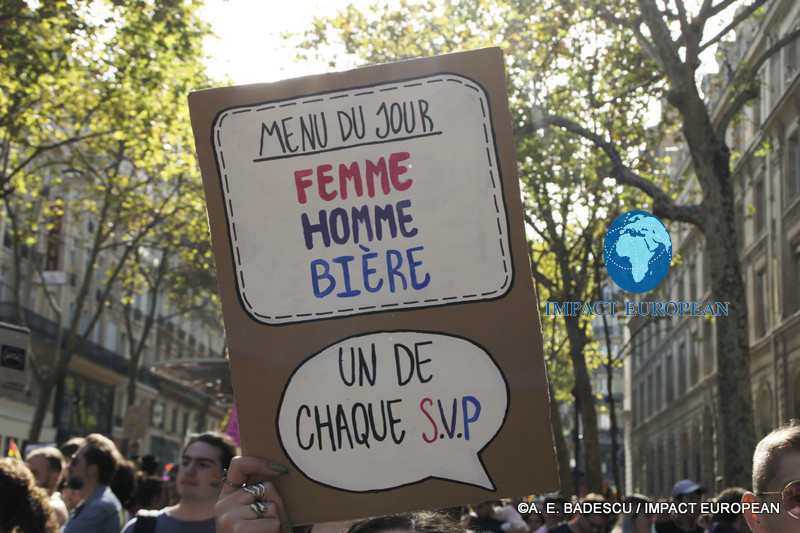
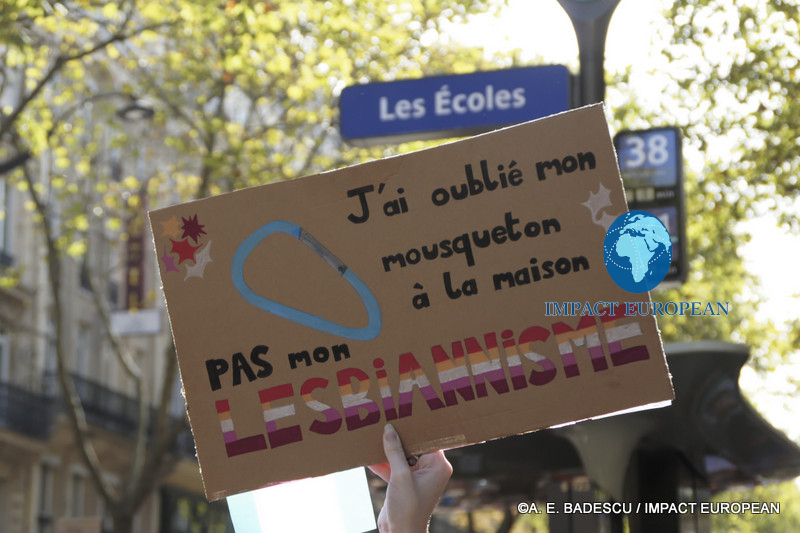
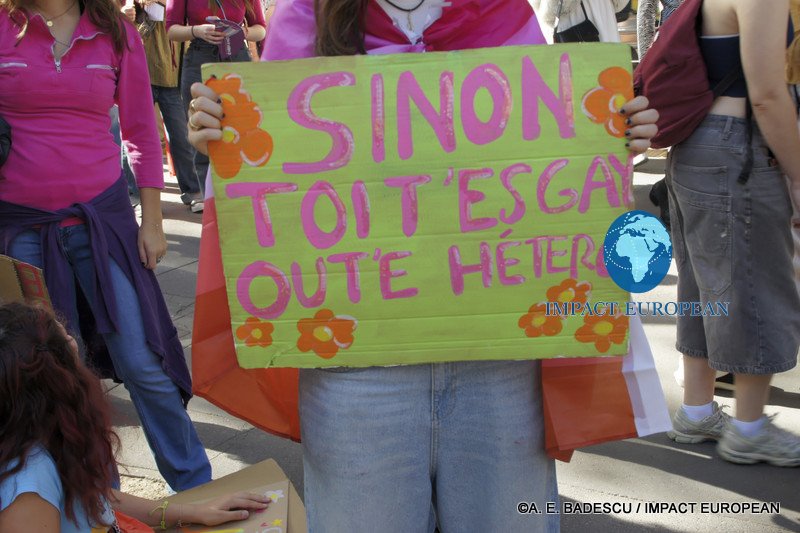
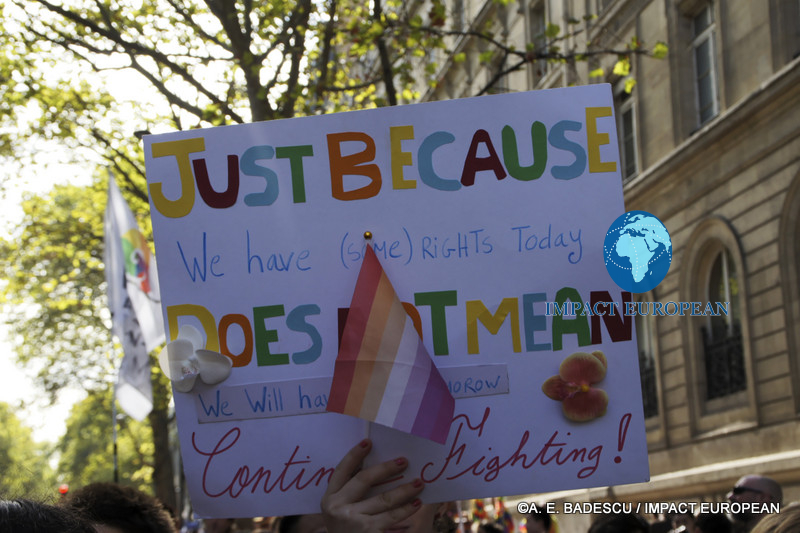
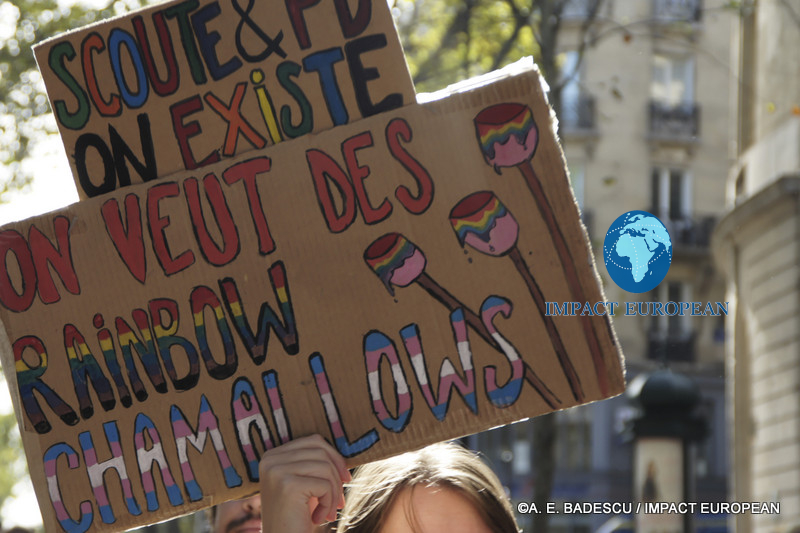
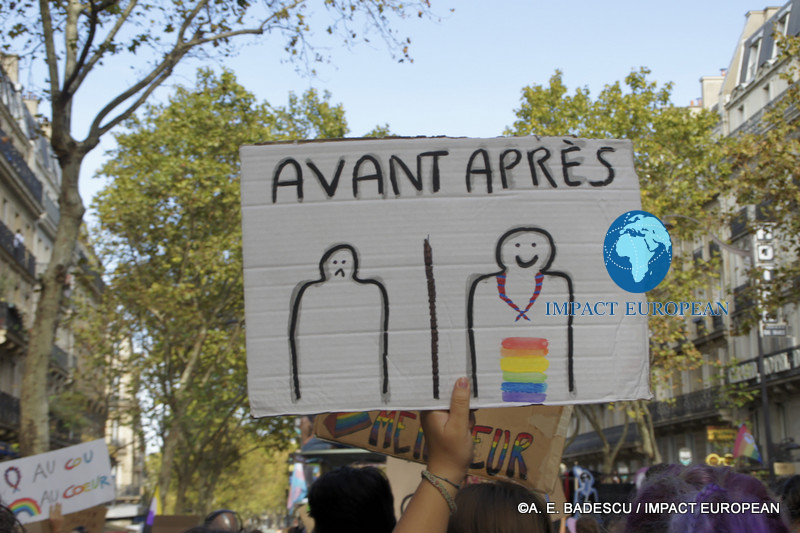
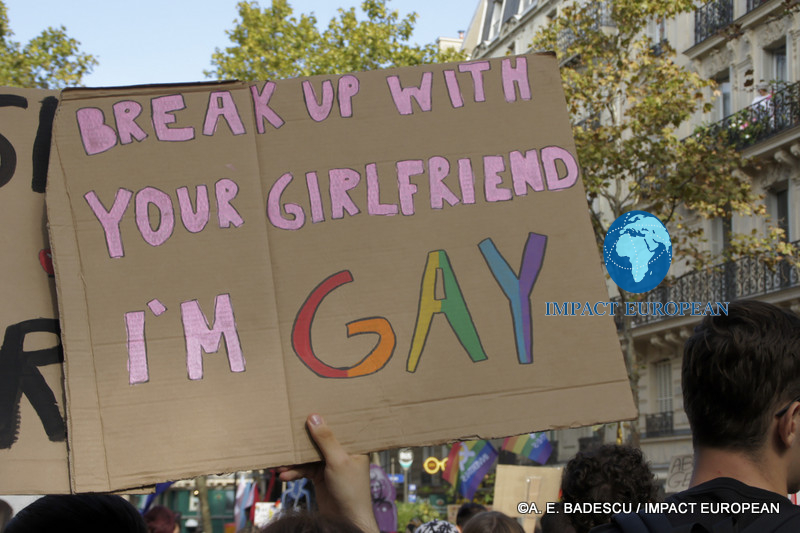
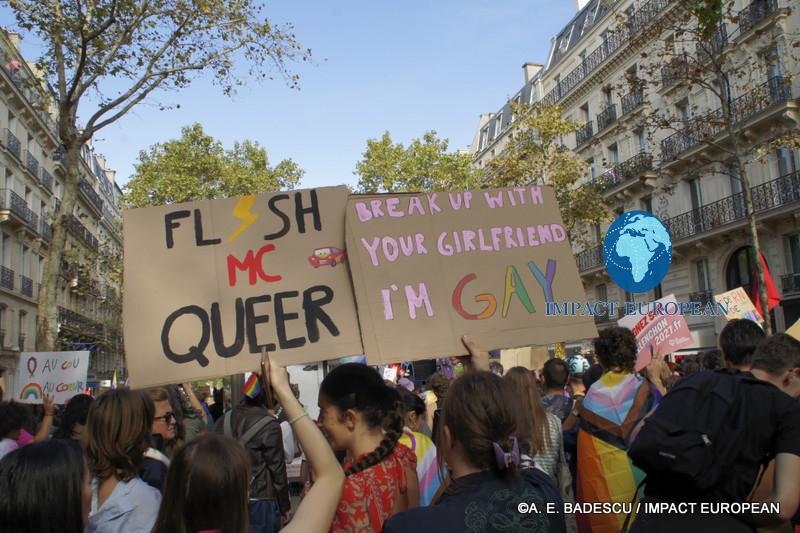
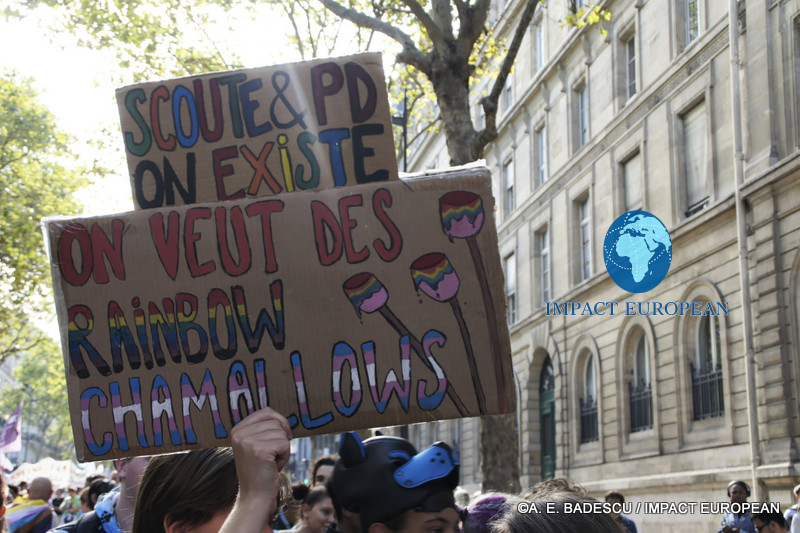
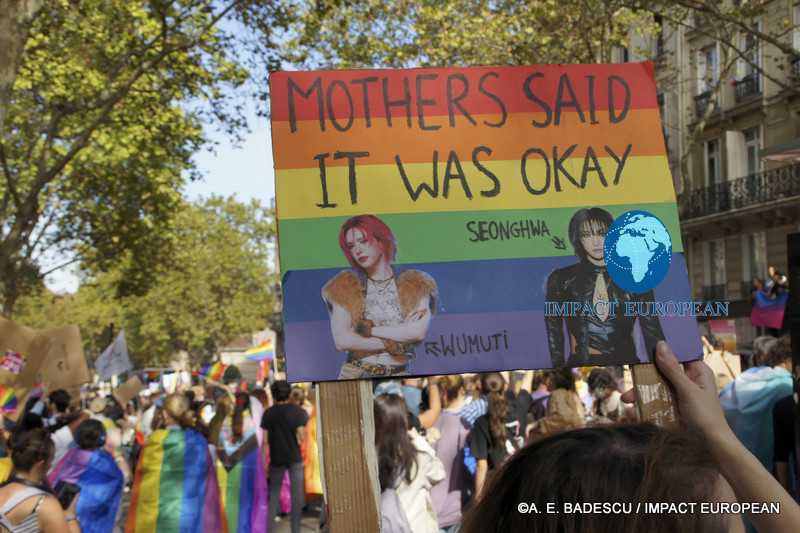
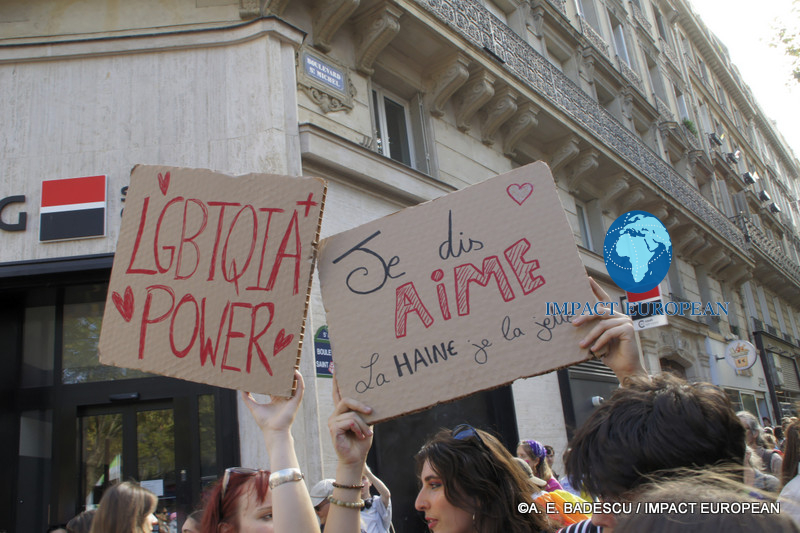
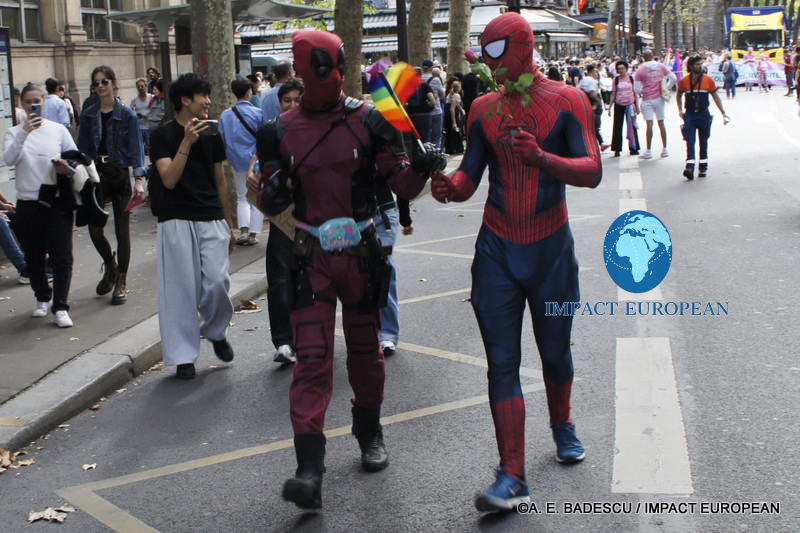
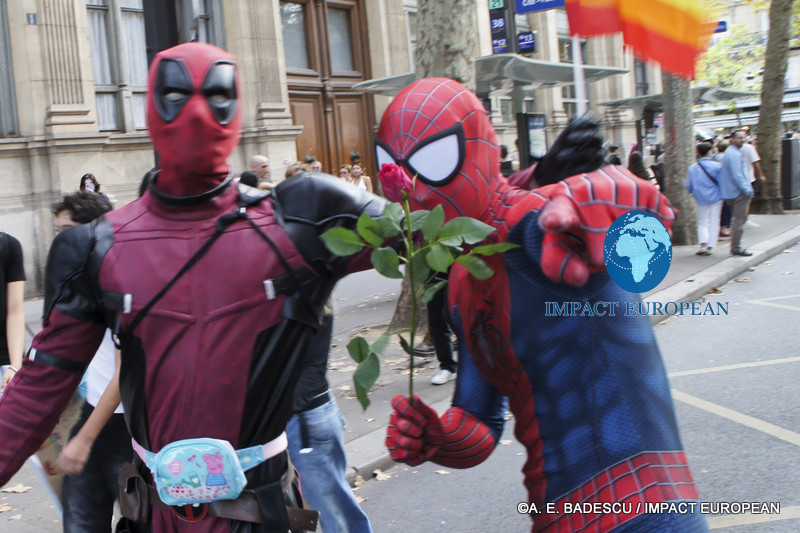
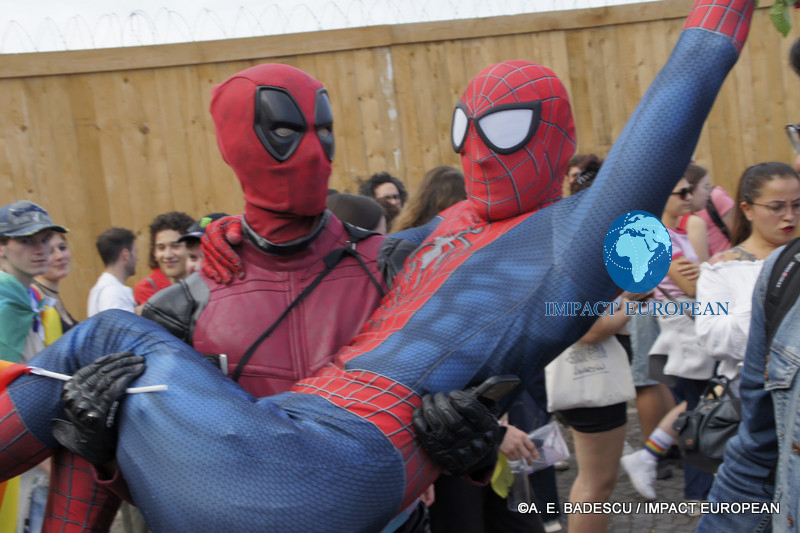
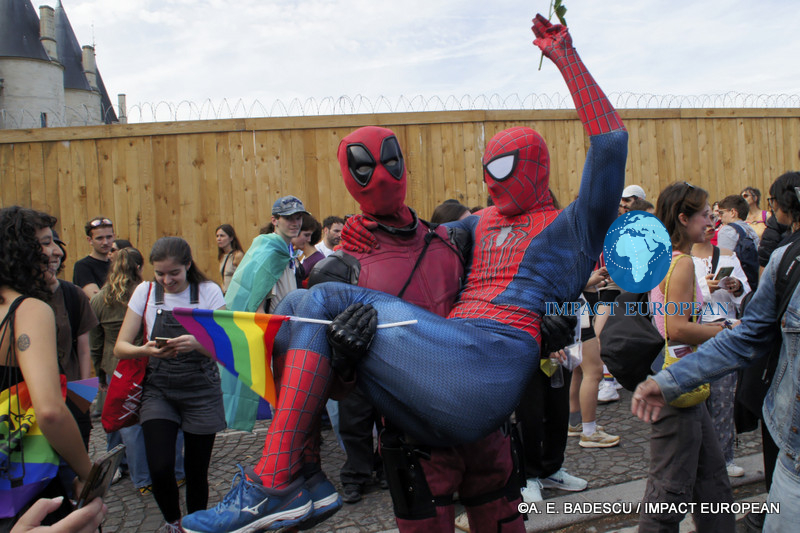
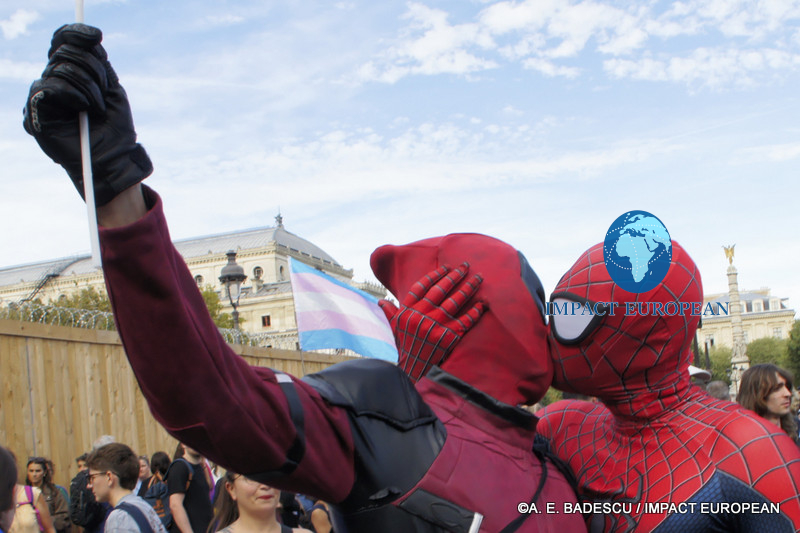
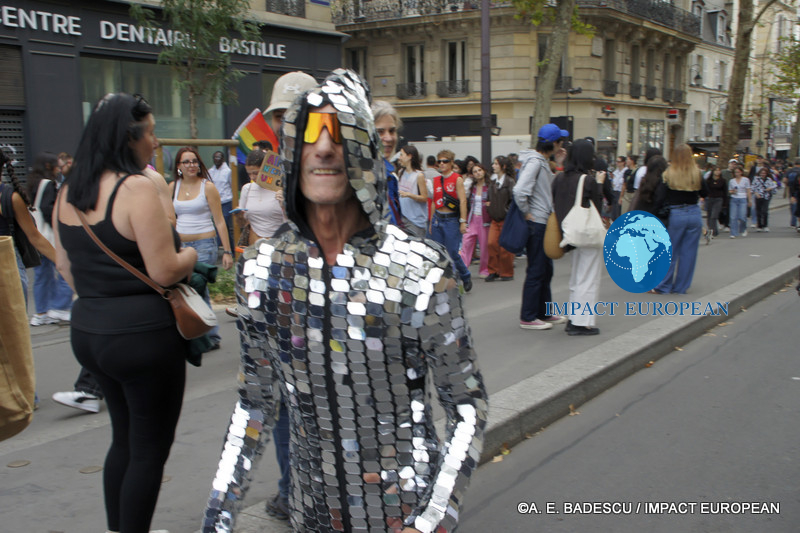
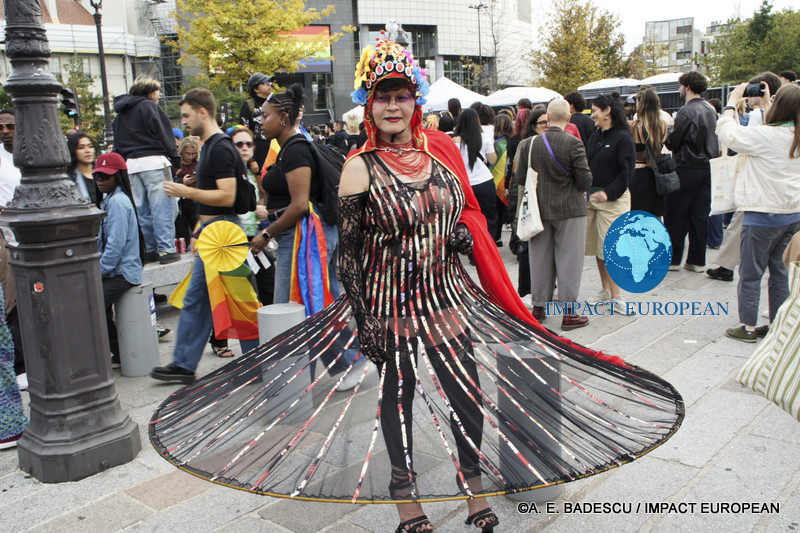
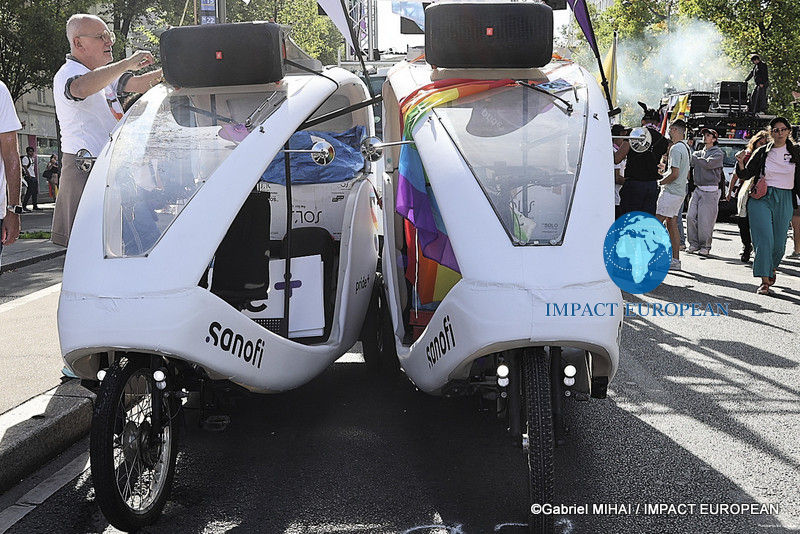
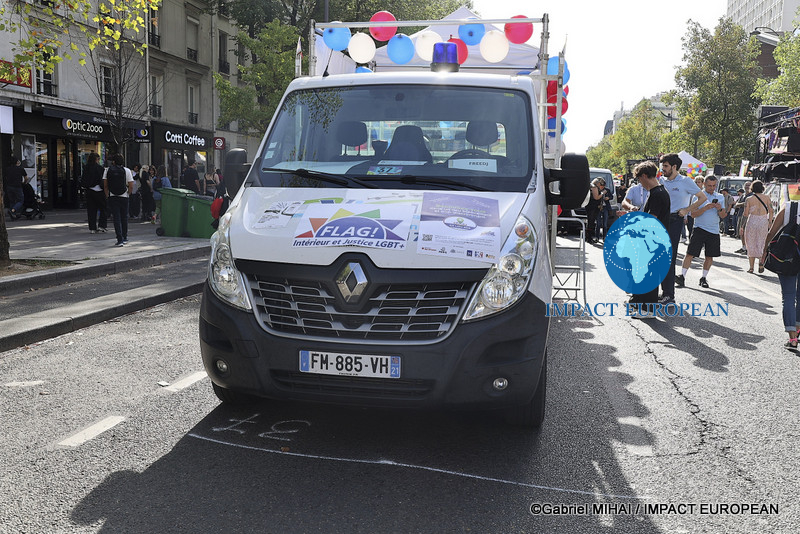
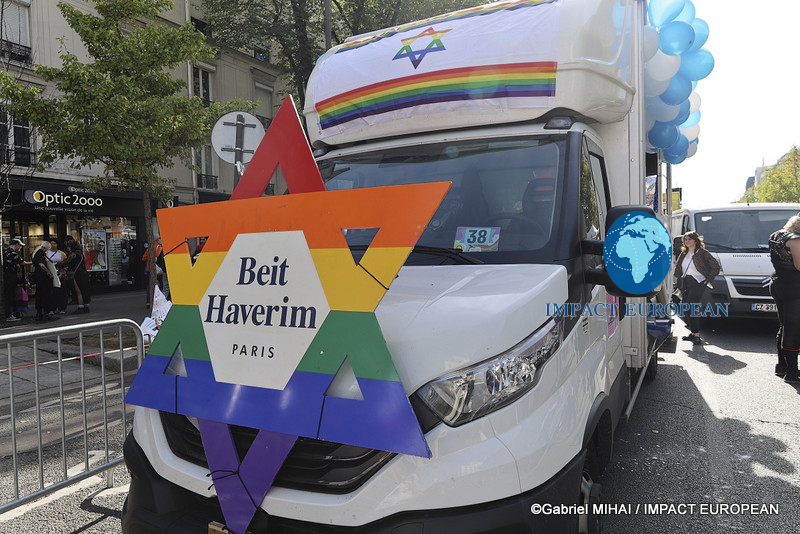
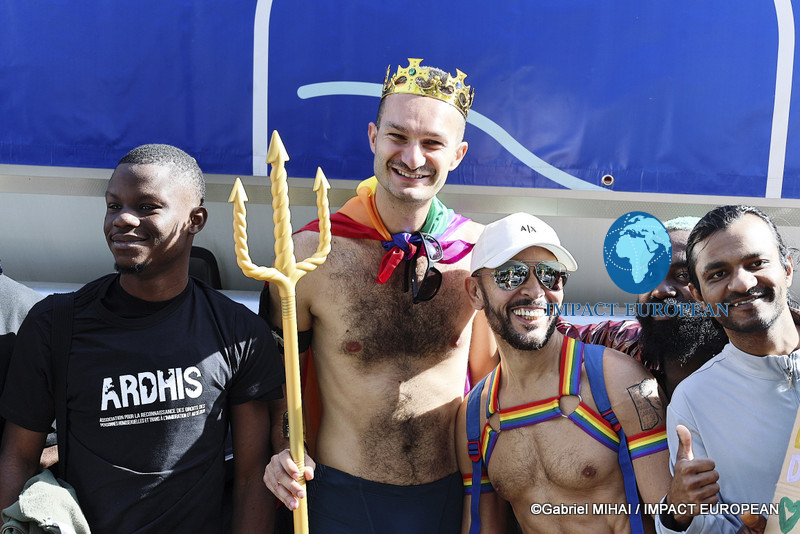
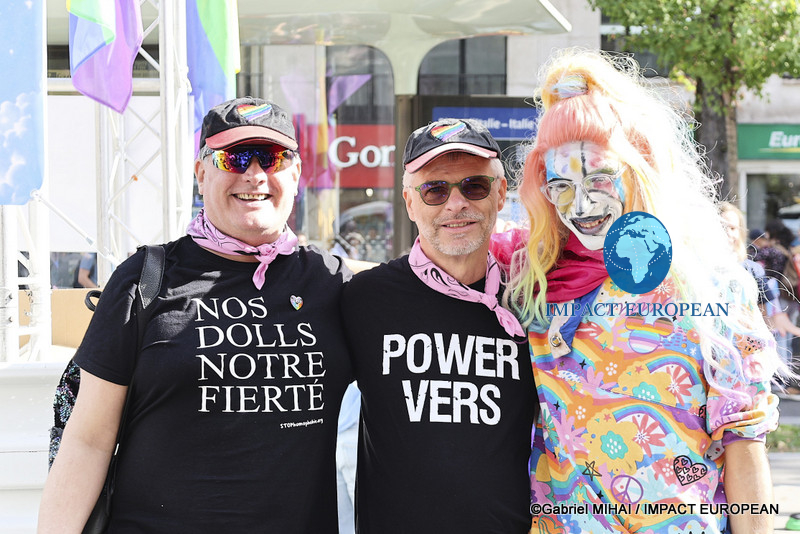
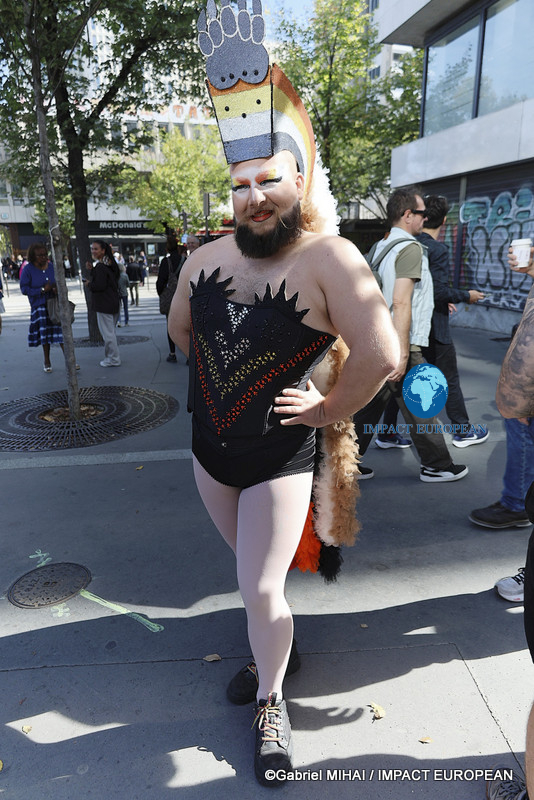
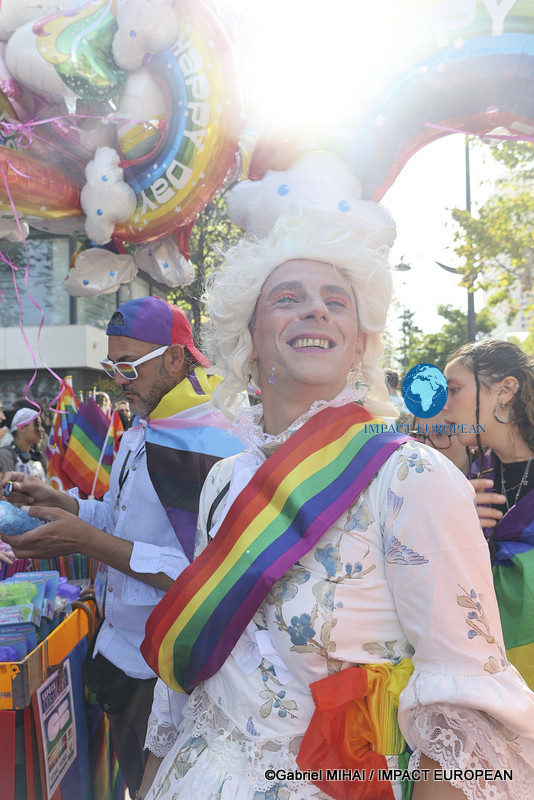
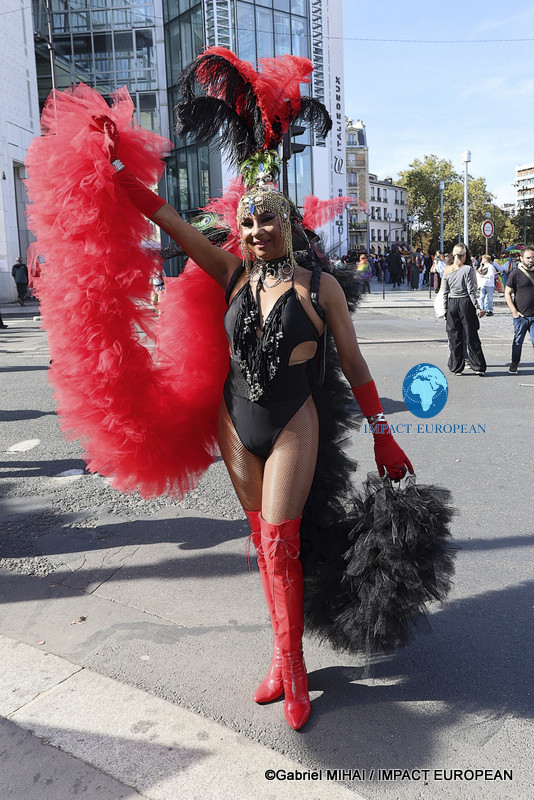
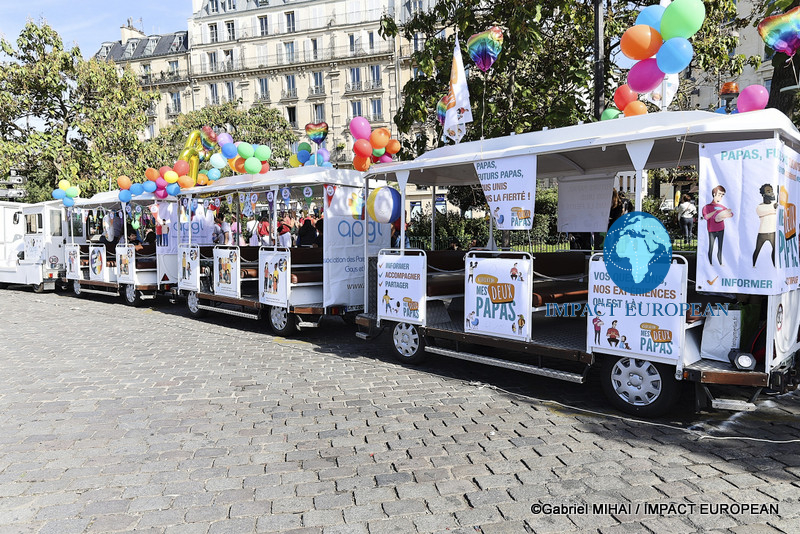
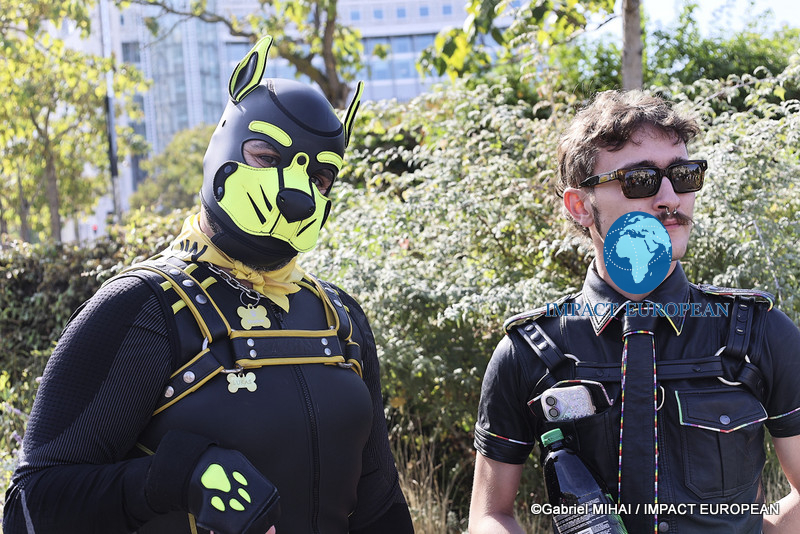
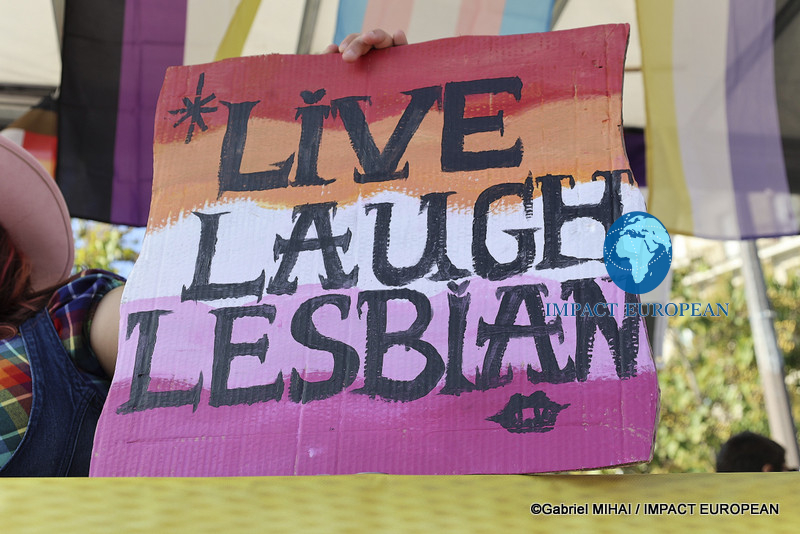
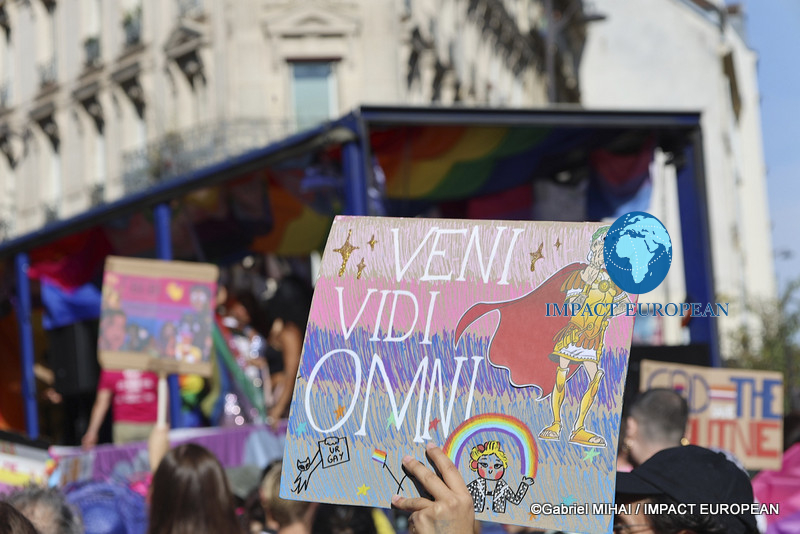
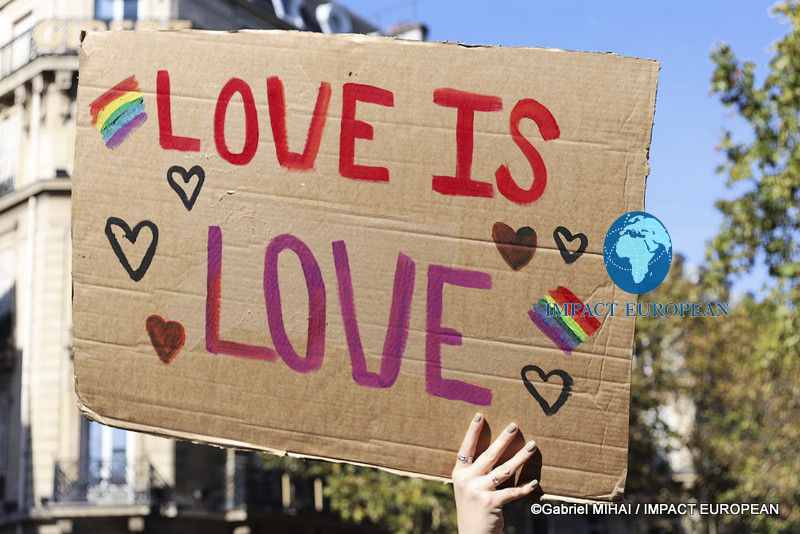
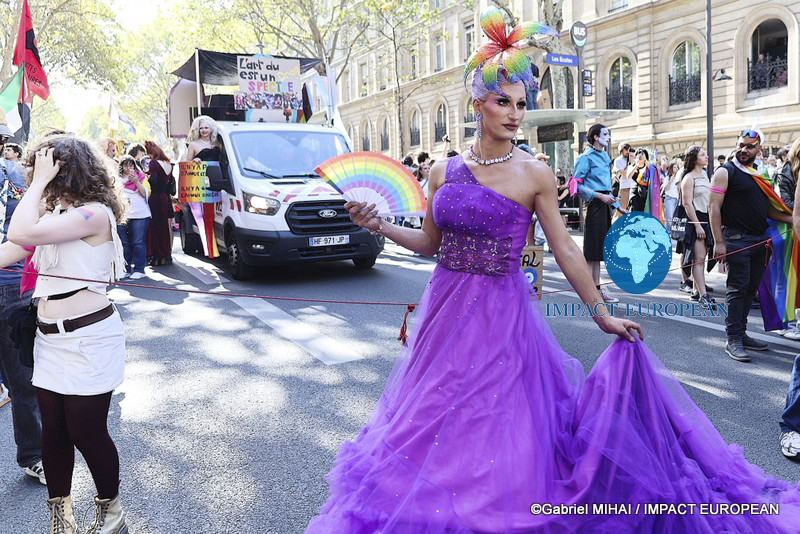
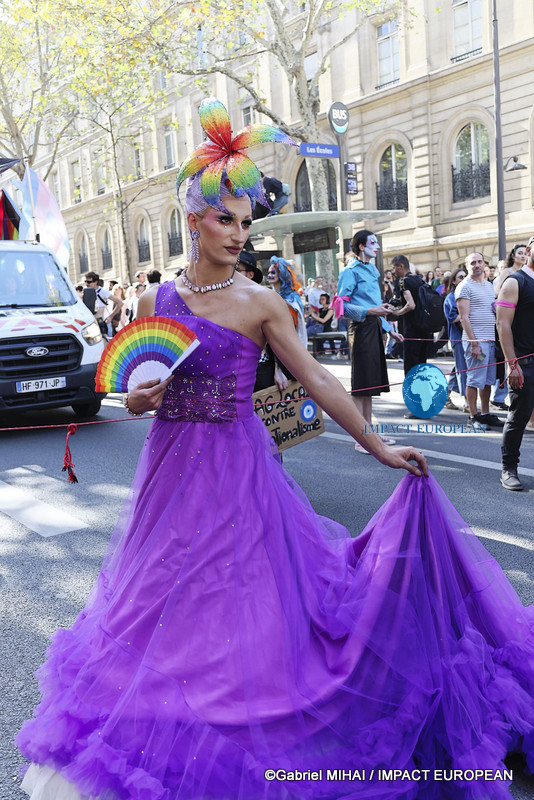
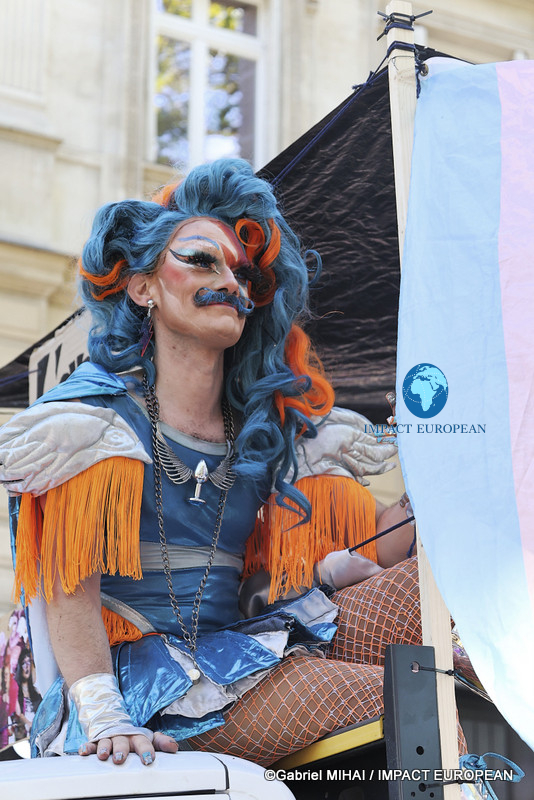
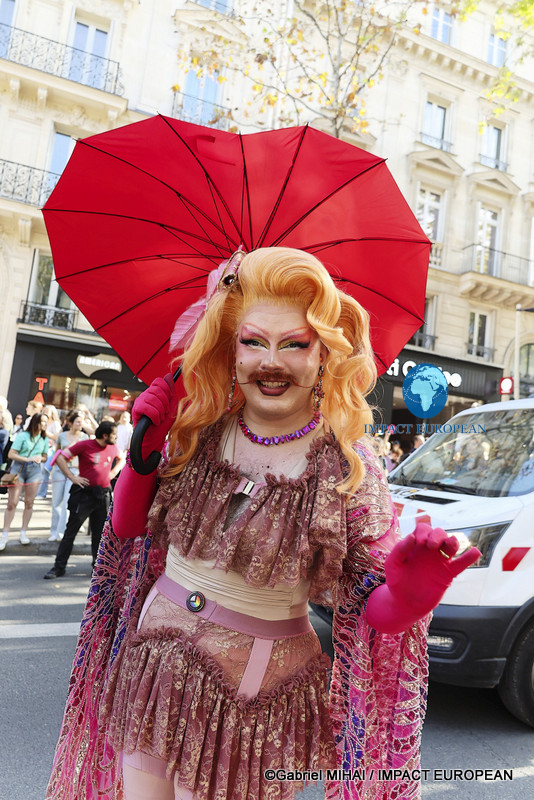
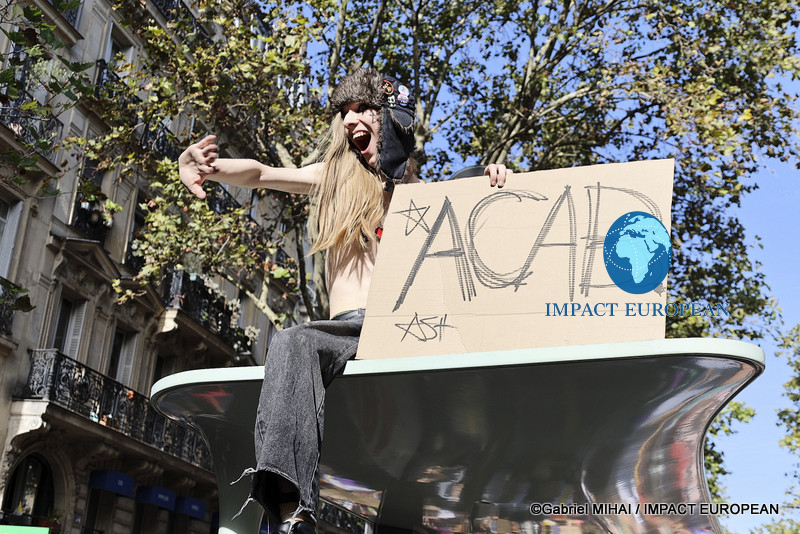
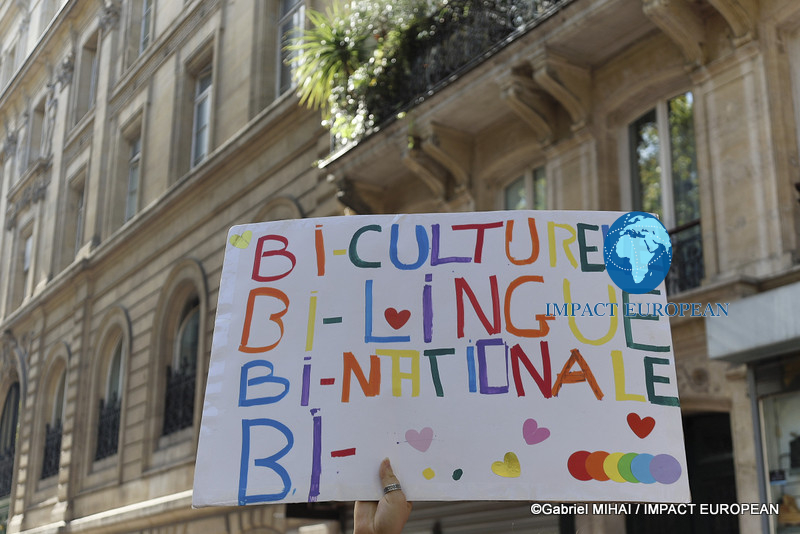
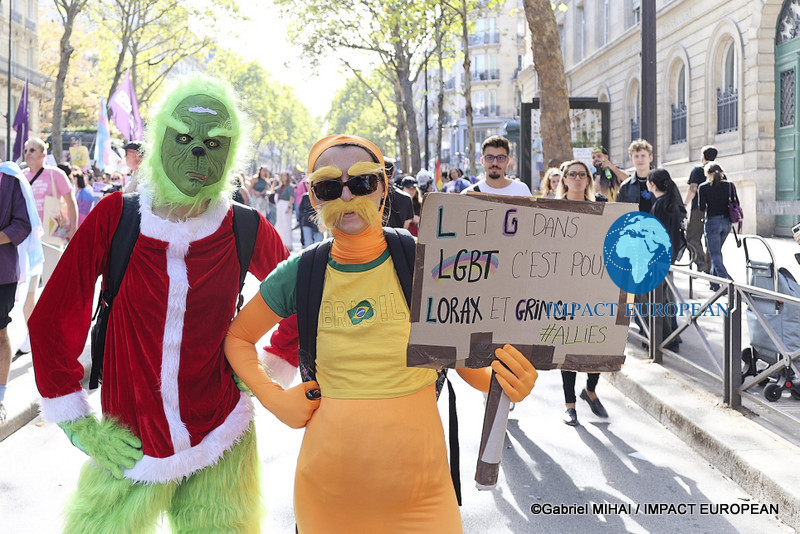
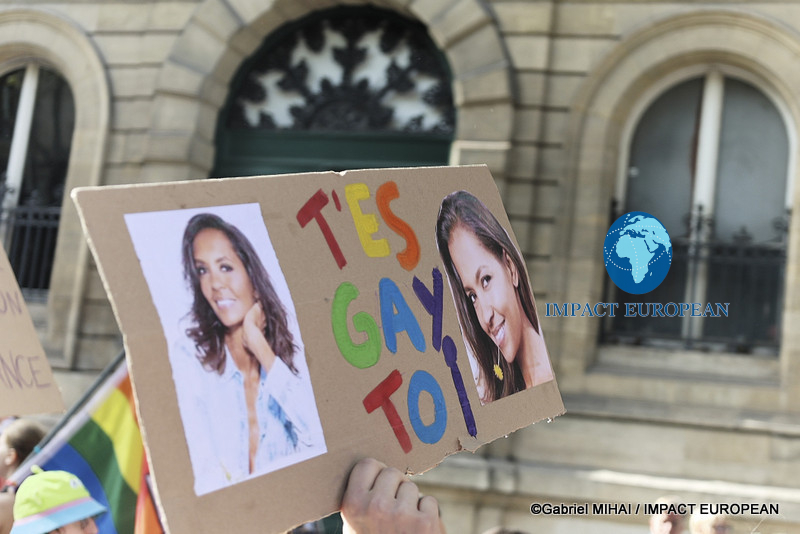
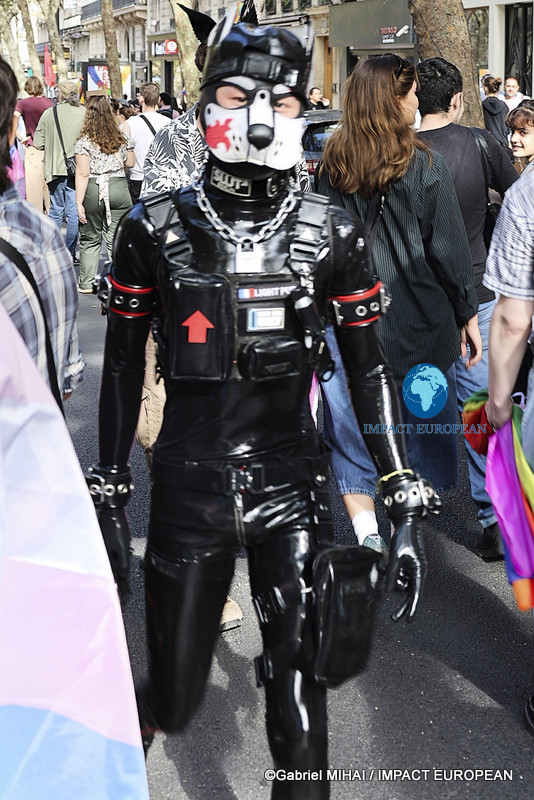
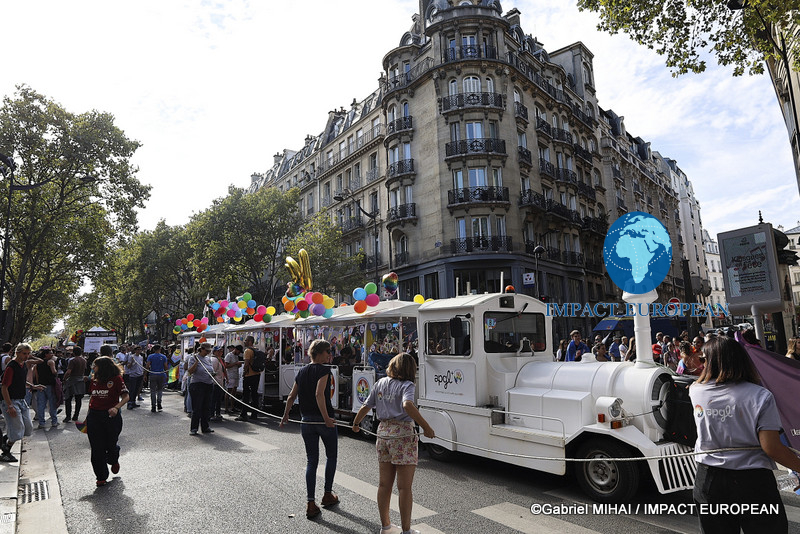
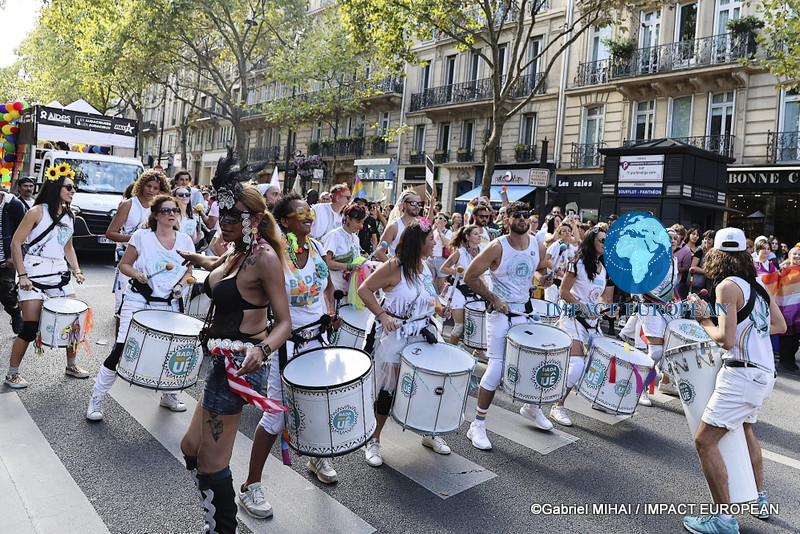
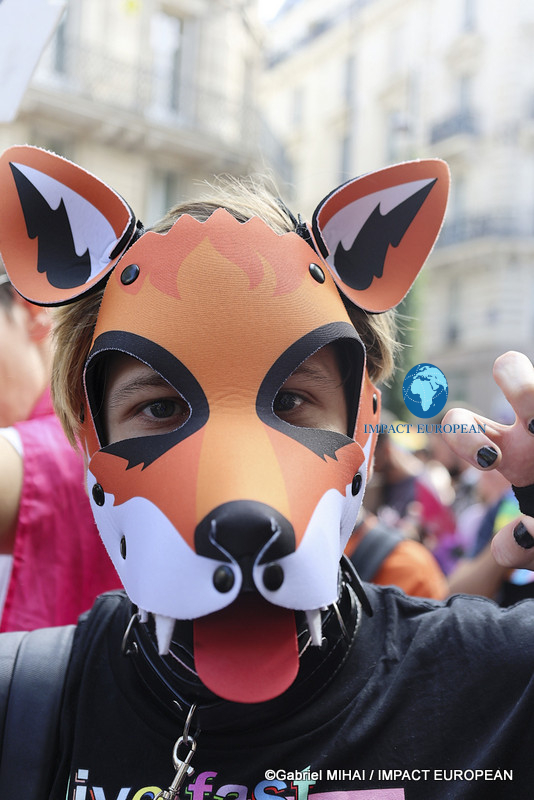
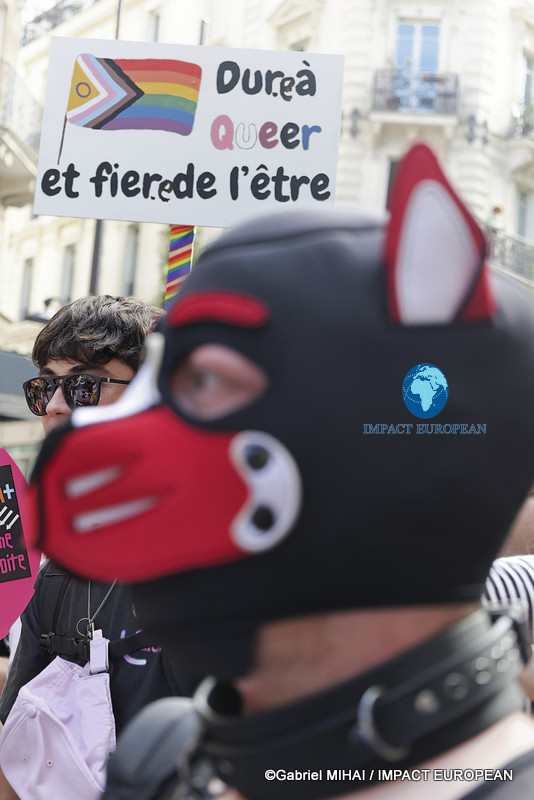
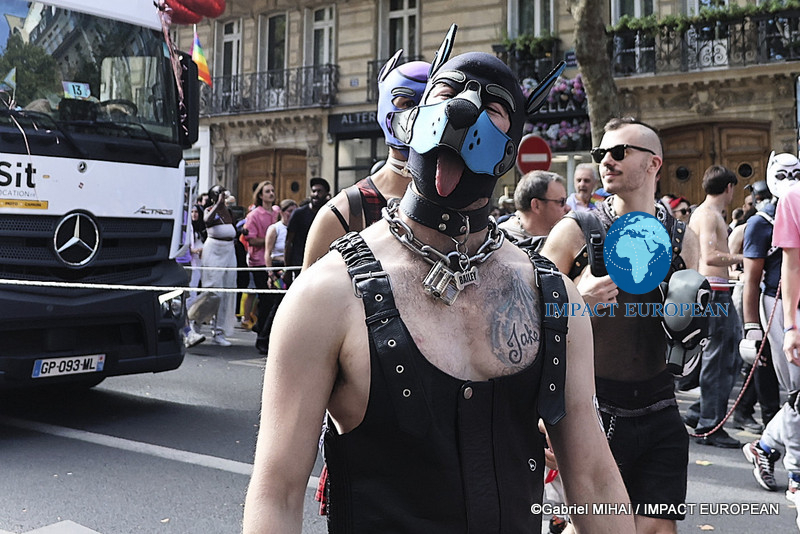
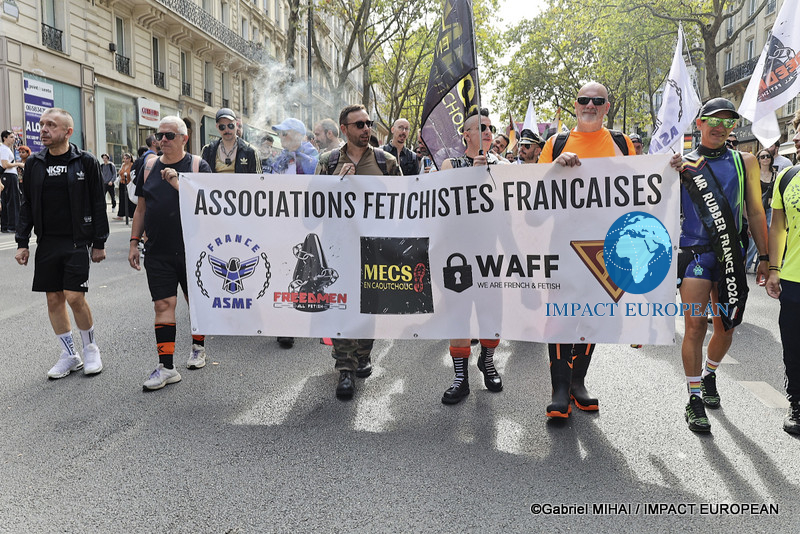
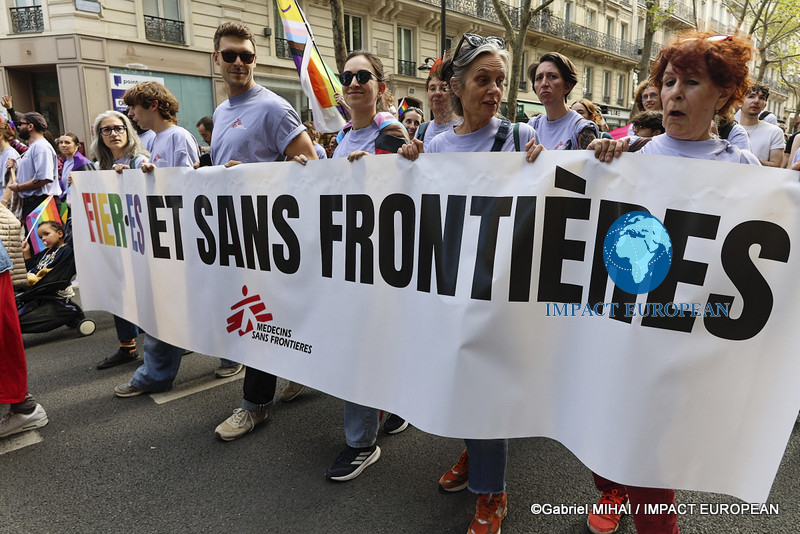
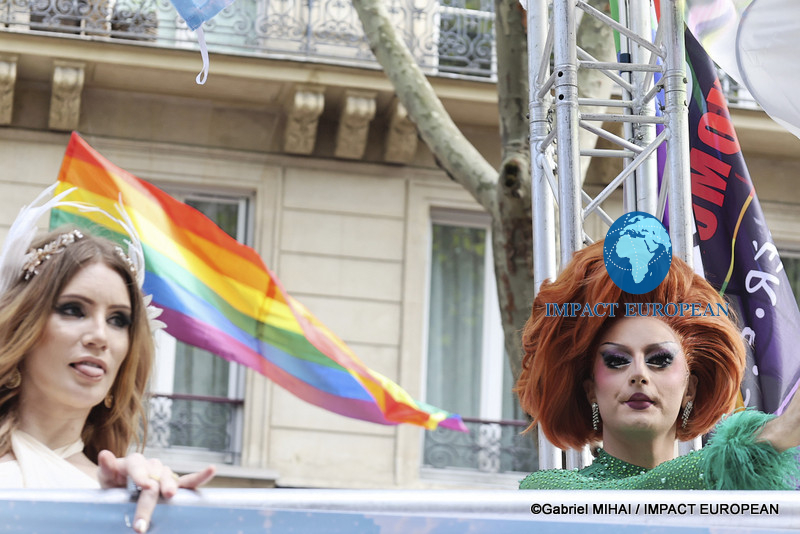
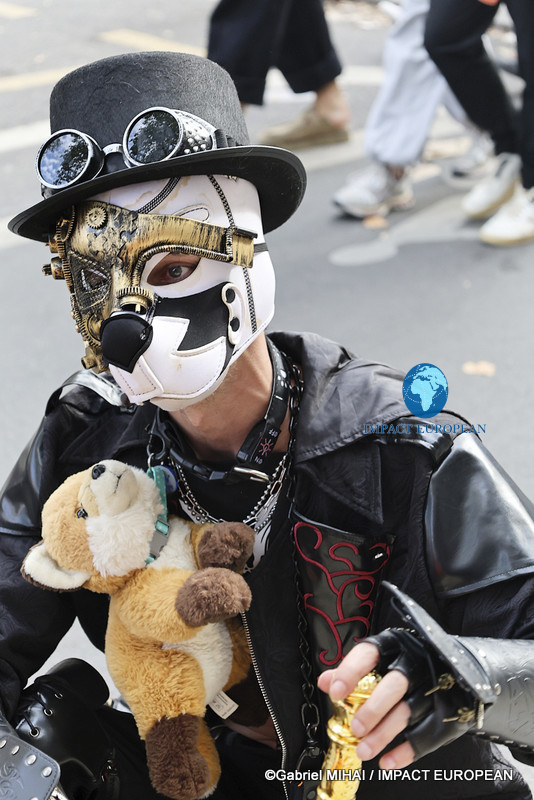
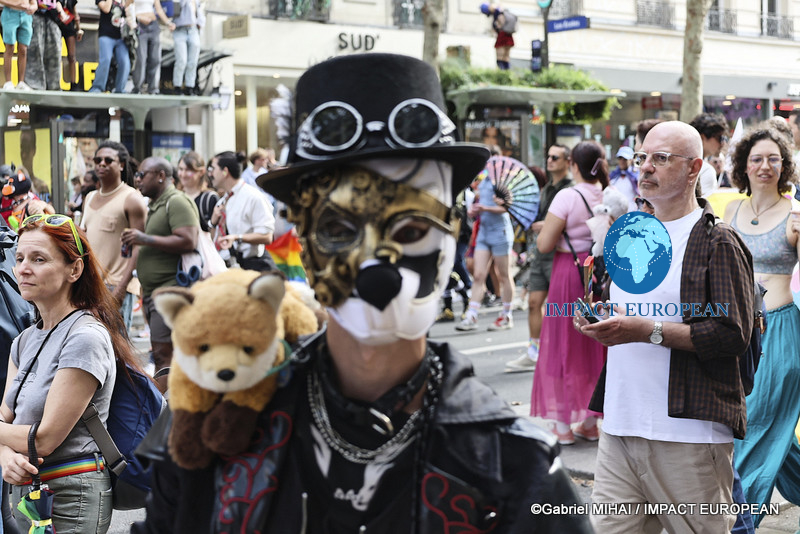
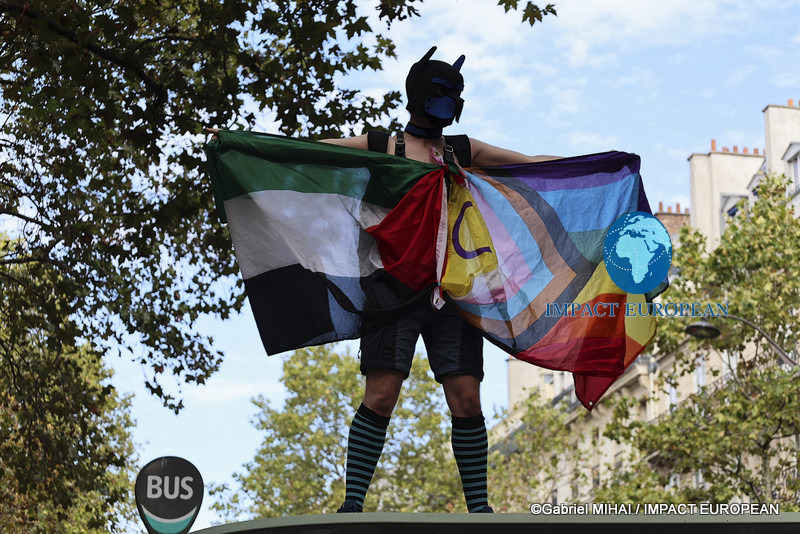
Throughout the route, floats and powerful sound systems shared the streets with activists, dancers, drag performers and participants carrying political signs.
Celebration and protest were not separate elements of the day.
They moved through Paris together.
500,000 or 74,000?
Attendance figures reflected a major difference between organisers and authorities.
Inter-LGBT reported around 500,000 participants.
The Paris police prefecture counted 74,000.
The disparity is substantial and both figures must therefore be understood according to their respective sources.
Whatever the final count, the march brought a major LGBTQIA+ mobilisation into the centre of Paris at a politically sensitive moment for France.
A European dimension emerges at Bastille
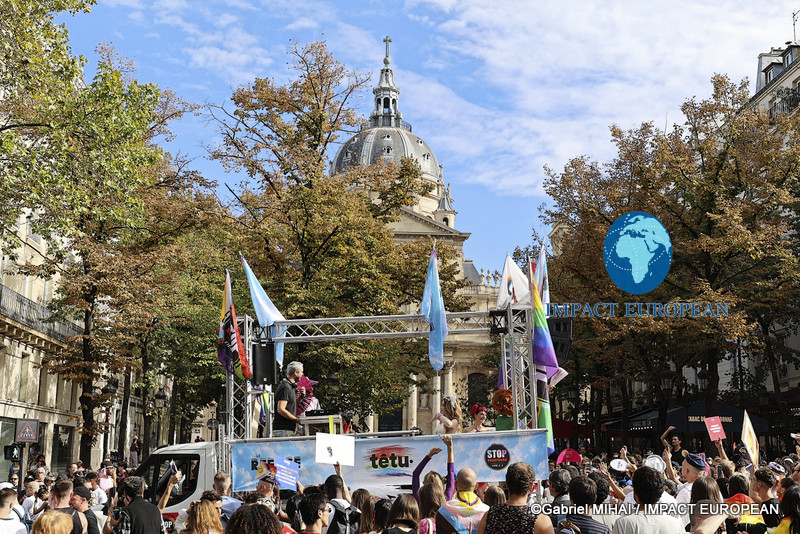
When the procession reached Place de la Bastille, the focus began to expand beyond France.
Among those addressing the crowd was Stéphane, introduced on stage as a representative of Berlin’s LGBTQ+ community.
He thanked Paris’s LGBTQ+ community for the solidarity shown following the attack connected to Berlin Pride in July.
His presence created one of the most significant international moments of the Paris gathering.
It connected two European capitals through an experience that went far beyond the usual exchanges between Pride organisations.
Berlin had experienced violence.
Paris had expressed solidarity.
At Bastille, that solidarity was publicly acknowledged.
Berlin’s attack changed the meaning of solidarity
On July 25, 2026, a van was driven into a crowd near Berlin Pride.
The attack killed one person and injured at least 29 others.
It sent shockwaves through LGBTQIA+ communities well beyond Germany and prompted messages and gatherings of solidarity.
Against that background, Stéphane’s appearance in Paris carried particular weight.
His intervention reminded the crowd that Pride events remain spaces of celebration but can also become targets.
It also illustrated the increasingly transnational character of LGBTQIA+ solidarity.
What happens in Berlin resonates in Paris.
And what happens in Paris can carry a message back to Berlin.
Bastille turns protest into performance
The arrival of the procession at Bastille did not end the mobilisation.
It changed its form.
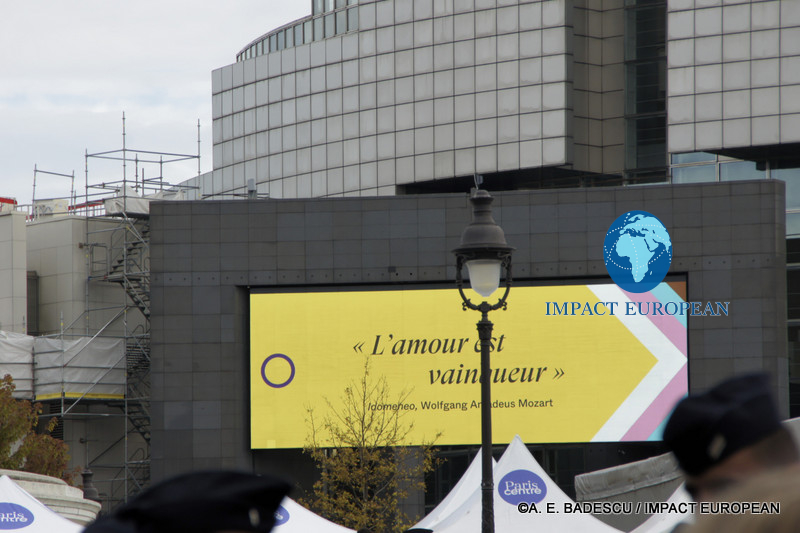
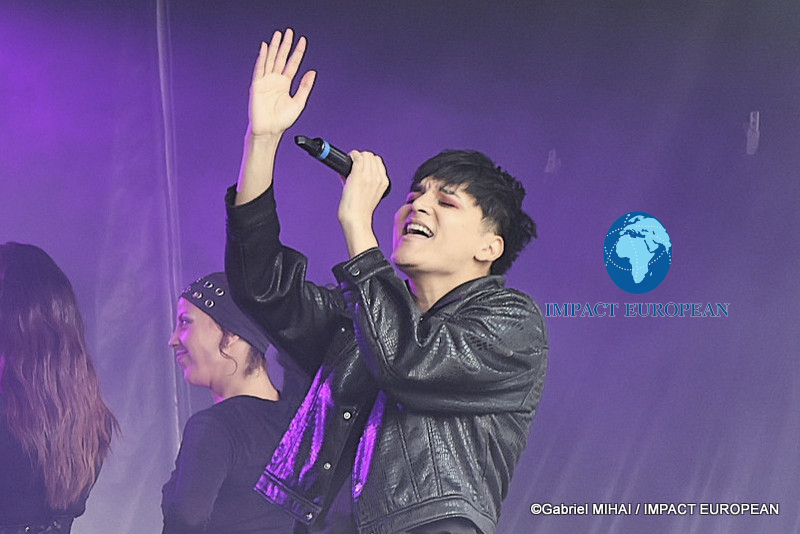
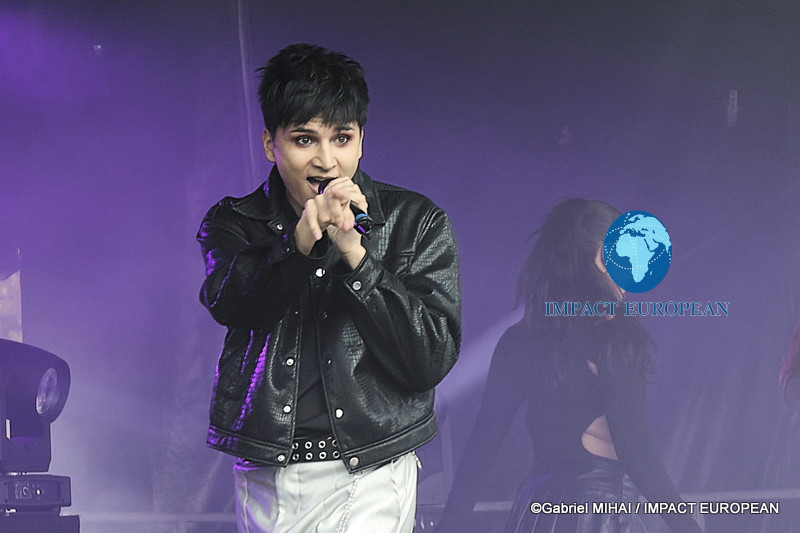
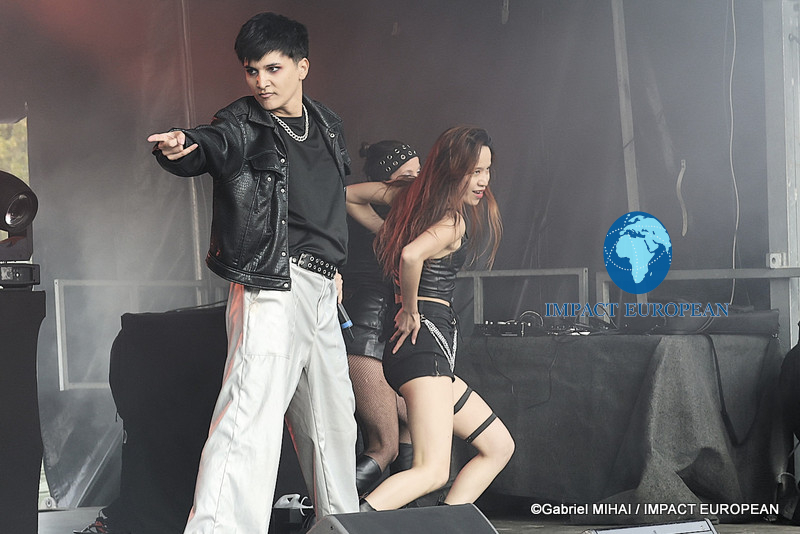
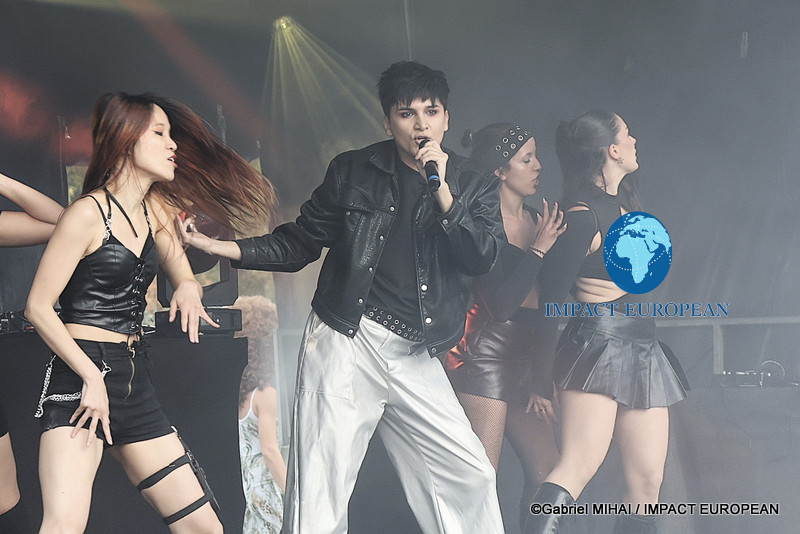
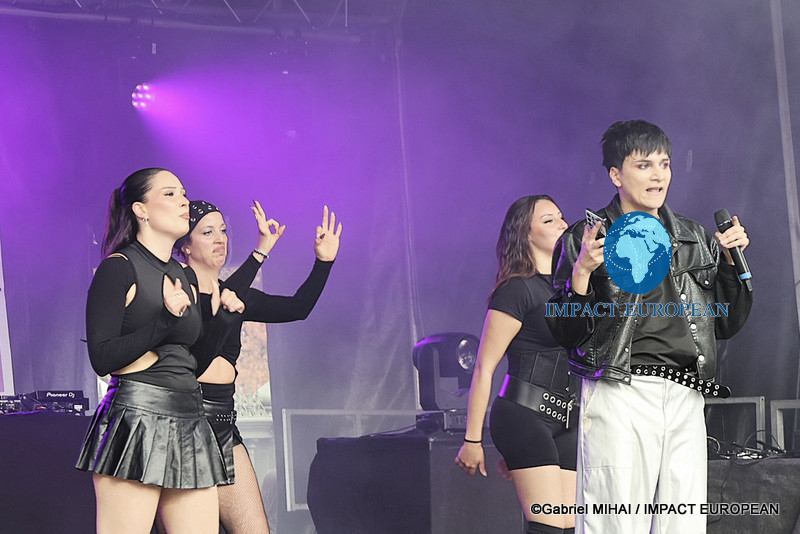
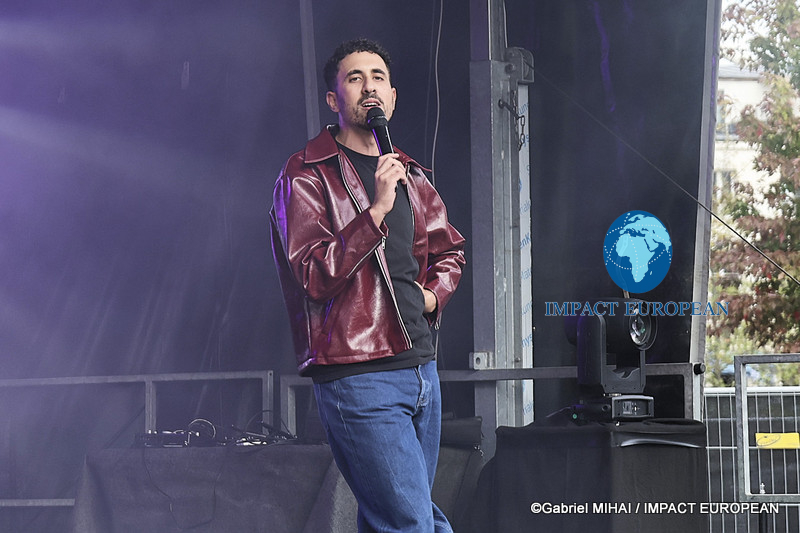
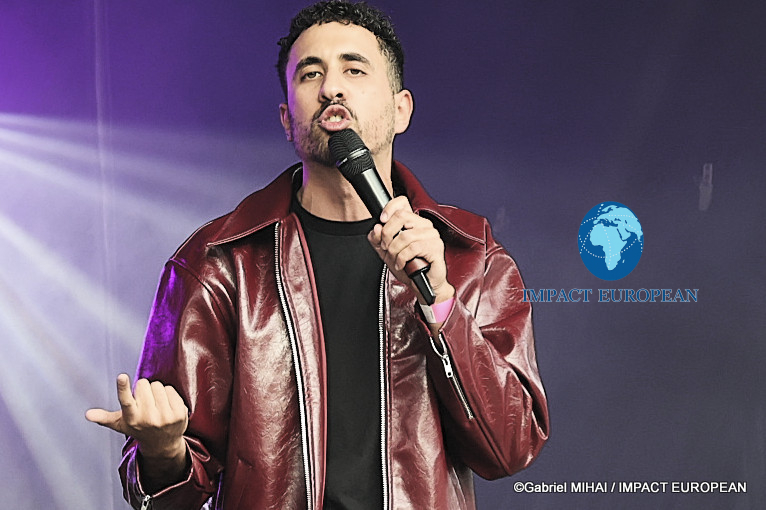
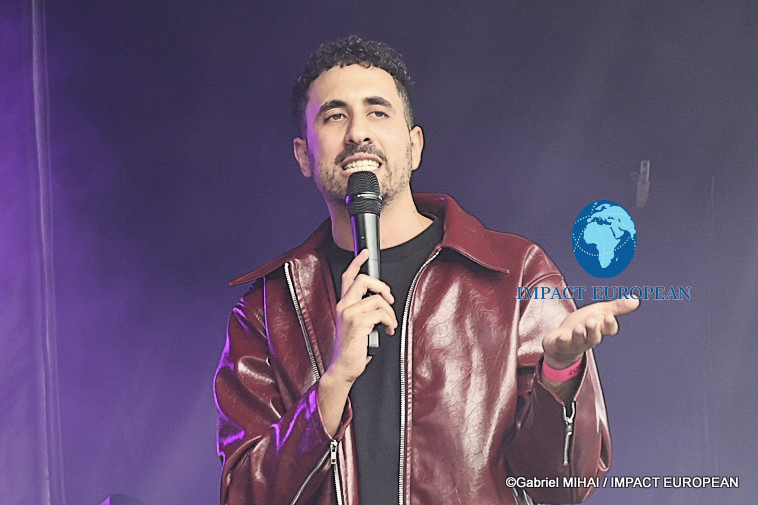
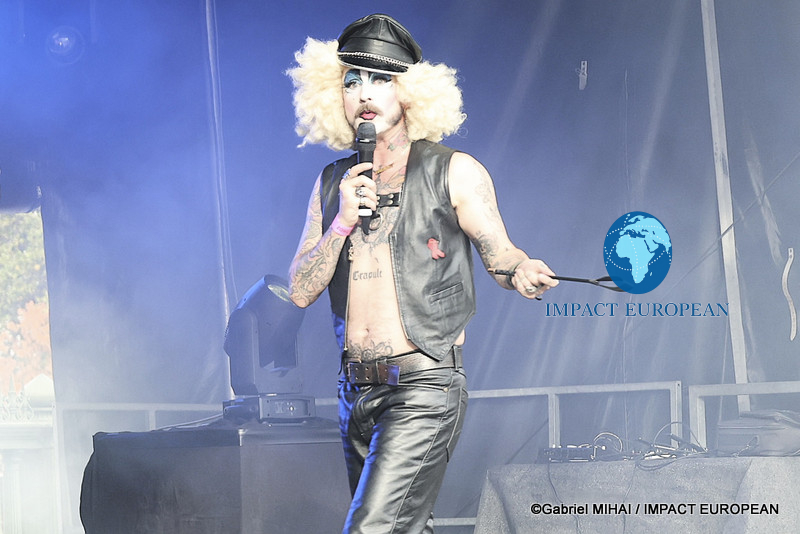
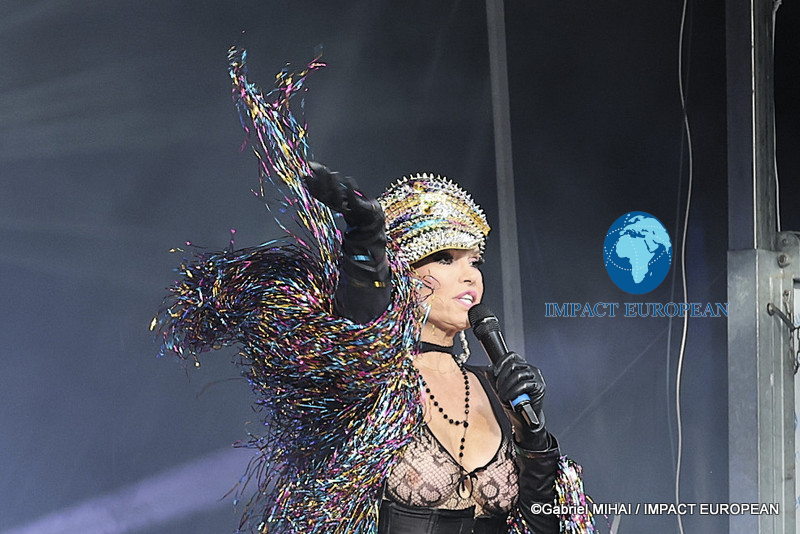
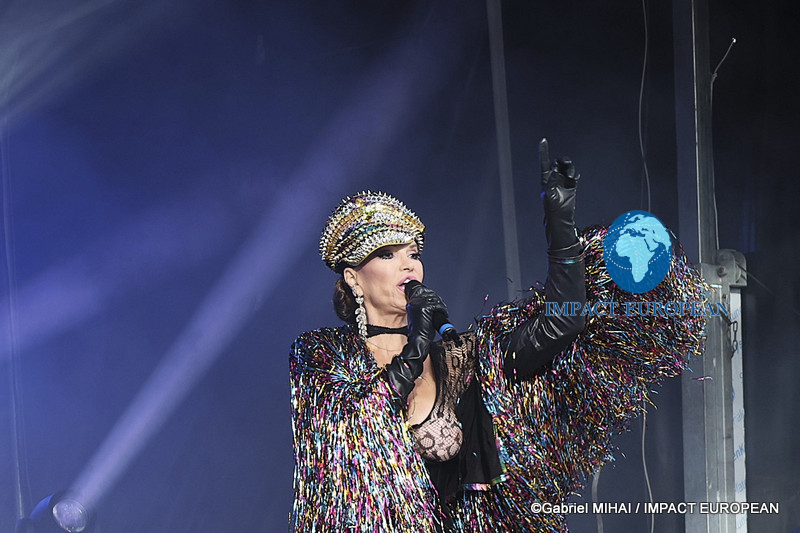
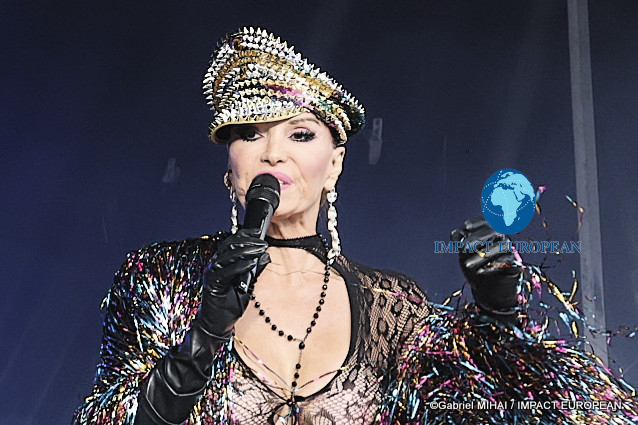
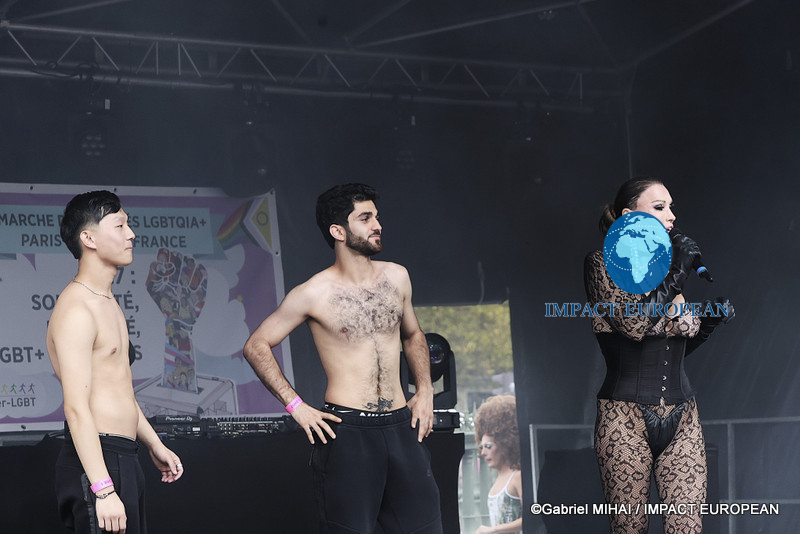
From the afternoon until around 10 p.m., the Paris Pride main stage combined electronic music, pop, drag, cabaret, comedy, dance and community messages.
The programme brought together La Castafion, Allanah Starr, Thea Rose, Debbie Sparrow, Yann, Piche, Christophe Madrolle, Ruby on the Nail, Montemarco, Emii Kitty, La Turbulence x La Versa, Kai Iden, Lolla Wesh, Tonya Loren, Hanabi The K, Agathe Mougin, Ameziane, Madeleine Flamboyante and La Believance from Madame Arthur, as well as Le Filip.
The breadth of the line-up reflected the diversity that Pride had defended throughout the day.
Drag takes centre stage
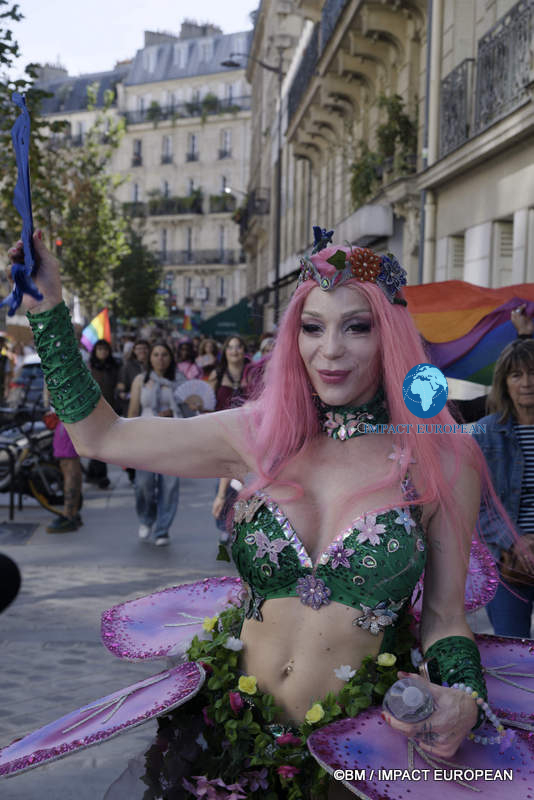
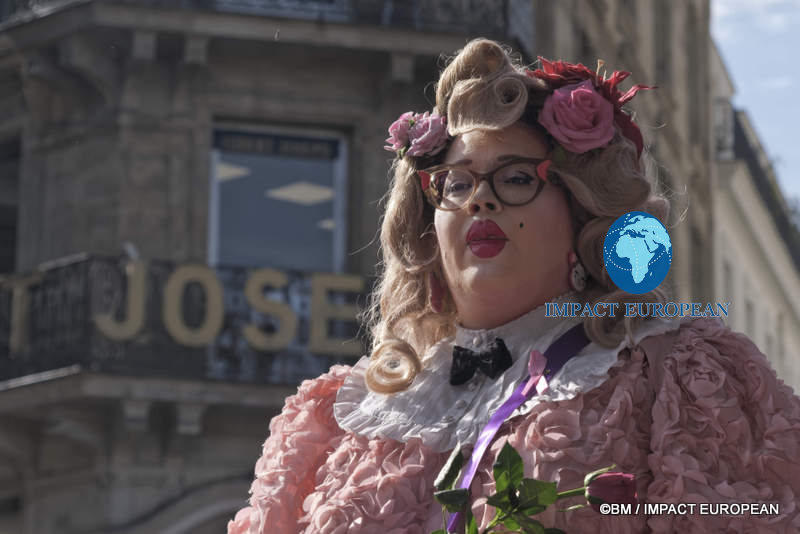
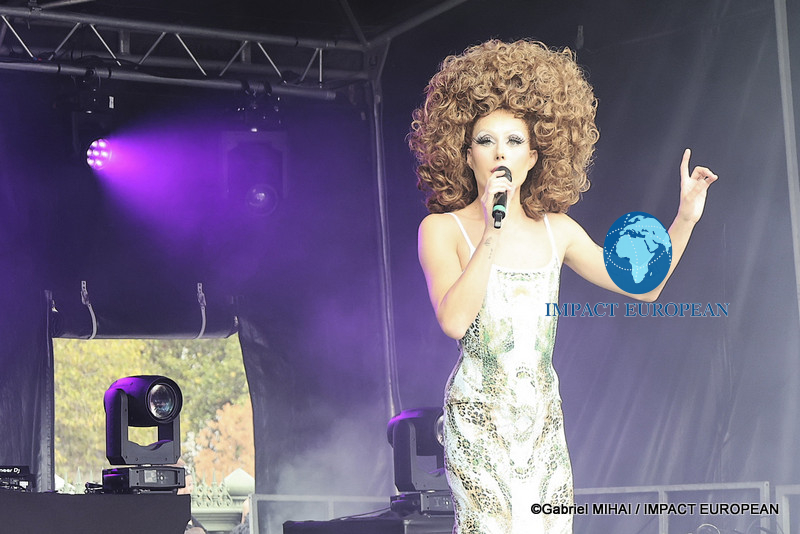
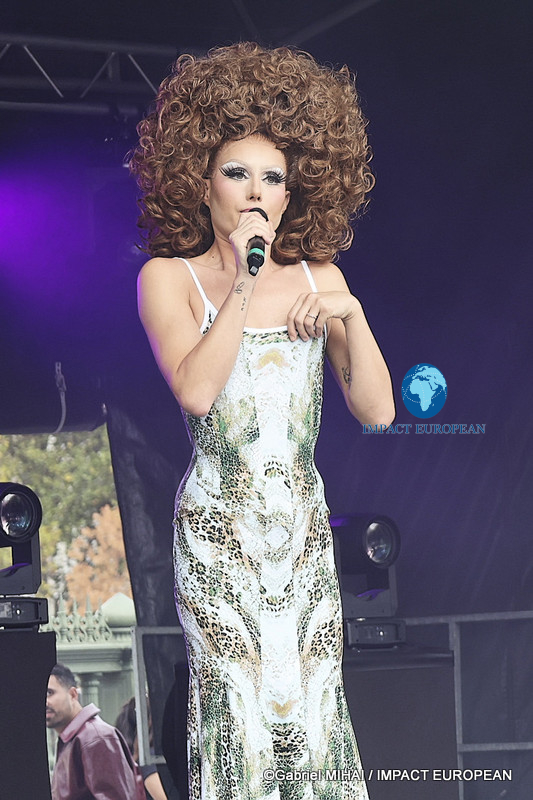
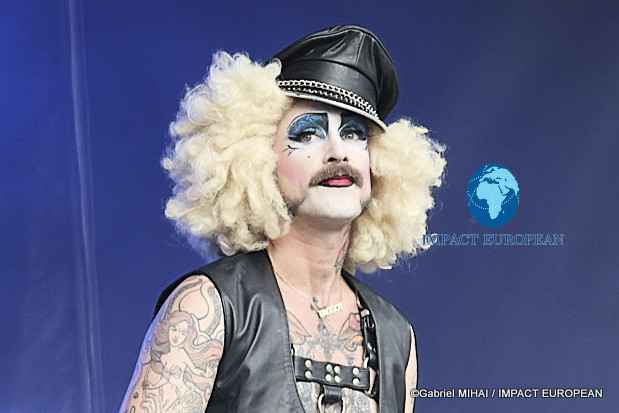
Drag was one of the most visible elements of the Bastille programme.
Piche brought together music, rap and drag performance, while Ruby on the Nail, a finalist in season three of Drag Race France, also appeared before the Bastille crowd.
Le Filip, winner of the same season, added another major figure from France’s contemporary drag scene.
Alongside them, Allanah Starr represented the revue and cabaret tradition.
Madeleine Flamboyante and La Believance from Madame Arthur connected the Pride stage with the long-established world of Parisian queer cabaret.
These performances carried a meaning extending beyond entertainment.
Visibility itself was part of the message.
Electronic music, dance and comedy
Music offered another language for that visibility.
Yann, an emerging figure on the French electronic scene, appeared alongside Paris-based DJ and music curator Agathe Mougin.
Kai Iden combined pop-electronic music with dance and live performance, while Tonya Loren, associated with the dance scene since the 1990s, represented another generation of club culture.
Montemarco, Lolla Wesh, Hanabi The K, Thea Rose, Debbie Sparrow, La Castafion and La Turbulence x La Versa contributed to a programme deliberately built around different forms of performance.
Comedy also had its place.
Ameziane, comedian, writer and stage director, and Emii Kitty brought humour into an event where artistic expression and social questions continually overlapped.
Entertainment without abandoning the message
The Bastille stage was not simply an after-party.
Between performances, community organisations, awareness messages and videos continued to address discrimination and equal rights.
That distinction matters.
In contemporary Pride events, culture is not necessarily separate from activism.
Music can create visibility.
Drag can challenge social conventions.
Comedy can address discrimination.
Dance can turn public space into a place where identities that have historically been marginalised become visible.
At Bastille, the stage therefore became an extension of the street.
Paris between national politics and international concerns
The 2026 Pride March took place at a moment when LGBTQIA+ rights are increasingly debated within wider political struggles in different countries.
In France, attention is already turning towards 2027.
In Germany, the violence surrounding Berlin Pride has brought security and hate-driven violence back into focus.
Elsewhere, LGBTQIA+ communities continue to face very different legal, political and social realities.
Paris Pride cannot answer all of those questions.
But it can make them visible.
That is precisely what happened between Place d’Italie and Bastille.
French political figures marched alongside activists.
Berlin’s experience was brought onto a Paris stage.
Artists turned performance into visibility.
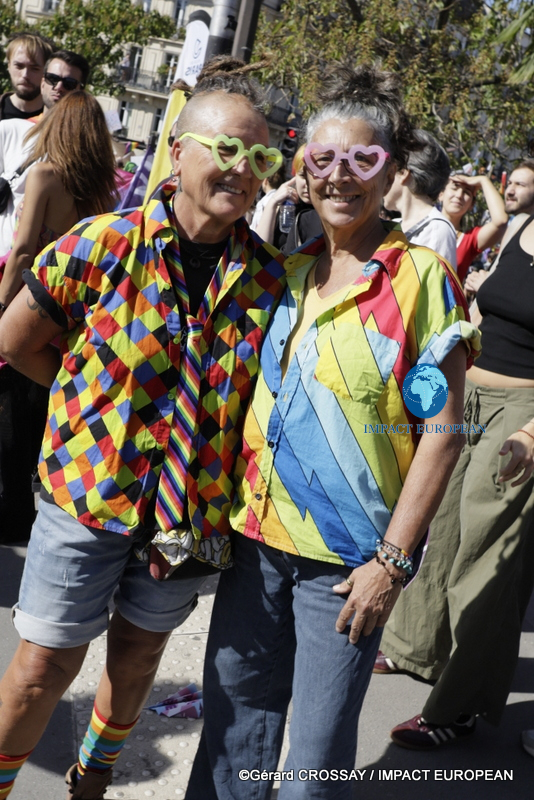
And thousands of participants occupied the streets to demonstrate that Pride remains both celebration and protest.
More than half a century after Stonewall
Modern Pride movements continue to draw part of their historical identity from the Stonewall uprising of June 1969 in New York.
More than half a century later, Pride has changed dramatically.
Marches have become major public events. Political leaders participate. Electronic music, drag, pop, comedy and cabaret fill large stages.
Yet the fundamental question has not entirely disappeared:
Can LGBTQIA+ people live openly, safely and equally?
Paris offered its own answer on October 3.
The answer came from the activists marching through the streets, from the political figures who joined them, from Stéphane’s message linking Berlin and Paris, and from the performers who took over Bastille.
Pride celebrates freedoms already won. But Paris 2026 also carried a warning beyond France: visibility, solidarity and rights still require people willing to defend them.
©2026 IMPACT EUROPEAN – All rights reserved





















Updated : October 4 at 7:00 p.m.
Views: 2
More Stories
France’s September 29 Strike: When Pay Becomes a Question of Public-Service Capacity
Pope Leo XIV in France: From Human Dignity to Europe’s Search for Peace
France’s Firefighters Bring Their Anger to the Eiffel Tower as Pressure Mounts on Emergency Services