

Hundreds of demonstrators took to the streets of Paris on October 5, 2026, urging French lawmakers not to weaken a comprehensive bill against sexist and sexual violence. As Parliament debates reforms covering prevention, criminal investigations, victim support and child protection, women’s rights organisations fear that amendments and funding disputes could undermine the legislation’s original ambitions. A new nationwide mobilisation is being prepared for October 13, the scheduled date of a key parliamentary vote.
A protest that goes beyond demanding new legislation
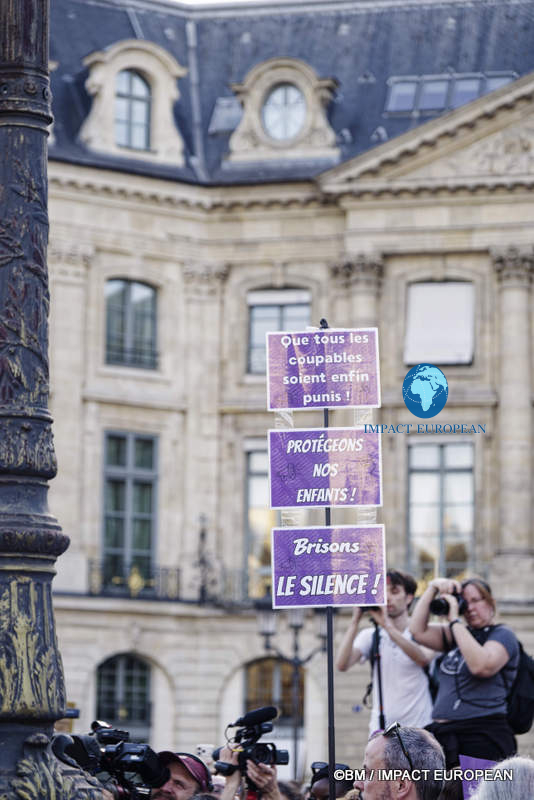
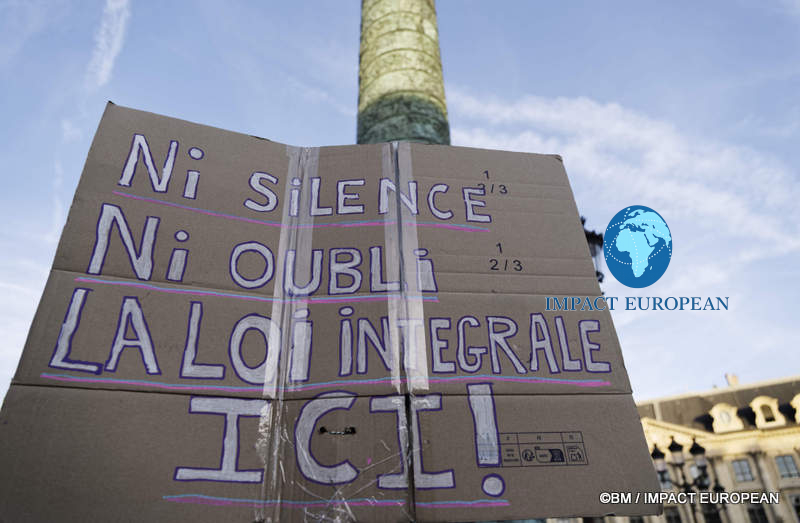
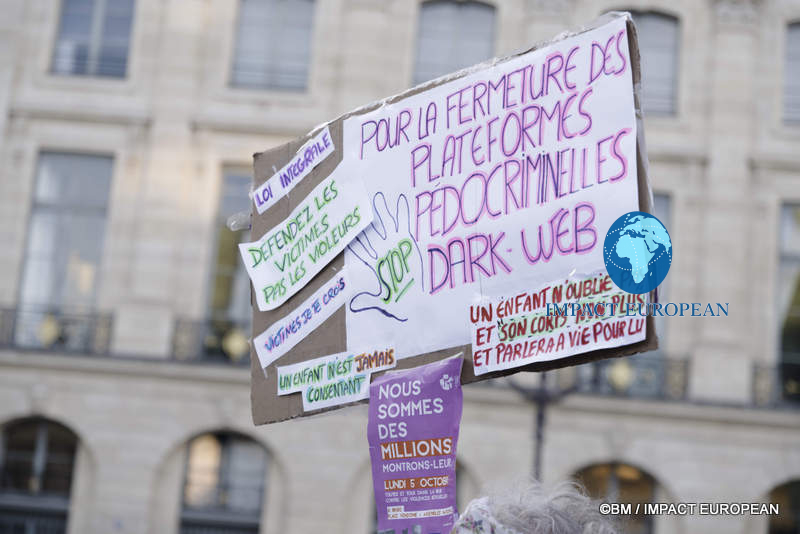
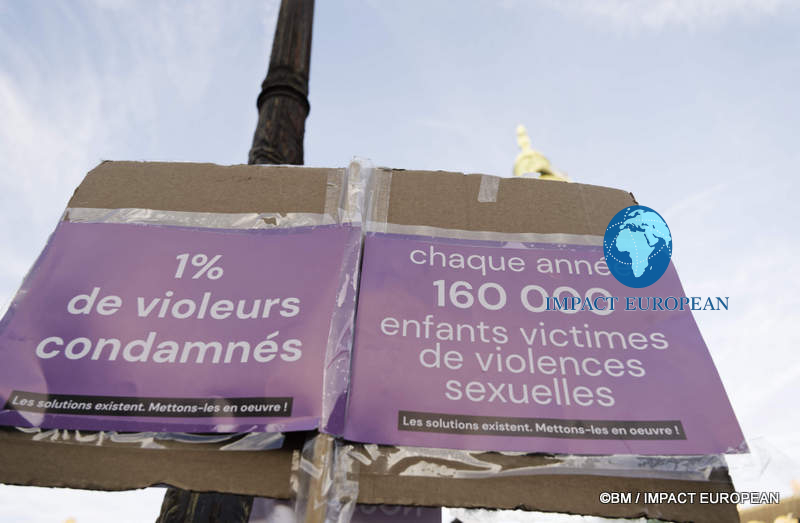
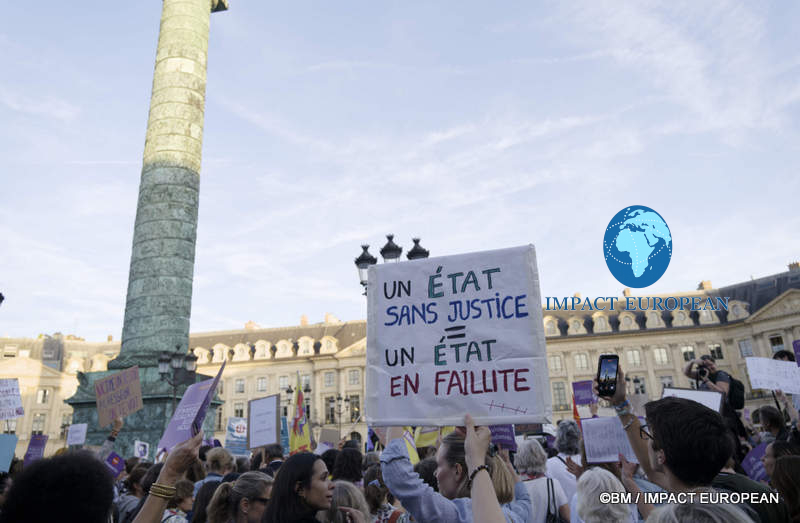
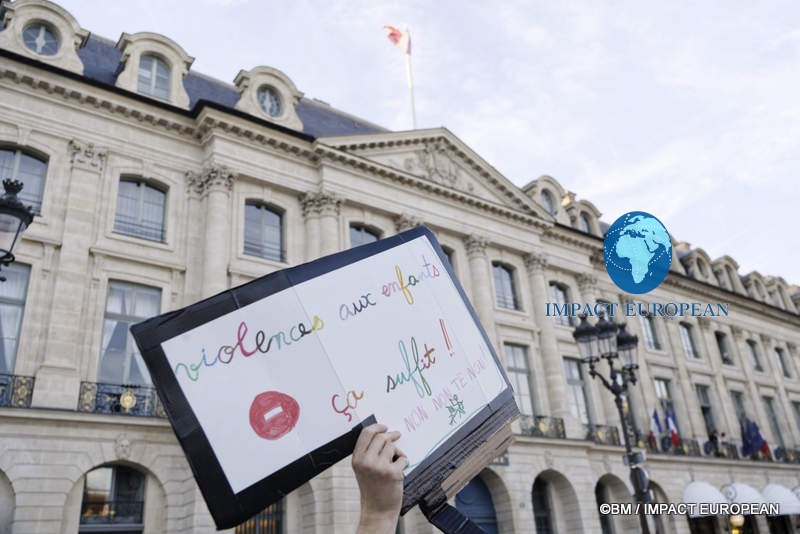
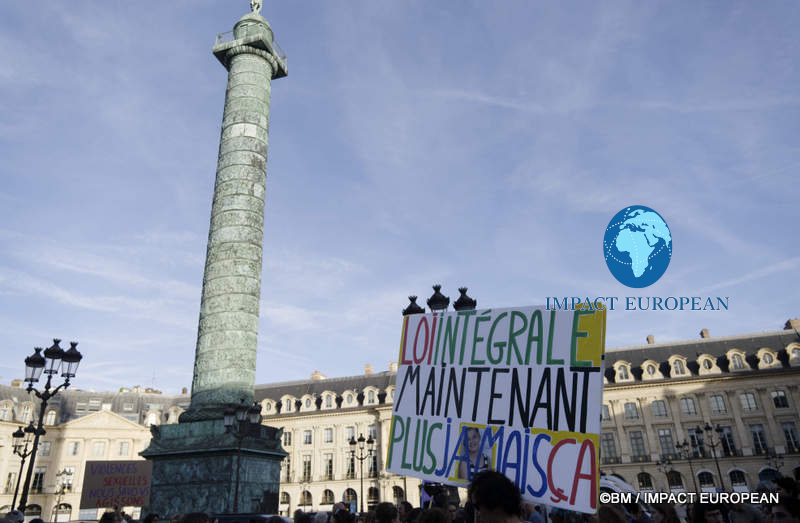
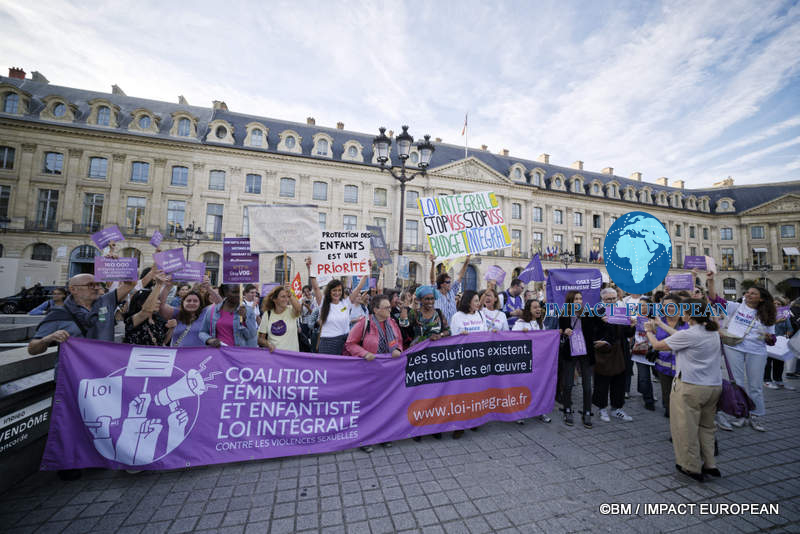
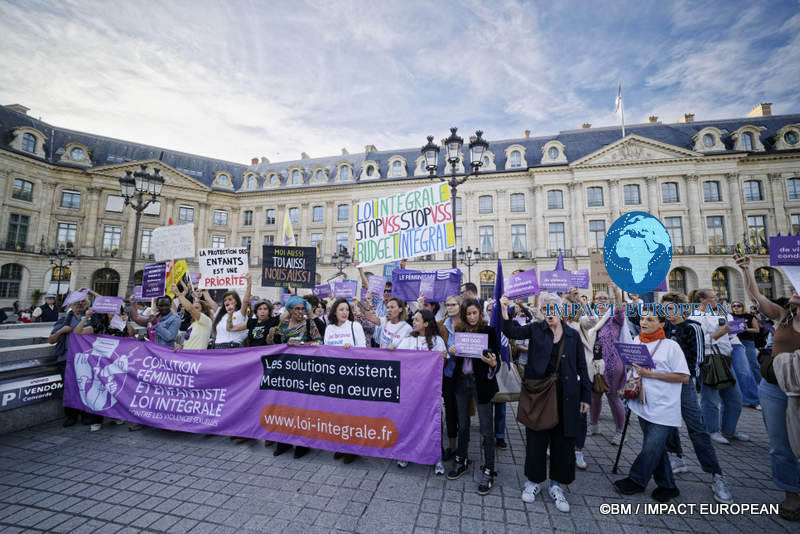
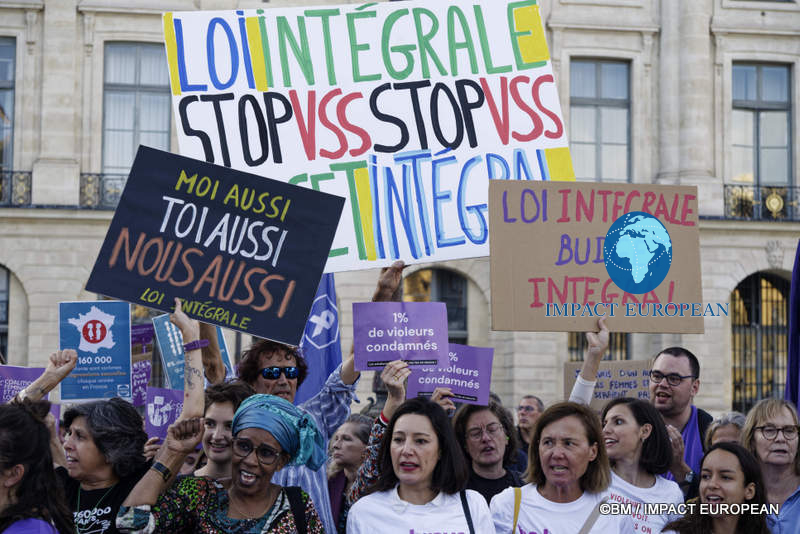
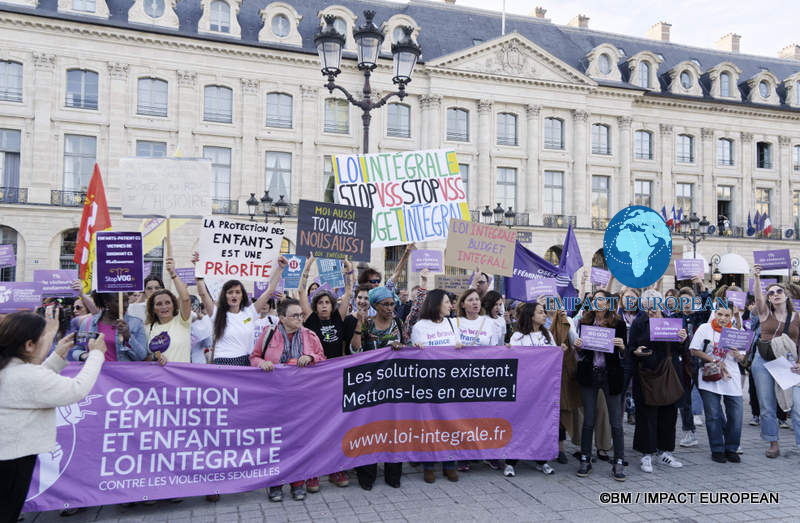
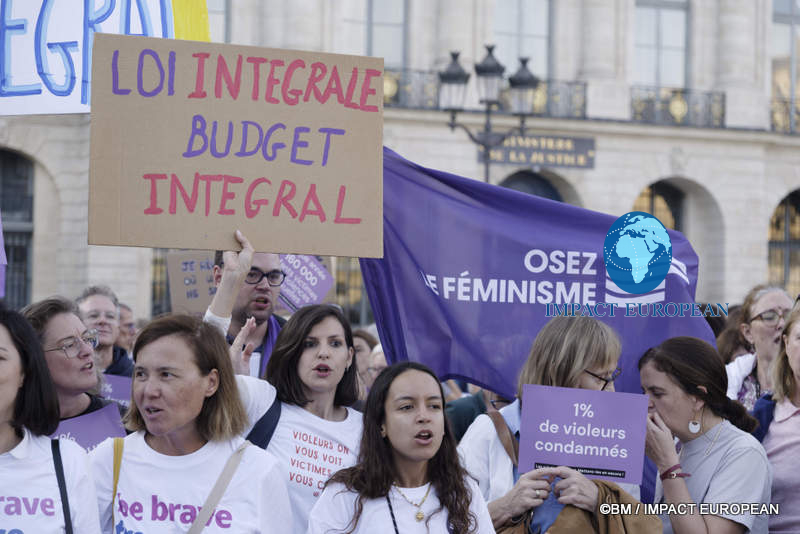
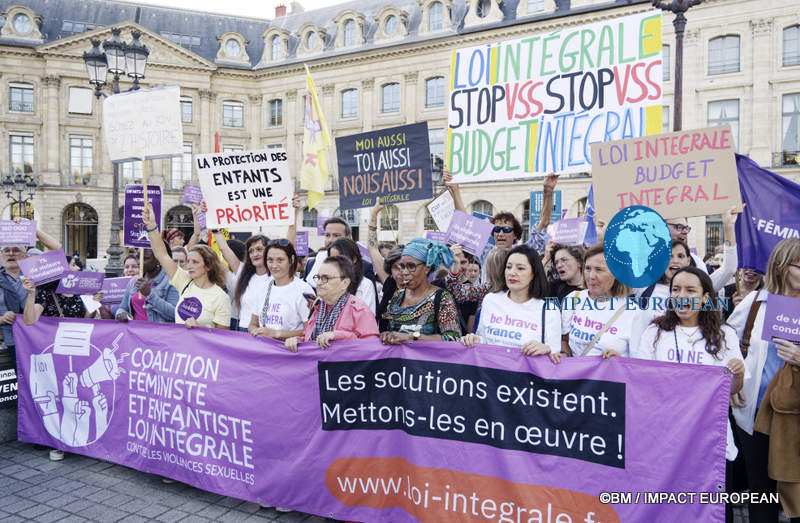
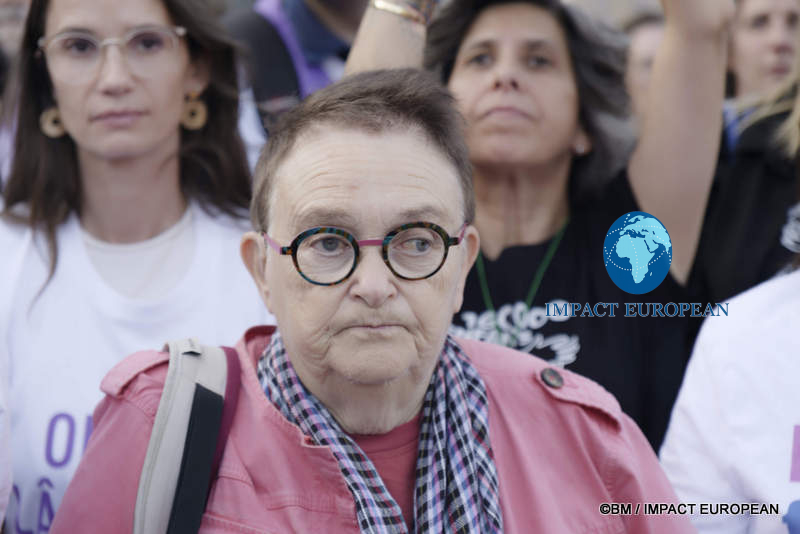
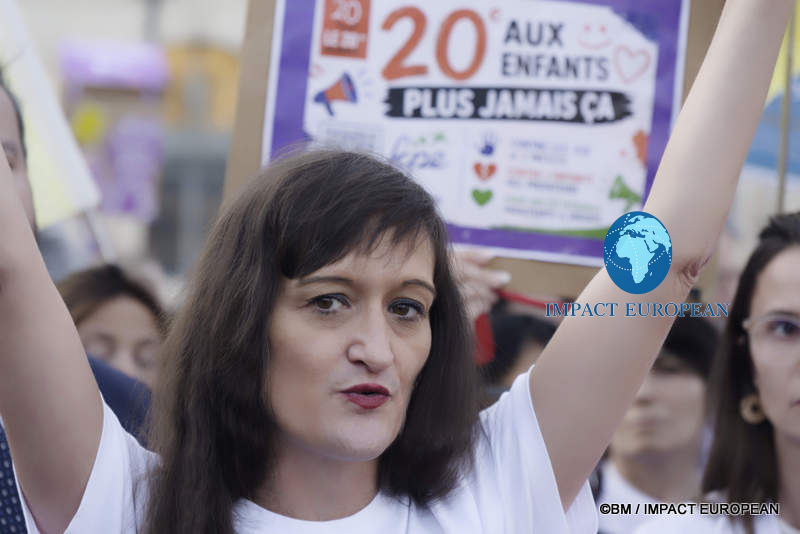
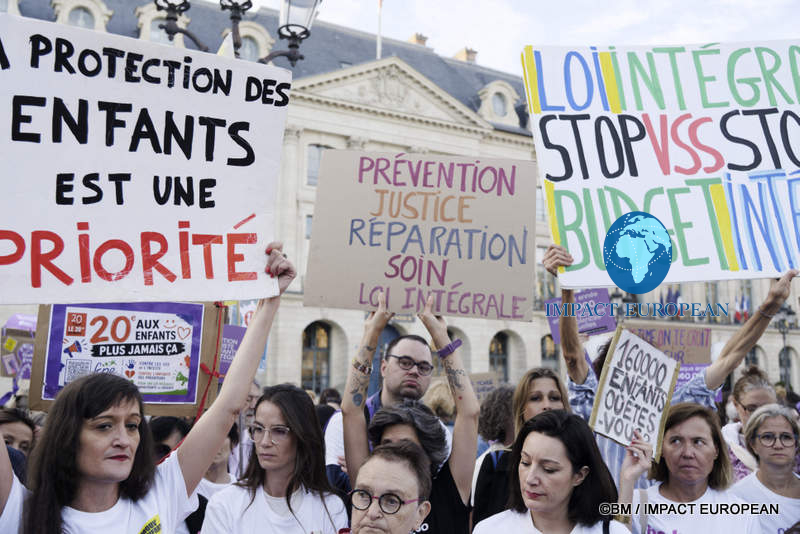
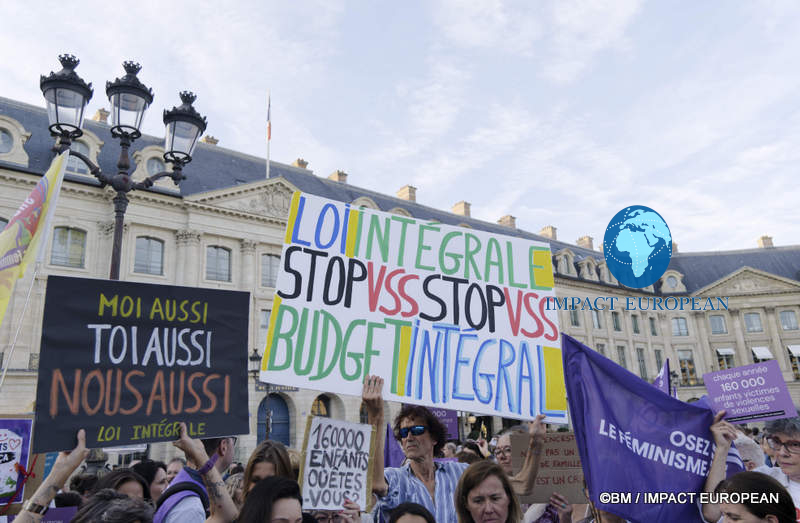
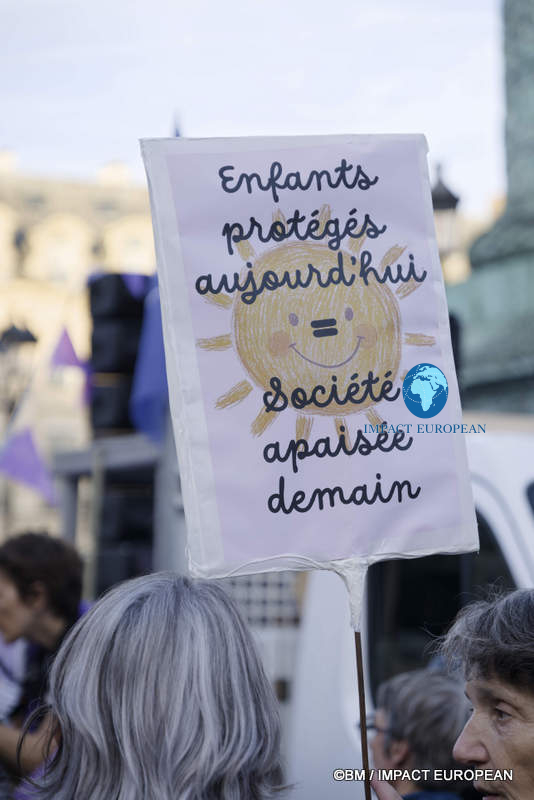
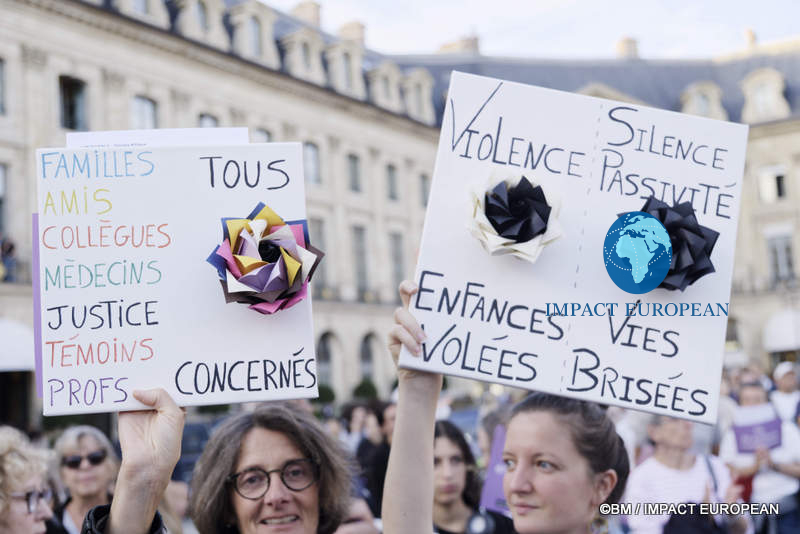
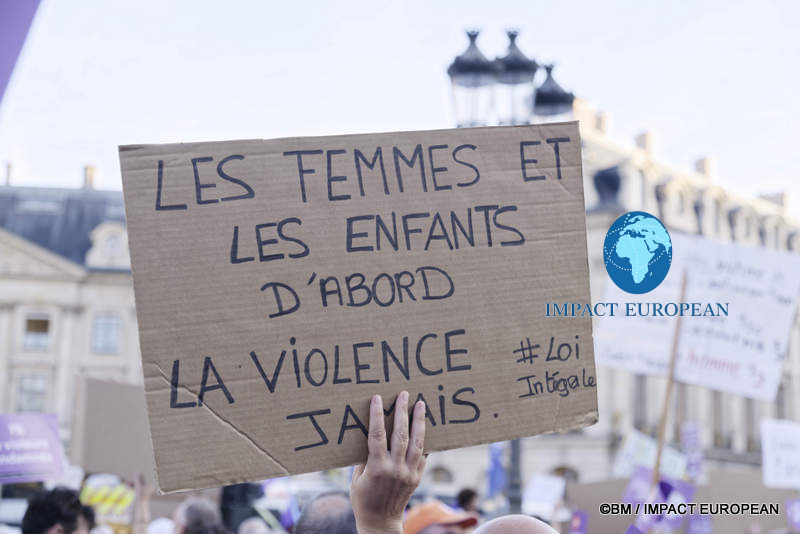
On Monday evening, October 5, approximately 500 demonstrators, predominantly women, gathered at Place Vendôme in central Paris, home to France’s Ministry of Justice.
From there, protesters headed towards the National Assembly, where lawmakers were examining a wide-ranging proposal aimed at combating sexist and sexual violence.
Similar demonstrations took place in other French cities.
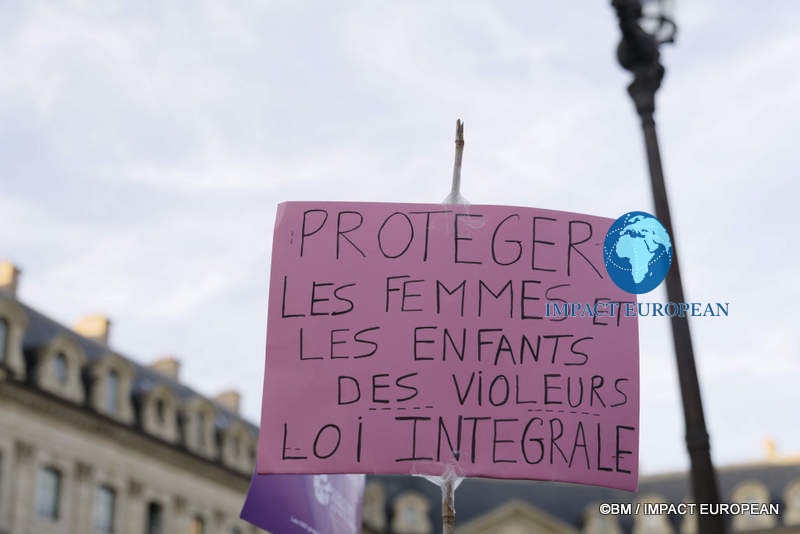
The Paris march carried a message that extended beyond a general demand for stronger laws.
Campaigners wanted lawmakers to preserve the substance of legislation developed through years of advocacy by women’s rights and child protection organisations.
Their concern was that parliamentary amendments could leave the bill with an ambitious title but fewer effective safeguards.
The demonstration therefore became part of the legislative debate itself, bringing public pressure directly to the institutions responsible for determining the law’s final content.
Why France is debating a comprehensive response
Gender-based and sexual violence affects victims in different circumstances, including intimate relationships, family settings, workplaces, educational institutions and digital environments.
Abuse can involve physical or sexual assault, harassment, psychological intimidation, coercion and threats.
The consequences often extend beyond the immediate incident.
Victims may need medical treatment, psychological support, emergency accommodation, legal advice, police protection or assistance during judicial proceedings.
These services are generally provided by different institutions, each operating under its own rules and responsibilities.
For someone experiencing violence, navigating those separate systems can become an additional burden.
The proposed legislation seeks to address this fragmentation.
Its central ambition is to connect prevention, early detection, investigations, healthcare and justice within a more coherent protection framework.
Criminal cases have intensified demands for reform
Several major cases have helped shape France’s public debate on sexual violence and institutional responsibility.
The Mazan mass rape case exposed the scale of sexual abuse committed within a domestic setting and prompted renewed discussion about consent, coercion and the recognition of victims.
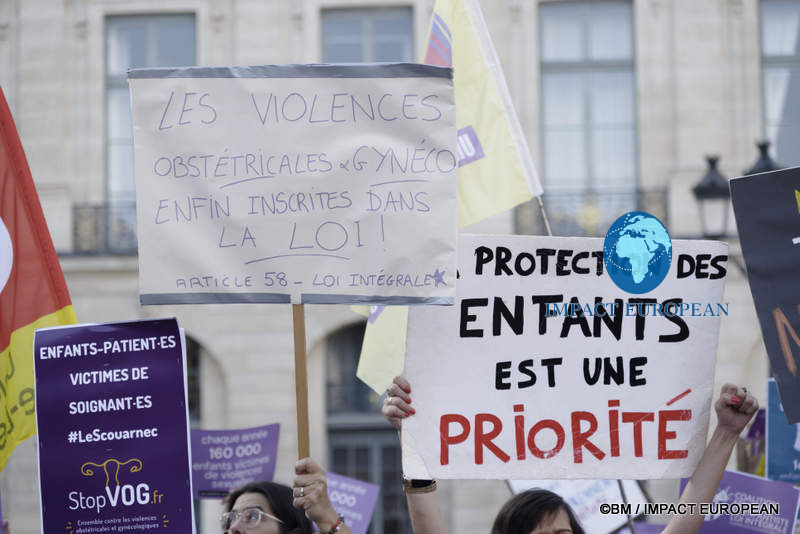
The case involving former surgeon Joël Le Scouarnec raised serious questions about the detection of repeated sexual abuse against children.
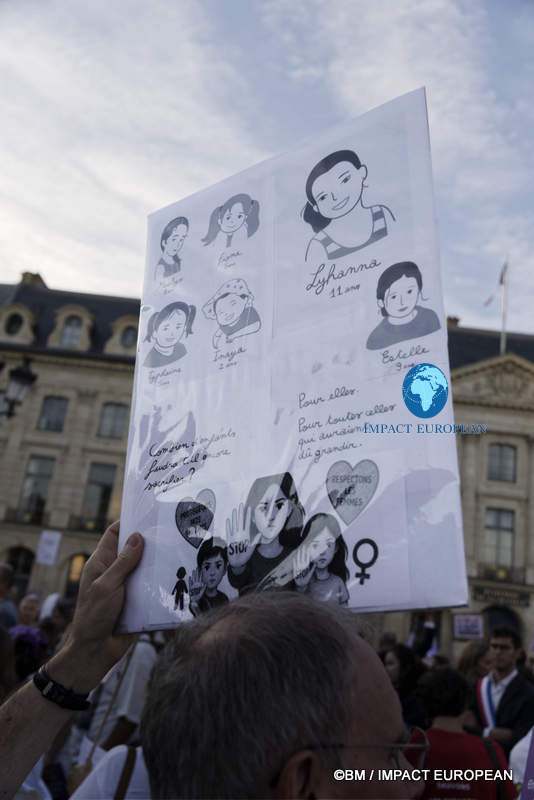
The rape and murder of 11-year-old Lyhanna in June 2026 generated further public concern over how earlier warnings and complaints had been handled.
These cases involve distinct circumstances and legal responsibilities.
They should not be treated as interchangeable examples.
Nevertheless, they have contributed to a broader debate about whether institutions can recognise warning signs, share relevant information and intervene before abuse continues or escalates.
For campaigners, this is one reason why stronger criminal penalties alone cannot provide a complete answer.
Prevention and protection must also become central responsibilities.
A broad legislative proposal shaped by civil society
The comprehensive bill is backed, according to the information presented around the proposal, by more than 240 lawmakers from eight parliamentary groups.
Its development has involved contributions from nearly 200 organisations.
The version brought before Parliament contains more than 70 articles and covers several areas of public policy.
These include policing, criminal justice, healthcare, education, employment, child protection and online violence.
The National Assembly began examining the proposal in public session in early October.
The bill’s scope reflects a fundamental challenge: violence against women and children cannot be addressed by a single institution acting alone.
Schools may play a role in identifying abuse.
Healthcare professionals may provide treatment and recognise signs of violence.
Police officers investigate reported offences.
Courts determine criminal responsibility and decide on judicial measures.
Social services and specialist organisations may help victims obtain practical support.
A comprehensive legal framework aims to improve the connections between these responsibilities.
But translating that ambition into effective policy requires clear procedures, trained professionals and sufficient resources.
A dispute over specialised police investigations
One of the most significant parliamentary confrontations occurred on October 5.
Lawmakers debated a proposal to establish specialised criminal investigation units dealing with sexist and sexual violence.
Supporters argued that greater specialisation could improve investigative expertise and address weaknesses in the handling of complaints.
Interior Minister Laurent Nuñez opposed the original arrangement, arguing that it would be difficult to implement.
He estimated that the proposal would require 12,500 investigators at a cost approaching €1.7 billion.
The government’s amendment seeking to remove the measure was rejected by an overwhelming parliamentary majority, with only two votes breaking the consensus against it.
However, the provision was subsequently modified, reducing the scope of the original proposal.
The episode illustrated the central tension surrounding the bill.
Campaigners and supporting lawmakers want stronger investigative structures.
The government has raised concerns about staffing, operational feasibility and financial costs.
Both the objectives of reform and the practical conditions for implementing it are now part of the parliamentary debate.
For civil society organisations, the danger is that a measure may survive in name while losing part of its intended effect.
What preserving the bill means for victims
The demand to protect the legislation’s original ambition is closely connected to the experiences of victims.
For a woman facing domestic violence, timely intervention may be essential to her safety.
For a survivor of sexual assault, access to medical care and psychological support may be needed before any decision about reporting the offence.
For children, the ability to recognise and disclose abuse may be affected by age, fear or dependence on adults.
These different circumstances require flexible and coordinated responses.
The bill seeks to strengthen safeguards across several stages of the protection process.
Campaigners want to ensure that amendments do not weaken provisions intended to improve access to services, professional training or institutional cooperation.
The challenge is not merely to create legal rights.
It is to ensure that victims can obtain meaningful assistance when those rights become necessary.
Child protection exposes the limits of fragmented systems
Protecting children from sexual violence presents particular difficulties.
A child may not understand the nature of the abuse or may be unable to describe it clearly.
Fear, dependency and relationships of authority can make disclosure especially difficult.
Responsibility for detecting possible abuse therefore cannot rest solely with the child.
Teachers, healthcare workers, social services and judicial authorities all have potential roles in recognising warning signs.
But detection is only one stage.
Institutions must also have procedures that allow concerns to be assessed and appropriate protective action to follow.
The proposed legislation seeks to strengthen this framework.
Its effectiveness will depend on the ability of different services to coordinate their responses rather than leaving responsibility dispersed across separate institutions.
The funding question could shape the final outcome
A comprehensive reform inevitably raises questions about resources.
Specialised investigations require trained personnel.
Victim support requires accessible services.
Child protection demands cooperation between institutions.
Healthcare and psychological assistance depend on professional capacity.
Prevention programmes also require training, organisation and sustained investment.
The debate over specialised police units has brought the financial dimension into public view.
However, the cost of that single proposal does not represent the entire funding challenge.
Women’s rights organisations are concerned that protections could remain difficult to access if the legislation is not accompanied by adequate resources.
A law can establish obligations without immediately providing the institutional capacity to fulfil them.
For campaigners, preserving the bill therefore means defending both its substantive protections and the conditions required to implement them.
October 13: a new mobilisation timed to the parliamentary vote
The October 5 demonstrations are being followed by preparations for another day of action.
In a statement issued on October 6, a coalition including the Fondation des Femmes and the City of Paris called for mobilisation on October 13.
The initiative, launched by World With Women, encourages women who are able to do so to suspend their professional and domestic activities.
The broader public is also invited to participate.
The action aims to highlight women’s essential contribution to society while maintaining pressure on lawmakers.
October 13 is the scheduled date of the National Assembly’s formal vote on the proposal.
As of October 9, that vote has not yet taken place.
Its outcome, and the final wording of the legislation, cannot be presumed.
Even approval by the National Assembly would not automatically complete the legislative process, which would require further parliamentary steps before any eventual enactment.
A test of whether public pressure can preserve legislative ambition
The French mobilisation raises a question relevant to other democracies: what happens when broad commitments to protecting victims encounter the detailed negotiations required to produce legislation?
Civil society organisations have spent years advocating a comprehensive response to sexist and sexual violence.
Parliament must now determine which measures will remain, which will be changed and how they could operate in practice.
The government has raised operational and financial objections to certain provisions.
Campaigners are seeking to ensure that those objections do not undermine the overall purpose of the reform.
The relationship between public mobilisation and parliamentary decision-making is therefore central to the unfolding debate.
Protesters cannot determine legislative outcomes by themselves, and individual parliamentary votes cannot automatically be attributed to public pressure.
But their mobilisation is intended to keep the bill’s protective objectives visible throughout the process.
The central issue is not simply whether France adopts a law described as comprehensive, but whether the legislation retains the safeguards and practical capacity needed to protect women and children.
As the October 13 vote approaches, the campaign is moving from the streets of Paris into a broader test of political responsibility, institutional coordination and the effectiveness of legal reform.
©2026 IMPACT EUROPEAN – All rights reserved



Views: 3
More Stories
Paris Pride 2026: From Political Mobilisation to a European Message of Solidarity
France’s September 29 Strike: When Pay Becomes a Question of Public-Service Capacity
Pope Leo XIV in France: From Human Dignity to Europe’s Search for Peace