
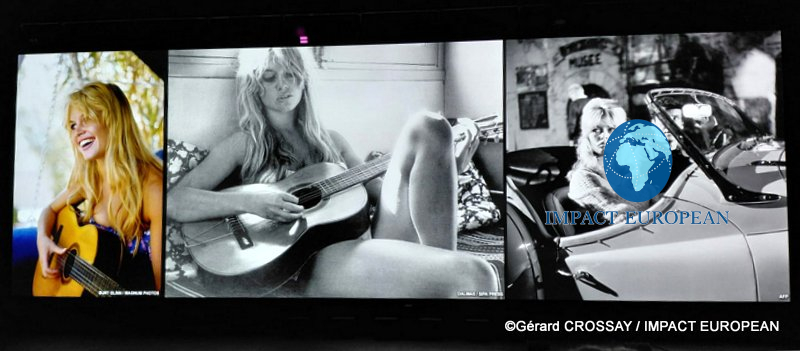
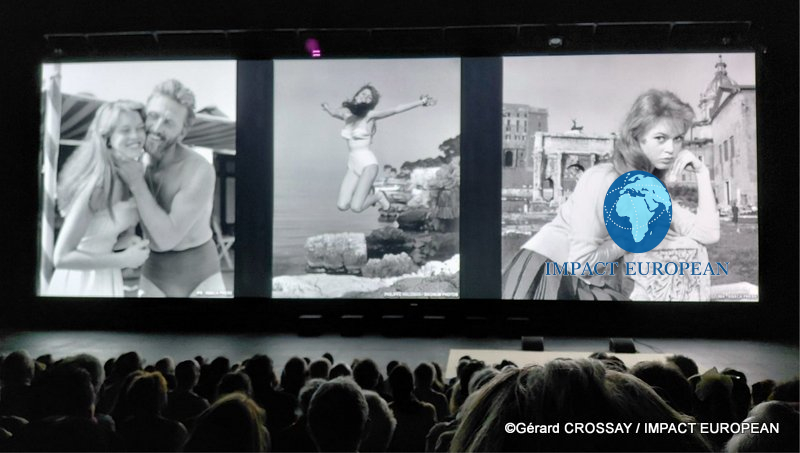
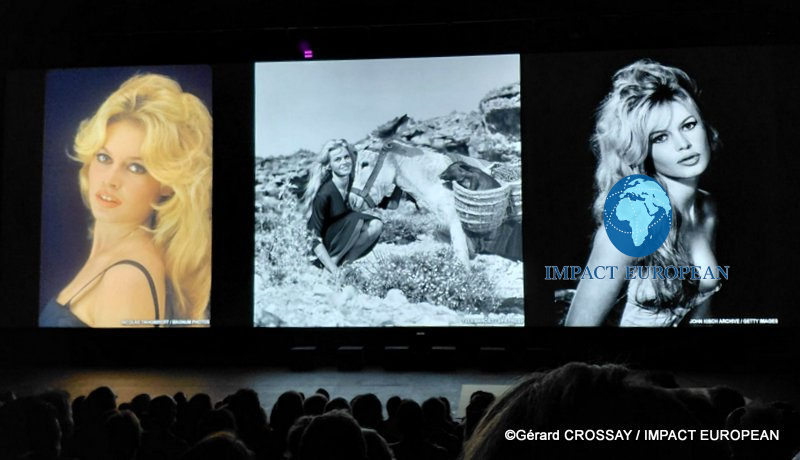
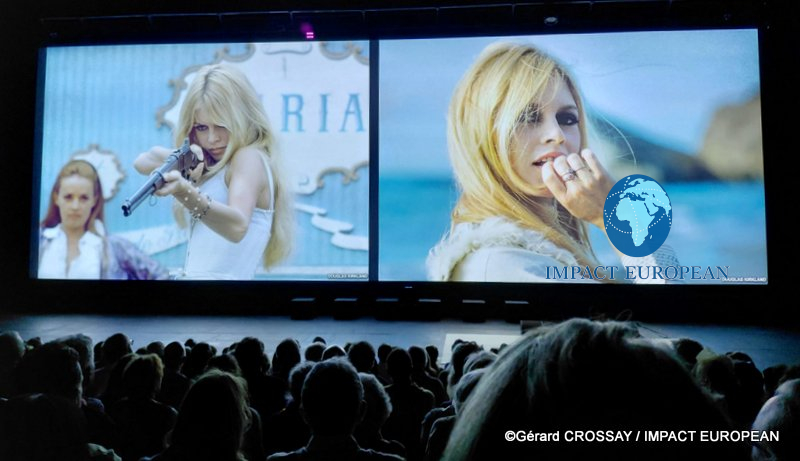
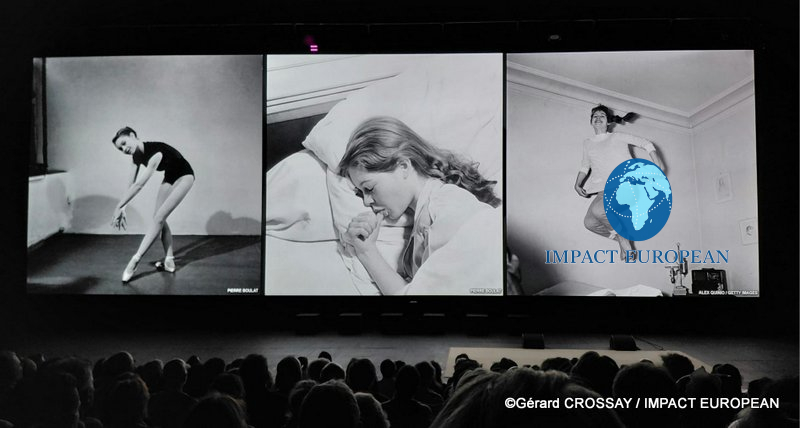
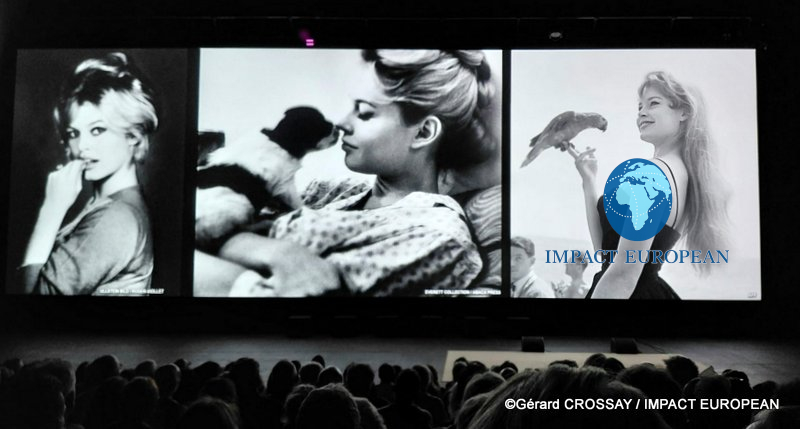
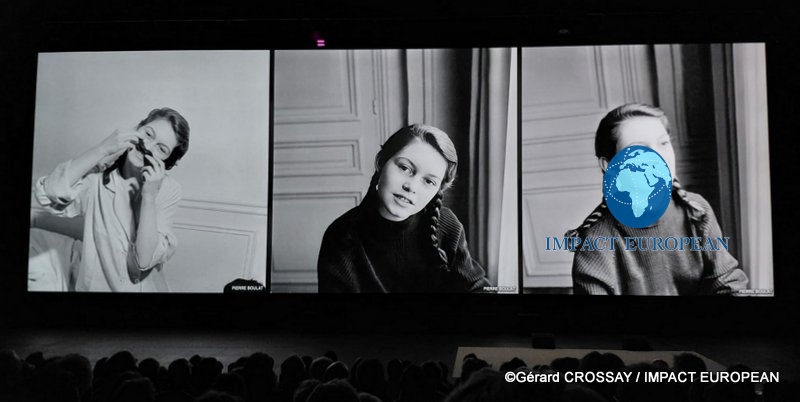
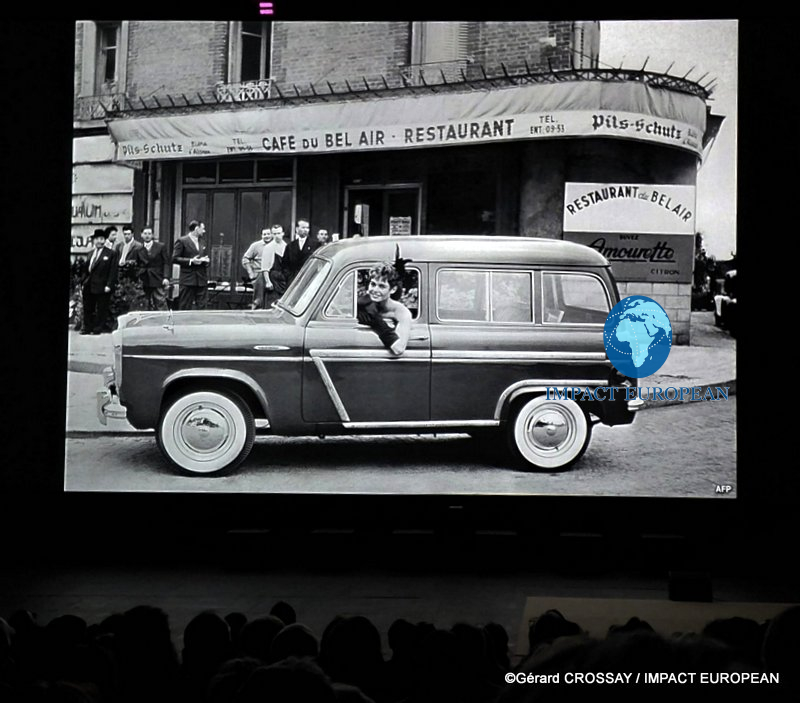
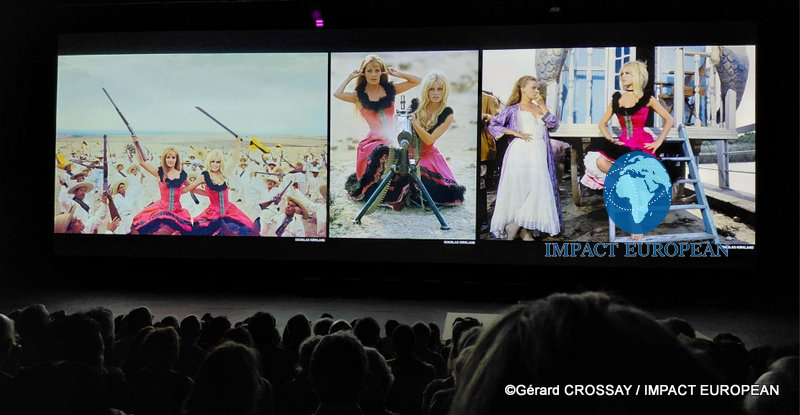
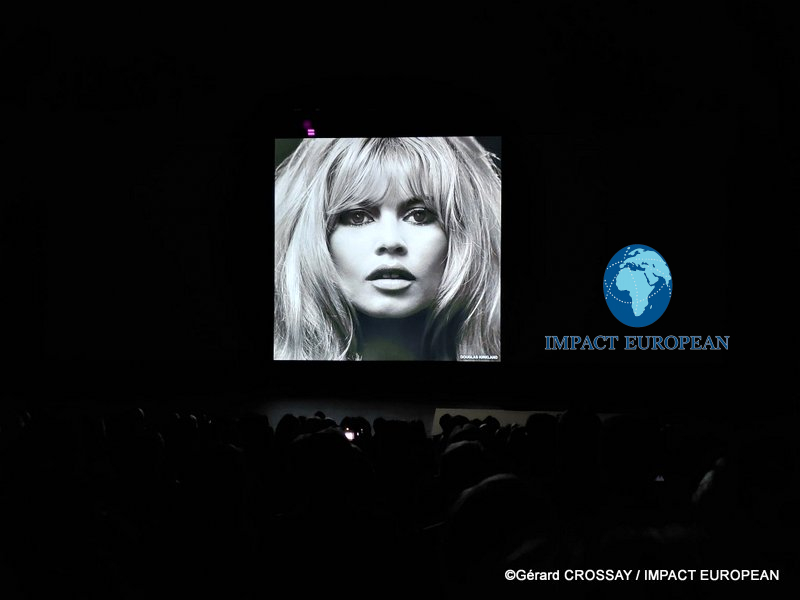
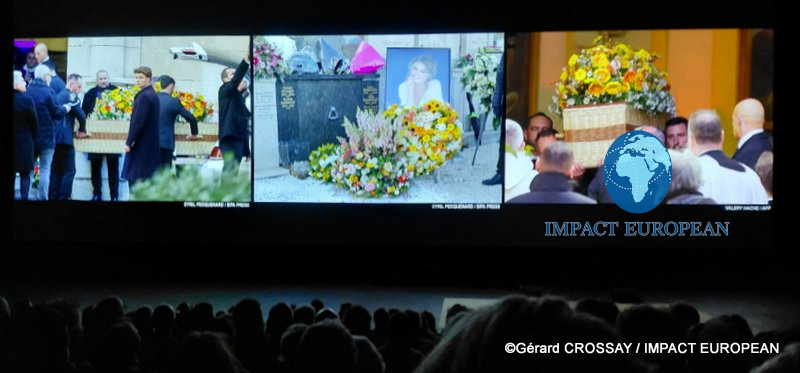
PERPIGNAN, France — At Visa pour l’Image 2026, tribute took the form of art itself. Through its projections, the international photojournalism festival brought Brigitte Bardot and Frank Gehry into the spotlight through what they created and ultimately left behind: one through cinema, images and a lifelong cause; the other through architecture that has become part of cities across the world.
Their worlds could hardly appear more different.
Bardot emerged through cinema, where a face, a movement and a performance could be captured and reproduced on screens far beyond the place where they were originally created.
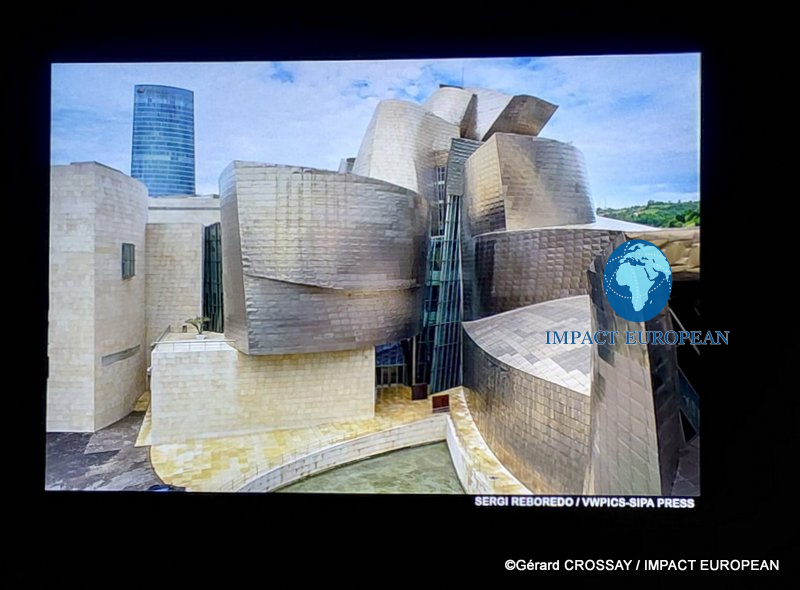
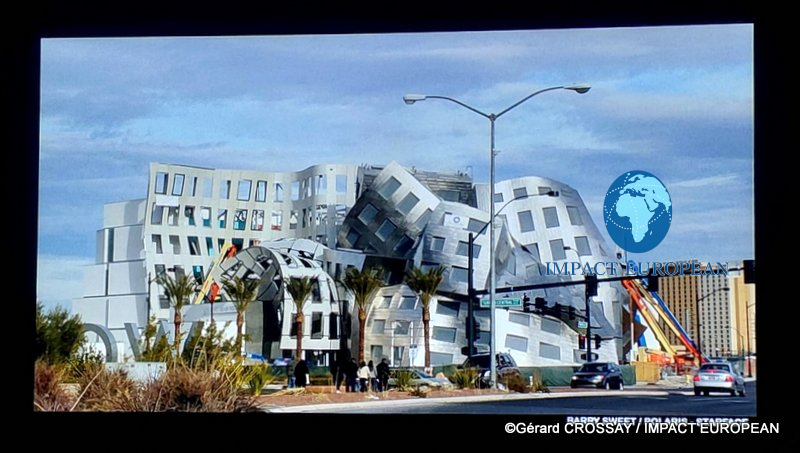
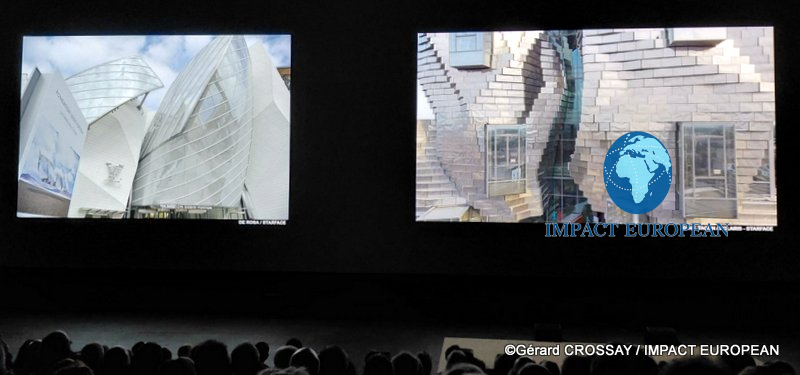
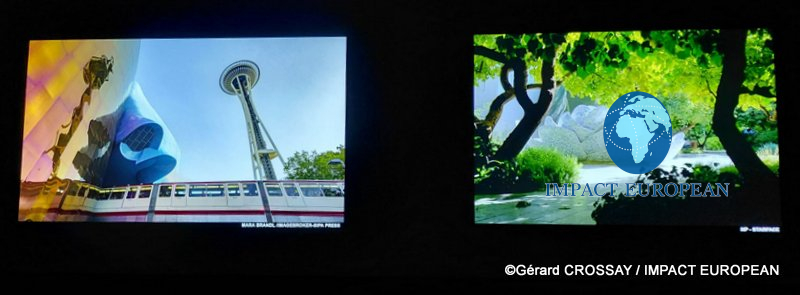
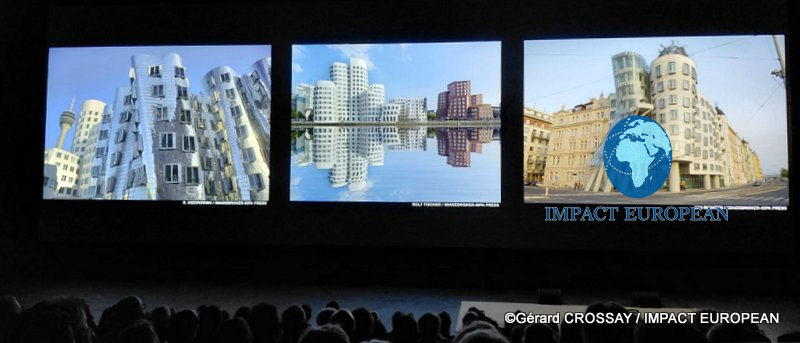
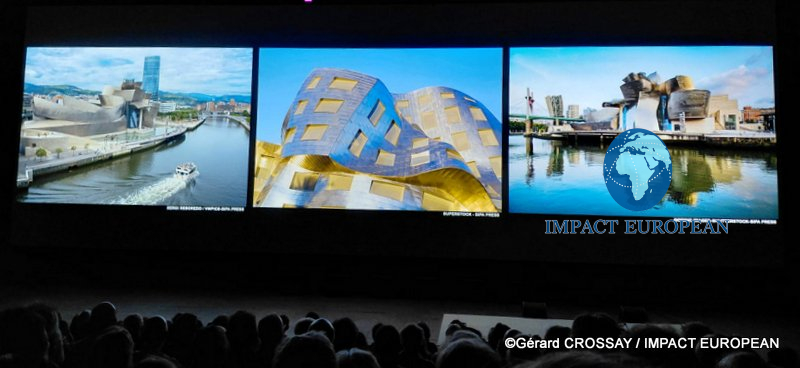
Gehry worked in physical space. His ideas became buildings, anchored to particular cities and territories, from Bilbao and Paris to Prague, Düsseldorf, Arles, Seattle and Las Vegas.
One travelled through images.
The other left structures across a global map.
Yet, projected before the same audience in Perpignan, their trajectories raised a question that reaches far beyond cinema or architecture:
What happens when an artist’s work acquires a life longer than the person who created it?
Art Begins With a Person
Before there is legacy, there is creation.
And before creation becomes collective memory, there is an individual.
For Bardot, that journey began before cameras. Films, performances and photographs progressively constructed a career that would become recognizable far beyond France.
Cinema gave that presence a particular power: it could be reproduced.
A performance created at a precise moment could later be watched in another country, another decade and by an audience with no direct connection to the world in which it was made.
Gehry’s creative process followed a different path.
An architectural idea had to leave the page and become matter. Drawings became volumes; volumes became buildings; buildings became places that people could enter, visit, use and photograph.
Here, art was no longer transported primarily by reproduction.
It occupied territory.
Both careers nevertheless began with the same fundamental relationship: a person creating something that did not previously exist.
And with time, that creation began to separate from its creator.
A Career Becomes a Trace
A career belongs to the duration of a professional life.
A trace does not necessarily obey the same limit.
Cinema makes that distinction immediately visible. The shooting ends. The actors leave the set. An era changes.
The film remains.
Photography intensifies that phenomenon by isolating moments from the continuous flow of time. A portrait can continue circulating long after the encounter between photographer and subject has ended.
Architecture creates permanence differently.
A building remains exactly where it was constructed.
The Guggenheim Museum Bilbao cannot travel to another continent. The Fondation Louis Vuitton remains in Paris. Other works associated with Gehry belong physically to the cities in which they were built.
But their images can travel.
Photography therefore performs a remarkable transformation: it gives immobile architecture mobility.
On a projection screen in Perpignan, buildings separated by thousands of kilometres can suddenly exist only seconds apart.
The artist leaves traces in cities.
The photographer allows those traces to cross borders.
Bardot: When an Image Becomes Something More
Bardot’s trajectory introduces another dimension.
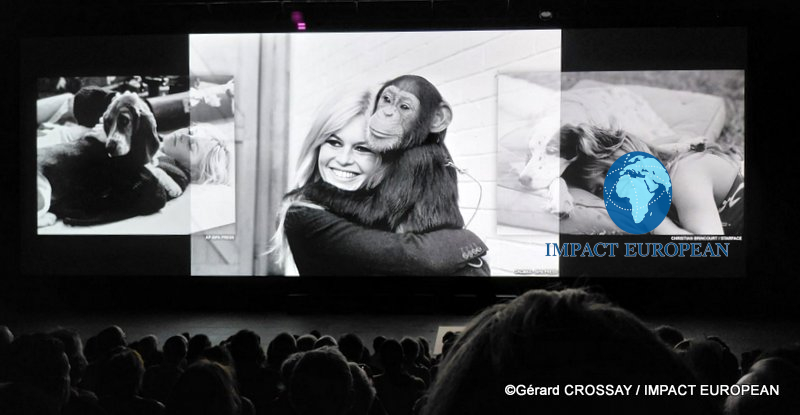
A public figure may be remembered for the art that made her famous, while choosing to dedicate another part of her life to something entirely different.
Her withdrawal from cinema did not mean the disappearance of her public presence. Animal welfare increasingly became central to her later life, eventually taking an institutional form through the Fondation Brigitte Bardot.
That transition matters when considering what a person leaves behind.
There is the artistic work.
There is the image.
And there can also be an action intended to continue beyond the individual.
A film survives through preservation and audiences.
A cause survives through people willing to continue carrying it.
The nature of the legacy changes, but the underlying question remains the same: what can continue when the individual no longer occupies the centre of the story?
Gehry: When Cities Carry the Artist’s Signature
Gehry offers another answer.
His legacy is geographically fragmented but physically visible.
A traveller can encounter it without ever meeting the architect and, in some cases, without initially knowing his name.
Bilbao carries one trace.
Paris carries another.
Prague, Düsseldorf, Arles, Seattle and Las Vegas carry others.
The buildings belong to their locations, but together they form an international creative geography.
This creates an unusual relationship between an artist and the world.
The architect may design the building, but once completed, its daily life belongs largely to others.
People enter it.
Institutions use it.
Visitors photograph it.
Cities integrate it into their own identity.
New generations encounter it.
Architecture gradually stops being only something an architect created. It becomes part of the place where everyone else lives.
The “I” of creation begins to become the “we” of inheritance.
Crossing Borders Without Moving
This is where Bardot and Gehry unexpectedly meet.
Cinema does not need its audience to travel to the place where a film was made.
Architecture normally does.
But photography changes that equation.
A photograph of Gehry’s architecture can circulate internationally just as an image of Bardot can.
The physical object remains where it is.
Its representation becomes borderless.
This is particularly significant in the context of Visa pour l’Image. A festival built around photography can place on one screen people, events, works and territories that would otherwise never occupy the same physical space.
The camera creates the connection.
For Bardot, photography participates in the survival of a cultural image across generations.
For Gehry, it creates a visual archive of buildings scattered around the world.
In both cases, photography does something neither biography nor geography can accomplish alone:
it makes distance disappear.
What Remains Must Be Transmitted
But survival is not automatic.
A film that is never preserved can disappear.
An archive that loses its context can become difficult to understand.
A building that is abandoned can deteriorate.
A cause that nobody continues can end.
Legacy therefore requires more than creation.
It requires transmission.
Someone must preserve the film.
Someone must identify and conserve the photograph.
Someone must maintain the building.
Someone must continue the institution.
Someone must explain to another generation why any of it mattered.
This changes the meaning of artistic legacy.
What remains after an artist is not determined exclusively by what the artist created.
It is also determined by what societies decide is worth carrying forward.
The creator starts the story.
Others decide how long that story continues.
The Image Gives Art Another Life
Visa pour l’Image brings another actor into this relationship: the photographer.
A photograph of architecture is not the building itself.
A portrait of an actor is not the person.
Yet both can acquire extraordinary importance with time.
The photographer selects a moment, a distance, a perspective and a frame.
Years later, that image may become one of the documents through which an entire generation understands a person, a place or an artistic work.
This is why the photographic image has a double existence.
At first, it belongs to the present.
Later, it can become an archive.
For Bardot, images carry a face and a career through time.
For Gehry, they create a visual record of an architectural language spread across continents.
The original arts are different.
Photography gives both of them an afterlife in images.
“After” Is Where Legacy Is Tested
The most powerful part of a legacy may not be what happens during a career.
It may be what happens after.
After the cameras stop.
After the final project.
After an artist no longer accompanies the work.
At that point, the work has to stand on its own.
A film must find another audience.
A photograph must retain meaning outside the moment in which it was taken.
A building must continue interacting with a changing city.
An institution must find people capable of carrying its mission forward.
“After” separates fame from permanence.
Fame belongs strongly to the present.
Legacy is tested by time.
And the longer the distance from the original creator becomes, the more the work belongs to people who never knew that creator personally.
The Limits of “Me”
Every artistic journey eventually returns to the individual.
Behind the films was a woman living her own life, making choices and later redirecting her public commitment.
Behind the buildings was an architect whose drawings carried a personal vision before becoming part of cities around the world.
That is the “me” behind the work.
But “me” has limits.
A human life has a beginning and an end.
A career also has a duration.
Art can follow another timeline.
Cinema can preserve a person at an age that exists only in the recorded image.
Architecture can preserve a creative gesture in steel, glass, concrete and space.
Photography can preserve both.
That difference between human time and the time of the work is precisely what makes legacy possible.
When a Personal Work Belongs to the World
Through its tributes to Brigitte Bardot and Frank Gehry, Visa pour l’Image brought two very different artistic journeys into the same visual space.
It did not make them identical.
Their differences are what make the encounter meaningful.
Bardot’s legacy moves through cinema, photography and animal advocacy.
Gehry’s legacy moves through architecture and the cities where his buildings remain.
One demonstrates how images cross generations.
The other demonstrates how creation can become physically embedded in different parts of the world.
Photography connects them.
It allows a face from another era to return before an audience.
It allows a building in Bilbao, Paris or Prague to appear in Perpignan.
It transforms geographical distance into visual proximity and turns moments of the present into potential documents for the future.
That is why a tribute can become more than remembrance.
It can reveal the moment when a personal creation no longer belongs only to the person who made it.
A life ends.
A career becomes history.
A city continues to live around a building.
A film finds another viewer.
A photograph reaches another generation.
And what began with one individual enters a world that will continue without them.
Art remains after me.
©2026 IMPACT EUROPEAN – All rights reserved
Views: 8
More Stories
France Protests on October 17: Mass Mobilization Overshadowed by Violence Across the Country
Work Palace Opens in Paris: INSITU Brings Luxury Hospitality Into the Workplace
Rugby Pro D2: Colomiers Defeat Narbonne 49-28 to Claim Bonus-Point Victory