

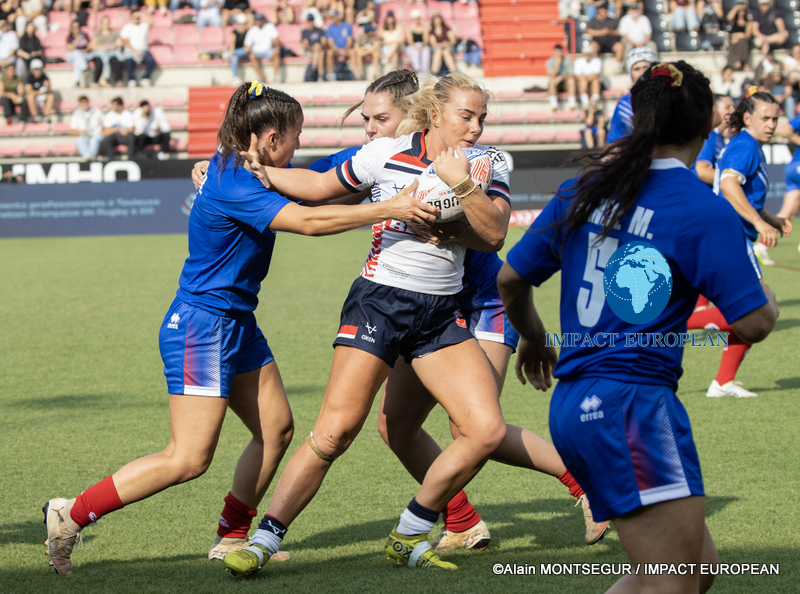
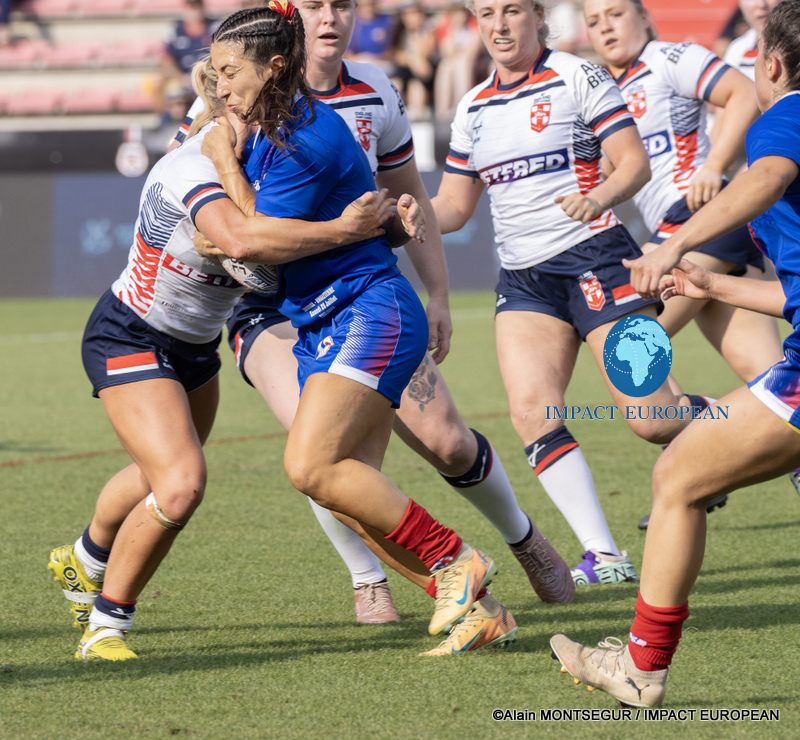
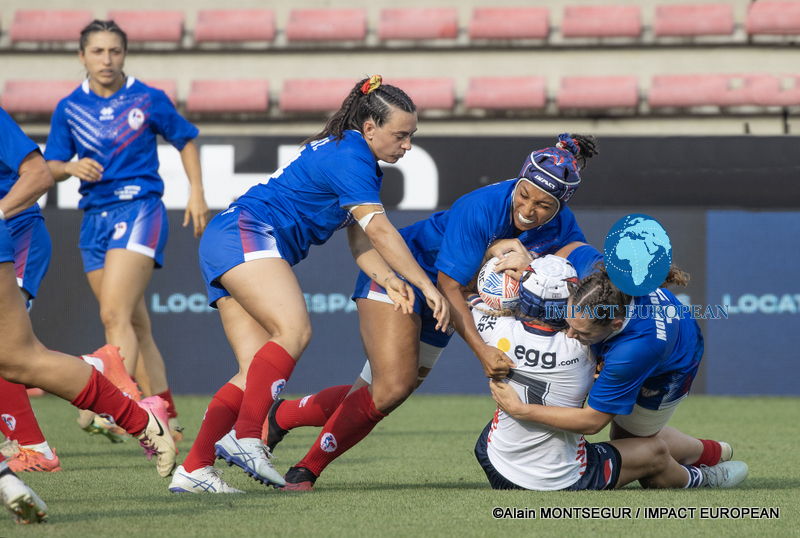
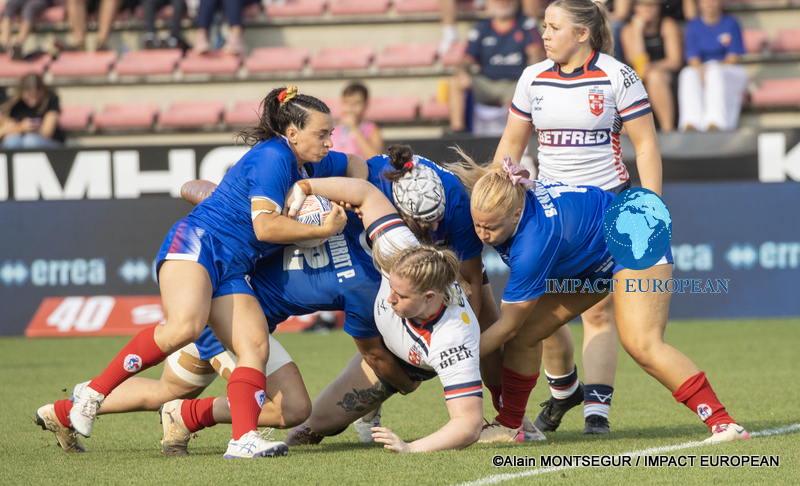
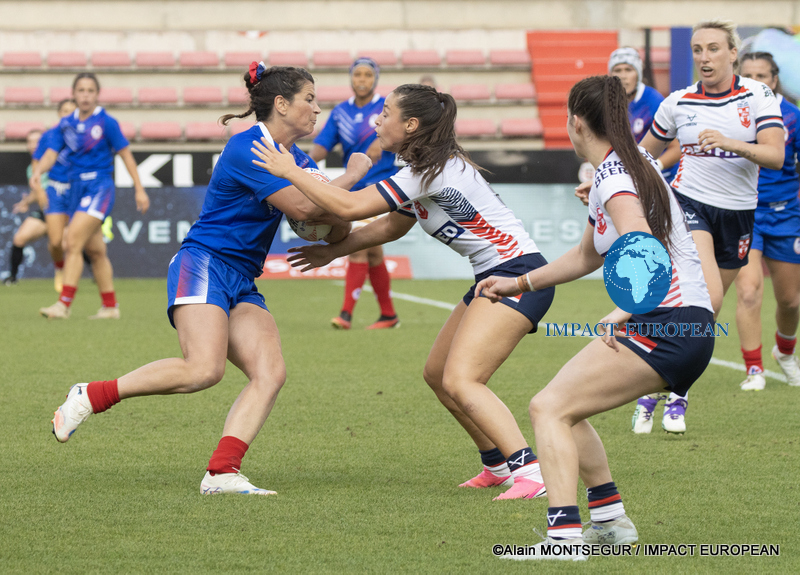
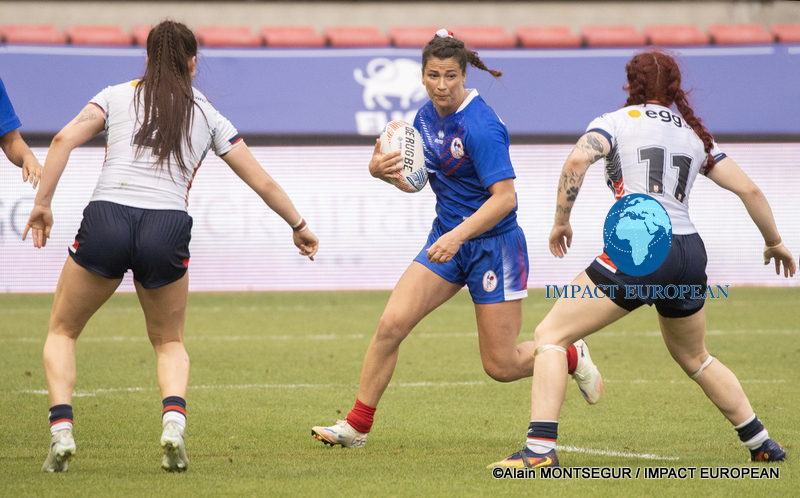
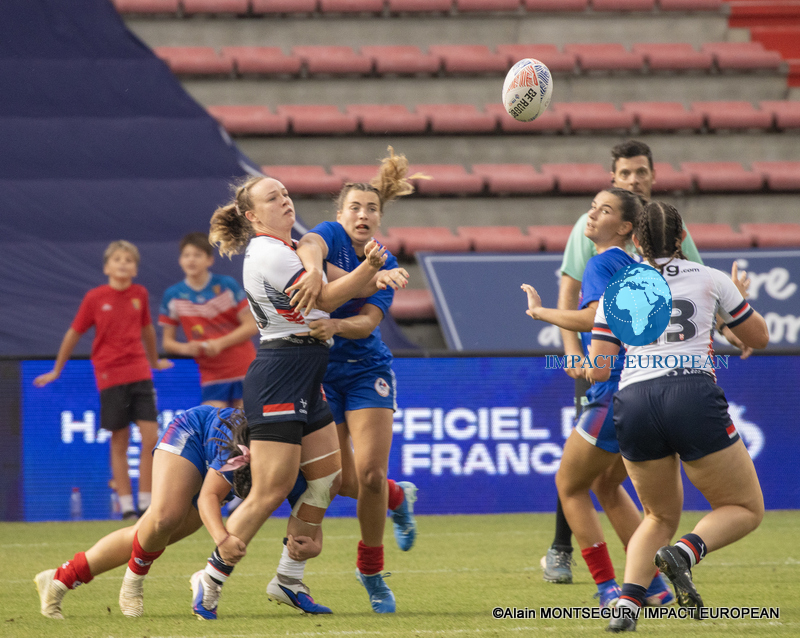
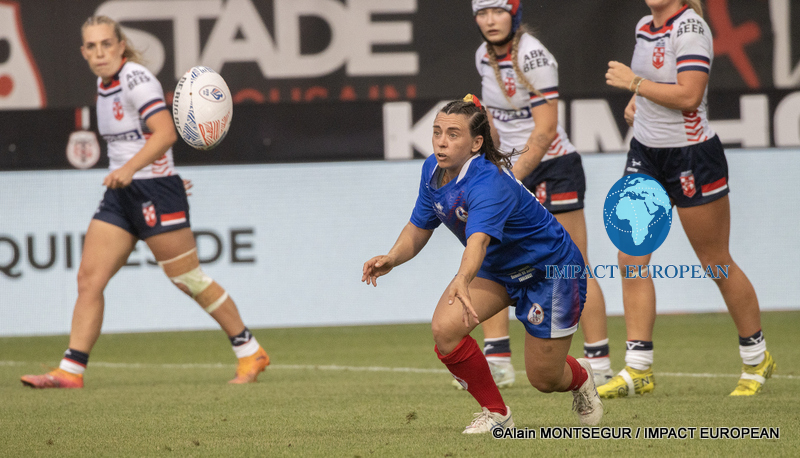
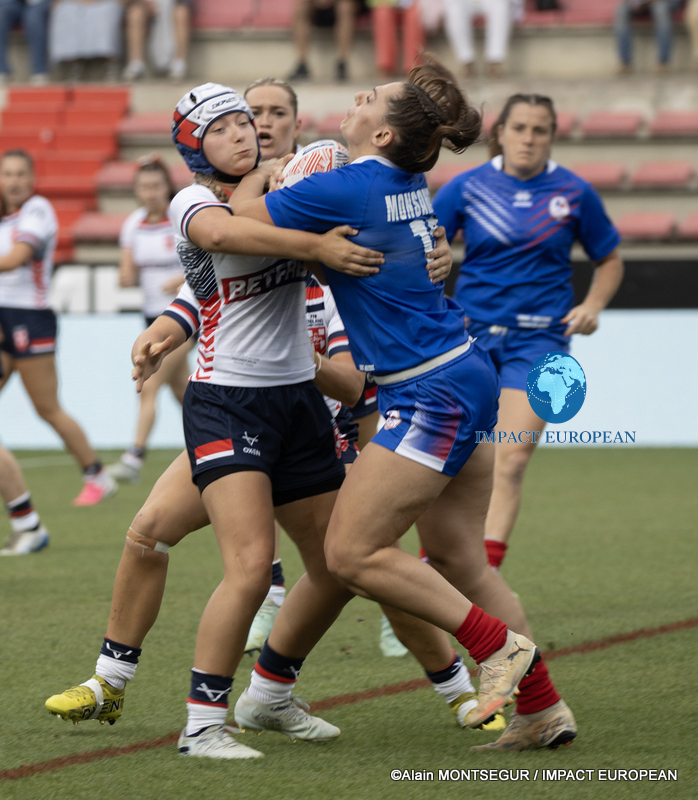
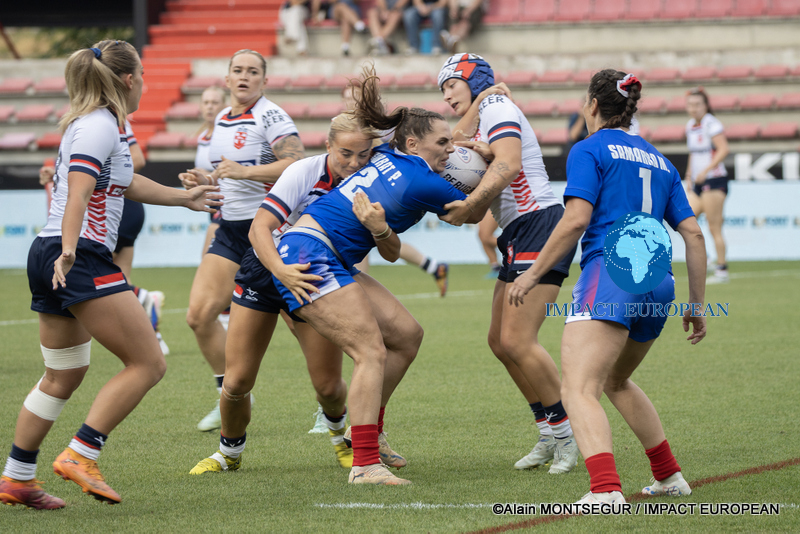
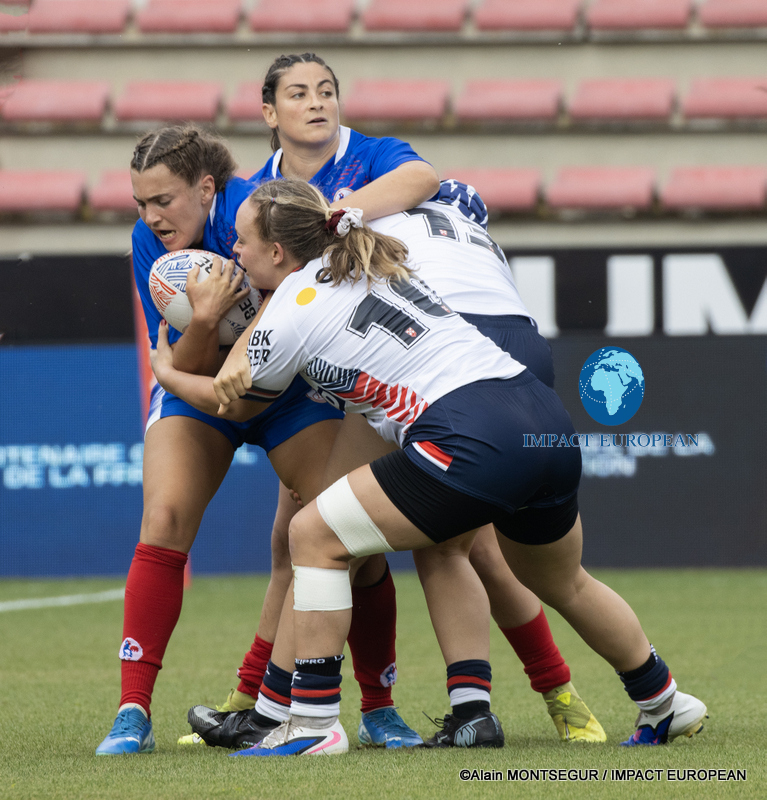
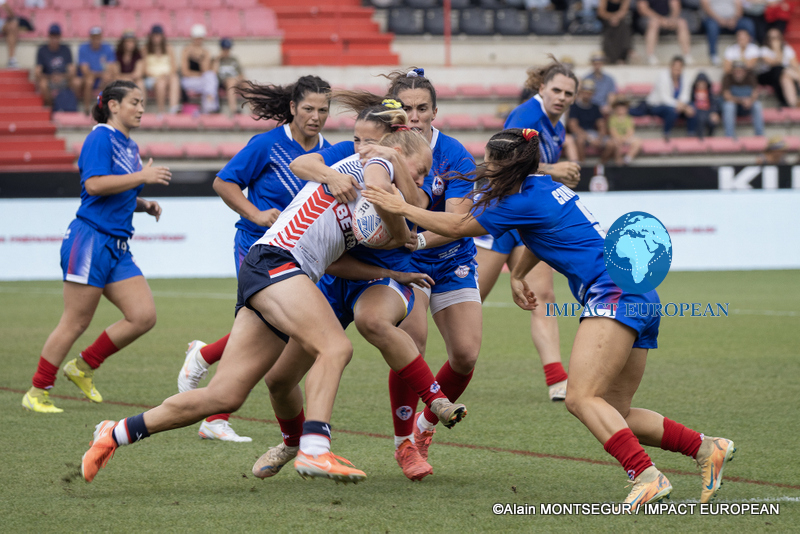
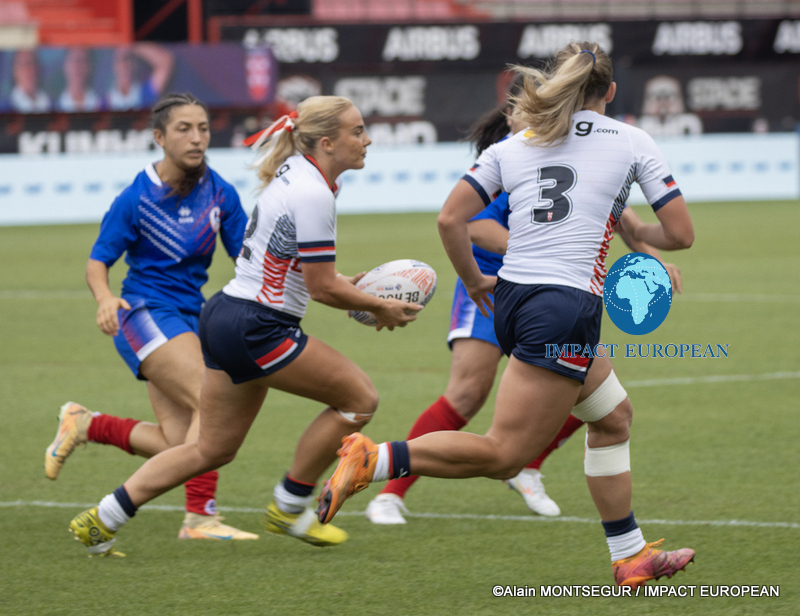
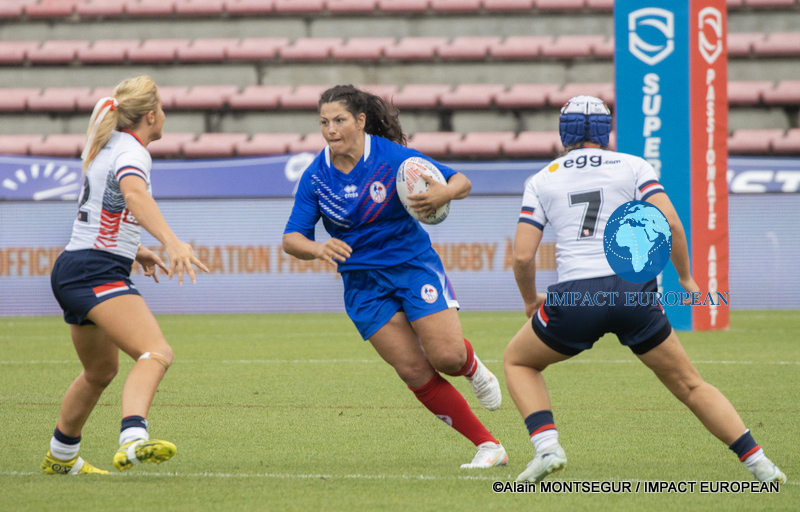
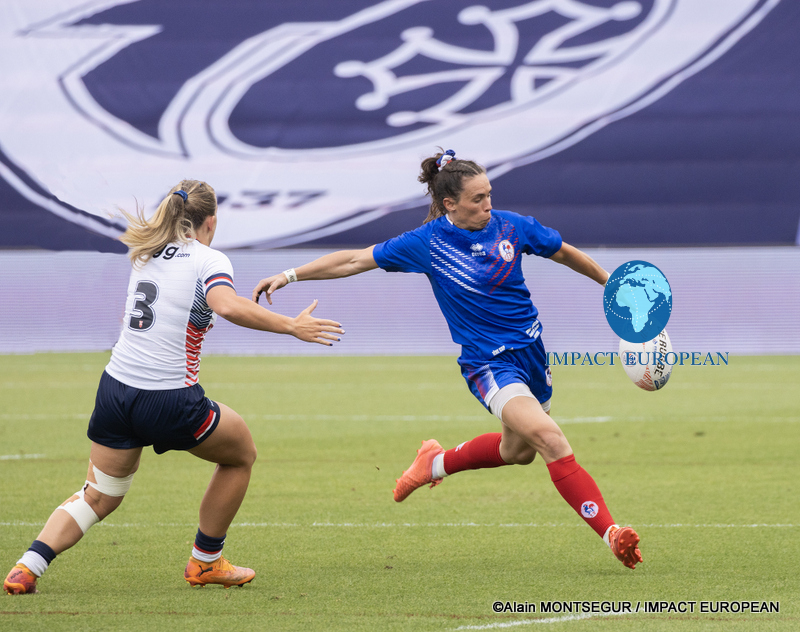
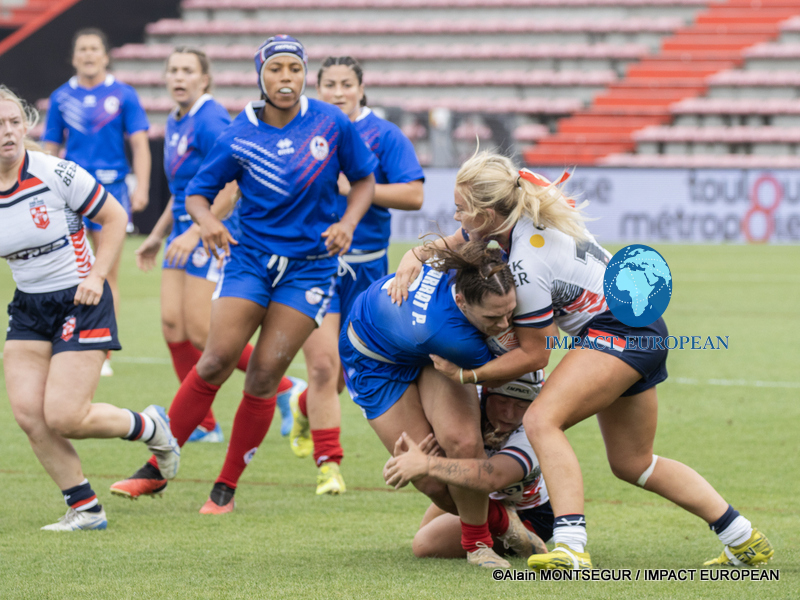
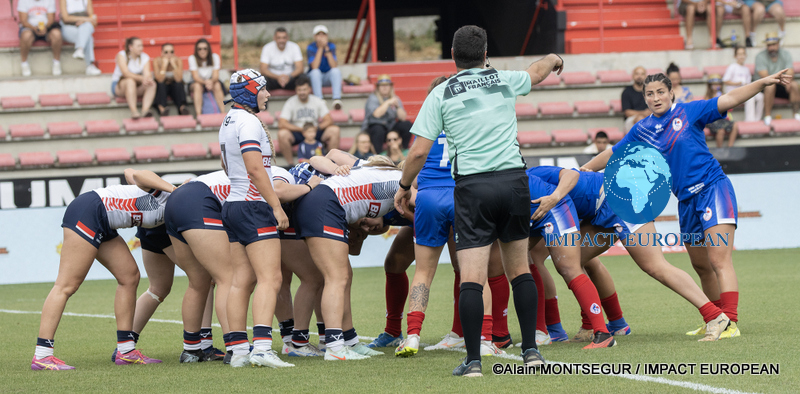
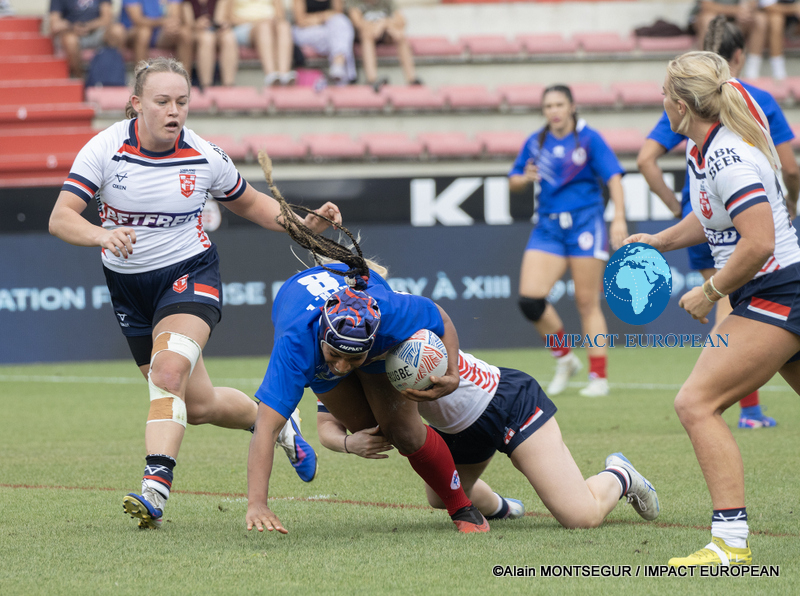
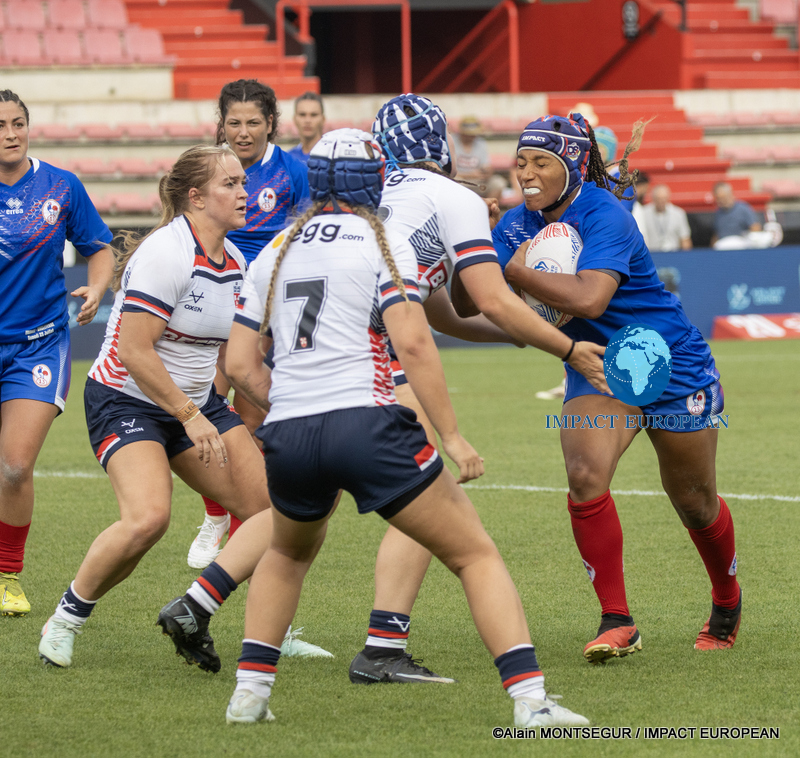
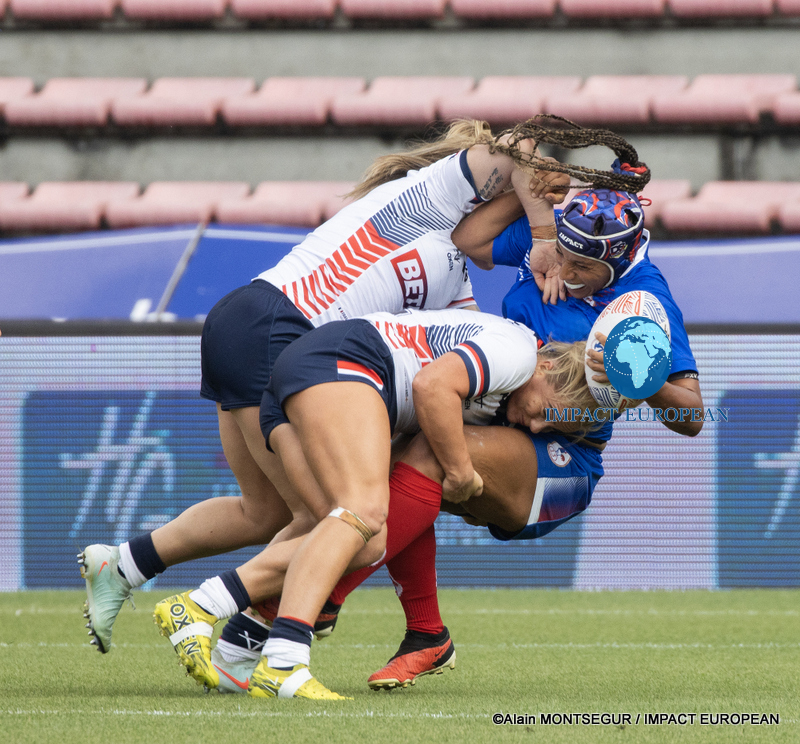
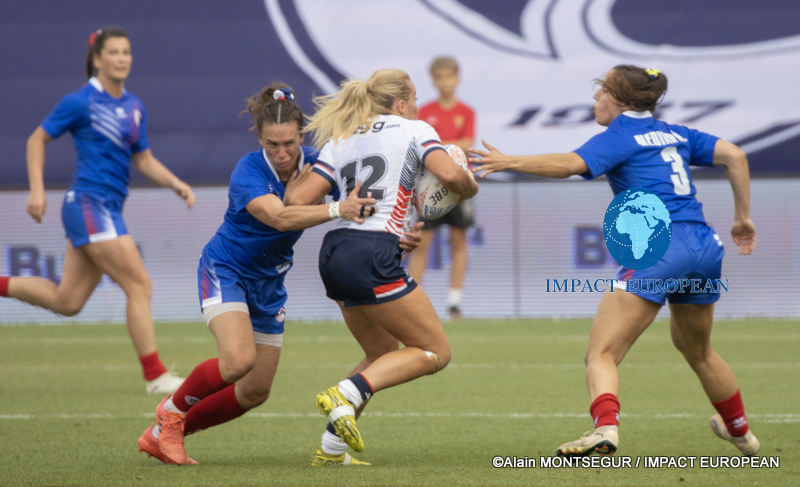
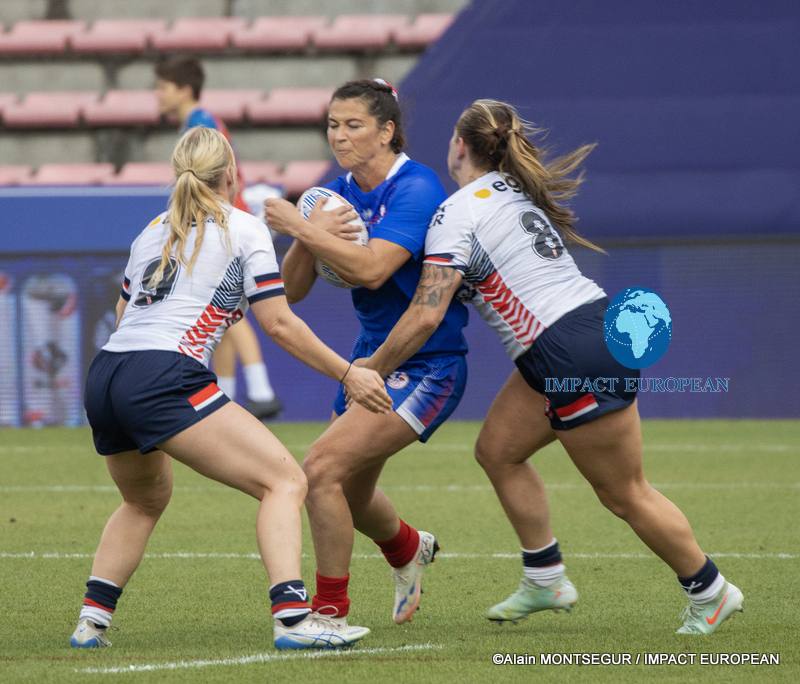
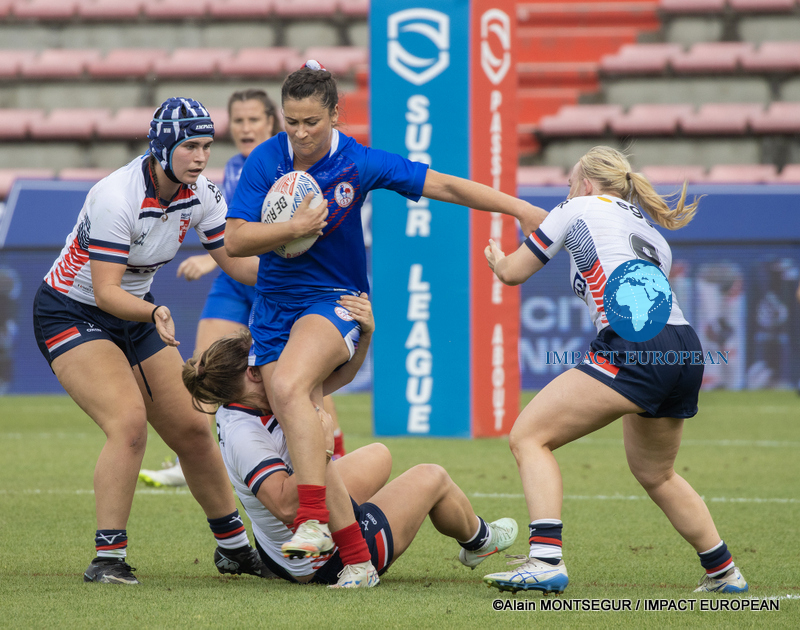
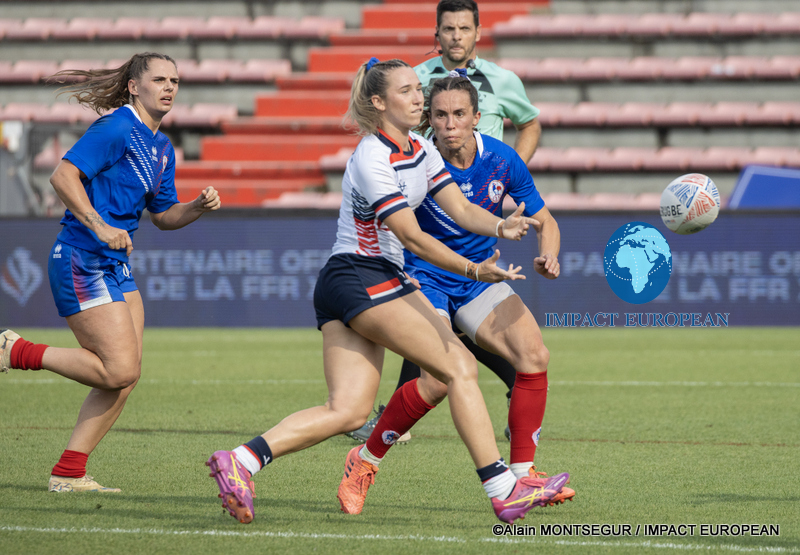
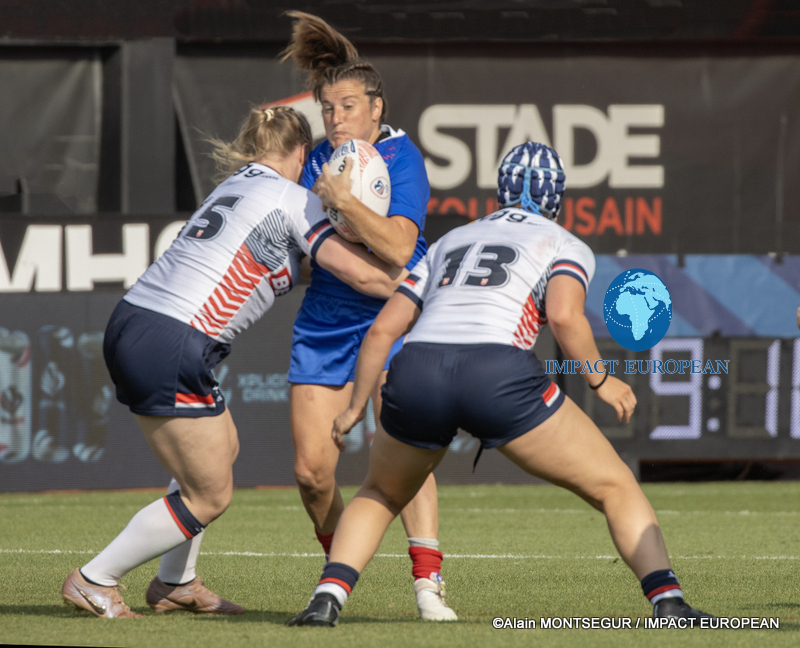
France did not beat England in Toulouse, but the 38-4 defeat delivered something the French women’s national rugby league team needed less than three months before the 2026 World Cup: a clear international benchmark. France led 4-0 after 19 minutes, were then punished by an England side capable of turning 18 minutes of pressure into five tries, and conceded only ten points after half-time. The friendly confirmed both sides of France’s evolution — progress that is becoming visible and a gap with the world’s leading nations that remains substantial.
Toulouse was about finding France’s international level
TOULOUSE — The scoreboard provided the simplest answer on Saturday, July 25, at Stade Ernest-Wallon: England beat France 38-4.
For France, however, the more important question was not whether they could suddenly overturn the established hierarchy of women’s international rugby league.
It was where they now stand within it.
This was the first of three warm-up matches before the 2026 World Cup in Australia and Papua New Guinea. France will also face Nigeria on August 1 in Perpignan and Ireland on September 19 in Mérignac.
Head coach Alan Walsh had therefore chosen an unforgiving starting point.
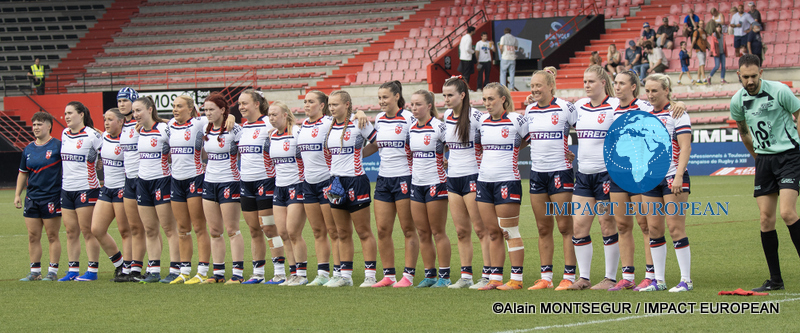
England have reached the semi-finals of the last two World Cups and remain one of the strongest national teams behind Australia and New Zealand. France, meanwhile, are preparing for a World Cup group containing New Zealand, Fiji and Papua New Guinea.
Facing England was therefore not simply another France–England fixture.
It was an opportunity to expose France to the standard they are preparing to meet.
England remain the benchmark France must confront
The recent history between the two nations leaves little room for ambiguity.
England had won each of their previous five meetings with France since 2015, generally by very large margins.
That history matters because France’s progress cannot be assessed in isolation. Development becomes meaningful when it is tested against teams already established at the level France wants to approach.
England provided exactly that test.
Their ability to increase the tempo, exploit defensive instability and turn a favourable period into points remains beyond what France can currently sustain.
The 38-4 final score confirmed that the hierarchy has not disappeared.
But international development is not measured only by whether a hierarchy has already been overturned. It is also measured by whether a team is beginning to behave differently when confronted by it.
In Toulouse, France did.
For 19 minutes, France changed the expected relationship
The first significant international indicator appeared before England had scored a point.
In the 16th minute, Lisa Diraison converted a penalty.
Three minutes later, the French scrum-half converted another.
France 4-0 England.
For a side that had repeatedly suffered heavy defeats against the same opponent, the importance was not simply the four points.
France had placed England in an unfamiliar position within this particular rivalry: England had to chase the game.
The visitors eventually responded in the 22nd minute when Ellise Derbyshire crossed in the corner and Isabel Rowe converted.
From there, the balance changed rapidly.
Yet those opening minutes remain significant because they demonstrate something directly observable about France’s evolution: the team can now produce passages in which an established international power is forced to respond to them.
The next challenge is making those passages last.
The real international gap appeared in 18 minutes
England’s superiority was most visible not across the entire 80 minutes, but during one devastating period.
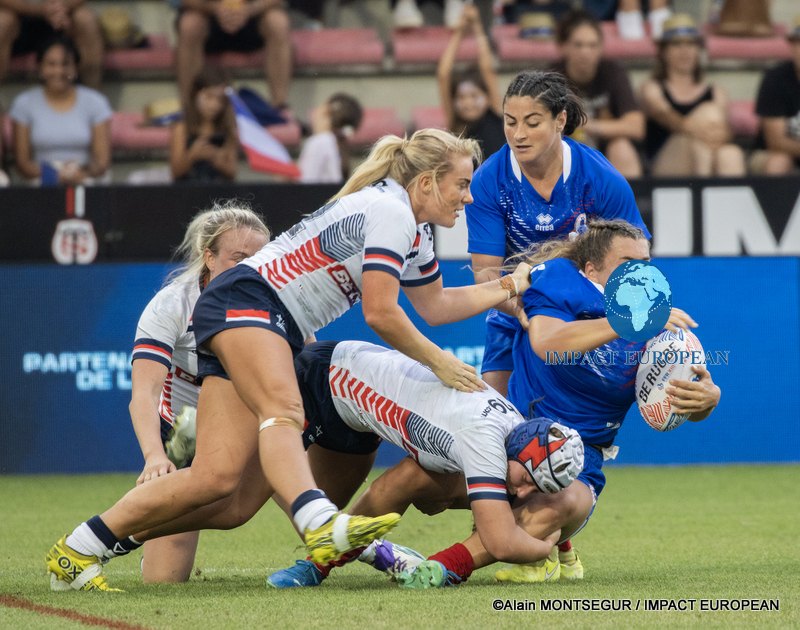
After Derbyshire’s opening try, Lucy Murray scored in the 28th minute and again four minutes later. Ella Donnelly crossed in the 37th minute before Eva Hunter added another try immediately before half-time.
France went from 4-0 ahead to 28-4 behind in 18 minutes.
That sequence identifies one of the most important differences between developing teams and established international powers.
England did not merely create an opportunity. They sustained pressure long enough to transform one opening into another, and another.
At World Cup level, that ability can decide a match before the opposition has found a way to reset.
France therefore have a very specific problem to solve: how to stop a difficult five-minute period from becoming a decisive 20-minute collapse.
That question matters far beyond the England game.
France must move from taking points to creating tries
France’s four points came from Diraison’s two penalties.
There was no French try.
From an international perspective, this provides another clear measurement of where the team stands.
France demonstrated that they could use England’s indiscipline and convert available points. What they could not do was turn their attacking opportunities into a breach of the English try line.
That distinction will become increasingly important.
Against World Cup opposition, France cannot rely exclusively on defensive resistance and penalty opportunities. To become genuinely competitive, they must develop the capacity to create and finish attacking sequences against organised international defences.
England showed the difference.
Once their opportunities appeared, they converted them into tries.
For France, attacking conversion is therefore one of the next visible stages of development.
What happened after half-time also matters
The match did not continue along the trajectory established before the interval.
England had scored 28 first-half points. They added ten in the second.
Jenna Foubister crossed 13 minutes after the restart, with Rowe converting, before Derbyshire completed her double in the 31st minute of the second half.
France did not threaten England’s control of the result, and the available information does not allow the reduced scoring rate to be attributed entirely to improved French defence.
But the contrast remains relevant.
The five-try sequence that had overwhelmed France before half-time did not happen again.
For a team preparing for international tournament rugby, the ability to regain structure after a damaging period is important in itself.
France’s development will depend not only on avoiding moments of instability, but on learning to recover from them before an entire match disappears.
The 2024 result now becomes an international reference point
Only after looking at what happened in Toulouse does the previous France–England meeting acquire its full value.
On June 29, 2024, at the same Stade Ernest-Wallon, England defeated France 42-0, scoring eight tries without reply.
Two years later, England have won again.
But the French profile within the contest has changed.
The mathematical difference between 42-0 and 38-4 is not enough to prove progress by itself. More revealing is the appearance of situations absent from the earlier result: France scoring first, holding an early lead and producing a different pattern after the interval.
The comparison therefore provides a timeline rather than a verdict.
France have not caught England.
They have begun to change the way they compete against them.
Walsh is building a World Cup squad, not a finished team
France’s evolution also has to be understood through the group Alan Walsh is constructing.
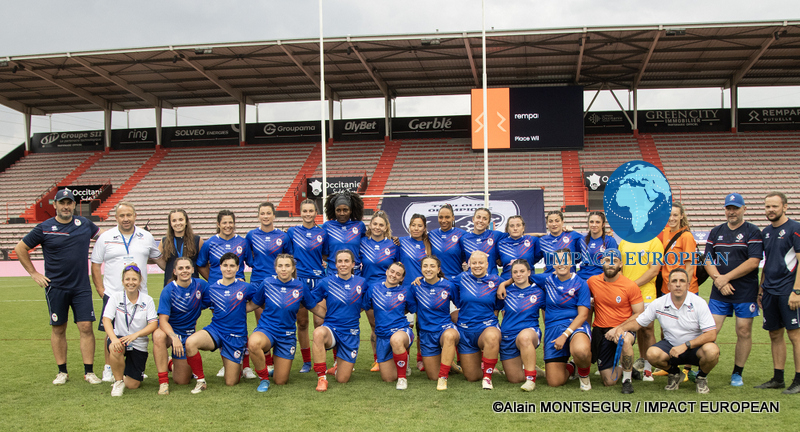
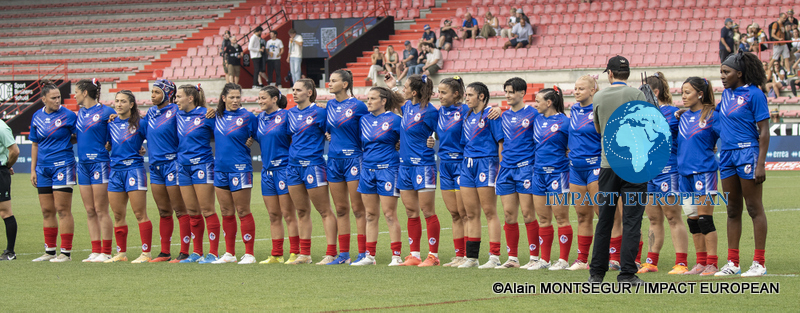
The squad selected for this first warm-up contained eleven players from Lescure and six from Saint-Estève/XIII Catalan, giving France a substantial core of players with existing club connections.
Those relationships can provide cohesion.
International rugby, however, asks a different question: can those combinations survive when decisions must be made faster, defensive pressure arrives sooner and mistakes are punished more severely?
That is why Walsh has deliberately kept selection open.
Before the England match, his message was clear:
“Nothing is fixed.”
He also explained that the three preparation matches would allow France to test the depth of the squad and give players opportunities to earn their places on the plane to the World Cup.
England therefore tested more than France’s collective system.
It tested individual readiness for the international stage.
France’s World Cup group changes the meaning of this friendly
The strongest reason for facing England becomes visible when looking beyond Europe.
France are preparing to meet New Zealand, Fiji and Papua New Guinea in their World Cup group.
That changes the interpretation of the Toulouse friendly.
New Zealand represents one of the established powers of the women’s game. Fiji and Papua New Guinea bring different challenges, while Papua New Guinea will also be competing in one of the host nations of the tournament.
France cannot prepare for that environment solely through matches in which they control the rhythm.
They need exposure to teams capable of taking control away from them.
England did exactly that.
The 18 minutes before half-time were painful for France, but they may ultimately be more useful to World Cup preparation than a comfortable friendly victory against weaker opposition.
They showed, in real time, what happens when international intensity rises beyond the level France can currently maintain.
The next question is no longer whether France have evolved
The England match has provided the first answer.
There are signs of evolution.
But international rugby does not reward signs indefinitely.
Nigeria and Ireland now give France two different opportunities to determine whether the lessons from Toulouse can become repeatable behaviours rather than isolated moments.
Then, from October 17 to November 17, the World Cup will remove the protection offered by the word “friendly”.
That is where France’s development will be tested against consequences.
The significance of the England game therefore lies neither in presenting a 38-4 defeat as success nor in dismissing everything because of the margin.
It lies in identifying where France have moved forward and where international rugby still moves faster than them.
England supplied the benchmark.
Toulouse supplied the evidence.
The World Cup will determine how much France have learned from both.
©2026 IMPACT EUROPEAN – All rights reserved
Views: 3
More Stories
France’s September 29 Strike: When Pay Becomes a Question of Public-Service Capacity
Pope Leo XIV in France: From Human Dignity to Europe’s Search for Peace
France’s Firefighters Bring Their Anger to the Eiffel Tower as Pressure Mounts on Emergency Services