Meeting at the Élysée Palace on 1 July 2026, the French Council of Ministers approved a series of major reforms covering child protection, justice, customs, healthcare innovation and preparations for the 2027 presidential election. The decisions reflect the government's determination to strengthen public protection while modernising key areas of public policy.
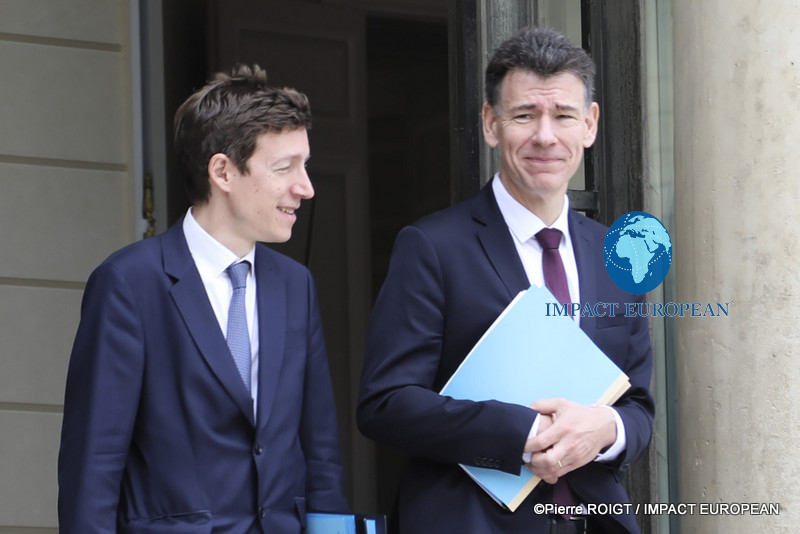
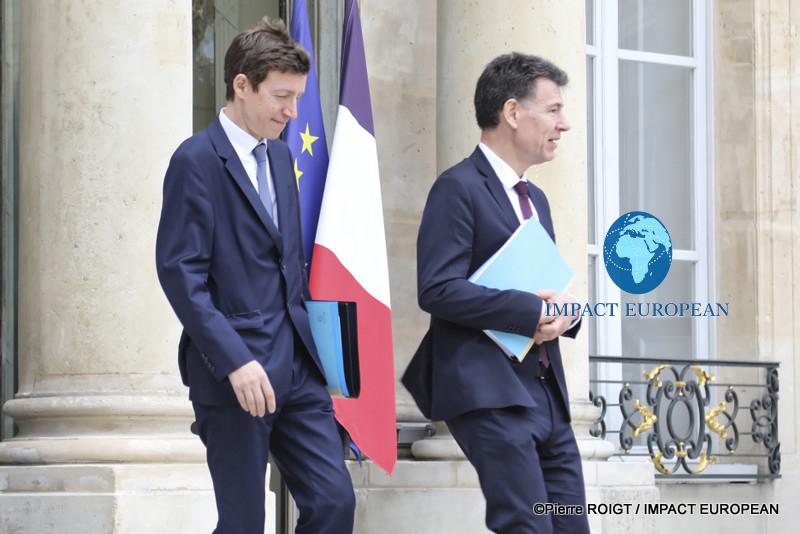
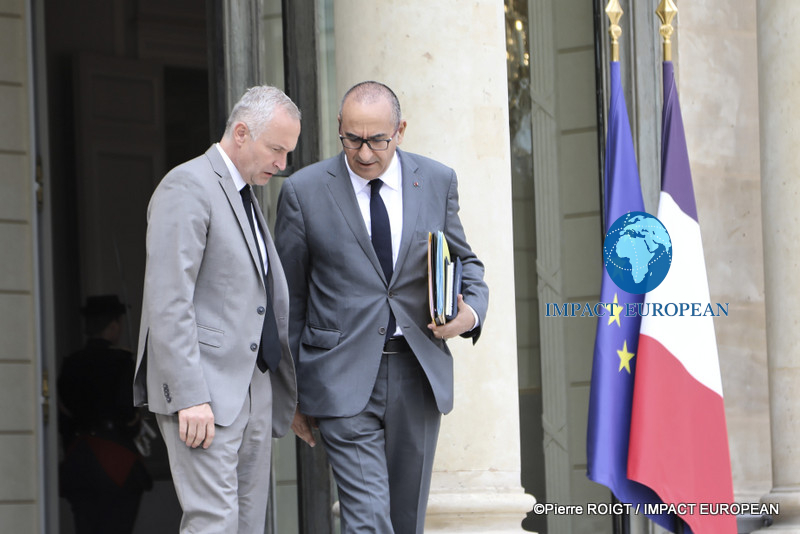
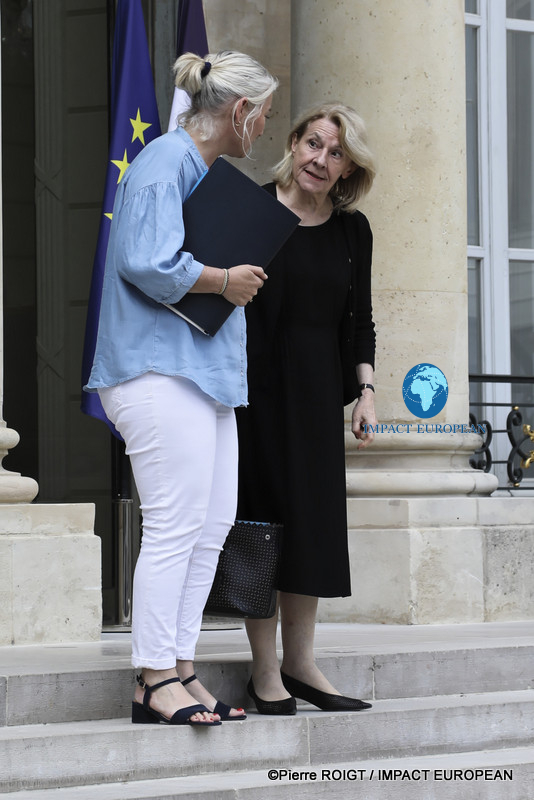
PARIS – The French Government used its Council of Ministers meeting on 1 July 2026 to present a broad package of legislative and administrative measures aimed at strengthening child protection, modernising customs legislation, accelerating healthcare innovation and preparing the institutional framework for the country’s 2027 presidential election. Held at the Élysée Palace, the meeting highlighted the Government’s priorities before Parliament’s summer recess.
Rather than focusing on a single issue, the meeting addressed several strategic challenges facing France, ranging from the protection of vulnerable children and the fight against organised crime to digital transformation, scientific research and national governance. Together, these initiatives illustrate the Government’s intention to reinforce public institutions while responding to evolving social, technological and security challenges.
Stronger protection for children against sexual abuse
The most significant announcement concerned a supplementary amendment to the draft Child Protection Bill, which is scheduled to be debated in the National Assembly from 15 July 2026. The Government intends to reinforce the legislation by introducing tougher criminal penalties and faster judicial procedures for cases involving sexual violence against children.
French authorities argue that increasing reports from victims have exposed the scale of repeated sexual offences committed against minors, making stronger legal protection a national priority.
Among the proposed measures, prosecutors would be required to conduct investigations within a shorter timeframe, ensuring that suspects are questioned quickly after being identified while victims receive earlier information about the progress of their cases.
The amendment also proposes life imprisonment for repeat rape offences committed against children under the age of fifteen and removes the automatic entitlement to supervised early release for individuals convicted of sexual offences against minors. According to the Government, these measures are intended to reflect the exceptional seriousness of such crimes while improving public confidence in the justice system.
Preventing abuse through stronger oversight
Beyond criminal sanctions, the Government also plans to strengthen preventive safeguards in schools and extracurricular activities.
Identity verification and background checks for professionals and volunteers working with children would be expanded, while parents would receive information identifying the adults supervising extracurricular programmes. In addition, local authorities would gain new powers to oversee facilities hosting minors that currently fall outside existing regulatory frameworks.
French ministers described these measures as an essential complement to judicial reform, emphasising that prevention, transparency and early reporting are critical elements of an effective child protection policy.
Customs reform targets organised crime
The Council of Ministers also approved legislation ratifying the new legislative section of the French Customs Code.
The reform aims to simplify customs legislation while providing customs officers with stronger legal tools to combat organised crime, drug trafficking and illegal commercial activities. Several provisions also update sanctions relating to drug precursors and alcoholic products, while improving coordination with other areas of French law.
Another important provision reserves certain maritime services carried out in French waters for vessels flying European flags, reflecting France’s broader objective of protecting fair competition as offshore renewable energy projects continue to expand.
The legislation further strengthens customs authorities’ ability to access and analyse transport and logistics data, improving their operational capacity to detect illegal trafficking networks.
Innovation and artificial intelligence in healthcare
A further institutional reform approved during the meeting is the creation of the General Directorate for Research, Innovation and Digital Health (DGRINES).
The new body consolidates several existing organisations responsible for medical research, healthcare innovation, digital health technologies and artificial intelligence. By bringing these activities together under one administration, France hopes to accelerate the transition from scientific research to practical healthcare solutions for patients.
The Government considers the initiative an important step toward strengthening national health sovereignty while supporting research partnerships and technological development in an increasingly competitive international environment.
Preparing France’s 2027 presidential election
The Government also officially confirmed the timetable for France’s next presidential election.
The first round will take place on 18 April 2027, followed by the second round on 2 May 2027. Overseas territories will continue to vote one day earlier because of time-zone differences. Campaign finance rules have already applied since 1 April 2026, ensuring equal treatment for all future candidates.
Military appointments and administrative continuity
Several senior military appointments were approved during the meeting, including promotions within the Army, Navy and Air Force, together with new responsibilities for France’s maritime commands.
The Council also confirmed the appointment of Jonathan Sebbane as Chairman of the Scientific and Technical Centre for Building (CSTB), reinforcing the Government’s commitment to research and public infrastructure.
A roadmap before Parliament’s summer recess
The 1 July Council of Ministers illustrates the French Government’s determination to pursue reforms across multiple sectors simultaneously. Child protection remains the dominant political priority, but customs modernisation, healthcare innovation, digital transformation and preparations for the 2027 presidential election also demonstrate a broader strategy focused on institutional resilience and public protection.
As Parliament prepares for its summer break, these measures provide a clear indication of the legislative agenda expected to shape political debate during the second half of 2026.
























More Stories
Visa pour l’Image 2026: When Seeing Is No Longer Enough, Photojournalism Must Prove What Is Real
Ganesh in Paris: A Tradition Carried Across Borders and Generations
Dordogne Valley: Where Medieval France Is Still Read in the Landscape