

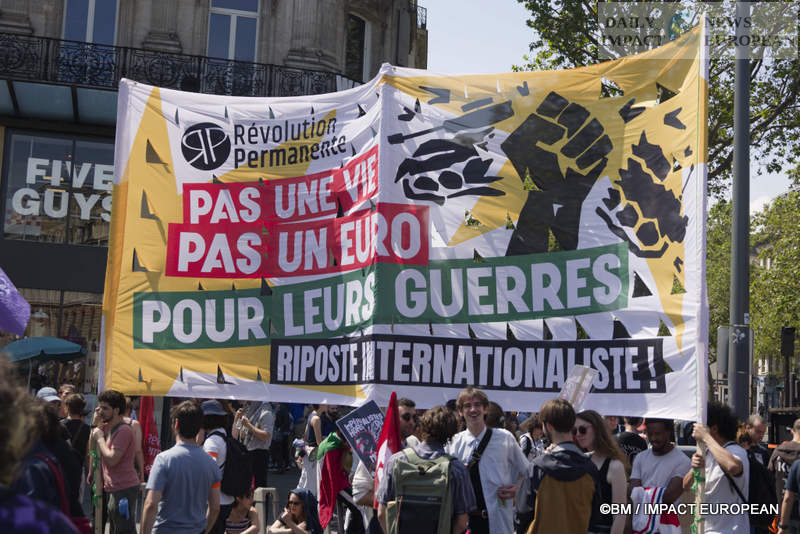
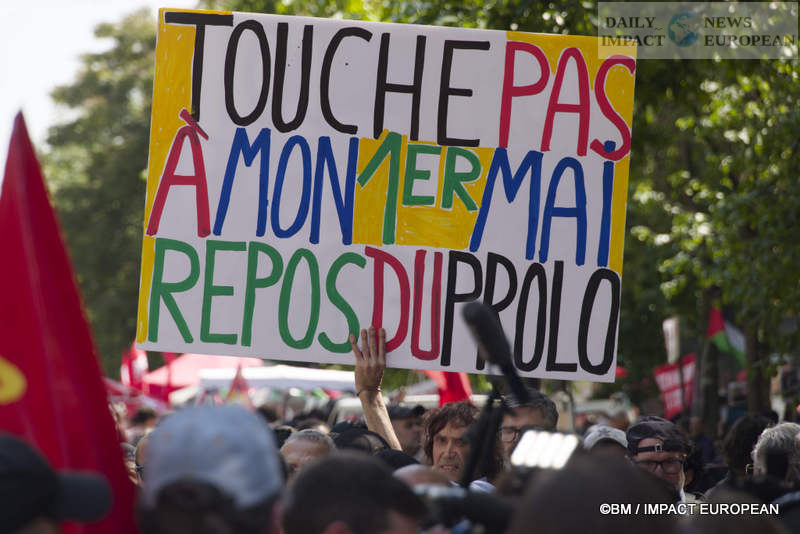
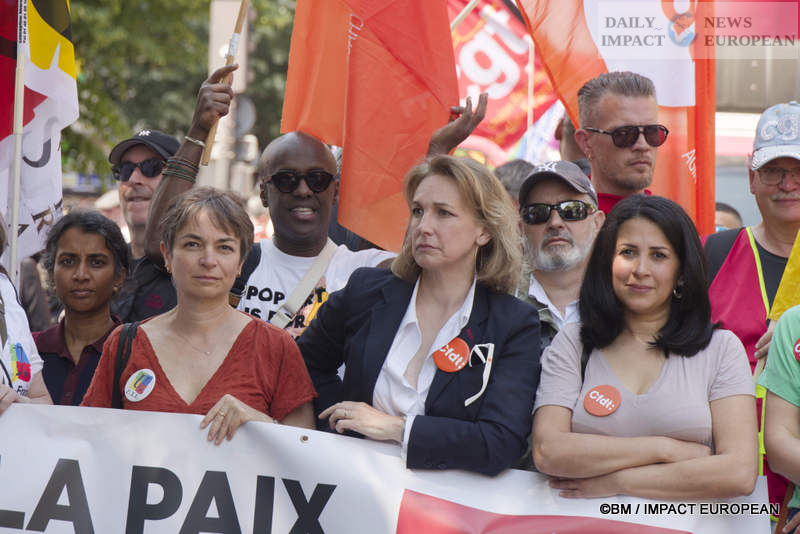
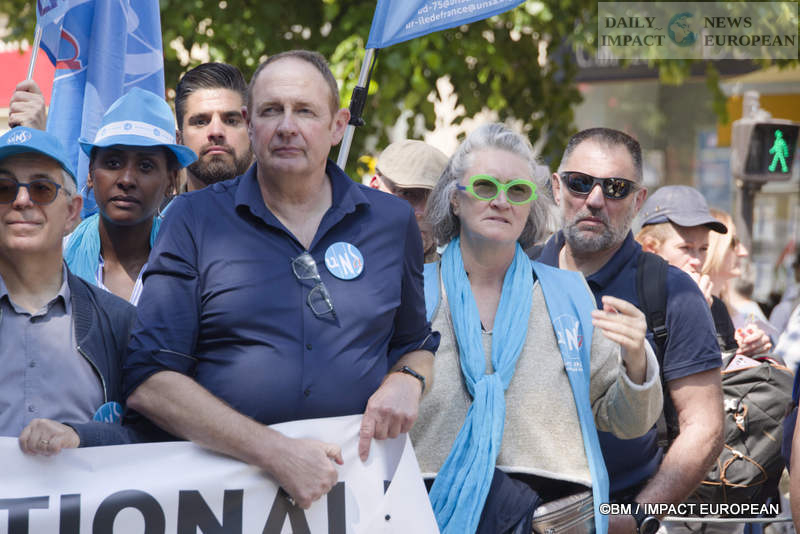
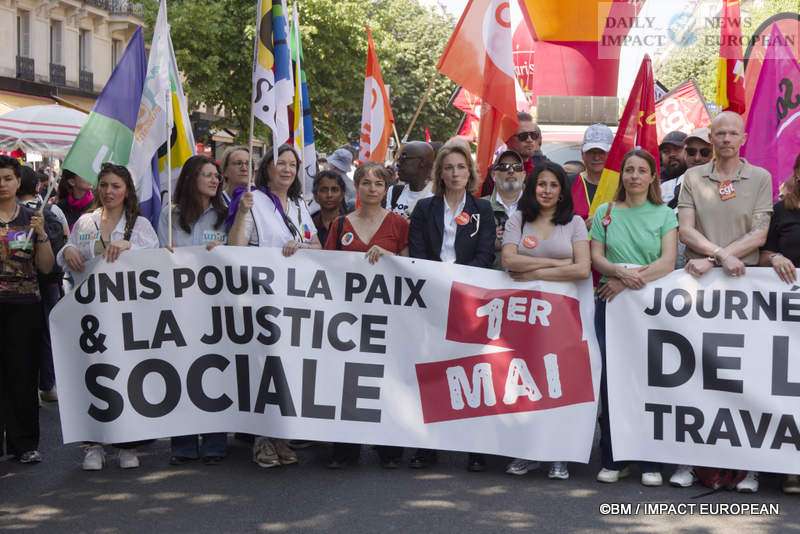
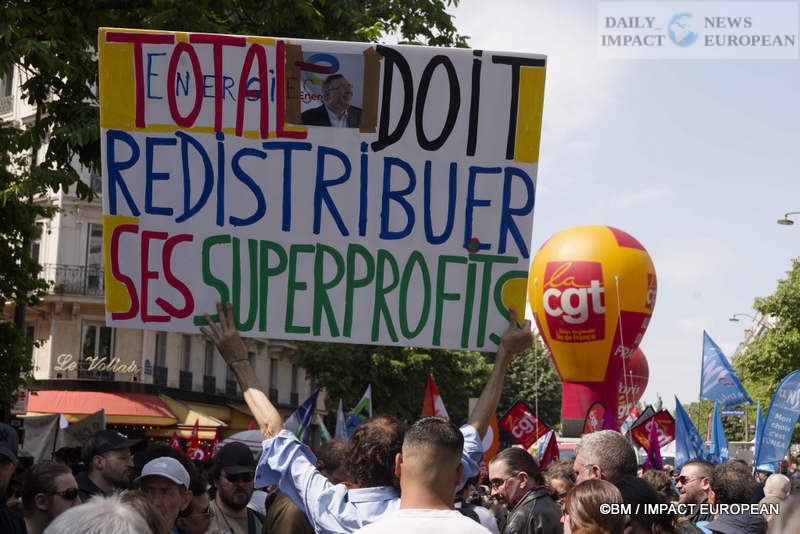
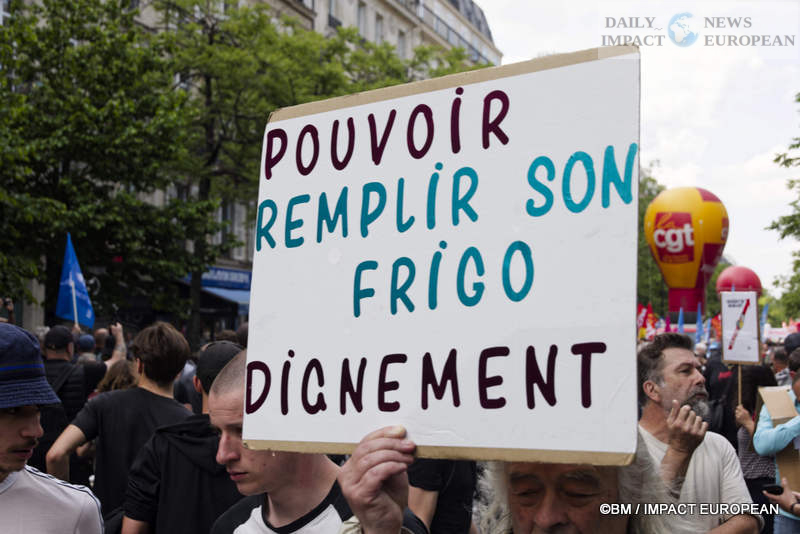
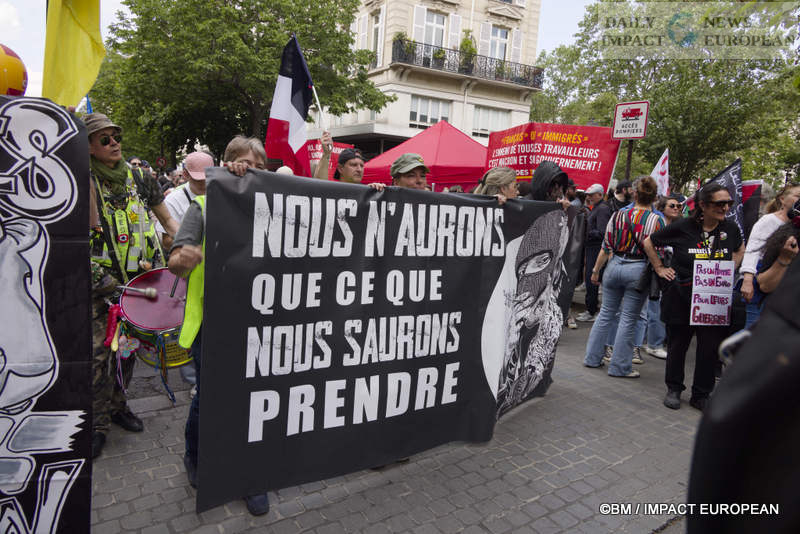
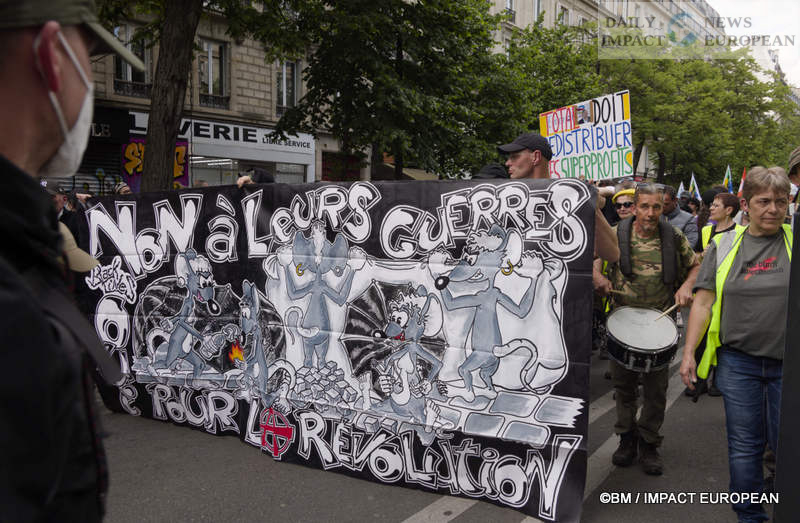
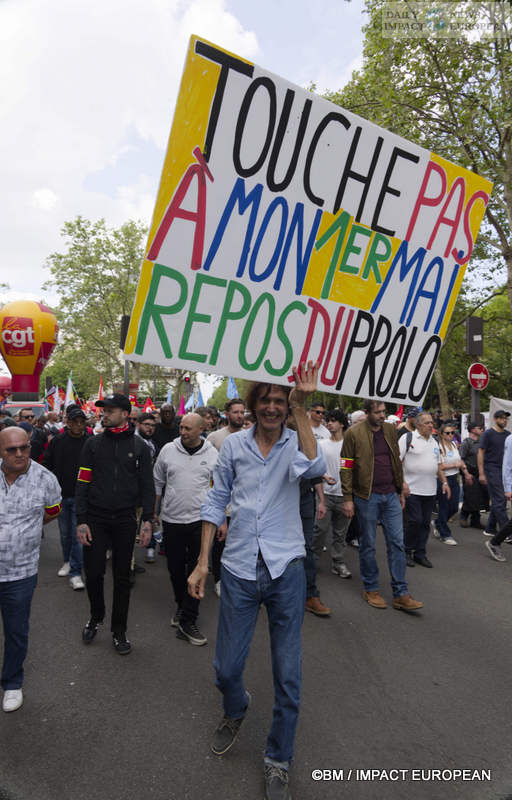
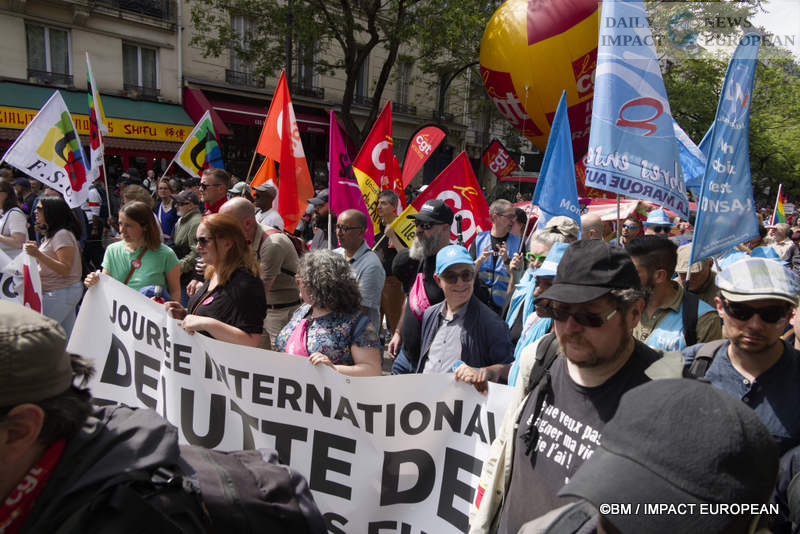
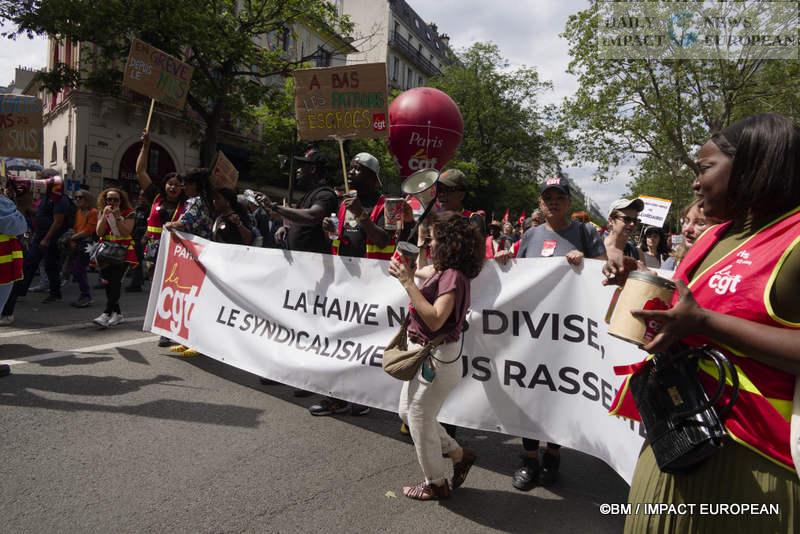
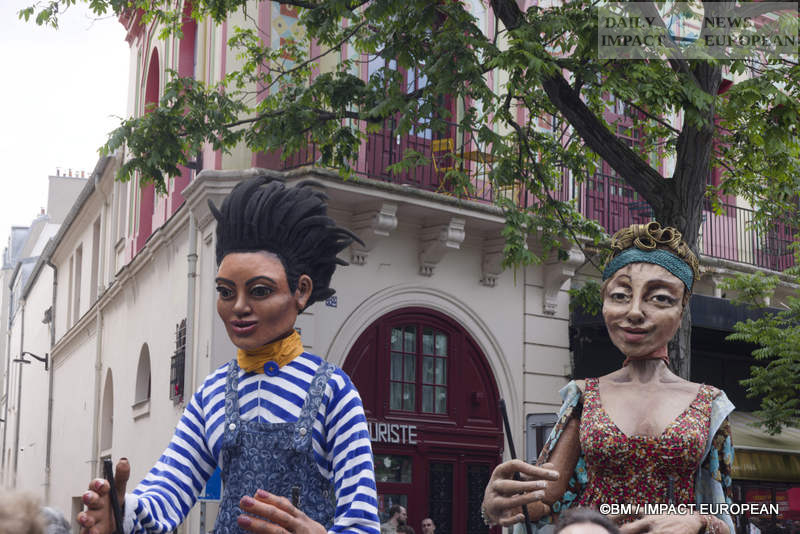
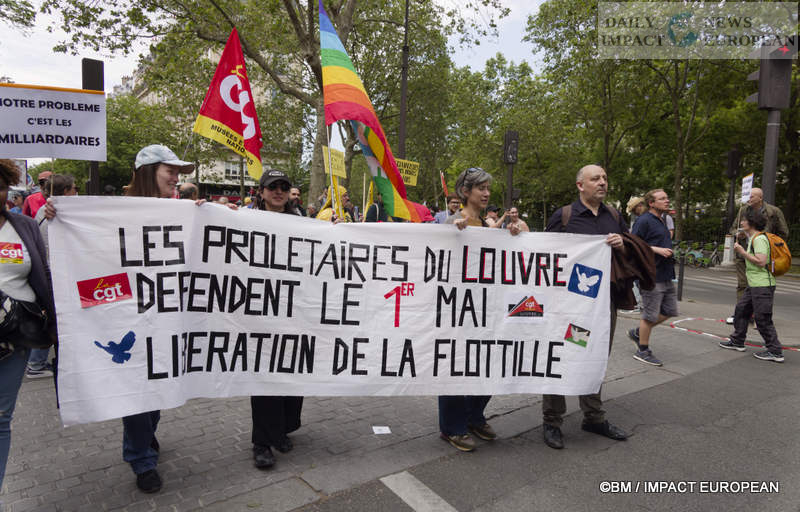
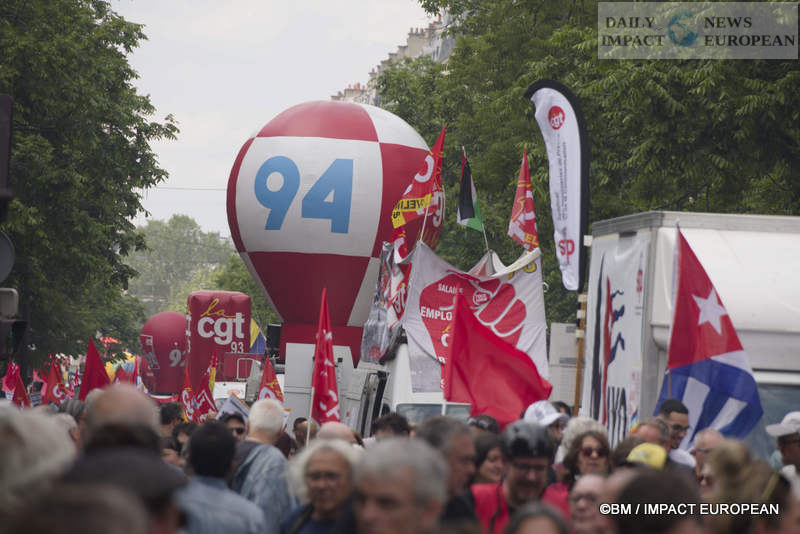
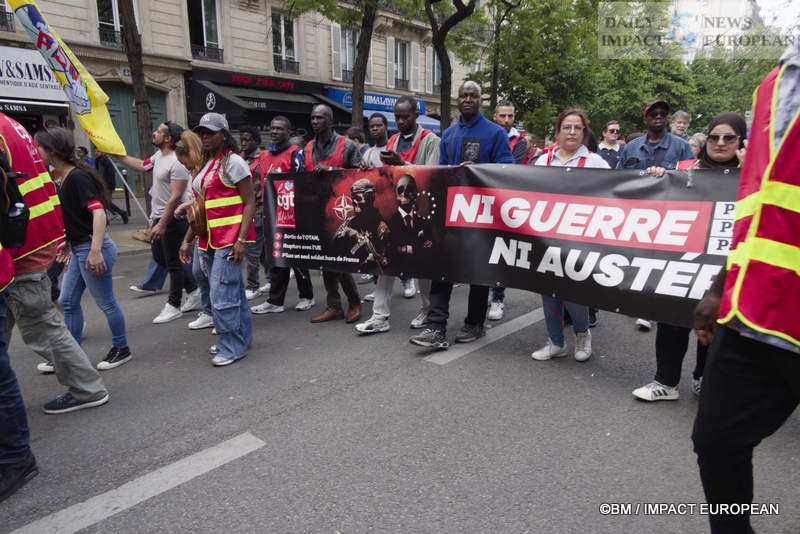
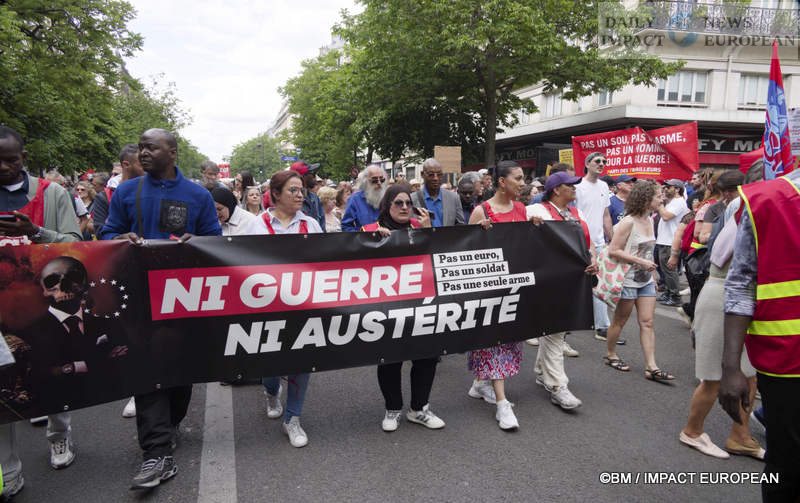
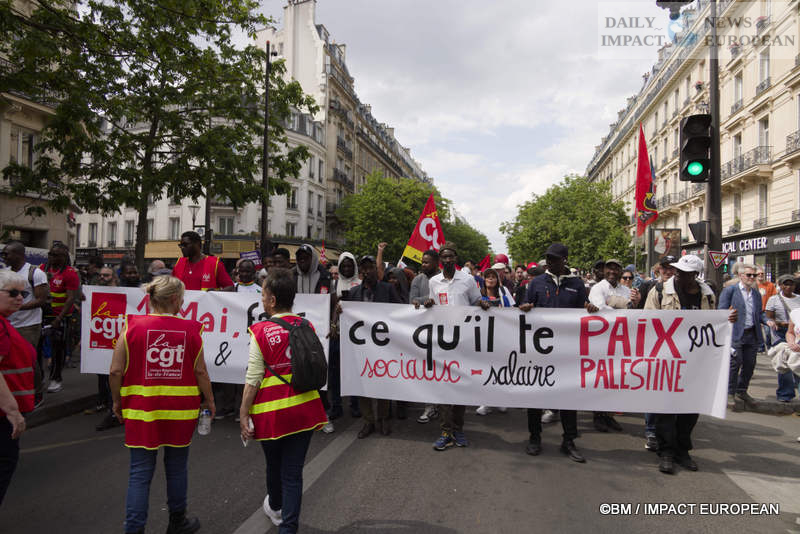
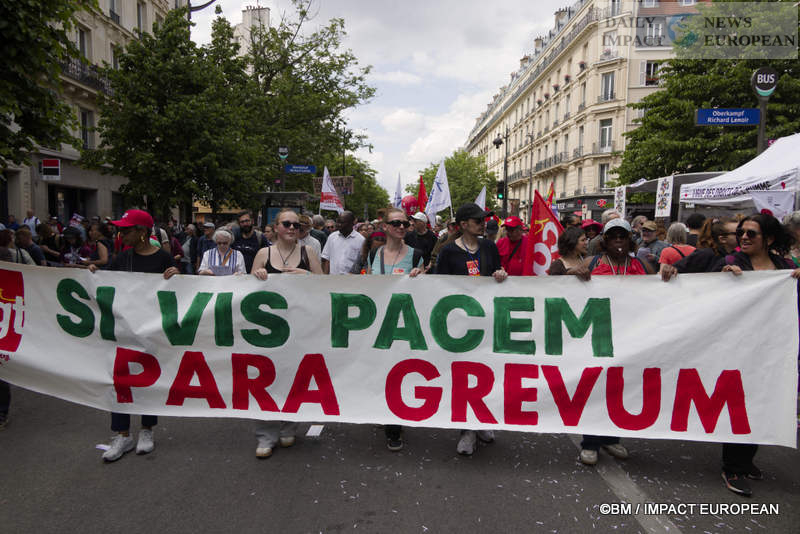
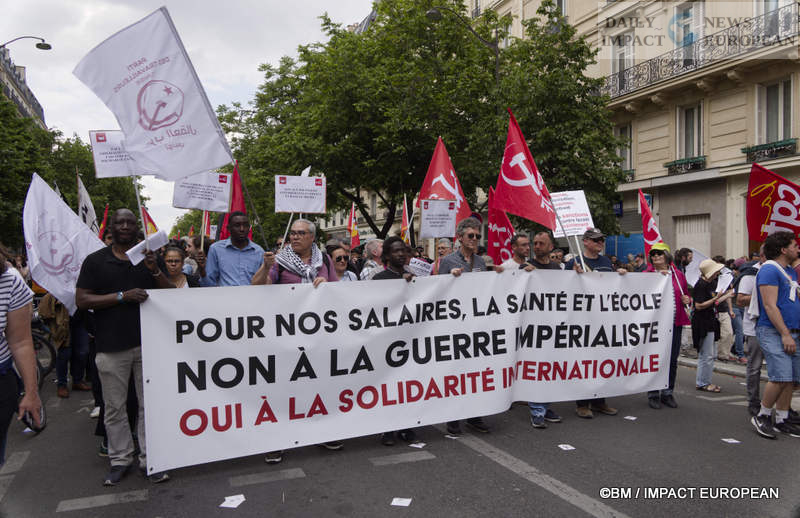
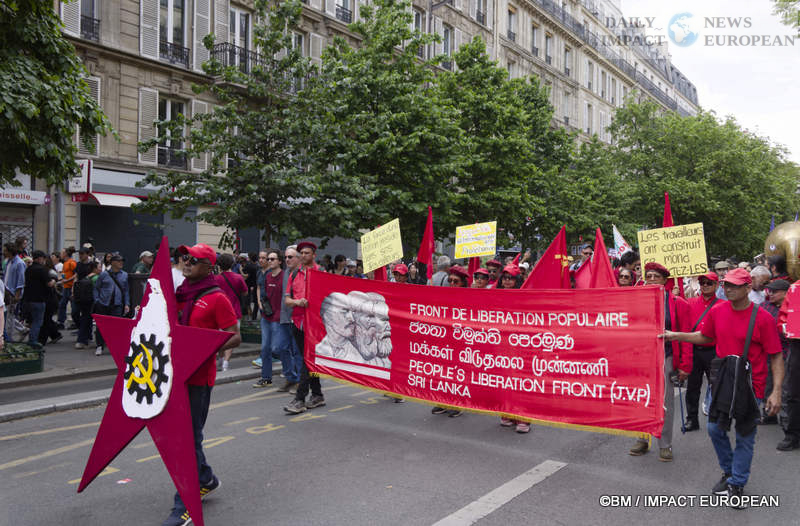
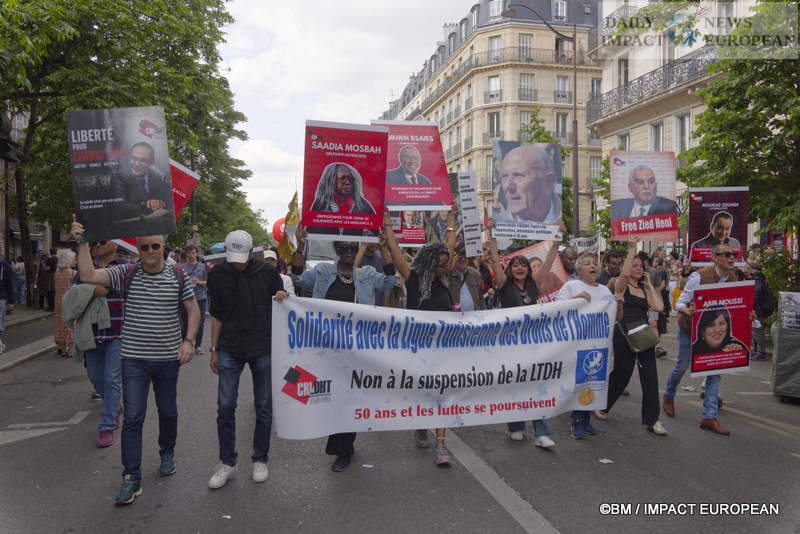
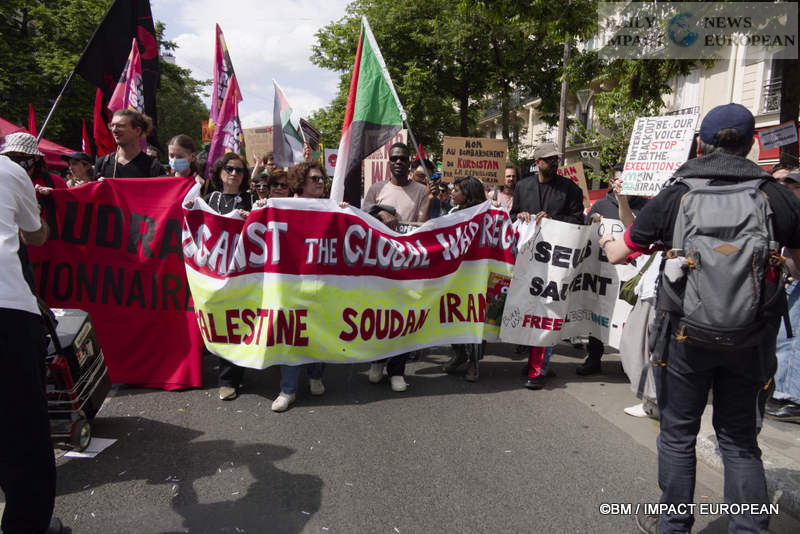
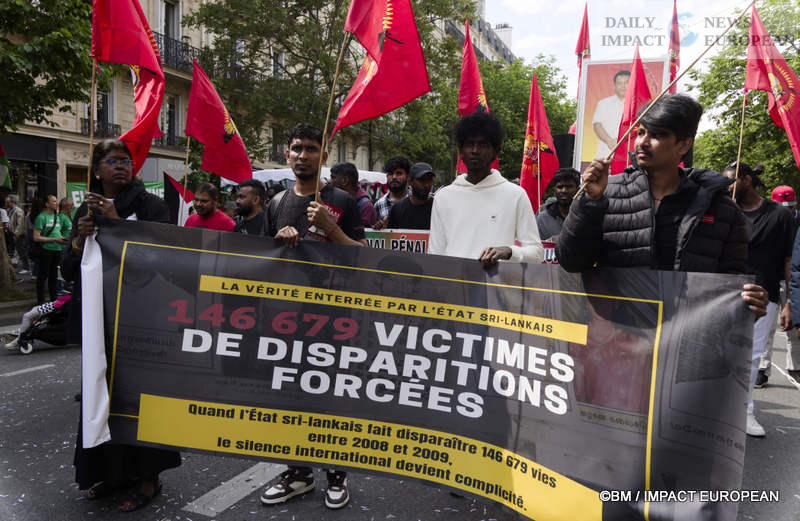
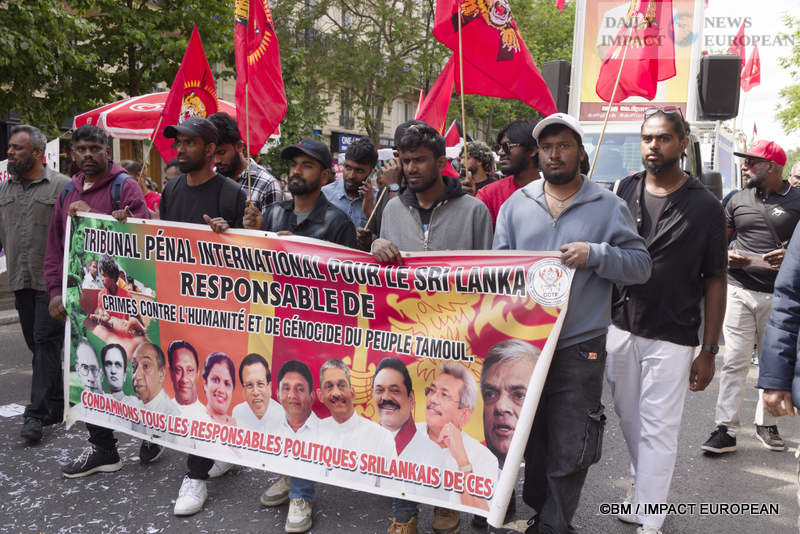
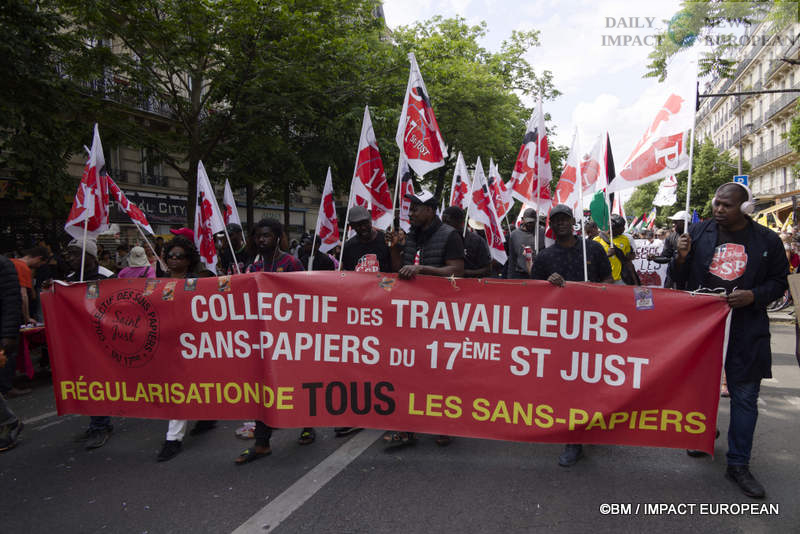
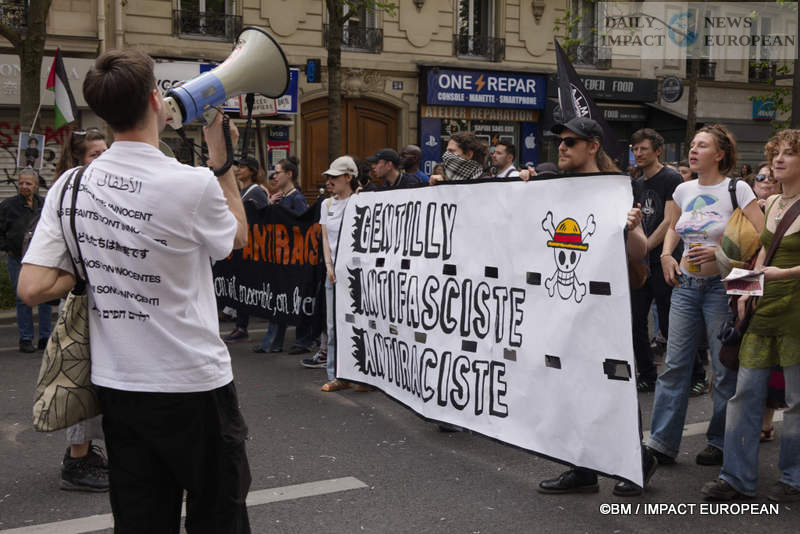
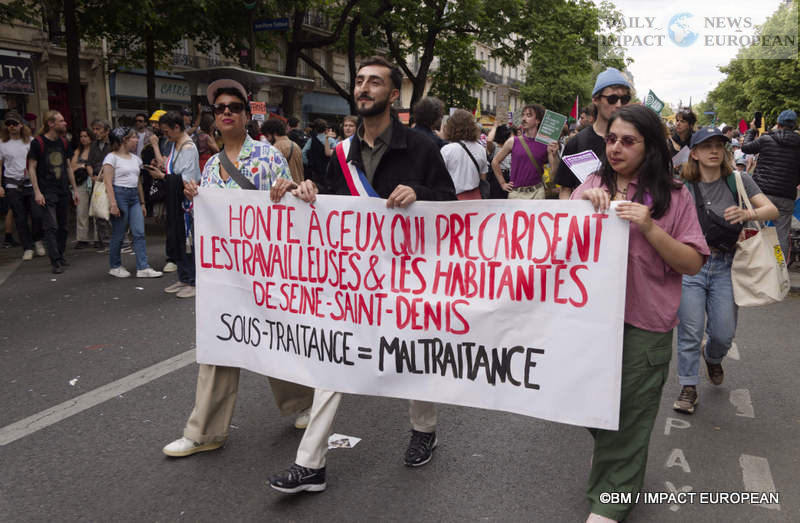
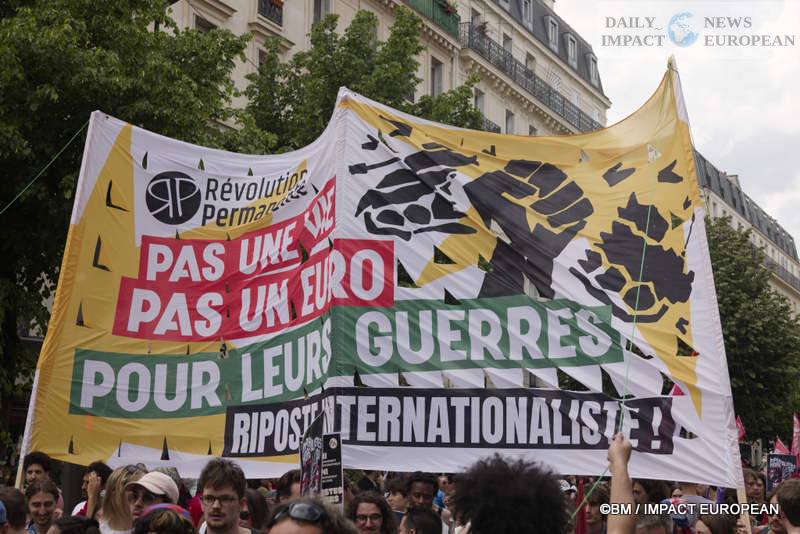
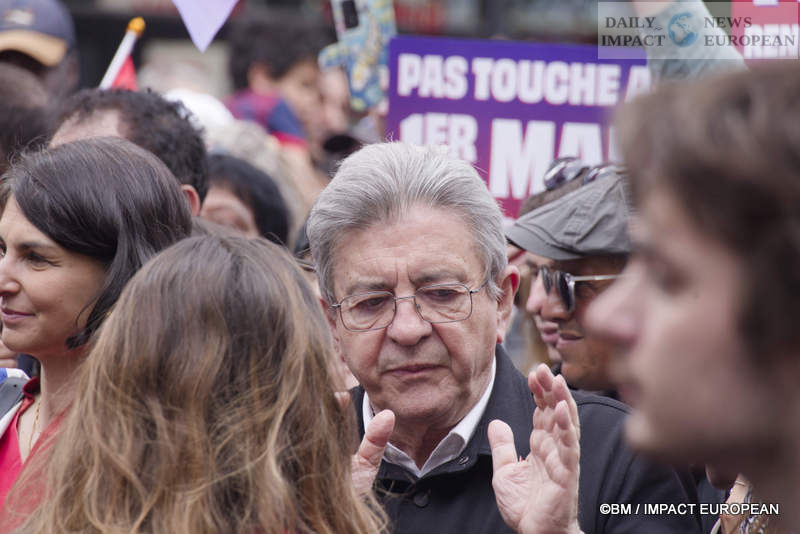
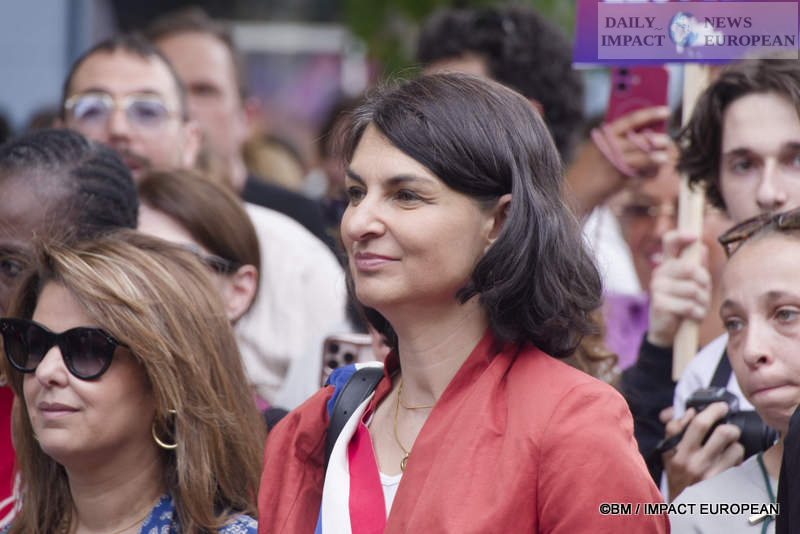
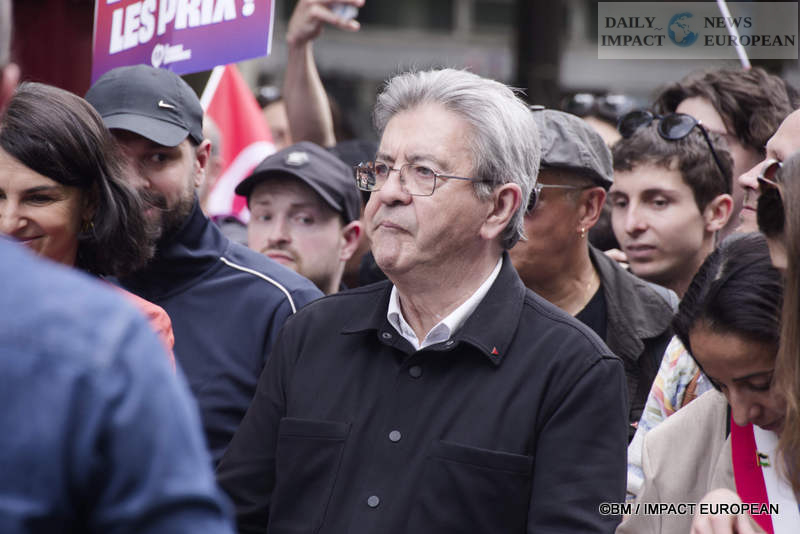
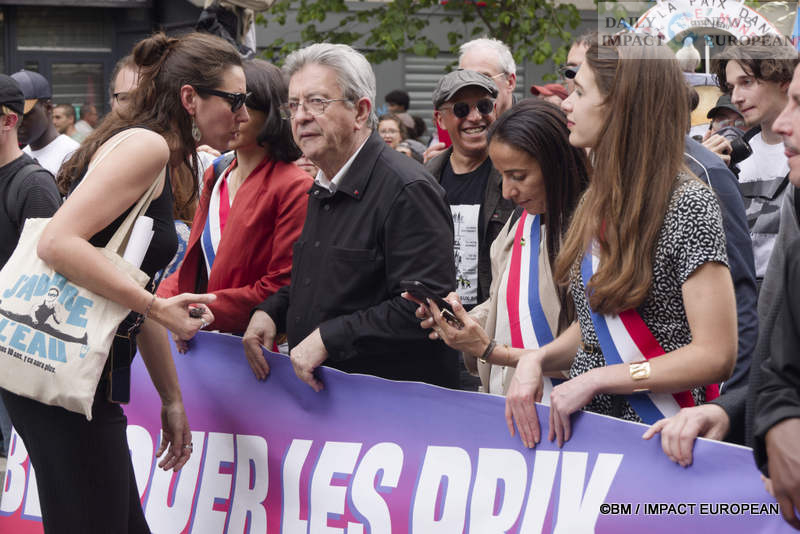
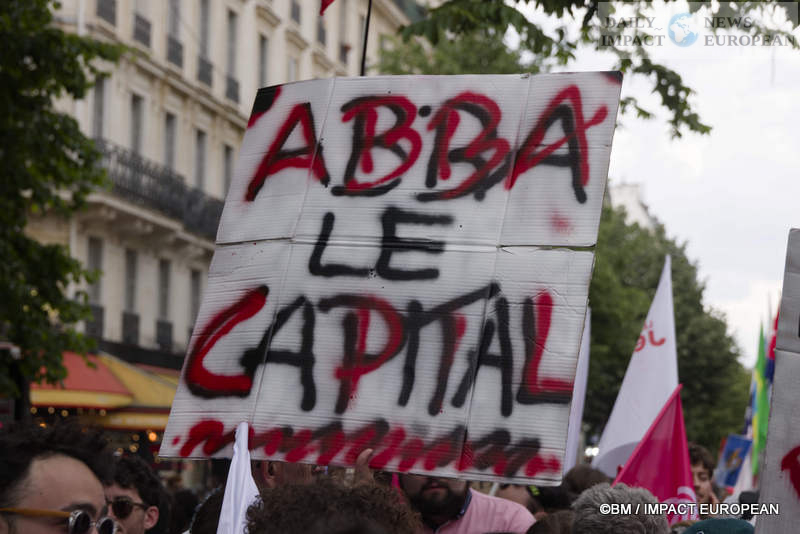
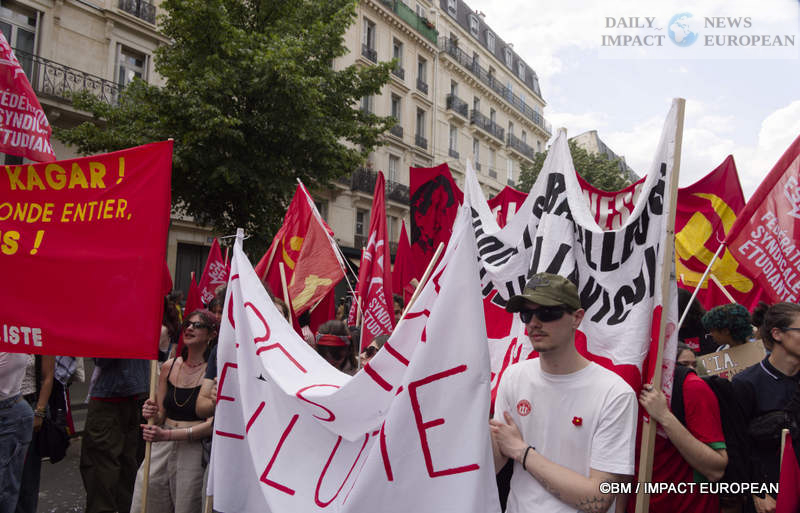
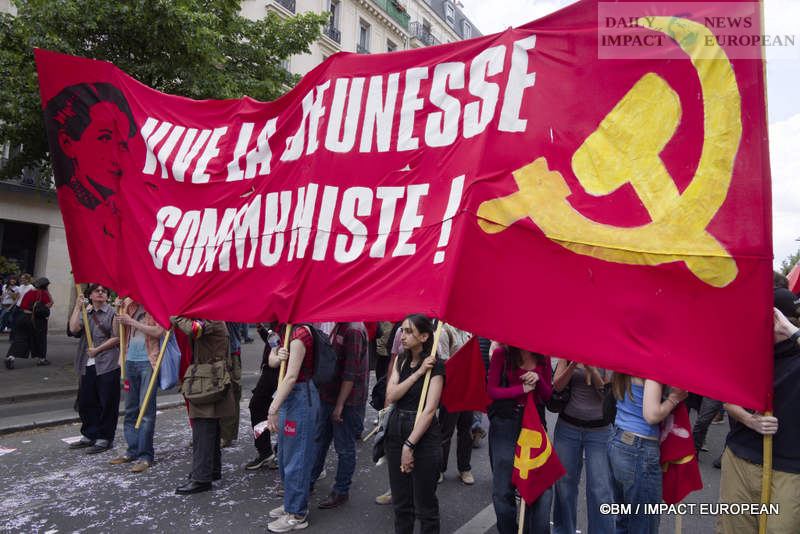
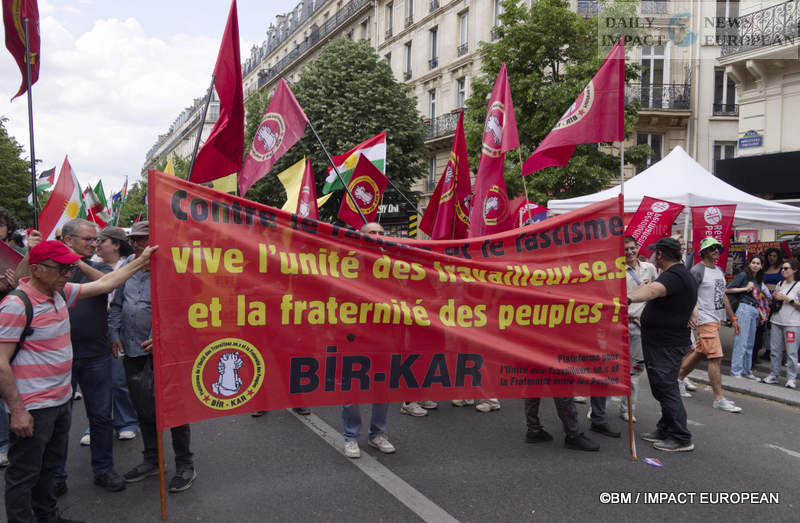
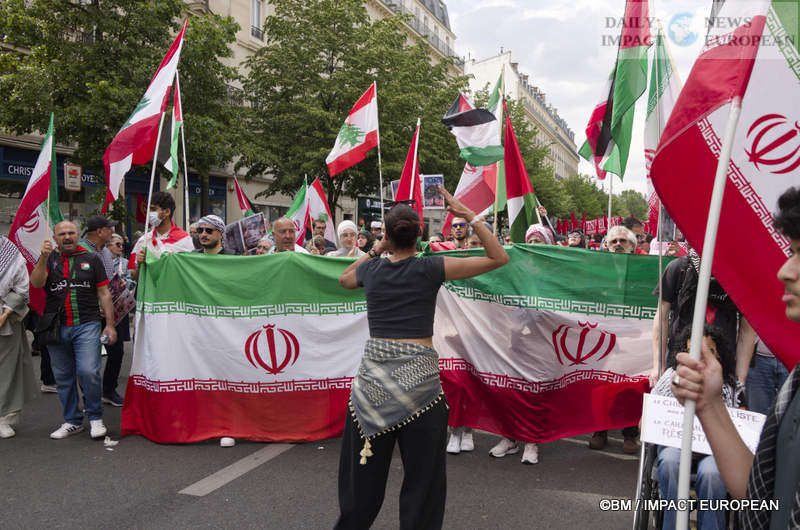
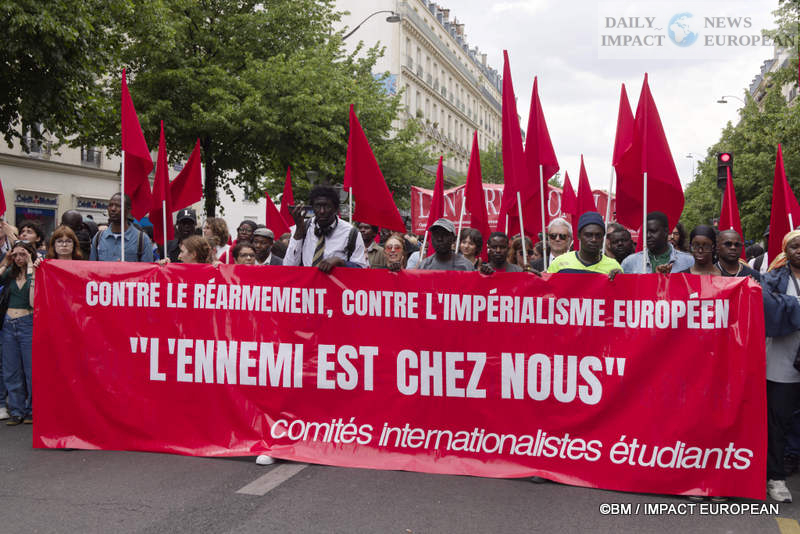
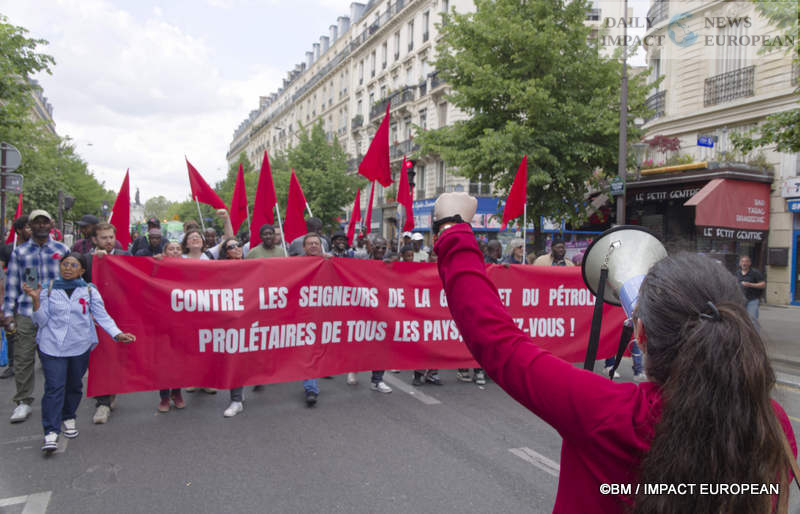
France experienced widespread demonstrations on May 1st, 2026, as tens of thousands of people took to the streets to mark International Workers’ Day. Organized by major trade unions including the CGT and CFDT, the protests reflected growing concerns over wages, purchasing power, and economic inequality.
Authorities estimated turnout between 100,000 and 150,000 nationwide, while union sources — particularly the CGT — claimed that more than 300,000 people participated across the country.
Nationwide mobilization amid economic pressure
Demonstrations were held in several major cities, including Paris, Toulouse, and Strasbourg. The protests come at a time when France, like many European countries, is facing persistent inflation and increasing pressure on household incomes.
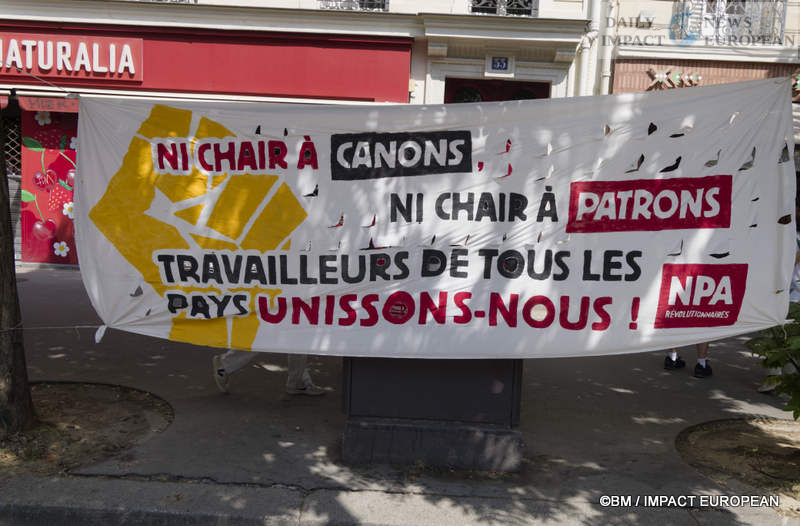
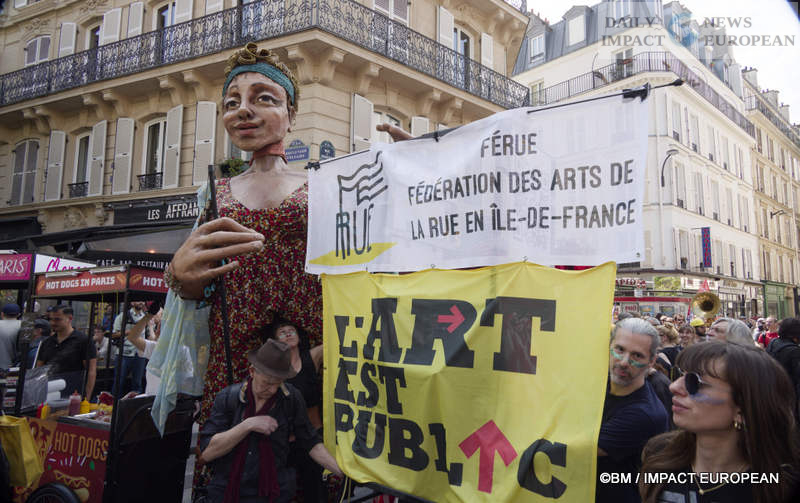
Workers, retirees, and young people joined the marches, calling for higher wages and stronger social protections.
Paris at the center of the protests
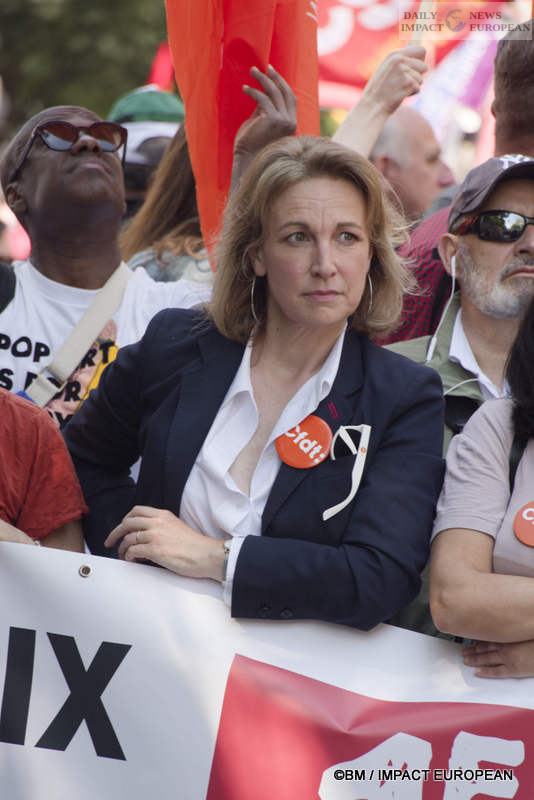
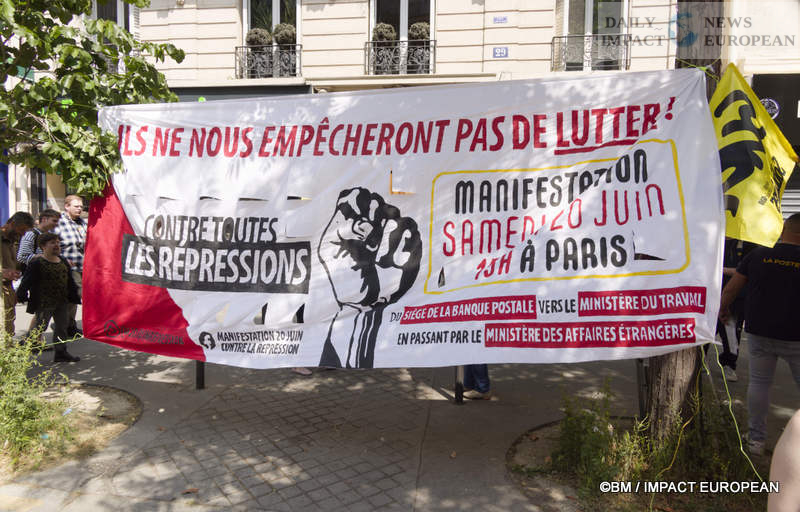
In Paris, the main march started at Place de la République and headed toward Place de la Nation, gathering tens of thousands of participants.
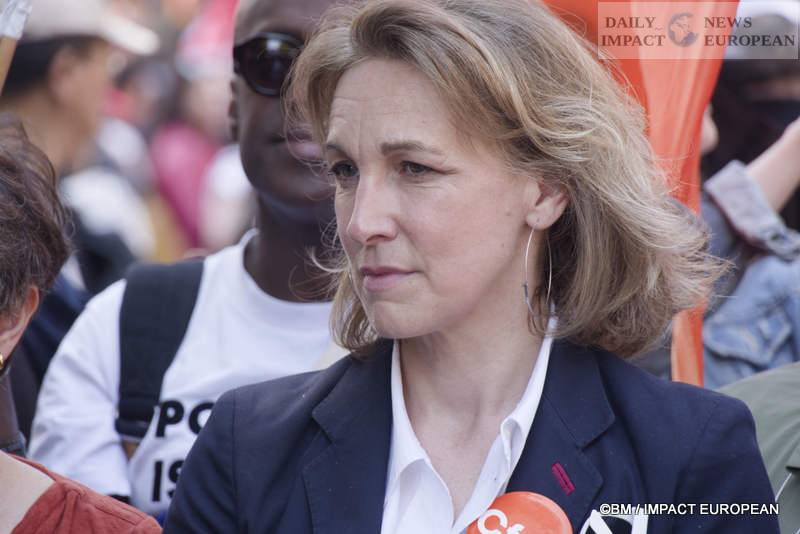
Sophie Binet described the situation as an “absolute social emergency,” urging the government to implement large-scale wage increases and regulate corporate profits.
Controversy over May Day labor laws
One of the central issues this year was the debate over allowing businesses to operate on May 1st — traditionally a protected public holiday in France.
The government is considering legal changes to allow certain sectors, such as bakeries and florists, to employ workers on that day.
According to RMC, a baker in Bourgoin-Jallieu was inspected for opening his shop and employing staff. He claimed that employees volunteered and were paid double wages.
The situation highlights legal uncertainty and broader tensions between labor protections and economic flexibility.
Criticism of “symbolic politics”
Marilyse Léon, head of the CFDT, criticized what she called “political staging,” referring to symbolic visits by government officials such as Gabriel Attal and Sébastien Lecornu.
She argued that these actions fail to reflect the reality of workers facing physically demanding jobs and long-term health issues.
Political divisions ahead of 2027
The protests also exposed deep political divisions, particularly on the left.
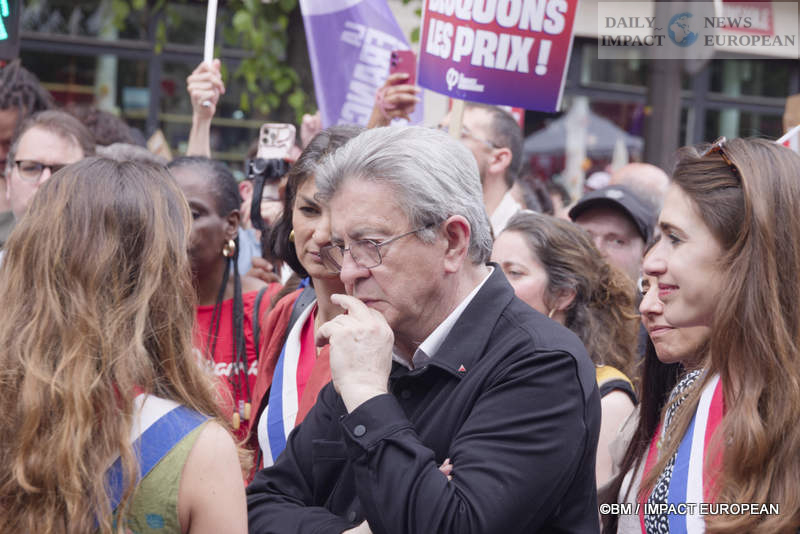
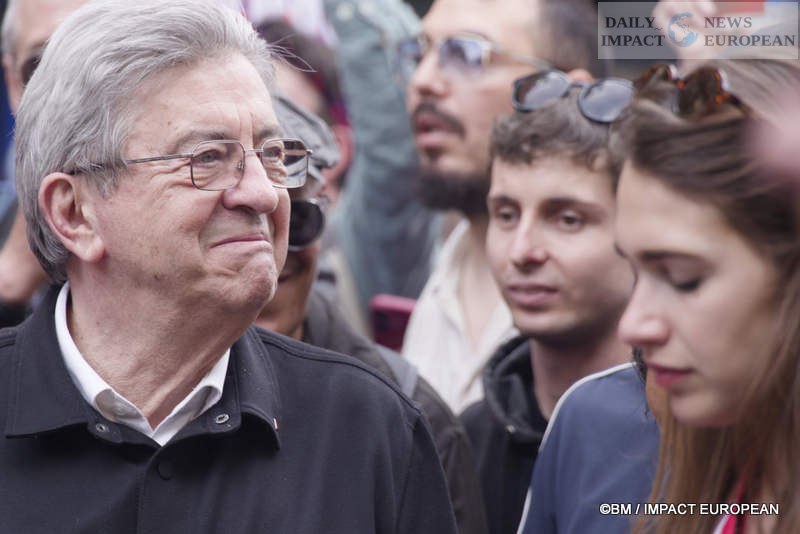
Marine Tondelier warned about disunity ahead of the 2027 presidential election and referred to the expected candidacy of Jean-Luc Mélenchon.
Mélenchon called for emergency social legislation to align wages with rising prices, stating that “prices are rising while incomes are falling.”
Far-right focuses on “value of work”
At a separate event in Mâcon, Marine Le Pen emphasized the need to restore the “value of work,” arguing that wages in France are too low.
She appeared alongside Jordan Bardella, referencing national historical symbols such as Joan of Arc.
Security concerns and clashes
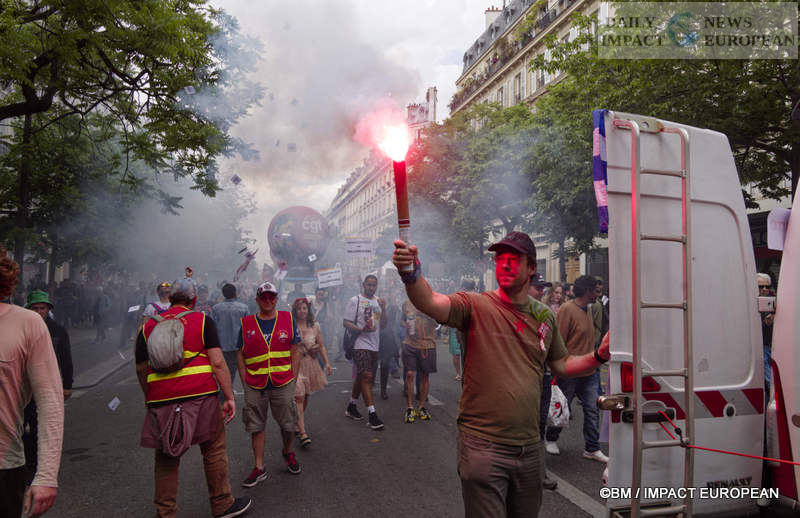
Authorities reported the presence of black bloc groups in several cities.
According to Le Figaro, around 200 black bloc activists were present in Paris, with larger numbers in Nantes. A police officer was reportedly injured in clashes in Nantes.
Political tensions and public distrust
In Amiens, Olivier Faure, leader of the Socialist Party, was attacked with flour by masked individuals at the end of a demonstration, according to ICI.
The incident reflects growing tensions and distrust toward political figures.
A broader European trend
France’s May Day protests are part of a broader European pattern of rising social unrest. Across the continent, governments are facing increasing pressure to address inequality, inflation, and declining living standards.
As political divisions deepen, the ability of leaders to respond effectively to these challenges will be crucial in the coming years.
©2026 – IMPACT EUROPEAN
















































Views: 69
More Stories
Paris protest puts cost of living and public freedoms in focus
France Protests on October 17: Mass Mobilization Overshadowed by Violence Across the Country
Work Palace Opens in Paris: INSITU Brings Luxury Hospitality Into the Workplace