

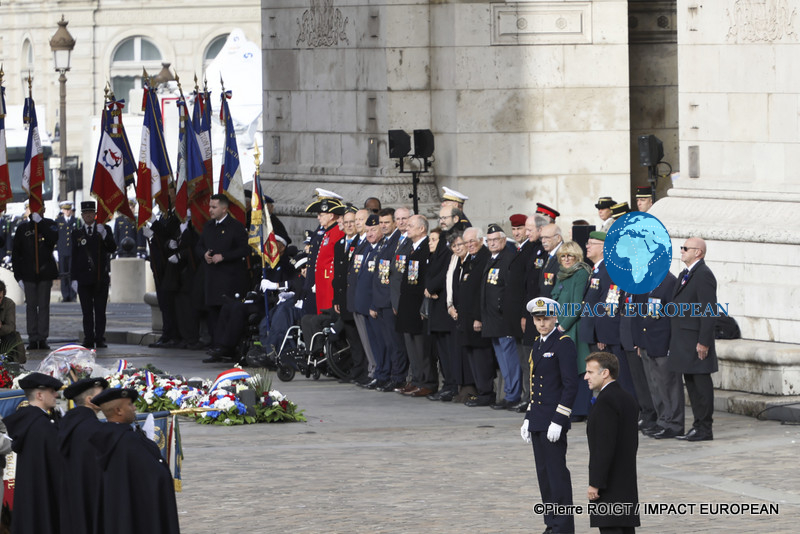
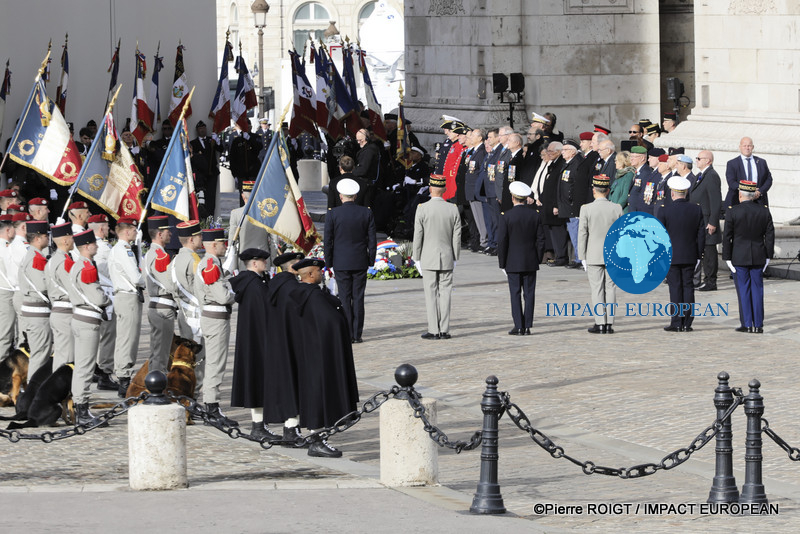
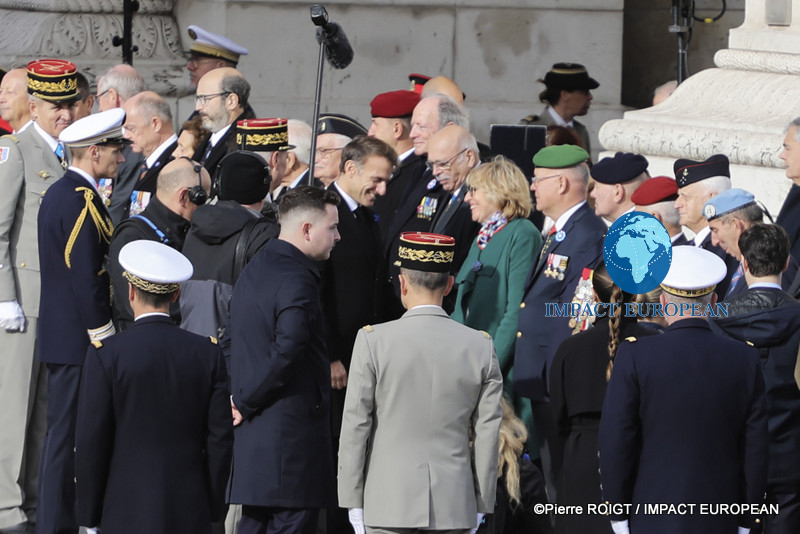
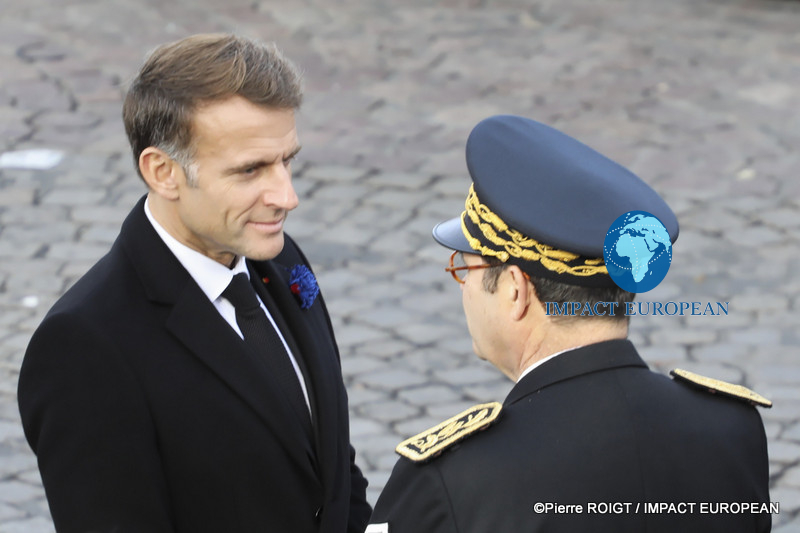
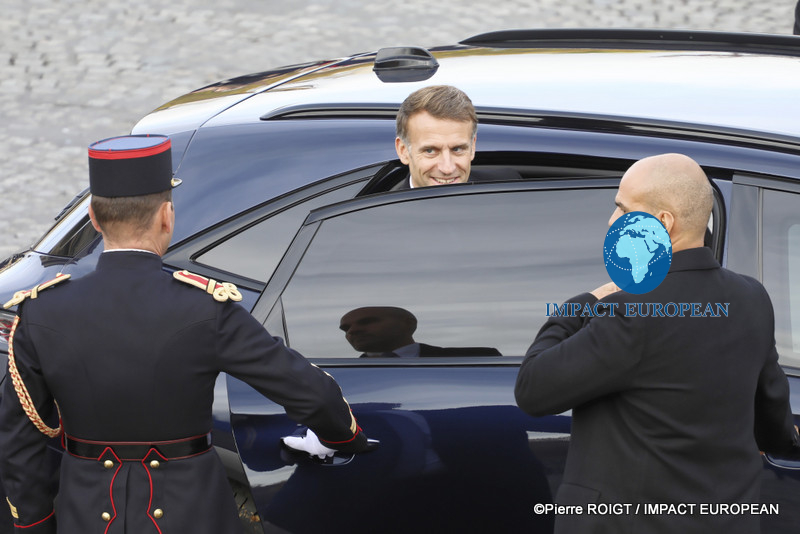
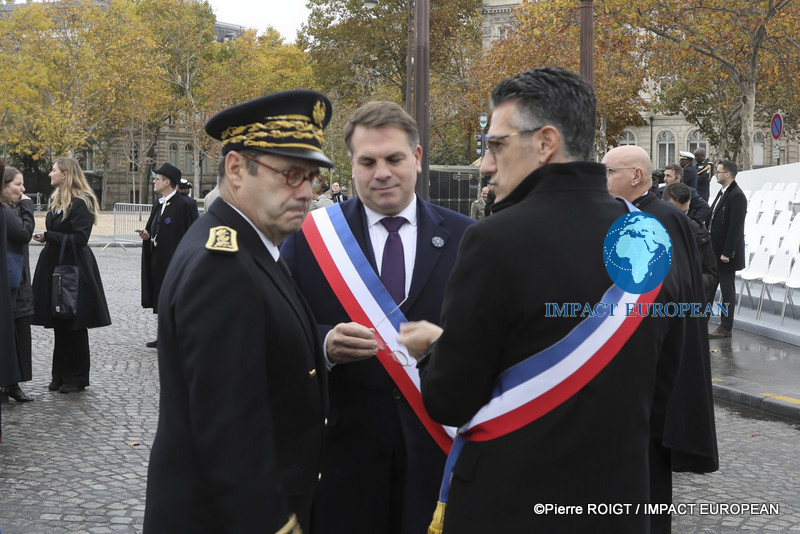
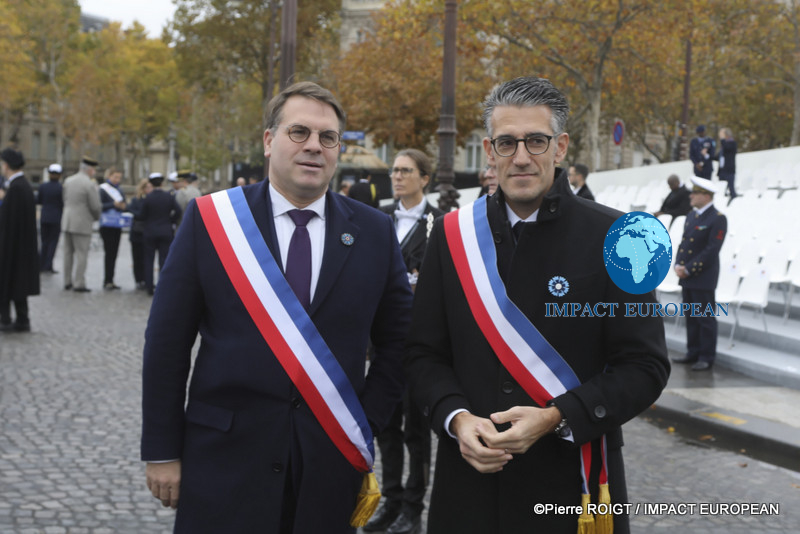
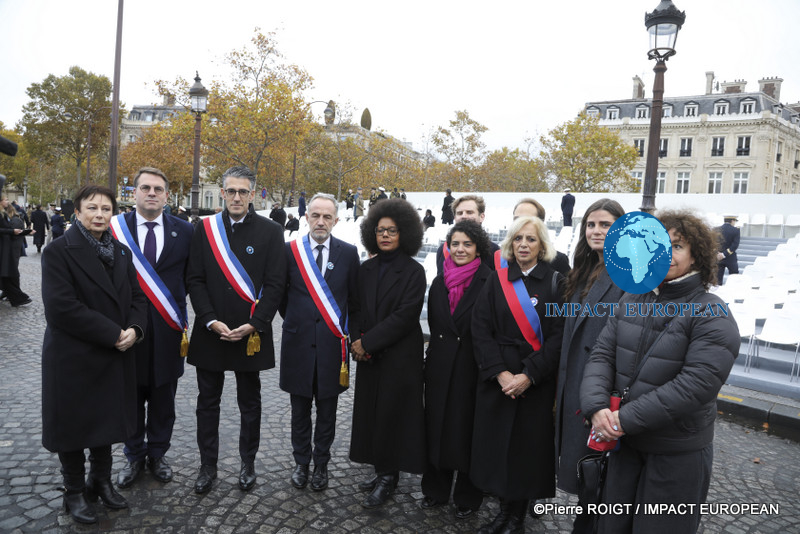
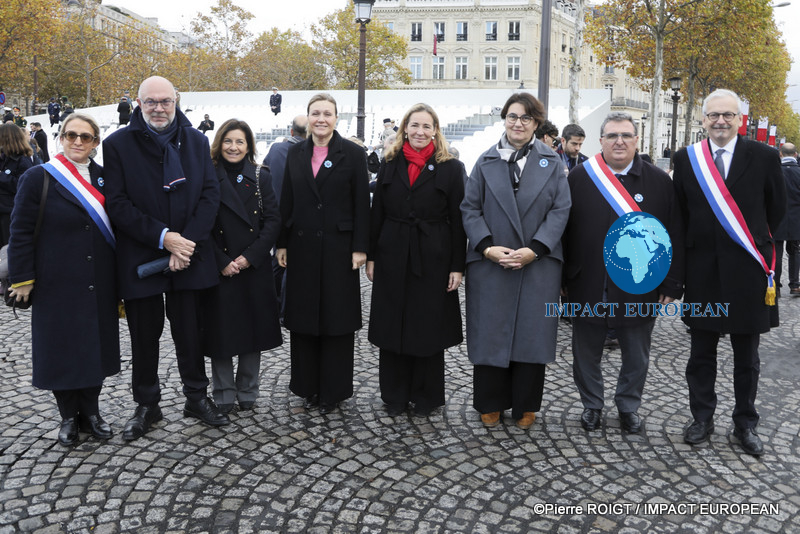
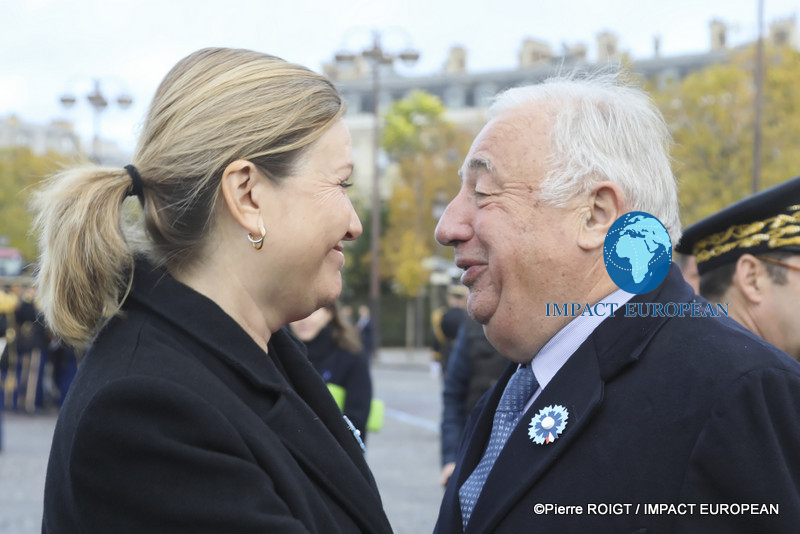
PARIS, NOVEMBER 11, 2026 – Beneath the Arc de Triomphe, the flame of the Tomb of the Unknown Soldier was rekindled in remembrance of those who gave their lives for France. On Wednesday, Emmanuel Macron presided over the national ceremony marking the 108th anniversary of the November 11, 1918 Armistice. The occasion carried particular significance: it was his final November 11 commemoration as President of the French Republic, ahead of the 2027 presidential election.
From the Champs-Élysées to the Arc de Triomphe: a ceremony rooted in history
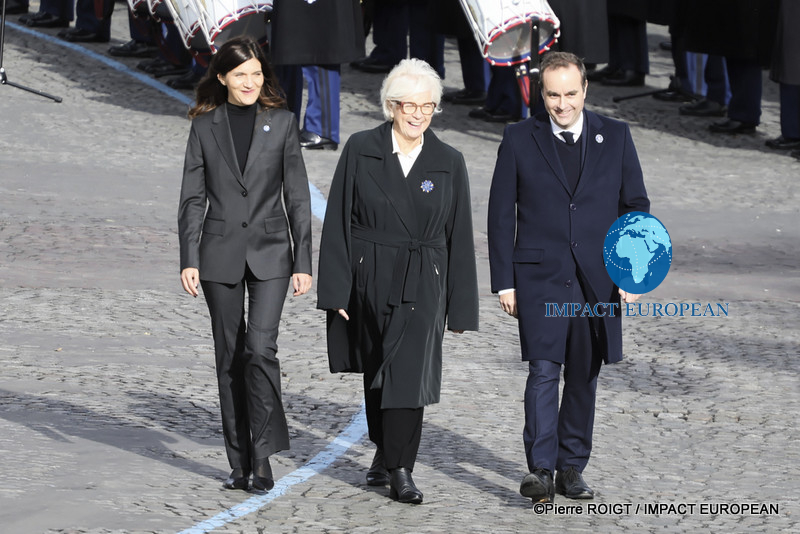
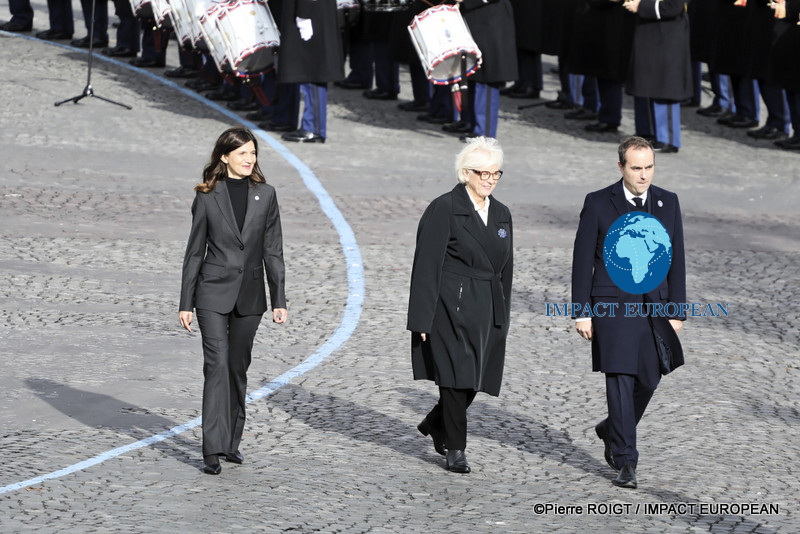
The commemorations began at the lower end of the Champs-Élysées, where Emmanuel Macron was welcomed by Prime Minister Sébastien Lecornu.
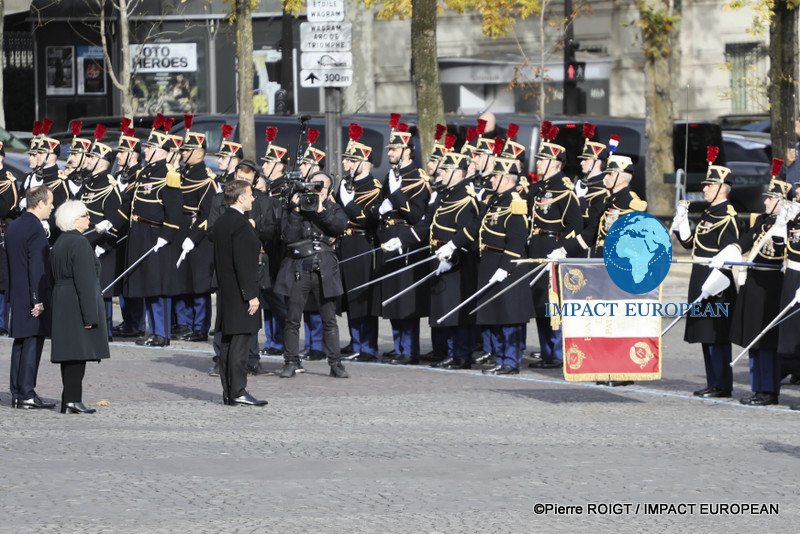
The first tribute took place in front of the statue of Georges Clemenceau, the French wartime leader known as the “Father of Victory” for his role in the final stages of the First World War. The president laid a wreath before continuing along the avenue towards the Arc de Triomphe.
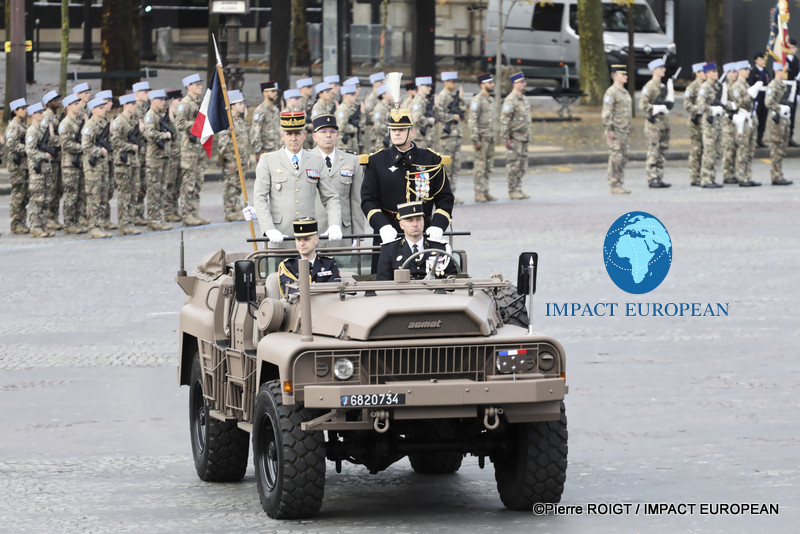
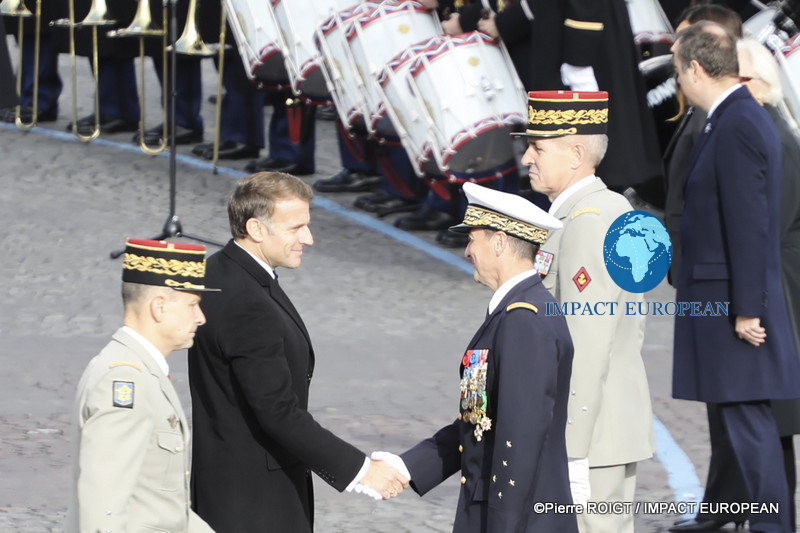
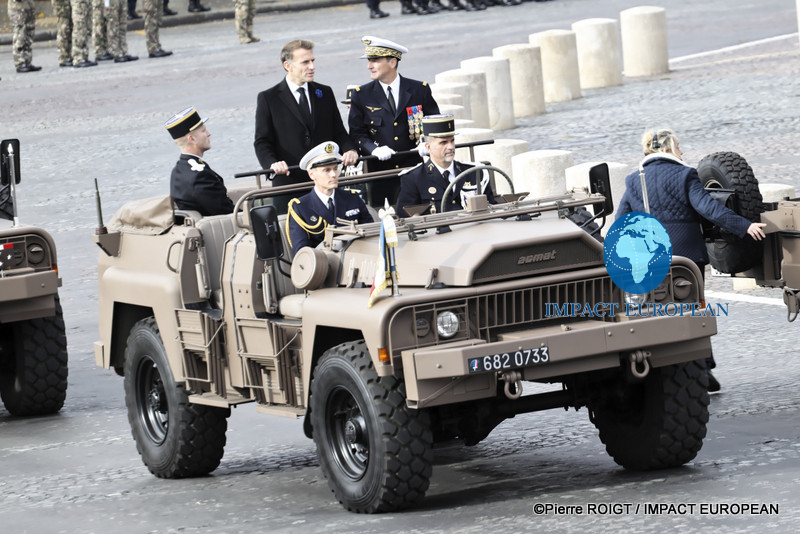
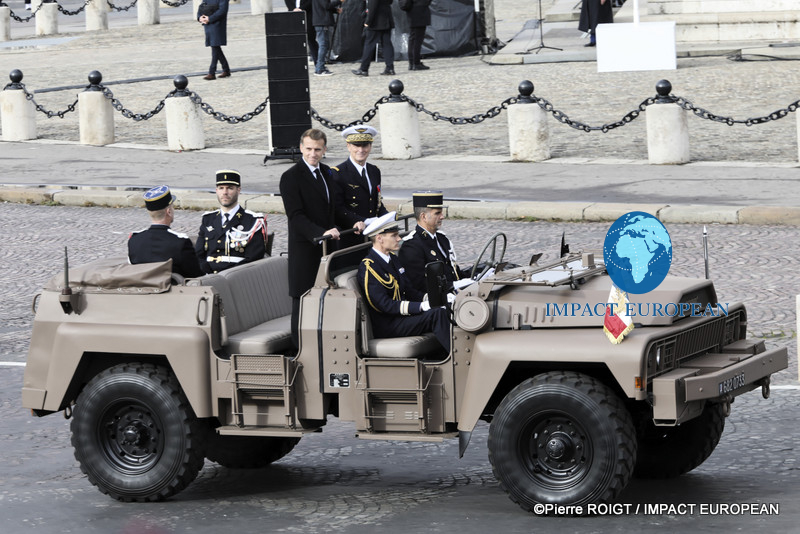
At the Place Charles-de-Gaulle, the ceremony followed the traditional military protocol. Macron paid tribute to the national flag, reviewed the troops and laid a wreath at the Tomb of the Unknown Soldier.
The rekindling of the eternal flame remained the central symbolic moment of the ceremony. Since 1923, this flame has represented the memory of unidentified French soldiers who died during the First World War.
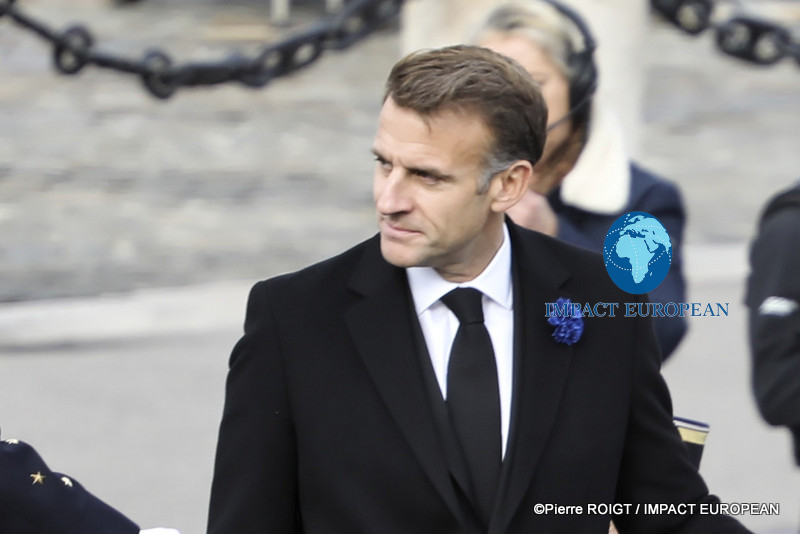
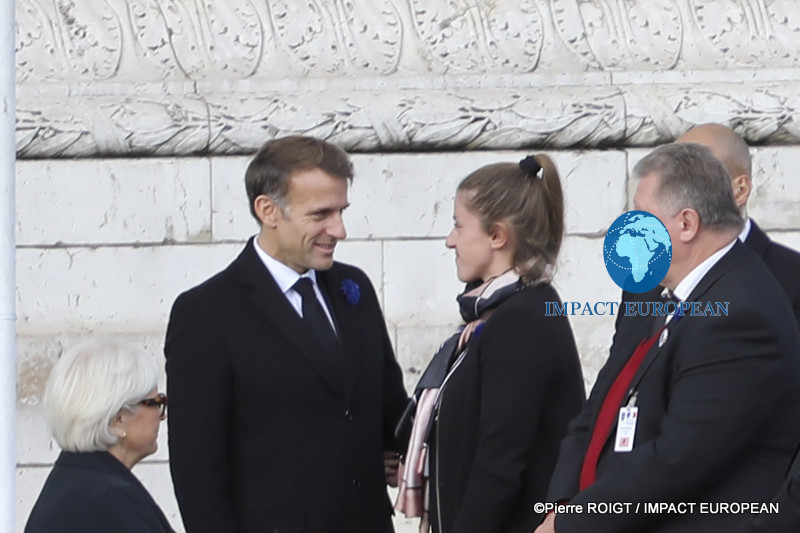
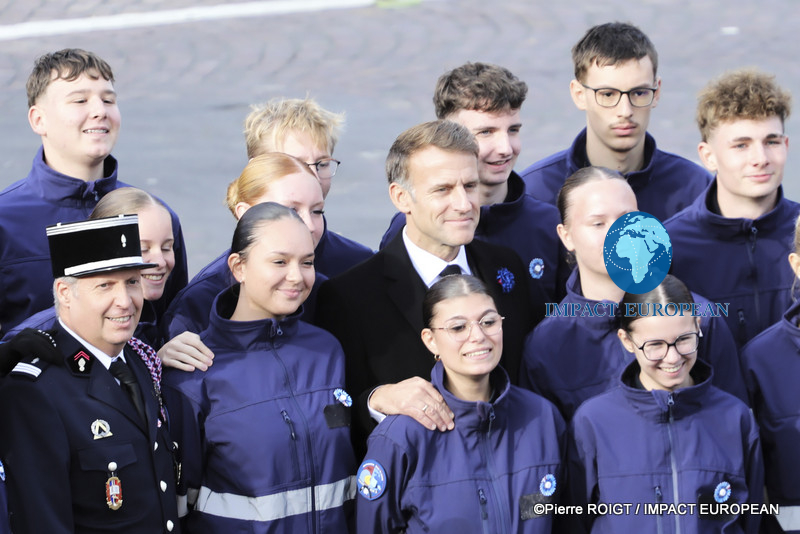
Wearing the Bleuet de France, the blue cornflower symbol of remembrance and solidarity with veterans, war victims and their families, the president also attended a tribute to five service members who died while on duty in 2026. Their names were read aloud before the French national anthem, La Marseillaise, was played.
November 11: remembering more than the First World War
The Armistice signed on November 11, 1918, in the Compiègne Forest brought an end to the fighting on the Western Front. After more than four years of devastating warfare, the agreement opened a new chapter in European history.
The human cost was immense. Millions of soldiers and civilians had lost their lives, while countless families and communities were left with lasting wounds.
In France, November 11 has gradually acquired a broader commemorative meaning. Since 2012, the national observance has honoured all those who died for France, regardless of the conflict in which they served.
The day therefore connects the memory of the Great War with more recent military engagements. It also recognises the sacrifices made by generations of service members and the families who continue to carry their memory.
Macron’s final November 11 ceremony as president
Since taking office in 2017, Emmanuel Macron has presided over the national November 11 commemorations. The 2026 ceremony is his final appearance in this presidential capacity for Armistice Day, with the next French presidential election scheduled for 2027.
Following the ceremony at the Arc de Triomphe, the president welcomed flag bearers, representatives of veterans’ associations, members of the Flame Committee and representatives of the armed forces community to the Élysée Palace.
In his address, Macron emphasised France’s enduring responsibility towards those who served and those who died defending the country.
He also referred to the return of high-intensity warfare on European soil, growing international tensions and the need to maintain a strong relationship between the armed forces and French society.
His remarks placed the historical commemoration within a contemporary context. The lessons of 1918, he suggested, remain relevant in a world where peace cannot be taken for granted.
Schools and the challenge of passing on historical memory
The 2026 commemorations also took place amid a debate over how France should teach its military history to younger generations.
A circular published in July 2026 provides for an annual school ceremony honouring all those who died for France. The initiative is intended for pupils from the final years of primary school through to secondary education, around the November 11 anniversary.
The proposal has generated mixed reactions among education professionals. Some teachers’ unions have raised concerns about the possible militarisation of schools and the political use of historical remembrance.
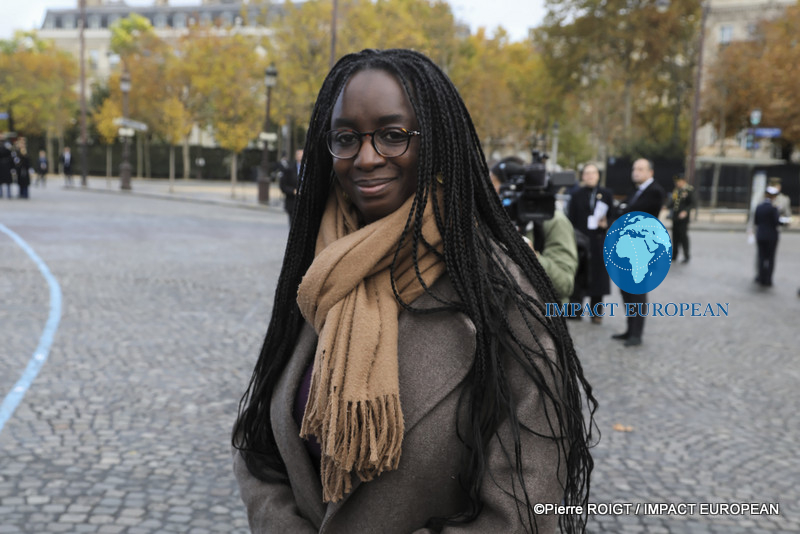
Alice Rufo, Minister Delegate for the Armed Forces and Veterans, defended the initiative, describing November 11 as a “celebration of peace”. She highlighted the educational value of meetings between pupils and former service members, whose personal testimonies can bring history closer to younger audiences.
Subjects such as women’s participation in the French Resistance and the contribution of Senegalese riflemen offer opportunities to explore a broader and more inclusive account of the country’s past.
Education Minister Édouard Geffray said he had received no reports of significant tensions or refusals in schools at that stage.
During his commemorative address, Macron reaffirmed his position: “The memory of November 11 belongs in every school of the Republic.”
A flame that outlasts political generations
More than a century after the end of the First World War, the November 11 ceremony remains one of France’s most significant national commemorations.
Presidents change, generations pass and the number of direct witnesses to the Great War has long since disappeared. Yet the monuments, military ceremonies and the flame beneath the Arc de Triomphe continue to preserve the memory of those who never returned.
For Emmanuel Macron, the 2026 ceremony marks the final November 11 commemoration of his presidency. For France, however, the day carries a meaning that extends well beyond any political term.
Remembering the Armistice is not simply about celebrating the end of a war. It is about recognising its human cost, preserving historical memory and passing on the responsibility for peace to future generations.
©2026 IMPACT EUROPEAN – All rights reserved
Views: 4
More Stories
Paris protests on November 14: social anger, youth demands and tensions after the march
Paris Remembers: Eleven Years After the November 13 Attacks
Marjolaine 2026: 50 Years of Organic Farming and Environmental Commitment