

“And then there are the others. The invisible ones.”
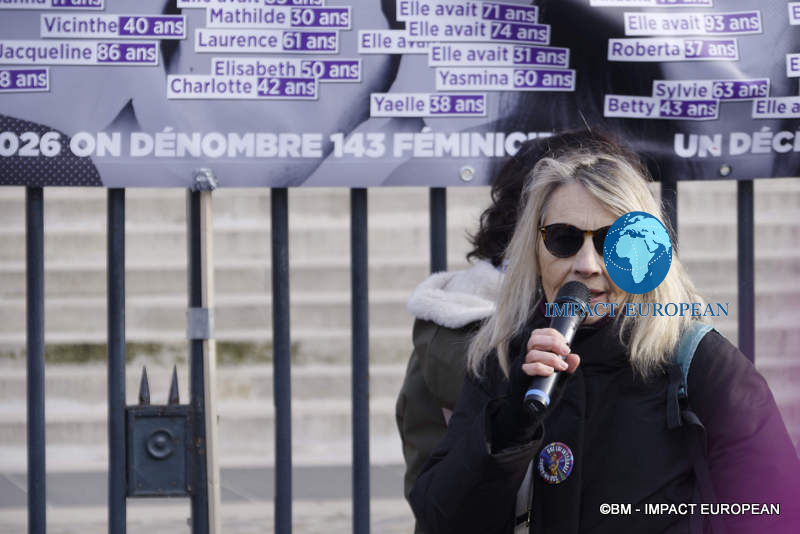
The words spoken during Saturday’s demonstration in Paris drew attention to a reality that extends beyond the number of women killed by their partners or former partners.
For those living under coercive control, violence can become part of everyday existence long before their circumstances attract the attention of public authorities.
Some face economic dependency. Others fear losing their homes or being separated from their children. Seeking help can mean confronting uncertainty about almost every aspect of their future.
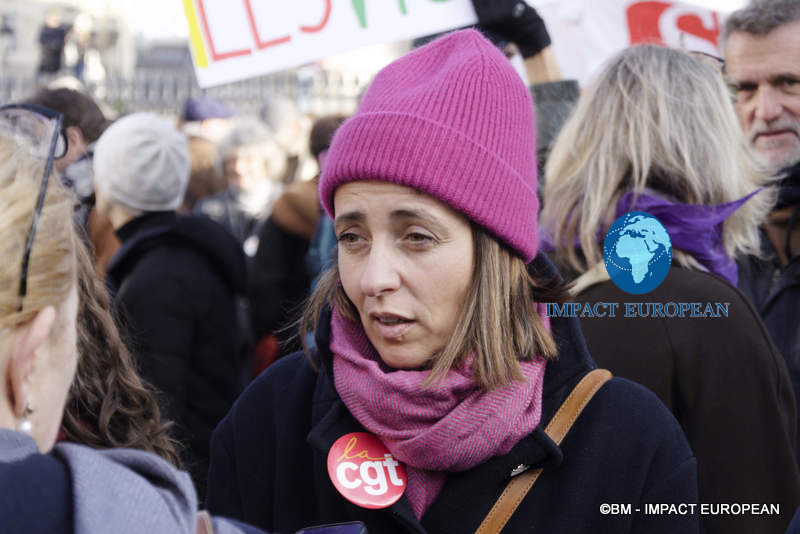
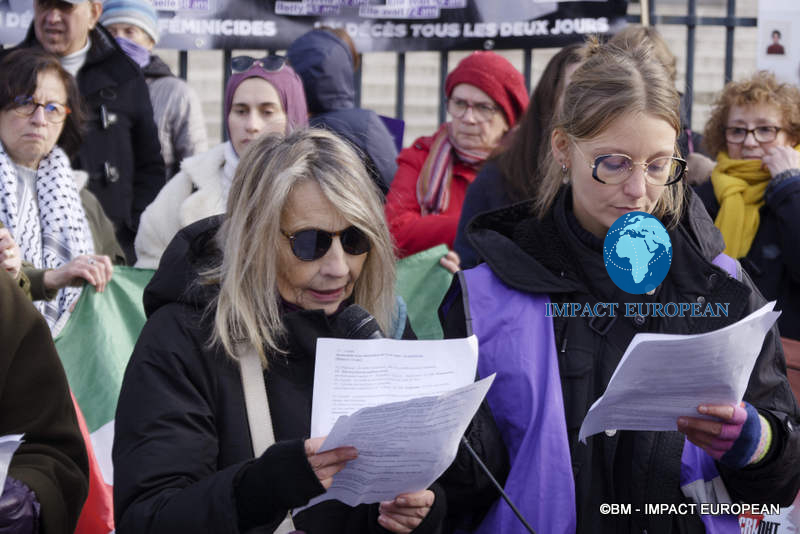
It was this broader reality that the campaigner sought to convey in her address on 28 November.
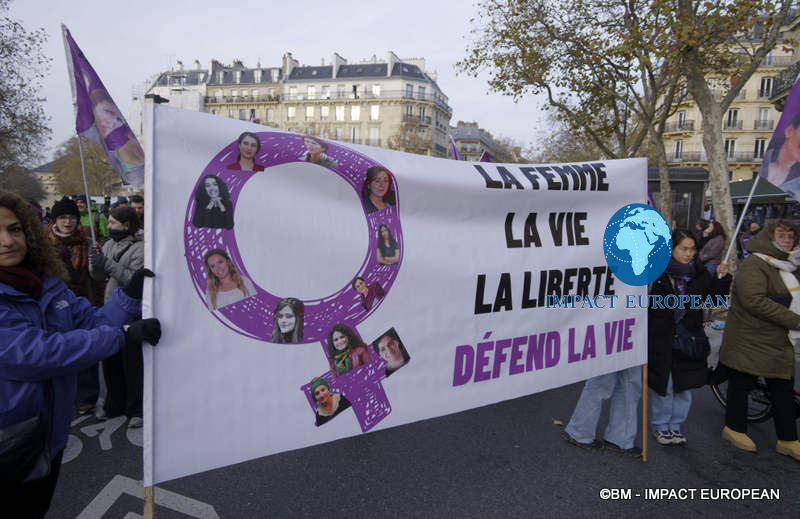
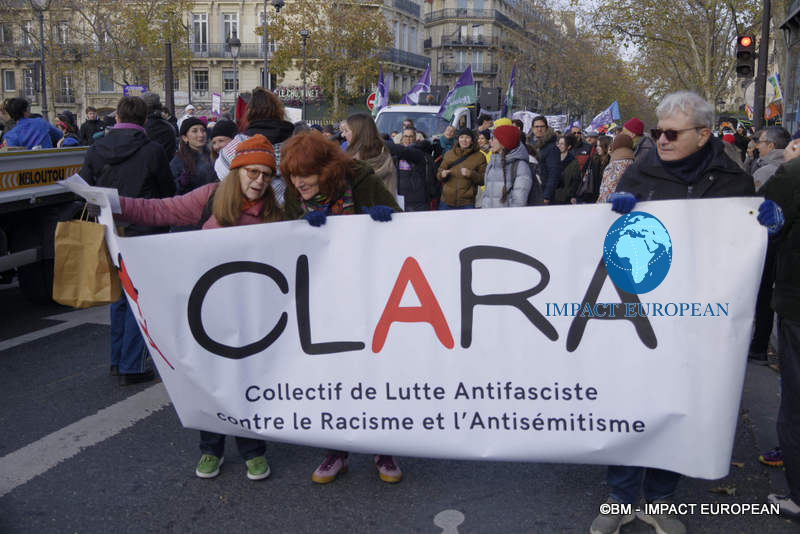
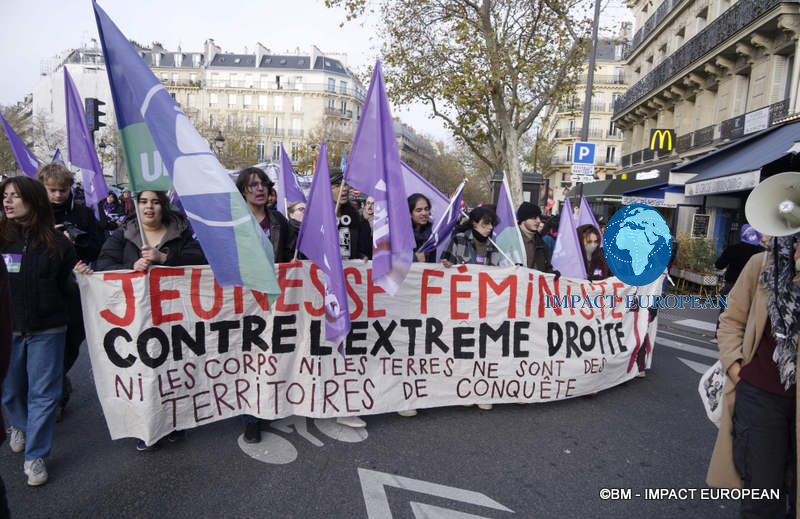
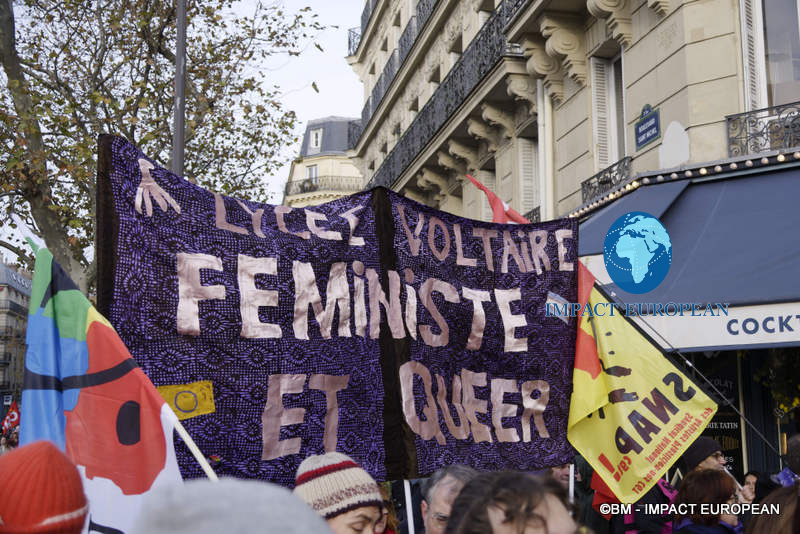
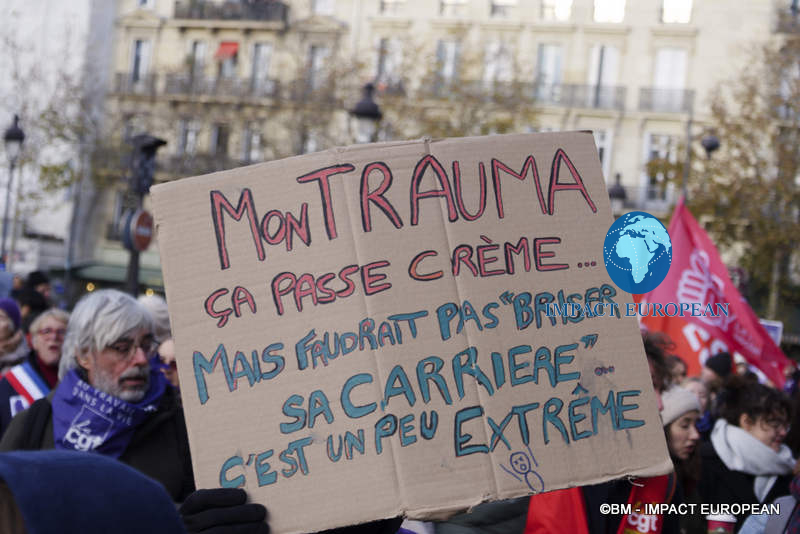
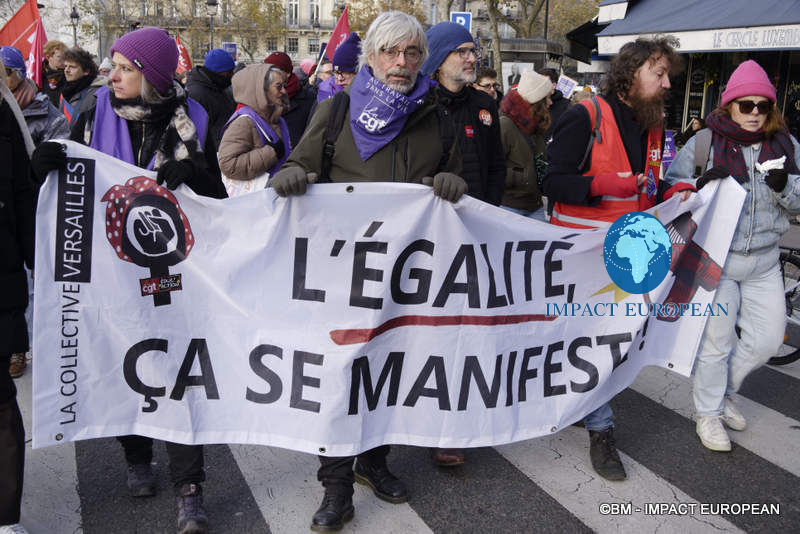
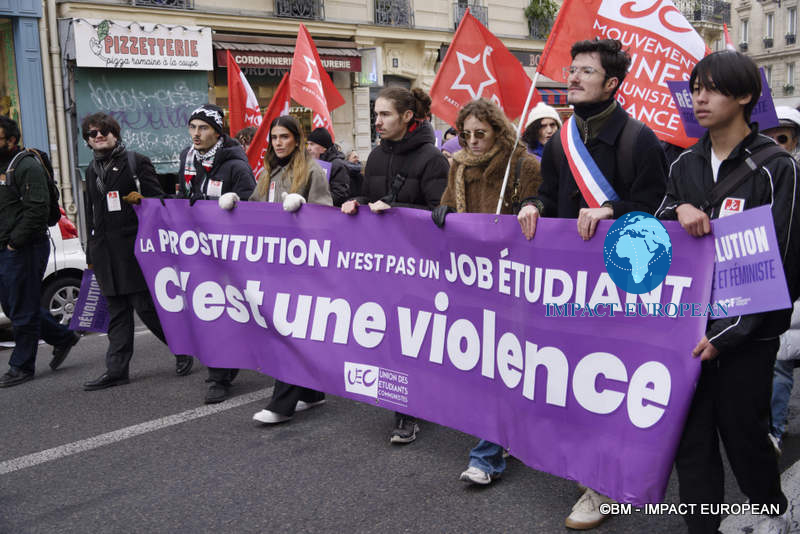
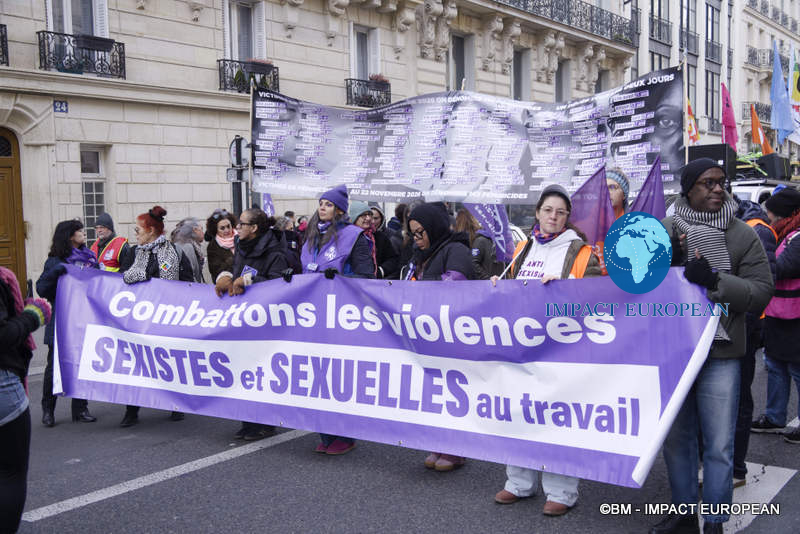
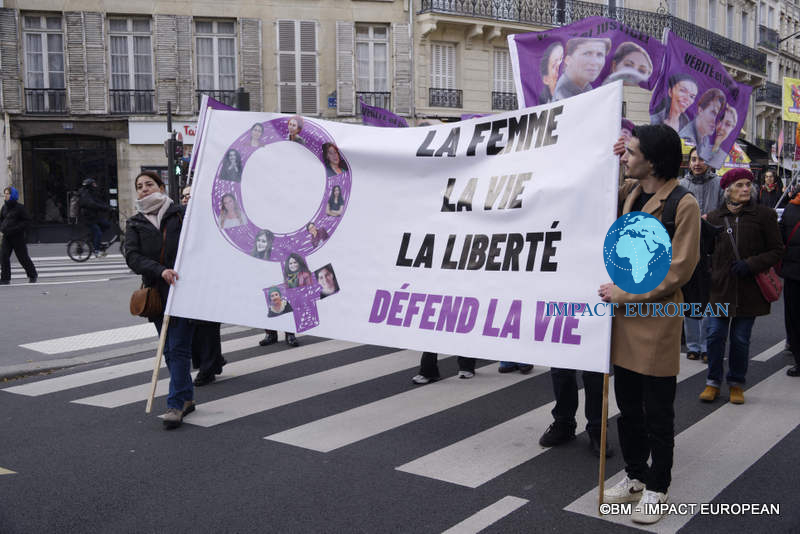
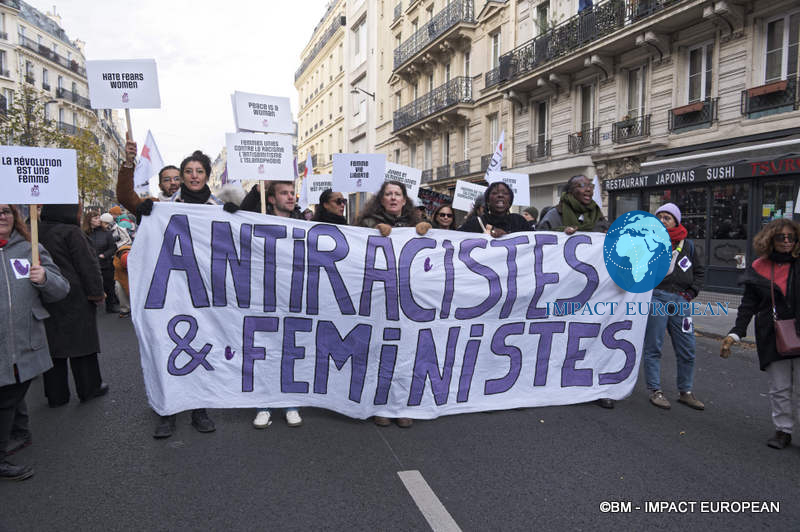
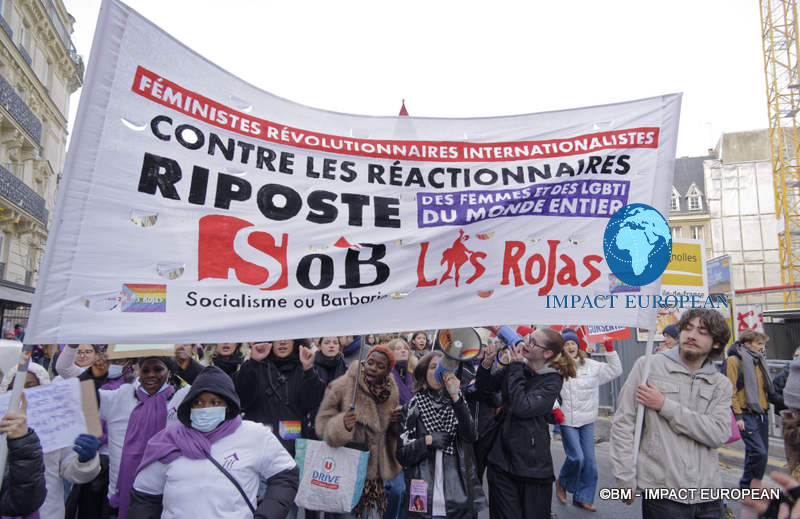
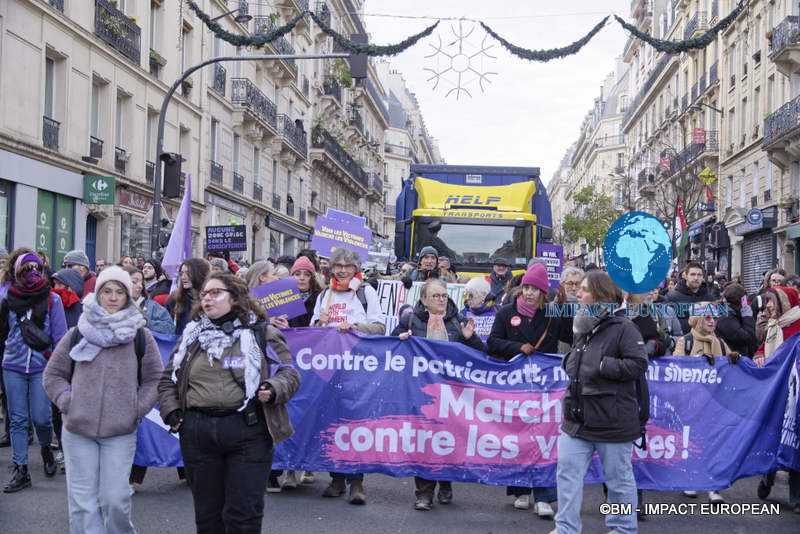
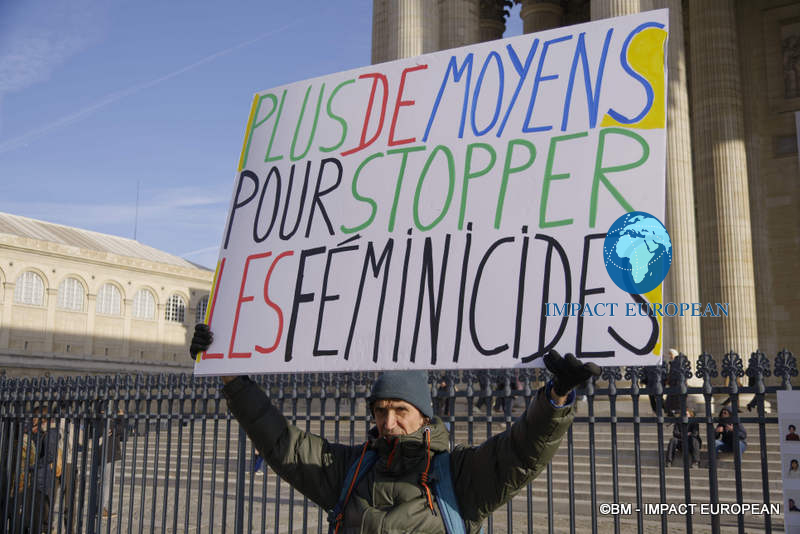
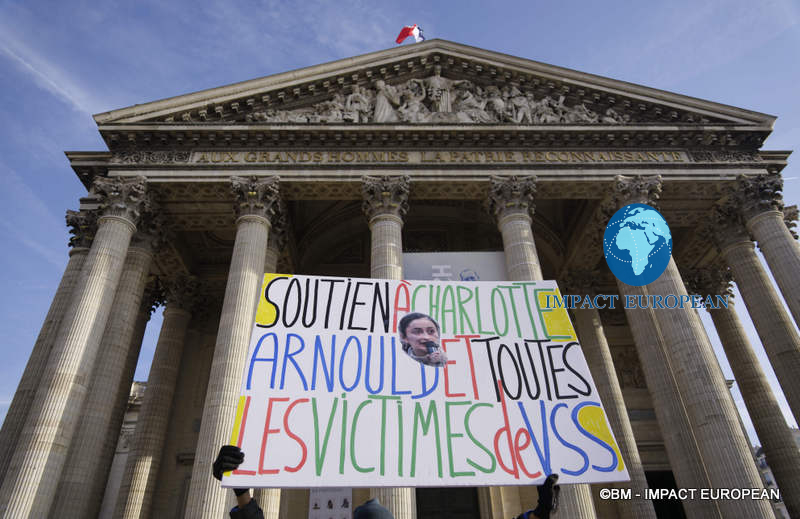
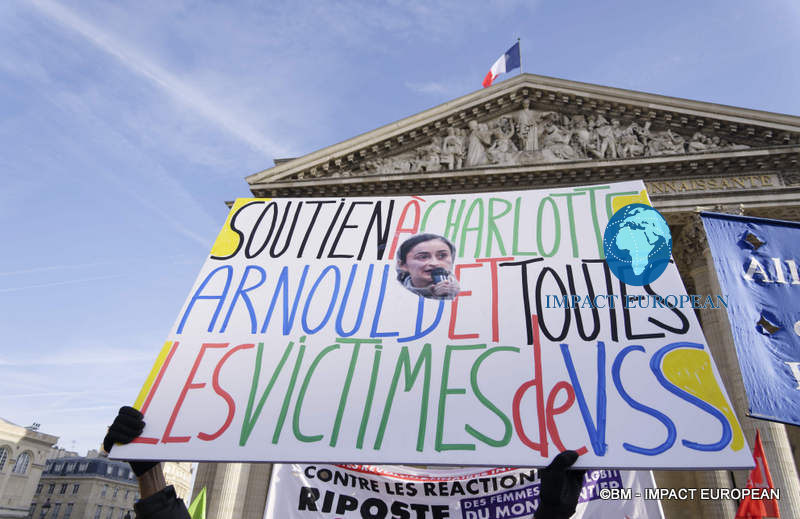
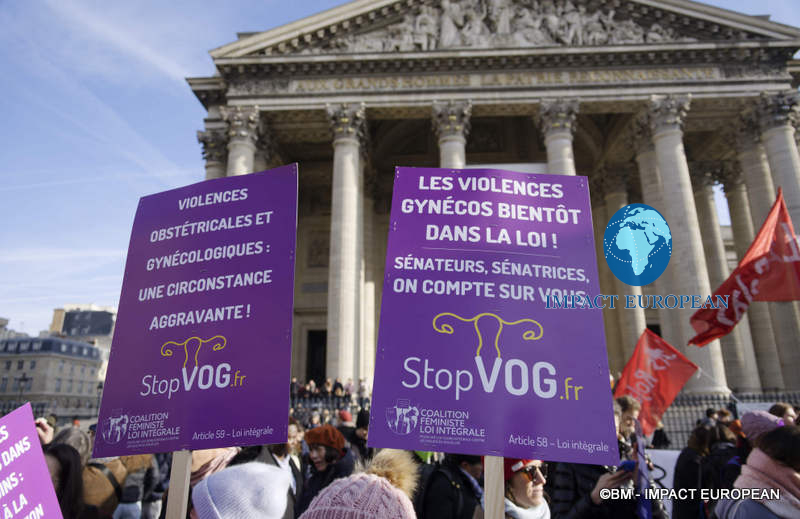
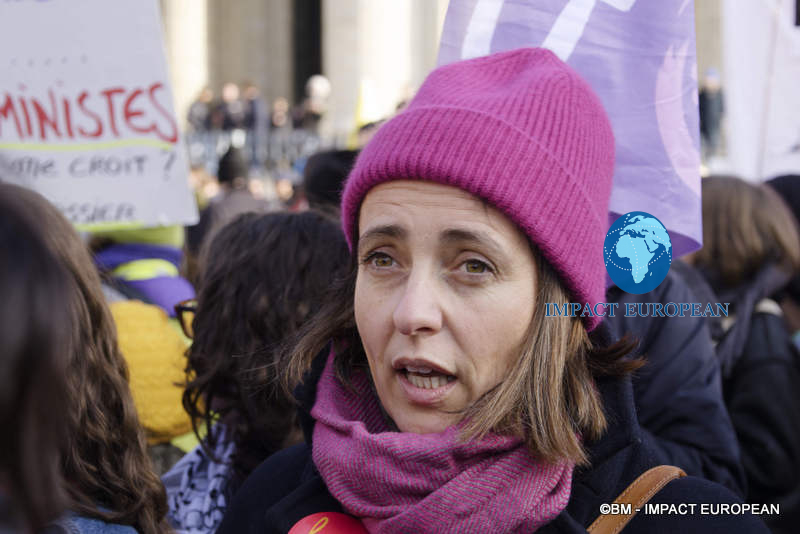
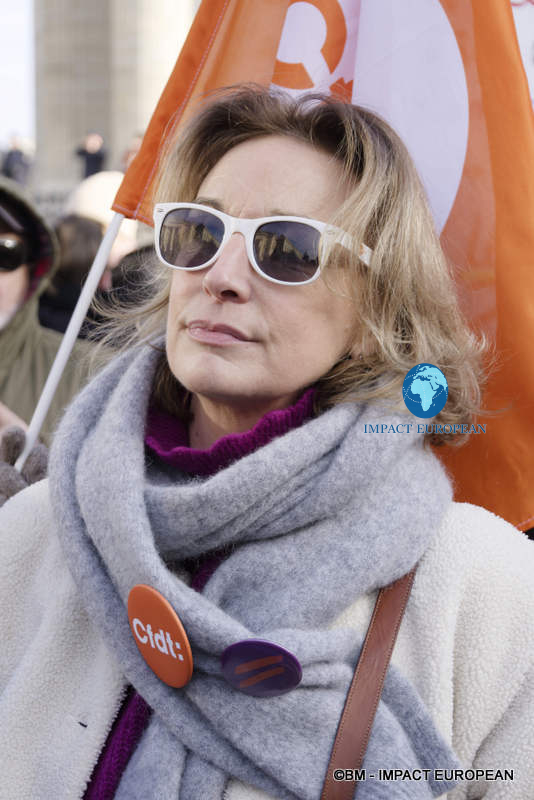
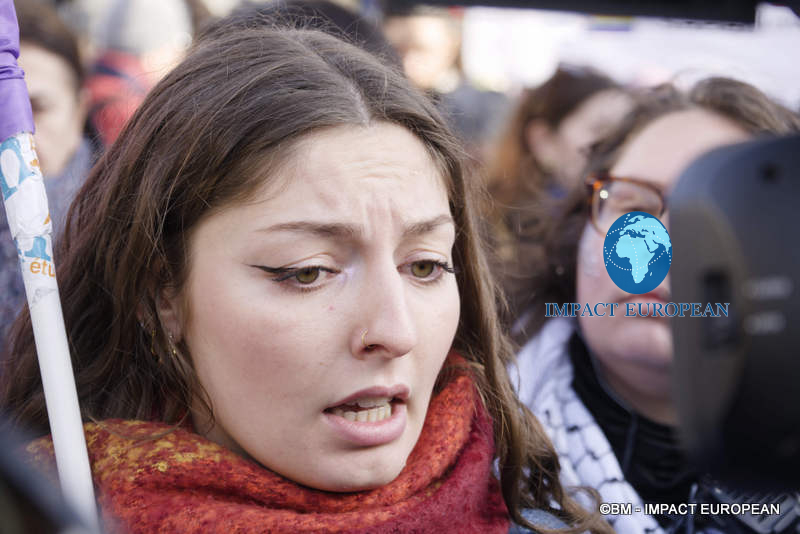
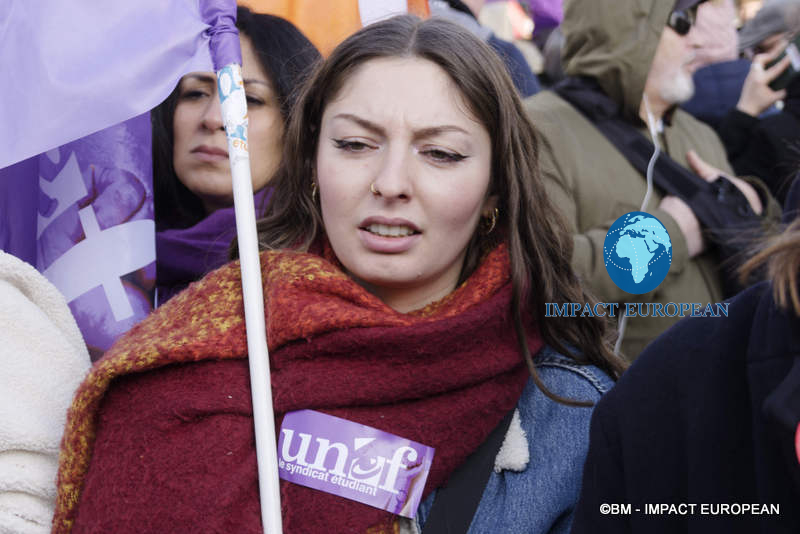
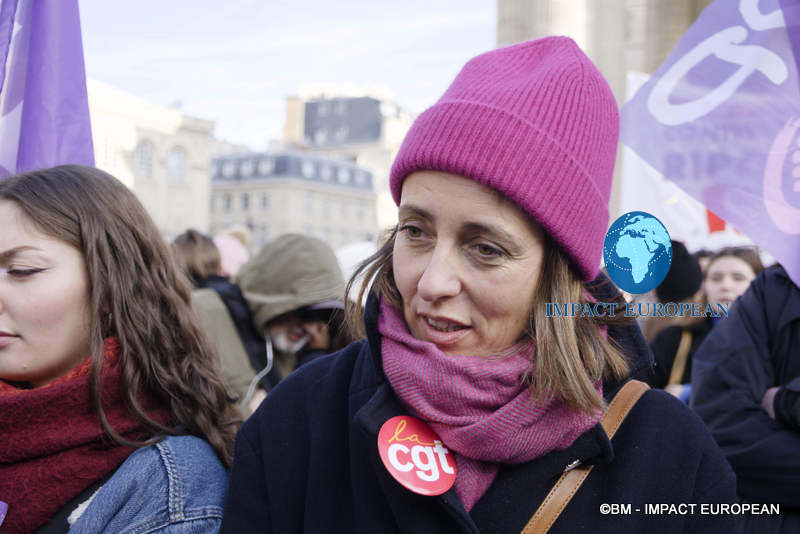
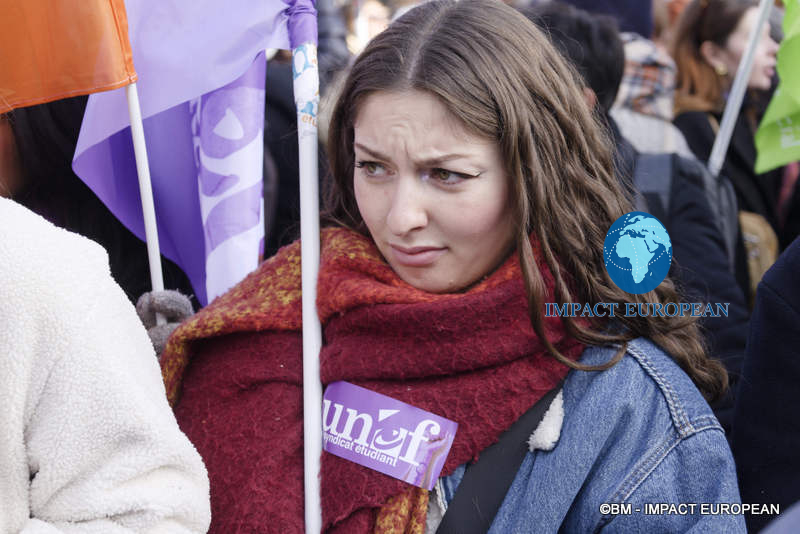
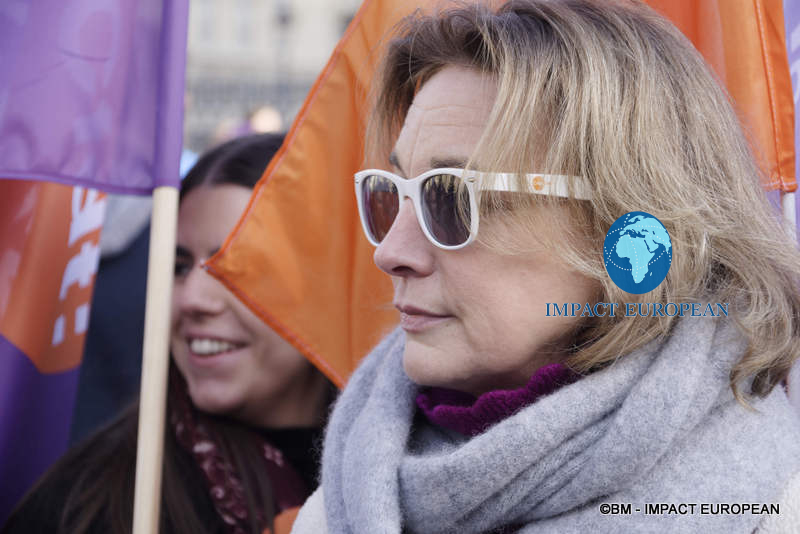
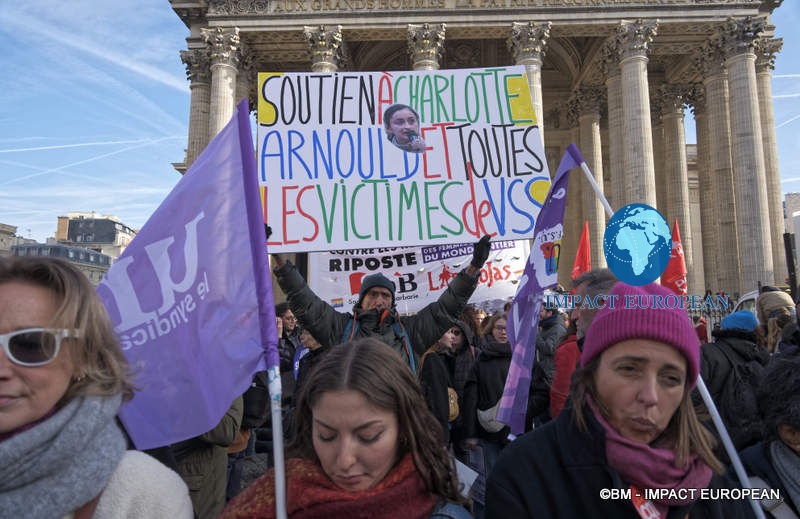
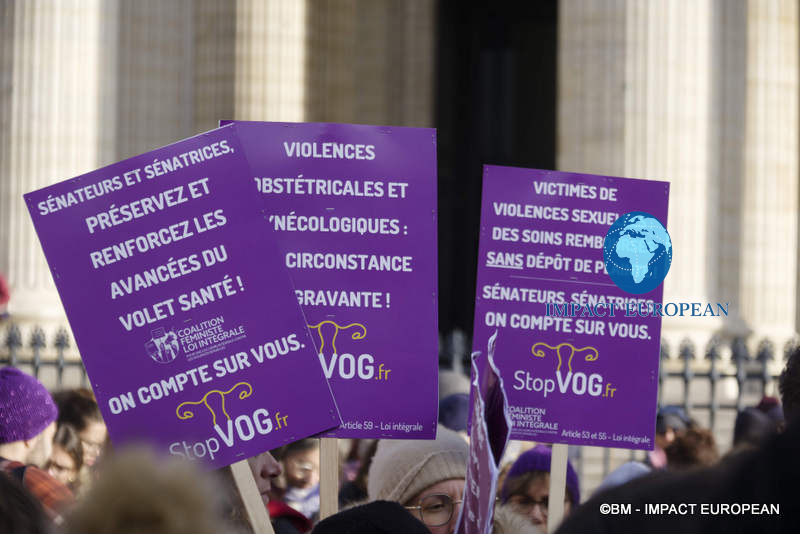
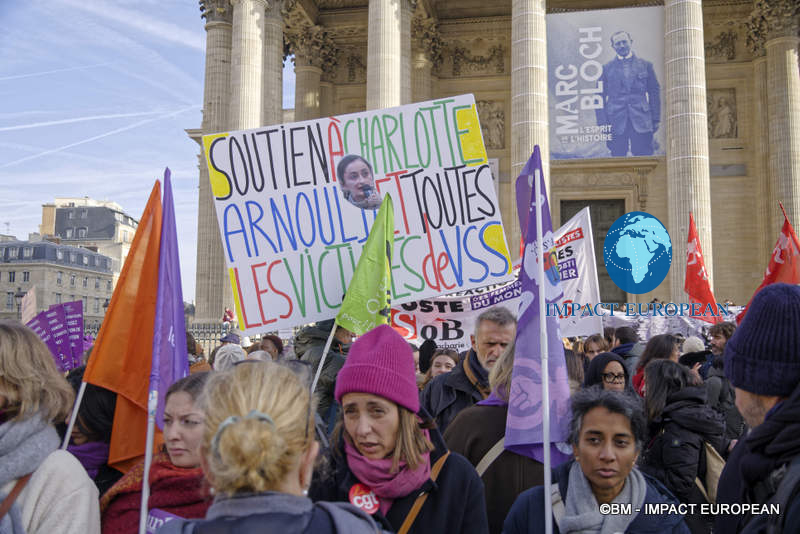
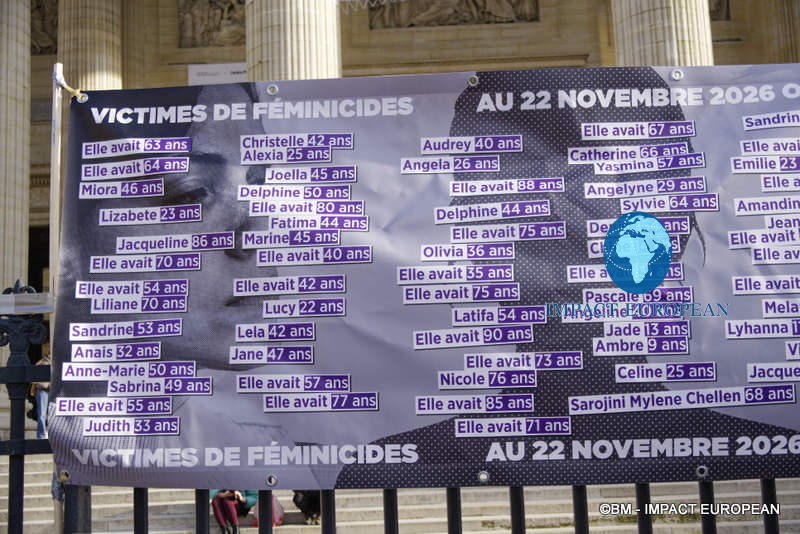
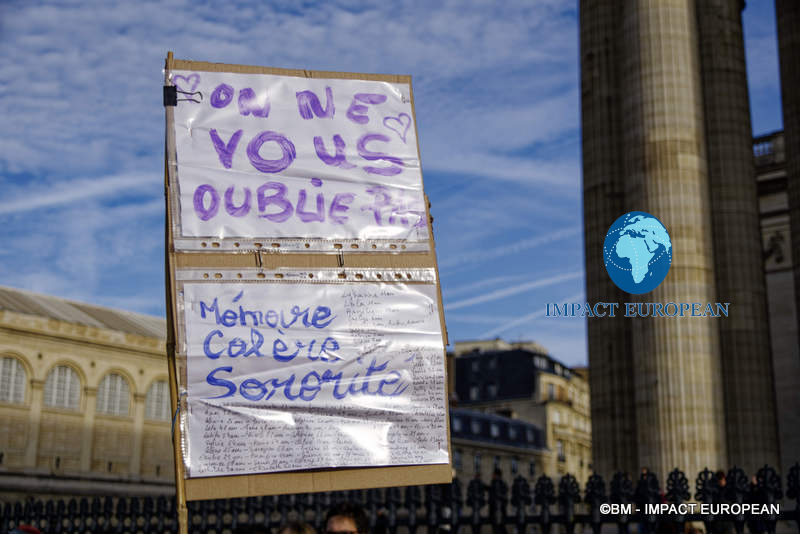
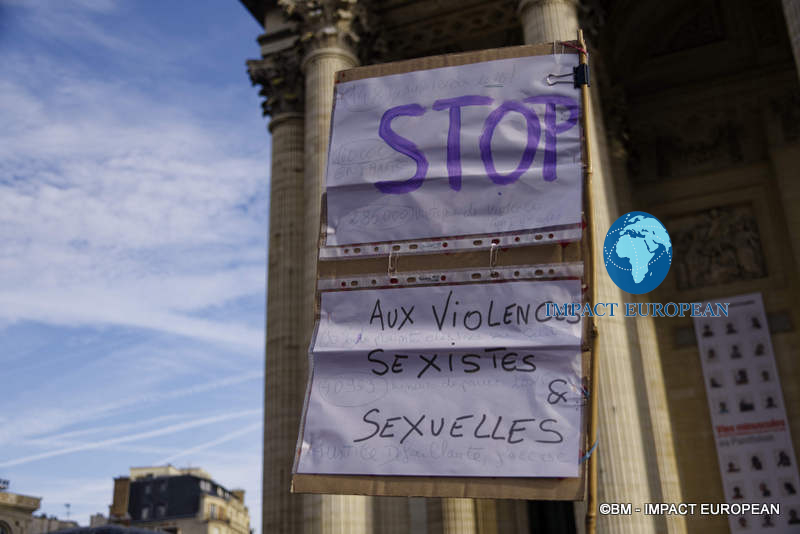
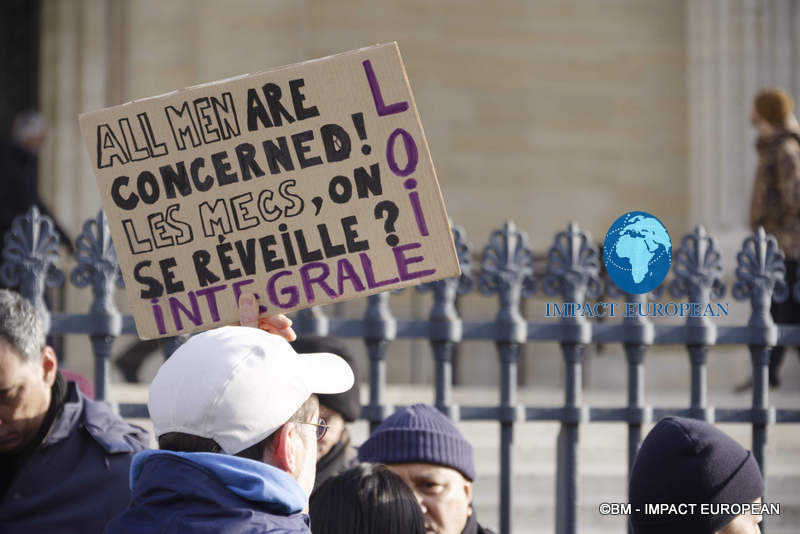
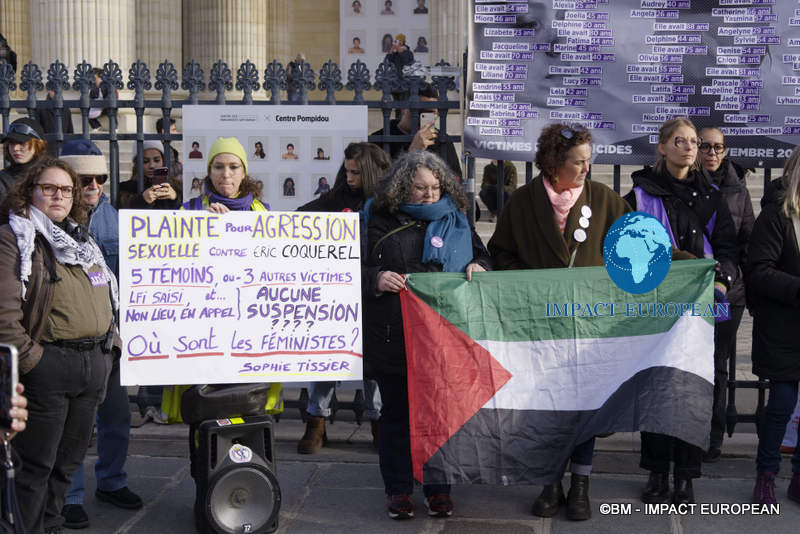
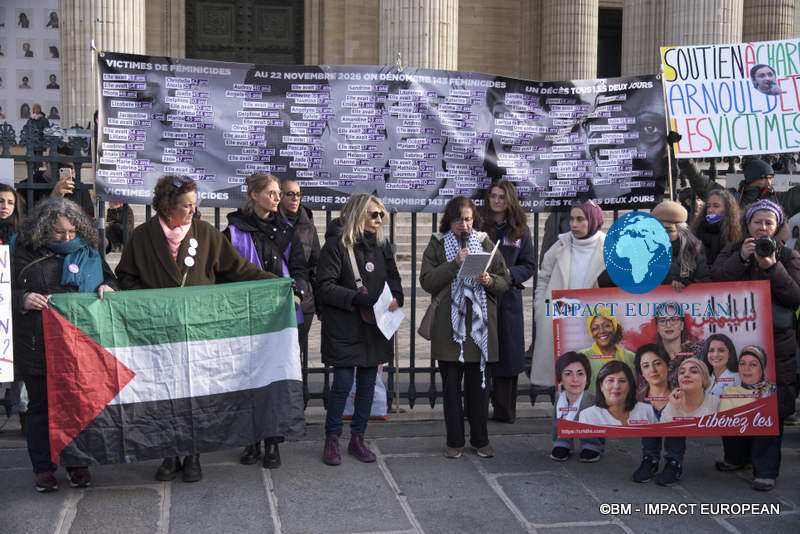
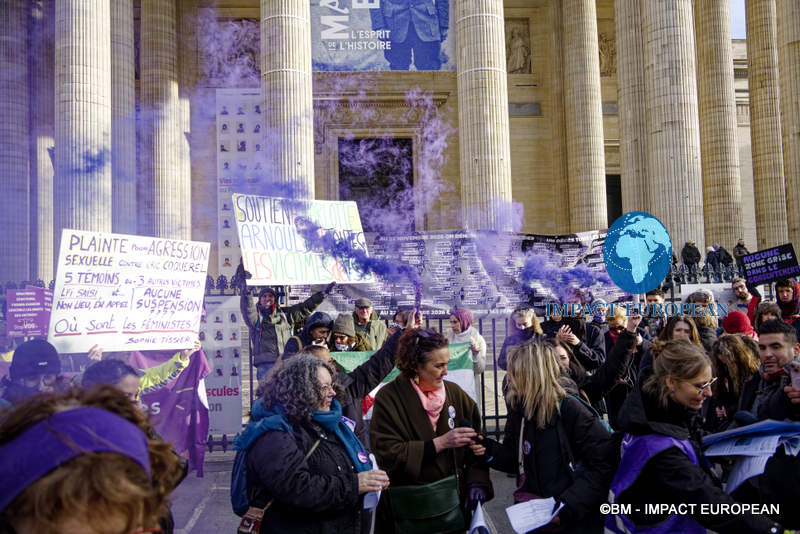
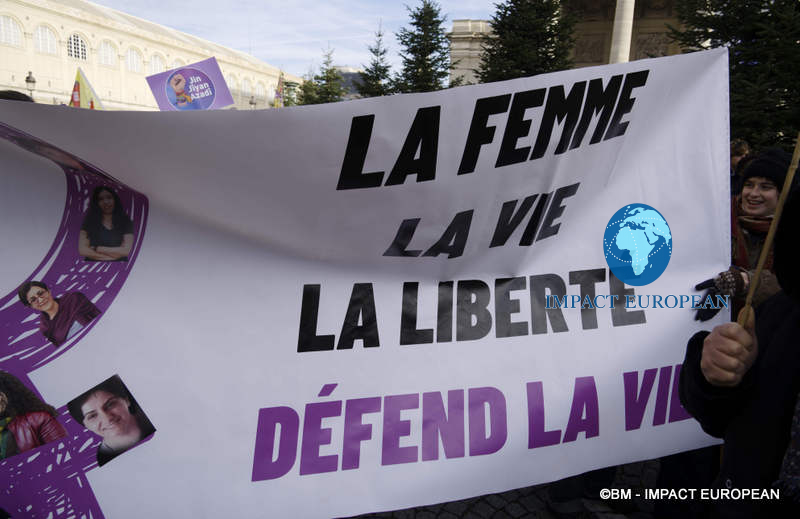
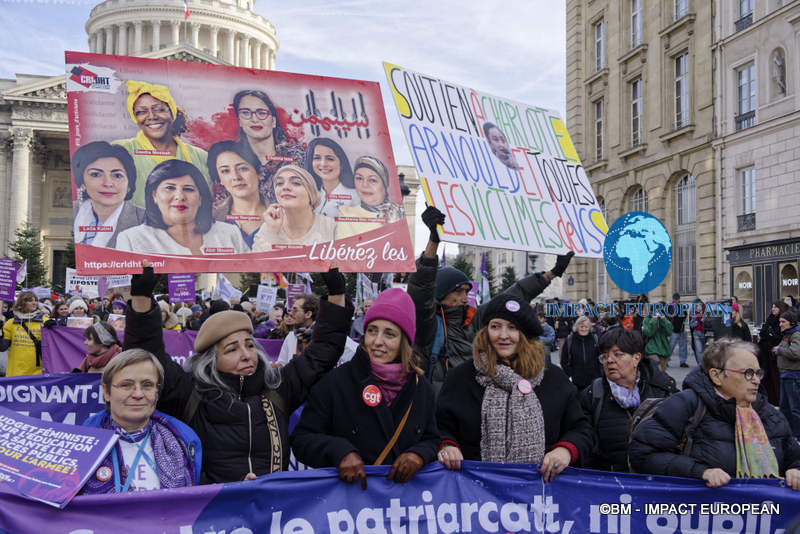
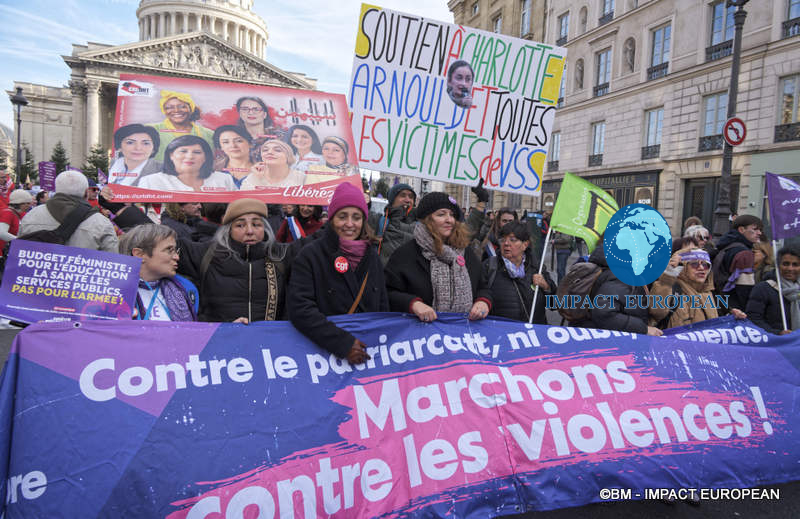
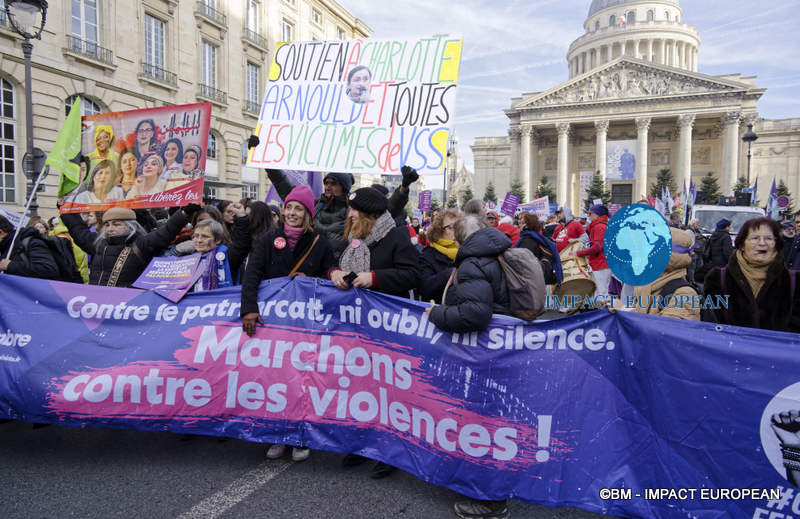
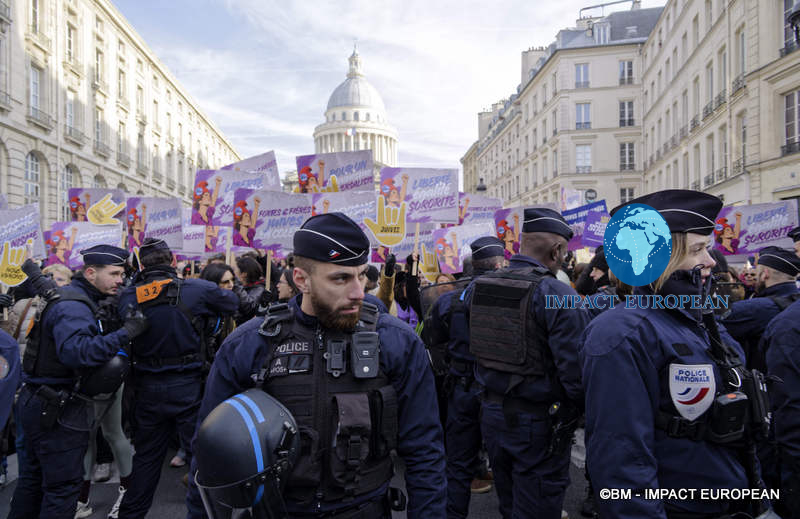
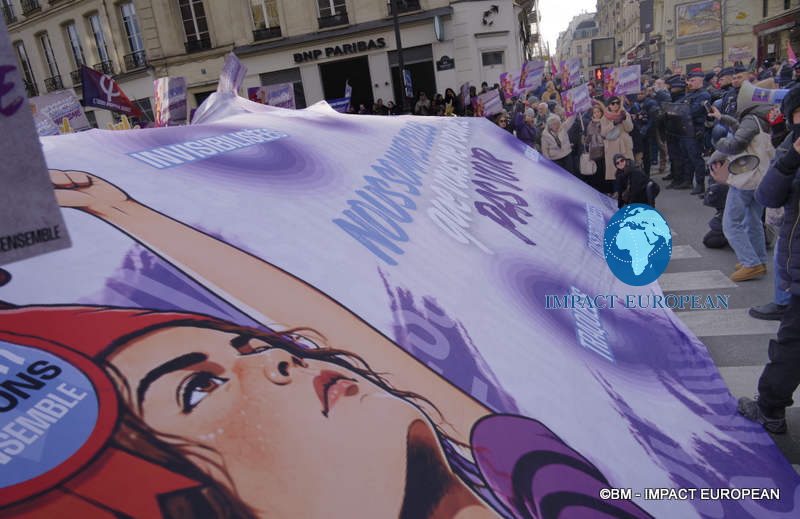
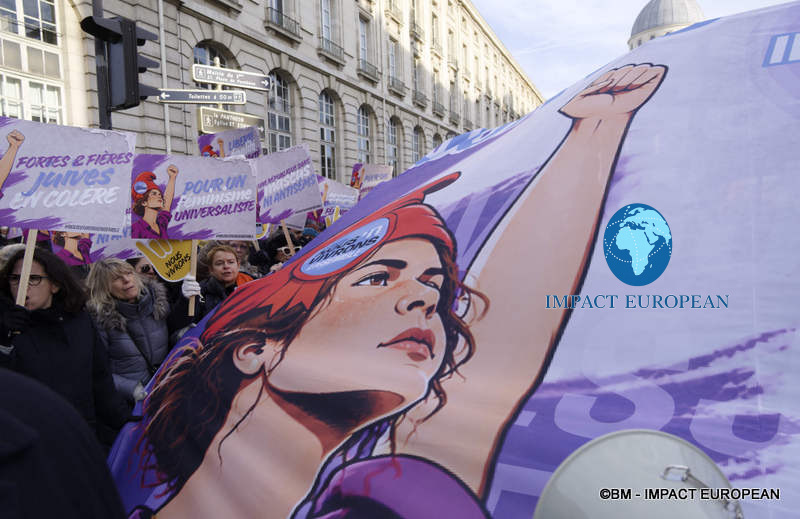
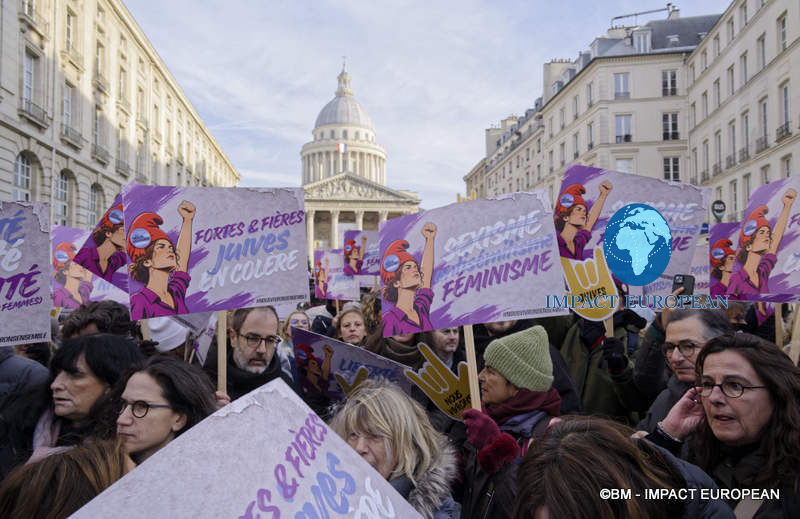
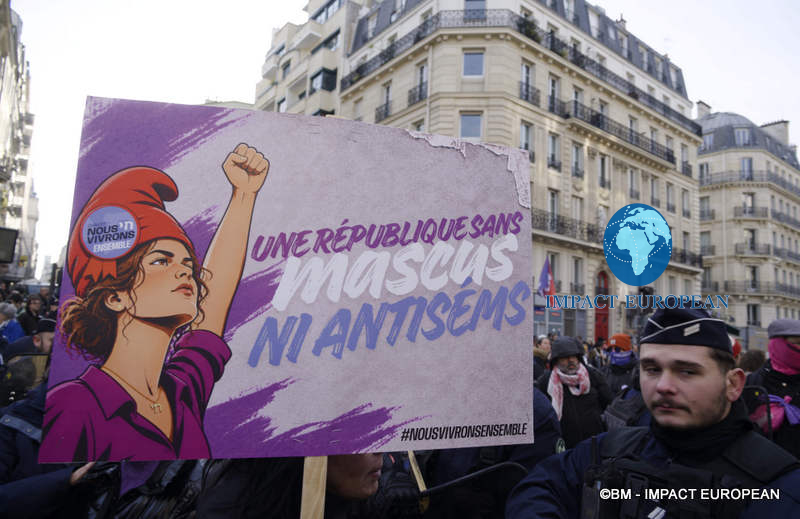
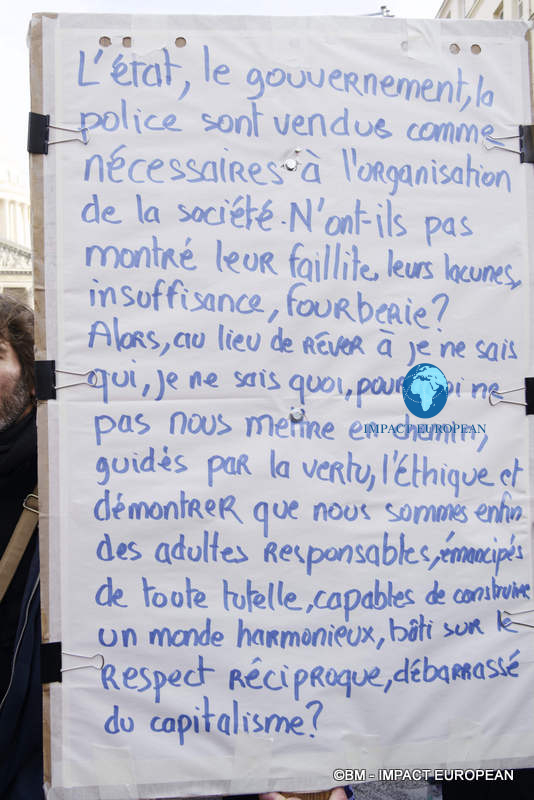
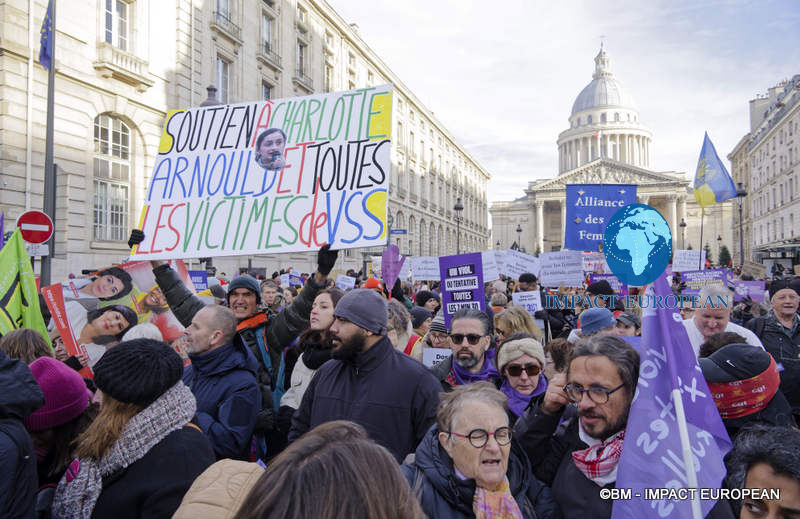
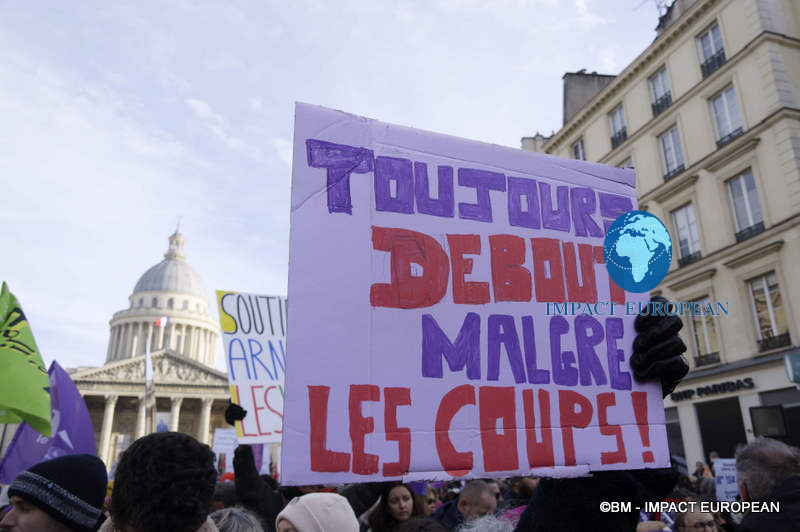
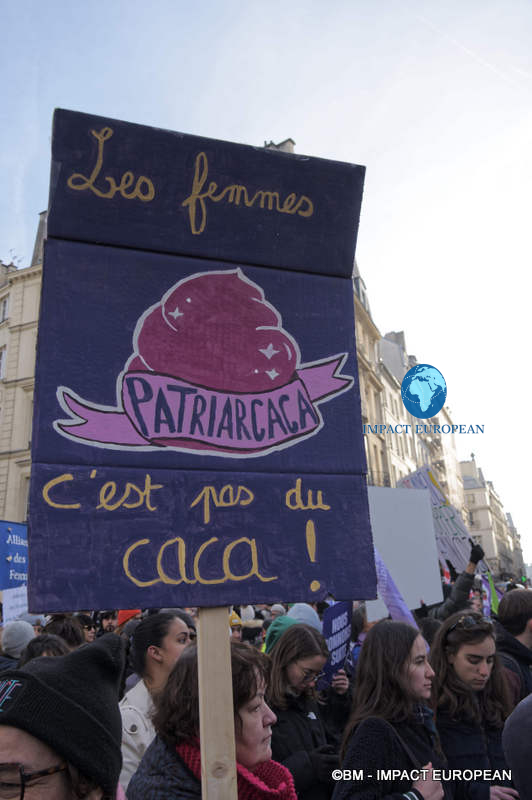
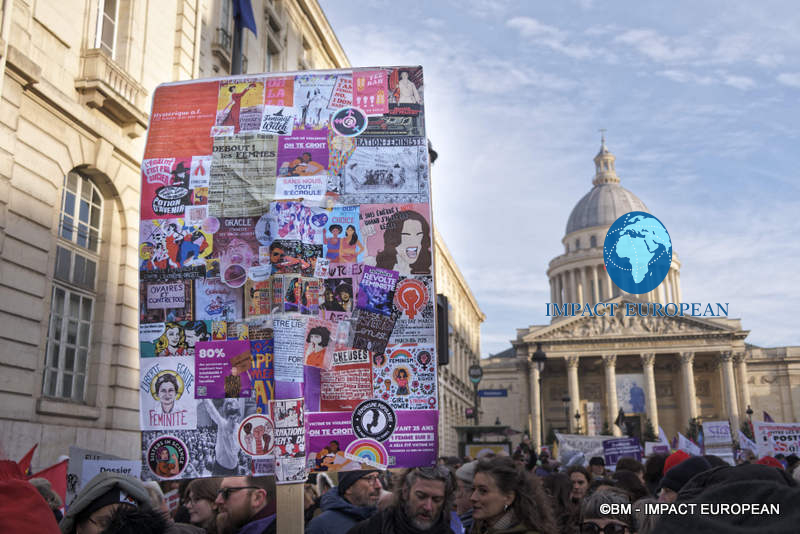
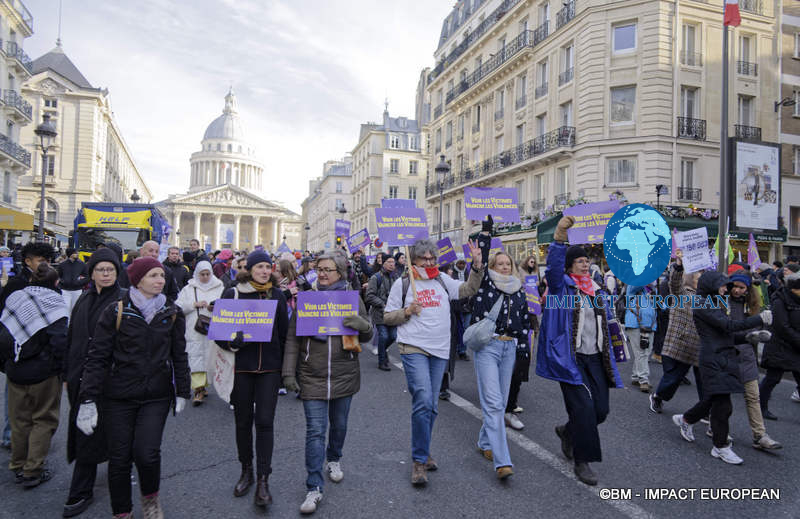
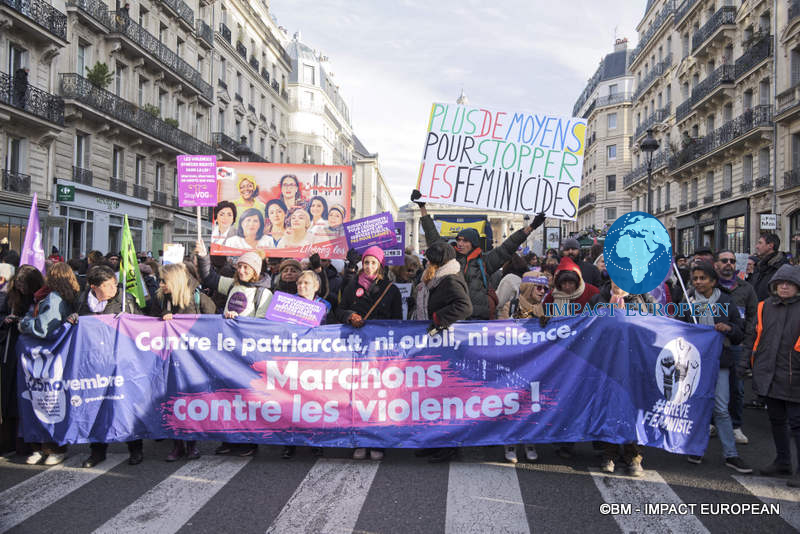
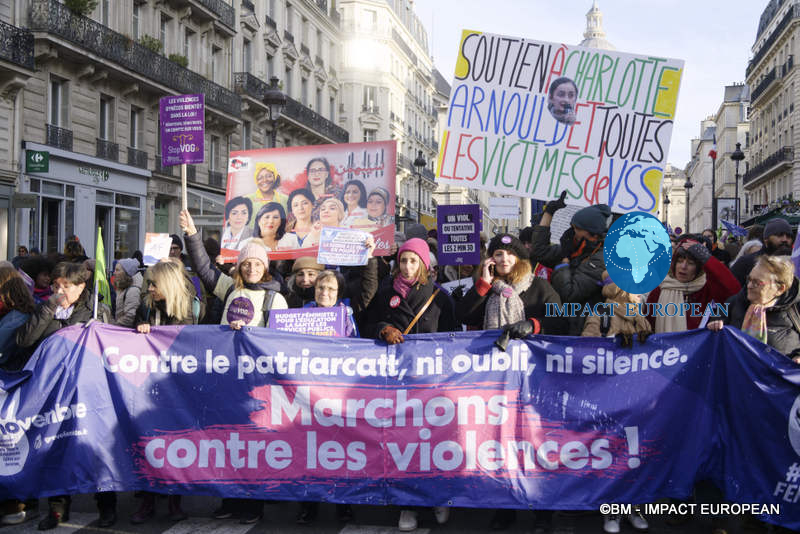
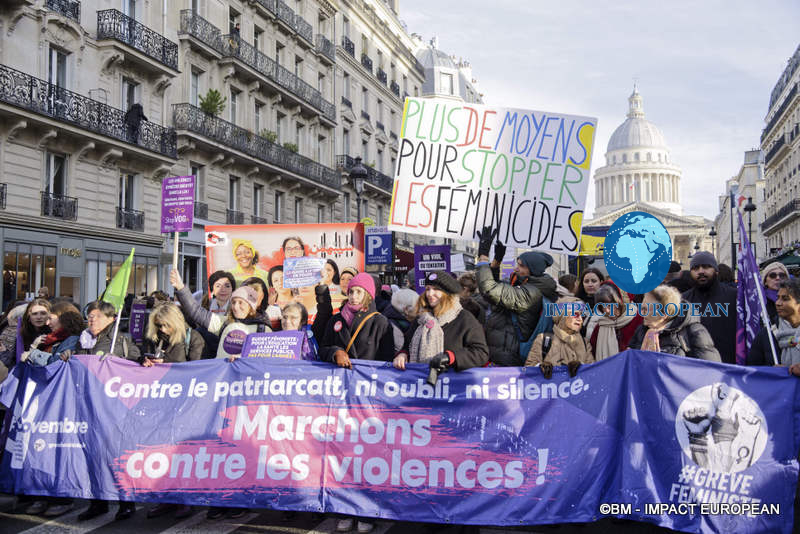
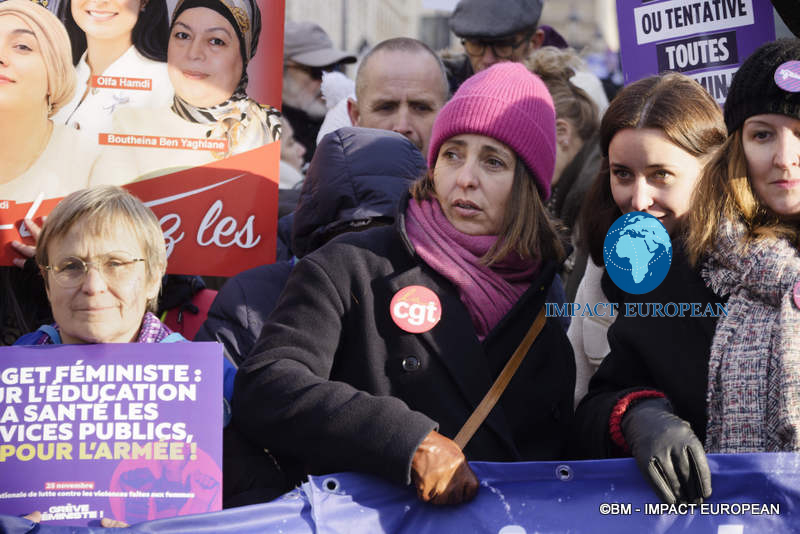
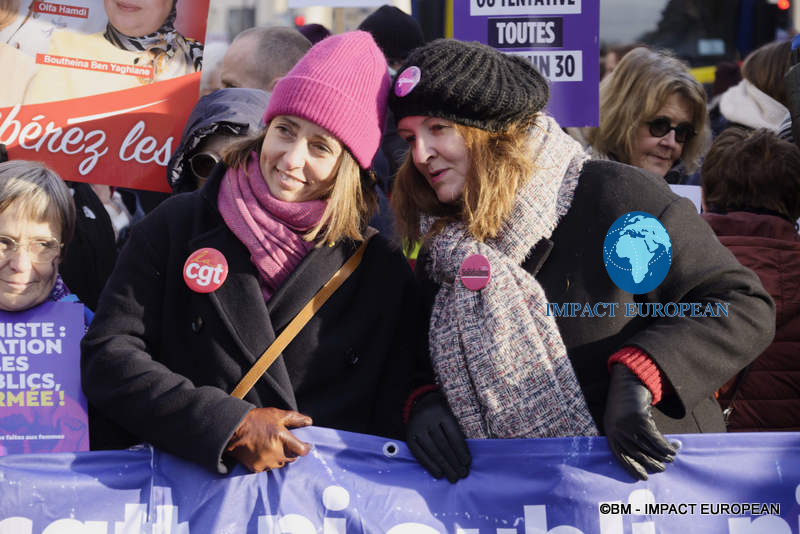
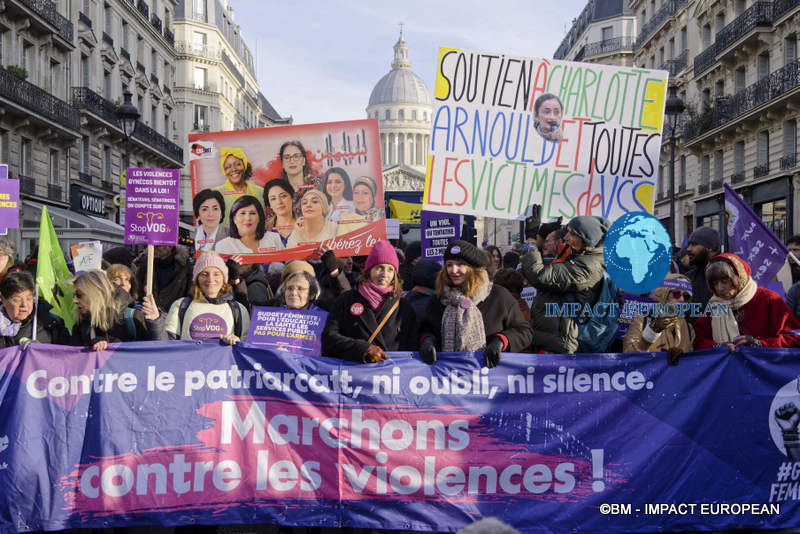
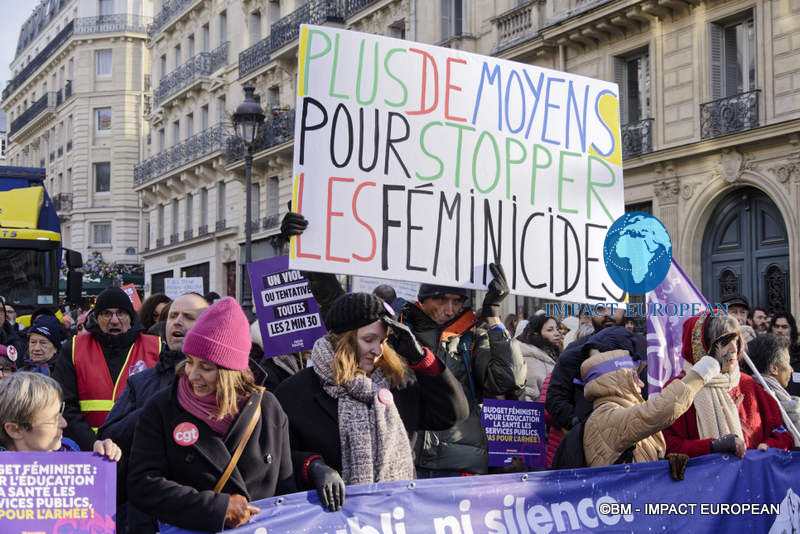
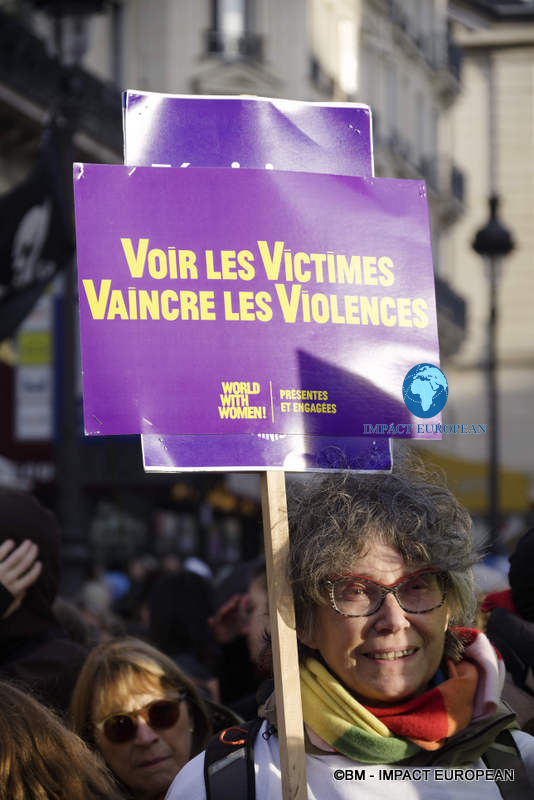
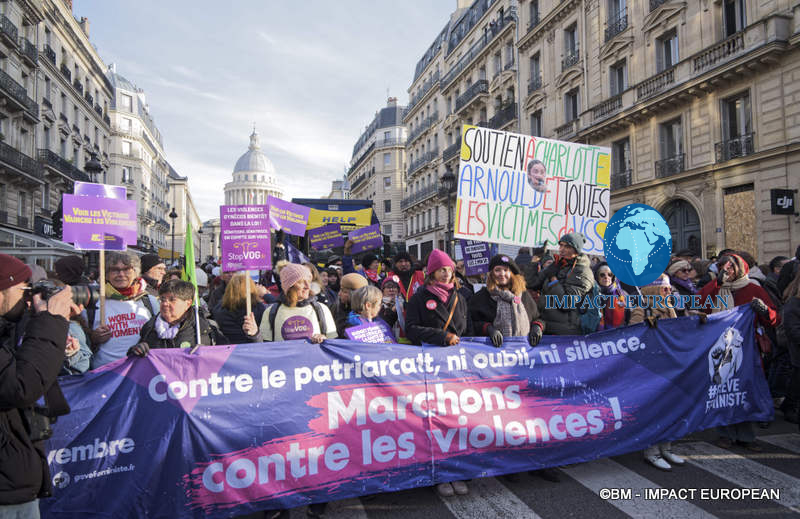
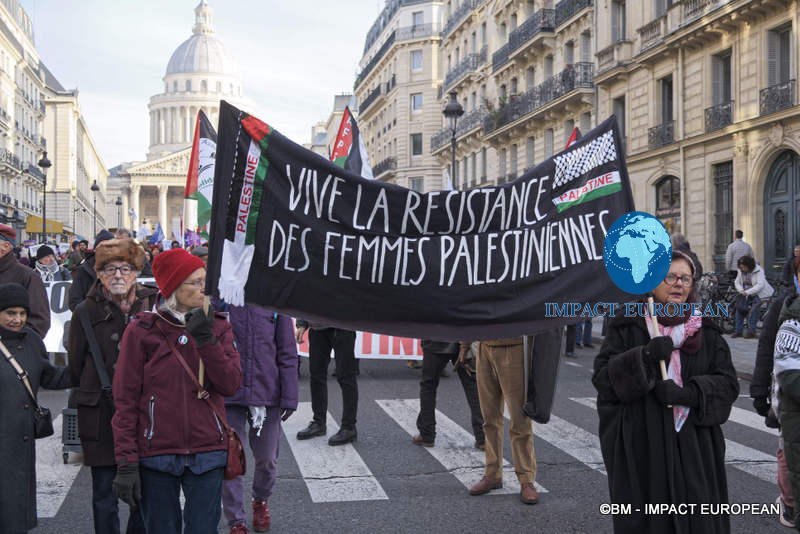
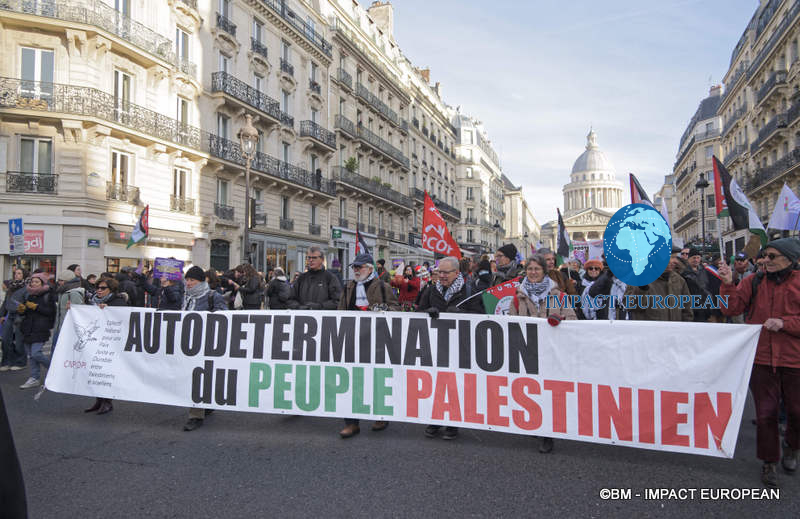
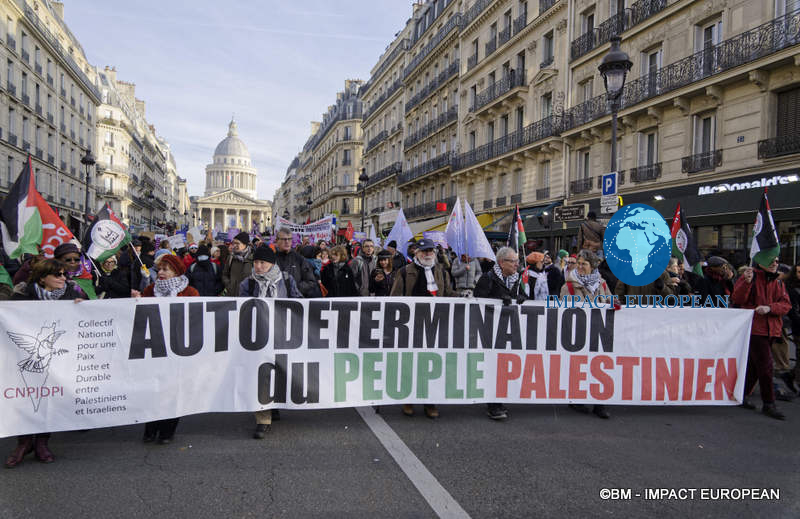
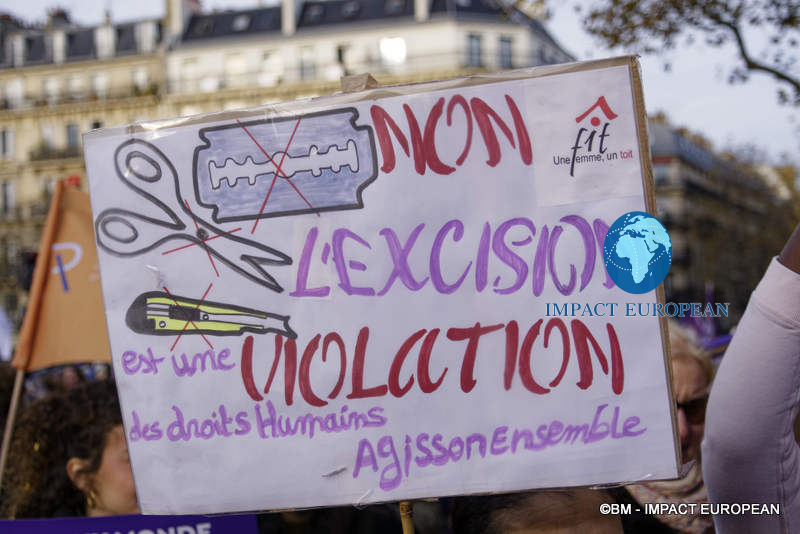
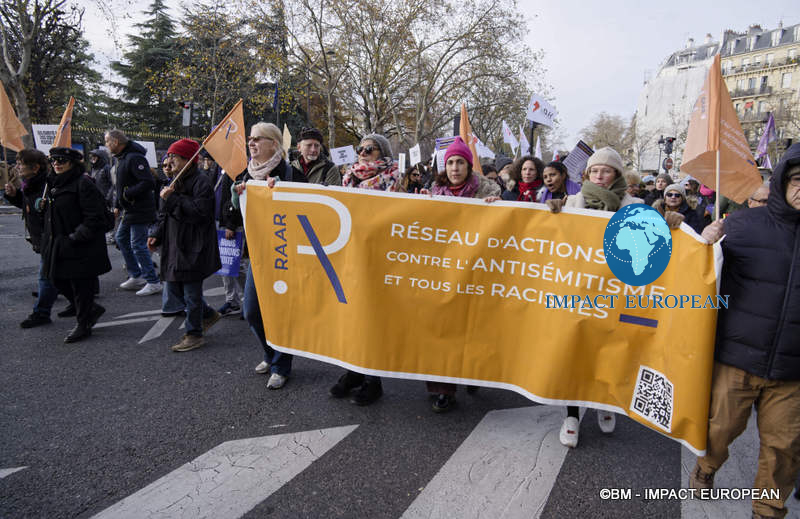
Three days after the International Day for the Elimination of Violence against Women, two demonstrations in the French capital attracted a combined 12,500 participants, according to the Paris police prefecture.
The day brought questions of personal safety and freedom into the public arena, with campaigners demanding that France move beyond declarations of commitment and establish a more comprehensive system of protection.
A legislative test for France
The demonstrations came at an important moment in France’s legislative calendar.
On 13 October 2026, the National Assembly approved a bill addressing gender-based and sexual violence. Consideration by the Senate is expected in January 2027.
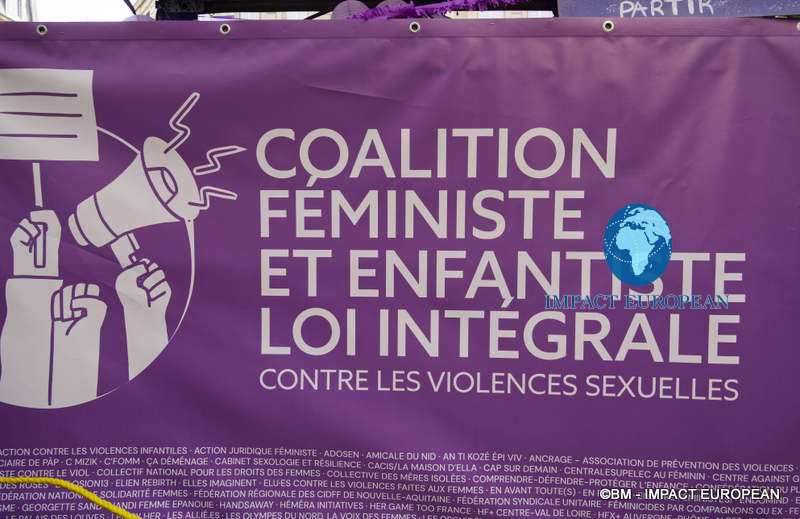
The proposed legislation is the result of collaboration between organisations defending women’s rights and groups advocating for the protection of children.
Their approach reflects the understanding that violence rarely presents itself as an isolated legal problem.
A survivor may require police protection and access to judicial proceedings while simultaneously facing difficulties relating to housing, employment, healthcare and childcare.
A criminal investigation cannot, on its own, resolve all these circumstances.
Campaigners are therefore seeking legislation that brings prevention, protection, judicial responses and social assistance into a coherent framework.
For international readers, the French expression loi intégrale refers to this comprehensive legislative approach.
Its underlying ambition is to establish continuity between the institutions responsible for responding to violence and those helping survivors rebuild their lives.
The parliamentary process, however, has already exposed political disagreements.
Members of the National Assembly removed certain provisions intended to protect foreign women, prompting criticism from organisations supporting the legislation.
The dispute raises a question extending beyond France: whether effective protection can be guaranteed regardless of nationality or immigration status.
When violence becomes a question of institutional responsibility
In her speech, the campaigner used particularly strong language to describe what she considers failures within public institutions.
She referred to complaints being dismissed, investigations that she regarded as inadequate and protective measures that, in her assessment, had failed to operate effectively.
These accusations expressed a militant perspective. They nevertheless raised an important question about the relationship between legal protection and its practical implementation.
Governments may establish extensive legislative frameworks against domestic violence, but their effectiveness depends on the institutions responsible for applying them.
Police officers must be able to assess situations of danger. Judicial authorities must examine evidence and determine appropriate measures. Social services must respond to immediate needs, while specialist organisations help survivors navigate systems that can be difficult to understand.
When these institutions operate without sufficient coordination, people seeking protection may encounter significant difficulties.
The challenge is particularly acute when a survivor remains in contact with an alleged perpetrator because of shared housing, financial obligations or arrangements concerning children.
Protective measures must therefore be considered within the circumstances of individual cases.
The speaker’s criticism also extended to the financial resources available to organisations providing assistance.
“Here, we no longer provide the resources to those who listen, welcome and support.”
Her words highlighted a less visible dimension of institutional responsibility: the conditions under which protection services operate.
Legislation establishes rights. Funding, trained personnel and accessible services determine whether those rights can be exercised.
The economic barriers to freedom
The relationship between violence and economic dependency occupied an important place in Saturday’s speech.
The campaigner described precarious living conditions as part of a wider system that, in her view, limits women’s ability to escape dangerous circumstances.
Domestic violence occurs across economic and social backgrounds. Financial insecurity does not explain every abusive relationship, nor does economic independence eliminate the risk of violence.
Nevertheless, access to independent resources can significantly influence the options available to someone attempting to leave an abusive household.
A person without sufficient income may struggle to secure accommodation, pay for transport, obtain legal assistance or maintain continuity in their children’s education.
When the household’s financial resources are controlled by an abusive partner, these difficulties can become part of the violence itself.
Economic abuse may involve restricting access to money, preventing employment or creating financial obligations without a partner’s meaningful consent.
For survivors, leaving can therefore involve more than physical separation.
It can require the reconstruction of an entire economic and social existence.
This is why specialist organisations frequently work across different areas of public policy. Housing assistance, employment support, legal advice and psychological care can all contribute to a person’s ability to regain independence.
The mobilisation in Paris placed these concerns alongside demands for judicial reform.
Its broader message was that freedom from violence requires the material conditions necessary to exercise that freedom.
Children must not remain secondary victims
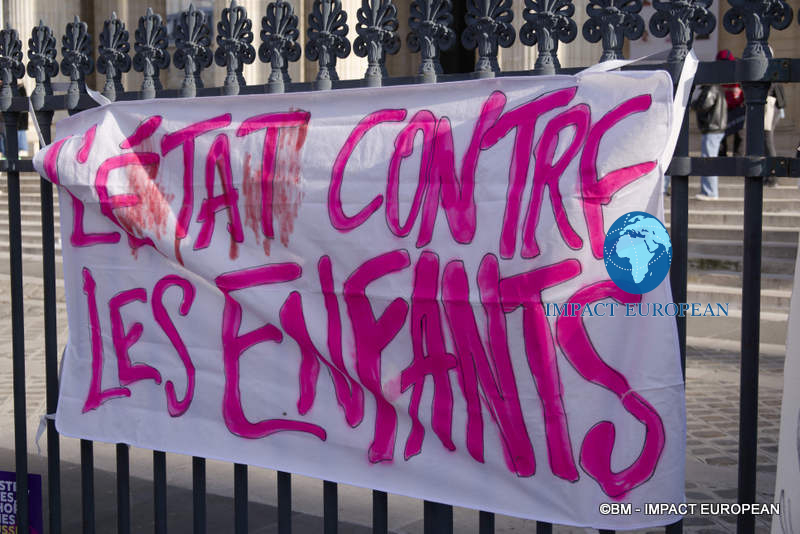
The presence of child protection organisations within the French campaign reflects another concern: children exposed to violence are too often considered primarily through the experiences of the adults around them.
A child living in a household characterised by threats, intimidation or physical aggression may experience insecurity even when the violence is not directly aimed at them.
Their sense of safety, emotional development and ability to concentrate at school can be affected.
Where children are directly subjected to physical, psychological or sexual violence, specialist protection becomes particularly important.
The circumstances of each child require individual assessment.
Protection may involve securing safe accommodation, arranging appropriate psychological support and ensuring that decisions concerning family relationships take account of the child’s welfare.
The Convention on the Rights of the Child, adopted by the United Nations in 1989, establishes protection against physical and mental violence as a fundamental obligation.
For governments, fulfilling that obligation requires more than recognising children as dependants of adult survivors.
They must also be recognised as individuals with rights, experiences and needs of their own.
The French mobilisation illustrates the growing importance of connecting policies addressing violence against women with those protecting children, without overlooking the specific forms of violence experienced by minors.
A speech that crossed national borders
“And this machinery does not stop at borders.”
With these words, the speaker moved from her criticism of French institutions to the circumstances of women elsewhere in the world.
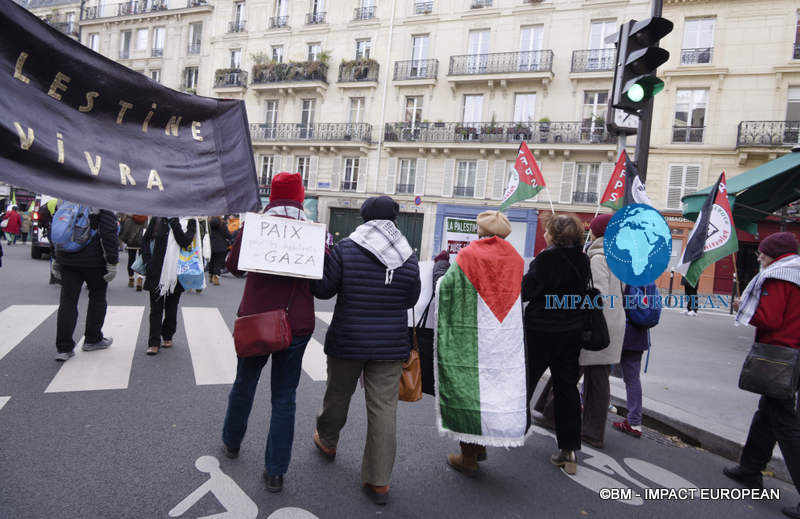
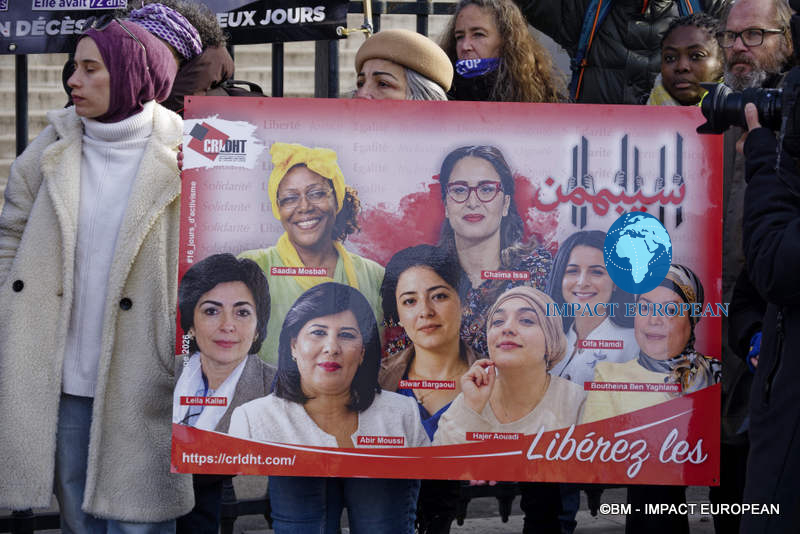
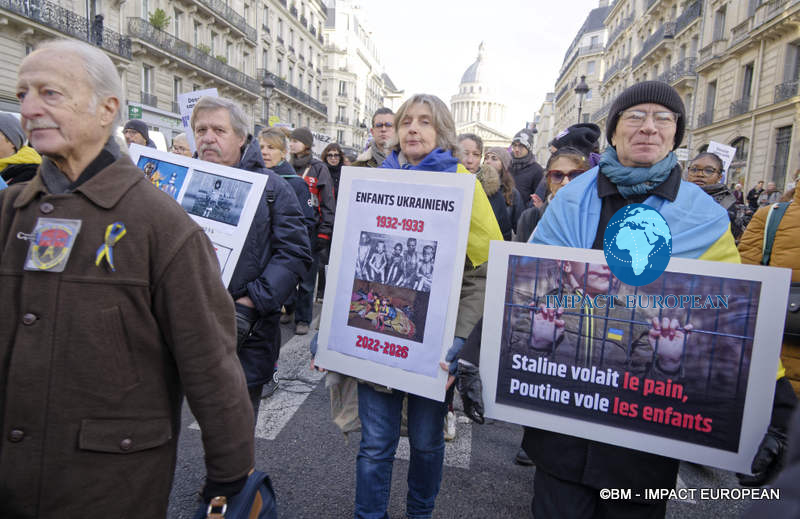
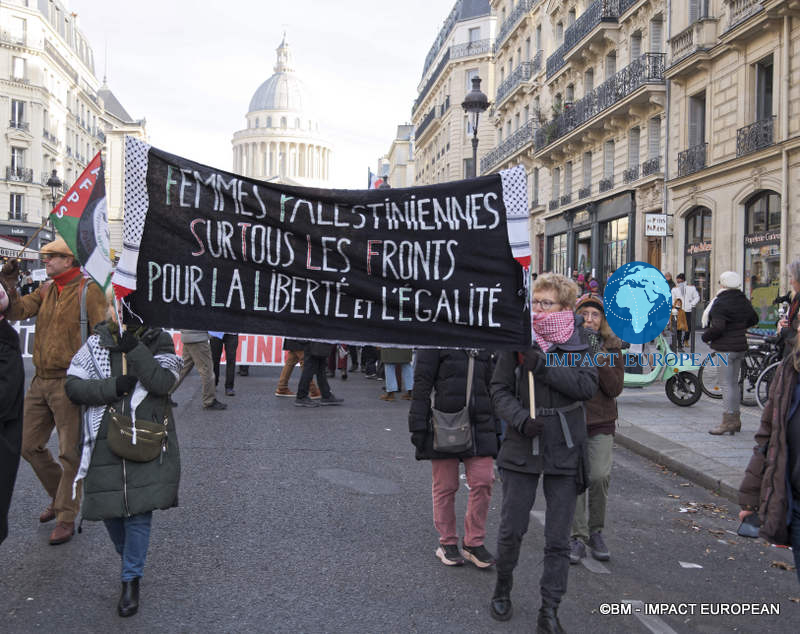
She referred to Palestine, Afghanistan, Iran, Sudan, China, Latin America, Ukraine and Russia.
The countries and territories mentioned differ considerably in their political histories, institutions and social conditions.
Yet the speaker brought them together through an argument about domination, coercion and the restriction of women’s freedom.
Her intervention reflected a strand of international feminist activism that connects gender-based violence with political repression, economic exploitation and armed conflict.
She also drew parallels between the exploitation of natural resources and violence against women, particularly those involved in defending their communities and ancestral lands.
This environmental dimension belongs to the political interpretation developed in her speech.
It broadens the traditional understanding of violence within the household to encompass circumstances in which women may face intimidation because of their civic, political or environmental activities.
The significance of these references lies not in suggesting that every country experiences the same conditions, but in recognising the different ways in which women’s safety and autonomy can be threatened.
Women’s lives in situations of armed conflict
The speaker devoted considerable attention to women living through war.
In her references to Gaza, Sudan and Ukraine, she described the consequences of armed conflict for women and children, including displacement, sexual violence and difficulties accessing essential services.
Conflict can destroy the networks of protection on which civilians ordinarily depend.
Hospitals may become inaccessible. Families may be separated. Secure housing, employment and education can disappear within a short period of time.
Pregnant women may struggle to obtain appropriate medical care. Displaced families may face further risks during their search for accommodation and assistance.
The longer displacement continues, the greater the challenge of maintaining access to education, healthcare and economic independence.
International humanitarian law provides protections for civilians, while international human rights instruments establish obligations concerning discrimination and violence.
The United Nations’ Women, Peace and Security agenda also recognises that women must participate in decisions concerning conflict prevention, peacebuilding and reconstruction.
This distinction is important.
Women living through armed conflict are not solely passive recipients of humanitarian protection. They also participate in community assistance, medical services, civil society organisations and efforts to rebuild institutions.
Saturday’s speech expressed solidarity with these women while condemning the violence that the campaigner associated with the conflicts she mentioned.
The specific allegations concerning individual countries require separate examination and independent documentation.
From Kabul to Tehran: freedom in public life
Afghanistan and Iran occupied another important place in the address.
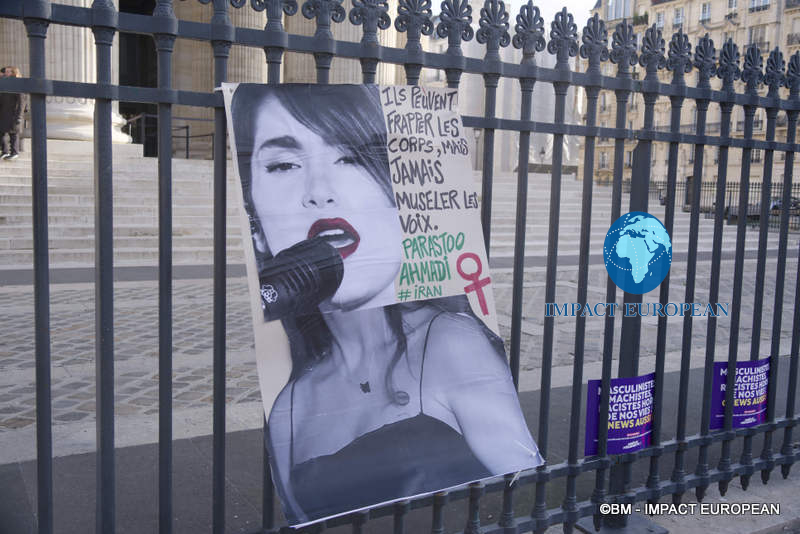
The speaker denounced restrictions on women’s participation in public life in Afghanistan and expressed solidarity with Iranian women opposing political repression.
“Woman, Life, Freedom!”
The slogan became internationally associated with the Iranian protest movement following the death of Mahsa Jina Amini in September 2022.
Its appearance in a demonstration in France reflects the ability of civic movements to communicate their demands across linguistic and geographical boundaries.
The issues raised include access to education, freedom of expression, participation in public life and the ability of women to make decisions concerning their own bodies and futures.
Restrictions on these freedoms can have consequences extending across generations.
Education, for example, influences employment opportunities, financial independence and participation in collective decision-making.
The ability to speak publicly and organise collectively also contributes to women’s capacity to defend their interests.
The speaker’s references to Afghanistan and Iran therefore extended the discussion beyond physical violence towards the broader political conditions under which women exercise their rights.
Latin America’s contribution to international mobilisation
The address also referred to Ni Una Menos, the movement that emerged in Argentina in 2015 and became a prominent expression of opposition to femicide and gender-based violence across Latin America.
The slogan — meaning “Not One Woman Less” — reflects a determination to challenge the treatment of women’s deaths as isolated tragedies disconnected from wider social conditions.
Its influence demonstrates how experiences in one country can contribute to public debates elsewhere.
Different legal systems and political traditions have produced different responses to gender-based violence.
Some countries have introduced specific criminal classifications relating to femicide. Others address gender-related killings through existing homicide legislation and aggravating circumstances.
These differences can also make international comparisons difficult.
Statistics depend on legal definitions, reporting practices and the methods used by public authorities to record violence.
A higher recorded number of incidents does not necessarily establish that one country is more dangerous than another; it may partly reflect differences in reporting and classification.
International cooperation can nevertheless help improve data collection, specialist training and understanding of the circumstances surrounding violence against women.
The reference to Latin America during the Paris demonstration was therefore part of a wider exchange of experiences and political demands.
France’s commitments within a wider legal framework
France’s domestic legislative debate takes place alongside existing international commitments.
The United Nations Convention on the Elimination of All Forms of Discrimination against Women, adopted in 1979, provides an international framework for addressing discrimination and advancing women’s rights.
Within the Council of Europe, the Istanbul Convention establishes obligations relating to the prevention of violence, the protection of victims and the prosecution of perpetrators.
Its approach also emphasises the importance of coordinated public policies.
The European Union adopted Directive 2024/1385 on combating violence against women and domestic violence, introducing common requirements in areas including victim support, prevention and certain offences involving digital technologies.
These instruments operate at different institutional levels, but their underlying objectives converge around the protection of fundamental rights.
France’s proposed comprehensive legislation must be understood within this wider context.
The existence of international obligations does not automatically guarantee their effective implementation.
Governments must translate legal commitments into accessible services, trained professionals and practical arrangements adapted to the circumstances of those seeking protection.
This remains one of the central challenges raised by the Paris mobilisation.
Political divisions within the feminist movement
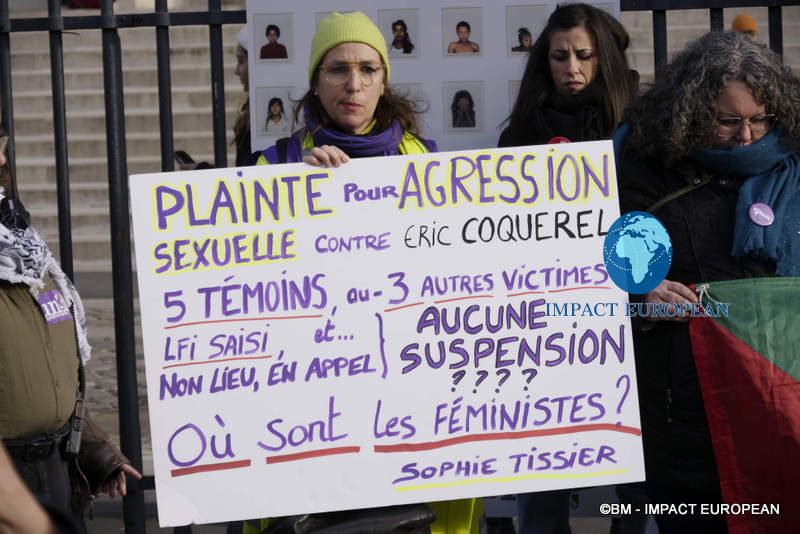
Saturday’s demonstrations also revealed that the movement against violence towards women is not politically uniform.
The separation of the Paris marches reflected differences among organisations and campaigners.
In the recorded address, the speaker strongly criticised the far right, linking her opposition to concerns about racism and reproductive rights.
These statements represented her political position rather than a collective declaration attributable to every participant.
Questions concerning immigration, criminal justice, reproductive freedom and international conflicts continue to generate disagreements within feminist movements.
Such differences are part of the political context in which public demonstrations take place.
Recognising these disagreements does not diminish the importance of the underlying issue.
It allows the mobilisation to be understood as a collection of civic voices rather than a single political organisation speaking on behalf of all women.
The challenge for public authorities is to ensure that protection from violence remains accessible regardless of an individual’s political views, social background or personal circumstances.
When remembrance becomes a demand for change
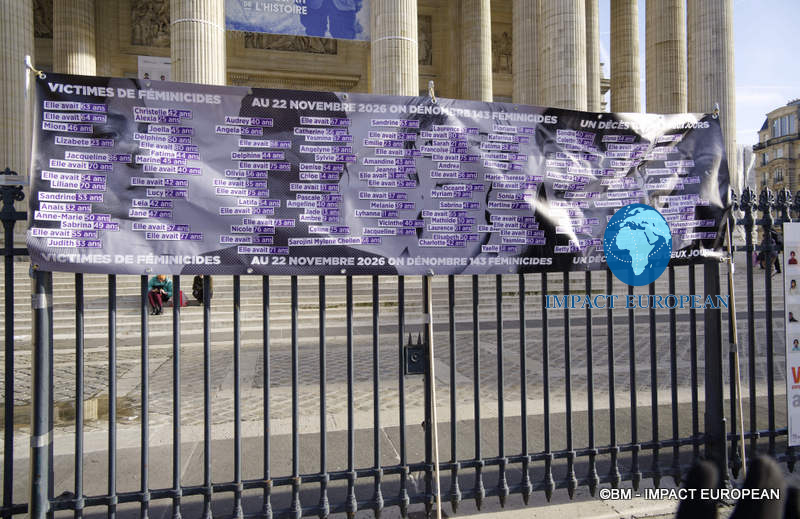
“This tribute is not a funeral vigil.”
Towards the end of her speech, the campaigner rejected the idea that commemorating victims should remain an act of mourning alone.
She described grief as something that could be transformed into collective determination.
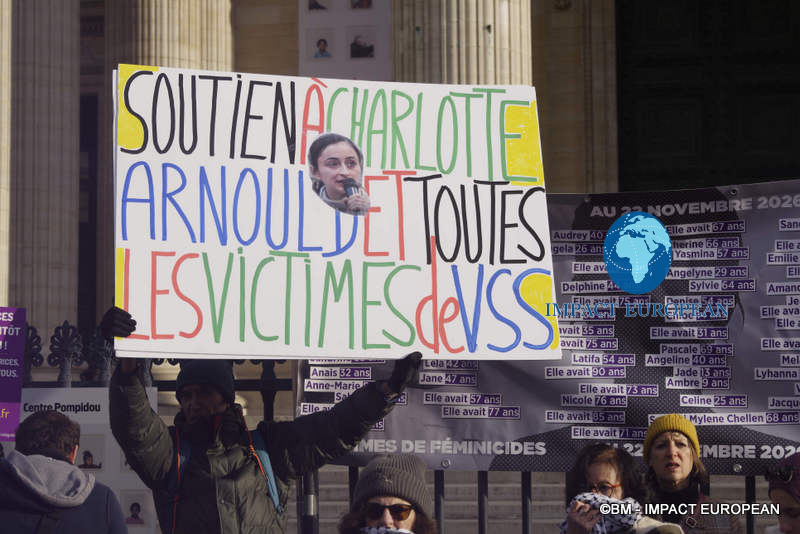
The names remembered during the demonstration represented individual lives, but the speaker also used them to challenge the institutions responsible for preventing violence and protecting those at risk.
For France, the next stage of the parliamentary process will provide an opportunity to examine whether the demands expressed during the mobilisation are reflected in the proposed legislation.
Its eventual effectiveness will depend not only on its legal provisions but also on the resources and coordination available to implement them.
For women and children experiencing violence, however, institutional timelines have little relationship to the urgency of their circumstances.
Safety may be needed immediately. Housing, healthcare and psychological support may be required long after a judicial procedure has concluded.
The events of 28 November placed these different dimensions of protection within a single public debate.
As the speech concluded, the campaigner returned to the message that had connected individual suffering with collective action throughout her address.
“The silence is over. Fear is changing sides.”
Beyond the streets of Paris, the challenge remains whether governments and institutions can ensure that this demand for freedom becomes a practical reality in the lives of women and children.
©2026 IMPACT EUROPEAN- All rights reserved

Views: 4
More Stories
France’s mayors call for a new balance of power
France’s mayors re-elect David Lisnard as AMF president
Inside France’s Mayors Congress: Politics and People