

“There are things we got wrong.”
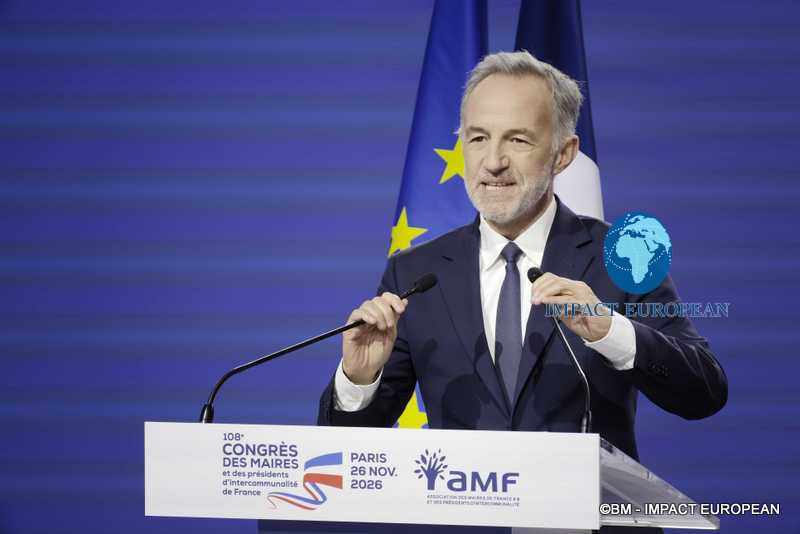
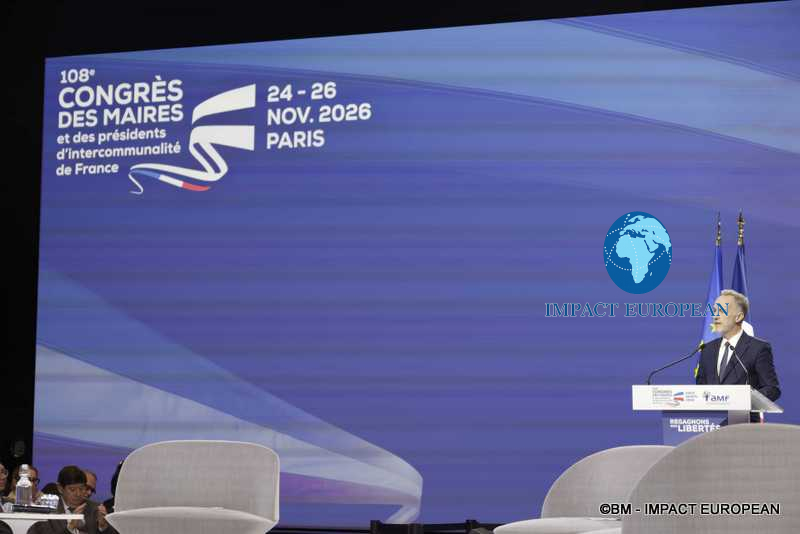
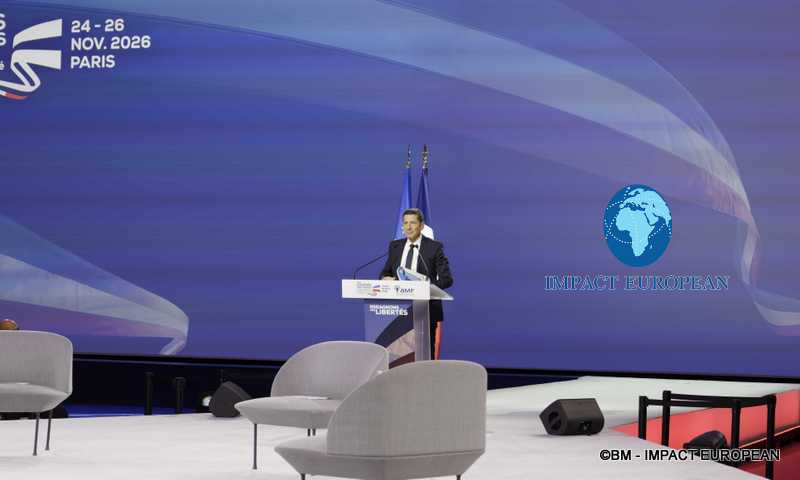
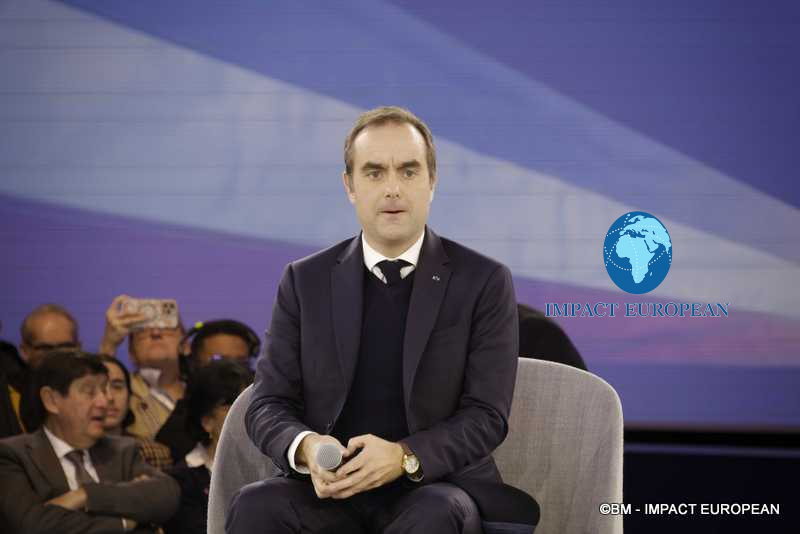
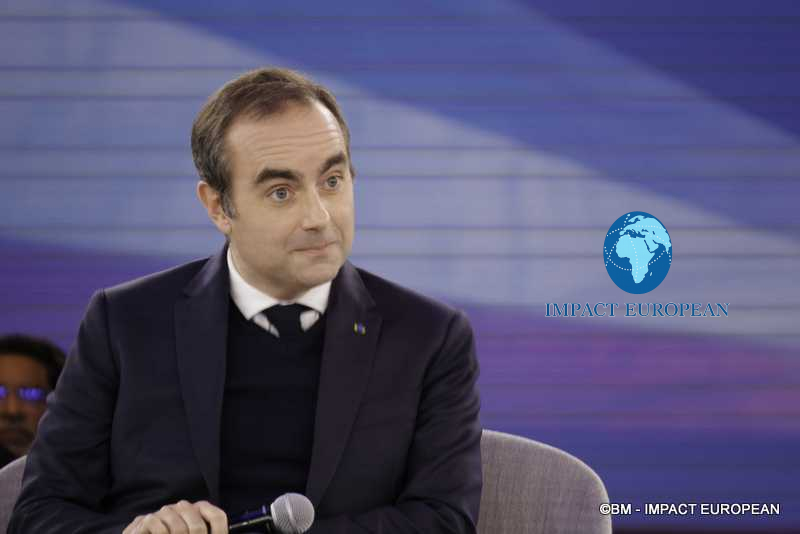
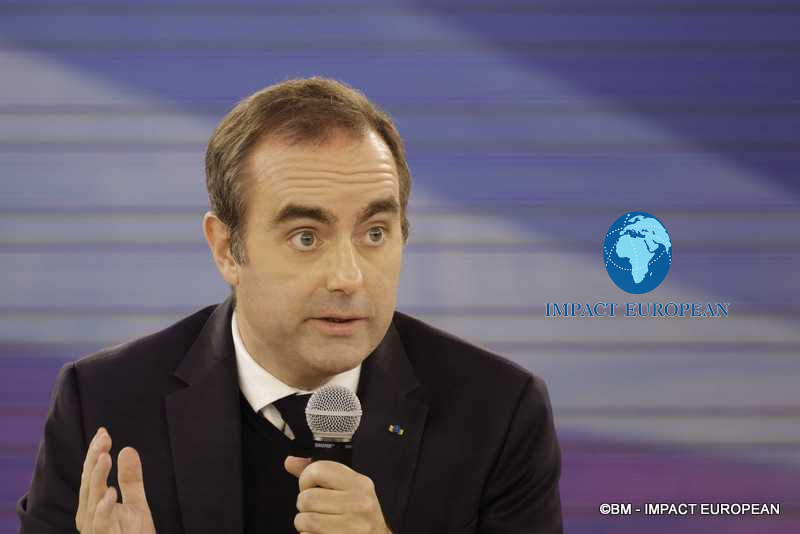
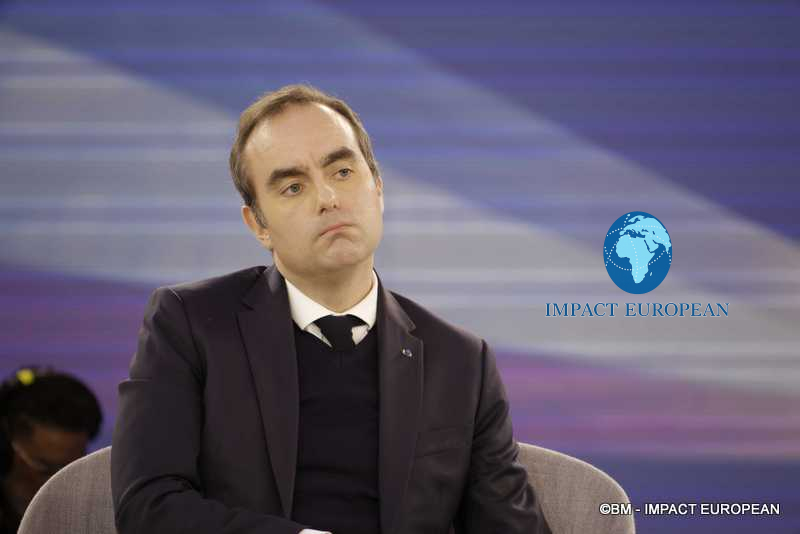
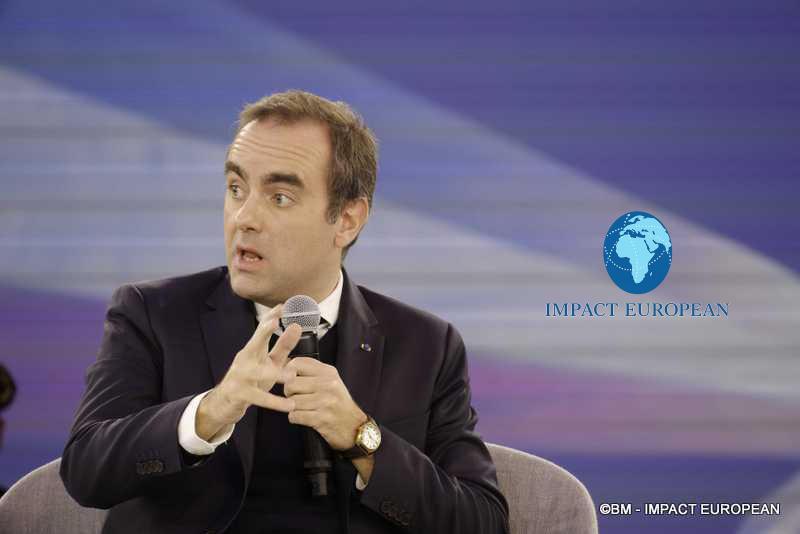
Speaking on the final day of the 108th Congress of French Mayors in Paris, Sébastien Lecornu acknowledged shortcomings in the way France had reorganised its territorial institutions over the past two decades.
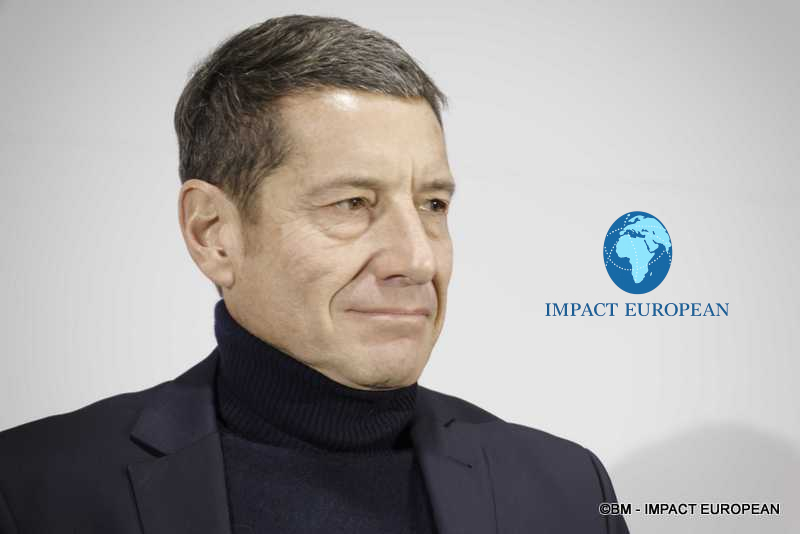
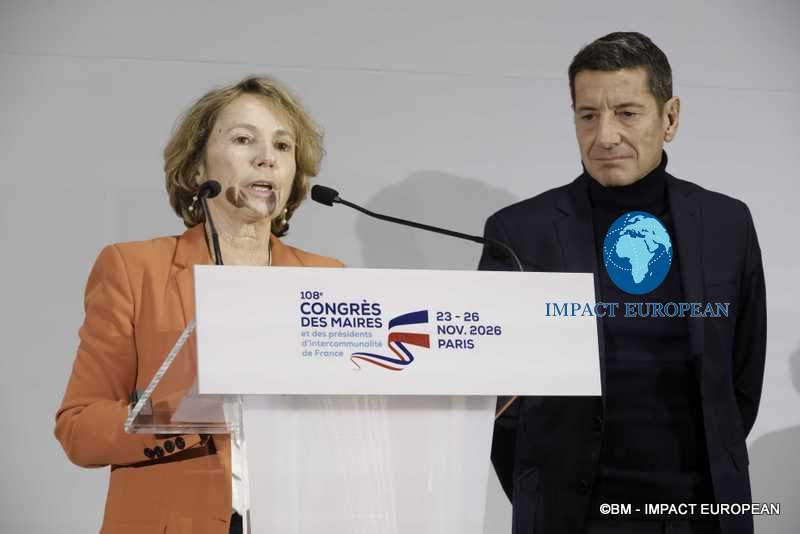
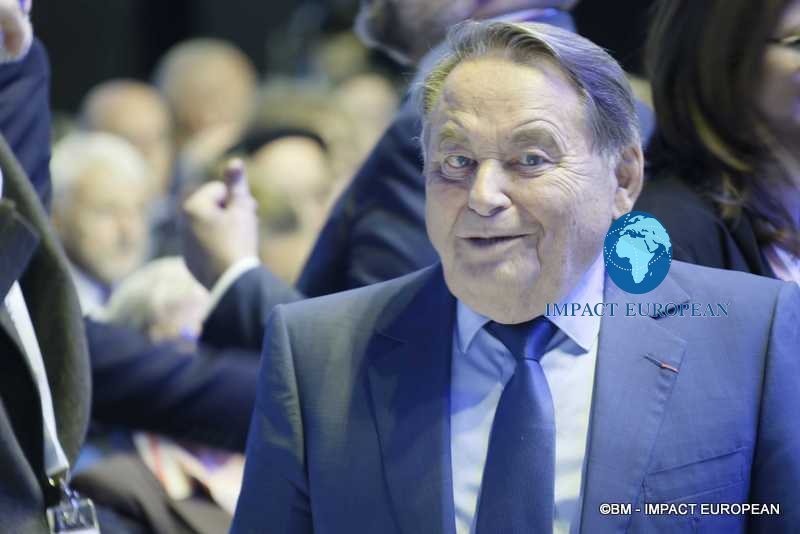
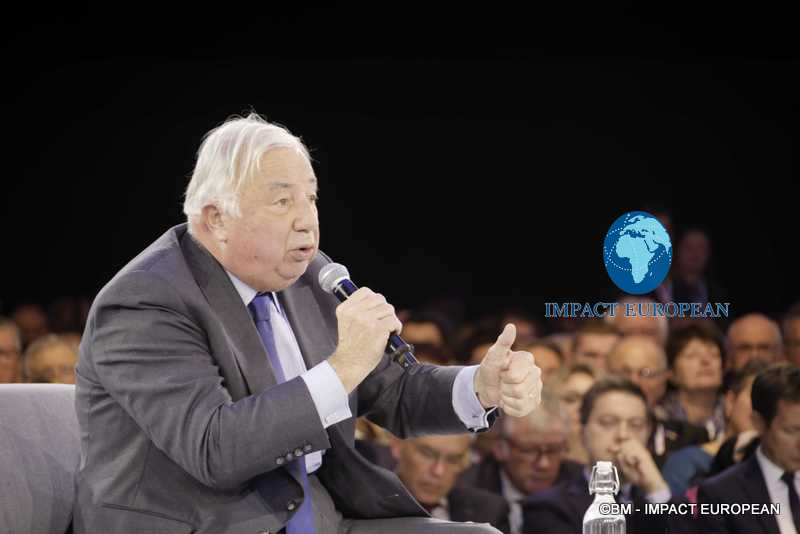
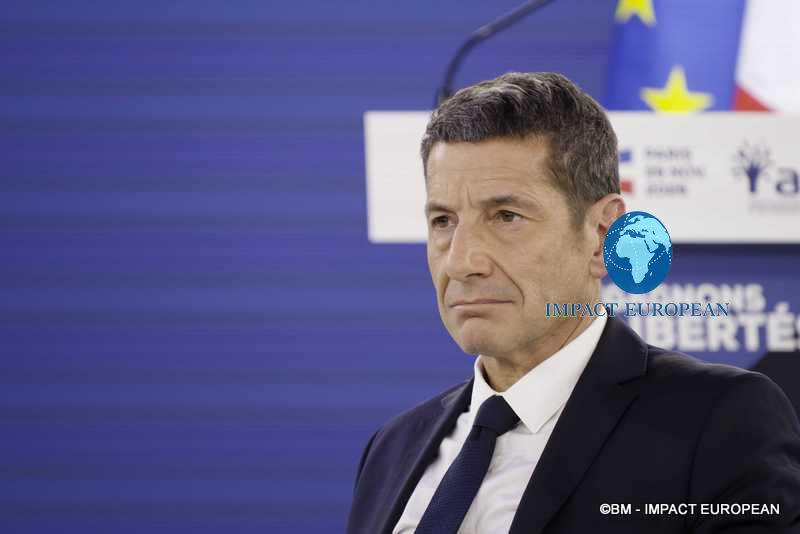
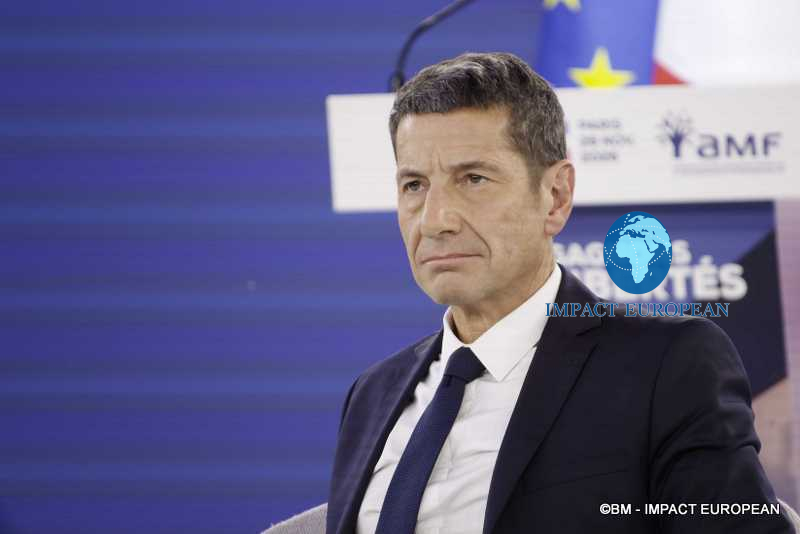
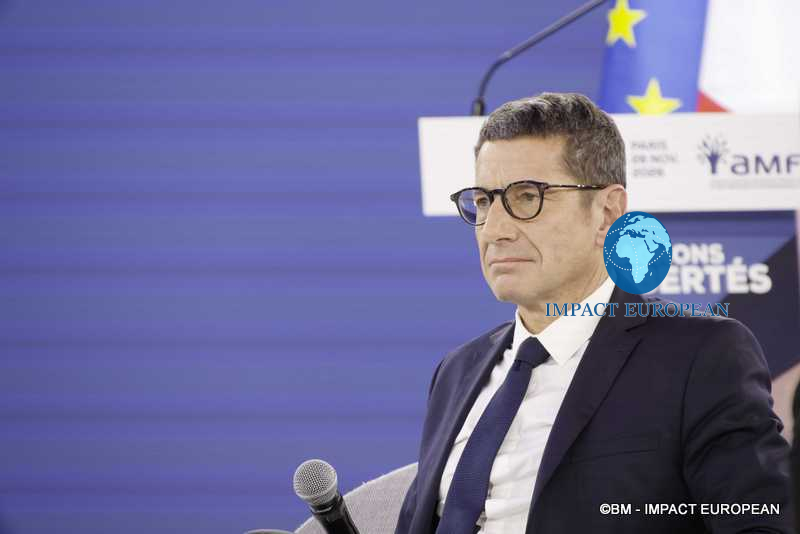
The admission came during a discussion with David Lisnard, Mayor of Cannes and president of the Association of Mayors of France, and Gérard Larcher, President of the French Senate.
Their exchanges exposed a fundamental question facing the French Republic: how can a country with a strong tradition of central government preserve the ability of its local communities to govern themselves effectively?
For the mayors gathered at the Porte de Versailles exhibition centre, the issue extends beyond constitutional arrangements and administrative boundaries.
It concerns their ability to fulfil electoral commitments, maintain public services and respond to residents who increasingly turn to municipal authorities when other institutions fail to provide answers.
The particular position of French mayors
To understand the significance of the discussions in Paris, it is necessary to consider the distinctive place occupied by municipalities within the French political system.
France has a long tradition of centralised administration, although successive decentralisation reforms have transferred substantial responsibilities to territorial authorities.
Municipalities operate alongside intermunicipal authorities, departments and regions, each exercising responsibilities within a national legal framework.
The mayor occupies a particularly important position within this organisation.
Elected by the municipal council following local elections, the mayor heads the municipal executive while also carrying out certain functions on behalf of the state.
This dual responsibility places municipal leaders at the intersection of national legislation and local realities.
For residents, however, these institutional distinctions are not always immediately apparent.
When a public service becomes inaccessible or an administrative problem remains unresolved, the municipality is frequently among the first institutions they approach.
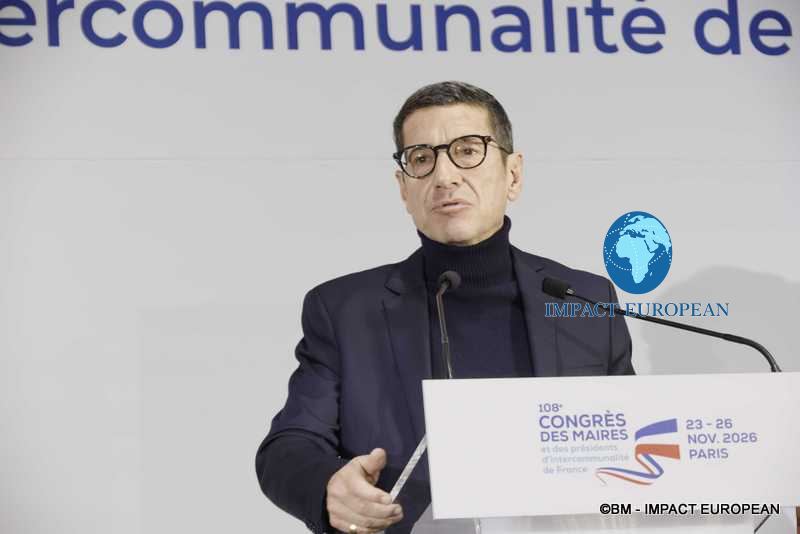
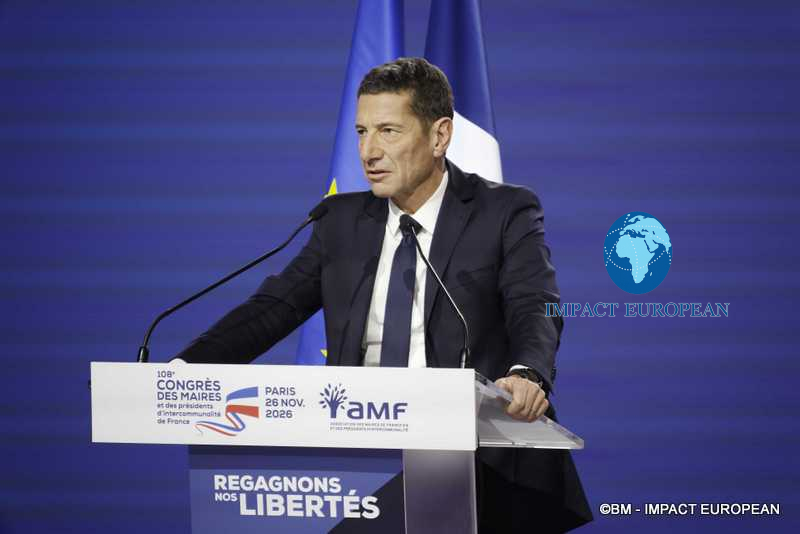
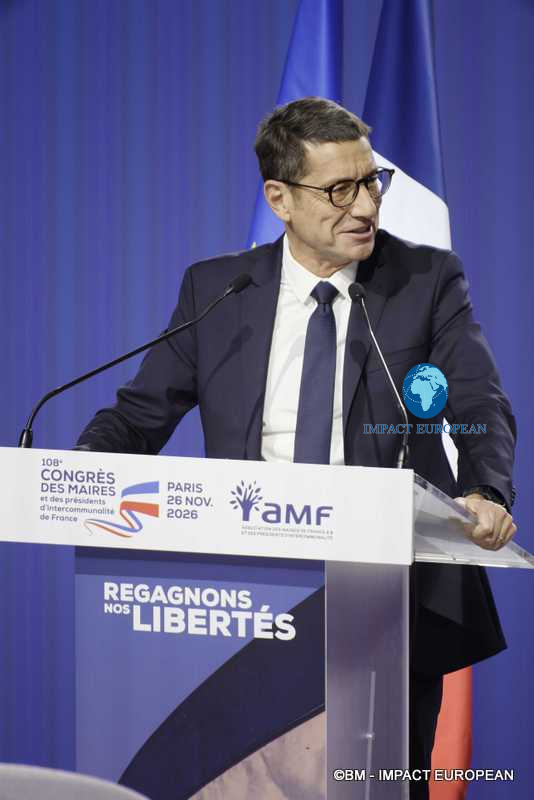
David Lisnard captured this relationship in his address to congress delegates.
“It is the door people knock on when no other door opens.”
His words reflect the central position of municipal government in French civic life. They also reveal the difficulties that arise when local elected representatives are expected to provide answers without necessarily possessing the authority or resources to do so.
Political pluralism ahead of the presidential election
The congress took place against the backdrop of France’s forthcoming presidential election in 2027.
During a radio interview, David Lisnard addressed the question of political pluralism and the ability of candidates representing significant sections of the electorate to participate in the presidential contest.
He referred to political figures including Jean-Luc Mélenchon and Marine Le Pen, alongside his own position within the political landscape.
His intervention focused on the pressures surrounding presidential candidacies and the freedom of mayors to express their views.
In France, presidential candidates must obtain the support of at least 500 eligible elected officials before their candidacy can be formally validated.
Mayors therefore occupy a position within the presidential nomination process that extends beyond their municipal responsibilities.
The system is intended to establish a minimum level of political representation, although the pressures surrounding endorsements regularly generate debate.
Lisnard encouraged local elected representatives not to be afraid of expressing themselves.
“We must have a national democracy as vibrant as our own.”
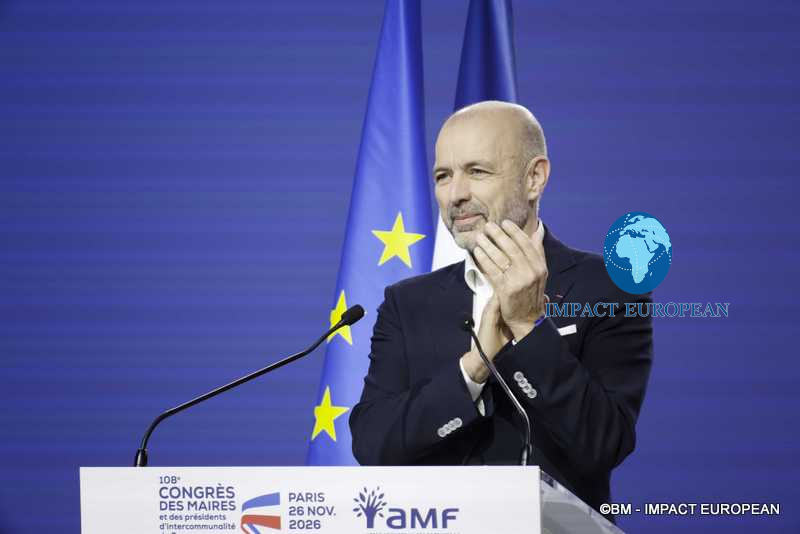
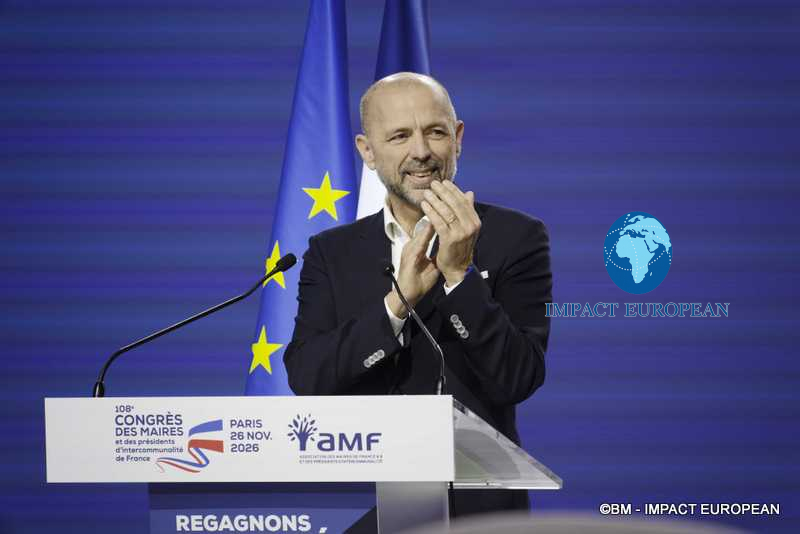
His remarks acquire particular significance following his re-election as AMF president on 25 November.
With the presidential election approaching, the association faces the challenge of maintaining its collective independence while its president remains an active participant in national political life.
Emmanuel Grégoire draws a distinction between politics and partisanship
Paris Mayor Emmanuel Grégoire addressed this institutional responsibility during his intervention at the congress.
While warmly acknowledging Lisnard’s re-election, Grégoire emphasised the importance of preserving social harmony and ensuring that the association continues to represent municipalities across metropolitan France and the overseas territories.
“Although the Association of Mayors of France is a political institution, it has never been a partisan organisation.”
The distinction is central to understanding the AMF’s position within French public life.
Municipal leaders belong to different political traditions. Their approaches to taxation, public investment and social policy may vary considerably.
Nevertheless, they frequently encounter common difficulties when dealing with national regulations, financial constraints and the distribution of public responsibilities.
The association’s influence depends partly on its ability to bring these different political perspectives together.
Grégoire’s intervention highlighted the importance of maintaining that collective identity during a period of increasing national electoral competition.
Public responsibilities have become more difficult
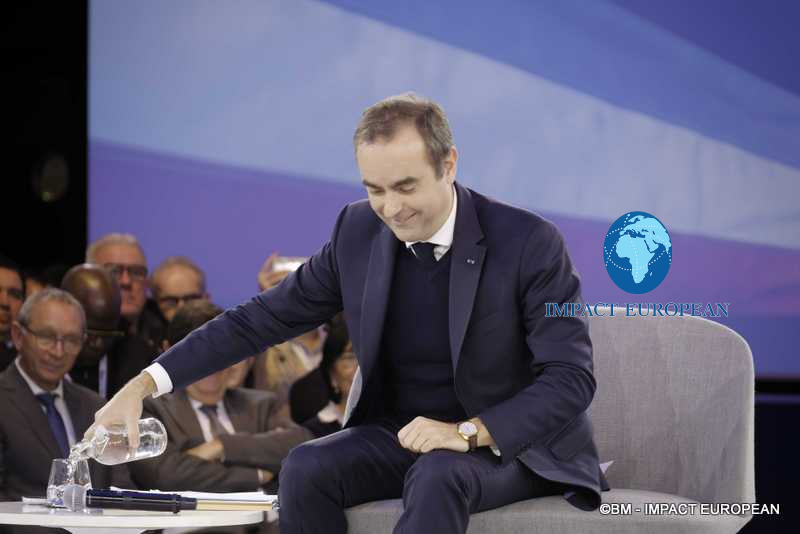
During the closing debate, Sébastien Lecornu drew on his own experience of municipal government.
Having first become a mayor in 2014, the Prime Minister compared the conditions under which elected representatives exercised their responsibilities at that time with those they face today.
“It is much harder today than it was in 2014, when we were elected.”
Lecornu extended his assessment beyond municipal politics.
He referred to teachers, police officers, gendarmes and employees responsible for receiving members of the public in social security and family benefit offices.
According to the Prime Minister, growing individualism, violence and changing expectations towards public services have made the exercise of public responsibilities more demanding.
His observations reflected a broader concern about the relationship between citizens and public institutions.
Public sector employees are frequently required to explain decisions and regulations that they did not establish themselves.
Similarly, municipal leaders must respond to residents whose difficulties may originate in policies determined elsewhere.
Administrative complexity and financial restrictions can further reduce their ability to provide satisfactory answers.
Lecornu’s assessment was not presented as a statistical demonstration of social change. It was his political interpretation, informed in part by his experience of local government.
The subsequent exchanges revealed that the participants did not necessarily identify the same causes behind these difficulties.
Centralisation and the weakening of democratic accountability
One of the most significant disagreements concerned the consequences of recentralisation.
During the debate, the concentration of decision-making at national level was identified as a contributing factor to the deterioration of relations between central government and territorial authorities.
The argument went further than the distribution of administrative responsibilities.
When decisions are taken increasingly far from the communities affected by them, citizens may find it more difficult to identify who is responsible for those decisions.
Local elected representatives can remain politically accountable to their residents even when their capacity to influence certain policies has diminished.
This tension became particularly apparent during discussions about the abolition of France’s residence tax on primary homes, known as the taxe d’habitation.
The reform changed the way municipalities receive part of their financial resources.
Although national compensation arrangements can maintain revenue, they do not necessarily reproduce the same degree of local discretion over taxation.
The debate therefore raised a question of democratic accountability: should the authority responsible for public expenditure retain a direct fiscal relationship with the citizens financing that expenditure?
Supporters of national redistribution may emphasise solidarity and the need to reduce inequalities between territories. Advocates of greater local fiscal autonomy argue that elected representatives should possess sufficient control over their resources to remain accountable for their decisions.
These competing considerations lie at the heart of the French debate over local government finance.
Two decades of institutional reforms
Sébastien Lecornu acknowledged that France’s territorial organisation had undergone repeated changes without developing a sufficiently comprehensive approach.
He referred to the MAPTAM and NOTRe laws, the enlargement of administrative regions and the development of larger intermunicipal structures.
The MAPTAM law of 2014 sought to modernise territorial public administration and strengthen metropolitan governance.
The NOTRe law of 2015 subsequently reorganised responsibilities among different levels of territorial government.
These reforms formed part of a broader effort to improve coordination, clarify responsibilities and adapt public administration to changing economic and demographic realities.
However, Lecornu argued that institutional changes had not been accompanied by a sufficiently structural examination of local government resources.
He also referred to successive changes in local taxation, including reforms affecting business taxation and the residence tax.
In his assessment, France had repeatedly modified individual components of its territorial system without establishing an overarching vision.
The Prime Minister accepted a share of responsibility for this institutional legacy.
His intervention was particularly notable because it did not restrict responsibility to previous governments or political opponents.
He argued that those exercising authority within the state must also assume responsibility for the institutional history they inherit.
Whether this recognition will lead to a comprehensive territorial reform remains uncertain.
Sharing power within a unitary republic
Lecornu recalled that he had previously called for a greater sharing of power during his general policy statement.
He connected this approach to the political and social traditions of Gaullism, drawing a parallel between relations with territorial authorities and dialogue between employers and employees.
France’s challenge is shaped by its constitutional identity as a unitary republic with a decentralised organisation.
Local autonomy operates within a national framework rather than through the constitutional distribution of sovereignty characteristic of federal systems.
Greater decentralisation does not therefore necessarily imply a transformation of France into a federal state.
It raises practical questions about which institutions should exercise particular responsibilities, how those responsibilities should be financed and how public accountability should be maintained.
The discussions in Paris also highlighted the limitations of institutional reform when territorial inequalities remain unresolved.
A municipality may formally possess a particular responsibility while lacking the technical expertise, administrative personnel or financial resources necessary to exercise it effectively.
David Lisnard drew attention to this problem in relation to rural communities.
He argued that insufficient technical and administrative capacity contributes to territorial inequalities, which can in turn deepen social divisions.
For smaller municipalities, meaningful autonomy requires access to expertise as well as legal authority.
Cooperation between municipalities and support from larger institutions can help address these inequalities, provided that such arrangements preserve the ability of local communities to determine their priorities.
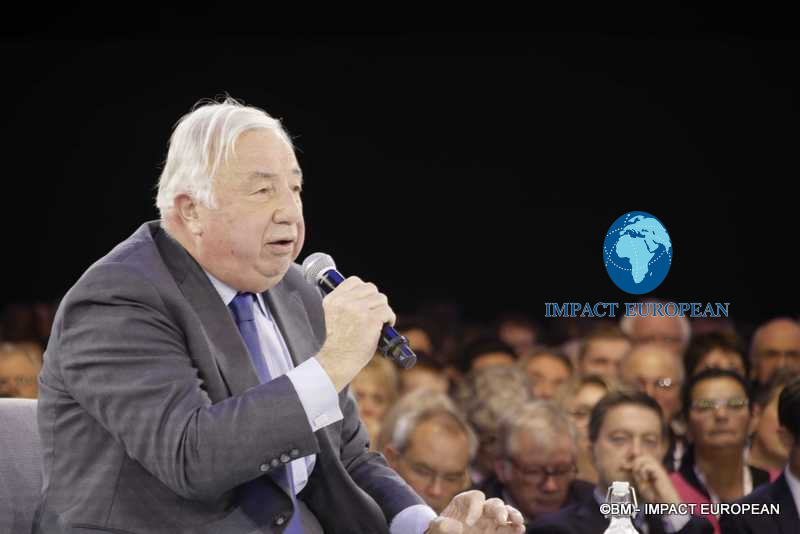
Gérard Larcher and the role of the Senate
The intervention of Gérard Larcher introduced another institutional dimension to the debate.
Under the French Constitution, the Senate represents the country’s territorial authorities.
Its role gives local government a particular place within the national parliamentary system.
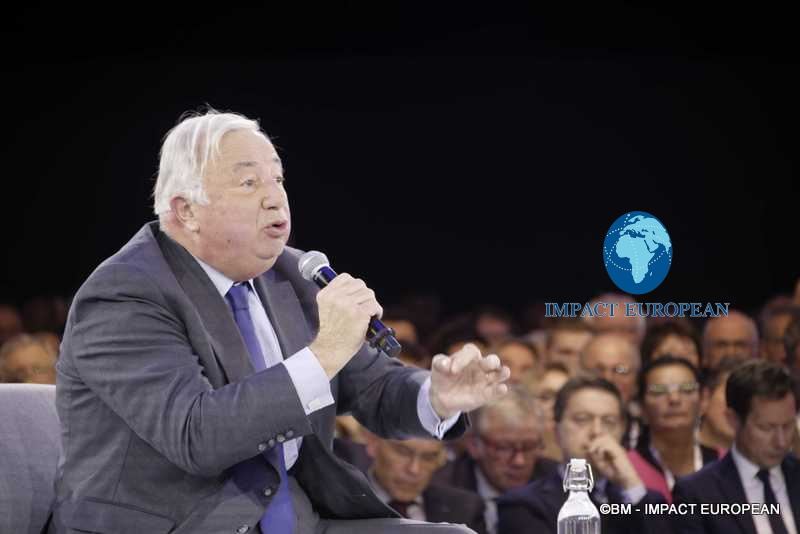
Larcher emphasised the contribution of nearly 500,000 territorial elected representatives to national cohesion.
In his assessment, their presence across the country helps maintain relationships between citizens and public institutions at a time when society is becoming increasingly inward-looking.
However, the Senate President rejected the idea that restoring local freedoms should involve setting territorial authorities against central government.
“Let us not set the state against local authorities. That would be a major mistake.”
Addressing the Prime Minister directly, he called for a renewed relationship of trust between the institutions.
His position highlighted the importance of national solidarity alongside municipal autonomy.
Local authorities depend on a stable legal framework and mechanisms capable of addressing inequalities between territories. Central government, meanwhile, depends on local representatives to understand the practical consequences of national policies.
The effectiveness of both levels of government is therefore closely connected.
A question extending beyond France
Although the discussions concerned the specific history of French territorial administration, the underlying questions are relevant to democracies elsewhere.
Governments must reconcile national coordination with the ability of communities to respond to local circumstances.
Central institutions can establish common standards, redistribute resources and coordinate responses to challenges extending beyond municipal boundaries.
Local authorities can bring decision-making closer to citizens and adapt public services to the characteristics of their communities.
The European Charter of Local Self-Government, adopted within the Council of Europe in 1985, provides an institutional reference for this relationship.
Its principles recognise the importance of effective local responsibilities and financial resources proportionate to those responsibilities.
The French debate illustrates the difficulties of translating these principles into everyday administrative practice.
Legal autonomy alone cannot resolve inequalities in municipal resources. Financial support alone cannot guarantee freedom of decision-making.
The relationship between authority, resources and accountability remains central to the functioning of local democracy.
New elected representatives and the persistence of civic commitment
Despite the difficulties described throughout the closing session, the debate also acknowledged the arrival of a new generation of municipal leaders following the elections of March 2026.
The renewal of local elected representatives was presented as evidence that the desire to serve communities remains alive.
This observation introduces an important contrast.
While political leaders describe increasing administrative burdens and deteriorating relationships with public institutions, individuals continue to accept responsibilities within their municipalities.
Their commitment depends, in part, on whether the institutions they serve allow them to exercise meaningful responsibilities.
The future of local democracy will therefore depend not only on attracting new elected representatives but also on creating conditions in which they can remain effective throughout their mandates.
From political recognition to institutional responsibility
The closing day of the 108th Congress of French Mayors brought together different interpretations of the challenges facing territorial government.
David Lisnard defended local freedoms, democratic accountability and the importance of political pluralism.
Emmanuel Grégoire emphasised social harmony and the non-partisan identity of the AMF.
Sébastien Lecornu acknowledged shortcomings in successive territorial reforms and argued for a greater sharing of power.
Gérard Larcher called for renewed trust between central government and local authorities, while emphasising the importance of national cohesion.
Their exchanges did not establish a new institutional settlement.
They did, however, reveal a shared recognition that the relationship between citizens, elected representatives and the state requires renewed attention.
As France approaches its 2027 presidential election, the challenge will be to ensure that the future of territorial government is not reduced to an electoral argument.
For municipal leaders returning to their communities after the congress, the consequences of the debate will ultimately be measured through their ability to make decisions, maintain public services and fulfil their responsibilities towards residents.
The question raised in Paris remains open: how much responsibility can a democracy reasonably demand from its local representatives if it does not also give them the power to act?
©2026 IMPACT EUROPEAN – All rights reserved














Views: 3
More Stories
France marches to end violence against women
France’s mayors re-elect David Lisnard as AMF president
Inside France’s Mayors Congress: Politics and People