

The cost of living has become a common thread running through a new wave of social mobilisation across Europe.
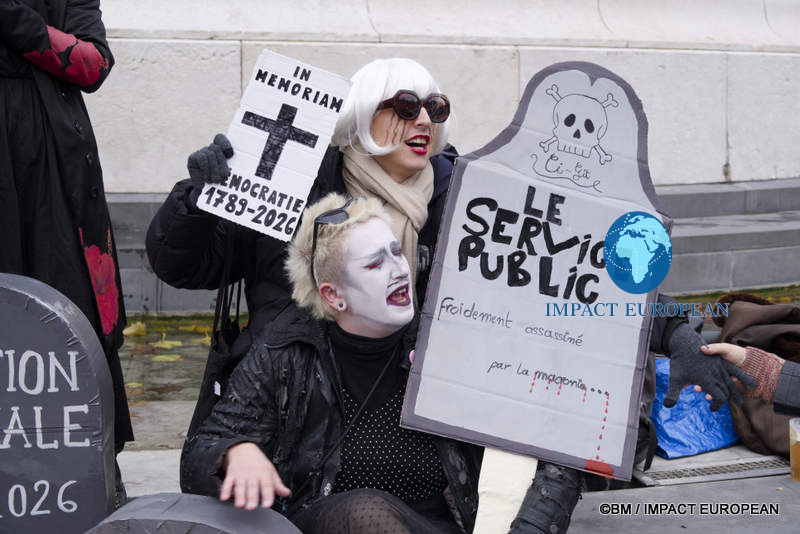
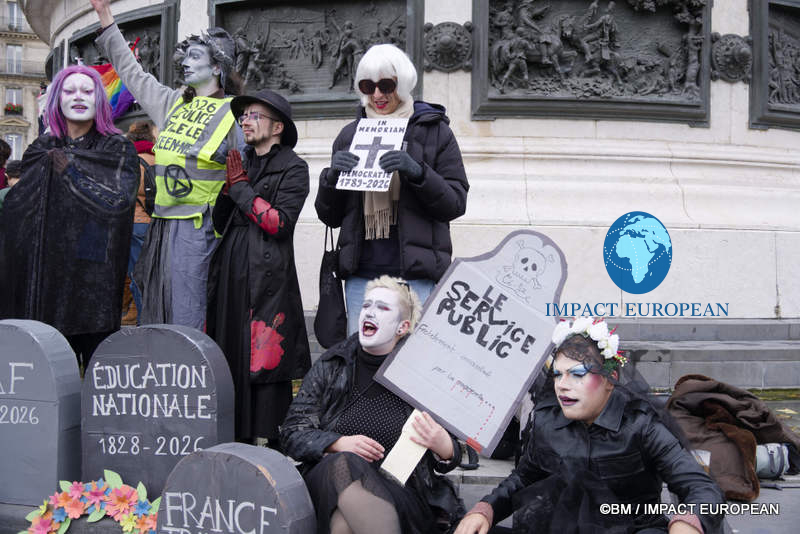
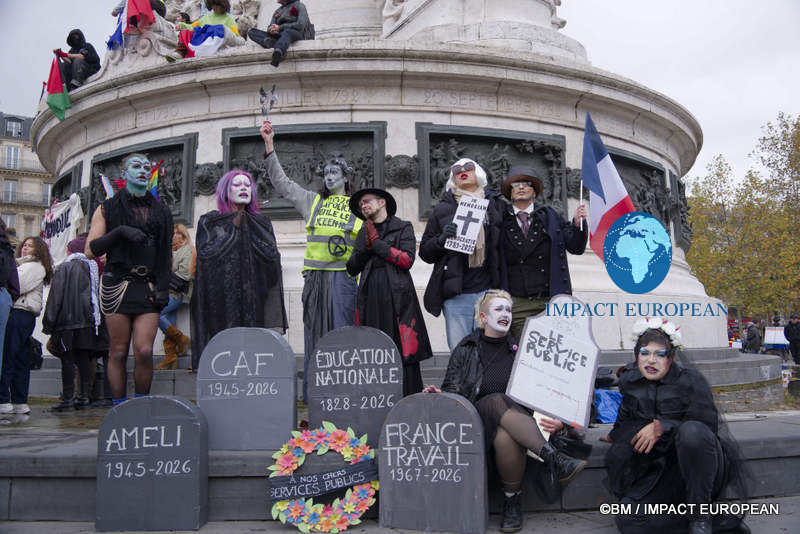
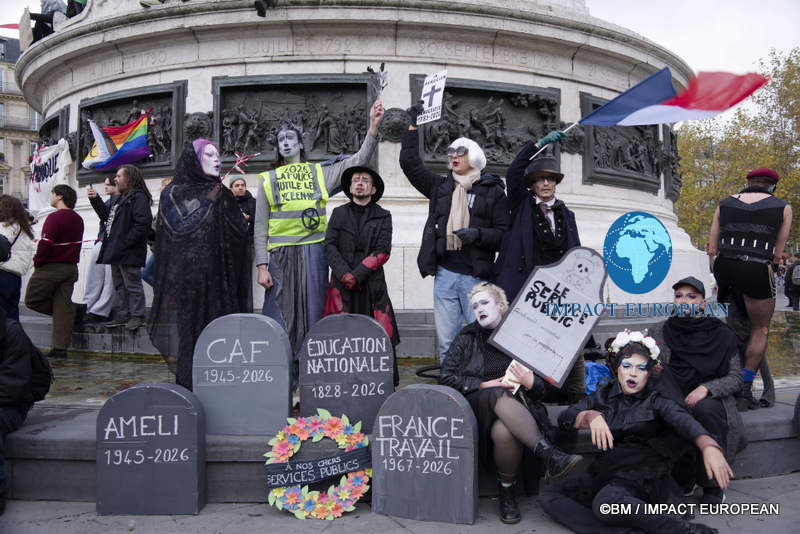
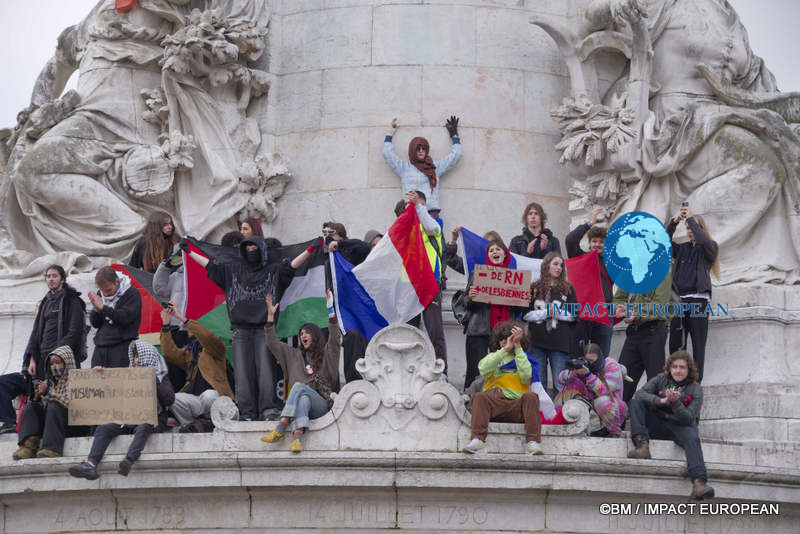
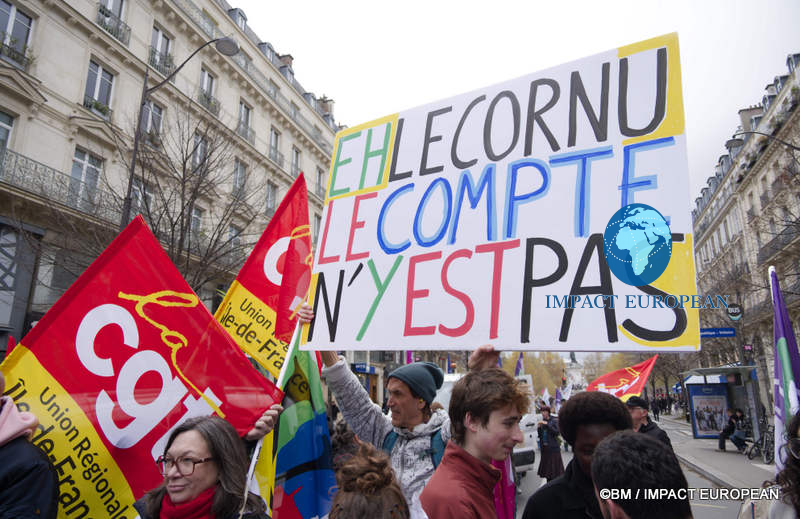
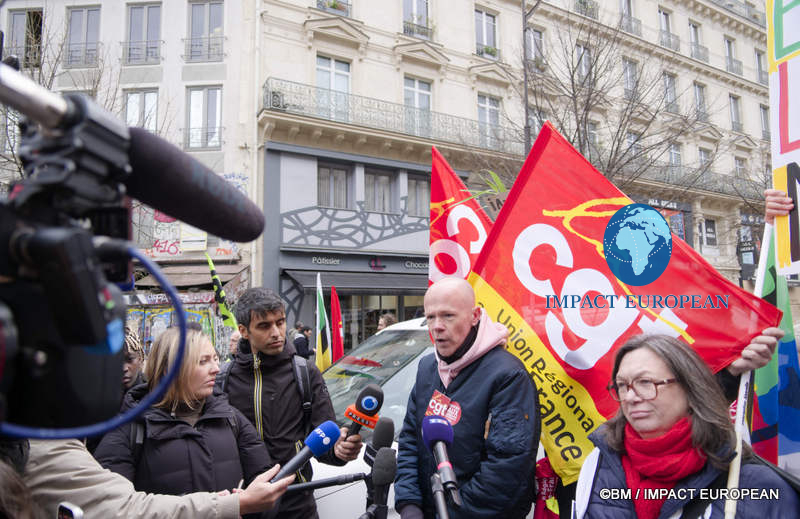
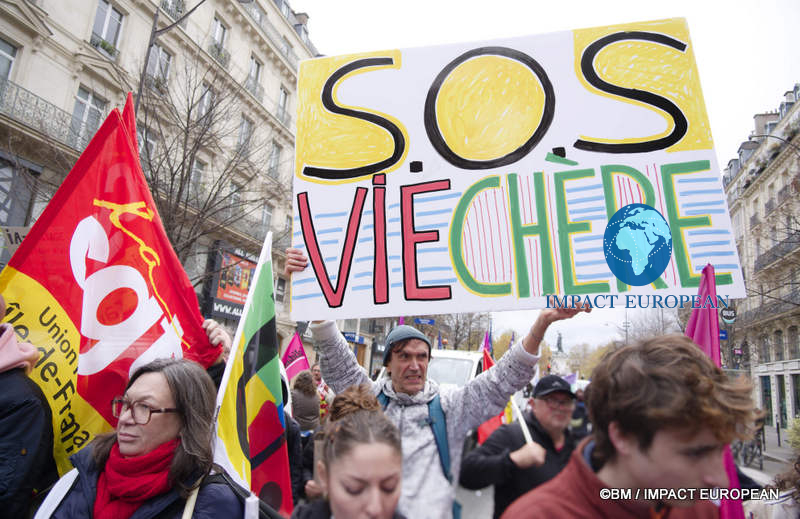
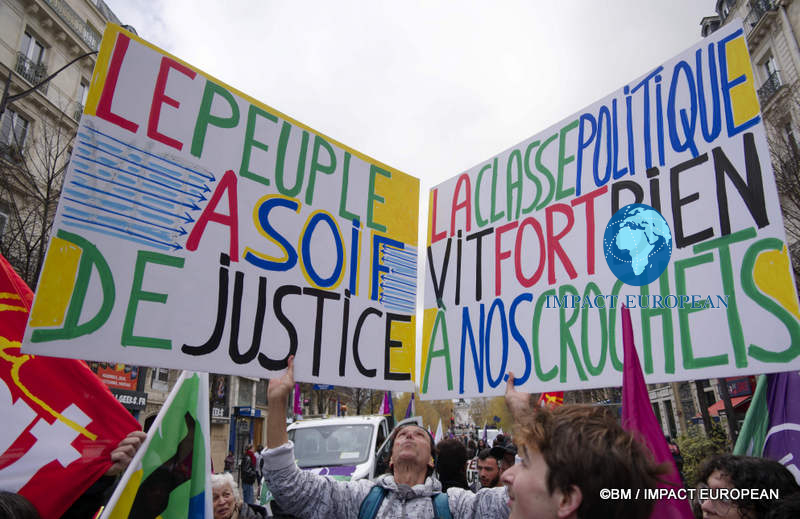
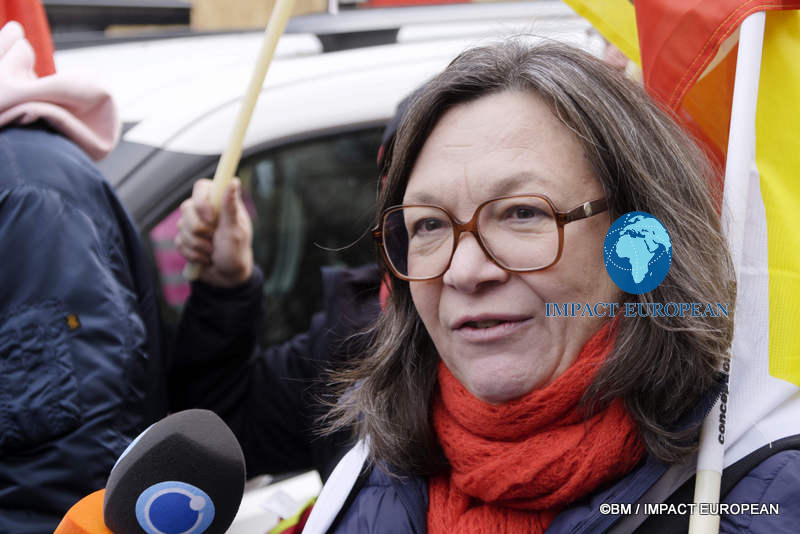
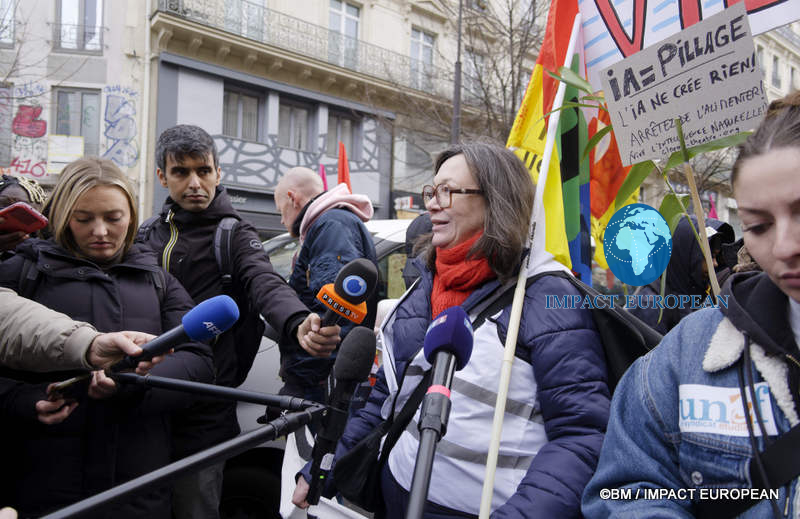
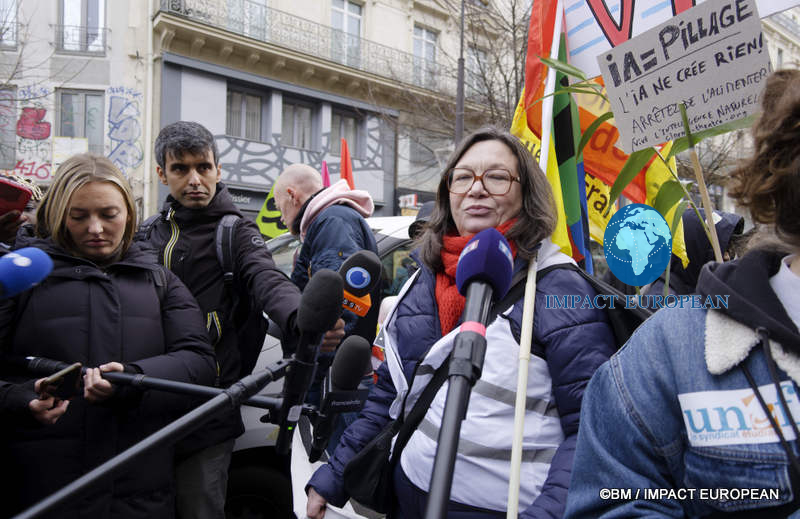
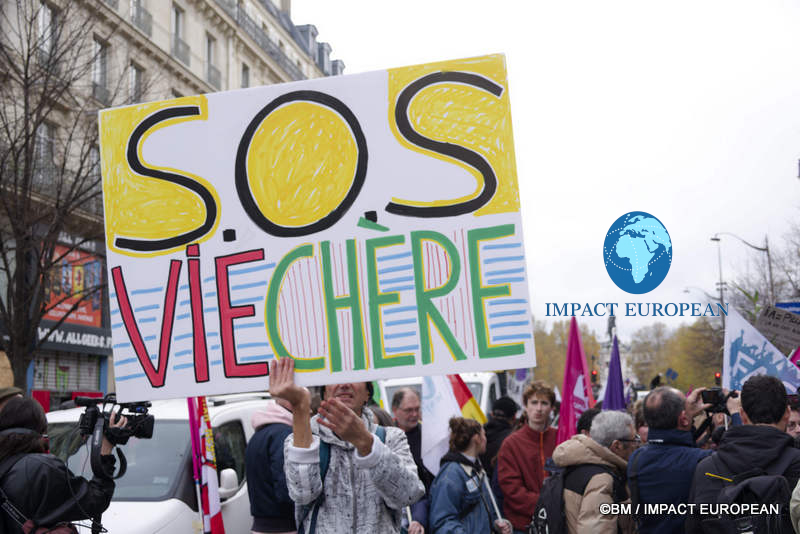
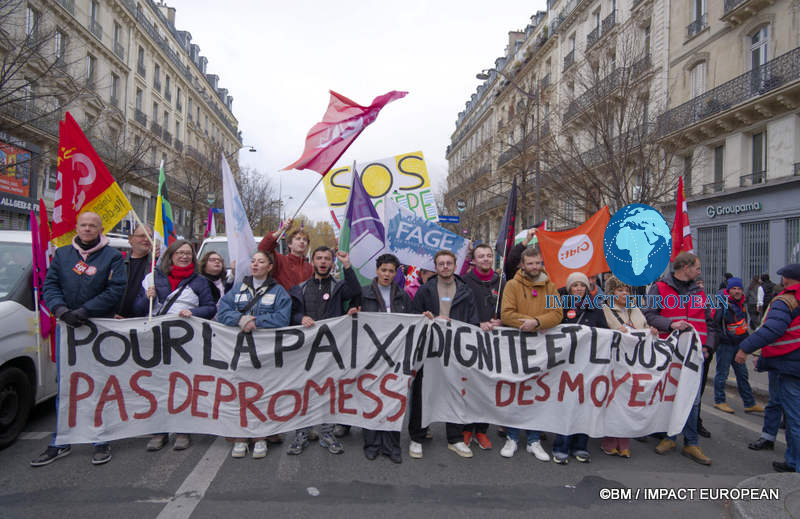
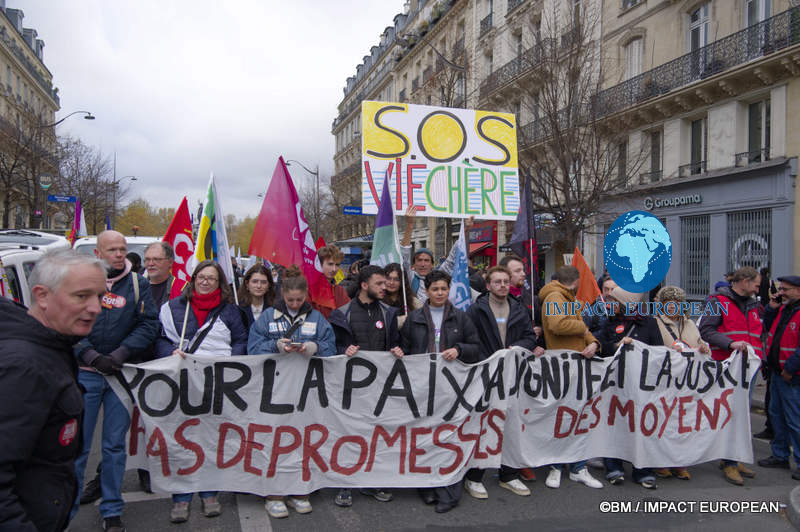
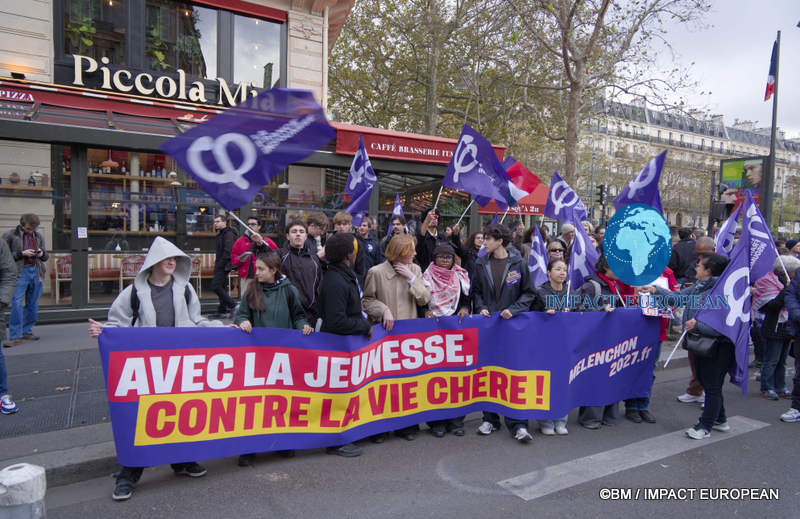
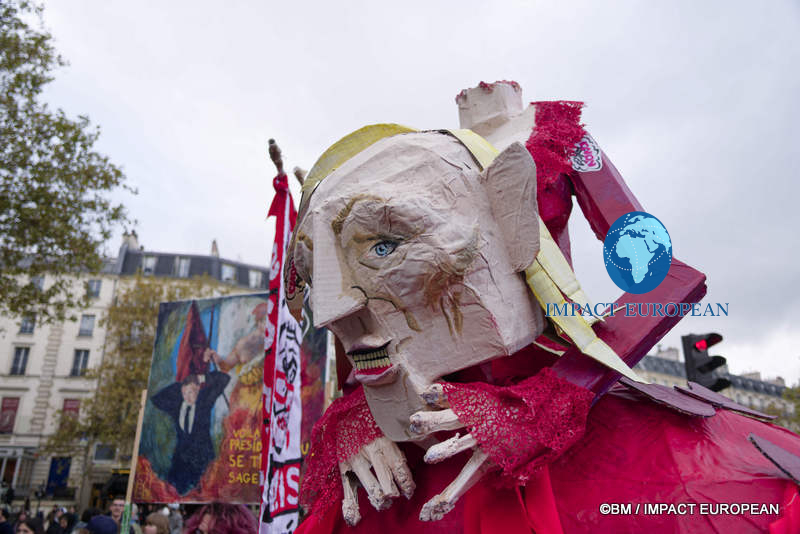
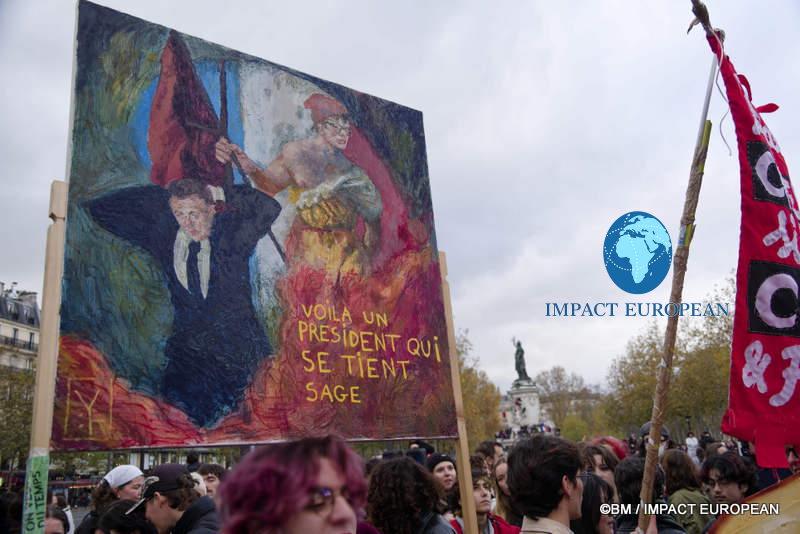
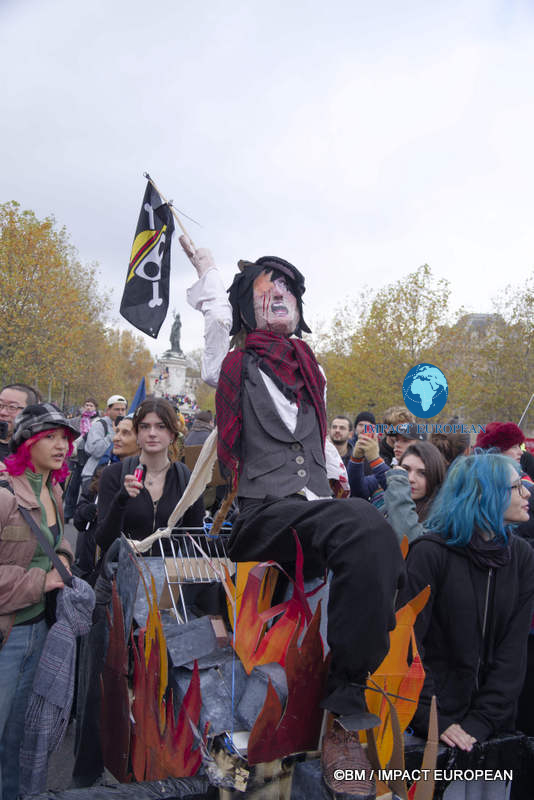
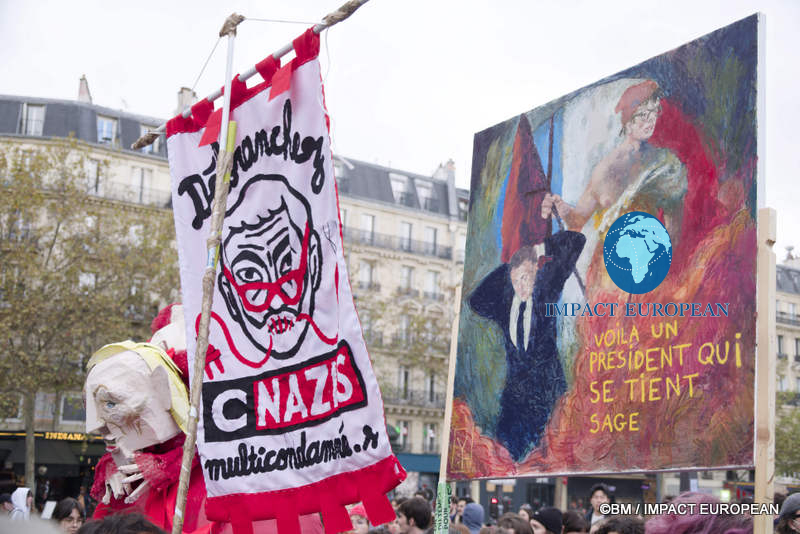
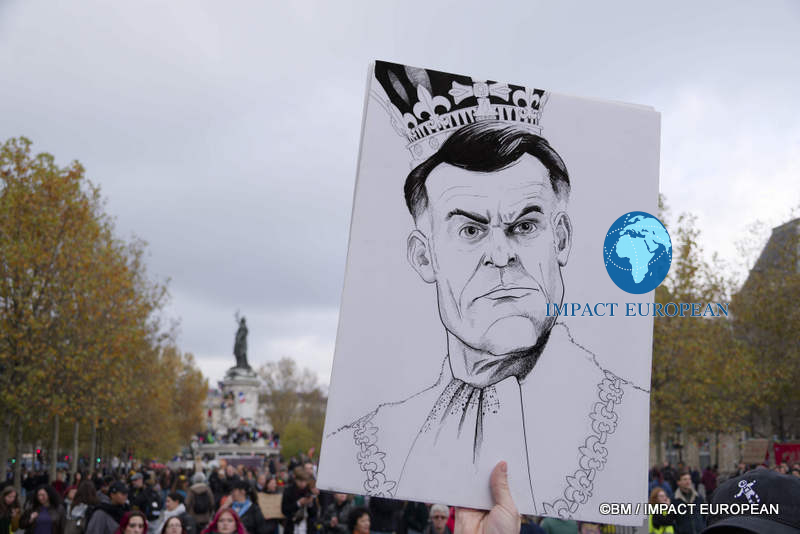
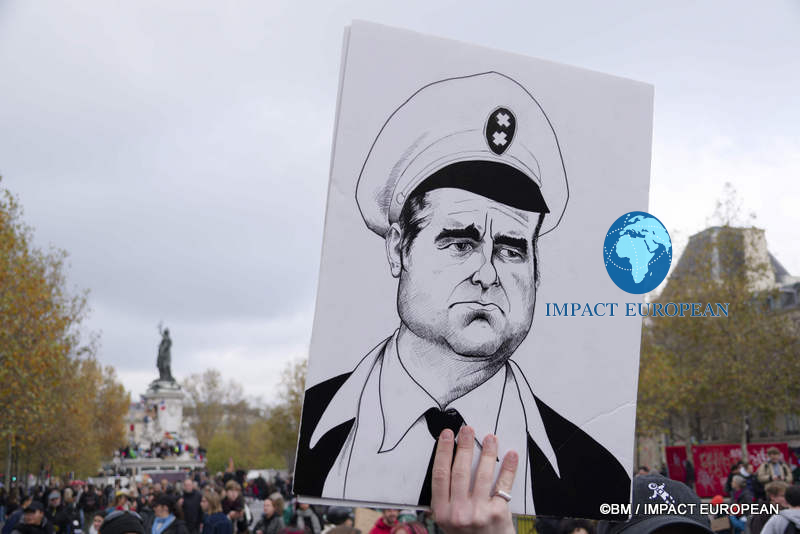
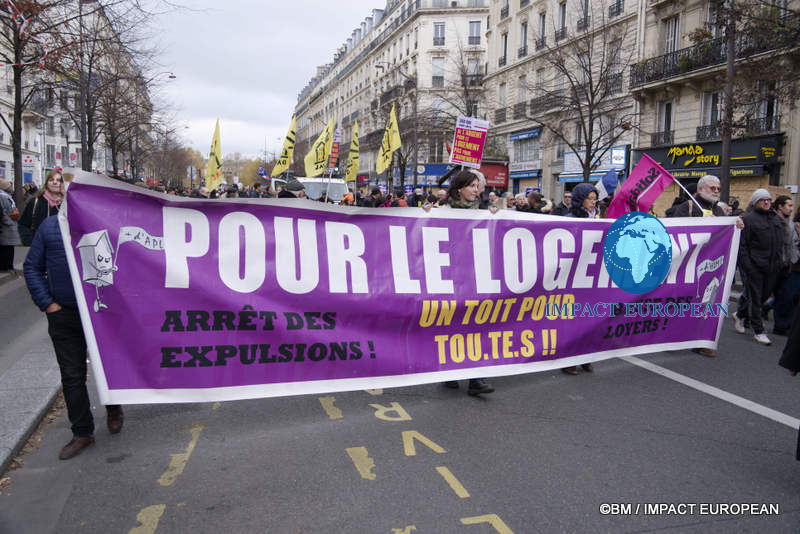
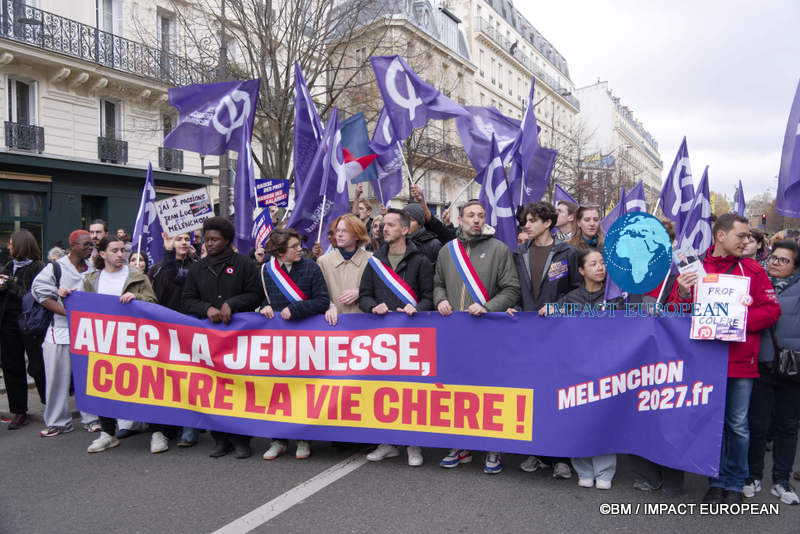
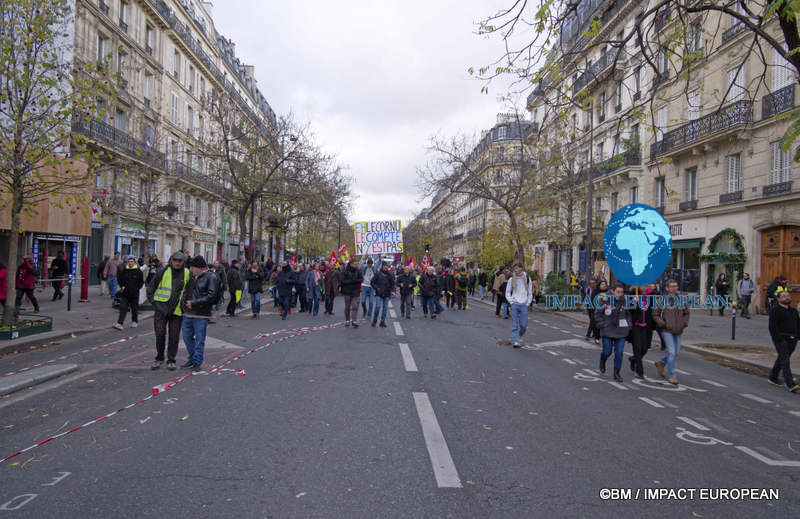
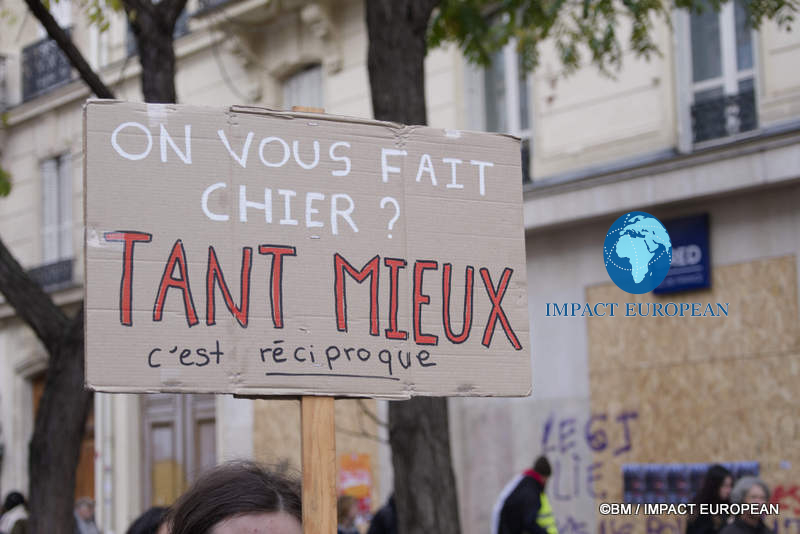
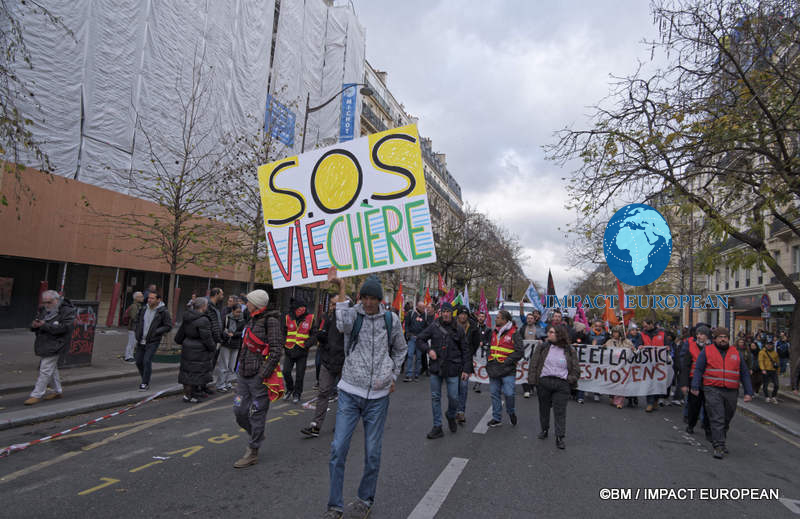
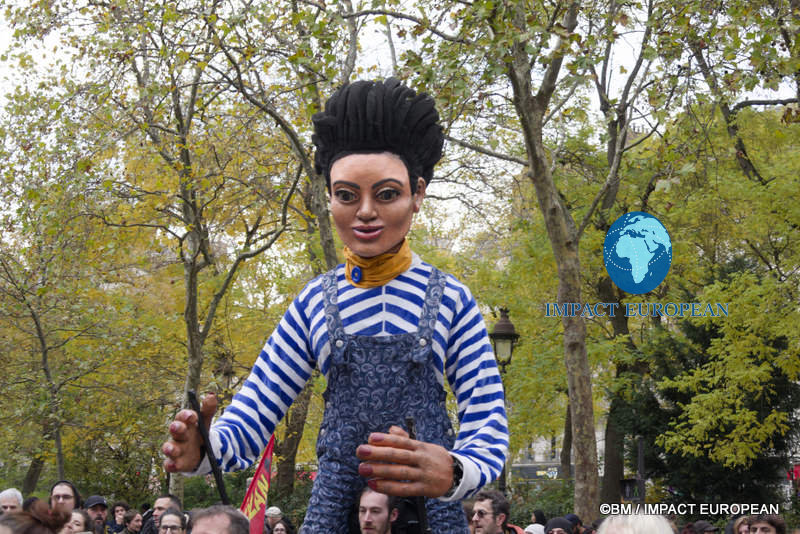
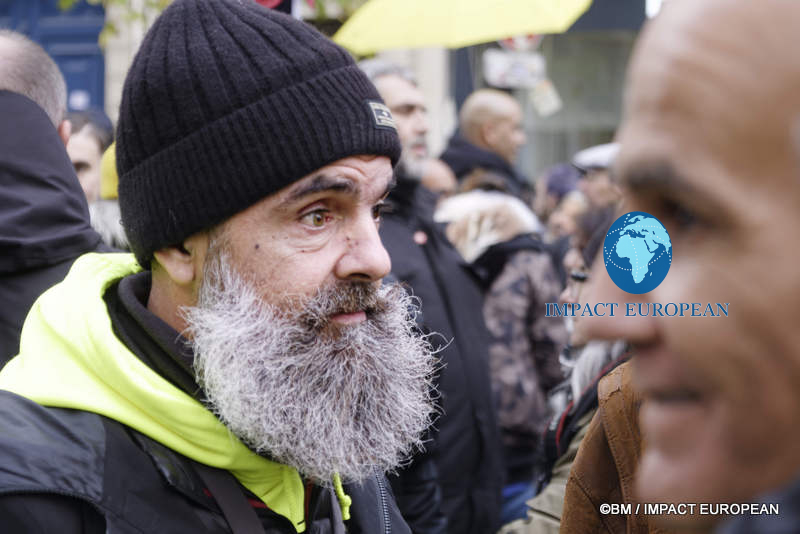
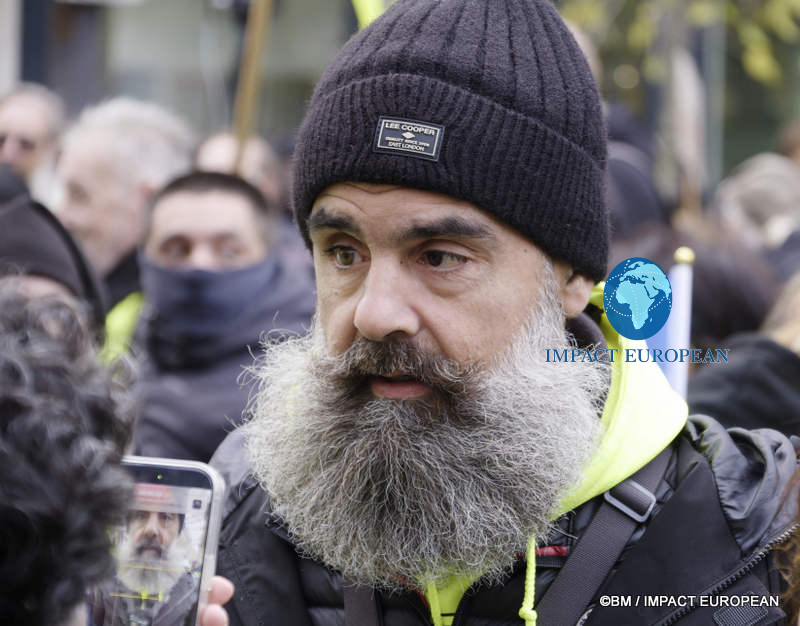
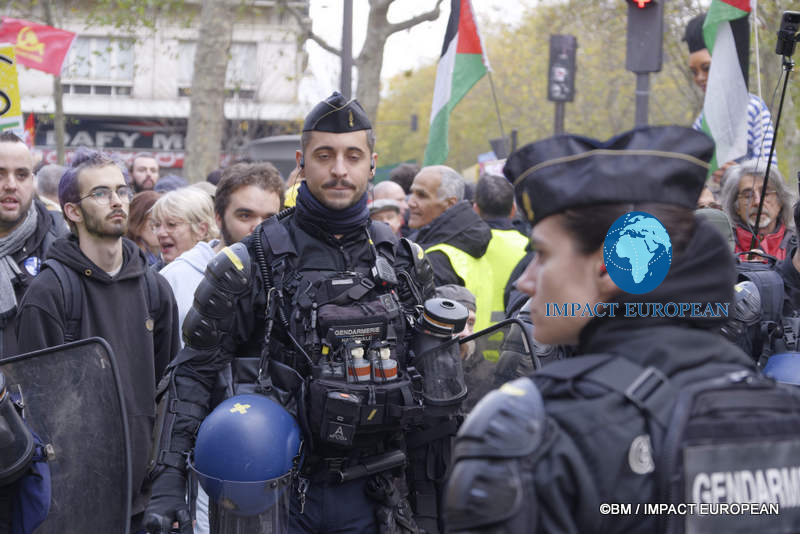
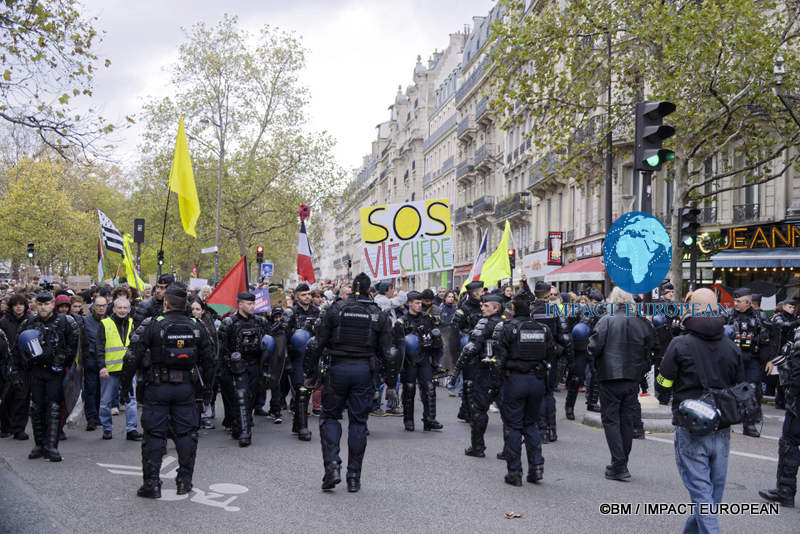
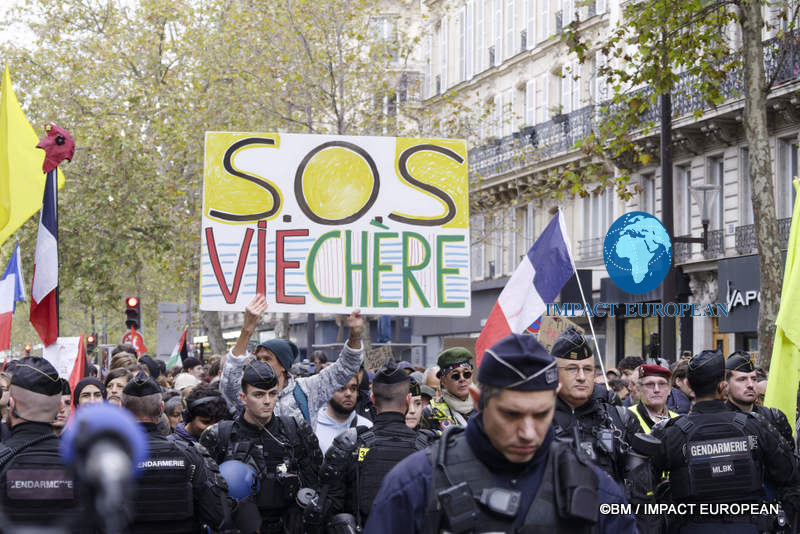
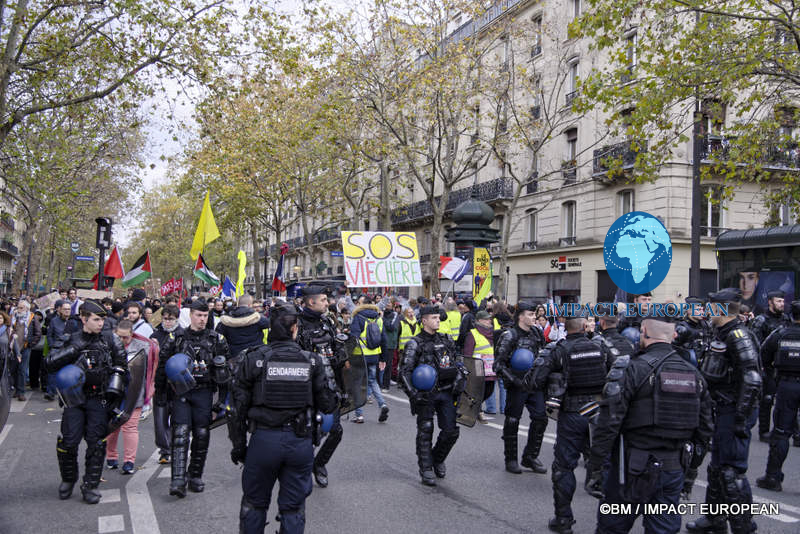
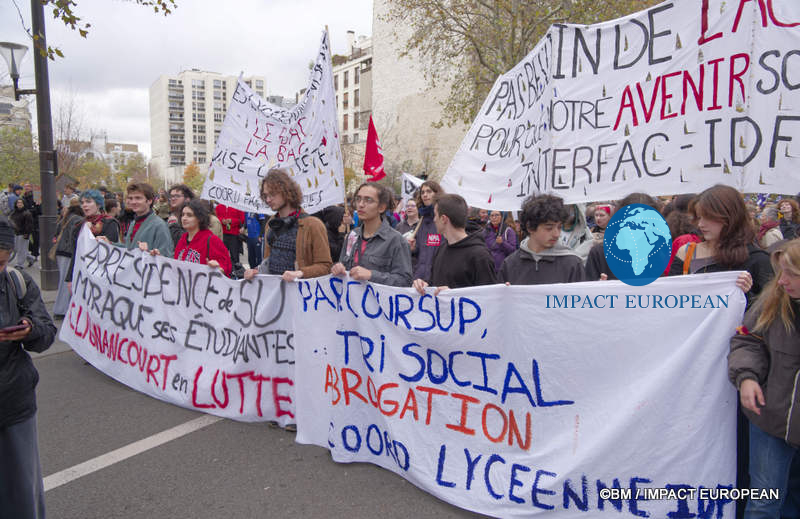
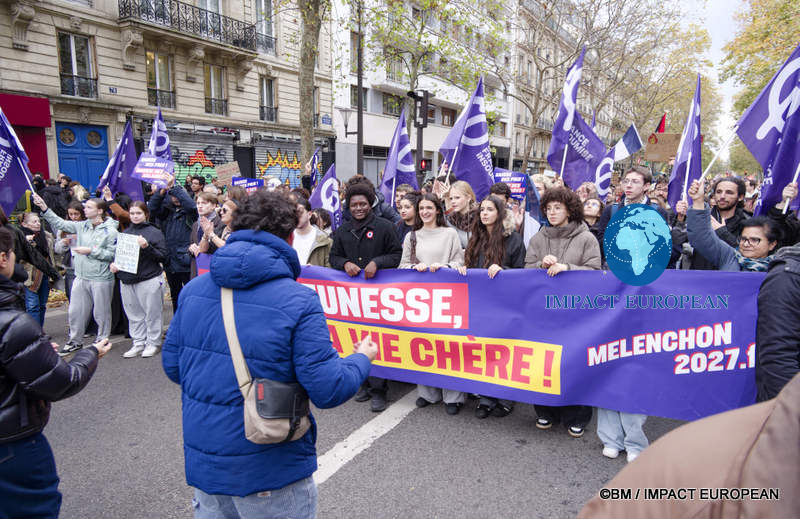
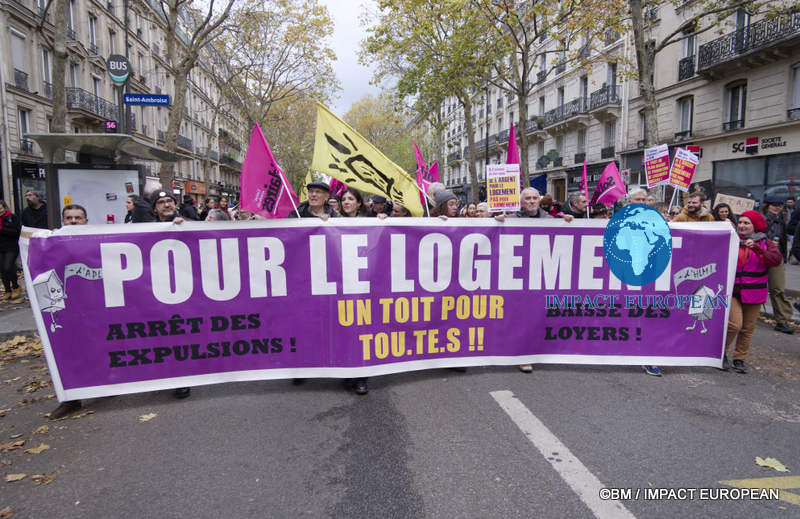
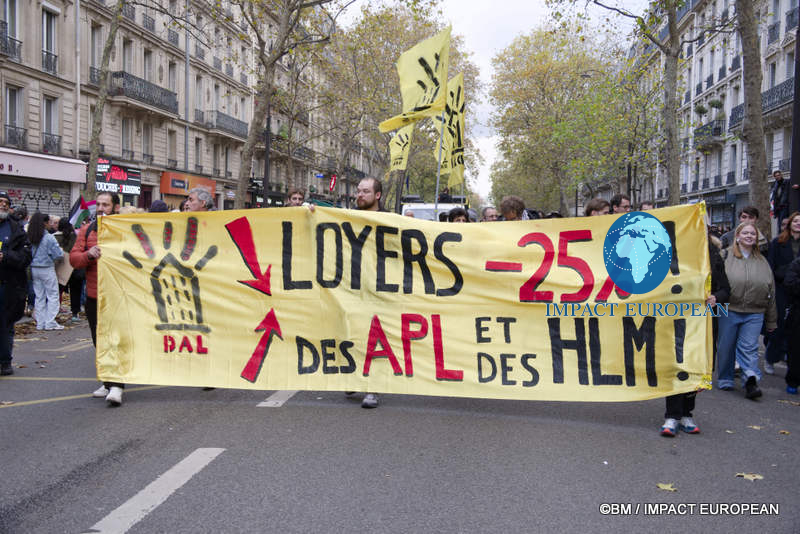
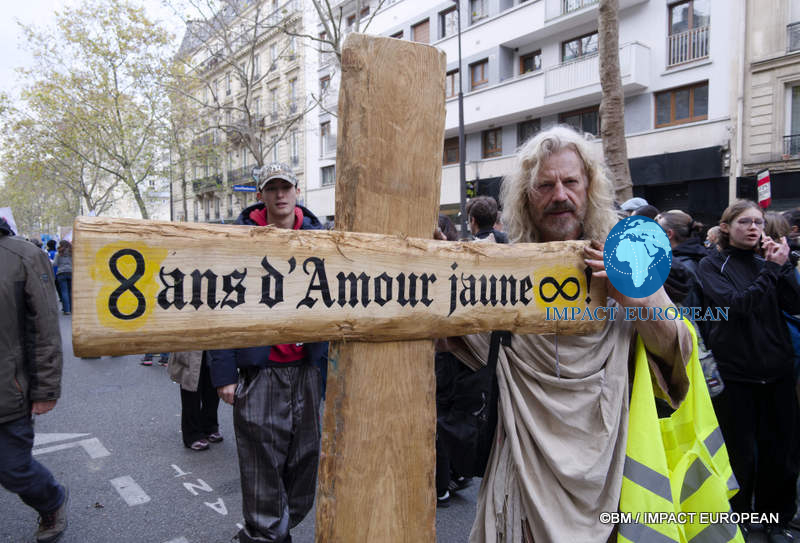
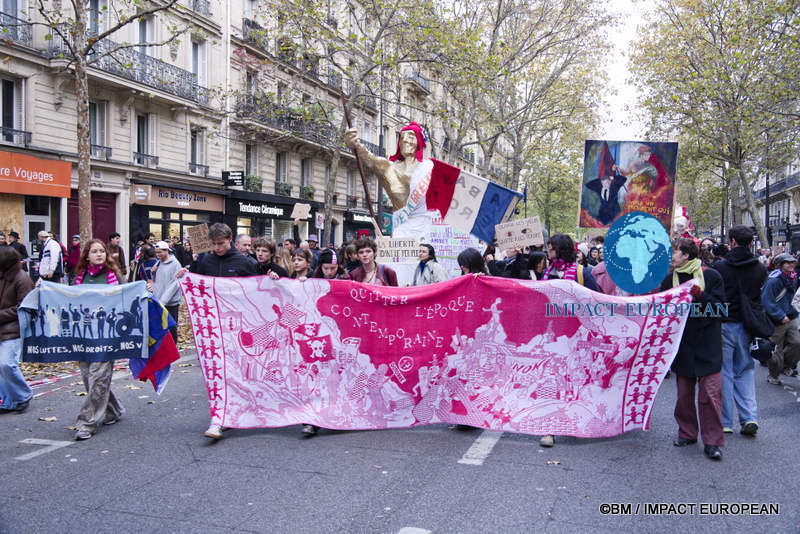
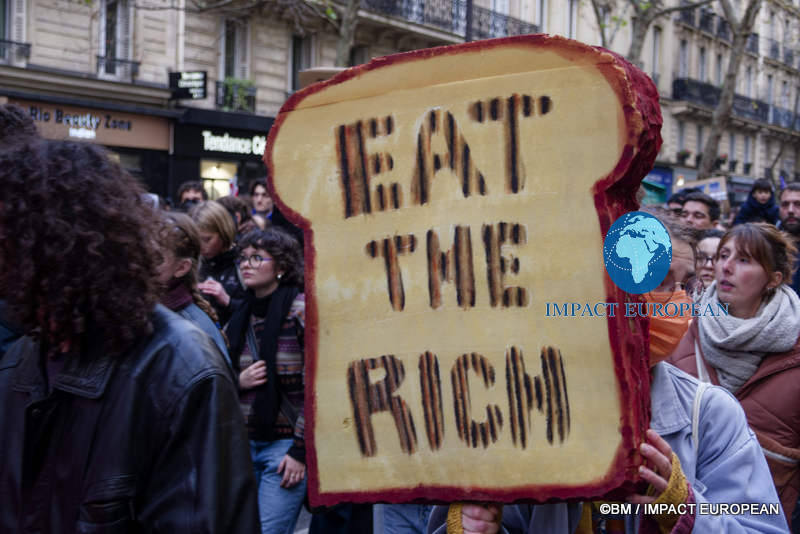
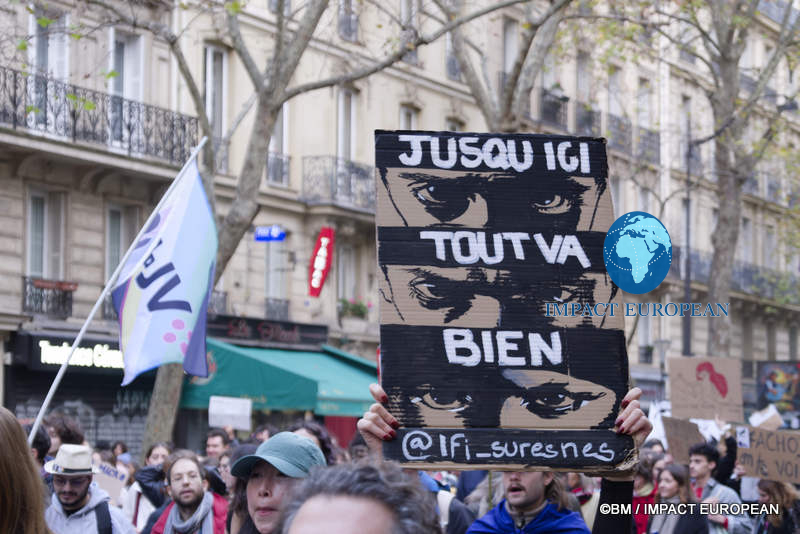
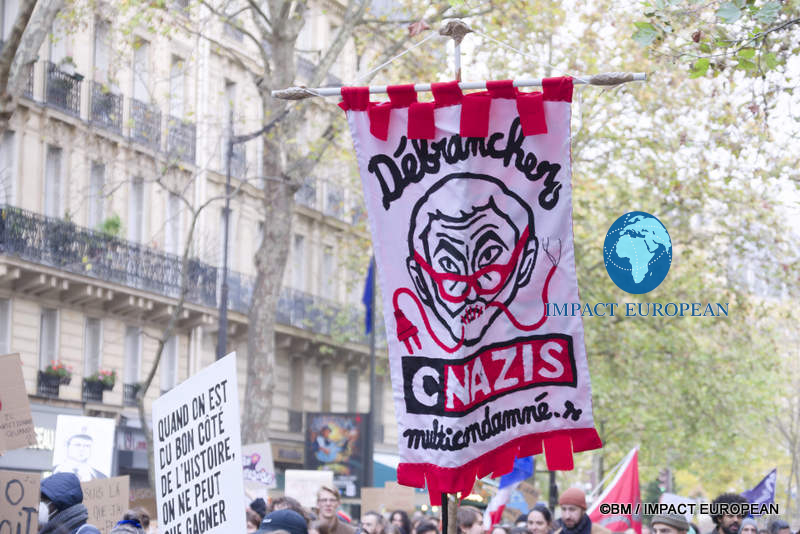
On Saturday, 21 November 2026, demonstrators gathered in France for another day of protests against rising living costs. Trade unions, youth organisations, housing campaigners and Yellow Vest activists took part in a movement that has continued for six consecutive weekends.
The demonstrations came amid coordinated calls for action from organisations in seven European countries: Belgium, the United Kingdom, Spain, Italy, Greece, Portugal and France.
France: fewer demonstrators, persistent social concerns
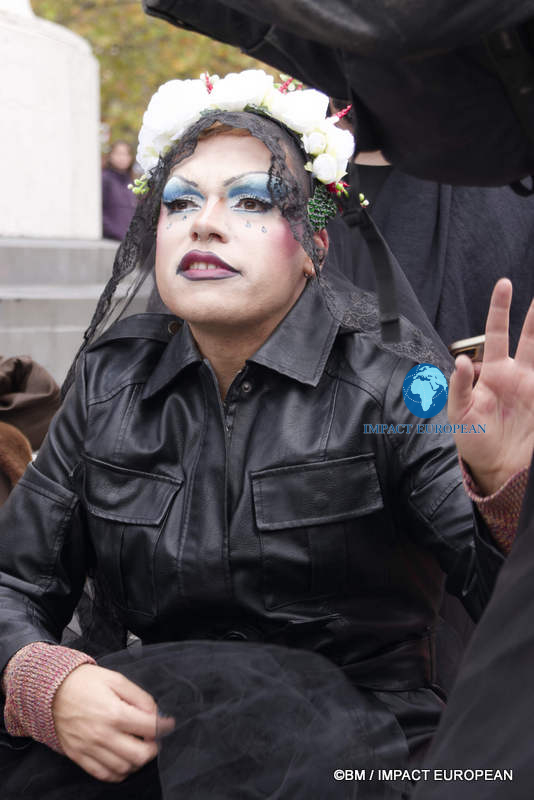
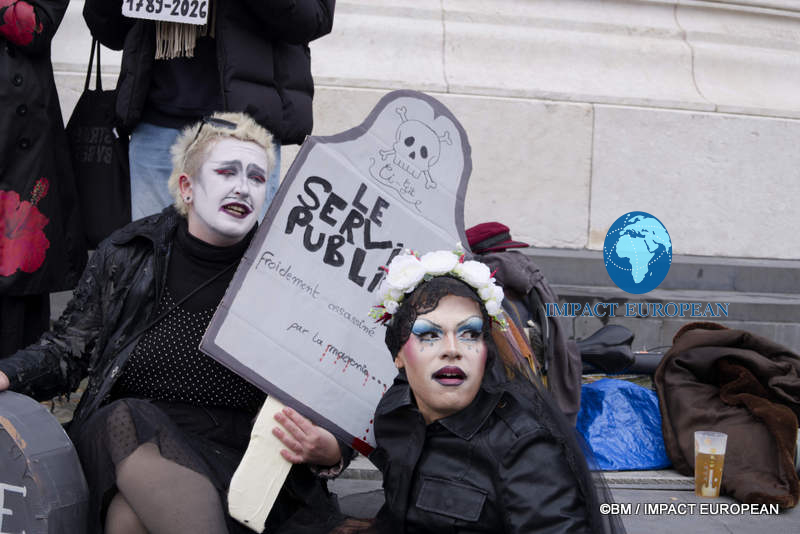
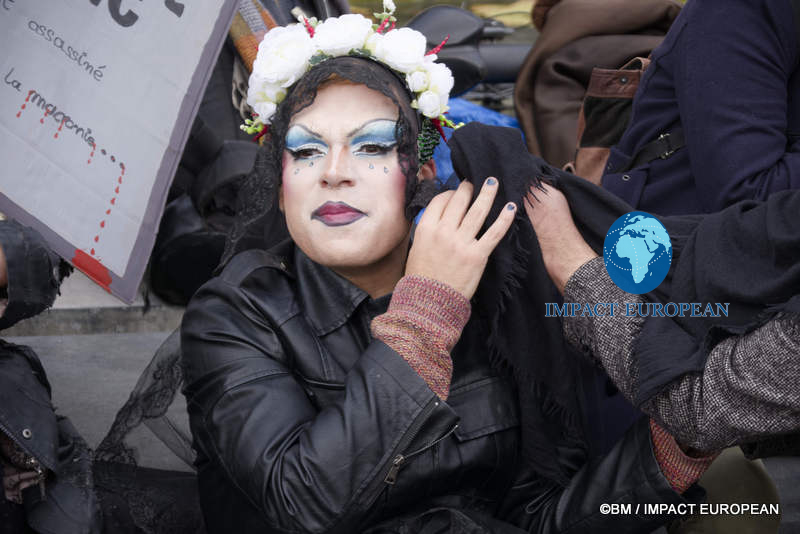
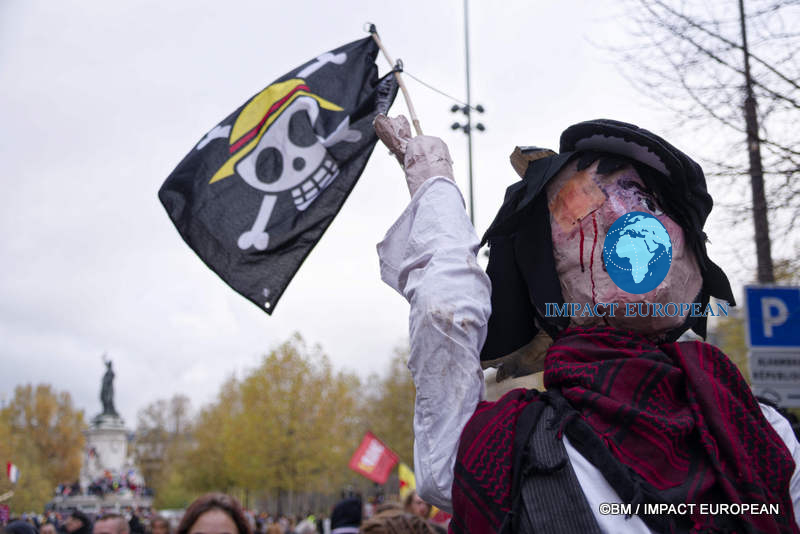
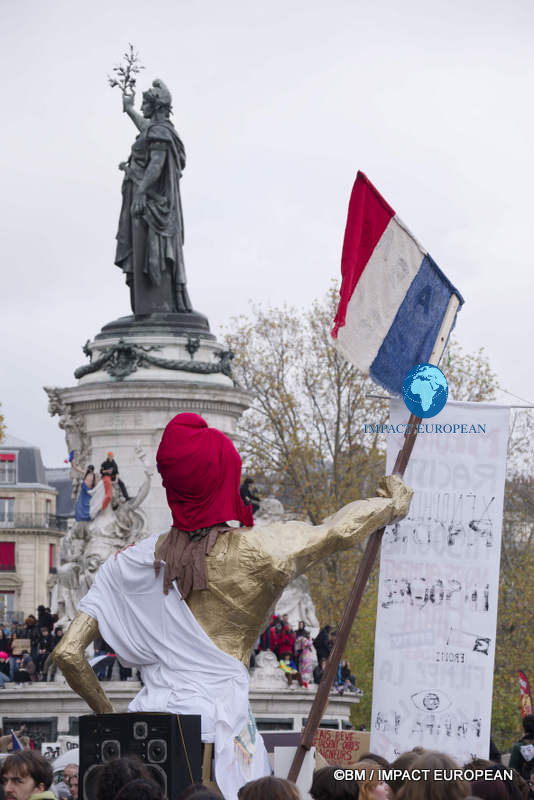
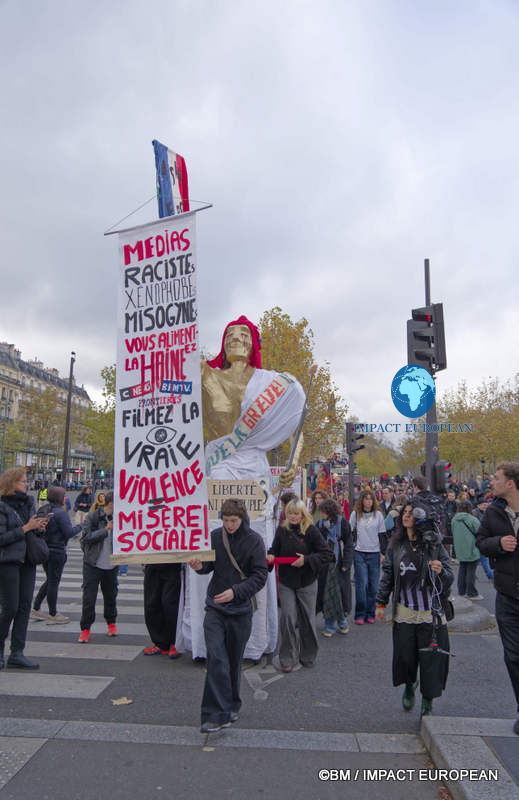
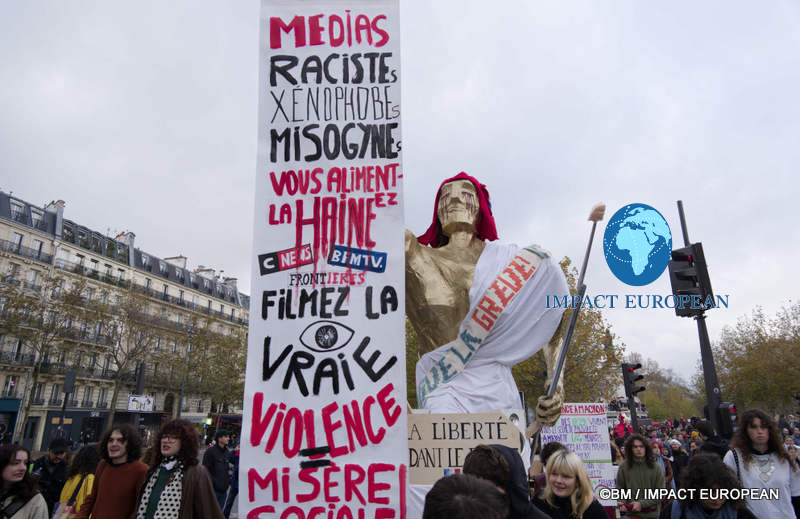
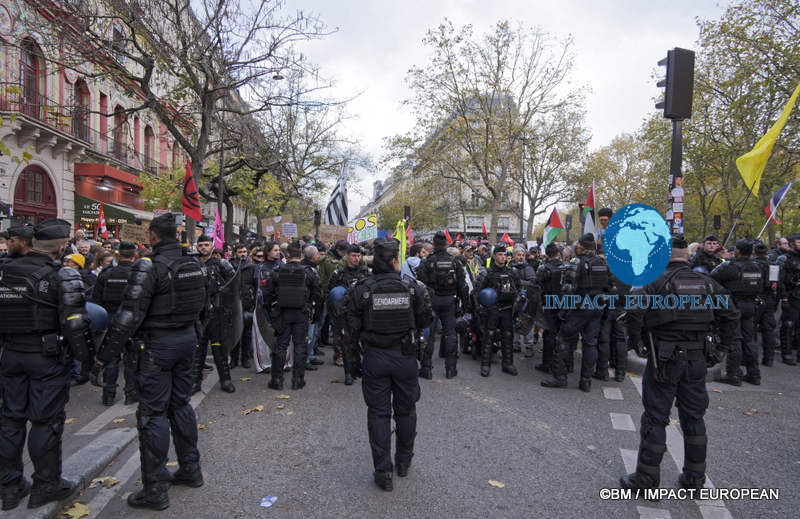
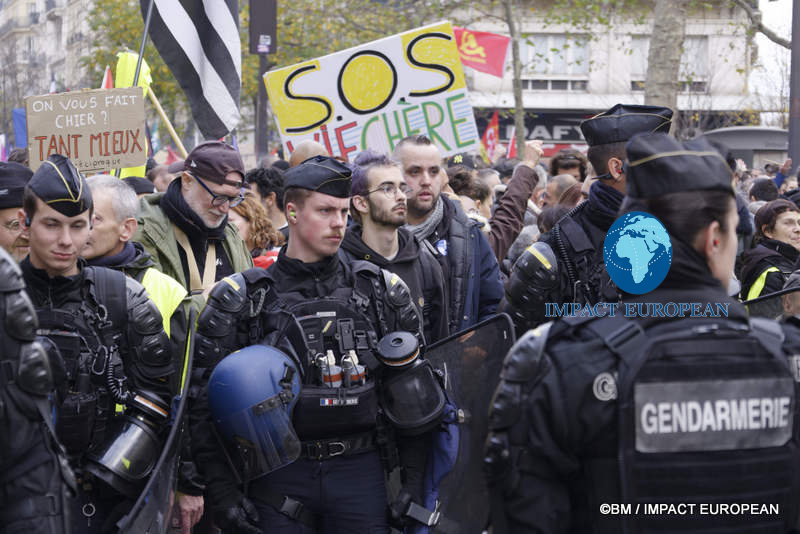
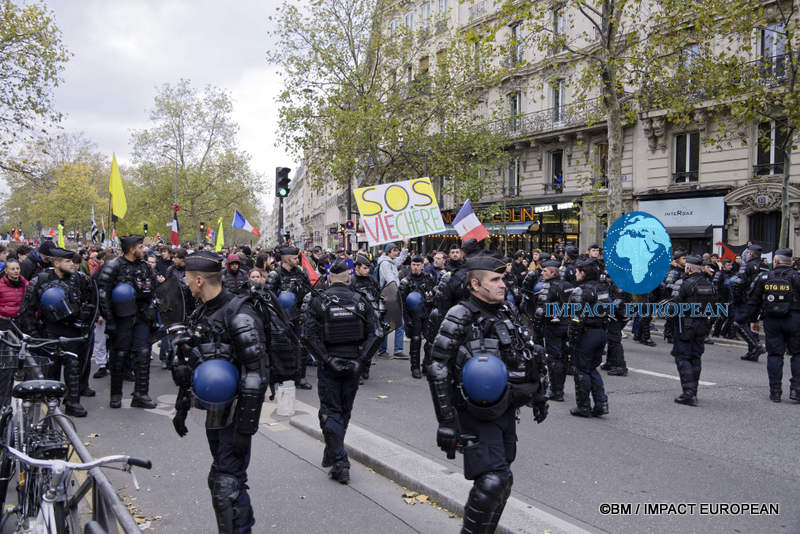
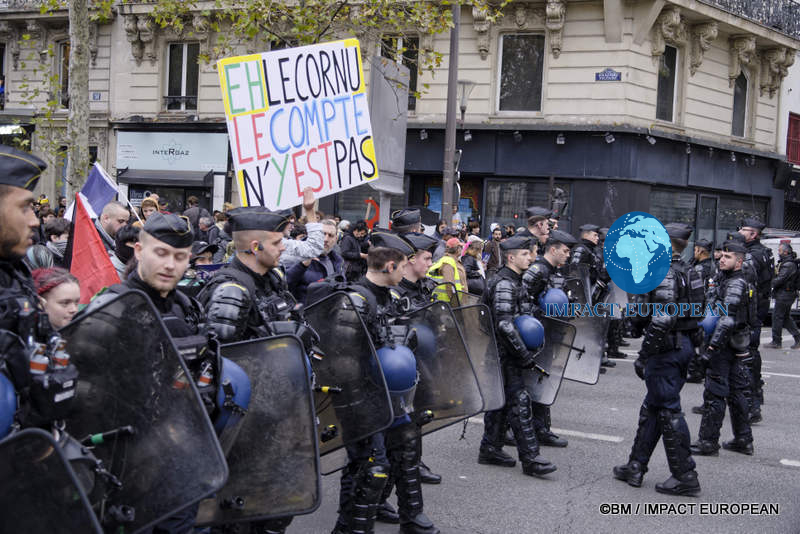
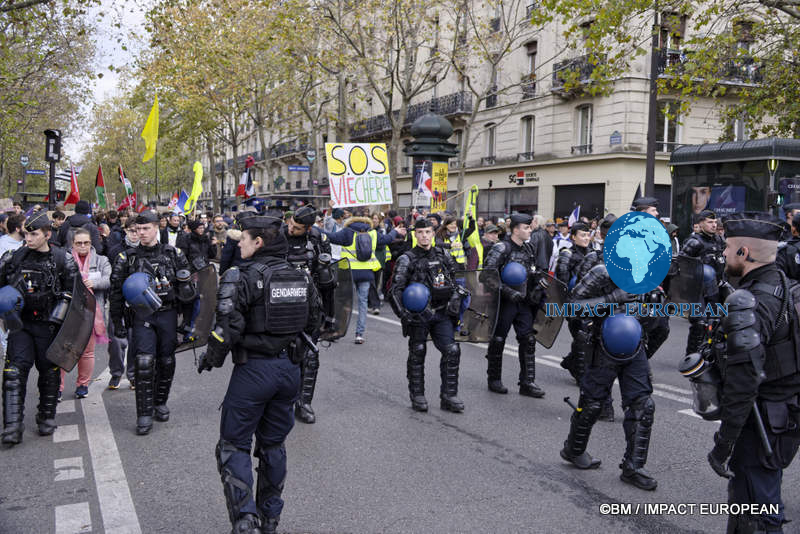
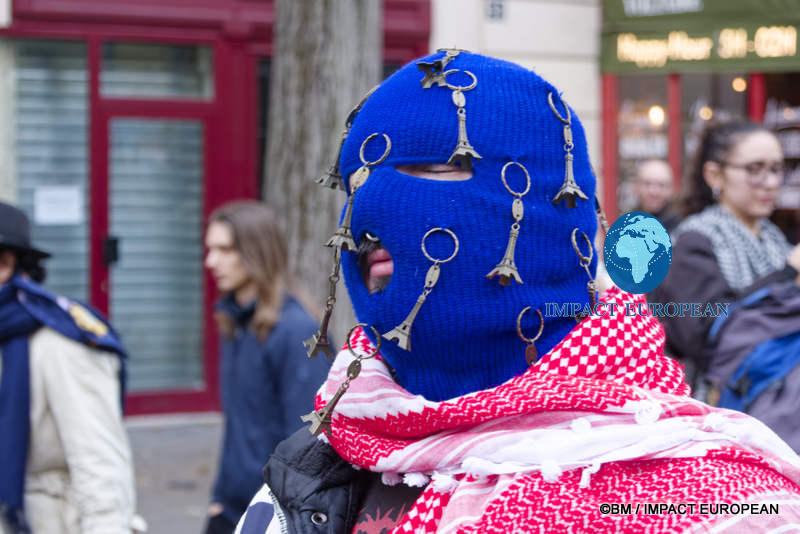
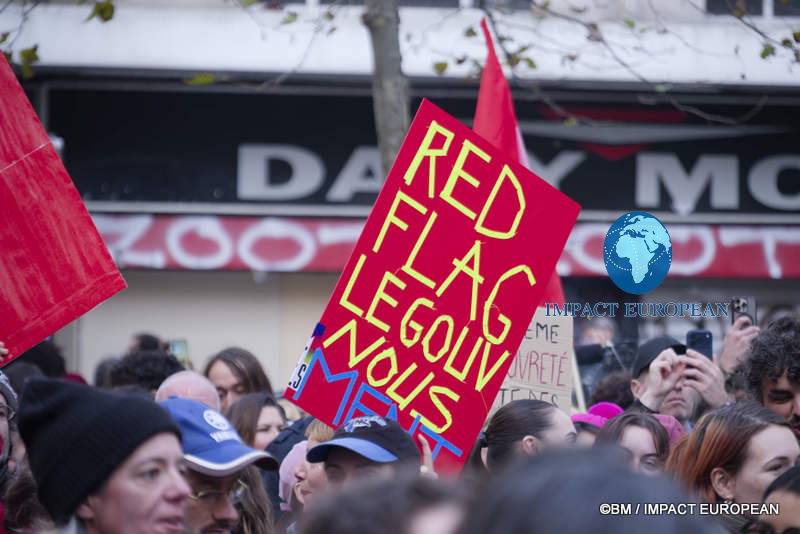
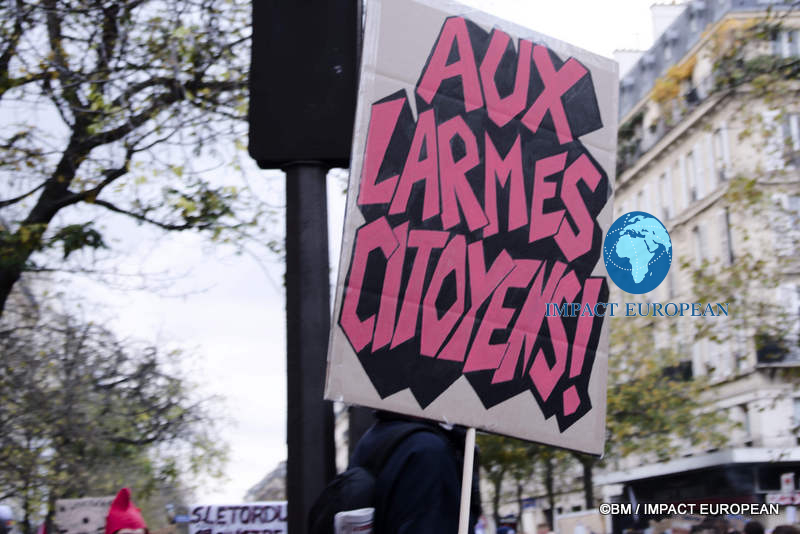
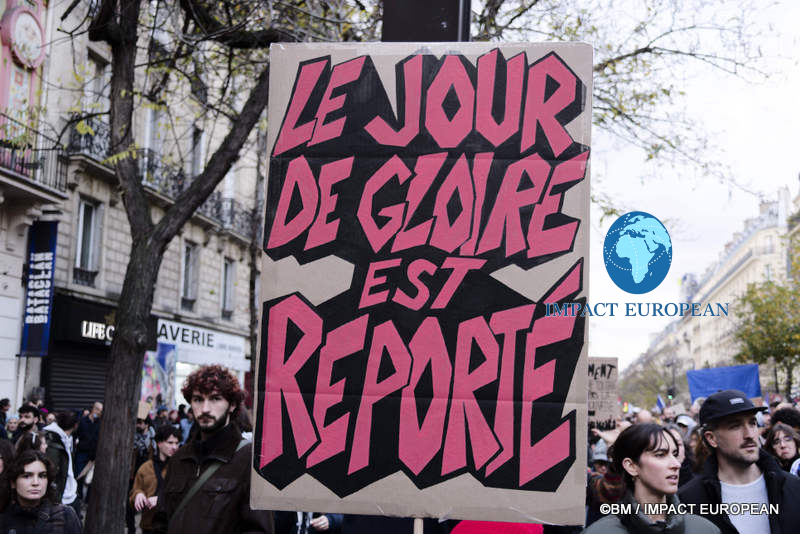
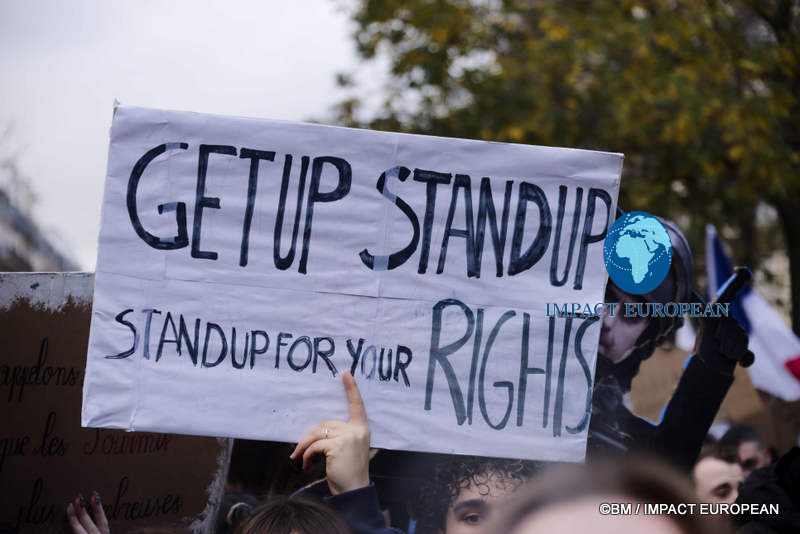
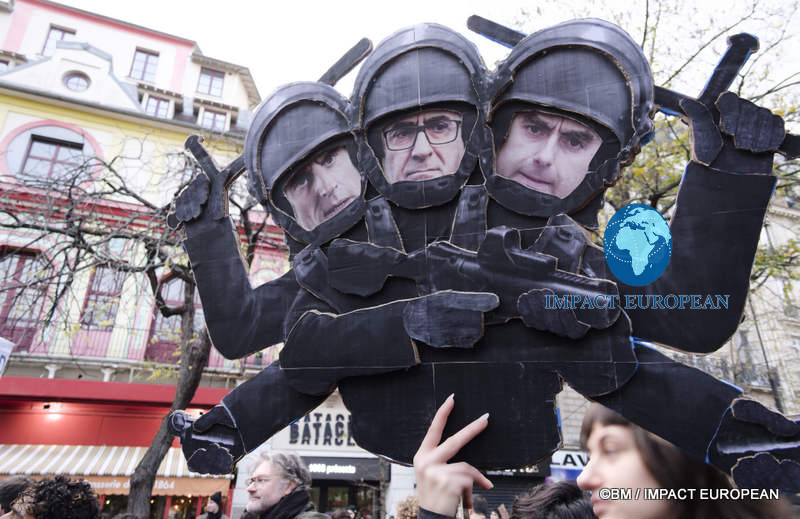
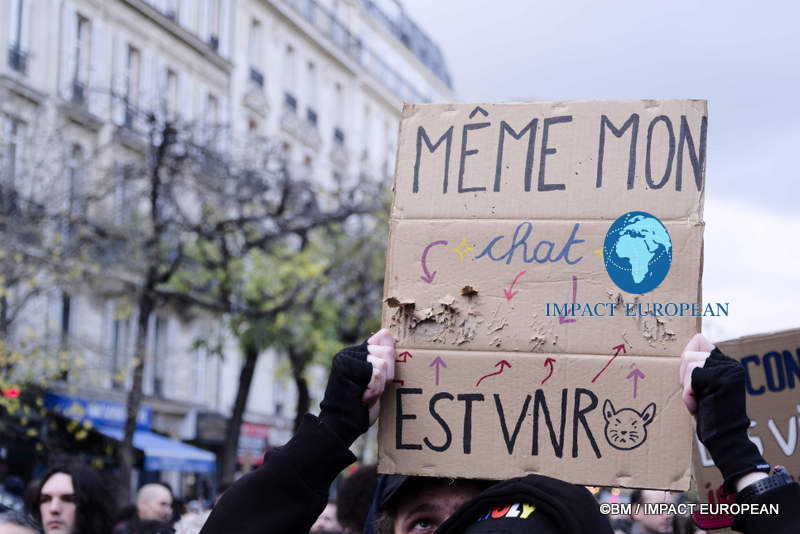
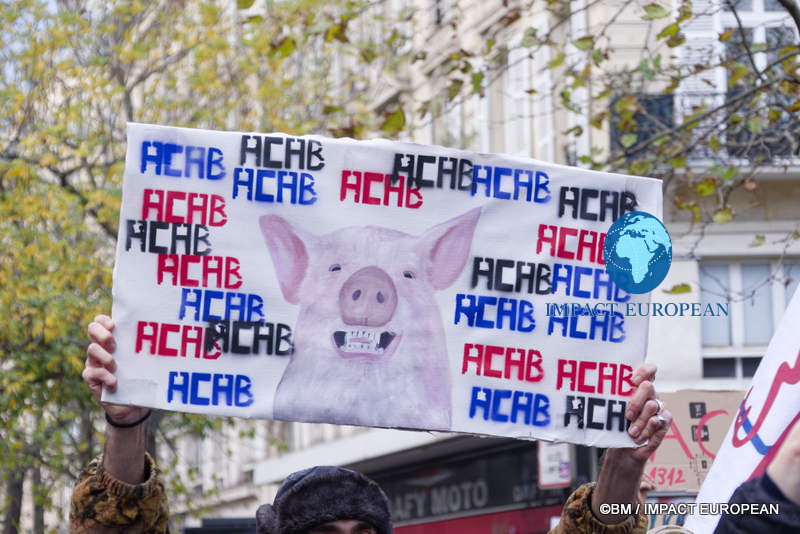
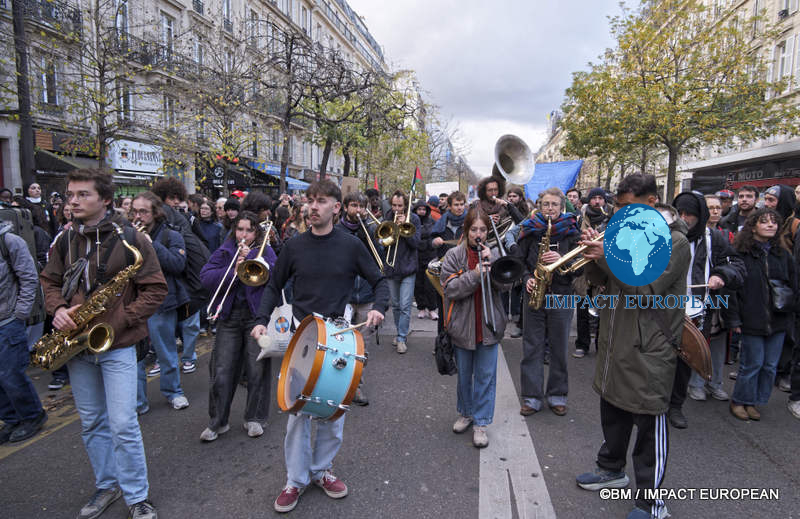
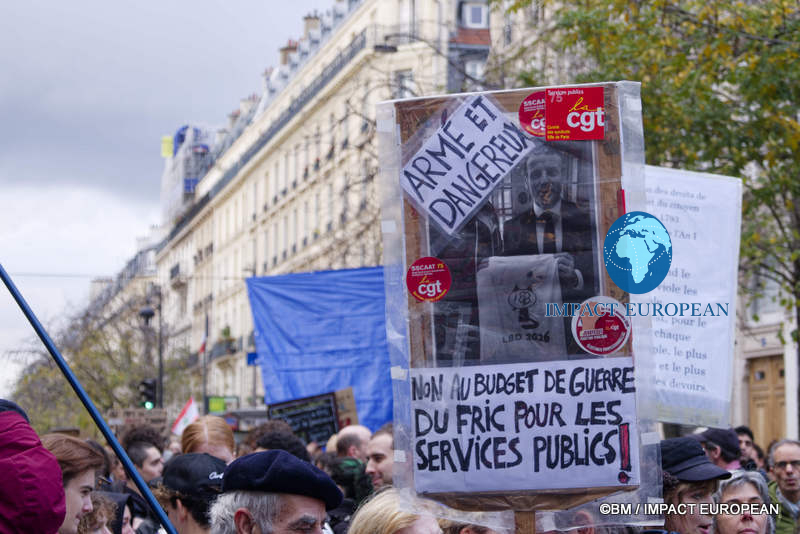
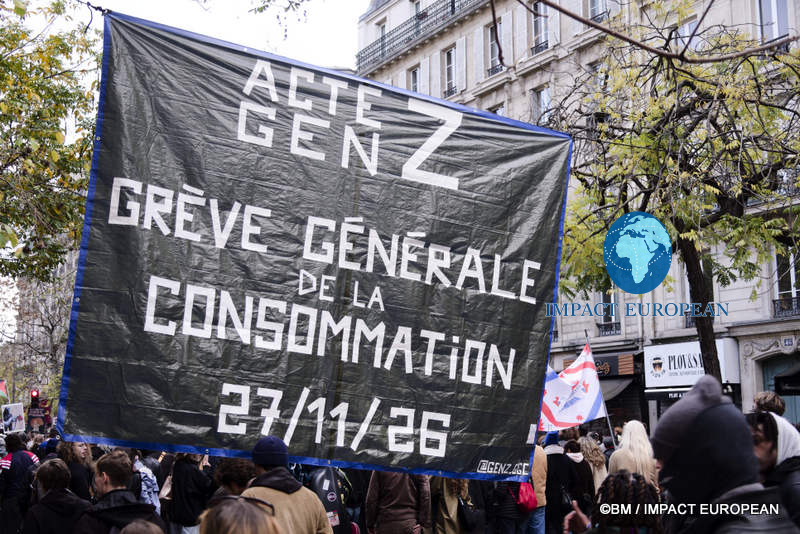
In Paris, the march followed a route between Place de la République and Place de la Nation. Participants raised concerns about wages, public services, student rights, housing costs and police violence.
According to France’s Interior Ministry, 82,500 people demonstrated nationwide, including 21,500 in Paris. Organisers gave a higher estimate of 150,000 across the country and 45,000 in the capital.
The figures show a further decline compared with the previous Saturday, when authorities counted 106,000 demonstrators nationwide.
However, lower turnout does not necessarily mean that the underlying social concerns have been resolved. The ability to sustain a protest movement over several weeks, the financial constraints facing participants and the diversity of organisations involved may all influence attendance.
The purchasing power challenge
For many households, the issue is not simply inflation as an economic indicator. It is the practical difficulty of covering everyday expenses.
Housing, food, transport and energy bills continue to shape household budgets. Wage demands and access to essential public services have therefore become closely connected to the wider debate about living standards.
Young people face additional challenges, particularly when trying to combine education, affordable accommodation and access to stable employment.
Portugal and Spain: housing and wages remain central
In Lisbon, thousands of people marched despite heavy rain. Portugal’s largest trade union federation, CGTP-IN, called for higher wages and pensions, lower prices for essential goods and more affordable housing.
The demonstration reflected frustration over the gap between household incomes and the cost of everyday life.
In Spain, demonstrations also took place, including in Barcelona, where housing affordability, public education and public services featured prominently.
Although national circumstances differ, the concerns expressed across these countries point to a shared challenge: economic activity does not automatically translate into financial security for every household.
A generation demanding a say in its future
Friday, 20 November, saw coordinated youth and worker protests in more than twenty European countries.
Participants raised concerns about the cost of living, housing, education conditions and increasing military expenditure.
These demonstrations highlight a generational dimension to the current social debate. Access to employment alone does not guarantee independence when housing remains expensive and education-related costs place pressure on young people’s resources.
The question is increasingly about the kind of future that European societies can offer to those entering working life.
Eight years after the Yellow Vest movement
The French demonstrations also coincided with the eighth anniversary of the Yellow Vest movement, which emerged in November 2018 following protests over fuel taxation.
What began as opposition to rising fuel costs developed into a wider challenge concerning social inequality, purchasing power and democratic representation.
Eight years later, some of the same concerns remain visible in the streets, although today’s mobilisation brings together a broader range of organisations and demands.
Public order and the distinction between protest and violence
The demonstrations were largely peaceful in Paris, although tensions were reported during the dispersal of the march. Elsewhere, authorities reported incidents and damage in several major cities.
The Interior Ministry reported 144 arrests nationwide by 6 p.m. It also described incidents involving unauthorised marches, damage to street furniture and confrontations with police.
These incidents must be examined individually. Violence or property damage should not be confused with the wider right to peaceful protest or automatically attributed to everyone taking part in a demonstration.
The same distinction is necessary when examining allegations of police violence and the use of public-order measures.
A European social question that remains unresolved
The November demonstrations reveal a growing convergence around living standards, housing, wages and access to public services.
They do not represent a single, centrally organised European movement. Each country has its own political, economic and social circumstances. Yet the shared concerns are difficult to overlook.
In France, participation declined on 21 November. Across Europe, however, the issues raised by demonstrators remain part of a much broader discussion about economic security, social equality and democratic representation.
The central challenge for European governments is not simply how to manage demonstrations. It is how to respond to the everyday pressures that bring people onto the streets in the first place.
©2026 IMPACT EUROPEAN – All rights reserved




Views: 4
More Stories
MIF Expo 2026: Made in France takes centre stage, with a notable visit from Teddy Riner
Paris protests on November 14: social anger, youth demands and tensions after the march
Paris Remembers: Eleven Years After the November 13 Attacks