

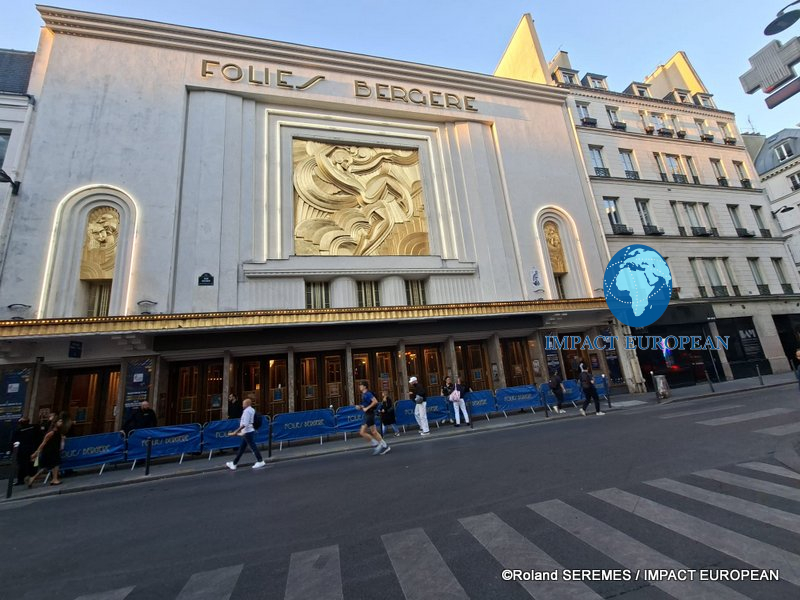
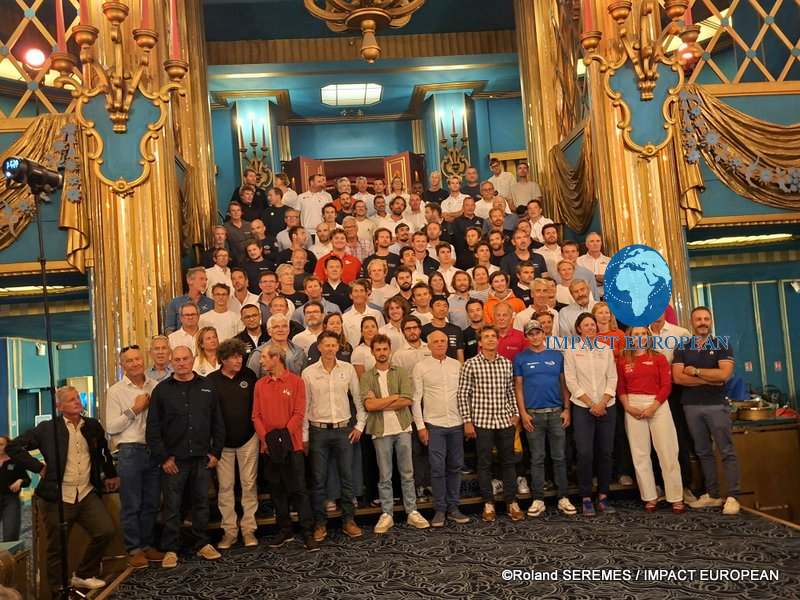
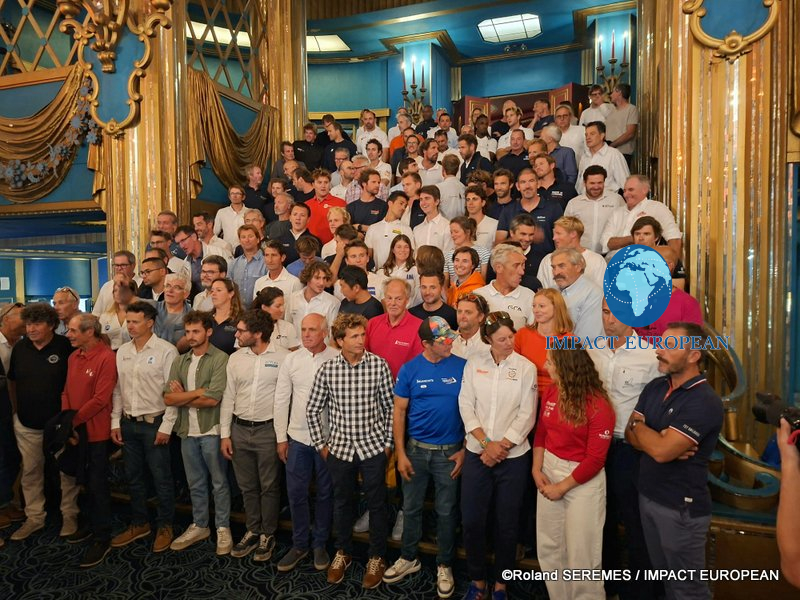
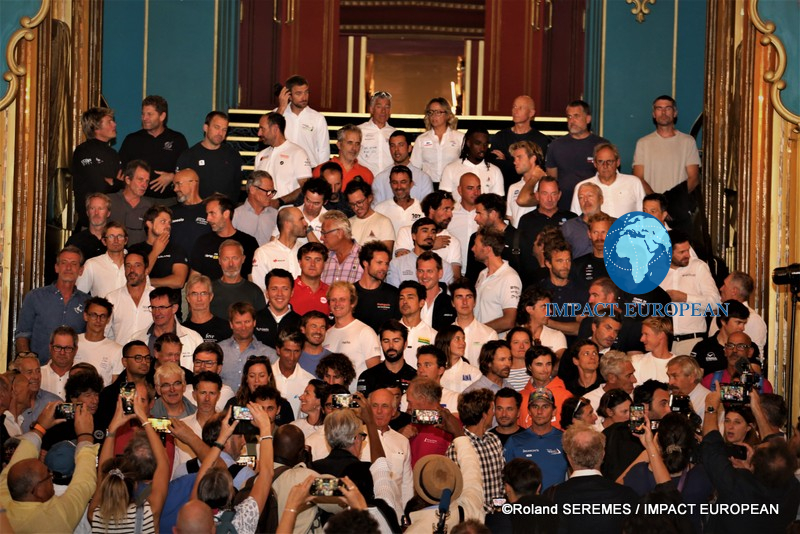
Standfirst — The 13th Route du Rhum – Destination Guadeloupe was officially presented at the Folies Bergère in Paris on September 22, bringing together 118 skippers, race organizers and representatives from both sides of the Atlantic. As the fleet prepares to leave Saint-Malo for Pointe-à-Pitre on November 1, the event is also undergoing a transformation ashore. A fully electrified departure village, investment in permanent infrastructure, cultural activities extending into local neighborhoods and accessibility measures for people with disabilities reveal the broader ambitions of an edition confronting the relationship between ocean racing and environmental responsibility.
In Paris, the Atlantic adventure takes shape
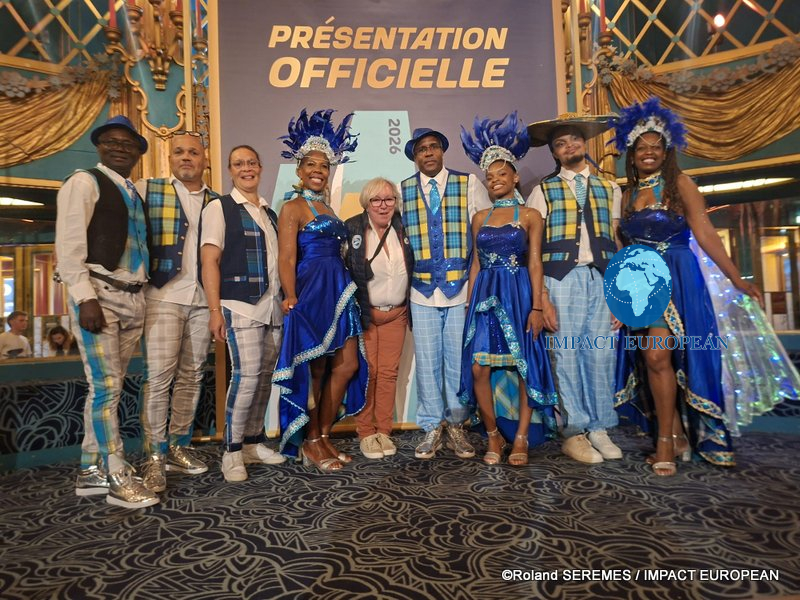
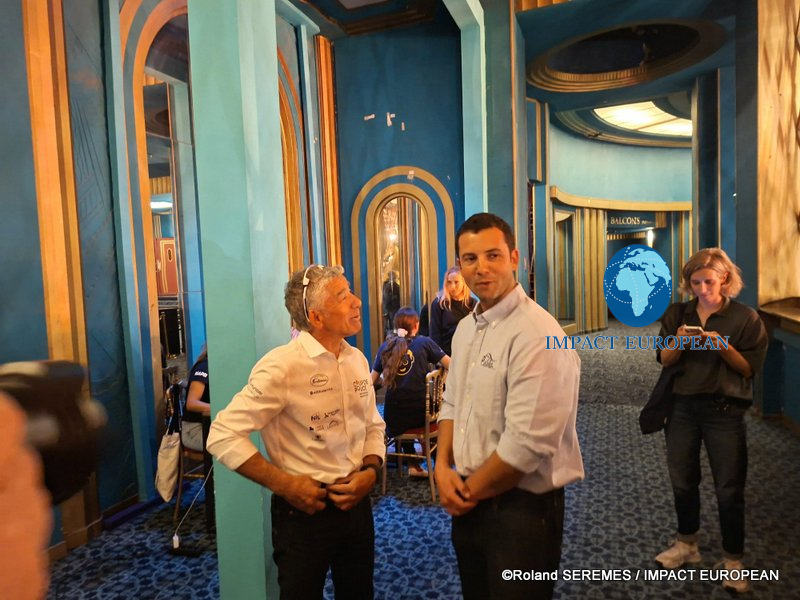
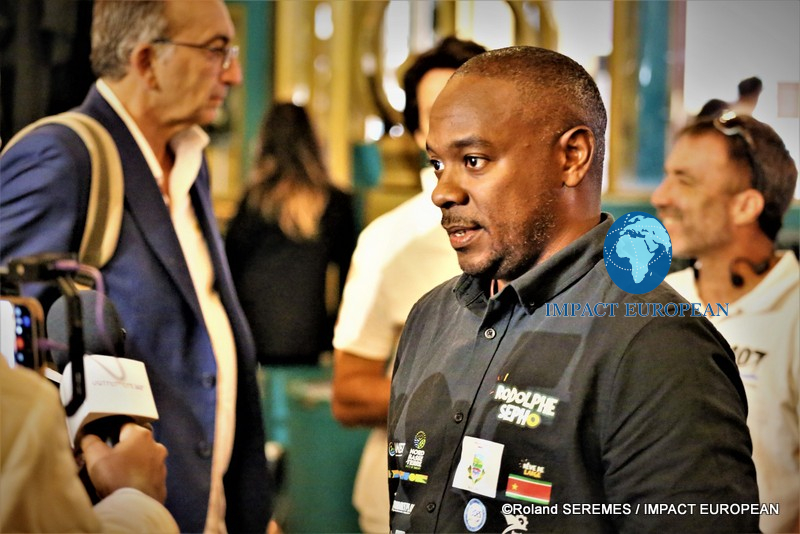
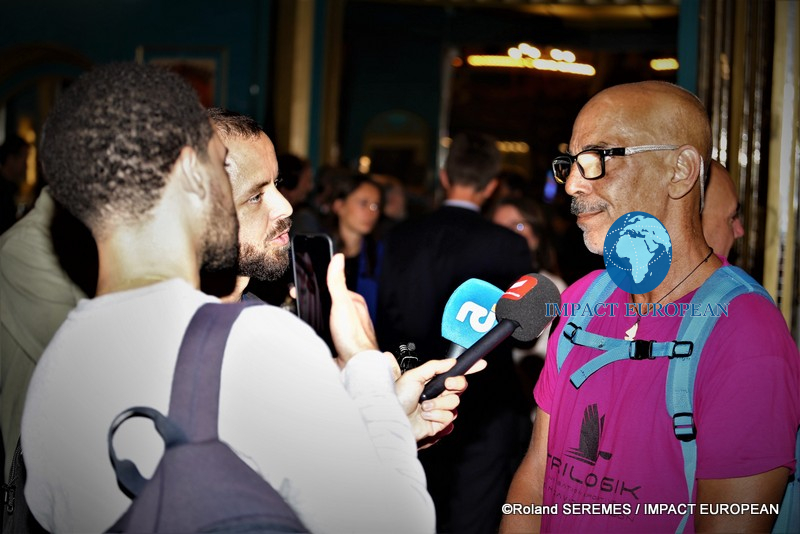
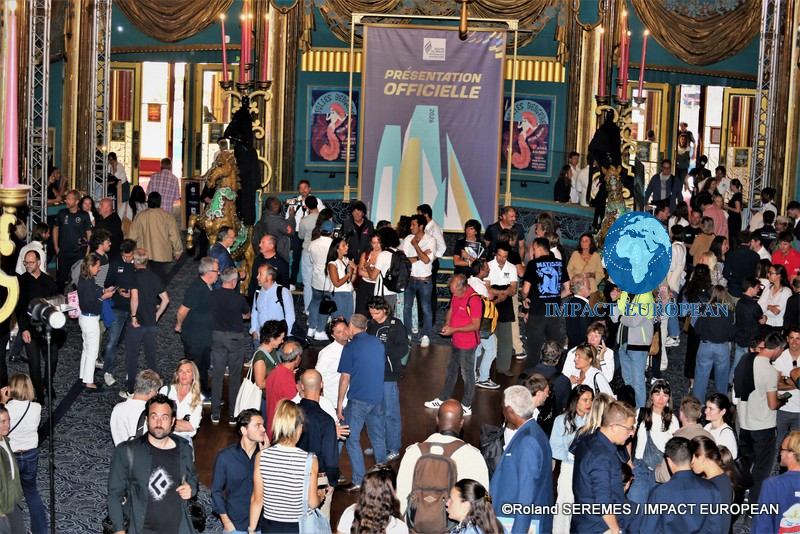
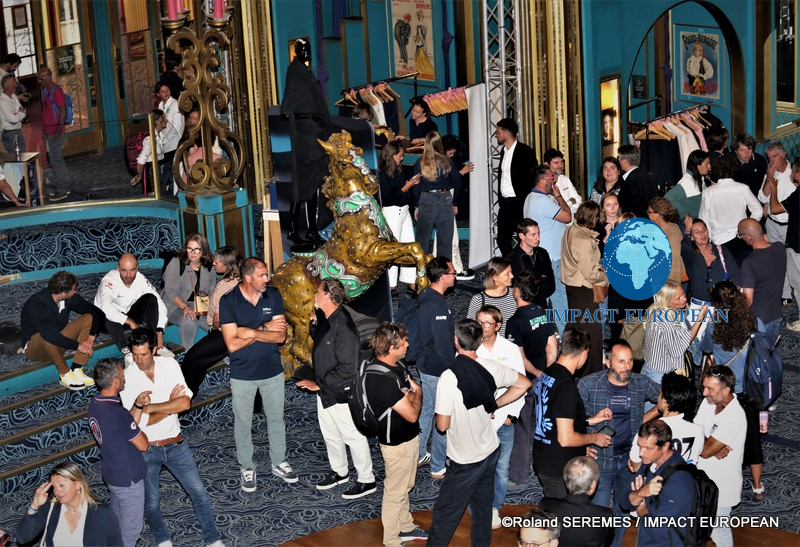
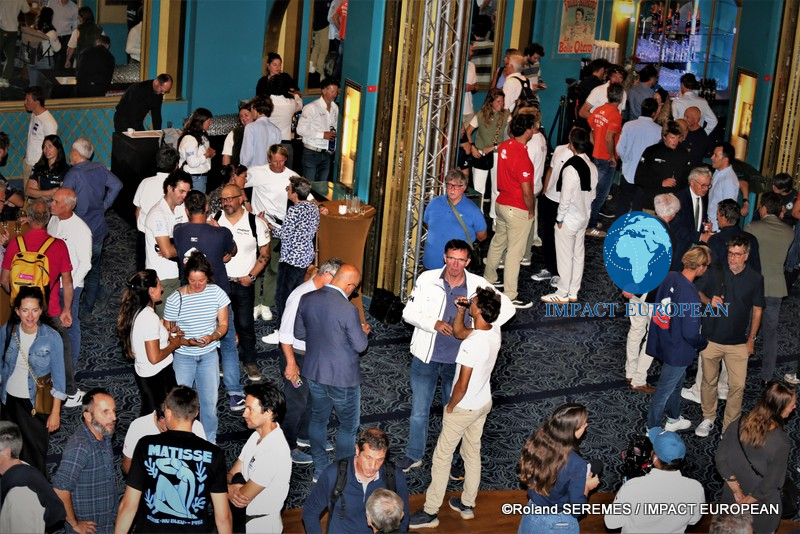
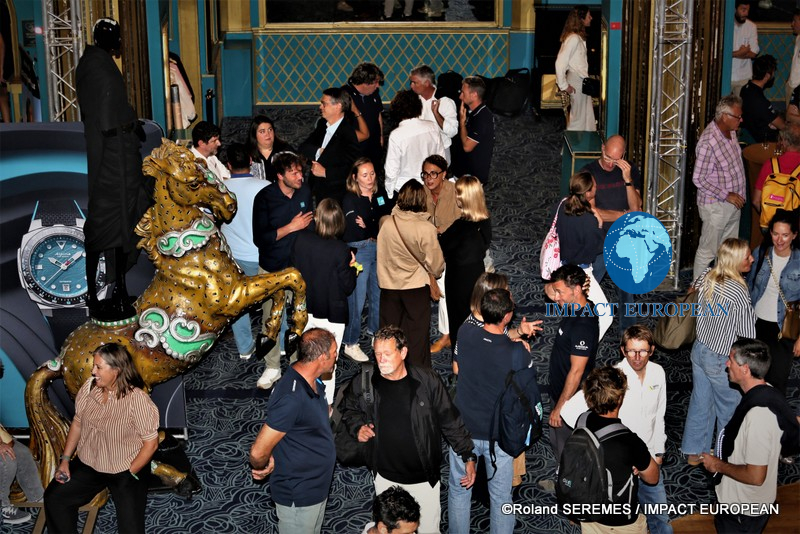
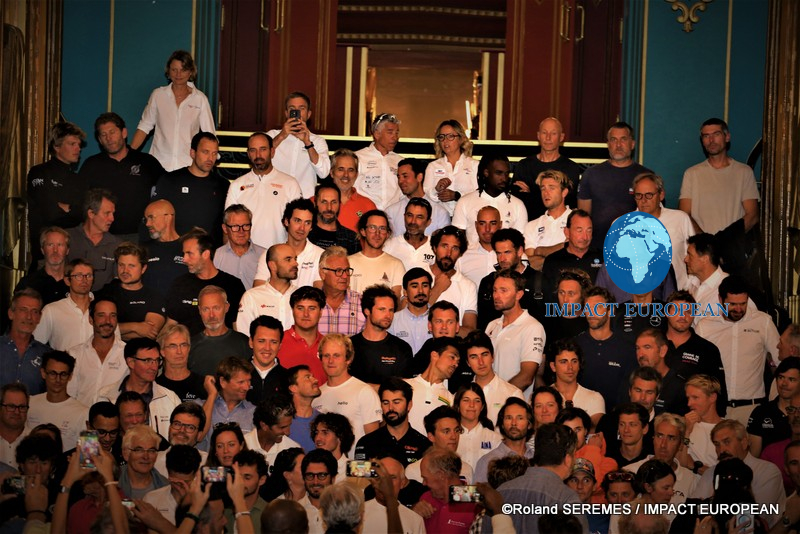
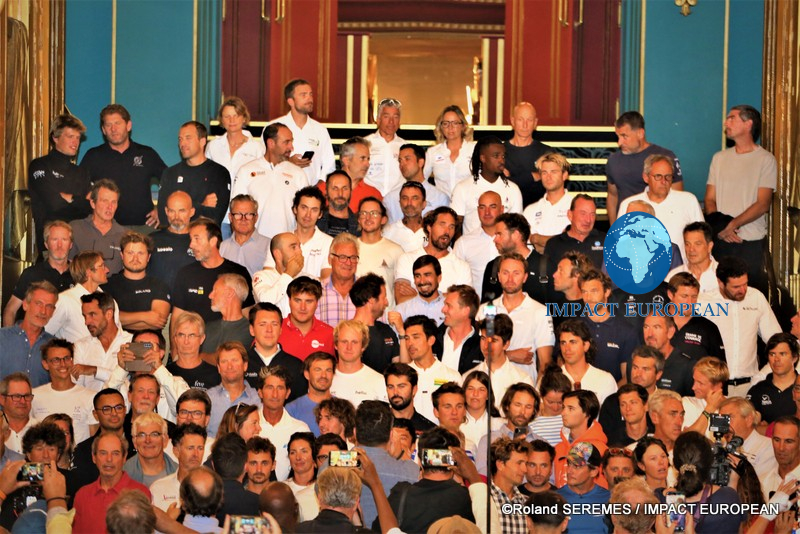
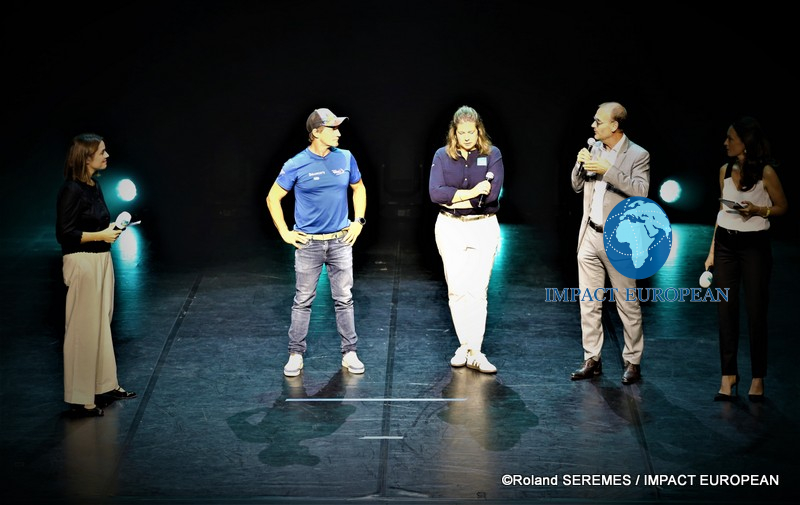
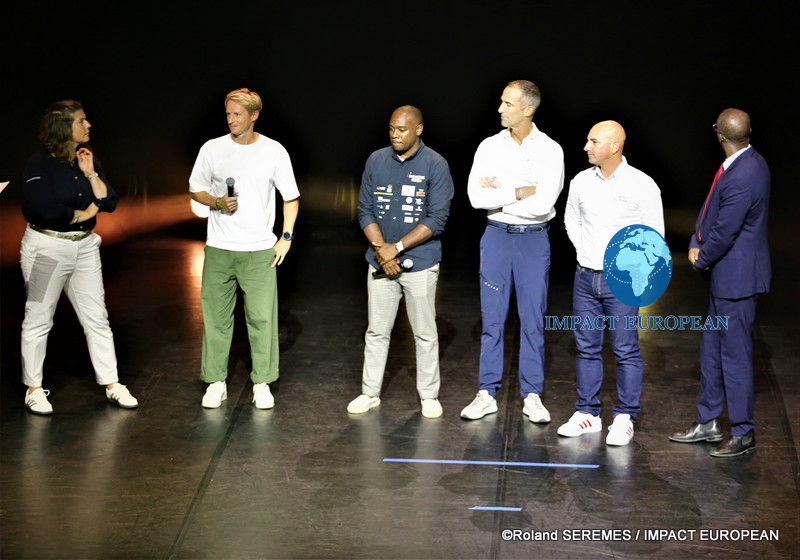
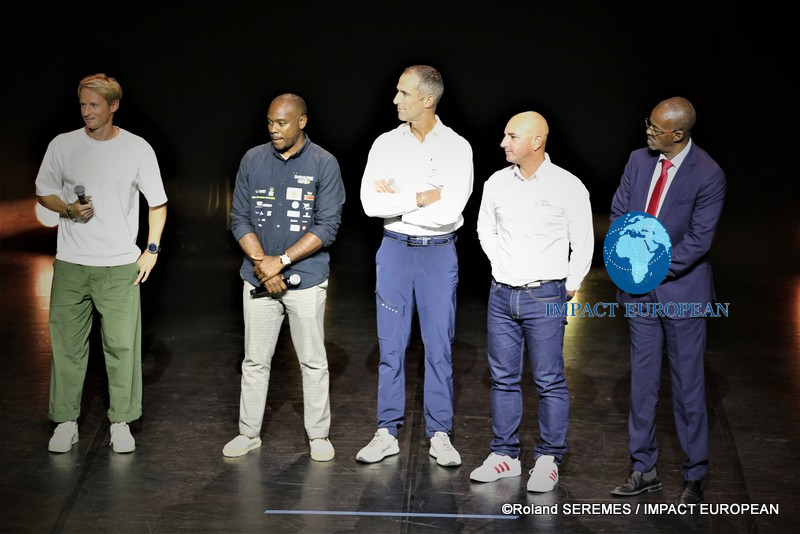
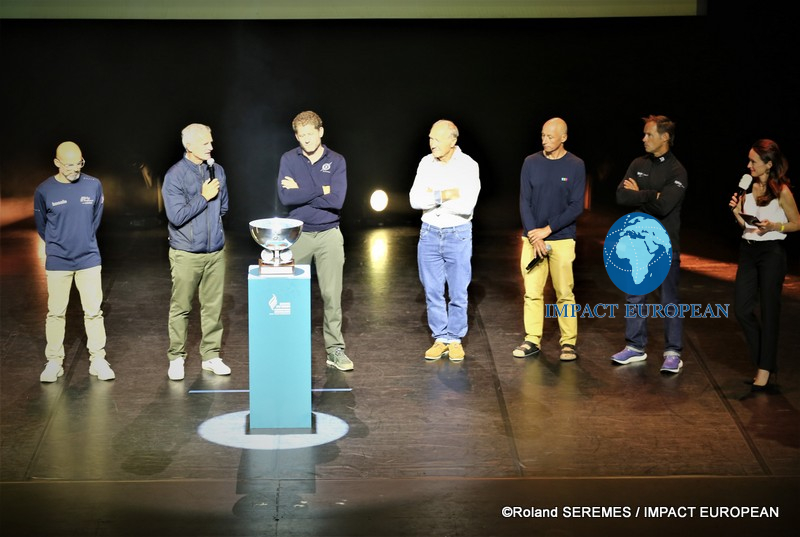
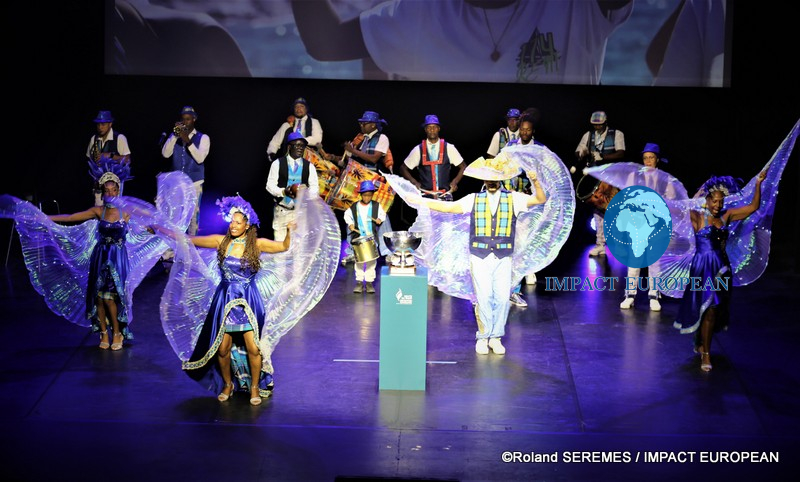
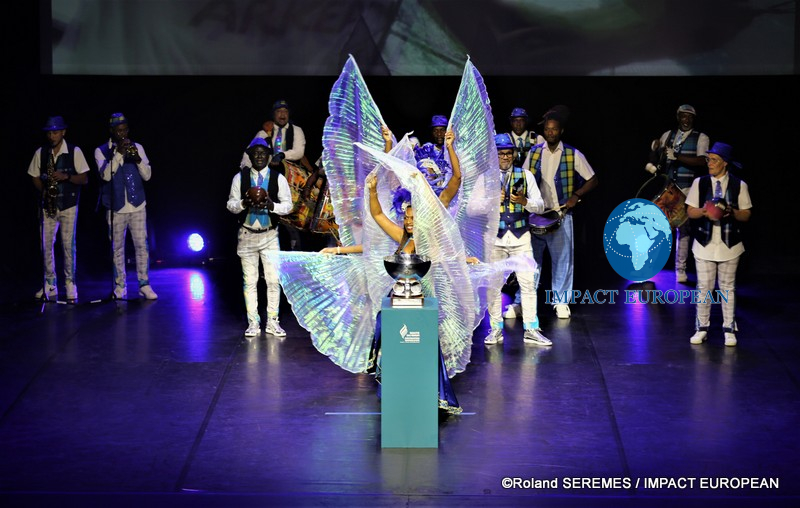
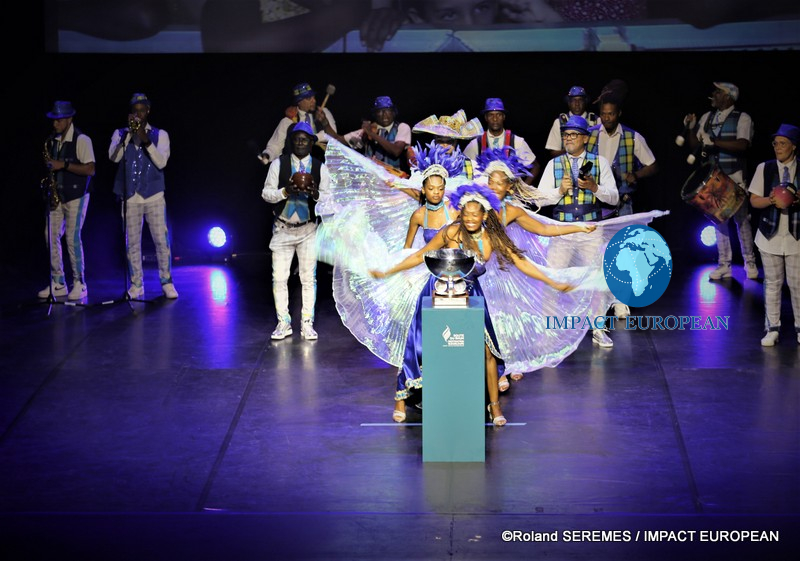
The Atlantic was still several weeks away, but the countdown had already begun at the Folies Bergère in Paris. On Tuesday, September 22, the official presentation of the 2026 Route du Rhum – Destination Guadeloupe brought the sporting and organizational ambitions of its 13th edition into focus.
The gathering united the 118 entered skippers with race organizers, partners and representatives of the departure and arrival territories. Among the officials featured in the presentation were Ary Chalus, president of the Guadeloupe Regional Council; Gilles Lurton, mayor of Saint-Malo; Loïg Chesnais-Girard, president of the Brittany Regional Council; Édouard Coudurier, president of Groupe Télégramme; and Hervé Favre, president of OC Sport Pen Duick.
Their shared destination was already established: on November 1, the fleet is scheduled to leave Saint-Malo and cross the Atlantic alone, heading for Pointe-à-Pitre in Guadeloupe.
Yet the Paris presentation revealed that this edition will begin long before the starting signal. On October 20, Saint-Malo is scheduled to open a 70,000-square-meter departure village for 13 days of sporting encounters, exhibitions, entertainment and cultural activities.
The organizers also unveiled an environmental measure with implications beyond the race itself. For the first time, the entire departure village is to be supplied through the public electricity grid, eliminating the need for fossil-fuel generators to power its installations.
The announcement raises a question that runs through this edition: how can an international maritime event preserve the excitement that draws enormous crowds while changing the way it uses energy, occupies urban space and welcomes visitors?
The answer will emerge not only from the race across the ocean, but also from what happens in Saint-Malo and Guadeloupe.
One ocean, six fleets and 118 personal journeys
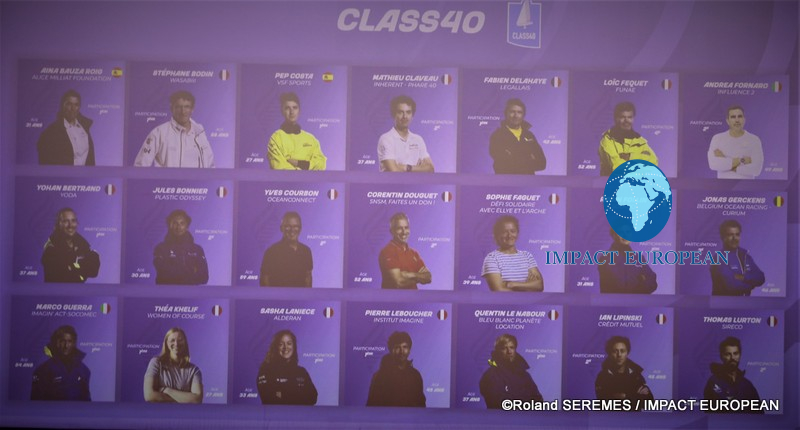
The sporting diversity of the Route du Rhum remains central to its identity. Its 118 skippers are entered across six classes: Ultim, Ocean Fifty, IMOCA, Class40, Vintage Multi and Vintage Mono.
Each class represents a different relationship with speed, technology and offshore navigation. Together, they create a fleet in which advanced foiling designs share the same event with boats that preserve the history of ocean racing.
In the Ultim class, Armel Le Cléac’h will compete aboard Maxi Banque Populaire XI, alongside sailors including Tom Laperche on SVR Lazartigue, Charles Caudrelier on Maxi Edmond de Rothschild and Guirec Soudée.
The IMOCA fleet brings together established competitors and recently launched boats. Jérémie Beyou’s Charal, Sam Goodchild’s Macif and Francesca Clapcich’s 11th Hour Racing will be joined by entries including Sébastien Simon’s Groupe Dubreuil, Boris Herrmann’s Malizia 4 and Élodie Bonafous’s Association Petits Princes – Quéguiner.
The Ocean Fifty field also illustrates the encounter between experience and a younger generation. Erwan Le Roux and Thibault Vauchel-Camus will compete in a class that includes Basile Bourgnon, Pierre Quiroga and Baptiste Hulin.
In Class40, Guillaume Pirouelle, Corentin Douguet, Alexis Loison and Alexis Thomas are among the entered sailors. The size and depth of this fleet add another dimension to a race in which each category will have its own contest.
But the Paris presentation offered more than an overview of boats and competitors. It revealed how deeply the Route du Rhum is embedded in the lives of the people who sail it.
For Armel Le Cléac’h, the race began as a childhood fascination. He recalled visiting the pontoons with his parents and following the competition on the radio, long before he had the opportunity to take part himself.
Today, that early ambition has become a demanding professional undertaking. His preparations involve years of work with the Banque Populaire team, with every technical and operational detail contributing to the final weeks before departure.
Basile Bourgnon described a similarly personal connection. The Route du Rhum is part of his family history, making his participation aboard Edenred more than another sporting commitment. At the same time, the competitive depth of the Ocean Fifty class means that preparation alone cannot determine what will happen at sea.
For Élodie Bonafous, the journey has been shaped by the rapid development of her IMOCA project since the boat was launched in February 2025. Her first solo Route du Rhum in this class will test the experience and confidence she has gained on board.
These stories expose the human reality behind offshore racing. Although the skippers will sail alone, their preparation is the result of collective effort involving designers, engineers, technicians and shore teams.
Once at sea, however, responsibility will return to the individual navigator.
Weather decisions, fatigue, equipment management and the choice of route will all influence a crossing in which there is no crew to share the workload.
The Vintage classes add another layer to this demanding sporting landscape.
Francis Joyon will return aboard OCEANS in Vintage Multi, a category that revives the powerful former ORMA trimarans. Damien Seguin will also compete in the class aboard Arkéa – Handicap International.
Vintage Mono will feature sailors including Jean Le Cam, Sidney Gavignet, Tanguy Caradec and Titouan Pillard.
For Caradec, the voyage carries a particularly emotional significance. His father, Loïc Caradec, disappeared during the 1986 Route du Rhum. After 18 months of preparation, Tanguy is now approaching his own first Atlantic crossing, an undertaking that will also serve as a tribute to his father.
The coexistence of such different generations and personal histories makes the Route du Rhum more than a display of modern racing technology. It is also a meeting place for maritime memory, individual ambition and the continuing evolution of offshore sailing.
Disability inclusion, from the racing fleet to the waterfront
Damien Seguin’s participation provides an important connection between the sporting field and another commitment announced for the 2026 edition: improving access for people with disabilities.
Seguin, a sailor with a disability, will compete in Vintage Multi aboard Arkéa – Handicap International. His place in the fleet illustrates the participation of disabled athletes in elite offshore competition, where preparation, technical knowledge and independent decision-making are essential.
On land, the organizers have announced measures designed to make the Saint-Malo departure village more accessible to visitors with different needs.
Two dedicated parking areas for people with reduced mobility are planned at Place de la Distillerie and Place de Rocabey. Routes through the village have also been designed to facilitate movement for visitors with mobility difficulties.
Accessibility extends beyond physical circulation. Every day, from 12:30 p.m. to 1:30 p.m., a quiet hour will reduce the village’s sound environment. A respite area near the main stage will provide a calmer space for visitors who need one.
On October 22, an inclusion-themed day organized in partnership with Café Joyeux will feature discussions and activities intended to raise public awareness.
These arrangements address different aspects of participation in a major public event. A visitor may be able to enter a venue but still encounter barriers caused by crowds, noise, unsuitable routes or limited access to activities.
The planned measures recognize that an accessible event requires attention to the experience of its visitors throughout the day.
The relationship between Seguin’s sporting participation and the village’s accessibility program is particularly relevant. One concerns the opportunity to compete at the highest level; the other concerns the ability of people with disabilities to experience the race, meet its sailors and take part in the celebrations.
Together, they place disability inclusion within the wider identity of the event rather than treating it as an isolated addition to the program.
A temporary village with a permanent energy legacy
The scale of the Saint-Malo departure village creates substantial operational demands.
Covering approximately 70,000 square meters, including nearly 10,000 square meters of temporary structures, the site is scheduled to host 150 exhibitors over 13 days. The race organizers have announced that its installations will be powered entirely by the public electricity network.
Making that possible has required investment by the City of Saint-Malo in the creation and reinforcement of three transformer substations. Available electrical capacity in the village area is set to increase from 2,500 to 4,000 kVA.
The distinction between temporary event infrastructure and permanent urban investment is central to this project.
The departure village will eventually be dismantled, but the reinforced electricity network is intended to remain available to the city. The race has therefore accelerated infrastructure improvements that may continue to serve local needs after the boats and visitors have departed.
Gilles Lurton presented the initiative as a demonstration of what a modernized urban electricity network can make possible.
Stéphane Bourrut Lacouture, OC Sport Pen Duick’s corporate social responsibility manager, linked the project to the organizer’s environmental strategy and its Sustainable Pact.
That program includes measures addressing lower-impact transport, water and energy consumption, waste reduction and recovery, circular-economy practices and environmental education.
Suzuki Automobile is also scheduled to provide 12 fully electric e VITARA vehicles for the organizing teams throughout the village’s operation.
These measures represent identifiable changes in the event’s organization. Nevertheless, powering the village without fossil-fuel generators is not equivalent to eliminating the environmental footprint of the entire Route du Rhum.
Visitor transport, freight, temporary construction, resource consumption and activities associated with the race remain relevant to any comprehensive environmental assessment.
The difference matters because environmental commitments become more meaningful when their scope is clearly defined and their results can be measured.
The 2026 edition will therefore offer an opportunity to examine both the immediate effects of electrification and the longer-term value of the infrastructure left behind in Saint-Malo.
Guadeloupe and the environmental responsibility of an Atlantic race
At the other end of the course, Guadeloupe gives the environmental commitments presented in Paris a different significance.
The Caribbean archipelago is both the destination of the race and a territory whose natural heritage is particularly vulnerable to the effects of climate change.
Ary Chalus emphasized this vulnerability in the presentation material, connecting the electrification of the Saint-Malo departure village with the need to protect the territories linked by the event.
The environmental responsibilities of a transatlantic race cannot be considered solely from the perspective of its departure port. The event also draws its identity, cultural significance and international appeal from its Caribbean destination.
Marie-Line Bassette, regional director of EDF Archipel Guadeloupe, highlighted the opportunity for the race to showcase the archipelago while contributing to its energy transition.
These statements place the environmental program within a relationship between two Atlantic territories with different infrastructure needs and climate-related challenges.
For Saint-Malo, the immediate questions include electricity supply, visitor mobility and the management of a large temporary event.
For Guadeloupe, the race’s environmental ambitions must also be considered alongside the protection of natural environments and the particular exposure of an island territory to climate change.
The measures announced in Paris do not resolve every aspect of that relationship. They do, however, establish commitments against which the event’s organization and subsequent results can be examined.
Protecting the places that make the Route du Rhum possible is becoming part of the discussion about its future.
Bringing the race into the city
The 2026 edition will also change the geographical reach of the celebrations in Saint-Malo.
The first Off du Rhum, developed by the city, Saint-Malo Agglomération and the Brittany Region in cooperation with the race organizers, is intended to bring concerts, encounters and cultural activities into local neighborhoods and surrounding municipalities.
Instead of concentrating every public activity around the pontoons, the program will extend the event into places where residents live and work.
This approach offers opportunities for broader participation, but it also makes the organization of transport and visitor movement particularly important.
The village itself will feature revised circulation arrangements, with existing waterfront spaces retained and additional exits designed to improve movement between the event site and Saint-Malo’s historic center.
The passage of the boats through the locks will also receive an expanded spectator arrangement, with capacity for up to 2,000 people.
These changes connect the event’s cultural ambitions with its environmental and accessibility commitments.
An expanded public program requires more than additional attractions. It also depends on how people reach activities, move between sites and experience the city during a period of exceptional visitor numbers.
According to the organizers’ presentation figures, the 2022 edition attracted more than 1.2 million visitors. Managing the scale of the 2026 event will therefore be a significant part of the experience for residents as well as spectators.
A museum ship, Caribbean culture and new ways to discover the ocean
Alongside the sporting program, the Route du Rhum will introduce a substantial cultural offering.
Art Explora, the edition’s first Arts & Culture partner, will bring its museum ship to the event. An exhibition open to the public will be accompanied by dance, concerts, performances and other artistic activities.
The museum ship offers an alternative encounter with the maritime world. Visitors drawn to Saint-Malo by racing boats will also be able to explore artistic interpretations of travel, the sea and the cultural exchanges associated with maritime routes.
Elsewhere in the village, the Rhum Park near the Louis Martin entrance will feature a Ferris wheel and the giant “Charalienne” zipline.
The Brasserie du Rhum, operated by Maison Hector, will host live music and evening activities, while the Guadeloupe pavilion will introduce visitors to the history, culture and heritage of the race’s destination.
Education will also play a role in the public program.
A teaching kit will use the course and the skippers’ journeys to explore school subjects, while a child-friendly tracking map will help younger audiences follow the race across the Atlantic.
The cultural and educational initiatives complement the new Off du Rhum and the accessibility arrangements planned for the village.
Together, they broaden the ways in which visitors can engage with the event. Someone who arrives to see a racing trimaran may also encounter Caribbean heritage, attend a performance aboard a museum ship or learn about the geography and environmental challenges of the Atlantic.
That diversity of experiences reflects the wider significance of the Route du Rhum as both a sporting competition and a public gathering linking two maritime territories.
The countdown to November 1
The departure village is scheduled to open at noon on Tuesday, October 20. For 13 days, the boats, skippers and exhibitors will occupy Saint-Malo’s waterfront before the fleet heads out to sea.
The official skipper presentation is planned for Sunday, October 25, from 5 p.m. Each day, the Route du Rhum news program, scheduled between 5:30 p.m. and 6:30 p.m., will provide opportunities to follow preparations and hear from the sailors.
Exhibition areas are expected to remain open until 8 p.m., extending to 10 p.m. on Fridays and Saturdays. Festive areas, bars and restaurants may remain open until 1 a.m.
The schedule brings together sporting encounters, entertainment, education and cultural activities, while placing significant demands on the city’s infrastructure.
It is during these 13 days that many of the commitments unveiled in Paris will become visible: the operation of the electrified village, the accessibility arrangements, the distribution of activities across neighborhoods and the management of large visitor flows.
Then, on November 1, attention will turn from the waterfront to the Atlantic.
For the 118 entered skippers, the crossing to Pointe-à-Pitre will be a test of preparation, endurance, navigation and individual judgment. For the organizers and host territories, the 2026 edition will also provide an opportunity to assess how the event’s environmental and social commitments work in practice.
The Folies Bergère presentation established the ambitions of a race that continues to unite generations of sailors and two sides of the Atlantic. Its next chapter will unfold both at sea and on land, where the consequences of the decisions announced in Paris will remain long after the fleet has departed.
©2026 IMPACT EUROPEAN – All rights reserved
Views: 4
More Stories
Pope Leo XIV in France: A Journey from the Presidential Welcome to Encounters with the Faithful
Colomiers run in 10 tries in 66-21 rout of Dax
Climate and France’s 2027 budget: 53 organisations bring health, emergency services and workers to Bercy