

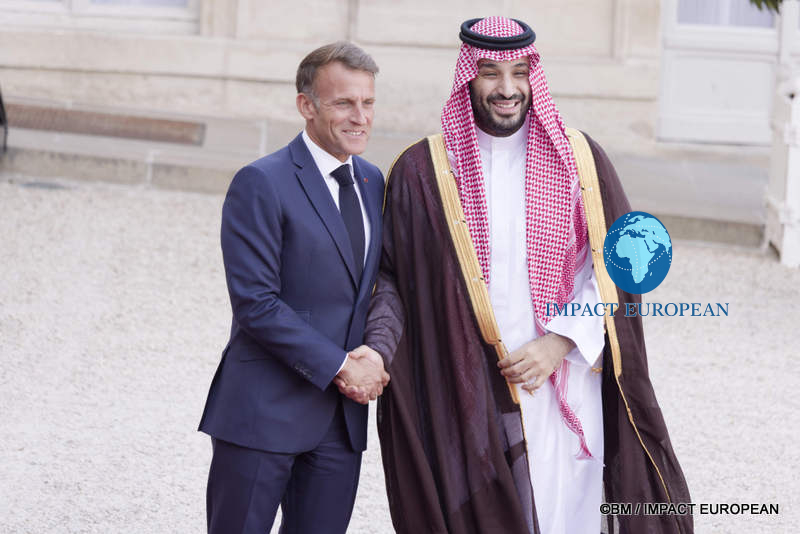
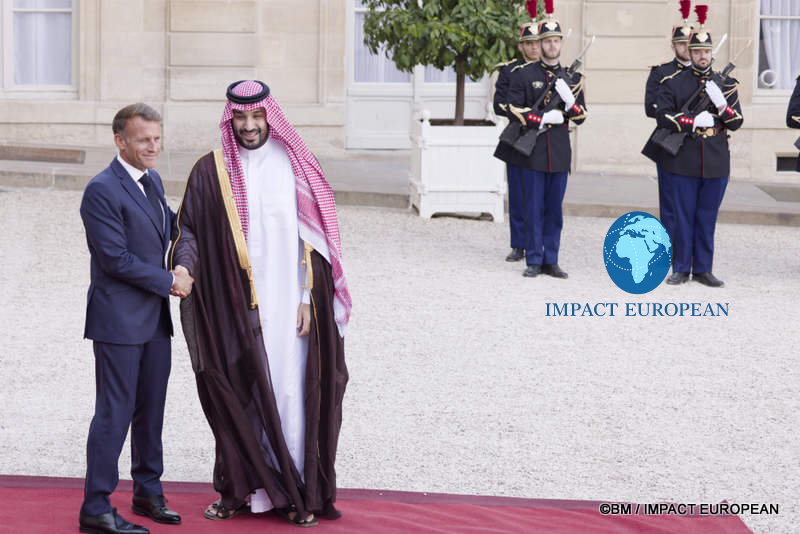
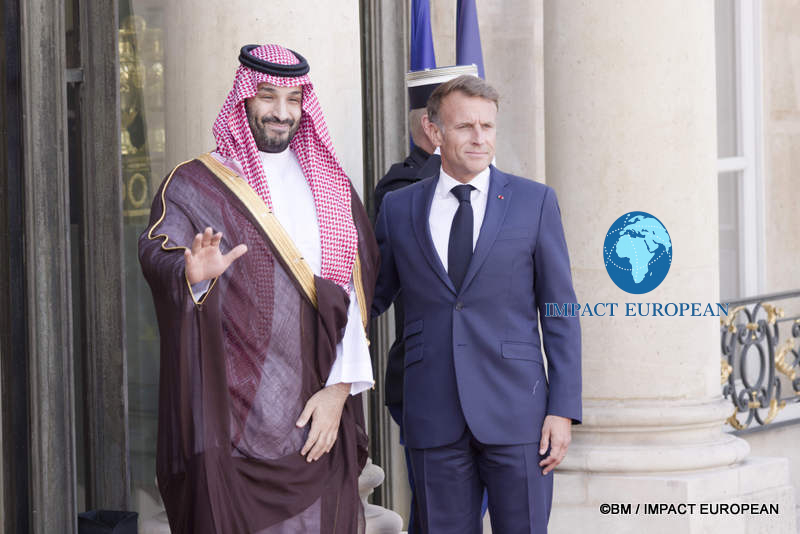
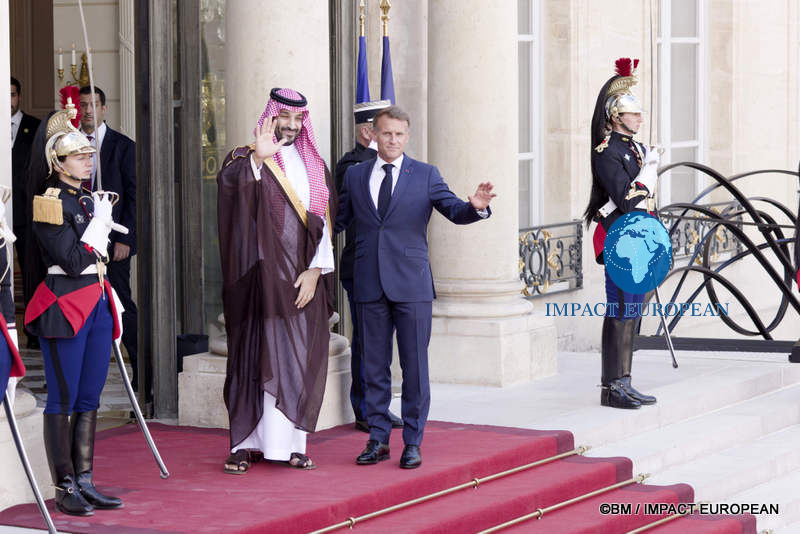
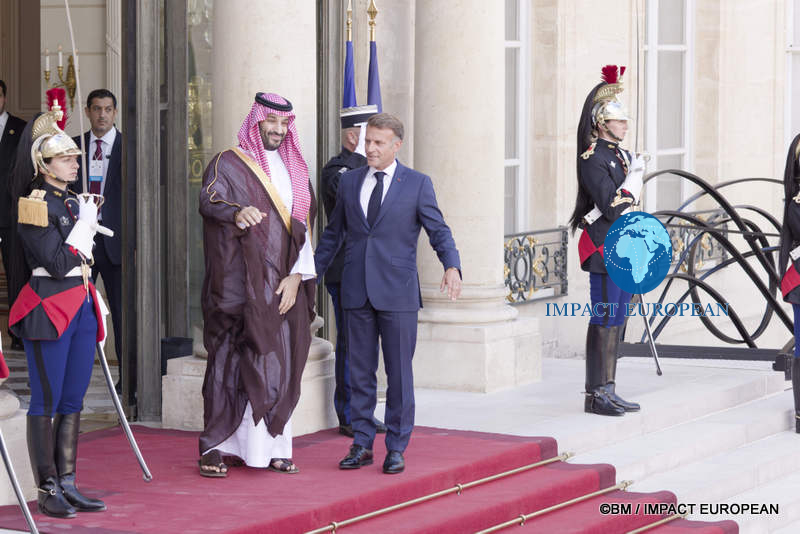
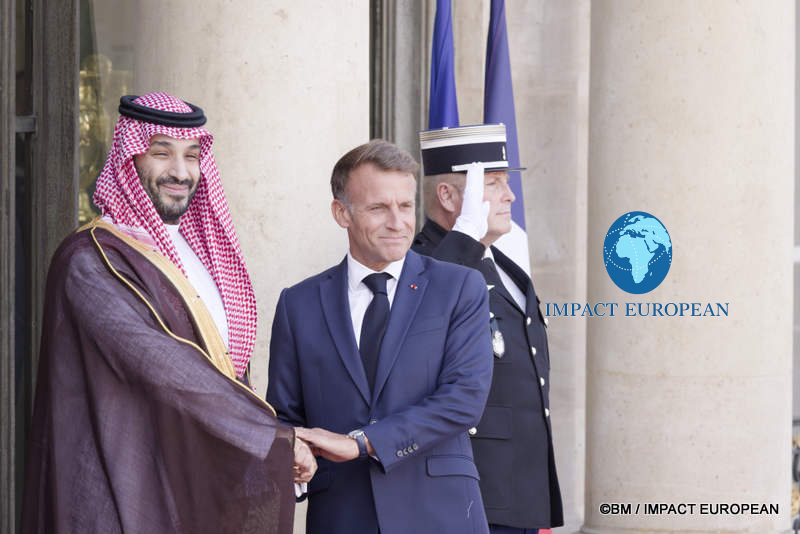
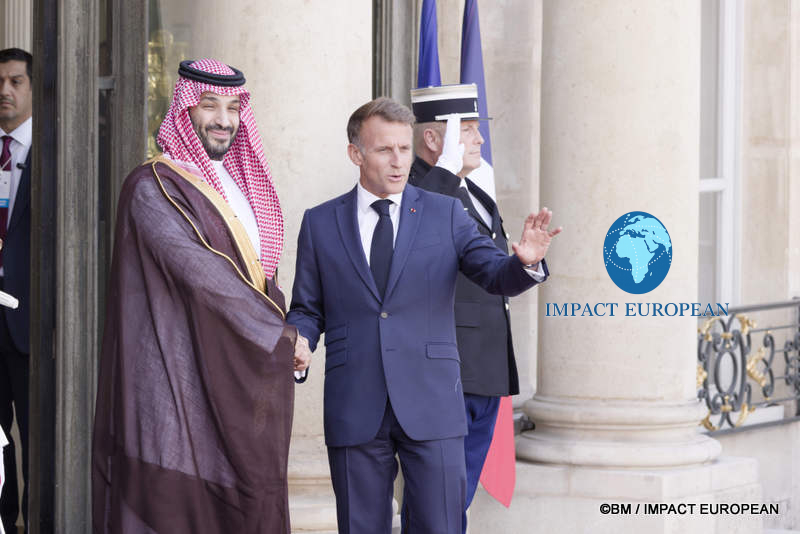
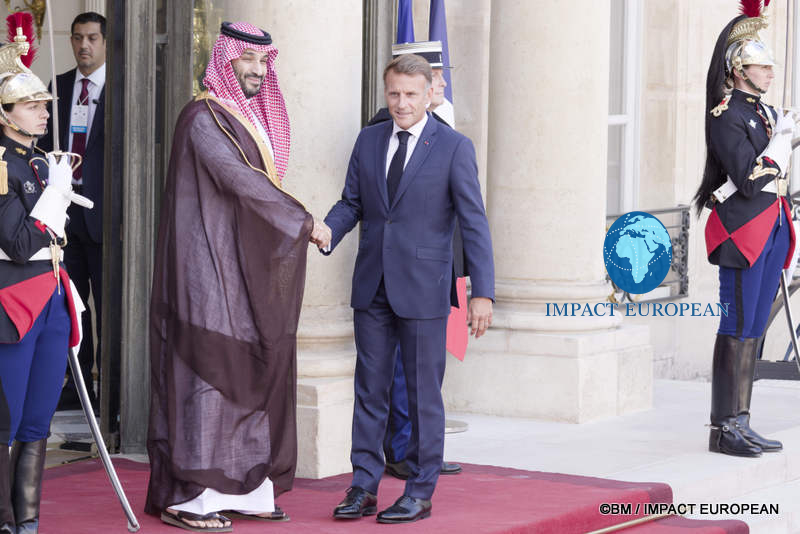
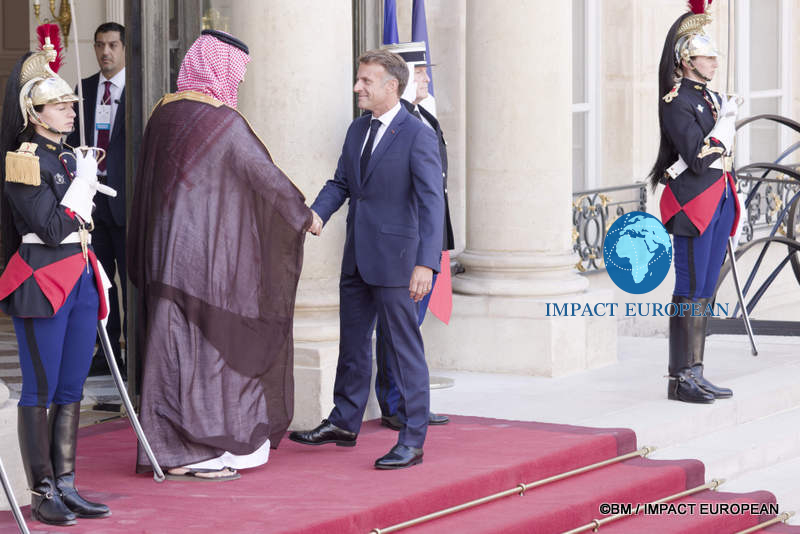
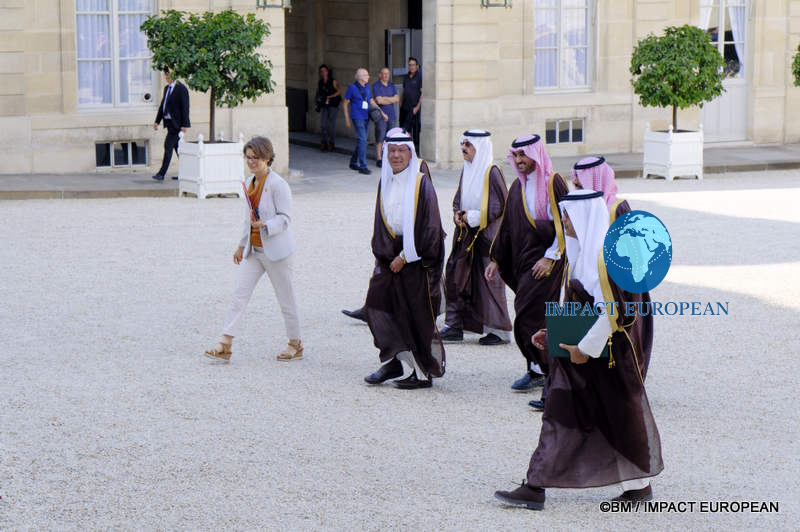
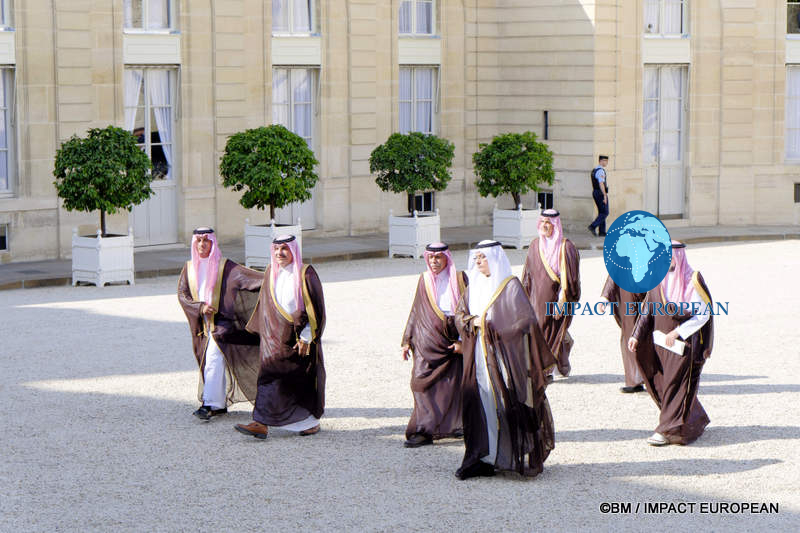
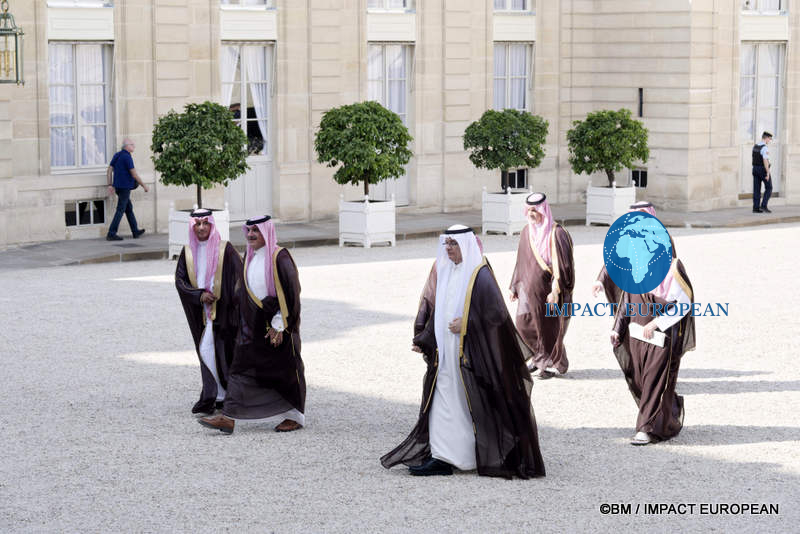
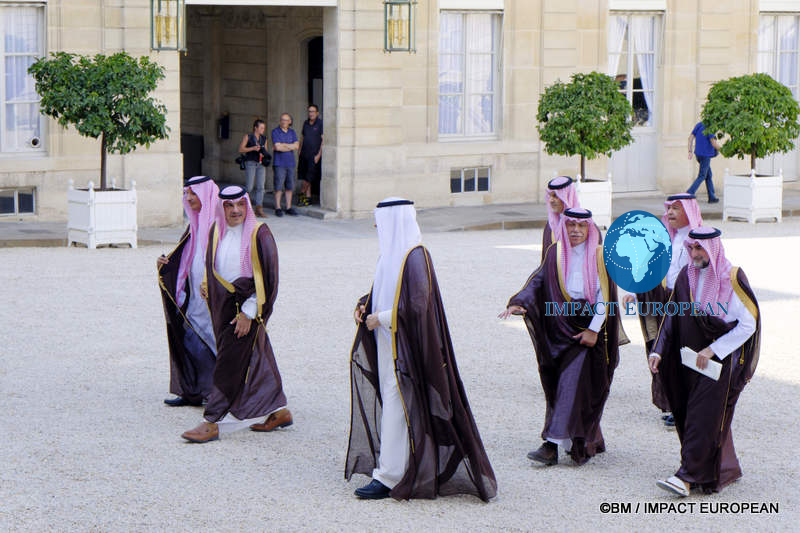
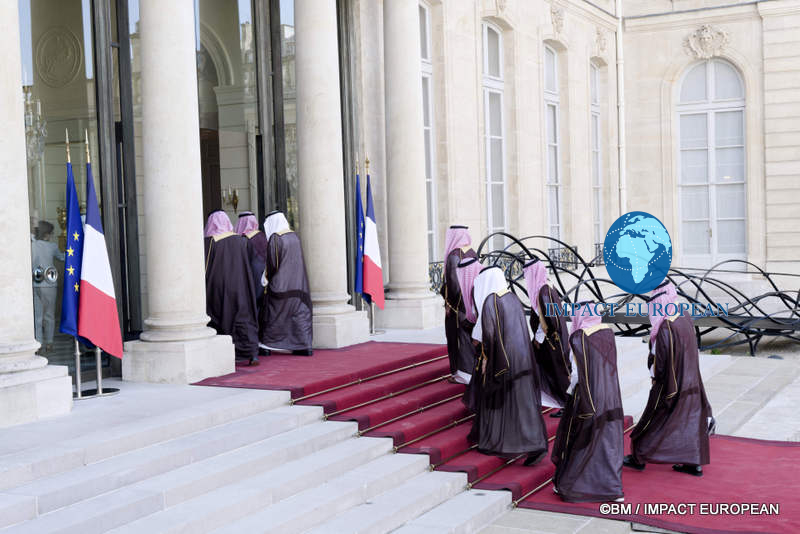
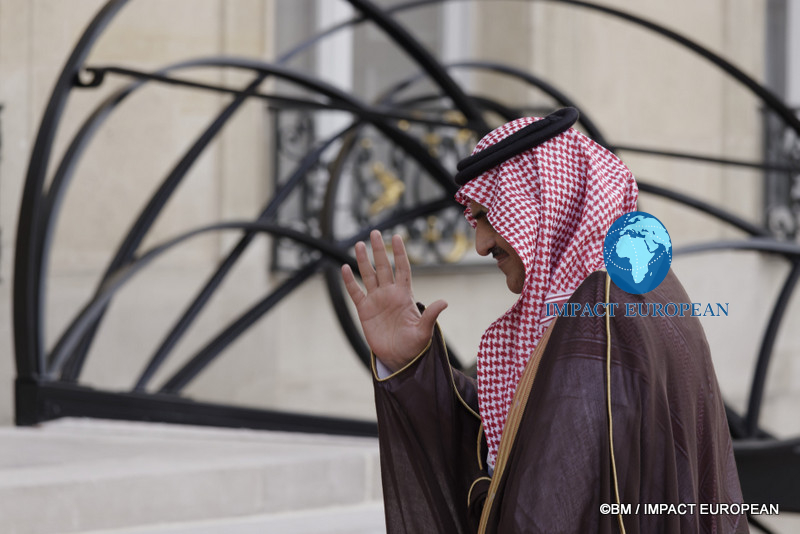
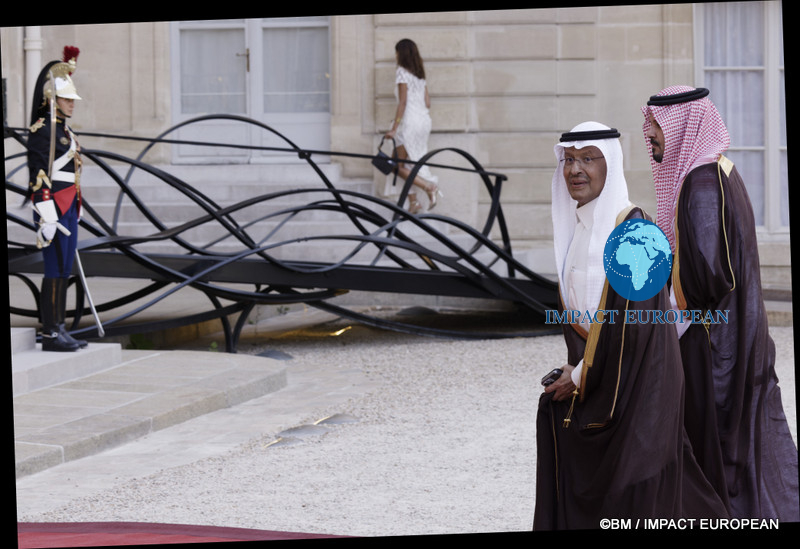
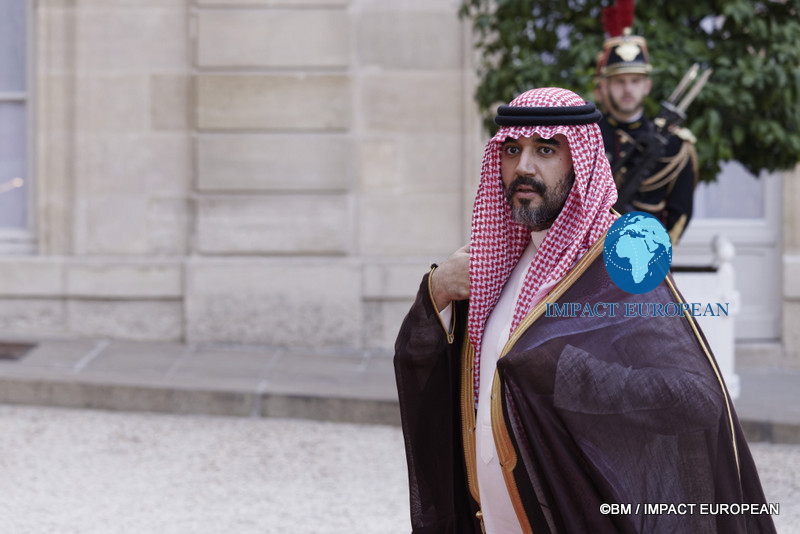
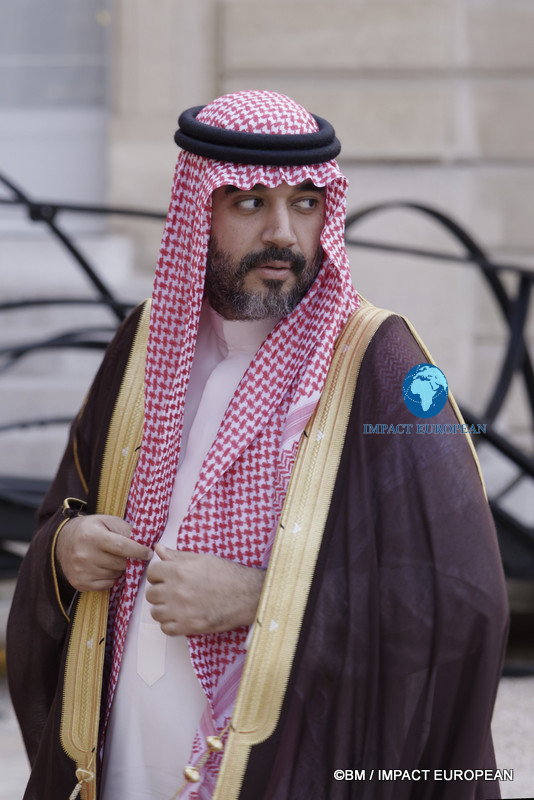
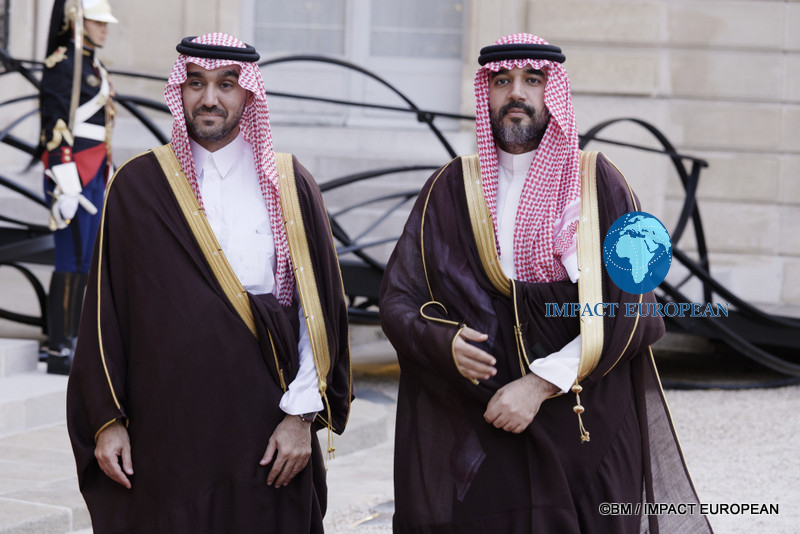
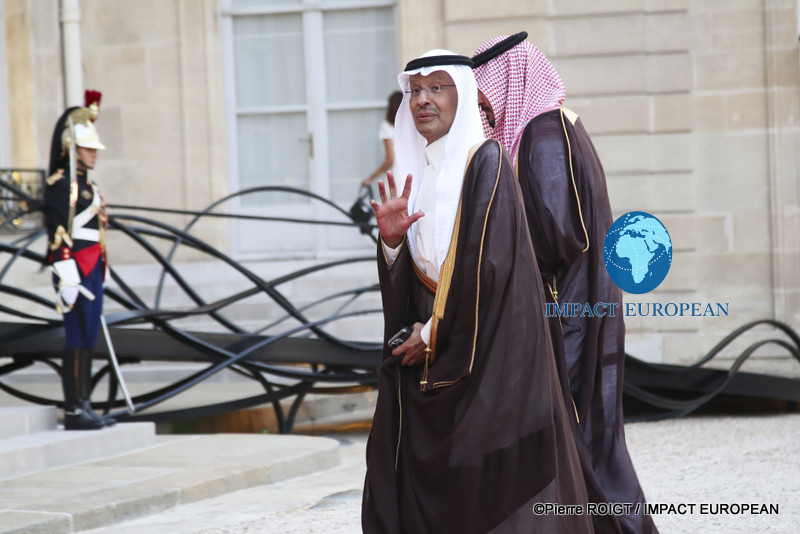
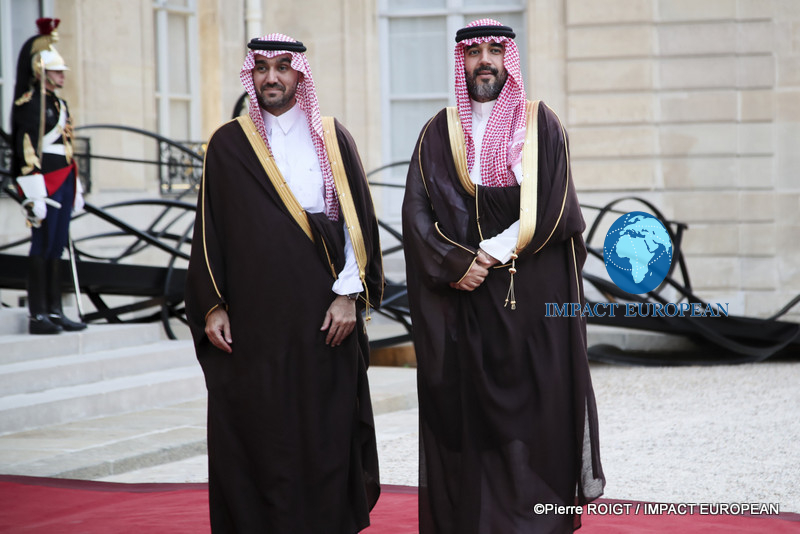
Mohammed bin Salman’s visit to Paris on August 23–24, 2026, is about more than another round of French-Saudi agreements. Riyadh is building a broader network of political, economic and technological partnerships as it seeks greater room for manoeuvre in an increasingly fragmented international system. France, meanwhile, wants to remain relevant to a Gulf power whose influence now extends far beyond oil. Between investment, artificial intelligence, defence, energy security and regional diplomacy, Paris is becoming one piece of a much larger Saudi strategy.
For Saudi Arabia, choosing partners is increasingly about avoiding a choice between partners.
That distinction helps explain the significance of Crown Prince Mohammed bin Salman’s visit to Paris.
The Saudi leader arrived in France at a moment when Riyadh is simultaneously pursuing economic transformation at home and greater strategic flexibility abroad. The kingdom still maintains its crucial relationship with the United States, but it has also expanded political and economic ties with China and other powers while deepening partnerships with European countries.
France fits into that equation precisely because it brings a different combination of assets: industrial capabilities, technology, defence cooperation, cultural expertise, investment opportunities and diplomatic influence.
The August visit brought those different dimensions together.
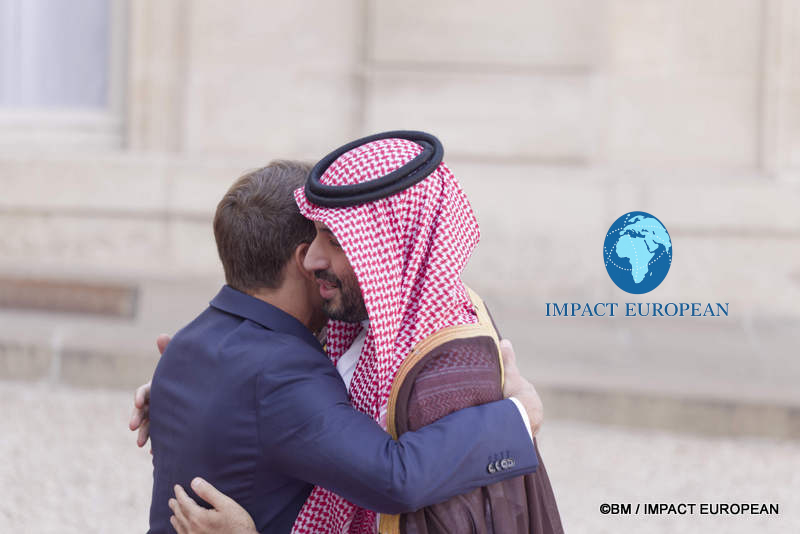
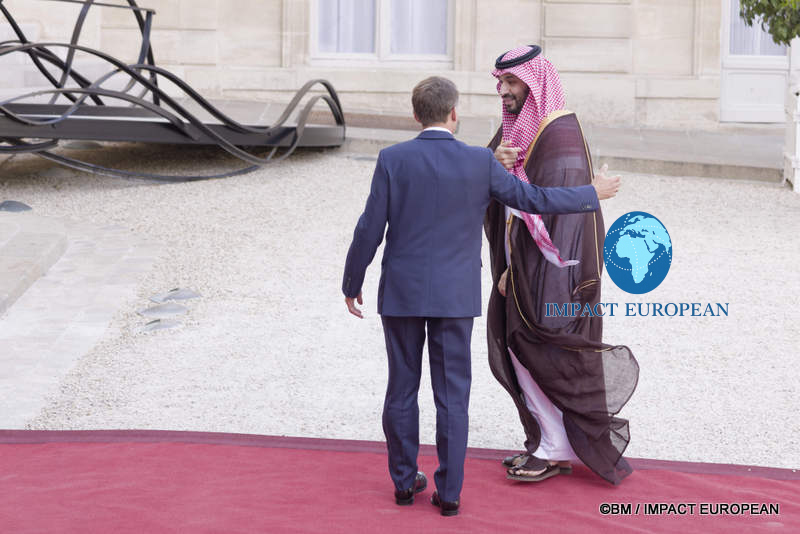
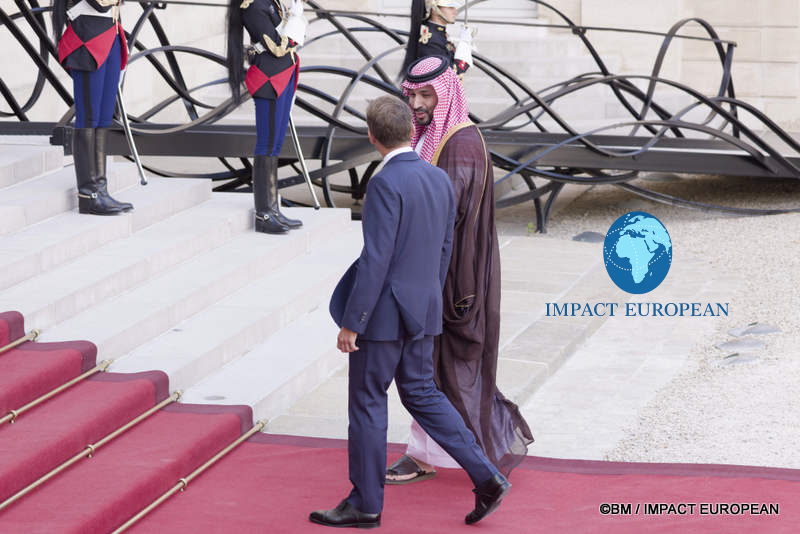
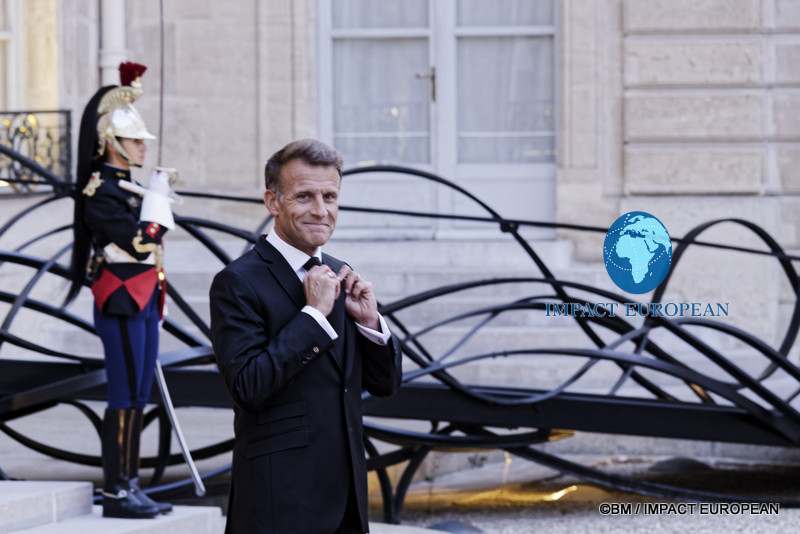
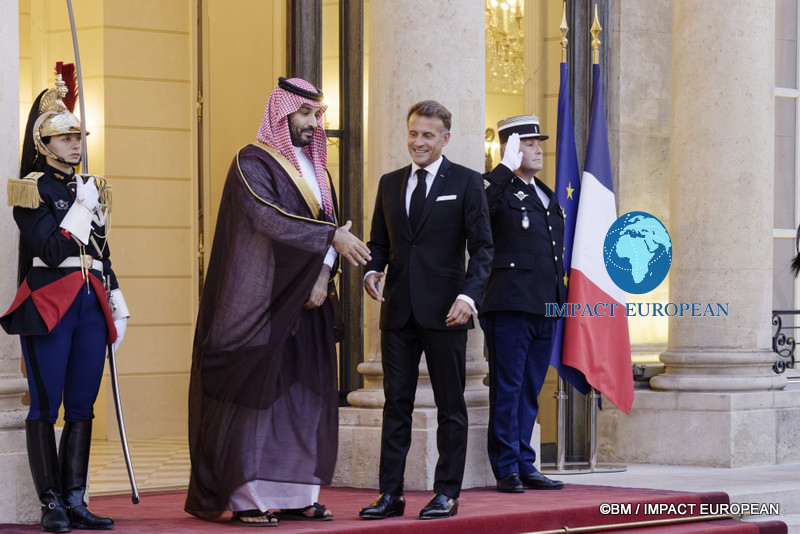
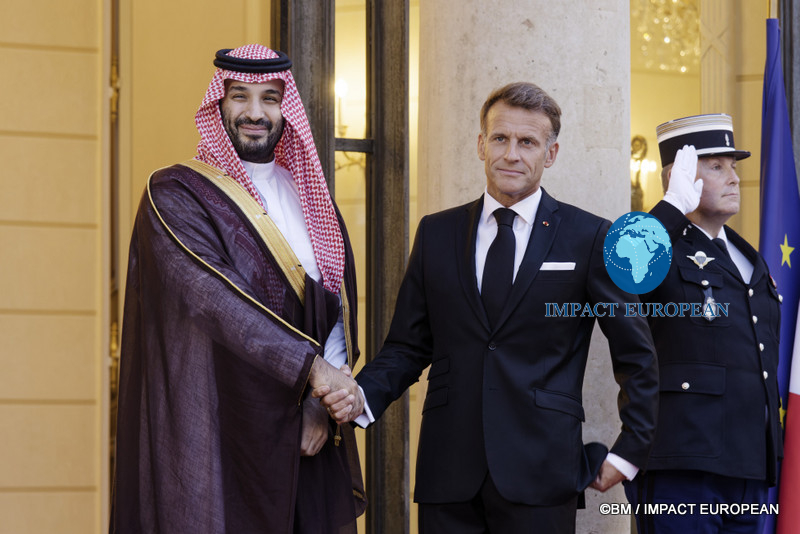
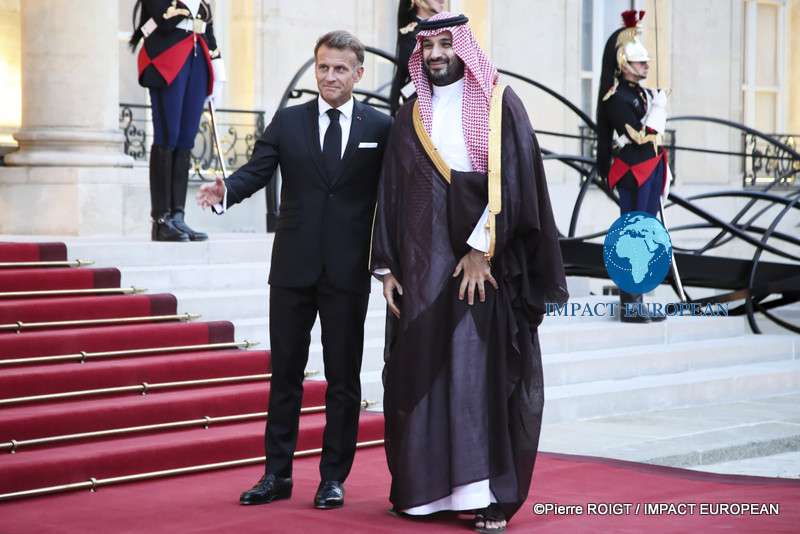
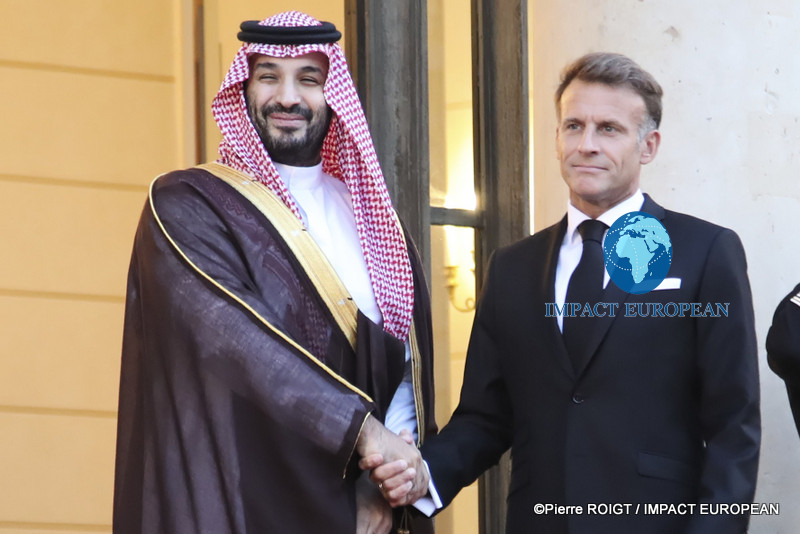
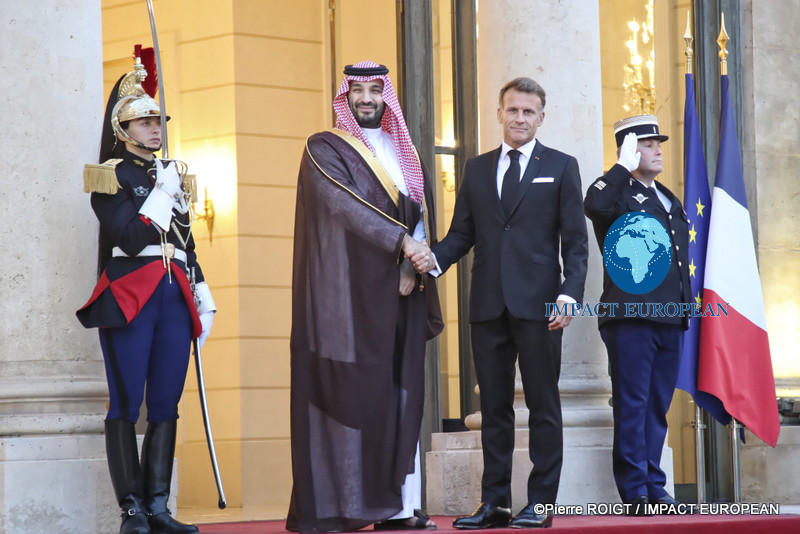
Emmanuel Macron and Mohammed bin Salman held the first meeting of the French-Saudi Strategic Partnership Council, an institution created following Macron’s state visit to Saudi Arabia in December 2024. The Élysée described the 2026 meeting as a further strengthening of the strategic partnership between the two countries.
Behind that institutional language lies a larger question.
What does Riyadh now expect from a country such as France — and what does Paris expect from a Saudi Arabia whose international weight is changing?
Saudi power is no longer defined by oil alone
Oil remains fundamental to Saudi power.
It finances the state, gives the kingdom exceptional influence over global energy markets and continues to shape Riyadh’s relations with the world’s largest economies.
But Mohammed bin Salman’s strategy has been built around a central vulnerability: a country with enormous hydrocarbon resources cannot assume that oil alone will provide the same economic and geopolitical leverage indefinitely.
Vision 2030 is the domestic response.
The kingdom has invested heavily in tourism, entertainment, logistics, infrastructure, technology, sport and new industries while attempting to increase private-sector activity and foreign investment.
That transformation has an international consequence.
Saudi Arabia needs partners capable of supplying not simply products, but technology, expertise, industrial capacity, financing and skills.
France has been positioning itself for that role for years.
During Macron’s 2024 state visit, the two countries highlighted defence, security, energy transition, connectivity, artificial intelligence, cyber technologies, tourism and culture as areas for deeper cooperation.
The 2026 visit suggests that this agenda is moving from ambition towards a denser network of projects.
Paris offers Riyadh something different
France cannot replace the United States in Saudi strategic calculations, nor is there evidence that Riyadh intends it to.
That is precisely why the relationship is interesting.
Saudi Arabia can develop different partnerships for different purposes.
Washington remains a central security and economic partner.
China offers an enormous commercial relationship and a growing diplomatic presence.
Other Asian economies provide markets, technology and investment.
France brings another set of capabilities.
As a nuclear-armed state, permanent member of the UN Security Council and significant military actor with a longstanding presence in the Middle East, France carries diplomatic and security weight beyond the size of its economy.
At the same time, French companies possess expertise in sectors directly connected to Saudi transformation: transport, aerospace, energy, water, digital technologies, defence, luxury, tourism, culture and urban development.
For Riyadh, France therefore does not need to become the dominant foreign partner to become a useful strategic one.
It needs to remain distinctive.
More than 22 agreements reveal the breadth of the relationship
The agreements announced around the visit help show how broad that relationship has become.
More than 22 agreements and memorandums of understanding were announced, covering sectors including defence, investment, energy and artificial intelligence.
They should not all be treated as equivalent. Government agreements, letters of intent, MoUs, financing arrangements and commercial contracts carry different legal and financial weight.
But taken together, they reveal the direction of travel.
Saudi Arabia is no longer seeking French cooperation in one or two traditional sectors.
The relationship is spreading across multiple layers of the economy.
Saudi Aramco alone announced agreements with French companies worth more than $3.7 billion, including procurement contracts for drilling equipment and oil-country tubular goods as well as a memorandum exploring industrial artificial intelligence and related technologies.
That combination matters.
The old Saudi economy and the new one are not developing separately.
Oil, industrial technology and artificial intelligence increasingly intersect.
France wants Saudi Arabia to invest at home, too
The relationship also runs in the opposite direction.
One of the most striking announcements from the visit concerned plans for three theme parks near Cergy-Pontoise, northwest of Paris.
The proposed investment amounts to around €6 billion, with approximately 22,000 jobs announced. Saudi entertainment and investment group Qiddiya is expected to finance the development, which includes plans for a Dragon Ball Z-themed park.
This is strategically interesting because Saudi diversification is beginning to acquire an external dimension.
Riyadh is not only inviting international companies into the kingdom.
Saudi capital is also moving outward into sectors that the kingdom itself has identified as priorities — entertainment, sport, tourism and global leisure industries.
For France, this creates a different kind of relationship with Saudi Arabia.
The kingdom is simultaneously a source of energy, a market for French companies, a geopolitical interlocutor and a potential investor in French territory.
Economic interests begin to overlap rather than simply pass in opposite directions.
From buying technology to building capacity
Saudi economic policy is also increasingly concerned with what remains inside the kingdom after an international contract is signed.
Technology transfer, local production, skills and industrial capabilities matter because Vision 2030 cannot succeed simply through imported infrastructure.
This makes partnerships involving artificial intelligence and industrial digitalisation particularly revealing.
Aramco’s agreements with French partners show how an energy company can become part of a broader technological transformation. Industrial AI, digital twins and advanced engineering can improve existing hydrocarbon operations while simultaneously building capabilities applicable elsewhere in the economy.
The paradox is important:
Saudi Arabia is using the strength of its oil economy to finance and accelerate an economy designed to become less dependent on oil.
France wants its companies to participate in that transition.
AlUla shows what long-term influence looks like
Not every strategic relationship is measured in barrels, weapons or billions.
AlUla provides a very different example.
French-Saudi cooperation around the archaeological and cultural site has developed over several years and combines heritage, tourism, archaeology, architecture, environmental protection and training.
It represents one of the clearest examples of how Saudi diversification extends into the kingdom’s history and cultural identity.
For Riyadh, heritage can become an economic asset without being reduced to one.
Tourism creates revenue.
Archaeology creates international cooperation.
Museums and cultural projects create institutions.
Training develops human capital.
And international partnerships provide expertise.
France gains something different: a long-term presence in one of the emblematic projects associated with Saudi Arabia’s transformation.
This is influence built not through a single contract but through continuity.
Esports is not a diplomatic footnote
The same logic helps explain why Macron and Mohammed bin Salman attended the closing ceremony of the Esports World Cup in Paris.
The 2026 competition was held outside Saudi Arabia for the first time. The Élysée explicitly presented the event as evidence of France’s renewed attractiveness for major international sporting events.
For Saudi Arabia, esports sits at the intersection of several priorities: young consumers, digital industries, entertainment, international visibility and investment.
This is part economics and part soft power.
A country can project influence through diplomacy and defence.
It can also project influence through the industries, events and cultural spaces with which younger generations interact every day.
That strategy has generated debate over Saudi Arabia’s international image and the relationship between high-profile investment and the kingdom’s human-rights record.
Those questions do not disappear because the economic strategy is successful.
They coexist with it.
The Khashoggi legacy remains part of the equation
Any analysis of Mohammed bin Salman’s international trajectory also has to acknowledge the rupture created by the 2018 killing of journalist Jamal Khashoggi.
The murder generated international condemnation and severely damaged the crown prince’s standing in many Western capitals.
The subsequent return of high-level engagement with Riyadh illustrates how international politics evolved afterwards.
Energy security, investment, regional conflicts and Saudi Arabia’s growing diplomatic importance gradually restored the kingdom’s centrality to calculations in Washington and European capitals.
France was already receiving Mohammed bin Salman again in Paris in July 2022. During that visit, Macron discussed bilateral cooperation, regional security and Saudi investment in France, while the Élysée also stated that the French president raised human rights.
The important point is not that the controversy vanished.
It did not.
Rather, governments increasingly concluded that they could not address major regional and economic questions while keeping Riyadh permanently at arm’s length.
That is realpolitik in its most recognisable form: engagement does not require political equivalence.
Hormuz exposes the limits of economic transformation
Saudi Arabia may be diversifying, but geography remains stubborn.
The security of the Gulf and the maritime routes linking it to the world economy still affects the kingdom’s economic future.
The Strait of Hormuz therefore connects several of our apparently separate molecules: energy, security, capital and geopolitics.
Disruption there can affect energy exports and global prices.
Higher energy prices can affect businesses and households thousands of kilometres away.
Instability can alter investment decisions.
And a prolonged regional confrontation can undermine precisely the predictable economic environment that Saudi diversification requires.
For France, maritime security is therefore not an abstract foreign-policy issue.
It is connected to European energy security, international trade and the operations of French businesses throughout the Gulf.
The Saudi-French relationship consequently cannot be separated from the regional environment in which it operates.
France is also protecting its own room for manoeuvre
Saudi Arabia is not the only country seeking strategic flexibility.
France has its own reasons for strengthening the relationship.
Paris wants contracts for French businesses and Saudi investment in France, but economic interests are only part of the calculation.
France has long attempted to maintain an independent diplomatic capacity in the Middle East.
A strong channel with Riyadh gives Paris access to a government that matters across a growing number of regional questions.
The institutionalisation of the relationship also matters here.
France and Saudi Arabia first established a strategic partnership framework covering politics, defence and security, economics, culture, science and education in 2018.
Macron’s December 2024 state visit then produced the roadmap and memorandum establishing the Strategic Partnership Council.
The first meeting of that council in Paris in August 2026 therefore represents the latest stage of a structure developed over several years rather than a diplomatic invention created for one visit.
That distinction strengthens our ADN.
The relationship is acquiring mechanisms capable of surviving individual announcements.
A kingdom with more choices changes the balance
The larger transformation may ultimately be found outside France.
Saudi Arabia’s growing economic weight gives it something every state seeks: options.
A kingdom able to work with several major powers can negotiate differently from one overwhelmingly dependent on a single external relationship.
It can seek American security cooperation while expanding commercial relations elsewhere.
It can attract European industrial expertise while developing Asian partnerships.
It can invest abroad while demanding greater localisation from companies entering its own market.
It can use oil power while financing industries intended to reduce its reliance on hydrocarbons.
None of this makes Saudi Arabia strategically independent in an absolute sense. No major economy is.
But it increases Riyadh’s room for manoeuvre.
And that changes how countries such as France approach the kingdom.
Why Paris matters to Riyadh — and Riyadh to Paris
Mohammed bin Salman’s 2026 visit ultimately reveals two strategies meeting at the same table.
Saudi Arabia wants a larger network of partners because economic diversification requires capital, expertise, technology and international access — and because multiple partnerships increase political autonomy.
France wants a deeper relationship because Saudi Arabia increasingly combines several forms of power that Paris cannot treat separately: energy, capital, regional diplomacy, industrial demand and global investment.
Their interests are not identical.
Their political systems are not comparable.
Their positions will not coincide on every international crisis.
That is precisely why the relationship should not be described as a simple alliance.
Something more transactional but increasingly structural is emerging.
For Riyadh, Paris matters partly because it is neither Washington nor Beijing and offers capabilities of its own.
For Paris, Saudi Arabia matters because it is no longer simply an oil producer with enormous financial reserves. It is becoming an investor, technology buyer, regional diplomatic actor and increasingly ambitious international power.
The result is not dependence by one side on the other.
It is the multiplication of connections that make disengagement progressively more costly.
And that may be the most consequential outcome of the visit: France and Saudi Arabia are discovering that strategic autonomy can sometimes be pursued not by reducing relationships, but by multiplying the right ones.
©2026 – IMPACT EUROPEAN – All rights reserved
Views: 19
More Stories
France Protests on October 17: Mass Mobilization Overshadowed by Violence Across the Country
Work Palace Opens in Paris: INSITU Brings Luxury Hospitality Into the Workplace
Rugby Pro D2: Colomiers Defeat Narbonne 49-28 to Claim Bonus-Point Victory