

In Ariège, southern France, cars enter a mountain beside a river and emerge on the other side. Yet beneath the spectacular dimensions of Mas-d’Azil Cave lies another passage — one measured not in metres, but in thousands of years. Prehistoric animals, early Homo sapiens, Magdalenian artists, Azilian communities, archaeologists and modern travellers have all occupied or crossed this extraordinary place. The road belongs to the present. The mountain remembers everything that came before.
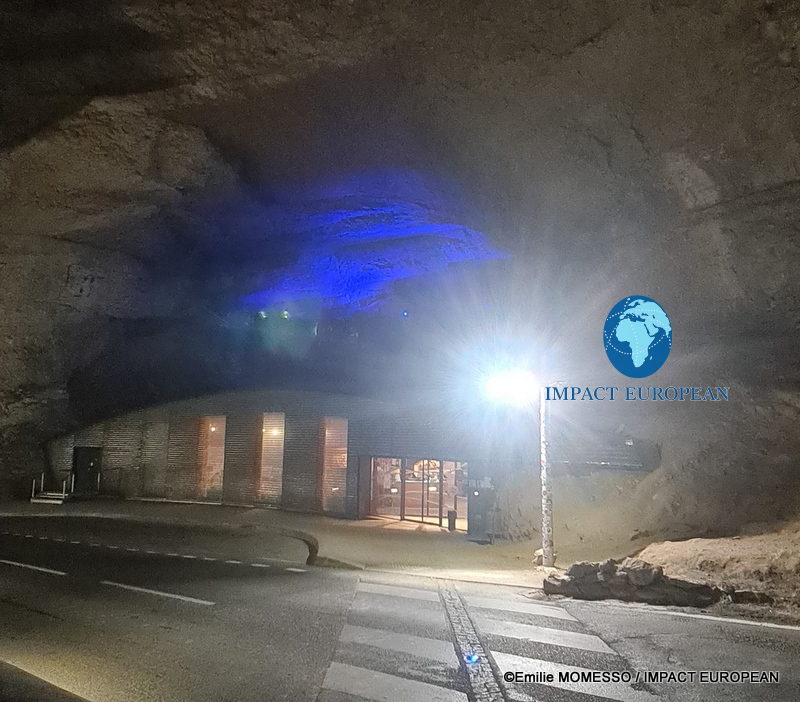
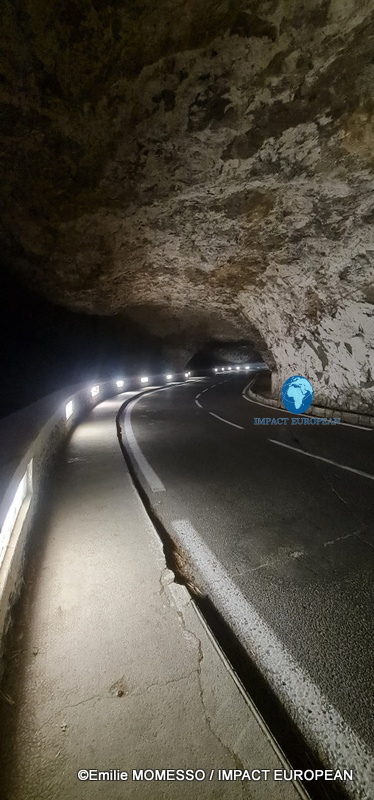
A car approaches the rock.
Ahead, the landscape appears to open.
The road continues.
Then daylight begins to disappear.
This is not an artificial tunnel.
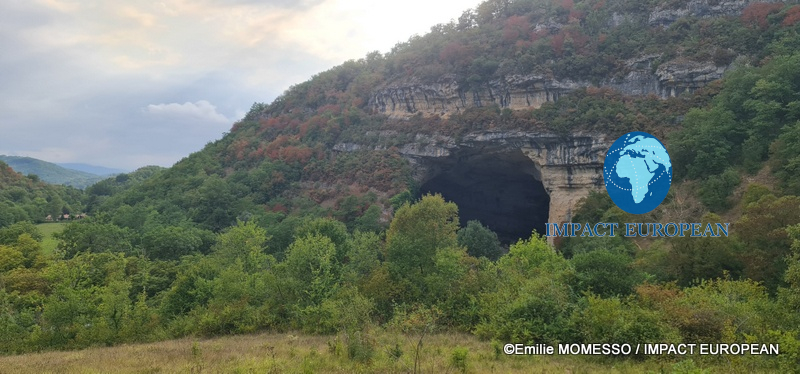
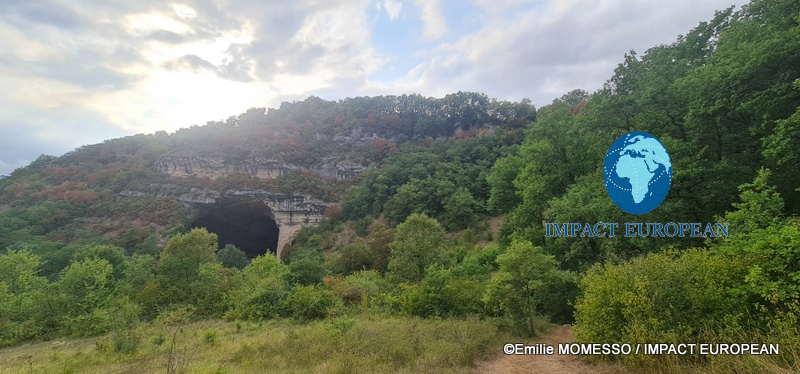
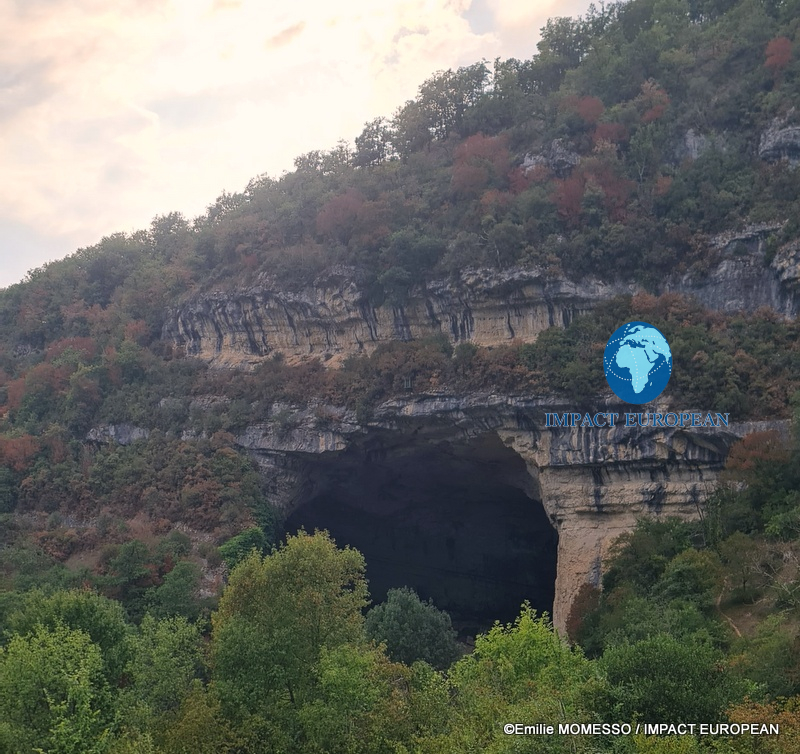
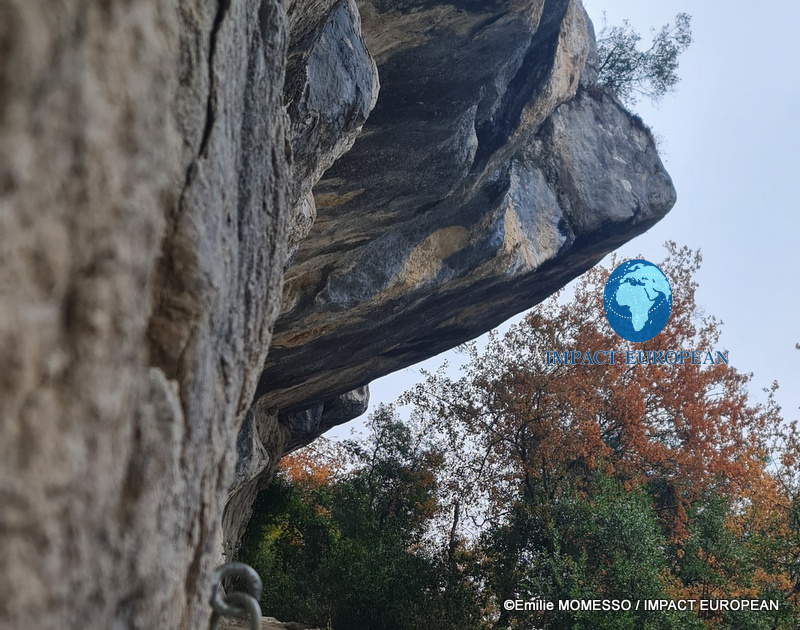
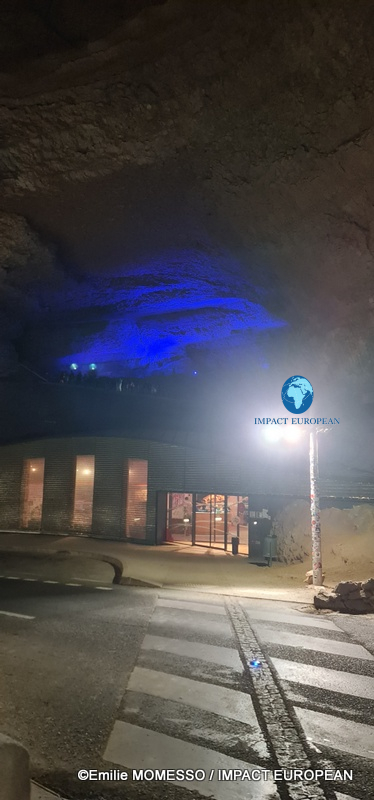
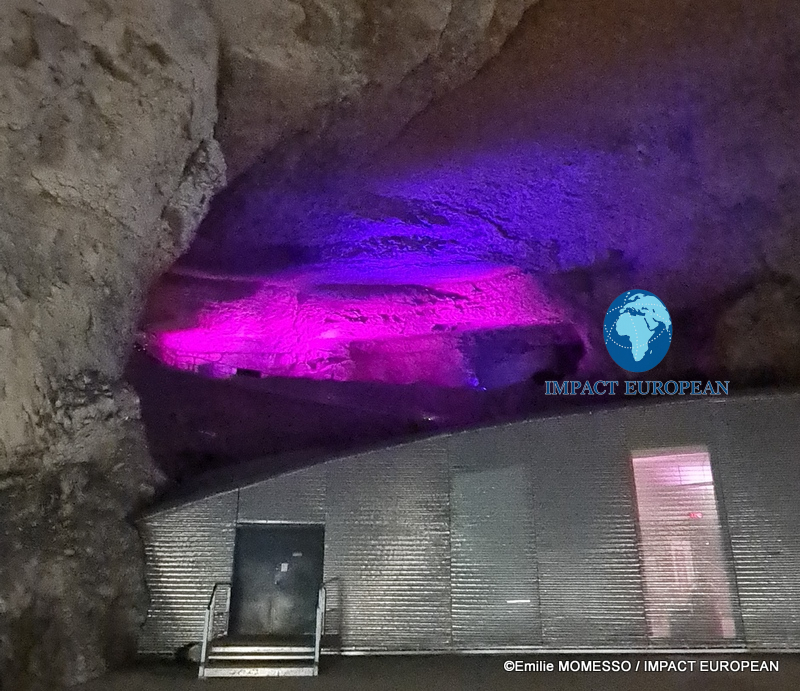
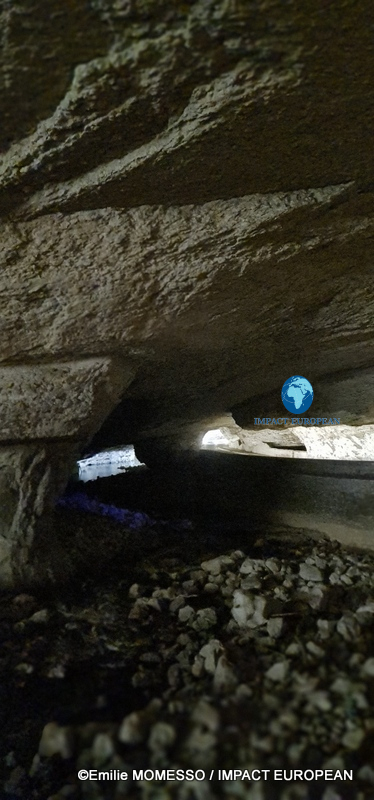
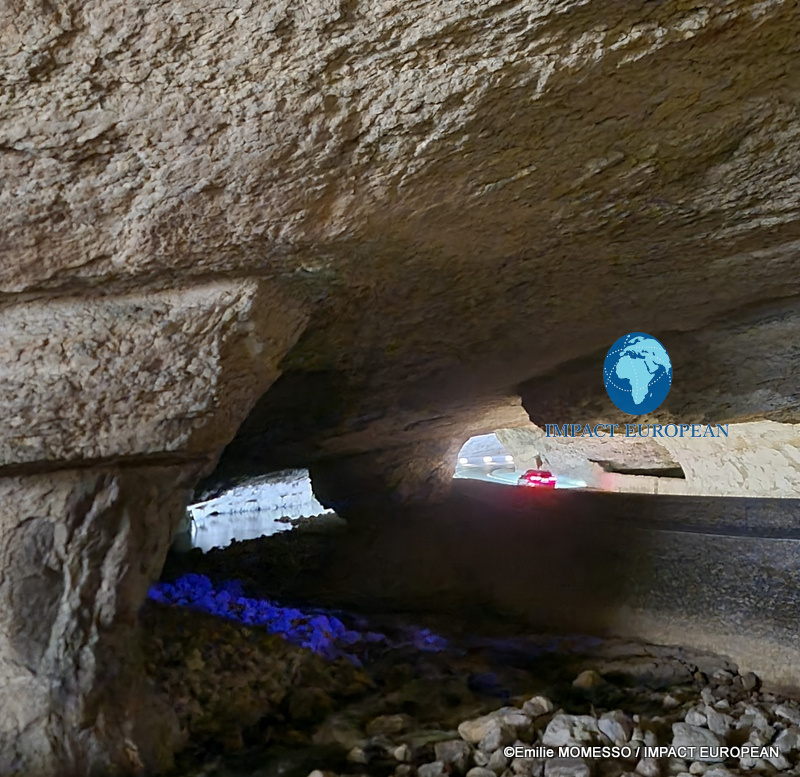
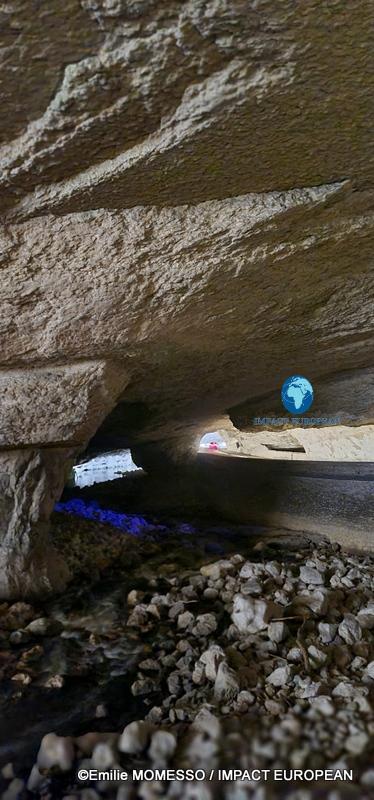
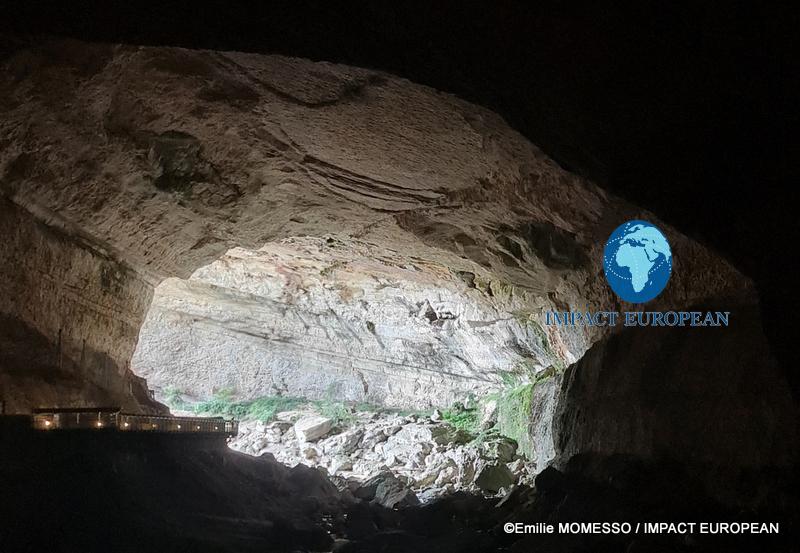
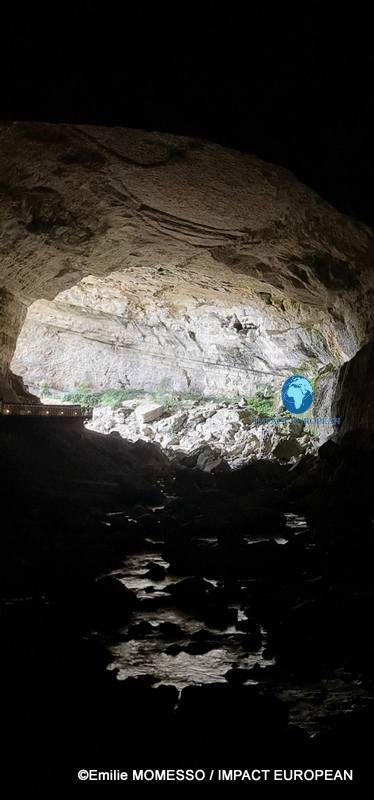
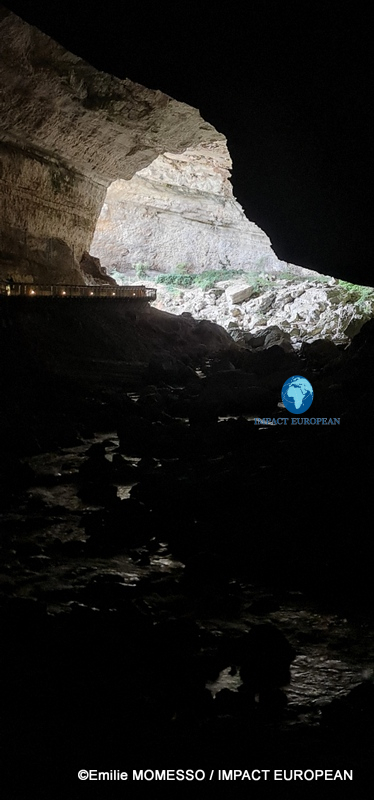
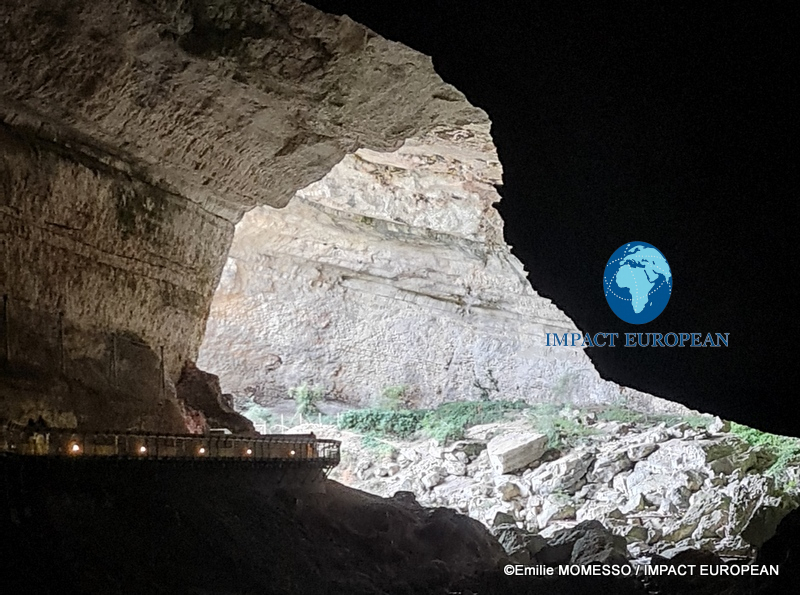
It is Mas-d’Azil Cave, a vast natural cavity in the Plantaurel massif, crossed by the Arize River and today also by a departmental road.
The southern entrance alone reaches approximately 70 metres high and 50 metres wide.
For a modern traveller, crossing it can take only a few moments.
Understanding what lies inside requires a completely different measure of time.
A modern road enters a prehistoric landscape
The contrast is immediate.
Cars, headlights and asphalt belong unmistakably to the present.
Around them stands a landscape created on a geological timescale.
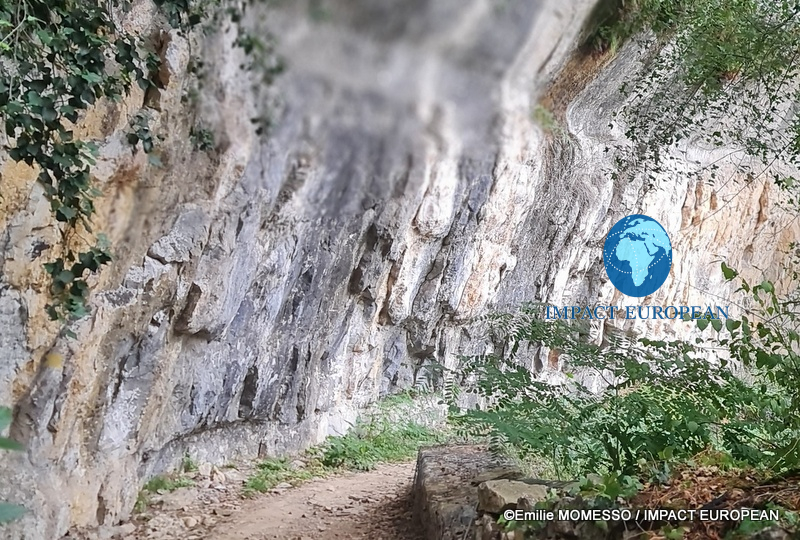
The limestone and marl formations of the region were folded and transformed during the formation of the Pyrenees. Rivers descending from the mountains subsequently found routes through this complex terrain. The Arize eventually established a passage through the massif itself.
It still flows there today.
The road follows.
But humans arrived much earlier than the asphalt.
Beneath the road, another chronology
Archaeology has progressively revealed just how deep the human history of Mas-d’Azil extends.
Modern investigations uncovered Aurignacian levels dated to approximately 35,000–33,000 years ago, buried beneath ancient flood deposits. Later layers document Magdalenian occupations around 14,700 years ago.
That chronology transforms the meaning of the landscape.
A driver sees rock.
An archaeologist sees stratigraphy.
A visitor sees a cave.
Researchers see layers in which different moments of human existence have survived.
Mas-d’Azil therefore does not preserve one prehistoric world.
It preserves several.
Humans did more than seek shelter
The archaeological record also challenges the simplest image of prehistoric cave life.
People did not merely enter, protect themselves from the weather and leave.
They organised spaces.
They manufactured tools.
They hunted.
They worked bone and reindeer antler.
And they created art.
The Magdalenian occupation produced an exceptional collection of portable art, alongside evidence of engravings and paintings on cave walls.
Among the best-known objects associated with Mas-d’Azil is the Faon aux oiseaux, an elaborately decorated Magdalenian spear-thrower made from reindeer antler.
Its importance goes beyond its beauty.
It brings together two dimensions often separated in our perception of prehistoric humans:
technical knowledge and artistic creation.
An object could have a function and still carry an image.
Survival did not eliminate imagination.
Living where standing was sometimes impossible
Some discoveries reveal an even more physical relationship with the cave.
Research by Marthe and Saint-Just Péquart in the Galerie des Silex documented archaeological deposits approximately 40 to 60 centimetres thick.
In parts of the gallery, prehistoric occupants initially had only around one to 1.20 metres between the rocky floor and ceiling.
They could not simply walk upright through their living space.
Some would have moved bent over. As deposits accumulated, later Magdalenian occupants may frequently have had to kneel or crouch.
Imagine that experience.
The river nearby.
Limited natural light.
A low ceiling.
Stone.
Fire.
Objects being made by hand.
Human voices beneath the mountain.
Archaeology gives us measurements.
Those measurements allow us to recover something of the physical reality behind them.
Then Mas-d’Azil gave prehistory a name
Thousands of years later, another human entered the cave looking not for shelter but for knowledge.
Édouard Piette was already an established scholar when he began major excavations at Mas-d’Azil during the late 19th century.
Working on the left bank from 1889, Piette identified archaeological material that did not correspond completely to the Magdalenian world but preceded the Neolithic.
He recognised a distinct cultural phase.
And he named it after the place:
Azilian.
This gives Mas-d’Azil an unusual position in European prehistory.
The cave is not merely a place containing evidence of the Azilian.
The Azilian carries the name of Mas-d’Azil.
A village and a mountain in Ariège became part of the scientific language used to describe prehistoric Europe.
Painted stones and a changing world
The famous painted pebbles discovered at Mas-d’Azil became emblematic of the Azilian.
Many carry simple geometric marks rather than the highly figurative representations associated with some earlier Palaeolithic art.
But the Azilian should not be reduced to those objects alone.
It belongs to a wider period of transition.
Climate and environments were changing at the end of the Ice Age. Human technologies and ways of occupying landscapes also changed.
Mas-d’Azil preserves evidence from within this transformation.
The cave therefore records more than human presence.
It records human adaptation.
The road that accidentally reopened history
Then comes one of the great ironies of Mas-d’Azil.
During the 19th century, people were not digging into the mountain primarily to understand prehistory.
They wanted to improve circulation.
Road works carried out between 1853 and 1877 disturbed deposits inside the cave.
Ancient bones began to emerge.
Interest grew.
Researchers and collectors arrived.
The modern desire to move more efficiently through the mountain had helped expose evidence of people who had been there thousands of years earlier.
The road therefore has two histories.
One is visible.
It carries traffic.
The other is archaeological.
By opening a route for the present, humans helped uncover the past.
Generation after generation entered the cave
Once the archaeological importance of Mas-d’Azil became apparent, the cave attracted some of the major figures in the development of prehistoric research.
Piette excavated extensively.
Henri Breuil discovered the first identified parietal engravings in 1902.
A decade later, Henri Bégouën and his sons identified an important decorated ensemble in what would become the Galerie Breuil.
From 1936 to 1958, Joseph Mandement spent more than two decades exploring and developing knowledge of the right-bank galleries. His discoveries included additional sections of the cave network and, in 1948, an isolated prehistoric human skull.
Marthe and Saint-Just Péquart added another major chapter through their excavations before and during the Second World War.
Each generation entered the same mountain.
Each left with a different piece of its history.
The cave is still not finished
It would be easy to imagine that more than 150 years of excavation had exhausted such a famous archaeological site.
It has not.
Modern archaeology has returned to deposits overlooked or inaccessible to earlier researchers.
New techniques make it possible to examine stratigraphy, dating and human occupation with questions that 19th-century excavators could not ask.
Research has consequently pushed parts of the known human history of the cave much further back in time.
This changes the meaning of the word “discovery”.
At Mas-d’Azil, discovery did not happen once.
It has happened repeatedly.
And it can happen again.
A skull restores an individual to prehistory
Among thousands of archaeological objects, human remains create a different relationship with time.
The skull discovered by Joseph Mandement in 1948 was attributed to the Magdalenian period.
The archaeological collections associated with Mas-d’Azil include tools, weapons, decorated objects, carved pieces and painted pebbles.
Those objects reveal behaviour.
A human remain does something else.
It reminds us that archaeological cultures are classifications created thousands of years later.
The people themselves did not know they would be called Magdalenian or Azilian.
They were individuals.
They lived.
They moved through this mountain.
From archaeological site to protected heritage
The exceptional scientific importance of the cave eventually led to formal protection.
Mas-d’Azil Cave has been protected as a French Monument historique since 1942, including recognition of its archaeological significance and decorated cave heritage.
Part of the material recovered from the site can now be seen at the prehistoric museum in the village.
The relationship between cave and museum is important.
Inside the cave, the visitor encounters scale.
At the museum, the visitor encounters detail.
A vast mountain becomes connected to a tiny engraved object.
Thousands of years become connected to the movement of a human hand.
Outside the cave, life never stopped
The story does not end when the visitor returns to daylight.
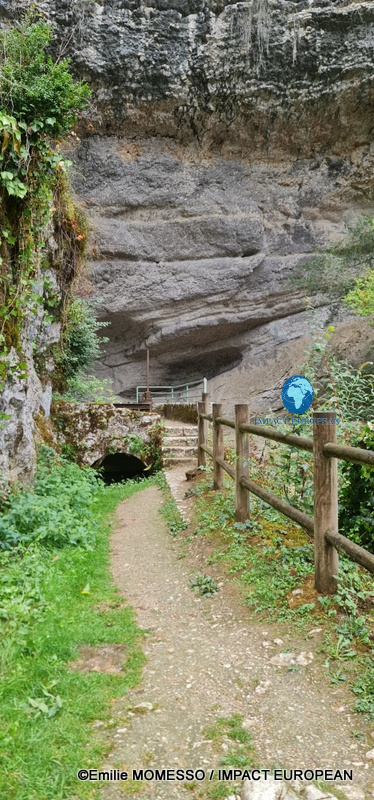
The Arize continues towards the village.
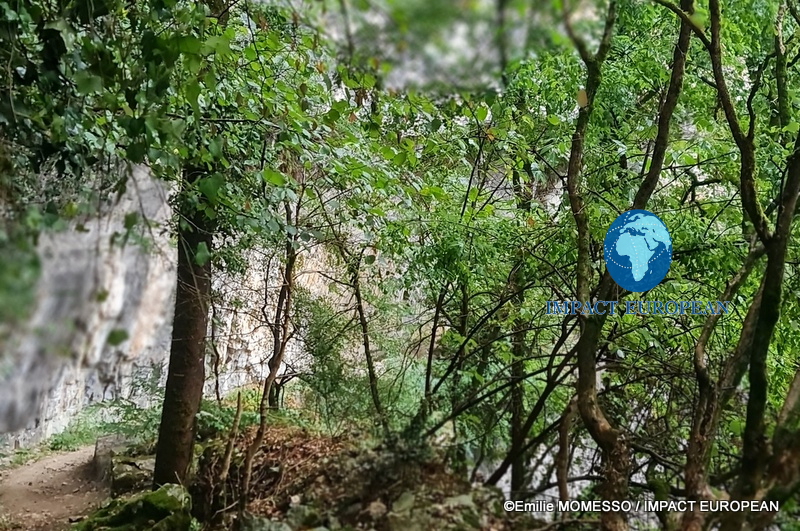
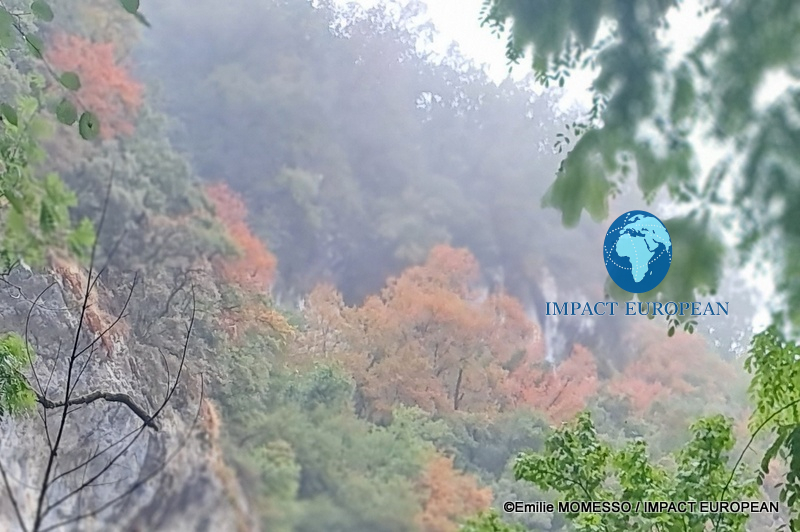
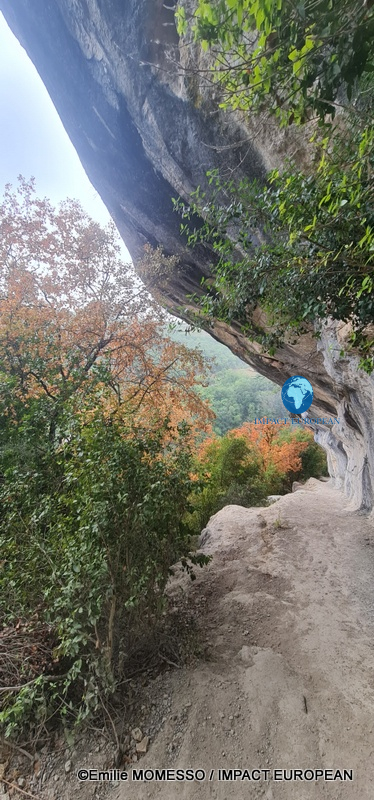
Vegetation covers the surrounding slopes.
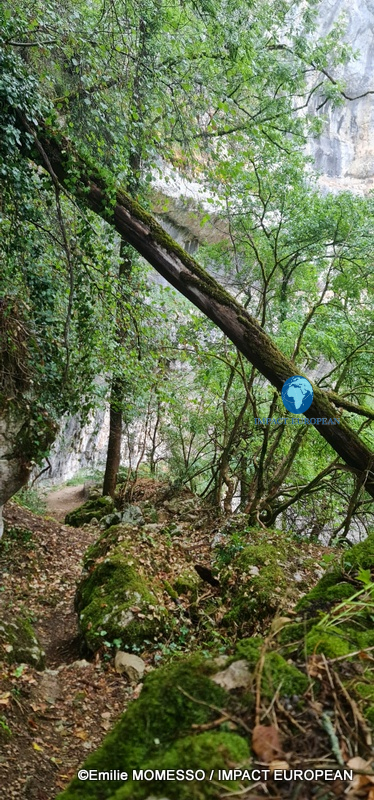
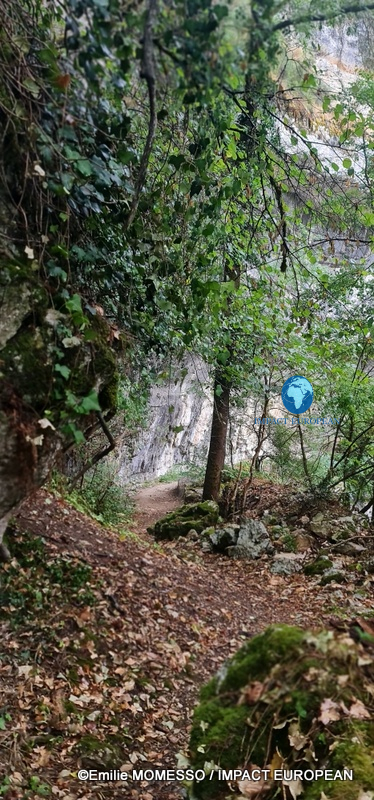
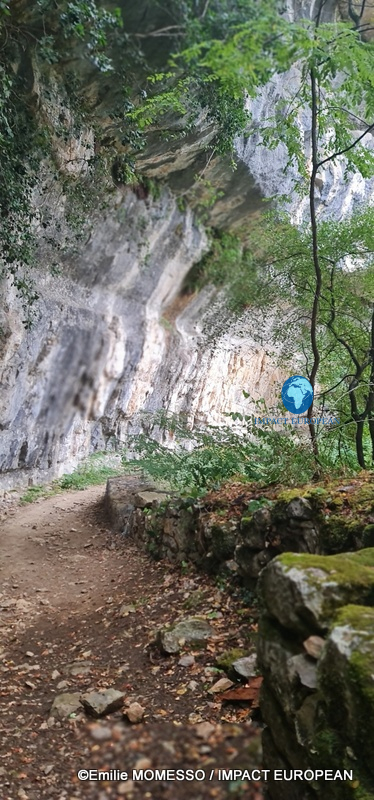
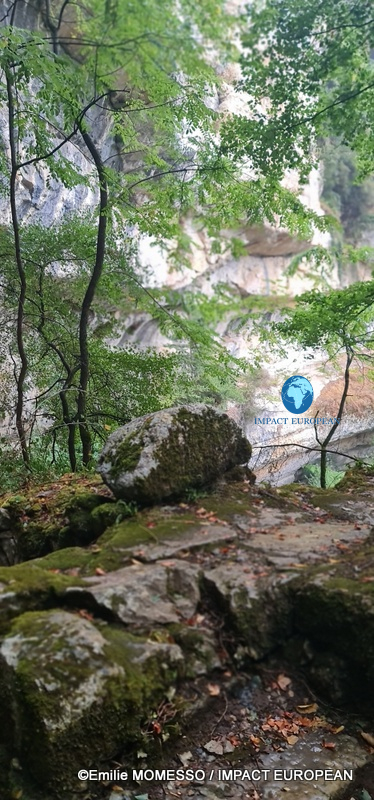
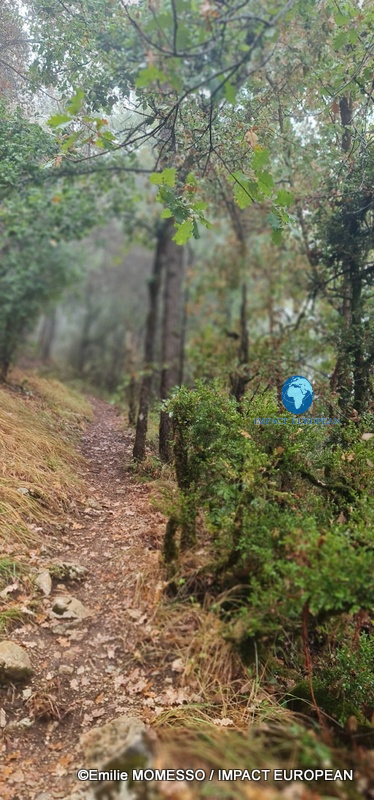
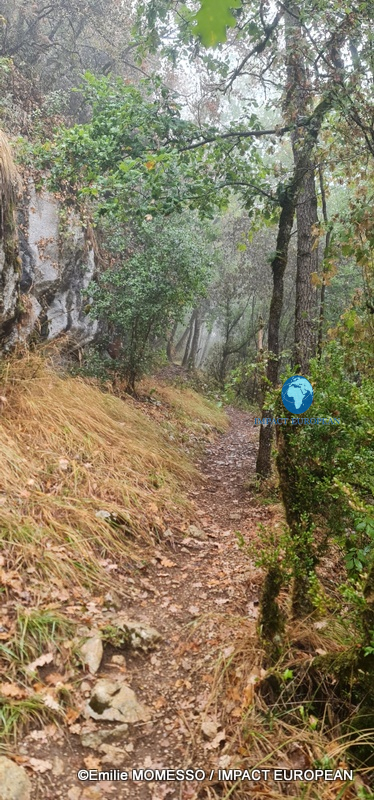
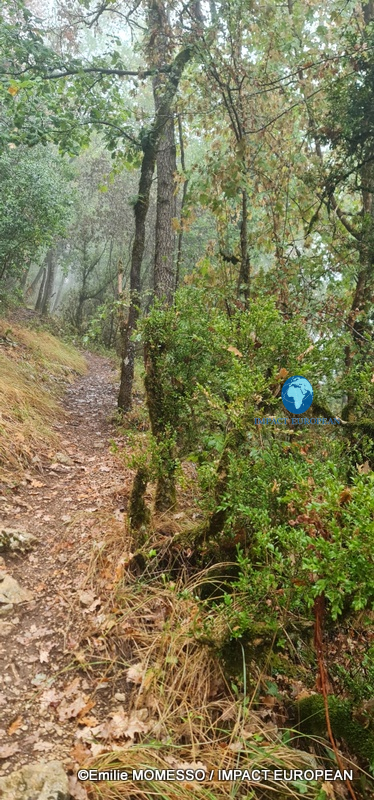
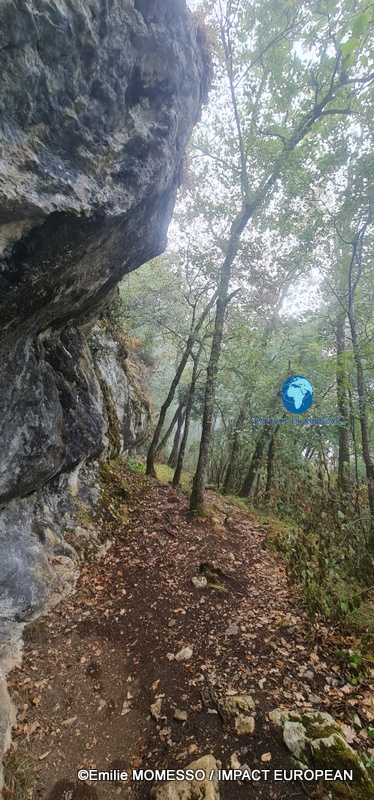
Paths reconnect the cave to the wider landscape of the Plantaurel.
And the modern community lives beside a place whose history extends far beyond written memory.
That coexistence is part of Mas-d’Azil’s identity.
This is not an archaeological ruin isolated from contemporary life.
It remains a crossing place.
Cars pass through.
People walk beside the river.
Researchers continue to investigate.
Visitors enter.
The mountain remains.
A few minutes through 35,000 years
There is something extraordinary about the difference between the time needed to cross Mas-d’Azil today and the time contained within it.
A vehicle can pass through the mountain in minutes.
But beneath and around that road lie traces spanning tens of thousands of years.
The contrast explains why Mas-d’Azil cannot be understood simply as a spectacular cave.
It is simultaneously a geological structure, a prehistoric habitat, an artistic archive, an archaeological laboratory, a protected monument and part of a living territory.
The road makes the paradox visible.
We cross quickly.
The mountain does not.
It accumulates.
It protects.
It preserves.
Every generation believes it is passing through the present.
Mas-d’Azil reminds us that eventually, the present becomes another layer of the past.
The mountain preserves the memory of those who passed through it.
©2026 – IMPACT EUROPEAN – All rights reserved








Views: 12
More Stories
France Protests on October 17: Mass Mobilization Overshadowed by Violence Across the Country
Work Palace Opens in Paris: INSITU Brings Luxury Hospitality Into the Workplace
Rugby Pro D2: Colomiers Defeat Narbonne 49-28 to Claim Bonus-Point Victory