

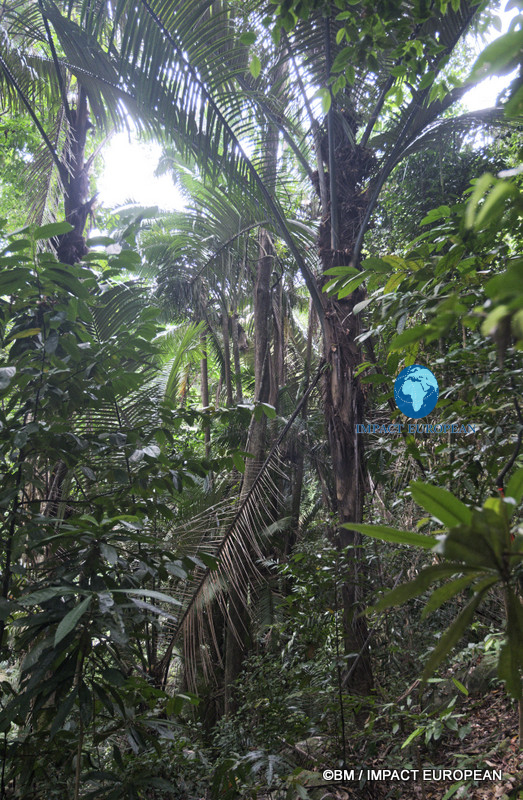
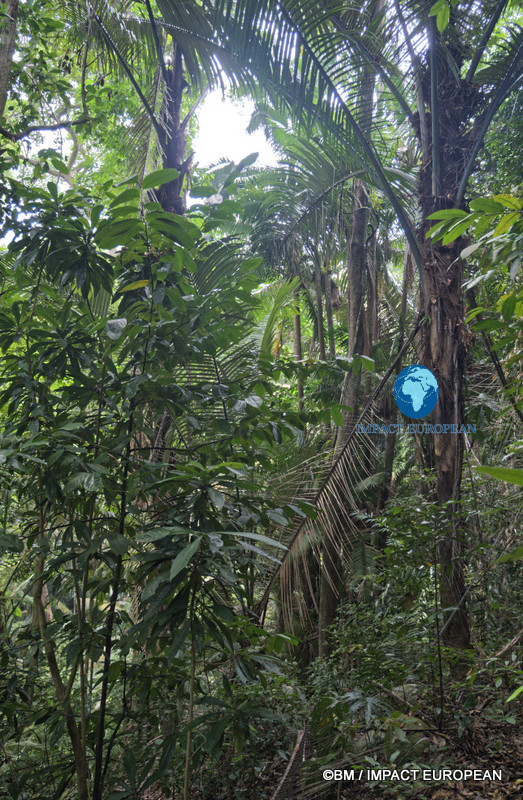
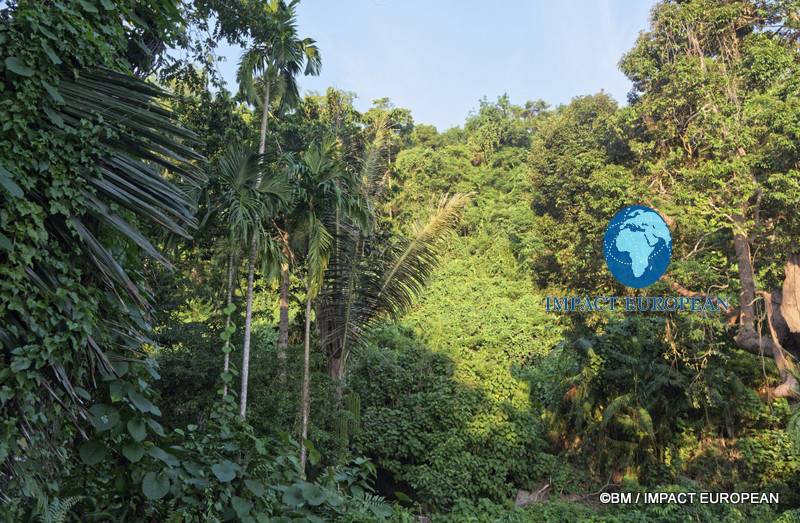
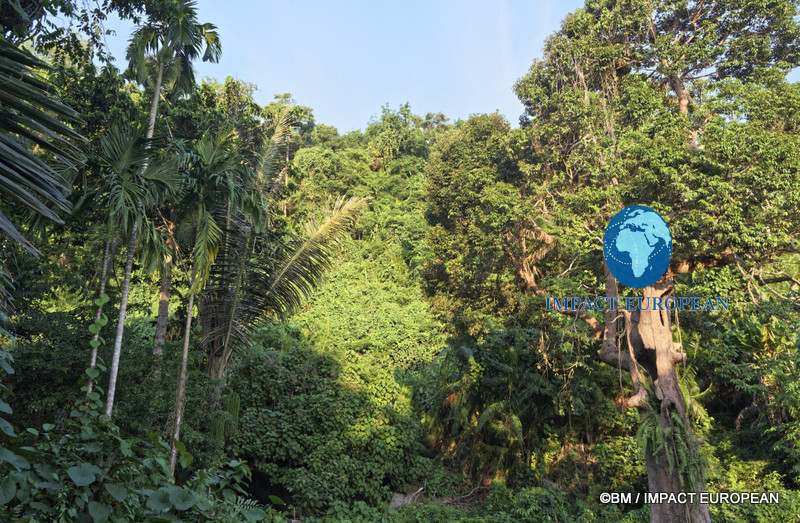
Tioman rises from the South China Sea off the east coast of Peninsular Malaysia with a geography that has shaped both its attraction and its preservation. Coastal settlements, beaches and visitor routes occupy the island’s more accessible margins, while a mountainous tropical forest dominates much of its interior. Some trails allow visitors to enter this environment, but vegetation, altitude, humidity, monsoon rains and isolation progressively determine how far human activity can extend. Tioman’s rainforest is therefore more than a landscape preserved by regulation: many of its strongest protections are built into the island itself.
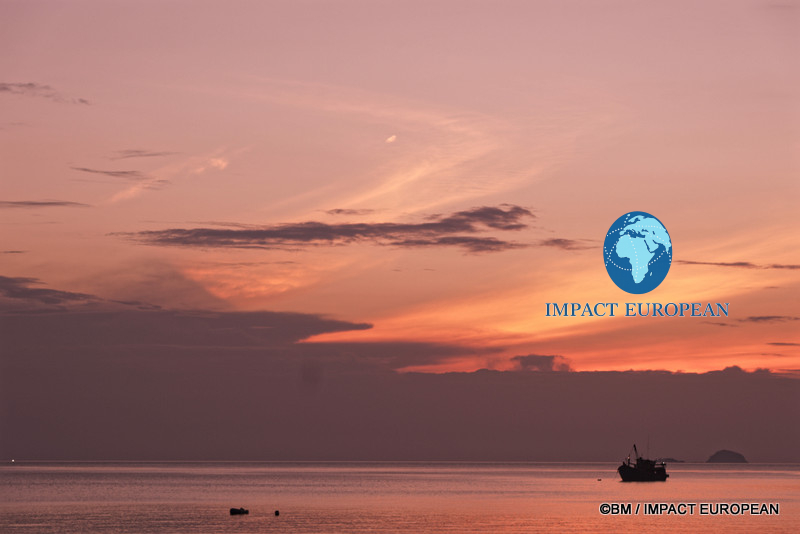
For an international traveller, Tioman can easily be introduced through the sea. Reaching the island means approaching a coastline where settlements and tourism have developed in direct contact with a much less accessible interior.
That contrast is important because the two territories exist side by side.
Routes such as the Tekek–Juara crossing provide access through part of the forest, while Asah is known for waterfalls surrounded by tropical vegetation. Beyond the more accessible areas, however, the physical character of the island changes the conditions of exploration. Tioman’s highest point, Gunung Kajang, rises to about 1,038 metres, placing a substantial mountain barrier at the centre of a relatively small island.
The forest covering those slopes belongs to the ancient tropical ecosystems of Southeast Asia. Its continuity stretches across a geological and ecological history vastly longer than any present human settlement on Tioman.
But this does not mean that the trees standing there today are thousands of years old.
That distinction reveals how the rainforest survives.
A forest can be ancient without its trees being immortal
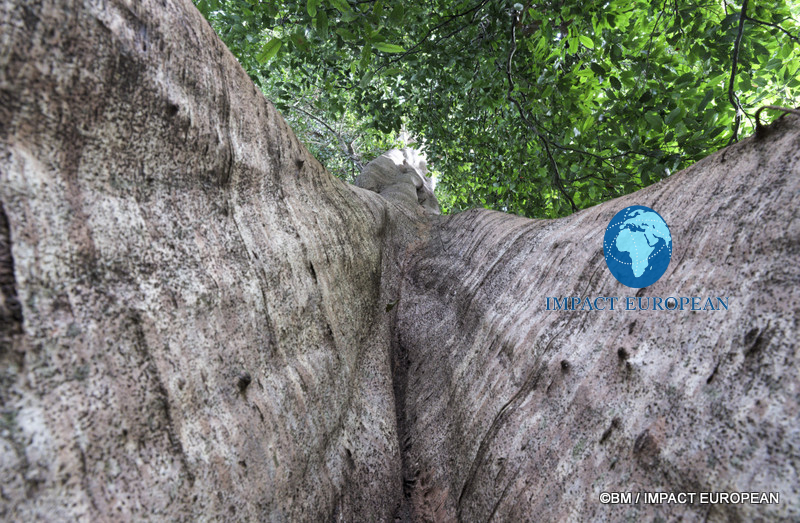
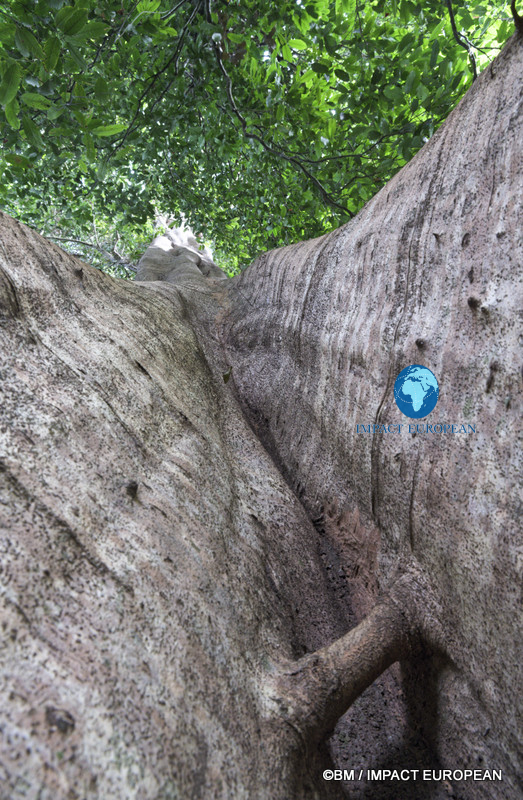
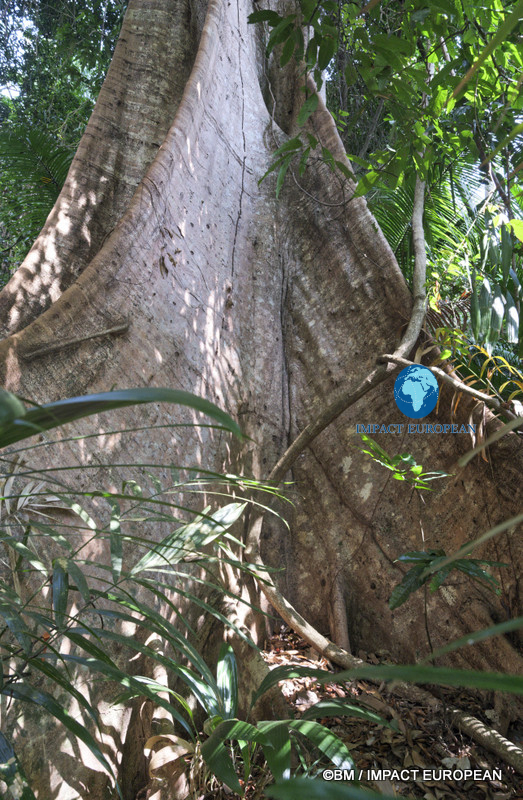
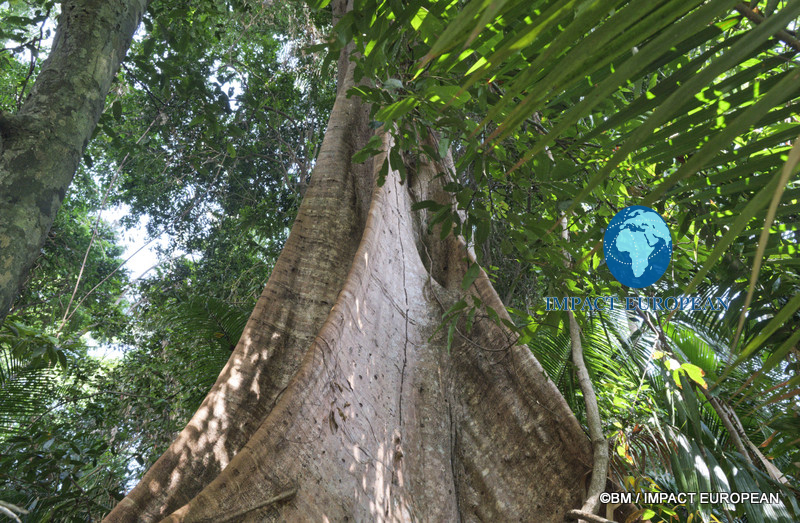
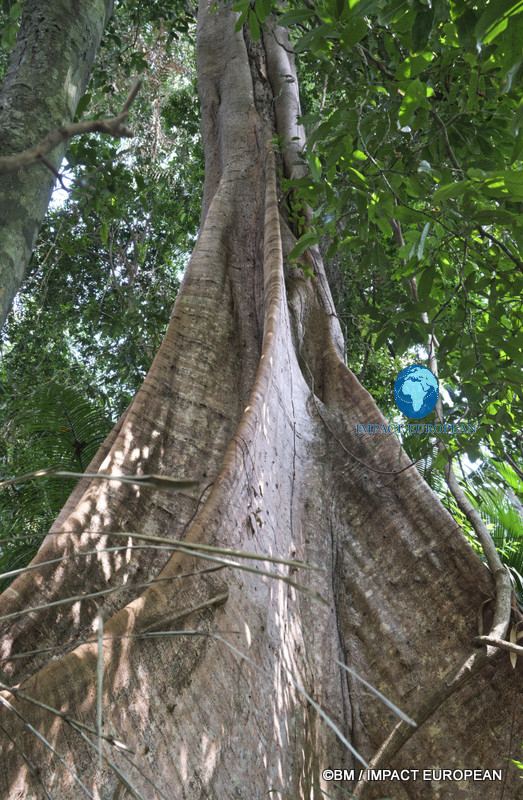
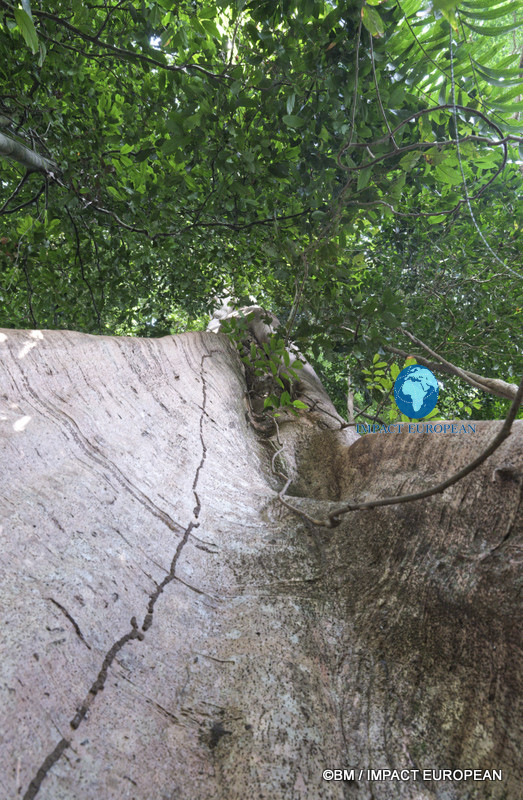
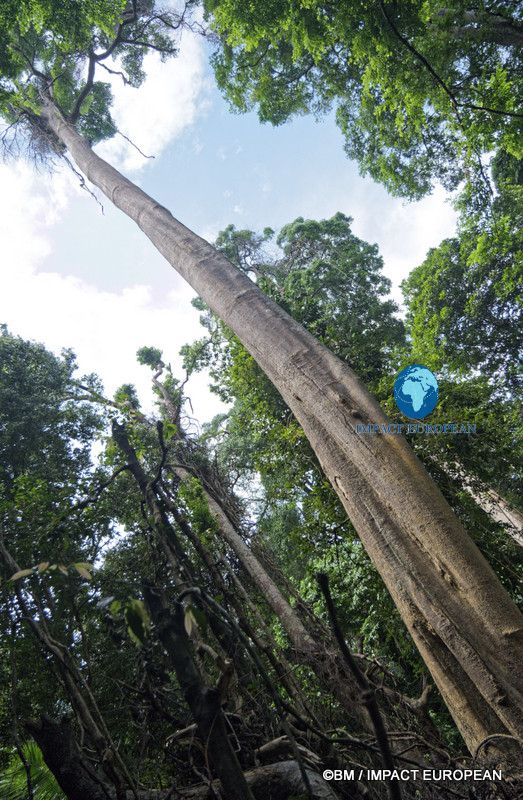
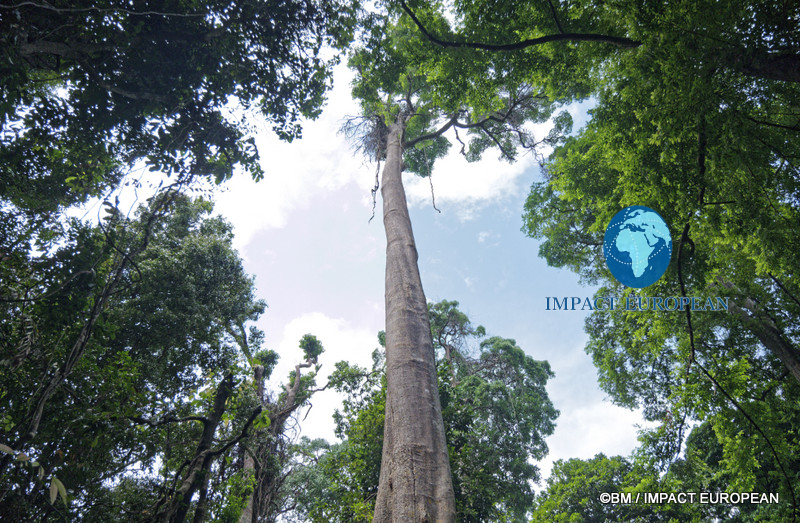
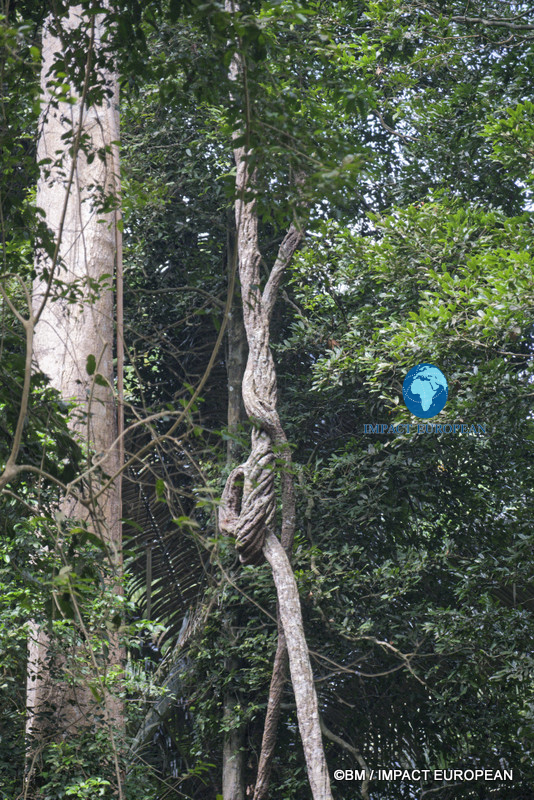
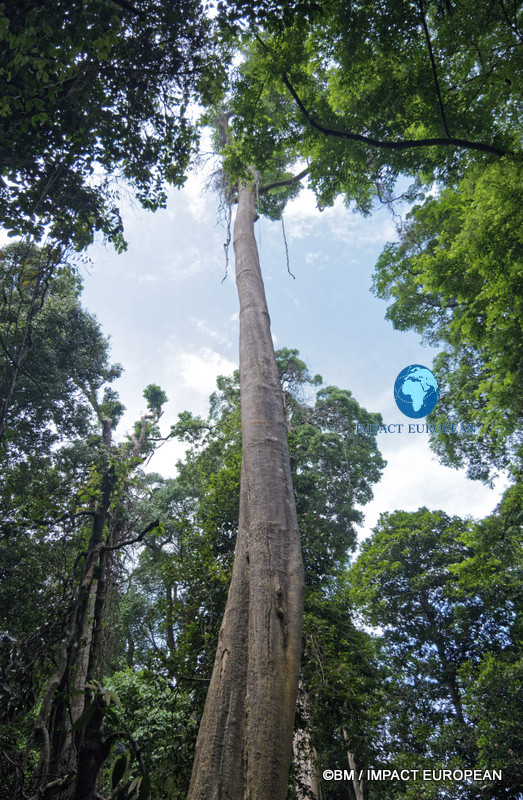
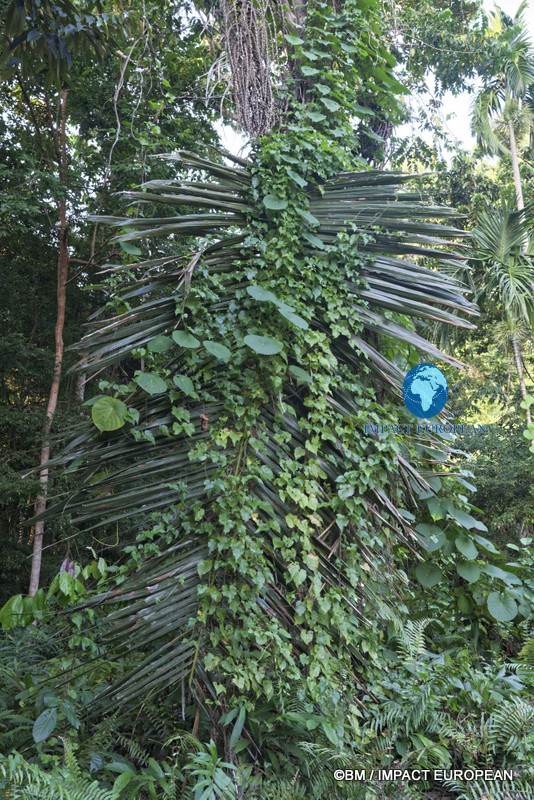
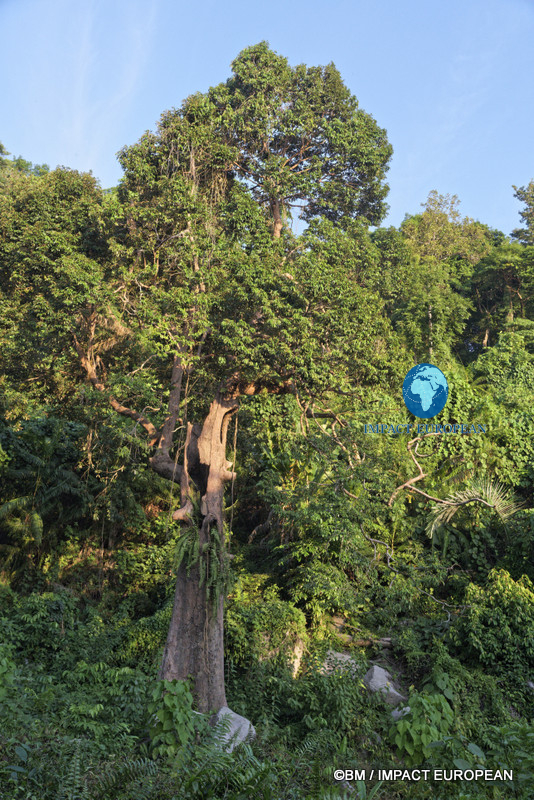
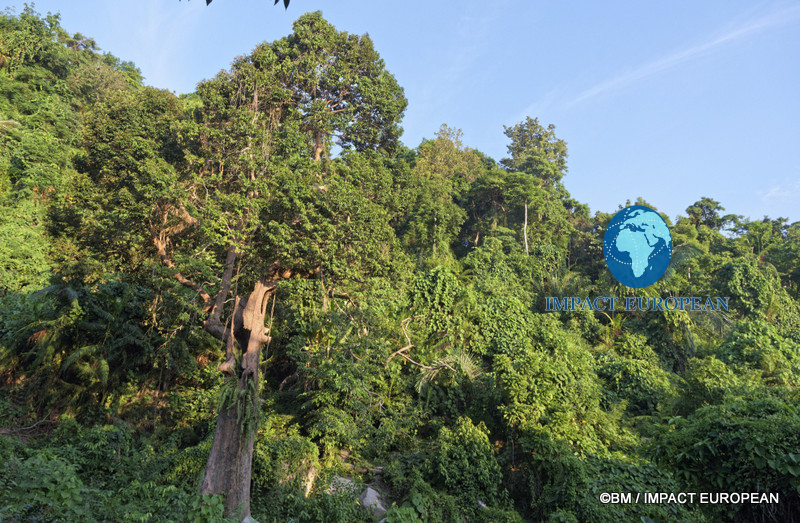
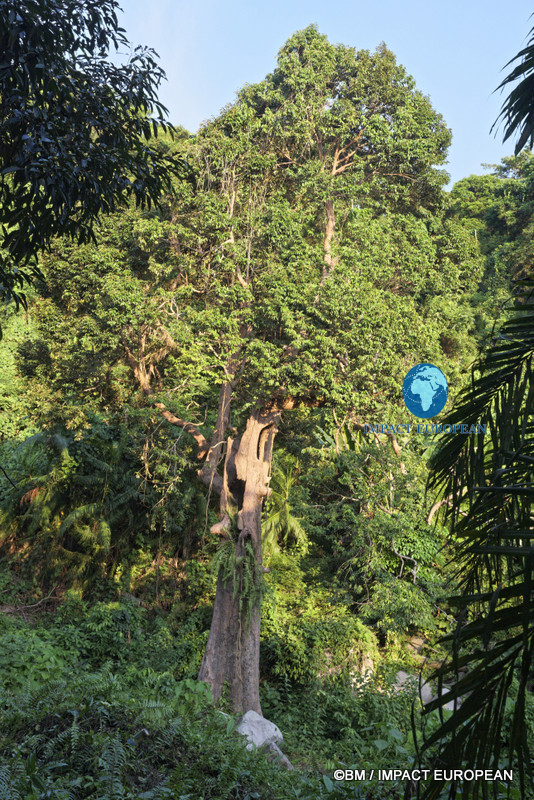
Among the most imposing trees are dipterocarps, a major component of Southeast Asian tropical forests. Large specimens can rise beyond 50 metres, reaching the upper canopy above a complex structure of younger trees, lianas, ferns, orchids and other tropical vegetation.
Their lifespan is measured in centuries rather than millennia. Large dipterocarps can survive for approximately 300 to 500 years, although establishing the exact age of an individual tree requires scientific examination. Height and trunk diameter alone cannot demonstrate that a particular specimen is 300, 400 or 500 years old.
Their longevity depends partly on remarkable structural adaptations.
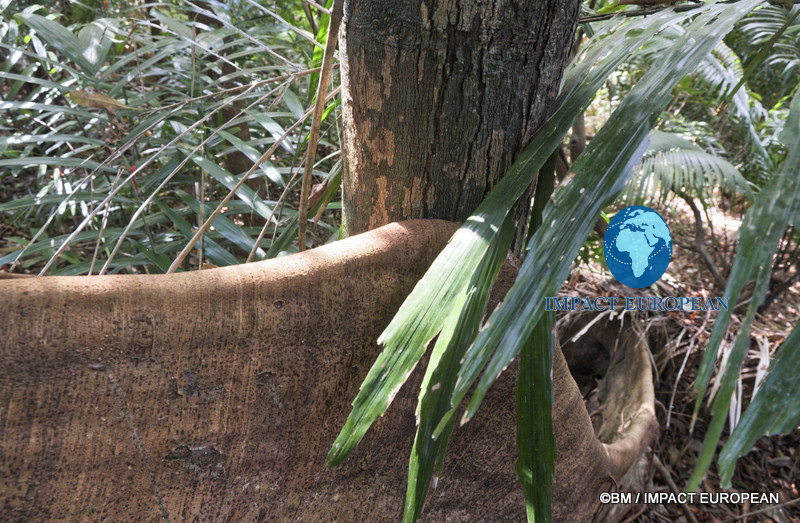
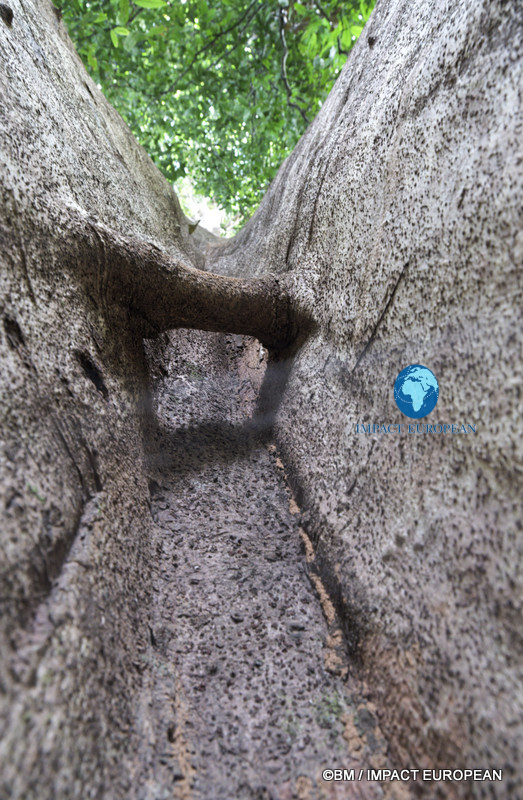
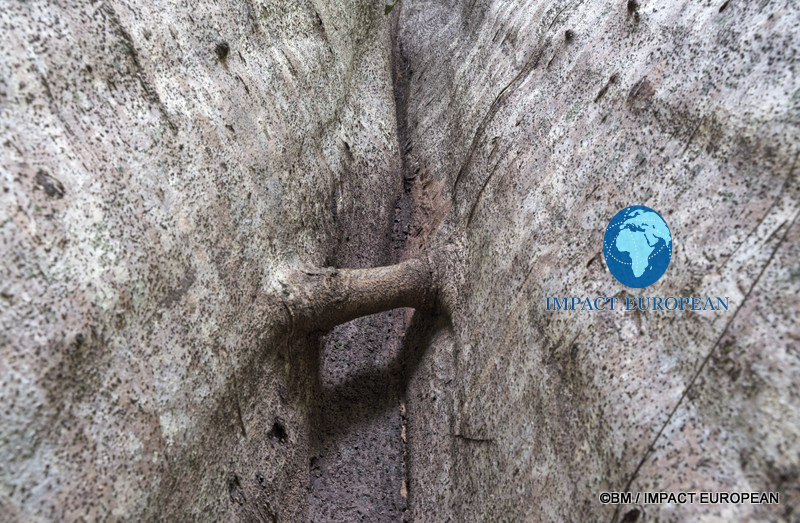
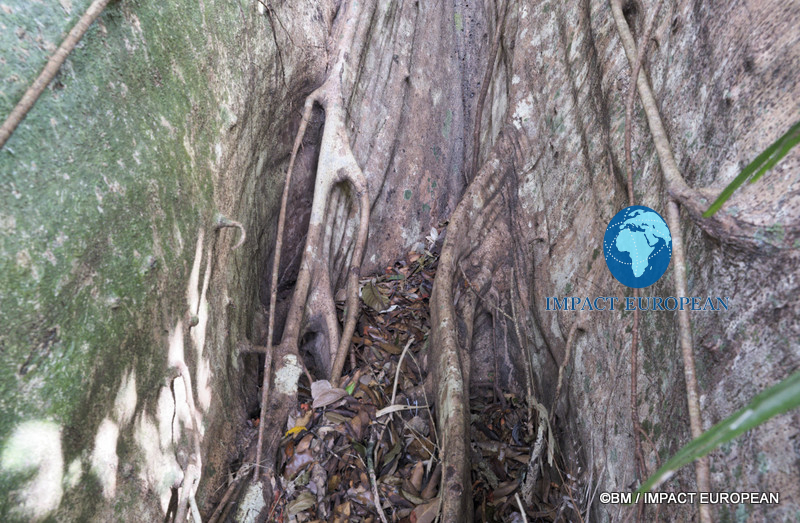
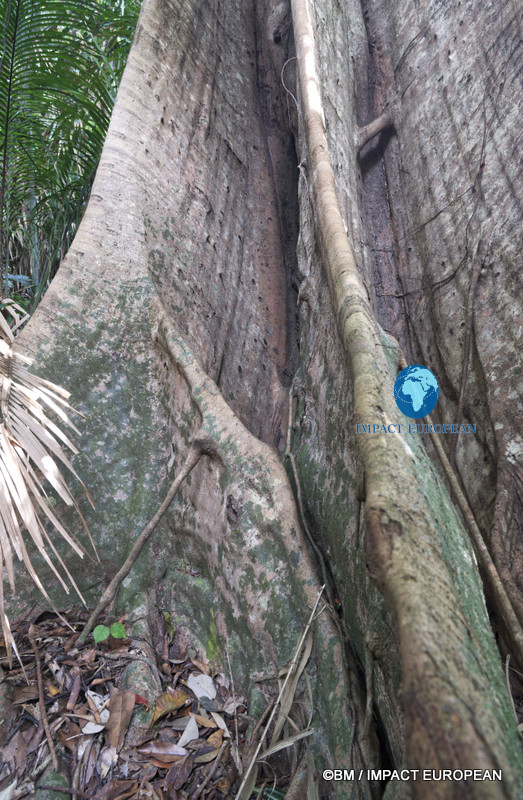
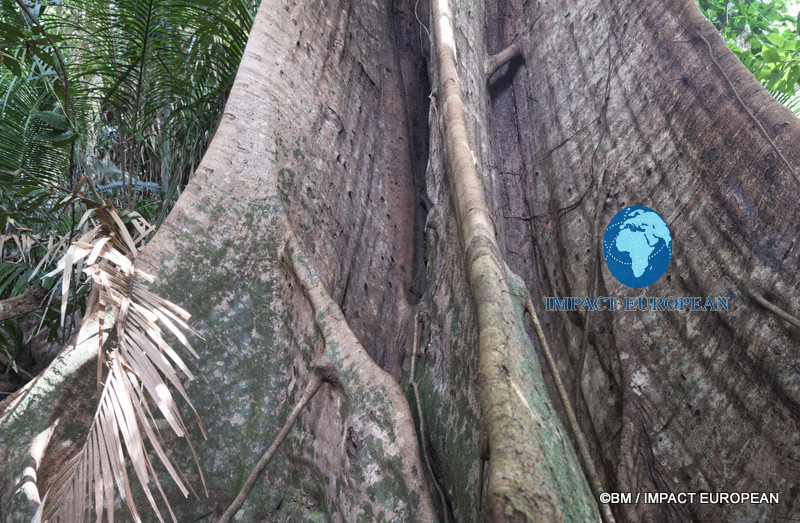
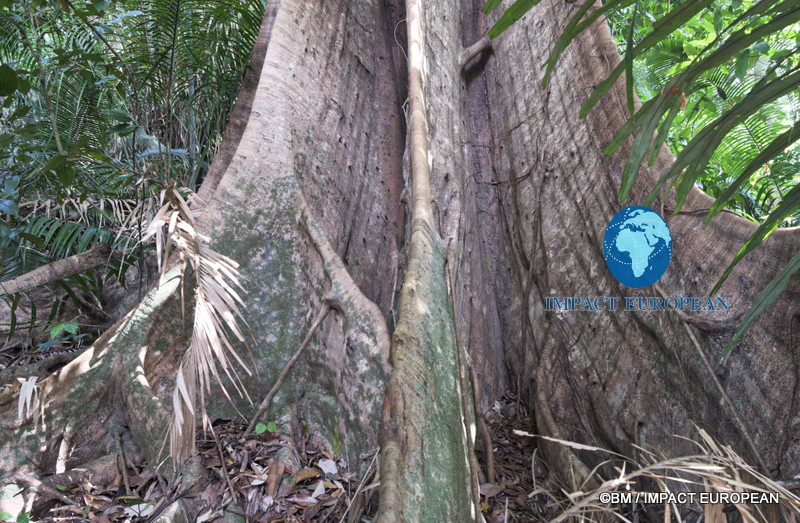
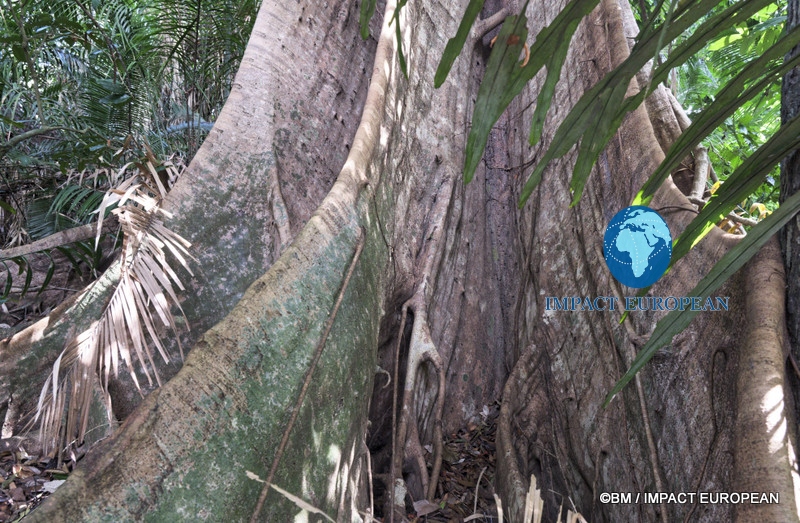
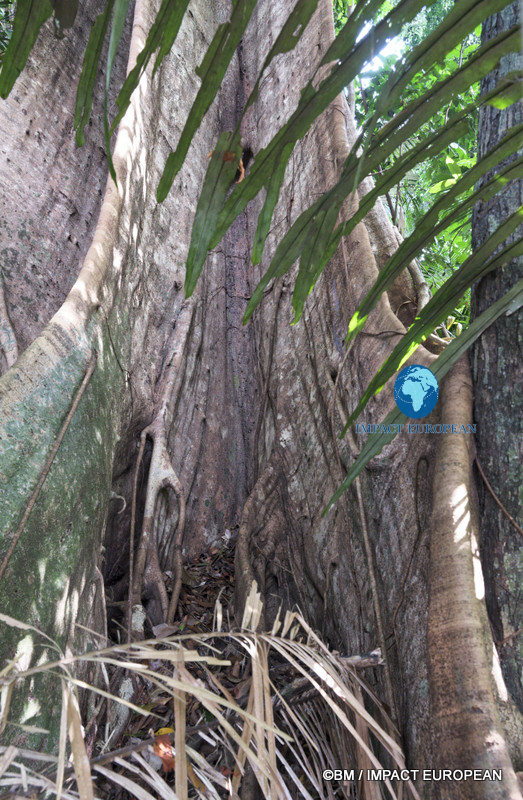
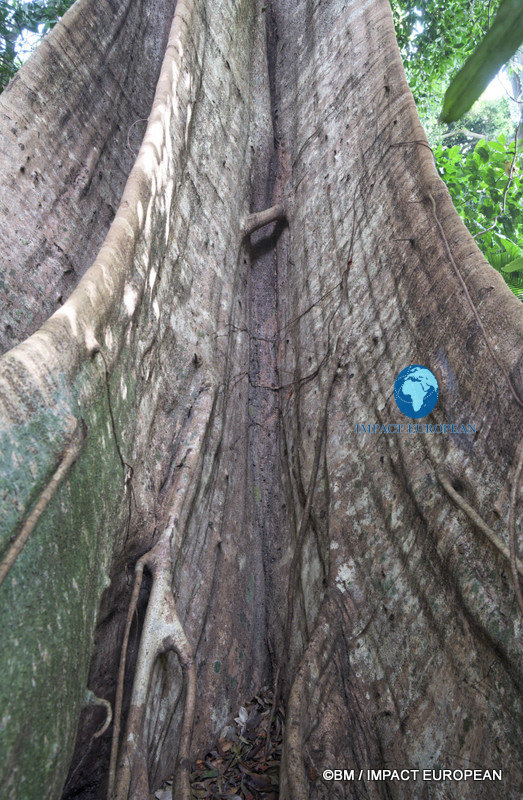
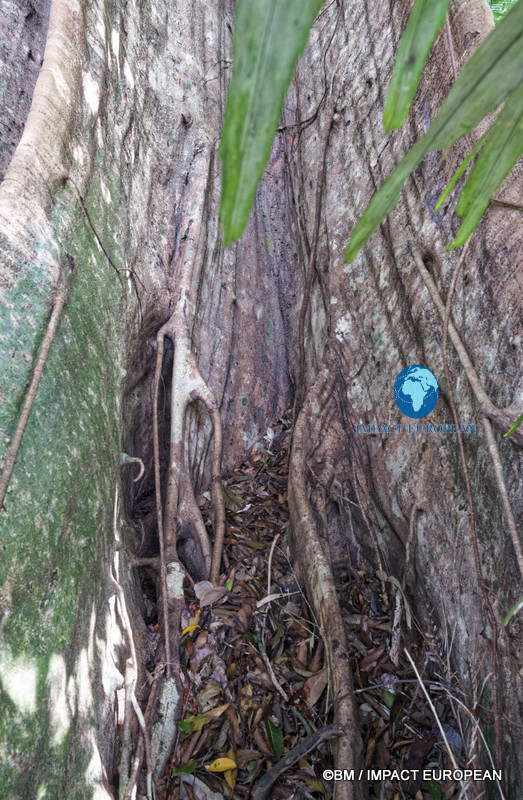
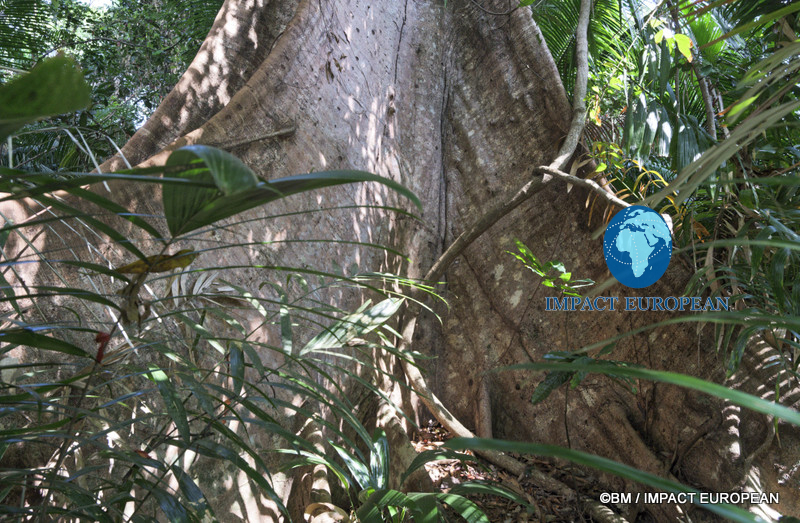
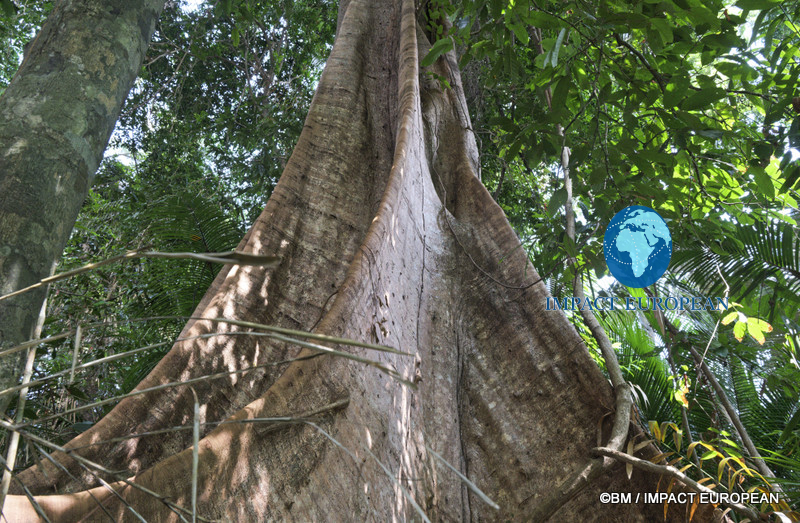
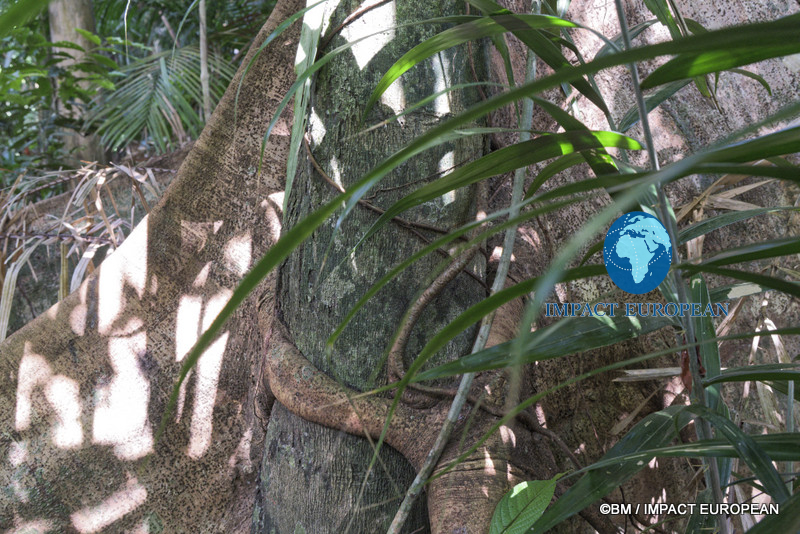
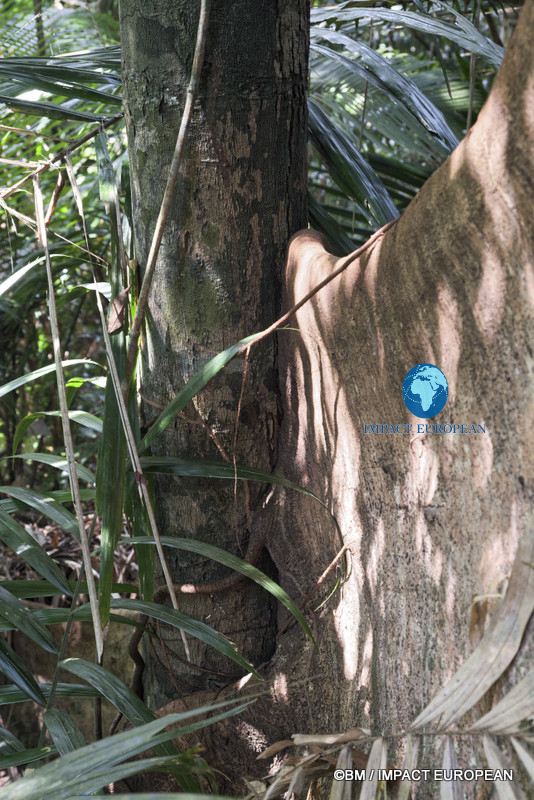
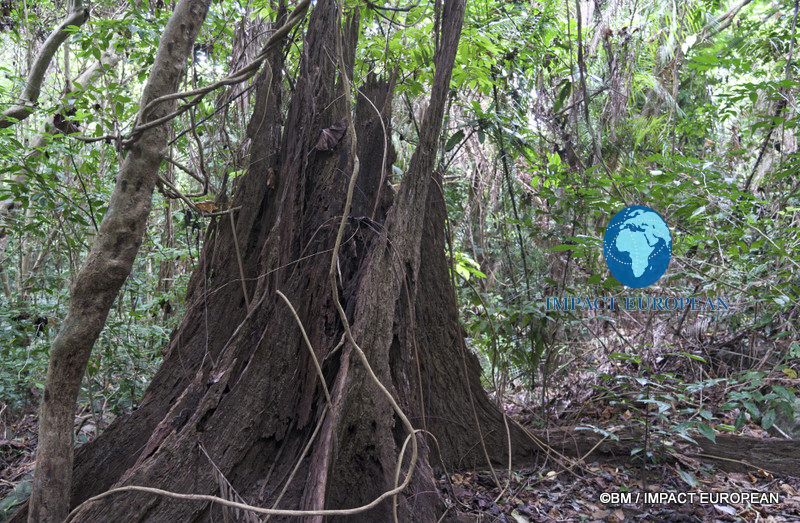
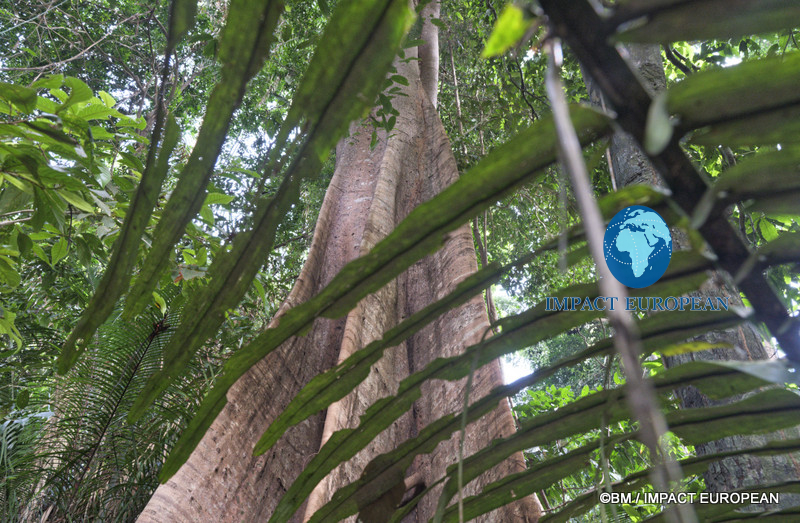
Large buttress roots spread from the base of many tropical trees, providing additional stability for trunks carrying enormous crowns high above the forest floor. Slow growth also allows these trees to build the structures needed to compete for light in a forest where reaching the canopy can determine survival.
Yet size does not make them invulnerable.
Tioman’s warm and exceptionally humid environment also favours fungi, termites and other organisms involved in breaking down wood. Over centuries, internal decay can weaken a tree that may still appear formidable from the outside.
Heavy rain and tropical storms add further mechanical stress.
Eventually, even a forest giant falls.
What happens next explains why the age of the rainforest cannot be confused with the age of a single tree.
When a large tree collapses, it opens a gap in the canopy. Sunlight reaches vegetation that previously survived in deep shade. Younger trees gain an opportunity to grow, while the fallen trunk begins to decompose and its organic material returns to the forest system.
One generation disappears and another gains space.
Tioman’s continuity therefore depends not on keeping every tree alive indefinitely, but on allowing death, decomposition and regeneration to remain part of the same ecological process.
The forest survives through replacement.
And that process creates something else: complexity.
The architecture of the forest creates its wildlife habitats
A rainforest more than 50 metres high is not a single habitat.
Conditions at ground level differ from those in the canopy. A fallen trunk provides a different environment from a living crown. Streams, damp ground, tree cavities and dense undergrowth create still more ecological spaces.
This vertical and horizontal complexity supports Tioman’s wildlife.
Macaques and large monitor lizards are among the island’s more conspicuous animals. Flying foxes and other bats use another part of the environment, while reptiles, amphibians and insects occupy habitats that may remain almost invisible to a passing visitor.
Tioman’s isolation adds another dimension.
Island ecosystems can produce populations with very restricted distributions, and Tioman is associated with species found nowhere else or with ranges closely linked to the island, including the Tioman day gecko and other locally distinctive fauna.
For such species, preserving vegetation is not simply a matter of maintaining attractive scenery.
The forest is living space.
Removing a large tree can alter the canopy. Opening the canopy changes light and humidity below it. Changing the understorey affects organisms that depend on shade and moisture. Fragmenting vegetation can separate habitats that previously functioned as one system.
Biodiversity therefore depends on connections that are not immediately visible from a beach or a trail.
Tioman’s dense vegetation helps maintain those connections.
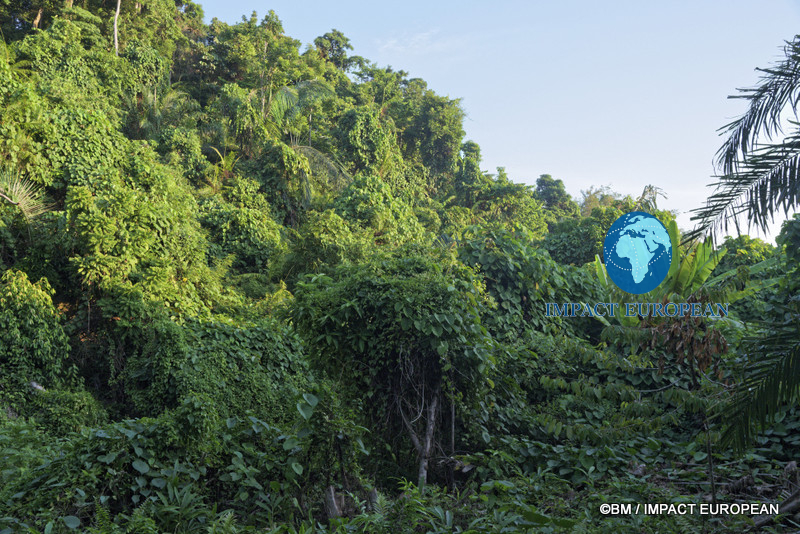
It also makes large parts of the island difficult to penetrate.
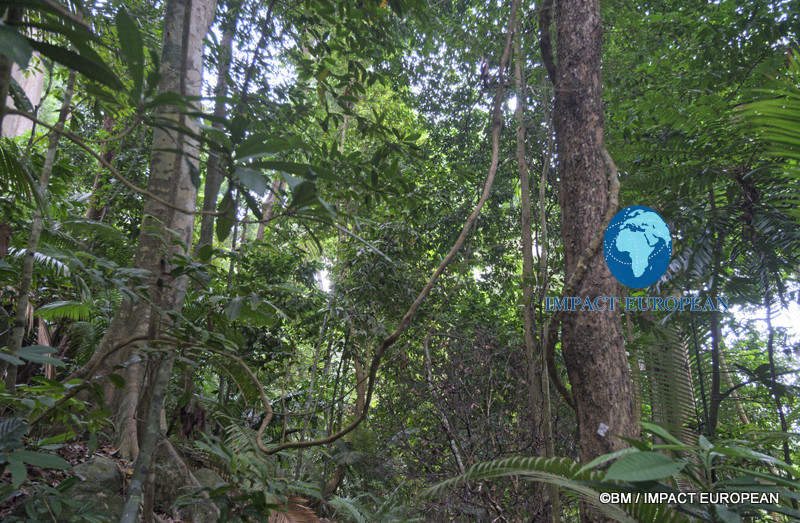
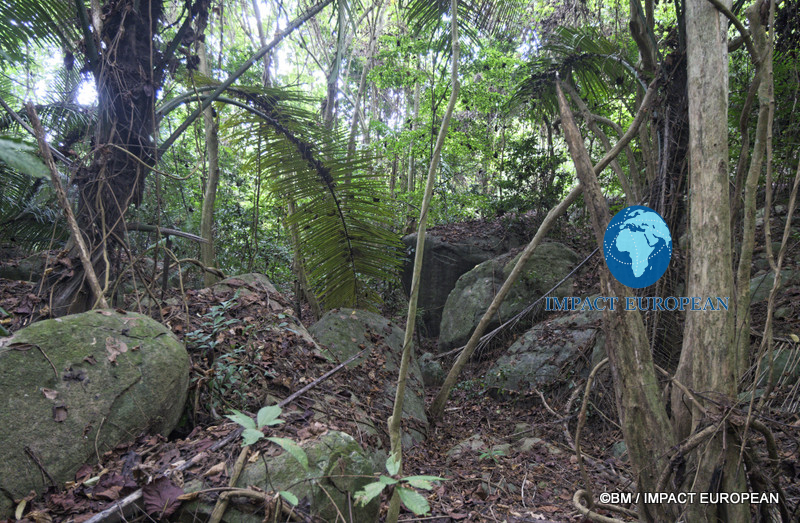
The same forest structure that provides shelter for wildlife creates a physical limit to human movement.
That is one of Tioman’s most effective natural defences.
Geography has done part of the conservation work
Tioman is not protected by vegetation alone.
Its mountainous terrain reinforces the barrier created by the rainforest. Gunung Kajang and the surrounding relief make construction, transport and movement inland considerably more difficult than along accessible coastal areas.
This helps explain the geography of human occupation.
Settlements and much of the tourism infrastructure remain concentrated around the coast, while large parts of the interior retain a much stronger forest presence.
In practical terms, every additional degree of difficulty matters.
Dense vegetation makes passage harder. Steep terrain increases physical effort. Distance from settlements complicates logistics. Together, these factors make intensive development of the interior more demanding.
The result is not an untouched island.
Humans live on Tioman, visitors travel there and parts of the rainforest are accessible.
What matters is that accessibility is uneven.
The Tekek–Juara route, extending for several kilometres across the island, offers one way to experience the forest without entering its most isolated areas. Around Asah, waterfalls provide another connection between inhabited parts of Tioman and the forested interior.
More remote exploration is different.
Once established routes are left behind, knowledge of the terrain becomes increasingly important. In restricted or difficult areas, local guides and applicable forest regulations can determine how exploration is conducted.
This human framework does not replace Tioman’s natural barriers.
It works on top of them.
And another barrier changes with the seasons.
The monsoon can redraw the limits of access
A tropical rainforest depends on water, but the same water that sustains it can make human movement considerably more difficult.
Humidity beneath the canopy can exceed 90%, combining with tropical heat to increase physical strain and water loss. Dehydration and exhaustion can therefore become serious considerations during demanding forest activity.
Heavy rain changes the terrain further.
During the monsoon period, generally associated with the months from November to March on this side of Peninsular Malaysia, rainfall can make forest travel substantially more difficult. Saturated ground, falling branches, uprooted trees and unstable slopes can increase natural hazards.
Conditions that may be manageable during drier periods can therefore become unsuitable after prolonged rain.
This seasonal change is significant because it demonstrates another limit to human control.
Tourism can have schedules. Transport can have timetables. Trails can be mapped.
The rainforest still has weather.
And in the interior of Tioman, weather has consequences.
Distance changes the meaning of risk
The dangers of a tropical forest are often reduced in popular imagination to snakes or other wildlife. Tioman presents a more complex reality.
Wild animals are part of that environment. Venomous snakes may occur, scorpions can remain hidden among forest debris, and macaques can become problematic when food attracts them. Leeches are common in wet conditions, while mosquitoes carry a more significant public-health concern because of diseases including dengue.
But some of the most important risks come from the environment itself.
Heat can lead to exhaustion.
Dense vegetation can contribute to disorientation.
Heavy rainfall can alter the terrain.
A branch can fall.
A tree weakened by age, decay or weather can collapse.
None of these processes is exceptional in a rainforest. They become more significant for humans because of where they occur.
Medical facilities on Tioman are limited compared with those available on mainland Malaysia and are concentrated around inhabited areas, particularly around Tekek. A serious accident deep in mountainous forest therefore raises an additional problem: evacuation.
Distance becomes part of the risk.
This is why local knowledge matters increasingly as access becomes more difficult. A guide is not merely a person showing visitors where an attraction is located. In remote terrain, knowledge of routes, conditions and limits becomes part of basic risk management.
Tioman consequently establishes several levels of human presence without requiring a single physical boundary around its forest.
There are places people live.
There are places visitors can reach.
There are places that require greater knowledge and preparation.
And there are conditions in which proceeding farther is no longer reasonable.
Conservation begins before regulation
Malaysia’s forest and wildlife protections provide the legal framework needed to manage sensitive natural areas, and access to permanent forest reserves can be subject to rules and permits.
Those measures are essential.
But Tioman demonstrates that legislation is only one layer of protection.
Long before a regulation determines where people should go, the island’s geography already influences where people can go easily.
The rainforest is dense because competition for light has produced several layers of vegetation.
That density supports wildlife while restricting movement.
The mountains make construction and access more difficult.
The monsoon periodically intensifies those difficulties.
Isolation increases the consequences of mistakes.
Each mechanism reinforces another.
Human conservation measures can then concentrate visitors on appropriate routes, require guidance where necessary and reduce pressure on more sensitive areas.
This is very different from treating conservation and tourism as absolute opposites.
Tioman needs tourism to operate within the ecological reality of the island rather than requiring the island to be reshaped entirely around tourism.
That distinction has international relevance.
Across tropical destinations, easier access can bring economic opportunity. It can also create pressure for roads, buildings, larger visitor numbers and the fragmentation of habitats. Once access expands, the conditions that originally preserved an area can begin to disappear.
Tioman illustrates another possibility.
Access does not have to mean access everywhere.
A visitor can cross part of the forest, reach waterfalls and experience the island’s interior without every mountain slope becoming a tourist route.
A protected landscape can remain discoverable precisely because some limits remain in place.
The value of what remains difficult to reach
This gives Tioman a significance beyond its beaches.
Its rainforest is not simply an additional attraction beside the South China Sea. It is a system whose trees, wildlife, mountains, water and climate have developed interdependent relationships over long periods.
The dipterocarp that survives for 300 to 500 years is part of that system.
So is the fungus that decomposes it.
So is the young tree that uses the new light after it falls.
So is the animal that depends on the resulting habitat.
And so is the mountain slope that makes large-scale human intervention more difficult.
Looked at individually, these are separate facts.
Looked at together, they explain why substantial parts of Tioman have retained their natural character.
The forest does not protect itself through a single mechanism.
It does so through accumulated resistance: biological renewal, dense vegetation, altitude, weather and isolation.
Human protection becomes most effective when it recognises those mechanisms rather than attempting to overcome them.
An island whose limits are part of its future
Tioman’s rainforest has survived through continuous change.
Its largest dipterocarps can rise more than 50 metres and live for roughly three to five centuries, yet even these giants eventually fall. Their disappearance creates light and space for younger vegetation, allowing a much older forest system to continue through successive generations.
That renewal supports a complex network of habitats and species.
Beyond biology, the island’s mountains restrict development, dense vegetation limits movement, monsoon conditions periodically make access more difficult and isolation increases the consequences of entering remote terrain without sufficient preparation.
Human protection adds another layer through trails, guides, protected areas and rules governing access.
But it did not create the first line of defence.
That existed in Tioman’s geography and ecology long before modern tourism arrived.
For an international audience, this may be the island’s most important story. Tioman shows that preserving a natural destination does not necessarily require separating people completely from nature. It requires recognising that access has limits — and that those limits can themselves have ecological value.
Beaches may bring travellers to Tioman.
Its rainforest explains why the island cannot be understood from the shore alone.
Here, conservation begins with a simple reality: nature already possesses many of the mechanisms needed to protect itself.
©2026 IMPACT EUROPEAN – All rights reserved
Views: 24
More Stories
Paris Pride 2026: From Political Mobilisation to a European Message of Solidarity
France’s September 29 Strike: When Pay Becomes a Question of Public-Service Capacity
Pope Leo XIV in France: From Human Dignity to Europe’s Search for Peace