
From April 30 to May 11, 2026, the Foire de Paris once again takes over the expansive halls of the Porte de Versailles. But beyond its identity as a traditional French trade fair, this year’s edition reveals something deeper: a living laboratory of global economic transformation, where local craftsmanship meets international business strategies, and where consumer expectations mirror worldwide trends.
To walk through the Foire de Paris today is to witness a microcosm of the global economy. The event no longer simply showcases products; it stages the evolution of how people live, buy, and imagine the future.
A local fair with global relevance
At first glance, the Foire de Paris appears rooted in national tradition. Founded over a century ago, it has long been associated with French craftsmanship, gastronomy, and domestic innovation. Yet in 2026, its significance extends far beyond France.
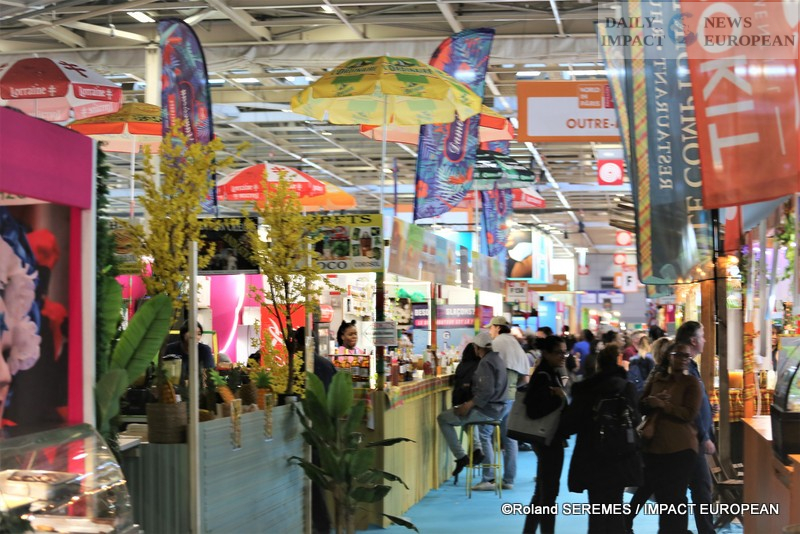
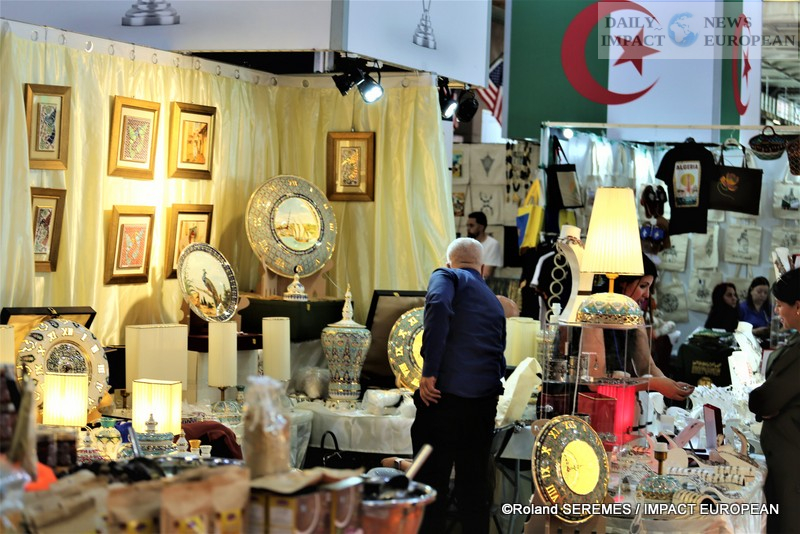
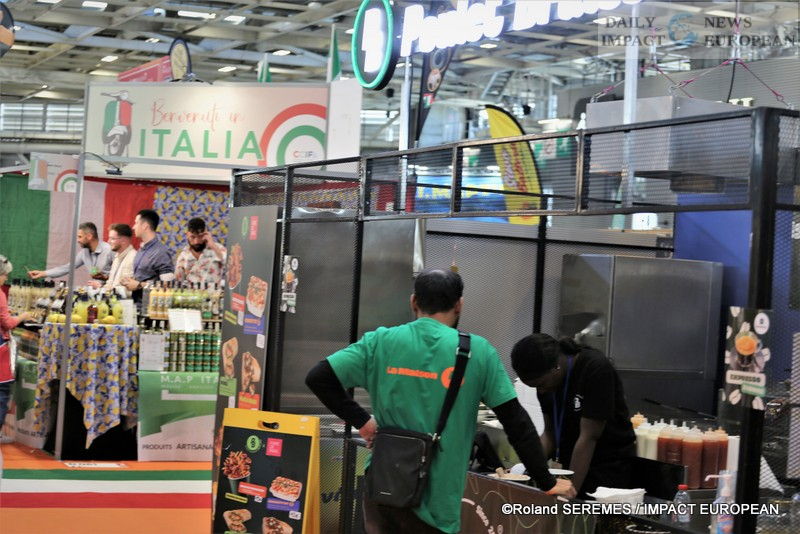
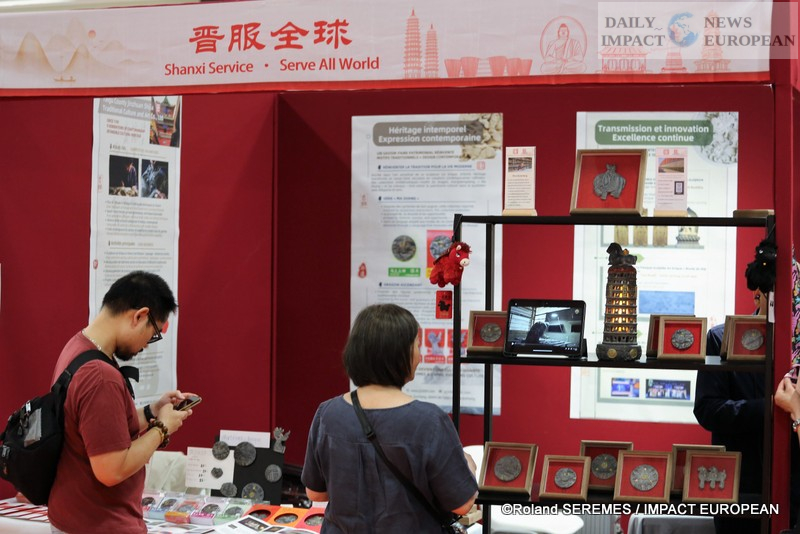
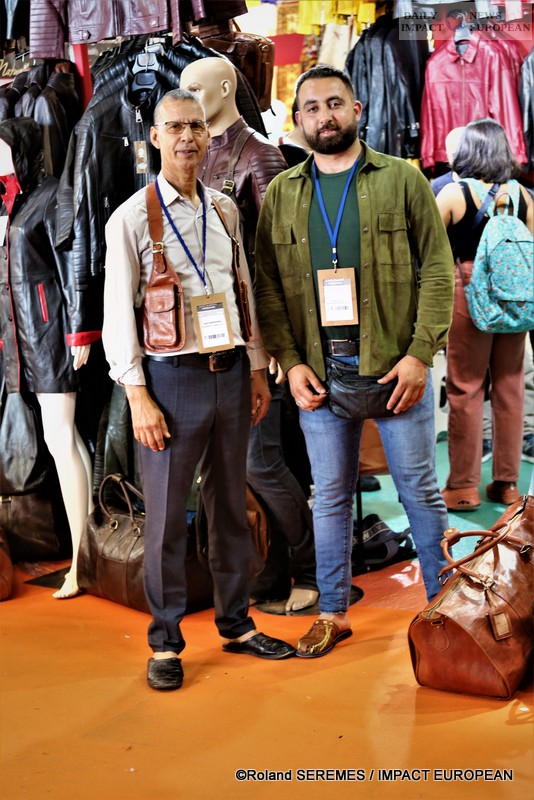
Exhibitors from across Europe, Asia, and beyond populate the exhibition halls. Conversations switch seamlessly between French, English, Italian, and Spanish. Deals are negotiated not just for the French market, but for international distribution networks.
A Dutch entrepreneur in sustainable home design explains:
“We’re not here just to sell in Paris. We’re here because Paris attracts attention — media, investors, and buyers from everywhere.”
In that sense, the fair operates similarly to global platforms such as the Consumer Electronics Show in Las Vegas or major European trade exhibitions. However, its distinguishing feature lies in its hybrid nature: it is both a consumer fair and a business environment.
The global transformation of consumer behavior
Perhaps the most striking aspect of the 2026 edition is how clearly it reflects global shifts in consumer expectations.
From ownership to experience
Across continents, consumers are moving away from purely transactional purchasing behavior. They seek experiences, narratives, and emotional engagement.
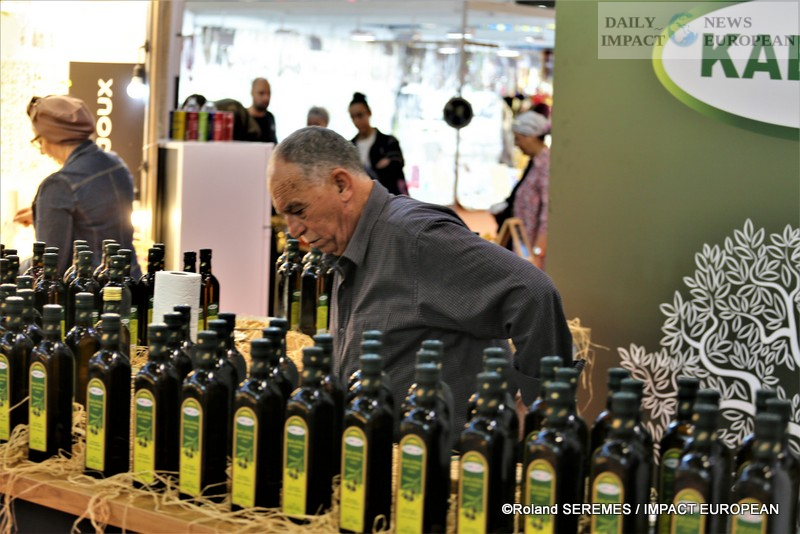
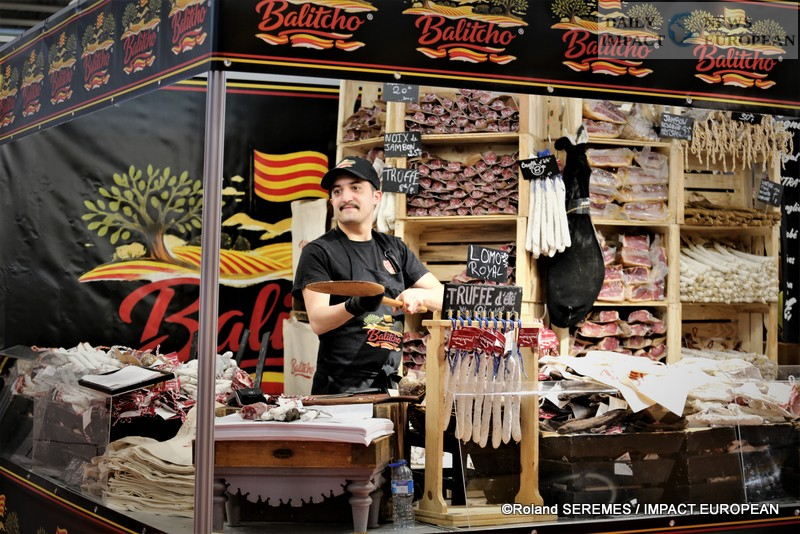
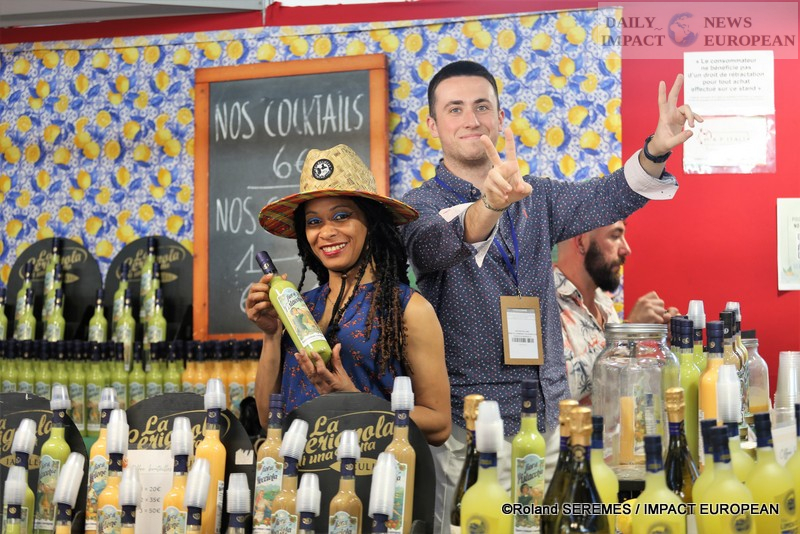
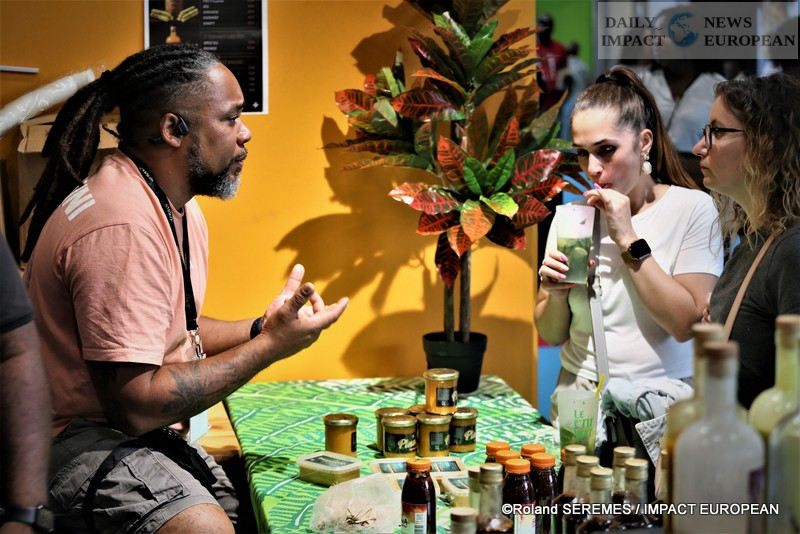
At the Foire de Paris, this shift is visible everywhere. Visitors do not simply browse products — they interact with them. They attend demonstrations, taste food, test devices, and engage in conversations.
An exhibitor from Spain specializing in kitchen innovation observes:
“People don’t just want to buy a product anymore. They want to understand it, to feel it, to imagine it in their lives.”
This experiential dimension aligns with broader global trends seen in retail environments from New York to Tokyo.
Sustainability as a universal expectation
Sustainability is no longer a niche concern. It has become a baseline expectation for consumers worldwide.
At the Foire de Paris, eco-friendly messaging is omnipresent. From energy-efficient home systems to products made from recycled materials, companies are adapting to a global demand for responsibility.
A German exhibitor in renewable energy solutions notes:
“This is not just a European trend. Whether in Europe, North America, or parts of Asia, consumers are asking the same questions: How is this made? What impact does it have?”
The fair thus becomes a reflection of a shared global consciousness around environmental issues.
Technology integrated into everyday life
Another defining trend is the integration of technology into daily living. Smart home solutions, connected devices, and AI-driven tools are no longer futuristic concepts — they are becoming standard expectations.
At the Foire de Paris, these technologies are presented in a tangible, accessible way. Visitors can see how digital tools fit into their routines, from energy management systems to home security devices.
This democratization of technology mirrors developments in global markets, where innovation is increasingly designed for mass adoption.
A strategic platform for international business
While the Foire de Paris maintains its public appeal, its importance as a business platform should not be underestimated.
Direct access to consumers
Unlike many trade fairs that focus exclusively on professionals, the Foire de Paris allows companies to engage directly with end users. This provides immediate feedback and valuable insights.
For international brands entering the European market, this direct interaction is particularly valuable.
A testing ground for market entry
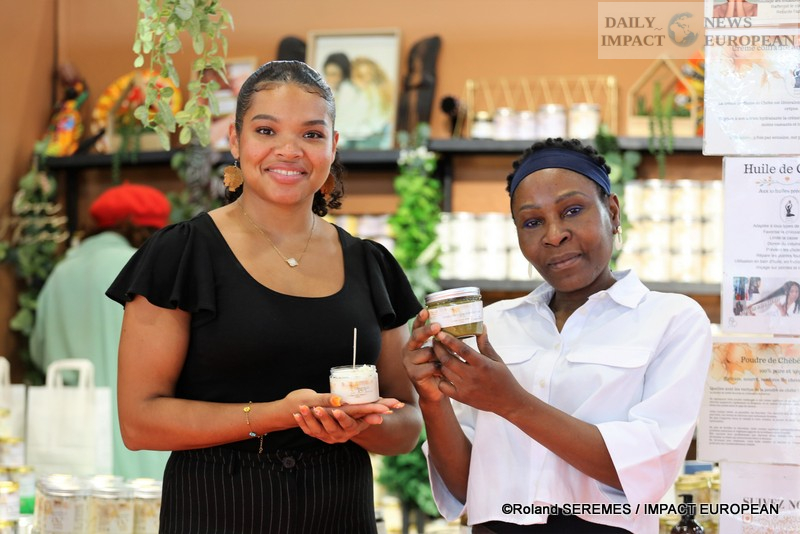
For startups and small businesses, the fair serves as a testing ground. Products can be introduced, refined, and repositioned based on real-time reactions.
A startup founder from Italy explains:
“In a single week, we can learn more than in months of online research. People tell you exactly what they think.”
Networking and partnerships
Beyond sales, the event facilitates networking. Business discussions take place in informal settings, leading to partnerships that extend beyond the duration of the fair.
This aspect reinforces the role of the Foire de Paris as a connector within the global business ecosystem.
The coexistence of tradition and innovation
One of the most compelling aspects of the Foire de Paris is its ability to bring together seemingly opposing forces: tradition and innovation.
Craftsmanship in a globalized world
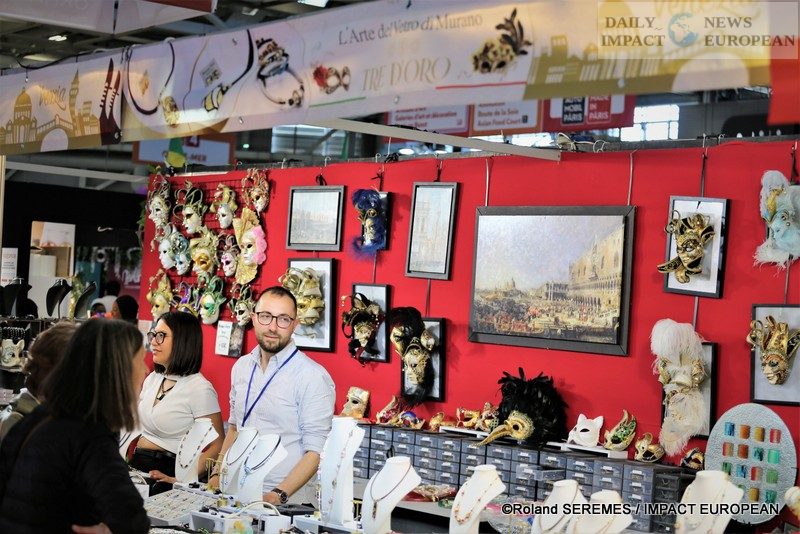
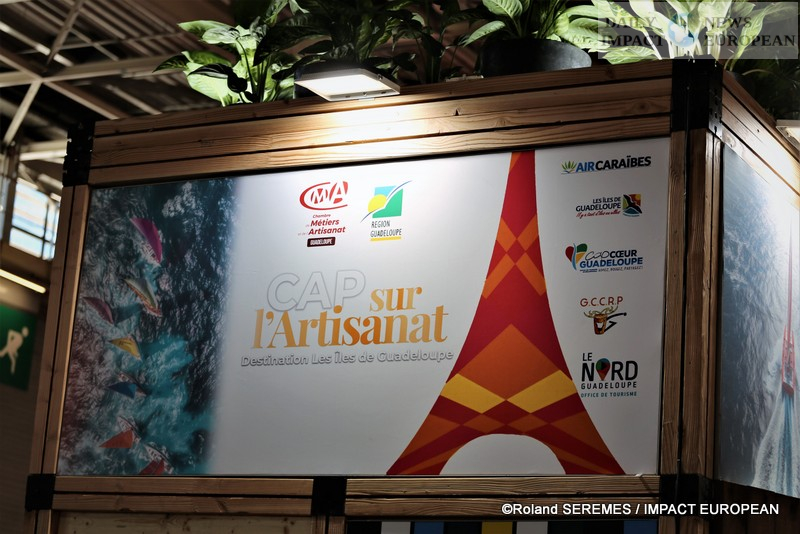
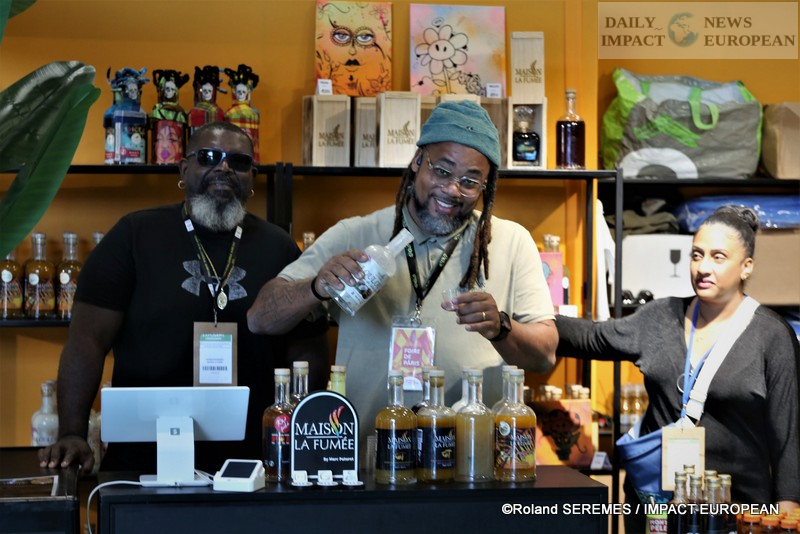
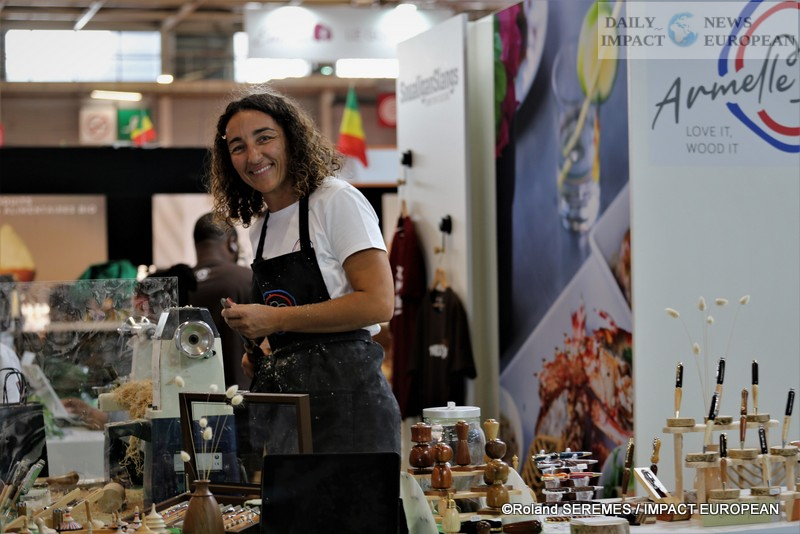
Artisans continue to play a central role. Handmade products, rooted in local traditions, attract visitors seeking authenticity.
In a globalized economy dominated by mass production, these artisans offer an alternative narrative — one of individuality and cultural identity.
Innovation shaping the future
At the same time, cutting-edge technologies are presented alongside these traditional crafts. This juxtaposition highlights a key reality of today’s global economy: progress does not erase tradition; it coexists with it.
A human-centered approach in a digital age
In an era dominated by e-commerce and digital platforms, the Foire de Paris offers something increasingly rare: human interaction.
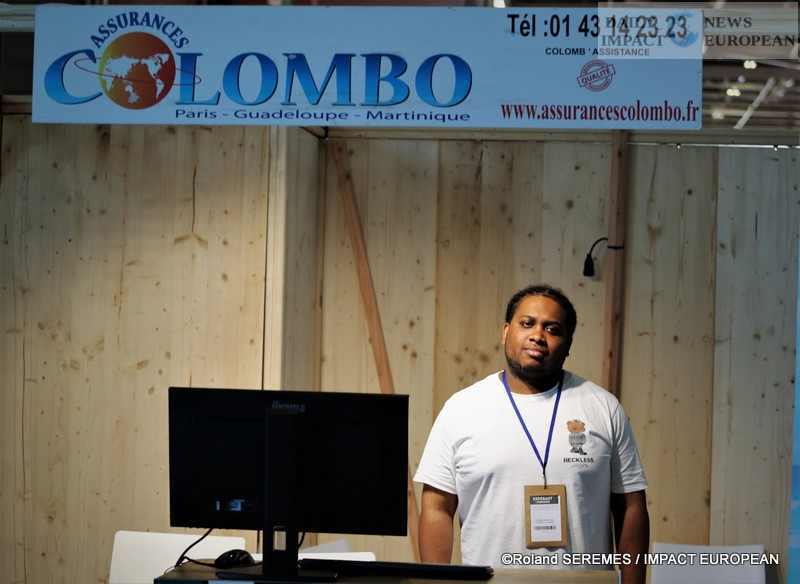
Visitors speak directly with producers, designers, and entrepreneurs. They ask questions, negotiate, and build trust.
This human dimension cannot be replicated online. It explains, in part, why events like the Foire de Paris continue to attract large audiences despite the rise of digital commerce.
Economic implications in a global context
The economic impact of the Foire de Paris extends beyond immediate sales.
Supporting SMEs and entrepreneurship
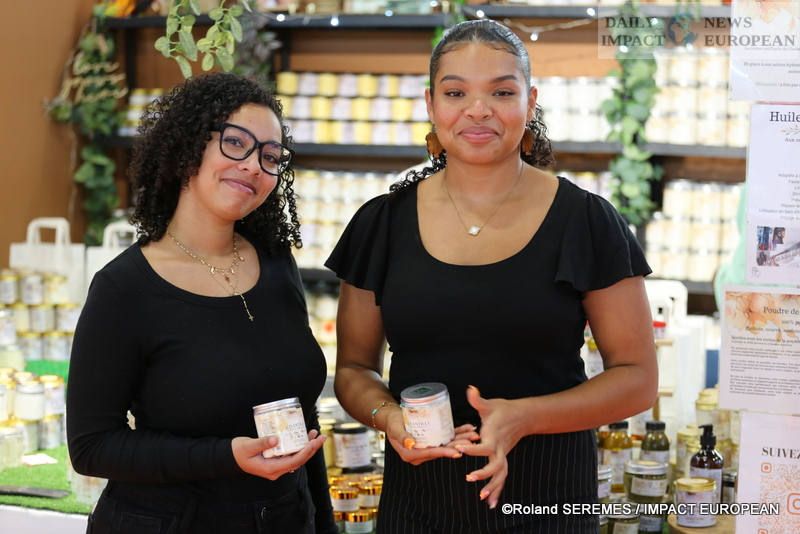
Small and medium-sized enterprises benefit significantly from the visibility and opportunities provided by the event.
Driving innovation cycles
By showcasing new ideas and technologies, the fair contributes to the acceleration of innovation cycles.
Reinforcing international trade connections
The presence of international exhibitors and visitors strengthens trade relationships and encourages cross-border collaboration.
A mirror of a changing world
Ultimately, the Foire de Paris 2026 reflects broader transformations shaping the global economy.
- consumers seeking meaning and experience
- growing demand for sustainability
- integration of technology into everyday life
- the importance of human connection
These themes are not unique to France or Europe — they are global.
The Foire de Paris in 2026 is more than a trade fair. It is a platform where global trends become visible, where innovation meets tradition, and where business strategies intersect with human experiences.
In a rapidly changing world, events like this offer a rare opportunity to observe transformation in real time.
For companies, it is a place to grow.
For consumers, a place to discover.
For observers, a place to understand the future.
©2026 – IMPACT EUROPEAN
Views: 8
More Stories
France Protests on October 17: Mass Mobilization Overshadowed by Violence Across the Country
Work Palace Opens in Paris: INSITU Brings Luxury Hospitality Into the Workplace
Rugby Pro D2: Colomiers Defeat Narbonne 49-28 to Claim Bonus-Point Victory