

On March 10, 2026, France hosted the second global summit on civil nuclear energy in cooperation with the International Atomic Energy Agency (IAEA).
The summit took place at La Seine Musicale near Paris and brought together around forty heads of state and government, representatives of the European Union, international organizations, financial institutions and major players from the nuclear industry.
The meeting follows commitments made during the COP28 climate conference in Dubai in 2023 to triple global installed civil nuclear capacity by 2050.
France, one of the world’s leading civil nuclear powers with 57 reactors, hosted the summit in an effort to promote nuclear energy as a key tool for the global energy transition and energy independence.
Currently, nuclear power accounts for about 10% of the world’s electricity production, with around 450 reactors operating in about thirty countries.
According to the French presidency, investment needs for nuclear projects in Europe alone are estimated at more than €240 billion. Multilateral banks, financial institutions and private investors are expected to play a crucial role in financing future reactor construction projects.
The summit gathered representatives from the United States, China, European countries and members of the G7, while Russia—another major nuclear power—was not invited due to the ongoing war in Ukraine.
The discussions focused on several key topics including financing nuclear projects, new uses of low-carbon electricity and heat, industrial value chains, and securing nuclear fuel supply.
French President Emmanuel Macron stressed the strategic importance of nuclear power in his opening speech, highlighting its role in ensuring energy sovereignty, achieving carbon neutrality by 2050 and strengthening economic competitiveness.
He also acknowledged France’s dependence on Russian uranium and called for stronger international cooperation in the nuclear sector.
Energy expert Clément Le Roy noted that achieving a new “golden age” of nuclear energy similar to the 1970s and 1980s would require overcoming major challenges, including industrial capacity, cost control, financing access, supply chain security and workforce skills.
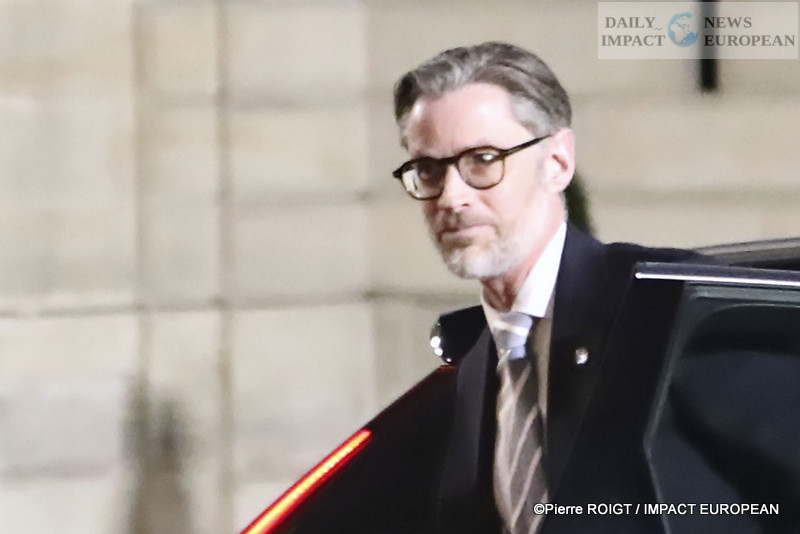
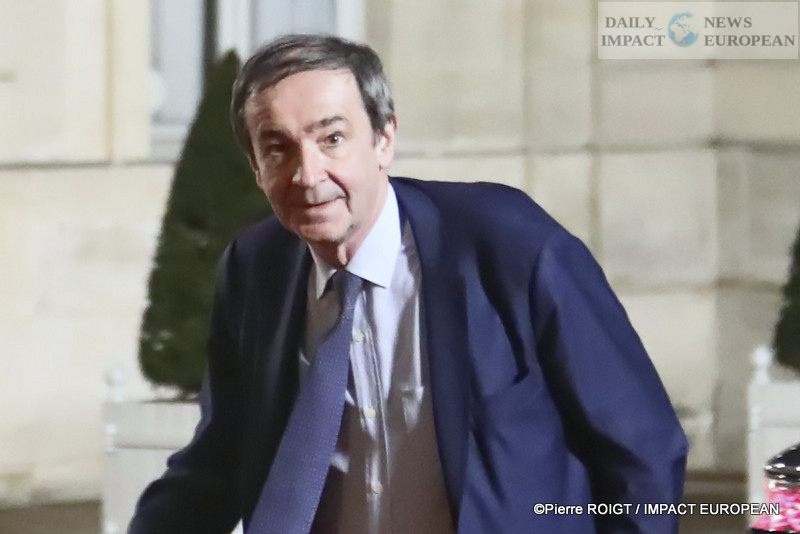
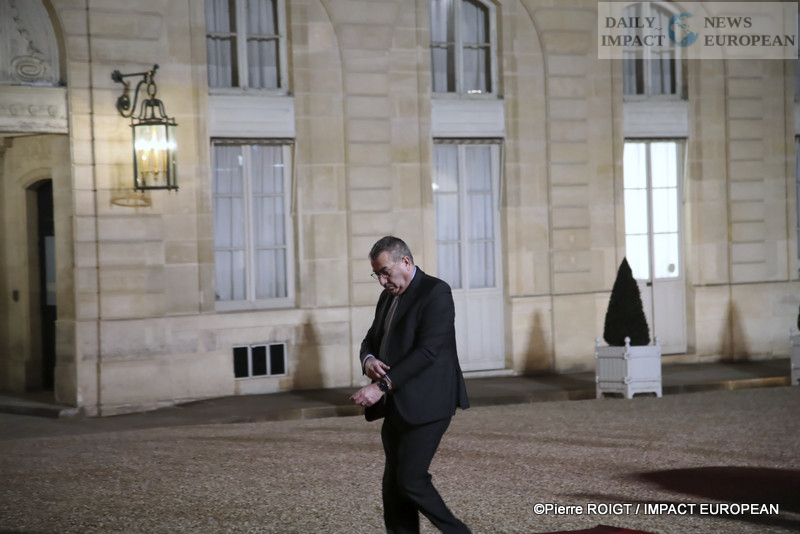
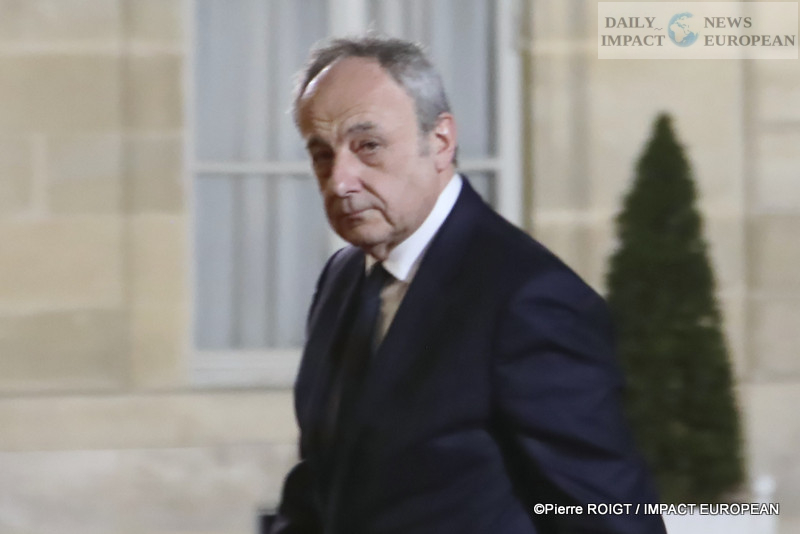
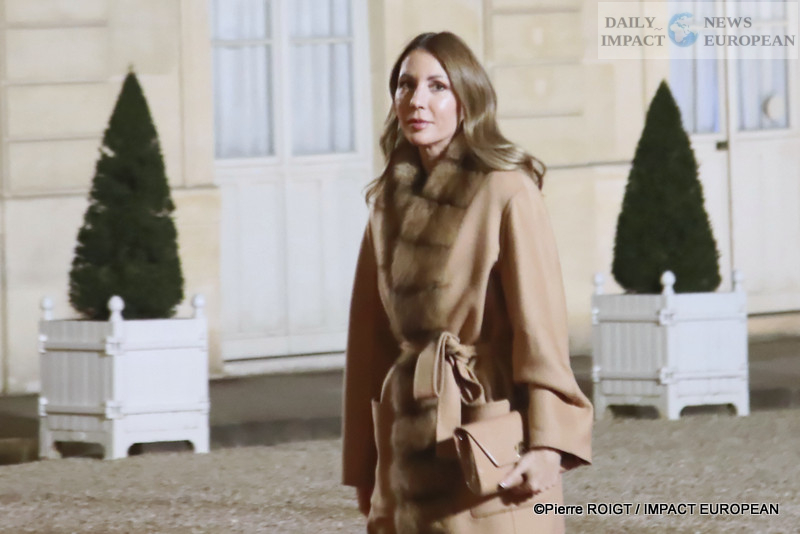
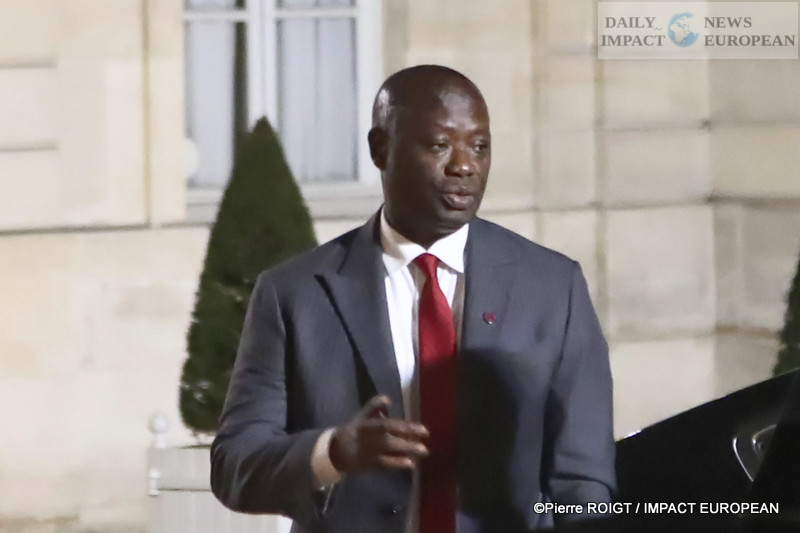
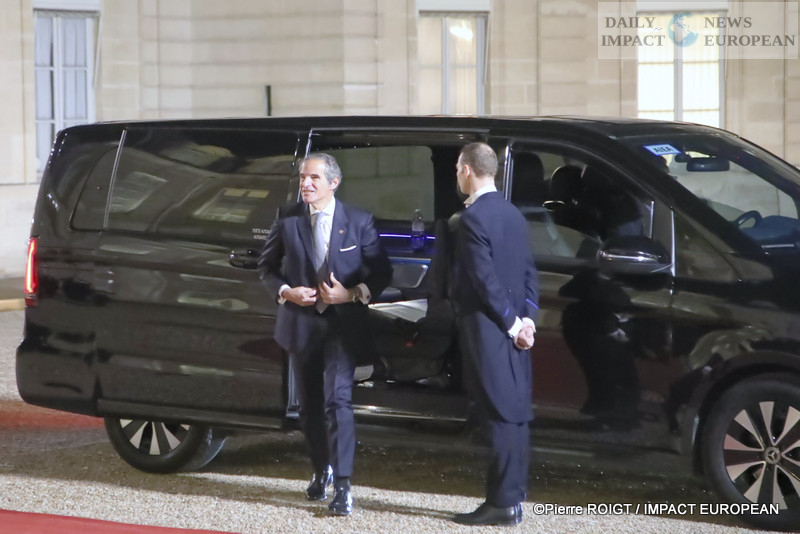
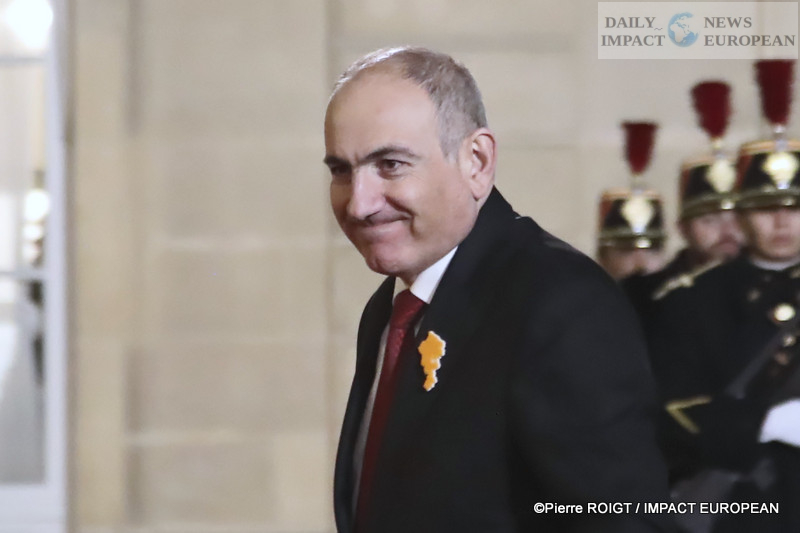
The day concluded with a dinner hosted by President Macron at the Palais de l’Élysée for heads of state, government representatives, international organizations, nuclear industry leaders and energy investors.
©2026 – IMPACT EUROPEAN










Views: 0
More Stories
Saudi Arabia’s new power equation: Why Paris matters to Riyadh
Mas-d’Azil Cave: A Road Through the Mountain, a Journey Through Human Time
Tioman’s Hidden Network: The Life Beneath a Coral Reef