

UPDATE: 18 may – 13h25
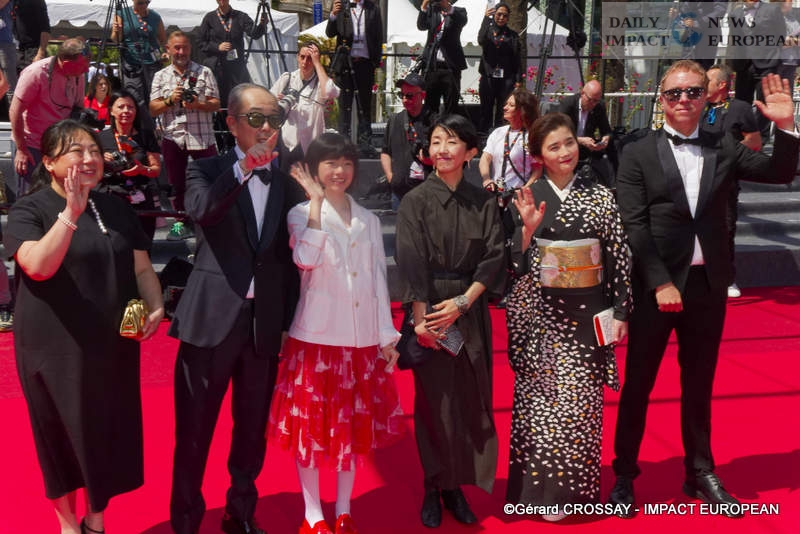
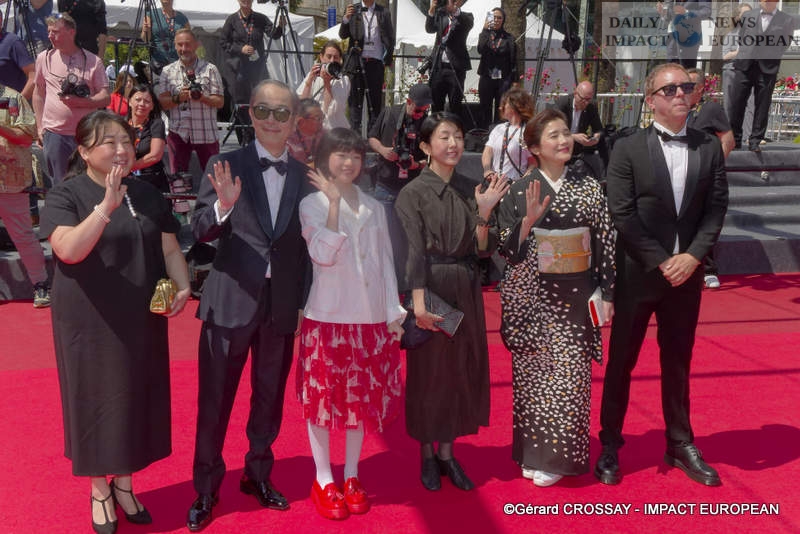
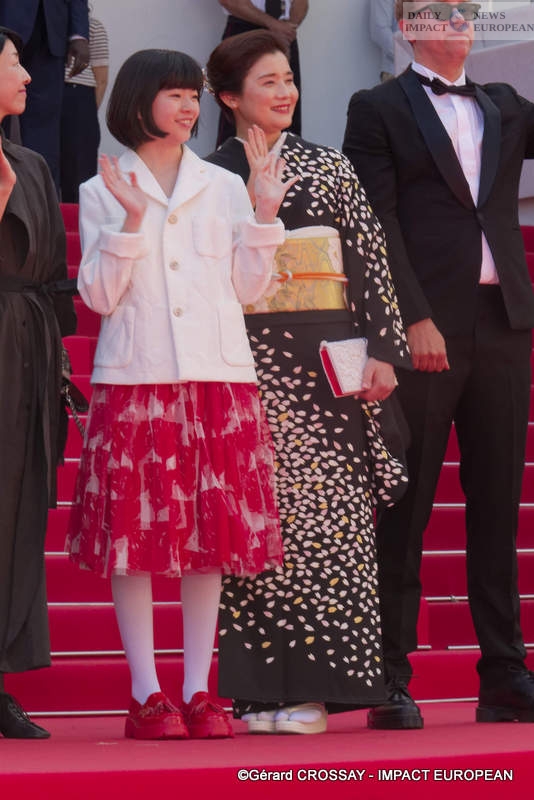
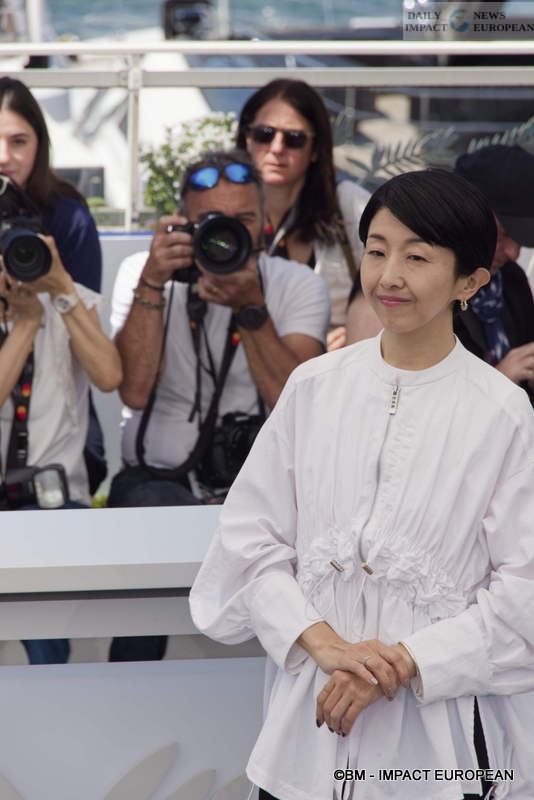
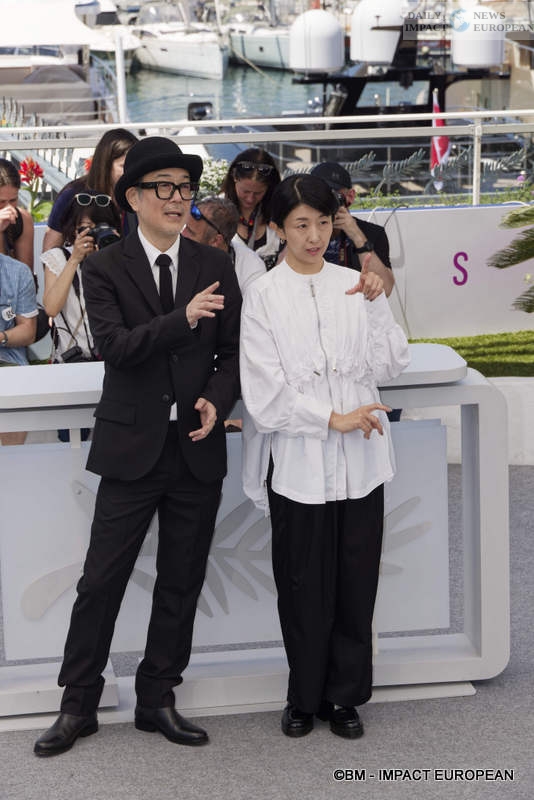
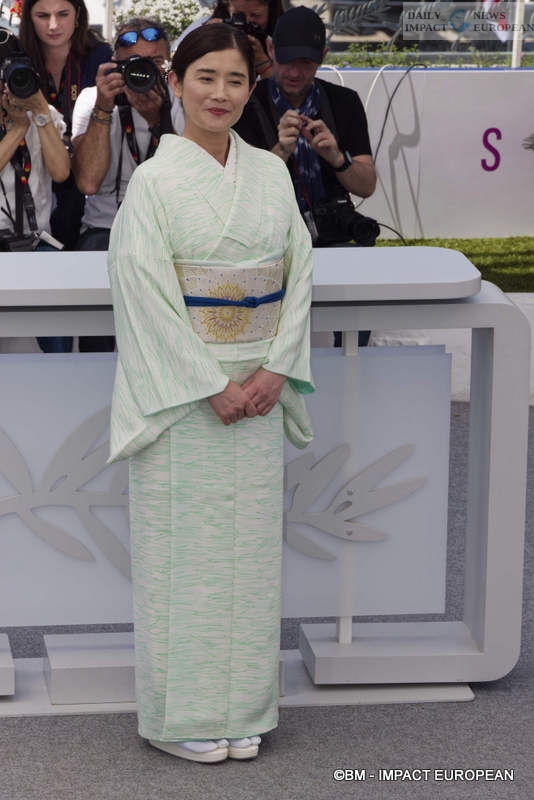
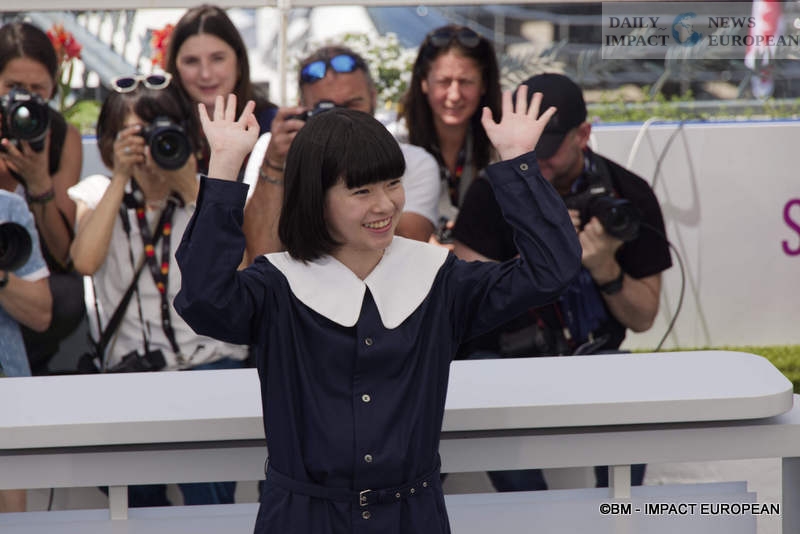
Yui Suzuki walked the red carpet on Saturday, May 17th to present this moving film, which delves into the life of a hypersensitive and dreamy ten-year-old girl, left to her own devices because her father is hospitalized and her mother is often absent.
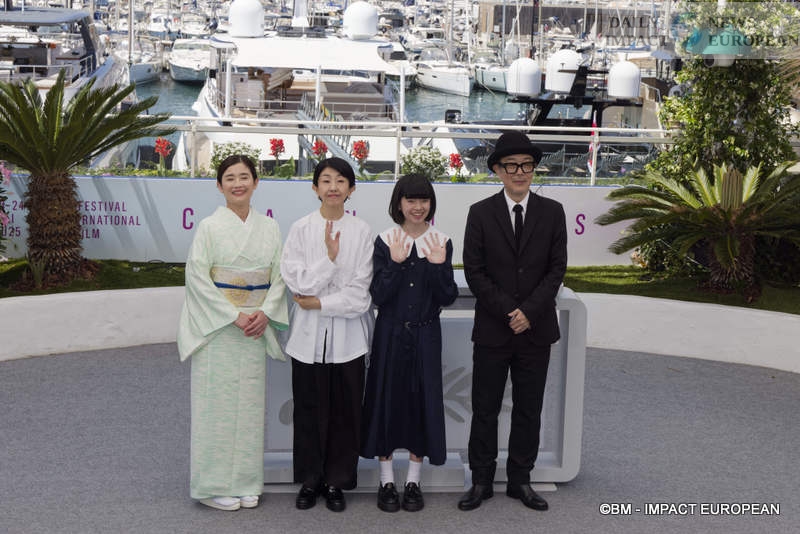
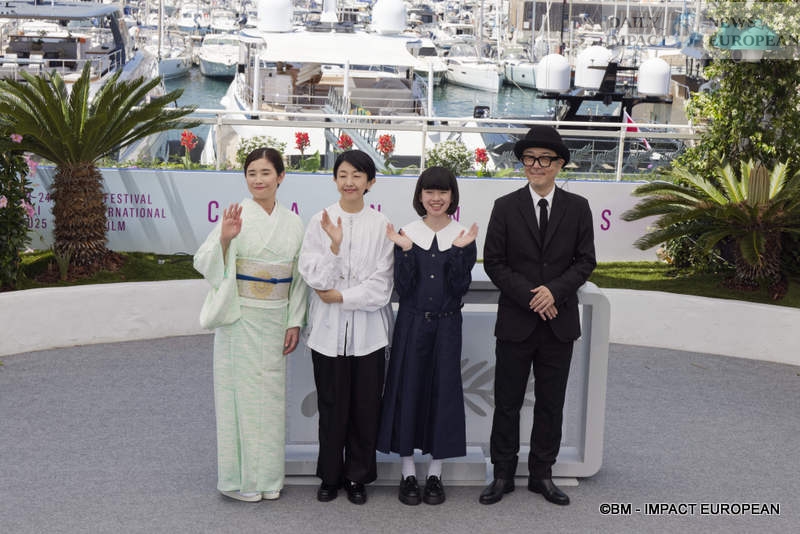
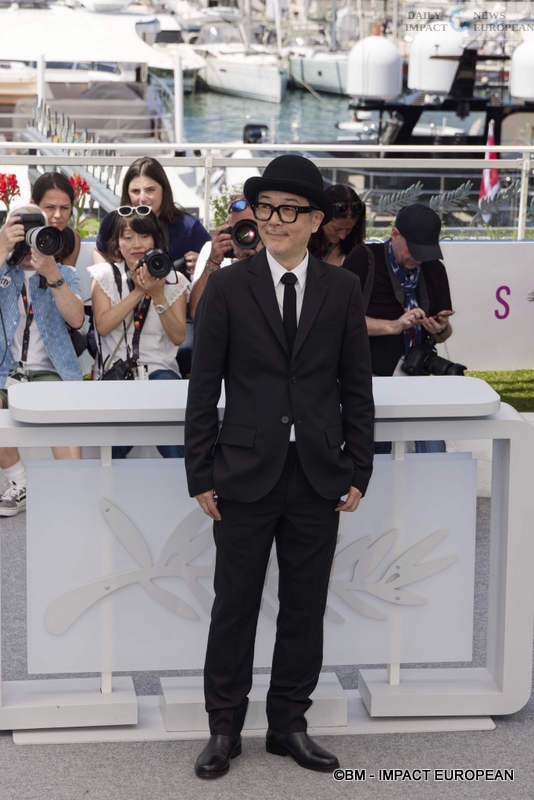
In this film, presented in competition, director Chie Hayakawa takes the viewer back to her past, where she was unable to grieve after her father’s death.
An intimate dive into the daily life of a lonely and imaginative little girl, the Japanese director explores childhood, solitude, and a certain form of magical thinking to ward off life’s hard knocks.
« Renoir » follows in the footsteps of the great Japanese films about adolescence, the age of all possibilities and all learning, even the most painful.
« Renoir » draws inspiration from it and frequently cites it, in a single shot, or simply through the physical resemblance between the two young heroines. Chie Hayakawa primarily follows its directorial principle: it’s not the camera that provokes movement, but the heroine with the changing moods of adolescence when she isn’t inventing a spiritual connection with the afterlife.
Chie Hayakawa is no stranger to the Croisette, however. The Japanese director’s first feature film, Plan 75, left the 2022 Cannes Film Festival with a Special Mention from the Caméra d’Or jury.
Fuki experiences morbid thoughts. She dreams of being strangled in her sleep or writes in an essay that she wishes she were an orphan. She befriends a classmate, tries hypnosis, telepathy, spiritualism, and all the rituals that allow beings, living or dead, to communicate. Fuki’s summer is a season of great vacation, a time of uninhabited home and a life without ties.
Director Chie Hayakawa realizes during the tournament that cultural and social life is icy, lacking communication. « While filming this little girl, a Japanese cultural trait came to mind, which I wanted to express in the film. Japanese people touch very little. That is to say, they have very little physical contact with one another. While we’re still babies, we’re held a lot, we’re carried a lot by our parents. And that period of life can be quite long. I wanted to show how much this can create a sense of loss. That’s what I wanted to show in the sequence where Fuki is with her English teacher, a half-Japanese, half-American woman deeply steeped in Western culture. She hugs Fuki to console her. I wanted to show the feeling that overwhelms Fuki at that moment. She’s very surprised, but at the same time, she finds it pleasant and comforting. I wanted to explore this Japanese cultural trait throughout the film. »
« Renoir » could be overloaded with pathos and drama. He directly addresses the issues of adultery, end-of-life scams, and even pedophilia—not our favorite part—but he always remains at the child’s eye level, as if the entire world could be summed up by the 11-year-old girl’s gaze.
The director prefers twists and turns, at the risk of misleading the viewer. Renoir moves when he stops trying to be strange. The most touching sequences are the simplest. They are those showing Fuki and her father walking outside the hospital, particularly at the racetrack. Alone in the rain, her father comes to pick Fuki up and carries her on his back. Dream or reality, the status of images in Chie Hayakawa’s work is undecided.
This is the second film presented at the Cannes Film Festival by the Japanese director, where she gives the impression of exposing her past to cinema.
©2025 – IMPACT EUROPEAN
RED CARPET





PHOTOCALL 18 may

Views: 0
More Stories
Paris “Iftar of Peace”: Imam Hassen Chalghoumi awards Olive Branch Peace Prize to President Donald Trump
Global Nuclear Energy Summit in Paris highlights role of nuclear power in energy transition
Super League: Wigan Warriors defeat Toulouse Olympique 36-16