

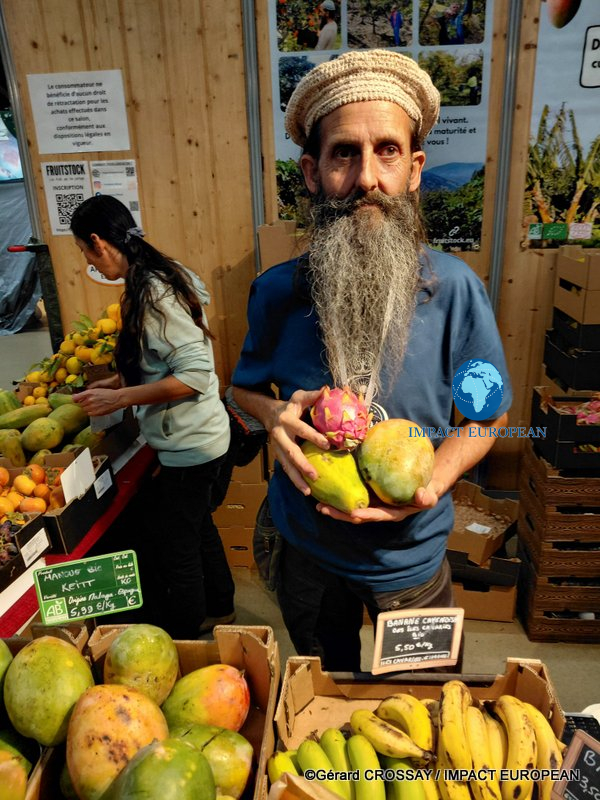
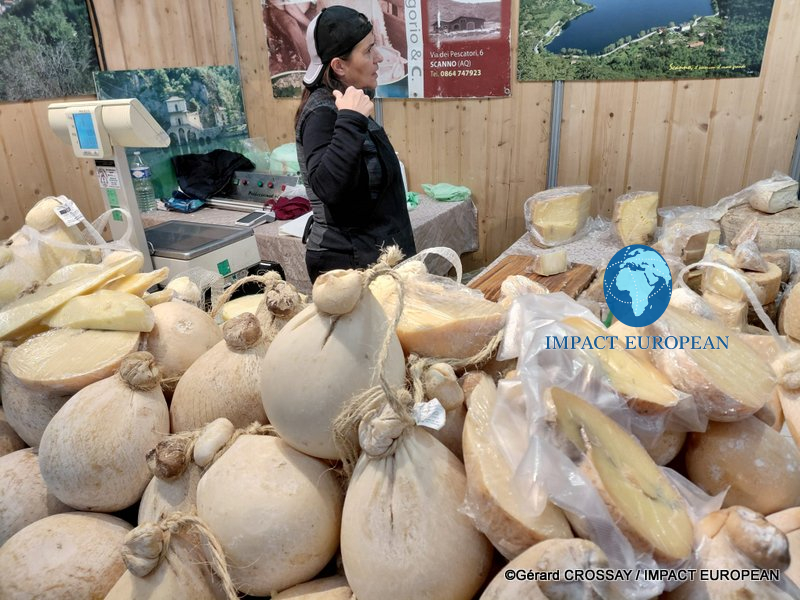
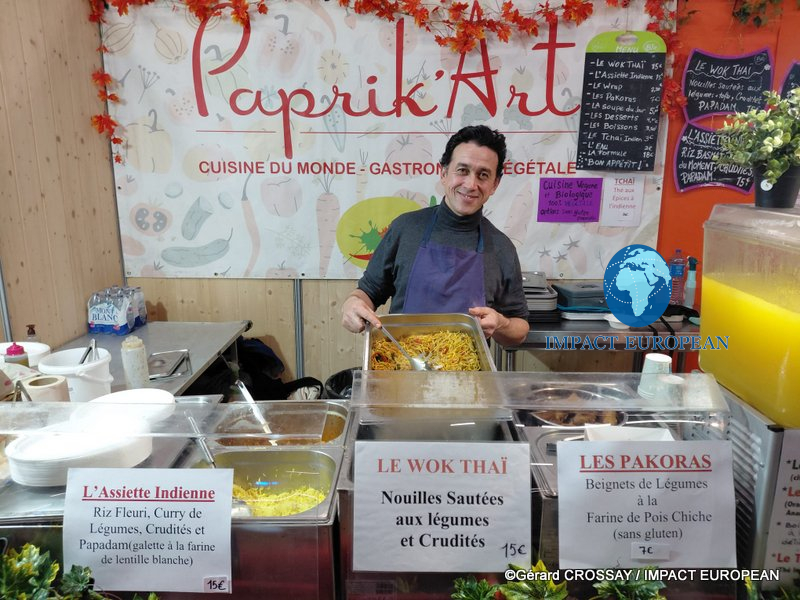
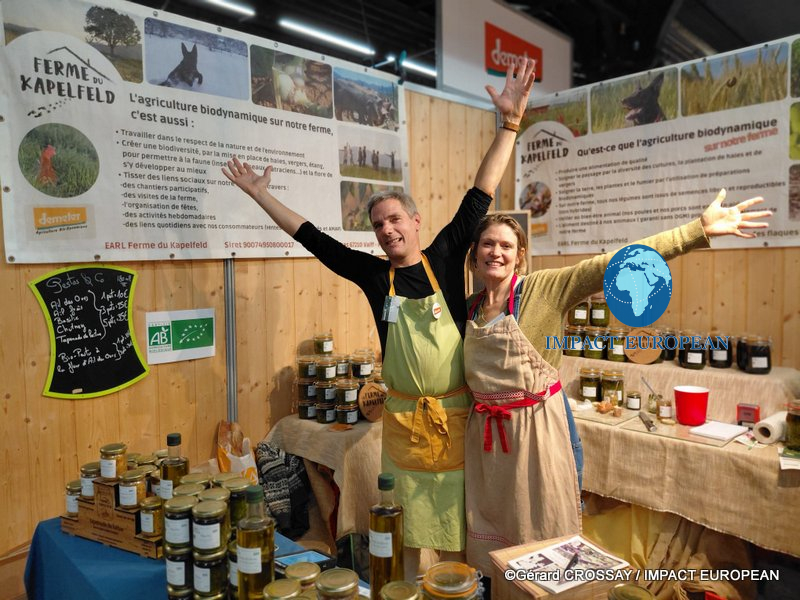
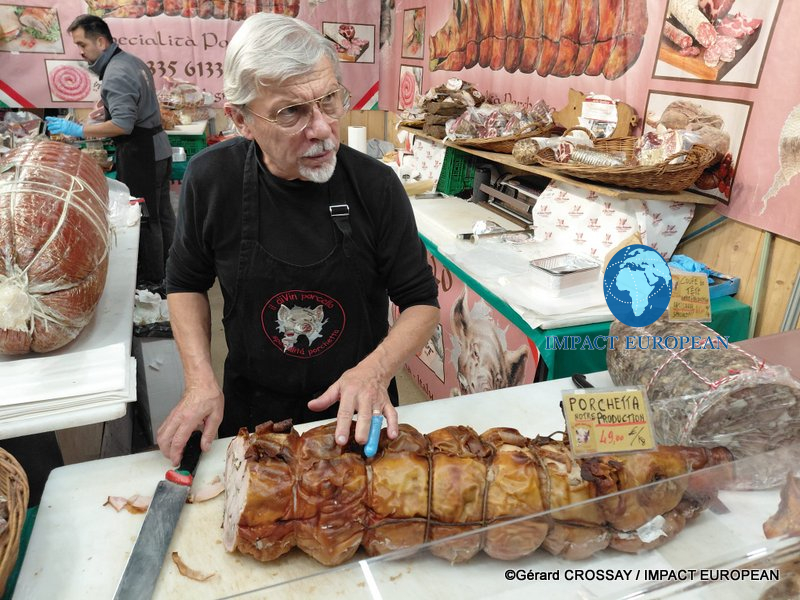
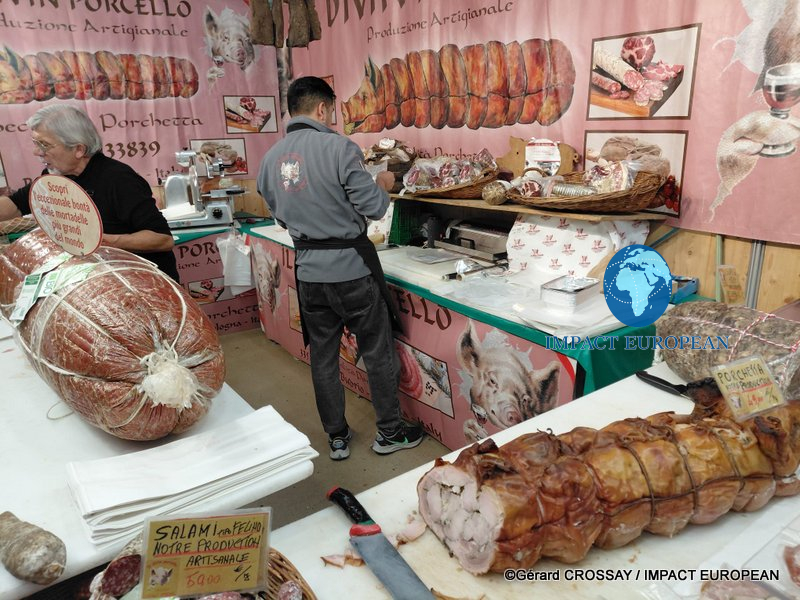
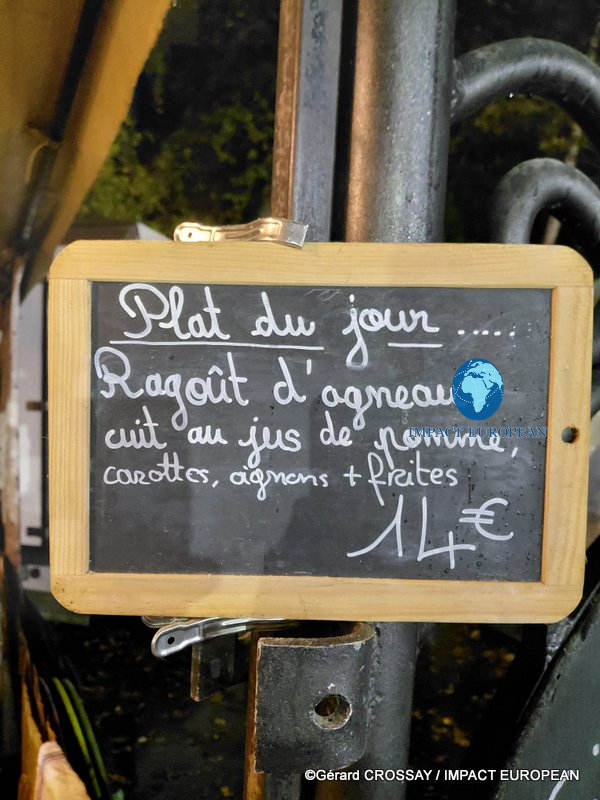
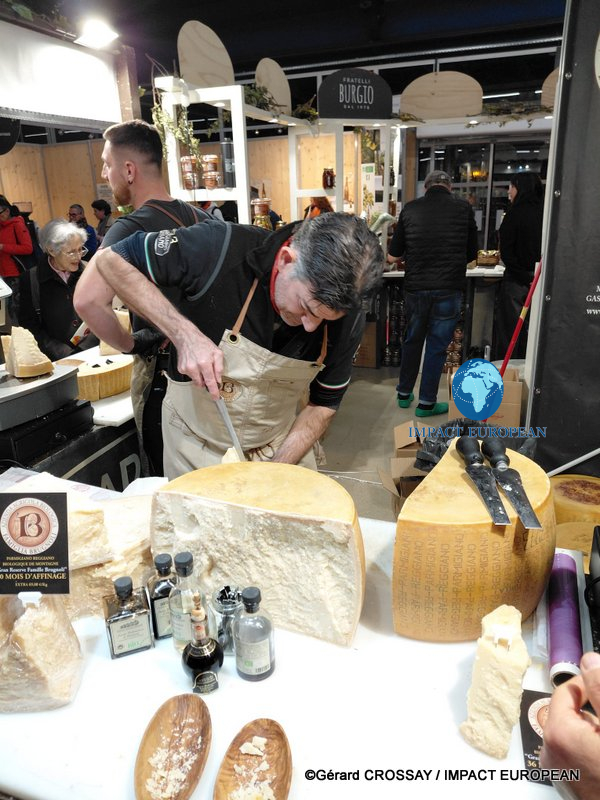
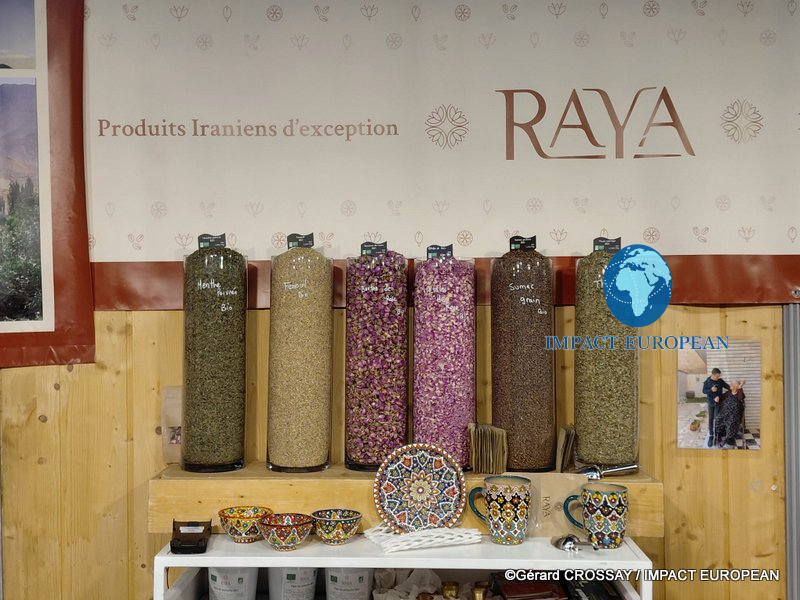
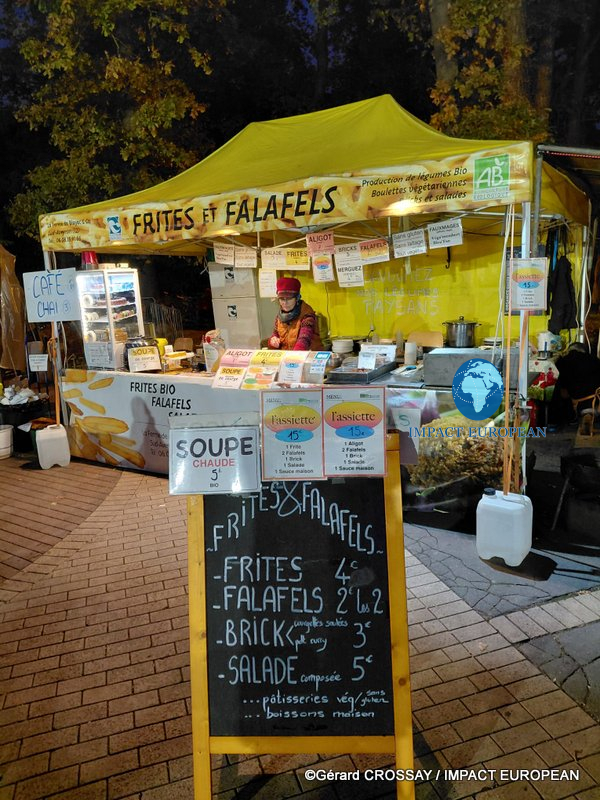
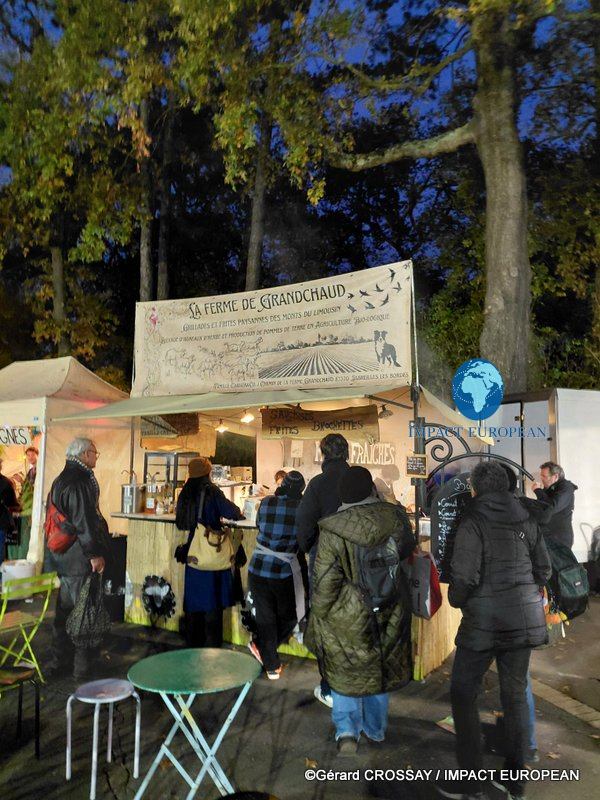
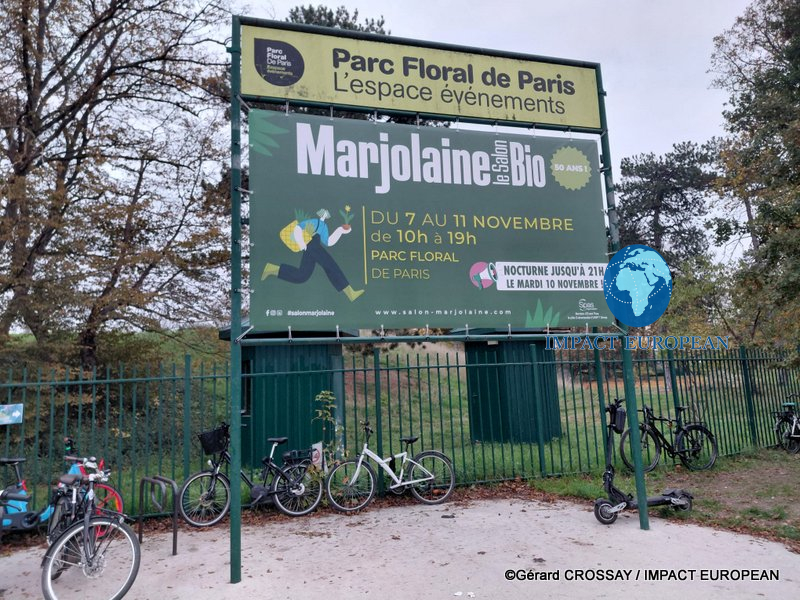
From 7 to 11 November 2026, the Parc Floral de Paris hosted the 50th edition of the Marjolaine Fair. Nearly 450 exhibitors were announced for the anniversary event, bringing together products, traditional skills and initiatives promoting a more environmentally responsible way of life.
Fifty years after its creation, Marjolaine remains closely linked to the development of organic farming and the growing interest in more sustainable ways of producing and consuming.
A pioneering event born in the 1970s
The story began in 1976, when the first Marjolaine Fair opened its doors at the former Bastille railway station in Paris. The initiative came from the association Nature & Progrès, which wanted to introduce the public to organic agriculture and environmentally friendly alternatives.
At the time, environmental concerns were still largely on the margins of public debate. Organic farming was far less familiar to consumers, and alternative approaches to food production had limited visibility.
The response was nevertheless immediate. Around 30,000 visitors attended the first event, giving the fair an encouraging start. Its popularity continued to grow over the following decades. In 2016, Marjolaine reached its peak, with 565 exhibitors and nearly 80,000 visitors.
Organic farming finds its place in everyday life
The development of Marjolaine reflects a wider change in attitudes towards food and consumption. Organic farming, once promoted mainly by committed pioneers, gradually became better known and gained recognition among consumers.
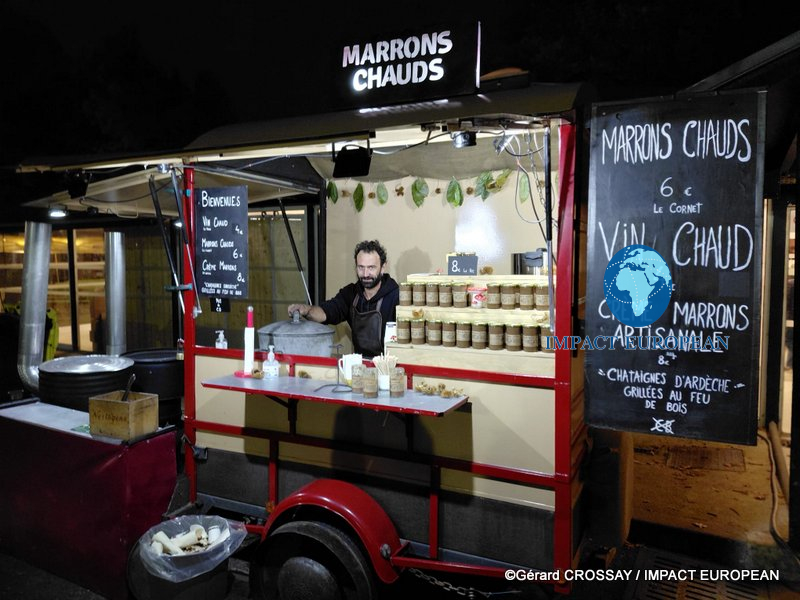
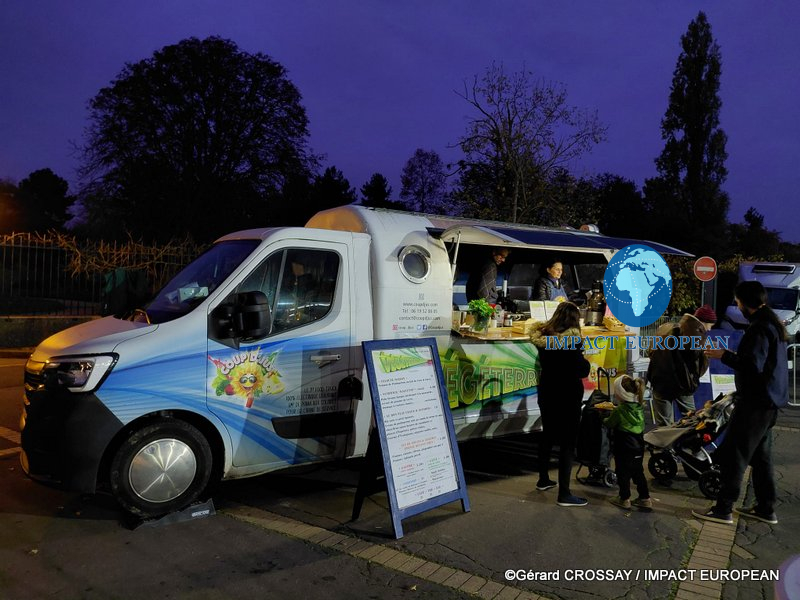
The fair has followed this evolution. Food remains an important part of the event, but its scope now extends to sustainable food production, craftsmanship and other environmental initiatives.
The question is no longer limited to what people put on their plates. Increasingly, consumers also want to know where products come from, how they are made and what impact their production has on the environment.
Fifty years of environmental commitment
Half a century after its first edition, Marjolaine continues to defend the principles behind its creation. Environmental responsibility is not a passing trend. It involves long-term changes in production methods, consumption habits and the relationship between people and nature.
The organic sector also faces new challenges. Making responsible products accessible to a wider public remains an important issue, particularly as consumer expectations and economic conditions continue to evolve.
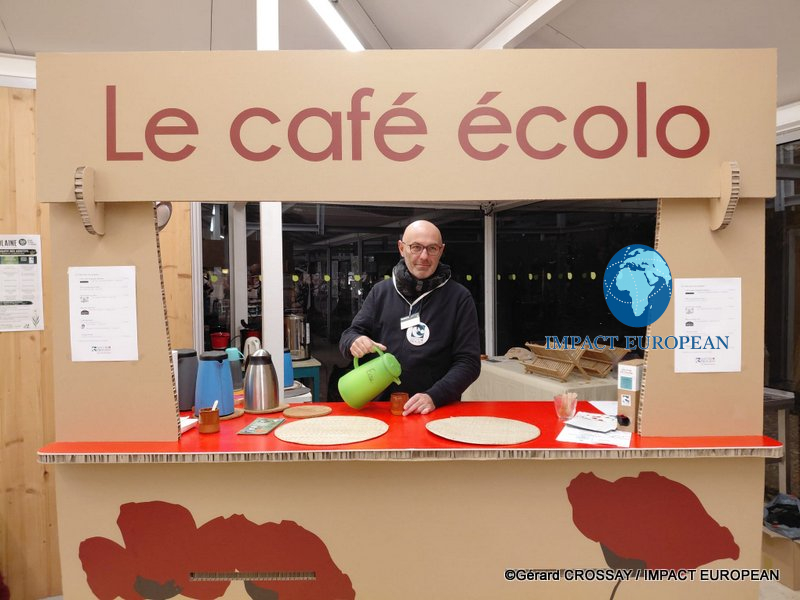
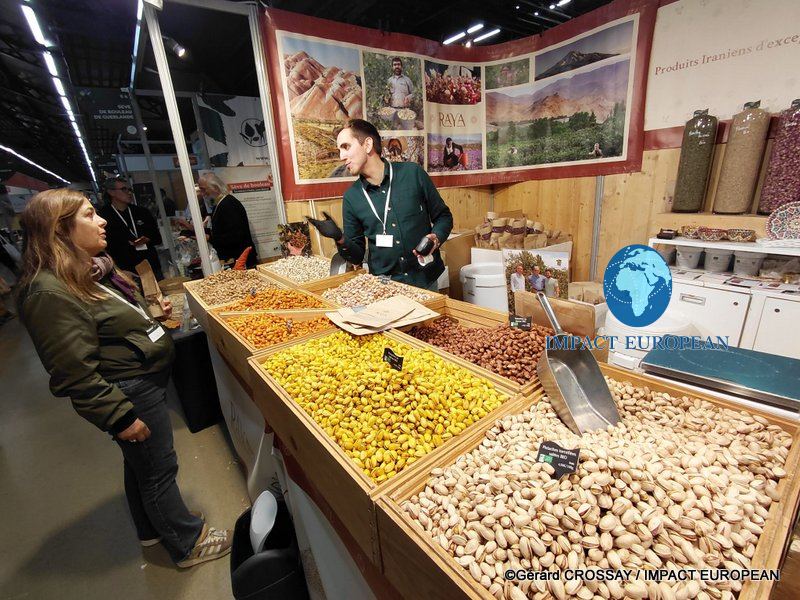
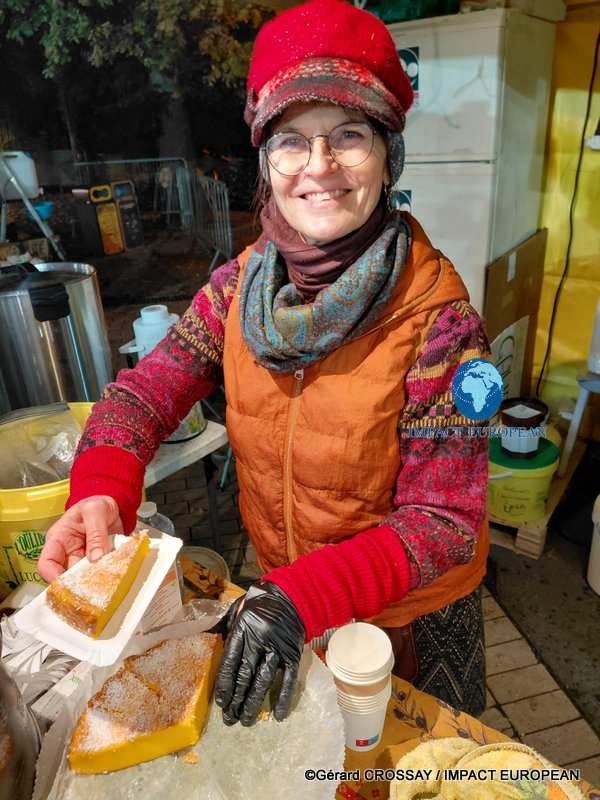
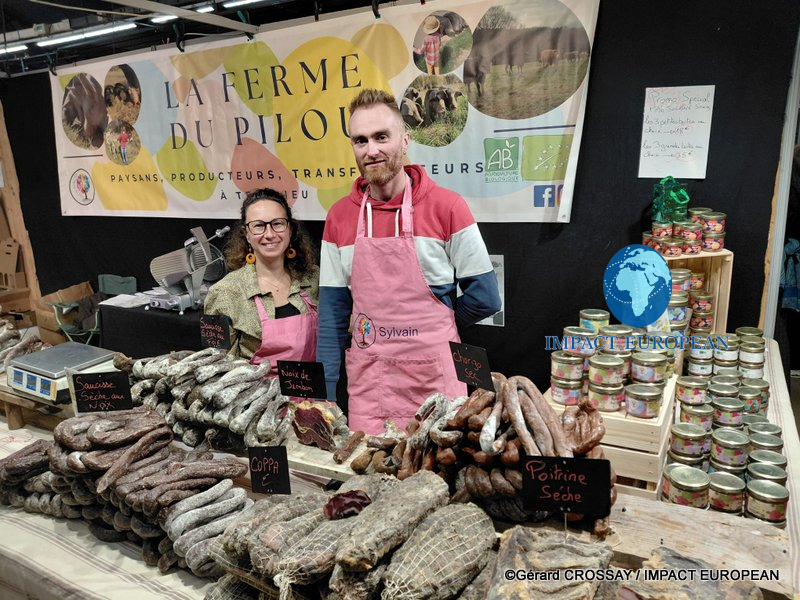
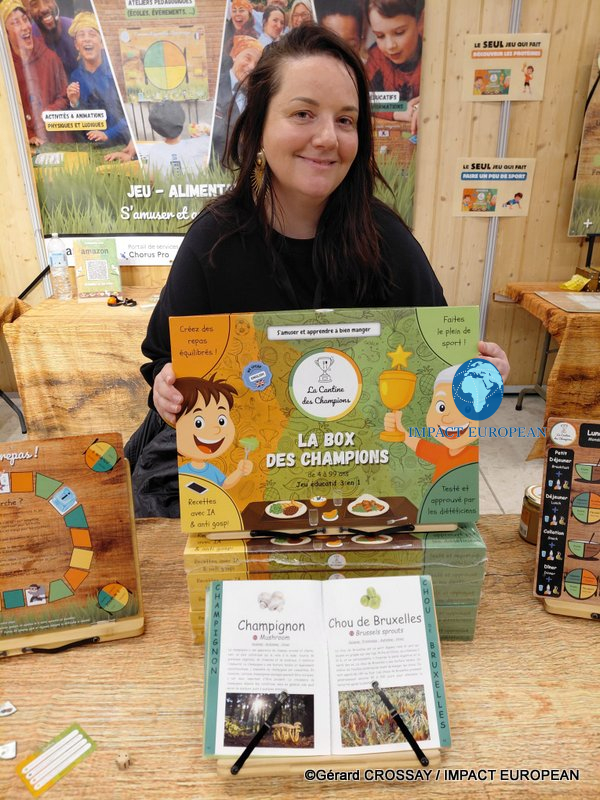
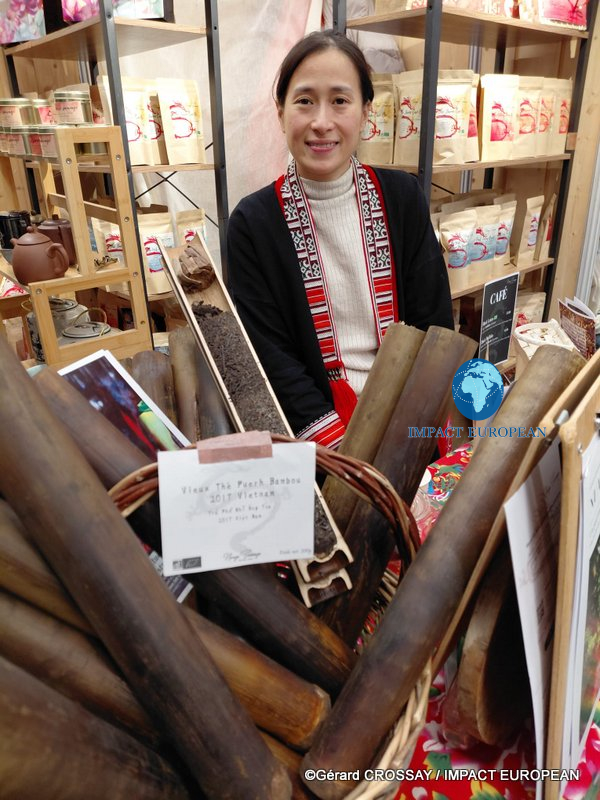
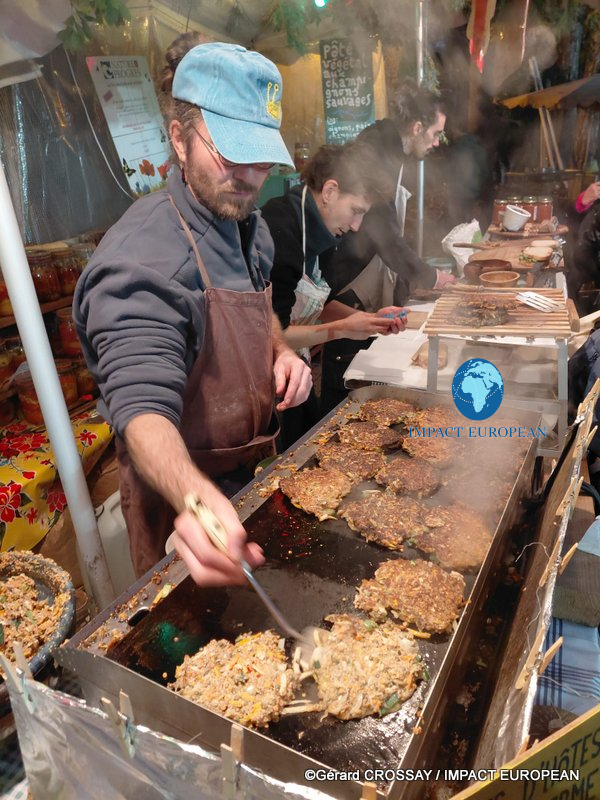
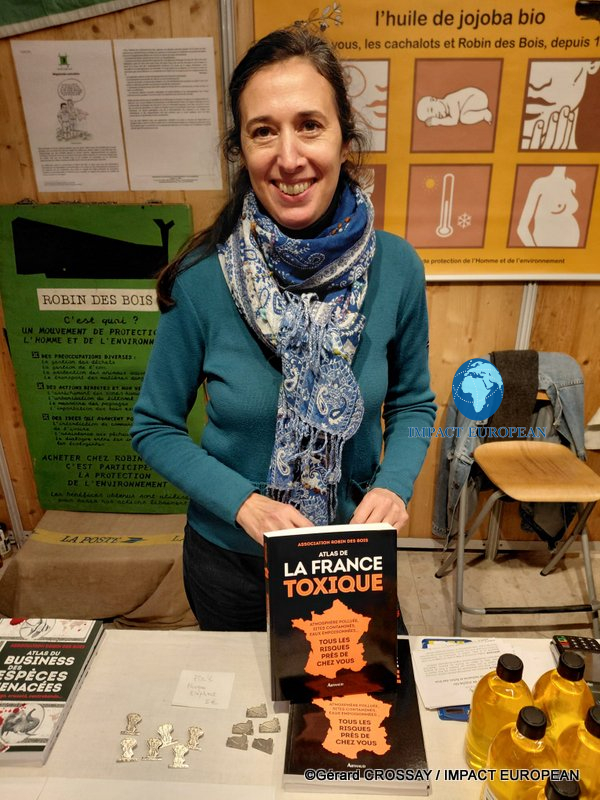
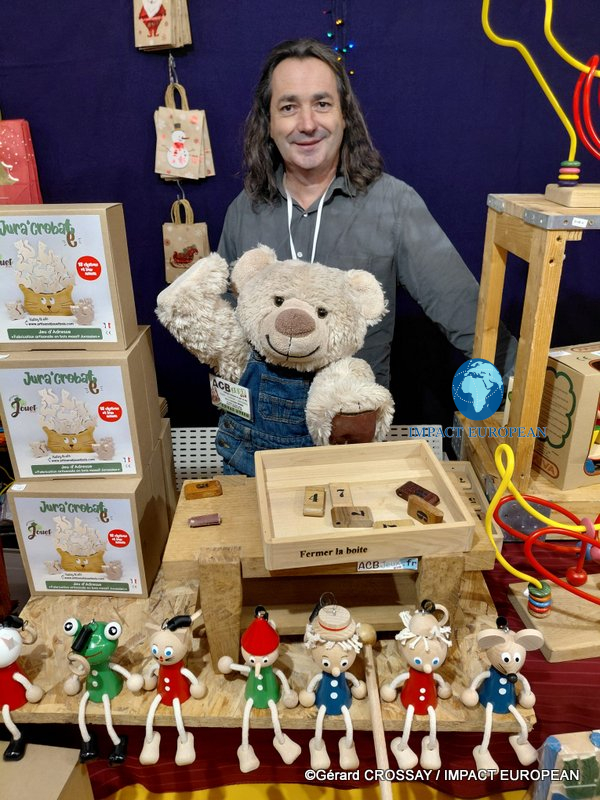
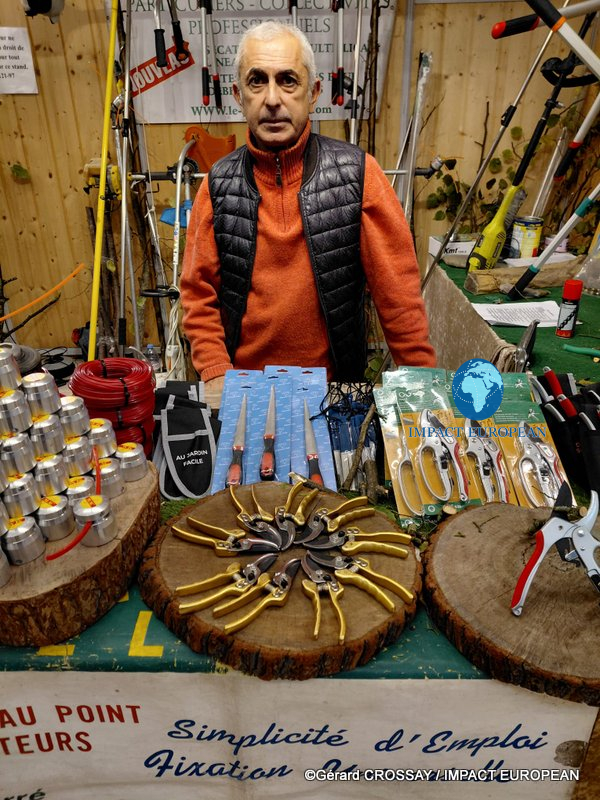
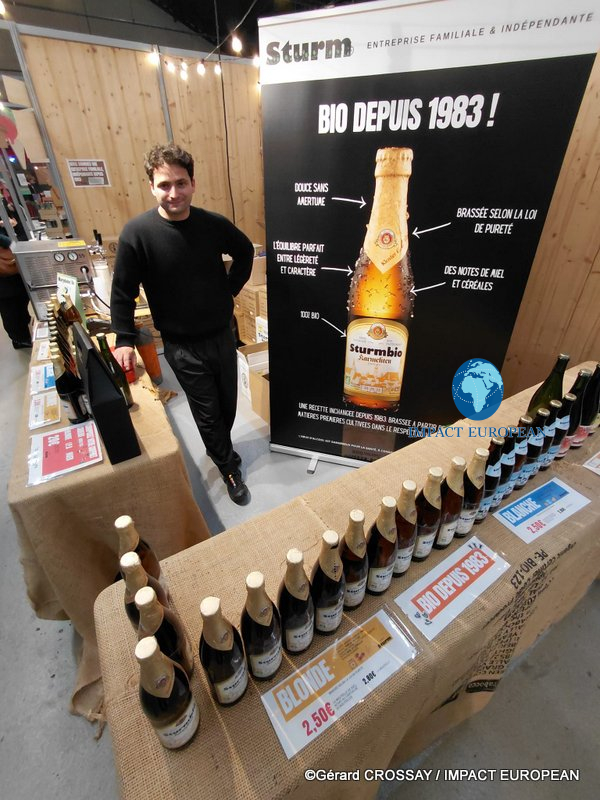
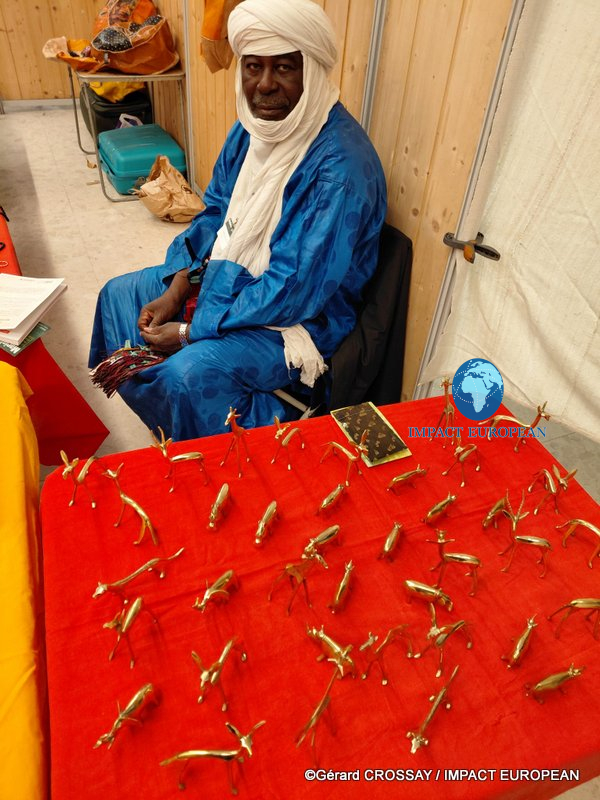
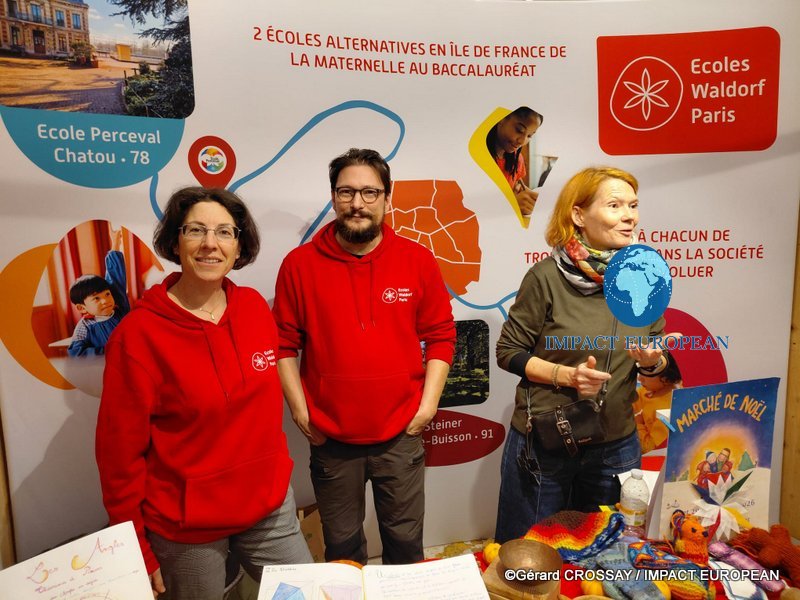
Bringing producers, citizens and committed professionals together is one of the fair’s main objectives. Direct contact gives visitors the opportunity to discover different approaches, learn about traditional skills and understand the choices behind the products on display.
Beyond food: environmental choices in everyday life
Climate concerns, the preservation of natural resources and questions about food production have broadened the environmental debate.
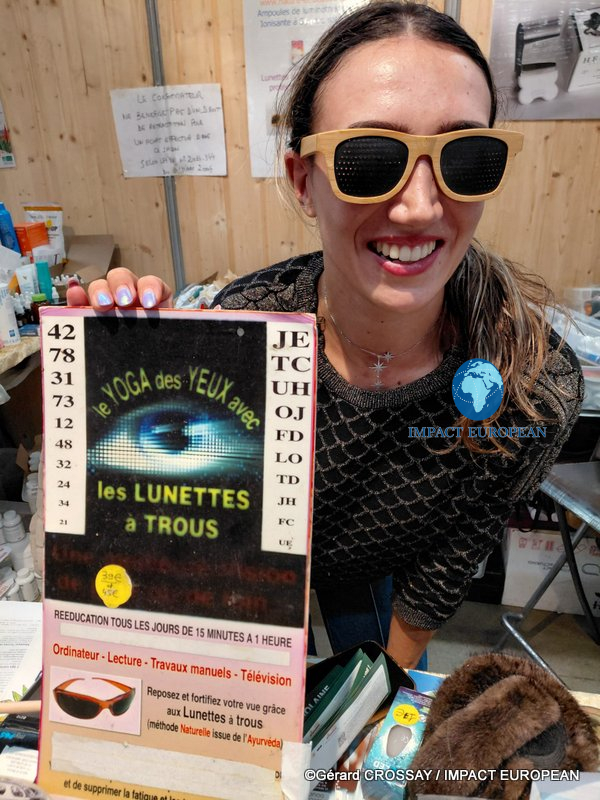
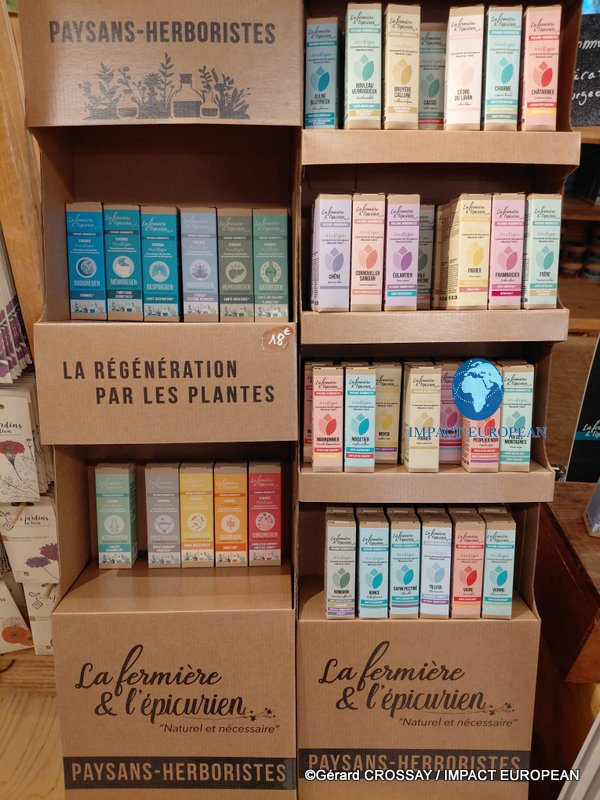
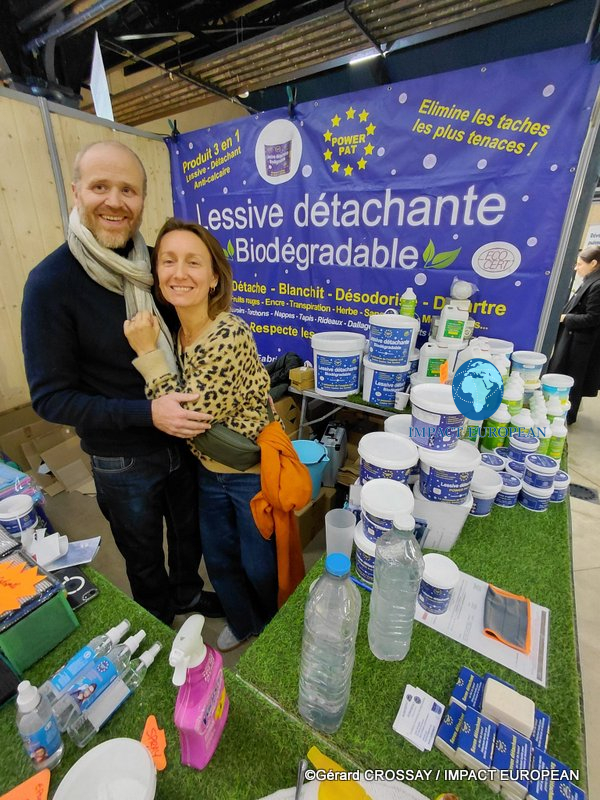
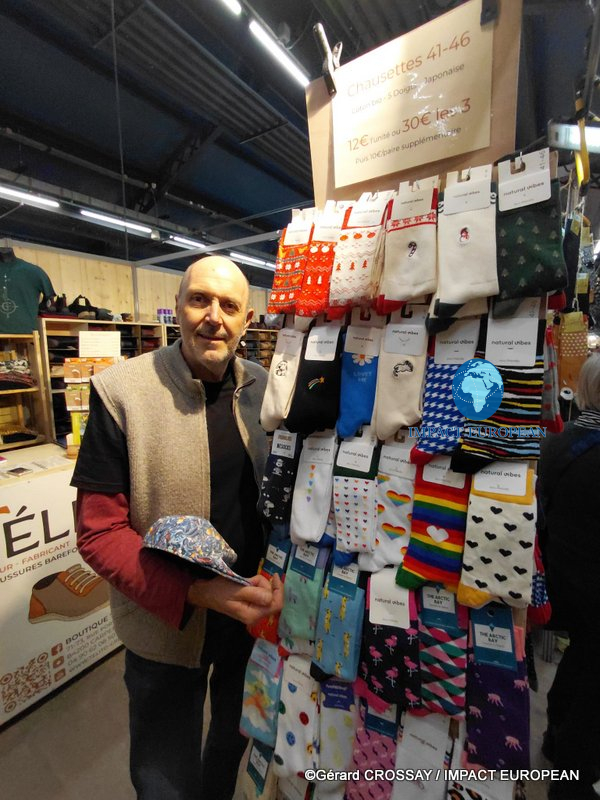
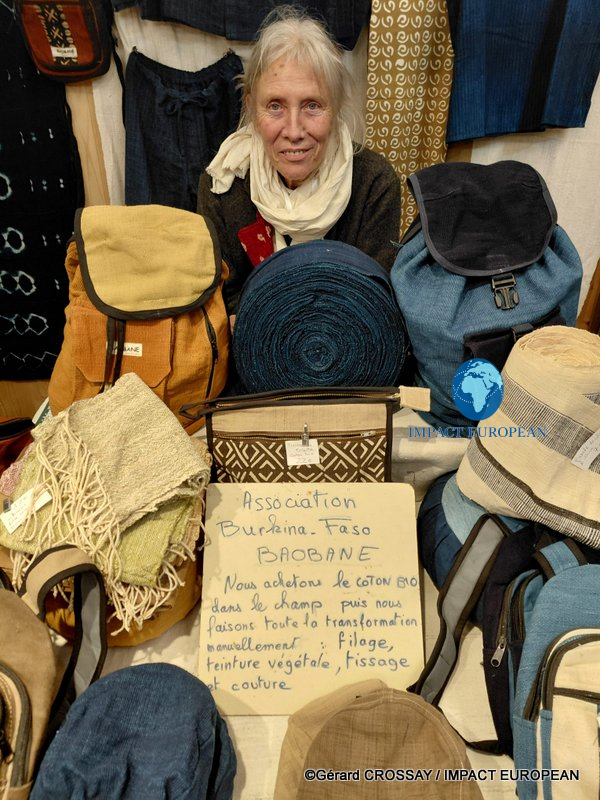
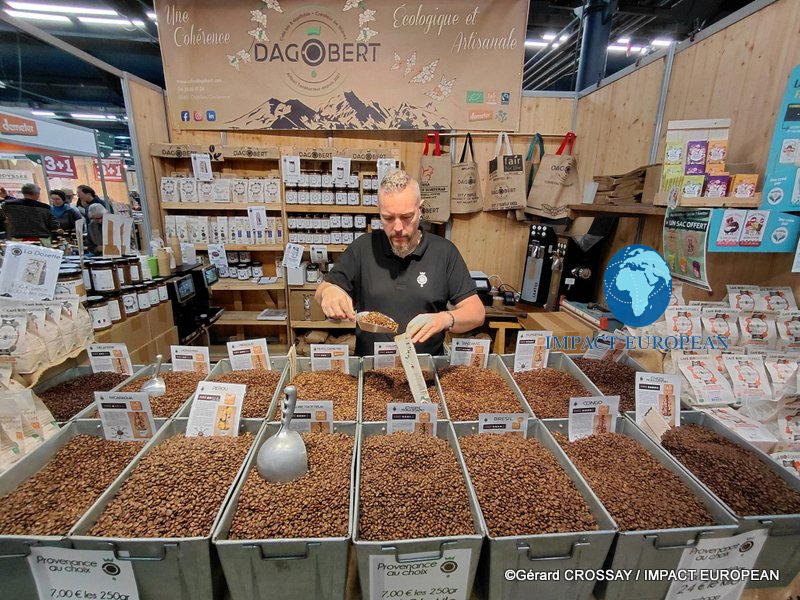
At Marjolaine, organic food is now part of a much wider picture. Natural cosmetics, clothing, ecological housing, gardening and well-being are also represented among the areas explored by the fair.
These subjects may seem different, but they share a common concern: finding ways to reduce the environmental impact of everyday activities.
Meeting producers directly can make a difference. Visitors are able to discover new products, ask questions about manufacturing methods and gain a better understanding of the work involved in developing more responsible alternatives.
Conferences, workshops and opportunities to exchange ideas
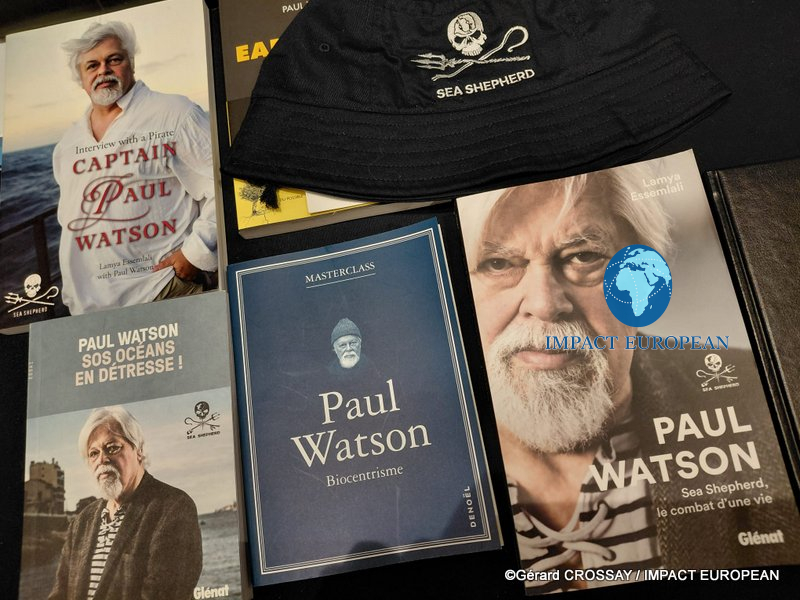
For its 50th anniversary, the programme announced 15 conferences and film-conferences, around 80 activities, workshops and meetings. Environmental activist Paul Watson was also among the personalities announced for the event.
Agroecology, biodiversity protection and changes in production methods were among the subjects scheduled for discussion.
These activities give the fair a role beyond the commercial presentation of products. They provide opportunities to share knowledge, discuss environmental challenges and explore different approaches to the future of agriculture and consumption.
An anniversary that looks towards the future
The history of Marjolaine is also part of the wider story of environmental awareness in France. In 1976, the challenge was to introduce organic farming to a public that knew relatively little about it. Fifty years later, the discussion has expanded to include food, clothing, housing, natural resources and biodiversity.
Much remains to be done. The organic sector must continue to address economic difficulties and changing consumer expectations, while making responsible consumption accessible to as many people as possible.
From its beginnings at the former Bastille railway station to its anniversary edition at the Parc Floral de Paris, Marjolaine has kept its original purpose: bringing people closer to alternative ways of producing and consuming, and encouraging a more thoughtful relationship with the environment.
©2026 IMPACT EUROPEAN – All rights reserved
Views: 2
More Stories
Paris Photo 2026: The Press Preview Opens a New Chapter in Photography’s 200-Year History
French MP Farida Amrani injured in mortar attack at Évry-Courcouronnes hair salon
Paris Protest: Young People Take to the Streets Against Rising Living Costs