
Bringing together 211 galleries from 41 countries and territories, Art Basel Paris 2026 was set to reaffirm the French capital’s place in the international art market. Yet an early closure on Friday evening cut short the fair’s public programme, leaving a major artistic gathering without its planned weekend.
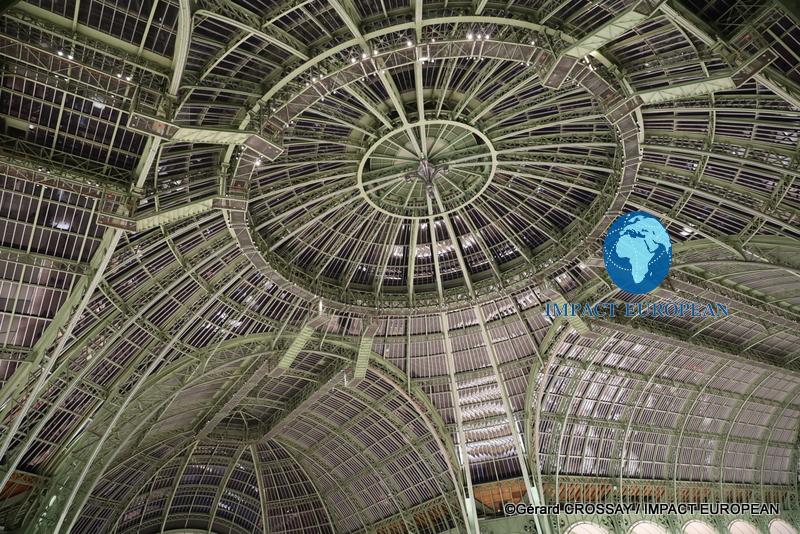
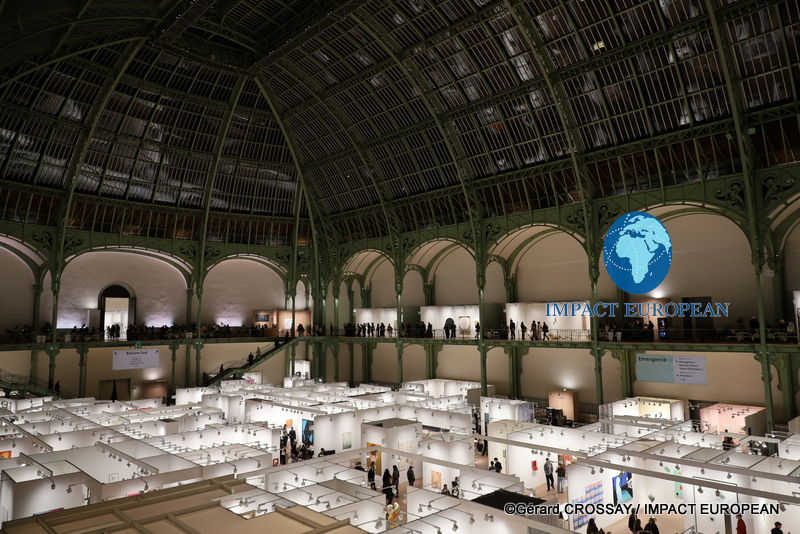
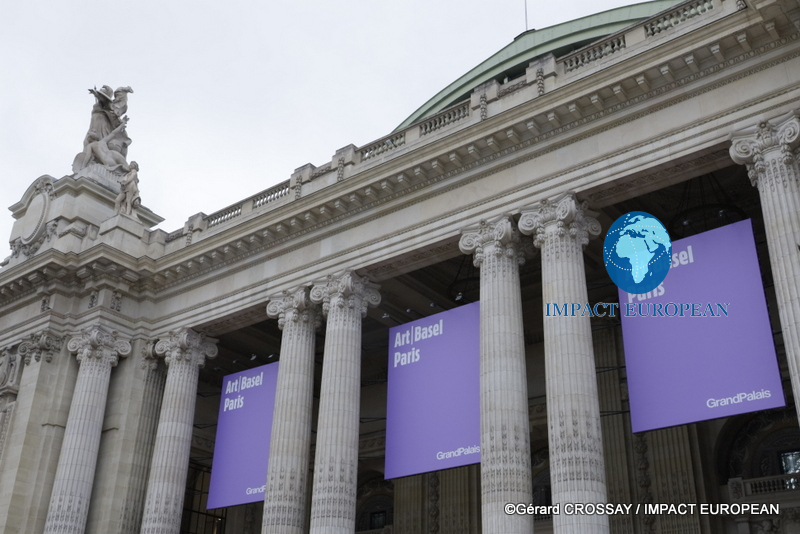
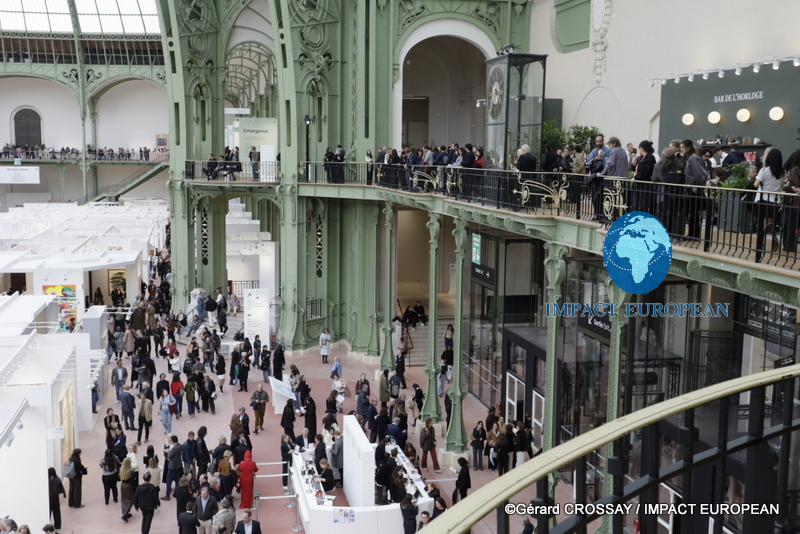
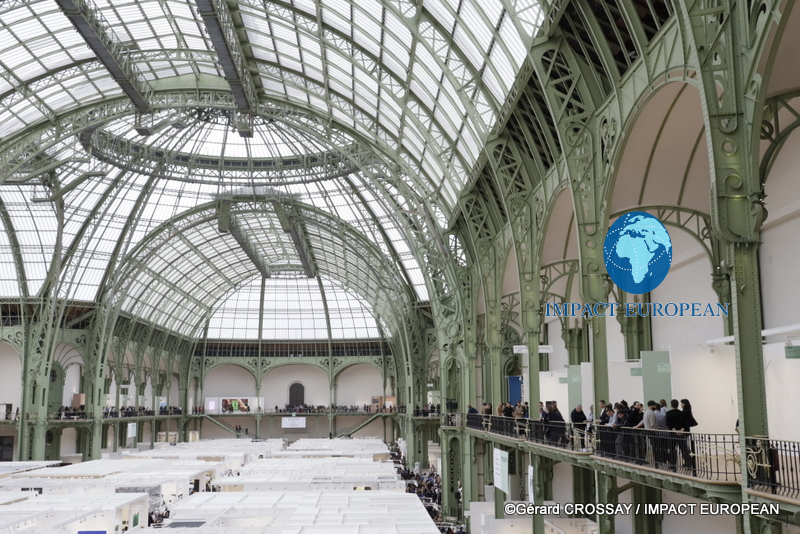
PARIS — Beneath the glass roof of the Grand Palais, Art Basel Paris 2026 brought together galleries, artists, collectors and art professionals from across the world. The fifth edition of the fair, the first under director Karim Crippa, combined modern and postwar art with contemporary practices and presentations by emerging galleries.
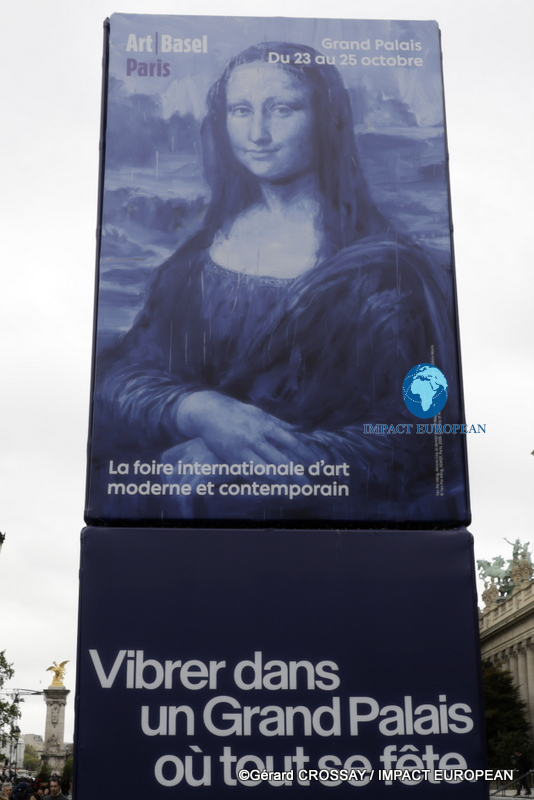
The event was scheduled to run from October 23 to 25, following preview days on October 21 and 22. However, organisers announced that the fair would close at 7 p.m. on Friday, October 23, amid security concerns linked to demonstrations expected in Paris over the weekend. Saturday and Sunday visits were therefore cancelled.
The decision changed the final shape of an edition designed to attract an international audience to one of Paris’s most recognisable exhibition venues.
The Grand Palais as an international meeting point
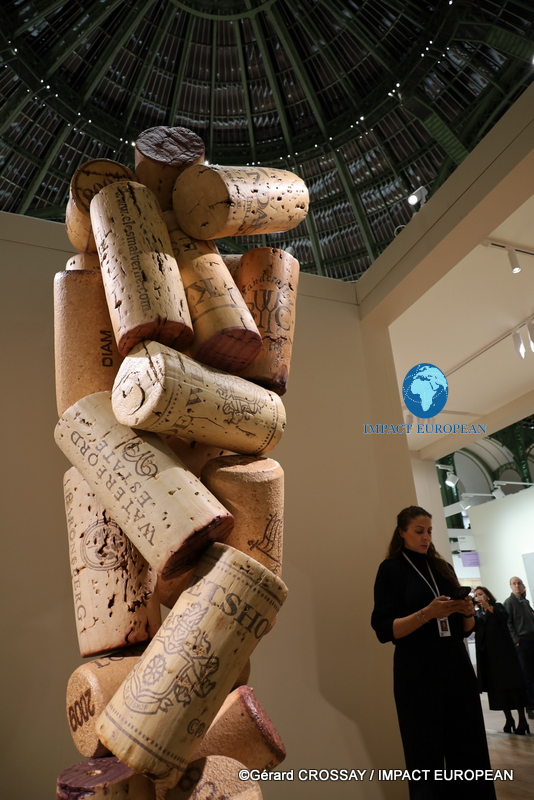
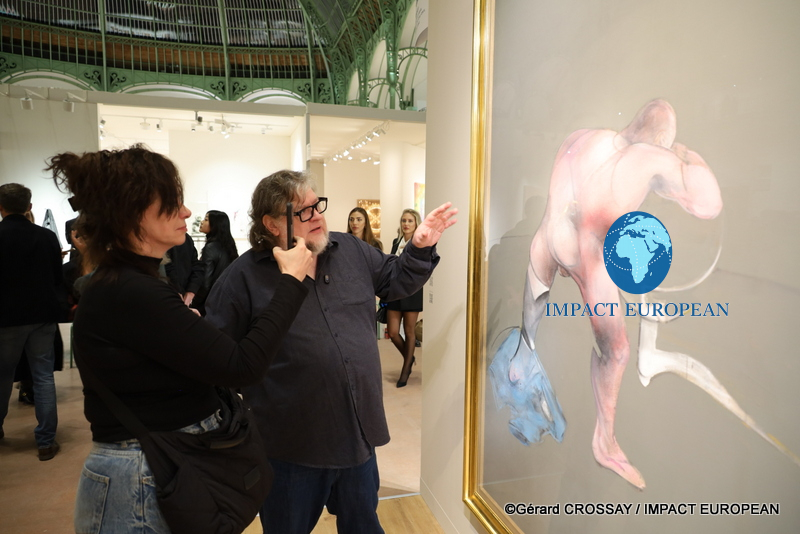
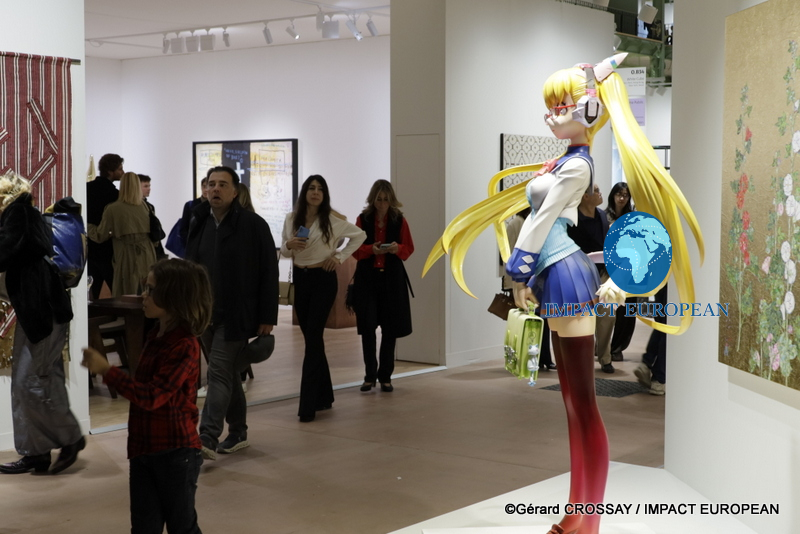
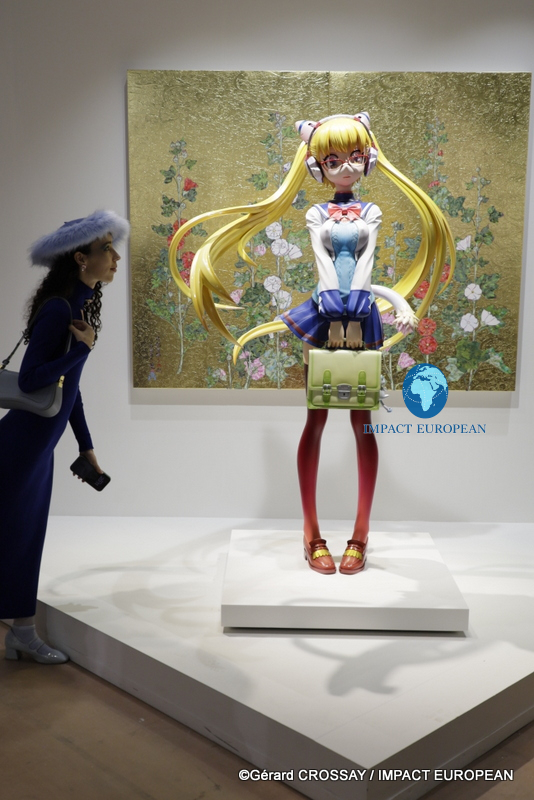
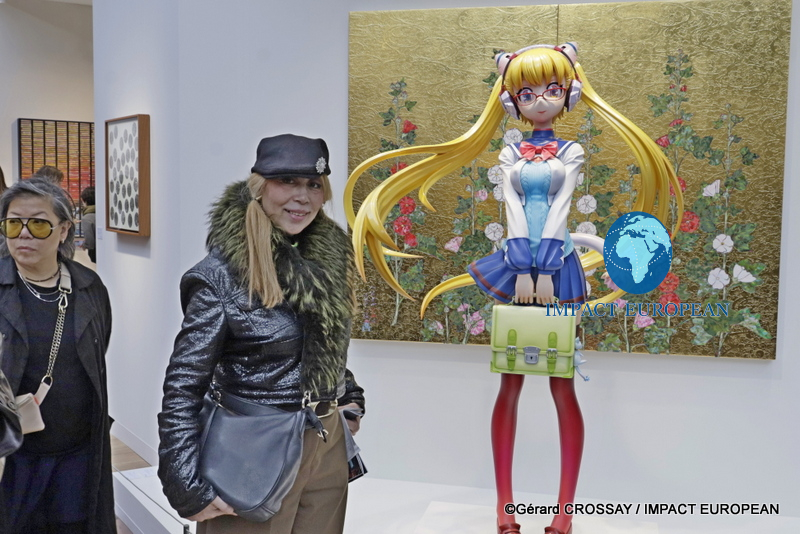
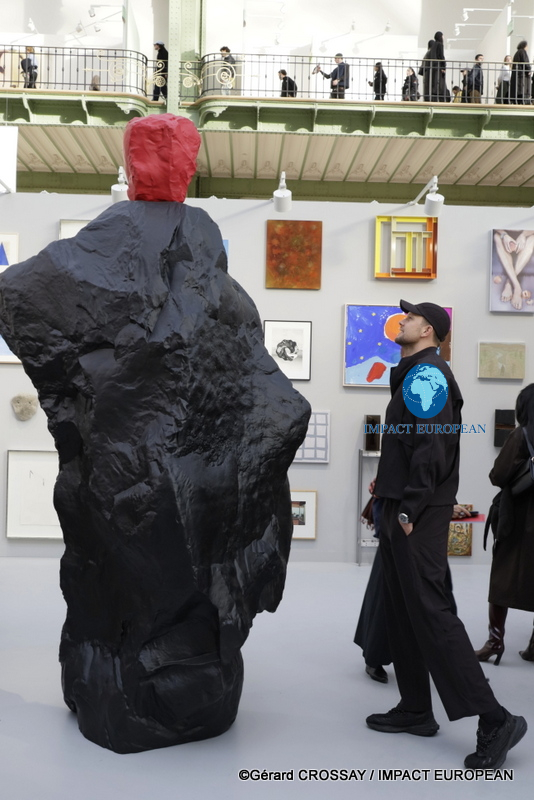
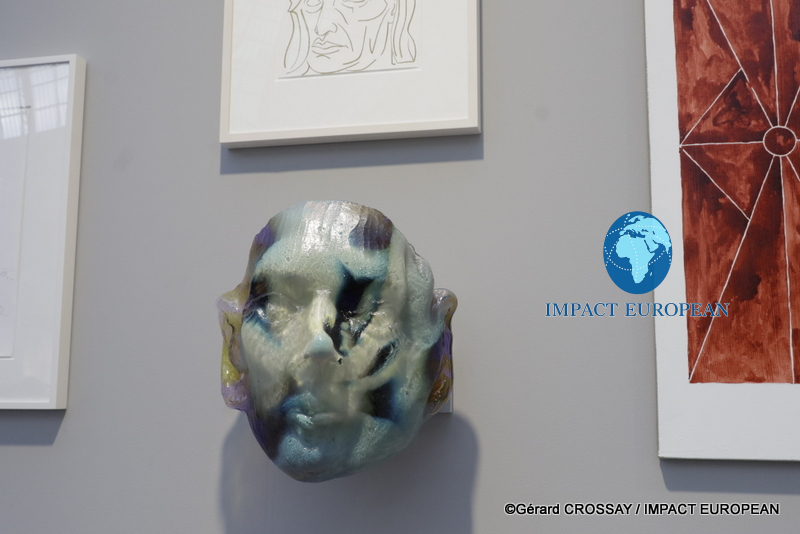
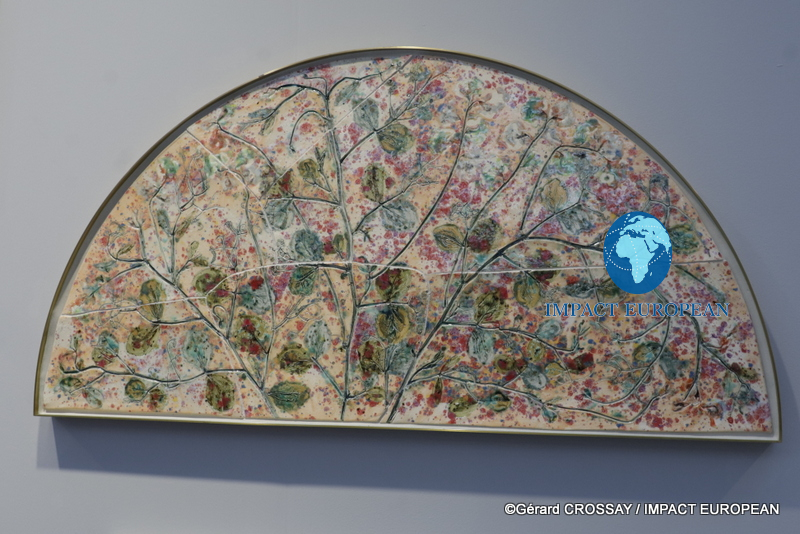
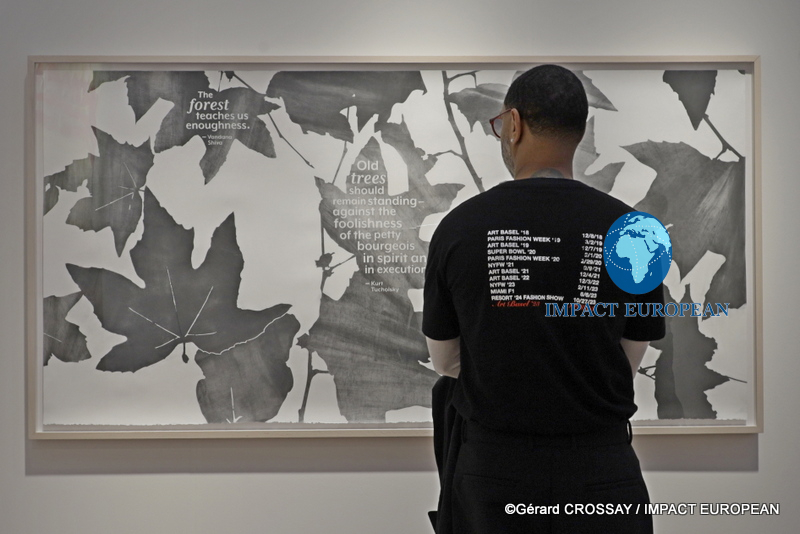
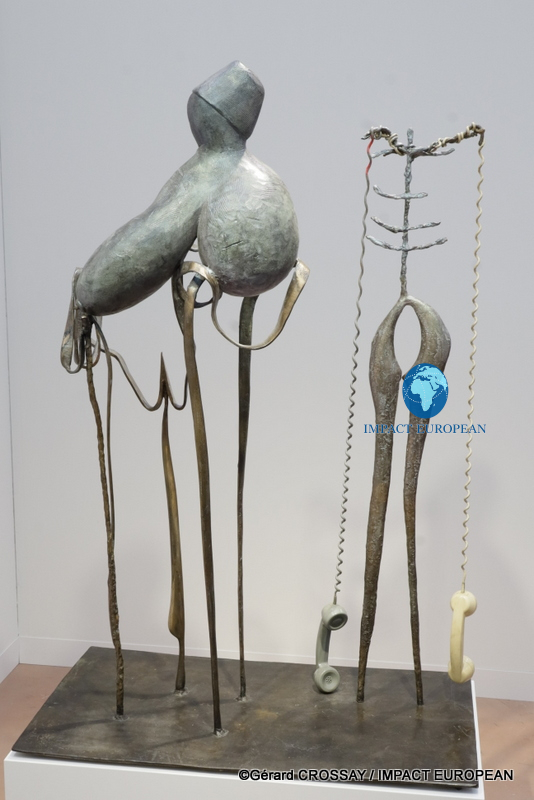
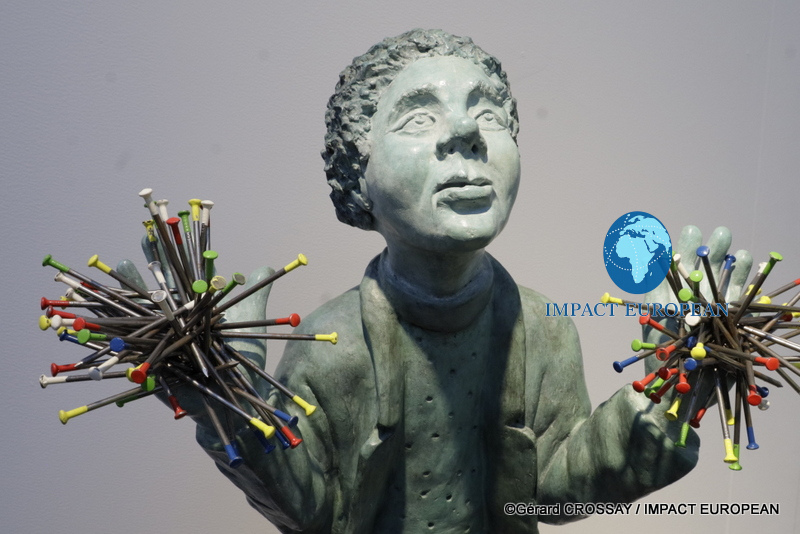
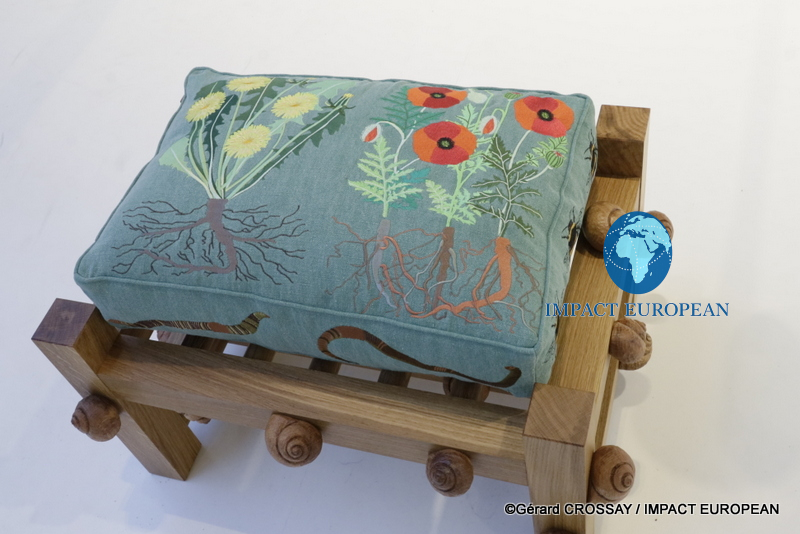
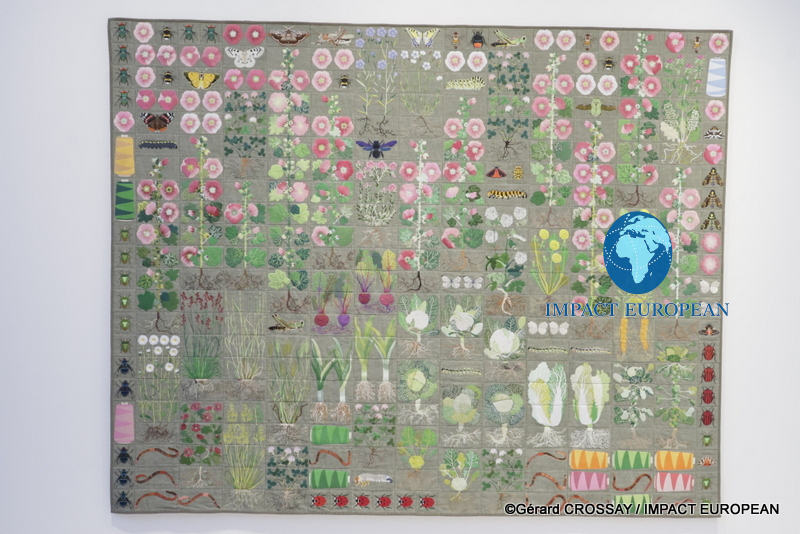
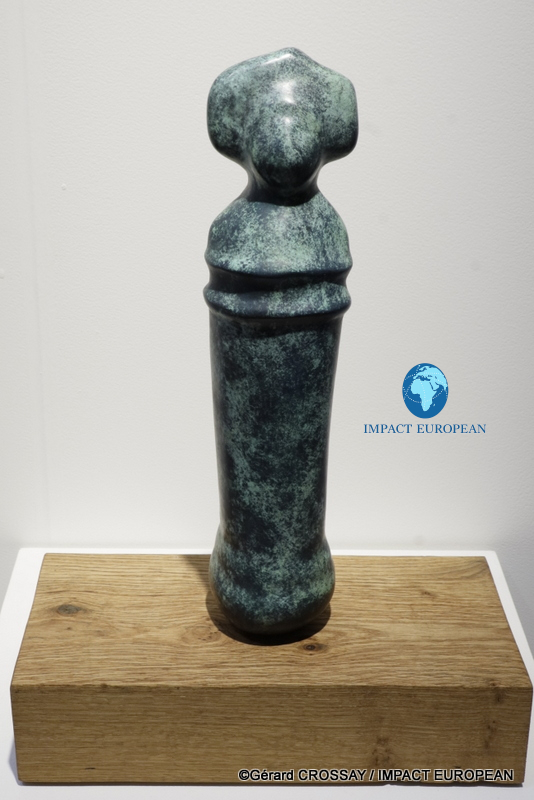
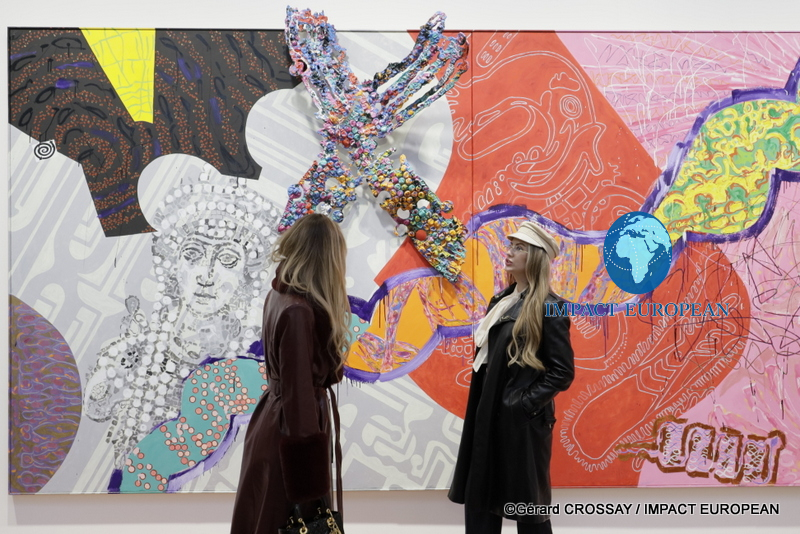
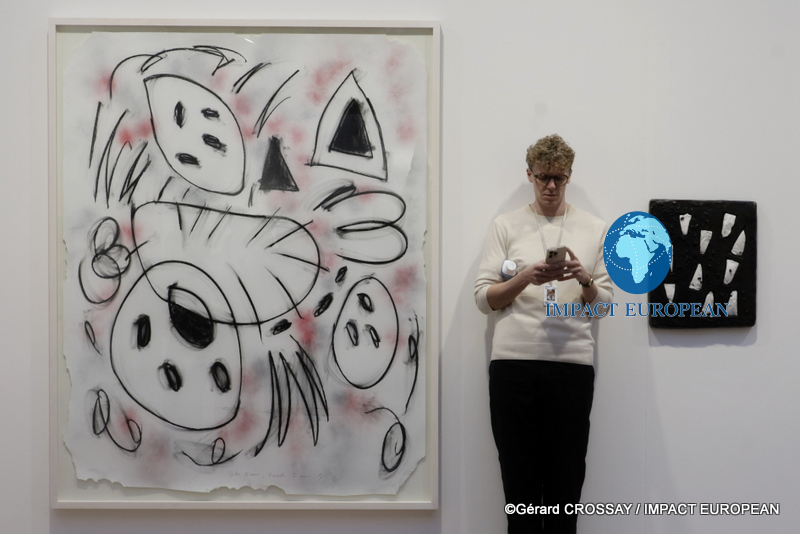
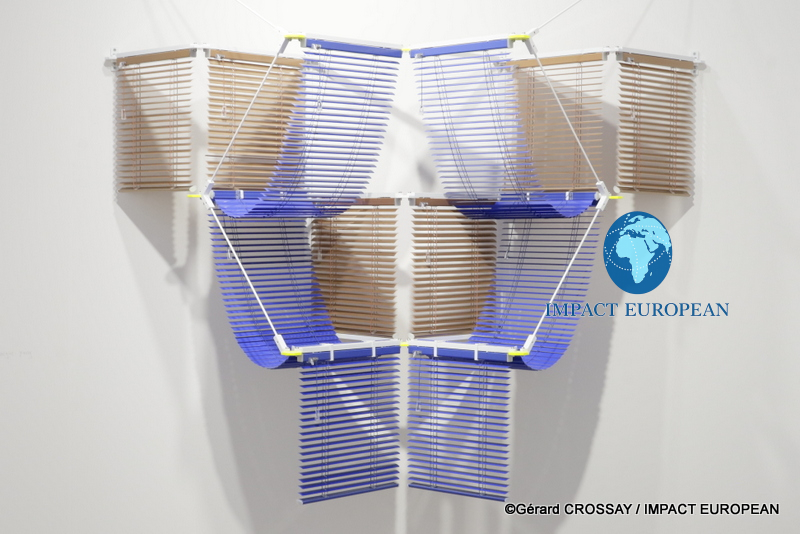
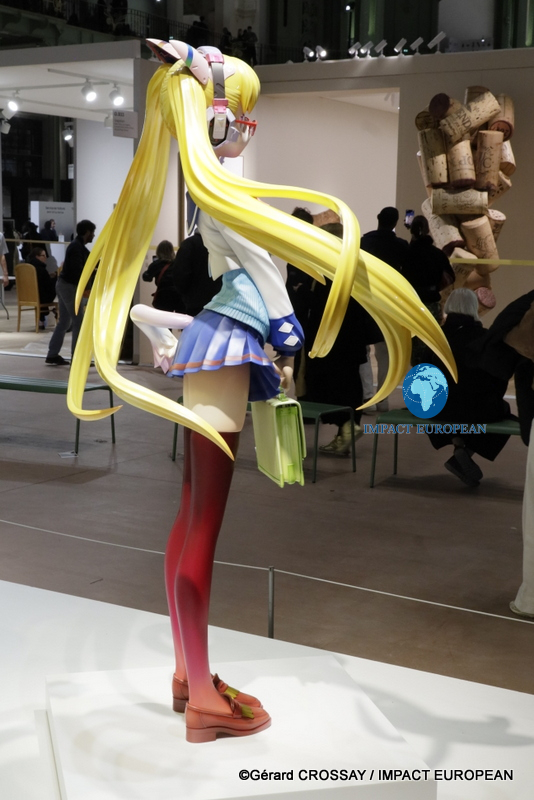
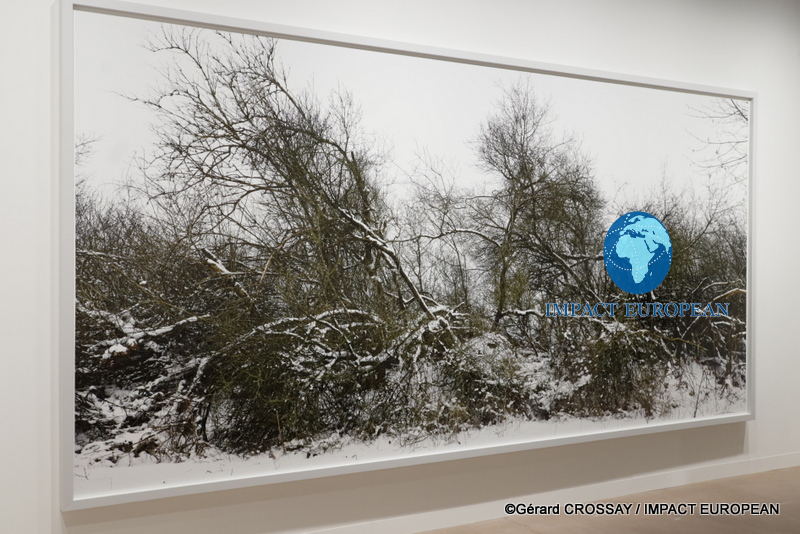
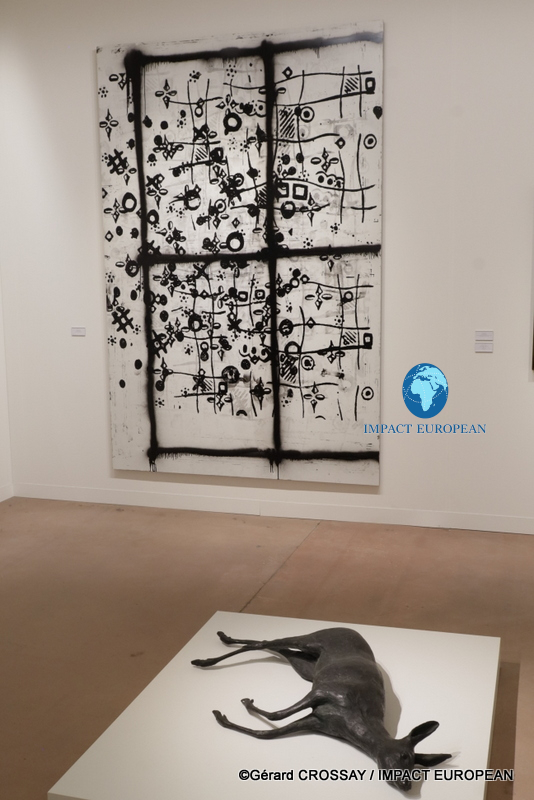
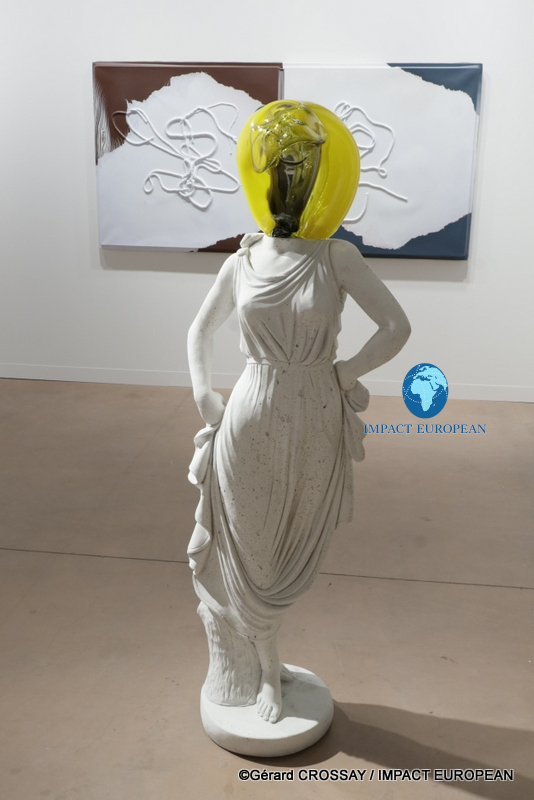
Art Basel Paris is more than a sequence of gallery booths. The Grand Palais provides a monumental setting in which works from different periods, countries and artistic movements can be encountered side by side. Painting, sculpture, photography, installation and conceptual practices form a broad picture of how contemporary art relates to its history.
The 2026 edition brought together 211 galleries from 41 countries and territories, including 64 exhibitors operating spaces in France. Established international names such as Gagosian, Hauser & Wirth, David Zwirner, White Cube and Thaddaeus Ropac appeared alongside French galleries including Templon, Perrotin, Almine Rech, Mennour and Galerie Chantal Crousel.
This mix reflects Paris’s dual position: a historic centre of artistic production and a meeting place for the global art market. French galleries gain access to international collectors, while overseas exhibitors connect with buyers, curators and institutions working across Europe and beyond.
Three sectors, three perspectives on art
The fair was organised into three principal sectors.
Galeries, the main section, brought together 183 galleries presenting modern, postwar and contemporary art. Exhibitions ranged from individual artist presentations to pairings and group displays, linking established figures with artists working today.
Emergence featured 16 solo presentations focused on emerging galleries and artists. The section offered visibility to practices still building their audiences and provided collectors with opportunities to discover artists outside the most established market categories.
Premise comprised 12 historically focused and research-led projects. Its curatorial approach encouraged visitors to reconsider familiar narratives of art history and to explore relationships between works, periods and artistic practices.
The organisers also announced 32 galleries participating in Art Basel Paris for the first time and a record 12 joint booths bringing together 24 galleries. These shared presentations created space for dialogue between distinct gallery programmes.
Artists across generations and geographies
The fair’s range extended from major figures of modern and postwar art to contemporary artists working with different materials, histories and political concerns.
Works by Gerhard Richter, Georg Baselitz, Joan Mitchell, Robert Ryman, Marlene Dumas and Josef Albers were among the artists associated with presentations and sales reported during the opening days. The wider programme also included major names such as Lucio Fontana, Alexander Calder, Fernand Léger, Marcel Duchamp, Constantin Brancusi and Amedeo Modigliani.
Other presentations highlighted different artistic histories, including the Brazilian modernist Tarsila do Amaral and Vera Molnár, a pioneer of generative and computer-assisted art. Contemporary practices were represented by artists including Julie Mehretu, Tracey Emin, El Anatsui, Ibrahim Mahama, Cai Guo-Qiang, Lee Bul, Cristina Iglesias and Marguerite Humeau.
These names illustrate the breadth of the presentations discussed in the fair’s programme and press coverage; they are not an exhaustive list of participating artists.
Major sales reported before the closure
Commercial activity began during the fair’s early days. According to Observer, Hauser & Wirth reported selling Gerhard Richter’s Rokokotisch (Rococo Table), dated 1965, for approximately $10 million. The gallery also reported a sale of Georg Baselitz’s Der Hirte (The Shepherd) for a similar amount, as well as a recent work by George Condo for $2.9 million.
David Zwirner reported selling a Richter painting for $8.5 million. Other transactions cited in press coverage involved works by Joan Mitchell, Marlene Dumas and Robert Ryman. Thaddaeus Ropac reported a sale of a Lucio Fontana work for €1.8 million.
The market was not limited to high-value works. Observer also reported that Paris-based gallery Sultana sold nearly 80 per cent of its presentation during the four-hour preview, with works priced between €1,500 and €25,000. The figures illustrate the range of commercial activity across different price levels.
These amounts are sales reported by galleries and relayed by the press. They do not represent a consolidated turnover for Art Basel Paris as a whole, and they should not be treated as an independently audited financial statement.
An early closure and its consequences
The public opening was intended to continue through Sunday, October 25. Instead, the fair closed at 7 p.m. on Friday, October 23, following the organisers’ decision to prioritise safety amid anticipated demonstrations in the French capital.
The closure removed two scheduled public days. Visitors planning to attend over the weekend lost the opportunity to see the fair, while galleries had less time to meet potential buyers and develop new contacts. For an international art event, those encounters matter beyond immediate transactions: conversations begun at a fair can lead to future acquisitions, institutional relationships and later exhibitions.
However, the closure’s precise economic impact cannot be calculated from the sales reported so far. Some galleries had already completed significant transactions during the preview days, while other opportunities may have depended on the public opening. The effects are unlikely to have been identical for every exhibitor.
Art Basel Paris 2026: key figures
- 211 galleries participating.
- 41 countries and territories represented.
- 64 galleries operating spaces in France.
- 183 galleries in the Galeries sector.
- 16 solo presentations in Emergence.
- 12 projects in Premise.
- 32 first-time participants announced for Art Basel Paris.
- 12 joint booths, bringing together 24 galleries.
- More than 73,000 visitors attended the 2025 edition, according to Art Basel. This is a previous-year benchmark, not the 2026 attendance figure.
- October 23, 2026, at 7 p.m.: early closure of the 2026 fair.
At the time of writing, no confirmed consolidated attendance figure for the shortened 2026 edition was available in the sources consulted. A reliable comparison with 2025 will require an official figure for 2026 and clarification of how attendance was counted.
A global fair shaped by local circumstances
Art Basel Paris 2026 demonstrated the scale and diversity of the international gallery network drawn to the French capital. Its presentations linked modern art, historical research and contemporary practices, while reported transactions showed that significant market activity was taking place before the fair closed early.
Yet the interruption became a defining part of the edition. International art fairs rely on travel, face-to-face encounters and carefully coordinated schedules. When the public programme is cut short, the consequences extend beyond ticket holders to galleries, visitors and the wider cultural ecosystem surrounding the event.
The final assessment must distinguish between the artistic programme, the sales announced by individual galleries and the attendance figures that remain unconfirmed. Art Basel Paris 2026 brought together an ambitious international selection, but it did not have the full public weekend originally planned.
©2026 IMPACT EUROPEAN – All rights reserved
Views: 0
More Stories
Paris protest puts cost of living and public freedoms in focus
France Protests on October 17: Mass Mobilization Overshadowed by Violence Across the Country
Work Palace Opens in Paris: INSITU Brings Luxury Hospitality Into the Workplace