

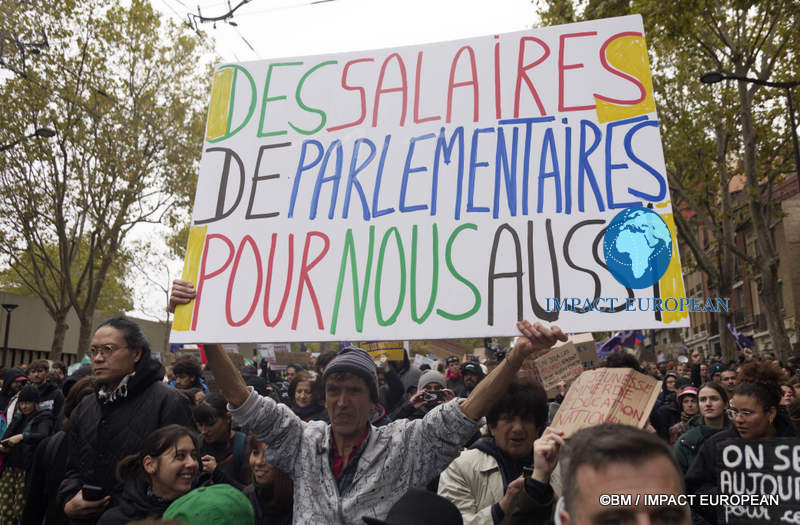
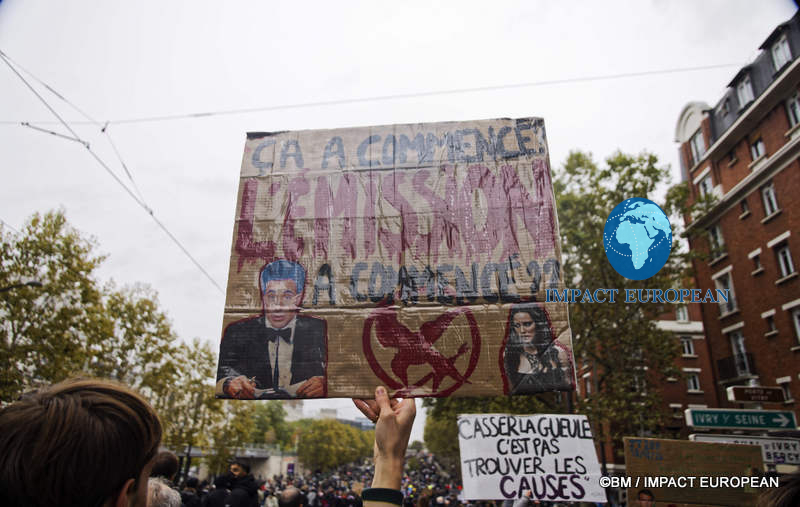
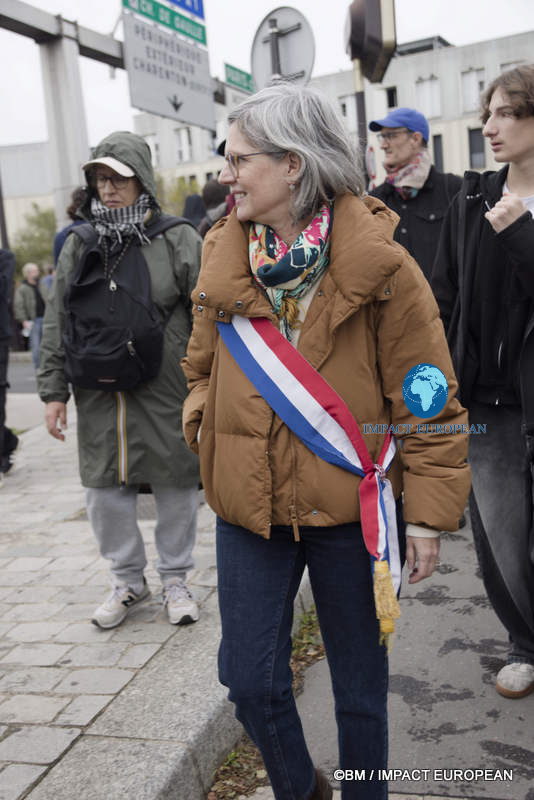
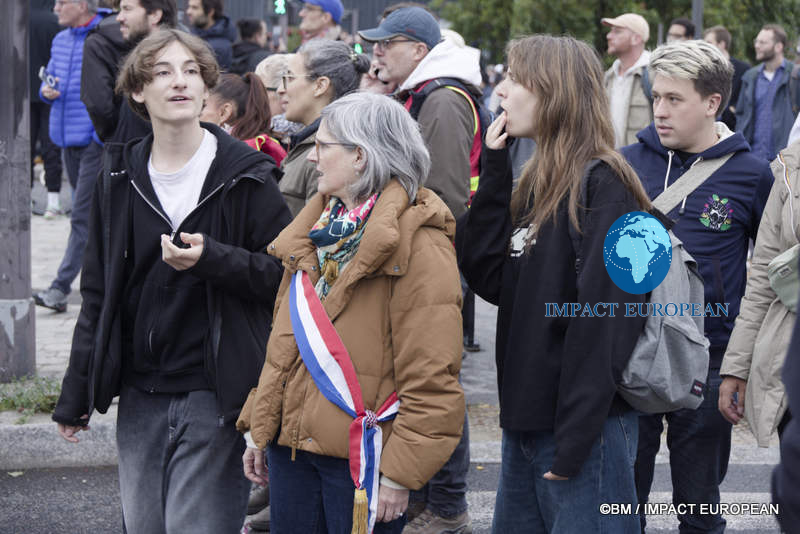
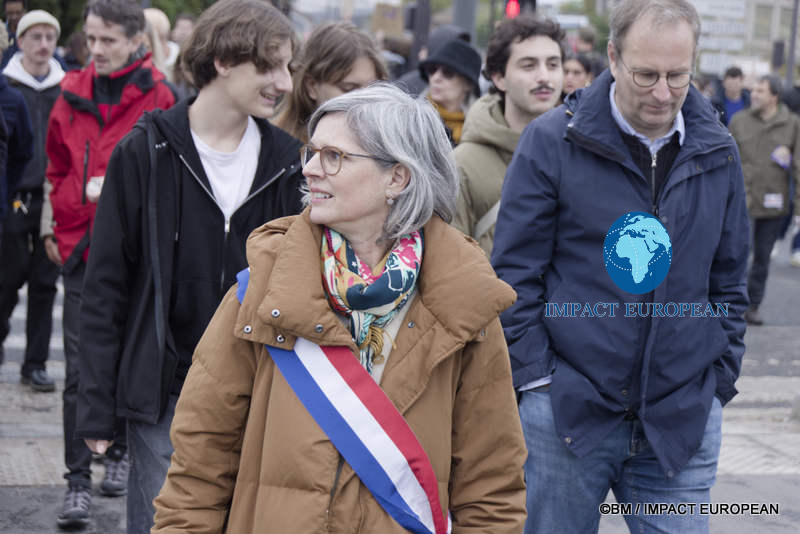
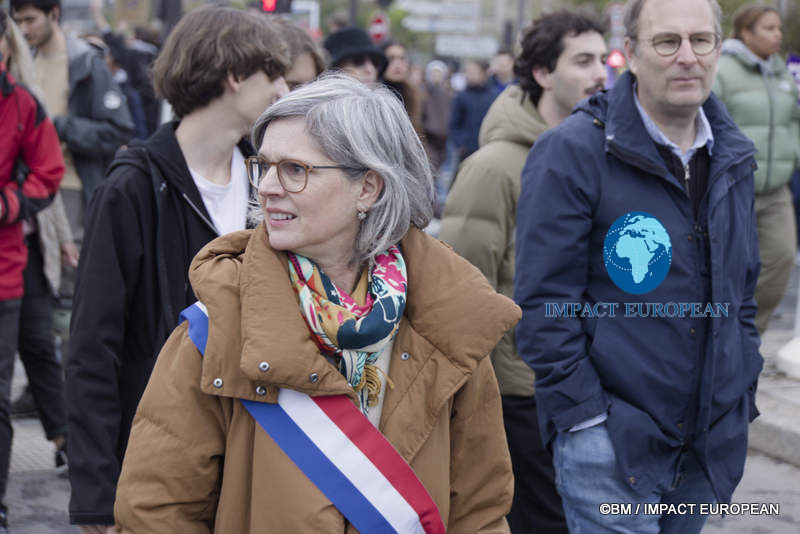
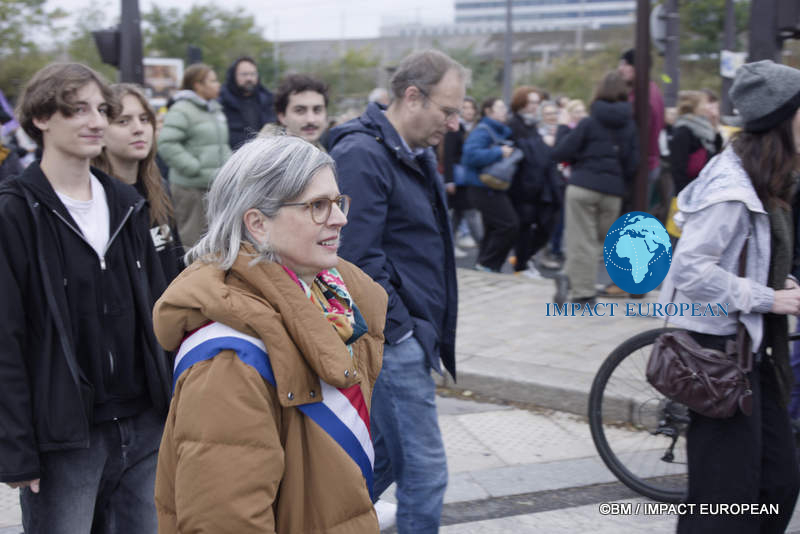
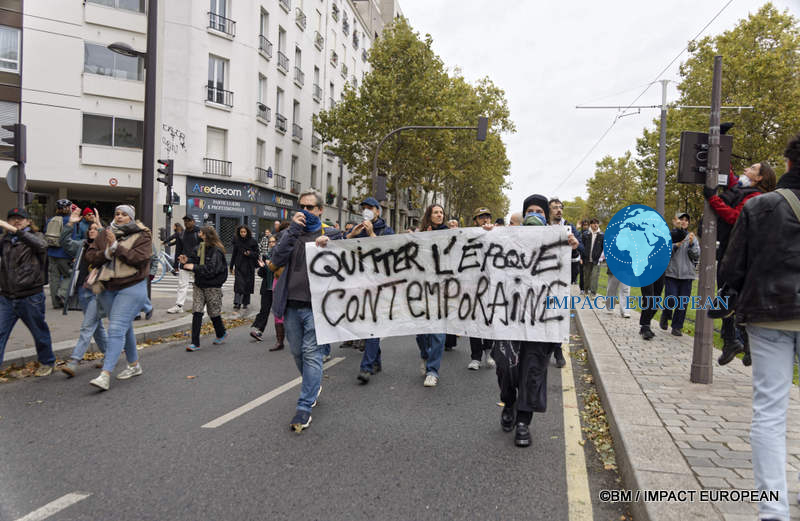
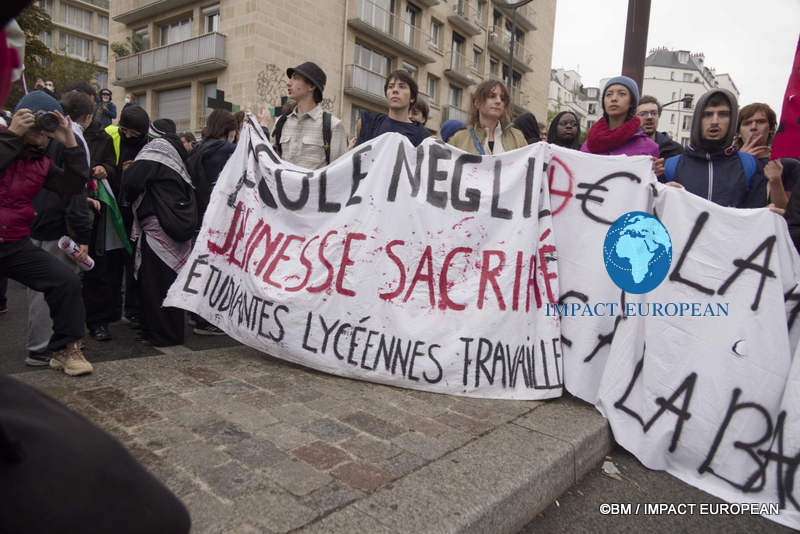
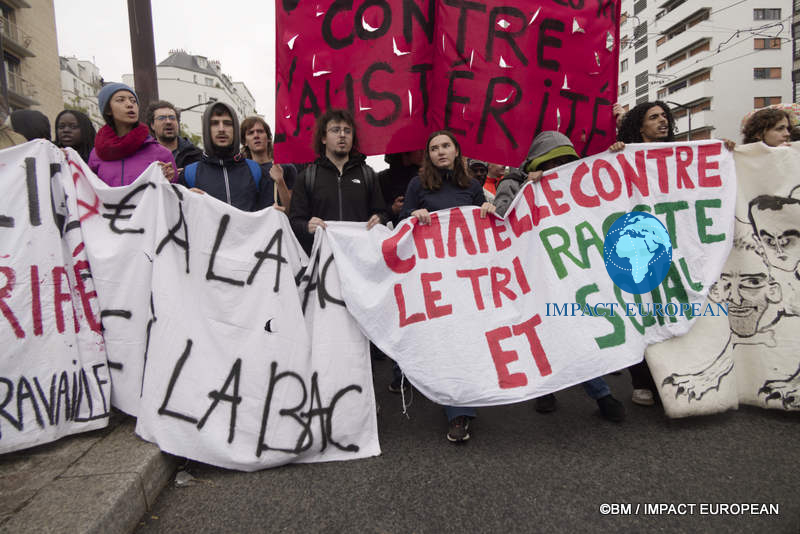
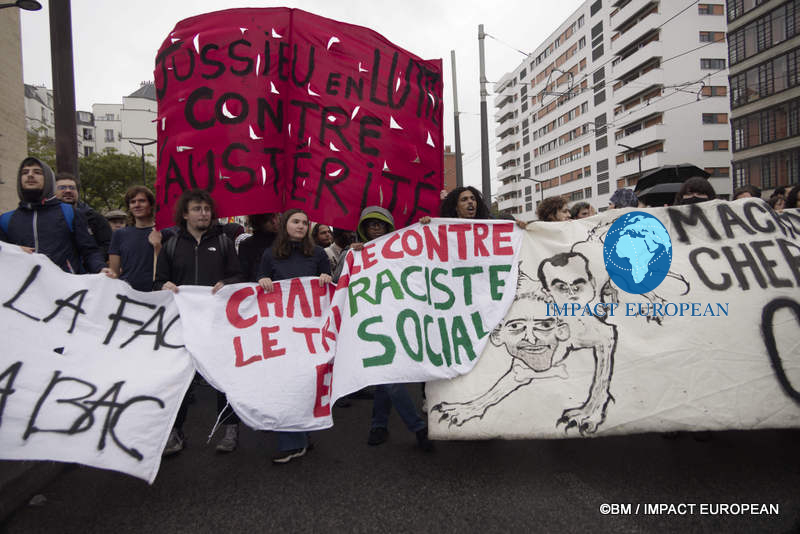
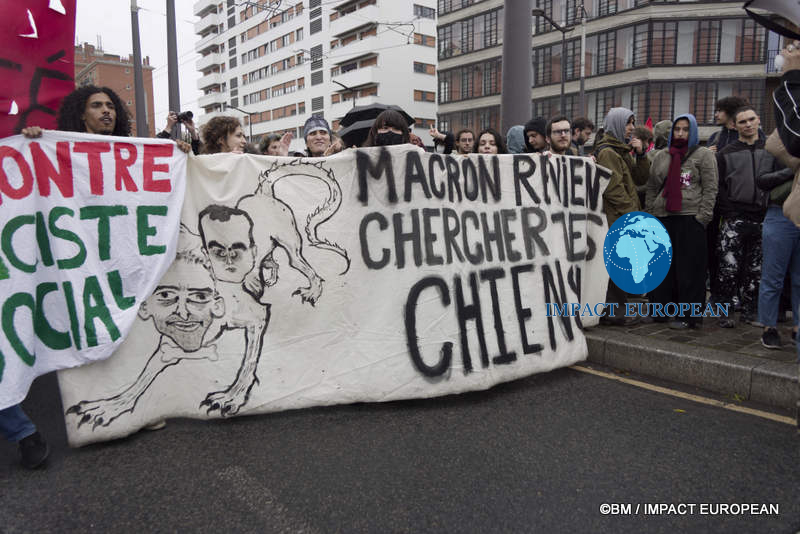
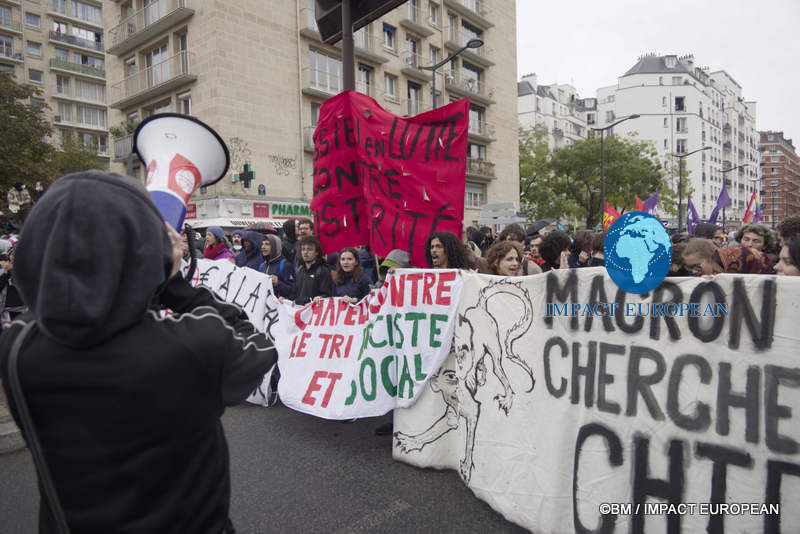
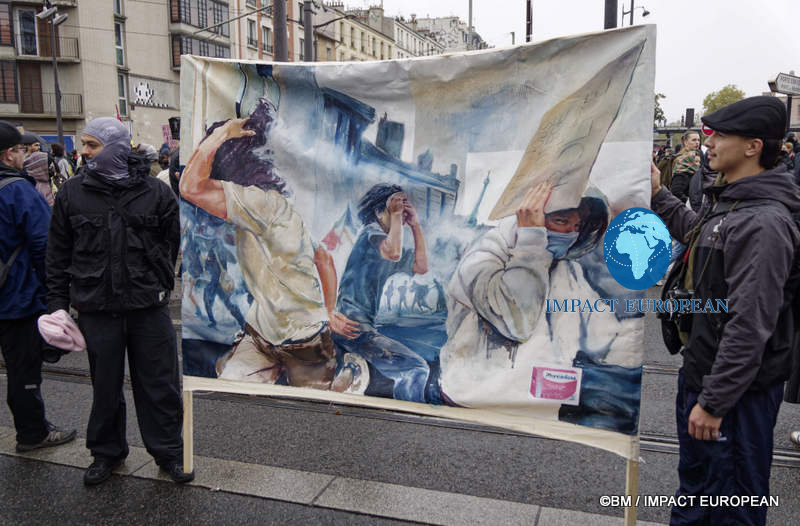
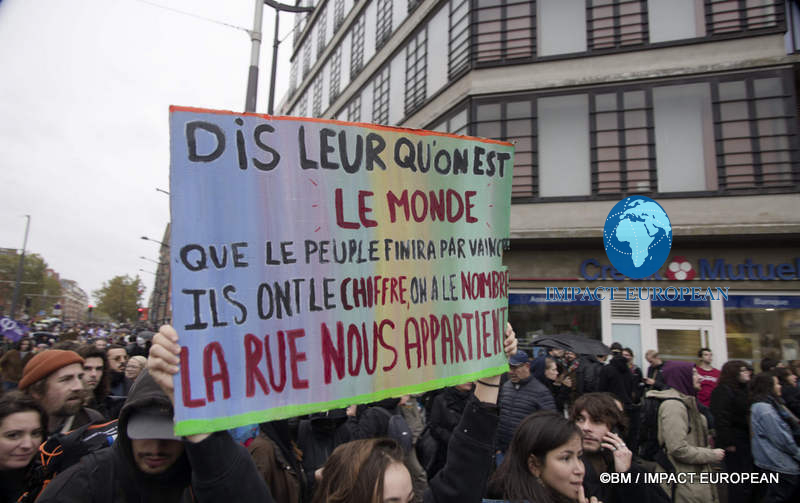
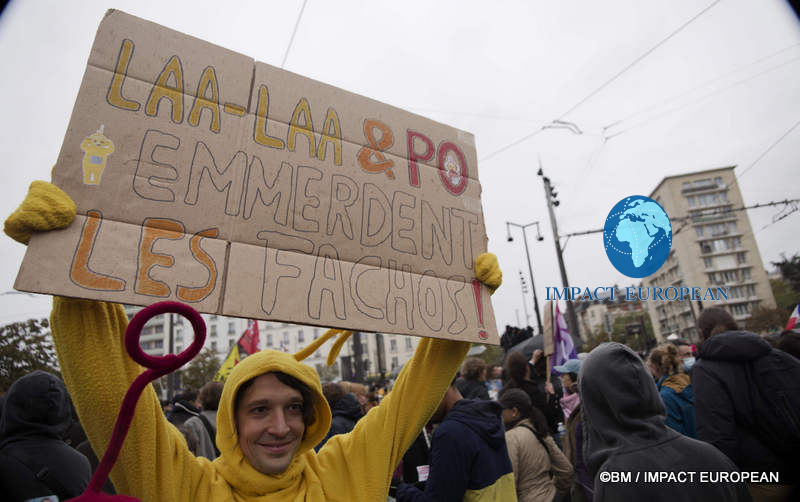
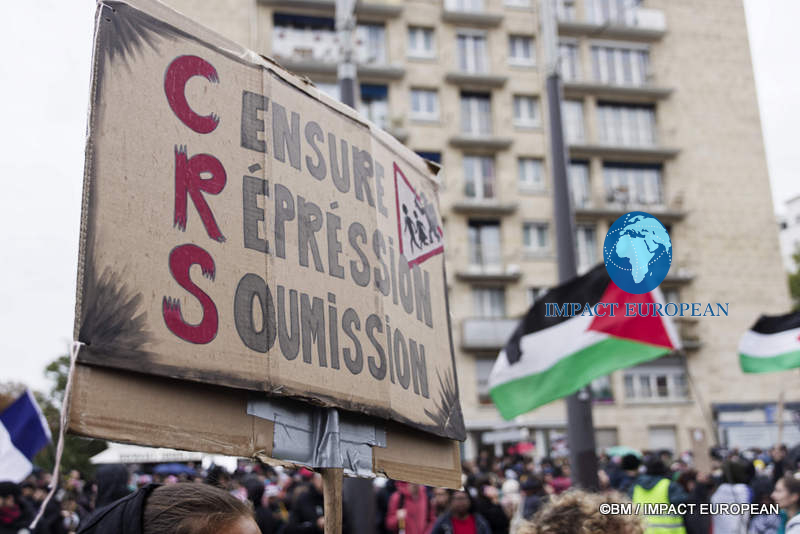
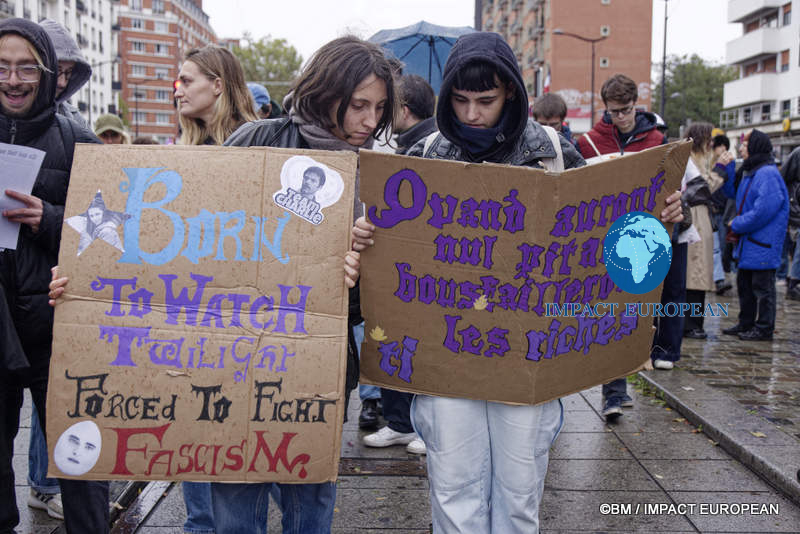
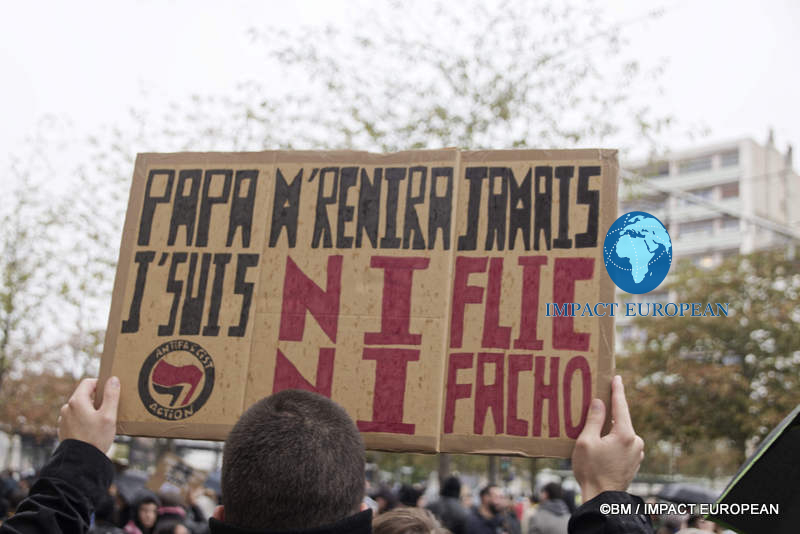
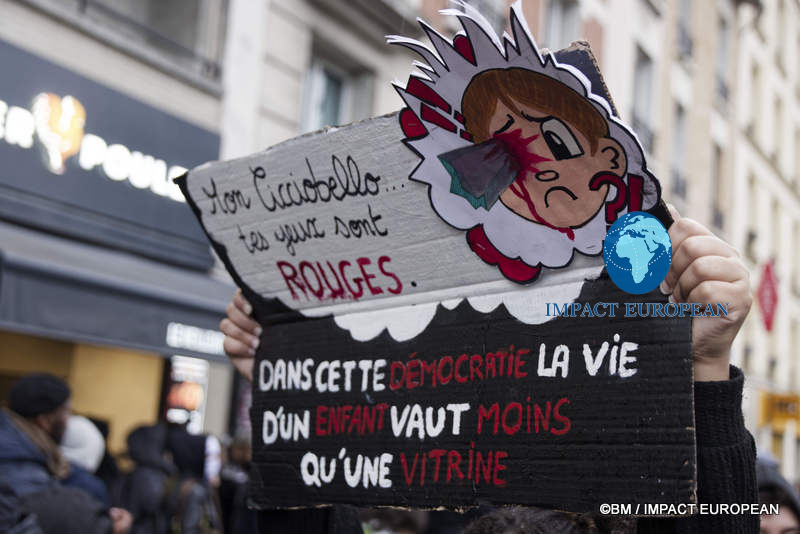
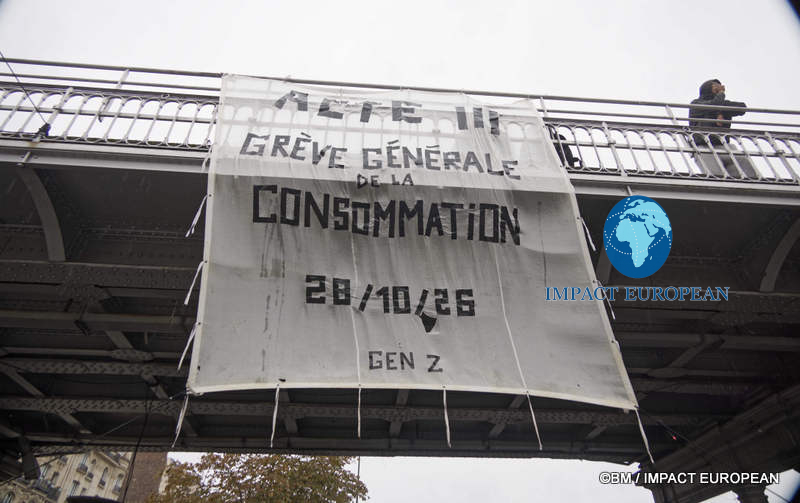
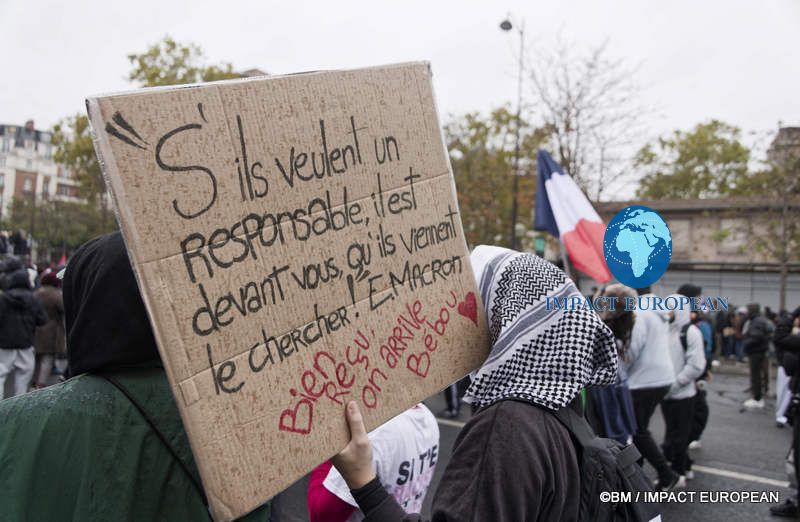
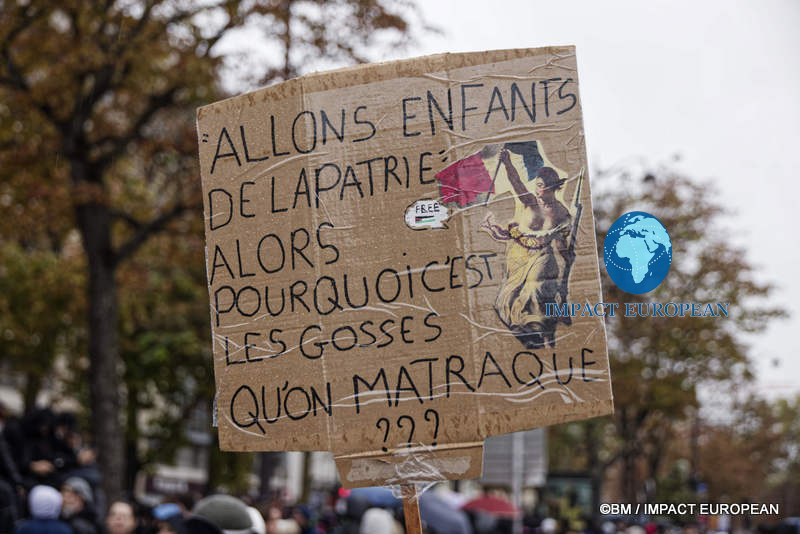
Thousands of people took to the streets of Paris on Saturday, 24 October 2026, in a demonstration focused on the cost of living and students’ conditions. The march also highlighted tensions over a last-minute route change, public safety and the practical exercise of the right to protest.
A large march through eastern Paris
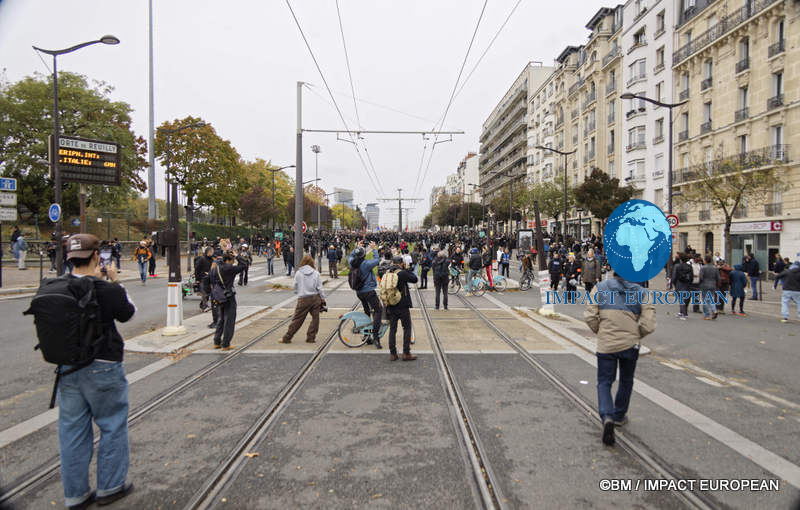
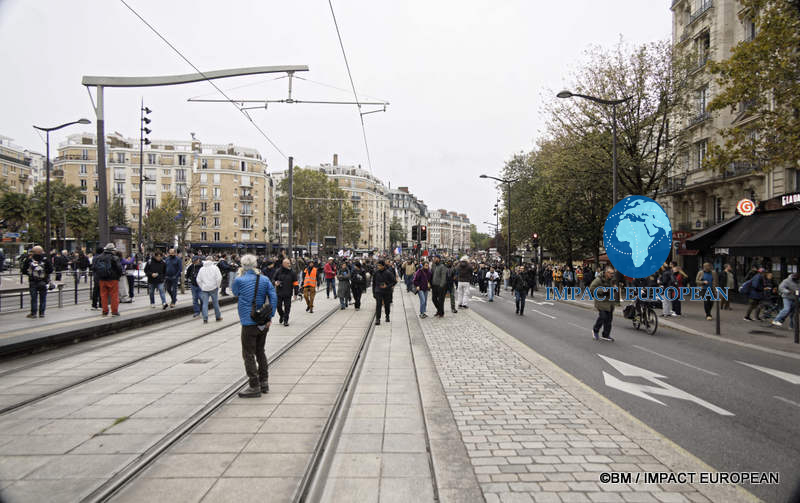
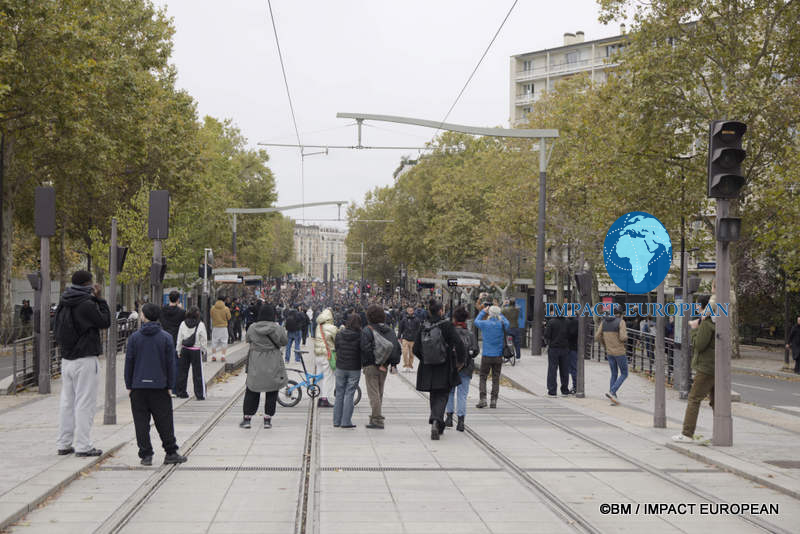
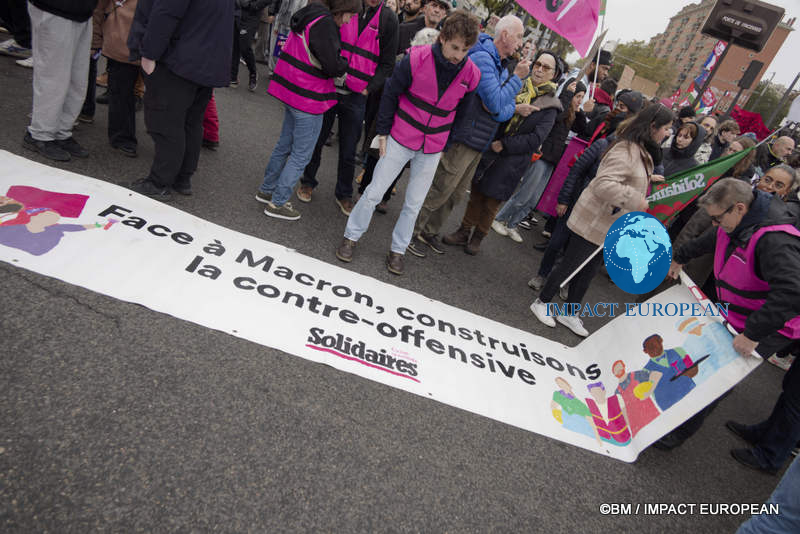
Paris hosted a major demonstration on Saturday, 24 October, as part of a wider day of mobilisation in France. The march travelled from Porte d’Italie to Porte de Vincennes along the Boulevards des Maréchaux, after authorities rejected the route originally planned between Place de la Bastille and Place de la Nation.
Estimates of attendance differed significantly. The Paris police prefecture counted 110,000 participants, while the CGT trade union put the figure at 250,000. Nationwide, the Interior Ministry reported 410,000 demonstrators, compared with nearly 800,000 according to the CGT.
These figures represent competing estimates from different sources and should not be treated as directly interchangeable. They nevertheless point to a substantial mobilisation around economic and social concerns.
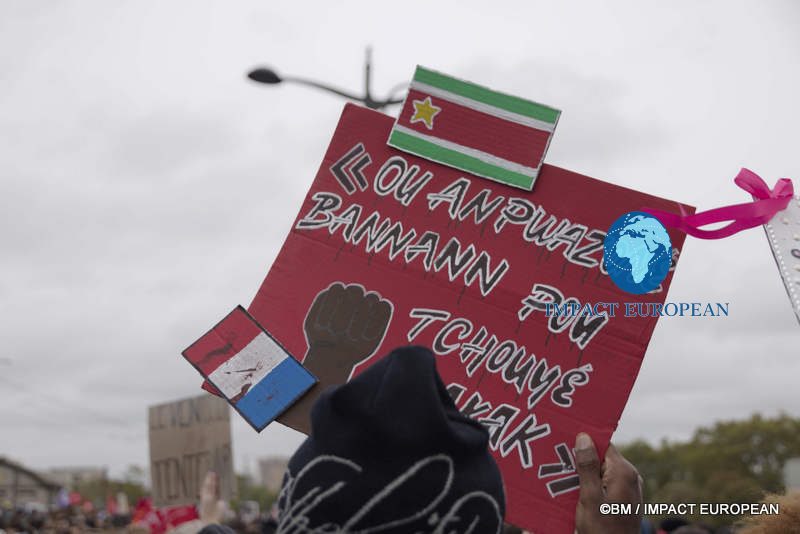
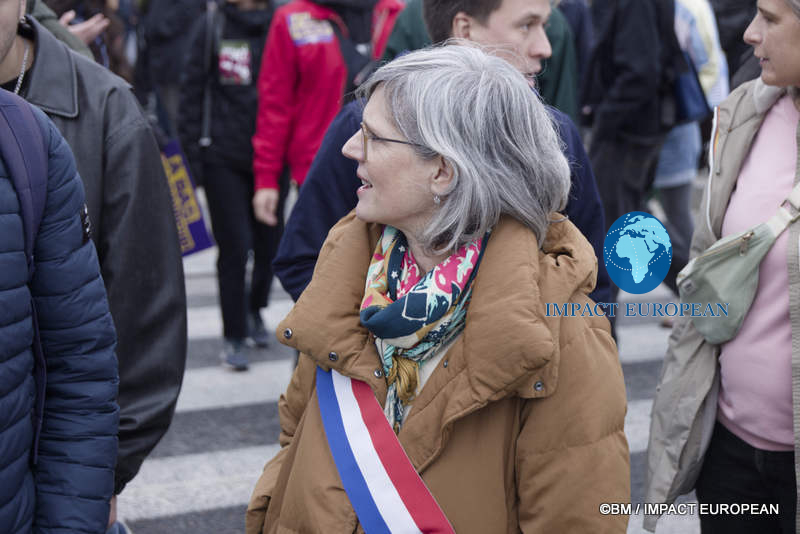
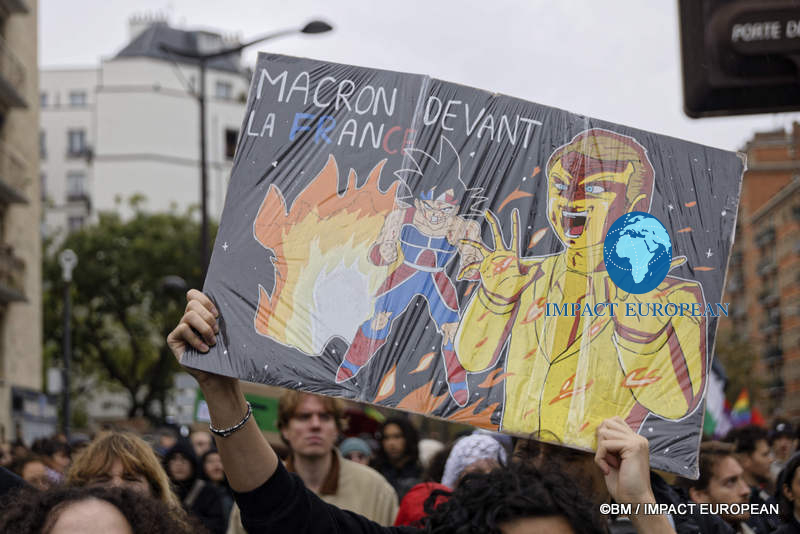
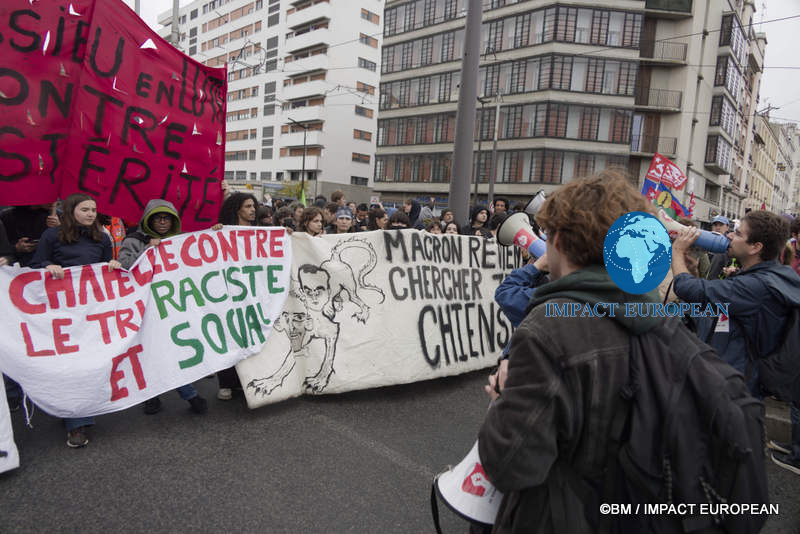
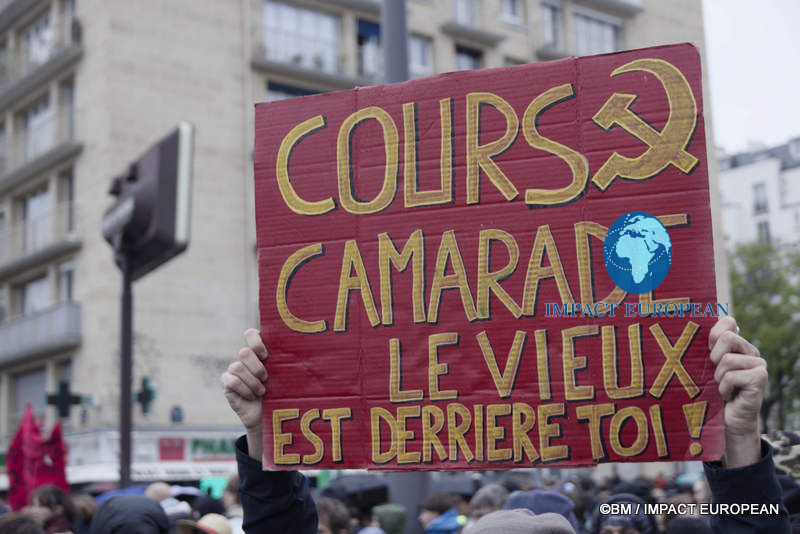
The demonstration brought together students, trade union activists, families and people from different political backgrounds. The cost of living was a central concern, alongside demands related to the conditions in which school pupils and university students pursue their education.
A route change that fuelled controversy
The march was preceded by a dispute over its route. Organisers had discussed a march between Bastille and Nation with the authorities. On Friday, 23 October, the Paris police prefecture prohibited that route and proposed an alternative running from Porte d’Italie to Porte de Vincennes.
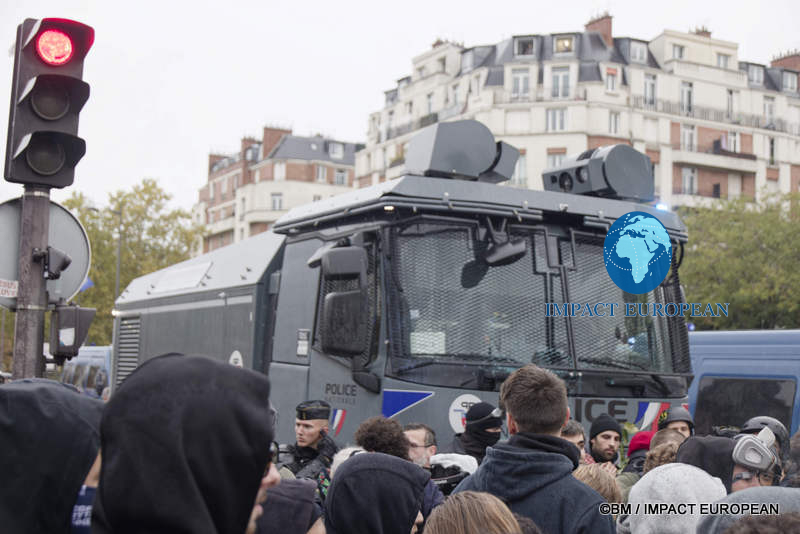
Authorities cited public-order risks and the need to adapt security arrangements following violence reported during the previous weekend’s demonstrations. Trade unions and student organisations criticised the late change, arguing that it made it harder to inform participants and organise the march.
The organisers challenged the decision in court, but the Paris administrative court rejected the appeal on Saturday morning. The route between the two gates therefore remained the authorised itinerary.
The dispute raised a broader question about the balance between public safety and the right to assemble. Authorities have a responsibility to protect people and property, but organisers also need clear, workable arrangements that allow participants to understand where and how they can gather.
The cost of living and the pressures facing students
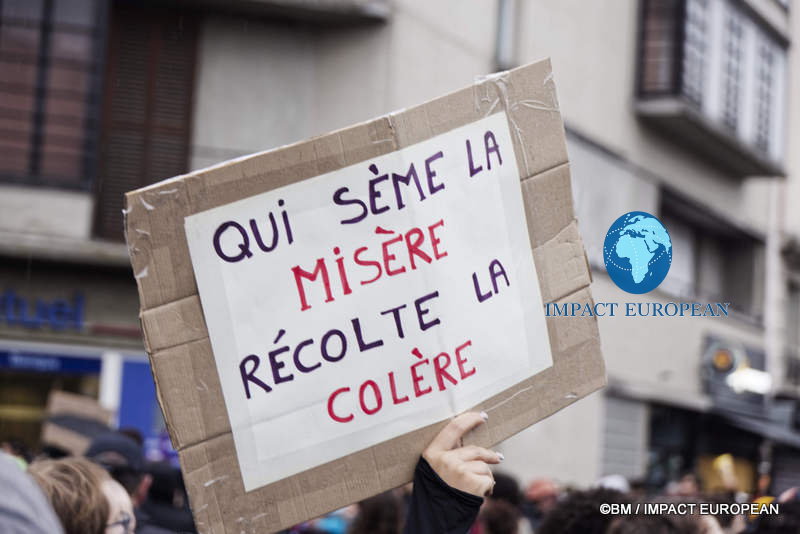
Economic pressure was among the main themes of the mobilisation. Rising everyday expenses affect households across society, while people with limited resources can face particularly difficult choices over essential spending.
For students, the conditions of education extend beyond the classroom. Housing, transport, food and study materials all influence whether young people can continue their education under sustainable conditions.
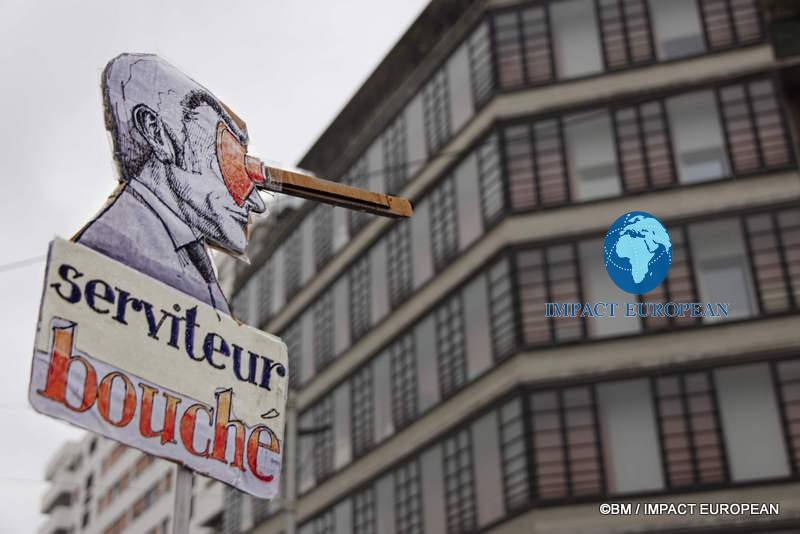
The demonstration brought these concerns into the same public space. That does not mean every participant shared the same political views or supported identical solutions. It does, however, show how economic pressure and access to education can become connected in a wider social debate.
Public services were also part of the broader concerns expressed during the day, linking household finances to questions about the availability and quality of essential services.
Security concerns after the previous weekend
The demonstration took place under heightened scrutiny following violence and damage reported during protests on 17 October. Those events formed part of the context cited by the authorities when they changed the route in Paris.
France’s Interior Ministry announced nearly 1,000 arrests nationwide on 24 October. That figure covers the country as a whole and should not be presented as a Paris-only total.
A precise assessment of the day requires a distinction between arrests, possible charges, confirmed offences and incidents in specific locations. It is equally important not to attribute the actions of individuals to an entire demonstration.
Protecting people and property is a legitimate public-safety concern. The right to peaceful protest is also a fundamental democratic freedom. The challenge is to ensure that security arrangements protect both, rather than allowing one concern to erase the other.
What comes after the march?
The demonstration brought economic concerns, education and public freedoms into a single debate. Its scale is disputed, but the issues behind it are broader than the number of people counted along the route.
The consequences will depend on how political leaders, public institutions and social organisations respond to the demands raised. A march can make concerns visible and create pressure for debate, but it does not by itself establish what policy changes will follow.
In Paris, the events of 24 October also showed how the organisation of a demonstration can become part of the story. The late route change and the unsuccessful legal challenge shaped the conditions in which the protest took place, adding a debate about civil liberties to the social and economic issues at its centre.
The day’s significance therefore lies not only in the crowds on the streets, but also in the questions they brought into public view: how to address the cost of living, how to improve students’ conditions and how to protect the right to protest while maintaining public safety.
Sources: attendance estimates attributed to the Paris police prefecture and the CGT; press reports on the route change and the administrative court decision; national arrest figures announced by the Interior Ministry.
©2026 IMPACT EUROPEAN – All rights reserved

Views: 2
More Stories
France Protests on October 17: Mass Mobilization Overshadowed by Violence Across the Country
Work Palace Opens in Paris: INSITU Brings Luxury Hospitality Into the Workplace
Rugby Pro D2: Colomiers Defeat Narbonne 49-28 to Claim Bonus-Point Victory