

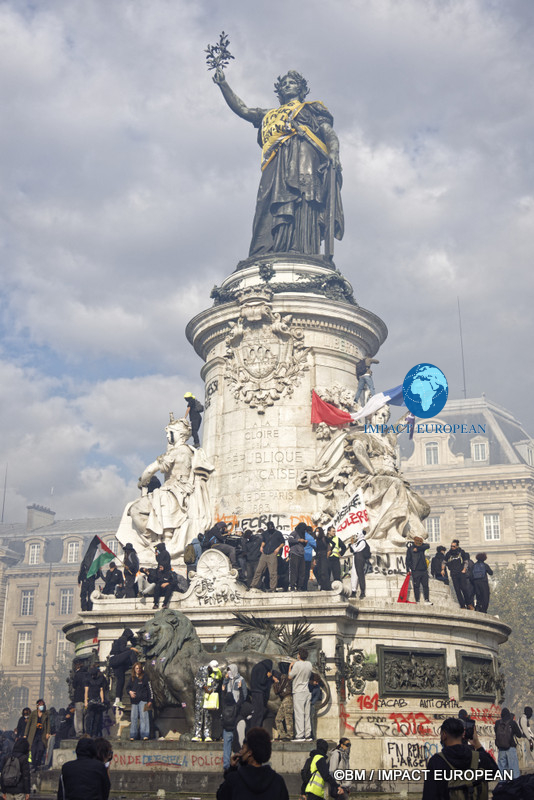
Hundreds of thousands of people demonstrated across France on October 17, 2026, demanding action on living costs, education and public services. Authorities counted 550,000 participants, while organizers estimated 800,000. The nationwide protests were also marked by clashes, fires and attacks on public buildings. A later government update reported 1,200 arrests and 150 injured police officers and gendarmes.
A Nationwide Protest Bringing Different Grievances Together
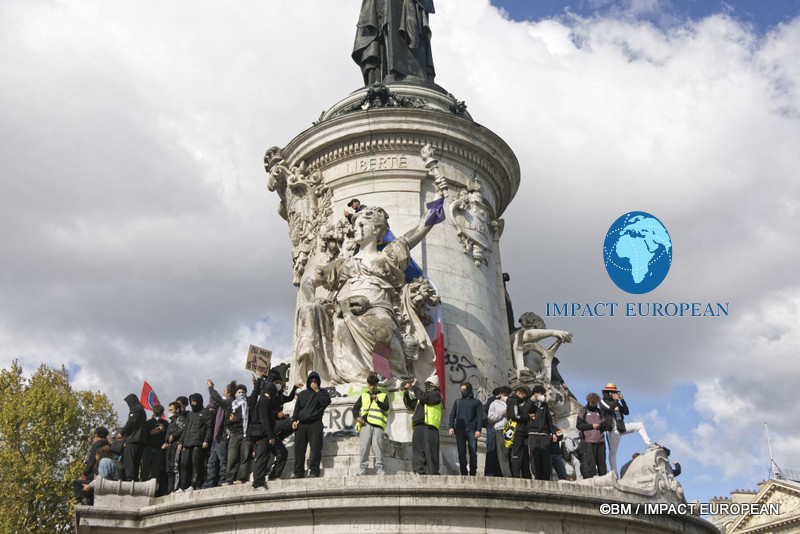
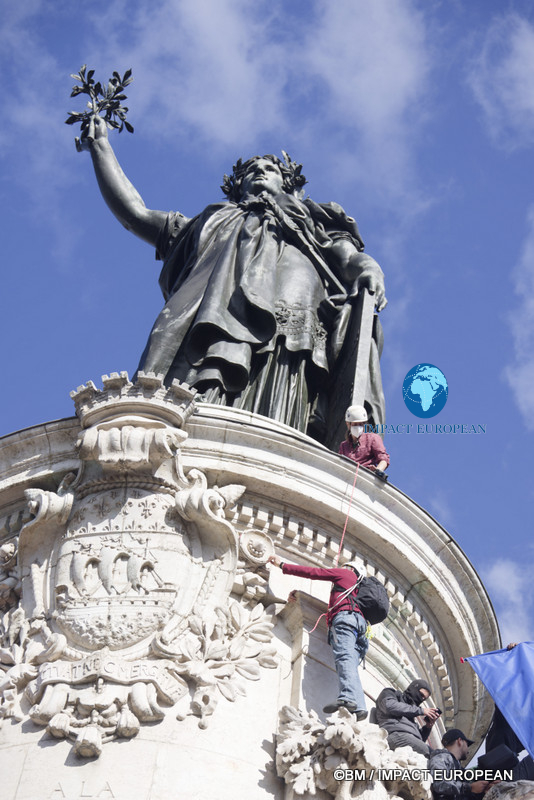
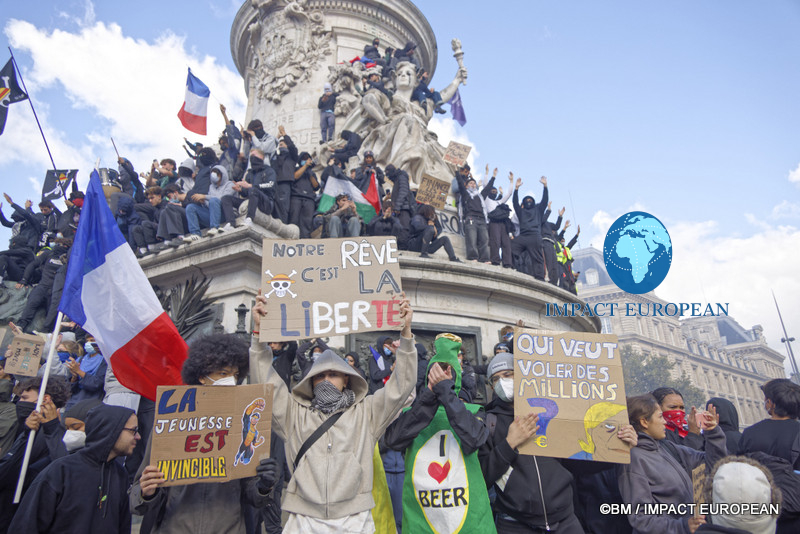
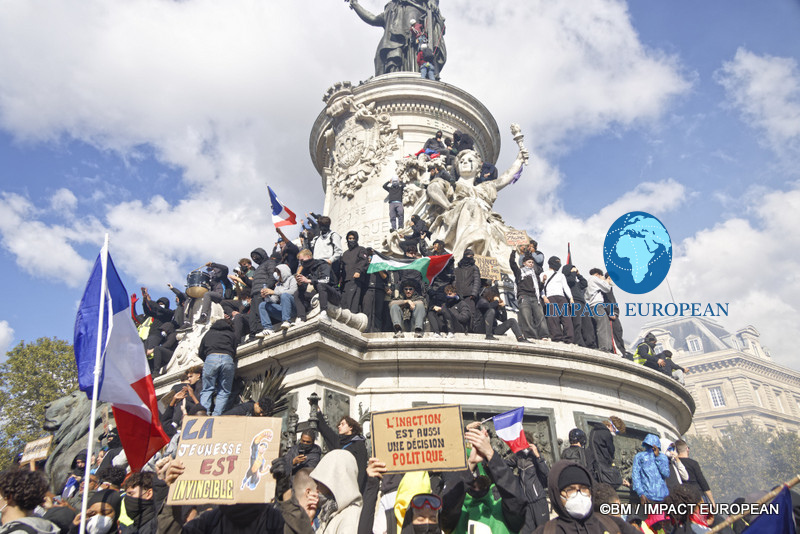
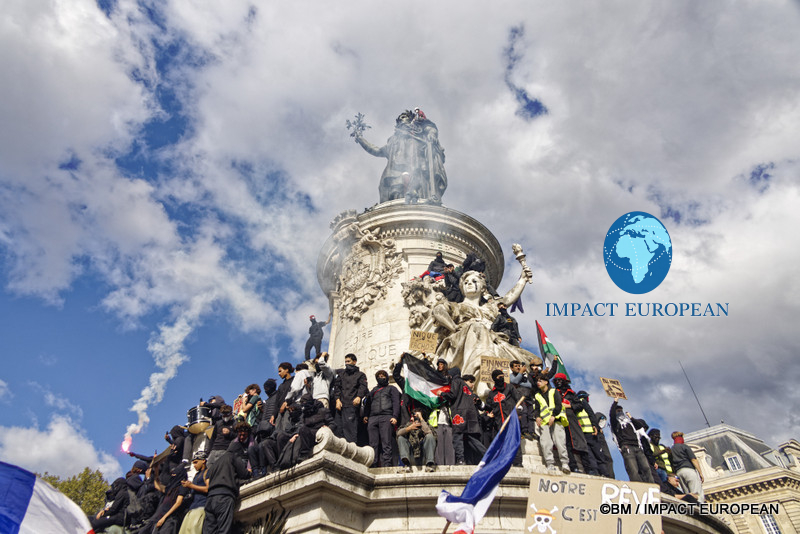
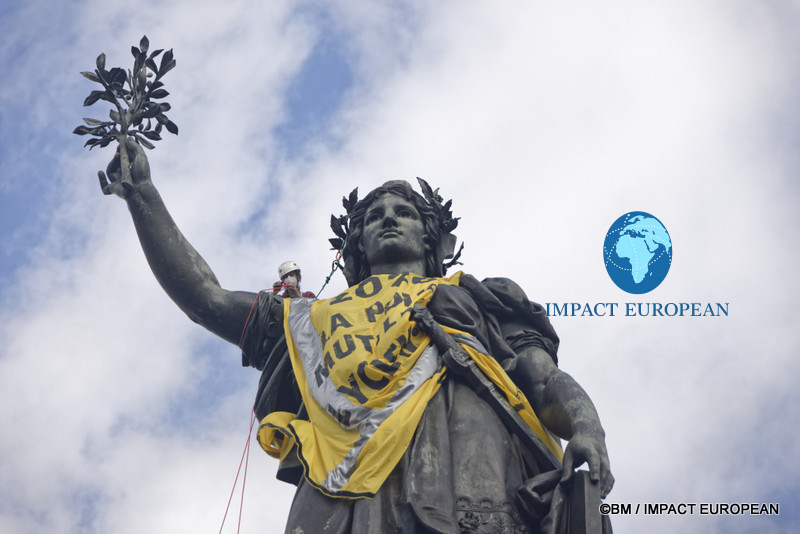
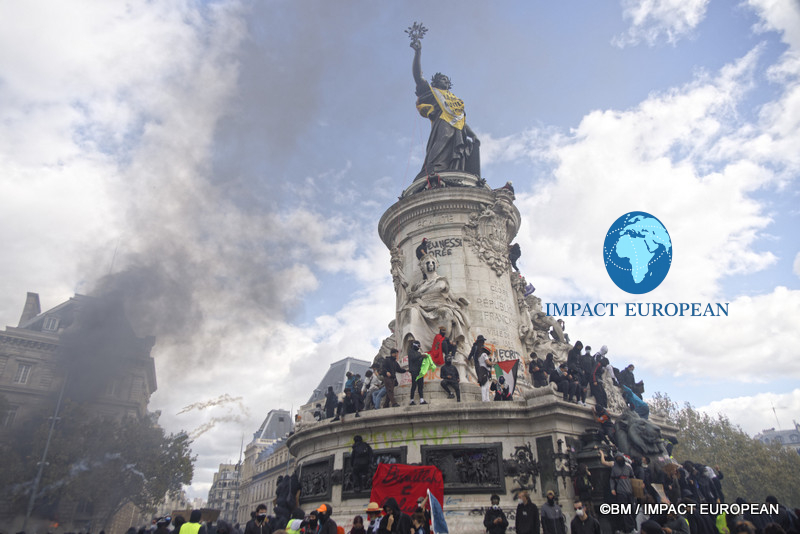
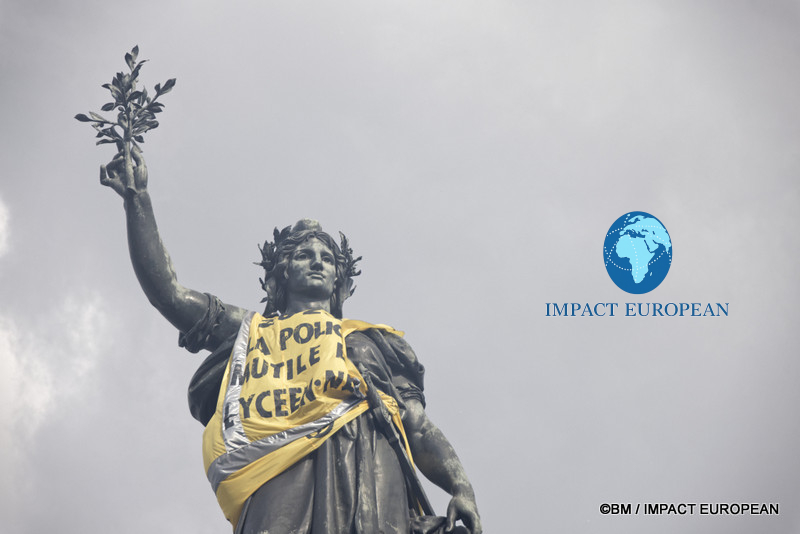
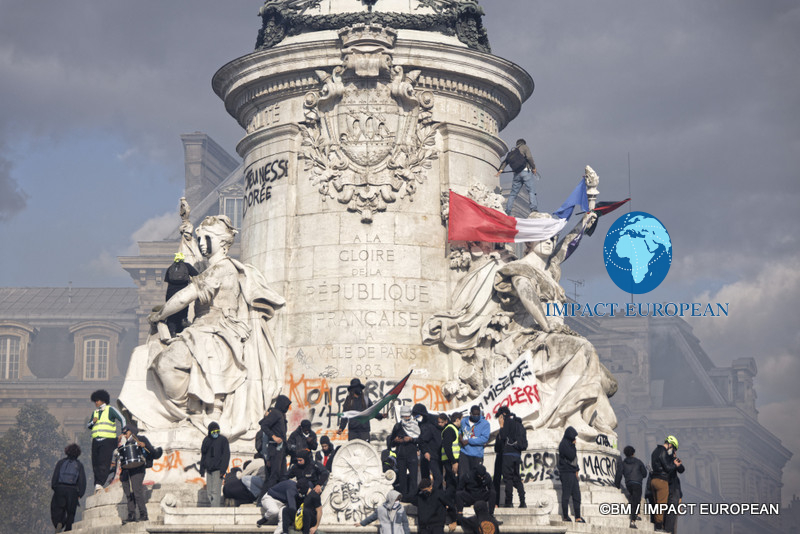
France experienced a major day of social mobilization on Saturday, October 17, as demonstrations took place in Paris and numerous other cities.
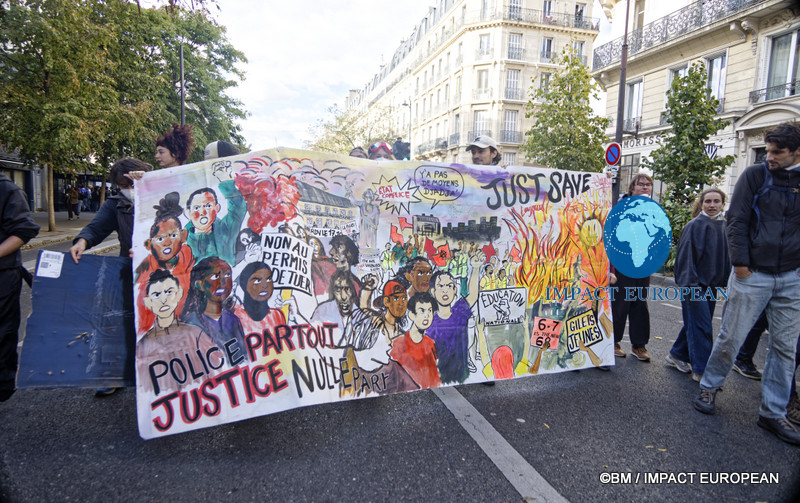
The protests brought together people expressing concerns about purchasing power, wages, education and the condition of public services.
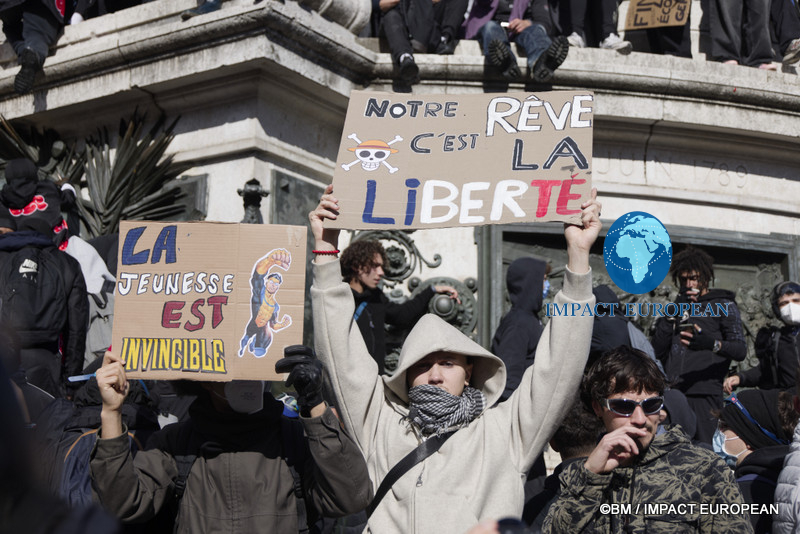
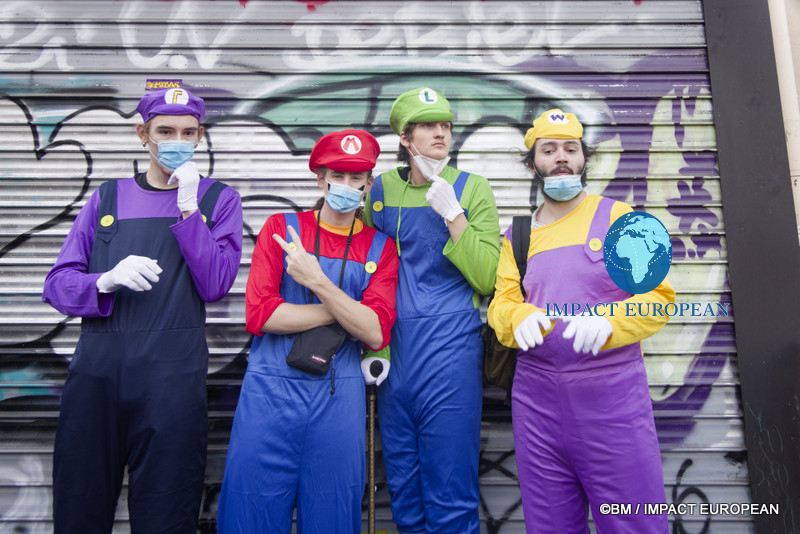
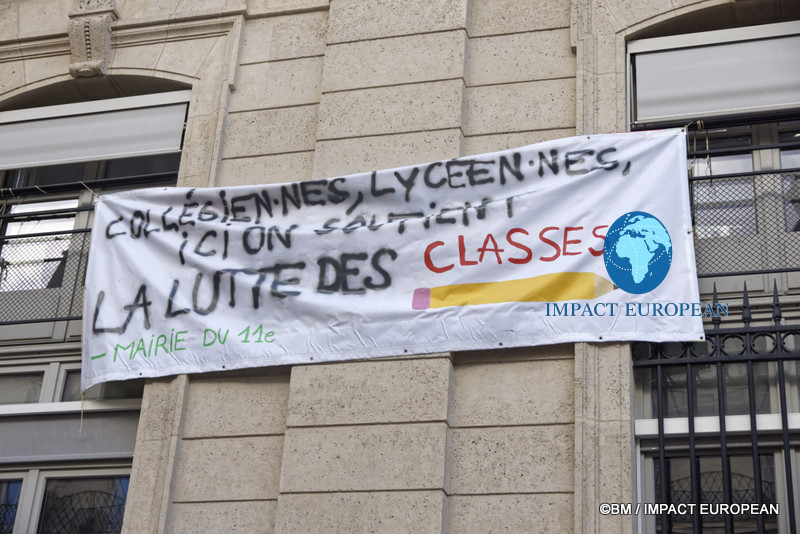
High school students, university students, trade union participants and individuals associated with the Yellow Vest movement were among those involved.
Their demands were not necessarily identical. However, the mobilization reflected dissatisfaction extending across different generations and sections of French society.
The demonstrations also highlighted the continuing importance of street protests in French political and social life.
Government and Organizers Report Different Turnout Figures
The French Interior Ministry reported 550,000 demonstrators nationwide, including 110,000 in Paris, across 110 marches.
Organizers estimated that 800,000 people had participated.
Both figures indicate a substantial mobilization, although they come from different sources and should not be treated as a single confirmed count.
Demonstrations took place in Paris, Marseille, Lyon, Lille, Bordeaux, Nantes and other cities.
Many participants expressed their demands peacefully, even as violence developed in certain areas.
The Cost of Living and the Future of Public Services
Economic concerns were central to the protests.
Household spending on housing, food, energy and transportation remains an important source of public anxiety, alongside questions about wages and living standards.
Education was another major issue, particularly among younger demonstrators concerned about school resources, teaching conditions and their future prospects.
The participation of people associated with the Yellow Vest movement also recalled an earlier wave of French social unrest that began in 2018.
That movement initially emerged around fuel costs before expanding into wider demands concerning economic inequality and political representation.
The October 17 demonstrations brought together some of these longstanding grievances with concerns expressed by younger participants.
Violent Clashes in Paris
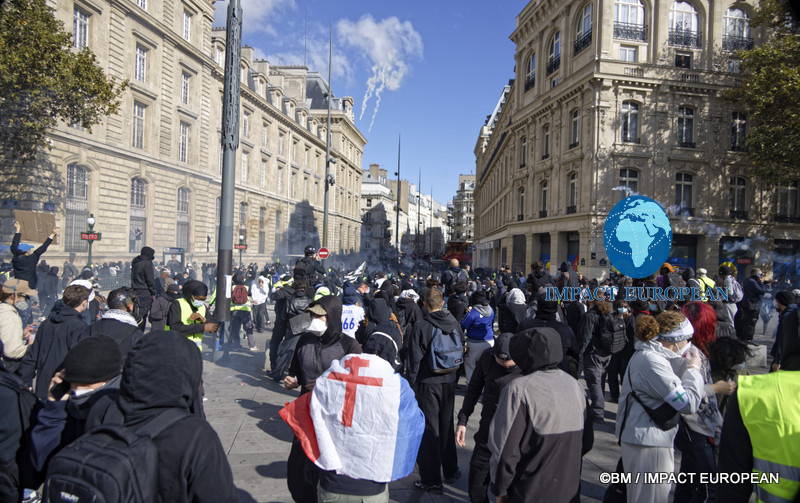
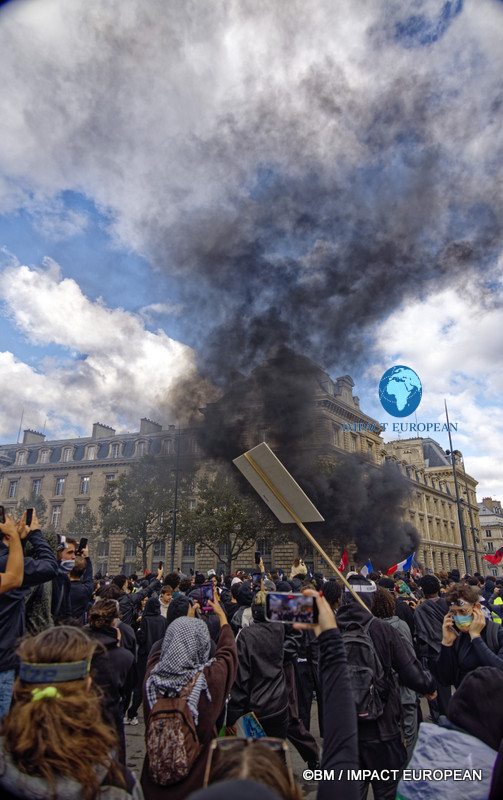
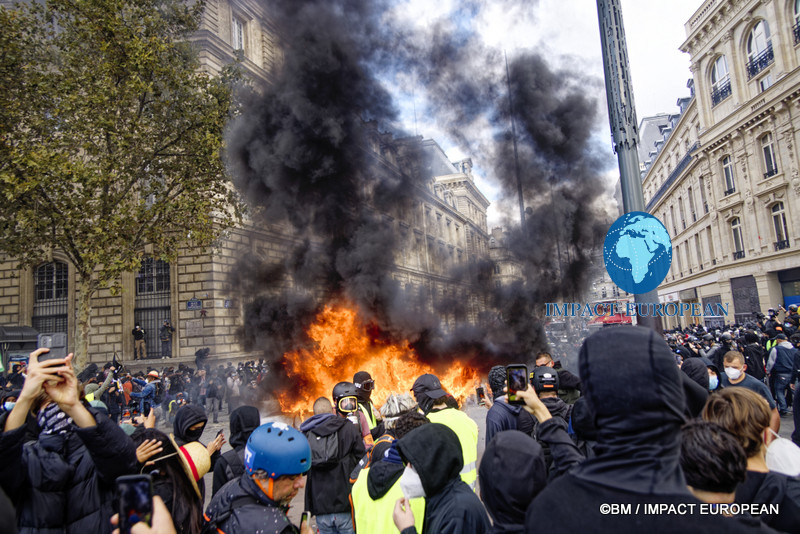
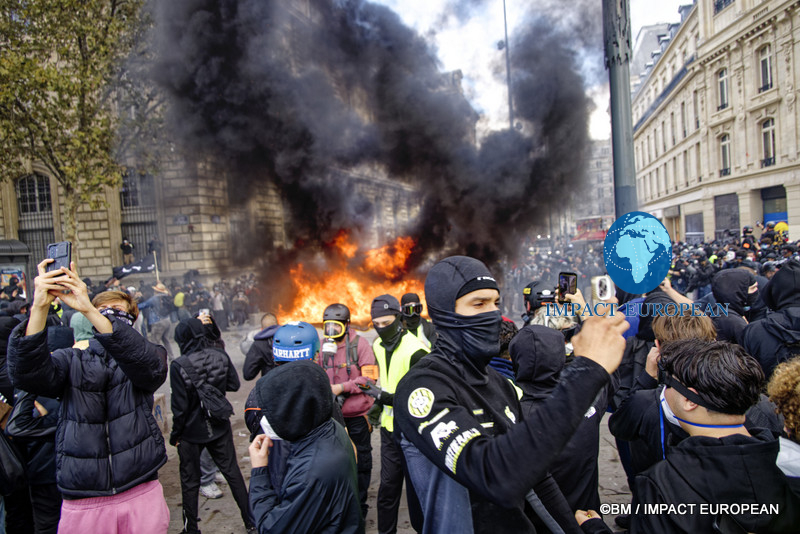
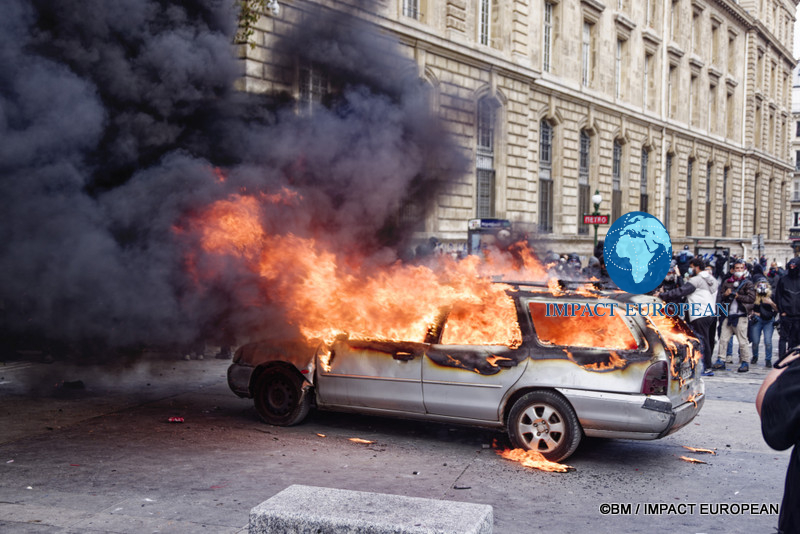
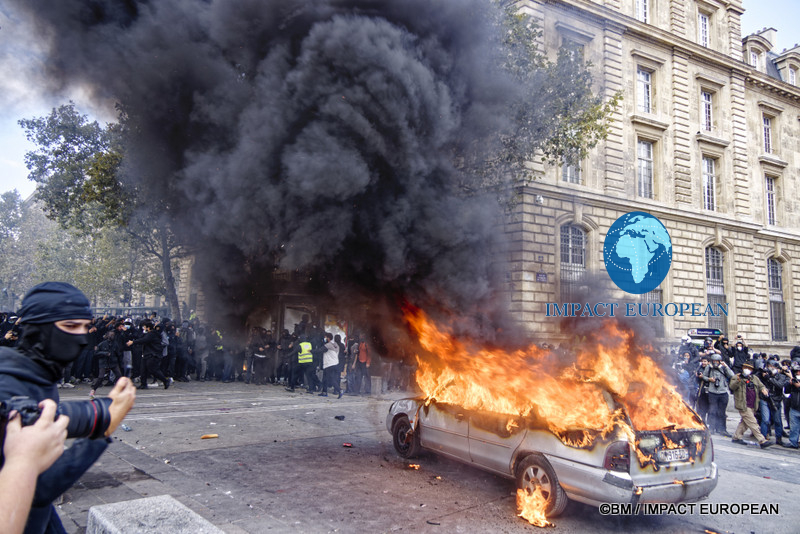
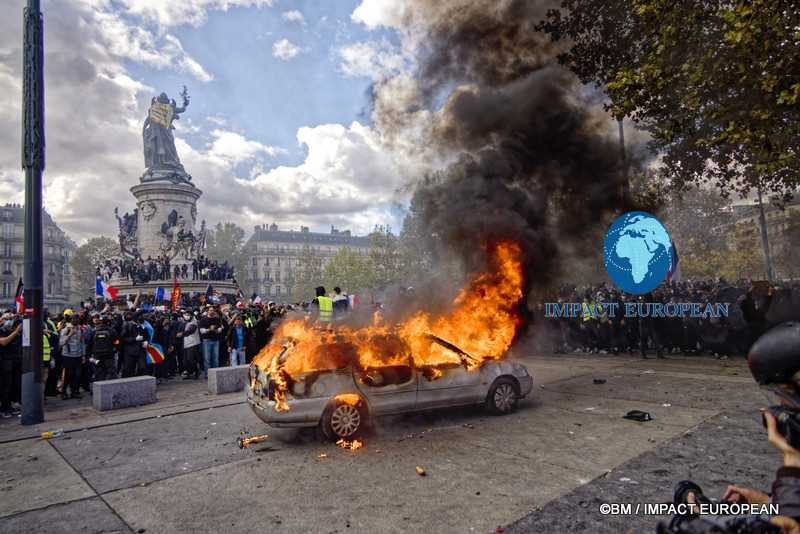
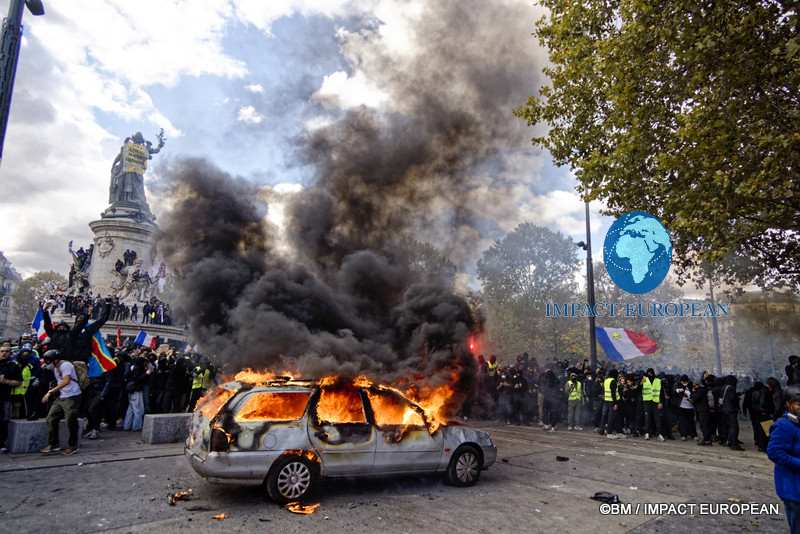
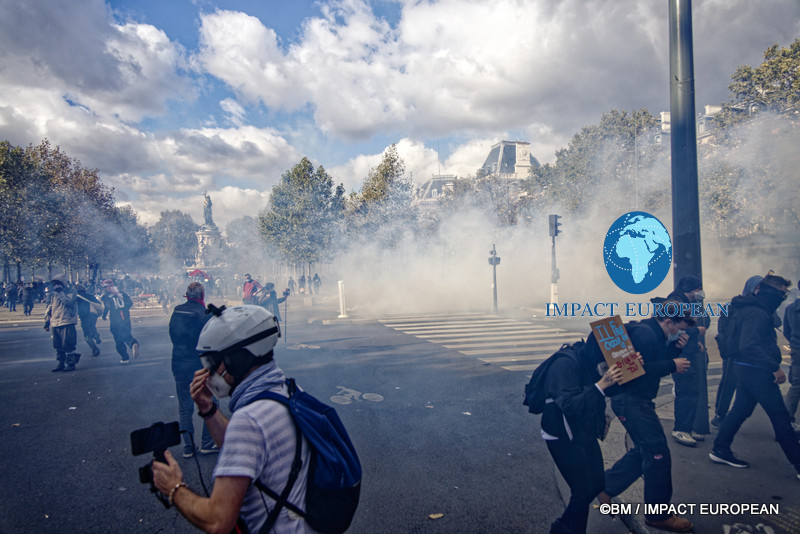
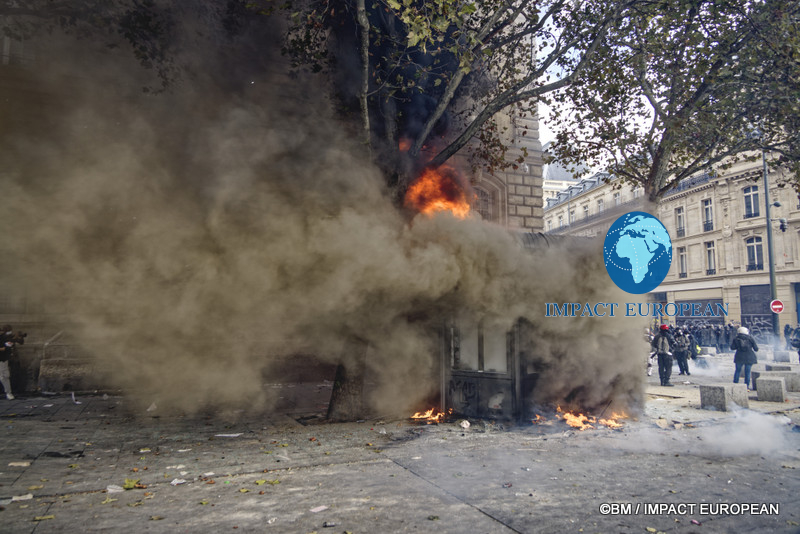
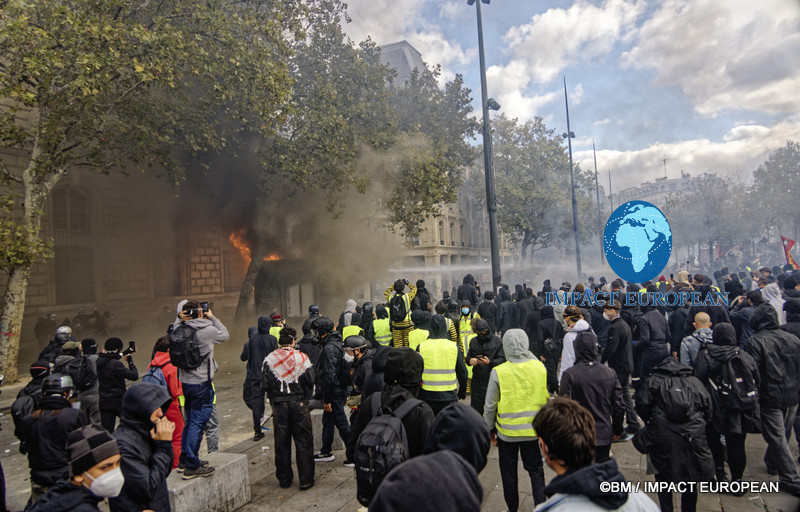
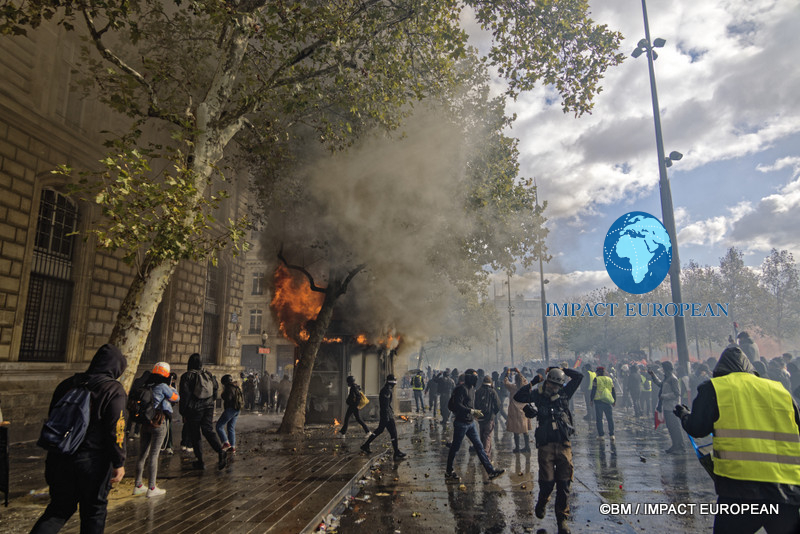
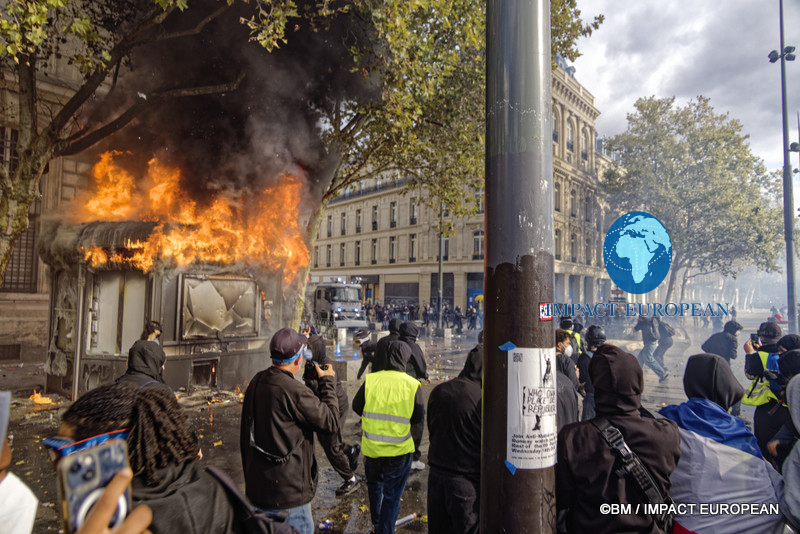
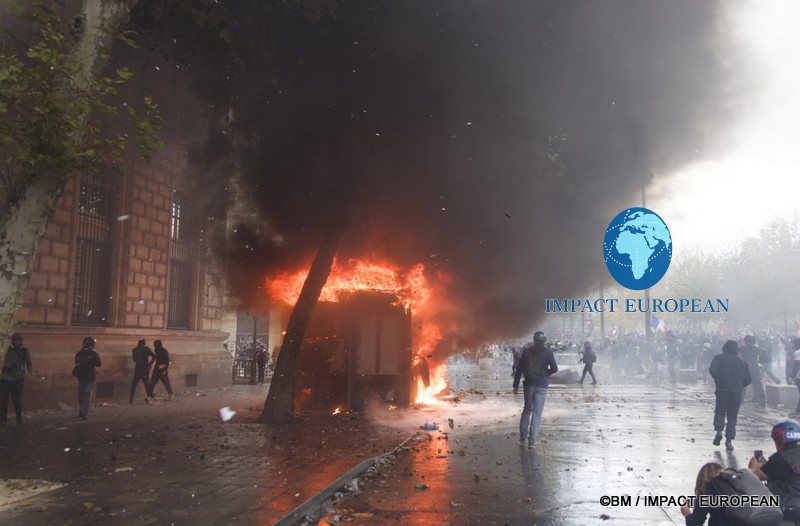
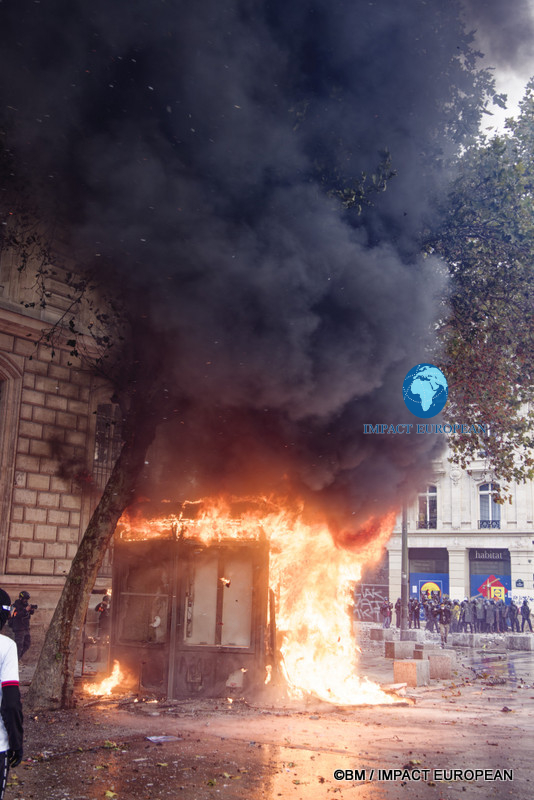
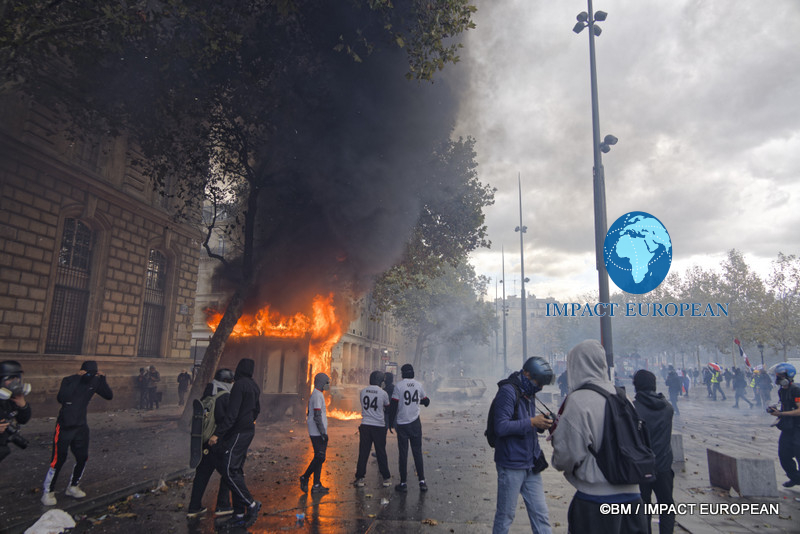
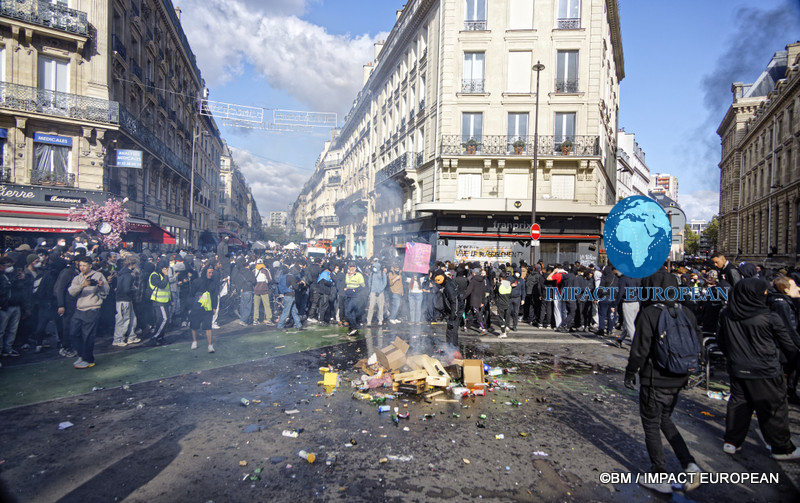
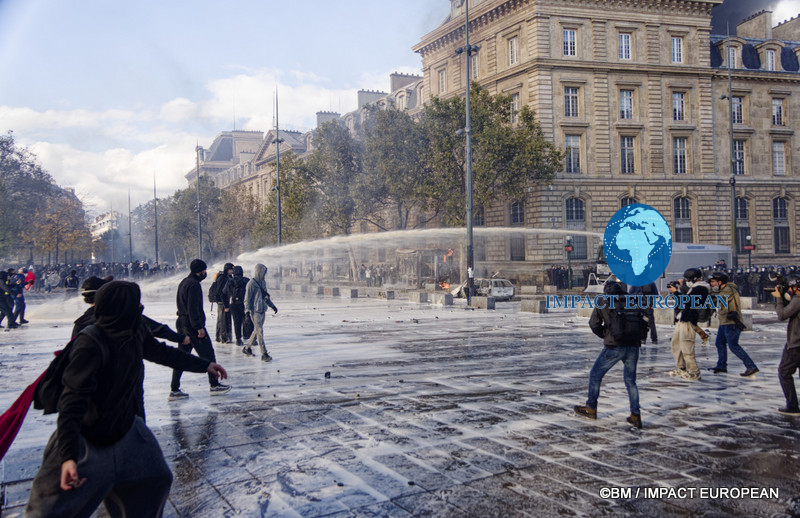
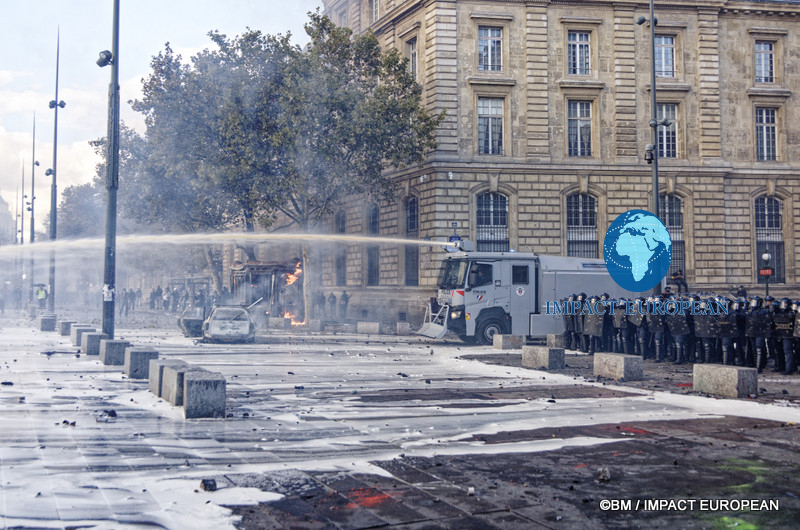
While many demonstrators took part peacefully, serious violence occurred in parts of the capital.
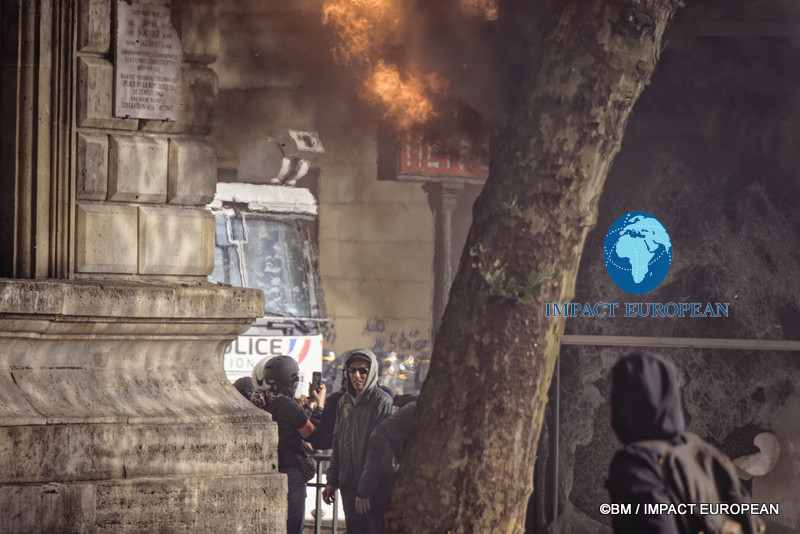
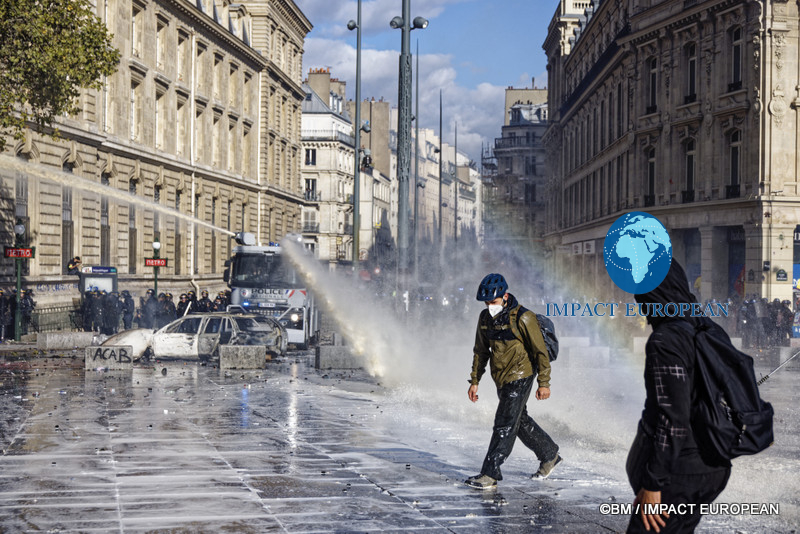
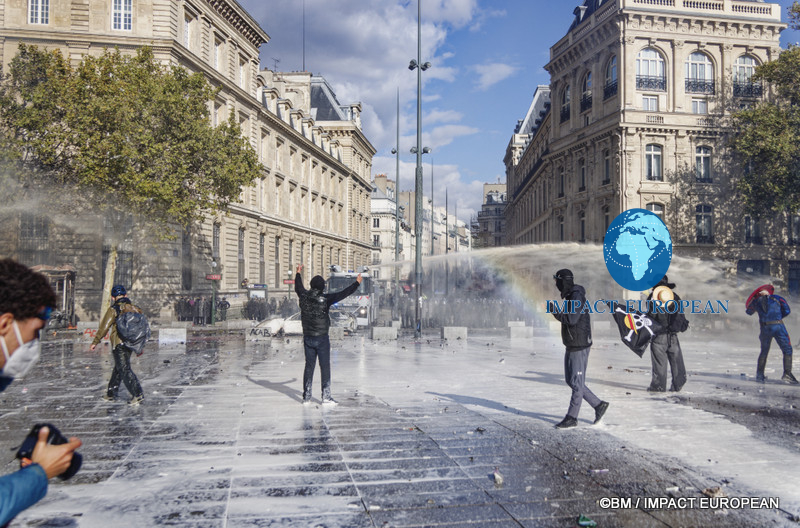
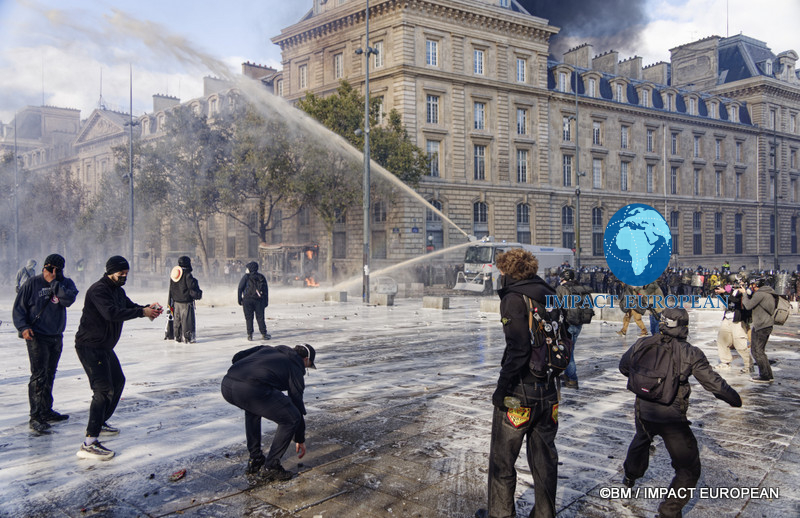
Groups of individuals clashed with police, and several commercial premises were damaged or looted.
Police used crowd-control measures, including tear gas, during confrontations.
The incidents affected businesses and public spaces and became a major focus of the day’s political response.
However, participation in a demonstration does not establish involvement in criminal acts.
Any assessment of the unrest must distinguish peaceful protesters from individuals suspected of violence or property destruction.
Public Buildings Targeted in Several Cities
Some of the most serious incidents occurred outside Paris.
In Limoges, the city hall was damaged by fire during unrest connected to the day’s demonstrations, according to reporting by France 3.
The attack raised concerns about the protection of public institutions and historic buildings.
In Lyon, the tourist office was also affected by a fire.
Damage was reported at Marseille’s city hall, while incidents involving public and private property were reported in Bordeaux and elsewhere.
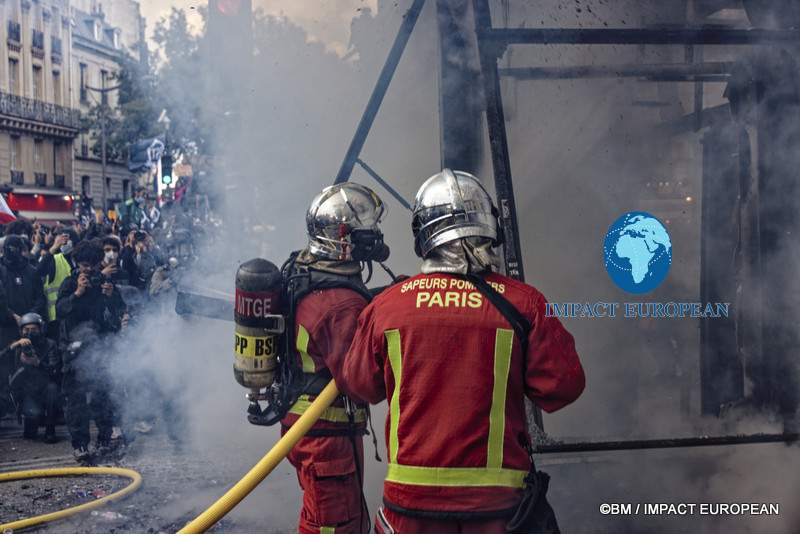
The geographical spread of the violence placed pressure on police, emergency services and local authorities.
The precise circumstances and individual responsibility for the attacks remain matters for investigation.
Arrests Rise to 1,200 in a Later Government Update
The official figures changed as the day progressed.
An earlier statement from Interior Minister Laurent Nuñez reported approximately 400 arrests.
A subsequent update attributed to Prime Minister Sébastien Lecornu put the figure at 1,200 arrests and reported 150 injured police officers and gendarmes.
These numbers describe an official operational assessment, not the outcome of criminal proceedings.
An arrest does not establish guilt, and any prosecution must be assessed through the judicial process.
The number of people injured during the demonstrations also requires careful attention beyond the reported injuries among security personnel.
Serious Injury Raises Questions About Policing
In Saint-Étienne, a young demonstrator suffered a severe hand injury in an incident reportedly involving a police grenade.
The circumstances of the injury and any responsibility arising from the incident require independent investigation.
The case raises wider questions about crowd-control methods, proportionality and the protection of people attending demonstrations.
French authorities have a responsibility to prevent violence and protect the public, while respecting the right to peaceful assembly.
Both obligations are essential to democratic accountability.
Government Condemnation and Political Consequences
The French government condemned attacks on police officers, businesses and public buildings.
Interior Minister Laurent Nuñez attributed some of the violence to radical left-wing groups, according to statements reported during the unrest.
Such political and security assessments must remain distinct from individual judicial findings.
The destruction also complicated the public debate surrounding the protests, as attention shifted from social demands toward security and public order.
For organizers and peaceful participants, the challenge is to ensure that their grievances are not lost amid the consequences of violent incidents.
What the Protests Reveal About France
The October 17 demonstrations point to persistent tensions within French society.
Concerns about living standards, public services and education have brought together participants from different social and political backgrounds.
At the same time, the violence has raised serious questions about public safety, the protection of institutions and policing methods.
These are related but separate issues.
The right to peaceful protest cannot justify attacks on people or property. Equally, violence committed by some individuals should not erase the demands of those who demonstrated peacefully.
The longer-term significance of October 17 will depend on how the French authorities respond to social grievances, how investigations establish responsibility for the violence, and whether further mobilizations follow.
For France, the challenge is not simply to restore public order. It is also to address the underlying concerns that brought hundreds of thousands of people into the streets.
©2026 IMPACT EUROPEAN – All rights reserved



Views: 62
More Stories
Work Palace Opens in Paris: INSITU Brings Luxury Hospitality Into the Workplace
Rugby Pro D2: Colomiers Defeat Narbonne 49-28 to Claim Bonus-Point Victory
Paris Motor Show 2026: Global Carmakers Face a New Era of Mobility