

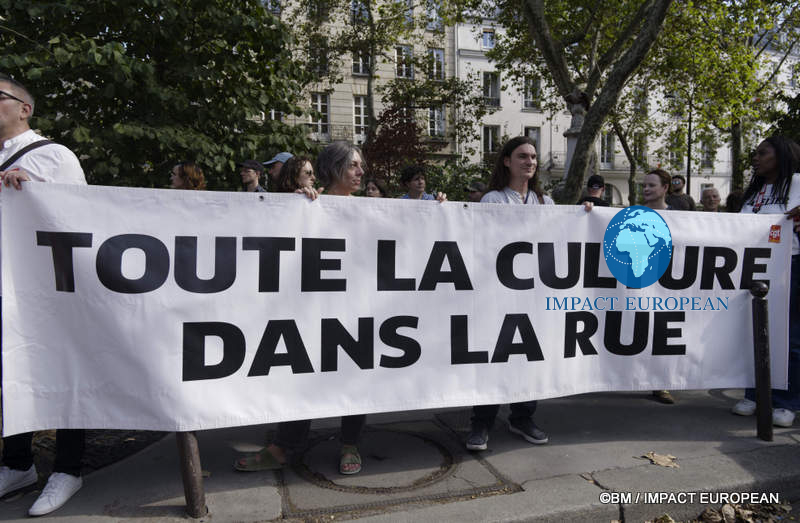
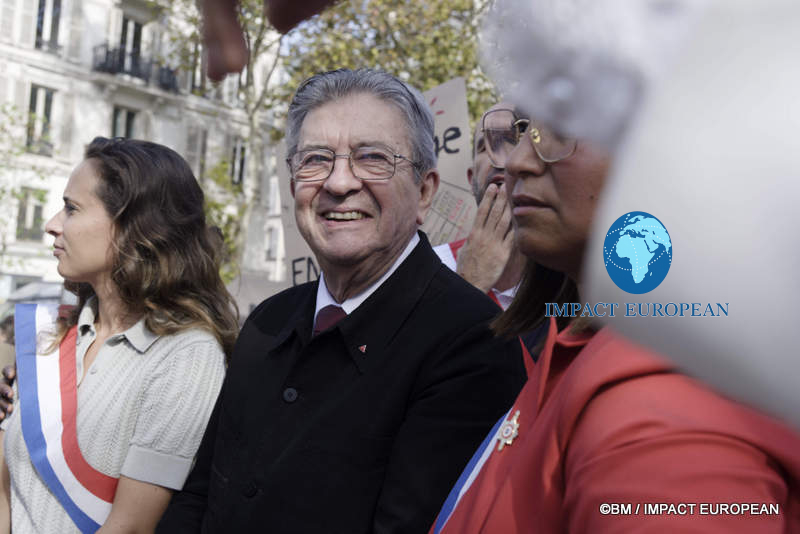
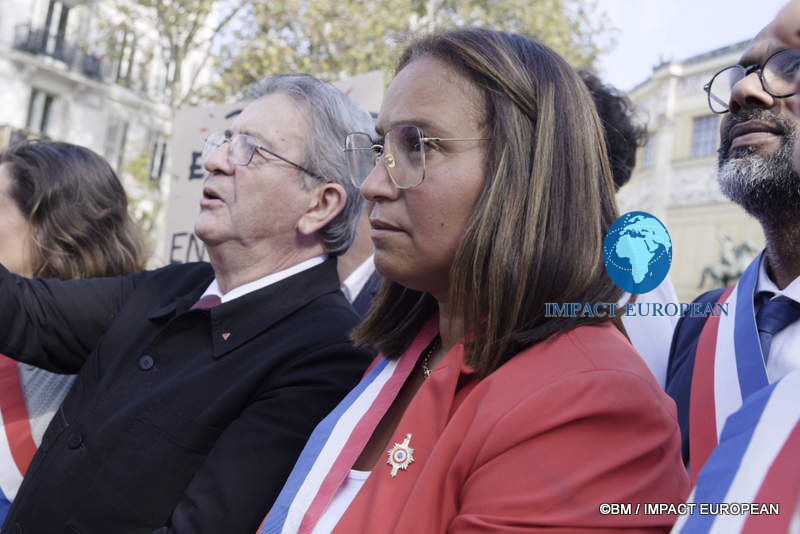
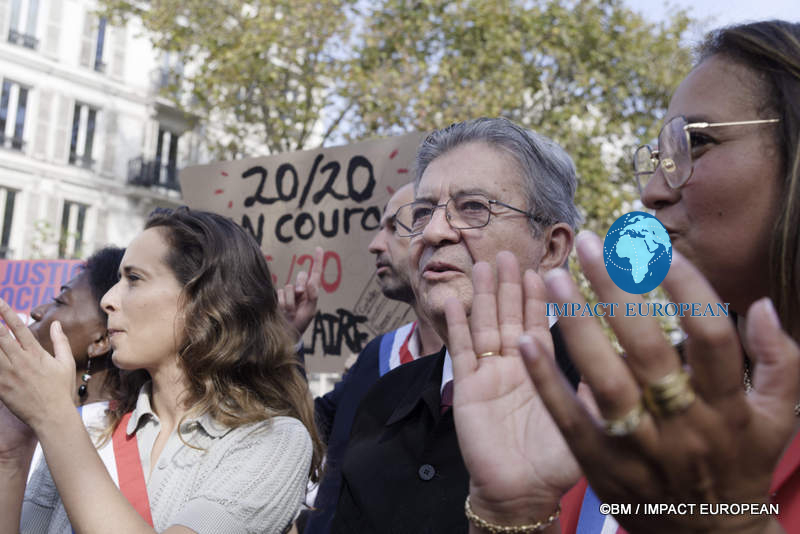
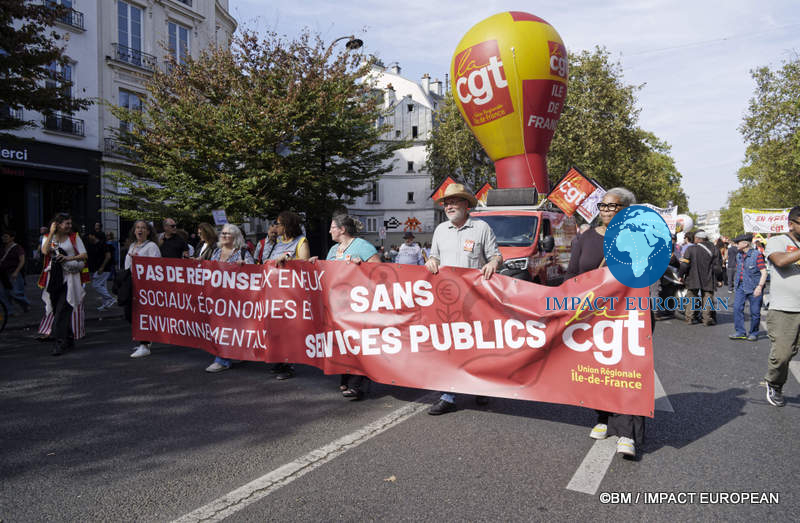
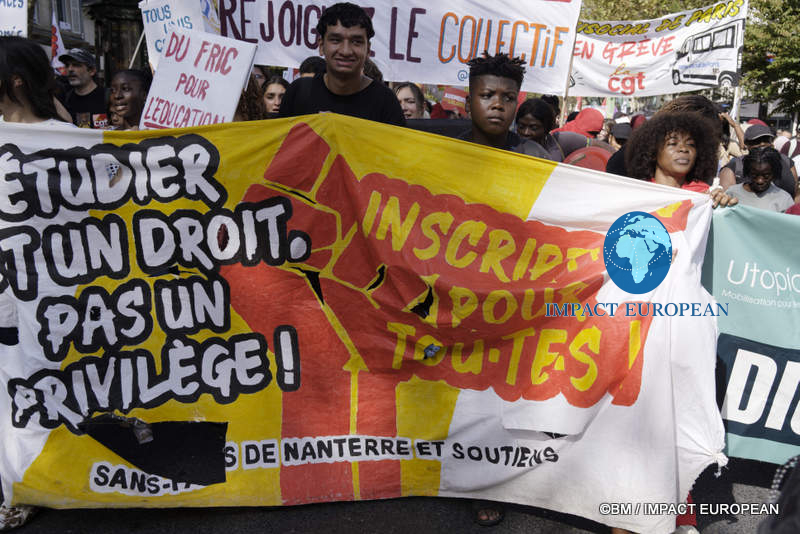
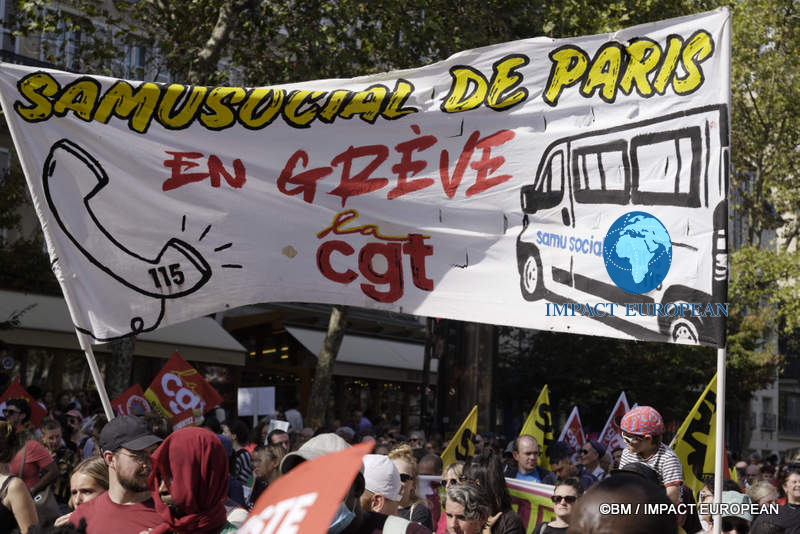
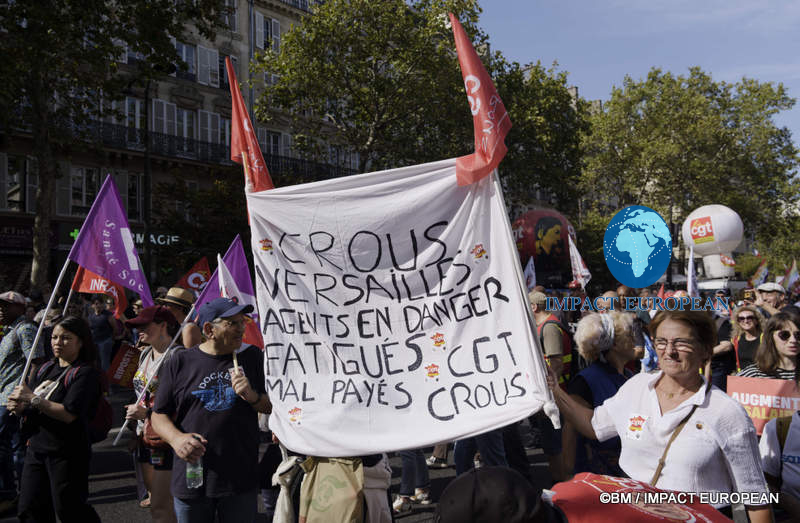
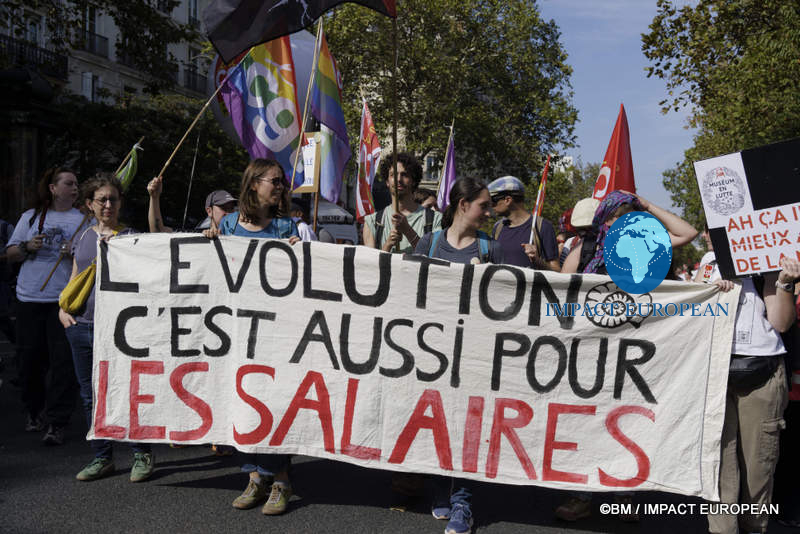
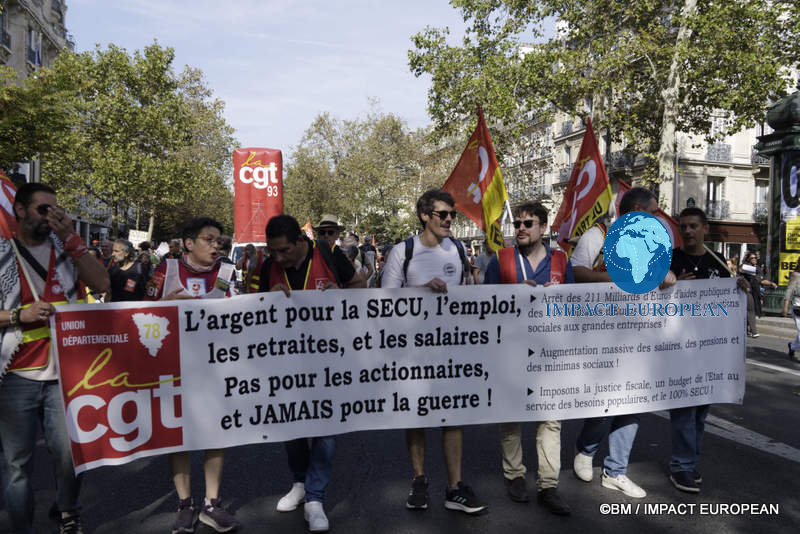
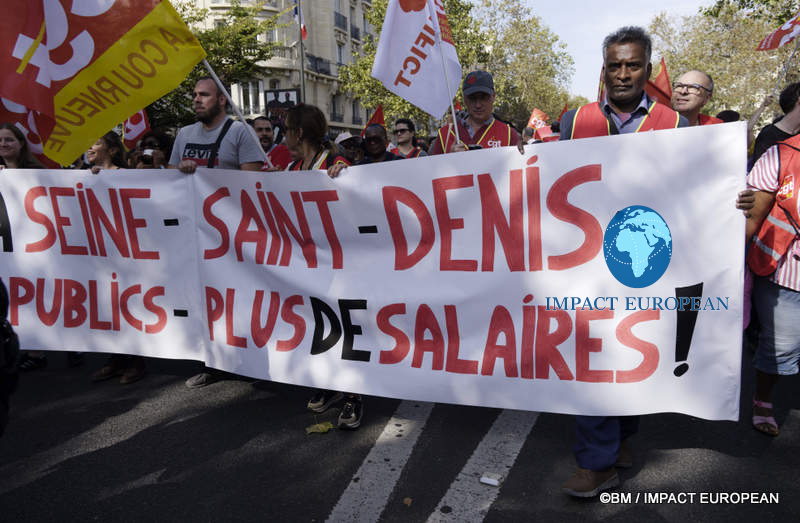
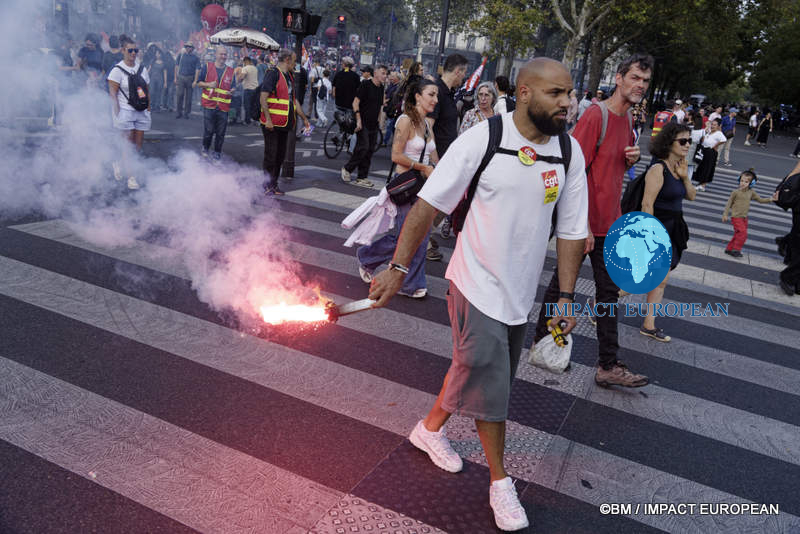
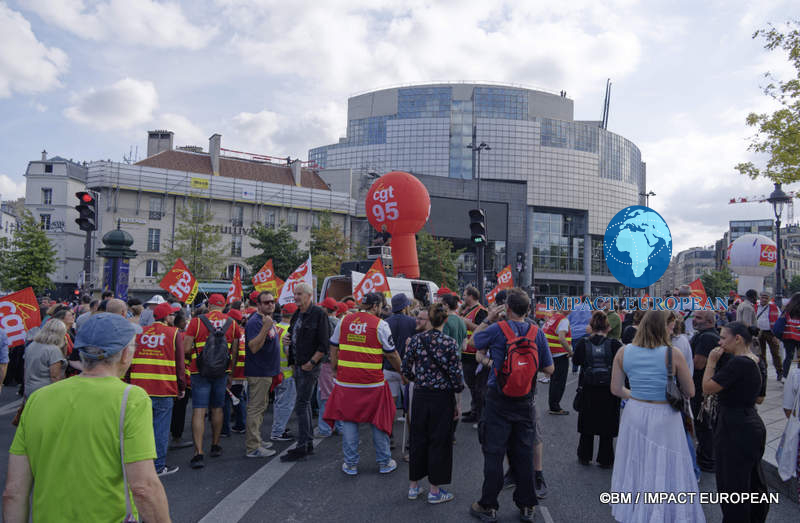
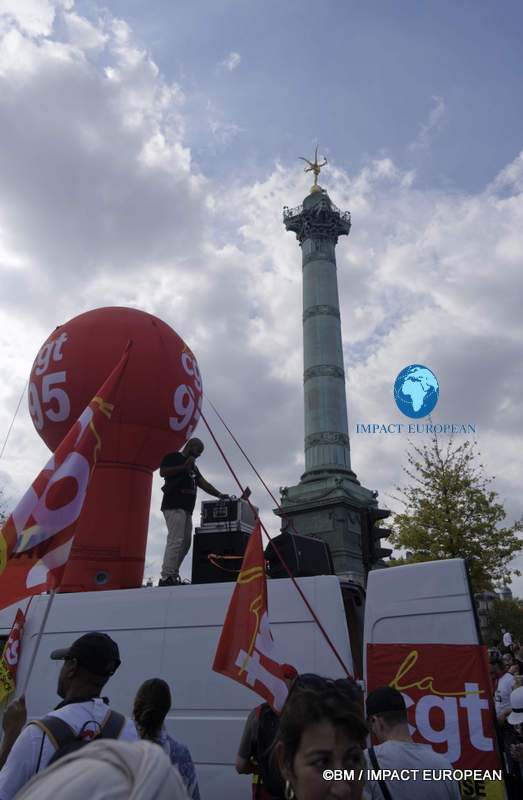
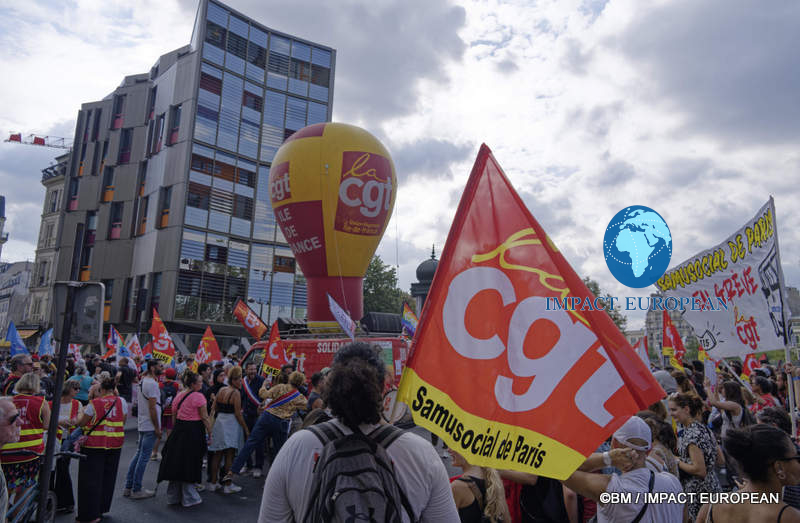
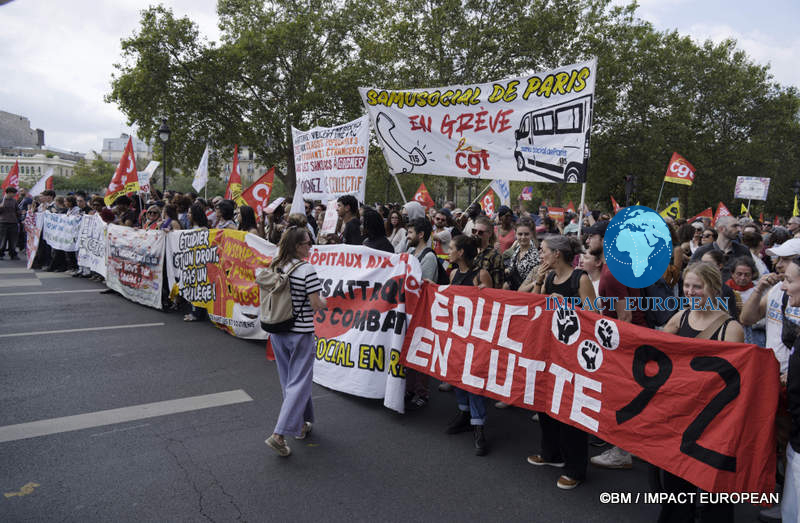
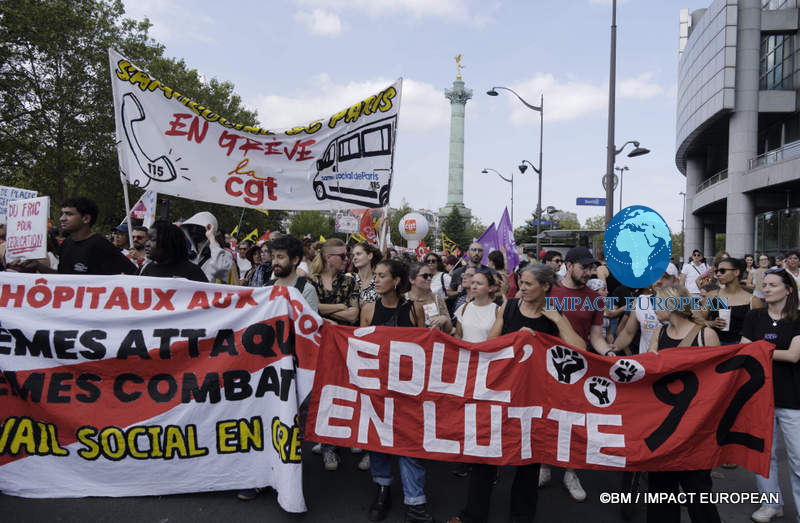
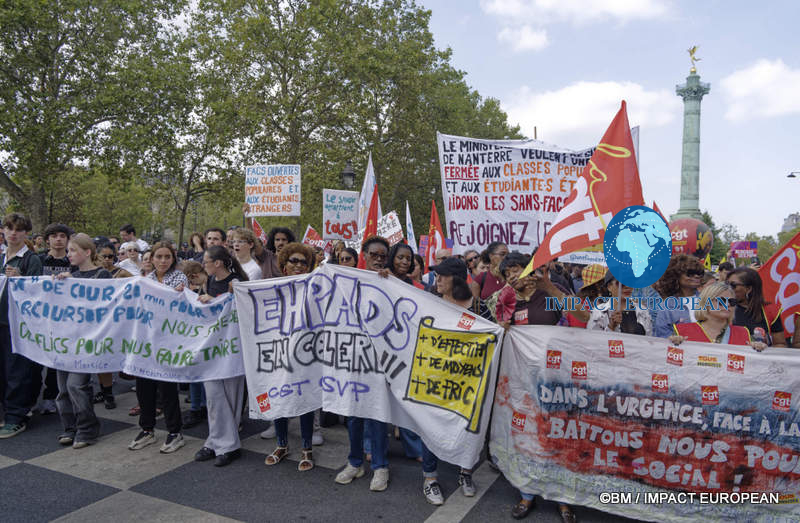
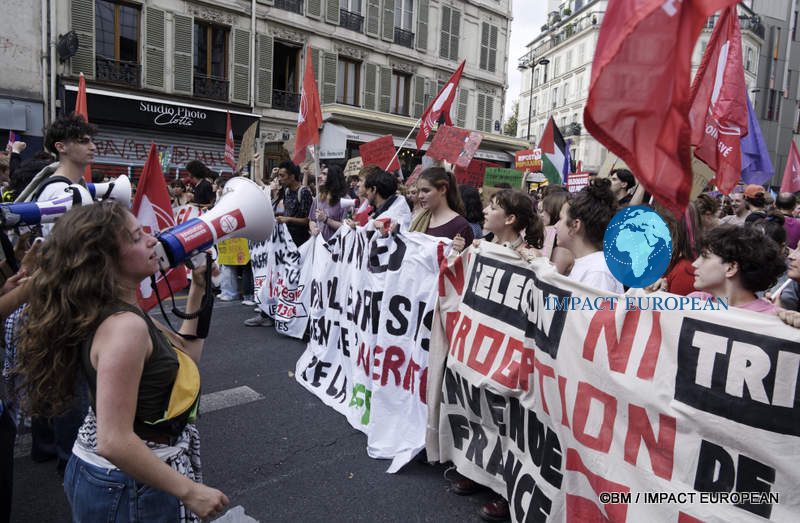
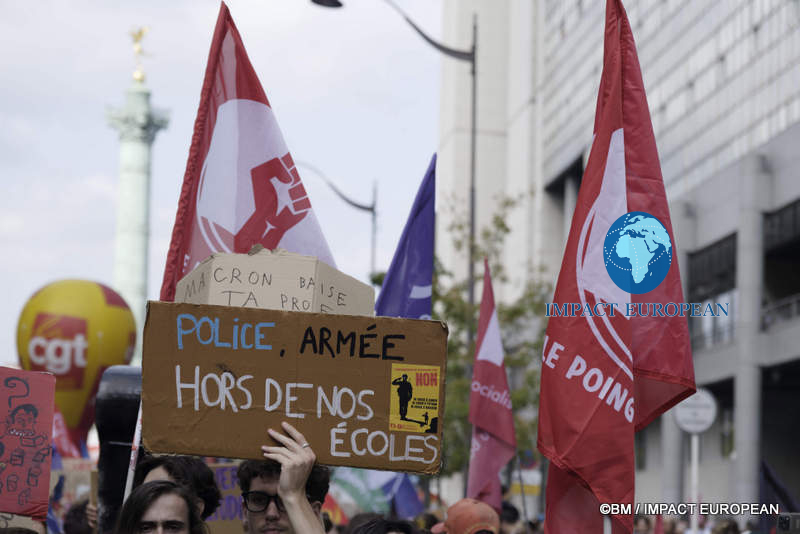
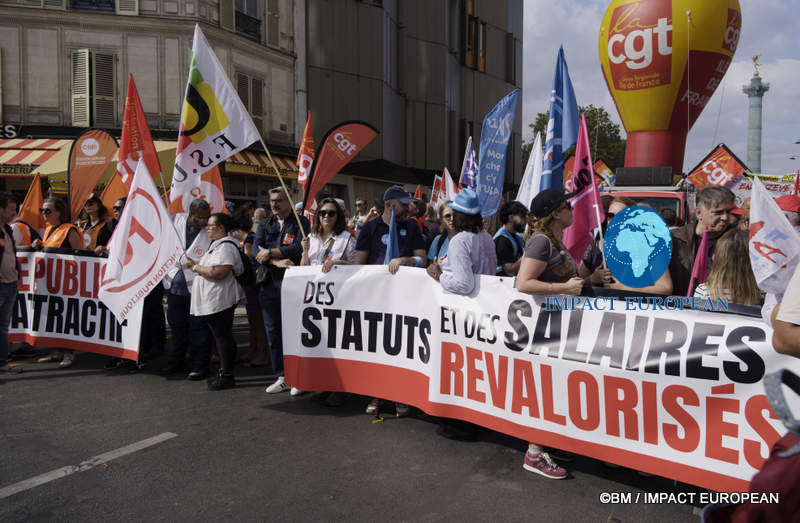
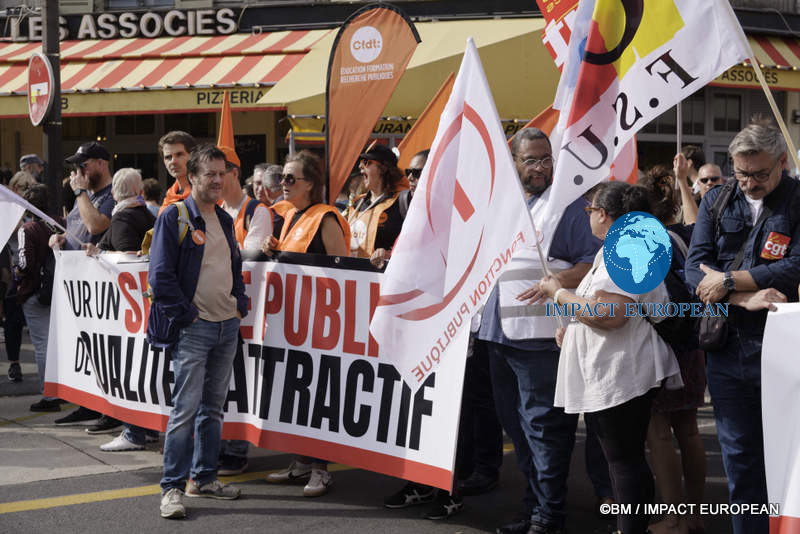
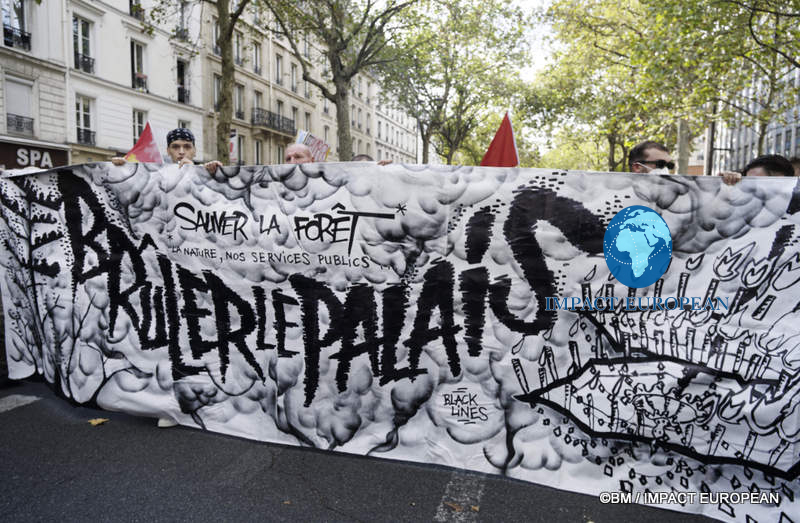
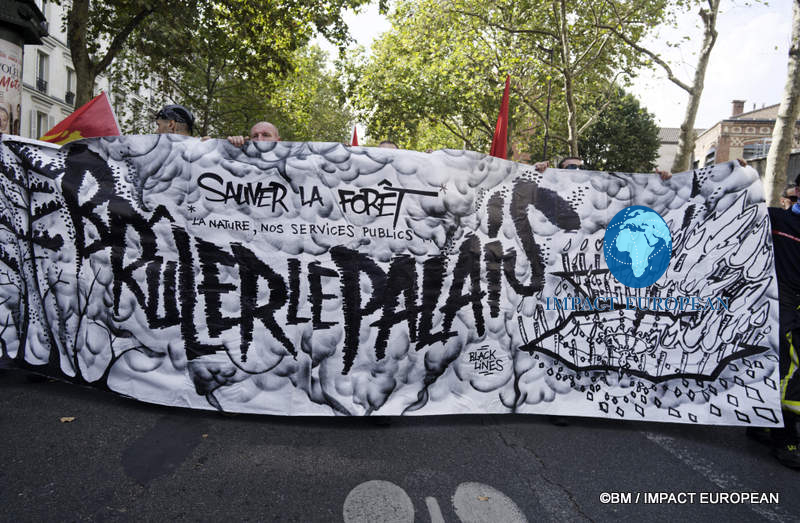
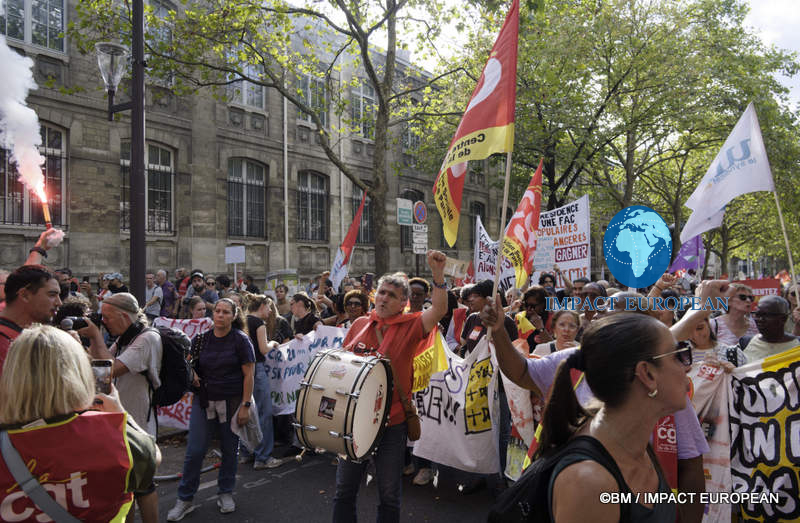
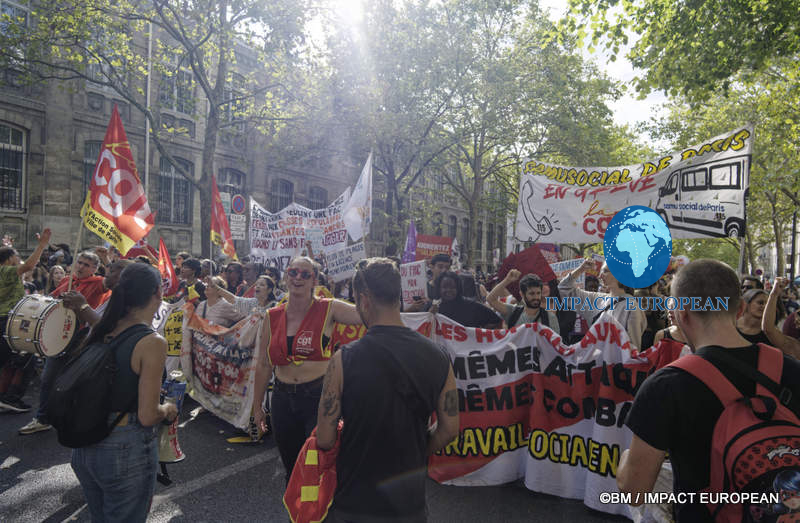
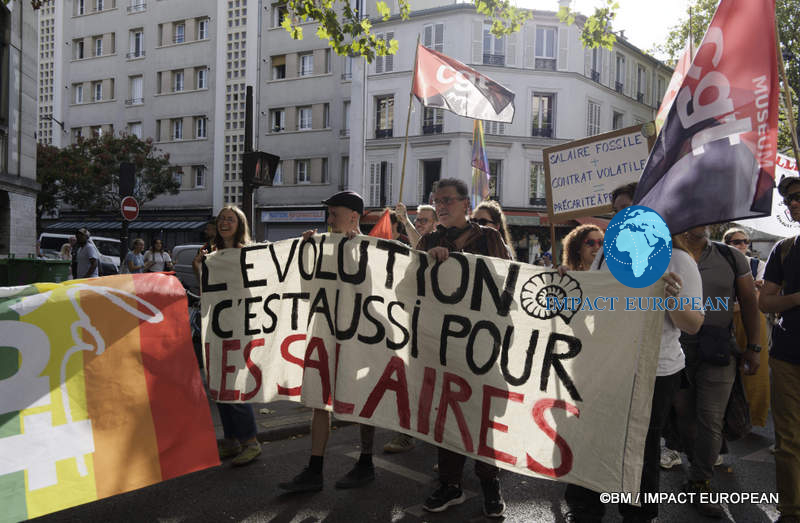
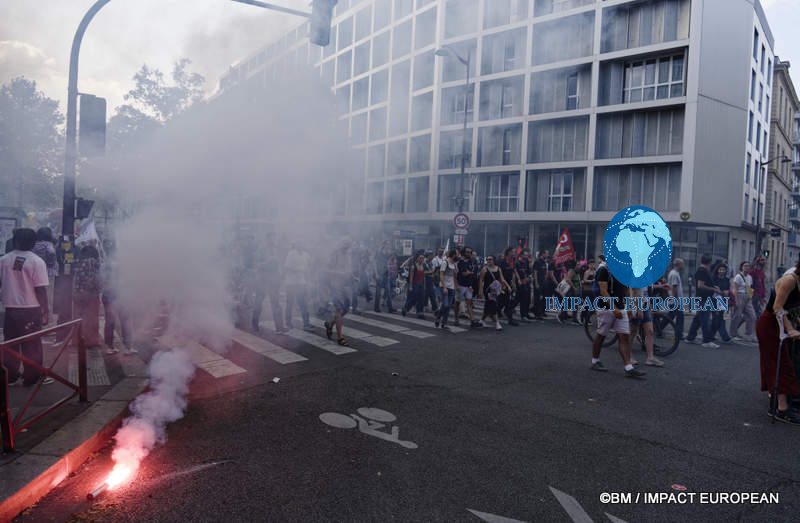
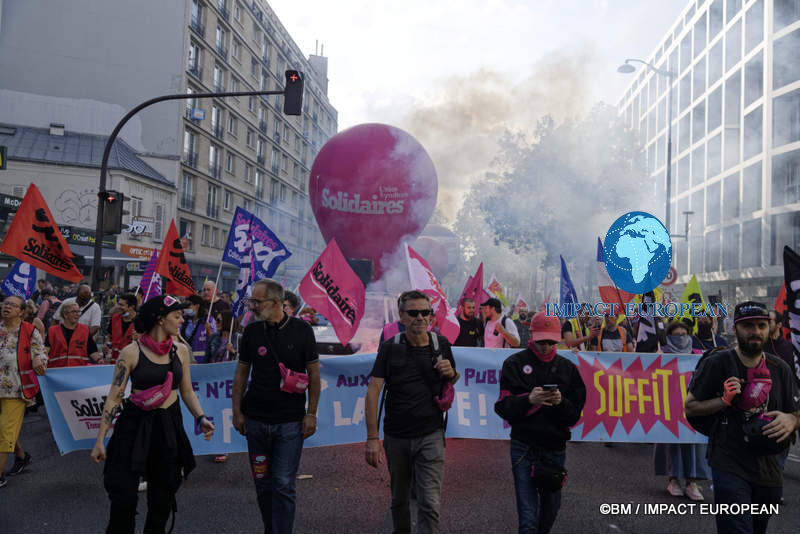
More than 170 demonstrations were expected across France on September 29, 2026, as public-sector workers took to the streets over wages, purchasing power and funding for public services. Firefighters formed one of the most visible contingents in Paris, teachers joined the strike nationwide, and a separate high-school protest movement continued to spread. Behind the competing turnout figures — 206,000 demonstrators according to the Interior Ministry and 300,000 according to the CGT union — the day exposed a broader question: whether the resources allocated to France’s public services are keeping pace with the missions they are expected to perform.
A nationwide mobilisation beginning with pay
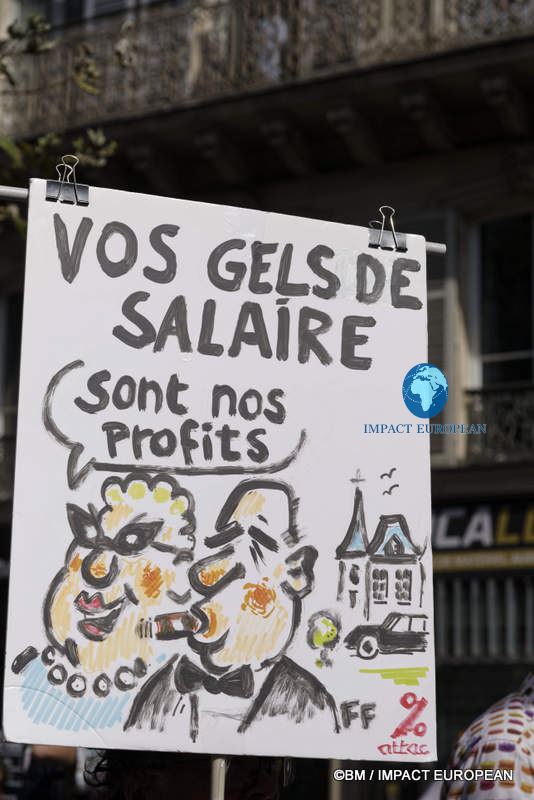
The immediate trigger of the September 29 mobilisation was economic.
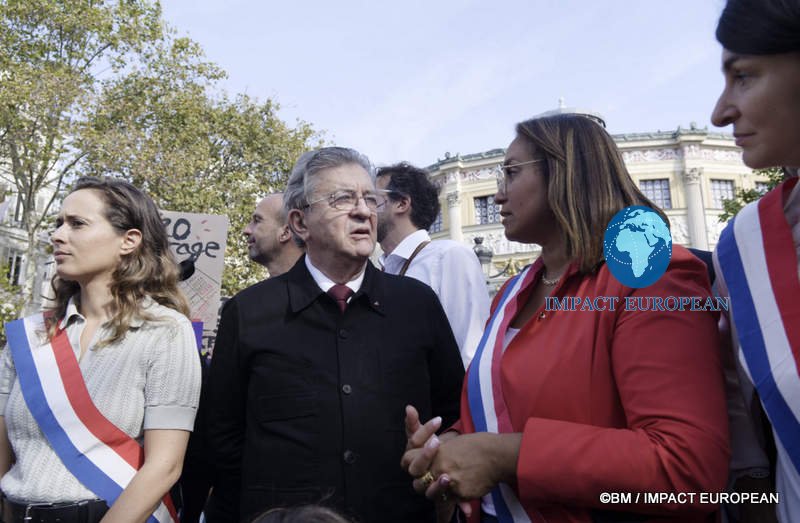
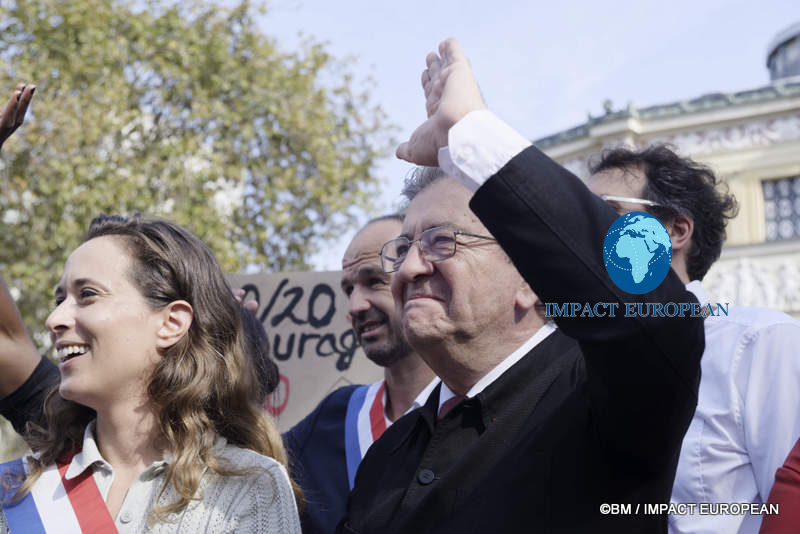
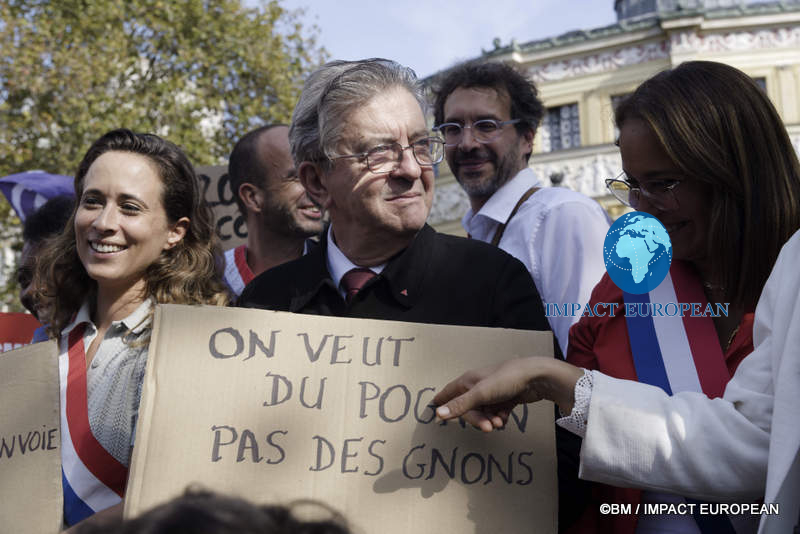
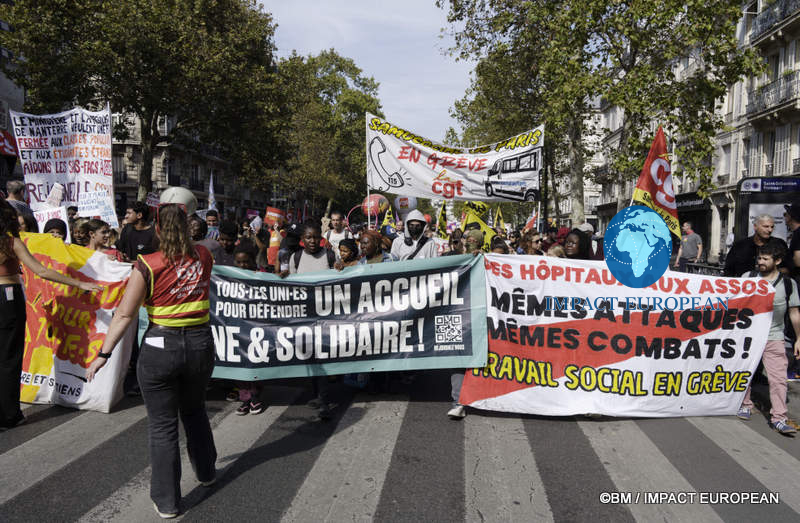
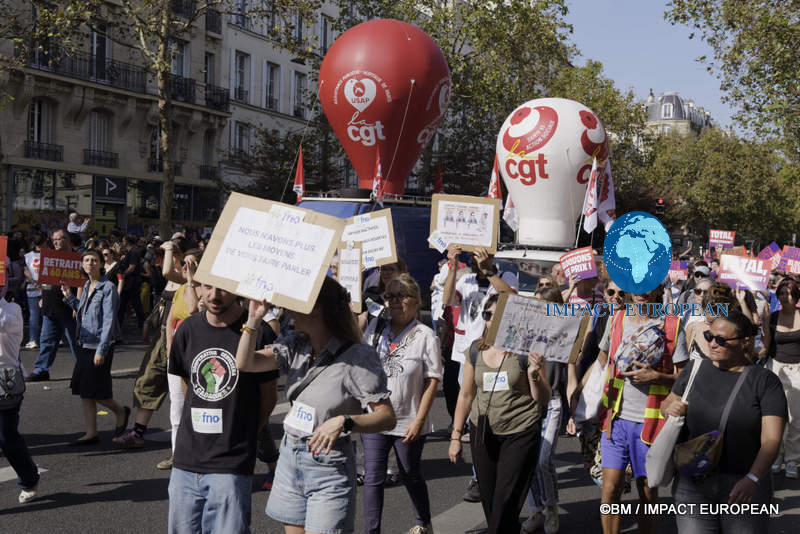
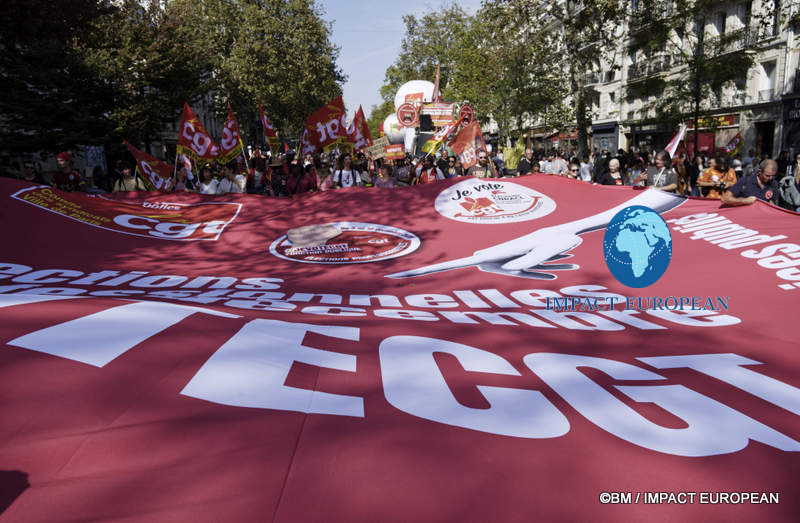
A broad coalition bringing together the CGT, FO, CFDT, UNSA, FSU, Solidaires, CFE-CGC and FA-FP organised more than 170 demonstrations across France.
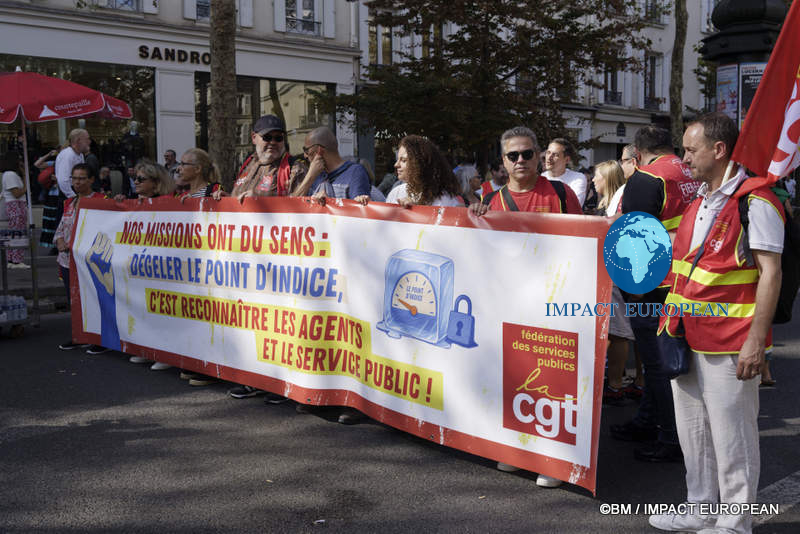
The unions were responding in particular to a new freeze of the public-sector salary index announced earlier in September.
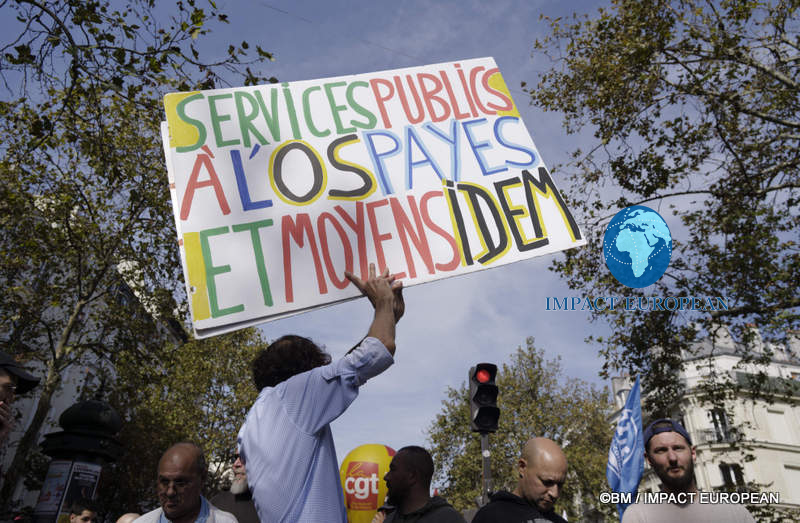
Their demands combined two issues: higher pay for public employees and “budgetary resources commensurate with” the missions performed by public services.
That combination is central to understanding the protest.
For public employees, freezing the salary index directly affects purchasing power. For the organisations representing them, however, the dispute extends beyond individual salaries to staffing, working conditions and the resources available to institutions expected to deliver essential services.
What began as a dispute over pay therefore developed into a wider debate over public-sector capacity.
Two turnout figures tell different versions of the scale
As with many large demonstrations in France, authorities and unions produced different estimates of participation.
The Interior Ministry counted 206,000 demonstrators nationwide.
The CGT put the figure at 300,000.
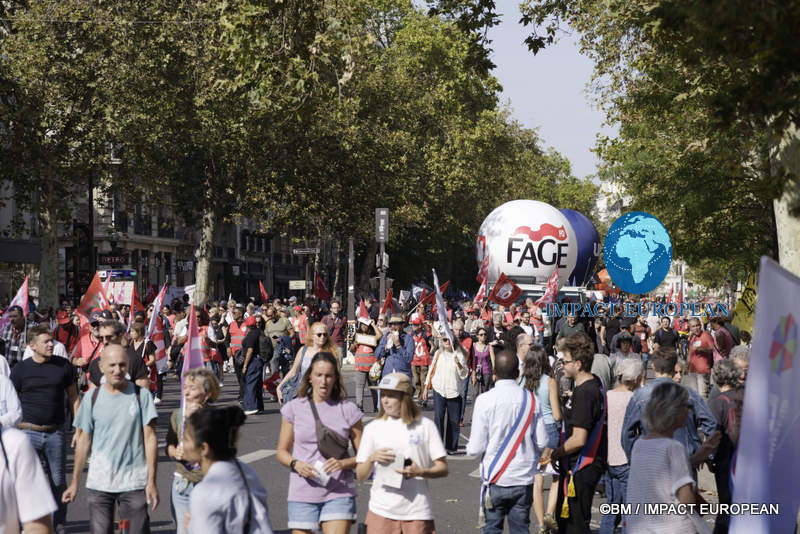
In Paris, the Police Prefecture reported 30,000 participants, including 8,000 firefighters.
The gap was even wider in some cities.
In Marseille, unions reported 30,000 demonstrators, compared with 3,800 according to police. Union figures cited in the source material also reported 11,000 participants in Toulouse, 10,000 in Lille and Bordeaux, and 8,000 in Lyon and Orléans.
Neither national estimate alone, however, explains what made September 29 significant.
The composition of the demonstrations provides another measure of the day.
Firefighters bring operational pressure into the streets
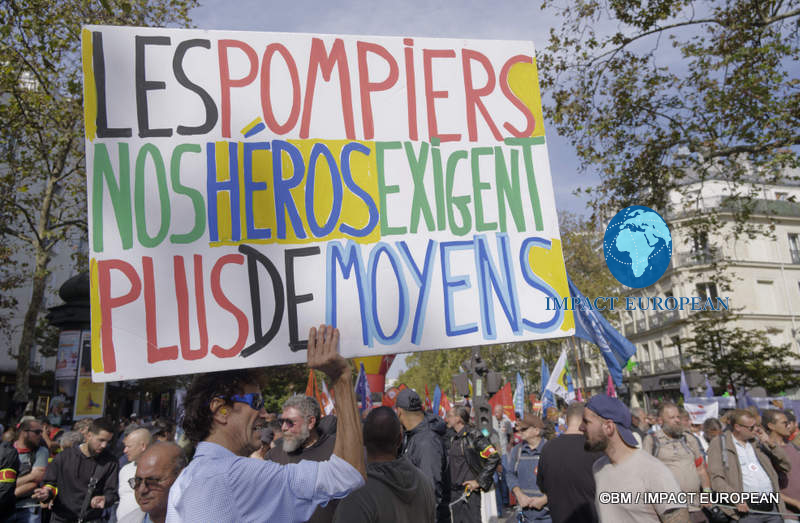
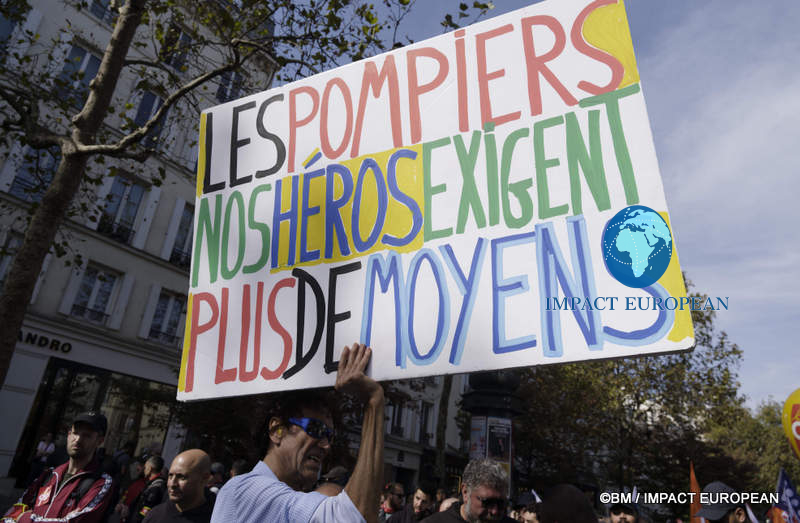
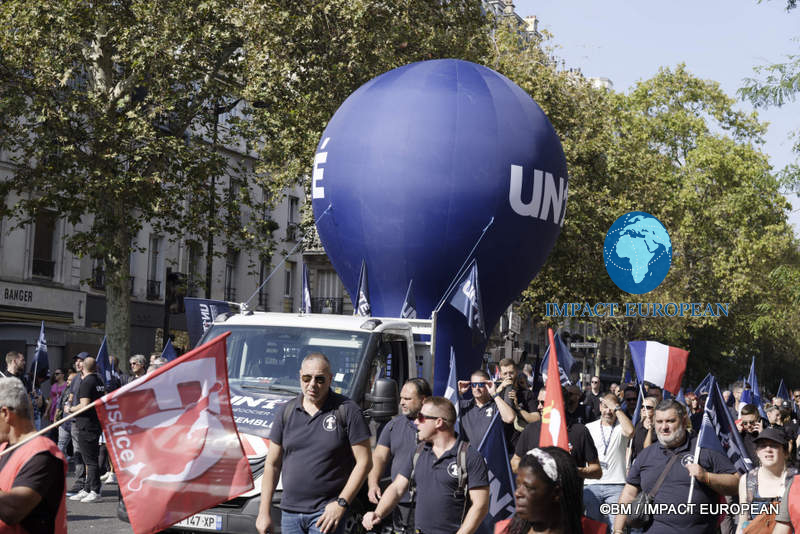
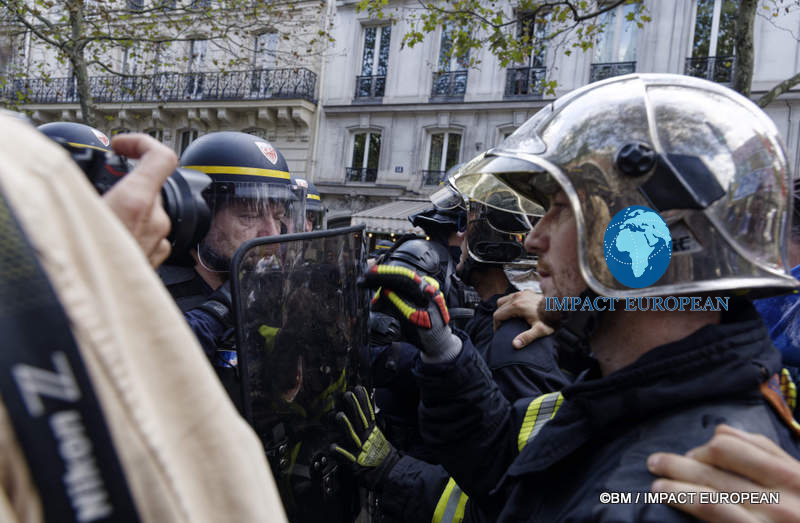
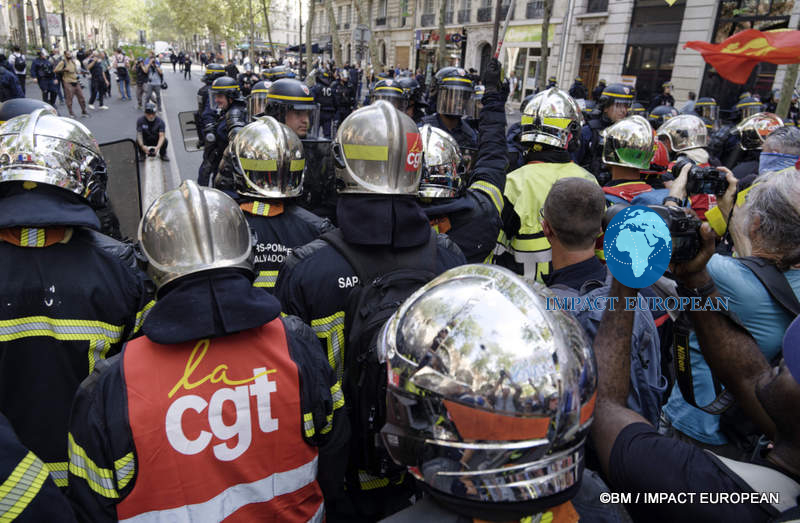
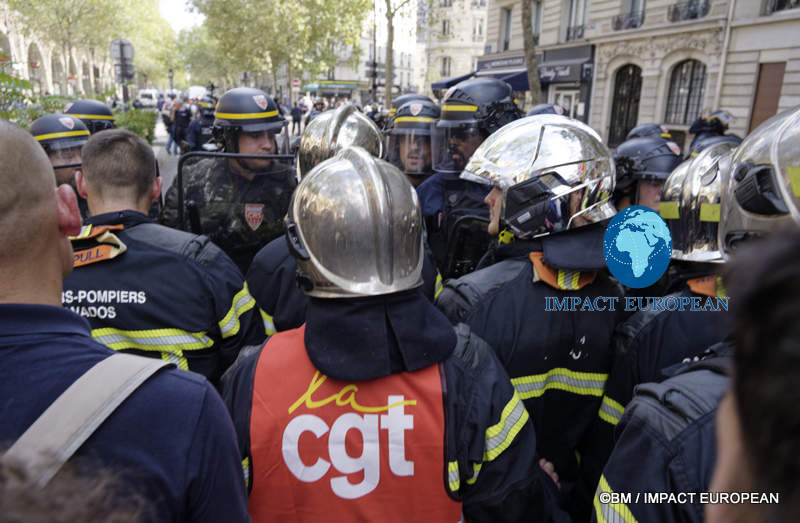
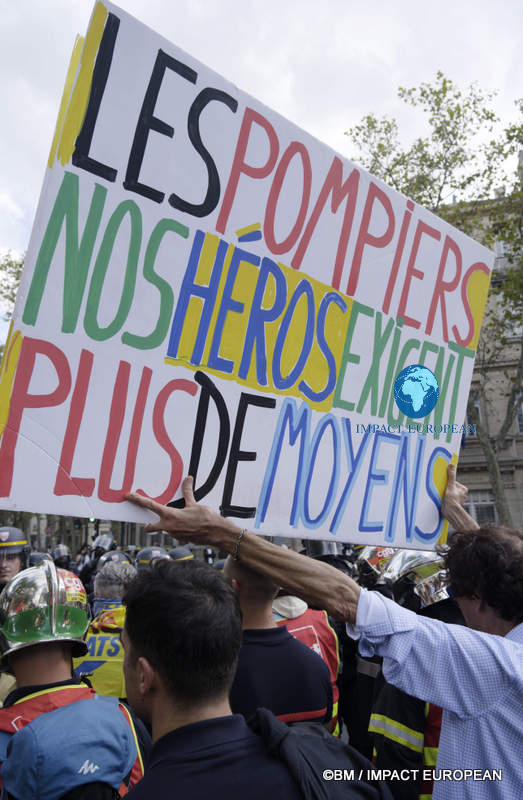
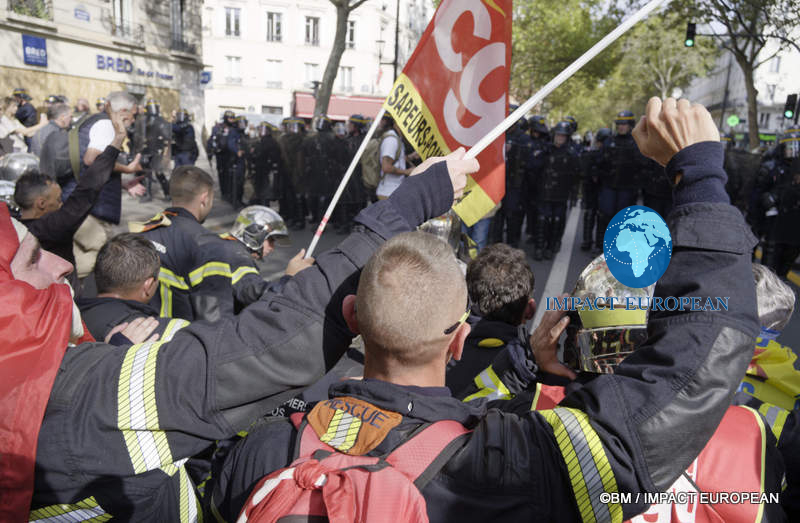
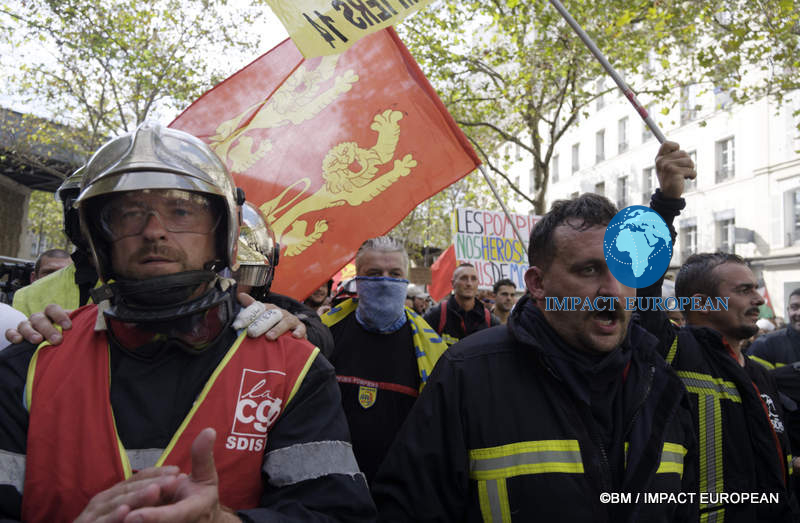
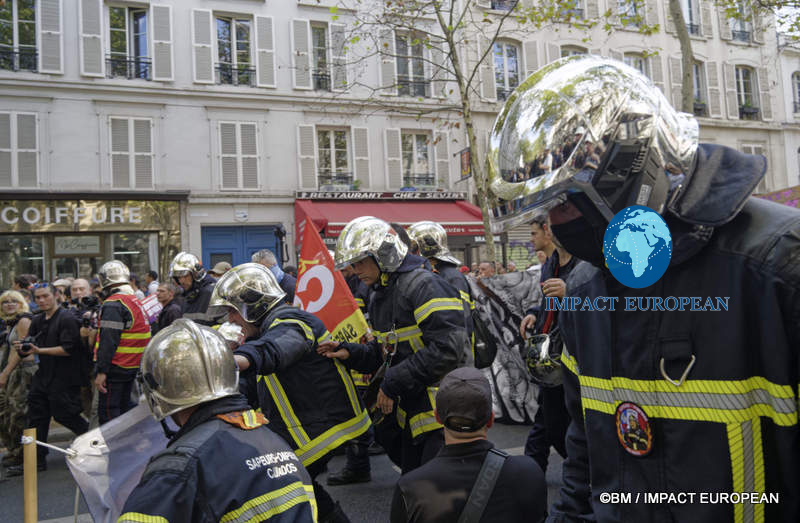
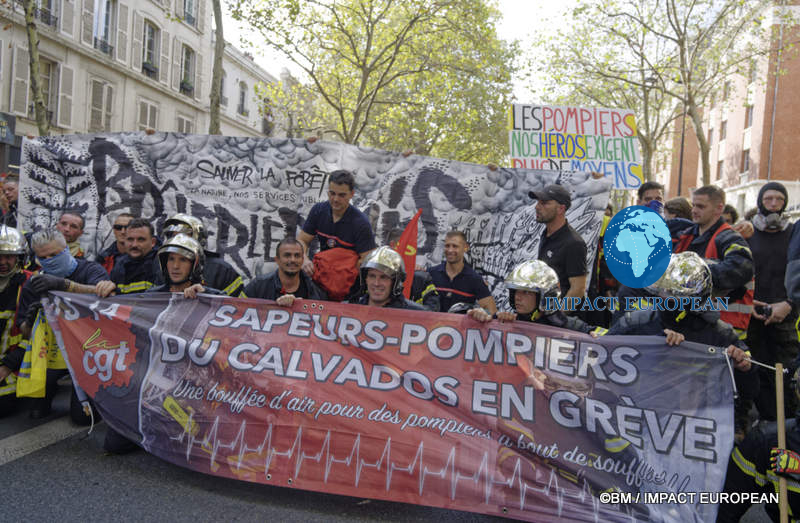
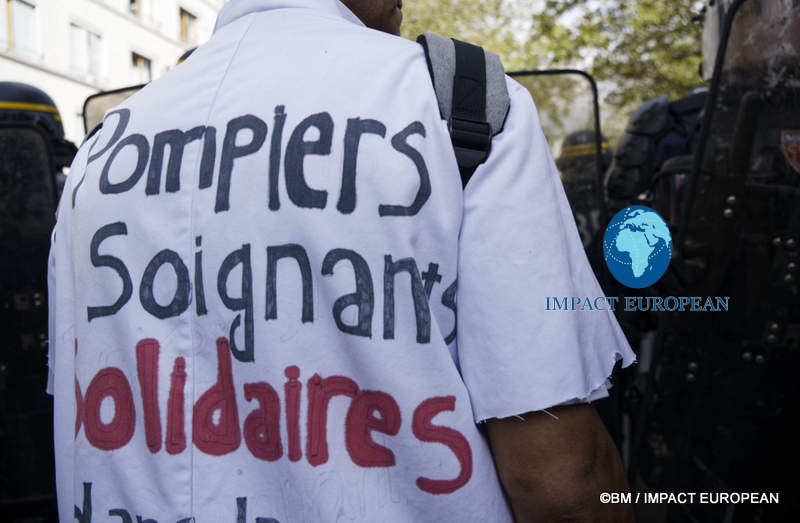
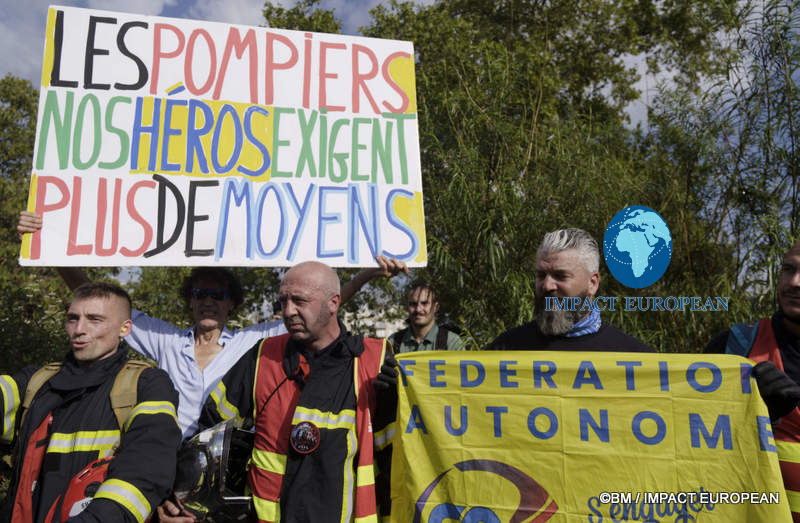
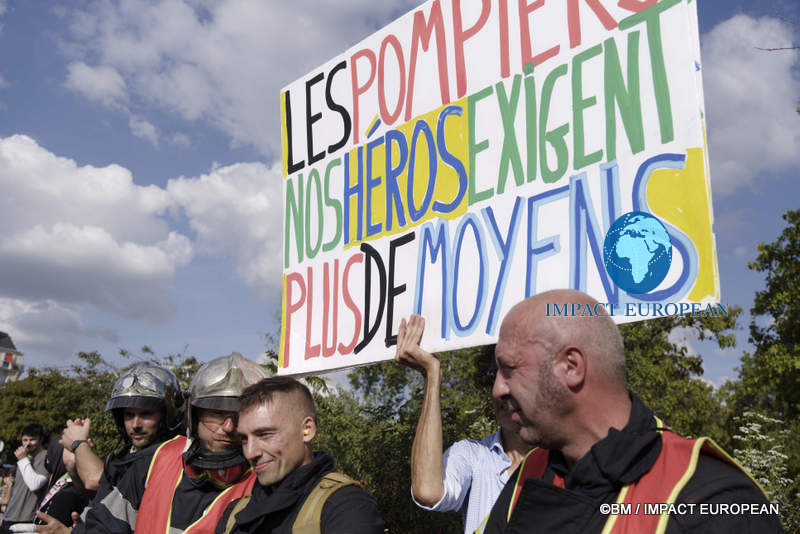
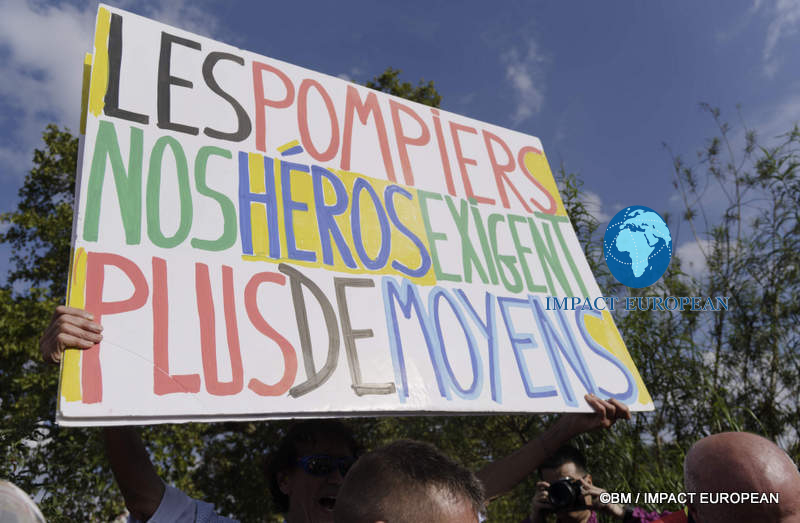
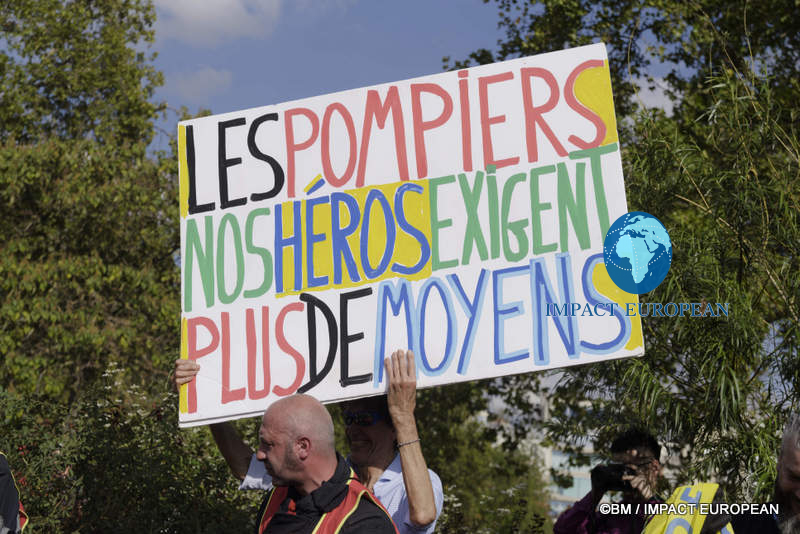
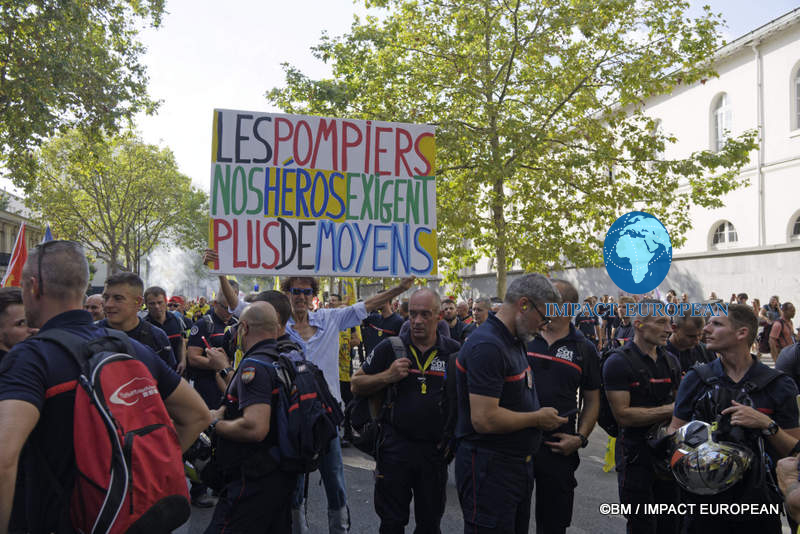
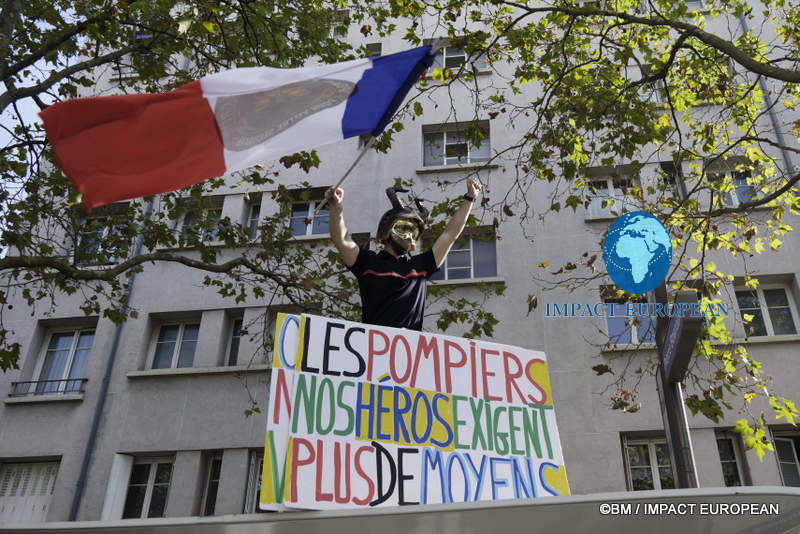
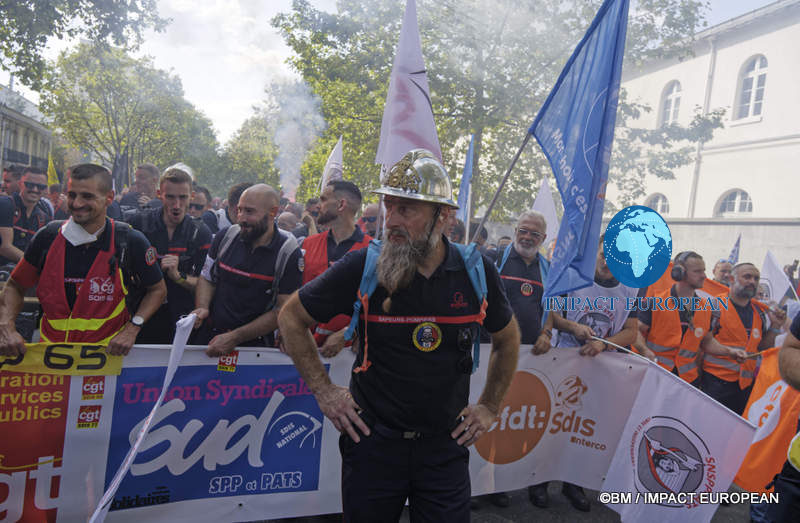
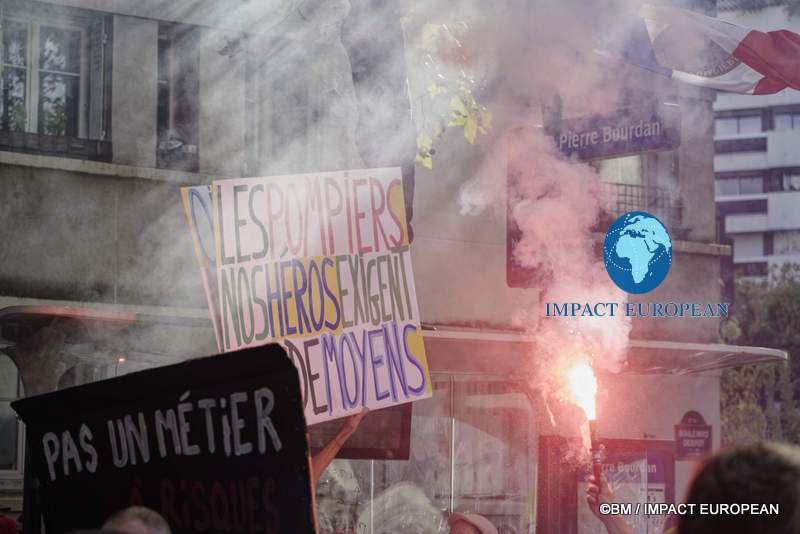
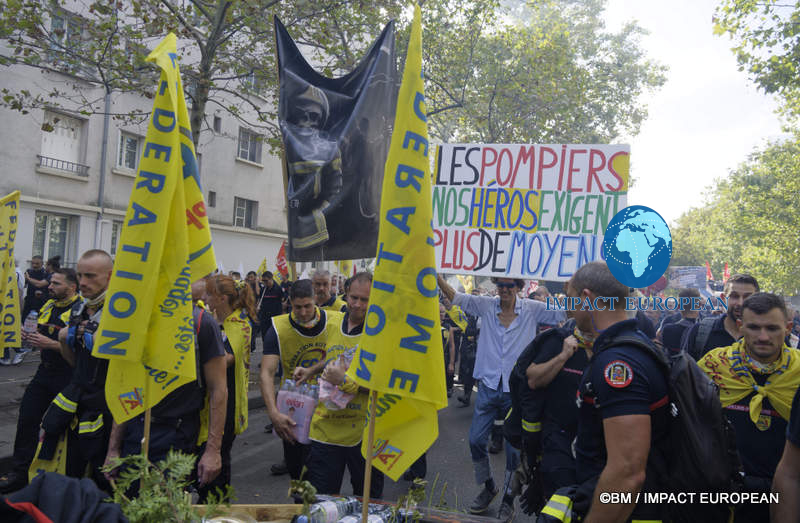
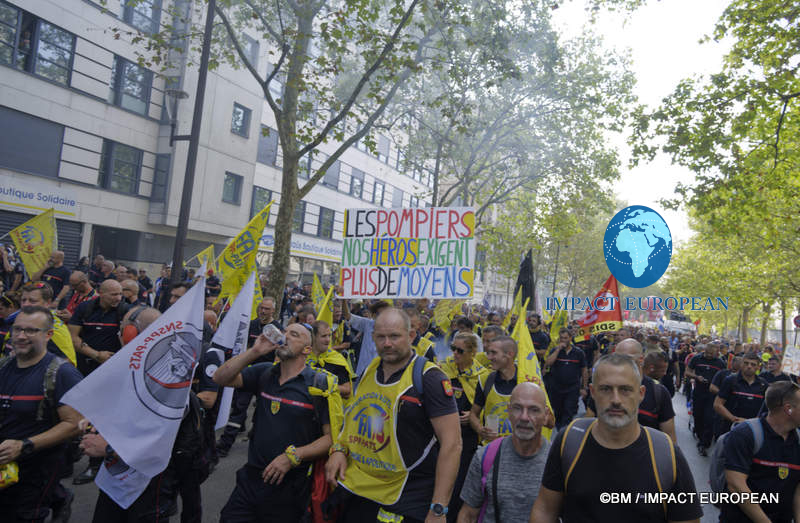
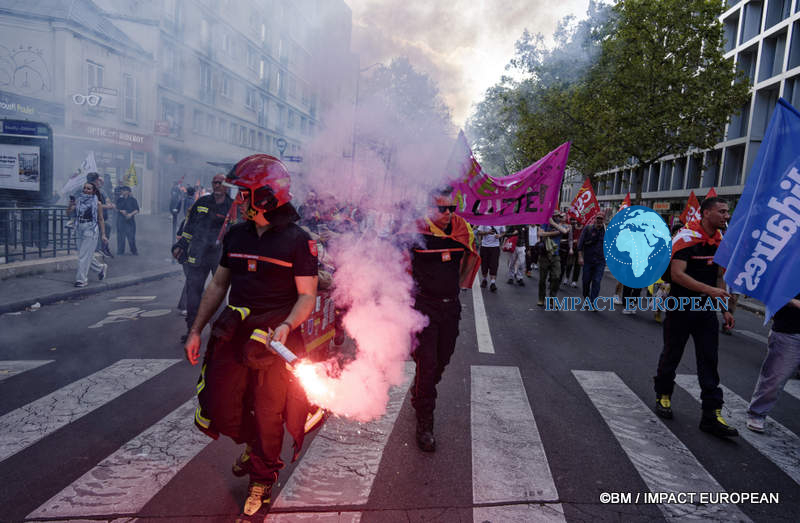
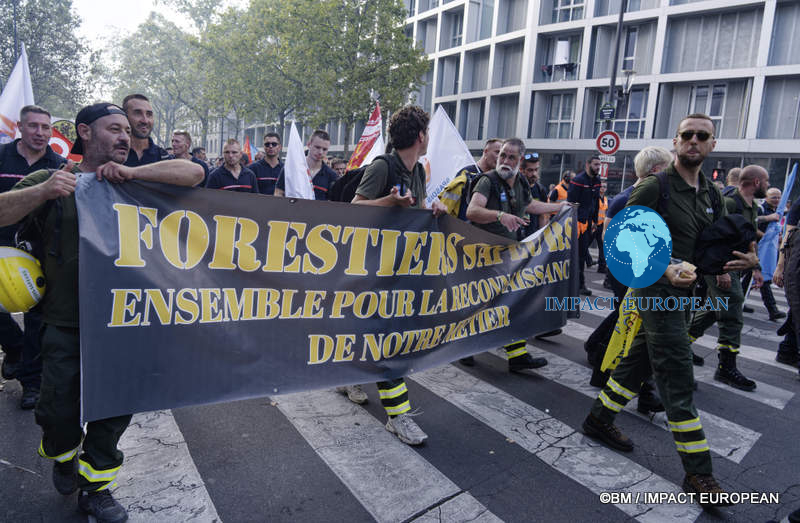
Firefighters were among the most striking participants in Paris.
Their mobilisation came after a summer during which emergency services had faced intense pressure, particularly from fires.
Rather than immediately joining the main demonstration, firefighters first marched in their own procession from Place d’Italie to Bastille.
They then joined the wider march that left Place de la République at 2 p.m. for Place de la Nation.
According to France’s civil security authorities, 13.6 percent of professional firefighters — 4,903 people — were on strike.
Firefighter unions challenged the significance of that percentage, arguing that it counted only personnel scheduled to work that day. An inter-union spokesman estimated that the actual proportion among the workforce concerned was “probably more than 50 percent.”
The disagreement over numbers does not erase the issue raised by their presence.
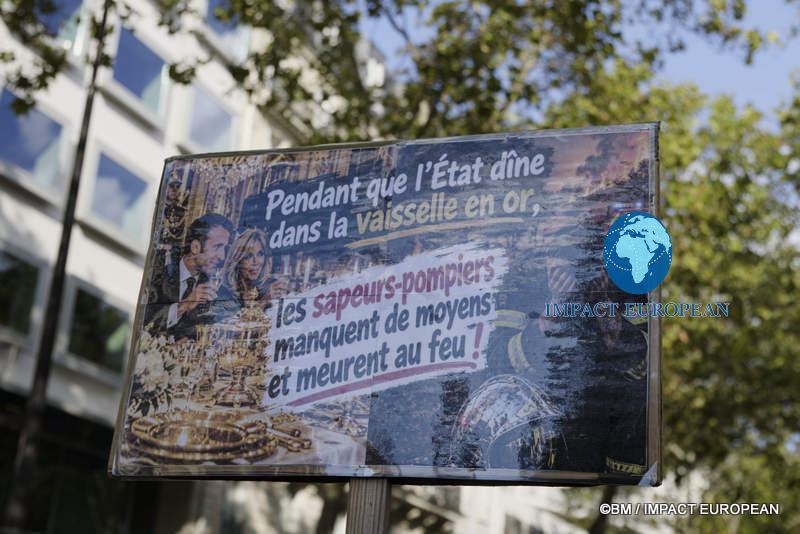
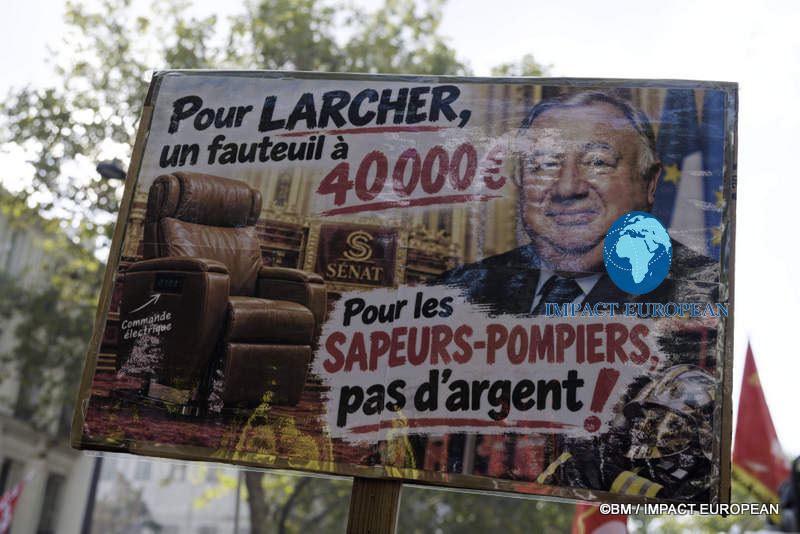
Firefighters perform one of the clearest examples of an essential public mission: when an emergency occurs, operational capacity cannot be postponed.
Their protest therefore connected pay and working conditions with a second issue — whether sufficient personnel and equipment are available when demand increases.
“We have crossed the breaking point”
Firefighter unions were received by the Interior Minister during the day.
No major immediate measures emerged from the meeting, according to the account provided by Xavier Bois, spokesman for the firefighters’ inter-union coalition.
He nevertheless described what he regarded as greater awareness within the ministry.
His warning was direct:
“We must not go through what happened this summer again, because we have crossed the breaking point.”
The statement encapsulates one of the central tensions revealed by the strike.
Public-sector employees are demanding better pay.
But in sectors exposed to emergencies or continuous demand, the argument is also about how many people are available to work, under what conditions and with what resources.
The debate therefore moves from purchasing power to the ability to perform a mission.
Schools reveal another side of the same pressure
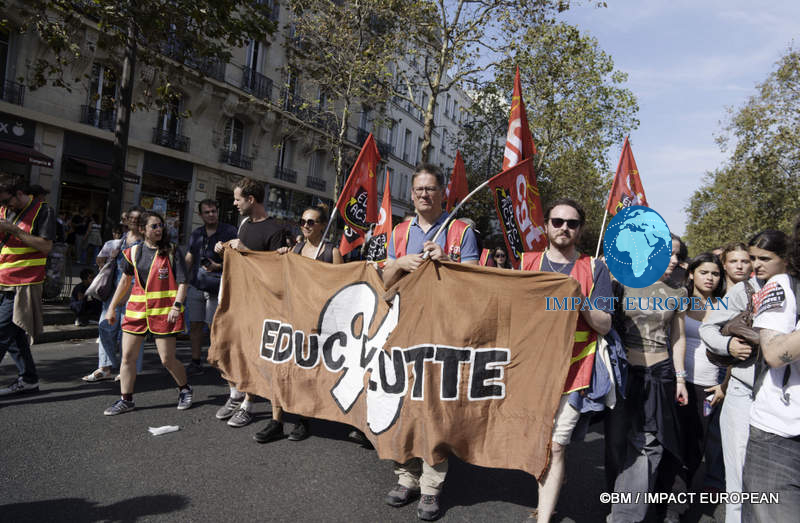
France’s education system was another major component of the strike.
According to Education Ministry figures contained in the source material, 13.71 percent of teachers were on strike.
Participation was around 15 percent in primary and middle schools, compared with 10 percent in general and technological high schools and 7.75 percent in vocational high schools.
Among school-life staff, including supervisors and senior education advisers, the strike rate exceeded 27 percent.
The figures show that participation varied considerably across the education system.
They also highlight workers who receive less public attention than teachers but whose presence is necessary for schools to operate normally.
A school requires teachers in classrooms, but also staff to supervise pupils, organise daily life and maintain the institution’s functioning.
The same relationship seen among firefighters therefore appears in another form in education: staffing is not separate from the service provided.
The strike did not affect every branch equally
Official figures also show significant differences across France’s three branches of public employment.
According to the Ministry for Public Action and Public Accounts, 9.96 percent of central government employees participated in the strike.
The figure stood at 7.25 percent for local government employees and 4.10 percent in the public hospital sector.
These numbers are important because they prevent the September 29 action from being portrayed as a uniform shutdown of France’s public sector.
It was not.
Participation varied by profession and administration.
Yet different sectors converged around questions that increasingly interacted with one another: salaries, recruitment, staffing levels, workload and funding.
A dispute over pay was becoming a debate about how public institutions function.
High-school protests develop alongside the strike
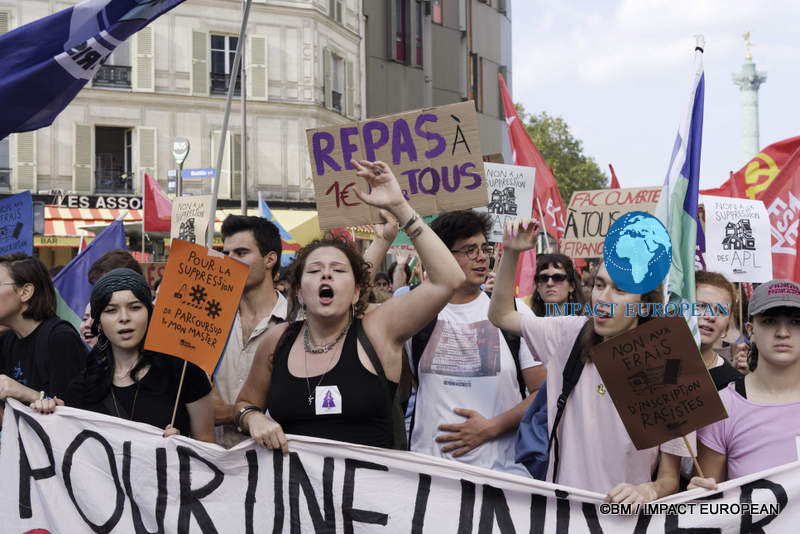
A second movement unfolded at the same time.
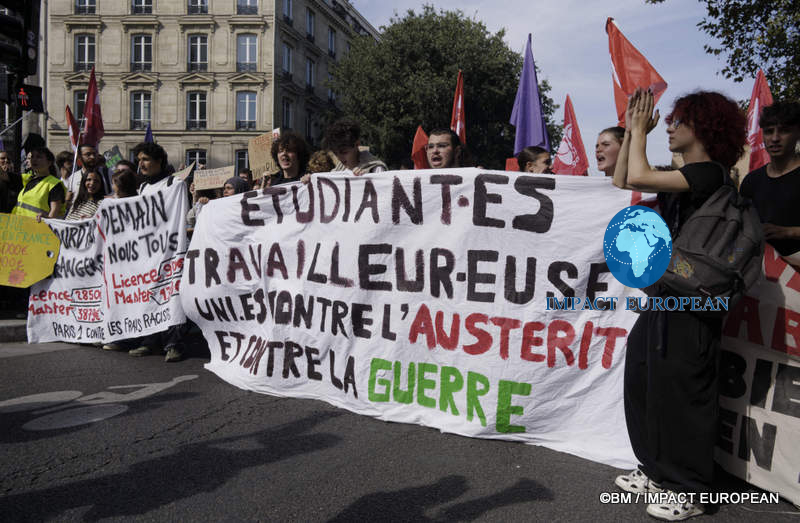
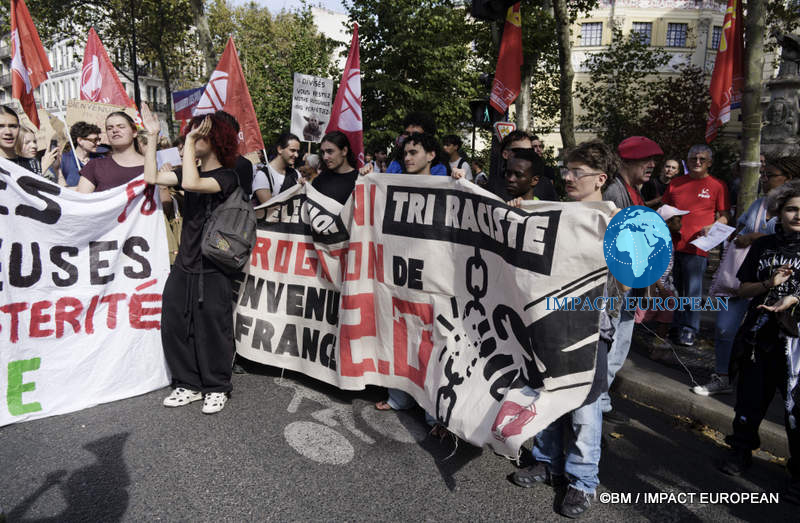
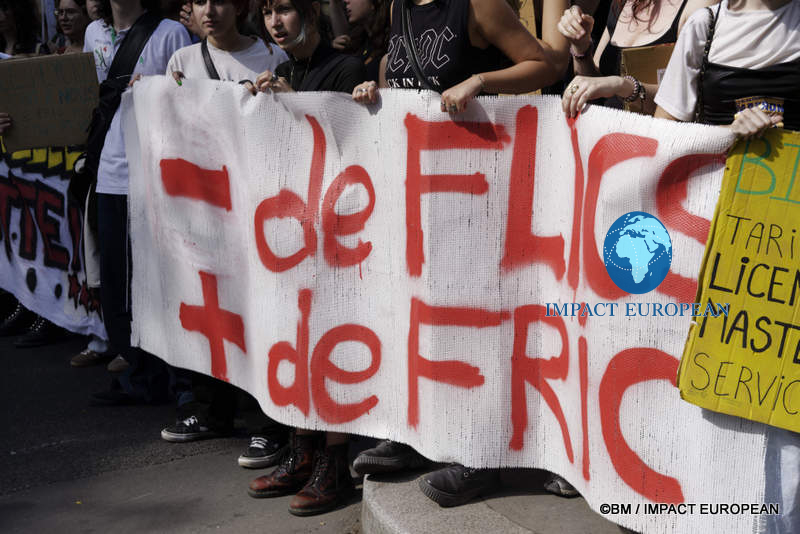
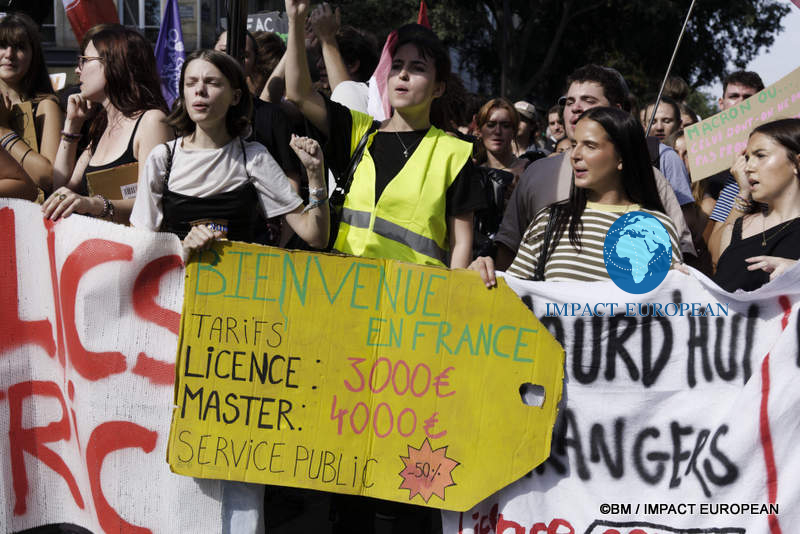
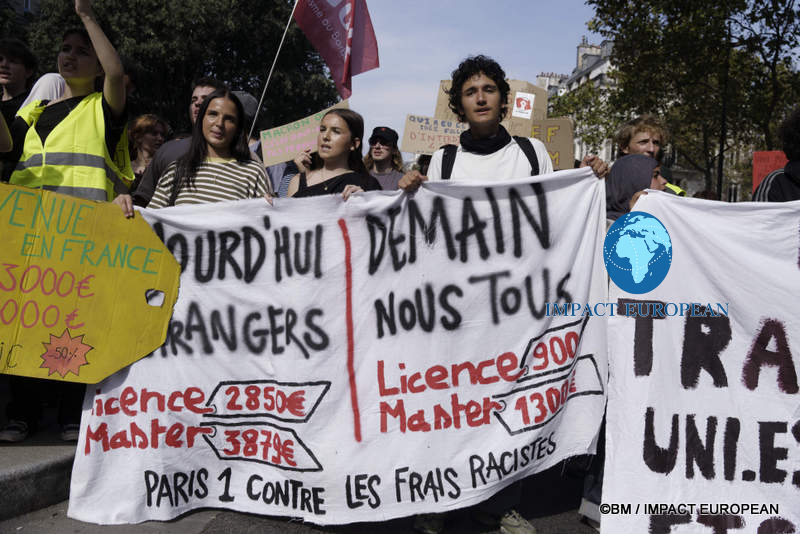
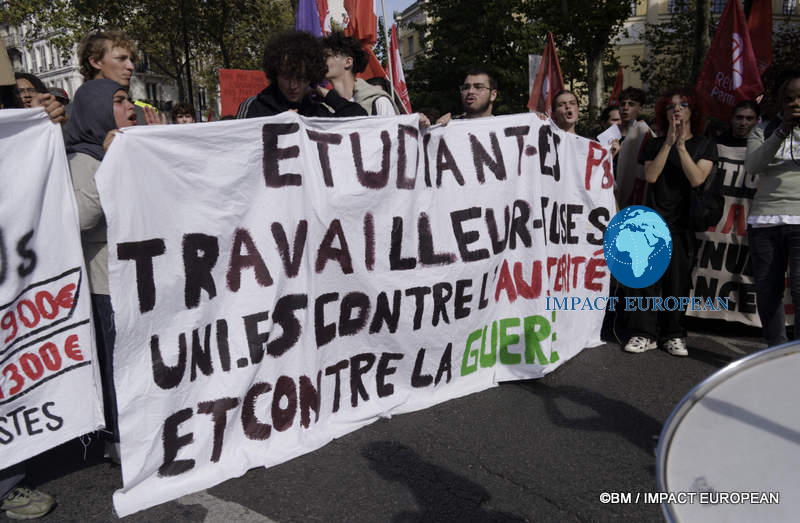
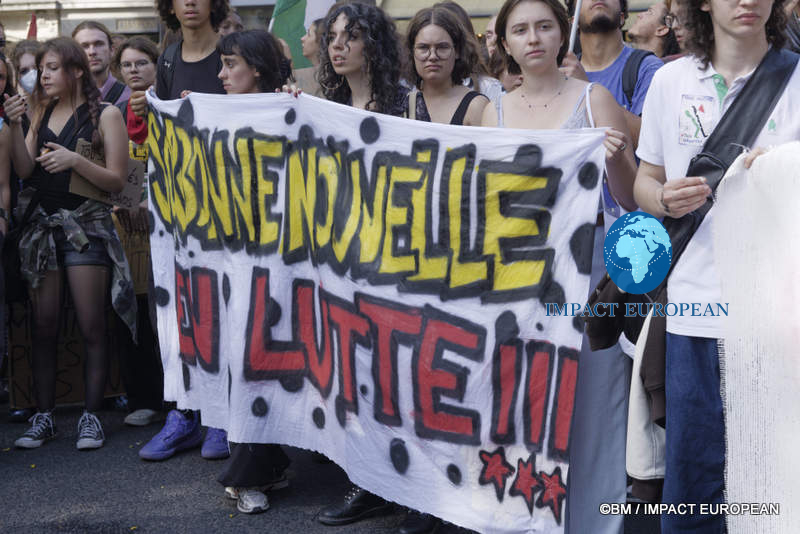
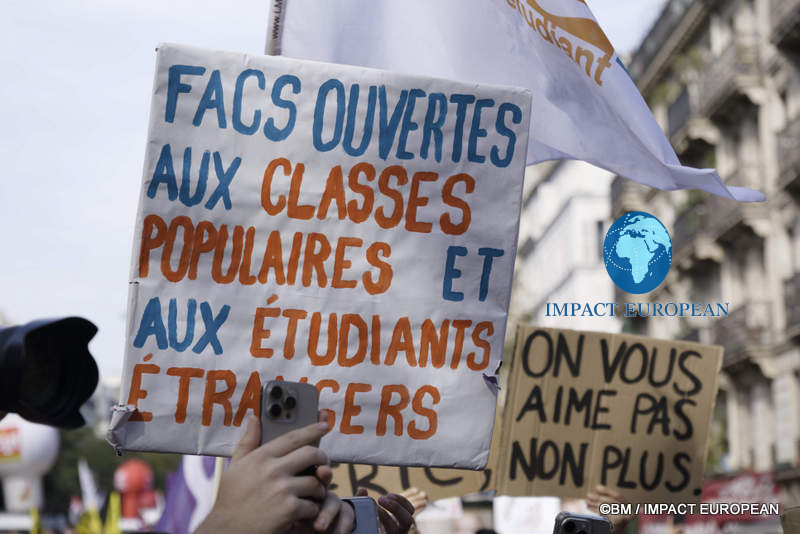
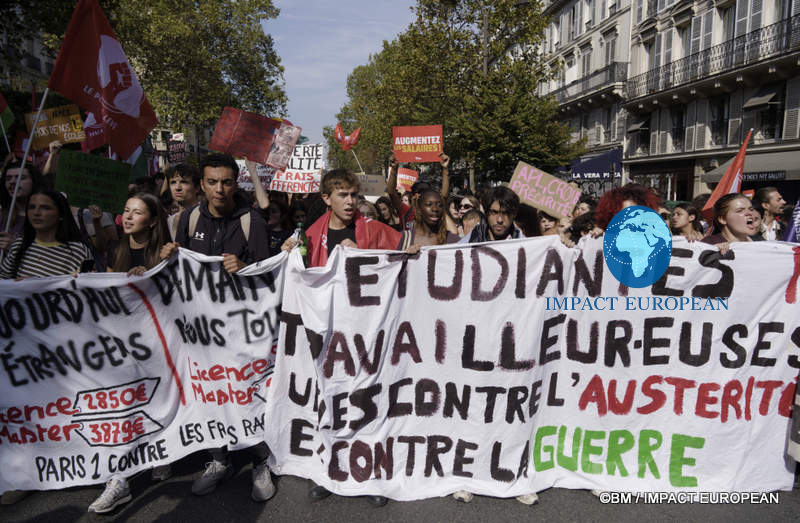
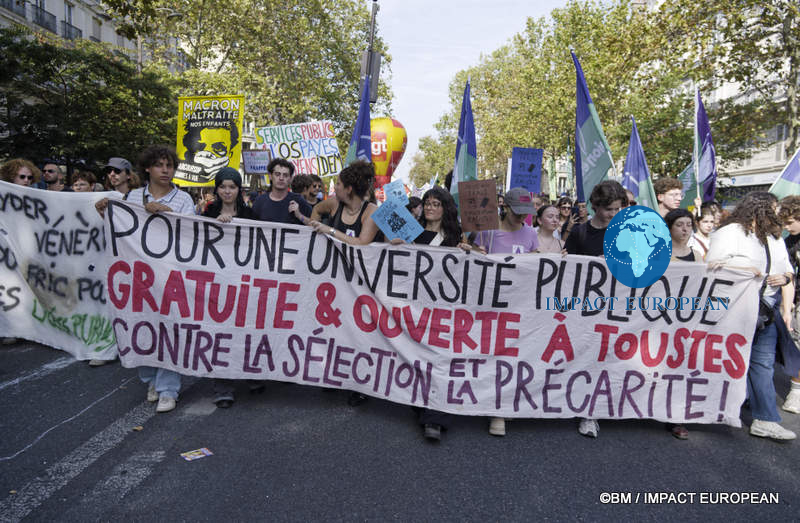
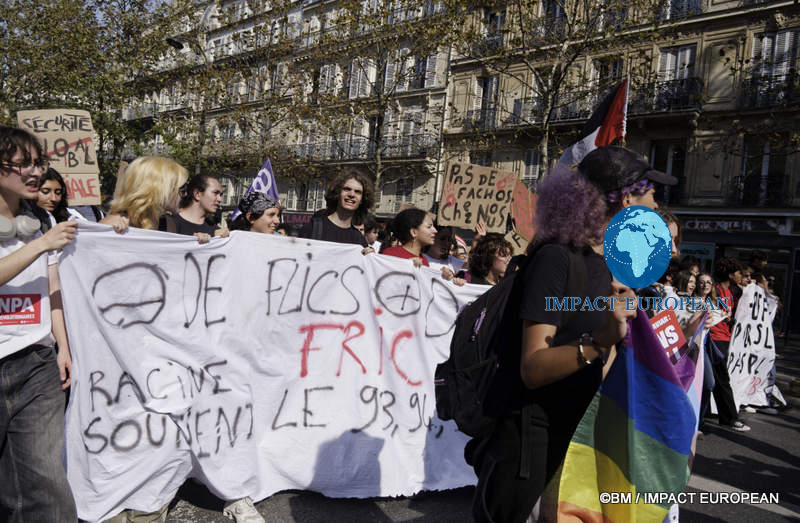
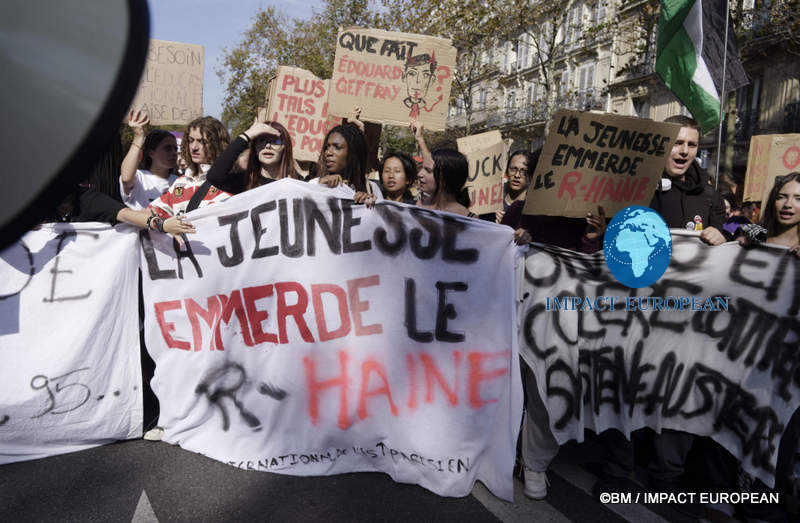
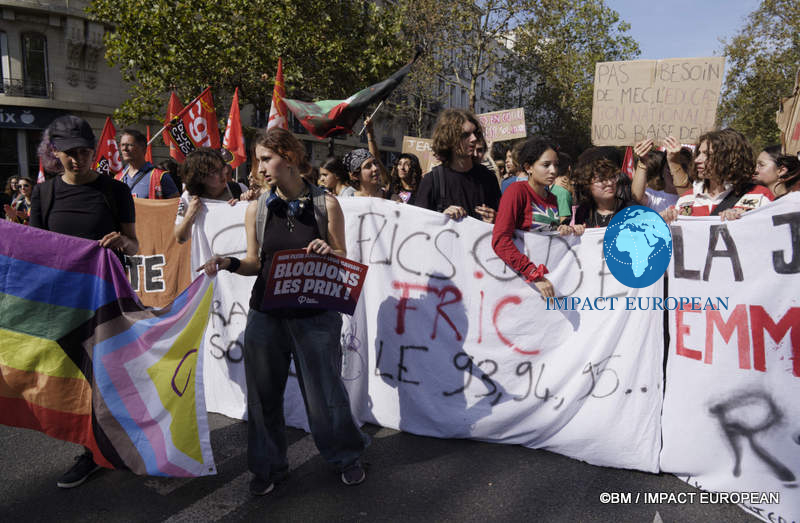
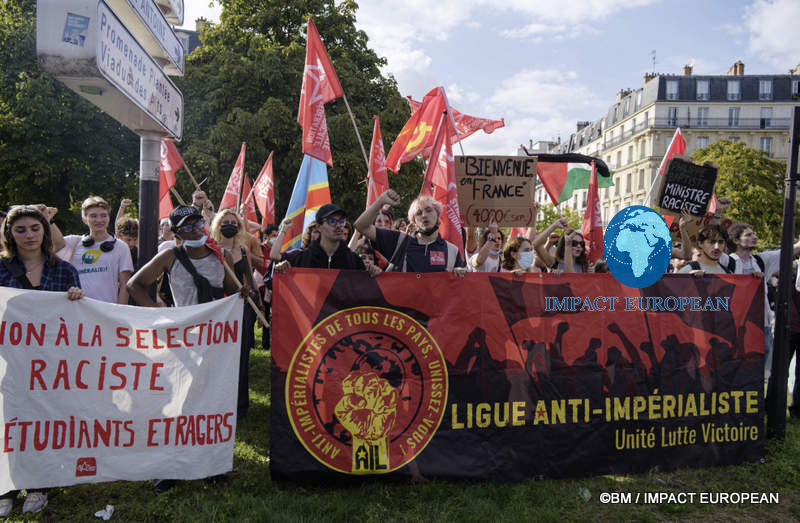
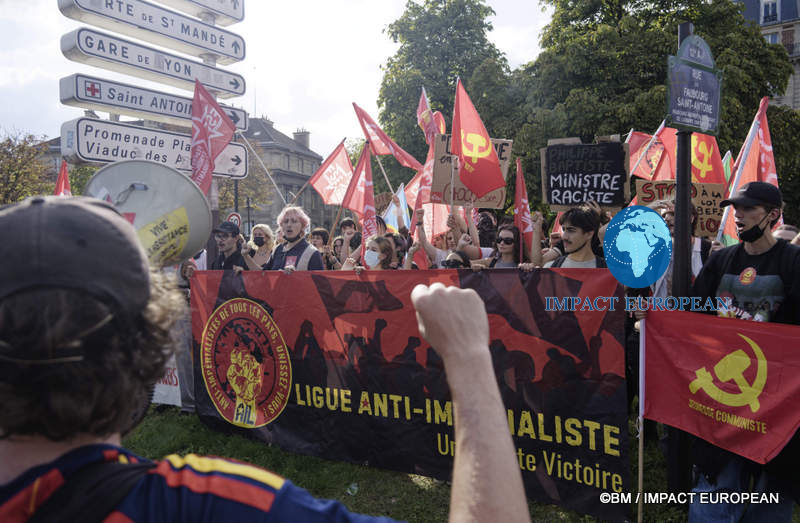
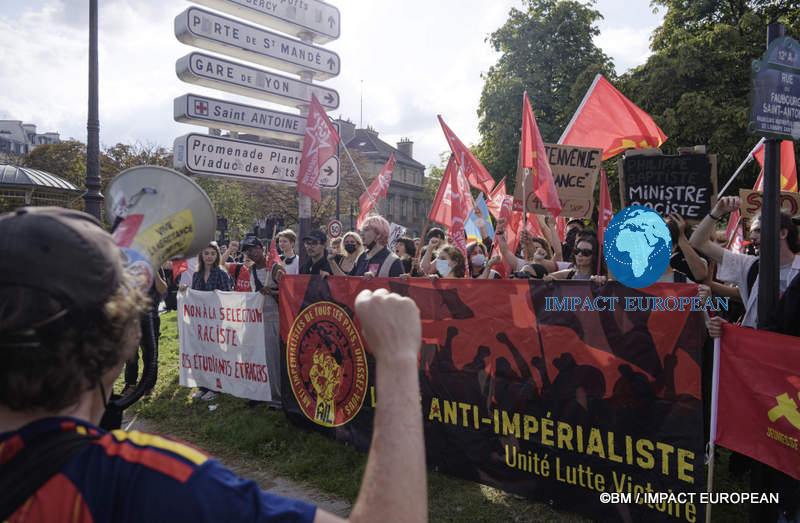
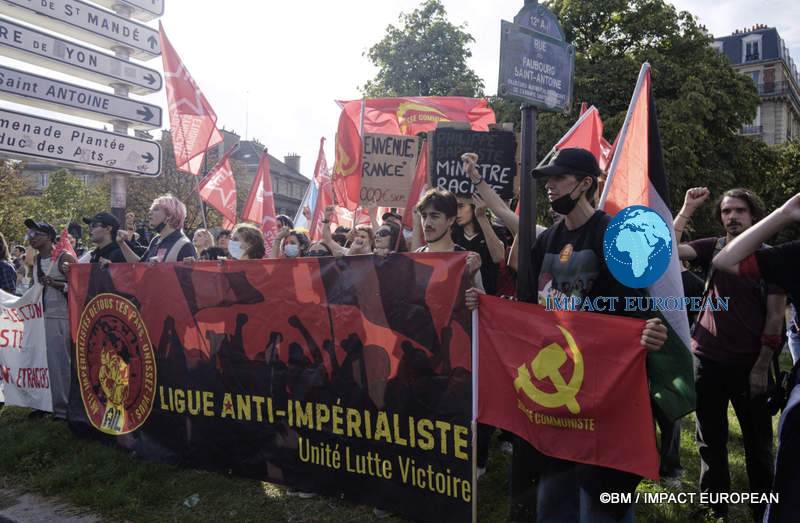
High-school students had begun protesting and blocking schools during the previous week, with actions initially concentrated in the Paris region before spreading elsewhere in France.
This movement should be distinguished from the public-sector strike.
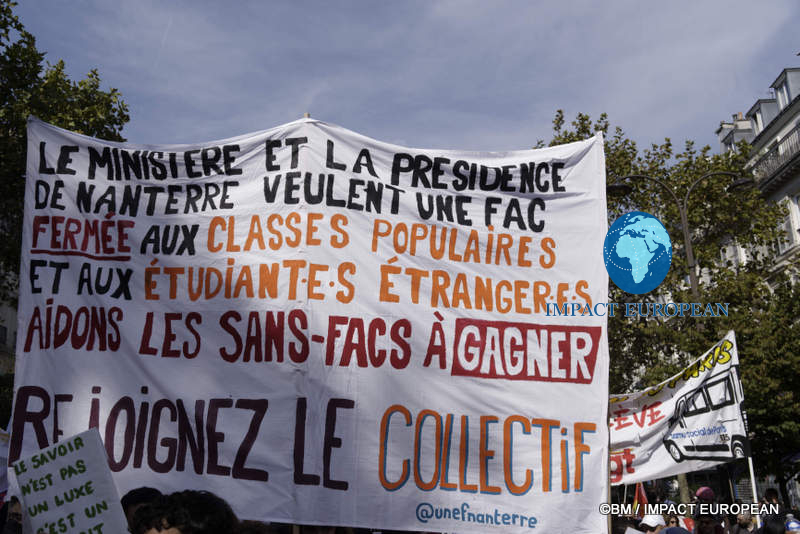
The students were not striking public employees, even though some of their concerns over education and budget cuts intersected with the broader debate surrounding public services.
By the end of September 29, 338 schools were still affected by protests or disruption.
Interior Minister Laurent Nuñez reported 440 arrests nationwide in connection with the high-school mobilisation.
The situation varied widely from one city to another.
Several hundred students gathered outside the Paul-Éluard high school in Saint-Denis. Tensions were reported in Rennes, while in Lille street furniture was damaged, bins were set on fire and objects were thrown at police, who responded with tear gas.
Schools were also blocked or disrupted in Marseille, Bordeaux, Lyon and the surrounding area.
Those confrontations formed part of the day, but they should not be used to characterise every student action.
Different professions, a common equation
A firefighter and a teacher do not perform the same job.
A central government employee does not face the same working conditions as a hospital employee.
A high-school protest is not equivalent to a public-sector strike.
Yet September 29 brought several elements of France’s social debate into the same frame.
For an employee, purchasing power begins with wages.
For a public institution, however, wages also affect recruitment and retention.
Staffing levels influence workloads.
Staffing and equipment determine how effectively a service can operate.
And each of these ultimately depends, at least in part, on budget decisions.
This creates an equation that reaches beyond the individual payslip:
pay → recruitment → staffing → working conditions → capacity to provide a public service.
That progression gives the September 29 mobilisation its wider significance.
From the streets to the budget
The demonstrations were also intended to influence the government’s forthcoming budget decisions.
According to the source material, unions want to put pressure on the government’s budget choices and carry the issue of public-sector resources into the approaching presidential campaign.
CGT general secretary Sophie Binet called for investment in public services “to prepare for the future.”
She linked the difficulties experienced during the summer to reduced hospital capacity and fewer resources for firefighters.
Those causal claims represent the CGT leader’s position in the political and budgetary debate.
The government’s choices and the effects attributed to previous spending decisions remain matters of political disagreement.
But the next stage of the dispute is clear: after the demonstrations, attention turns to public finances.
September 29 leaves a question beyond the turnout
The mobilisation may not end with this strike.
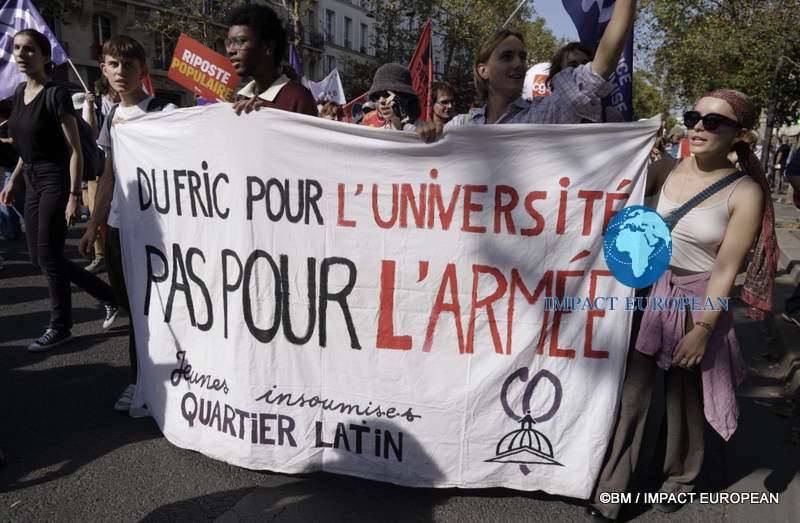
The Union étudiante and Union syndicale lycéenne have called for further action in high schools and universities, as well as a “major demonstration” on October 6.
For the public sector, the outcome will depend on what follows in negotiations and budget decisions.
The two national turnout figures — 206,000 according to the Interior Ministry and 300,000 according to the CGT — provide competing measurements of the mobilisation’s numerical strength.
But they do not capture its entire meaning.
September 29 began with purchasing power.
It moved through salaries, staffing levels, emergency resources, schools and working conditions before reaching a broader question about public policy.
How much can a society ask of its public services, and what human and financial resources is it prepared to provide so they can fulfil those expectations?
That is the question the demonstrations carried from the workplace into the streets.
©2026 IMPACT EUROPEAN – All rights reserved














Views: 2
More Stories
Pope Leo XIV in France: From Human Dignity to Europe’s Search for Peace
Route du Rhum 2026: From the Paris Stage to the Atlantic, a Race Between Ocean Passion and Planetary Urgency
Pope Leo XIV in France: A Journey from the Presidential Welcome to Encounters with the Faithful